

Insights from recent episode analysis
Audience Interest
Podcast Focus
Publishing Consistency
Platform Reach
Insights are generated by CastFox AI using publicly available data, episode content, and proprietary models.
Est. Listeners
Based on iTunes & Spotify (publisher stats).
- Per-Episode Audience
Est. listeners per new episode within ~30 days
10,001 - 25,000 - Monthly Reach
Unique listeners across all episodes (30 days)
25,001 - 75,000 - Active Followers
Loyal subscribers who consistently listen
5,001 - 15,000
Market Insights
Platform Distribution
Reach across major podcast platforms, updated hourly
Total Followers
—
Total Plays
—
Total Reviews
—
* Data sourced directly from platform APIs and aggregated hourly across all major podcast directories.
On the show
Recent episodes
Leading under pressure, Part 1
May 5, 2026
20m 55s
How to build a narrative
Apr 28, 2026
16m 17s
Why AI isn't taking your communications job
Apr 21, 2026
17m 20s
In defence of the spoken word
Apr 14, 2026
12m 39s
How to combat misinformation
Apr 7, 2026
16m 29s
Social Links & Contact
Official channels & resources
Official Website
Login
RSS Feed
Login
| Date | Episode | Description | Length | ||||||
|---|---|---|---|---|---|---|---|---|---|
| 5/5/26 | 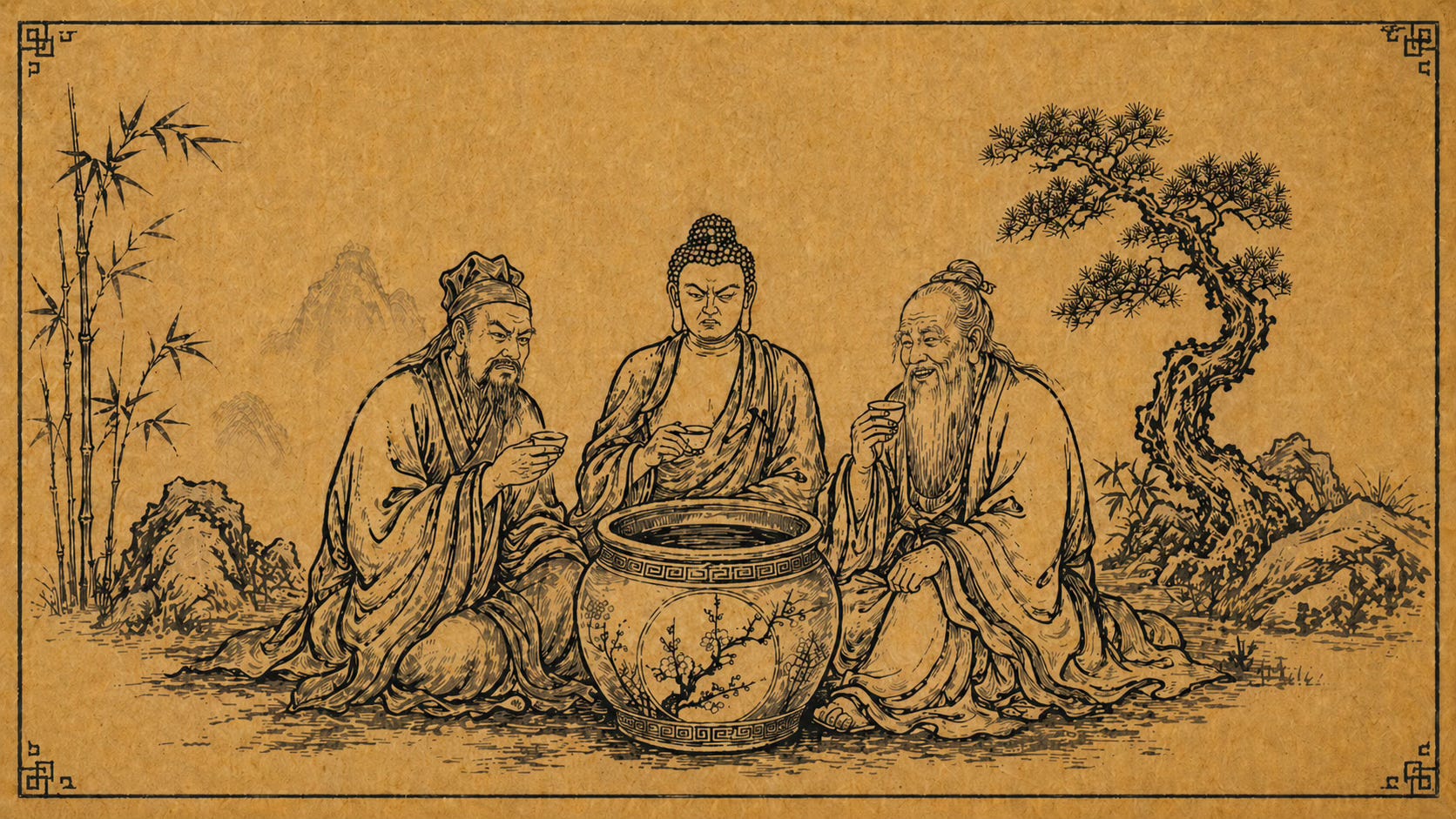 Leading under pressure, Part 1 Leading under pressure, Part 1 | What can a traditional Chinese painting, an Austrian psychologist, and a Roman Emperor teach communications leaders about how to manage personal resilience?Recognising you have more power to choose your response to events than you might think can be a powerful and liberating insight that boosts personal resilience and performance. This is a public episode. If you would like to discuss this with other subscribers or get access to bonus episodes, visit simonbaugh.substack.com | 20m 55s | ||||||
| 4/28/26 |  How to build a narrative How to build a narrative | Leaders generally want to communicate inside-to-out. They begin with the messages they want to tell people. Then wonder why nobody seems especially interested.A narrative is different. It is a carefully structured argument rooted in what your audience cares about. It helps people understand you and the world differently.Here's how to build one. This is a public episode. If you would like to discuss this with other subscribers or get access to bonus episodes, visit simonbaugh.substack.com | 16m 17s | ||||||
| 4/21/26 |  Why AI isn't taking your communications job Why AI isn't taking your communications job | At one level it's straightforward. We recently invented a technology that creates language at almost zero cost. We employ people who write for us. Therefore, the new technology will replace those workers.I have no doubt that AI is going to profoundly change communication roles. But replace us altogether? The more I work with AI the more I doubt this will be the case. At least, not for a while yet.Here’s why. This is a public episode. If you would like to discuss this with other subscribers or get access to bonus episodes, visit simonbaugh.substack.com | 17m 20s | ||||||
| 4/14/26 |  In defence of the spoken word In defence of the spoken word | Writing created the modern world. But today do we overestimate the importance of writing and overuse it.It's worth remembering the limits of writing and the extraordinary power of speech. And it’s worth considering that in a world of abundant text, in-person persuasion may have become more valuable still. This is a public episode. If you would like to discuss this with other subscribers or get access to bonus episodes, visit simonbaugh.substack.com | 12m 39s | ||||||
| 4/7/26 |  How to combat misinformation How to combat misinformation | Measles is back. Not because we lack a vaccine, but because we lack immunity to misinformation.So how should we as communications leaders respond?We vaccinate against measles because prevention works better than cure. We should be applying the same logic to our information environment.Pre-bunking measurably improves people’s ability to spot misinformation and reduces their propensity to share it. This is a public episode. If you would like to discuss this with other subscribers or get access to bonus episodes, visit simonbaugh.substack.com | 16m 29s | ||||||
| 3/31/26 |  Where do MPs get their news? Where do MPs get their news? | Where do Members of Parliament get their news? Which social media, news sites, and podcasts do they consume? And which AI tools do they use? A new report reveals all. This is a public episode. If you would like to discuss this with other subscribers or get access to bonus episodes, visit simonbaugh.substack.com | 11m 30s | ||||||
| 3/24/26 |  How to run a pre-mortem How to run a pre-mortem | Most communications teams do risk management in ways that suppress candour, reward optimism and miss the things that actually bring a project down.The pre-mortem takes a different approach. Instead of asking “What could go wrong?”, it asks: “Imagine it is 12 months from today. The project has failed badly. Why?”This small shift in framing has a big effect on the conversation. This is a public episode. If you would like to discuss this with other subscribers or get access to bonus episodes, visit simonbaugh.substack.com | 15m 31s | ||||||
| 3/17/26 |  Winning Strategies, Pt 5: Harness Distrust Winning Strategies, Pt 5: Harness Distrust | The Harness Distrust strategy doesn’t see a lack of trust as a problem to solve, but a fuel to burn.For insurgents and challenger brands, tapping into grievance against the status quo is becoming the archetypal communications strategy. Rather than seeking to win over the establishment, they are promoting their own agenda by railing against it.Any challenger brand should be thinking about whether they can use it to their advantage. And any legacy brand should be war-gaming how it might be used against them. This is a public episode. If you would like to discuss this with other subscribers or get access to bonus episodes, visit simonbaugh.substack.com | 17m 20s | ||||||
| 3/10/26 |  Winning Strategies, Pt 4: Demonstrate trust Winning Strategies, Pt 4: Demonstrate trust | Is it the job of a communications professional to ‘persuade’ people, or is it to ‘inform’ people?In a low-trust environment, where even the appearance of self-interested persuasion can be counterproductive, this has become a false choice.When trust in politics, the media and business has declined rapidly, the winning strategy may be to be disarmingly, demonstrably and visibly trustworthy. This is the Transparency Playbook. This is a public episode. If you would like to discuss this with other subscribers or get access to bonus episodes, visit simonbaugh.substack.com | 17m 50s | ||||||
| 3/3/26 |  Winning Strategies, Pt 3: Co-create Trust Winning Strategies, Pt 3: Co-create Trust | Co-creating trust is not about convincing people you are right, but about giving them a seat at the table.The principle is simple. People are more likely to trust something they have helped to create, and they’re less likely to attack something shaped by their participation.Done well, it creates not just a more informed audience, but advocates who will defend, promote and trust your organisation. This is a public episode. If you would like to discuss this with other subscribers or get access to bonus episodes, visit simonbaugh.substack.com | 18m 51s | ||||||
Want analysis for the episodes below?Free for Pro Submit a request, we'll have your selected episodes analyzed within an hour. Free, at no cost to you, for Pro users. | |||||||||
| 2/24/26 |  Winning Strategies, Pt 2: Borrow Trust Winning Strategies, Pt 2: Borrow Trust | The Borrow Trust strategy. If you want reach and credibility, then work with those who already have it. Build partnerships with credible voices who share your goals and values and command your audience’s attention and trust.The same media fragmentation that makes it difficult to cut through with traditional channels, has also created an opening: thousands of micro-communities with trusted messengers.By partnering with those messengers you can create great content for them, relevant messages for their audience, and increased trust, reach and attention for your brand. And that is our second Winning Strategy. This is a public episode. If you would like to discuss this with other subscribers or get access to bonus episodes, visit simonbaugh.substack.com | 16m 16s | ||||||
| 2/17/26 |  Winning Strategies, Pt 1: Earn Trust Winning Strategies, Pt 1: Earn Trust | In this series, I’m looking at five ways organisations are responding to our changed information environment and modernising their communications operations to build trust.This first episode is the Delivery Playbook.It is a strategy built on the insight that in a world of abundant content and fragmented attention trust can be built, through local, relevant, and useful experiences.It is transforming how UK Government is thinking about communicating with a sceptical public. This is a public episode. If you would like to discuss this with other subscribers or get access to bonus episodes, visit simonbaugh.substack.com | 15m 05s | ||||||
| 2/10/26 |  How to build trust How to build trust | When you aren’t trusted, even your best decisions won’t cut through.This episode looks at why trust matters, why it is eroding across government, business and media, and what the evidence tells us about how trust is built.It also sets up a harder question: how do you build trust when almost every feature of today’s information environment works against you? This is a public episode. If you would like to discuss this with other subscribers or get access to bonus episodes, visit simonbaugh.substack.com | 13m 52s | ||||||
| 2/3/26 |  Beyond the hype: Five practical AI actions for communications leaders Beyond the hype: Five practical AI actions for communications leaders | This episode looks at five practical AI actions communications leaders should focus on this year: How to understand what AI is saying about you, train an AI model, use AI for dialogue not output, scale AI tools successfully, and prepare for an AI deepfake crisis. This is a public episode. If you would like to discuss this with other subscribers or get access to bonus episodes, visit simonbaugh.substack.com | 18m 17s | ||||||
| 1/29/26 |  BONUS: Why you should read Dario Amodei's article on AI alignment BONUS: Why you should read Dario Amodei's article on AI alignment | Dario Amodei is the CEO and founder of the AI company Anthropic. When I was in Government Communications we chose Anthropic’s Claude large language model as our AI tool of choice, partly because we felt Anthropic took AI safety and security seriously.So I was interested to read an essay Dario has just published on confronting AI safety and risks.And having done so I want to strongly recommend it to you too. It is long, and knowing that people are time poor, I thought it might be helpful to share two short excerpts in full here. I hope they illustrate why I found the full article unsettling, even hair-raising, at times. This is a public episode. If you would like to discuss this with other subscribers or get access to bonus episodes, visit simonbaugh.substack.com | 17m 57s | ||||||
| 1/27/26 |  Why is communications so difficult today? Pt 4: AI Transformers, Rise of the Machines Why is communications so difficult today? Pt 4: AI Transformers, Rise of the Machines | In this, the last of my series on how our media and information environment has changed, I look at AI and what it means for the future of communications.Thanks for listening to Cut Through! please subscribe for free to receive new episodes and support my work. This is a public episode. If you would like to discuss this with other subscribers or get access to bonus episodes, visit simonbaugh.substack.com | 22m 49s | ||||||
| 1/20/26 |  Why is communications so difficult today? Pt 3: The age of the algorithm Why is communications so difficult today? Pt 3: The age of the algorithm | The central argument of Cut Through! is that our information environment has changed more quickly than our communications practice. To catch up, we need to understand what has changed and why. In this series I have argued that our information environment has become more: Democratised, Fragmented, Abundant, Corroded, and Concentrated.Episode 3 looks at a change that was hardly noticed by social media users when it was introduced back in 2010, but which would fundamentally alter how we consume information, perhaps even how we perceive reality. This is a public episode. If you would like to discuss this with other subscribers or get access to bonus episodes, visit simonbaugh.substack.com | 18m 36s | ||||||
| 1/13/26 | 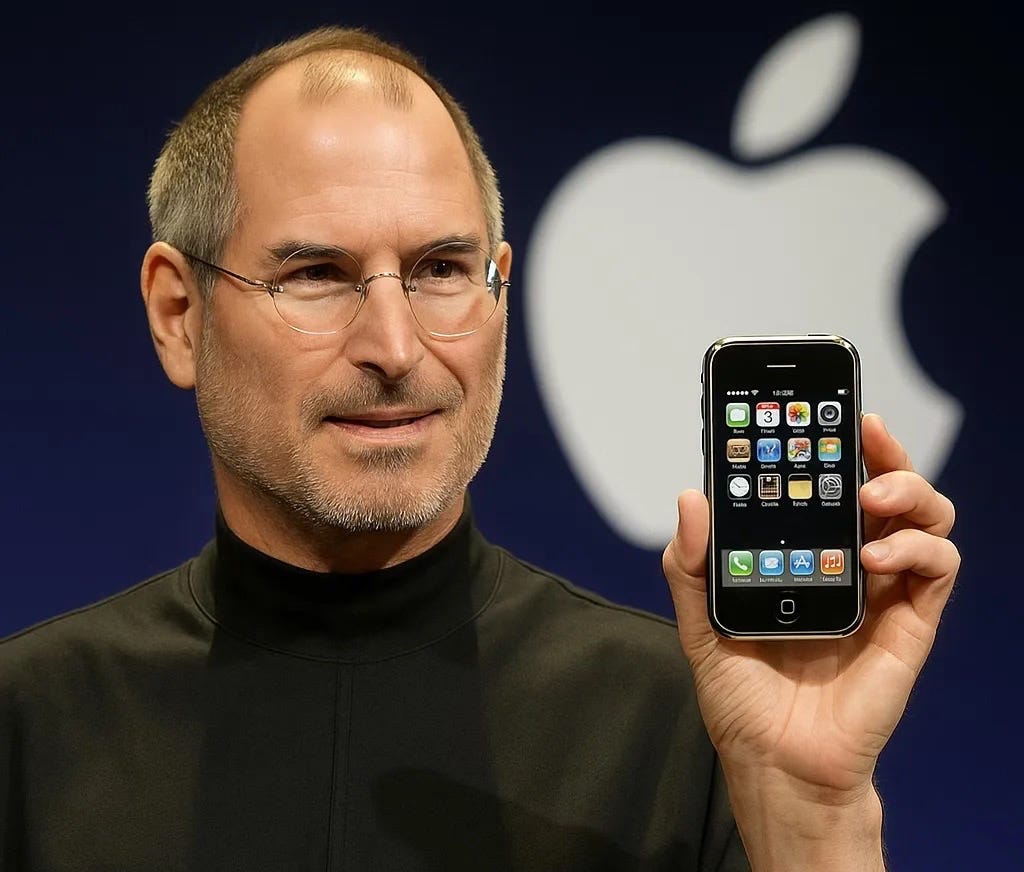 Why is communications so difficult today? Pt 2: The start of the scroll Why is communications so difficult today? Pt 2: The start of the scroll | The central argument of Cut Through! is that our information environment has changed more quickly than our communications practice. To catch up, we need to understand what has changed and why.Our information environment has become more democratised, fragmented, abundant, corroded and concentrated.In this episode we look at two product launches from the 2000s - Facebook and the iPhone - and the consequences for communicators today. This is a public episode. If you would like to discuss this with other subscribers or get access to bonus episodes, visit simonbaugh.substack.com | 16m 29s | ||||||
| 1/6/26 |  Why is communications so difficult today? Pt 1: The Wizards of Menlo Park Why is communications so difficult today? Pt 1: The Wizards of Menlo Park | Why does communication feel so difficult today? Our information environment has changed more quickly than our communications practice. To catch up, we need to explore what has changed and why. Over the next four weeks, Cut Through! explores how communications has changed through the stories of four technological breakthroughs that reshaped our world: Google Search; the iPhone; the Facebook News Feed; and AI.This is Part 1: The Wizards of Menlo Park This is a public episode. If you would like to discuss this with other subscribers or get access to bonus episodes, visit simonbaugh.substack.com | 14m 54s | ||||||
| 12/23/25 |  A Christmas Carol for Communicators A Christmas Carol for Communicators | Christmas isn’t Christmas until you’ve listened to at least one version of Charles Dickens' A Christmas Carol.Here is my humble contribution to the genre…and a cautionary tale for communicators. This is a public episode. If you would like to discuss this with other subscribers or get access to bonus episodes, visit simonbaugh.substack.com | 13m 33s | ||||||
| 12/16/25 |  What should Keir Starmer learn from Trump's communication? What should Keir Starmer learn from Trump's communication? | In my final months leading UK Government Communications, people often asked me whether Keir Starmer’s communication should be more like Donald Trump’s.So what are the lessons for government and communicators from how Donald Trump deals with the media and communicates with the American public? This is a public episode. If you would like to discuss this with other subscribers or get access to bonus episodes, visit simonbaugh.substack.com | 10m 18s | ||||||
| 12/9/25 |  Lessons from Agent Garbo: the Spanish chicken farmer who tricked the Nazis Lessons from Agent Garbo: the Spanish chicken farmer who tricked the Nazis | An important skill for any communications leader is presenting ideas with confidence. Yet most of us feel nervous when doing so. Maybe we even have a voice in our head telling us the audience is going to see through us.In this episode of Cut Through!, I explore what a Spanish chicken farmer who fooled the Nazi High Command can teach us about presenting with confidence and I explain why you should be more confident than you feel. This is a public episode. If you would like to discuss this with other subscribers or get access to bonus episodes, visit simonbaugh.substack.com | 14m 56s | ||||||
| 12/2/25 |  Ten behavioural science principles every communicator should know ranked Ten behavioural science principles every communicator should know ranked | The number one rule of great communications is: know your audience. Yet most communicators still design messages for how they wish people thought, not how they actually do.Decades of behavioural science research reveal that most human decisions are fast, emotional and unconscious - so why are so many communications campaigns still written for the slow, logical brain?Here are ten behavioural science principles every communicator should know. This is a public episode. If you would like to discuss this with other subscribers or get access to bonus episodes, visit simonbaugh.substack.com | 19m 50s | ||||||
| 11/25/25 |  Why you don't see reality (and what this means for communicators) Why you don't see reality (and what this means for communicators) | We like to think of ourselves as rational beings. Being "emotional" can even be a term of abuse, but the truth is human beings do not make decisions by weighing up the pros and cons of each option. We rely on mental shortcuts known as heuristics which let us make decisions quickly but also introduce predictable biases. In a high-speed media market, the competition for attention is being won by communicators who know how to harness these dynamics. This is a public episode. If you would like to discuss this with other subscribers or get access to bonus episodes, visit simonbaugh.substack.com | 12m 01s | ||||||
| 11/18/25 |  How prepared are you for a crisis? How prepared are you for a crisis? | How prepared are you for a crisis? I have led the communications response to plane crashes, terrorist attacks, bankruptcies, riots and wars. Yet every time a crisis hits, I still get a sinking feeling in my stomach and a taste of adrenaline in my mouth. However prepared you think you are, you know that this is the moment when communication matters most and your skills are going to be tested to the limit.In this episode, I explore five steps for an off-the-shelf crisis plan. This is a public episode. If you would like to discuss this with other subscribers or get access to bonus episodes, visit simonbaugh.substack.com | 16m 02s | ||||||
Showing 25 of 28
Sponsor Intelligence
Sign in to see which brands sponsor this podcast, their ad offers, and promo codes.
Chart Positions
3 placements across 3 markets.
Chart Positions
3 placements across 3 markets.