
Insights from recent episode analysis
Audience Interest
Podcast Focus
Publishing Consistency
Platform Reach
Insights are generated by CastFox AI using publicly available data, episode content, and proprietary models.
Most discussed topics
Brands & references
Est. Listeners
Insufficient chart data. Estimates will improve as the show charts.
- Per-Episode Audience
Est. listeners per new episode within ~30 days
N/A🎙 ~2x weekly·17 episodes·Last published 2d ago - Monthly Reach
Unique listeners across all episodes (30 days)
N/A - Active Followers
Loyal subscribers who consistently listen
N/A
Market Insights
Platform Distribution
Reach across major podcast platforms, updated hourly
Total Followers
—
Total Plays
—
Total Reviews
—
* Data sourced directly from platform APIs and aggregated hourly across all major podcast directories.
On the show
From 10 epsHosts
Not detected.
Recent guests
Recent episodes
A litmus test for what to automate and what stays human
Jun 25, 2026
Unknown duration
Why deflection is the wrong metric for AI in customer success
Jun 11, 2026
Unknown duration
Why outages might actually be your biggest CX opportunity
May 28, 2026
Unknown duration
Why CS Playbooks Are Failing Your Team
May 14, 2026
Unknown duration
How OpenAI won the AI race through experience design, not the model
Apr 9, 2026
23m 33s
Social Links & Contact
Official channels & resources
Official Website
Login
RSS Feed
Login
| Date | Episode | Topics | Guests | Brands | Places | Keywords | Sponsor | Length | |
|---|---|---|---|---|---|---|---|---|---|
| 6/25/26 |  A litmus test for what to automate and what stays human | Jose Jordan keeps a simple litmus test for automation. Payments and balance checks belong in self-service, while complex, multifaceted calls go to a human who can audit the account and explain what happened. As more gets automated, the calls that remain demand sharper, more knowledgeable agents.Jose, Director of Customer Service at Curacao, tells Rob Dwyer how mirroring a frustrated caller's words almost verbatim softens their tone, why a hands-on training week builds agent confidence, and how explaining the why behind every change earns real buy-in.Topics discussed:Mirroring a caller's words to de-escalate emotionA litmus test for what to automateA hands-on training week before agents hit the floorExplaining the why to build accountability without fearWhy service agents now act as account investigatorsDelegating instead of trying to be an atlasGiving teams room to make mistakes safelyBuilding credit access for underserved retail customersListen to more episodes: Apple Spotify YouTube | — | ||||||
| 6/11/26 |  Why deflection is the wrong metric for AI in customer success | Deploy AI to solve one problem the wrong way and it can create more problems for your business. Rebecca Holland, Founder at GTM RH Advisory and VP of Global Customer Success at Vimeo, has worked through five acquisitions. She explains what always breaks in customer success during a merger, and why customers do not care that you just got acquired.She makes the case for customer success as a revenue engine, why deflection makes her stomach turn, and how repurposing people the way IKEA did turns automation into new revenue. Let AI handle the slog, she says, but never outsource your brain.Topics discussed: Why deflection is the wrong customer success metricWhat always breaks in customer success during acquisitionsTreating customer success as a revenue engine, not costUsing AI to unify disparate customer data systemsThe three tests every AI tool must passRepurposing specialized people into new revenue, like IKEAWriting playbooks for 80%, leaving 20% for nuanceResourcing AI adoption with an internal enablement specialist | — | ||||||
| 5/28/26 |  Why outages might actually be your biggest CX opportunity | Drew Candres built support organizations where a single tweet on a Saturday night could move a market 10% and flood your queues while the rest of the world slept. Now as VP of Customer Experience at GameChanger, he's applying those same instincts to a completely different emotional context: parents trying to capture their kids' first home run. The contrast makes for one of the more grounded and honest conversations about what it actually takes to build CX operations that hold up when things go sideways.One of the sharpest observations in this episode: some of his highest CSAT scores, across every company he's worked for, came on outage days. When handled well, those days produced scores around 50% above the average. His argument is that customers already know things break. How you handle it is the only thing they're actually judging.Topics Discussed:Why containment rate is a meaningless metric and what it actually measuresManual support as the most expensive technical debt a scaling startup can carryThe two-step framework for deciding what to automate and what to fix firstRate of change in inbound volume as an early warning system no platform has fully solvedWhy data alone doesn't move product teams, and the storytelling structure that doesEmbedding proactive support into the build process through phased rollouts and power user cohortsWhy CX foundation work must come before executive headcount, not afterWhy emotional connection becomes the primary differentiator as AI compresses product advantages | — | ||||||
| 5/14/26 |  Why CS Playbooks Are Failing Your Team | Most CS leaders respond to scale pressure by automating SMB and protecting enterprise. Leana Hart, Director of Customer Success at Axon, thinks that binary is costing companies on both ends — and she's spent her career managing the full spectrum, from SMB through Fortune 500 enterprise, to prove it.In this episode, Leana gets specific: the account tiering logic she actually uses, why she thinks the playbook-first approach backfires, and the question she teaches her team to ask customers that surfaces renewal risk faster than any health score.Topics discussed:Why ARR-based segmentation misses influential smaller accounts and underweights expansion potential in the SMB tierThe 4-signal churn indicator Lena uses to identify at-risk accounts within a high-volume book: support ticket volume, webinar attendance, call recency, and 90-day product adoption trendWhy rigid playbooks create noise rather than behavior, and what she builds instead to get CSMs thinking criticallyHow quarterly portfolio reviews convert individual CSM wins into trackable revenue impact ahead of QBRs and annual reviewsThe direct renewal-readiness question she asks customers mid-cycle, and how to read the hesitation in that answer before it becomes a lost dealWhy SMB retention is structurally worse than enterprise, and the specific investment gap on both sides that drives itWhere tools like Claude and Cursor are already changing what CSMs can do with customer data, and the skill gap preventing most teams from getting thereWhy project management is the most under-hired and under-trained skill in CS, especially as enterprise account complexity growsListen to more episodes: Apple Spotify YouTube | — | ||||||
| 4/9/26 |  How OpenAI won the AI race through experience design, not the model✨ | NPS without decision pairingcognitive load framework+4 | Vishal Anam | OpenAIDatamatics+5 | — | — | — | 23m 33s | |
| 3/12/26 | 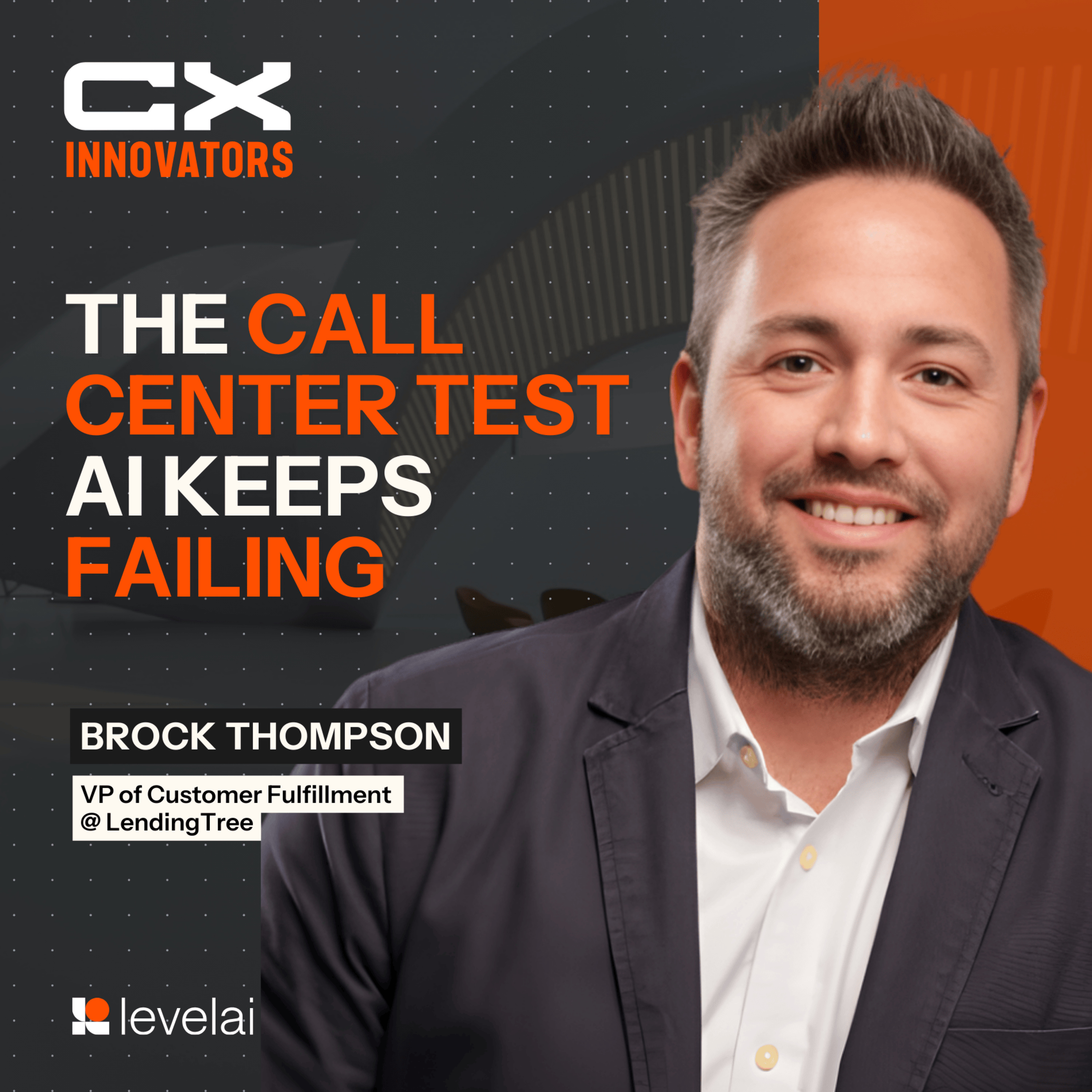 Means, motive, and opportunity: why LendingTree uses a crime framework to train CX empathy✨ | three-part stickiness frameworkAI business case+6 | Brock Thompson | LendingTree AI voice productLendingTree+1 | — | customer experienceAI voice product+3 | — | 34m 04s | |
| 2/26/26 |  How one IVR change eliminated 2.7 million inbound calls a year✨ | AI implementationcustomer experience+4 | Wes Dudley | CX All-StarsAshley Furniture+5 | — | CXcall volume+2 | — | 29m 11s | |
| 2/5/26 |  From 40-minute wait times to under 60 seconds without adding headcount | Allan Harari✨ | Cutting average handle time from 11+ minutes to 7 minutes through technology and contact center hygieneRecovering 10% capacity by reducing lunch breaks from 60 to 30 minutes with proper scheduling+1 | Allan Harari | workforce management systemsquality assurance platforms+4 | — | — | — | 27m 16s | |
| 1/22/26 | 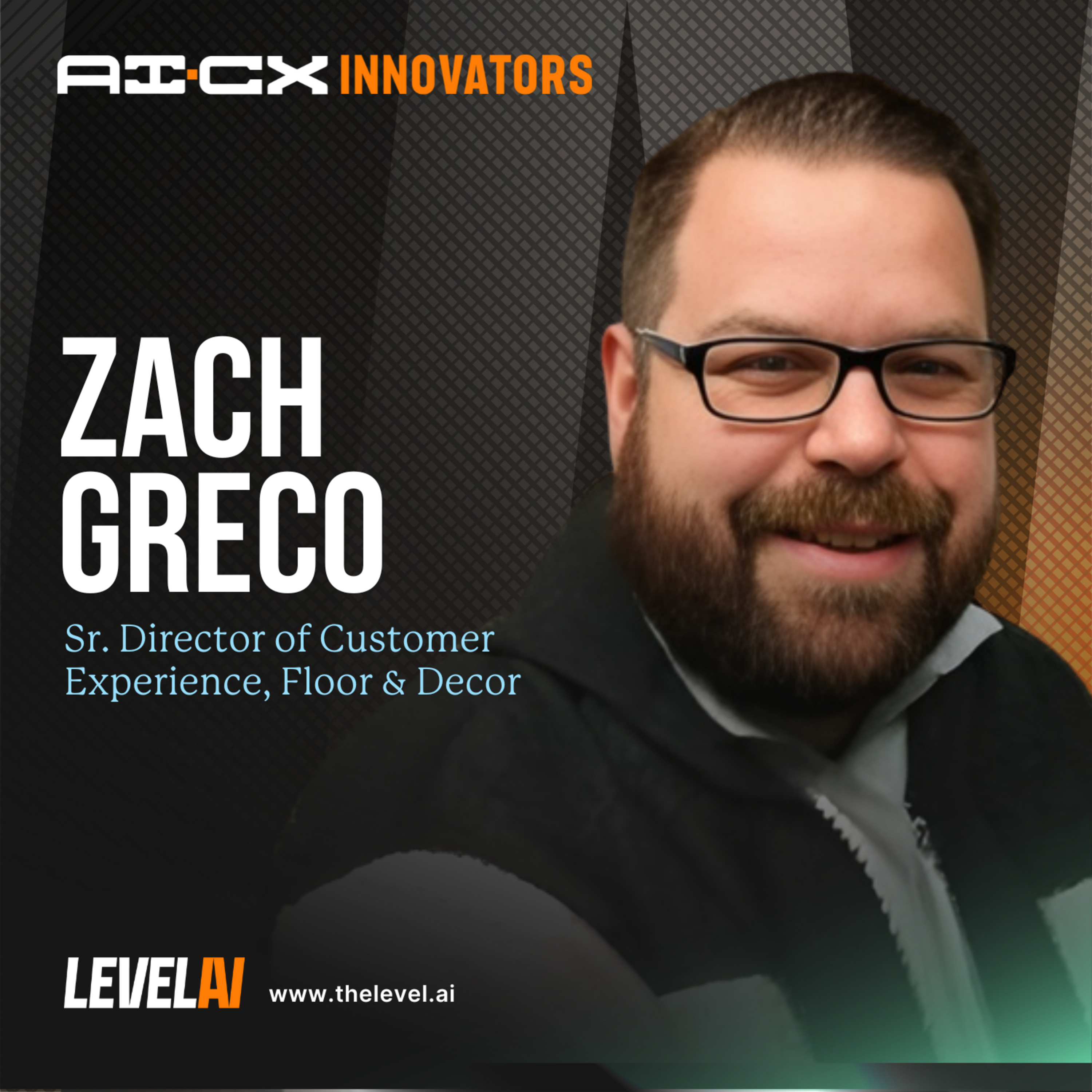 Case age over handle time: The metric that actually improved NPS, CSAT, and customer spend | Zach Greco✨ | Case age reduction as the primary driver of NPS, CSAT, and customer lifetime valueTraining AI chatbots exclusively on indexed company content to eliminate hallucinations+1 | Zach Greco | AI knowledge basesCRM workflow+3 | — | — | — | 45m 36s | |
| 12/4/25 | 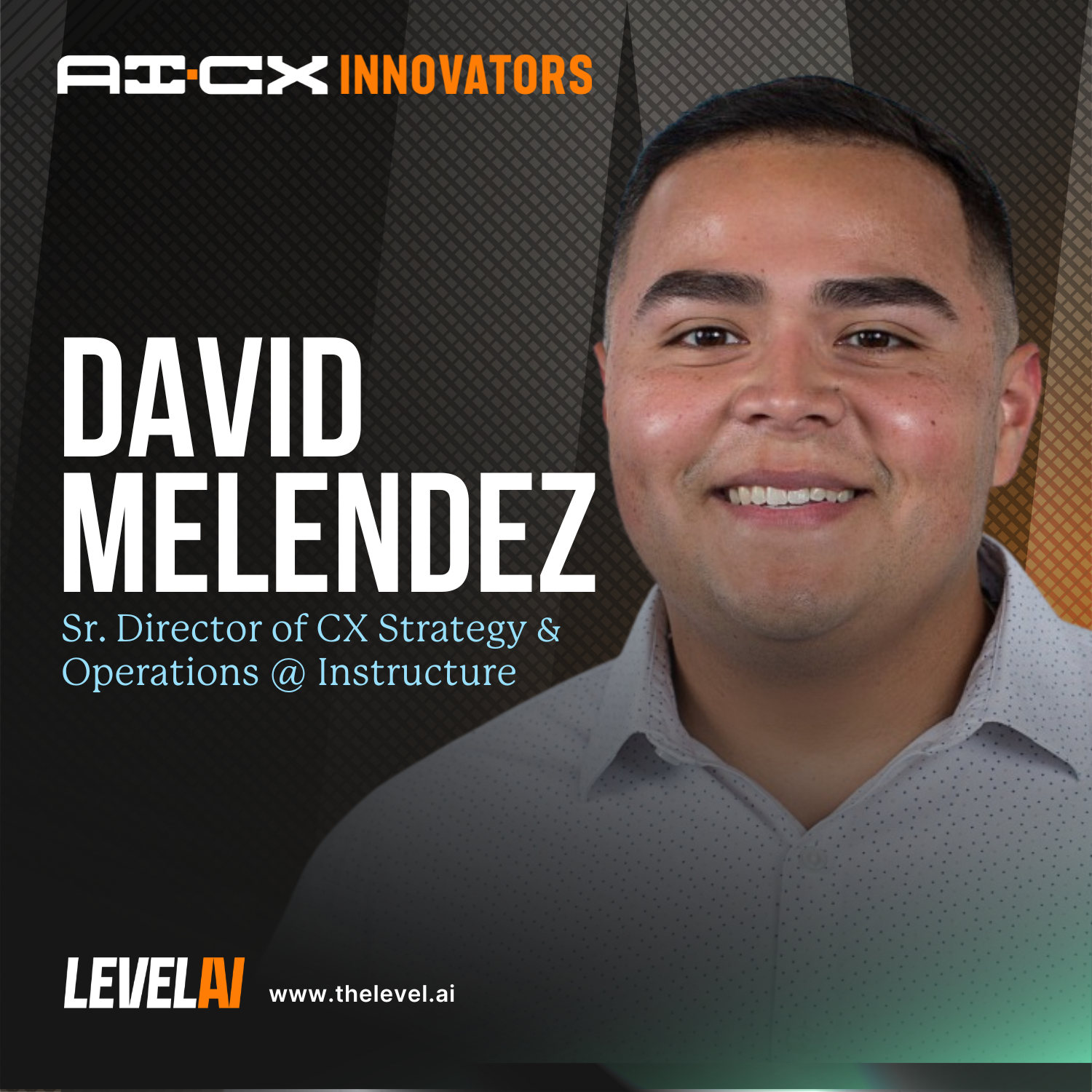 The 3-action formula that predicts above-average customer retention | David Melendez✨ | Process mapping onboarding to separate access provisioning from value delivery outcomesAlteryx's three-action renewal correlation | David Melendez | AtlasStaircase AI+8 | — | customer retentiononboarding+3 | — | 27m 08s | |
Want analysis for the episodes below?Free for Pro Submit a request, we'll have your selected episodes analyzed within an hour. Free, at no cost to you, for Pro users. | |||||||||
| 11/20/25 |  S&S Activewear’s Laura Turner on Technology Adoption without Perfect Data Infrastructure✨ | technology adoptioncustomer experience+5 | Laura Turner | Integration Pulseconversational AI+4 | US | customer segmentsautomation+4 | — | 33m 12s | |
| 11/6/25 | 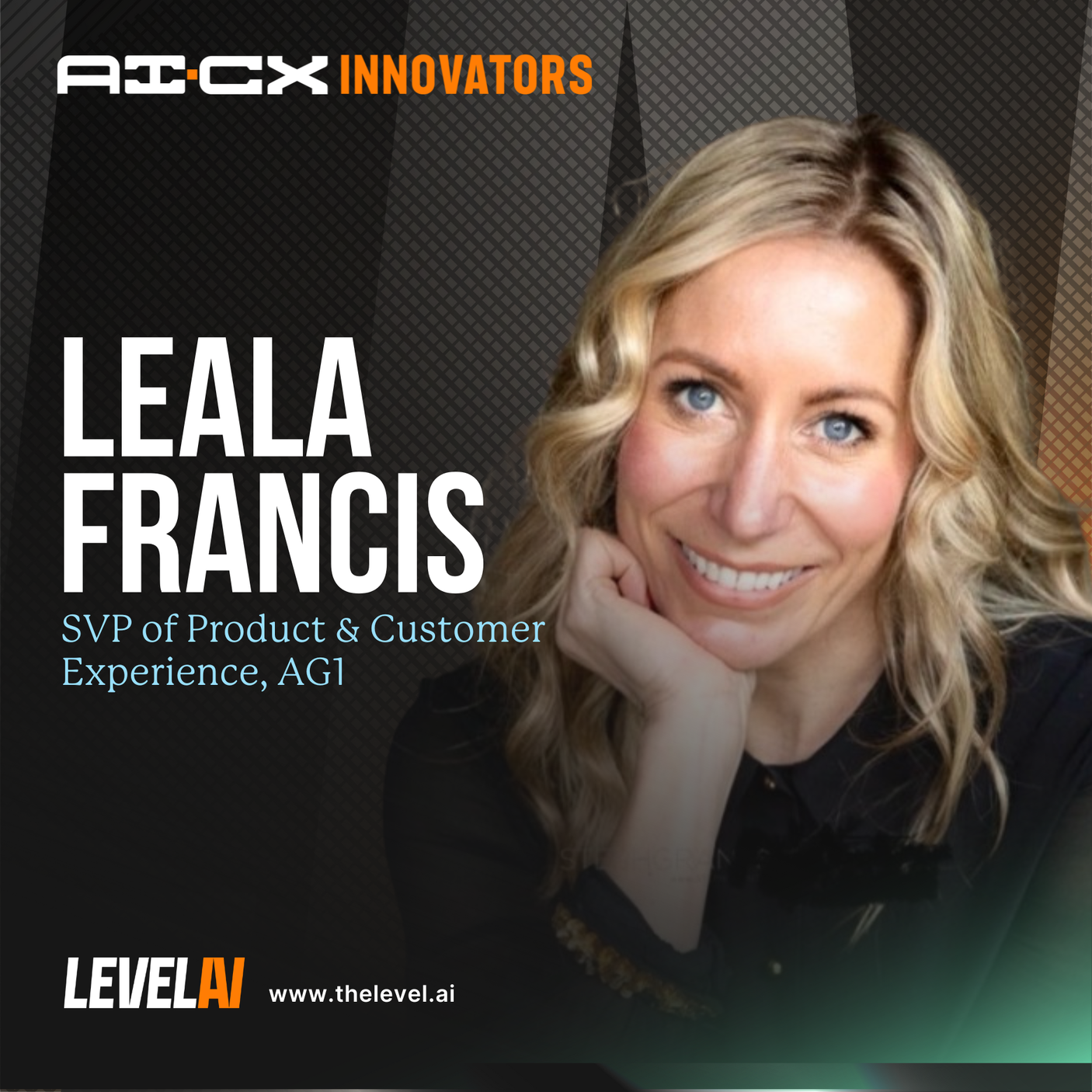 The birthday gift test: How to measure if your AI personalization actually knows customers✨ | Consolidating customer happiness, insights, commercialization, and packaging under one leader to enable four-for-four product launchesReading sentiment on new flavors to increase forecasts | Leala Francis | LealaApple | — | AI personalizationcustomer insights+2 | AG1 | 29m 45s | |
| 10/3/25 |  How CarParts.com Serves 43 Million Customers: Why Traditional System Integration May Become Obsolete✨ | customer experienceAI+2 | Aurelia Pollet | SparkCarParts.com+3 | — | CarParts.comAI assistant+2 | — | 27m 54s | |
| 9/18/25 | 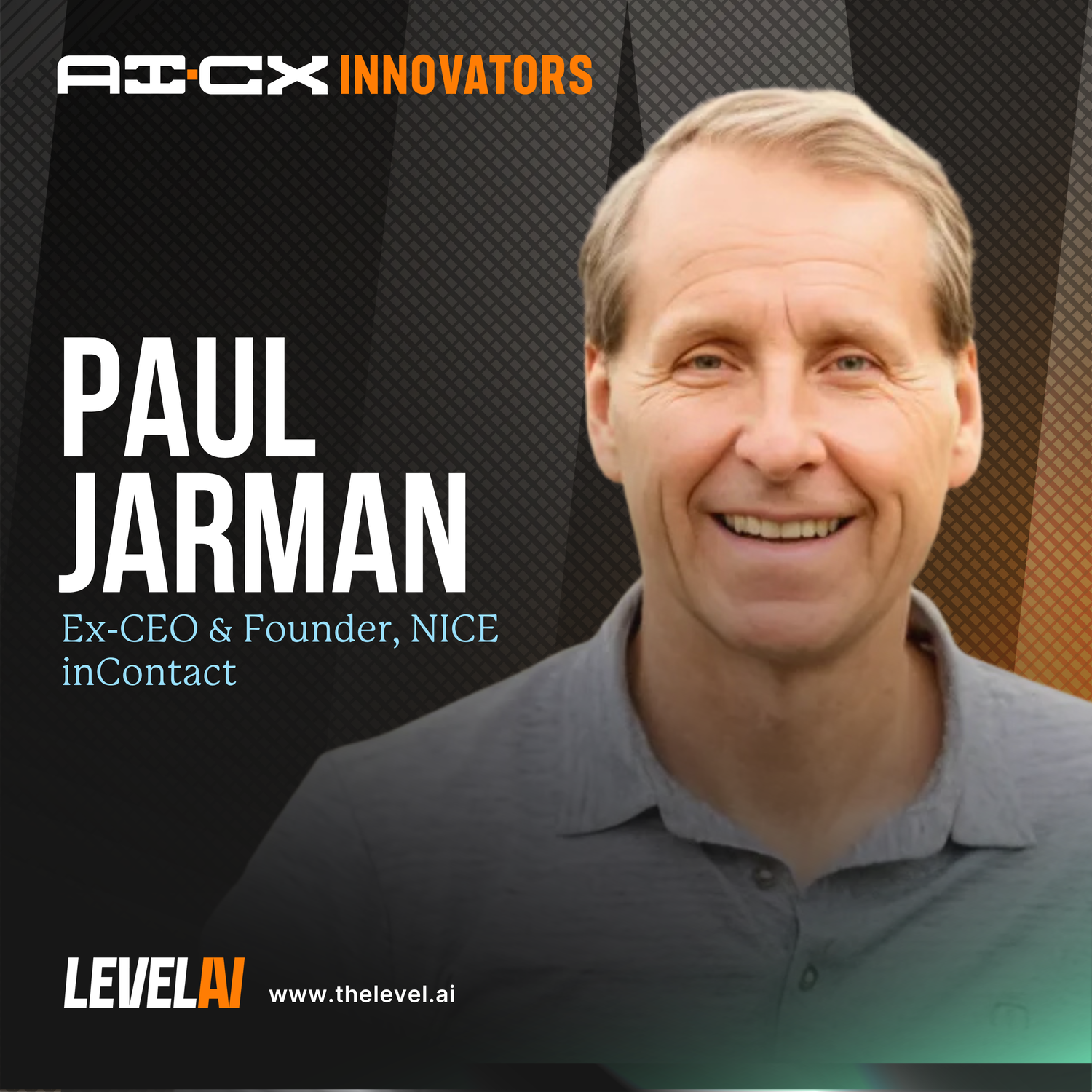 NICE inContact’s Founder and ex-CEO Paul Jarman on Micro-Understanding for Technology Leadership✨ | AI evaluation frameworkVendor assessment process+1 | Paul Jarman | NiceInContactSalesforce+3 | — | cloud contact centerAI-powered automation+1 | — | 48m 57s | |
| 8/14/25 |  Notion's Emma Auscher on Creating "Everyday Luxury" AI Experiences | What happens when you serve every single customer — from students to enterprise — with the same white-glove experience? At Notion, it created a CX challenge that traditional automation couldn't solve, forcing them to rethink the entire human-AI balance. Emma Auscher, Global Head of CX, tells Ashish how Notion's "no customer left behind" philosophy led to a counterintuitive discovery: implementing AI increased both automated resolution rates and human agent interactions simultaneously. Rather than typical deflection strategies, they're creating what Emma calls "everyday luxury" experiences. Topics Discussed: Transforming CX from reactive cost center to proactive innovation leader using AI-driven behavioral data and engagement analytics. Implementing "no customer left behind" support philosophy that serves students and enterprise clients with equal white-glove treatment. Building Voice of Customer programs that span sales, success, product, and research teams with cross-functional data integration. Balancing human-AI interactions where both automated resolution and human agent engagement increase simultaneously through strategic task allocation. Creating "everyday luxury" AI experiences that prioritize customer value enhancement over traditional deflection metrics and cost reduction. Managing global CX operations across 80% international user base using regional hubs with culturally-adapted strategies and multilingual teams. Developing knowledge management systems as foundational AI use case requiring dedicated content creation and documentation roles. Building CX career progression paths that upskill support agents into product management, engineering, and strategic operations roles. Listen to more episodes: Apple Spotify YouTube | — | ||||||
| 8/5/25 | 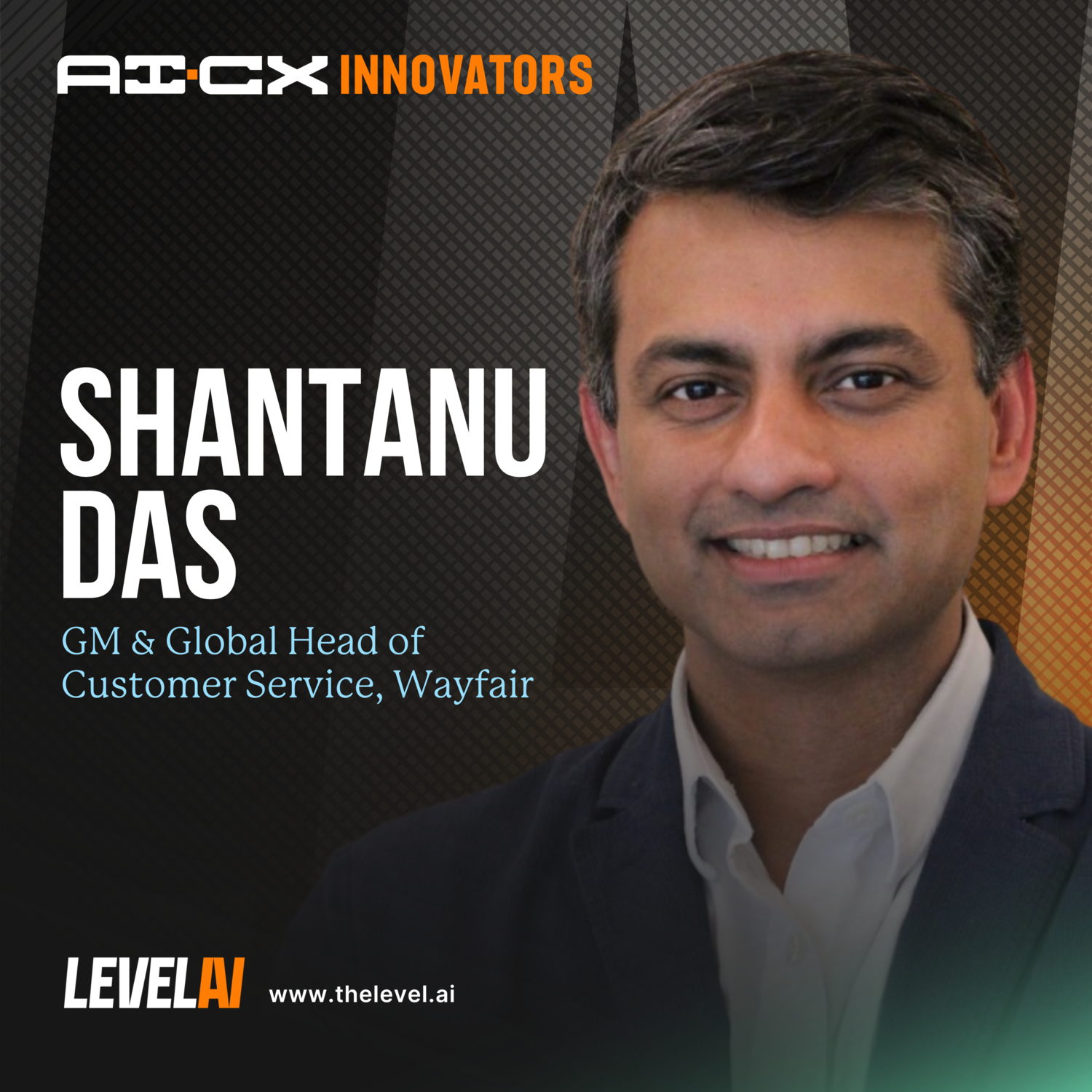 Wayfair's Shantanu Das on Three Key AI Value-Creation Modes | Shantanu Das, General Manager & Global Head of Customer Service, Primary Sales, and Scam Prevention at Wayfair, manages one of the largest customer service operations in e-commerce — a 3,000-person global team at Wayfair — and his approach to AI implementation challenges conventional wisdom about automation versus human agents. His methodology starts with three distinct value creation modes: personal productivity improvement, real-time insight generation, and complete workflow reimagination. The breakthrough insight, he tells Ashish, came when he challenged his team to design systems as if no humans were involved, then strategically layered human expertise back into the process. This approach led to fundamental changes in how Wayfair delivers customer coaching, moving from monthly performance reviews to real-time feedback that happens in the moment of interaction. Topics Discussed: The three-pillar framework for AI value creation: personal productivity, real-time insight generation, and complete workflow reimagination rather than incremental improvements. How reimagining coaching workflows without humans in the process led to real-time feedback systems that replaced traditional monthly performance reviews. The spectrum approach to balancing automation and human agents based on customer preference and complexity rather than forcing channel adoption. Building "genius agents" who leverage AI to perform the work of three people while maintaining personalized customer experiences and human judgment. The evolution toward agentic AI systems where specialized agents handle different business functions and communicate with each other to enhance outcomes. Why continuous learning and rapid experimentation matter more than waiting for perfect system integration when implementing enterprise AI initiatives. Choosing technology partners based on willingness to innovate and adapt rather than just technological capabilities or established market presence. Navigating build-versus-buy decisions in tech-first organizations through joint business and technology team evaluation of market solutions versus internal development. The six high-impact areas for AI application in customer experience: 360-degree customer feedback, real-time agent assistance, conversational virtual assistants, high-ROI solution optimization, workforce management, and quality coaching. Listen to more episodes: Apple Spotify YouTube | — | ||||||
| 7/18/25 | 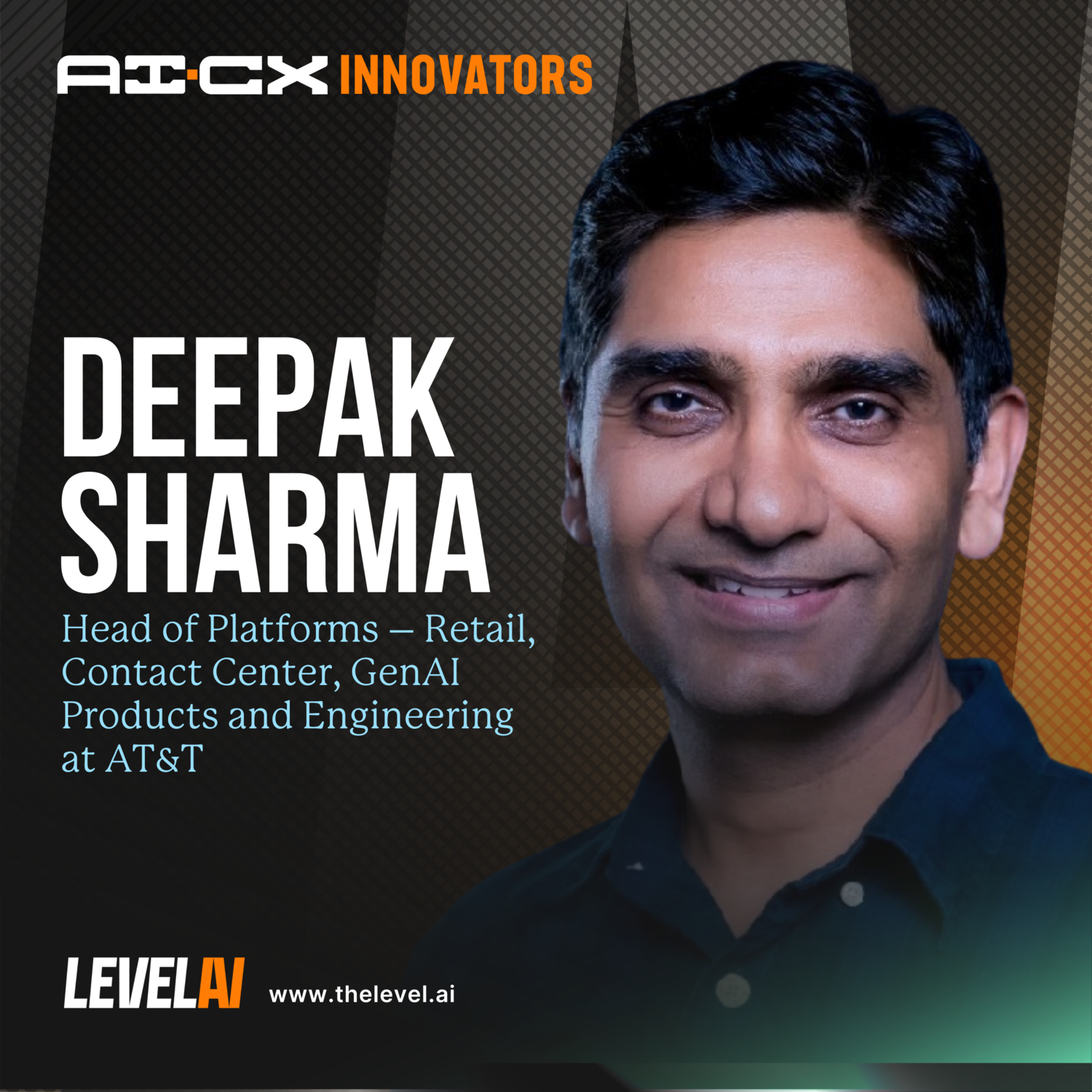 AT&T's Deepak Sharma on Why AI That Feels Like Magic Is AI That Works | Managing millions of daily customer interactions at AT&T, Head of Retail Technology, Contact Center Platforms, GenAI Product & Engineering Deepak Sharma, has learned that successful AI transformation requires building AI-ready infrastructure before chasing AI features. His dual-lane framework separates quick wins like agent assist and call summarization from foundational data pipeline work that enables sophisticated AI at enterprise scale. His most compelling example, he tells Ashish, involves digital avatars that create three-way interactions between customers, human agents, and AI, delivering experiences customers actually prefer over traditional service. Successful AI adoption happens when solutions are simple enough to feel like magic rather than technology requiring extensive training. Topics Discussed: The infrastructure requirements for creating truly omnichannel customer experiences that work across retail stores, contact centers, and digital channels at enterprise scale. A dual-lane approach to AI transformation that separates quick wins like agent assist and call summarization from foundational data pipeline and orchestration work. Digital avatar implementations that enable three-way interactions between customers, human agents, and AI to create superior customer experiences. Prioritization frameworks for managing thousands of AI use cases across large enterprises while balancing feasibility, time to market, and business impact. The critical role of expectation management and stakeholder alignment in AI transformation, treating it as business process transformation rather than technology implementation. Change management strategies that work at scale, including making AI solutions simple enough that extensive training programs become unnecessary. Why AI should be invisible in successful implementations, embedded seamlessly into existing workflows rather than presented as separate AI-powered features. The importance of understanding frontline worker needs by directly observing contact center and retail store operations rather than making assumptions about problem-solving. Listen to more episodes: Apple Spotify YouTube | — | ||||||
| 6/16/25 |  QuinStreet’s Tyler Orrell on Challenging “Upper Right Quadrant” Thinking | The gap between AI promise and contact center reality is often measured in months of failed adoption and frustrated executives. Tyler Orrell, VP of Contact Center Operations at QuinStreet, tells Ashish how they developed a surgical approach to AI that focuses on business impact over technological sophistication. His framework for identifying the 6-7 behaviors that actually drive outcomes, rather than automating entire QA processes, offers a masterclass in strategic AI implementation. Tyler's contrarian vendor selection advice — never use the vendor's RFP form and resist "upper right quadrant" safe choices — challenges conventional procurement wisdom. His insight that insurance agents function as simultaneous consultants, salespeople, troubleshooters, and empathizers within single conversations explains why AI replacement timelines are more complex than most predictions suggest. Topics Discussed: The evolution of contact center agent roles from single-function responders to multi-faceted consultants, salespeople, troubleshooters, and empathizers, and why this complexity affects AI replacement timelines. Strategic AI adoption frameworks that focus on surgical implementation of specific business-driving behaviors rather than comprehensive automation of existing processes. Advanced auto-QA methodologies that score 100% of interactions while maintaining agent trust through accurate transcription and scoring that agents can verify and understand. ROI measurement discipline for AI tools, including the challenge of maintaining visibility into improvements after initial implementation and the importance of continuous optimization cycles. Executive communication strategies for AI initiatives that emphasize business impact over technological features, focusing on speed-to-competency for agents and real-time coaching capabilities. Vendor selection frameworks that prioritize objective RFP processes testing specific business unit needs over sales presentations, with considerations for risk tolerance between established and disruptive technologies. Quality assurance transformation from traditional 8-15 calls per month scoring to comprehensive conversation intelligence that enables within-hour coaching and process corrections. Implementation best practices for AI tools that require organizational buy-in from both executive leadership and front-line agents, with emphasis on communication and change management processes. Listen to more episodes: Apple Spotify YouTube | — | ||||||
| 5/27/25 |  Carta’s David DeMarco on Preserving Human Touch for High-Stakes Financial CX | As AI automation grows in customer experience, the most forward-thinking organizations aren't replacing humans, they're redefining how humans and AI work together. In this insightful conversation with David DeMarco, SVP of Business Technology at Carta, on AI CX Innovators, Ashish explores why increased automation actually makes quality assurance more crucial and how "white space mining" can uncover the 20% of issues driving 80% of CX improvements. David also shares Carta's strategic approach to channel selection, giving customers choice in how they engage while reserving human expertise for complex equity and valuation discussions. He also details their innovative AI workers program that's transforming coaching and sentiment analysis without complex rubrics—simply uploading a document with expectations generates comprehensive coaching plans across agent interactions. Topics Discussed: The counterintuitive relationship between automation and quality assurance, where increasing AI implementation actually makes QA more essential for ensuring accurate responses and uncovering valuable voice of customer insights rather than diminishing its importance. Implementing human-in-the-loop strategies for critical financial conversations to maintain oversight in high-value interactions where errors could have significant consequences, while allowing automation to handle straightforward inquiries. Mining the white space in conversational data through automated concern mining to extract insights from the majority of customer interactions that receive no formal reviews, identifying patterns that drive 80% of CX improvements. Translating conversational intelligence into product roadmap priorities by contextualizing data for product teams with supporting evidence that demonstrates the significance of customer pain points requiring development attention. The three-part framework for CX leadership success in the AI era that begins with data literacy to understand patterns, develops storytelling skills to gain cross-functional buy-in, and builds change management expertise to implement effective solutions. Strategic channel selection methodology that empowers customers to choose their preferred support avenues while purposefully reserving human touchpoints for complex financial conversations requiring trust and consultation. Leveraging ongoing vendor dialogues as an innovation catalyst, continuously exploring new technologies to assimilate ideas and identify emerging solutions even before purchasing decisions are made. Implementing specialized AI workers for CX functions including a support coach that automates coaching with no formal rubric required, and a sentiment insights worker that performs multi-step analysis on conversational data. Creating document-based coaching automation that eliminates complex scoring frameworks by allowing teams to simply upload expectations documents that AI transforms into comprehensive coaching plans across agent interactions. | — | ||||||
| 4/30/25 |  Wayfair’s Prasanna Chand on Using AI to Predict Customer Satisfaction | When only 20-25% of customers complete satisfaction surveys — and even those are primarily negative experiences — how can you truly understand your entire customer base? In this episode of AI CX Innovators, Prasanna Chand, Head of Data & Digital Transformation at Wayfair, reveals how they're using AI to predict customer satisfaction scores with 85% correlation to actual survey results, providing a complete picture beyond the inherently skewed feedback pool. Prasanna takes Ashish through Wayfair's journey implementing AI across their customer experience operations, from identifying critical issues within days of launching their loyalty program to helping agents self-coach through personalized insights rather than generic examples. With ChatGPT's launch as the tipping point, he explains how Wayfair strategically separated which AI solutions to build versus buy, and why their partnership with Level AI has been transformative for users across the organization. Topics Discussed: How Wayfair's three-pronged approach to customer data analytics focuses on conversational insights, making business users more data-friendly without SQL knowledge, and creating an enterprise architecture that balances hyperscaler platforms with boutique vendor solutions. The tactical advantage of AI-powered analytics that discovered loyalty program issues within days of launch, bypassing the months-long traditional data warehouse reporting cycle and uncovering specific functional problems hindering customer adoption. Why AI-predicted customer satisfaction scores (achieving 85% correlation with actual surveys) solve the inherent bias problem when only 20-25% of customers complete surveys, but still don’t replace manual CSAT collection. Wayfair's strategic bifurcation approach to AI implementation: building and extending homegrown systems for agent support while purchasing software for integration with third-party telephony, workforce management, and quality systems. How connecting journey analytics with conversation data enables FCR analysis to identify and reduce multi-contact scenarios, allowing teams to immediately see negative sentiment pathways and make targeted improvements. Three essential best practices for implementing AI transformation: educating stakeholders to manage resistance and expectations, selecting partners who can innovate at the market's pace, and identifying use cases with quick ROI through plug-and-play implementations. The evolution from random sampling in quality assurance to holistic review capabilities, enabling personalized agent coaching with specific conversation examples rather than generic feedback, fundamentally changing how agents self-improve. Leveraging AI for language translation and virtual training to overcome language barriers in agent development, creating training in one language and delivering it through human-like virtual instructors in multiple languages. Listen to more episodes: Apple Spotify YouTube | — | ||||||
| 3/13/25 |  AI Adoption in CX Teams with Andy Yasutake, Leader at Edgevana, ex-AirBnB, LinkedIn, & eBay | AI isn't replacing humans in customer experience — it's transforming them. In our very first episode of AI CX Innovators, Ashish Nagar, Founder & CEO of Level AI, dives deep with inaugural guest Andy Yasutake, SVP and Global Head of Strategic Growth & Ventures at Edgevana. As former architect of customer experience transformations at tech giants eBay, LinkedIn, and Airbnb and with over 25 years shaping how global brands interact with millions of customers, Andy presents his battle-tested strategies for leading multi-million-dollar AI initiatives, navigating organizational resistance, and implementing generative AI at enterprise scale. From turning the 2020 pandemic into an opportunity for Airbnb's technology transformation to personally helping Brian Chesky deliver his vision of "11-star experiences," Andy shares candid insights few technology leaders have experienced across three waves of digital disruption. Topics Discussed: The challenges of managing data due to rapid AI technology evolution and how companies must adapt their strategies from multi-year implementations to iterative approaches delivering value in days and weeks. The process of determining when to build in-house vs. partner with AI vendors, including a framework for distinguishing between "core" business differentiators and "contextual" systems already solved elsewhere. How successful companies develop integrated product-operations roadmaps rather than treating AI as a technology to be shipped over the fence, with monthly iteration checkpoints aligned to business seasonality. Why Airbnb deliberately delayed customer-facing GenAI implementations despite being partners with OpenAI and Microsoft, focusing first on internal learning while competitors rushed to market. The complexities of calculating true GenAI implementation costs, including unexpected compute expenses many companies failed to factor into early business cases. How CX organizations can move from cost centers to strategic drivers by using rich customer data to demonstrate direct impact on executive-level metrics and brand differentiation. The organizational structure shift that doubled AI adoption rates at LinkedIn and Airbnb by moving product teams under operational leadership rather than central technology organizations. Andy's "Iron Man vs. dystopia" vision for AI's impact on contact centers, where technology augments human capabilities rather than replacing them, enabling agents to handle significantly more complex issues with higher quality. | — | ||||||
Showing 21 of 21
Pitch Fit is a Pro feature
See how bookable this show is for guests, which brands already advertise, the per-episode ad value, and the best-fit guest and sponsor profile. The numbers are blurred on the free plan.
How readily this show books outside guests like you.
How proven this show is for host-read sponsorships.
For Guests
ProFor Advertisers
ProUpgrade to Pro to unlock guest cadence, sponsor categories, fit scores, and per-episode ad value for this show.