
Cybercrimeology
by Cybercrimeology
Is this your podcast?Insights from recent episode analysis
Audience Interest
Podcast Focus
Publishing Consistency
Platform Reach
Insights are generated by CastFox AI using publicly available data, episode content, and proprietary models.
Most discussed topics
Brands & references
Total monthly reach
Estimated from 1 chart position in 1 market.
By chart position
- 🇵🇱PL · Science#108500 to 3K
- Per-Episode Audience
Est. listeners per new episode within ~30 days
250 to 1.5K🎙 ~2x weekly·128 episodes·Last published 4d ago - Monthly Reach
Unique listeners across all episodes (30 days)
500 to 3K🇵🇱100% - Active Followers
Loyal subscribers who consistently listen
150 to 900
Market Insights
Platform Distribution
Reach across major podcast platforms, updated hourly
Total Followers
—
Total Plays
—
Total Reviews
—
* Data sourced directly from platform APIs and aggregated hourly across all major podcast directories.
On the show
From 13 epsHost
Recent guests
Recent episodes
Whodunit.gov.org: Behaviour and Cyber Attribution
Sep 1, 2026
Unknown duration
A Treacherous Land: Cyberstalking and Harassment on Dating Apps
Aug 1, 2026
Unknown duration
Snapshots of Society: Studying Cybercrime Every Here
Jul 1, 2026
29m 47s
No News is Bad News: AI Agents, Information Value, Accountability & Democracy
Jun 1, 2026
34m 07s
Public Interest Technology: Making Sense of Security in an AI World
May 1, 2026
34m 39s
Social Links & Contact
Official channels & resources
Official Website
Login
RSS Feed
Login
| Date | Episode | Topics | Guests | Brands | Places | Keywords | Sponsor | Length | |
|---|---|---|---|---|---|---|---|---|---|
| 9/1/26 | 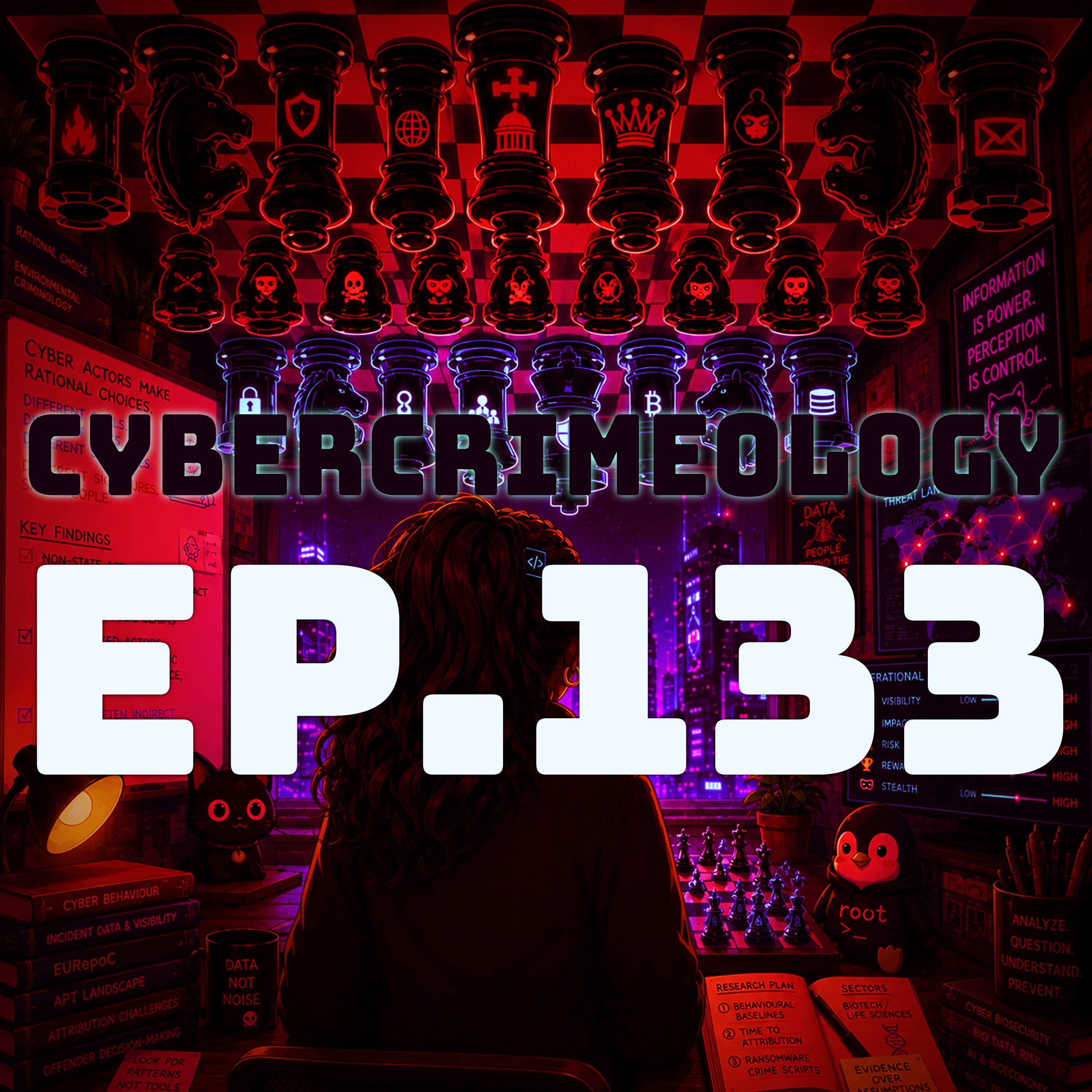 Whodunit.gov.org: Behaviour and Cyber Attribution | Can the choices made during a cyberattack help tell us who is behind it? Priscilla F. Aybar from Florida International University joins us to discuss her research examining the behaviour of state-sponsored and non-state cyber actors. We talk about rational choice, behavioural signatures, the challenges of cyber incident data and what different approaches to visibility, targeting and disruption might tell us about attribution. | — | ||||||
| 8/1/26 |  A Treacherous Land: Cyberstalking and Harassment on Dating Apps | How can the features that make dating apps convenient also create opportunities for harassment? Jennifer Ayerza from George Mason University joins us to discuss how people use dating apps, what they disclose on their profiles and how these choices can affect their experiences. We also discuss what users, platform operators, schools and governments can do to make online dating safer. | — | ||||||
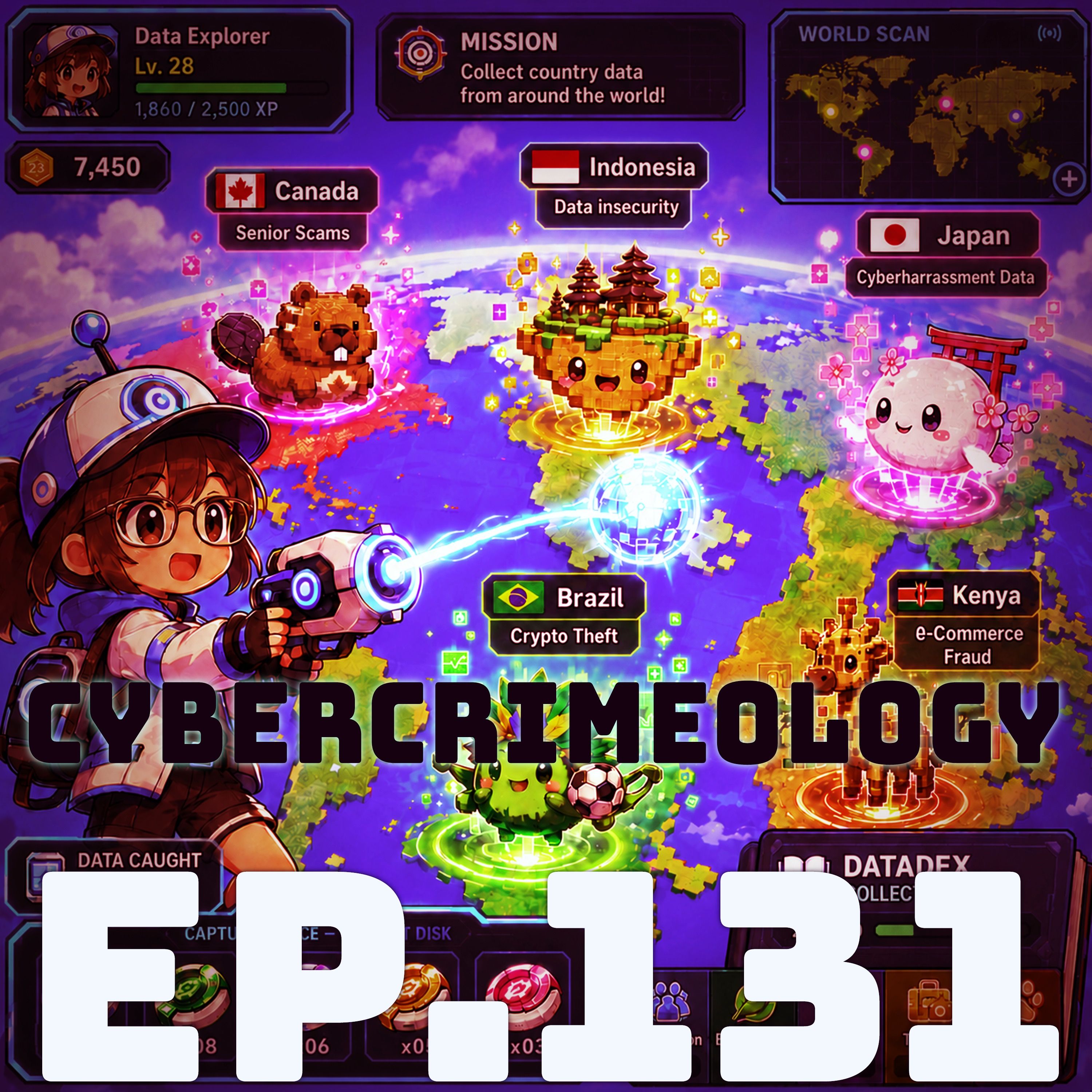
| 7/1/26 | cybercrimedigital harm+4 | Irnasya Hadi | Global North | Indonesia | cyber insecuritydata breach fatigue+3 | — | 29m 47s | ||
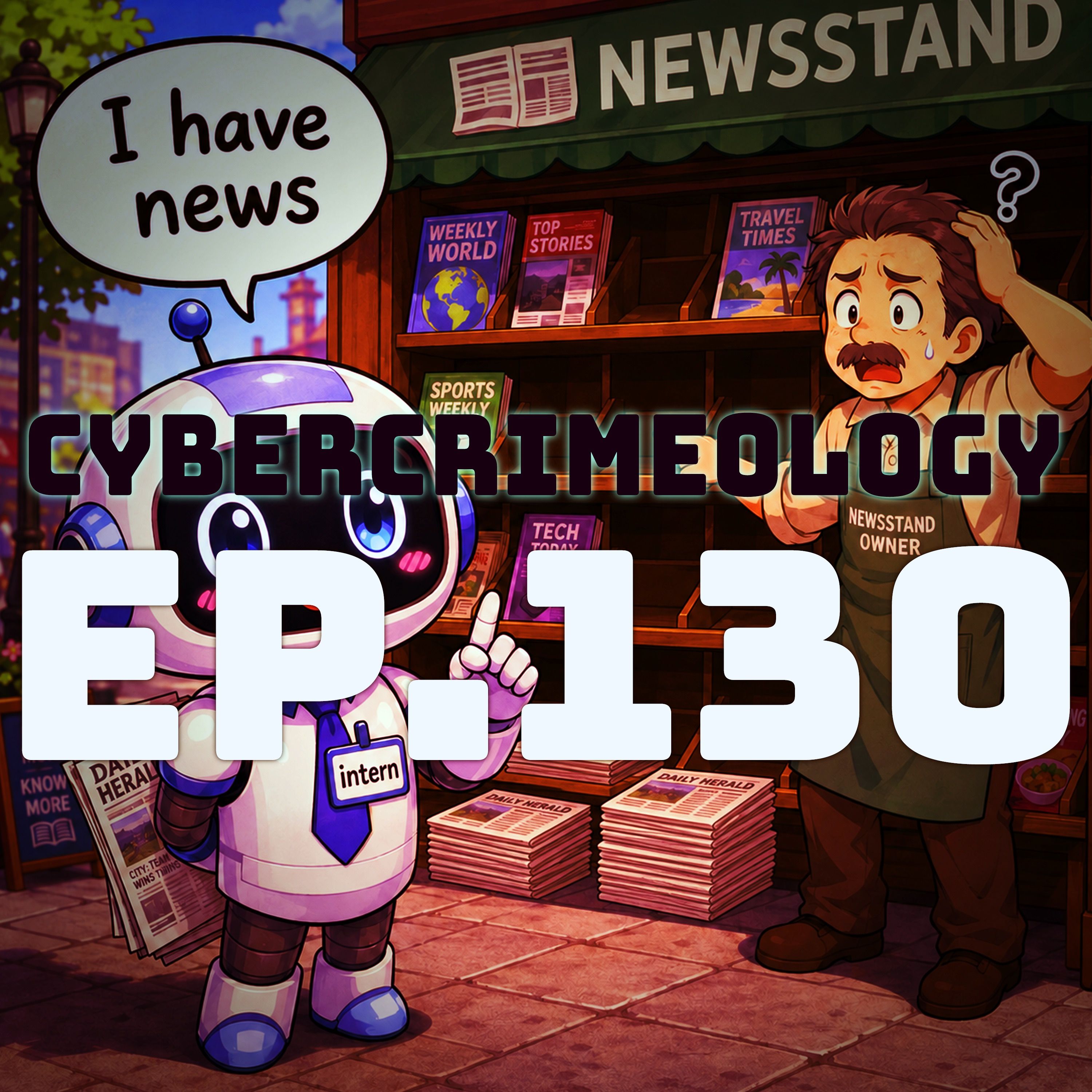
| 6/1/26 | AI agentsjournalism+3 | Dr. Aengus Bridgman | McGill University | — | AInews+4 | — | 34m 07s | ||
| 5/1/26 | securityartificial intelligence+4 | Bruce Schneier | — | — | securityAI+5 | — | 34m 39s | ||
| 4/1/26 | cybercrimepolice response+3 | Dr. Rachel McNealey | — | — | cybercrimepolice capability+3 | — | 30m 38s | ||
| 3/1/26 | disinformationright-wing extremism+4 | Dr Samuel Tanner | CybercrimeologyDisordered Sense-Making: Conflict Narratives in the Digital Era | — | disinformationright-wing extremism+5 | — | 36m 00s | ||
| 2/1/26 | cybercrimeoffender diversity+5 | Dr. Luuk Bekkers | — | — | cybercriminalsfinancially motivated offenders+5 | — | 25m 09s | ||
| 1/1/26 | cybersecurity trainingbehavioral change+3 | Julia Prümmer | Cybercrimeology | — | cybersecuritytraining+3 | — | 49m 19s | ||
| 12/1/25 | cybercrimecyber profiling+4 | Dr Melissa Martineau | — | — | cybercrimehacking+5 | — | 33m 48s | ||
Want analysis for the episodes below?Free for Pro Submit a request, we'll have your selected episodes analyzed within an hour. Free, at no cost to you, for Pro users. | |||||||||
| 11/1/25 | anti-phishing trainingenterprise security+3 | Dr Grant Ho | University of Chicagomajor health organisation | — | cybersecurityphishing+3 | — | 1h 04m 28s | ||
| 10/1/25 | insider riskhuman-centered research+4 | Dr Deanna D. Caputo | MITRE | — | insider threatmultidisciplinary research+3 | — | 44m 11s | ||
| 9/1/25 | cybercriminal decision-makingcriminology+5 | Daniëlle Stibbe | Netherlands Institute for the Study of Crime and Law Enforcement | — | cybercrimedecision-making+5 | — | 30m 54s | ||
| 8/1/25 | deviant online movementssocial media influence+3 | Dr. Francesco Carlo Campisi | AnonymousQAnon | — | online movementssocial media+4 | — | 29m 54s | ||
| 7/1/25 | cybersecuritypsychology+4 | Dr. Iain Reid | University of Portsmouth | — | cybersecuritydeception+4 | — | 27m 37s | ||
| 6/1/25 | 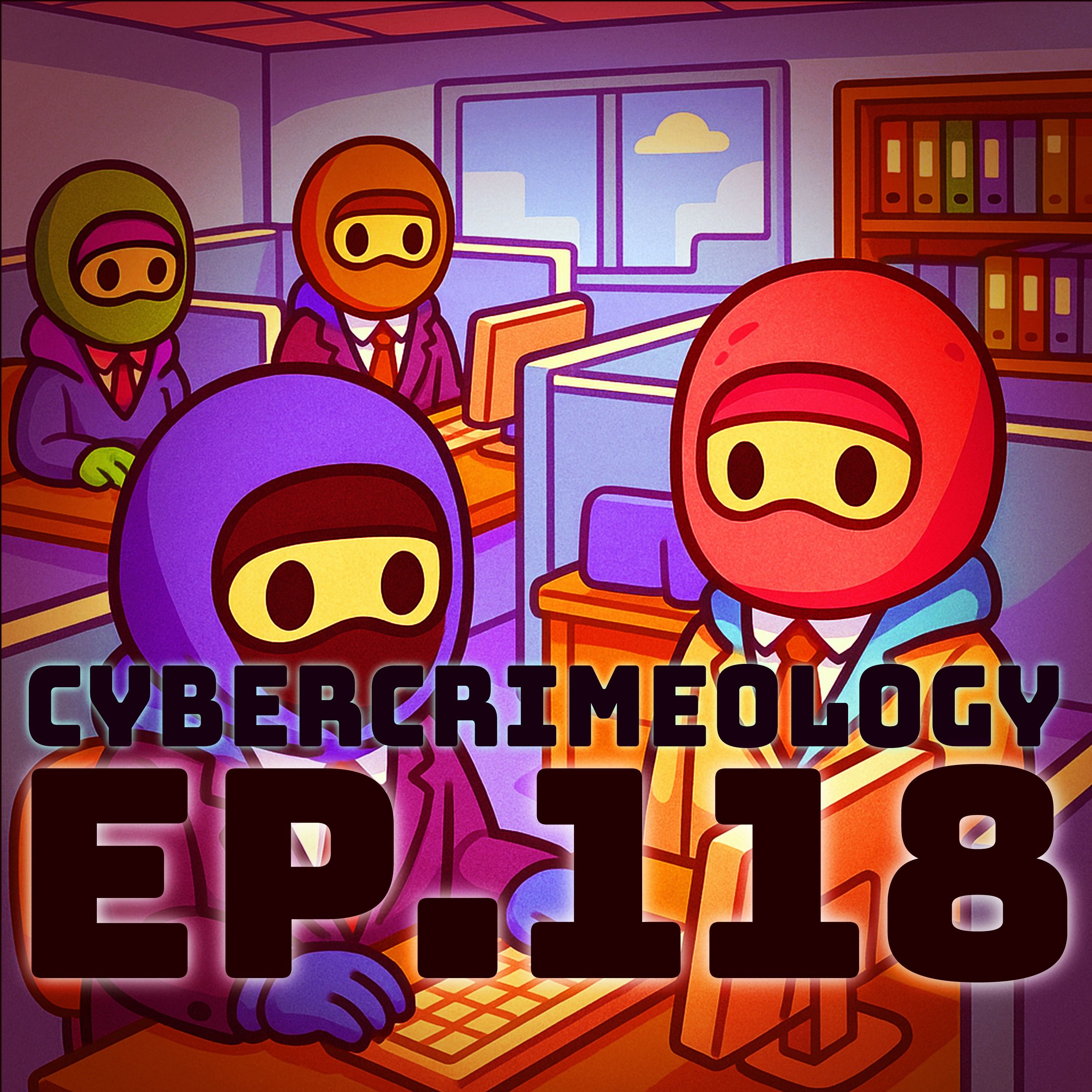 Visualizing Conti: Revealing the Business of Ransomware-as-a-Service through New Analytical Techniques | What can leaked internal messages from a ransomware group reveal about how cybercrime operations really work? In this episode, Estelle Ruellan discusses the analysis of the tens of thousands of chat messages leaked from the Conti ransomware group she created with colleagues. They to mapped the internal roles and communication patterns of this group using natural language processing and Latent Dirichlet Allocation analysis to better understand this notorious ransomware-as-a-service outfits. We explore this interesting analysis method, what it uncovered, and howMs Ruellan’s quest to make cybercrime more understandable with data visualization. | — | ||||||
| 5/1/25 | 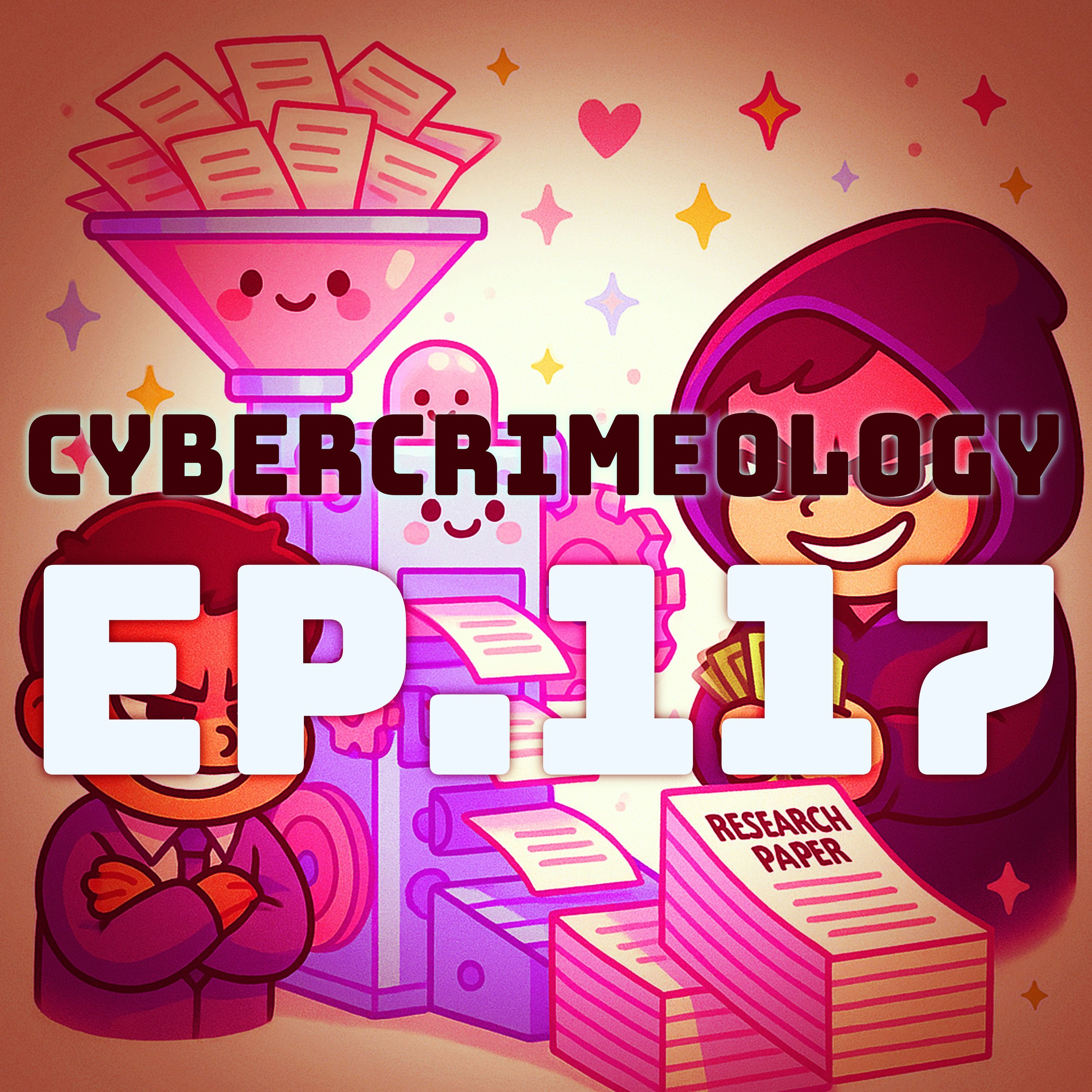 Fake It Until You Break It: The pay-to-publish paper mills exploiting the over metrification of Science | When fake science can be bought, what happens to the value of real research? Dr. Sarah Eaton from the University of Calgary and Dr. Sabina Alam from Taylor & Francis discuss the collaborative efforts of United2Act.org to combat the global threat of scientific paper mills. We explore what these organizations are, how they operate, and what can be done to push back against fraudulent publishing in the digital age. | — | ||||||
| 4/1/25 | 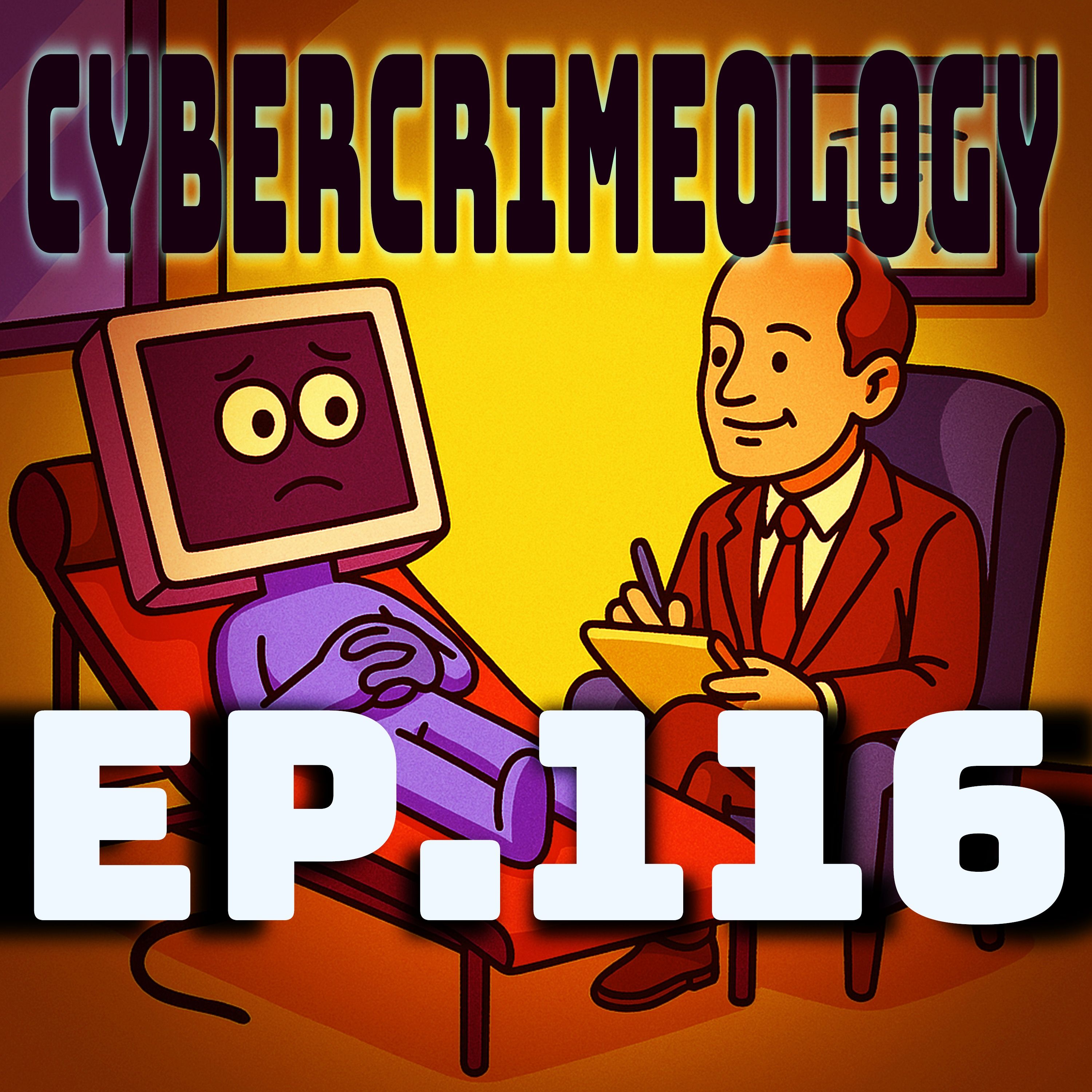 DeReact, DeFatigue and Deceive: Psychology for Better Cybersecurity Design | What happens when people get tired of cybersecurity? Dr. Andrew Reeves from the UNSW Institute for Cyber Security joins us to explore how psychological principles—like fatigue, reactance, and decision-making under pressure—shape both how users engage with cybersecurity and how attackers and defenders can exploit them. We talk about what goes wrong with security training, why users push back against well-meaning policies, and how simple design choices can reduce cognitive load and increase compliance. Dr. Reeves also shares his work on cyber deception and how defenders can turn the tables, using stress, uncertainty, and time pressure to mislead attackers inside networks. This episode weaves together user behavior, system design, and attacker psychology into a broader conversation about how we shape—and are shaped by—the security systems we live with. | — | ||||||
| 3/1/25 |  Wake up Calling: Impacting businesses by communicating cybersecurity risk | How can we encourage businesses to tackle cybersecurity? In this episode, we speak with Dr. Susanne van ’t Hoff-de Goede, Associate Professor at the Centre of Expertise Cyber Security in The Hague University of Applied Sciences. Susanne’s work focuses on the human factor in cybercrime—whether examining online victims, offenders, or the law enforcement response. Here, she introduces an innovative “low-threshold” cybersecurity intervention experiment that scanned company websites and sent tailored risk reports through traditional mail. We explore what worked, what didn’t, and how she plans to refine the approach to get more businesses proactively engaged in their cybersecurity. | — | ||||||
| 2/1/25 |  Anomie.exe: Geography, Strain and the Motivated Cyber Offender | In this episode we have a conversation with Dr. Thomas Dearden from Virginia Tech to delve into the sociological underpinnings of cybercrime, discussing how strain and anomie theories interact with the motivations behind online offending. We talk about the nuances of these theories, how they can shed light on cybercrime, the their potential for cybercrime prevention. Recorded at the Human Factors in Cybercrime Conference, the discussion also touches on some ongoing work focusing on the use of honeypots to study cybercriminal behaviour. | — | ||||||
| 1/1/25 |  The Ethical Hacker Pathway: Exploring Positive Cyber Behavior | What is an ethical hacker, what do they do and how does their journey to this point unfold? Dr. Marleen Weulen Kranenbarg joins us to discuss her research towards discovering the overlaps in pathways to the positive and negative cyber behaviors among ethical hackers. We explore the nuances of ethical hacking, the factors influencing the choice of a positive path, and the challenges faced by schools and organizations in supporting ethical cybersecurity practices. | — | ||||||
| 12/1/24 |  Building the Basics: Preparing Officers for the Present and Researching Training for the Future | What does it take to improve law enforcement’s response to cybercrime? Dr. Tom Holt from Michigan State University discusses his efforts to develop an evidence-based training center for police officers tackling cyber-enabled and cyber-dependent crimes. From identifying gaps in local law enforcement training to bridging the divide between academic research and real-world needs, Dr. Holt shares the challenges and opportunities in this critical area. | — | ||||||
| 11/1/24 |  The Open Science Revolution: Building Trust with Transparency | In this episode, Asier Moneva, a cybercrime researcher at the Netherlands Institute for the Study of Crime and Law Enforcement (NSCR) and the Center of Expertise Cyber Security at The Hague University of Applied Sciences, discusses the transformative principles of open science. Asier explores how transparency and replicability can shape a more credible and collaborative research environment, sharing his experience with open science practices such as preregistration, registered reports, and open-access data. We discuss the challenges in open science such as those posed by academic pressures, like the 'publish or perish' culture, and highlight how open science practices benefit both researchers and the public. | — | ||||||
| 10/1/24 | 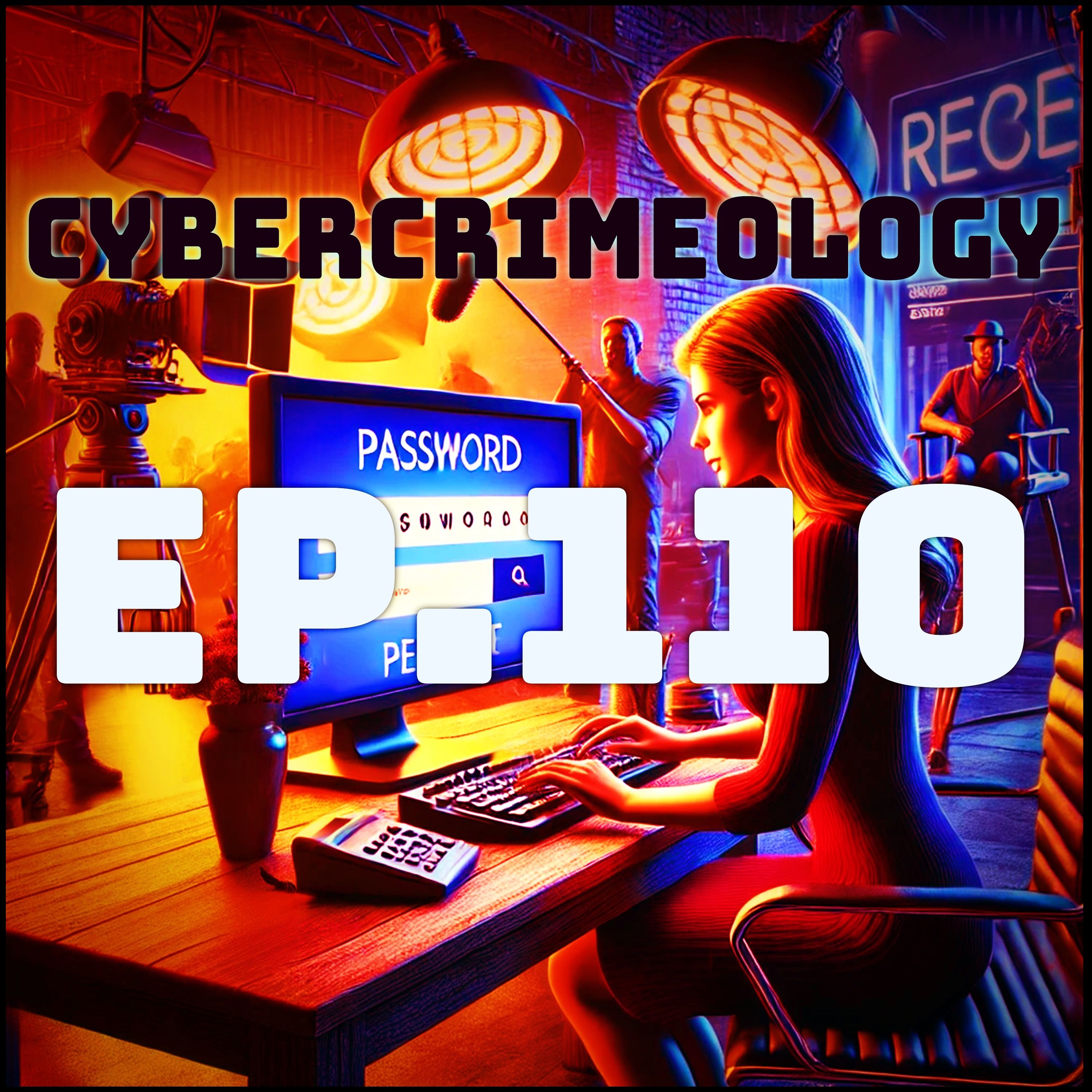 Cinematic Cybersecurity: What are movies teaching us about passwords? | Ever wonder how much influence movies have on your cybersecurity habits? In this episode, Maike Raphael, a PhD student and researcher at the University of Hannover, joins us to discuss her fascinating research into how films depict passwords and cybersecurity. We explore the impact of these depictions on public understanding, what makes a good password (and what doesn't), and how media shapes our perceptions of cyber risks. Raphael’s analysis covers a dataset of over 97,000 movies and reveals some surprising trends about the intersection of film and cybersecurity awareness. | — | ||||||
| 9/1/24 | 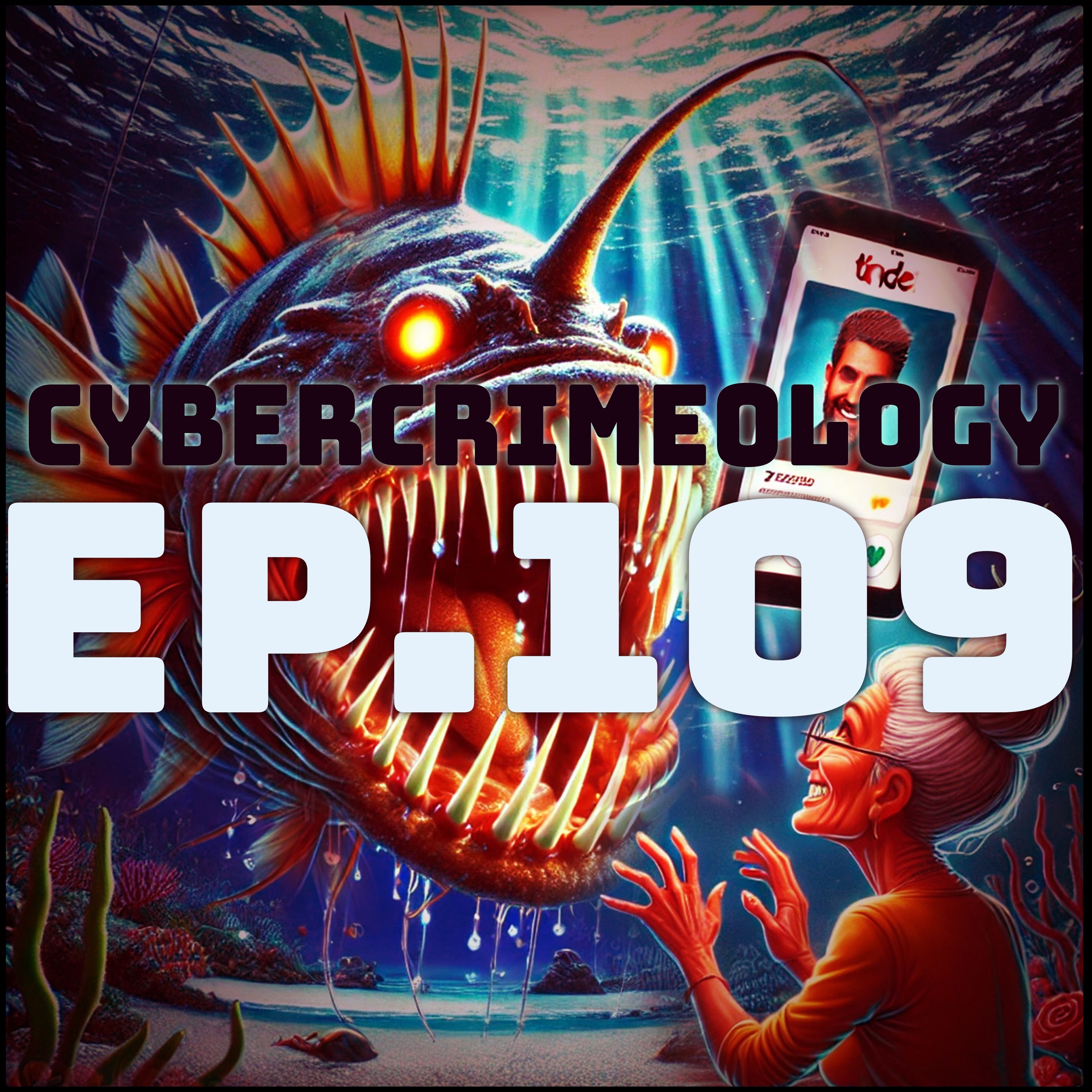 Signals, Deception, and AI: Navigating Trust in the Digital World | In this episode, we dive into the fascinating world of signaling theory with Judith Donath, a faculty advisor at the Berkman Klein Center for Internet & Society at Harvard University and author of The Social Machine. We explore signaling theory and its roots in biology and human communication and how it applies to today's digital ecosystems. With the rapid advancement of AI, deep fakes, and machine learning, the integrity of communication and signals is more crucial than ever. How can we distinguish between genuine signals and those designed to deceive us? | — | ||||||
Showing 25 of 133
Pitch Fit is a Pro feature
See how bookable this show is for guests, which brands already advertise, the per-episode ad value, and the best-fit guest and sponsor profile. The numbers are blurred on the free plan.
How readily this show books outside guests like you.
How proven this show is for host-read sponsorships.
For Guests
ProFor Advertisers
ProUpgrade to Pro to unlock guest cadence, sponsor categories, fit scores, and per-episode ad value for this show.
Chart history for Cybercrimeology
Peaked at #108 in PL, currently #108 in PL.
| Market | Genre | Peak | Current | Trend |
|---|---|---|---|---|
| PL | — | #108 | #108 | — |
Chart Positions
1 placement across 1 market.
Chart Positions
1 placement across 1 market.