
Insights from recent episode analysis
Audience Interest
Podcast Focus
Publishing Consistency
Platform Reach
Insights are generated by CastFox AI using publicly available data, episode content, and proprietary models.
Total monthly reach
Estimated from 1 chart position in 1 market.
By chart position
- 🇮🇪IE · Business#199500 to 3K
- Per-Episode Audience
Est. listeners per new episode within ~30 days
150 to 900🎙 Daily cadence·100 episodes·Last published 2d ago - Monthly Reach
Unique listeners across all episodes (30 days)
500 to 3K🇮🇪100% - Active Followers
Loyal subscribers who consistently listen
200 to 1.2K
Market Insights
Platform Distribution
Reach across major podcast platforms, updated hourly
Total Followers
—
Total Plays
—
Total Reviews
—
* Data sourced directly from platform APIs and aggregated hourly across all major podcast directories.
On the show
Recent episodes
Episode 119 - Setting calves up for life
Jul 9, 2026
34m 31s
Episode 118 - Can grass replace winter crops?
Jul 2, 2026
47m 07s
Episode 117 - DairyNZ's extended lactation study
Jun 25, 2026
32m 23s
Episode 116 - Truly integrated farming
Jun 18, 2026
34m 09s
Episode 115 - From banking billions to dairying dream
Jun 11, 2026
30m 10s
Social Links & Contact
Official channels & resources
Official Website
Login
RSS Feed
Login
| Date | Episode | Description | Length | ||||||
|---|---|---|---|---|---|---|---|---|---|
| 7/9/26 | 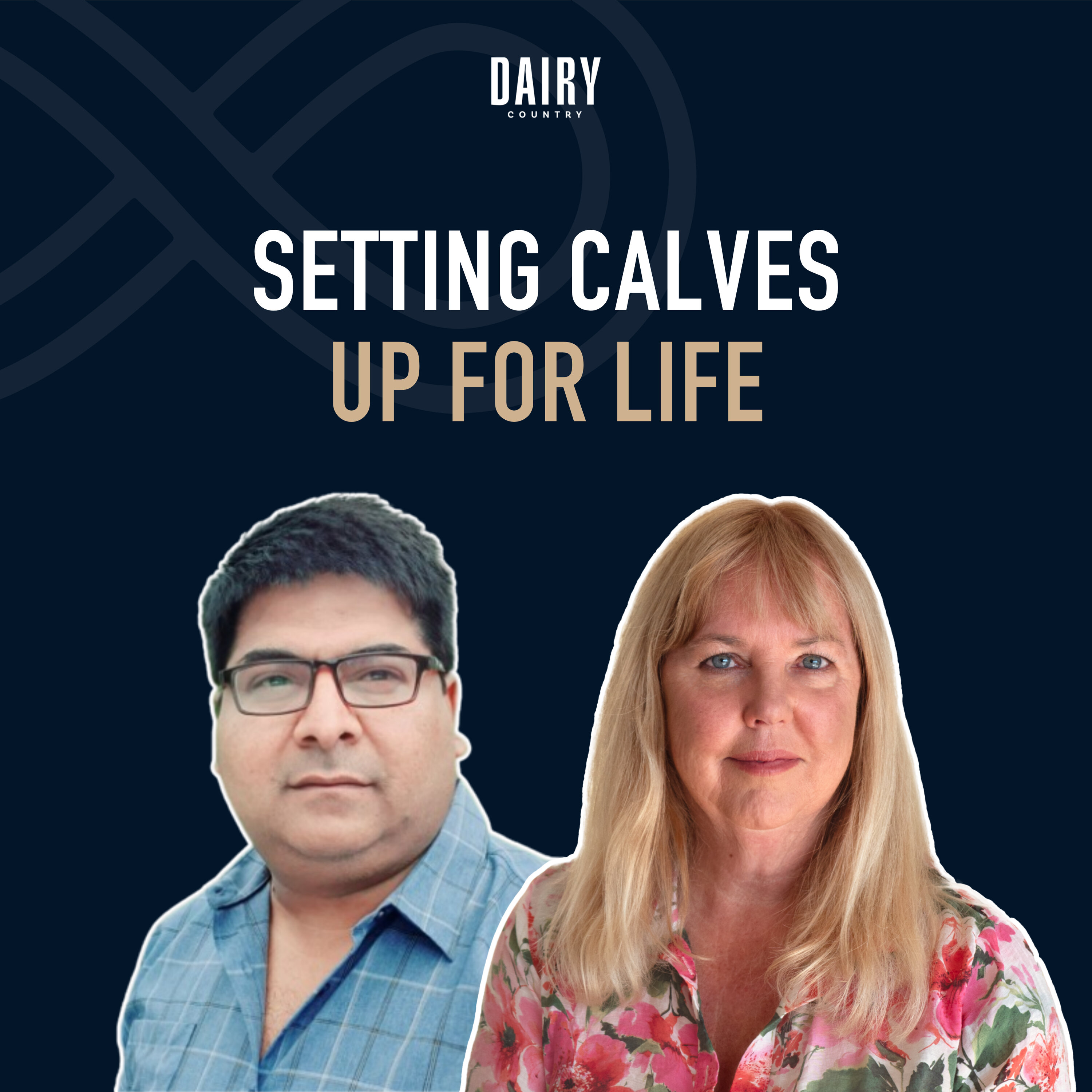 Episode 119 - Setting calves up for life | Dr Ajmal Khan has spent more than a decade researching calf rearing, investigating how early-life nutrition and management influence the health, productivity and lifetime performance of dairy animals. Anne Lee speaks with the Bioeconomy Science Institute scientist about his latest research into colostrum management, milk feeding and pre-weaning growth, and why getting those first days and weeks right can have lasting benefits for calf health, milk production, longevity and farm profitability. Host: Anne Lee, Senior Journalist, Dairy Country Guest: Dr Ajmal Khan, Bioeconomy Science Institute Ajmal explains why collecting calves early and feeding high-quality "gold" colostrum is critical for successful passive transfer of immunity, before sharing findings from his long-term New Zealand research that followed calves through their first four lactations as cows. Anne and Ajmal also discuss the importance of feeding adequate milk during the pre-weaning period, the impact of early growth rates on lifetime milk production, practical weaning strategies and the role of automatic calf feeders. Together they explore how small management decisions during a calf's first weeks can deliver significant gains in animal welfare, productivity, profitability and environmental outcomes. Sign up to the weekly DAIRY Country email newsletter here: https://dairycountry.co.nz/sign-up/See omnystudio.com/listener for privacy information. | 34m 31s | ||||||
| 7/2/26 | 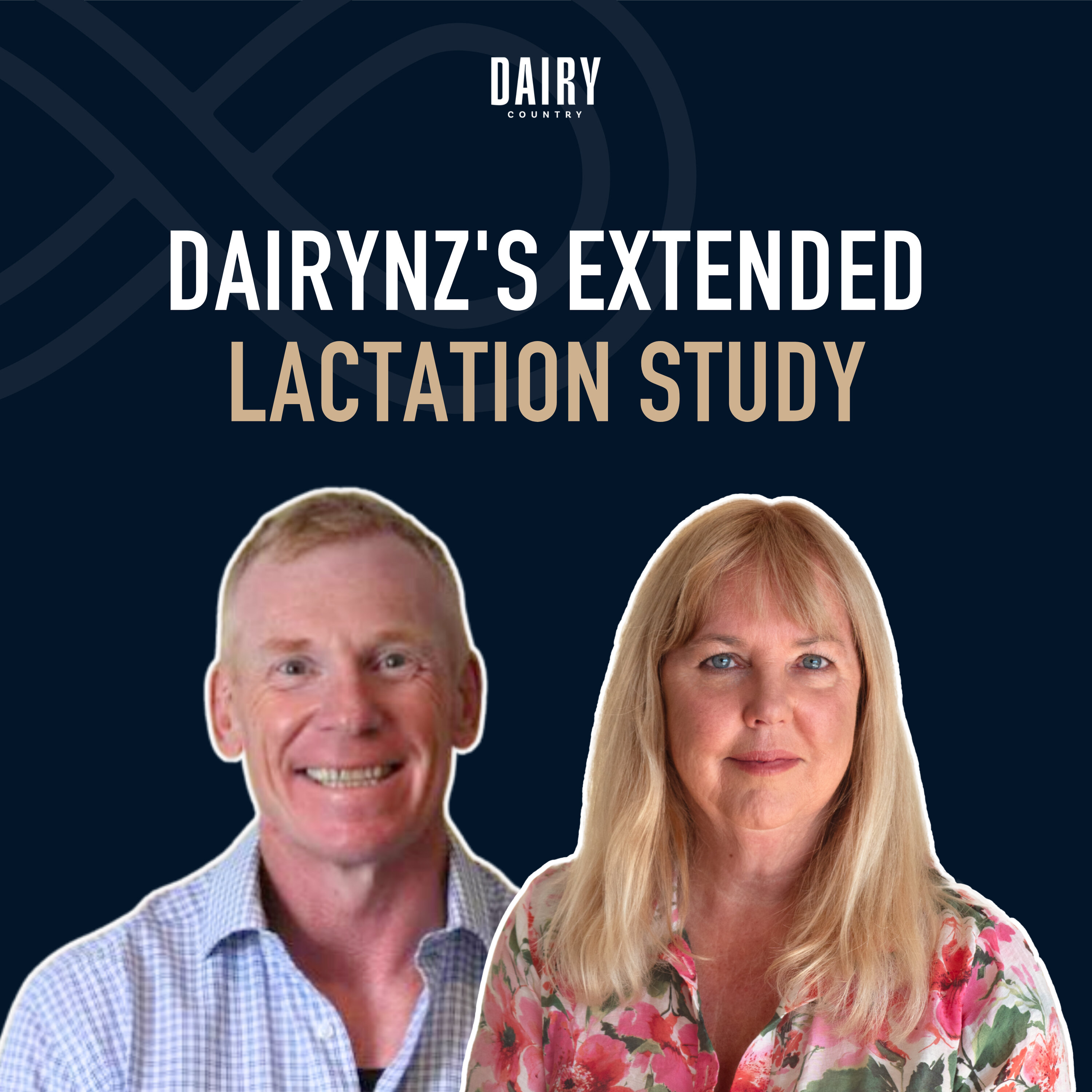 Episode 118 - Can grass replace winter crops? | Fraser Tasker has spent the past several years refining a grass-based wintering system on his Mid Canterbury dairy support block, replacing traditional fodder beet and kale wintering for his mixed-age cows. Anne Lee speaks with Fraser about what prompted the change, how the system operates and the practical lessons he's learnt along the way. Host: Anne Lee, Senior Journalist, Dairy Country Guest: Fraser Tasker, Canterbury farmer Fraser was one of three farmers who spoke at a Lincoln University Dairy Farm (LUDF) focus day along with scientists studying pasture based wintering systems for the South Island. Anne and Fraser discuss some of the information shared at the focus day and dig more deeply into Fraser’s dairy operation. He explains how the cocksfoot pastures and separate fescue dominant pastures are managed and the improvements he’s seen in animal health and welfare, simplified management and nitrogen losses. He discusses how he balances multiple stock classes on the support block, costs of the system and why he believes grass wintering works for his situation. Sign up to the weekly DAIRY Country email newsletter here: https://dairycountry.co.nz/sign-up/See omnystudio.com/listener for privacy information. | 47m 07s | ||||||
| 6/25/26 | 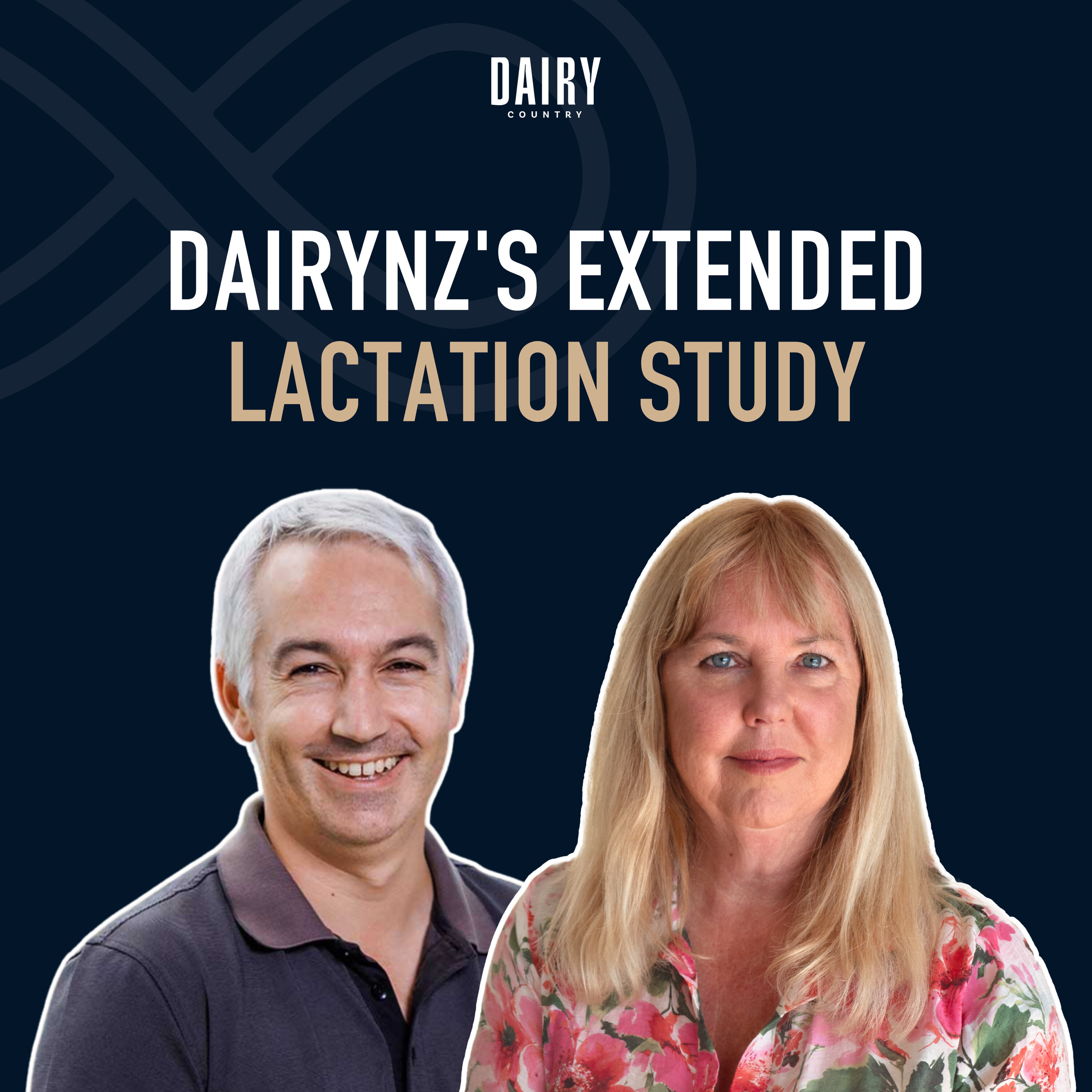 Episode 117 - DairyNZ's extended lactation study | Extended lactation is emerging as a potential option for dairy farmers looking to reduce labour pressure, improve flexibility and significantly cut the number of non-replacement calves being born each year. Anne Lee speaks with DairyNZ senior scientist Dr Paul Edwards about the research behind the system and the results emerging from farmlet trials at Scott Farm and a new study in Northland. Host: Anne Lee, Senior Journalist, Dairy Country Guest: Dr Paul Edwards, Senior Scientist, DairyNZ Paul explains how a 24-month calving interval works in a pasture-based system, where half the herd calves in alternate springs, and discusses its impacts on milk production, feed demand, profitability and cow performance. He also shares insights into the opportunities extended lactation could create for replacement rates and beef-on-dairy, and why researchers believe the system is worth continuing to explore as a future option for some New Zealand dairy farmers. Sign up to the weekly DAIRY Country email newsletter here: https://dairycountry.co.nz/sign-up/See omnystudio.com/listener for privacy information. | 32m 23s | ||||||
| 6/18/26 | 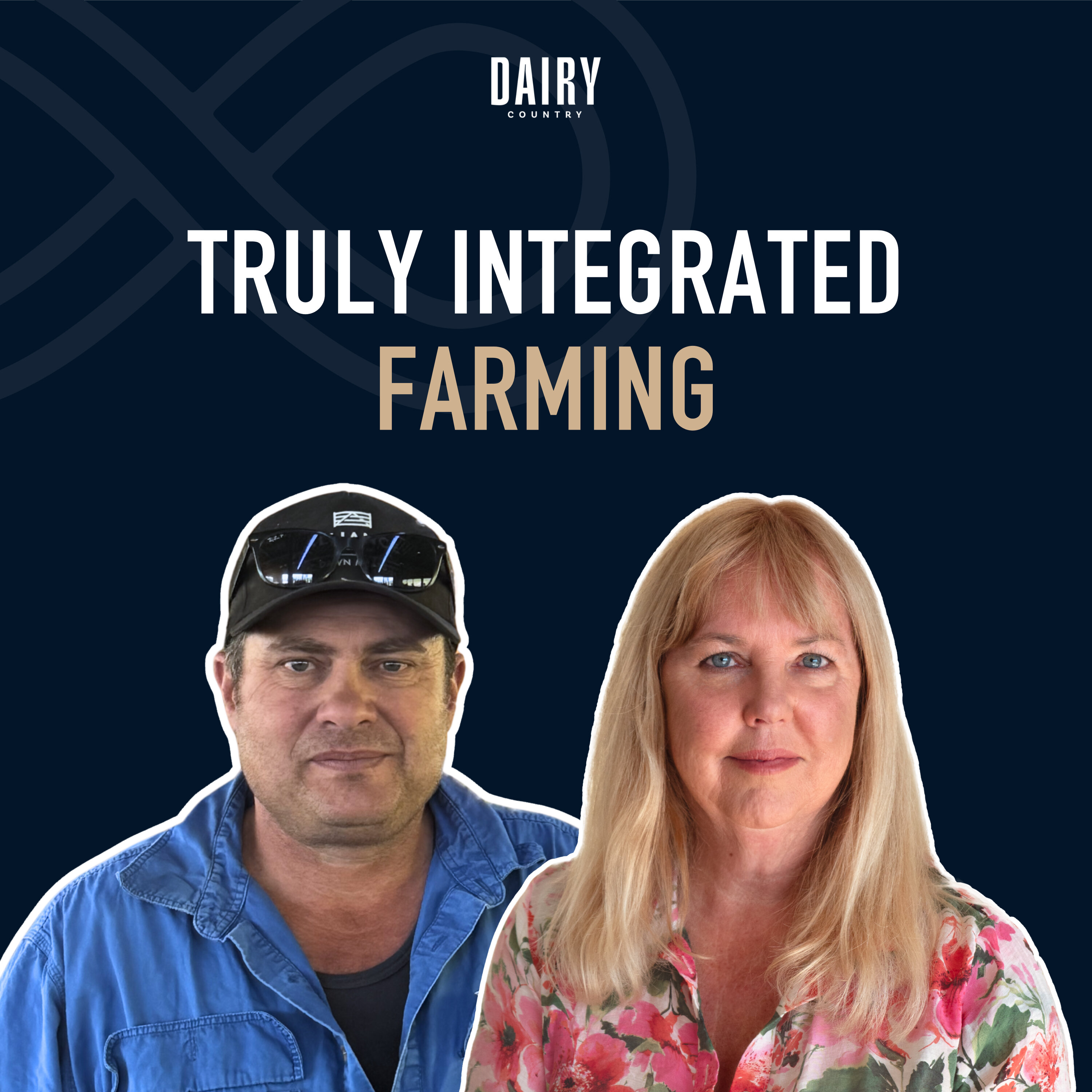 Episode 116 - Truly integrated farming | Willesden Farms is a diverse Canterbury farming business, spanning more than 6,500 hectares across Banks Peninsula, Kaitorete Spit and the Canterbury Plains. Anne Lee speaks with General Manager Matt Iremonger about the evolution of the farming operation, its recent dairy expansion and the role innovation is playing in improving both productivity and environmental outcomes. Host: Anne Lee, Senior Journalist, Dairy Country Guest: Matt Iremonger, Willesden farms Matt discusses the development of an 800-cow composting barn in Kaituna Valley and explains why the system was chosen to help manage challenging weather conditions, protect soils and improve animal welfare. He shares insights from the farm’s first season using the facility, including how it performed during significant rainfall events, the opportunities it creates for nutrient management and feed utilisation, and the role it plays in supporting the wider farming system. Matt also talks about Willesden Farms’ long-standing commitment to biodiversity, extensive native bush restoration projects, partnerships with local rūnanga and how the business balances environmental stewardship with strong commercial performance across its dairy, sheep and beef enterprises. Read the article from the Winter 2026 issue of CountryWide here: https://country-wide.co.nz/truly-integrated-farming/ Sign up to the weekly DAIRY Country email newsletter here: https://dairycountry.co.nz/sign-up/See omnystudio.com/listener for privacy information. | 34m 09s | ||||||
| 6/11/26 | 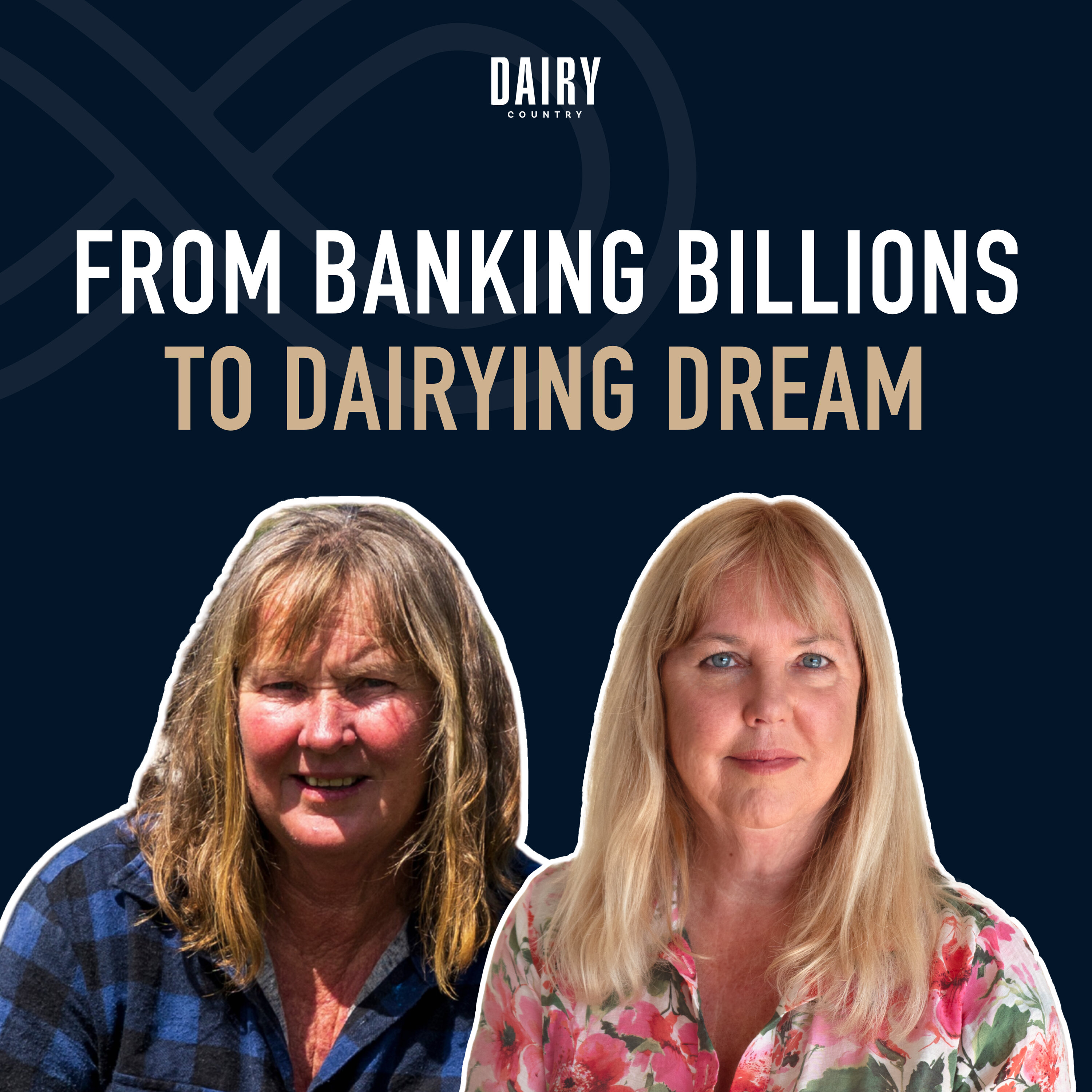 Episode 115 - From banking billions to dairying dream | West Coast dairy farmer Charlotte Aitken has taken an unconventional path to farm ownership, moving from a career in international banking in London to running her own dairy farm near Karamea. Anne Lee speaks with Charlotte about her journey into dairy farming, the financial discipline that underpins her business and the management decisions that have helped her build a profitable farming operation. Host: Anne Lee, Senior Journalist, Dairy Country Guest: Charlotte Aitken, West Coast Dairy Farmer Charlotte discusses how she transitioned into the dairy industry later in life, working her way through farm roles before purchasing her own farm on the West Coast of the South Island. She explains how her background in finance influences the way she manages costs, production and investment decisions, and shares insights into breeding strategies, facial eczema management and maximising value from every calf born on the farm. Charlotte also talks about adopting virtual fencing technology, trialling new ideas and why she believes innovation and a willingness to challenge conventional thinking are key to long-term success. Read the article from the Autumn 2026 issue of DAIRY Country here: https://dairycountry.co.nz/from-banking-billions-to-dairying-dream/ Sign up to the weekly DAIRY Country email newsletter here: https://dairycountry.co.nz/sign-up/See omnystudio.com/listener for privacy information. | 30m 10s | ||||||
| 6/4/26 | 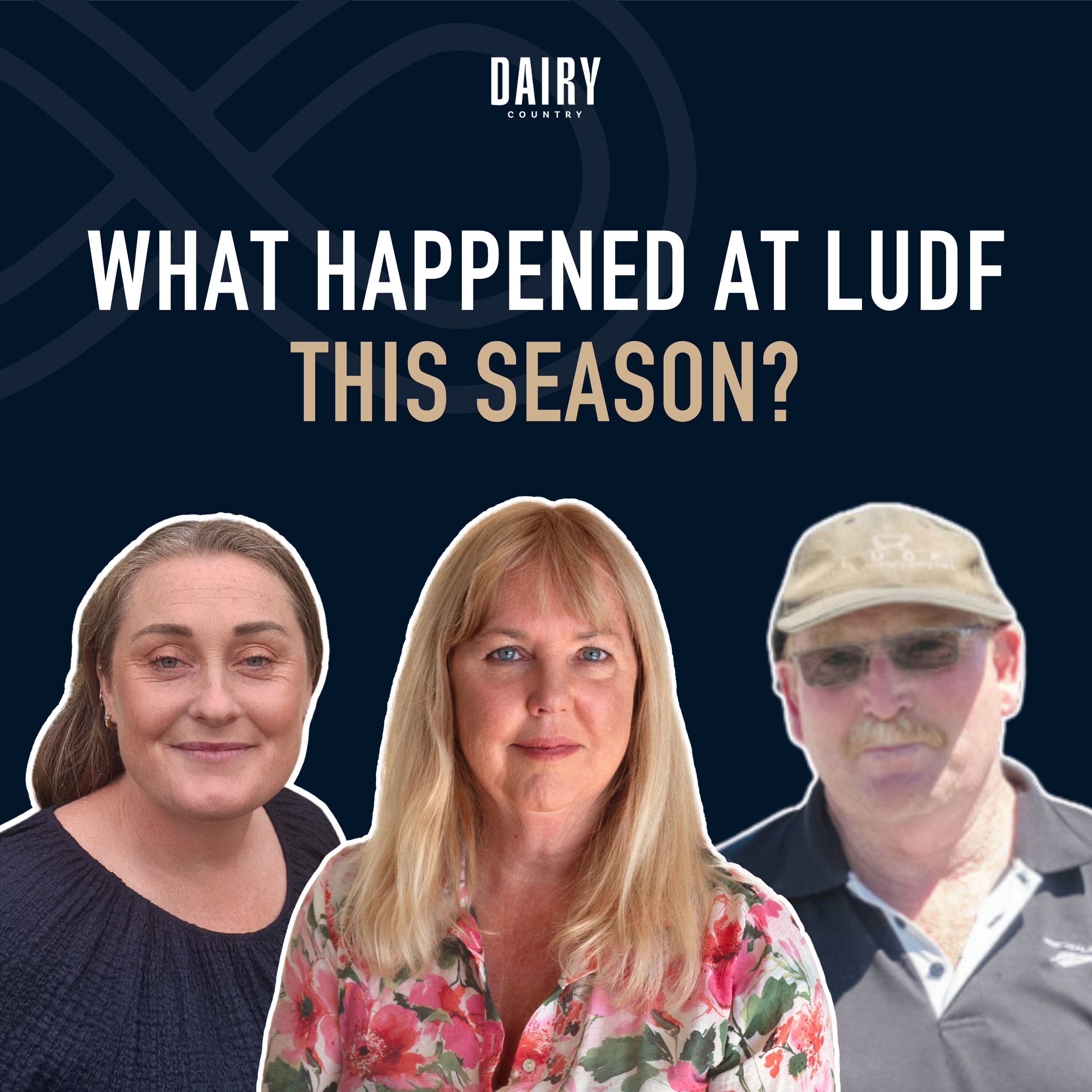 Episode 114 - What happened at LUDF this season? | Lincoln University Dairy Farm (LUDF) has completed another challenging season, with wet spring and summer conditions affecting pasture utilisation, feed management and production across the farm. In this episode, Anne Lee speaks with Antoinette Archer and Peter Hancox about the season, the farm’s wintering strategy and the management decisions made to prepare for the year ahead. Host: Anne Lee, Senior Journalist, Dairy Country Guests: Antoinette Archer, Partnership and Demonstration Lead, LUDF Peter Hancox, Farm Manager, LUDF Antoinette Archer explains that LUDF finished the season slightly below its milk production targets after two consecutive wet years created difficult growing conditions for the farm’s pasture-based system. She says wet spring conditions reduced pasture utilisation and increased the need for supplementary feed, while weed pressure and lower dry matter content in some paddocks affected the amount of feed cows were able to harvest. Antoinette discusses the farm’s production results, nitrogen use, feed inputs and the steps being taken to improve pasture quality and performance heading into next season. Peter Hancox discusses how weather conditions shaped management decisions throughout the year, from reduced irrigation demand during a wet summer to increased supplement use during a cold, dry autumn when pasture growth slowed significantly. He also explains LUDF’s approach to drying cows off based on condition score, winter grazing management and preparing the herd for calving. The pair also outline plans for LUDF’s upcoming Focus Day that’s being held off farm, where farmers will hear about pasture-based wintering systems, benchmarking opportunities and practical lessons from both LUDF and other Canterbury farming businesses. Sign up to the weekly DAIRY Country email newsletter here: https://dairycountry.co.nz/sign-up/See omnystudio.com/listener for privacy information. | 21m 54s | ||||||
| 5/28/26 | 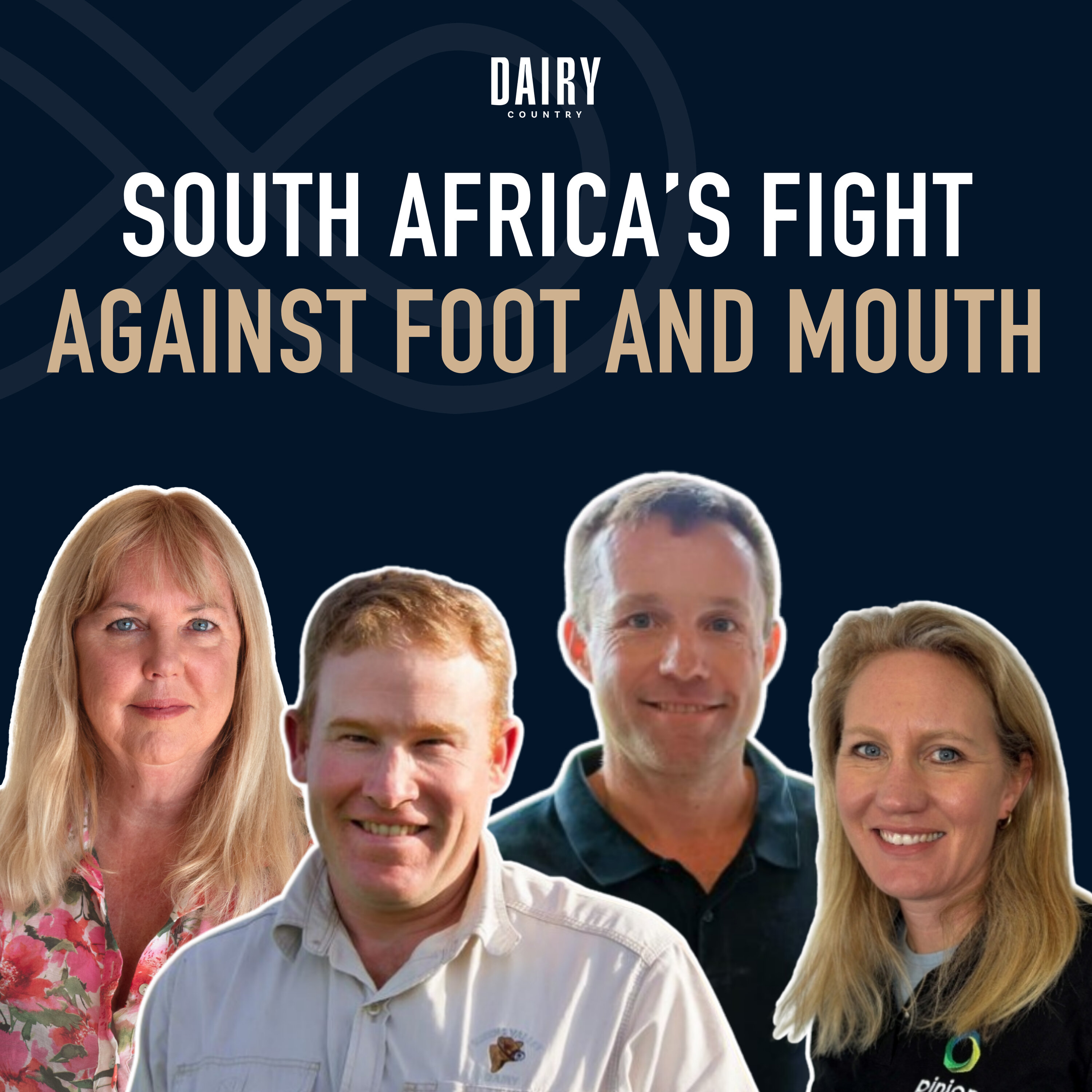 Episode 113 - South Africa’s fight against Foot and Mouth Disease | Foot and Mouth Disease (FMD) is one of the most serious biosecurity threats facing livestock industries worldwide, with South Africa’s recent outbreak highlighting the devastating impact it can have on commercial dairy farms. In this episode, Anne Lee speaks with Georgie Muller, Steve Moss and Andrew Morphew about the rapid spread of the disease, its impact on dairy businesses and the urgent need for coordinated vaccine programmes and national response planning. Host: Anne Lee, Senior Journalist, Dairy Country Guests: Steve Moss, Sharefarmer and Hub Manager overseeing seven dairy farms for management company Just Milk Georgie Muller, Dairy Junction and Pinion Advisory Andrew Morphew, Colbourne Farming and spokesperson for FMD Response South Africa Georgie Muller explains how Foot and Mouth Disease (FMD) has historically been contained to specific endemic regions in South Africa, but in recent years has spread into major commercial dairy areas with severe consequences for farmers. She says the virus is difficult to control because it is present in wild and communally owned animal populations. Once in dairy herds it spreads rapidly, causing mastitis, lameness, calf losses and major production challenges. Georgie says this latest, large-scale outbreak has hit farmers hard, and highlighted gaps when it comes to the roll out of vaccination programme across large communal and commercial farming regions. Steve Moss shares firsthand experience from his dairy businesses after FMD spread through several of their farms earlier this year. He says the outbreak caused catastrophic calf losses, widespread mastitis and major milk production declines, while also placing enormous emotional and physical pressure on farm staff and management teams. Steve says vaccination has shown promising results in reducing the severity of outbreaks, but ongoing vaccine shortages and delays continue to leave many farms exposed to further infections. Andrew Morphew says FMD Response South Africa was established as a farmer-led organisation to push for faster, more coordinated action from government and industry. He says the current vaccination rollout is not happening quickly enough to effectively control the disease and argues South Africa needs large-scale vaccination campaigns completed within tight timeframes to reduce viral spread. Andrew says farmers, private veterinarians and industry groups all need to play a role in the response if the country is to regain control of the outbreak and protect the long-term future of its livestock industries. Sign up to the weekly DAIRY Country email newsletter here: https://dairycountry.co.nz/sign-up/See omnystudio.com/listener for privacy information. | 43m 08s | ||||||
| 5/21/26 | 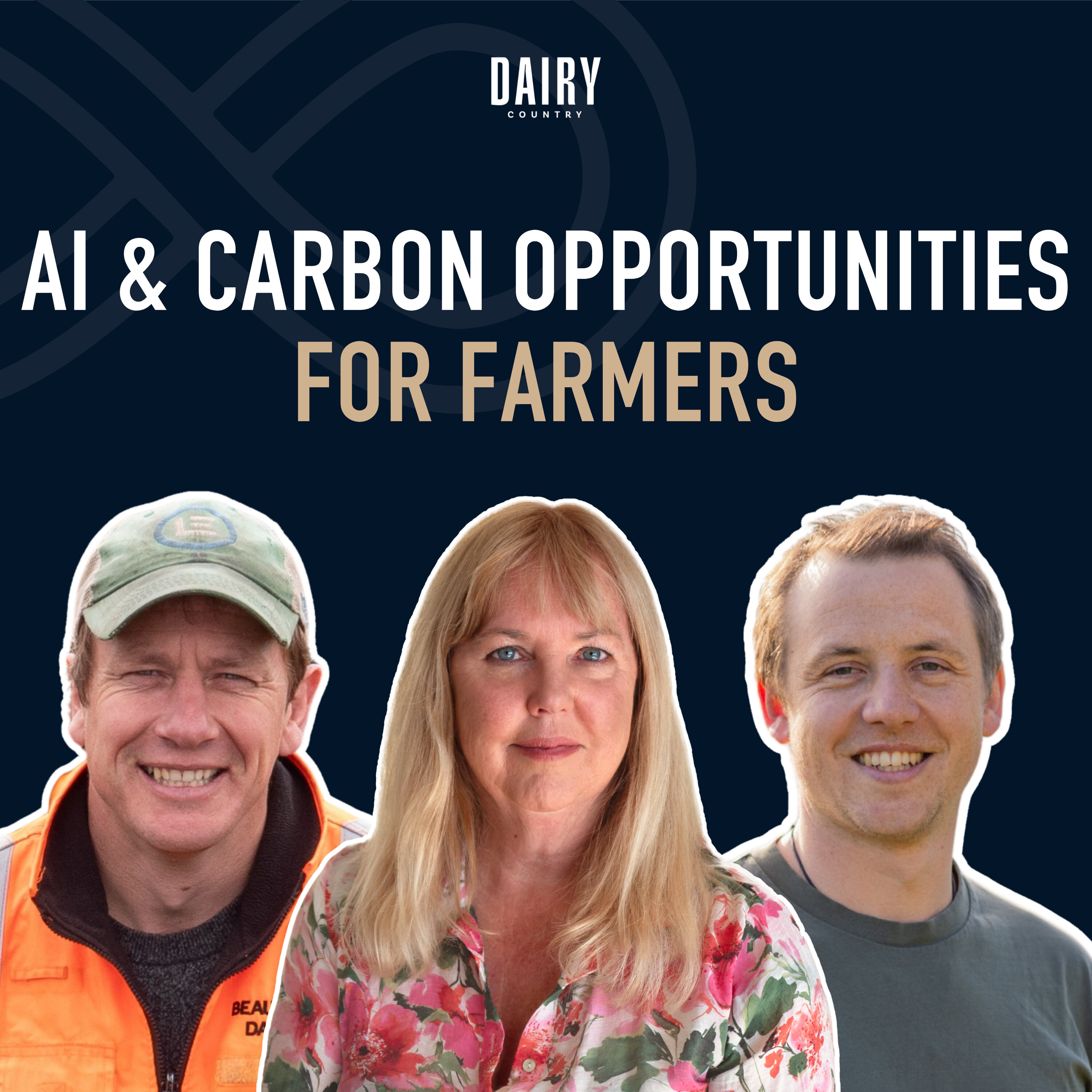 Episode 112 - AI & carbon opportunities for farmers | Technology, AI and environmental markets are creating new opportunities for rural businesses and farmers, with platforms designed to simplify recruitment, trading and carbon projects becoming increasingly relevant across the sector. In this episode from the Wānaka A&P Show Agri Exchange, Anne Lee speaks with Tony Dodunski from Ag Assist and Mitchell McLaughlin from MyNativeForest about how their businesses are helping farmers navigate labour shortages, rural commerce and the growing complexity of environmental markets. Host: Anne Lee, Senior Journalist, Dairy Country Guests: Tony Dodunski, Ag Assist Mitchell McLaughlin, MyNativeForest Tony Dodunski explains how AgAssist was created during the COVID border closures when many farms were struggling to source staff, leading the business to develop a platform connecting employers with part-time and under-utilised workers. He says the platform has expanded well beyond recruitment into a broader rural marketplace where farmers can buy and sell machinery, livestock and services, while also promoting rural events and businesses. Tony says AI features built into the system help streamline the process by automatically generating listings, CVs and product descriptions, making the platform quicker and easier for farmers to use. Mitchell McLaughlin says MyNativeForest is focused on helping farmers turn native forestry into a financially viable part of their farming business by accessing carbon markets and environmental schemes. He says many landowners have areas of regenerating bush or marginal land that could generate long-term returns, but the complexity of carbon rules and project setup often discourages people from exploring the opportunity. Mitchell says the business works to simplify the process by managing the technical, legal and environmental requirements, while helping farmers understand where voluntary carbon markets and native forestry projects may provide stronger commercial outcomes. Sign up to the weekly DAIRY Country email newsletter here: https://dairycountry.co.nz/sign-up/See omnystudio.com/listener for privacy information. | 22m 07s | ||||||
| 5/14/26 | 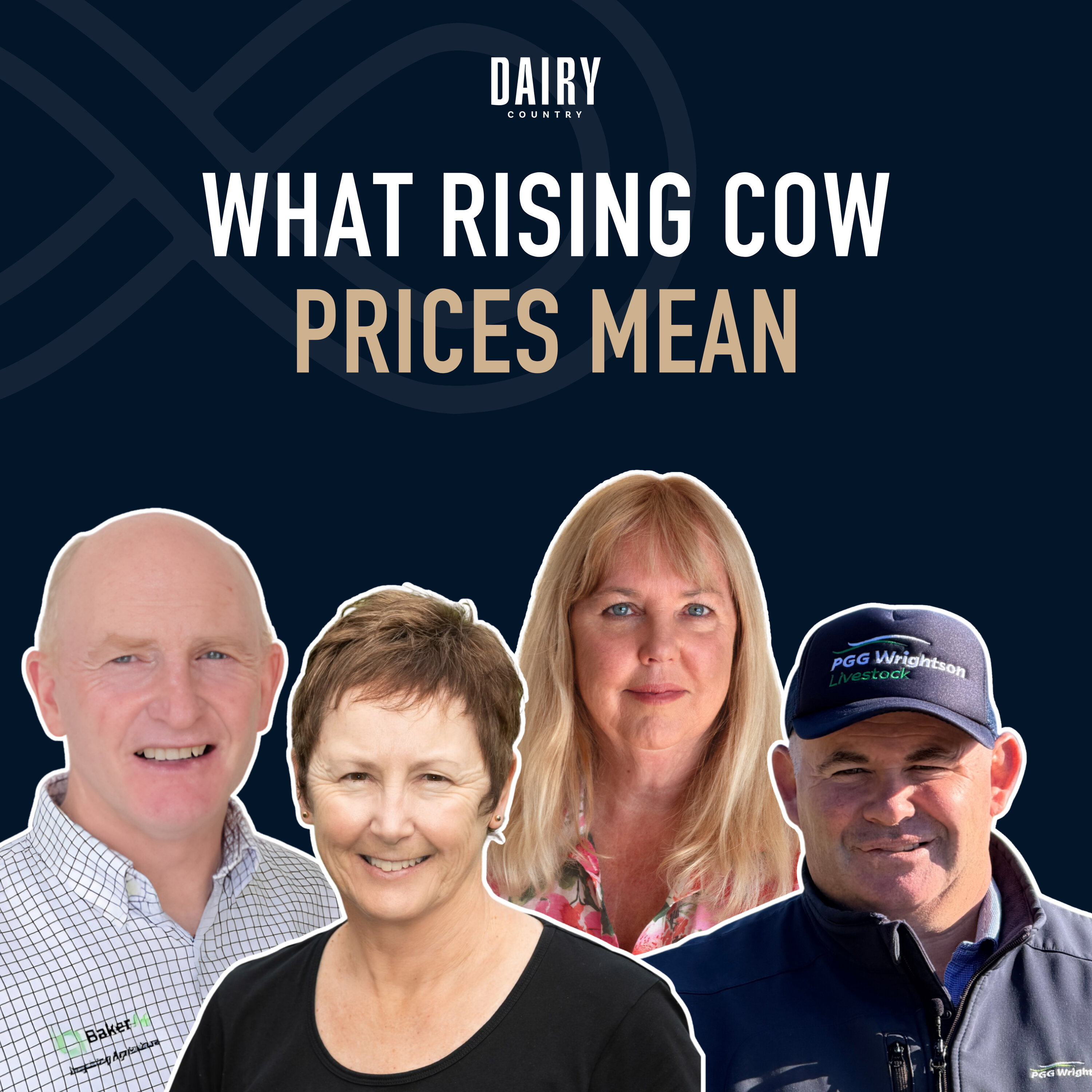 Episode 111 - What rising cow prices mean | Cow prices and livestock values are front of mind across the dairy sector right now, with strong market demand, rising confidence and shifting tax implications all shaping decisions for farmers buying, selling or expanding herds. In this episode of the Dairy Country podcast, Anne Lee speaks with Chris Lewis from BakerAg, Jamie Cunninghame, National Dairy Specialist at PGG Wrightson, and Trudi Ballantyne from Stem Rural about what’s driving current cow values, what it means for farm business decisions, and why understanding both market conditions and tax settings is becoming increasingly important. Host: Anne Lee, Senior Journalist, Dairy Country Guests: Trudi Ballantyne, Stem Rural Chris Lewis, BakerAg Jamie Cunninghame, PGG Wrightson Chris Lewis says confidence is strong across the sector, underpinned by solid milk returns, strong beef prices and relatively favourable feed costs. He says demand is currently being driven largely by farmers looking to top up herds with smaller numbers of quality cows, rather than full herd purchases, while strong prices are also encouraging trading activity. Chris adds that high cow values are creating equity-building opportunities for existing owners and share milkers, but careful attention to debt levels and downside risk remains essential. Jamie Cunninghame, National Dairy Specialist at PGG Wrightson, says the market was sparked early by conversion demand and has remained consistently firm through the season, with strong competition for quality cows. He says good in-calf heifers and dairy cows are generally trading between $2800 and $3300 a head, with occasional higher outliers depending on quality and scale. Jamie also notes that strong cull cow and beef schedules are helping underpin overall confidence, while farmers who build into larger operations progressively tend to carry less risk than those entering through full herd purchases at current prices. Trudi Ballantyne from Stem Rural says rising cow values make livestock accounting and tax planning increasingly important, particularly when it comes to understanding the National Standard Cost Scheme versus the herd scheme. She steps listeners through both schemes and explains that the scheme a farmer is on, along with the timing of livestock sales, can have a significant impact on tax outcomes, especially in periods of rising values. Trudi stresses that working with an accountant who truly understands livestock valuation is critical, as incorrect treatment or poor timing decisions can lead to unexpected and potentially large tax liabilities. Sign up to the weekly DAIRY Country email newsletter here: https://dairycountry.co.nz/sign-up/See omnystudio.com/listener for privacy information. | 32m 17s | ||||||
| 5/7/26 | 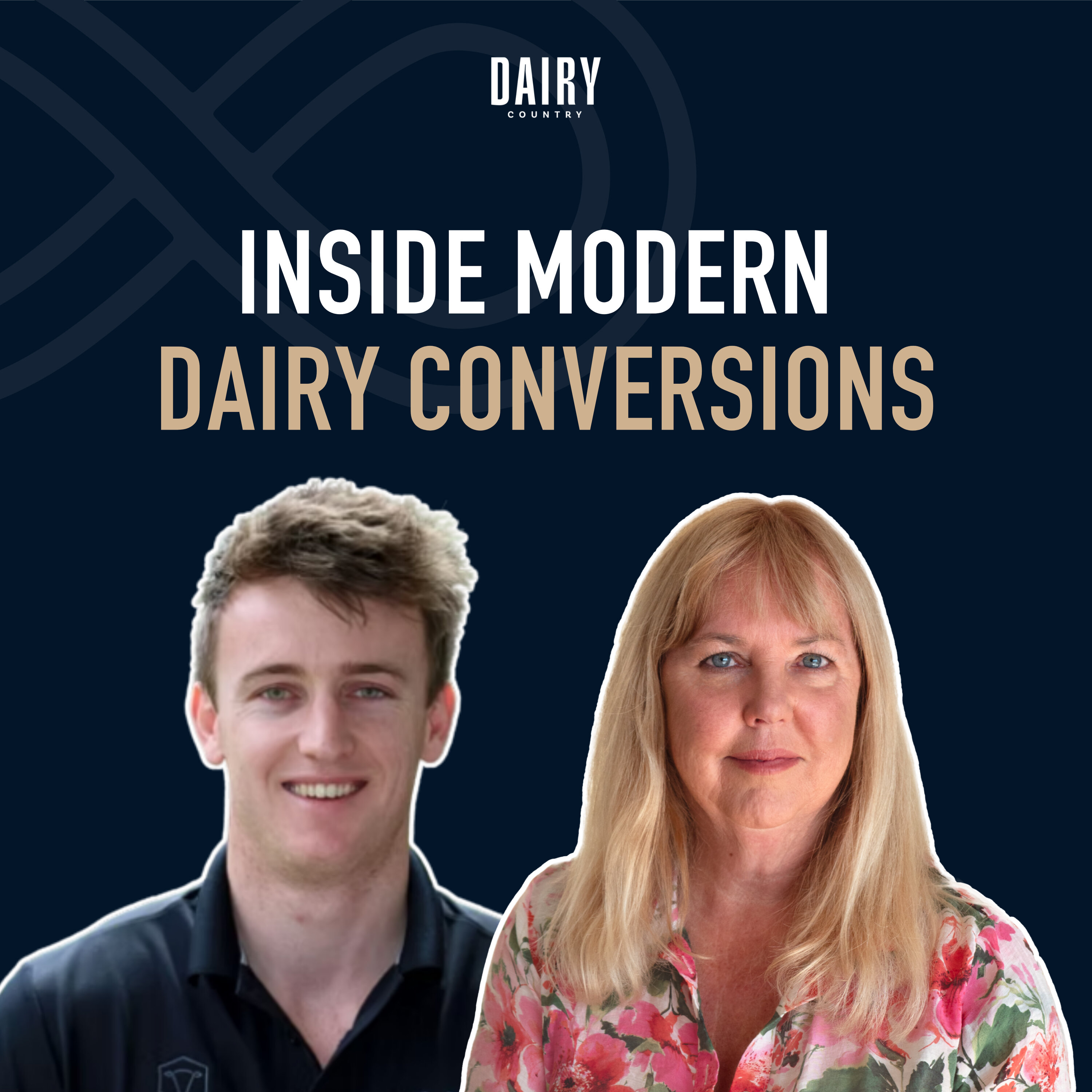 Episode 110 - Inside modern dairy conversions | There’s been a lot of talk when it comes to the new wave of dairy conversions but what’s really going on in terms of design and fitout? In this episode Anne Lee speaks with Tambo consultant Luke Palmer about what setups farmers are favouring, what they should be aware of when planning and what costs are on the rise. Tambo is an agribusiness management and consultancy company that has been working with a number of recent and planned conversions. Luke says it’s important to start with a clear understanding of the “why”, whether it’s expansion, succession, or improving system efficiency to guide decisions around design, scale, and investment. Host: Anne Lee, Senior Journalist, Dairy Country Guest: Luke Palmer, Consultant, Tambo A thorough understanding of environmental compliance requirements is a must as they will likely underpin many design considerations including effluent and off-paddock infrastructure. Luke says today’s conversions are being built with the future in mind, from larger rotary sheds and improved cow flow to layouts that reduce labour and support staff efficiency. He highlights the growing role of automation, real-time data and animal monitoring. Alongside this, there is rising interest in solar energy and flexible, modular systems that allow farms to adapt over time, while early planning remains critical to managing costs, securing contractors, and avoiding delays in a busy pipeline. Sign up to the weekly DAIRY Country email newsletter here: https://dairycountry.co.nz/sign-up/See omnystudio.com/listener for privacy information. | 28m 38s | ||||||
Want analysis for the episodes below?Free for Pro Submit a request, we'll have your selected episodes analyzed within an hour. Free, at no cost to you, for Pro users. | |||||||||
| 4/30/26 | 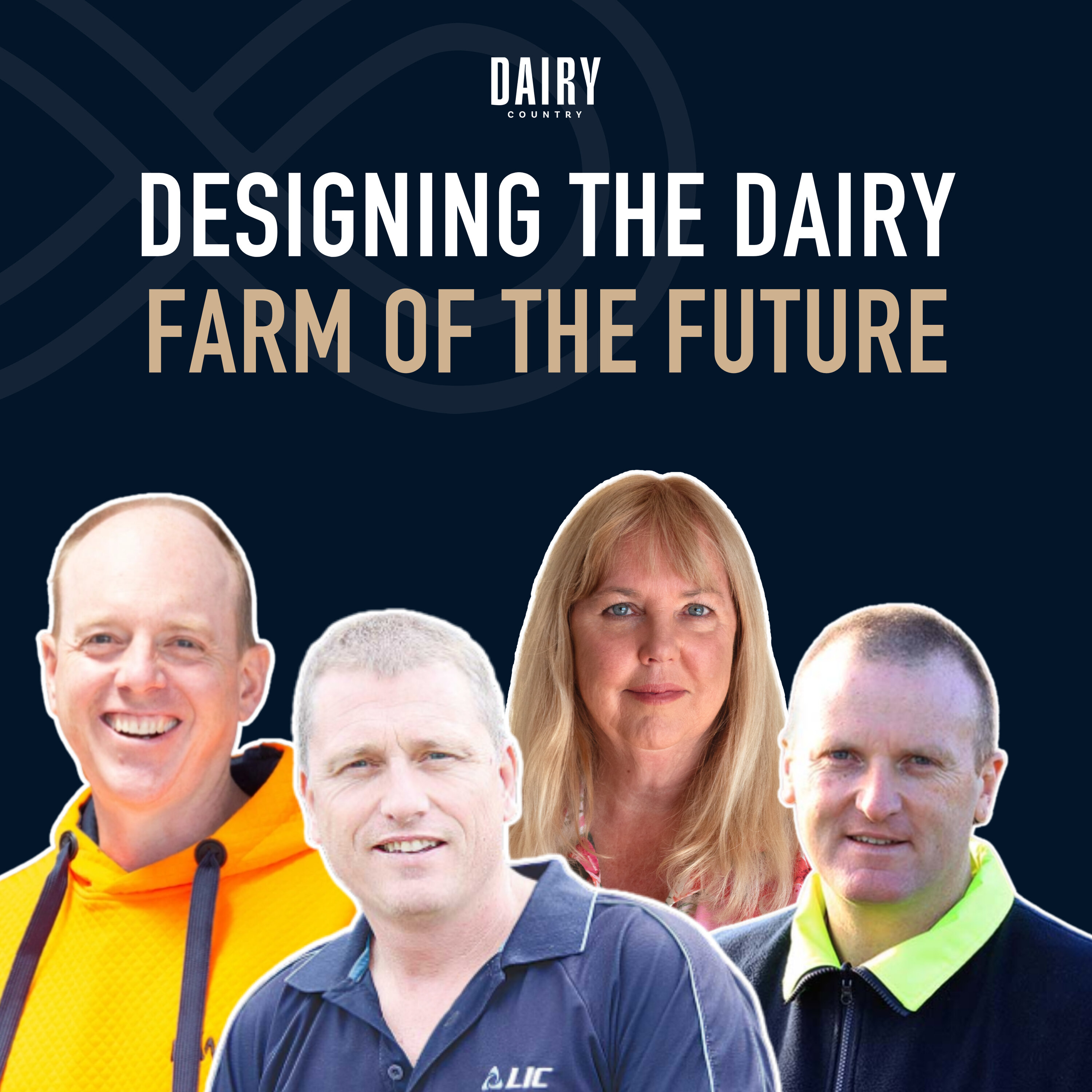 Episode 109 - Designing the dairy farm of the future | The Science for Farmers tent at the Wānaka A&P Show this year gave farmers a great chance to see and hear about a wide range of research as well as ways that’s being implemented on farms. Dairy Country Podcast host Anne Lee was there and talked to Danny Donaghy of Massey University, Pāmu’s Head of Sustainability Sam Bridgman, and LIC Senior Herd Improvement Specialist Simon Worth. Each shared the ways science and innovation are helping farmers respond to climate pressure, lift system resilience, and future-proof performance. Host: Anne Lee, Senior Journalist, Dairy Country Guests: Danny Donaghy, Professor of Dairy Production Systems & Deputy Head, School of Agriculture and Environment, Massey University Simon Worth, Senior Herd Improvement Specialist, LIC Sam Bridgman, Head of Sustainability, Pāmu Danny Donaghy shares insights from the Whenua Haumanu research programme, challenging the idea that more pasture diversity is always better. Instead, he outlines a functional approach, selecting a small number of complementary species to improve yield, animal performance and environmental outcomes. His work shows that well-designed mixes can deliver measurable gains, often at lower cost, while helping farmers better manage drought, nitrogen loss and seasonal variability. Simon Worth outlines LIC’s work on the slick gene, a naturally occurring trait that improves heat tolerance in cattle. He explains how the gene has been progressively bred into high-performing dairy animals, with the goal of delivering commercially viable bulls within the next few years. As temperatures rise, tools like this will become increasingly important, sitting alongside management and system changes to help farmers maintain productivity under heat stress. Sam Bridgman explains how Pāmu is using detailed climate projections to help farmers understand future risks and adapt accordingly. By using tools to map changes in rainfall, heat and extreme events at a farm level, the work highlights practical, often simple adjustments that can improve resilience. From water management to system design, he emphasises that small, informed changes can strengthen both environmental and financial performance over time. Find the Ministry for the Environment climate tool mentioned in the episode here: https://map.climatedata.environment.govt.nz/ Sign up to the weekly DAIRY Country email newsletter here: https://dairycountry.co.nz/sign-up/See omnystudio.com/listener for privacy information. | 39m 11s | ||||||
| 4/23/26 | 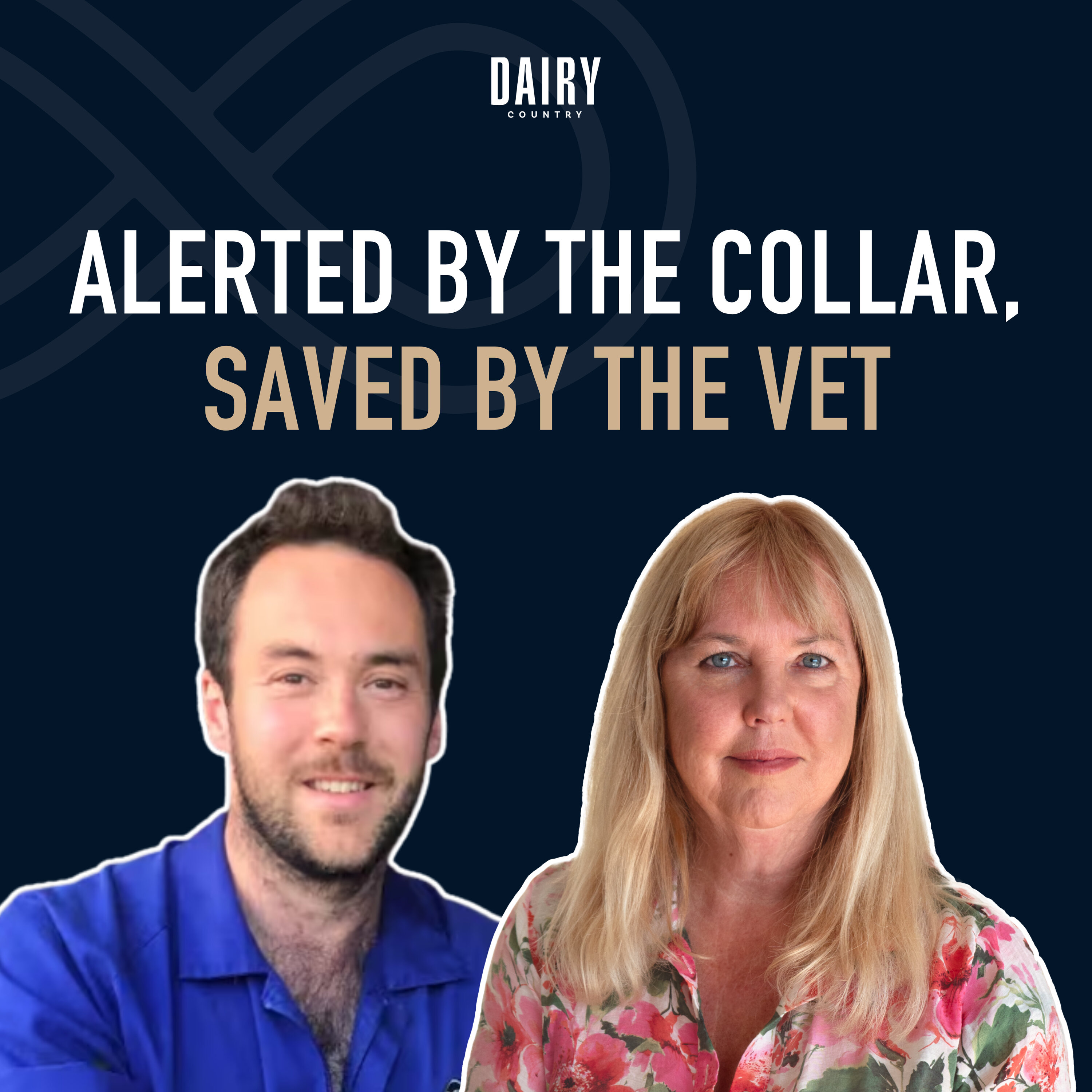 Episode 108 - Alerted by the collar, saved by the vet | A closer look at how wearable technology is reshaping animal health highlights just how quickly on-farm decision making is evolving, and why early intervention is becoming increasingly achievable. Veterinarian at Kaipara Farm Vets, Rory Dean, unpacks a real-time case study, explaining how collar data revealed a sudden drop in rumination and feed intake, signalling a serious internal issue before it became critical. Host: Anne Lee, Senior Journalist, Dairy Country Guest: Rory Dean, Kaipara Farm Vets Drawing on the example, Rory outlines the way conditions such as caecal dilatation and other “twisted gut” presentations develop, how they impact cow behaviour, and why they can escalate rapidly if left untreated. He explains the diagnostic process, from interpreting data trends to physically identifying gas build-up, and how timely surgical intervention can dramatically improve outcomes. Cases can now be picked up earlier through better use of technology. While tools like collar monitoring provide valuable insights, they are most effective when paired with strong observation skills and prompt action, with early identification and good post-treatment care playing a critical role in recovery. The discussion also turns to seasonal priorities, including milk quality management and selective dry cow therapy. Rory reinforces the importance of responsible antibiotic use and working closely with veterinarians to make informed, practical decisions, highlighting how combining data, experience, and proactive planning can lead to better animal outcomes and more resilient farming systems. Read the article featuring Rory here: https://dairycountry.co.nz/alerted-by-the-collar-saved-by-the-vet/ Sign up to the weekly DAIRY Country email newsletter here: https://dairycountry.co.nz/sign-up/See omnystudio.com/listener for privacy information. | 27m 08s | ||||||
| 4/16/26 | 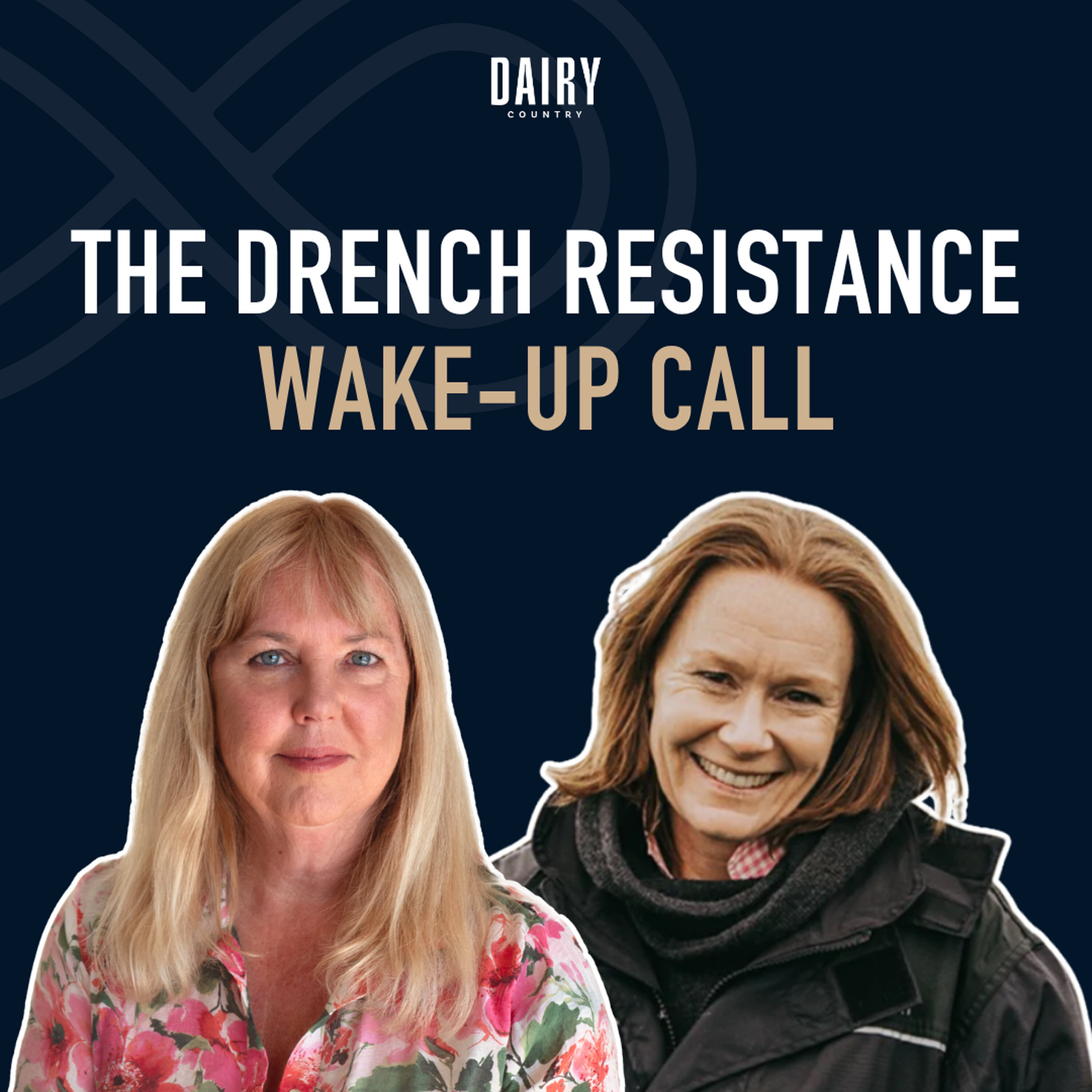 Episode 107 - The drench resistance wake-up call | The episode is dedicated to the late Dr Dave Leathwick, AgResearch parasitologist, scientist and champion for the battle against drench resistance. A closer look at drench resistance in dairy systems highlights how rapidly conventional parasite control methods are becoming less effective and why farmers need to take a more strategic approach. WormWise programme manager and veterinarian Ginny Dodunski unpacks the latest data and on-farm observations, explaining what drench resistance is, how it develops over time, and why it can remain hidden until it starts affecting animal performance. Host: Anne Lee, Senior Journalist, Dairy Country Guest: Ginny Dodunski, Programme Manager, WormWise Using recent research and real-world examples, Ginny outlines the increasing presence of resistant Cooperia and Ostertagia in young cattle, including cases where commonly used combination drenches are no longer doing the job. She discusses how drench selection, frequency, and inconsistent dosing, particularly with pour-on products, can contribute to resistance, and why early and accurate testing is essential to understand what is happening onfarm. The discussion also turns to practical ways farmers can reduce reliance on drenches. Ginny highlights the importance of pasture management, calf nutrition, and grazing strategies in lowering worm challenge. She explains why reducing exposure to worms in the first place can be more effective than trying to treat them later. Alongside the science, she reinforces the value of good decision making and working alongside vets to build more resilient, future proof farming systems. New Wormwise Handbook: https://beeflambnz.com/knowledge-hub/PDF/wormwise-resource-book.pdf Pamu case studies: https://www.pamunewzealand.com/pamunewzealand-pmu3/images/2024-Drench-resistance-and-parasite-management-at-P%C4%81mu.pdf Wormwise resistance report: https://beeflambnz.com/knowledge-hub/PDF/convenience-sample-cattle-faecal-egg-count-reduction-tests-new-zealand-2021-2024 Sign up to the weekly DAIRY Country email newsletter here: https://dairycountry.co.nz/sign-up/See omnystudio.com/listener for privacy information. | 47m 31s | ||||||
| 4/9/26 | 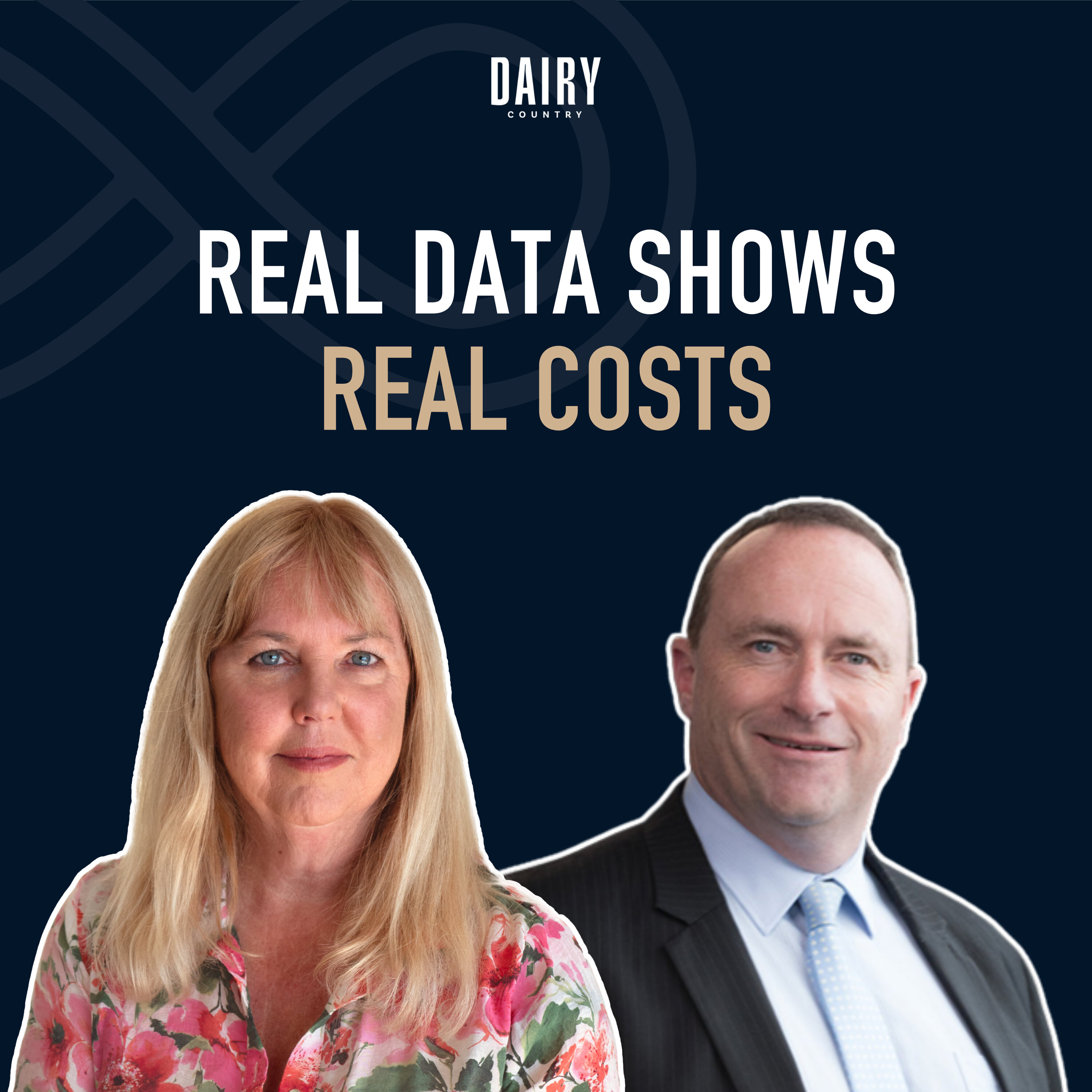 Episode 106 - Real data shows real costs | A deep dive into the data on substitution rates based on real measurements reveals just how careful farmers need to be when it comes to budgeting on the returns from supplementary feeding. The Prime Minister’s Chief Science Advisor Dr John Roche shared his analysis at a Taranaki Pasture Summit field day in late 2025 and in this podcast episode he steps listeners through his findings, explaining substitution rates and the concept of marginal milk. Drawing on extensive research and practical examples, he outlines why more feed does not always translate to more profit, and how important it is to look at the real costs of the extra production. Host: Anne Lee, Senior Journalist, Dairy Country Guest: Dr John Roche, Prime Minister’s chief science advisor John outlines how concepts such as substitution rate and marginal cost underpin the true value of additional feed, and why focusing on average cost can mask the real cost of producing extra milk. He talks about how pasture utilisation, stocking rate and timing all influence the response to supplements, highlighting that higher input systems can increase costs faster than returns if not carefully managed. Alongside the technical insights, he emphasises the importance of system design, flexibility and clear decision-making, helping farmers weigh up when supplements are a tool for profit and when they risk eroding it. Read the article featuring John here: https://dairycountry.co.nz/real-data-shows-real-costs/ Sign up to the weekly DAIRY Country email newsletter here: https://dairycountry.co.nz/sign-up/See omnystudio.com/listener for privacy information. | 50m 38s | ||||||
| 4/1/26 | 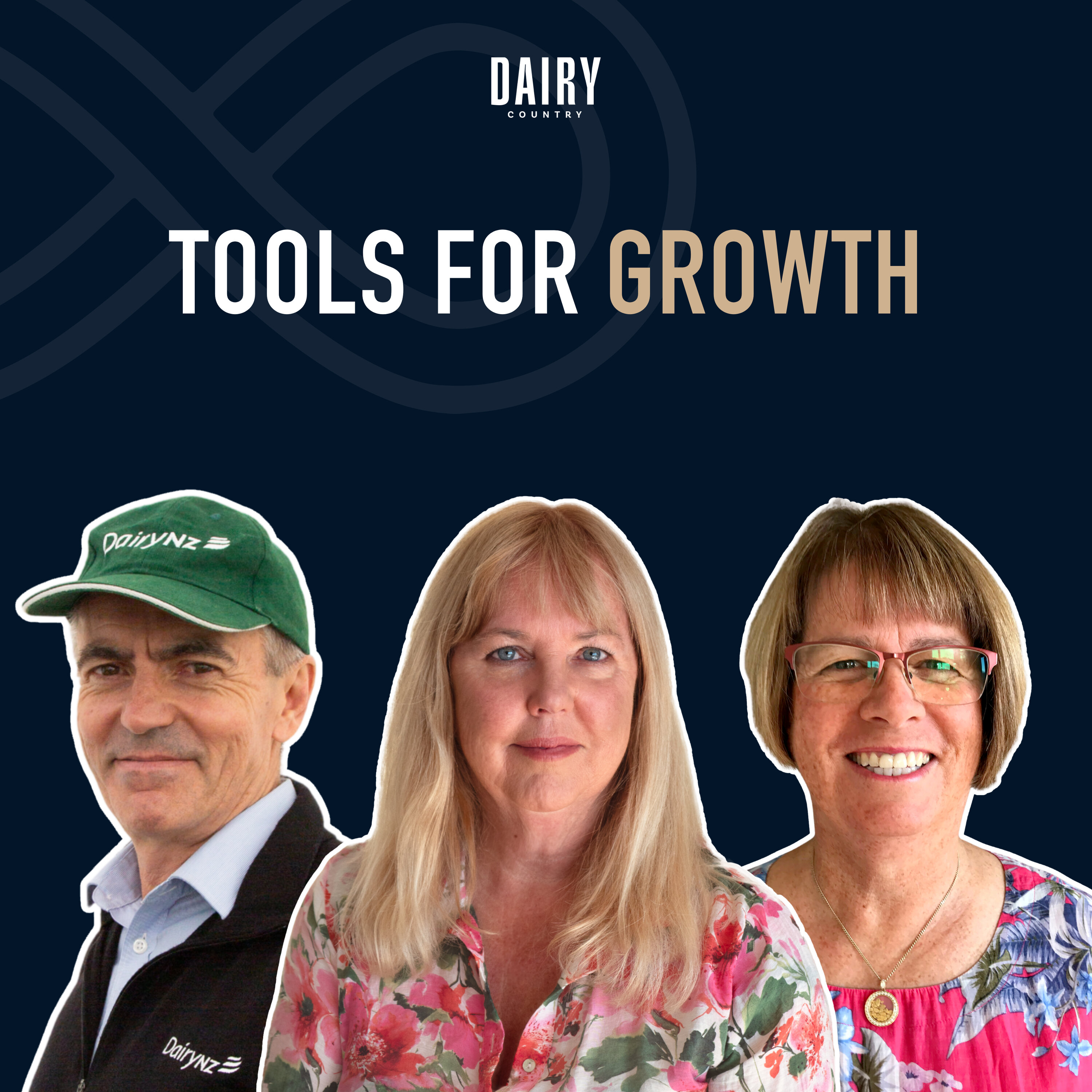 Episode 105 - Tools for growth | Lynaire Ryan from Agribusiness Education and Paul Bird from DairyNZ are focused on helping farmers build long-term wealth by improving financial understanding and making better use of the tools available within the dairy industry. In this episode, Anne Lee talks with the pair about the pathways available to farmers, how different operating structures support progression, and why the sector continues to offer strong opportunities for those starting out or looking to grow. Host: Anne Lee, Senior Journalist, Dairy Country Guests: Lynaire Ryan, Agribusiness Education Paul Bird, Senior business specialist, DairyNZ Lynaire and Paul explain how principles such as profitability, return on assets and the power of compounding underpin successful wealth creation, and why being in the top half of performance is critical. They discuss practical steps including building a savings base, investing in high-performing assets, and using leverage carefully, while also outlining the importance of measuring progress through indicators like equity growth. Alongside the financial concepts, they highlight the role of skills, discipline and reputation in unlocking opportunities, and how consistent decision-making over time can lead to significant gains both on-farm and beyond. Read the article featuring Lynaire and Paul here: https://dairycountry.co.nz/tools-for-growth/ Sign up to the weekly DAIRY Country email newsletter here: https://dairycountry.co.nz/sign-up/See omnystudio.com/listener for privacy information. | 42m 05s | ||||||
| 3/26/26 | 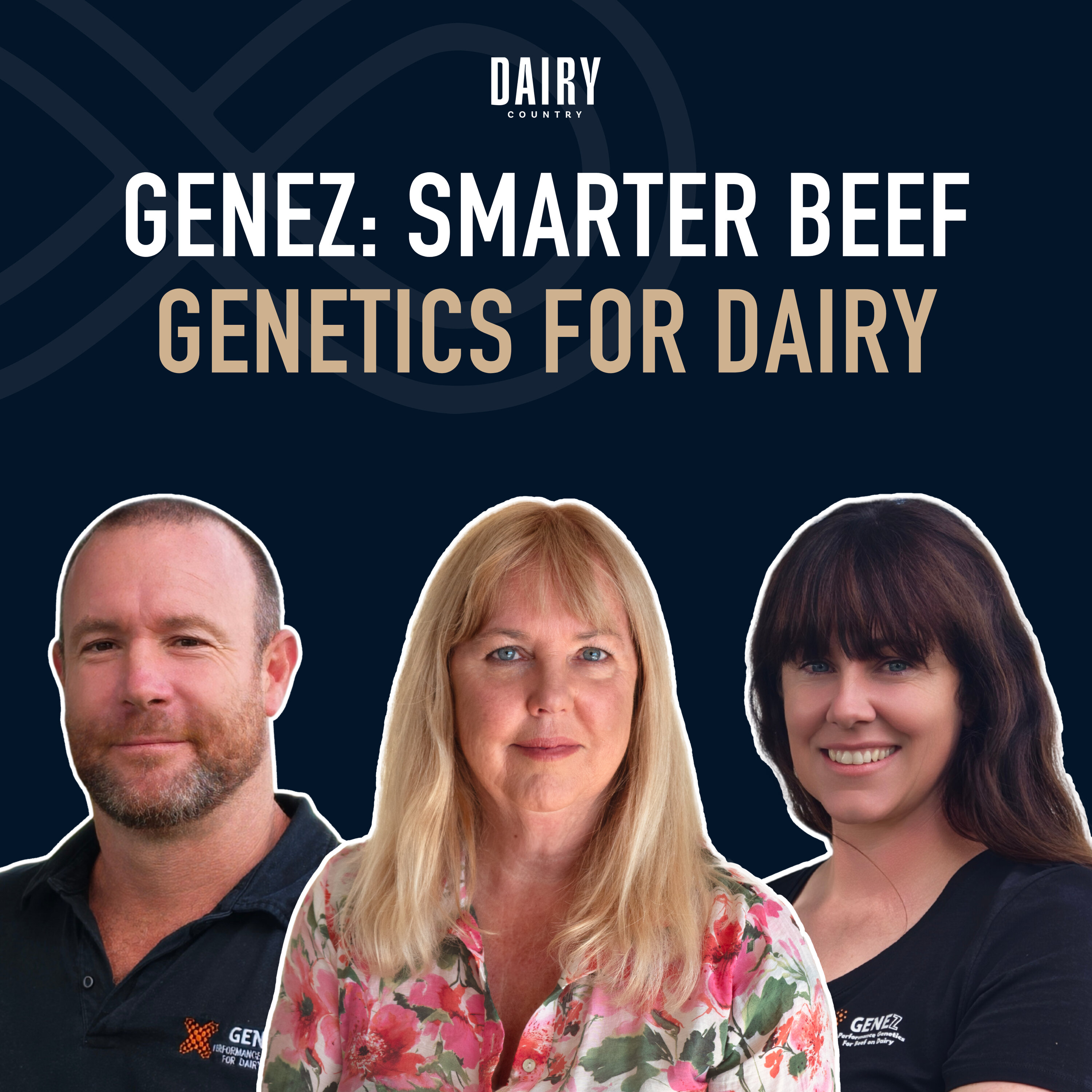 Episode 104 - Genez: Smarter beef genetics for dairy | Ben Watson and Charlotte Gray from Genez are focused on improving outcomes for dairy and beef farmers by turning dairy-origin non-replacement calves into a more valuable part of the system through better beef genetics. In this episode, Anne Lee talks with the pair about how the business has developed, where their genetics come from, and how they are working with both beef breeders and dairy farmers to lift performance across the supply chain. Host: Anne Lee, Senior Journalist, Dairy Country Guests: Ben Watson, General Manager, Genez Charlotte Gray, Genetics Business Manager, Genez Ben Watson and Charlotte Gray explain why a more strategic approach to mating, maintaining calving ease and short gestation traits but with a much greater focus on growth performance, improves both on farm efficiency and downstream returns. They discuss the development of breeding programmes like Kakahu Stud’s composite Changus (Charolais x Angus), the role of data such as days to weaning and carcase weight, and how their latest catalogue is designed to help farmers make more informed decisions. They also outline practical considerations, including building a mating plan, improving traceability and accessing emerging premium programmes, while highlighting how advances in genetics, technology and market demand are creating new opportunities for dairy beef. Find out more about Genez’s latest catalogue here: https://www.genez.co.nz/bull-catalogue-page Sign up to the weekly DAIRY Country email newsletter here: https://dairycountry.co.nz/sign-up/See omnystudio.com/listener for privacy information. | 29m 44s | ||||||
| 3/19/26 | 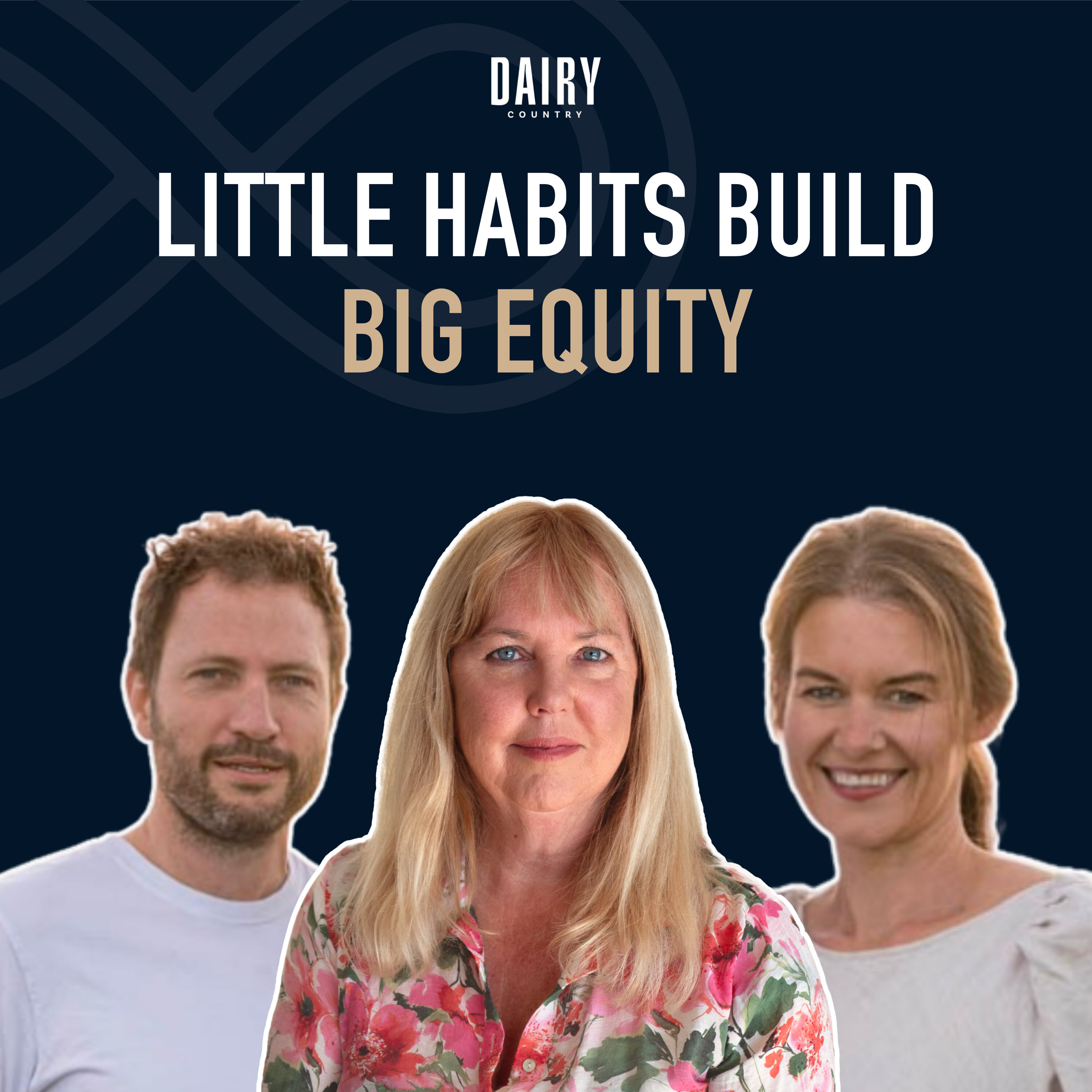 Episode 103 - Little habits build big equity | Eldon and Roseanne Megaw have built a career in dairy through contract milking while steadily growing equity in property and farm partnerships. In this episode, Anne Lee talks with the couple about their journey from early farm experiences and managing roles through to investing in residential property and stepping into an equity partnership at Aranui, a fully irrigated Canterbury farm. Host: Anne Lee, Senior Journalist, Dairy Country Guests: Eldon and Roseanne Megaw, South Canterbury Farm Owners Eldon and Roseanne Megaw explain how they balanced contract milking responsibilities with property management to diversify income and build financial resilience. Eldon and Roseanne discuss the strategies that have guided their success, including building strong relationships with farm owners and peers, maintaining efficiency and financial discipline, and creating systems and standards for their farm teams. They also share how patience, resilience and flexibility have allowed them to seize opportunities both inside and outside the farm gate, from investing in houses and subdivisions to exploring other income streams, all while staying focused on long-term goals and equity growth. Read the article featuring Eldon and Roseanne Megaw from the Autumn 2026 issue of DAIRY Country here: https://dairycountry.co.nz/little-habits-build-big-equity/ Find out more about the Better pastures together podcast from Barenbrug here: https://www.barenbrug.co.nz/podcasts Sign up to the weekly DAIRY Country email newsletter here: https://dairycountry.co.nz/sign-up/See omnystudio.com/listener for privacy information. | 34m 20s | ||||||
| 3/12/26 | 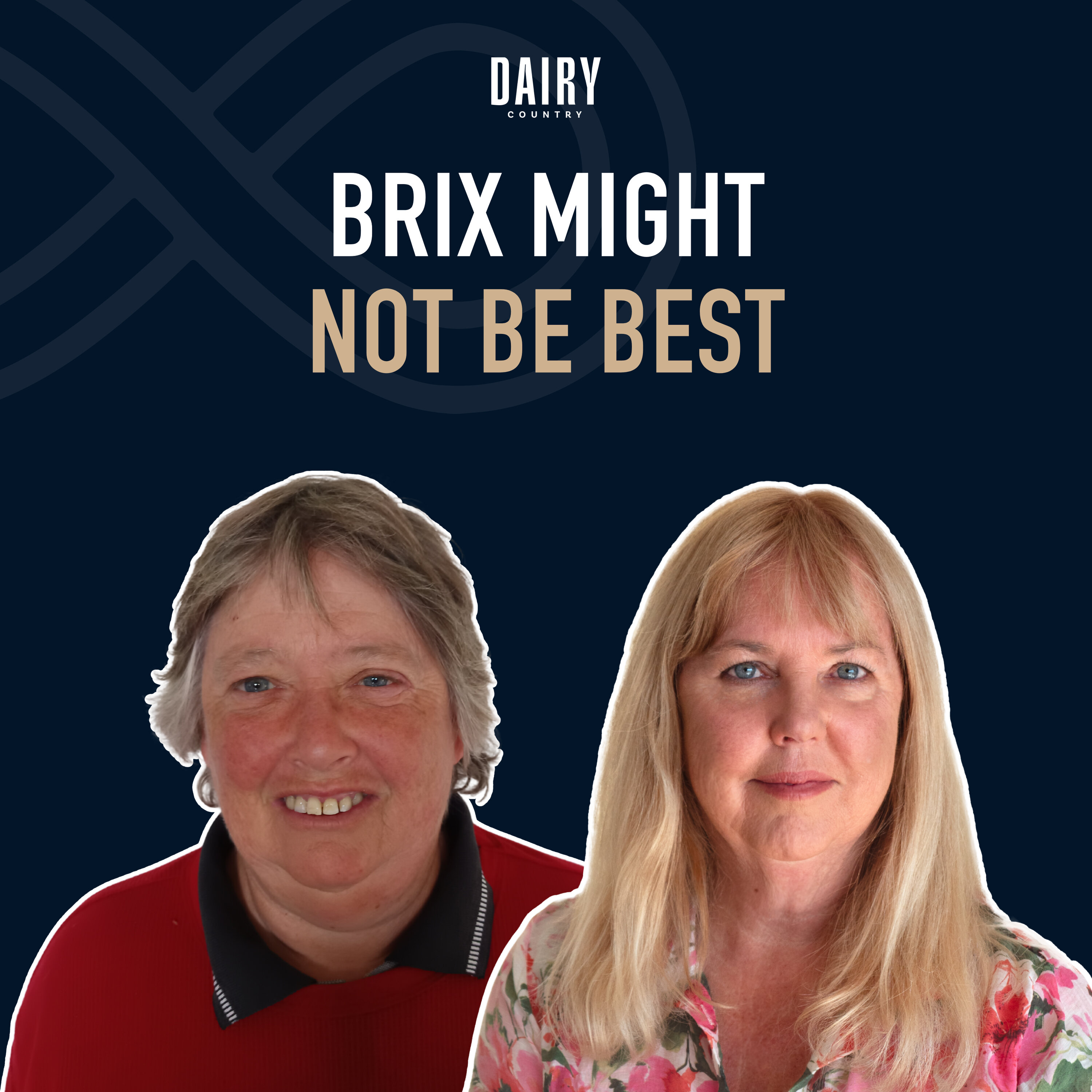 Episode 102 - Brix might not be best | A Brix test may mean high sugar for the horticulture sector but when it comes to measuring pasture quality, farmers are being told to look to traditional feed quality analysis by scientists who have been looking into the measure. In this episode, Anne Lee talks with Dr Beverley Thomson of On-Farm Research at Poukawa, Hawke’s Bay about her study comparing Brix as a measure of pasture quality with traditional laboratory based analysis including metabolisable energy (ME), drymatter (DM), water soluble carbohydrates (WSC), neutral detergent fibre (NDF) and acid detergent fibre (ADF). Host: Anne Lee, Senior Journalist, Dairy Country Guest: Dr Beverley Thomson, On-Farm Research Brix has become increasingly popular with some farmers as a tool to give a simple and immediate measure of pasture quality with some citing it as a way to measure nutrient density for pasture. However, Beverely explains her study found high Brix levels in low quality pastures with higher DM and the measure was an unreliable indicator. She talks through the study and how it was set up using plots comparing conventional ryegrass/clover species with plantain/clover and with multi-species, diverse pastures. She details when the measurements were taken through the season and the results of the study. Read the article featuring Dr Beverly Thomson from the Autumn 2026 issue of DAIRY Country here: https://dairycountry.co.nz/brix-might-not-be-best/ Find out more about the Better pastures together podcast from Barenbrug here: https://www.barenbrug.co.nz/podcasts Sign up to the weekly DAIRY Country email newsletter here: https://dairycountry.co.nz/sign-up/See omnystudio.com/listener for privacy information. | 21m 11s | ||||||
| 3/5/26 | 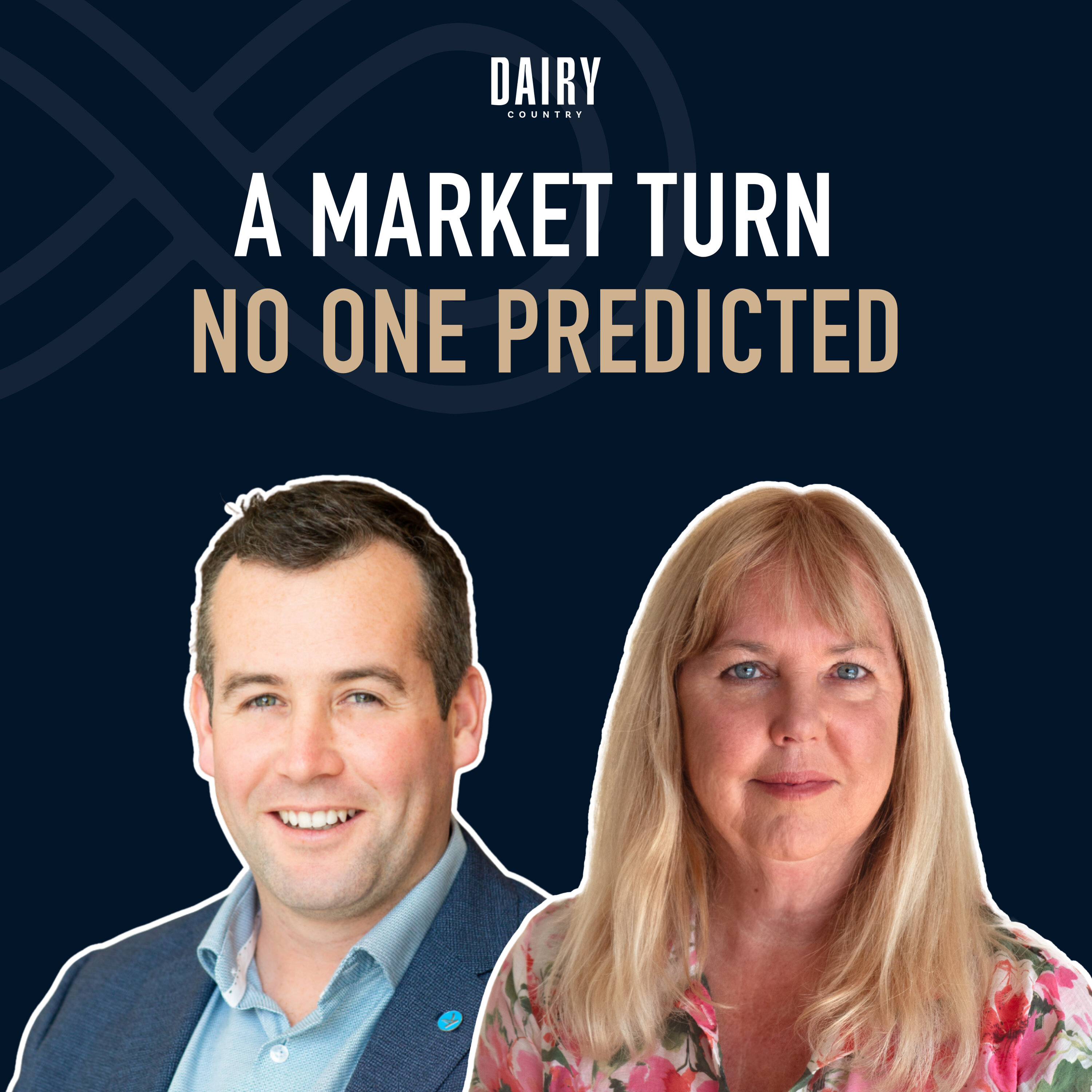 Episode 101 - A market turn no one predicted | In this episode, Anne Lee sits down with Stu Davison of HighGround Dairy to unpack the sharp turnaround in global dairy markets and what is driving the recent surge in prices on the Global Dairy Trade platform. Drawing on his day-to-day market analysis, Stu explains why strong global milk production has not translated into weaker prices and how sentiment, geopolitics and supply chain disruption have shifted the tone of 2026. Host: Anne Lee, Senior Journalist, Dairy Country Guest: Stu Davison, HighGround Dairy Bringing both global perspective and practical insight to the discussion, Stu breaks down the unusual strength in skim milk powder, the narrowing gap with whole milk powder and the role of protein demand in tightening supply. He outlines how Chinese buying patterns, trade tensions with Europe, Middle Eastern uncertainty and energy market volatility are layering complexity onto already interconnected markets. It is a clear-eyed conversation about volatility, risk management and why, in a year like this, budgeting for uncertainty may matter more than trying to outguess the market. Find out more about the Better pastures together podcast from Barenbrug here: https://www.barenbrug.co.nz/podcasts Sign up to the weekly DAIRY Country email newsletter here: https://dairycountry.co.nz/sign-up/See omnystudio.com/listener for privacy information. | 40m 01s | ||||||
| 2/26/26 | 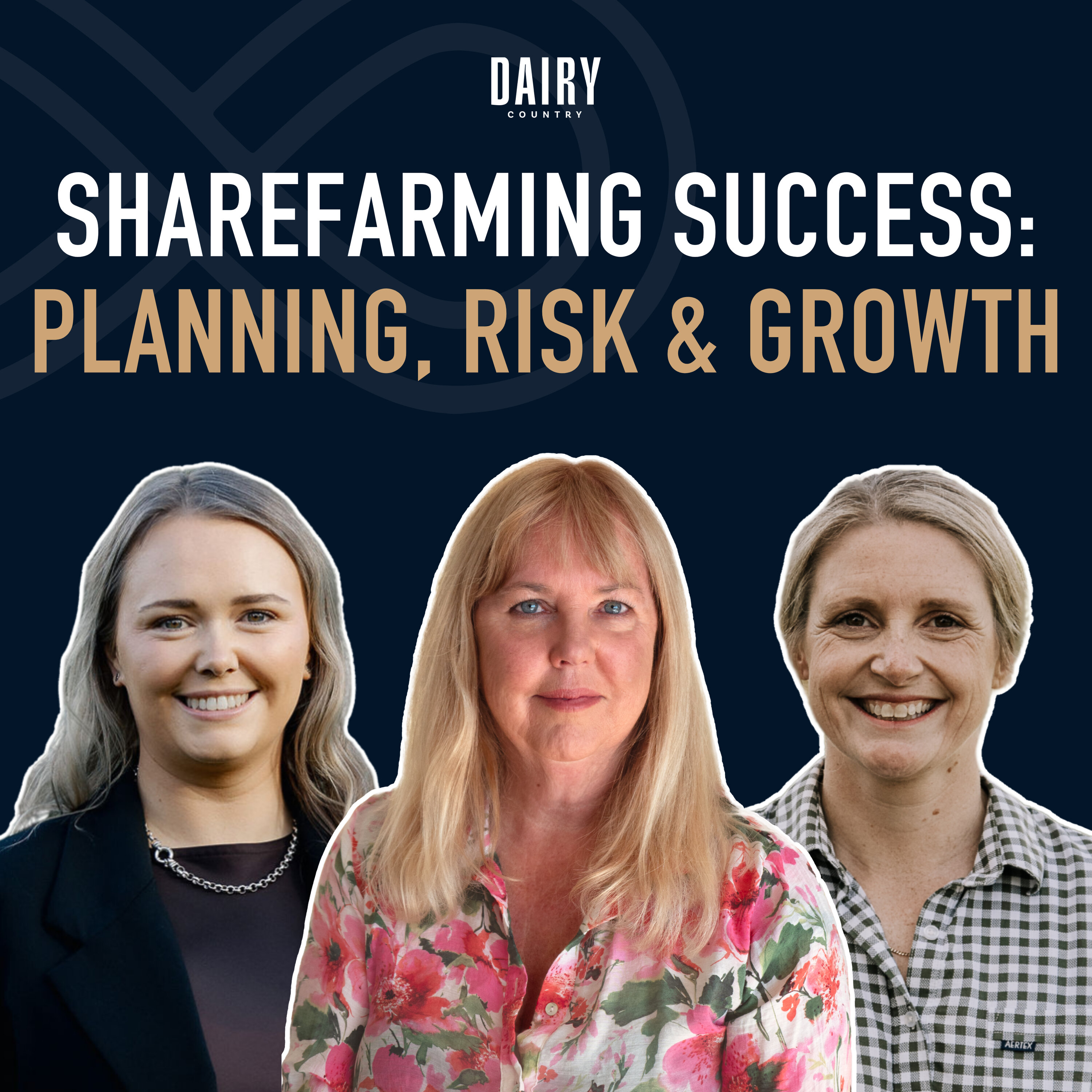 Episode 100 - Sharefarming Success: Planning, Risk & Growth | In this episode, Anne Lee chats with Jordain Beattie and Louise Gibson who break down what successful sharefarming really looks like and what it takes to build equity through contract milking and sharefarming pathways. Together, they unpack the realities behind the numbers, the importance of setting clear goals and how strong planning can help farmers step confidently into business ownership while managing risk and maintaining long-term sustainability. Host: Anne Lee, Senior Journalist, Dairy Country Guests: Jordain Beattie, Client Director, NZAB Louise Gibson, Co-Founder, The Sharefarming Consultants Jordain brings a financial and strategic lens to the conversation, sharing why understanding your numbers is about far more than budgeting. She says setting clear equity goals, tracking business performance and planning for tax and reinvestment can help farmers stay on track and make confident, informed decisions as opportunities arise. Louise shares practical, on-the-ground insights into the operational and contractual side of sharefarming, including managing labour, understanding agreement details and recognising potential risks around herd ownership and contract structures. She highlights the value of asking questions, seeking professional advice and surrounding yourself with the right support network to help build a resilient and rewarding farming career. Read the article featuring Louise Gibson and Jordain Beattie from the Autumn 2026 issue of DAIRY Country here: https://dairycountry.co.nz/what-does-sharefarming-success-look-like/ Find out more about the Better pastures together podcast from Barenbrug here: https://www.barenbrug.co.nz/podcasts Sign up to the weekly DAIRY Country email newsletter here: https://dairycountry.co.nz/sign-up/See omnystudio.com/listener for privacy information. | 32m 12s | ||||||
| 2/19/26 | 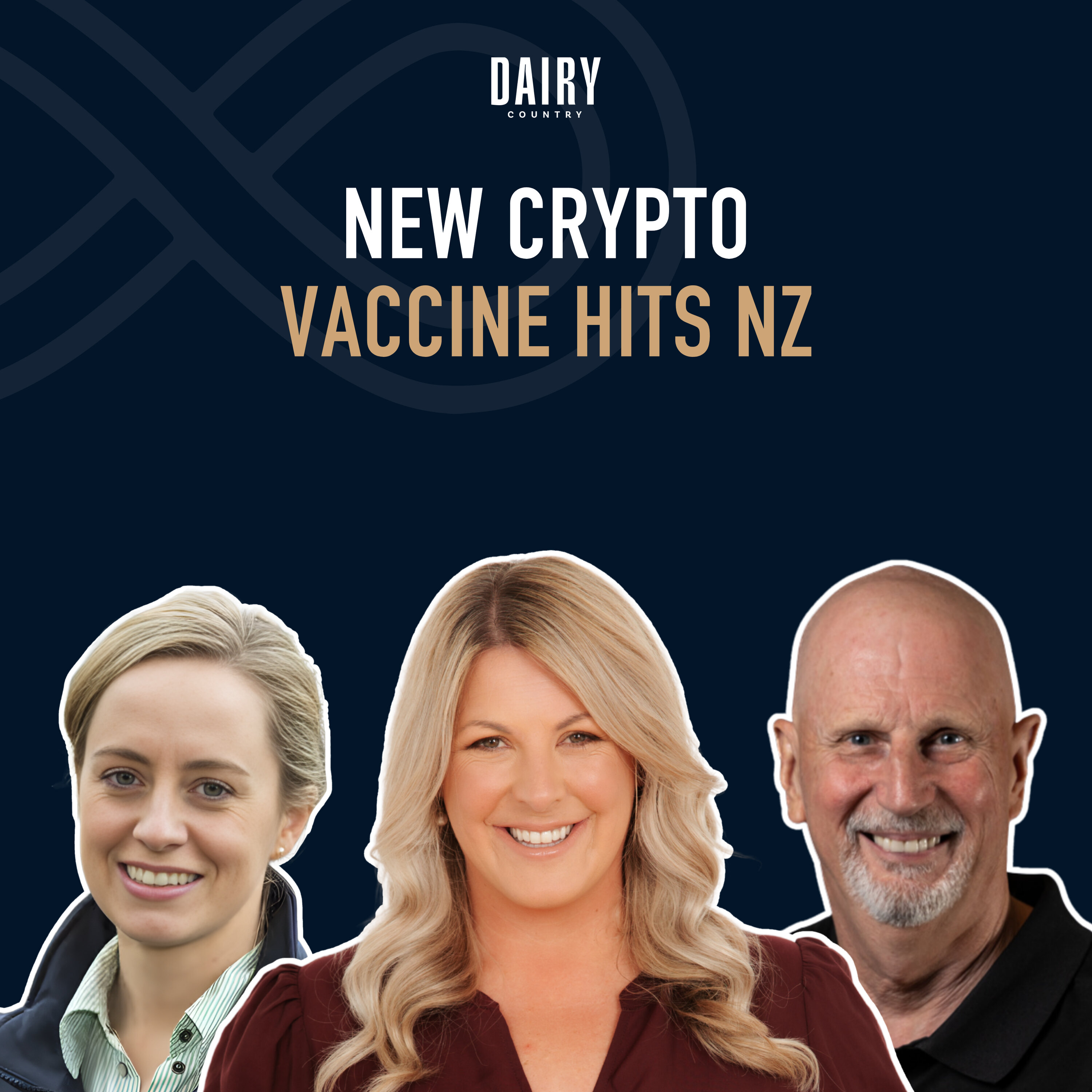 Episode 99 - New Crypto Vaccine Hits NZ | In this special episode, Sarah sits down with Andrew MacPherson and Cara Sheridan to unpack the arrival of Bovillus Cryptium, a new vaccine for calves targeting cryptosporidiosis, and what it means for farmers managing calf health in New Zealand. The discussion sets the scene for why this vaccine is a game changer, how it can improve calf welfare and long-term performance, and why proactive planning with your vet is key to getting the most from it. With spring 2026 calving approaching, now is the time to understand how to integrate this new tool into your farm systems. Host: Sarah Perriam-Lampp, Editor-in-Chief, CountryWide Guests: Andrew MacPherson, Technical Advisor, MSD Animal Health Cara Sheridan, Ruminant Technical Vet Manager, MSD Animal Health Andrew MacPherson from MSD Animal Health New Zealand explains how the vaccine works by stimulating maternal antibodies for passive transfer to calves, reducing the risk of disease and improving growth outcomes. He outlines practical advice for farmers on administration timing, integrating the vaccine with existing protocols like Rotavac Corona, and the importance of planning early with their vets to maximise its benefits. Cara Sheridan, MSD’s Ruminant Technical Vet Manager in Ireland, shares insights from the vaccine’s use in Ireland since mid-2024. She highlights the positive impact on calf health, reduced labour, and improved farm management, alongside the importance of quality colostrum and effective calf-rearing practices. Cara’s experience demonstrates how this preventive tool can reduce reliance on antibiotics while supporting animal welfare and performance, offering practical lessons for New Zealand farmers.See omnystudio.com/listener for privacy information. | 16m 05s | ||||||
| 2/12/26 | 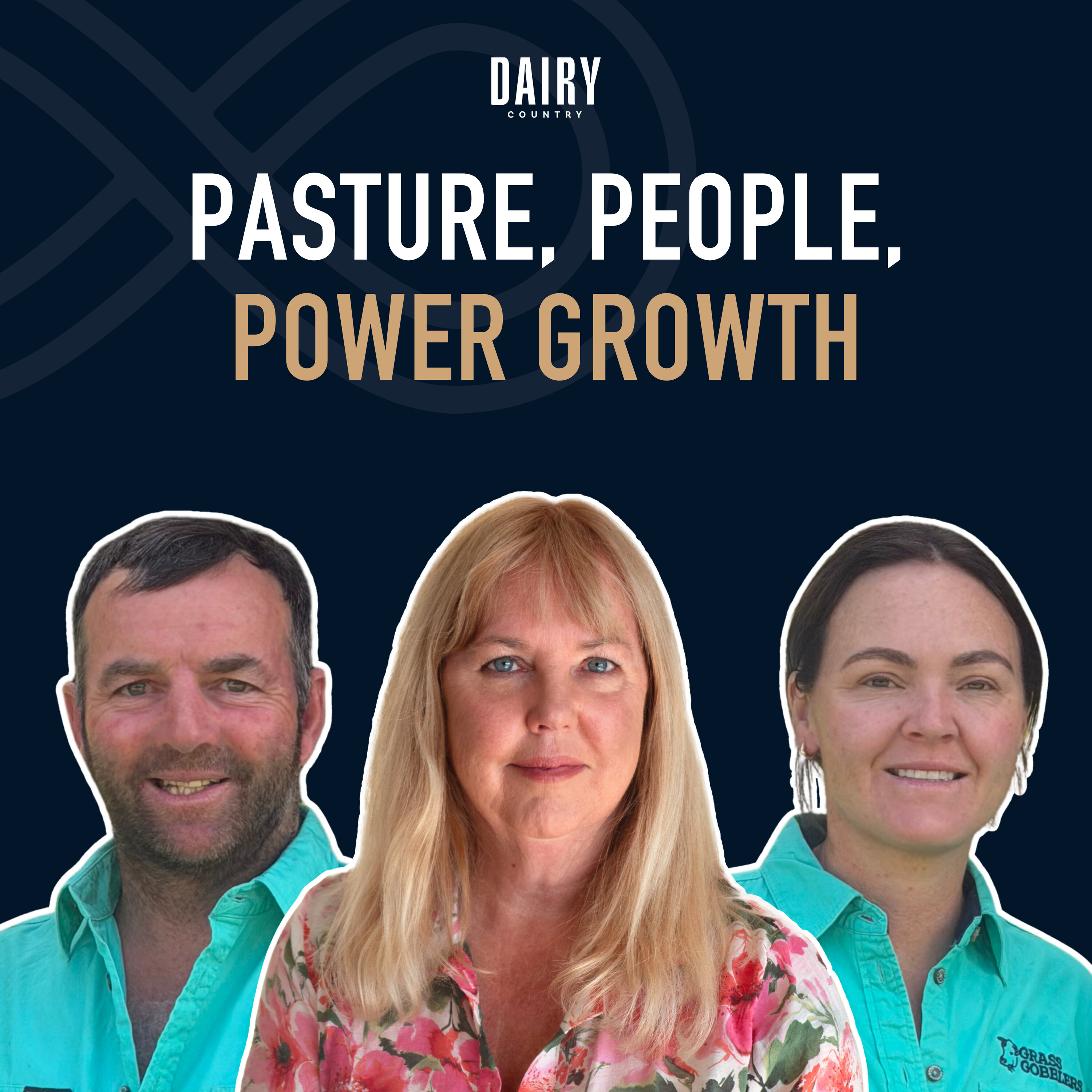 Episode 98 - Pasture, People, Power Growth | In this episode, Anne Lee sits down with Mick and Kirsten O’Connor from Grass Gobblers to explore their journey from sharemilking to equity partnership and the simple, grass-focused system that has supported their business growth. Milking 1,000 cows near Burnham, the couple were hosts to the spring Pasture Summit field day. They share how a low-cost, pasture-based approach, combined with strong team culture and clear long-term goals, has enabled them to build a scalable and repeatable farming model. The conversation outlines the thinking behind their system, why simplicity drives consistency, and how focusing on pasture utilisation and animal performance underpins profitability. Host: Anne Lee, Senior Journalist, Dairy Country Guests: Mick and Kirsten O’Connor, Grass Gobblers Mick and Kirsten also reflect on the financial discipline required to grow equity, including navigating a major payout downturn after expanding herd ownership. They discuss how detailed budgeting, reinvestment and the ability to rear and lease back stock with Dairy Holdings through their career with the company has helped them progress into equity partnership. They highlight the importance of understanding business performance, analysing opportunities through clear return targets and aligning partnerships around shared values and expectations. The discussion also touches on building strong farm teams and supporting staff progression, alongside practical advice for farmers entering the sector, emphasising patience, communication and surrounding yourself with the right people. For more from the Pasture Summit field day https://www.pasturesummit.co.nz/2025-spring-events Find out more about the Better pastures together podcast from Barenbrug here: https://www.barenbrug.co.nz/podcastsSee omnystudio.com/listener for privacy information. | 45m 07s | ||||||
| 2/4/26 | 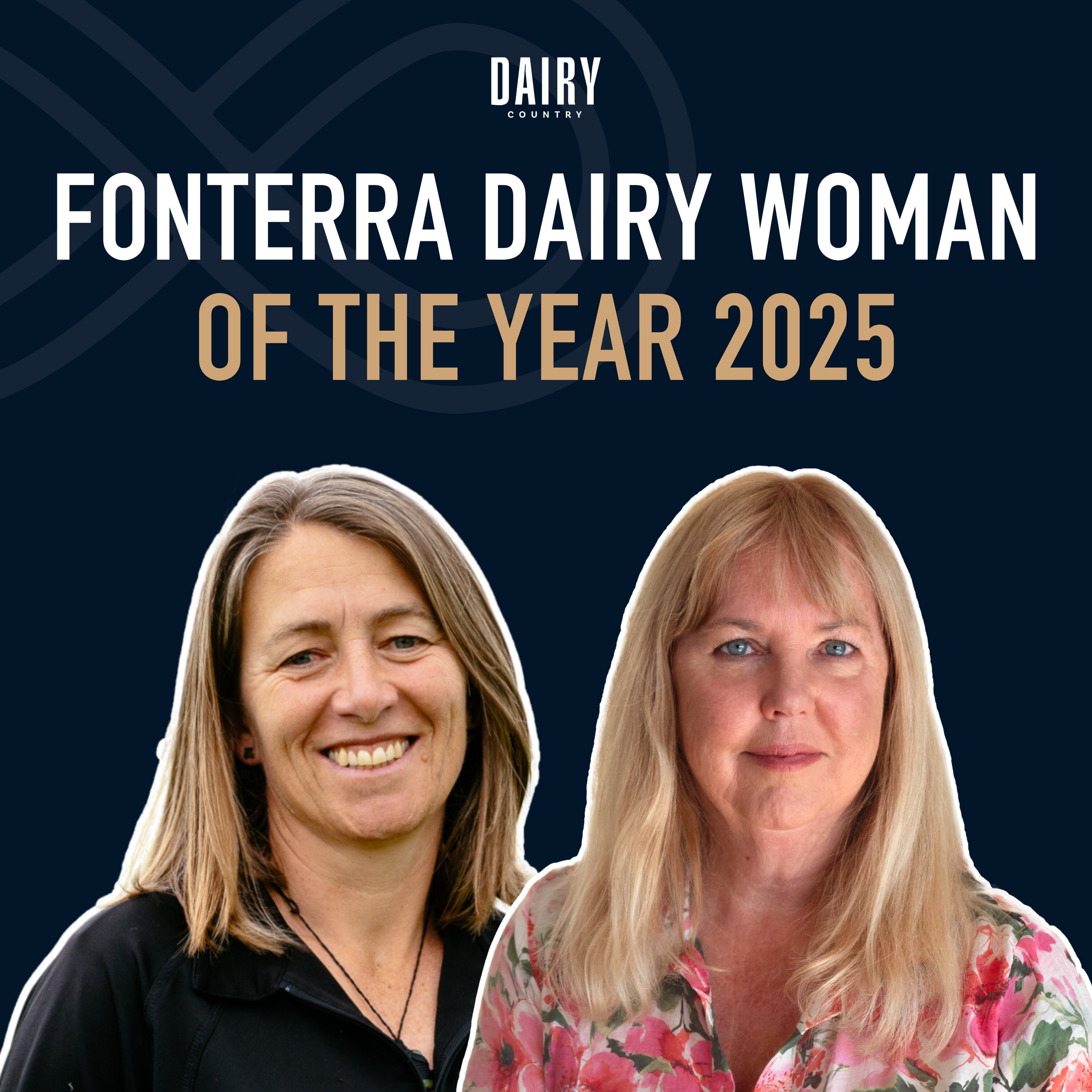 Episode 97 - Fonterra Dairy Woman of the Year 2025 | The Fonterra Dairy Woman of the Year award is designed to recognise leadership, contribution and future-focused thinking within the dairy sector, while also encouraging others to step forward and get involved. In this episode, Anne Lee sits down with award recipient Jo Sheridan to unpack her experience as the 2025 Fonterra Dairy Woman of the Year, going through the Dairy Women’s Network process and what the recognition has meant both personally and professionally. The discussion sets the scene for why awards like this matter, how they can help bring clarity on your direction and why you don’t need to sit back and wait to be nominated. Self-nomination and backing yourself is a great way to open doors to new opportunities across the sector. Applications and nominations for 2026 close on February 28. Host: Anne Lee, Senior Journalist, Dairy Country Guest: Jo Sheridan, Fonterra Dairy Woman of the Year 2025 Jo also discusses her work as Demonstration Manager at Owl Farm, which is run as a joint-venture between St Peter’s Cambridge school and Lincoln University. She outlines why future-focused farm systems, youth engagement and clear progression pathways are critical to the long-term success of dairy. She shares insights from a recent Fonterra study tour to the United States, including what global customers value, how technology and genetics are accelerating change, and what New Zealand farmers can learn from international systems. The conversation also covers how Owl Farm is tracking this season, what the data is showing around production and reproduction, and why continuous monitoring, adaptability and people development are central to building resilient farm businesses. Find out more about the Better pastures together podcast from Barenbrug here: https://www.barenbrug.co.nz/podcastsSee omnystudio.com/listener for privacy information. | 29m 19s | ||||||
| 1/29/26 | 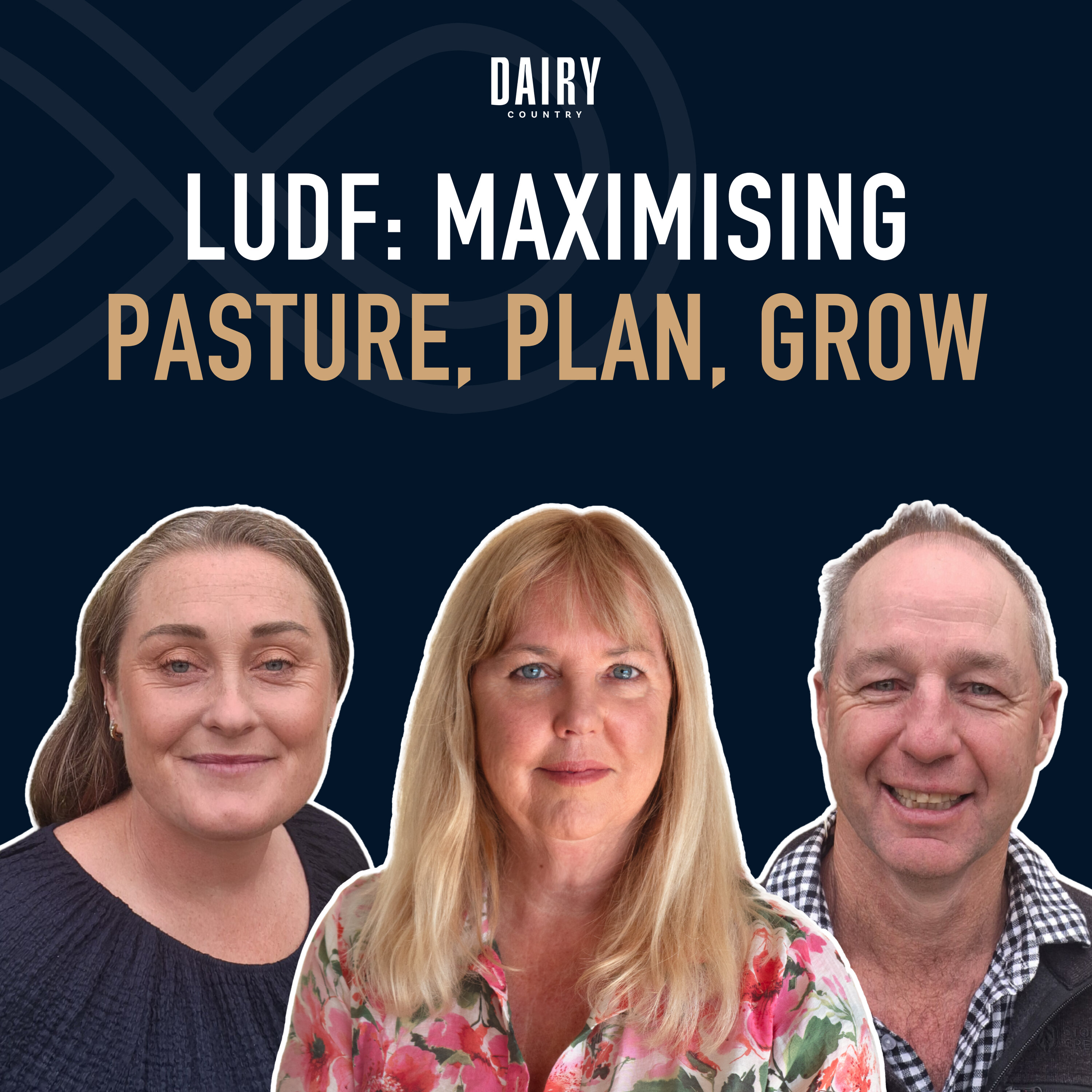 Episode 96 - LUDF: Maximising Pasture, Plan, Grow | Lincoln University Dairy Farm (LUDF) has been taking another look at establishing plantain and how to combat weed pests. In this episode, Anne Lee finds out more about the approach from Farm Source Technical Ag Specialist Russell Hamilton and catches up with LUDF Partnership and Demonstration Lead Antoinette Archer about how the farm is performing in a tricky, cooler summer season. The conversation explores why treating pasture as a crop is critical to maximising both quality and total production, how setting clear objectives upfront shapes renewal and management decisions, and how onfarm monitoring and data are being used to guide timely responses as seasonal conditions shift. Host: Anne Lee, Senior Journalist, Dairy Country Guests: Russell Hamilton, Technical Ag Specialist, Farm Source Antoinette Archer, Partnership and Demonstration Lead, LUDF Russell outlines the importance of viewing each paddock as its own crop, assessing performance, identifying constraints and setting a clear plan to lift long-term productivity. LUDF wanted to improve plantain establishment and longevity by addressing weed pressure, soil fertility and pasture renewal sequencing, he explains. Russell steps through the use of an Italian ryegrass cropping phase to reset paddocks and allow the use of the right herbicides in a timely way to reduce weed seed banks and create the right conditions for ryegrass, clover and plantain-based pastures. He highlights how getting establishment right upfront can significantly increase lifetime pasture yield and farm profitability. Antoinette provides a seasonal update from LUDF, describing what has been a tricky year to manage with cooler, wetter conditions limiting pasture growth rates and reducing energy levels in pasture. She explains how close monitoring of pasture, cow condition and milk production has enabled the team to assess conditions early and act, including the decision to move to a three-in-two milking schedule and begin putting autumn management plans in place. Antoinette also outlines how these learnings will be shared with farmers at the LUDF Focus Day on March 4, where the team will unpack the season’s challenges, decisions and practical takeaways in more detail. Find out more about the Better pastures together podcast from Barenbrug here: https://www.barenbrug.co.nz/podcastsSee omnystudio.com/listener for privacy information. | 24m 22s | ||||||
| 1/22/26 | 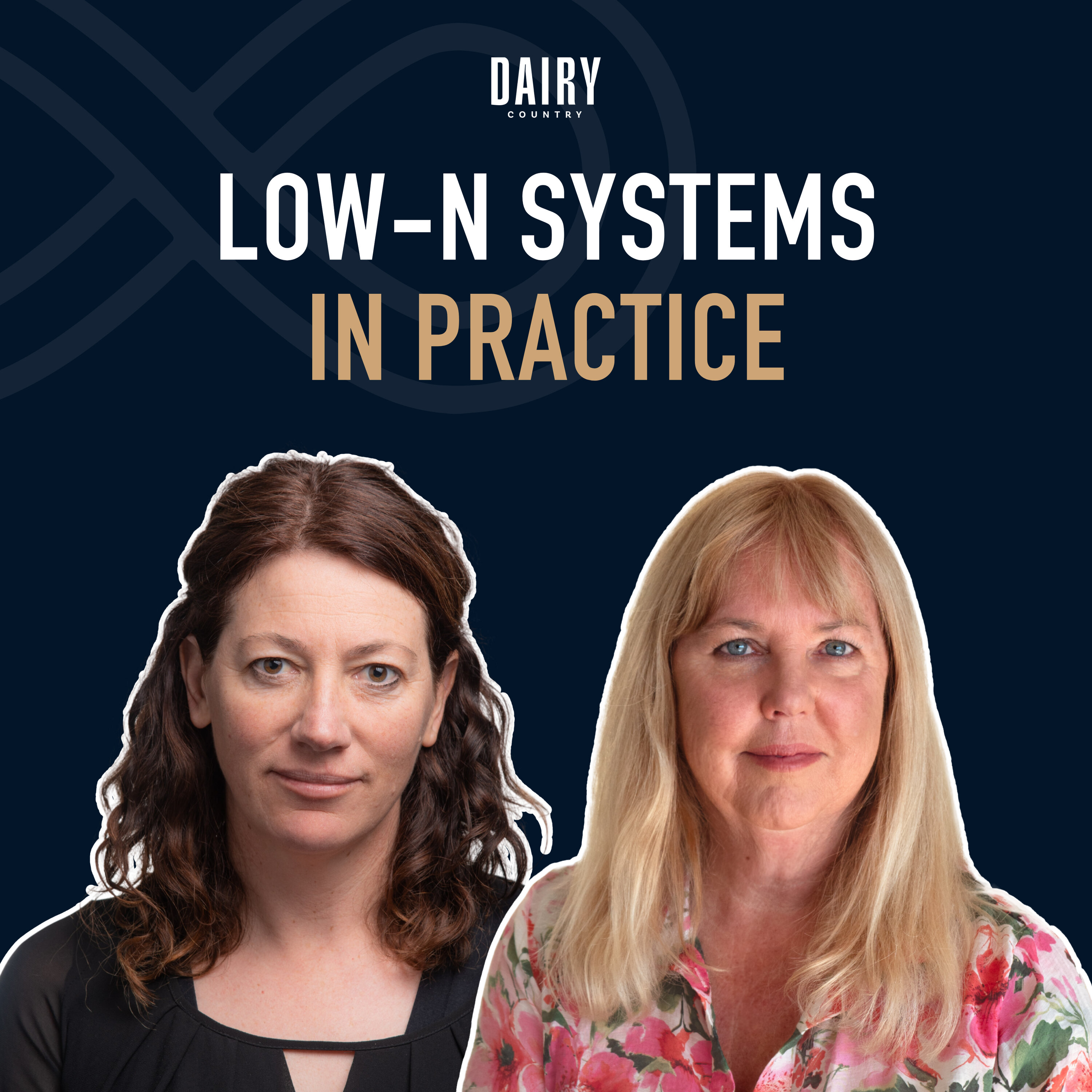 Episode 95 - Low-N Systems in Practice | A major research effort aimed at cutting nitrogen (N) losses without losing sight of farm viability is putting practical system change under the microscope. In this episode, Anne Lee speaks with Dr Racheal Bryant, Associate Professor at Lincoln University, about the Low-N Farmlet Trial that’s found stacking a number of N mitigations together on-farm can cut N losses by up to 50%. The multi-year study is part of the DairyNZ-led Low-N Systems research programme with studies involving the Bioeconomy Sciences Institute (formerly AgResearch), Fonterra, AbacusBio and CRV with funding also coming from the Ministry for Business Innovation and Employment (MBIE). Dr Bryant explains how modelling and onfarm measurement have been used to test combinations of lower nitrogen fertiliser rates, diverse pastures, genetics and all-grass wintering systems, revealing where significant reductions in nitrate leaching are achievable, the trade-offs with profitability (a 7% reduction in some cases), and how farmers can assess which mitigations may work best in their own systems. Host: Anne Lee, Senior Journalist, Dairy Country Guest: Dr Racheal Bryant, Associate Professor, Lincoln University Dr Bryant steps through how the research has played out on the ground at Lincoln University’s Research Dairy Farm, comparing modelled outcomes with real-world measurements across multiple seasons. She discusses reductions in greenhouse gas (GHG) emissions, farmer involvement in shaping the work, and what the findings mean for farmers as they weigh environmental targets against production, costs, profitability and long-term system resilience. DairyNZ Low N farm systems overview: https://www.dairynz.co.nz/research/science-projects/low-n-systems/ DairyNZ link to the live farmlet data: https://connect.dairynz.co.nz/Low-N/LowN_Farmlet_Summary.html Dairy futures Living Lab: https://livinglab.codecrew.nz/See omnystudio.com/listener for privacy information. | 42m 48s | ||||||
Showing 25 of 100
Pitch Fit is a Pro feature
See how bookable this show is for guests, which brands already advertise, the per-episode ad value, and the best-fit guest and sponsor profile. The numbers are blurred on the free plan.
How readily this show books outside guests like you.
How proven this show is for host-read sponsorships.
For Guests
ProFor Advertisers
ProUpgrade to Pro to unlock guest cadence, sponsor categories, fit scores, and per-episode ad value for this show.
Chart history for DAIRY Country
Peaked at #199 in Ireland, currently #199 in Ireland.
| Market | Genre | Peak | Current | Trend |
|---|---|---|---|---|
| Ireland | — | #199 | #199 | — |
Chart Positions
1 placement across 1 market.
Chart Positions
1 placement across 1 market.