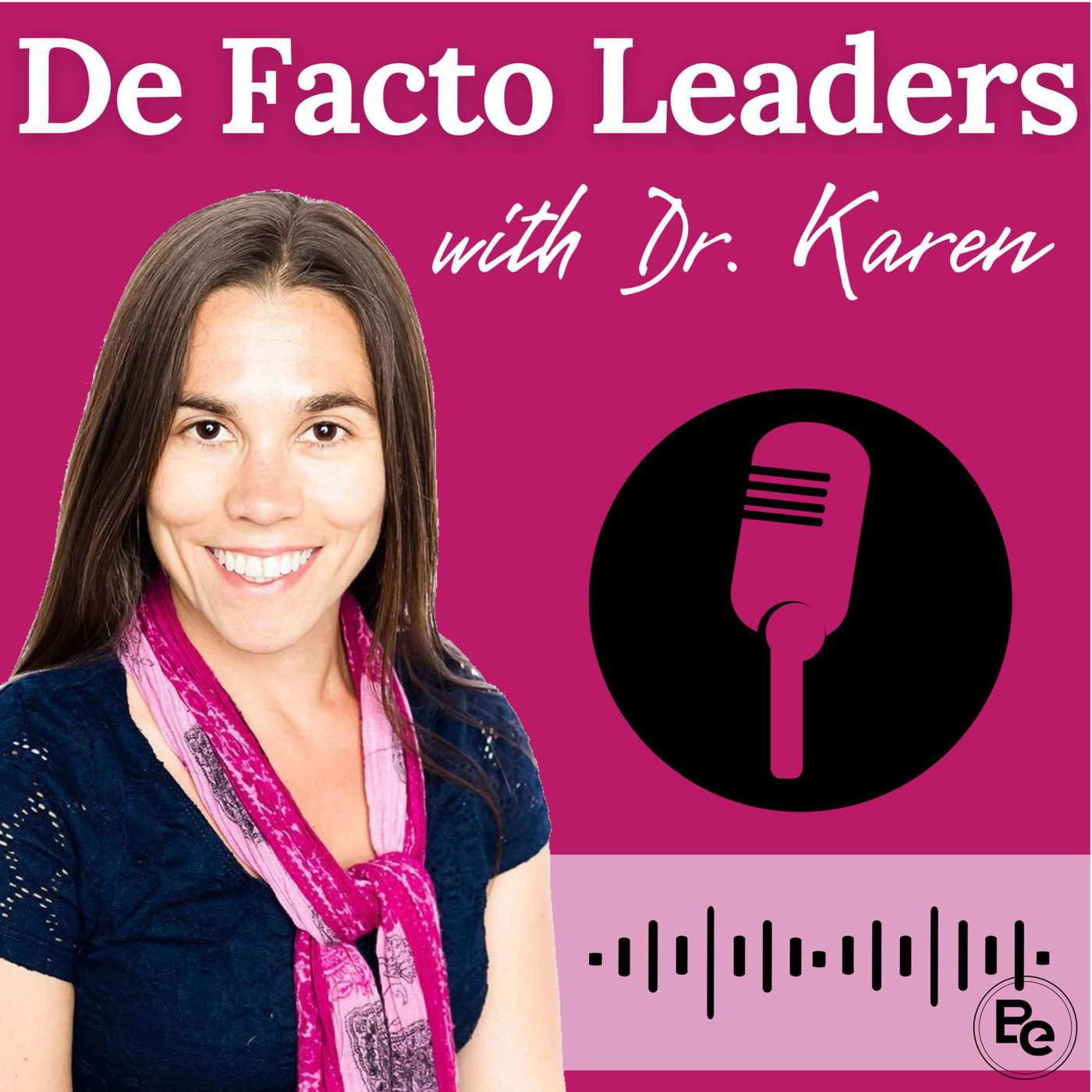
Insights from recent episode analysis
Audience Interest
Podcast Focus
Publishing Consistency
Platform Reach
Insights are generated by CastFox AI using publicly available data, episode content, and proprietary models.
Most discussed topics
Brands & references
Total monthly reach
Estimated from 4 chart positions in 4 markets.
By chart position
- 🇦🇺AU · Courses#5230K to 100K
- 🇨🇦CA · Courses#1735K to 30K
- 🇨🇭CH · Courses#113500 to 3K
- 🇿🇦ZA · Courses#142500 to 3K
- Per-Episode Audience
Est. listeners per new episode within ~30 days
18K to 68K🎙 ~2x weekly·255 episodes·Last published 6d ago - Monthly Reach
Unique listeners across all episodes (30 days)
36K to 136K🇦🇺74%🇨🇦22%🇨🇭2%+1 more - Active Followers
Loyal subscribers who consistently listen
20K to 75K
Market Insights
Platform Distribution
Reach across major podcast platforms, updated hourly
Total Followers
—
Total Plays
—
Total Reviews
—
* Data sourced directly from platform APIs and aggregated hourly across all major podcast directories.
On the show
From 12 epsHost
Recent guests
Recent episodes
BONUS: Using Recess to Build Social Skills and Help Students Discover their Leadership Potential (with Elizabeth Cushing)g
May 6, 2026
1h 00m 35s
How to Go From “Talking About Students” to Changing School Systems (with Kurtis Hewson)
Apr 29, 2026
59m 26s
Student Wellness Is a Design Decision, Not a Siloed Activity (with Lauren Porosoff)
Apr 15, 2026
1h 01m 59s
Five “clinical containers” to design your language therapy system
Apr 1, 2026
24m 01s
Three Pieces of Unconventional Advice I Give SLPs
Mar 18, 2026
26m 38s
Social Links & Contact
Official channels & resources
Official Website
Login
RSS Feed
Login
| Date | Episode | Topics | Guests | Brands | Places | Keywords | Sponsor | Length | |
|---|---|---|---|---|---|---|---|---|---|
| 5/6/26 | ![]() BONUS: Using Recess to Build Social Skills and Help Students Discover their Leadership Potential (with Elizabeth Cushing)g✨ | recesssocial skills+3 | Elizabeth Cushing | Playworks | — | recesssocial skills+5 | — | 1h 00m 35s | |
| 4/29/26 | ![]() How to Go From “Talking About Students” to Changing School Systems (with Kurtis Hewson)✨ | collaborationschool systems+3 | Kurtis Hewson | Jigsaw LearningCorwin+1 | — | collaborative responseeducational collaboration+3 | — | 59m 26s | |
| 4/15/26 | ![]() Student Wellness Is a Design Decision, Not a Siloed Activity (with Lauren Porosoff)✨ | student wellnesscommunity engagement+3 | Lauren Porosoff | The Teacher NerdEthical Culture Fieldston School | New York | student wellnessengagement+5 | — | 1h 01m 59s | |
| 4/1/26 | ![]() Five “clinical containers” to design your language therapy system✨ | language therapyclinical containers+3 | — | Language Therapy Advance Foundationsdrkarenspeech.com | — | language therapyclinical containers+3 | — | 24m 01s | |
| 3/18/26 | ![]() Three Pieces of Unconventional Advice I Give SLPs✨ | speech-language pathologylanguage therapy+3 | — | Language Therapy Advance Foundations | — | SLPlanguage therapy+3 | Playworks | 26m 38s | |
| 3/4/26 | ![]() Education is a business. Let’s stop pretending it isn’t.✨ | education as a businessschool leadership+3 | — | Language Therapy Advance Foundations | — | educationschool systems+3 | Playworks | 27m 03s | |
| 2/18/26 | ![]() A Case for Well-Designed Virtual Field Trips (with Seth Fleischauer)✨ | virtual learningfield trips+3 | Seth Fleischauer | Banyan Global Learning | — | virtual field tripsdigital learning+3 | — | 1h 06m 54s | |
| 2/4/26 | ![]() Using a “Virtual Speech Helper” (with Maura Connor)✨ | virtual speech technologyeducation technology+4 | Maura Connor | Streamlinevirtual speech helper+1 | — | virtual speech helperAI technology+6 | — | 44m 02s | |
| 1/21/26 | ![]() Defining “EdTech” and the End User (with Maura Connor)✨ | EdTechend user+3 | Maura Connor | EdTechFinTech | — | EdTechend user+3 | — | 45m 03s | |
| 1/7/26 | ![]() Your clinical expertise is powerful. But is it scalable?✨ | clinical expertisescalability+4 | — | Language Therapy Advance Foundations | — | clinical expertisescalable systems+5 | — | 25m 50s | |
Want analysis for the episodes below?Free for Pro Submit a request, we'll have your selected episodes analyzed within an hour. Free, at no cost to you, for Pro users. | |||||||||
| 12/31/25 | ![]() So…can you recommend an app to build my child’s language skills?✨ | language therapyparent support+3 | — | Language Therapy Advance Foundationsdrkarenspeech.com | — | language skillstherapy resources+3 | — | 34m 12s | |
| 12/24/25 | ![]() Narrative Intervention: Beyond "Cute" Stories and Lesson Plans (with Jane Gebers)✨ | storytellingnarrative intervention+3 | Jane Gebers | Books Are for Talking, Too! | — | storytellingnarrative intervention+3 | — | 42m 42s | |
| 12/17/25 | ![]() What's the point of teaching storytelling? (with Jane Gebers) | Why are we so obsessed with “storytelling”?In education, we talk about it when we’re working on language and reading comprehension. It’s also referred to in sales and copy writing as a tool for generating more leads and customers. And of course, people writing books or films think about it all the time. We all know storytelling is an important life skill. But do we remember HOW MUCH it can impact our ability to communicate and function? And do we know how to support students who don’t have this skill?I invited my colleague Jane Gebers to the De Facto Leaders podcast to discuss this topic. If you’re helping students build skills for functional daily tasks, challenging academic work, or in social situations, you won’t want to miss this conversation. In this first half of the interview, we talk about the “why” behind teaching narrative discourse, plus specific examples of how we’ve both used narrative structure to build our own comprehension.Jane L. Gebers is the author of the popular resource, Books Are for Talking, Too!, first published in 1990, and now in its 4th edition as of March 2023. A practicing speech-language pathologist for over 40 years, she has worked in public school, hospital, private, and clinical settings. She has been an adjunct professor at St. Mary’s College of California and other universities where she taught Language Development, Assessment, and Intervention courses to students pursuing special education credentials. She currently holds a private practice in Northern California.You can connect with Jane on LinkedIn here: https://www.linkedin.com/in/jane-l-gebers-53856119/Email her at jane@soundingyourbest.comLearn more about her book, Books Are For Talking, Too! here: https://www.amazon.com/dp/B0C2SG8J58?ref_=cm_sw_r_cp_ud_dp_RR4P3SB19A92WD6FPD3RLearn more about her storytelling resources and speech therapy services on her website here: http://soundingyourbest.com/ In this episode, I mentioned Language Therapy Advance Foundations, my program that gives speech pathologists a framework for building language skills needed to thrive in school, social situations, and daily life. You can learn more about the program here: https://drkarenspeech.com/languagetherapyI also mentioned the Art and Science of Narrative Language, my program that gives speech pathologists and educational professionals a process for evaluating and supporting narrative language. You can learn more about the program here: https://drkarenspeech.lpages.co/art-science-narratives-blog-297/ Learn more about today's sponsors, Playworks, IXL and Renaissance:Learn more about Renaissance:As a global leader in education technology operating in more than 110 countries, Renaissance is committed to providing educators with insights and resources to accelerate growth and help all students build a strong foundation for success. We believe that technology can unlock a more effective learning experience, ensure that students get the personalized teaching they need to thrive, and help educators and administrators to truly, fully, See Every Student. Learn more at renaissance.com.We’re proud to be sponsored by Playworks, a 501(c)3 nonprofit organization with evidence-based practices that help schools improve the health and well-being of children by increasing opportunities for physical activity and safe, meaningful play.If you’re a school or district leader struggling with the challenge of chronic absenteeism, as so many are across the U.S., you may not realize that structured recess is a research-backed approach to keep kids in school. In fact, a UC Berkeley study of Title I schools found that those partnering with Playworks had significantly lower chronic absenteeism rates. Further, Mathematica research demonstrated that Playworks schools spent 27% less time transitioning from recess back to learning, saving teachers valuable instructional time. These results are possible for your students, too. Learn how Playworks can help you improve student-educator relationships, belonging, and attendance by signing up for a quick no-obligation conversation. We’re also thrilled to be sponsored by IXL. IXL’s comprehensive teaching and learning platform for math, language arts, science, and social studies is accelerating achievement in 95 of the top 100 U.S. school districts. Loved by teachers and backed by independent research from Johns Hopkins University, IXL can help you do the following and more:Simplify and streamline technologySave teachers’ timeReliably meet Tier 1 standardsImprove student performance on state assessments🚀 Ready to see why leading districts trust IXL for their educational needs? Visit IXL.com/BE today to learn more about how IXL can elevate your school or district. | 42m 33s | ||||||
| 12/10/25 | ![]() Not seeing generalization? You might be the bottleneck. | If your therapy techniques only work when you’re in the room, that’s a problem.Many therapists unintentionally “gatekeep” their expertise and miss opportunities to boost carryover.It’s the unexpected downside of being really good at direct clinical work. Don’t get me wrong. Clinical judgment does matter. And some things can only be addressed by a trained clinician in a therapy room.But when every decision depends on your personal expertise and physical presence, you’ve made yourself the bottleneck.In this episode, I’ll share how to make the shift towards clear, repeatable systems that others can follow. When you make your methods easier to teach, you make your work scalable, easier to delegate, and far more convincing to leadership.I’ll tackle common misconceptions like:✅ “I can’t delegate; I don’t have direct reports.”✅ “I don’t have time for consultation.”✅ “We never get enough time to work on skills.”Plus I share the three steps to making intervention “scalable” so your session plans can start doubling as consultation guides and training tools for others.In this episode, I mentioned Language Therapy Advance Foundations, my program that gives speech pathologists a framework for building language skills needed to thrive in school, social situations, and daily life. You can learn more about the program here: https://drkarenspeech.com/languagetherapyI also mentioned the School of Clinical Leadership, my program that helps related service providers develop scalable executive functioning strategies they can turn into schoolwide initiatives. You can learn more about the program here: https://drkarendudekbrannan.com/clinicalleadership Learn more about today's sponsors, Playworks, IXL and Renaissance:Learn more about Renaissance:As a global leader in education technology operating in more than 110 countries, Renaissance is committed to providing educators with insights and resources to accelerate growth and help all students build a strong foundation for success. We believe that technology can unlock a more effective learning experience, ensure that students get the personalized teaching they need to thrive, and help educators and administrators to truly, fully, See Every Student. Learn more at renaissance.com.We’re proud to be sponsored by Playworks, a 501(c)3 nonprofit organization with evidence-based practices that help schools improve the health and well-being of children by increasing opportunities for physical activity and safe, meaningful play.If you’re a school or district leader struggling with the challenge of chronic absenteeism, as so many are across the U.S., you may not realize that structured recess is a research-backed approach to keep kids in school. In fact, a UC Berkeley study of Title I schools found that those partnering with Playworks had significantly lower chronic absenteeism rates. Further, Mathematica research demonstrated that Playworks schools spent 27% less time transitioning from recess back to learning, saving teachers valuable instructional time. These results are possible for your students, too. Learn how Playworks can help you improve student-educator relationships, belonging, and attendance by signing up for a quick no-obligation conversation. We’re also thrilled to be sponsored by IXL. IXL’s comprehensive teaching and learning platform for math, language arts, science, and social studies is accelerating achievement in 95 of the top 100 U.S. school districts. Loved by teachers and backed by independent research from Johns Hopkins University, IXL can help you do the following and more:Simplify and streamline technologySave teachers’ timeReliably meet Tier 1 standardsImprove student performance on state assessments🚀 Ready to see why leading districts trust IXL for their educational needs? Visit IXL.com/BE today to learn more about how IXL can elevate your school or district. | 31m 54s | ||||||
| 12/3/25 | ![]() Part 3: What’s the Point of a Language Evaluation? Breaking Down Diagnostic Accuracy, Standards, and Scores (with Destiny Johnson and Tiffany Shahoumian-Ruiz) | Where did arbitrary cut scores for norm-referenced language assessments come from, and why do they feel “safer” than relying on clinical judgement?I discuss this question and more in this third part of a three-part series, bilingual SLPs Destiny Johnson and Tiffany Shahoumian-Ruiz join me to continue our conversation about advocating for effective language evaluation practices in schools.Across these conversations, we explore:Sensitivity, specificity, reference standards, and diagnostic accuracyHow test development has evolved over time and why this matters Why the same cut-off score shouldn’t apply across all testsThe math behind using two norm-referenced tests, and why it may complicate rather than clarify in some casesOther reasons we test beyond diagnosis (treatment planning, severity, monitoring progress)How do we do we to “sell” the concept of dynamic assessment to administratorsCase studies that show the pitfalls of over-reliance on standardized scoresMisconceptions clinicians often hold, and what they should know about assessmentDifferences in state eligibility standards, and what this means for service decisionsThis series is part myth-busting, part practical strategies, and part advocacy playbook—perfect for clinicians who want to move beyond compliance-driven evaluations toward assessments that truly reflect students’ needs.Destiny Johnson, M.S., CCC-SLP, is a bilingual speech-language pathologist (English/Spanish) with a deep passion for culturally responsive assessment and treatment practices, as well as advocating for policy change. She has presented on dynamic assessment at the CSHA Convergence 2024, focusing on the importance of dynamic assessment in bilingual children. Destiny has experience working as a school-based SLP, in private practice, and in early intervention. She is also the founder and CEO of Multimodal Communication Speech Clinic P.C.Connect with Destiny on Instagram @destinyjohnsonslp, on her private practice website here, and on LinkedIn here.Listen to Destiny’s previous episode on De Facto Leaders here: EP 187: Dynamic Assessment: Evaluations are a process, not a test (with Destiny Johnson)Tiffany Shahoumian-Ruiz is a bilingual high school SLP from Southern California who has primarily worked in the school systems and has experience at both the elementary and secondary level. She’s also a member of Language Therapy Advance Foundations, and is involved in state and local advocacy work relating to dynamic assessments and special education eligibility.Connect with Tiffany on Instagram @tiffany.shahoumianListen to Tiffany’s previous episode on De Facto Leaders here: High school language therapy: Do we still have time to make an impact? (with Tiffany Shahoumian-Ruiz)In this episode, I mention Language Therapy Advance Foundations, my program that gives SLPs and other service providers a system for language therapy. You can learn more about the program here.Additional Resources Mentioned in the episode:Daub, O., Cunningham, B. J., Bagatto, M. P., Johnson, A. M., Kwok, E. Y., Smyth, R. E., & Oram Cardy, J. (2021). Adopting a conceptual validity framework for testing in speech-language pathology. American Journal of Speech-Language Pathology, 30(4), 1894–1908. https://doi.org/10.1044/2021_AJSLP-20-00032Spaulding, T. J., Plante, E., & Farinella, K. A. (2006). Eligibility criteria for language impairment: Is the low end of normal always appropriate? Language, Speech, and Hearing Services in Schools, 37(1), 61–72. https://doi.org/10.1044/0161-1461(2006/007)DYMOND Norm-Referenced Dynamic AssessmentBilingual English-Spanish Assessment (BESA) Learn more about today's sponsors, Playworks, IXL and Renaissance:Learn more about Renaissance:As a global leader in education technology operating in more than 110 countries, Renaissance is committed to providing educators with insights and resources to accelerate growth and help all students build a strong foundation for success. We believe that technology can unlock a more effective learning experience, ensure that students get the personalized teaching they need to thrive, and help educators and administrators to truly, fully, See Every Student. Learn more at renaissance.com.We’re proud to be sponsored by Playworks, a 501(c)3 nonprofit organization with evidence-based practices that help schools improve the health and well-being of children by increasing opportunities for physical activity and safe, meaningful play.If you’re a school or district leader struggling with the challenge of chronic absenteeism, as so many are across the U.S., you may not realize that structured recess is a research-backed approach to keep kids in school. In fact, a UC Berkeley study of Title I schools found that those partnering with Playworks had significantly lower chronic absenteeism rates. Further, Mathematica research demonstrated that Playworks schools spent 27% less time transitioning from recess back to learning, saving teachers valuable instructional time. These results are possible for your students, too. Learn how Playworks can help you improve student-educator relationships, belonging, and attendance by signing up for a quick no-obligation conversation. We’re also thrilled to be sponsored by IXL. IXL’s comprehensive teaching and learning platform for math, language arts, science, and social studies is accelerating achievement in 95 of the top 100 U.S. school districts. Loved by teachers and backed by independent research from Johns Hopkins University, IXL can help you do the following and more:Simplify and streamline technologySave teachers’ timeReliably meet Tier 1 standards... | 40m 30s | ||||||
| 11/25/25 | ![]() Part 2: What’s the Point of a Language Evaluation? Breaking Down Diagnostic Accuracy, Standards, and Scores (with Destiny Johnson and Tiffany Shahoumian-Ruiz) | When we choose evaluation tools for language, are we clear on WHY we’re assessing? Most people think of diagnosis, but that’s not the only reason we assess students. I discuss this question and more in this second part of a three-part series, bilingual SLPs Destiny Johnson and Tiffany Shahoumian-Ruiz join me to continue our conversation about language evaluation practices in schools.Across these conversations, we explore:Sensitivity, specificity, reference standards, and diagnostic accuracyHow test development has evolved over time and why this matters Why the same cut-off score shouldn’t apply across all testsThe math behind using two norm-referenced tests, and why it may complicate rather than clarify in some casesOther reasons we test beyond diagnosis (treatment planning, severity, monitoring progress)How do we do we to “sell” the concept of dynamic assessment to administratorsCase studies that show the pitfalls of over-reliance on standardized scoresMisconceptions clinicians often hold, and what they should know about assessmentDifferences in state eligibility standards, and what this means for service decisionsThis series is part myth-busting, part practical strategies, and part advocacy playbook—perfect for clinicians who want to move beyond compliance-driven evaluations toward assessments that truly reflect students’ needs.Destiny Johnson, M.S., CCC-SLP, is a bilingual speech-language pathologist (English/Spanish) with a deep passion for culturally responsive assessment and treatment practices, as well as advocating for policy change. She has presented on dynamic assessment at the CSHA Convergence 2024, focusing on the importance of dynamic assessment in bilingual children. Destiny has experience working as a school-based SLP, in private practice, and in early intervention. She is also the founder and CEO of Multimodal Communication Speech Clinic P.C.Connect with Destiny on Instagram @destinyjohnsonslp, on her private practice website here, and on LinkedIn here.Listen to Destiny’s previous episode on De Facto Leaders here: EP 187: Dynamic Assessment: Evaluations are a process, not a test (with Destiny Johnson)Tiffany Shahoumian-Ruiz is a bilingual high school SLP from Southern California who has primarily worked in the school systems and has experience at both the elementary and secondary level. She’s also a member of Language Therapy Advance Foundations, and is involved in state and local advocacy work relating to dynamic assessments and special education eligibility.Connect with Tiffany on Instagram @tiffany.shahoumianListen to Tiffany’s previous episode on De Facto Leaders here: High school language therapy: Do we still have time to make an impact? (with Tiffany Shahoumian-Ruiz)In this episode, I mention Language Therapy Advance Foundations, my program that gives SLPs and other service providers create a system for language therapy. You can learn more about the program here.Additional Resources Mentioned in the episode:Daub, O., Cunningham, B. J., Bagatto, M. P., Johnson, A. M., Kwok, E. Y., Smyth, R. E., & Oram Cardy, J. (2021). Adopting a conceptual validity framework for testing in speech-language pathology. American Journal of Speech-Language Pathology, 30(4), 1894–1908. https://doi.org/10.1044/2021_AJSLP-20-00032Spaulding, T. J., Plante, E., & Farinella, K. A. (2006). Eligibility criteria for language impairment: Is the low end of normal always appropriate? Language, Speech, and Hearing Services in Schools, 37(1), 61–72. https://doi.org/10.1044/0161-1461(2006/007)DYMOND Norm-Referenced Dynamic AssessmentBilingual English-Spanish Assessment (BESA) Learn more about today's sponsors, Playworks, IXL and Renaissance:Learn more about Renaissance:As a global leader in education technology operating in more than 110 countries, Renaissance is committed to providing educators with insights and resources to accelerate growth and help all students build a strong foundation for success. We believe that technology can unlock a more effective learning experience, ensure that students get the personalized teaching they need to thrive, and help educators and administrators to truly, fully, See Every Student. Learn more at renaissance.com.We’re proud to be sponsored by Playworks, a 501(c)3 nonprofit organization with evidence-based practices that help schools improve the health and well-being of children by increasing opportunities for physical activity and safe, meaningful play.If you’re a school or district leader struggling with the challenge of chronic absenteeism, as so many are across the U.S., you may not realize that structured recess is a research-backed approach to keep kids in school. In fact, a UC Berkeley study of Title I schools found that those partnering with Playworks had significantly lower chronic absenteeism rates. Further, Mathematica research demonstrated that Playworks schools spent 27% less time transitioning from recess back to learning, saving teachers valuable instructional time. These results are possible for your students, too. Learn how Playworks can help you improve student-educator relationships, belonging, and attendance by signing up for a quick no-obligation conversation. We’re also thrilled to be sponsored by IXL. IXL’s comprehensive teaching and learning platform for math, language arts, science, and social studies is accelerating achievement in 95 of the top 100 U.S. school districts. Loved by teachers and backed by independent research from Johns Hopkins University, IXL can help you d... | 36m 47s | ||||||
| 11/19/25 | ![]() Part 1: What’s the Point of a Language Evaluation? Breaking Down Diagnostic Accuracy, Standards, and Scores (with Destiny Johnson and Tiffany Shahoumian-Ruiz) | Language assessments shape who gets services, how goals are written, and how progress is measured, but there are many misconceptions about how to follow best-practices when doing an evaluation. In this three-part series, bilingual SLPs Destiny Johnson and Tiffany Shahoumian-Ruiz join me to dig into the science, the myths, and the policies that shape evaluation practices in schools.Across these conversations, we explore:Sensitivity, specificity, reference standards, and diagnostic accuracyHow test development has evolved over time and why this matters Why the same cut-off score shouldn’t apply across all testsThe math behind using two norm-referenced tests, and why it may complicate rather than clarify in some casesOther reasons we test beyond diagnosis (treatment planning, severity, monitoring progress)How do we do we to “sell” the concept of dynamic assessment to administratorsCase studies that show the pitfalls of over-reliance on standardized scoresMisconceptions clinicians often hold, and what they should know about assessmentDifferences in state eligibility standards, and what this means for service decisionsThis series is part myth-busting, part practical strategies, and part advocacy playbook—perfect for clinicians who want to move beyond compliance-driven evaluations toward assessments that truly reflect students’ needs.You can listen to Part 1 of the series here.Destiny Johnson, M.S., CCC-SLP, is a bilingual speech-language pathologist (English/Spanish) with a deep passion for culturally responsive assessment and treatment practices, as well as advocating for policy change. She has presented on dynamic assessment at the CSHA Convergence 2024, focusing on the importance of dynamic assessment in bilingual children. Destiny has experience working as a school-based SLP, in private practice, and in early intervention. She is also the founder and CEO of Multimodal Communication Speech Clinic P.C.Connect with Destiny on Instagram @destinyjohnsonslp, on her private practice website here, and on LinkedIn here.Listen to Destiny’s previous episode on De Facto Leaders here: EP 187: Dynamic Assessment: Evaluations are a process, not a test (with Destiny Johnson)Tiffany Shahoumian-Ruiz is a bilingual high school SLP from Southern California who has primarily worked in the school systems and has experience at both the elementary and secondary level. She’s also a member of Language Therapy Advance Foundations, and is involved in state and local advocacy work relating to dynamic assessments and special education eligibility.Connect with Tiffany on Instagram @tiffany.shahoumianListen to Tiffany’s previous episode on De Facto Leaders here: High school language therapy: Do we still have time to make an impact? (with Tiffany Shahoumian-Ruiz)In this episode, I mention Language Therapy Advance Foundations, my program that gives SLPs and other service providers create a system for language therapy. You can learn more about the program here.Additional Resources Mentioned in the episode:Daub, O., Cunningham, B. J., Bagatto, M. P., Johnson, A. M., Kwok, E. Y., Smyth, R. E., & Oram Cardy, J. (2021). Adopting a conceptual validity framework for testing in speech-language pathology. American Journal of Speech-Language Pathology, 30(4), 1894–1908. https://doi.org/10.1044/2021_AJSLP-20-00032Spaulding, T. J., Plante, E., & Farinella, K. A. (2006). Eligibility criteria for language impairment: Is the low end of normal always appropriate? Language, Speech, and Hearing Services in Schools, 37(1), 61–72. https://doi.org/10.1044/0161-1461(2006/007)DYMOND Norm-Referenced Dynamic AssessmentBilingual English-Spanish Assessment (BESA) Learn more about today's sponsors, Playworks, IXL and Renaissance:Learn more about Renaissance:As a global leader in education technology operating in more than 110 countries, Renaissance is committed to providing educators with insights and resources to accelerate growth and help all students build a strong foundation for success. We believe that technology can unlock a more effective learning experience, ensure that students get the personalized teaching they need to thrive, and help educators and administrators to truly, fully, See Every Student. Learn more at renaissance.com.We’re proud to be sponsored by Playworks, a 501(c)3 nonprofit organization with evidence-based practices that help schools improve the health and well-being of children by increasing opportunities for physical activity and safe, meaningful play.If you’re a school or district leader struggling with the challenge of chronic absenteeism, as so many are across the U.S., you may not realize that structured recess is a research-backed approach to keep kids in school. In fact, a UC Berkeley study of Title I schools found that those partnering with Playworks had significantly lower chronic absenteeism rates. Further, Mathematica research demonstrated that Playworks schools spent 27% less time transitioning from recess back to learning, saving teachers valuable instructional time. These results are possible for your students, too. Learn how Playworks can help you improve student-educator relationships, belonging, and attendance by signing up for a quick no-obligation conversation. We’re also thrilled to be sponsored by IXL. IXL’s comprehensive teaching and learning platform for math, language arts, science, and social studies is accelerating achievement in 95 of the top 100 U.S. school districts. Loved by teachers and backed by independent research from Johns Hopkins University, IXL can help you do the following and more:Simplify and streamline technology | 34m 55s | ||||||
| 11/12/25 | ![]() Educational Eligibility, Clinical Diagnosis, and the “Just Be Like Finland” Argument (with Dr. Chrishawn Finister) | Every few years, conversations about education in the U.S. circle back to the same refrain: Why can’t we be more like Finland?In this episode, I sit down with Dr. Chrishawn Finister from Your Joy Psychological, PLLC to unpack this comparison.We dig into the nuanced relationship between educational eligibility and clinical diagnosis, which often overlap but aren’t interchangeable. From there, we widen the lens to explore the broader systems-level challenges that shape how students are identified, supported, and served.Some key themes we discuss:✅ Orthographic density and literacy: Why differences in written language systems matter when comparing reading outcomes across countries.✅ Population homogeneity and “education tracks”: When we look at instructional outcomes data, the students included in the education system and the numbers matter. Are the same individuals “counting” when we compare results across countries? ✅ Teacher pay and professional identity: What Finland’s investment in teacher preparation and salary looks like compared to the U.S. (spoiler alert: Dr. Finister and I both think the US should be more like Finland on this one). ✅ Cultural perceptions of medicine vs. education: Why recommendations from evaluations are perceived differently depending on the setting and who is making decisions about services.✅ Housing instability and socioeconomic factors: We’re educating students with complex needs in the US who have varying experiences outside of school. With this in mind, has the education system made more progress than what the media is saying? Rather than looking for a one-size-fits-all solution, we highlight why U.S. educators, policymakers, and clinicians need to understand the challenges and opportunities when designing systems of support.If you’ve ever wondered where the lines between clinical diagnosis and educational eligibility blur, this conversation will give you a grounded perspective.Dr. Chrishawn Finister is an Independent Practicing Licensed Psychological Associate and a Licensed Specialist in School Psychology, possessing over a decade of experience in the role of School Psychologist. Recognized as a Nationally Certified School Psychologist, she is committed to utilizing diagnostically sound assessments to identify learning barriers and implementing research-based interventions to amend challenging behaviors effectively. Dr. Finister is an advocate of culturally competent practices and is dedicated to training future practitioners in the field. She received her foundational training in psychological pedagogy and assessments at Texas Woman’s University, where she completed her Master’s degree in 2010. While working in a prominent North Texas public school district, she advanced her education by earning a Doctoral degree in Educational Leadership and Policy from the University of Texas at Arlington in 2019. Her contributions to the field extend to academia, where she has served as a guest lecturer at the College of Education at Texas Christian University.Places to connect with Dr. Finister:Her private practice, Your Joy Psychological, PLLCWebsite: https://yourjoypsych.com/Business Instagram: @yourjoypsychHer NonProfit, Texas Psychological Hive: https://thetexaspsychhive.org/Non-profit Instagram: @texaxpsychhiveAdditional Resources Mentioned in this episode:Steven Pinker: https://stevenpinker.com/Mark Manson: https://markmanson.net/Dr. Tim Shanahan: https://www.shanahanonliteracy.com/In this episode, I mention Language Therapy Advance Foundations, my program that gives SLPs and other service providers a system for language therapy. You can learn more about the program here: https://drkarenspeech.com/languagetherapy/ Learn more about today's sponsors, Playworks, IXL and Renaissance:Learn more about Renaissance:As a global leader in education technology operating in more than 110 countries, Renaissance is committed to providing educators with insights and resources to accelerate growth and help all students build a strong foundation for success. We believe that technology can unlock a more effective learning experience, ensure that students get the personalized teaching they need to thrive, and help educators and administrators to truly, fully, See Every Student. Learn more at renaissance.com.We’re proud to be sponsored by Playworks, a 501(c)3 nonprofit organization with evidence-based practices that help schools improve the health and well-being of children by increasing opportunities for physical activity and safe, meaningful play.If you’re a school or district leader struggling with the challenge of chronic absenteeism, as so many are across the U.S., you may not realize that structured recess is a research-backed approach to keep kids in school. In fact, a UC Berkeley study of Title I schools found that those partnering with Playworks had significantly lower chronic absenteeism rates. Further, Mathematica research demonstrated that Playworks schools spent 27% less time transitioning from recess back to learning, saving teachers valuable instructional time. These results are possible for your students, too. Learn how Playworks can help you improve student-educator relationships, belonging, and attendance by signing up for a quick no-obligation conversation. We’re also thrilled to be sponsored by IXL. IXL’s comprehensive teaching and learning platform for math, language arts, science, and social studies is accelerating achievement in 95 of the top 100 U.S. school districts. Loved by teachers and backed by independent research from Johns Hopkins University, IXL can help you do the following and more:Simplify and streamline technologySave teachers’ timeReliably meet Tier 1 standardsImprove student performance on state assessments🚀 Ready to see why leading districts trust IXL for their educational needs? Visit IXL.com/BE today to learn more about how IXL can elevate your school or district. | 1h 07m 00s | ||||||
| 11/5/25 | ![]() What words should I target in language therapy? | Most of us know that it’s important to work on vocabulary in language and literacy intervention.But how do we know what words to pick? Should we be working on specific words, or should we be focusing on strategies?If we DO work on words, how can we possibly keep up with the pace of the curriculum (and should we even try)?I get these questions ALL the time from SLPs and other professionals supporting language and literacy, which is why this is something I help you navigate in both my Vocabulary Foundation and Language Therapy Advance Foundations program.In episode 240 of De Facto Leaders, I share how I answer these questions about prioritization, vocabulary selection, and word-learning strategies. In this episode, I mentioned Language Therapy Advance Foundations, my program that helps SLPs and other service providers create a system for language therapy. You can learn more about the program here: https://drkarenspeech.com/languagetherapy/You can check out the Vocabulary Foundation and other programs in my language therapy suite on my products and services page here: https://drkarenspeech.com/products-and-services/ Learn more about today's sponsors, Playworks, IXL and Renaissance:Learn more about Renaissance:As a global leader in education technology operating in more than 110 countries, Renaissance is committed to providing educators with insights and resources to accelerate growth and help all students build a strong foundation for success. We believe that technology can unlock a more effective learning experience, ensure that students get the personalized teaching they need to thrive, and help educators and administrators to truly, fully, See Every Student. Learn more at renaissance.com.We’re proud to be sponsored by Playworks, a 501(c)3 nonprofit organization with evidence-based practices that help schools improve the health and well-being of children by increasing opportunities for physical activity and safe, meaningful play.If you’re a school or district leader struggling with the challenge of chronic absenteeism, as so many are across the U.S., you may not realize that structured recess is a research-backed approach to keep kids in school. In fact, a UC Berkeley study of Title I schools found that those partnering with Playworks had significantly lower chronic absenteeism rates. Further, Mathematica research demonstrated that Playworks schools spent 27% less time transitioning from recess back to learning, saving teachers valuable instructional time. These results are possible for your students, too. Learn how Playworks can help you improve student-educator relationships, belonging, and attendance by signing up for a quick no-obligation conversation. We’re also thrilled to be sponsored by IXL. IXL’s comprehensive teaching and learning platform for math, language arts, science, and social studies is accelerating achievement in 95 of the top 100 U.S. school districts. Loved by teachers and backed by independent research from Johns Hopkins University, IXL can help you do the following and more:Simplify and streamline technologySave teachers’ timeReliably meet Tier 1 standardsImprove student performance on state assessments🚀 Ready to see why leading districts trust IXL for their educational needs? Visit IXL.com/BE today to learn more about how IXL can elevate your school or district. | 23m 00s | ||||||
| 10/29/25 | ![]() A Case for Talking about the “Summer Slide” in the Fall (featuring David Schipper) | Every time I look into research on the summer slide, I get more confused. It’s no wonder professionals and families are scrambling every May as they think about how kids should be spending their time in the summer. I’ve intended to do a deep dive into the research and gain a better understanding of how significant the “slide” is, for who, and what, exactly, is sliding. At the time I’m writing this, I still don’t feel I’ve done that. What I can do is speak to what I DO understand, which is why I wanted to share my commentary and a clip from my interview with my colleague, David Schipper, as we discuss our conclusions on the “summer slide”. At the end of the interview, I ended up with more questions than answers, but we both came to the conclusion that kids who are already behind will benefit from consistent, explicit intervention, and that we’d both want to take advantage of time available to close gaps in students who are already behind at the end of the school year. David Schipper is the director of Strategic Learning Clinic, a position he has held since 2013. David obtained a B.A. in English Literature from Concordia University in 1998 as well as a B.Ed. in Secondary Education (English and History) from McGill University in 2002. After some work as a local teacher in Montreal, David founded 2Torial Educational Centre in 2007. Aside from his ability to put both parents and students at ease, David is able to help families get to the root of the problem(s) and propose the most suitable programs to resolve these issues. As a father of two children, David knows how to relate to the concerns of parents and as an experienced educator and passionately understands the struggles of students. His passion and dedication to teaching and learning is second to none.Here are some questions and discussion points from this episode:✅ Why we need to think about the summer in the preceding fall, not in May.✅ Looking at cumulative gains over the entire year rather than focusing on ONE time period.✅ Some students are already behind when summer starts. So how much time should we spend debating if a “slide” exists”? In this episode, I mention the School of Clinical Leadership, my program for related service providers who want to take a leadership role in implementing executive functioning support. You can learn more about the program here: https://drkarendudekbrannan.com/efleadershipI also mentioned Language Therapy Advance Foundations, my program that gives SLPs and other service providers a system for language therapy. You can learn more about the program here: https://drkarenspeech.com/languagetherapy/You can connect with David on LinkedIn here: https://www.linkedin.com/in/david-schipper-1537972a/You can learn more about Strategic Learning Clinic on their website here: https://strategiclearning.ca/, on their Facebook page here: https://www.facebook.com/SLCStrategicLearningClinic, or on Instagram @strategiclearningclinic (https://www.instagram.com/strategiclearningclinic/). Learn more about today's sponsors, Playworks, IXL and Renaissance:Learn more about Renaissance:As a global leader in education technology operating in more than 110 countries, Renaissance is committed to providing educators with insights and resources to accelerate growth and help all students build a strong foundation for success. We believe that technology can unlock a more effective learning experience, ensure that students get the personalized teaching they need to thrive, and help educators and administrators to truly, fully, See Every Student. Learn more at renaissance.com.We’re proud to be sponsored by Playworks, a 501(c)3 nonprofit organization with evidence-based practices that help schools improve the health and well-being of children by increasing opportunities for physical activity and safe, meaningful play.If you’re a school or district leader struggling with the challenge of chronic absenteeism, as so many are across the U.S., you may not realize that structured recess is a research-backed approach to keep kids in school. In fact, a UC Berkeley study of Title I schools found that those partnering with Playworks had significantly lower chronic absenteeism rates. Further, Mathematica research demonstrated that Playworks schools spent 27% less time transitioning from recess back to learning, saving teachers valuable instructional time. These results are possible for your students, too. Learn how Playworks can help you improve student-educator relationships, belonging, and attendance by signing up for a quick no-obligation conversation. We’re also thrilled to be sponsored by IXL. IXL’s comprehensive teaching and learning platform for math, language arts, science, and social studies is accelerating achievement in 95 of the top 100 U.S. school districts. Loved by teachers and backed by independent research from Johns Hopkins University, IXL can help you do the following and more:Simplify and streamline technologySave teachers’ timeReliably meet Tier 1 standardsImprove student performance on state assessments🚀 Ready to see why leading districts trust IXL for their educational needs? Visit IXL.com/BE today to learn more about how IXL can elevate your school or district. | 20m 30s | ||||||
| 10/22/25 | ![]() What “Biologically Secondary” Means for Literacy Instruction (featuring Dr. Pamela Snow) | The idea that exposing kids to enriching literacy and play-based experiences will effectively teach them to read and write sounds nice on paper.Unfortunately, it’s not in-line with the large and growing body of evidence that suggests that kids need direct, explicit instruction to learn to read, write, and spell. Sure, a select group of fortunate students will learn to read and write implicitly through exposure alone. But curricular decisions shouldn’t be based on what benefits a small percentage of their student population. That’s why in this episode, I share a clip and my commentary on my interview with Dr. Pamela Snow. Pamela Snow is a Professor of Cognitive Psychology in the School of Education at the Bendigo campus of La Trobe University, Australia. She is also Co-Director of the Science of Language and Reading (SOLAR) Lab. Pamela is a registered psychologist, having qualified originally in speech-language pathology and has taught a wide range of undergraduate and postgraduate education and health professionals. Her research has been funded by nationally competitive schemes such as the ARC Discovery Program, ARC Linkage Program, and the Criminology Research Council, and concerns the role of language and literacy skills as academic and mental health protective factors in childhood and adolescence. She has conducted research on the profiles and needs of high-risk groups such as youth offenders, children and adolescents in the state care system and flexible education systems, as well as research advancing evidence in the language-to-literacy transition in the early years of school. In this conversation, we discuss the need for nuance as it pertains to practices such as play-based instruction and project-based learning, and why these methods should be used in conjunction with direct reading instruction, not instead of. Dr. Snow also explains the difference between biologically primary and biologically secondary skills, and why this distinction matters when it comes to literacy instruction.Discussion points from this episode:✅ Play-based learning vs. early reading instruction: Why they aren’t in opposition.✅ Using explicit instruction to build skills needed for problem-solving and successful project-based learning.✅ Whose job is it to work on reading? How much is the responsibility of the schools, and what is the parent’s job?You can listen to my original interview with Dr. Snow on the De Facto Leaders podcast here: EP 158: Literacy and background knowledge: Essential skills for life (with Dr. Pamela Snow) Link here: https://drkarendudekbrannan.com/ep-158-literacy-and-background-knowledge-essential-skills-for-life-with-dr-pamela-snow/You can connect with Dr. Snow on X (formerly Twitter) @pamelasnow2 (https://twitter.com/PamelaSnow2) or on her blog at: http://pamelasnow.blogspot.com/You can also learn more about her work on her La Trobe University page at: https://scholars.latrobe.edu.au/pcsnowYou can learn more about the Science of Language and Reading (SOLAR) lab at: https://www.latrobe.edu.au/school-education/about/spotlightIn this episode, I mention Language Therapy Advance Foundations, my program that helps SLPs and other service providers create a system for language therapy. You can learn more about the program here: https://drkarenspeech.com/languagetherapy/ Learn more about today's sponsors, Playworks, IXL and Renaissance:Learn more about Renaissance:As a global leader in education technology operating in more than 110 countries, Renaissance is committed to providing educators with insights and resources to accelerate growth and help all students build a strong foundation for success. We believe that technology can unlock a more effective learning experience, ensure that students get the personalized teaching they need to thrive, and help educators and administrators to truly, fully, See Every Student. Learn more at renaissance.com.We’re proud to be sponsored by Playworks, a 501(c)3 nonprofit organization with evidence-based practices that help schools improve the health and well-being of children by increasing opportunities for physical activity and safe, meaningful play.If you’re a school or district leader struggling with the challenge of chronic absenteeism, as so many are across the U.S., you may not realize that structured recess is a research-backed approach to keep kids in school. In fact, a UC Berkeley study of Title I schools found that those partnering with Playworks had significantly lower chronic absenteeism rates. Further, Mathematica research demonstrated that Playworks schools spent 27% less time transitioning from recess back to learning, saving teachers valuable instructional time. These results are possible for your students, too. Learn how Playworks can help you improve student-educator relationships, belonging, and attendance by signing up for a quick no-obligation conversation. We’re also thrilled to be sponsored by IXL. IXL’s comprehensive teaching and learning platform for math, language arts, science, and social studies is accelerating achievement in 95 of the top 100 U.S. school districts. Loved by teachers and backed by independent research from Johns Hopkins University, IXL can help you do the following and more:Simplify and streamline technologySave teachers’ timeReliably meet Tier 1 standardsImprove student performance on state assessments🚀 Ready to see why leading districts trust IXL for their educational needs? Visit IXL.com/BE today to learn more about how IXL can elevate your school or district. | 28m 13s | ||||||
| 10/15/25 | ![]() The Relationship Between Language Skills and Discipline Referrals (featuring Dr. Shameka Stewart) | When schools respond to “behavior problems” in students, the focus is often on the symptom, not the cause. Failing to look beyond the surface behavior does a disservice to students, which is why in this episode I share commentary and a clip from my conversation with Dr. Shameka Stewart on the school-to-confinement pipeline. Dr. Shameka Stewart is an Associate Professor of Communication Sciences and Disorders and the Juvenile Forensic Speech-Language Pathologist(r). Dr. Stewart is also a special education advocate trained by the Wright’s Law training center. Dr. Stewart’s clinical and scholarly work specializes in Juvenile Forensics, Law Enforcement Interaction with youth with CD, child language disorders, and augmentative and alternative communication (AAC). Her primary research focuses on the Confluence and Impact of cognitive and communication disorders on the school-to-confinement pipeline, status offenses, involvement with the criminal justice system, law enforcement interaction, and criminal recidivism in youth placed at-risk for delinquency and crime (especially Black and Brown youth from under-resourced areas). Dr. Stewart is also a clinically certified and licensed speech-language pathologist and is licensed to practice in Maryland, Washington, D.C., and multiple other states. Through her work, Dr. Stewart has created cutting edge social justice and juvenile justice specialty courses for graduate CSD students, nationally known training programs for law enforcement and legal counsel, and national and international CE workshops and training for licensed SLP clinicians, students, and families of children with special needs.Discussion points from this episode include: ✅The relationship between reading challenges and the school-to-confinement pipeline.✅Why “behavior problems” could be related to language processing, reading, or writing challenges.✅“They should know better”: Why we can’t assume kids comprehend language in the school discipline handbook. If you’re working with students in K-12 of any age, this episode is a must-listen. You can listen to the original interview with Dr. Stewart on the De Facto Leaders podcast here: EP 180: The relationship of literacy and language skills and involvement with the justice system (with Dr. Shameka Stewart) Link here: https://drkarendudekbrannan.com/ep-180-the-relationship-of-literacy-and-language-skills-and-involvement-with-the-justice-system-with-dr-shameka-stewart/You can connect with Dr. Stewart on her website here: www.juvforensicslp.comConnect with her on Instagram @drjuvenile_forensicslp (link here: http://drjuvenile_forensicslp/)Join her Facebook group SLPs 4 Juvenile Justice here: https://www.facebook.com/groups/1226771284165745/membersIn this episode, I mention Language Therapy Advance Foundations, my program that helps SLPs and other service providers create a system for language therapy. You can learn more about the program here: https://drkarenspeech.com/languagetherapy/ Learn more about today's sponsors, Playworks, IXL and Renaissance:Learn more about Renaissance:As a global leader in education technology operating in more than 110 countries, Renaissance is committed to providing educators with insights and resources to accelerate growth and help all students build a strong foundation for success. We believe that technology can unlock a more effective learning experience, ensure that students get the personalized teaching they need to thrive, and help educators and administrators to truly, fully, See Every Student. Learn more at renaissance.com.We’re proud to be sponsored by Playworks, a 501(c)3 nonprofit organization with evidence-based practices that help schools improve the health and well-being of children by increasing opportunities for physical activity and safe, meaningful play.If you’re a school or district leader struggling with the challenge of chronic absenteeism, as so many are across the U.S., you may not realize that structured recess is a research-backed approach to keep kids in school. In fact, a UC Berkeley study of Title I schools found that those partnering with Playworks had significantly lower chronic absenteeism rates. Further, Mathematica research demonstrated that Playworks schools spent 27% less time transitioning from recess back to learning, saving teachers valuable instructional time. These results are possible for your students, too. Learn how Playworks can help you improve student-educator relationships, belonging, and attendance by signing up for a quick no-obligation conversation. We’re also thrilled to be sponsored by IXL. IXL’s comprehensive teaching and learning platform for math, language arts, science, and social studies is accelerating achievement in 95 of the top 100 U.S. school districts. Loved by teachers and backed by independent research from Johns Hopkins University, IXL can help you do the following and more:Simplify and streamline technologySave teachers’ timeReliably meet Tier 1 standardsImprove student performance on state assessments🚀 Ready to see why leading districts trust IXL for their educational needs? Visit IXL.com/BE today to learn more about how IXL can elevate your school or district. | 24m 54s | ||||||
| 10/8/25 | ![]() Building the Literacy Skills Needed for Technology and Life (featuring Tom Parton) | “We don’t need to work on decoding because students have access to assistive technology and accommodations.”“We don’t work on word-decoding in high school.”“Working on reading in high school is too little too late.”If you’ve ever heard any of these arguments, you’re not alone. Unfortunately, beliefs like these do students a huge disservice. That’s why in this conversation, I share a clip from my interview with Tom Parton, an SLP with a long-career of experience in secondary education, as well as literacy advocacy work. Tom Parton is a private Speech Language Pathologist in Normal, Illinois. He retired after 35 years of public-school practice. Tom is President of Everyone Reading Illinois and is a member of ERI’s Legislative Committee. Tom has presented on autism and language/literacy topics at local, state, and national conferences. Tom participated in the ISBE Reading Instruction Advisory Group and Teachers of Reading Certification task forces. He is currently a member of the ISBE Dyslexia Handbook revision team. He is past-president of the Illinois Speech-Language-Hearing Association and is ISHA Honors Committee co-chair and a member of ISHA’s Leadership Development Committee. Tom is the 2024 chair of the American Speech Language Hearing Association Committee of Ambassadors.In my commentary and the clip from the interview, you’ll hear discussion on:✅ Why providing access to technology alone won’t solve access issues if kids lack adequate reading and spelling skills. ✅ Why accommodations and modifications aren’t a substitute for reading instruction, even in secondary school. ✅ The impact of word-decoding on activities of daily living. If you’re serving students in secondary school, you won’t want to miss this episode. You can listen to the original interview with Tom on De Facto Leaders here: EP 178: Are we allowed to say “dyslexia” in the schools? (with Tom Parton) Link here: https://drkarendudekbrannan.com/ep-178-are-we-allowed-to-say-dyslexia-in-the-schools-with-tom-parton/In this episode, I mention Language Therapy Advance Foundations, my program that helps SLPs and other service providers create a system for language therapy. You can learn more about the program here: https://drkarenspeech.com/languagetherapy/ Learn more about today's sponsors, Playworks, IXL and Renaissance:Learn more about Renaissance:As a global leader in education technology operating in more than 110 countries, Renaissance is committed to providing educators with insights and resources to accelerate growth and help all students build a strong foundation for success. We believe that technology can unlock a more effective learning experience, ensure that students get the personalized teaching they need to thrive, and help educators and administrators to truly, fully, See Every Student. Learn more at renaissance.com.We’re proud to be sponsored by Playworks, a 501(c)3 nonprofit organization with evidence-based practices that help schools improve the health and well-being of children by increasing opportunities for physical activity and safe, meaningful play.If you’re a school or district leader struggling with the challenge of chronic absenteeism, as so many are across the U.S., you may not realize that structured recess is a research-backed approach to keep kids in school. In fact, a UC Berkeley study of Title I schools found that those partnering with Playworks had significantly lower chronic absenteeism rates. Further, Mathematica research demonstrated that Playworks schools spent 27% less time transitioning from recess back to learning, saving teachers valuable instructional time. These results are possible for your students, too. Learn how Playworks can help you improve student-educator relationships, belonging, and attendance by signing up for a quick no-obligation conversation. We’re also thrilled to be sponsored by IXL. IXL’s comprehensive teaching and learning platform for math, language arts, science, and social studies is accelerating achievement in 95 of the top 100 U.S. school districts. Loved by teachers and backed by independent research from Johns Hopkins University, IXL can help you do the following and more:Simplify and streamline technologySave teachers’ timeReliably meet Tier 1 standardsImprove student performance on state assessments🚀 Ready to see why leading districts trust IXL for their educational needs? Visit IXL.com/BE today to learn more about how IXL can elevate your school or district. | 36m 31s | ||||||
| 10/1/25 | ![]() Engaging Families and the Role of Tech in Addressing Book Deserts (featuring Cassandra Williams) | In this episode, I reflect on my conversation with my colleague Cassandra Williams as we discuss book and resource deserts, as well as how to engage with school communities. In the interview clip I share, Cassandra shares a story of how one of her colleagues found a surprising way to increase attendance at parent-teacher conferences when he took the time to ask members of the community what their needs were. Additionally, I share my commentary on how technology can both help and hinder literacy skills. Cassandra Williams is a true innovator in the education field, having dedicated over 25 years of her life to revolutionizing existing systems and setting new standards of excellence. With a degree in Elementary Education from Southern Illinois University and a Master’s from California State University, she is also the founder of two successful elementary schools in Indianapolis. Her research has focused on coaching teachers to accelerate student achievement, often utilizing video and other technologies as learning tools. Her most recent passion is the Educational Innovation 360° (Link here: https://www.educationalinnovation360.com/) e-Instructional Coaching System, which she designed and developed in 2018.Topics covered in this episode: ✅ When parents aren’t engaging, are you addressing the issue from a place of curiosity or judgement?✅ Is technology a solution when schools lack access to books or curriculum materials?✅ Using technology for professional development and training: Balancing efficiency with connection. You can connect with Cassandra on LinkedIn here (https://www.linkedin.com/in/cassandra-williams-777b7927/), on Twitter here (https://twitter.com/Edinnovation360), and on Facebook here (https://www.facebook.com/Educationalinnovation360/), on Instagram @educationalinnovation360 (https://www.instagram.com/educationalinnovation360/)You can learn more about her coaching and professional development for schools and individuals at Educationalinnovation360.com (https://www.educationalinnovation360.com/).You can listen to the original interview with Cassandra on the De Facto Leaders podcast here: EP 113: Making literacy accessible and equitable (with Cassandra Williams) Link here: https://drkarendudekbrannan.com/ep-113-making-literacy-accessible-and-equitable-with-cassandra-williams/You can listen to Cassandra’s interview on SEEing to Lead with Dr. Chris Jones here where they discuss using video as a tool for teacher training and development: Educational Innovation 360 (Link here: https://stl.bepodcast.network/s3/24)In this episode, I mention the School of Clinical Leadership, my program for related service providers who want to take a leadership role in implementing executive functioning support. You can learn more about the program here: https://drkarendudekbrannan.com/efleadershipI also mentioned Language Therapy Advance Foundations, my program that helps SLPs and other service providers create a system for language therapy. You can learn more about the program here: https://drkarenspeech.com/languagetherapy/ Learn more about today's sponsors, Playworks, IXL and Renaissance:Learn more about Renaissance:As a global leader in education technology operating in more than 110 countries, Renaissance is committed to providing educators with insights and resources to accelerate growth and help all students build a strong foundation for success. We believe that technology can unlock a more effective learning experience, ensure that students get the personalized teaching they need to thrive, and help educators and administrators to truly, fully, See Every Student. Learn more at renaissance.com.We’re proud to be sponsored by Playworks, a 501(c)3 nonprofit organization with evidence-based practices that help schools improve the health and well-being of children by increasing opportunities for physical activity and safe, meaningful play.If you’re a school or district leader struggling with the challenge of chronic absenteeism, as so many are across the U.S., you may not realize that structured recess is a research-backed approach to keep kids in school. In fact, a UC Berkeley study of Title I schools found that those partnering with Playworks had significantly lower chronic absenteeism rates. Further, Mathematica research demonstrated that Playworks schools spent 27% less time transitioning from recess back to learning, saving teachers valuable instructional time. These results are possible for your students, too. Learn how Playworks can help you improve student-educator relationships, belonging, and attendance by signing up for a quick no-obligation conversation. We’re also thrilled to be sponsored by IXL. IXL’s comprehensive teaching and learning platform for math, language arts, science, and social studies is accelerating achievement in 95 of the top 100 U.S. school districts. Loved by teachers and backed by independent research from Johns Hopkins University, IXL can help you do the following and more:Simplify and streamline technologySave teachers’ timeReliably meet Tier 1 standardsImprove student performance on state assessments🚀 Ready to see why leading districts trust IXL for their educational needs? Visit IXL.com/BE today to learn more about how IXL can elevate your school or district. | 38m 01s | ||||||
| 9/24/25 | ![]() Navigating Language Therapy as the Only SLP in the District | Ever feel overwhelmed being the only SLP in your district without a network of fellow clinicians for support? You're not alone; many in similar situations face these challenges.In this episode, I’m sharing a case study of an SLP who, despite being the sole clinician in her district, felt the pressure of not having a trusted system she could rely on for language therapy. Searching for a structured, effective approach, she turned to the Language Therapy Advance Foundations program. There, she developed a reliable system she could bring to her team, transforming her therapy sessions and instilling confidence in her practice.I also reflect on ways you can gain a sense of belonging, even if you’re the only one in your discipline.In this episode, I’ll share:✅ Managing the challenges and isolation of being the only SLP in a district while building a trustworthy framework for therapy.✅ Developing a system that empowers you to handle your caseload with confidence, even without peer support.✅ Creating a dependable, efficient approach to language therapy that benefits both the clinician's peace of mind and the students' progress.Join us as we explore how this solo SLP navigated her unique situation and emerged with a structured system she could trust and share with her team.In this episode, I mentioned this previous podcast interview: EP 109: Can my principal evaluate me if they’ve never done my job? (with Eric Makelky) here: https://drkarendudekbrannan.com/ep-109-can-my-principal-evaluate-me-if-theyve-never-done-my-job-with-eric-makelky/This case study came from a member of Language Therapy Advance Foundations, my program that gives SLPs and other service providers create a system for language therapy. You can learn more about the program here: https://drkarenspeech.com/languagetherapy/ Learn more about today's sponsors, Playworks, IXL and Renaissance:Learn more about Renaissance:As a global leader in education technology operating in more than 110 countries, Renaissance is committed to providing educators with insights and resources to accelerate growth and help all students build a strong foundation for success. We believe that technology can unlock a more effective learning experience, ensure that students get the personalized teaching they need to thrive, and help educators and administrators to truly, fully, See Every Student. Learn more at renaissance.com.We’re proud to be sponsored by Playworks, a 501(c)3 nonprofit organization with evidence-based practices that help schools improve the health and well-being of children by increasing opportunities for physical activity and safe, meaningful play.If you’re a school or district leader struggling with the challenge of chronic absenteeism, as so many are across the U.S., you may not realize that structured recess is a research-backed approach to keep kids in school. In fact, a UC Berkeley study of Title I schools found that those partnering with Playworks had significantly lower chronic absenteeism rates. Further, Mathematica research demonstrated that Playworks schools spent 27% less time transitioning from recess back to learning, saving teachers valuable instructional time. These results are possible for your students, too. Learn how Playworks can help you improve student-educator relationships, belonging, and attendance by signing up for a quick no-obligation conversation. We’re also thrilled to be sponsored by IXL. IXL’s comprehensive teaching and learning platform for math, language arts, science, and social studies is accelerating achievement in 95 of the top 100 U.S. school districts. Loved by teachers and backed by independent research from Johns Hopkins University, IXL can help you do the following and more:Simplify and streamline technologySave teachers’ timeReliably meet Tier 1 standardsImprove student performance on state assessments🚀 Ready to see why leading districts trust IXL for their educational needs? Visit IXL.com/BE today to learn more about how IXL can elevate your school or district. | 28m 14s | ||||||
Showing 25 of 257
Sponsor Intelligence
Sign in to see which brands sponsor this podcast, their ad offers, and promo codes.
Chart Positions
4 placements across 4 markets.
Chart Positions
4 placements across 4 markets.
