
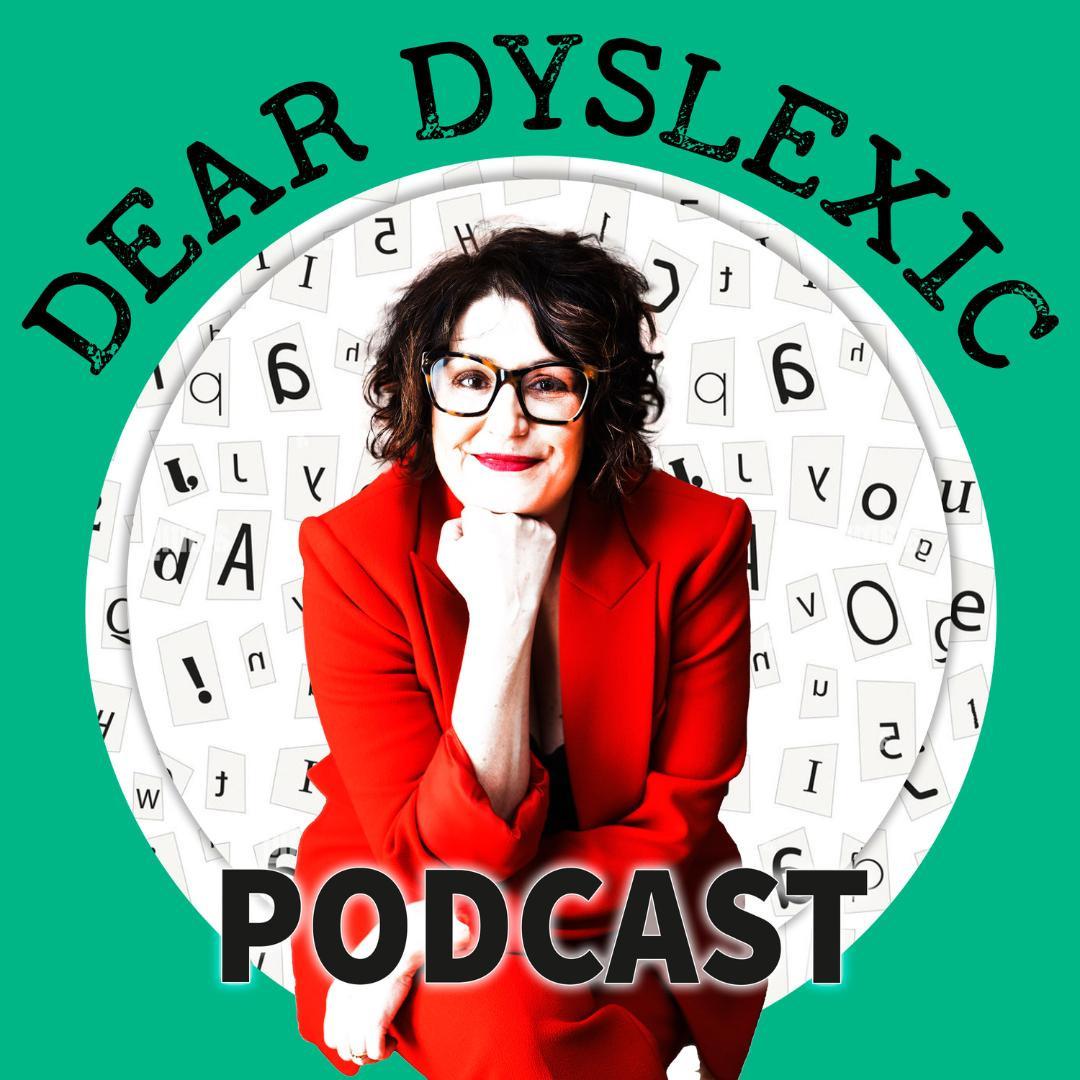
Insights from recent episode analysis
Audience Interest
Podcast Focus
Publishing Consistency
Platform Reach
Insights are generated by CastFox AI using publicly available data, episode content, and proprietary models.
Most discussed topics
Brands & references
Total monthly reach
Estimated from 1 chart position in 1 market.
By chart position
- 🇩🇰DK · Self-Improvement#104500 to 3K
- Per-Episode Audience
Est. listeners per new episode within ~30 days
250 to 1.5K🎙 Weekly cadence·86 episodes·Last published 5d ago - Monthly Reach
Unique listeners across all episodes (30 days)
500 to 3K🇩🇰100% - Active Followers
Loyal subscribers who consistently listen
200 to 1.2K
Market Insights
Platform Distribution
Reach across major podcast platforms, updated hourly
Total Followers
—
Total Plays
—
Total Reviews
—
* Data sourced directly from platform APIs and aggregated hourly across all major podcast directories.
On the show
From 10 epsHosts
Recent guests
Recent episodes
87: Part 1 Dyslexia, Dysgraphia & Dyscalculia Explained (The 3 Dys) | Dr Shae Wissell & Michael Shanahan from Dyscastia
Jun 22, 2026
Unknown duration
Navigating Psychosocial Safety in Neurodivergent Workplaces - Full Episode with Ben Walkenhorst
May 29, 2026
Unknown duration
"The Intersection of Neurodivergence and Workplace Safety" with Ben Walkenhorst - Pt 3
May 18, 2026
Unknown duration
86 Part 2 Neurodiversity at Work: Strategies for Safety and Success with Ben Walkenhorst
May 6, 2026
Unknown duration
Embracing Neurodiversity: Insights from the International Women's Day Panel on Late Diagnosis
Apr 1, 2026
1h 20m 00s
Social Links & Contact
Official channels & resources
Official Website
Login
RSS Feed
Login
| Date | Episode | Topics | Guests | Brands | Places | Keywords | Sponsor | Length | |
|---|---|---|---|---|---|---|---|---|---|
| 6/22/26 | 87: Part 1 Dyslexia, Dysgraphia & Dyscalculia Explained (The 3 Dys) | Dr Shae Wissell & Michael Shanahan from Dyscastia | In this episode of Dr Shae and the Dear Dyslexic Podcast, our host Shae,welcomes Michael from the podcast Dyscastia to discuss dyslexia, dysgraphia, and dyscalculia, and why there aren’t enough conversations about these learning difficulties. Michael explains his view on labels, using “disability” for official funding and support contexts and preferring “difficulty” personally, while questioning the term “difference.” He shares his work as an intervention tutor supporting children with dyslexia, dyscalculia, and related neurodivergence such as ADHD and autism, and describes the morphology-focused “word cracking” software and the Literacy Support Kit he developed with Sally Andrew to better support students for whom some programs move too quickly. Michael also recounts his varied career path, his late identification through his children’s diagnoses, and his lived experience of autism, ADHD, dyslexia, and dysgraphia. 00:00 Podcast Mission 00:36 Meet Michael 01:34 Labels Disability Or Difficulty 03:08 Tutoring And Tools 06:00 From Teaching To Tutoring 06:55 Family Diagnoses Spark Journey 08:28 Career Path And Wrap Up 09:00 Resources And Support Lines | — | ||||||
| 5/29/26 | Navigating Psychosocial Safety in Neurodivergent Workplaces - Full Episode with Ben Walkenhorst | In this Dear Dyslexic podcast episode, Shae speaks with consultant and leader Ben Walkenhorst about psychosocial hazards and how to create psychologically safe workplaces, especially for neurodivergent people. Ben shares his background (20+ years’ experience across sectors and leading teams up to 200) and his lived experience of dyslexia, including an auditory component and visual stress helped by Irlen lenses, which he says transformed his learning outcomes. He explains psychological safety as an environment where people can speak up without judgment or retaliation, and outlines three key factors: great leadership, job design/job demands, and environmental factors. Ben gives examples from remote work and local government process redesign, discusses clear role expectations, supportive feedback practices, reasonable adjustments, and why training and new legislation make this work essential.00:00 Welcome to Dear Dyslexic00:34 Meet Ben Walkenhorst04:15 Ben’s Dyslexia Story07:40 Irlen Lenses and What Works09:25 Personal Strategies and Self Awareness12:04 Psychological Safety Explained16:25 Job Design and Workload23:12 Environmental Adjustments That Help26:21 Neurodivergence Trip Hazards at Work36:52 Feedback Without Triggers43:46 Why Leader Training Matters46:30 Business Case and Legal Duties48:41 Wrap Up and Next Steps | — | ||||||
| 5/18/26 | "The Intersection of Neurodivergence and Workplace Safety" with Ben Walkenhorst - Pt 3 | Neurodivergence, Feedback & Psychological Safety at Work (Dear Dyslexic Podcast)This episode of the Dear Dyslexic podcast explores how feedback and workplace practices can impact neurodivergent people, including those with dyslexia, ADHD, and autism, particularly when feedback feels overly critical or triggering due to past experiences. The conversation focuses on the role of great leadership in giving feedback privately and safely, discussing practical adjustments like changing red markup colors and reframing “feedback” as “advice.” It also covers how constant check-ins can raise anxiety and suggests creating adult-adult relationships where employees have permission to speak up about what works for them. The guest emphasizes the importance of training leaders in psychological, social, and emotional dynamics and neurodivergence, linking psychological safety to improved productivity and business outcomes, alongside growing legal and regulatory obligations in Australia.00:00 Welcome to Dear Dyslexic00:33 Feedback and RSD02:13 Better Ways to Give Feedback03:54 Advice Not Feedback04:20 Checking In Without Anxiety06:05 Adult Adult Leadership07:27 Training Leaders on Neurodiversity10:11 Business Case and Compliance12:22 Wrap Up and Next Episode15:19 Resources and Sign Off | — | ||||||
| 5/6/26 | 86 Part 2 Neurodiversity at Work: Strategies for Safety and Success with Ben Walkenhorst | Creating Psychologically Safe Workplaces for Neurodivergent Teams | Dear Dyslexic Podcast This Dear Dyslexic podcast episode introduces the show’s focus on lived experiences of dyslexia and other neurodivergent conditions, then explores strategies for supporting neurodiverse people at work through psychologically safe environments. Ben discusses leadership practices grounded in understanding individual and team needs using tools like Myers-Briggs, Clifton Strengths, and emotional intelligence testing, and defines psychological safety as being able to speak up without judgment or retaliation. They outline three key factors: great leadership, job design and demands, and environmental factors, sharing examples such as setting non-judgmental meeting norms, creating online social check-ins during COVID, and redesigning a council appeals process from 23 manual processes to 11 automated systems through inclusive, iterative feedback. Ben also covers workplace adjustments like managing sensory triggers, role clarity, confidential one-on-ones, performance expectations, and building extra time and AI support for proofreading and deadlines. Thanks for listening to Dr Shae and the Dear Dyslexic Podcast. To keep up-to-date with all our news, follow us on Facebook, LinkedIn and Instagram. If you haven’t done so yet, go to your favoured podcast platform and subscribe, rate and review this podcast. If you found any of this content distressing, seek support: LifeLine on 13 11 14 BeyondBlue counsellor on 1300 22 4636 13 Yarn (13 92 76) re:think dyslexia helpline 1800 13 6327 00:00 Welcome to Dear Dyslexic 00:34 Self Awareness Strategies 03:14 Leadership Builds Safety 04:32 Remote Team Culture 06:25 What Psychological Safety Means 07:34 Job Design and Demand 09:50 Inclusive Process Redesign 14:21 Environmental Factors at Work 18:21 Role Clarity and Supports 23:05 Reasonable Adjustments and KPIs 27:31 Personal Dyslexia Workarounds 29:11 Wrap Up and Resources | — | ||||||
| 4/1/26 | Embracing Neurodiversity: Insights from the International Women's Day Panel on Late Diagnosis✨ | neurodiversitylate diagnosis+11 | Nicci RichmanDr Annalisa Contos+1 | AI toolssupportive tools+3 | Australia | International Women’s Daysupport+5 | — | 1h 20m 00s | |
| 4/1/26 | 85. Embracing Neurodiversity: Insights from the International Women's Day Panel on Late Diagnosis | Recorded as a podcast for International Women’s Day, this panel brings together Nicci Richman, Dr Kim Gordon, and Dr Annalisa Contos, to share experiences of late diagnosis (ADHD, autism, dyslexia/dysgraphia) and how it reshaped identity, self-compassion, and career trajectories. The discussion links perimenopause/menopause to reduced capacity to mask, emotional peaks and troughs, and grief over missed support and opportunities. Panelists describe the invisible load of masking, executive-function demands, parenting neurodivergent children, burnout, and workplace penalties for non-linear careers, “cultural fit,” and intersectional bias. They outline practical workplace changes—universal design, clarity, flexible output-focused work, supportive tools (including AI), easier adjustments, and leaders who model disclosure—while noting supports like JobAccess and resources from ADHD Australia. | — | ||||||
| 3/2/26 | 84. "Dyslexia Unplugged: Conversations Across Continents"✨ | dyslexianeurodivergence+3 | Dr Helen RossDr Kim Percy | Dear Dyslexic Podcasta Churchill Fellowship+2 | UKAustralia | Churchill FellowshipTAFE flexibility+3 | — | 40m 24s | |
| 1/28/26 | 83. Why Educator Belief Matters More Than Diagnosis: Transforming TAFE for Dyslexic Students✨ | dyslexianeurodivergence+7 | Brad Beach | TAFEthe Dear Dyslexic Podcast+9 | — | TAFE GippslandJohn Hattie+4 | — | 46m 48s | |
| 11/29/25 | 82. Speech Pathologist Decodes Dyslexia: Myths, Assessments, and Lifelong Support✨ | early interventionADHD+5 | Elise Cassidy | Read3Hobo CEO+8 | Australia | dyslexia awarenessliteracy+3 | — | 50m 42s | |
| 10/30/25 | 81. I Got Diagnosed With ADHD at 40+ | What I Wish I'd Known Sooner✨ | self-awarenessADHD+3 | — | DyslexRethink Dyslexia+2 | UK | ADHD diagnosisinternal chaos+3 | — | 12m 38s | |
Want analysis for the episodes below?Free for Pro Submit a request, we'll have your selected episodes analyzed within an hour. Free, at no cost to you, for Pro users. | |||||||||
| 9/30/25 | 80 Dear Dyslexic Podcast | A New Chapter: Now With VIDEO✨ | dyslexiaADHD+2 | — | the Dear Dyslexic Podcast | — | neurodivergentreal lived experience+1 | — | 0m 40s | |
| 8/27/25 | Ep 79 - Neurodivergence & Substance Use: Breaking the Stigma with Dr Erin Lalor AM✨ | neurodivergencesubstance use+3 | Dr Erin Lalor Am | — | — | mental healthsupport+2 | — | 38m 22s | |
| 7/29/25 | Ep 78: Understanding ADHD: Insights from a Dad's Perspective✨ | ADHDneurodivergence+3 | Derek McCormack | the Raising Children NetworkUnderstanding ADHD: Insights from a Dad's Perspective | — | neurodivergent childrenschool systems+1 | — | 34m 52s | |
| 6/29/25 | Ep 77: Late Diagnoses and Neurodivergent Identity: Monique Mitchelson's Journey✨ | neurodivergencelate diagnoses+4 | Monique Mitchelson | The Neurodivergent Skills Workbook for Autism and ADHDLinkedIn+5 | BrisbaneAustralia | neurodiversityadvocacy+3 | — | 40m 31s | |
| 5/29/25 | Episode 76: The Power of Vulnerability: How Hotel Etico’s Saraya Rewrote Her Story✨ | dyslexiaADHD+4 | Saraya O’Connell | Hotel Eticothe Dear Dyslexia Podcast+6 | Australiathe Blue Mountains | Hotel Eticosocial enterprise+2 | — | 41m 38s | |
| 4/29/25 | Ep 75: How AI Is Empowering Dyslexic and Neurodivergent Minds: Tools, Tips, and Transformation | Ever felt like your brain just works differently — and wished technology could meet you halfway? In this empowering solo episode, Dr Shae Wissell shares why AI has become a game-changer for dyslexics and other neurodivergent minds, offering practical ways to turn daily challenges into new superpowers. In today’s episode, Dr Shae Wissell, researcher, advocate, and proud dyslexic and dysgraphic, dives deep into how artificial intelligence (AI) is transforming the way neurodivergent individuals work, learn, and live. From writing struggles to planning overwhelm, Shae shares personal stories and practical tools that have helped her — and can help you too — reclaim time, energy, and confidence. Topics Discussed: Why AI is not "cheating" — it's an accommodation, like glasses How ChatGPT, Grammarly, Siri, and other tools support writing and proofreading Using speech-to-text apps to unlock faster communication Reducing cognitive overload with planning and time management AI tools The importance of remaining the subject matter expert (and not blindly relying on AI) How AI levels the playing field for dyslexic and neurodivergent individuals Shae’s favourite tools: Google NotebookLM, Speechify, Goblin Tools, and more Practical first steps to start using AI without feeling overwhelmed A Note From Our Director and Podcast Host: I'm Dr Shae Wissell and you have been listening to the Hobo CEO podcast. Head to rethinkdyslexia.com.au to find out more about today’s guest speaker. To keep up-to-date with all our news follow us on Facebook, LinkedIn and Instagram. You can also listen to our Dear Dyslexic Podcast as well! If you haven’t done so yet go to your favoured podcast platform and subscribe, rate and review this podcast. Join me next time for another conversation on Hobo CEO. If you found any of this content distressing, seek support: LifeLine on 13 11 14 BeyondBlue counsellor on 1300 22 4636 Contact Shae: Website https://rethinkdyslexia.com.au/ Instagram: https://www.instagram.com/rethink_dyslexia LinkedIn: https://www.linkedin.com/in/dr-shae-marie-wissell-b95aaa31/ | — | ||||||
| 3/29/25 | Ep 74 “That’s Just Scott”: Unseen Dyslexia & the Realities of Neurodivergence | In a world where disability often gets lost in the noise of bureaucracy, how do we ensure that every voice is heard? In this episode, we are thrilled to welcome Peter Smith, the Director and Founder of the Center for Disability Employment Research and Practice (CDERP). With over 15 years of experience in the field, Peter has dedicated his career to improving employment outcomes for individuals with disabilities. His journey began at Sydney University, where he recognised the lack of focus on disability and employment. Under the mentorship of leading experts, Peter has developed a robust evidence base for disability employment methodologies and has established accredited training programs tailored for Australia. His work spans across various countries, including Australia, New Zealand, and even Saudi Arabia, making him a global advocate for disability rights. In this episode, Peter and I discuss a range of significant topics, including: ● The current landscape of disability employment in Australia and the impact of the NDIS. ● The challenges faced by individuals with dyslexia and other neurodivergent conditions in accessing support. ● The importance of integrity and evidence-based practices in disability advocacy. ● The umbrella effect of the neurodivergent movement and its implications for various disabilities. ● Personal anecdotes and lessons learned from Peter's extensive career in the field. Join us for a thought-provoking conversation that not only sheds light on the challenges faced by individuals with disabilities but also inspires hope and action for a more inclusive future. A Note From Our Director and Podcast Host: I'm Dr. Shae Wissell, and you have been listening to the Dear Dyslexia Podcast. Head to rethinkdyslexia.com.au to find out more about today’s discussion. To keep up to date with all our news, follow us on Facebook, LinkedIn, and Instagram. You can also listen to our Hobo CEO podcast as well! If you haven’t done so yet, go to your favorite podcast platform to subscribe, rate, and review this podcast. Join me next time for another insightful conversation on Dear Dyslexia Podcast. If you found any of this content distressing, seek support: | — | ||||||
| 2/28/25 | Ep 73: Redefining Leadership Through a Neurodivergent Lens: Dr. Annalisa Contos’ Journey | We are joined in this episode by Dr. Annalisa, the founder of Atom Consulting, a company dedicated to helping water utilities manage their risks, particularly in water quality. With a rich background in consulting and a personal journey through neurodiversity, Annalisa has become a passionate advocate for individuals with learning differences. After her elder son was diagnosed with autism, she pursued her own diagnosis of ADHD in her 40s, leading her to a deeper understanding of neurodiversity. Annalisa's commitment to inclusivity in the workplace is evident in her efforts to bridge the gap between neurodiverse talent and the skills shortage in the water sector. In this episode, we discuss significant topics such as the challenges and triumphs of adult diagnoses, the importance of creating inclusive environments for neurodivergent individuals, and practical strategies for leaders to support their teams. Annalisa shares her personal experiences with ADHD and dyslexia, the tools she has developed to navigate her professional life, and her vision for a more inclusive workplace. A Note From Our Director and Podcast Host: I'm Dr. Shae Wissell, and you have been listening to the Dear Dyslexia Podcast. Head to rethinkdyslexia.com.au to find out more about today’s discussion. To keep up to date with all our news, follow us on Facebook, LinkedIn, and Instagram. You can also listen to our Hobo CEO podcast as well! If you haven’t done so yet, go to your favorite podcast platform to subscribe, rate, and review this podcast. Join me next time for another insightful conversation on Dear Dyslexia Podcast. If you found any of this content distressing, seek support: | — | ||||||
| 1/30/25 | Ep 72: Is Dyslexia a Label, a Disability, or a Superpower? | Did you know that most research on dyslexia focuses on children, leaving a massive gap in understanding how it impacts adults—especially in professional settings? In this episode of the Dear Dyslexia Podcast, host Dr. Shae Wissell dives into her groundbreaking research on the challenges faced by dyslexic adults in the workplace. She sheds light on the barriers they encounter, from stigma and lack of support to the often-overlooked emotional toll of navigating a world designed for neurotypical individuals. Dr. Wissell explores: · The urgent need for workplace policies that accommodate dyslexic professionals · How self-advocacy and awareness can reshape career opportunities · The emotional and mental health impact of workplace struggles · Why research on adult dyslexia—particularly in Australia—remains limited and what can be done about it This episode is a must-listen for employers, educators, and anyone passionate about creating a more inclusive and supportive world for neurodivergent individuals. Read more about the research here: https://bit.ly/3CxDtXF A Note From Our Director and Podcast Host: I'm Dr. Shae Wissell, and you have been listening to the Dear Dyslexia Podcast. Head to rethinkdyslexia.com.au to find out more about today’s discussion. To keep up to date with all our news, follow us on Facebook, LinkedIn, and Instagram. You can also listen to our Hobo CEO podcast as well! If you haven’t done so yet, go to your favorite podcast platform to subscribe, rate, and review this podcast. Join me next time for another insightful conversation on Dear Dyslexia Podcast. If you found any of this content distressing, seek support: | — | ||||||
| 12/1/24 | Ep 71: Driving Inclusivity: Transforming the Automotive Industry and Beyond with Raffy Sgroi | Get ready for an eye-opening episode of the Dear Dyslexic! This week, we dive into the world of inclusive business practices and the remarkable journey of a powerhouse in the automotive industry. In this episode of the Dear Dyslexic podcast, host Dr Shae Wissell sits down with Raffy, a dynamic leader in the automotive industry and a passionate advocate for inclusive business practices. Raffy has been a trailblazer in her field for over 20 years, running a successful auto mechanic business with her husband. She is also the founder of Sage Advice, a business coaching service aimed at helping other companies to implement inclusive and diverse workplaces. Guest Background and Achievements Raffy’s journey began in Milan, Italy, but she has called Australia home for the past 24 years. Her background in the automotive industry, combined with her personal experiences, has driven her to create a business environment that is not only profitable but also purposeful. Raffy is also a full-time carer for her brother-in-law with Down syndrome, further fueling her passion for inclusivity in the workplace. Under her leadership, her business has become a model for sustainability and gender diversity, boasting several female apprentices and a strong focus on waste minimisation. Topics of Discussion • Inclusive Business Practices: Raffy shares her insights on creating an inclusive environment within a traditionally male-dominated industry. • Sustainability: Learn about Raffy’s efforts in waste minimisation and creating a greener workshop. • Personal Journey: Raffy’s transition from Milan to Australia and how her heritage influences her work. • Empowering Women: The importance of female representation in the automotive industry and how Raffy is paving the way for future generations. • Sage Advice: The inception and development of her business coaching service, aimed at helping other businesses thrive through inclusivity. Tune in to hear Raffy’s inspiring story and gain valuable insights into how inclusive business practices can lead to greater success and fulfilment. Whether you’re an entrepreneur, business owner, or just someone interested in making a positive change, this episode is packed with actionable advice and heartfelt stories. A Note From Our Director and Podcast Host: I’m Dr Shae Wissell and you have been listening to the Dear Dyslexic podcast. Head to rethinkdyslexia.com.au to find out more about today’s guest speaker. To keep up-to-date with all our news follow us on Facebook, LinkedIn and Instagram. You can also listen to our Dear Dyslexic Podcast as well! If you haven’t done so yet go to your favoured podcast platform and subscribe, rate and review this podcast. Join me next time for another conversation on Dear Dyslexic Podcast show If you found any of this content distressing, seek support: · LifeLine on 13 11 14 · BeyondBlue counsellor on 1300 22 4636 TAGS: inclusive business practices, automotive industry, gender diversity, sustainability, business coaching, small business, neurodiversity, workplace inclusivity, female empowerment, waste minimization, down syndrome advocacy, entrepreneurial success, workplace culture | — | ||||||
| 10/30/24 | Ep 70: From Hidden to Hero: Embracing Dyslexia in Entrepreneurship with Nigel Lockett | Imagine keeping a part of yourself hidden for over 50 years – a part of you that defines not just who you are, but how you think, work, and see the world. In today’s episode, Dr Shae Wissell sits down with Nigel Lockett, the Dyslexic Professor, to unravel the profound journey of embracing dyslexia and redefining it as a strength in the world of entrepreneurship. Episode Summary In this insightful conversation, Nigel Lockett, Emeritus Professor of Entrepreneurship and seasoned mentor, delves into his journey from keeping his dyslexia a closely guarded secret to ultimately sharing it with the world. Nigel, currently an Emeritus Professor at the University of Strathclyde, shares how his life transformed once he began openly identifying as a dyslexic academic and entrepreneur. He’s known for his work mentoring startup founders through initiatives like TwinklHive and Qualitas GP Pathway to Partnership and his pivotal role as Chair of Songs, Signs & Sounds, a social enterprise start-up. Nigel’s story is one of resilience, from early experiences of feeling “thick” and “lazy” to realising his own strengths as a serial entrepreneur and advocate for neurodiversity. Together with Shae, they explore topics such as the relationship between dyslexia and entrepreneurship, the role of collaboration, and the power of cognitive diversity in building strong, innovative teams. Chapter Markers 00:00 – Introduction 01:20 – Finding Out About Dyslexia 04:46 – Family and Dyslexia 08:16 – Journey into Entrepreneurship 12:21 – Choosing to Disclose 18:04 – Embracing Empathy and Scanning Environments 22:39 – ‘Dyslexia Superpower’ 26:06 – The Value of Cognitive Diversity 30:30 – Turning Around a University Department 36:39 – Public Reaction to Disclosure 42:39 – Closing Thoughts on Disclosure and Diversity A Note From Our Director and Podcast Host: I’m Dr Shae Wissell and you have been listening to the Dear Dyslexic podcast. Head to rethinkdyslexia.com.au to find out more about today’s guest speaker. To keep up-to-date with all our news follow us on Facebook, LinkedIn and Instagram. You can also listen to our Dear Dyslexic Podcast as well! If you haven’t done so yet go to your favoured podcast platform and subscribe, rate and review this podcast. Join me next time for another conversation on Dear Dyslexic Podcast show If you found any of this content distressing, seek support: · LifeLine on 13 11 14 · BeyondBlue counsellor on 1300 22 4636 Episode Summary In this insightful conversation, Nigel Lockett, Emeritus Professor of Entrepreneurship and seasoned mentor, delves into his journey from keeping his dyslexia a closely guarded secret to ultimately sharing it with the world. Nigel, currently an Emeritus Professor at the University of Strathclyde, shares how his life transformed once he began openly identifying as a dyslexic academic and entrepreneur. He’s known for his work mentoring startup founders through initiatives like TwinklHive and Qualitas GP Pathway to Partnership and his pivotal role as Chair of Songs, Signs & Sounds, a social enterprise start-up. Nigel’s story is one of resilience, from early experiences of feeling “thick” and “lazy” to realising his own strengths as a serial entrepreneur and advocate for neurodiversity. Together with Shae, they explore topics such as the relationship between dyslexia and entrepreneurship, the role of collaboration, and the power of cognitive diversity in building strong, innovative teams. Chapter Markers 00:00 – Introduction 01:20 – Finding Out About Dyslexia 04:46 – Family and Dyslexia 08:16 – Journey into Entrepreneurship 12:21 – Choosing to Disclose 18:04 – Embracing Empathy and Scanning Environments 22:39 – ‘Dyslexia Superpower’ 26:06 – The Value of Cognitive Diversity 30:30 – Turning Around a University Department 36:39 – Public Reaction to Disclosure 42:39 – Closing Thoughts on Disclosure and Diversity A Note From Our Director and Podcast Host: I’m Dr Shae Wissell and you have been listening to the Dear Dyslexic podcast. Head to rethinkdyslexia.com.au to find out more about today’s guest speaker. To keep up-to-date with all our news follow us on Facebook, LinkedIn and Instagram. You can also listen to our Dear Dyslexic Podcast as well! If you haven’t done so yet go to your favoured podcast platform and subscribe, rate and review this podcast. Join me next time for another conversation on Dear Dyslexic Podcast show If you found any of this content distressing, seek support: · LifeLine on 13 11 14 · BeyondBlue counsellor on 1300 22 4636 | — | ||||||
| 9/29/24 | Ep 69: Unleashing Neurodivergent Potential: ADHD Australia CEO Mel Webster on Workplace Transformation | Discover how embracing neurodiversity can unlock hidden potential and transform workplaces with Mel Webster, a leader who proudly wears her ADHD and dyslexia as badges of strength. Mel Webster is the CEO of ADHD Australia, a passionate advocate for neurodiversity, and a proud individual with ADHD and dyslexia. With a background in working with individuals on the autism spectrum and a personal journey of diagnosis and parenting a neurodivergent child, Mel brings a wealth of experience and insight to the conversation. In this episode, Melissa and Dr. Shae explore: ● Personal journey of diagnosis and acceptance of ADHD and dyslexia ● The intersection of ADHD, dyslexia, and other neurodevelopmental conditions ● Challenges and strengths associated with ADHD and dyslexia in educational and professional settings ● The importance of disclosure and creating psychologically safe workplaces ● Strategies for building confidence and having courageous conversations about neurodiversity ● The role of leadership in fostering inclusive environments ● The impact of the recent Senate inquiry on ADHD and potential shifts in supporting adults with ADHD ● The need for greater understanding and support for individuals with dyslexia, especially those significantly impacted ● The power of hyperfocus and creativity as strengths in neurodivergent individuals The conversation touches on strategies for building confidence, the role of leadership in fostering inclusivity, the impact of recent policy changes, and the need for greater understanding and support for individuals across the neurodiversity spectrum. Melissa’s Details: Find out more about Melissa here Find out more about ADHD Australia here. A Note From Our Director and Podcast Host: I'm Dr Shae Wissell and you have been listening to the Dear Dyslexia Podcast. Head to rethinkdyslexia.com.au to find out more about today's guest speaker. To keep up-to-date with all our news follow us on Facebook, LinkedIn and Instagram. You can also listen to our Hobo CEO Podcast as well! If you haven't done so yet go to your favoured podcast platform and subscribe, rate and review this podcast. Join me next time for another conversation on Dear Dyslexia. If you found any of this content distressing, seek support: ● LifeLine on 13 11 14 ● BeyondBlue counsellor on 1300 22 4636 | — | ||||||
| 8/29/24 | Ep 68 From Classroom to Career: How Dyslexics Pass, Mask, Cope and Succeed with Dr Neil Alexander Passe | What if the challenges faced by neurodivergent individuals are more about survival than adaptation? In this episode of the Dear Dyslexia podcast, Dr. Shae Wissell dives deep into a thought-provoking discussion with Dr Neil Alexander Passe, a researcher and advocate who is reshaping our understanding of neurodivergence and its impact on daily life. Dr Neil Alexander Passe, a respected researcher in the field of dyslexia and neurodivergence, returns to the show to share his latest insights. With years of experience studying the nuances of neurodiversity, Neil has authored numerous papers and is a strong voice for the neurodivergent community. His work primarily focuses on understanding how neurodivergent individuals, particularly those with hidden disabilities, navigate the world through strategies like 'passing'—a concept that involves concealing their differences to fit into societal norms. In this episode, Dr. Neil and Dr. Shae explore: The impact of COVID-19 on students with neurodivergence, particularly in the context of educational accommodations like the use of laptops during exams. The concept of 'passing' versus 'masking'—how neurodivergent individuals might hide their differences to avoid stigma and the implications of this on their mental health and well-being. The broad and often problematic use of the term 'neurodivergence,' and whether it dilutes the unique challenges faced by individuals with specific conditions like dyslexia, autism, and ADHD. The role of coping strategies in helping neurodivergent individuals succeed in environments that are not inherently supportive of their needs. This conversation not only challenges existing narratives but also offers new perspectives on how we can better support neurodivergent individuals in various aspects of life, from education to the workplace. A Note From Our Director and Podcast Host: I'm Dr Shae Wissell and you have been listening to the Hobo CEO podcast. Head to rethinkdyslexia.com.au to find out more about today’s guest speaker. To keep up-to-date with all our news, follow us on Facebook, LinkedIn, and Instagram. You can also listen to our Dear Dyslexic Podcast as well! If you haven’t done so yet, go to your favoured podcast platform and subscribe, rate, and review this podcast. Join me next time for another conversation on Hobo CEO. If you found any of this content distressing, seek support: LifeLine on 13 11 14 BeyondBlue counsellor on 1300 22 4636 | — | ||||||
| 7/30/24 | Ep 67: Building Inclusive Workplaces: Deirdre Hardy's Strategies for Young Neurodivergents | Are you ready to hear how one organisation is making a difference in the lives of young people with neurodivergences? Join us for an inspiring conversation with Deirdre Hardy from Future Connect! In this episode, we are thrilled to host Deirdre Hardy, a dedicated advocate for young people with neurodivergences. Deirdre is the CEO of Future Connect, an organisation committed to supporting young individuals as they transition from education to employment. With a wealth of experience in working with neurodiverse youth, Deirdre has been instrumental in helping them navigate their educational and career pathways, ensuring they have the support they need to thrive. Significant Topics of Discussion: Introduction to Future Connect: Deirdre explains the mission and activities of Future Connect, emphasising their role in assisting young people in their transition from school to work. Local Learning Employment Networks (LLEN): Learn about the 31 organisations across Victoria that support young individuals through the Department of Education's school-to-work contract. Challenges and Support for Neurodiverse Youth: Deirdre discusses the importance of understanding and meeting the unique needs of neurodiverse young people, including those with dyslexia, ADHD, and other diagnoses. Strategies for Employment Success: Discover the various strategies and activities Future Connect employs to help young people develop employability skills and secure work placements. Importance of Diagnosis: The conversation highlights how a diagnosis can be empowering for young people, providing them with a sense of identity and facilitating the support they need. Disclosure in the Workplace: Deirdre shares insights into the complexities of disclosing neurodivergence in job interviews and how Future Connect supports young people in this process. Links to Diedre’s resources: Future Connect Website: https://futureconnect.org.au/ Realise your Potential: https://www.youtube.com/watch?v=MwmP9L-rPuQ Marcella’s interview: https://www.youtube.com/watch?v=6FdJCYNf004 The Making of Marcella’s Interview: https://www.youtube.com/watch?v=JmJSA2CQ53E A Note From Our Director and Podcast Host: I'm Dr Shae Wissell and you have been listening to the Hobo CEO podcast. Head to http://rethinkdyslexia.com.au to find out more about today’s guest speaker. To keep up-to-date with all our news, follow us on Facebook, LinkedIn, and Instagram. You can also listen to our Dear Dyslexic Podcast as well! If you haven’t done so yet, go to your favoured podcast platform and subscribe, rate, and review this podcast. Join me next time for another conversation on Hobo CEO. If you found any of this content distressing, seek support: LifeLine on 13 11 14 BeyondBlue counsellor on 1300 22 4636 | — | ||||||
| 6/29/24 | Ep 66: The Business Case for Inclusion: Dr. Jamica Nadina Love on Cultural Add | Dive deep into the world of Diversity, Equity, and Inclusion (DEI) with Dr. Jamica Nadina Love, a trailblazer making waves across the education sector and beyond. Get ready to challenge your perspectives and understand the true power of intersectionality. Guest Introduction: In this episode, we welcome Dr. Jamica Nadina Love, a renowned DEI expert and transformative leader. As the first Chief Diversity Officer at the historic Virginia Military Institute and the founder of Higher Dimensions Consulting LLC, Dr. Love has dedicated her career to fostering inclusive and equitable environments. With a master’s degree in counseling psychology and significant contributions in higher education, she has been recognized as one of Virginia Business News' 100 People to Meet in 2022. Dr. Love's journey began with a focus on supporting international college women and has since expanded to include pivotal roles at esteemed institutions such as Mount Holyoke College and Northeastern University. Her commitment to advocacy, particularly for women and BIPOC individuals, underscores her dynamic speaking and training style, leaving a lasting impact on individuals and organisations alike. Key Topics Discussed: 1. Intersectionality and Labels: Dr. Love unpacks the concept of intersectionality, exploring how various identities intersect and contribute to unique experiences of discrimination and privilege. She explains the significance of understanding these intersections to create more inclusive and supportive environments. 2. The Evolution of DEI: From her early days working with international women at the Showa Boston Institute to her current role in consulting, Dr. Love shares her insights on how DEI initiatives have evolved. She emphasizes the importance of education in embracing diversity and how different identities add value to organizations. 3. Transforming Organizational Culture: Dr. Love discusses the paradigm shift from seeking a "cultural fit" to a "cultural add," advocating for the inclusion of diverse perspectives to drive innovation and growth. She shares practical strategies for organizations to broaden their hiring pools and create a more inclusive culture. 4. Overcoming Fear and Embracing Diversity: Addressing common fears associated with DEI efforts, Dr. Love offers guidance on how individuals and organizations can navigate these challenges. She highlights the importance of thoughtful speech, the impact of unintentional harm, and the need for continuous learning and awareness. 5. Personal and Professional Growth: Reflecting on her own career, Dr. Love shares her motivations and experiences that have shaped her journey. She underscores the value of mentorship, volunteer work, and the relentless pursuit of knowledge in the DEI field. Join us for this enlightening conversation with Dr. Jamica Nadina Love, and learn how to transform your approach to diversity, equity, and inclusion. Discover the power of intersectionality and the impact it can have on creating a more equitable and inclusive world. Tune in now and be part of the change! A note from our director and podcast host: I’m Dr Shae Wissell and you have been listening to the Dear Dyslexic Podcast, brought to you by re:think dyslexia. To keep up-to-date with all our news, sign up to our mailing list and follow us on Facebook, LinkedIn, and Instagram. If you haven’t done so yet, subscribe to your favourite podcast platform, rate, and review this podcast. Join me next time for another conversation on the Dear Dyslexic Podcast series. If you would like to sponsor a podcast contact hello@rethinkdyslexia.com.au and help us continue to share stories of young people and adults with dyslexia and other neurodivergences! | — | ||||||
Showing 25 of 90
Pitch Fit is a Pro feature
See how bookable this show is for guests, which brands already advertise, the per-episode ad value, and the best-fit guest and sponsor profile. The numbers are blurred on the free plan.
How readily this show books outside guests like you.
How proven this show is for host-read sponsorships.
For Guests
ProFor Advertisers
ProUpgrade to Pro to unlock guest cadence, sponsor categories, fit scores, and per-episode ad value for this show.
Chart Positions
1 placement across 1 market.
Chart Positions
1 placement across 1 market.