
Insights from recent episode analysis
Audience Interest
Podcast Focus
Publishing Consistency
Platform Reach
Insights are generated by CastFox AI using publicly available data, episode content, and proprietary models.
Total monthly reach
Estimated from 3 chart positions in 3 markets.
By chart position
- 🇬🇧GB · Government#1465K to 30K
- 🇦🇺AU · Government#1865K to 30K
- 🇸🇪SE · Government#2630K to 100K
- Per-Episode Audience
Est. listeners per new episode within ~30 days
20K to 80K🎙 ~2x weekly·20 episodes·Last published yesterday - Monthly Reach
Unique listeners across all episodes (30 days)
40K to 160K🇸🇪63%🇬🇧19%🇦🇺19% - Active Followers
Loyal subscribers who consistently listen
16K to 64K
Market Insights
Platform Distribution
Reach across major podcast platforms, updated hourly
Total Followers
—
Total Plays
—
Total Reviews
—
* Data sourced directly from platform APIs and aggregated hourly across all major podcast directories.
On the show
Recent episodes
Season 1, Gen X — Episode 26 — House Party (1990)
May 31, 2026
54m 03s
Special Episode – Hyperpolitics (2026) w/Anton Jäger
May 27, 2026
6m 01s
Season 1, Gen X — Episode 25 — Fresh Kill (1994)
May 24, 2026
53m 26s
Season 1, Gen X — Episode 24 — Goodbye, Lenin! (2003)
May 17, 2026
54m 57s
Season 1, Gen X — Episode 23 — Fast Times at Ridgemont High (1982)
May 10, 2026
1h 04m 11s
Social Links & Contact
Official channels & resources
Official Website
Login
RSS Feed
Login
| Date | Episode | Description | Length | ||||||
|---|---|---|---|---|---|---|---|---|---|
| 5/31/26 |  Season 1, Gen X — Episode 26 — House Party (1990) | Patreon here. [https://www.patreon.com/c/deathphotopod] This week, the DPP boys check out Reginald Hudlin's 1990 House Party [https://en.wikipedia.org/wiki/House_Party_(1990_film)]. The film launched a long-running series of coming-of-age comedies under the House Party title, terminating in 2023. Centring around the exploits of rap duo Kid n' Play, the film did much to introduce hip-hop into the American mainstream. It also foregrounds African American middle-class suburban life on film in a groundbreaking way. Where did the film's subtle hints at pan-Africanism and 1990s affluence lead in the 2000s and 2010s? Find out in today's episode. | 54m 03s | ||||||
| 5/27/26 |  Special Episode – Hyperpolitics (2026) w/Anton Jäger | To access the full episode — subscribe to our Patreon [https://www.patreon.com/c/deathphotopod]. In the first of DPP's special book episodes, Sam interviews Oxford politics lecturer and NYT contributing writer Anton Jäger [https://x.com/AntonJaegermm] on his new book: Hyperpolitics (2026, Verso) [https://www.versobooks.com/products/3460-hyperpolitics?srsltid=AfmBOopYUZB5Wc4sLyLqyXbVWML5kkZobmawbVshSiSdz8dIcBMCWFJZ]. Jäger's text is an expansion of two essays: 'From Bowling Alone to Posting Alone [https://jacobin.com/2022/12/from-bowling-alone-to-posting-alone]' (2022) and 'Everything is Hyperpolitical [https://thepointmag.com/politics/everything-is-hyperpolitical/]' (2023). Through an analysis of political change in the late 20th and 21st centuries and the curation of various cultural objects: the novels of Michel Houellebecq and Annie Ernaux, plus the photos of Wolfgang Tillmans, Jäger makes the case for five types of politics immediately before, and after, the 'end of history.' These sequential stages are 1920s-1940s mass politics (high politicisation and high institutionalisation), 1950s institutional politics (medium politicisation and high institutionalisation), 1990s and 2000s post-politics (low politicisation and low institutionalisation), 2010s anti-politics (medium politicisation and low institutionalisation), and, finally, 2020s hyperpolitics (high politicisation and low institutionalisation). Has the 'end of history' really ended — or are the 2020s just a continuation of 1990s deinstitutionalisation with more posting? Find out in today's episode. | 6m 01s | ||||||
| 5/24/26 |  Season 1, Gen X — Episode 25 — Fresh Kill (1994) | Patreon is here. [https://www.patreon.com/c/deathphotopod] Today's DPP episode explores the little-known 1994 feature by multi-media artist Jessica Hagedorn – Fresh Kill. Recycling, sushi, yuppies, toxic waste, nameless megacorporations, ethical hacking – Staten Island – Fresh Kill has it all, wrapped up in a dissonant prose-poem of a script. But did the world really turn into the endlessly diffused and globalised set of networks that Hagedorn predicts? Find out in today's episode. | 53m 26s | ||||||
| 5/17/26 | 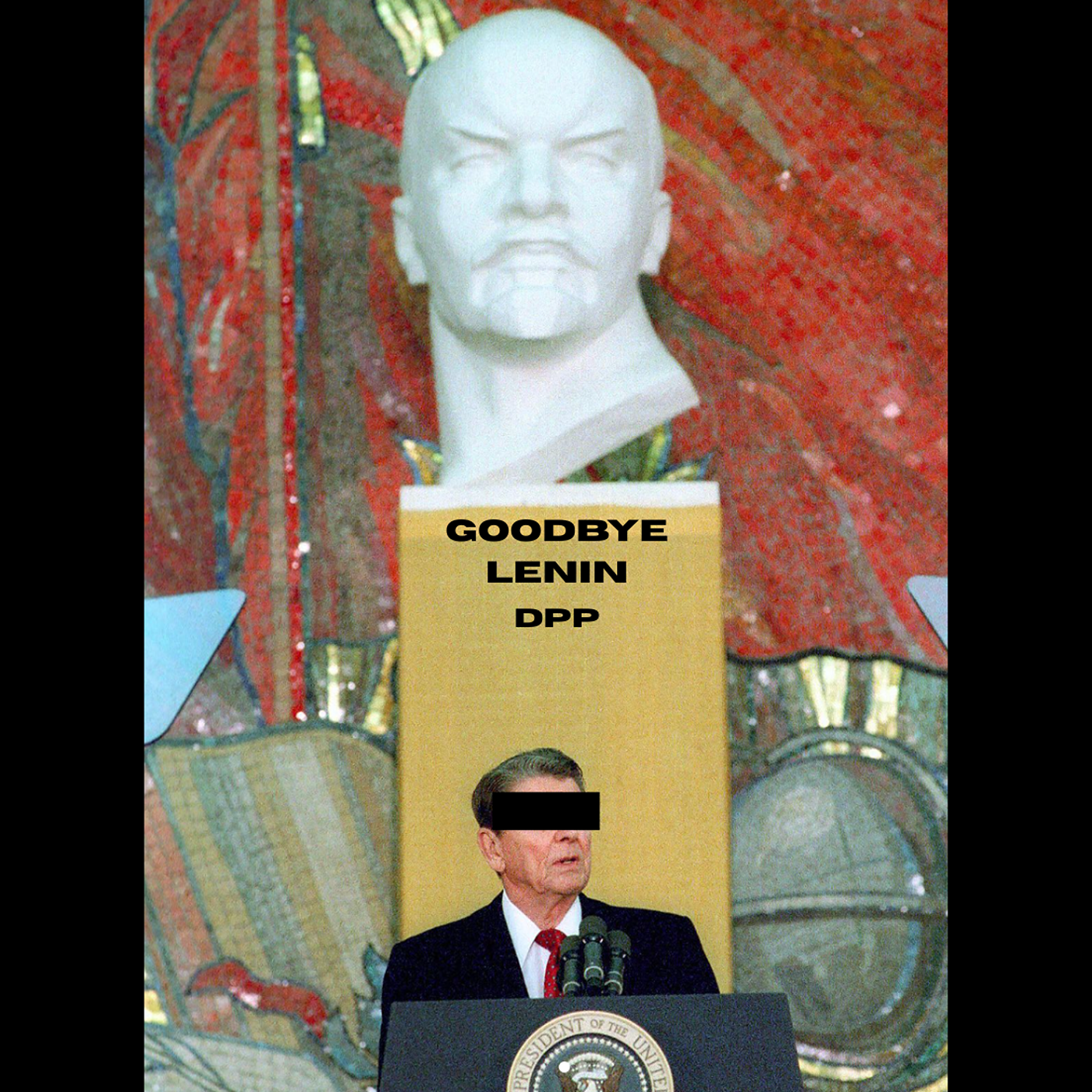 Season 1, Gen X — Episode 24 — Goodbye, Lenin! (2003) | Find our patreon here [https://www.patreon.com/c/deathphotopod]. The DPP boys were picking through the flea markets of Berlin — looking for Trabant car parts and old jars of Spreewaldgurken. In amongst the clutter, we came across a dusty videotape — Goodbye, Lenin! (2003). Wolfgang Becker's breakout hit — a deep dive into Ostalgie — only a few years after German reunification — asks the question: what if you could keep living in a dead political system and world? How possible is it to protect ourselves from the shocks of capitalism, to retreat into nostalgia? Find out in today's episode. | 54m 57s | ||||||
| 5/10/26 | 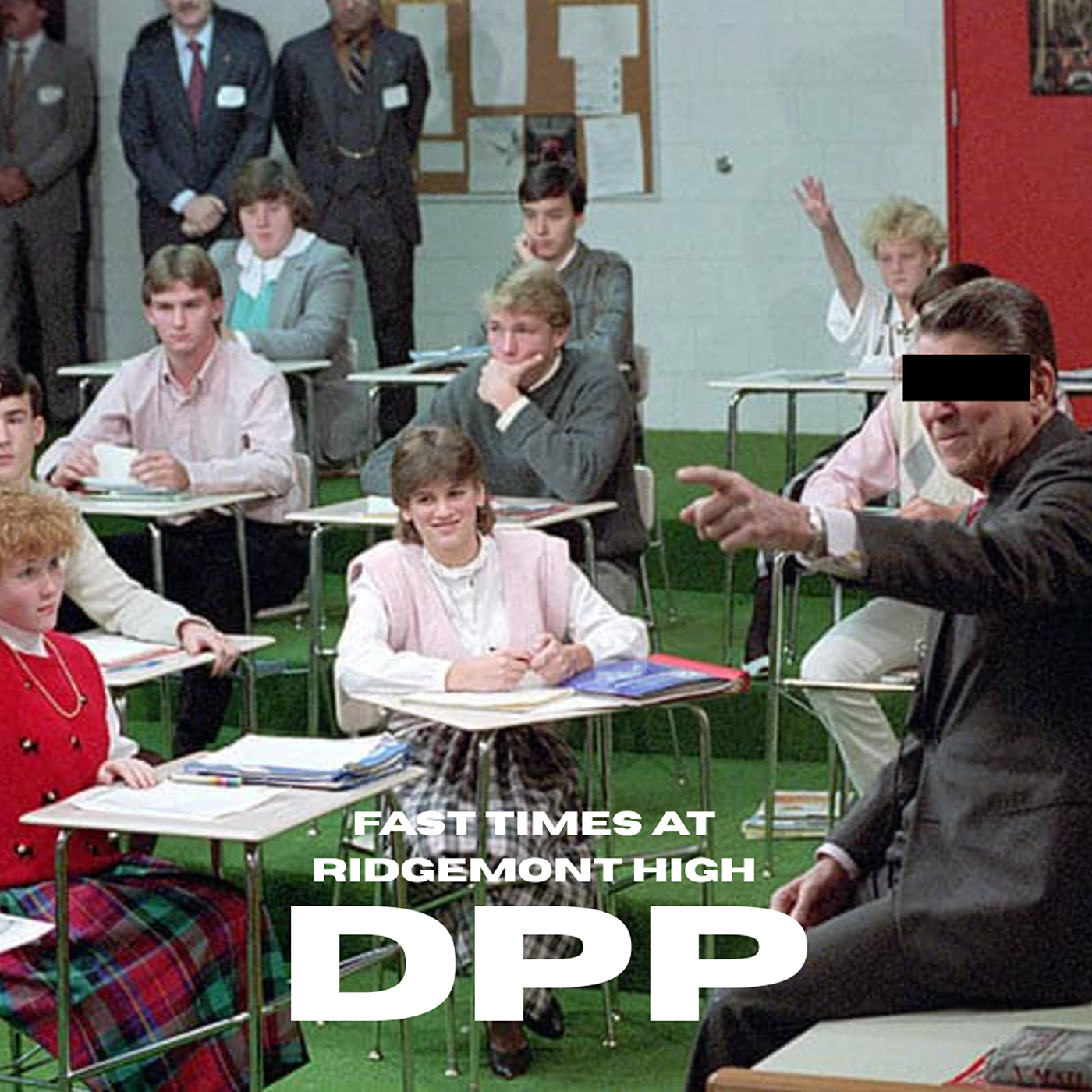 Season 1, Gen X — Episode 23 — Fast Times at Ridgemont High (1982) | Like, rate, and subscribe at our patreon – here. [https://www.patreon.com/c/deathphotopod] This week, DPP delve into the high school comedy Fast Times at Ridgemont High (1982). The film, directed by Amy Heckerling and based on the gonzo reporting of Cameron Crowe, is a vignette of teenage life in suburban southern California in the 1980s. With Reagan in power, plentiful jobs, and easy credit, what did adolescence look like for a broad swathe of the American population not normally depicted in films, for lack of interest and dramatic effect? (i.e the Californian middle class). And what was the texture of life like in the early 1980s, before the neoliberal turn had had its full effect on the same group of people? Find out in today's episode. | 1h 04m 11s | ||||||
| 5/3/26 |  Season 1, Gen X — Episode 22 — i ♥ huckabees (2004) w/Andrew Young | Chase is solo on this episode with guest Andrew Young to discuss i ♥ huckabees, an under-the-radar feature film by early Gen-X wunderkind David O. Russell. NIMBYism, environmentalism, cod-psychology, adolescent existentialism, self-help, the fear of suburbia, ecological doom, space-hoppers – i ♥ huckabees has it all. Where does a generation go when questions of material survival have been answered? Find out in today's episode. Patreon, as always, is here. [https://www.patreon.com/c/deathphotopod] | 58m 24s | ||||||
| 4/26/26 | 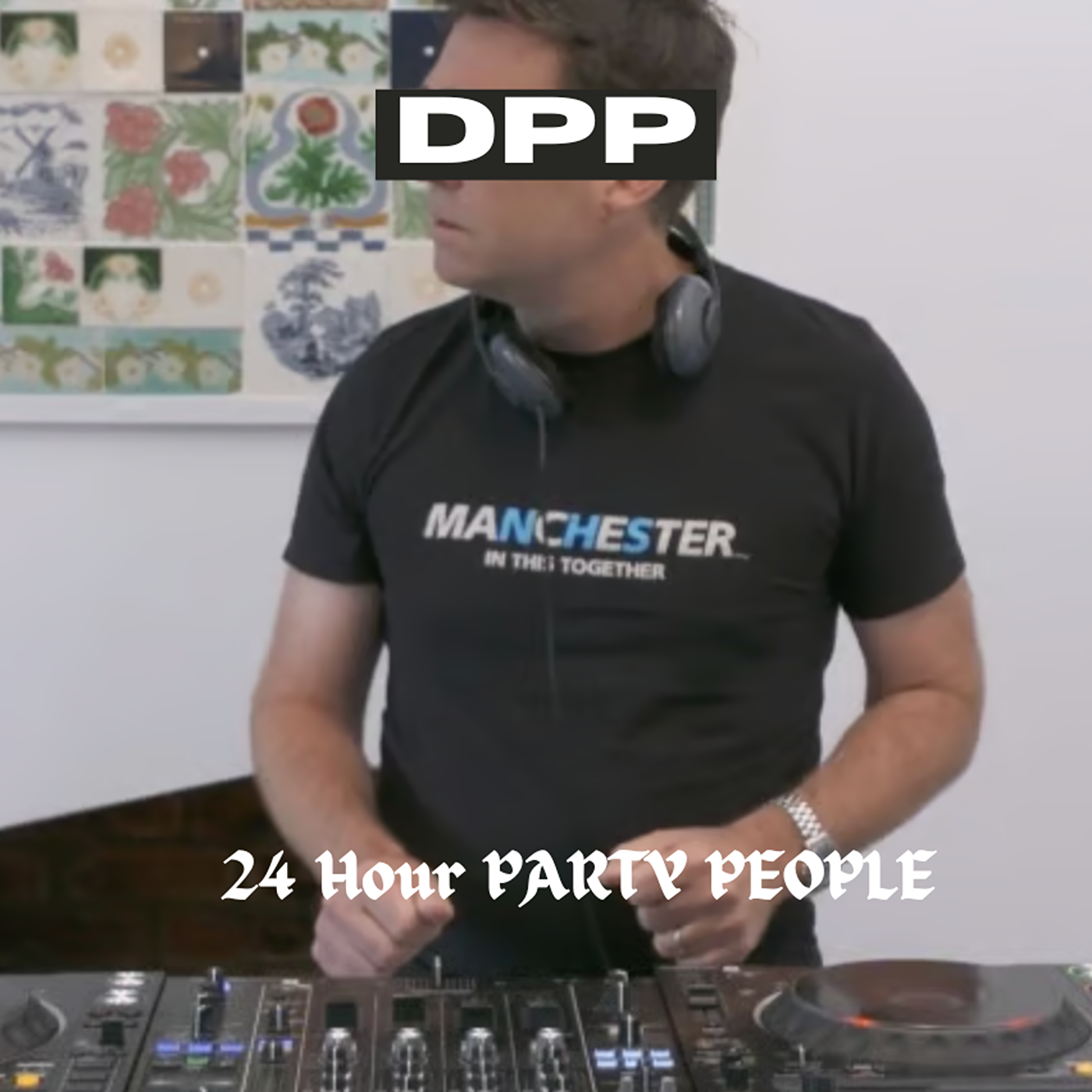 Season 1, Gen X — Episode 21 — 24 Hour Party People (2002) | Subscribe to DPP's patreon. [https://www.patreon.com/c/deathphotopod] This week, DPP takes on Gen X myth-making about the city of Manchester – namely, through Michael Winterbottom's 2002 film 24 Hour Party People. Why did Manchester explode as a Gen X-era subcultural and music mecca in the 1980s and 1990s, overtaking places more central to the boomer consciousness like Liverpool? And how did those involved in the post-punk and acid-house scenes of the era understand the sociology and economics of the epoch in retrospect? Find out in today's episode. | 59m 23s | ||||||
| 4/19/26 | 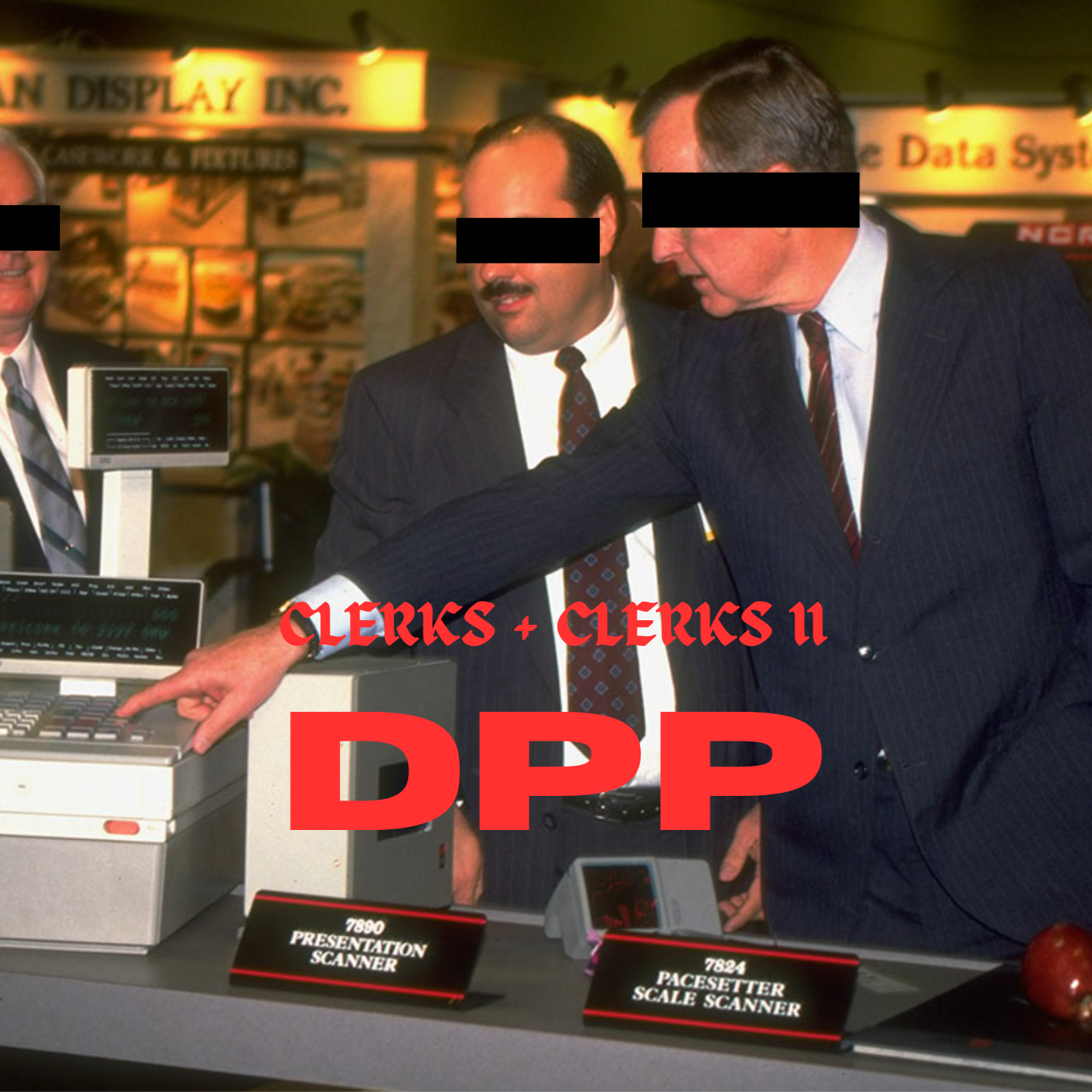 Season 1, Gen X — Episode 20 — Clerks (1994) + Clerks II (2006) | Connect with us on Patreon [https://www.patreon.com/c/deathphotopod]. DPP journeys to the Garden State, and Chase's political domain, this week — that's right, we're covering slacker favourites Clerks (1994) and Clerks II (2006). Directed by Kevin Smith, these films explore what it's like to spend a decade working marginal, dead-end jobs, without actively identifying oneself as marginal or a failure, because you've got your friends, pop culture, and ever-present escape routes. Were the lifestyles exhibited in Smith's oeuvre only possible during a brief period at the end of history? Find out in today's episode. | 1h 04m 51s | ||||||
| 4/12/26 |  Season 1, Gen X — Episode 19 — Trainspotting (1996) + T2 (2017) | Subscribe to our Patreon here [https://www.patreon.com/c/deathphotopod]. The DPP boys head back up to Scotland (we can't keep away), in search of meaning in deindustrialised hellscapes — that's right, we're doing Trainspotting (1996) and Danny Boyle's lesser-known follow-up: T2 (2017). Is there any compensation for the full-scale loss of meaning, association and community brought about by the offshoring of manufacturing and the rise of finance? Individualism, punk rock, raves, heroin — EU redevelopment funds? Listen to this week's episode to find out. | 1h 00m 48s | ||||||
| 3/29/26 |  Season 1, Gen X — Episode 18 — Clockwatchers (1997) | Subscribe on Patreon [https://www.patreon.com/c/deathphotopod]. In the first of our solo episodes this season, the DPP boys sit down, shut their asses up, and listen to Gen X women in the workplace, specifically Toni Collette, Parker Posey, Lisa Kudrow and Alanna Ubach in Jill Sprecher's 1997 office comedy Clockwatchers [https://en.wikipedia.org/wiki/Clockwatchers]. If Office Space, Fight Club and Falling Down express a male rage at deindustrialisation, the meaninglessness of white collar work, and arbitrary hierarchies — that is very much still with us — what does Clockwatchers have to say about the first generation of women (1965-1980) partaking equally (at least formally and legally) in the professional labour market? Interestingly, Sprecher's female leads couldn't be further from the 'Lean In' feminism of Sheryl Sandberg that came to dominate the 2010s — and in many ways they share more with their Gen X male analogues (Tyler Durden, Peter Gibbons) than might, at first, be expected. Because, of course, everyone (no matter your identity marker) can agree that "work sucks." Find out in today's episode. | 55m 11s | ||||||
Want analysis for the episodes below?Free for Pro Submit a request, we'll have your selected episodes analyzed within an hour. Free, at no cost to you, for Pro users. | |||||||||
| 3/22/26 |  Season 1, Gen X — Episode 17 — Braveheart (1995) w/David Jamieson | This week, the DPP lads are joined by David Jamieson [https://x.com/David_Jamieson7], journalist and editor of Conter Scot [https://www.conter.scot/] to discuss Mel Gibson's 1995 epic Braveheart. What does a botched historical drama about Scotland's First War of Independence (1296-1328) by an American-Australian traditionalist Catholic tell us about the political conscioussness of Gen X and the contemporary American right? What does, and did, freedom mean to those born in the 1960s and 1970s? Find out in today's episode. Like, subscribe, rate, and connect with us on Patreon [https://www.patreon.com/c/deathphotopod]. | 1h 10m 00s | ||||||
| 3/8/26 | 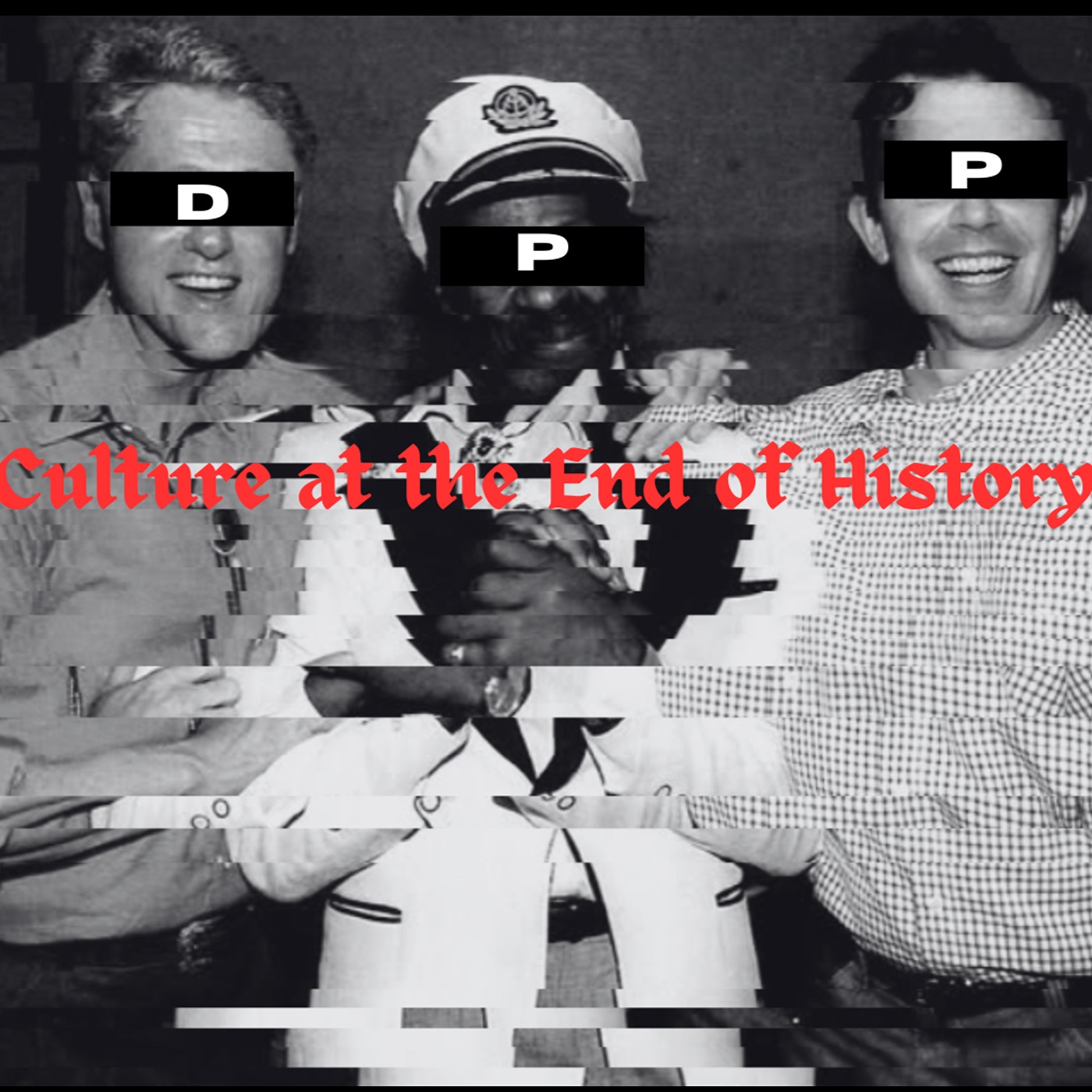 Season 1, Gen X — Episode 16 — Magnolia (1999) w/Eddie Averill | This week on DPP the boys sit down with Eddie Averill, formerly of Extended Clip [https://www.patreon.com/Extended_Clip], now of Vintage Violence [https://vintageviolence.substack.com/], to investigate Paul Thomas Anderson's LA epic Magnolia (1999). Is Hollywood an American virus? Is TV the Gen-X brain bug? Dig in with Chase, Sam, and Eddie to find out. | 1h 12m 48s | ||||||
| 3/1/26 | 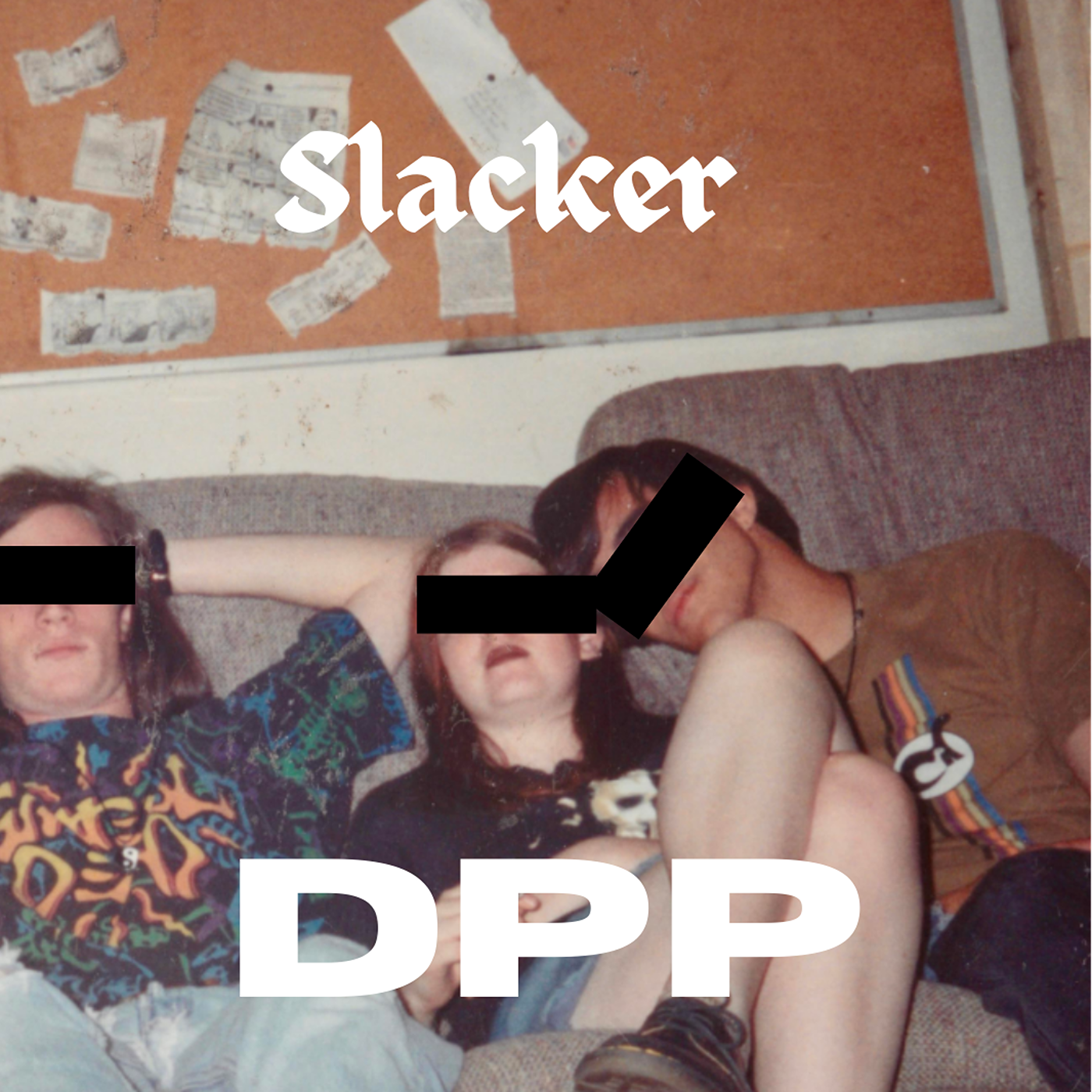 Season 1, Gen X — Episode 15 — Slacker (1990) w/C. Derick Varn | Our Patreon. [https://www.patreon.com/c/deathphotopod] It's giving unemployed. This week, DPP is joined by poet, podcaster, author, and host of Varn Vlog [https://www.youtube.com/@VarnVlog] — C. Derick Varn — to discuss Richard Linklater's non-linear, slice-of-a-generation classic, Slacker (1990) [https://en.wikipedia.org/wiki/Slacker_(film)]. Set in the suburbs of Austin, Texas, Slacker follows an interwoven set of 20 and 30-somethings, doing, well, not exactly much. This is pre-techlord and podcaster Austin. However, Linklater still captures glimmers of the hipster explosion that is to come in the characters of Slacker — conspiracy theorists, anarchists, conceptual artists, skaters, post-punk drummers, etc. In 2026, we live in a world where Gen X's children across much of the western world, and increasingly the far east, are out of work, out of education and on the scrap heap (NEETs, lying flat etc). If Gen Z are structurally excluded from much of the work force, Gen X conciouslessly opted-out. As always, like, rate, subscribe [https://www.patreon.com/c/deathphotopod] — or don't: whatever, man. | 1h 13m 51s | ||||||
| 2/22/26 | 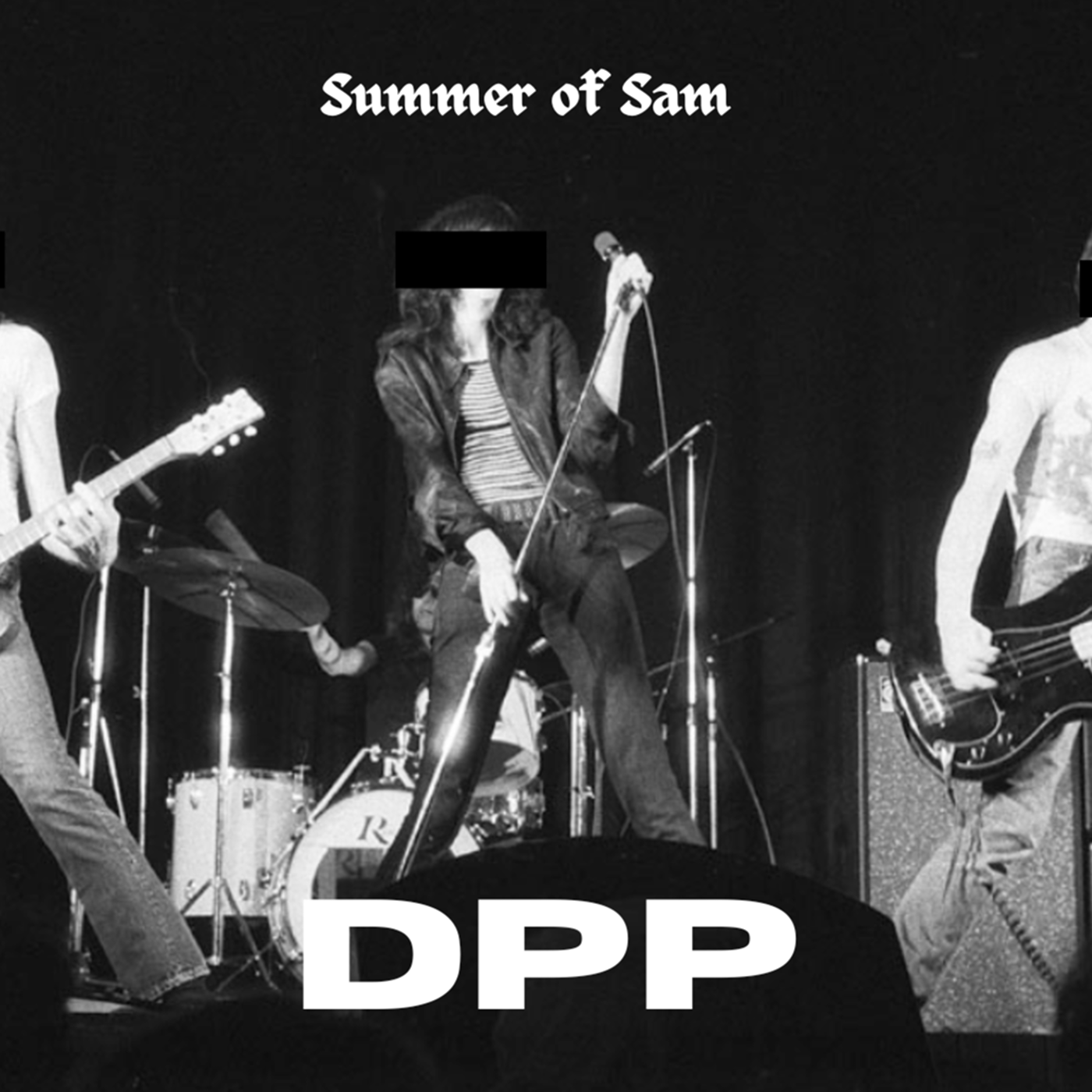 Season 1, Gen X — Episode 14 — Summer of Sam (1999) w/Jon Repetti | You can find our Patreon here [https://www.patreon.com/c/deathphotopod]. This week, the DPP lads are joined by writer, critic and marketing director at publishing house Deep Vellum (and friend of the pod) Jon Repetti [https://x.com/pourfairelevide] — to discuss Spike Lee's 1999 crime thriller Summer of Sam [https://en.wikipedia.org/wiki/Summer_of_Sam]. Summer of Sam revolves around the fallout from a real-life killing spree committed by David Berkowitz between 1975 and 1977. Lee's 1999 feature is an odd combination of 1970s nostalgia aimed at a young Gen X, combined with subcultural analysis and crime thriller tropes. The film delves into the urban psychogeography of New York City's outer boroughs and ethnic neighbourhoods — at a time when NYC was widely considered to be in decline, yet also experiencing a huge cultural flourishing of underground scenes, musical creativity, and club life. Does Gen X's childhood fear of the city and the urban, in the 1970s, translate into today's pervasive paranoia about large American cities? Find out in today's episode. Like, subscribe, rate, and venture over to our Patreon [https://www.patreon.com/c/deathphotopod]. | 1h 51m 06s | ||||||
| 2/15/26 |  Season 1, Gen X — Episode 13 — London (1994) + Robinson in Space (1997) w/Owen Hatherley | Subscribe [https://www.patreon.com/c/deathphotopod] for upcoming premium content. This week, Chase and Sam at DPP are joined by architecture critic and writer Owen Hatherley [https://owenhatherley.co.uk/] to discuss British director Patrick Keiller's London (1994) [https://www.youtube.com/watch?v=Hxbg6QTkmUw] and Robinson in Space [https://www.youtube.com/watch?v=crVFU-5B6fs] (1997). London and Robinson in Space form the first two parts of the decade-long Robinson trilogy [https://www.anthologyfilmarchives.org/film_screenings/series/38477]. Keiller's two essay films capture Britain during the interregnum between Thatcher and Blair — an oft-forgotten period, after the end of the Cold War, but before the short-lived ecstasies of Cool Britannia. Keiller charts a country still very much in thrall to tradition, mediating its own decline, and with a surprisingly intact industrial base. Both films feature an unnamed narrator who journeys around England with an unseen accomplice: the titular Robinson (a permanently precarious academic). Keiller's camera lingers over petrol stations, suburban business parks and other liminal spaces — a post-Thatcherite, globalised, netherworld of commercial utilitarianism. Through a patched-together series of shots and reams of economic data, Keiller, arguably, makes the case that Gen X, not the boomers, were the UK's last industrial generation: squatting over the final flames of manufacturing during the rule of John Major — the infamous prime ministerial 'grey man.' Major and Blair haunt the background of Keiller's work, bookending the period his films explore. The former is presented as a bland technocrat at the End of History, the latter a representative of American-style personality politics. Keiller's films place us in a British interregnum — and, to steal a line from Gramsci, 'morbid symptoms' are everywhere. Hatherley is the author of several books, including Militant Modernism, Trans-Europe Express, Red Metropolis: Socialism and the Government of London, Modern Buildings in Britain: A Gazetteer and, his latest, The Alienation Effect (out now with Penguin [https://www.penguin.co.uk/books/311898/the-alienation-effect-by-hatherley-owen/9780141989778]). Our Patreon can be found here [https://www.patreon.com/c/deathphotopod]. Like, rate and subscribe — or Sam will drag you on a 5 hour walk under Birmingham's Spaghetti Junction in search of mutated fish. | 1h 03m 05s | ||||||
| 2/8/26 | 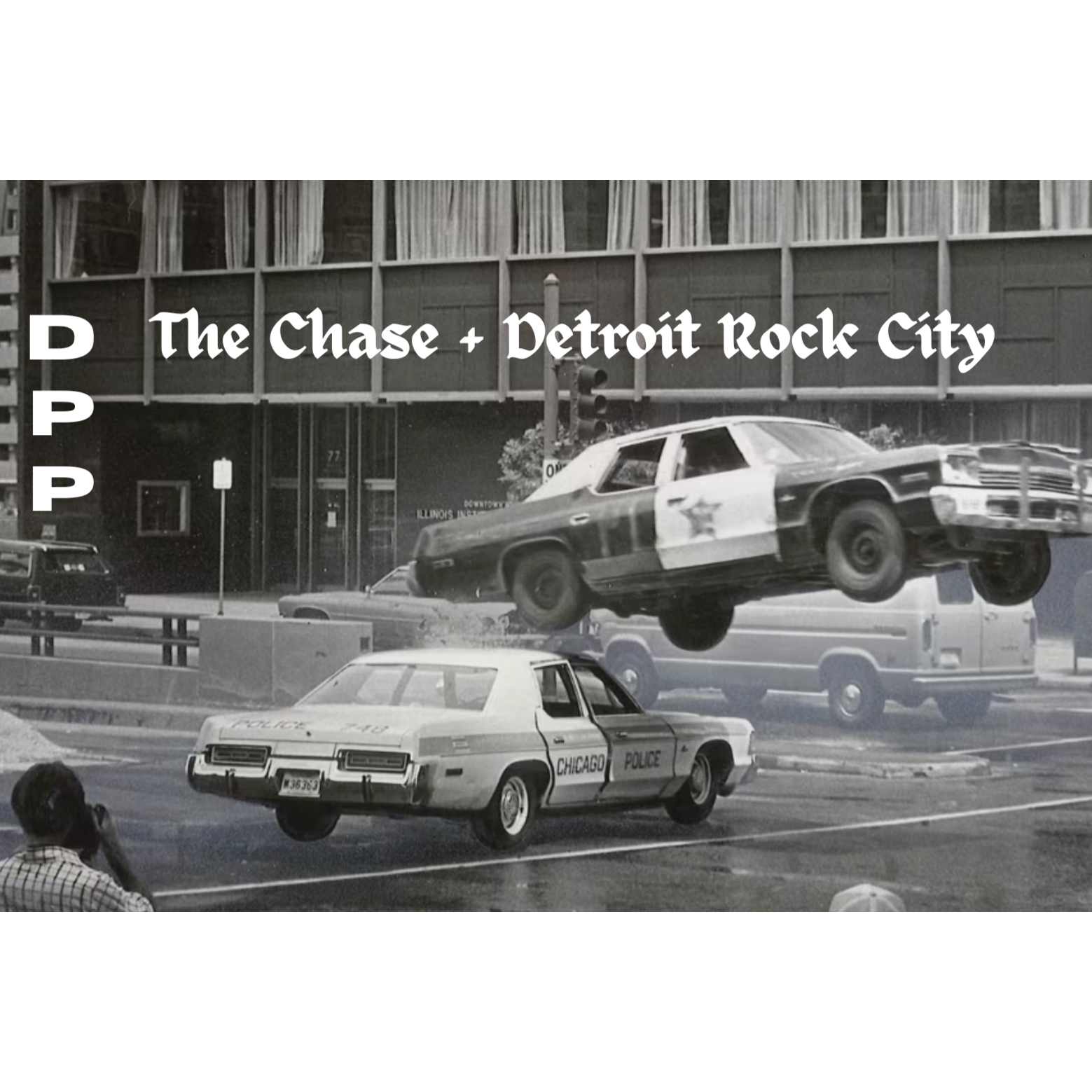 Season 1, Gen X — Episode 12 — The Chase (1994) + Detroit Rock City (1999) w/J.G Michael | This week, DPP is joined by prolific podcaster and Renaissance man J.G. Michael of Parallax Views [https://parallaxviews.podbean.com/] to discuss two underappreciated gems by director Adam Rifkin [https://en.wikipedia.org/wiki/Adam_Rifkin]: The Chase (1994) and Detroit Rock City (1999). Rifkin, who got his start in the world of wrestling (could there be a more Gen X origin story?), has produced an oeuvre defined by Hollywood's commercial needs. Yet, in between, family-friendly forgetables like 1997's Mouse Hunt and 2007's Underdog, Rifkin has directed films that speak to the zeitgeist. The Chase is a knowing satire on the car-chase genre combined with a deconstruction of 24/7 news and 'infotainment.' Detroit Rock City, meanwhile, is that strange Gen-X beast - a 1970s nostalgia film (think Summer of Sam, Dazed and Confused, etc.) entirely centred around the band Kiss. It's our contention that Rifkin may well be the Gen-X Robert Zemeckis — someone who understands the median tastes of a generation forgotten about by history, and too often Hollywood. As always, our Patreon can be found here [https://www.patreon.com/c/deathphotopod]. We'll be publishing subscriber-only episodes on everything from Trainspotting and Clockwatchers — to interviews with leading theorists of our historical moment. Subscribe. | 1h 41m 30s | ||||||
| 2/1/26 |  Season 1, Gen X — Episode 11 — The Great Beauty (2013) + Hand of God (2021) w/Josiah Gogarty | Today, and once again, the Europeans outnumber the Americans on this week's DPP. Chase and Sam are joined by British GQ staff writer and friend of the pod, Josiah Gogarty, [https://x.com/josiahgogarty] to discuss Italian director Paolo Sorrentino's seminal feature film The Great Beauty (2013) [https://www.youtube.com/watch?v=Dyt430YkQn0] and slightly self-indulgent coming-of-age piece The Hand of God (2021). [https://www.youtube.com/watch?v=i_1VW_0i6vo] Sorrentino, alongside Luca Guadagnino, is probably Italy's best-known Gen X director. Behind the elevated chorals, lush birdsong, Palladian architecture and eurotrash fashion — The Great Beauty is a savage takedown of Italy's boomer elite, under Silvio Berlusconi and Forza Italia, by a rising Gen X figure. It's Rome, sometime in the late 2000s, and the city's elderly elite have traded in the Marxism and literary idealism of their youth for easy indulgence, cocaine, dinner parties, and idle chatter. But they can't escape the rising generation below them, who, far from being lapsed idealists, present a front of destructive and cynical nihilism. As the post-political age [https://thepointmag.com/politics/everything-is-hyperpolitical/] of Berlusconi transitions into the anti-political epoch of the Lega Nord, Five Star Movement and, finally, Giorgia Meloni (Gen X'ers to the last) — what can be salvaged from the wreck? Art, friendship, faith, really nice suits? Find out in today's episode. Josiah can be found on Twitter, at GQ [https://www.gq-magazine.co.uk/profile/josiah-gogarty], the New Statesman [https://www.newstatesman.com/author/josiahgogarty], Monocle [https://monocle.com/contributors/josiah-gogarty/] and many other outlets. Our Patreon can be found here [https://www.patreon.com/c/deathphotopod]. (Subscribe — or we won't invite you to our cool parties). | 1h 22m 50s | ||||||
| 1/25/26 |  Season 1, Gen X — Episode 10 — Twisted Issues (1988) w/Charles Pinion | In today's episode of DPP - Chase and Sam are joined by filmmaker Charles Pinion [https://www.instagram.com/charlespinion/?hl=en] to discuss his 1988 film Twisted Issues. Pinion's films — made during Gen X's heyday — revolve around skater culture, punk rock, DIY aesthetics and, in the case of Twisted Issues, maniac zombie killers with fencing masks. You can see Pinion's back-catalogue of films here [https://letterboxd.com/director/charles-pinion/]. As ever — like, rate, subscribe. Or ya know — go join the man... Our Patreon can be found here [https://www.patreon.com/c/deathphotopod]. | 1h 15m 56s | ||||||
| 1/18/26 |  Season 1, Gen X — Episode 9 — Office Space (1999) and Falling Down (1993) w/Dan Evans | It's the new year, and Sam and Chase have returned to their PMC day jobs in force. Less mind-numbing conversations by the water cooler, less pizza parties, less boredom — but far more existential dread and precarity (who said things couldn't get better). In today's episode, we're joined by sociologist and writer Dan Evans [https://x.com/dai_alectic?lang=en] to discuss two Gen X films about work and working: Joel Schumacher's Falling Down (1993) and Mike Judge's Office Space (1999). During a period of steady wage growth, relatively low asset prices, declining (but still powerful) labour union power, and porous gatekeeping practices — why did Gen X hate work so much? We find out in this week's DPP. Evans is the author of the brilliant A Nation of Shopkeepers: The Unstoppable Rise of the Petty Bourgeoisie [https://repeaterbooks.com/product/a-nation-of-shopkeepers/] (you can watch him talking about it here [https://www.youtube.com/watch?v=hRp5xBKL54M&t=4s]). You can find our Patreon here [https://www.patreon.com/c/deathphotopod]. | 1h 13m 56s | ||||||
| 1/11/26 |  Season 1, Gen X — Episode 8 — Army of Darkness (1992) w/John Dolan | This week John Dolan, co-host of Radio War Nerd [https://www.patreon.com/radiowarnerd], joins the DPP boys to discuss Sam Raimi's closer to the Evil Dead trilogy, Army of Darkness (1992). Dr. Dolan regales your co-hosts with tales of late 80s-early 90s masculinity in all its nerdy, machismo-laced infamy. Before the Marvel movie, before 4chan, there was the comic book shop and the 80s-blockbuster action superstar. How did these tropes shape and ground the youth of the 80s and 90s? John, as always full of wisdom and anecdotes, has answers. John's newest book, They Should Have Been Hanged [https://www.magersandquinn.com/product/THEY-SHOULD-HAVE-BEEN-HANGED/28604375], is out now! | 1h 13m 46s | ||||||
| 1/4/26 |  Season 1, Gen X — Episode 7 — The Thin Blue Line (1988) w/Eileen Jones | This week, DPP is joined by Jacobin film critic [https://jacobin.com/author/eileen-jones] and host of the Filmsuck podcast [https://www.patreon.com/filmsuck]: Eileen Jones [https://x.com/Eileen15Jones]. We gather in the police station break room over coffee and doughnuts to discuss Errol Morris's 1988 film, The Thin Blue Line [https://en.wikipedia.org/wiki/The_Thin_Blue_Line_(1988_film)]. Morris's documentary has been incredibly prescient — bringing to the fore big 21st-century questions about 'fake news,' 'polarisation,' and state power. Sam, Chase, and Eileen contemplate a few questions — "what even is the truth, man?" and "what if justice just serves the system, dude?" as they discuss the rise of postmodernism and narrativisation in late 20th century documentary making. Like, subscribe, and rate us on Spotify. (Or we'll fabricate evidence against you.) Our Patreon can be found here [https://www.patreon.com/c/deathphotopod]. (Free for now). | 1h 02m 58s | ||||||
| 12/21/25 |  Season 1, Gen X — Episode 6 — Shallow Grave (1994) w/ William Bigelow | This week DPP is joined by filmmaker William Garcia Bigelow [https://www.imdb.com/name/nm3123571/?ref_=tt_ov_1_1] of Sometime the Wolf (2025), Attrition (2013) and The Couple. Chase and Will discuss Danny Boyle's directorial debut Shallow Grave [https://www.youtube.com/watch?v=XRbvZ7WwHhc] (1994). Sam, who once briefly lived in a massive flat in Edinburgh as a toddler, (many heinous crimes were committed there), is off sick. In his absence, Chase and Will try to figure out why young professionals in the 1990s were flat sharing and whether Gen X is innately doomed to murder each other. In what ways does Shallow Grave foreshadow the nihilism and violence of later generational films like Trainspotting? Find out in today's episode. Our Patreon can be found here [https://www.patreon.com/c/deathphotopod]. Free for now. Paid updates forthcoming. Like, rate and subscribe — or we'll get Ewan Mcgregor to chuck you out of the topfloor window of a Morningside Edinburgh flat. You've been warned. | 50m 25s | ||||||
| 12/14/25 |  Season 1, Gen X — Episode 5 — Streetwise (1984) + Kids (1995) w/Shalon van Tine | DDP is joined today by cultural historian Shalon van Tine [https://www.shalonvantine.com/] to discuss Martin Bell's Streetwise [https://en.wikipedia.org/wiki/Streetwise_(1984_film)] (1984) and Larry Clark's Kids [https://en.wikipedia.org/wiki/Kids_(film)] (1995). As of two months ago — all the hosts of DPP are now on the wrong side of thirty. Consequently, there couldn't be a better time to dive into the archives and explore some youth culture both Chase and Sam are too young to remember — 1980s streetkids in Seattle and 1990s skaters in Manhattan. Was Gen X really as independent as they say they were? And where did this latchkey ethos come from: family breakdown, liberation, austerity, neoliberalism, outsourcing, the corrosion of the counter culture, the end of social democracy? With Gen Z dubbed, rightly or wrongly, 'puriteens [https://www.rollingstone.com/culture/culture-features/puriteens-sex-negative-lgbtq-pride-tiktok-twitter-1180208/]' by the mainstream press (with teen pregnancy, drug use and drinking down), why were their parents, in contrast, so darn hedonistic? Find out in today's episode. Our Patreon — as ever — can be found here [https://www.patreon.com/deathphotopod]. For now, everything is free. Bonus episodes, polls and other features coming up. * Like, rate, and subscribe: Sam and Chase need to buy Christmas presents for Francis... | 1h 21m 49s | ||||||
| 12/6/25 |  Season 1, Gen X — Episode 4 — The Princess Bride (1987) w/ Philip Womack | This week DPP is outside of linear time entirely — or is it? We're joined by writer, author, and journalist Philip Womack [https://x.com/WomackPhilip] to discuss Rob Reiner's The Princess Bride (1987). Irony, cynicism, earnestness — new sincerity? Cold war analogy or riff on Jonathan Swift's Gulliver's Travels? We discuss it all through the prism of blockbuster 1980s Hollywood. Womack can be found at @WomackPhilip [https://x.com/WomackPhilip], he's a frequent contributor to the Literary Review, The Spectator and The Telegraph. He is also a children's book author. His latest novel is Ghostlord (2023). [https://www.waterstones.com/book/ghostlord/philip-womack/9781915071262] You can find our Patreon here [https://www.patreon.com/c/deathphotopod]. Bonsues episodes, polls and other paid features forthcoming. As always, please like, rate and subscribe — it smooths the wheels as we hurtle towards the End of History. | 53m 51s | ||||||
| 11/30/25 |  Season 1, Gen X — Episode 3 — Glory (1989) w/Spencer Leonard | This week DPP is joined by academic, podcaster, former editor of Sublation Magazine and founding member of the Platypus Affiliated Society: Spencer Leonard to talk about the 1989 Civil War flick Glory [https://en.wikipedia.org/wiki/Glory_(1989_film)]. Leonard briefly taught Sam a course on Indian political history at the University of Virginia in the depths of the 2010s — so this is a homecoming of sorts. Glory marked a high-water mark for a certain liberal and intergrationist conception of race-relations in the USA. In 1989, the struggle for civil rights 'appeared' to be over, the threat of radical alternatives to the American social compact was diminishing in day-to-day and week-to-week as the Soviet Union collapsed and Reganism ran its course. Yet, at the same time, left-liberal conceptions of 'recognition' and Rawlsian justice were at their height. Then, Gen X could look forward to a 21st century defined by postracial politics — not the Afro-Pessimism that actually emerged. Can some men with moustaches and silly frock-coats run at each other with rifles without triggering a Hegelian meditation on The End of History? The answer is no. Chase and Spencer Yank out on Civil War references, while Sam is left baffled and wishing this was all about an earlier, 17th-century civil war. Who exactly were James Montgomery, Robert Shaw?, and Frederick Douglass? And why do they matter so much to Gen X? Find out in today's episode. Leonard can be found at @SpencerALeonard [https://x.com/SpencerALeonard], he formerly edited Sublation Magazine [https://www.sublationmag.com/] and his latest publication is Marx and Engels on Bonapartism: Selected Journalism, 1851–59 [https://www.bloomsbury.com/uk/marx-and-engels-on-bonapartism-9781666928051/]. As always, please like, subscribe, rate on Spotify and follow us at DeathPhotoPod on X [https://x.com/deathphotopod]. You can find our Patreon here [https://www.patreon.com/c/deathphotopod]. Bonus episodes to come. | 1h 07m 59s | ||||||
Showing 25 of 28
Sponsor Intelligence
Sign in to see which brands sponsor this podcast, their ad offers, and promo codes.
Chart Positions
3 placements across 3 markets.
Chart Positions
3 placements across 3 markets.