Insights from recent episode analysis
Audience Interest
Podcast Focus
Publishing Consistency
Platform Reach
Insights are generated by CastFox AI using publicly available data, episode content, and proprietary models.
Most discussed topics
Brands & references
Est. Listeners
Based on iTunes & Spotify (publisher stats).
- Per-Episode Audience
Est. listeners per new episode within ~30 days
10,001 - 25,000 - Monthly Reach
Unique listeners across all episodes (30 days)
25,001 - 75,000 - Active Followers
Loyal subscribers who consistently listen
15,001 - 40,000
Market Insights
Platform Distribution
Reach across major podcast platforms, updated hourly
Total Followers
—
Total Plays
—
Total Reviews
—
* Data sourced directly from platform APIs and aggregated hourly across all major podcast directories.
On the show
From 11 epsHost
Recent guests
Recent episodes
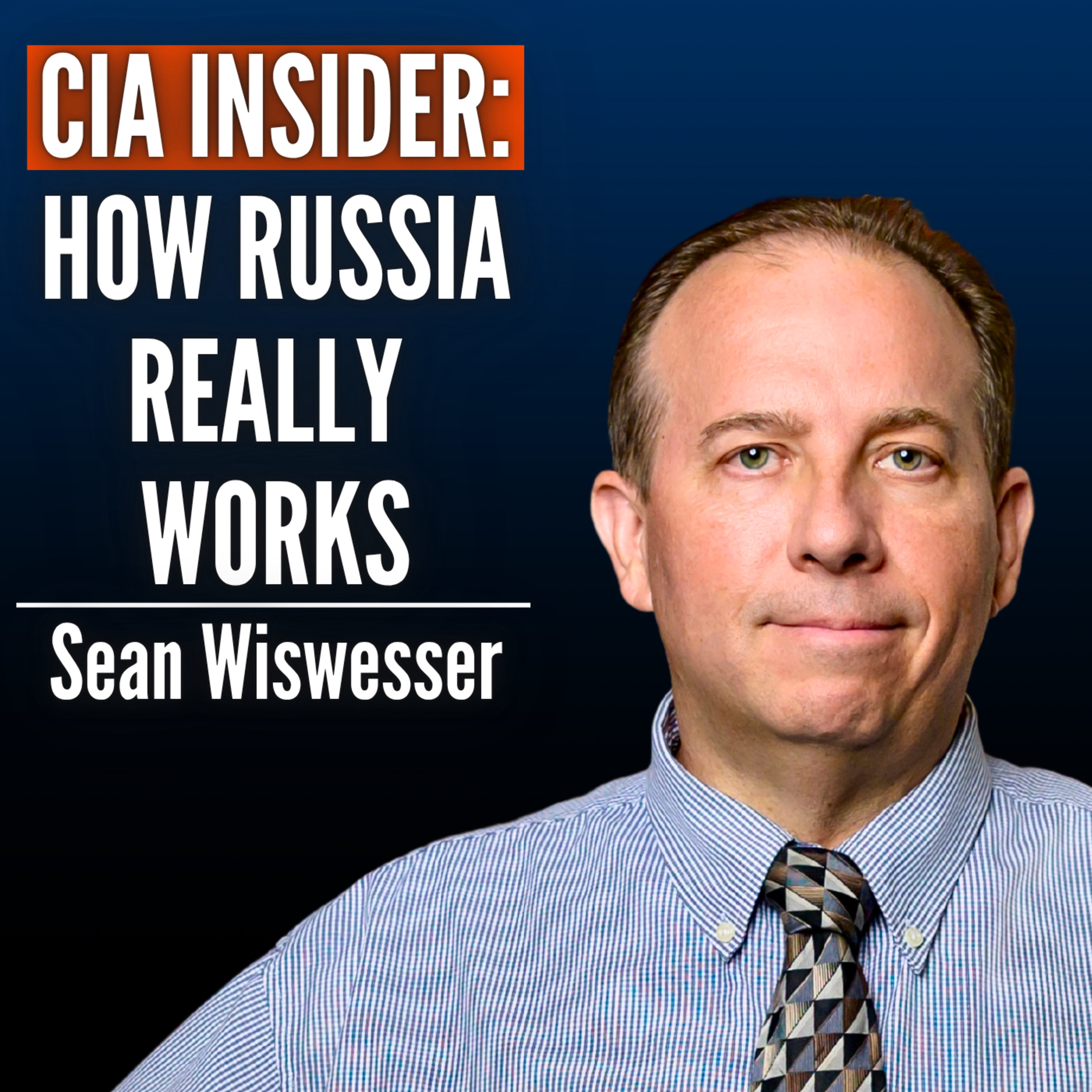
CIA Russia Expert on What the West Gets Wrong About Putin's Russia | Sean Wiswesser
May 3, 2026
35m 08s
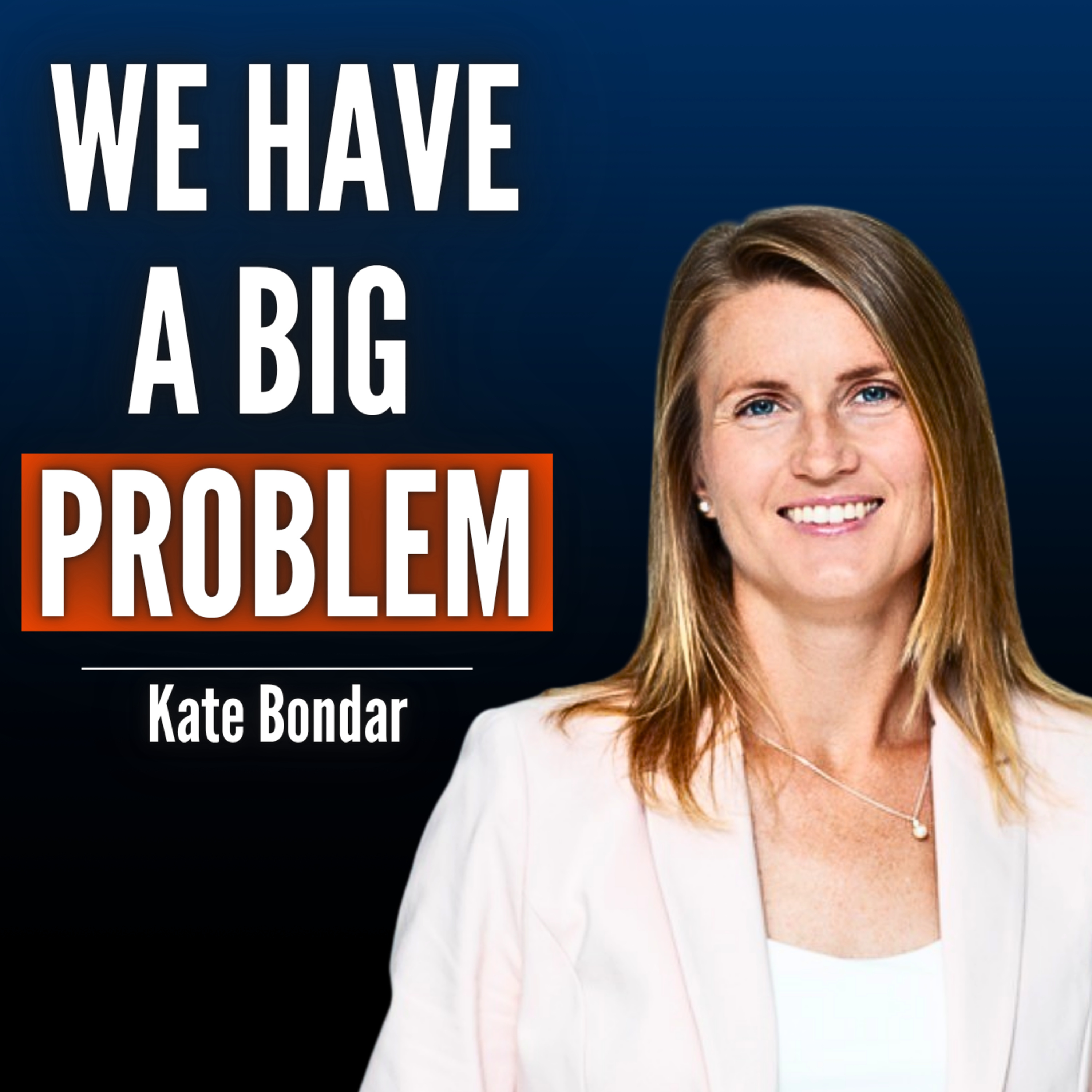
Kate Bondar: Russia Is Quietly Building a New Army - And NATO Is Completely Unprepared
Apr 26, 2026
35m 53s
Jack Watling: The Next Great War Is Already Taking Shape. What Happens Next Decides Everything
Apr 20, 2026
34m 07s
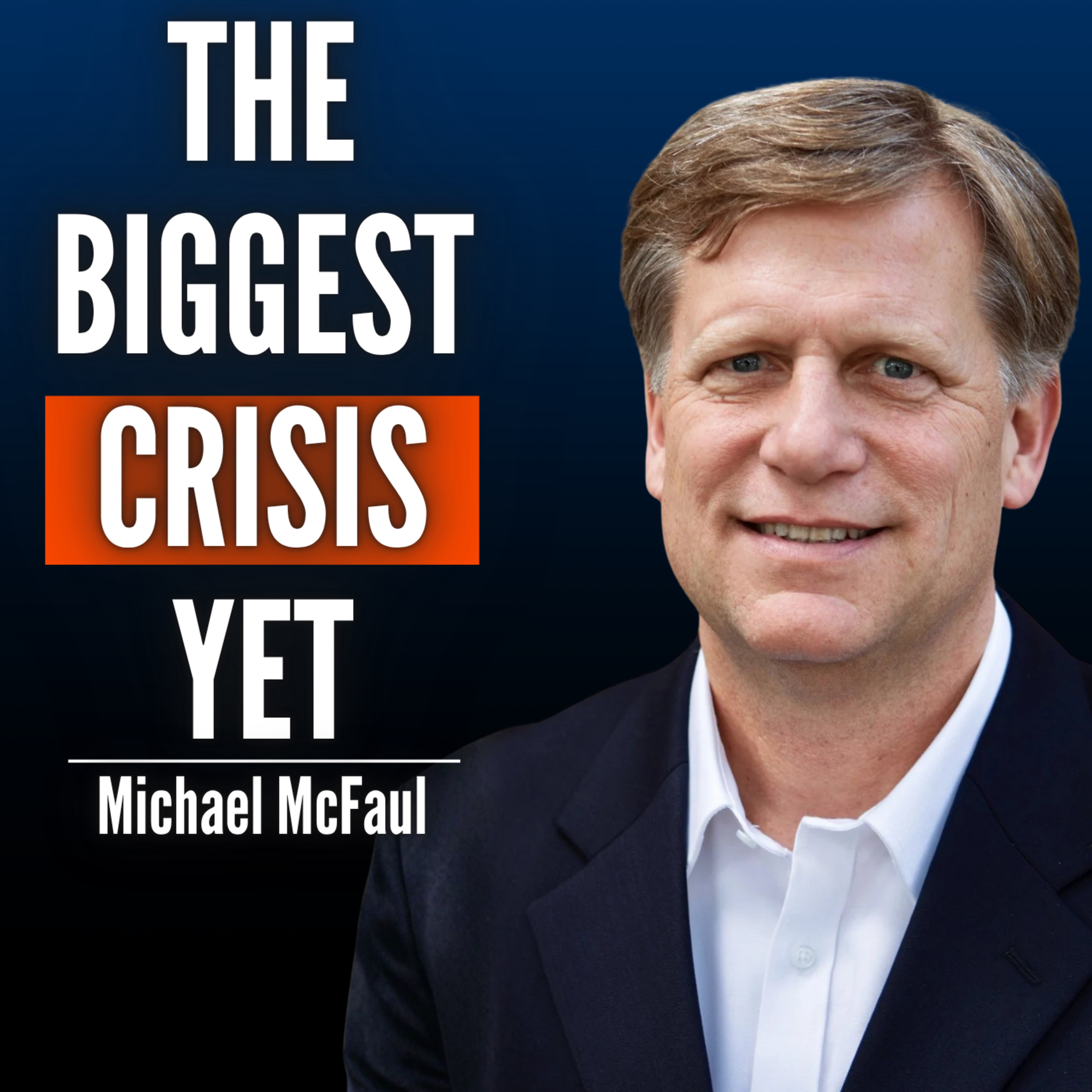
Michael McFaul: America Is Burning Down Everything It Built. Its Enemies Can't Believe Their Luck
Apr 11, 2026
35m 58s
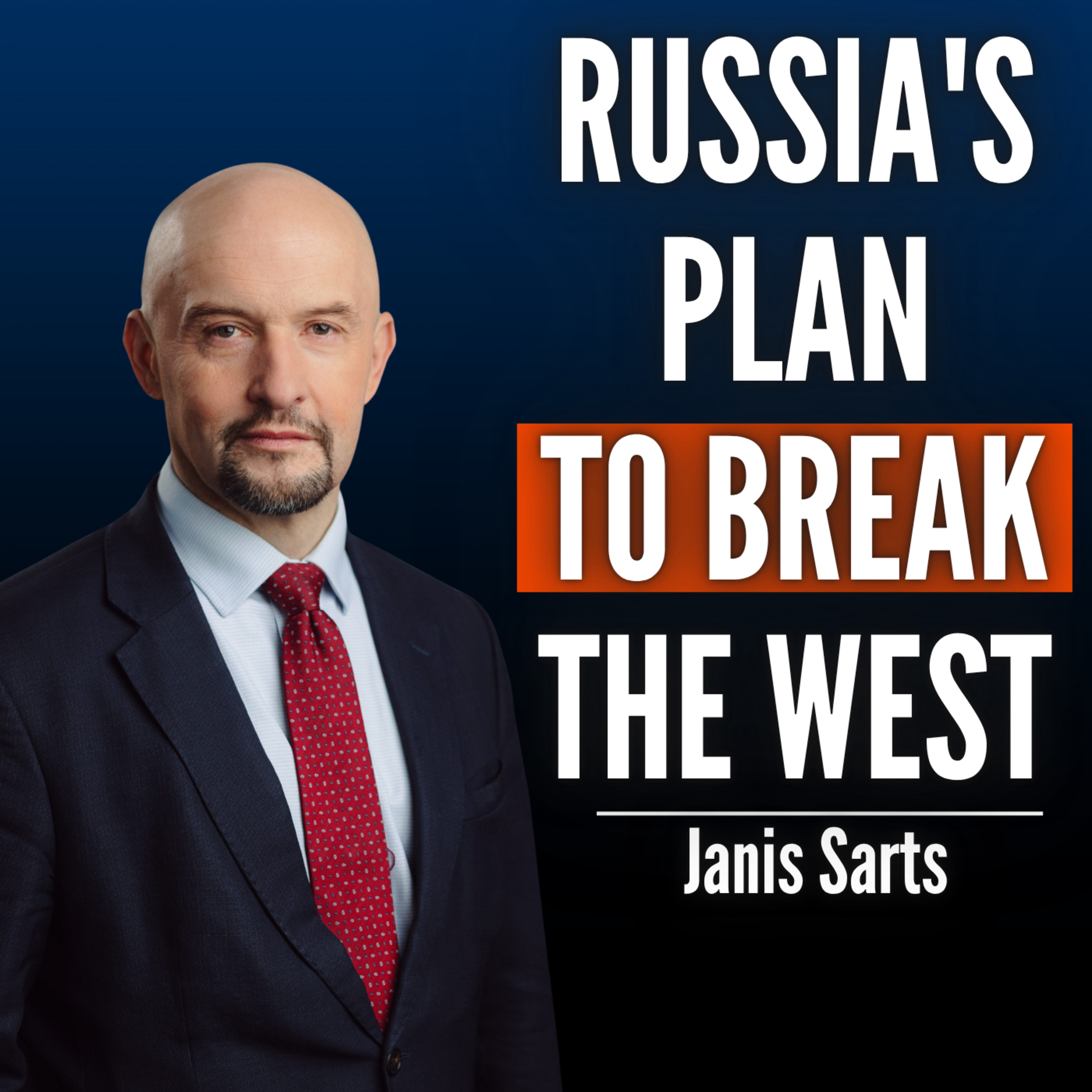
NATO Information Warfare Chief: Russia's Plan to Defeat Europe Without Firing a Shot | Janis Sarts
Apr 6, 2026
33m 48s
Social Links & Contact
Official channels & resources
Official Website
Login
RSS Feed
Login
| Date | Episode | Topics | Guests | Brands | Places | Keywords | Sponsor | Length | |
|---|---|---|---|---|---|---|---|---|---|
| 5/3/26 | ![]() CIA Russia Expert on What the West Gets Wrong About Putin's Russia | Sean Wiswesser✨ | Russian intelligenceCIA operations+4 | Sean Wiswesser | CIADecoding Geopolitics+1 | — | CIARussia+6 | — | 35m 08s | |
| 4/26/26 | ![]() Kate Bondar: Russia Is Quietly Building a New Army - And NATO Is Completely Unprepared✨ | Russian militarydrones+4 | Kateryna Bondar | CSIS Wadwhani AI CenterNATO+1 | RussiaUkraine | RussiaNATO+6 | — | 35m 53s | |
| 4/20/26 | ![]() Jack Watling: The Next Great War Is Already Taking Shape. What Happens Next Decides Everything✨ | geopoliticsdefense analysis+5 | Jack Watling | RUSIDecoding Geopolitics+1 | IranUnited States+3 | geopoliticsdefense+6 | PATREON | 34m 07s | |
| 4/11/26 | ![]() Michael McFaul: America Is Burning Down Everything It Built. Its Enemies Can't Believe Their Luck✨ | US foreign policygeopolitics+3 | Michael McFaul | Stanford UniversityObama+2 | — | Michael McFaulUS foreign policy+6 | — | 35m 58s | |
| 4/6/26 | ![]() NATO Information Warfare Chief: Russia's Plan to Defeat Europe Without Firing a Shot | Janis Sarts✨ | information warfareRussia+4 | Janis Sarts | NATODecoding Geopolitics | EuropeUkraine+1 | information warfareRussia+5 | — | 33m 48s | |
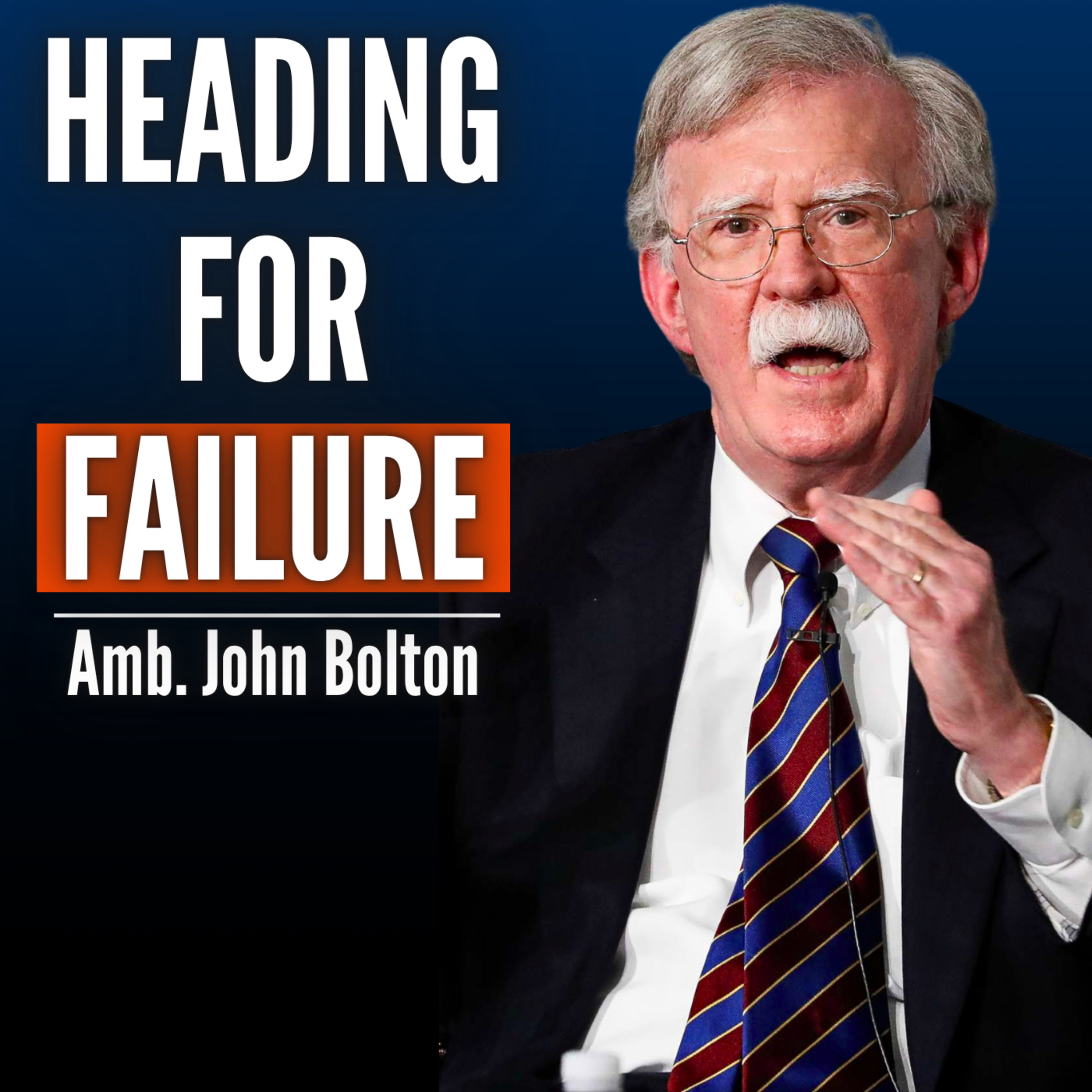
| 4/1/26 | ![]() John Bolton: Trump Is Heading For Failure in Iran. This Could Be a Disaster For American Power✨ | IranU.S. foreign policy+4 | John Bolton | Decoding GeopoliticsUnited Nations | IranStrait of Hormuz+1 | John BoltonTrump+5 | — | 20m 55s | |
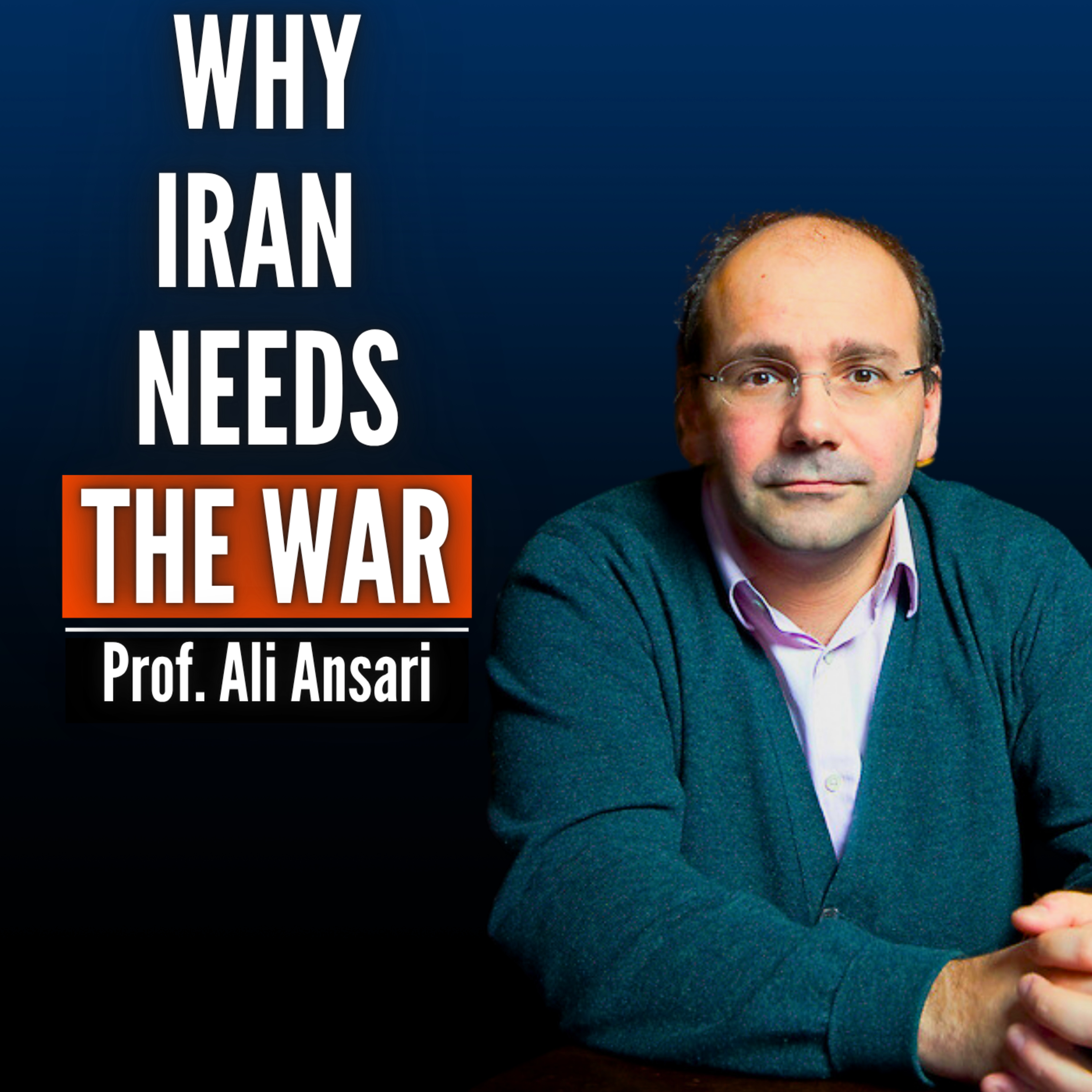
| 3/27/26 | ![]() #115 Ali Ansari: Iran Has Nothing Left To Lose. And They'll Burn the World Down With Them✨ | Irangeopolitics+3 | Ali Ansari | Institute for Iranian StudiesUniversity of St Andrews | Iran | Irangeopolitics+5 | — | 34m 24s | |
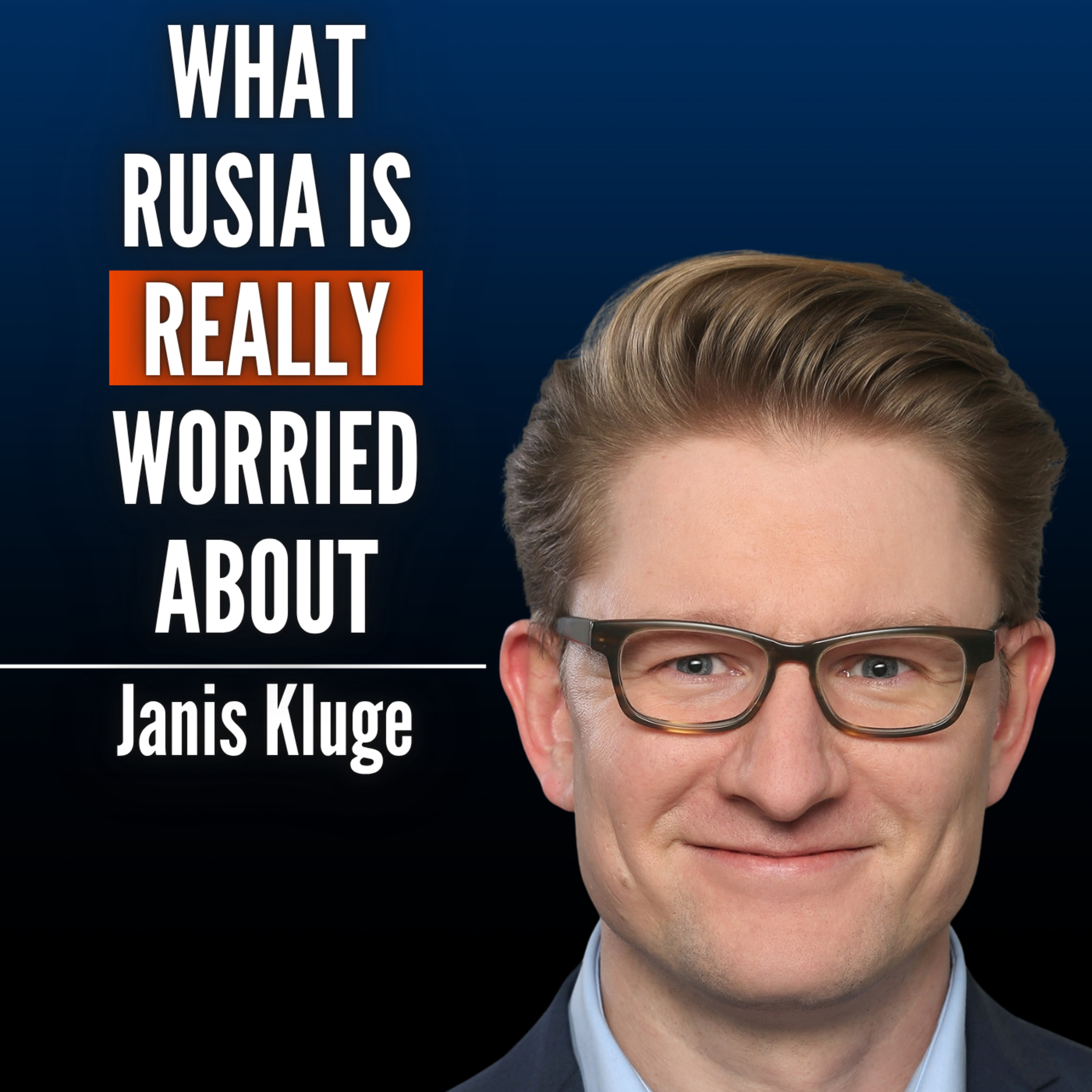
| 3/21/26 | ![]() #114 Janis Kluge: Russia Can't Afford This War Anymore. And The Real Crisis Is Just Beginning✨ | Russian economygeopolitics+3 | Janis Kluge | German Institute for International and Security Affairs | RussiaIran | Russian economyKremlin+5 | — | 35m 50s | |
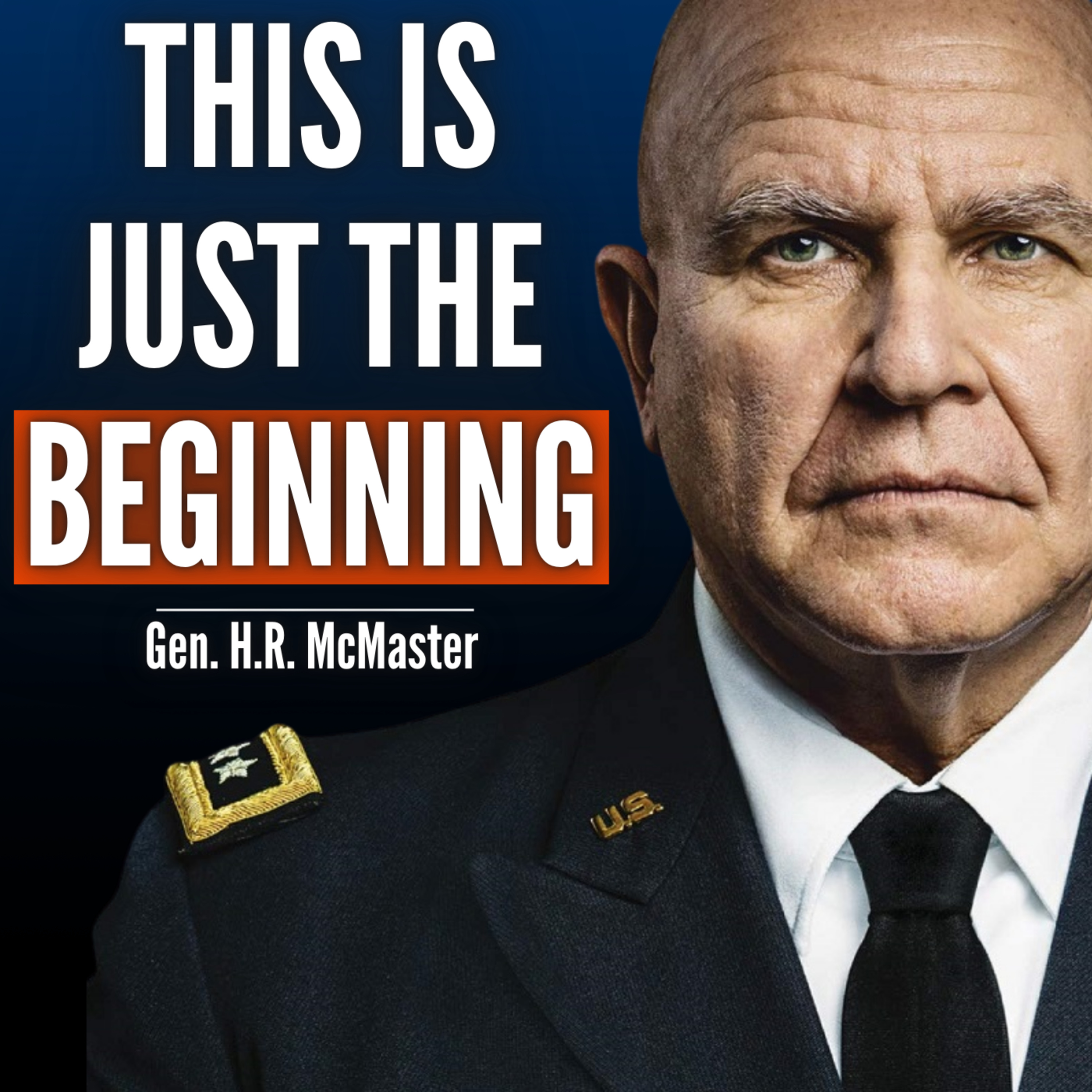
| 3/18/26 | ![]() #113 General H.R. McMaster Warns: The Wars Are Just Getting Started. And Time Is Running Out✨ | geopoliticsmilitary strategy+4 | General H.R. McMaster | Stanford UniversityHoover Institution+1 | United StatesIsrael+2 | geopoliticsH.R. McMaster+5 | — | 34m 21s | |
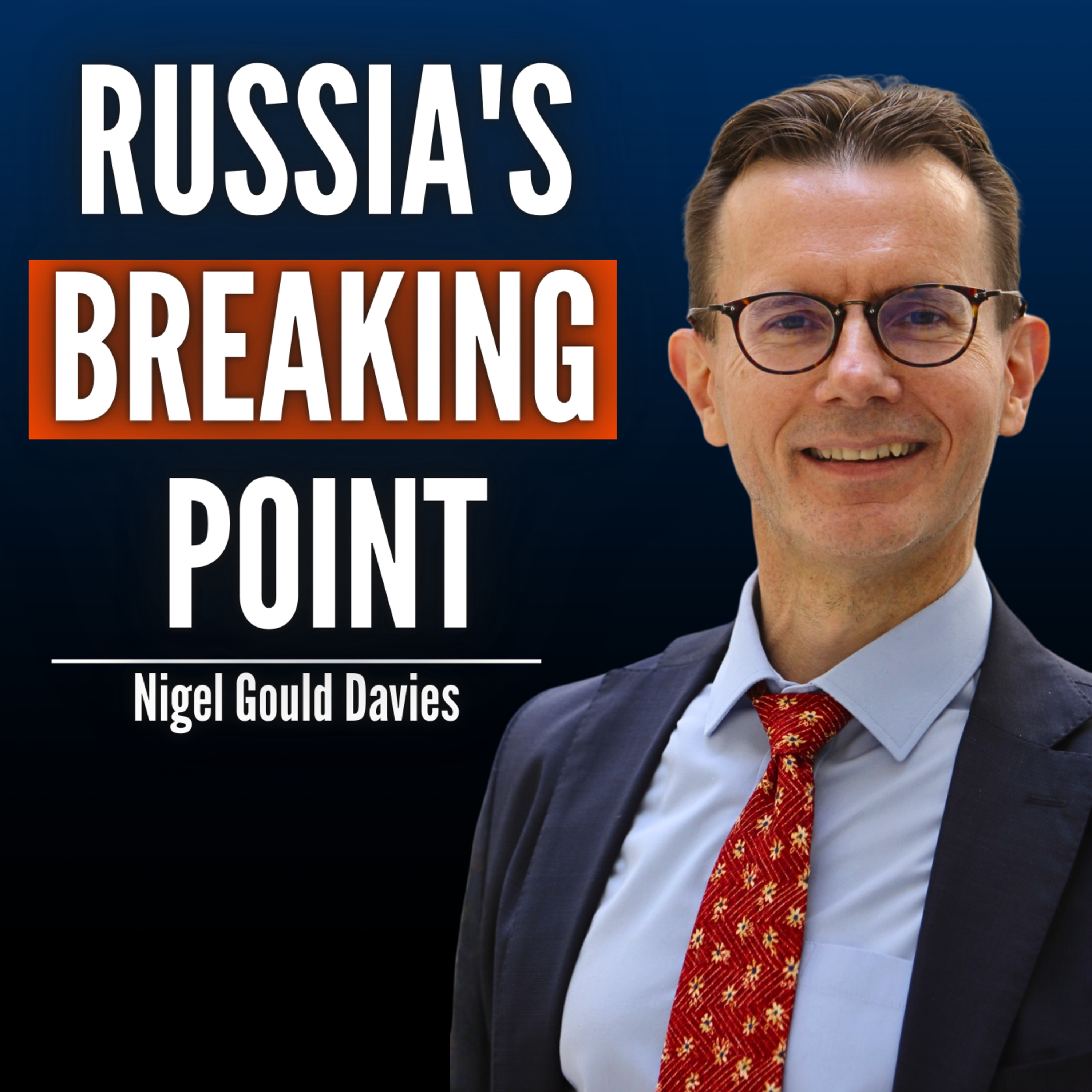
| 3/14/26 | ![]() #112 Nigel Gould-Davies: Something Is Breaking Inside Russia's War Machine - And It's Quickly Getting Worse✨ | RussiaUkraine+3 | Nigel Gould-Davies | International Institute for Strategic StudiesDecoding Geopolitics | — | RussiaUkraine+5 | — | 38m 18s | |
Want analysis for the episodes below?Free for Pro Submit a request, we'll have your selected episodes analyzed within an hour. Free, at no cost to you, for Pro users. | |||||||||
| 3/9/26 | ![]() #111 Mujtaba Rahman: Why Iran War Exposed Europe’s Biggest Weakness✨ | European politicsIran war+4 | Mujtaba Rahman | Eurasia Group | EuropeIran+1 | Iran warEurope+6 | — | 28m 07s | |
| 3/6/26 | ![]() #110 Jeremy Schapiro: The Real Reason Why Trump Attacked Iran - And Why It Won’t End Well | ➡️ Watch the full interview ad-free, join a community of geopolitics enthusiasts and gain access to exclusive content on PATREON: https://www.patreon.com/DecodingGeopolitics➡️ Sign up to my free geopolitics newsletter: https://stationzero.substack.com/This is a conversation with Jeremy Schapiro - the research director of the European Council on Foreign Relations, focused on US foreign policy. We talk about one thing - Trump’s war in Iran - one of the biggest US military operations in two past two decades which - the longer it goes on and the more we find out about it - seems to get more and more confusing. We talk about what was the primary reason to start the war and why now and how to make sense of the variety of contradicting reasons that Trump and his team gave on this and about the equally confusing war aims of this operation and whether this is a regime change or not . About whether the U.S. was just following Israel in its decision and if that’s the case why, what are the chances of success of this operation and what does success actually mean, or whether Trump will now seek to de-escalate and retreat or whether he will double down - and much more. | — | ||||||
| 2/28/26 | ![]() #109 James D. Boys: Trump's Controversial Strategy That Explains His Craziest Foreign Policy Decisions | ➡️ Watch the full interview ad-free, join a community of geopolitics enthusiasts and gain access to exclusive content on PATREON: https://www.patreon.com/DecodingGeopolitics➡️ Sign up to my free geopolitics newsletter: https://stationzero.substack.com/This is a conversation with James D Lindsay, a Research Fellow at University College London and an author of a book on what’s called a Madman theory - a foreign policy strategy in which a leader attempts to present himself as completely irrational and willing to inflict great damage on themselves and the others in order to improve their negotiating position and create fear around possible escalation - even if in reality, they are actually a lot more restrained and not as mad as it may seem. The pioneer of this theory was Richord Nixon but the person who is often speculated to truly master the theory is Donald Trump - although there is a big debate over whether he is playing a madman to get what he wants - or whether that’s just really who he is.With James we talk about how Nixon tried and failed to use this strategy and pioneering this approach but we mostly focus on Donald Trump - about his first term and threatening North Korea with fire and fury, assassinating the Iranian general Qaseem Soleimani and threatening to leave NATO and his second term and his tariff war and attempt for Greenland takeover.To be honest, I don’t actually agree with most of James’s conclusions. I’m not nearly as sure that Donald Trump is just playing a madman and that it’s all part of a rational, negotiating tactic as he is - I can think it could just as well be a genuine chaos and irrationality. And even if it is a rational strategy, I really don’t think that it has been nearly as successful as James argues, especially in Trump’s second term. And that - whether it is a rational strategy or not - it causes more damage to US interests than it helps them. And so in the podcast, we disagree and argue about both of those things. But nevertheless, I do think that the theory and the concept, the arguments and this whole conversation is really interesting. | — | ||||||
| 2/21/26 | ![]() #108 Dalibor Rohac: Europe Doesn’t Trust America Anymore - And It’s Bigger Than Trump | ➡️ Watch the full interview ad-free, join a community of geopolitics enthusiasts and gain access to exclusive content on PATREON: https://www.patreon.com/DecodingGeopolitics➡️ Sign up to my free geopolitics newsletter: https://stationzero.substack.com/This is a conversation with Dalibor Rohac - a senior fellow at the American Enterprise Institute, a long-time observer of European and transatlantic politics, and someone who is living intellectually and professionally between the United States and Europe. He’s originally from Europe, specifically Slovakia but he has worked in Washington for well over a decade - and so he has a unique view into a relationship in which the two sides are increasingly failing to understand each other.We recorded this a few days after the Munich Security Conference, where this year the crisis in transatlantic relations became by far the most dominant topic even as we have the war in Ukraine still going on right here in Europe. And so we talk about what did the conference tell us about where we are - what was the point of Marco Rubio’s speech and his visit to Hungary right after, why did Europeans give him a standing ovation and whether Europe now believes that everything is fine again - or to what extent does it actually even matter what the US Secretary of State says in an administration where everything is decided by Donald Trump anyway. And we take a step back and talk about the bigger picture as well - whether Donald Trump is more a historical aberration and in 2028 everything will go back to normal or whether he is the start of a bigger systemic change in America - and why this question is fundamentally important to Europe and the rest of the democratic world. About whether the US is now trying to dismantle the European Union and how Europe should react or about the fundamental contradictions at the center of US foreign policy - and much more. | — | ||||||
| 2/14/26 | ![]() #107 John Foreman: Russia’s Military Is Not What You Think | ➡️ Watch the full interview ad-free, join a community of geopolitics enthusiasts and gain access to exclusive content on PATREON: https://www.patreon.com/DecodingGeopolitics➡️ Sign up to my free geopolitics newsletter: https://stationzero.substack.com/This is a conversation with John Foreman - someone with a fairly unique background to talk to on the Russian war in Ukraine. John spent several decades as an officer in the British military but more importantly he served as the British defence attache first in Kyiv and then in Moscow where he witnessed Russia first preparing and then launching the war in 2022 up close - both of which gives him a unique insight into both the Ukrainian and Russian military, political strategic thinking - and in this conversation we talk about all of that.We talk about what have the four years of war actually done to the Russian military. Is it broken? Is it adapting? Is it hollowed out and beaten down by the years of war - or is it battle hardened with unique combat experience and more dangerous than before?And then we move to the underlying question of where is this war going: whether the current Ukraine negotiations are actually leading anywhere or are they are simply diplomatic theater, what is the fundamental flaw at the center of Trump’s approach to the negotiations, and whether Moscow is - with increasing casualties and economic pressure - starting to actually look for a deal or whether it’s just pretending and dragging out the negotiations indefinitely. | — | ||||||
| 2/7/26 | ![]() #106 Max Bergmann: Something Finally Broke Between the U.S. and Europe | ➡️ Watch the full interview ad-free, join a community of geopolitics enthusiasts and gain access to exclusive content on PATREON: https://www.patreon.com/DecodingGeopolitics➡️ Sign up to my free geopolitics newsletter: https://stationzero.substack.com/This is a conversation with Max Bergmann, the director of the Europe, Russia, and Eurasia Program at the Washington-based Center for Strategic and International Studies and an excellent analyst of transatlantic relations and European security - both of which are undergoing some pretty fundamental shifts. We talk about Greenland and why Trump’s attempt to annex it will be remembered as the beginning of a historic rift between Europe and the United States, why do MAGA Republicans seem to have so much vitriol against Europe and insult and berate it at every opportunity they have, about what should be Europe’s takeaway from this whole episode or about if after all this has happened, does NATO now only exist on paper - and if in practice, it isn't already dead. And about the concrete things that Europe needs to do to get ready to defend itself without the U.S. - and about the historic and completely transformational shift in European security and politics that’s still largely ignored - but that is now already happening. | — | ||||||
| 1/31/26 | ![]() #105 Yun Sun: Something Has Changed in Beijing. Xi Believes Now Is His Final Chance on Taiwan | ➡️ Watch the full interview ad-free, join a community of geopolitics enthusiasts and gain access to exclusive content on PATREON: https://www.patreon.com/DecodingGeopolitics➡️ Sign up to my free geopolitics newsletter: https://stationzero.substack.com/This is a conversation with Dr. Yun Sun, a Senior Fellow and Director of the China Program at the Stimson Center. Yun is one of the most experienced China watchers and researchers, analyzing China’s foreign and domestic politics for over two decades which makes this conversation and her arguments both extremely interesting and kind of concerning. Because Yun argues that we are gravely under-estimating the risk of a Chinese invasion of Taiwan - not in some distant future but as soon as this year, 2026. She believes that the thinking in Beijing among China’s leadership is quickly changing: that they are abandoning the idea that time is on their side and that instead, China now believes that if it ever wants to get Taiwan, it’s now or never and the longer it waits, the harder it will get. And that we are now witnessing a confluence of several dynamics - none of which were likely or expected - but that are now all happening at the same time. And that together they are - as Yun Sun puts it - creating a “perfect storm for Taiwan in 2026” - and significantly increasing the odds that China might make its move. In this conversation, we talk about what these factors are - from the US foreign policy and China’s perception of Donald Trump to the Ukraine war - how likely a Chinese invasion this year is or what the recent purges of the leadership of the Chinese military - and the fact that Xi Jinping now has direct, unlimited command of China’s armed forces - mean in this context. | — | ||||||
| 1/28/26 | ![]() #104 Andrew Monaghan: The West Still Doesn’t See Russia’s Real Plan. Ukraine Is Just the Beginning | ➡️ Watch the full interview ad-free, join a community of geopolitics enthusiasts and gain access to exclusive content on PATREON: https://www.patreon.com/DecodingGeopolitics➡️ Sign up to my free geopolitics newsletter: https://stationzero.substack.com/This is a conversation with Andrew Monaghan, a longtime Russia analyst and one of the most interesting – and contrarian – voices in the Western debate about Russian strategy and power.A lot of Andrew’s recent work focuses on a simple but uncomfortable idea: that the West fundamentally misunderstands Russia - not because we lack information, but because we keep using the wrong lenses. We tend to see Russia as irrational, tactical, reactive, or simply blundering its way through events – especially since the invasion of Ukraine. Andrew argues something quite different. That Russia is strategic, that it has a long-term view of where it’s going, and that many of the things that look like chaos or incompetence make a lot more sense once you look at how Russian strategy is actually conceived and implemented.In this conversation, we talk about whether Russia really has a grand strategy, what that strategy is trying to achieve, and how the war in Ukraine fits into it – or doesn’t. We get into Russian geoeconomic thinking, mobilization, maritime power, and why focusing only on battlefield performance might be misleading when thinking about where Russia is heading over the next decade. Throughout the conversation, we push back on each other a lot and I'd say that even now I still disagree with much of what he says. But I find his perspective that challenges a lot of deeply held assumptions in Western analysis really interesting - and definitely worth a listen. | — | ||||||
| 1/24/26 | ![]() #103 Carlo Masala: What if Russia Wins - And NATO Falls Apart? | ➡️ Watch the full interview ad-free, join a community of geopolitics enthusiasts and gain access to exclusive content on PATREON: https://www.patreon.com/DecodingGeopolitics➡️ Sign up to my free geopolitics newsletter: https://stationzero.substack.com/This is a conversation with Carlo Masala, a professor of international politics at the Bundeswehr University Munich and author of a book that got quite a lot of attention all across Europe called “If Russia Wins”. In the book Carlo portrays a hypothetical scenario - in which Russia ends up achieving a limited victory in Ukraine, pursues a period of normalization with Europe and a few years later, launches a limited attack on Estonia, in an attempt to break up NATO unity - which - in the scenario - turns out to be a success. Carlo is not the first person to present a scenario in which Russia tests NATO but what makes this different and unique is how exceptionally realistic this one is. From the start to finish, I could genuinely see most of it happening - and in many instances, I thought the scenario was not just plausible but the most likely way things would happen - which makes it all the more frightening and worth consideration. In the conversation, we pick it apart, explore how it would play out and what would it mean. We talk about whether Russia would have an appetite for another military gamble after Ukraine, whether the Estonians would just let it happen, whether Europe has learned its lesson on how to deal with Russia in the past 4 years, what would not wanting to risk a World War 3 over a small town in Estonia mean for NATO and European security - or whether there is any hope that an American president would come to aid of Europe at a time when Trump is literally demanding Greenland. And whether - effectively - NATO just isn't already dead anyway - and if it is, what does that mean for all of us. | — | ||||||
| 1/17/26 | ![]() #102 Rory Cormac: Coups, Assassinations and Covert Wars Are Back - And the Rules Have Changed | ➡️ Watch the full interview ad-free, join a community of geopolitics enthusiasts and gain access to exclusive content on PATREON: https://www.patreon.com/DecodingGeopolitics➡️ Sign up to my free geopolitics newsletter: https://stationzero.substack.com/This is a conversation with Rory Cormac, a professor at the University of Nottingham who’s professional is on a very particular subject - how states engage in and deploy “covert action” - subversive actions against their opponents carried out in secrecy with that the state itself denying its own involvement. Or in other words, the shadiest stuff that spies from nations all around the world do - from overthrowing foreign governments, arming proxy groups and carrying out sabotage and assassinations.If you are interested in geopolitics, this probably naturally comes as a fascinating subject - and so we talk about how various nations approach and engage in this area - from the U.S. effort to overthrow Maduro’s regime in Venezuela and its rich history of overthrowing foreign regimes, Russian wave of covert action in Europe and what European countries like the UK and France covertly do or not do themselves, how does China approach this and why does it seem to stay under the radar - or why if covert action is meant to be secret, we seem to read about all the time in mainstream news - and much more. | — | ||||||
| 1/10/26 | ![]() #101 EU Defence Chief: “We Need a European Army. This Is What Happens If the US Takes Greenland” | Andrius Kubilius | ➡️ Watch the full interview ad-free, join a community of geopolitics enthusiasts and gain access to exclusive content on PATREON: https://www.patreon.com/DecodingGeopolitics➡️ Sign up to my free geopolitics newsletter: https://stationzero.substack.com/This is a conversation with Andrias Kubilius - the European Union’s Commissioner for Defense and Space. For those not that familiar with the European Union - a commissioner is kind of like a minister in a nation state, a top politician, responsible for a particular area. Historically the EU has never had a Defence Commissioner because it is not a military organization but since the invasion of Ukraine that has changed quite radically and in 2023, Andrias became the first ever EU Defense commissioner, responsible primarily for rebuilding the European defense industry, rearming Europe and making it ready and able to defend itself. Needles to say, it’s a pretty important role and as the European Union is trying to act more as an independent geopolitical actor, it’s only becoming more important. And for how important his role is, he was extremely open and transparent in this conversation. We talked about how to make Europe prepared to survive in an increasingly dangerous world and defend itself on its own, without anyone coming to save it. Both about what is he doing to make that happen but also how the European Union needs to change to make it possible , including why he believes that we need a true European army. We talk a lot about the complicated relationship with the United States - about why and how Europe needs to immediately prepare for United States withdrawing from Europe, about what will be the future of NATO once that happens and whether the EU could replace it, and how would Europe respond if the United States decide to take Greenland by force and how destructive that would be for everyone. And about his views on the new US National Security Strategy - which he is very critical of and which frames the very institution he represents - the European Union - as an opposition to the interests of the United States and something that the US should try to dismantle. And of course we talk about Russia - about how likely is the threat of a Russian aggression against EU and NATO or how prepared Europe is right now to face it. And much more. | — | ||||||
| 1/3/26 | ![]() #100 Olivier Schmitt: Europe’s Security Order Is Breaking Down – And It's Only the Beginning | ➡️ Watch the full interview ad-free, join a community of geopolitics enthusiasts and gain access to exclusive content on PATREON: https://www.patreon.com/DecodingGeopolitics➡️ Sign up to my free geopolitics newsletter: https://stationzero.substack.comThis is a conversation with Olivier Schmidt, head of research at the Institute for Military Operations at the Royal Danish Defence College and expert on military strategy. As you might have noticed, especially if you listen to this podcast, Europe is not having the easiest time when it comes to geopolitics - it’s trying to support in its Ukraine with Russia, rebuild its militaries after decades of hibernation, deal with increasingly unpredictable and sometimes openly hostile United States, all while trying to understand and adapt to the entirely new geopolitical reality we find ourselves in. And from the European perspective, understanding where are we going and how to best adapt to it is both really important and really difficult. And that’s why I’m speaking with Olivier today. He recently wrote an academic paper that basically lays out the 4 different scenarios that Europe might experience in the coming years - based on how hostile the United States will get and how united Europe manages to stay. It’s an extremely interesting and helpful approach that moves away from abstract anxieties and towards tangible realistic scenarios that help us understand what’s ahead and how to prepare for it. In this conversation we talk about all of them as well as what each of them would mean and what would be the best course of action in each of the four different futures we might find ourselves in. | — | ||||||
| 12/29/25 | ![]() #99 Andrew Badger : Inside China’s Epic Campaign To Obtain America’s Secrets | ➡️ Watch the full interview ad-free, join a community of geopolitics enthusiasts and gain access to exclusive content on PATREON: https://www.patreon.com/DecodingGeopolitics➡️ Sign up to my free geopolitics newsletter: https://stationzero.substack.com/This is a conversation with Andrew Badger - a former human intelligence officer at the DIA - the United States Defense Intelligence Agency, a lecturer at Oxford University, an advisor on geopolitics for some of the world’s largest corporations, and an author of an upcoming book on what I think is mostly overlooked but an extremely interesting topic - of how China in the past decades managed to mobilize its vast intelligence apparatus, its citizens living abroad, its private companies and basically everything it has at its disposal to covertly obtain some of the most advanced technology belonging to American companies. And how this technology helped China to massively develop its economy, its private companies and its military in an extremely short timespan and basically catch up to the United States in a way that otherwise might not have been possible. We talk about how China actually does that on a practical level and why is it so good at it, even though it’s not at all the country doing that or how is the intelligence competition shaping the race for AI dominance and much more. | — | ||||||
| 12/20/25 | ![]() #98 Shashank Joshi: Why America Attacks Europe and Appeases Russia - And Why It’s Only Getting Worse | ➡️ Watch the full interview ad-free, join a community of geopolitics enthusiasts and gain access to exclusive content on PATREON: https://www.patreon.com/DecodingGeopolitics➡️ Sign up to my free geopolitics newsletter: https://stationzero.substack.com/This is a conversation with Shashank Joshi, the chief Defence Editor at the Economist and one of the best geopolitical and defence analysts out there. We discuss one thing in this conversation - the new United States National Security Strategy - that was publicly announced in December 2025, that is in many ways completely unprecedented and that has triggered an immense wave of attention, backlash and worry among U.S. allies as well much more positive reaction from U.S. adversaries like Russia. We talk about why that is - what is actually included in the strategy and what makes it such a big departure from the previous decades of US foreign policy and why it is such a big deal. How to read it between the lines in not just what it says but how it says it or what it doesn't say - and what it tells us about the foreign policy priorities of this US administration. About why this document is bad news for Europe and why it should genuinely be concerned or about the reports that there is another version of this document - a not public one - that is significantly worse for Europe and why it might not be just rumours. What it means for the rest of the world - for China, Taiwan, Asia, Latin America, Middle East and what this document tells us about what the next years will look like - and much more. | — | ||||||
| 12/13/25 | ![]() #97 Steven Everts: Why Europe Is Stuck in a “Psychology of Weakness” - And How to Get Out | ➡️ Watch the full interview ad-free, join a community of geopolitics enthusiasts and gain access to exclusive content on PATREON: https://www.patreon.com/DecodingGeopolitics➡️ Sign up to my free geopolitics newsletter: https://stationzero.substack.com/This is a conversation with Steven Everts, a former EU diplomat and the director of the EU Institute for Security Studies. Steven recently wrote a really interesting article that went sort of viral in European policy circles where he argued that at the heart of Europe's geopolitical problems is what he calls its "Psychology of Weakness” and called out what he says is the failing strategy of European leaders. I thought it was really interesting since it managed to cut to the core of the chaos, uncertainty and anxiety that dominates Europe these days as we find ourselves stuck between pressure from Donald Trump’s America and Putin’s Russia. But since it only touched on many things that deserved more more attention, I wanted to have a proper discussion about it.And so we talk about all of it: about what is Europe’s Psychology of Weakness and why it’s putting Europe in such an uncomfortable spot. About why there is often a big difference between what European leaders say and what they actually do. About what is Europe going to do with the frozen Russian assets, how it should and could stand up to the US or what could change the failing strategy and psychology it has today. | — | ||||||
Showing 25 of 133
Sponsor Intelligence
Sign in to see which brands sponsor this podcast, their ad offers, and promo codes.
Chart Positions
9 placements across 8 markets.
Chart Positions
9 placements across 8 markets.