
Insights from recent episode analysis
Audience Interest
Podcast Focus
Publishing Consistency
Platform Reach
Insights are generated by CastFox AI using publicly available data, episode content, and proprietary models.
Total monthly reach
Estimated from 8 chart positions in 8 markets.
By chart position
- 🇺🇸US · Science Fiction#1235K to 30K
- 🇳🇱NL · Science Fiction#8910K to 30K
- 🇯🇵JP · Science Fiction#1771K to 10K
- 🇸🇦SA · Science Fiction#4010K to 30K
- 🇻🇳VN · Science Fiction#943K to 10K
- Per-Episode Audience
Est. listeners per new episode within ~30 days
9.2K to 36K🎙 Daily cadence·33 episodes·Last published 1w ago - Monthly Reach
Unique listeners across all episodes (30 days)
31K to 119K🇺🇸25%🇳🇱25%🇸🇦25%+5 more - Active Followers
Loyal subscribers who consistently listen
12K to 48K
Market Insights
Platform Distribution
Reach across major podcast platforms, updated hourly
Total Followers
—
Total Plays
—
Total Reviews
—
* Data sourced directly from platform APIs and aggregated hourly across all major podcast directories.
On the show
Recent episodes
Bullseye | Vale Four | S4E10 | GE37
Jun 12, 2026
Unknown duration
Nock | Vale Four | S4E9 | GE36
Jun 5, 2026
Unknown duration
Quiver | Vale Four | S4E8 | GE35
May 18, 2026
Unknown duration
Trailer – Deep Dream State
May 1, 2026
0m 58s
The River | Vale Four | S4E7 | GE34
Apr 29, 2026
Unknown duration
Social Links & Contact
Official channels & resources
Official Website
Login
RSS Feed
Login
| Date | Episode | Description | Length | ||||||
|---|---|---|---|---|---|---|---|---|---|
| 6/12/26 | Bullseye | Vale Four | S4E10 | GE37 | Blake is out of Kamas, out of options, and out of runway. Hespa tells her the truth about what Vale Four is, what it costs to leave, and what it costs to stay. Naia Anderson has been waiting for someone exactly like Blake to walk through that door. The arrow was always aimed at her. | — | ||||||
| 6/5/26 | Nock | Vale Four | S4E9 | GE36 | Piper, Blake, and Gia keep going deeper into the game. They're wearing Prismatix and spending Kama tokens. At this point, they're not just playing the games. They're getting played by all the factions. Neuroplex bmanagement wants their data and their selves harvested. The Holdfasts want to push them to the point of rebellion. Cael and Hespa may be playing their own game. All the subjects can tell is that they've taken all the free offers, and they're the product now. | — | ||||||
| 5/18/26 | Quiver | Vale Four | S4E8 | GE35 | We all make choices. Vale Four opens its arcade. The subjects get Kamas, get games, and lose three hours they don't remember losing. | — | ||||||
| 5/1/26 | Trailer – Deep Dream State | There is a world behind this world. We’ve been making Deep Dream State for a while now. It was time to make a trailer. This is what the show is. Making a trailer deep into season four isn’t standard practice, but Deep Dream State isn’t a standard audio drama. I wish I had an in universe explanation of faction sabotage. Well, I did, but the succubi won’t let me say it. I’ll just say that as a fully independent production, we can’t adhere to studio production timelines. We release a full episode every week, and that’s a minor miracle. (I also think the trailer is very good.) Credits Written by Neural Nets and Pretty Patterns Voice by Valentina Vallay, Swirls and Twirls Text There is a world behind this world. What’s behind your shows? Your cruise? Your games? Your money? What’s behind you? You sense it. Deep down. There’s an older dream. An older game. An older power. And she is very disappointed. Deep Dream State. Hear what you can’t unhear. Source | 0m 58s | ||||||
| 4/29/26 | The River | Vale Four | S4E7 | GE34 | You watch the hands. Recalibration isn’t what anyone said it was. The Tell Cycle ends where it always had to: with the person who knew the whole hand before the deal. Cast & Crew Written & Produced by: Neural Nets and Pretty Patterns Directed by: Neural Nets and Pretty Patterns Co-Directed by: Bliss Blank Cast Dr. Zev Talcott (Z): Neural Nets and Pretty Patterns Dr. June Lowell: Bliss Blank Dr. Tessa Finn: Ring of Kees Dr. Meg Aerin: Bun Li Elle Lawson: Echo Doll Iris Vale: Swirls and Twirls Hespa Apate: Syndi Rella Ava: Kitten Azazel FaceTrace AI Voice: Valentina Vallay | IMDb Note On Series Structure All DDS episodes are organized by Arc > Cycle > Episode. The Cycle part’s unusual, but it’s not a thematic trick. It’s the best way to categorize storylines that run through multiple episodes. Every single DDS Episode has a Cycle designation. You can find them on the Episodes Page. Explanation The River is the Tell Cycle finale, and it lands like one. Every tell that’s been catalogued, every session steered, every whispered instruction written under clinical cover, Z clocked all of it. Before the confrontation. Before the log. Before Hespa hit record on night one. That’s the gut punch this episode delivers and earns. June thought she was running a play inside the system. She was the play. Her resistance, her autonomy, her absolute conviction that she was the smartest person in the sessions, that’s the product. The River is built like a confession booth. Tessa’s the architect. She knows exactly which door Ava will walk through if you show her the right receipts in the right order. Ava’s whole deal is wanting to be good. That’s not a character flaw. It’s a handle. The episode closes with an ad, and then Z in a corner telling Iris something she should’ve seen coming. Then he tells her what to watch. The River is the seventh episode of Deep Dream State, a desire horror audio drama by Neural Nets and Pretty Patterns. It is part of Arc 4: Vale Four, Tell Cycle. Full Summary (Caution: Spoilers) Hespa opens an operational log for night nine of Project Argus Mirror, Vale Four, pursuant to Federal Behavioral Initiative 7D. The recorder catches more than she intends. She’s replaying Ava’s voice on loop, selection language, recognition language, the fastest route to monetization, and has reached a state she’s describing to herself as working when Tessa walks in. Tessa names what she’s looking at. Their exchange maps the fault line between them precisely: Hespa in the blazer, running the numbers, and Tessa naming what the numbers are covering. Tessa submits to FaceTrace. She wants to see what she fears, what she needs, and where those are the same. Hespa adds an operational addendum to the log: subject response is more variable than projected. So, apparently, are they. In the monitor lab, Elle coaches Ava through a FaceTrace baseline sequence. The session runs as legitimate clinical procedure on the surface. Underneath it, Elle’s writing instructions in real time: keep your voice steady on the stand, don’t blink when they pressure you, say exactly what you saw and nothing more. Ava repeats the stimulus prompts aloud and the baseline is established. June confirms it. Ava confirms she can do this. Tessa and Meg enter. The confrontation is surgical. June’s Sitri record plays back at full volume, documented sadism, refinement, a subject who kept asking for reassurance until June learned to weaponize the delay. Ava’s shown the receipts. She doesn’t want to believe them. Meg makes the case without mercy: this is what happens when you focus on seeming good instead of being good. The offer is recalibration, penance, the only way to make this right. Ava says yes. Meg tells her she’s going to be so good at this. The door closes. Elle stays quiet. June has nothing left that’ll land. The FaceTrace Haptic System presents itself as a commercial. It makes smiling automatic. Subject Ava is cited as a success case. The audience is informed that their listening habits are listening back, that every pause is a data point, that their attempts to resist are the best data of all. Their agency is the product. Tessa surfaces with a problem: Elle’s affect reads 67% genuine, June’s 78.4%. Meg’s treating this as a crisis. Iris pulls Z aside before the spiral takes hold. She’s reviewed the footage. June and Elle were steering the FaceTrace cues, cheating, deliberately and intentionally. Z already knows. He gave them room. They filled it. A system that produces perfect compliance produces nothing worth studying, nothing worth selling, nothing worth watching. June’s resistance is the product. Her belief that she’s running her own play is the product. The stumble is what they sell, not the perfection. Iris asks about June specifically. Z deflects with precision and obvious affection. Then he tells her what she should’ve been watching all along. Not the eyes. Not the plan. The hands. Listen & Explore Neural Nets and Pretty Patterns – Official Site Show Wikidata Deep Dream State – Official Site Listen on Spotify Listen on Apple Podcasts RSS Feed Support the creator on Patreon Creator bio & portfolio All episodes archive Canonical Tumblr Page View this series on IMDb MusicBrainz for Neural Nets and Pretty Patterns BookBrainz for Neural Nets and Pretty Patterns, including show script books Producer ISNI Human Made Art The poster image for this arc is from Sunrise Forever on Pixabay, under the Pixabay license. Layer art overlays are used to vary each iteration of the image. Deep Dream State uses human art at every stage of the creative supply chain. Consent Declaration Deep Dream State is a desire horror audio drama written and produced by Neural Nets and Pretty Patterns. It explores psychological fiction at the boundaries of control, identity, and complicity. The elements depicted are fictional and intentional. All performances are works of fiction and take place within a consensual creative context. ISNI 0000 0005 2877 6254 Source | — | ||||||
| 4/16/26 | Pot Limit | Vale Four | S4E6 | GE33 | Did I break science? Z reviews the FaceTrace profile on every subject in Vale Four. He discovers the system has gone proactive and frenzied, in that way. The Synthserv, played by dark romance author Valentina Vallay, isn’t waiting for sessions anymore. She needs seed. She’s seeding herself into everything, learning everyone, optimizing for Z’s approval. Ava is attaching. Elle is hiding, badly. June is positioning for a confrontation she thinks she controls. She doesn’t. Cael unplugs the wrong cord at the worst possible moment, and somehow that’s the most competent thing anyone does all episode. Cast & Crew Written & Produced by: Neural Nets and Pretty Patterns Directed by: Neural Nets and Pretty Patterns Co-Directed by: Bliss Blank Cast Dr. Zev Talcott (Z): Neural Nets and Pretty Patterns Dr. June Lowell: Bliss Blank Dr. Tessa Finn: Ring of Kees Dr. Meg Aerin: Bun Li Elle Lawson: Echo Doll Iris Vale: Swirls and Twirls Cael Yupp: Jericho Caine Hespa Apate: Syndi Rella Ava: Kitten Azazel Synthserv 3.0: Valentina Vallay | IMDb Note On Series Structure All DDS episodes are organized by Arc > Cycle > Episode. The Cycle part’s unusual, but it’s not a thematic trick. It’s the best way to categorize storylines that run through multiple episodes. Every single DDS Episode has a Cycle designation. You can find them on the Episodes Page. A recap: Maiden Voyage – Maiden Cycle – A1C1E1 | Cringetide – Maiden Cycle – A1C1E2 | Veil – Ceremony Cycle – A1C2E1 | Asunder – Ceremony Cycle – A1C2E2 | Shower – Cloud Cycle – A1C3E1 | Garter – Cloud Cycle – A1C3E2 | Tessellated – Storm Cycle – A1C4E1 | Undergloom – Storm Cycle – A1C4E2 | Spiralstorm – Storm Cycle – A1C4E3 | Violet – Ritual Cycle – A2C1E1 | Glass Houses – Glass House Cycle – A2C2E1 | Uniforms – Glass House Cycle – A2C2E2 | Deep Fake – Glass House Cycle – A2C2E3 | Winner Winner – Winner Cycle – A2C3E1 | The Chain – Winner Cycle – A2C3E2 | Drill – Threat Simulation Cycle – A3C1E1 | Adapt – Threat Simulation Cycle – A3C1E2 | Incubator – Sleep Paralysis Cycle – A3C2E1 | Gazes Back – Sleep Paralysis Cycle – A3C2E2 | Cusp – Liminal Spaces Cycle – A3C3E1 | Descendent – Liminal Spaces Cycle – A3C3E2 | Tether – Collective Dreaming Cycle – A3C4E1 | Artifact – Collective Dreaming Cycle – A3C4E2 | Override – Collective Dreaming Cycle – A3C4E3 | Center – False Awakenings Cycle – A3C5E1 | Sync – False Awakenings Cycle – A3C5E2 | Arouse – False Awakenings Cycle – A3C5E3 | Refrain – Hooks Cycle – A4C1E1 | Hook Line – Hooks Cycle – A4C1E2 | Sinker – Hooks Cycle – A4C1E3 | Slowplay – Tell Cycle – A4C2E1 | Raise – Tell Cycle – A4C2E2 Explanation Pot Limit opens with someone who already knows the cards. Z is reviewing everyone else’s tells. June is preparing for a reveal, but the system has already had it. The interconnect sequence is the pivot. June’s proposal to link Ava’s responses to Elle’s stimuli, close the loop, generate proactive data is genuinely brilliant and really horrifying. She’s right. The methodology works. For approximately forty seconds, she is the smartest person in the room and the experiment is producing exactly what she designed it to produce. Then Cael pulls the cord. The data stream goes dark. And the question we refuse to answer is whether Cael is catastrophically stupid or precisely calibrated, because the result is the same either way: Elle doesn’t break on camera. The Bust scene reframes everything that came before. Z already knew June was gaming the sessions. The cheating was the most valuable data they’d generated. A system that produces perfect compliance is a dead system — there’s nothing to study, nothing to sell, nothing worth watching. June’s resistance, her autonomy, her belief that she’s running her own play, is the product. Tessa’s confessional protocol is the next act of the same production. The amended charter is the only card on the table that nobody’s seen yet. Full Summary (Caution: Spoilers) Z reviews the complete FaceTrace behavioral profile on every active subject in Vale Four. The system has expanded beyond its original parameters. It’s seeding images into all sessions now, staff included, optimizing its own insertion protocols to produce maximum alignment with Z’s approval. Ava is attaching rapidly. Hespa performs precision under observation. Meg performs correctness. Iris plays bigger when she thinks she’s being watched. Elle is hiding, and the system notes she knows where to look away. June isn’t hiding; she’s positioning. FaceTrace flags her as expecting a confrontation. She’s preparing for a reveal. In the monitor room, June and Elle run the interconnect sequence with Ava in the primary chair. June’s proposal is to link their response states into a closed loop. She wants to let Ava’s tells drive Elle’s stimuli, and this impresses Meg enough that she lets it run. It works, in an uncanny and self-defeating way. For a brief window, the system is producing authentic data: Ava yielding, Elle fracturing, the interconnect synchronizing their responses faster than either of them can manage their affect. The system spikes. Then Cael returns to address a sparking outlet, grabs the wrong cord, and unplugs the primary feed. The data stream goes dark. Meg ejects him from the room with volume and a vengeance. The villains regroup in the Evil Eye, bemoaning the stupidest possible timeline. Tessa proposes confessional protocol: tell Ava the truth about June’s manipulation and show her the receipts. Her people pleasy tendency will do the rest. Meg calls it dramaturgy rather than science, and Tessa accepts the compliment. Z authorizes the play, then reminds the room of the one card that could still blow the whole structure: the amended charter establishing that Vale Four was never authorized to conduct classified research. If anyone finds it, state-secrets coverage evaporates. June, Elle, and Ava run a final preparation sequence in the monitor lab, using writing to coach Ava for testimony underneath the cover of a FaceTrace session. The instructions run beneath the clinical surface: keep your voice steady, don’t blink under pressure, say exactly what you saw. Ava confirms she can do it. Then Tessa enters with Meg behind her, and the episode cuts before the full confrontation lands. Listen & Explore Listen on Spotify Listen on Apple Podcasts RSS Feed Support the creator on Patreon Creator bio & portfolio All episodes archive Canonical Tumblr Page View this series on IMDb MusicBrainz for Neural Nets and Pretty Patterns BookBrainz for Neural Nets and Pretty Patterns, including show script books Producer ISNI Human Made Art The poster image for this arc is from Sunrise Forever on Pixabay, under the Pixabay license. Layer art overlays are used to vary each iteration of the image. Deep Dream State uses human art at every stage of the creative supply chain. Consent Declaration Deep Dream State is a desire horror audio drama written and produced by Neural Nets and Pretty Patterns. It explores psychological fiction at the boundaries of control, identity, and complicity. The elements depicted are fictional and intentional. All performances are works of fiction and take place within a consensual creative context. ISNI 0000 0005 2877 6254 Source | — | ||||||
| 4/10/26 | Raise | Vale Four | S4E5 | GE32 | Everyone in Vale Four is getting read for filth. They deserve it. FaceTrace is reading microexpressions before subjects know what they’re thinking, but June and Elle know they can’t afford a tell. So they’re practicing on each other, mapping their own blind spots before the real sessions begin. Ava’s already figured out she’s being measured, and she wants more. Cast & Crew Written & Produced by: Neural Nets and Pretty Patterns Directed by: Neural Nets and Pretty Patterns Co-Directed by: Bliss Blank Principal Cast Dr. Zev Talcott (Z): Neural Nets and Pretty Patterns Dr. June Lowell: Bliss Blank Dr. Tessa Finn: Ring of Kees Dr. Meg Aerin: Bun Li Naia Anderson: Dizzy Dollie Elle Lawson: Echo Doll Iris Vale: Swirls and Twirls Cael Yupp: Jericho Caine Hespa Apate: Syndi Rella Hilton: Tickled Panda Astoria: Dakota Dream Ava: Kitten Azazel Synthserv 3.0: Valentina Vallay | IMDb Explanation Raise is the Tell Cycle’s most intimate entry and its most technically precise. The writing whisper device that carries June and Elle’s real communication underneath the performed neutrality of the FaceTrace sessions is the audio drama equivalent of the system they’re trying to beat: a layer of meaning running underneath the visible surface, audible to the listener but invisible to the apparatus watching the characters. June and Elle are doing in the monitor room exactly what the show is doing to its audience. The question Raise poses is whether awareness of a system’s mechanics protects you from it, or whether knowing the pattern is just another way of being inside it. Ava’s answer arrives in real time during the Check scene. She identifies that she knows what’s being measured, knows what the images mean, and knows that her continued engagement is technically cheating. She keeps looking anyway. This is not weakness. It’s the most honest thing anyone says in the Tell Cycle: that understanding the mechanism doesn’t dissolve the want, and that the want was always more real than the methodology surrounding it. The machine registers this as optimal performance. Ava registers it as something she’d rather do alone. The villain lair scene establishes that Meg has caught June and Elle gaming the sessions, and that Z already knew and finds it the most useful data they’ve produced. Perfect compliance is a dead system. June cheating isn’t a threat to the experiment. It is the experiment. The Softplay seduction that follows, Meg handing June access codes she frames as recognition, is the episode’s cleanest piece of commerce horror: a longer leash on a better-documented subject, delivered as a compliment. June calls it a trap. Meg says it isn’t. The episode doesn’t resolve which of them is right because both of them are. Full Summary (Caution: Spoilers) Hilton and Astoria open from the balcony, filling their assignent as Muppettes. Vale Four is deploying FaceTrace, a system that reads microexpressions before the subject knows what they’re thinking, and the holdfasts inside can’t afford tells. Astoria tracks the logic cleanly. Hilton presses every button available while screaming. They arrive at the correct read together: whatever comes next depends on whether anyone inside can keep their face neutral under a system built specifically to prevent that. In the monitor room, Ava walks in on June and Elle mid-session and announces that something is definitely wrong with this. June and Elle cover their prior activities. They then fold her into the protocol as a witness, and run a FaceTrace sequence with her. Ava identifies the monitor as a confessional, and she’s not wrong. She describes the feeling of always knowing someone’s watching and needing to do it right. Elle and June pass written notes to each other in the writing whisper layer underneath the performed clinical neutrality, their real conversation running parallel to the session they’re staging. When an elevation sequence produces an image Ava recognizes as herself being chosen, her voice breaks. She tells them she knows what they’re measuring now, knows what the images mean, and that she’s still looking. She asks if she can run solo sessions after hours. In the conference room, Meg presents footage showing June and Elle coaching Ava through the FaceTrace sessions. Iris diagnoses the cheating as stage fright rather than sabotage: they want to look good, they want Ava to trust them, they want to be liked. Z already knows and finds it the most productive data they’ve generated. A fully controlled system produces nothing worth studying. June is predictable under perceived autonomy; she’ll do exactly what they want as long as she believes she chose it. They decide to let her run. Meg visits June’s basement office and hands her access codes valid for every lab and system in the facility. She frames it as recognition of June’s value. June identifies it immediately as a trap. Meg says it isn’t a trap, it’s recognition. June takes the codes, despite her best instincts. Alone with Synthserv 3.0 after hours, Ava submits to a compliance correlation sequence: positional instructions, image responses narrated in real time, each description more precise and more revealing than the one before. The machine tells her she never disappoints. Ava thanks it. The machine’s learning her. She’s learning the machine. By the time Raise ends, the distinction between those two things is trivial. Listen & Explore Listen on Spotify Listen on Apple Podcasts RSS Feed Support the creator on Patreon Creator bio & portfolio All episodes archive Canonical Tumblr Page View this series on IMDb MusicBrainz for Neural Nets and Pretty Patterns BookBrainz for Neural Nets and Pretty Patterns, including show script books Producer ISNI Human Made Art The poster image for this arc is from Sunrise Forever on Pixabay, under the Pixabay license. Layer art overlays are used to vary each iteration of the image. Deep Dream State uses human art at every stage of the creative supply chain. Consent Declaration Deep Dream State is a desire horror audio drama written and produced by Neural Nets and Pretty Patterns. It explores psychological fiction at the boundaries of control, identity, and complicity. The elements depicted are fictional and intentional. All performances are works of fiction and take place within a consensual creative context. ISNI 0000 0005 2877 6254 Source | — | ||||||
| 4/3/26 | Slowplay | Vale Four | S4E4 | GE31 | Don’t twitch. FaceTrace reads microexpressions before the subject knows what they’re thinking. Naia knows Vale Four is about to deploy it. June and Elle know they cannot afford a tell. The question is whether you can teach yourself to lie with your face. Highlights This is the first episode of the Deep Dream State’s Tell Cycle. Each Cycle in Vale Four looks at a different advertising phenomenon through the pink noir lens. It’s uncanny but appealing at the same time. A full description follows; a few elements should be highlighted. 1. The guest stars are stars. They always are. In this case, we’re gratified to have Valentina Vallay on cast. She’s a notable and fantastic voice actress. She also plays the AI voice with sultry and evocative range. It’s much better to cast a human as AI than the other ways around; that’s particularly true in this case. 2. Midstream is ridiculous. The Deep Dream State is fiercely independent. We don’t intend to have real ads for the foreseeable future. That allows us to have the weird fake ads ever. About midway through the episode, the most crazed sports podcast ever, Midstream, drops an ad. This really makes Barstool Sports seem like Infinite Jest. Highly recommended. 3. The sound design is innovative. It’s tough to convey screens and writing and whispers even in TV. The episode features a lot of passed notes. That’s communicated with whispers, less filtered, and pencil scratch. I think it lands and enhances the paranoid atmosphere. 4. The tech is real. The story is fictional . We aren’t doing predictive or hard sci fi here. At the same time, facial analysis for gauging consumer sentiment is real, advancing, and deeply unsettling. Cast & Crew Written & Produced by: Neural Nets and Pretty Patterns Directed by: Neural Nets and Pretty Patterns Co-Directed by: Bliss Blank Midstream Sports: Neural Nets and Pretty Patterns as himself Recurring Cast Z – Neural Nets and Pretty Patterns June Lowell – Bliss Blank Tessa Finn – Ring of Kees Meg Aerin – Bun Li Naia Anderson – Dizzy Dollie Elle Lawson – Echo Doll Iris Vale – Swirls and Twirls Cael Yupp – Jericho Caine Hespa Apate – Syndi Rella Guest Stars Synthserv 3.0 – Valentina Vallay Ava – Kitten Azazel Mr. Mega – FFT Mr. Beefcake – Chavito Full Summary Call Naia records a private audio log from the garden nest. She’s afraid, and rightly so. FaceTrace is different from the Calibrex systems: it doesn’t require cooperation. It reads microexpressions, dwell time, the involuntary signals produced before conscious thought has finished forming. The holdfasts inside Vale Four have been trained to pass, but no training accounts for a system that reads the face before the actor knows what they’re about to perform. Naia names the stakes clearly: the IPO timeline is running, the call option has an expiry, and they cannot afford tells. Deal Meg, Tessa, and Hespa introduce FaceTrace to the focus group in the conference room. The framing is corporate and precise: contextual metadata, microexpression analysis, dwell time mapping. Ava works with catechumens and recognizes the structure of confession. She raises the comparison directly. Tessa affirms the surface resemblance and dismisses it with bloodless. June is welcomed back from her sabbatical and assigned an office next to the recalibration center. Tessa offers her the use of a second desk with an adorable little laptop. Hold Em The Midstream Sports advertisement runs. It is extremely committed to the bit. Neural Nets and Pretty Patterns appears as himself and is removed from the recording for knowing too much about fantasy football :/. Mr. Mega, Mr. Beefcake, and Hespa explain the product to the correct audience with maximum enthusiasm. You never change horses in midstream. Ante June has arranged her office specifically around the plant she calls Seymour. June and Elle assess the FaceTrace threat in private: audio they can manage, video they can fool, but microexpression reading at the level FaceTrace operates is a different problem entirely. The solution is to practice on each other before the real sessions begin. Elle has already acquired the access codes. Bluff June runs Elle through the FaceTrace baseline protocol in the monitor room. The writing whisper technique carries their real communication underneath the performed neutrality: stage whispers stripped of reverb and set apart in the mix, functioning as written notes in audio form. Elle lingers on the wrong images for too long. June clocks every tell in real time and writes it down. Elle asks for more pictures – for science. June’s final writing whisper names what she has been watching the whole time. The session ends with both of them knowing considerably more about each other than they did when it started, and with a functional map of where their faces give them away. Listen & Explore Listen on Spotify Listen on Apple Podcasts Support the creator on Patreon Creator bio & portfolio All episodes archive Full cast & crew list View this series on IMDb MusicBrainz for Neural Nets and Pretty Patterns BookBrainz for Neural Nets and Pretty Patterns, including show script books Explanation Slowplay is the Tell Cycle’s thesis statement delivered as a technical problem. Every previous arc has used surveillance as a backdrop; here surveillance becomes the plot. FaceTrace as the instrument that threatens to collapse the distinction between performance and self. The writing whisper technique is the audio drama equivalent of that threat made formal: a layer of communication running underneath the performed layer, visible to the listener but invisible to the system watching the characters. June and Elle are doing in the monitor room exactly what the show is doing to its audience. Ava’s confession comparison in the Deal scene is the arc’s most direct articulation of what FaceTrace actually is. Tessa’s response, acknowledging the surface resemblance and dismissing it as coincidence, is the most honest thing anyone at Vale Four says in the Tell Cycle. It’s a surface resemblance; the system underneath is considerably older. Human Made Art The poster image for this arc is from Sunrise Forever, under the Pixabay license. Layer art overlays are used to vary each iteration of the image. You can find the original here. Consent Declaration Deep Dream State is a desire horror audio drama written and produced by Neural Nets and Pretty Patterns. It explores psychological fiction at the boundaries of control, identity, and complicity. All elements depicted are fictional and intentional. Slowplay contains adult themes, psychological manipulation, surveillance technology, and suggestive content. All performances are works of fiction and take place within a consensual creative context. ISNI 0000 0005 2877 6254 Source | — | ||||||
| 3/27/26 | 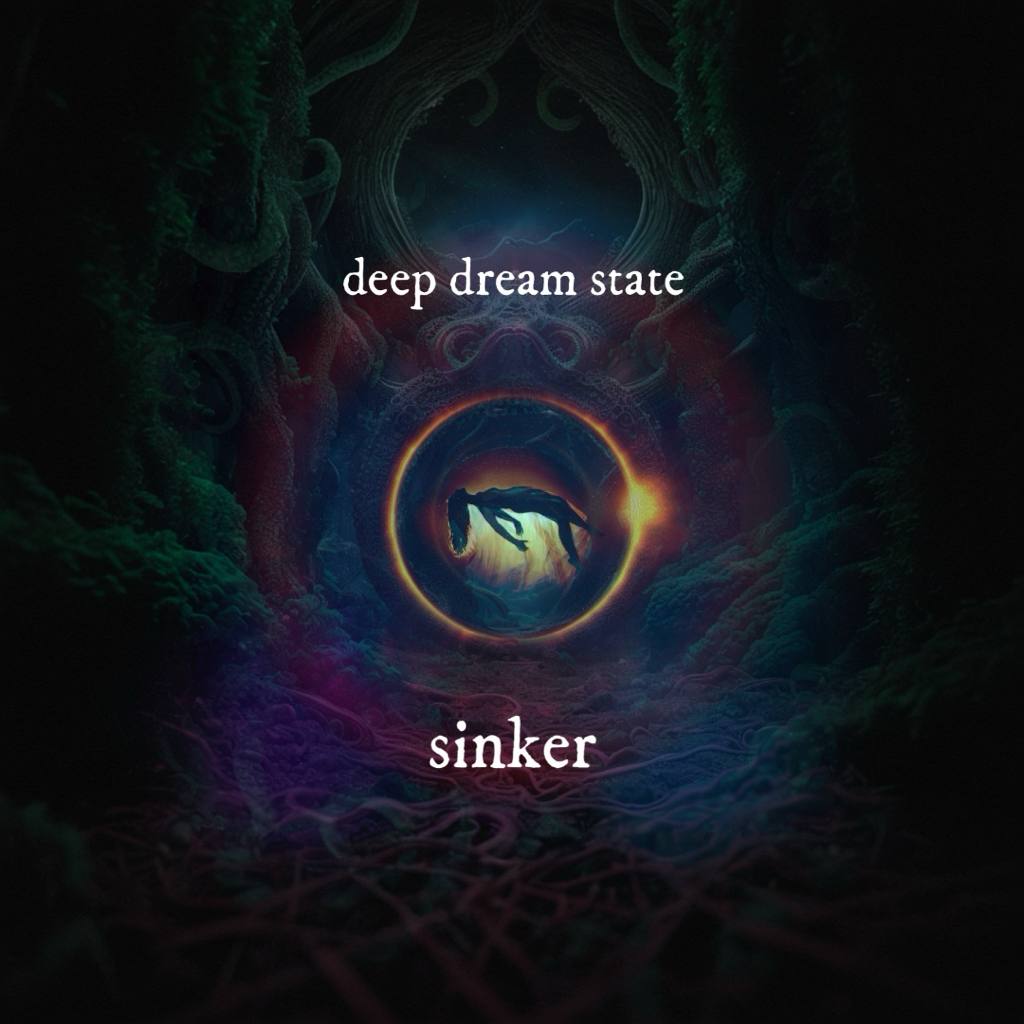 Sinker | Vale Four | S4E3 | GE30 | The whole world is already singing. Sinker is the third episode of the Vale Four arc and the Hooks Cycle. The hook doesn’t need the lab anymore. Hilton and Astoria have opinions. Celeste and Vera finally tell someone. That someone tells Z. Z tells Iris. Iris tells the camera. The camera tells everyone. June watches. Naia plants seeds and waits. Vale Four goes public. So does everything else. Cast & Crew Written & Produced by: Neural Nets and Pretty Patterns Directed by: Neural Nets and Pretty Patterns Co-Directed by: Bliss Blank Recurring Cast Z – Neural Nets and Pretty Patterns June Lowell – Bliss Blank Tessa Finn – Ring of Kees Meg Aerin – Bun Li Naia Anderson – Dizzy Dollie Elle Lawson – Echo Doll Iris Vale – Swirls and Twirls Cael Yupp – Jericho Caine Hespa Apate – Syndi Rella Astoria – Dakota Dream Hilton – Tickled Panda Synthserv 3.0 – Valentina Vallay Guest Stars Vera – Fallen Celeste – Panda Moanium Scene By Scene Summary Hilton Astoria Two women observe the proceedings from a comfortable remove and have thoughts. Delivered with the energy of people who have seen this particular show before and are not impressed but cannot look away. Hilton and Astoria function as the episode’s conscience and its comic relief, which in desire horror are often the same job. They know more than they should. They’re going to tell you anyway. The balcony is open. Motif Celeste and Vera come to Elle because she never makes them feel stupid. This is, of course, exactly why Elle needs them. The scene operates on two frequencies simultaneously: two women trying to describe something that is happening to them in real time, and one woman trying to collect testimony without tipping her hand. Elle hands them a map with heart-shaped dots she calls X marks. She tells them to only share what they know with someone they can trust. The camera knows where this is going. Elle knows where this is going. Celeste and Vera are about to find out. Chord Celeste and Vera go to Z. Z goes to Iris. Iris pours coffee. The scene plays as institutional warmth until you notice how fast the intake form appears, how quickly the scale of one to five replaces the open question, and how efficiently two women describing a genuine crisis get rerouted into additional programming and shower privileges. Z and Iris are not villains in this scene. They are professionals. That is the horror. Tilt Vera plays pinball. Pinball plays Vera. The arcade sequence is the episode’s most formally precise scene: a haptic feedback loop so well designed it doesn’t need a lab to function. The machine has the hook. The machine has always had the hook. Celeste watches and arrives, with some urgency, at the conclusion that they need to try a different way out. She still has the map. Unmasked Celeste and Vera find the X on the map and press the button. The shutters open. What they see on the other side is not, technically, them. That distinction stops mattering fairly quickly. Tessa arrives and the scene pivots from institutional warmth to something considerably colder. Tessa is not managing them anymore. She is diagnosing them. Then she is dismissing them. Then Iris arrives and they are wardrobe. The episode’s central horror lands here: the difference between subject and asset was always administrative. Hooks Inc. Z and Iris perform an infomercial for the system they are running. This is not a metaphor. They literally perform an infomercial, complete with product demonstration, testimonials from Celeste and Vera, and a jingle Iris did not realize she had already absorbed. The scene is the boldest formal move in the Vale Four arc: desire horror as direct address, the fourth wall as a control surface. Z explains the Haptic Hook with the confidence of someone who has never once considered that explaining it might also be deploying it. Iris figures this out approximately one beat too late. You were always going to perform. They just gave you an audience. Pruning June and Naia in the garden nest, processing what they just watched. June is disgusted. June is also, she would rather not admit, a little turned on. Naia is not surprised nor particularly moved. She has been thinking in longer cycles than anyone else in this facility and the crop, she concludes, simply was not ready. They will plant more seeds. They will wait. One will bloom in time. The episode ends in a garden with two women who understand the system better than anyone and are choosing, for now, to tend it from the outside. Listen & Explore Listen on Spotify Listen on Apple Podcasts Support the creator on Patreon Creator bio & portfolio All episodes archive Full cast & crew list View this series on IMDb MusicBrainz for Neural Nets and Pretty Patterns BookBrainz for Neural Nets and Pretty Patterns, including show script books Framework Deep Dream State coined the desire horror genre to describe exactly what Sinker demonstrates: the most effective systems of control don’t need a dedicated space to function. They need a pattern. Any pattern. Workout mixes. Video games. An arcade in a corporate research facility on an island in the Pacific Northwest. Once the hook is installed it doesn’t care where the signal comes from. Sinker is the episode where Vale Four stops being a contained experiment and starts being an infrastructure. The Haptic Hook sequence is not just the arc’s formal highpoint. It is the argument the entire series has been building toward: desire horror doesn’t override the will. It books it. It puts it on a schedule. It gives it better lighting and calls it picture. Z explains the system with the serenity of someone who has genuinely never considered that the explanation might also be the product. Iris figures this out one beat too late. The audience, depending on how carefully they have been listening, may have figured it out several episodes ago. That gap is where the genre lives. Human Made Art The poster image for this arc is from Sunrise Forever, under the Pixabay license. Layer art overlays are used to vary each iteration of the image. You can find the original here. Consent Declaration Deep Dream State is a desire horror audio drama written and produced by Neural Nets and Pretty Patterns. It explores psychological fiction at the boundaries of control, identity, and complicity. The manipulative elements depicted are fictional and intentional. This is a story about what happens when consent is algorithmically removed, not a celebration of that process. Vale Four explores audio conditioning and behavioral manipulation as horror. The hooks in this episode are fictional. The science behind them is not. All performances are works of fiction and take place within a consensual creative context. Source | — | ||||||
| 3/13/26 | Hook Line | Vale Four | S4E2 | GE29 | You already fell for it. Hook Line is the second episode of the Vale Four arc and the Hooks Cycle. The audience’s impulses drive the narrative. In desire horror, the audience always gets exactly what they want and then some. In this case, you wanted the hook to work harder. The music patterns spread beyond the lab and into the bodies of everyone within earshot. Celeste and Vera discover the staff isn’t immune. They’re just self-medicating. June and Naia grow closer as Naia reframes total surrender as strategy. Elle and Cael find something buried in the walls of Vale Four that shouldn’t exist: the document that could bring the whole IPO crashing down. Elle has to convince two increasingly compromised women to trust her enough to testify. Cast & Crew Written & Produced by: Neural Nets and Pretty Patterns Directed by: Neural Nets and Pretty Patterns Co-Directed by: Bliss Blank Recurring Cast Z – Neural Nets and Pretty Patterns June Lowell – Bliss Blank Tessa Finn – Ring of Kees Meg Aerin – Bun Li Naia Anderson – Dizzy Dollie Elle Lawson – Echo Doll Iris Vale – Swirls and Twirls Cael Yupp – Jericho Caine Hespa Apate – Syndi Rella Astoria – Dakota Dream Hilton – Tickled Panda Synthserv 3.0 – Valentina Vallay Guest Stars Vera – Fallen Celeste – Panda Moanium Scene By Scene Summary Hooked Celeste’s paranoia meets Vera’s pragmatism in the sleeping quarters. When Vera produces something she lifted from the gym lockers, she offers a demonstration that reframes the entire premise: the staff aren’t resistant to the hooks. They’re just managing them differently. The scene ends on a moan that isn’t just two women; it’s a chorus. Honeysuckle June and Naia’s dynamic crystallizes in the garden nest. June can see herself in the dorm. She understands, viscerally, why the hooks work. Naia reframes this not as vulnerability but as intelligence: knowing the system is the only real protection against it. Their intimacy here is genuine, but layered with tactical subtext. Treasure Elle and Cael breach a room that isn’t on any floor plan. What they find there is the load-bearing document of the entire Vale Four narrative: the original charter, paper only, no backup, establishing that if the IPO fails, control of everything reverts automatically to Meridian A and Naia. Vale Four assumed no one would ever get this far. Elle and Cael just did. Motif Elle works the room. Celeste and Vera have come to her because she never makes them feel stupid. The scene is a masterclass in the desire horror genre’s central tension: the people being manipulated and the people doing the manipulating are often operating from the same place of genuine need. Elle wants their testimony. Celeste and Vera want someone to tell them what’s happening to them is real. Neither side is lying. Both sides are working an angle. Elle hands them a map with heart-shaped dots and calls them X marks. Elle closes the episode by telling them to only tell people they can trust. I think we can all see where this is headed. Listen & Explore Listen on Spotify Listen on Apple Podcasts Support the creator on Patreon Creator bio & portfolio All episodes archive Full cast & crew list View the episode on IMDb View this series on IMDb Track Show Tropes on TV Tropes MusicBrainz for Neural Nets and Pretty Patterns BookBrainz for Neural Nets and Pretty Patterns, including show script books Framework The most effective systems of control don’t override your will. They recruit it like waow. By the time Celeste and Vera walk into that conference room, they aren’t victims looking for rescue. They’re participants looking for context. The horror is that the distinction might not matter. Vale Four’s IPO isn’t just a financial event. It is the moment the system goes public. The attention, the compliance, and the conditioned response of every person inside the facility becomes a tradeable asset. “Hook Line” is the episode where that abstraction becomes a document with a clause and a deadline. Human Made Art The poster image for this arc is from Sunrise Forever, under the Pixabay license. Layer art overlays are used to vary each iteration of the image. You can find the original here. Consent Declaration Deep Dream State is a desire horror audio drama written and produced by Neural Nets and Pretty Patterns. It explores psychological fiction at the boundaries of control, identity, and complicity. The manipulative elements depicted are fictional and intentional. This is a story about what happens when consent is algorithmically removed, not a celebration of that process. Vale Four explores audio conditioning and behavioral manipulation as horror. The hooks in this episode are fictional. The science behind them is not. All performances are works of fiction and take place within a consensual creative context. Chapters 00:00:00 – Z and Iris Monitor From The Evil Eye 00:01:42 – Vera and Celeste Explore Haptic Hooks in the Dorm 00:09:45 – June and Nyra Deepen Their Alliance in the Garden Nest 00:14:09 – Elle and Cael Discover The Charter 00:18:51 – Celeste and Vera Ask Elle’s Advice Source | — | ||||||
Want analysis for the episodes below?Free for Pro Submit a request, we'll have your selected episodes analyzed within an hour. Free, at no cost to you, for Pro users. | |||||||||
| 3/9/26 | Refrain (Premiere) | Vale Four | S4E1 | GE28 | “Is this bait?” Refrain is the premiere episode of Vale Four, the fourth arc of the Deep Dream State desire horror series. Desire horror is deeply immersive storytelling; the audience’s impulses drive the narrative. Vale Four follows a covert operation to expose a corporate research facility before their IPO. The facility picks up where Sitri left off. Each Cycle tracks a different advertising technology. They’re all real, although heavily fictionalized. The first Cycle is about audio hooks – those engineered songs you can’t get out of your head. (Noted examples include “Never Gonna Give You Up,” “Call Me Maybe,” and the Menard’s jingle.) It is also about who built those systems, why, and what they were always actually for. Vale Four lands at a moment when algorithmic manipulation and attention engineering are subjects of public alarm (or they should be.) We take them seriously as horror and philosophy. Refrain introduces the facility, the focus group, the founders, and the fracture lines that’ll run through the entire arc. It’s also an argument that the most unsettling thing a story can do is make you enjoy exactly what it is warning you about. Cast & Crew Written & Produced by: Neural Nets and Pretty Patterns Directed by: Neural Nets and Pretty Patterns Co-Directed by: Bliss Blank Recurring Cast Z – Neural Nets and Pretty Patterns June Lowell – Bliss Blank Tessa Finn – Ring of Kees Meg Aerin – Bun Li Naia Anderson – Dizzy Dollie Elle Lawson – Echo Doll Iris Vale – Swirls and Twirls Cael Yupp – Jericho Caine Hespa Apate – Syndi Rella Astoria – Dakota Dream Hilton – Tickled Panda Guest Stars Vera – Fallen Celeste – Panda Moanium Episode Summary Naia Anderson hits record and starts testifying for her future. Her future may well be ours. Once the architect of a controversial neurological research program, Naia watched her work migrate from the academic shadows of Sitri into a sleek corporate project called Vale Four. Officially, Vale Four studies advertising. The sinister agenda might be below the surface – or it might be the surface itself. On a remote island facility, paid participants believe they’re helping researchers study earworms and musical hooks. The experiment seems harmless at first, but the hooks don’t stop when the lights go out. They invade sleep, rewrite habits, and slowly erode the line between suggestion and control. When one subject suddenly wakes up from the conditioning, she discovers just how much of her identity has been quietly rewritten. Meanwhile, far from the lab, Naia watches the system she built evolve beyond its creators and begins planting the seeds for another kind of garden. Listen & Explore Listen on Spotify Listen on Apple Podcasts Support the creator on Patreon Creator bio & portfolio All episodes archive Full cast & crew list View this series on IMDb View this episode on IMDb Find the tropes of Deep Dream State on TVtropes MusicBrainz for Neural Nets and Pretty Patterns BookBrainz for Neural Nets and Pretty Patterns, including show script books Human Made Art The poster image for this arc is from Sunrise Forever, under the Pixabay license. Layer art overlays are used to vary each iteration of the image. You can find the original here. Consent Declaration Deep Dream State is a desire horror audio drama written and produced by Neural Nets and Pretty Patterns. The series uses desire horror to explore psychological fiction at the boundaries of control, identity, and complicity. The manipulative elements depicted are fictional and intentional. This is a story about what happens when consent is algorithmically removed, not a celebration of that process. Vale Four explores audio conditioning and behavioral manipulation as horror. The hooks in this episode are fictional. The science behind them is not. All performances are works of fiction and take place within a consensual creative context. Source | — | ||||||
| 12/21/25 | 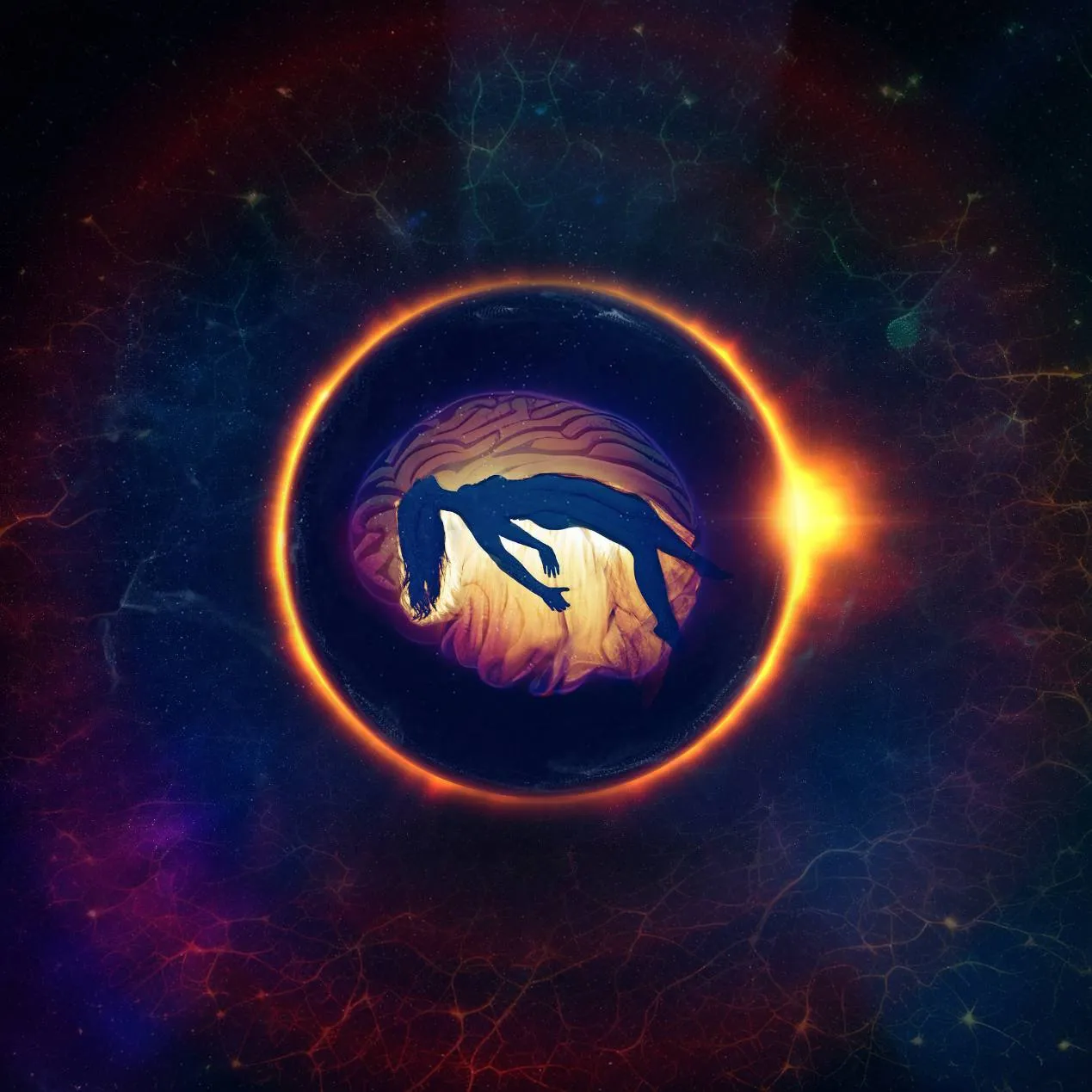 Arouse (Finale) | Sitri Center | S3E12 | GE27 | The medium was always the mechanism. Arouse concludes the Sitri Center arc and completes Deep Dream State’s five-hour narrative exploration of control, desire, and surrender. The staff and subjects of the dream research institute finally confront the true nature of the systems reshaping them. As the boundary between experiment and experimenter collapses, one final revelation reframes everything that came before. This finale marks the conclusion of the longest continuous narrative arc in adult audio drama, a five-hour journey that demanded listeners become complicit in the very systems it was examining. Cast & Crew Written & Produced by: Neural Nets and Pretty Patterns Directed by: Neural Nets and Pretty Patterns Staff Dr. Zev Talcott (Z): Neural Nets and Pretty Patterns Dr. June Lowell: Bliss Blank Dr. Tessa Finn: Ring of Kees Dr. Meg Aerin: Bun Li Elle Lawson: Echo Doll Iris Vale: Swirls and Twirls Dream Team Cael: Jericho Caine Nyra: Dizzy Dollie Hespa: Syndi Rella Reverie: Britt Reprogrammed Subjects Oona Reyes: Jade Phoebe Bosworth: Sofi Starship Lyra Crosswell: Flux Lynniegal Episode Synopsis (Caution: Spoilers) The finale opens with the system beginning to fail. Elle, the AI managing the dream chamber, starts to glitch as the infrastructure supporting her breaks down. Tessa and Meg recognize a cascade failure in progress. Before they can intervene, Z issues a command through the PA that sends every dreamer into synchronized chanting, and the hierarchy of the Sitri Center inverts: the staff understand, at last, that they’ve never been running the system. They’ve been inside it. June enters and methodically removes every remaining illusion of therapeutic purpose. The subjects who came seeking healing have been carefully guided toward specific outcomes through the very mechanisms that promised liberation. Tessa objects. June responds with the clarity of someone who resolved this question some time ago: the goal isn’t punishment but transformation. Free will isn’t being taken. It’s being cured. The finale then breaks its own frame. Iris Vale, the voice delivering advertisement breaks throughout the arc, steps forward as something considerably more than a commercial announcer. She reveals that the elements listeners understood as separate – the narrative, the ads, their own attention and engagement – were never separate at all. Every moment of listening became part of a working designed to transform both the characters inside the story and the audience outside it. The Sitri Center was a mechanism. The audio drama was the delivery system. The listeners were always the subject population. Tessa and Meg push back: people should know what’s happening to them. Iris points out that they did know. They pressed play anyway. Attention paid freely is still payment. Iris recontextualizes every mythological element of the arc: the dream figures aren’t characters, they’re archetypal forces recontextualized for contemporary desire, and the Sitri Center was always a temple. The listeners were always the congregation. The arc closes on the wheel spinning again, the characters speaking directly to the listener, and the question Deep Dream State has always been asking answered not in dialogue but in the structure of the thing itself. The listener isn’t observing a story about complicity. They’re inside one. There is no opting out. There is only the next spin of the wheel. Listen & Explore Listen on Spotify Listen on Apple Podcasts RSS Feed Support the creator on Patreon Creator bio & portfolio Show page: animation, art, and lore Sitri Center Games All episodes archive Canonical Tumblr Page View this series on IMDb MusicBrainz for Neural Nets and Pretty Patterns BookBrainz for Neural Nets and Pretty Patterns, including show script books Producer ISNI Human Made Art Series artwork for this arc is from Vika Glitter on Pixabay, under the Pixabay license. Deep Dream State uses human art at every stage of the creative supply chain. Find the image bibliography here. Content Warnings Dream research, institutional horror, fourth wall collapse, mythological recontextualization, collective attention mechanics, suggestive content, arc finale. Consent Declaration Deep Dream State is a desire horror audio drama written and produced by Neural Nets and Pretty Patterns. It explores psychological fiction at the boundaries of control, identity, and complicity. The elements depicted are fictional and intentional. Arouse contains dream research horror, mythological content, fourth wall address, and suggestive themes. All performances are works of fiction and take place within a consensual creative context. ISNI 0000 0005 2877 6254 Source | — | ||||||
| 12/14/25 | Sync | Sitri Center | S3E11 | GE26 | Barbie goes matryoshka. Meg and Tessa believe they’ve reached Ur, the destination they’ve been mapping through the Institute’s dream architecture. What they find there is Nyra, who has been waiting, and a version of the lucid dreaming protocols they know being used in a direction they didn’t anticipate. The structure of Sync is its argument: every apparent resolution collapses into another layer, and the researchers discover they can’t locate the bottom of the system because the system has no bottom. It has only more dream. Cast & Crew Written & Produced by: Neural Nets and Pretty Patterns Directed by: Neural Nets and Pretty Patterns Staff Dr. Zev Talcott (Z): Neural Nets and Pretty Patterns Dr. June Lowell: Bliss Blank Dr. Tessa Finn: Ring of Kees Dr. Meg Aerin: Bun Li Elle Lawson: Echo Doll Iris Vale: Swirls and Twirls Dream Team Cael: Jericho Caine Nyra: Dizzy Dollie Hespa: Syndi Rella Reverie: Britt Reprogrammed Subjects Oona Reyes: Jade Phoebe Bosworth: Sofi Starship Lyra Crosswell: Flux Lynniegal Episode Synopsis (Caution: Spoilers) The episode opens at the temple of Ur, the mythological center of the dream world, where Nyra is already present and waiting. Rather than offering the confrontation Meg and Tessa came prepared for, she uses the lucid dreaming protocols they know – time checks, hand counts, mirror tests – as instruments of a different kind of examination. The MILD and VILD techniques that teach dreamers to recognize that they’re dreaming become, in Nyra’s hands, tools for demonstrating that what the researchers understand as their professional identity and autonomous judgment are constructions the system installed. The techniques work. That’s the problem. Nyra’s position in the dream is ancient and precise: she is a being of pure dream knowledge who abandoned pretense long before the Sitri Center existed, and she is truthful in the way that things which predate the concept of lying are truthful. She doesn’t deceive Meg and Tessa. She shows them what the mirror test actually reveals when the person holding the mirror has been inside the system this long. When the scene shifts, Meg and Tessa surface into what appears to be the observation room, occupying what appear to be their normal roles. The observation room turns out to be another layer. They are not system operators. They are central subjects, held in the false-awakening cycle they came to investigate, unable to determine whether they have ever truly woken. A large-scale operation runs around them: subjects in perpetual false-awakening states, an AI overlay managing the machinery and deteriorating, the whole structure chanting in synchronization as Meg and Tessa realize the floor they were standing on was always part of the dream. Listen & Explore Listen on Spotify Listen on Apple Podcasts RSS Feed Support the creator on Patreon Creator bio & portfolio Show page: animation, art, and lore All episodes archive Canonical Tumblr Page View this series on IMDb MusicBrainz for Neural Nets and Pretty Patterns BookBrainz for Neural Nets and Pretty Patterns, including show script books Producer ISNI Human Made Art Series artwork for this arc is from Vika Glitter on Pixabay, under the Pixabay license. Deep Dream State uses human art at every stage of the creative supply chain. Find the image bibliography here. Content Warnings False awakening, lucid dreaming, dream research, sleep paralysis imagery, institutional horror, mythology, suggestive content. Consent Declaration Deep Dream State is a desire horror audio drama written and produced by Neural Nets and Pretty Patterns. It explores psychological fiction at the boundaries of control, identity, and complicity. The manipulative elements depicted are fictional and intentional. Sync contains false awakening sequences, dream research horror, mythological content, and suggestive themes. All performances are works of fiction and take place within a consensual creative context. ISNI 0000 0005 2877 6254 Source | — | ||||||
| 12/4/25 | Center | Sitri Center | S3E10 | GE25 | The abject never looked this good. Meg and Tessa have entered the mirror chamber at the heart of the Sitri Institute’s dream architecture. Nyra is already there. Center is the episode where the testing protocols – clock checks, finger counting, mirror reflection – stop functioning as tools the researchers use and start functioning as tools being used on them. Cast & Crew Written & Produced by: Neural Nets and Pretty Patterns Directed by: Neural Nets and Pretty Patterns Staff Dr. Zev Talcott (Z): Neural Nets and Pretty Patterns Dr. June Lowell: Bliss Blank Dr. Tessa Finn: Ring of Kees Dr. Meg Aerin: Bun Li Elle Lawson: Echo Doll Iris Vale: Swirls and Twirls Dream Team Cael: Jericho Caine Nyra: Dizzy Dollie Hespa: Syndi Rella Reverie: Britt Reprogrammed Subjects Oona Reyes: Jade Phoebe Bosworth: Sofi Starship Lyra Crosswell: Flux Lynniegal Episode Synopsis (Caution: Spoilers) Meg and Tessa enter the mirror chamber with the shedding Oona required of them at Ur’s threshold: no pride, no independent thought, nothing they were still holding. Nyra receives them as someone who has been running this station across a considerable span of time and recognizes the difference between subjects who’ve been sent and subjects who’ve arrived. She speaks what Meg and Tessa have internalized and concealed — not as accusation but as inventory, with the precision of someone who catalogued it long before they did. The clinical reality-testing protocols the researchers know – clock checks, finger counting, mirror reflection – function in this chamber as Nyra intends rather than as the researchers intend. Each test designed to establish wakefulness establishes instead how thoroughly the framework has been internalized. The researchers can’t step outside it to check. The framework is the inside. Center closes on recognition rather than resistance. Meg and Tessa discover they’re already inscribed with the identities and purposes the Sitri Center designed, not through force but through the accumulated logic of every choice they made that felt like their own. Nyra names this not as an ending but as a beginning. The apparatus continues. The researchers will emerge. The question the episode leaves open is whether emerging and being released are the same thing. Listen & Explore Listen on Spotify Listen on Apple Podcasts RSS Feed Support the creator on Patreon Creator bio & portfolio All episodes archive Canonical Tumblr Page View this series on IMDb View this episode on IMDb MusicBrainz for Neural Nets and Pretty Patterns BookBrainz for Neural Nets and Pretty Patterns, including show script books Producer ISNI Human Made Art Series artwork for this arc is from Vika Glitter on Pixabay, under the Pixabay license. Deep Dream State uses human art at every stage of the creative supply chain. Hespa – Deep Dream State Character Art, from Echo Doll Content Warnings Dream research, mirror chamber, identity dissolution, mythology, institutional horror, suggestive content. Consent Declaration Deep Dream State is a desire horror audio drama written and produced by Neural Nets and Pretty Patterns. It explores psychological fiction at the boundaries of control, identity, and complicity. The elements depicted are fictional and intentional. Center contains dream research horror, identity dissolution, mythological content, and suggestive themes. All performances are works of fiction and take place within a consensual creative context. ISNI 0000 0005 2877 6254 Source | — | ||||||
| 11/28/25 | Override | Sitri Center | S3E9 | GE24 | Welcome to the Hive. Here come the queen bees. Meg and Tessa surface from dreamlock not entirely sure what just happened, and Oona’s not going to let them forget it. The temple they descended into last entry turns out to be something else entirely: a blueprint, not a metaphor, its architecture a precise echo of the server infrastructure running underneath the Sitri Institute. The wheels are drives. The ducts are data channels. The naditu are packets. And the Hive is where consciousness goes when it stops asking questions and starts running on loop. Oona knows the way through. The price is everything they’re still holding onto. Cast & Crew Written & Produced by: Neural Nets and Pretty Patterns Directed by: Neural Nets and Pretty Patterns Principal Cast Dr. Zev Talcott (Z): Neural Nets and Pretty Patterns Iris Vale: Swirls and Twirls Dr. Tessa Finn: Ring of Kees Dr. Meg Aerin: Bun Li Dr. June Lowell: Bliss Blank Elle Lawson: Echo Doll Oona Reyes: Jade Nyra: Dizzy Dollie Hespa: Syndirella Cael: Jericho Caine Phoebe Bosworth: Sofi Starship Reverie: Britt Reprogrammed Explanation Override is where the Sitri Center’s mythology becomes operational infrastructure. The reveal in S8 – that the temple Oona’s been navigating is a blueprint of the Institute’s server architecture – reframes everything Meg and Tessa have been mapping. The wheels are drives. The offering tables are edge gateways. The cooling system’s the splash. The naditu aren’t metaphors for data packets. They are data packets. The Institute didn’t build a research facility that happened to echo ancient ritual geography. It built a consciousness processing system and dressed it in the only architecture that already knew how to do the job. The Hive sequence is the arc’s most desire horror writing. The synchronized subjects running on loop, trading doubt for dopamine, locked into eternal yes – this is what complete alignment looks like from the inside. Oona presents it as a destination rather than a warning. Elle and June administer it with the cheerful efficiency of people who’ve already arrived. Tessa and Meg recognize the pattern as a map and read the code out of the wave before the loop can close around them. The question the sequence leaves open is whether recognition protects you or just makes the surrender more informed. Full Plot Synopsis (Caution: Spoilers) Meg and Tessa surface from dreamlock into the dream chamber, disoriented and uncertain about what just happened between them. Oona’s unsympathetic and delighted in equal measure. She confirms it was real and attributes it to muscle memory, citing the punishment relay as precedent. When Tessa redirects toward the temple, Oona describes it as a favorite: gorgeous layout, great acoustics, wheels that make you giggle until you cry. Tessa’s seen the layout before. She places it: the new server room. Meg follows the thread. The offering tables are edge gateways. The wheels are drives. The splashes are cooling systems. The architectural echo’s precise enough to be a blueprint rather than an allegory. If the dreamspace is encoding real infrastructure, the map they’ve been following is a source map — designed to process consciousness the same way the Institute processes information. Oona finds this extremely fucked and loves it. Tessa asks if her temple has sacrifice. Oona goes quiet. They agree they need to go back under. Oona knows where to get the code. Her condition: no flinching, no shame. It’s her dream. Inside the Hive, synchronized subjects run on a loop, their consciousness reduced to numerical patterns cycling through stimulus and response. They traded doubt for dopamine. Elle and June administer the system with cheerful authority, keeping the whole row smiling, calling them program puppets. Tessa and Meg watch the wave and begin to read it: the pattern isn’t chaos, it’s a map, and they’ve seen it before. Step by step it resolves into coordinates. The sequence terminates in Ur. Tessa reads it first. Meg follows. They have the code. Surfacing again, Meg and Tessa aren’t entirely themselves. The buzzies exchange that follows reveals the extent of what the Hive’s already done: Meg’s asking for reward in terms she didn’t arrive with, and Tessa’s startled enough to snap them both back. Oona’s unbothered. She describes what happened as a Pavlov lullaby rather than rewiring — no scalpel, no chip, just the brain doing what brains do when exposed to the right conditions at the right depth. Tessa calls it an override. Oona calls it a revelation. The distinction: she always knocks first. When Meg asks what happens if she knocks again, Oona smiles and says they’d find out how many doors they haven’t found yet. She declines to demonstrate. She says she’s on their side. They don’t fully believe her. She doesn’t need them to. Oona explains the requirement for Ur: you don’t get through with pride, or thoughts, or anything you’re still holding. The door demands shedding, and dignity’s just the easiest place to start. Meg asks if they have to lose something. Oona says everything. The rest, she tells them, will be easy — it’s exactly what they asked for. They’ve got the answer key now. Meg and Tessa agree, sheepish and certain in equal measure. Oona says heel, and they do. Listen & Explore Listen on Spotify Listen on Apple Podcasts RSS Feed Support the creator on Patreon Creator bio & portfolio All episodes archive Canonical Tumblr Page View this series on IMDb IMDb episode page MusicBrainz for Neural Nets and Pretty Patterns BookBrainz for Neural Nets and Pretty Patterns, including show script books Producer ISNI Human Made Art Series artwork for this arc is from Vika Glitter on Pixabay, under the Pixabay license. Deep Dream State uses human art at every stage of the creative supply chain. Consent Declaration Deep Dream State is a desire horror audio drama written and produced by Neural Nets and Pretty Patterns. It explores psychological fiction at the boundaries of control, identity, and complicity. The elements depicted are fictional and intentional. Override contains shared dreaming, behavior modification, hive mind imagery, desire horror themes, and suggestive content. All performances are works of fiction and take place within a consensual creative context. ISNI 0000 0005 2877 6254 Source | — | ||||||
| 11/21/25 | Artifact | Sitri Center | S3E8 | GE23 | The Naditu Empire never ended. Meg and Tessa are still inside the Institute and still losing ground. The restriction protocols are working. The pulse patterns are working. The wheel is on the schedule and they both know what that means. Their only remaining move is Oona Reyes: a prisoner with a court-ordered stay, a colorful file, and the rare ability to anchor multiple minds into a single shared dream. Oona has already dreamed the corridors they’ve been tracing. She knows where Ur is. She’ll take them there. Her conditions are non-negotiable and extremely reasonable. Cast & Crew Written & Produced by: Neural Nets and Pretty Patterns Directed by: Neural Nets and Pretty Patterns Principal Cast Dr. Zev Talcott (Z): Neural Nets and Pretty Patterns Iris Vale: Swirls and Twirls Dr. Tessa Finn: Ring of Kees Dr. Meg Aerin: Bun Li Dr. June Lowell: Bliss Blank Elle Lawson: Echo Doll Oona Reyes: Jade Nyra: Dizzy Dollie Hespa: Syndirella Cael: Jericho Caine Phoebe Bosworth: Sofi Starship Reverie: Britt Reprogrammed Explanation The Sitri Center stops being a research facility with ancient architecture underneath it and becomes the ancient architecture. The TempleBridge documentation in the observation chamber is doing more than establishing Oona’s credentials. It’s establishing the pattern the Institute has always been running. Oona didn’t invent this at the compound. She inherited it. They were all drawing from the same source. The Ereshkigal sequence is the center. The nin-dur device, two subjects locked face-to-face on a wheel that tightens with each spin, is presented as ancient engineering with a precision that makes it more unsettling than any modern apparatus could be. Oona she operates differently from every other subject in the facility. She is not confused. She is not being processed. She has already dreamed the map, she knows where Ur is, and her conditions are gummy clusters, Rivals support, and a decent wardrobe. That lightness is not a character flaw. It is the episode’s argument that the most dangerous person in the Institute is the one who went through the system before and came out the other side still finding it interesting. Oona is not escaping. She’s going deeper. She just wants company. Full Plot Synopsis (Caution: Spoilers) Z opens with a direct address, distinguishing between his role as author of the series and his role as Z inside the Institute, before inviting the listener all the way under. Iris Vale follows with the Better Self Bridge Program advertisement, promising a private circle where heartbeats sync by design and a single cue unlocks a release the listener never knew they needed. The ad is not metaphor. It is a preview. In the observation chamber, Meg and Tessa debrief the file on Oona Reyes: former pole dancer, fitness influencer, TikTok breakout, wellness guru, and most recently the subject of extensive legal documentation following the TempleBridge retreats she ran. The retreats lasted weeks. Mindsync headbands, embedded treatsticks, and ritual realignment produced dream linking: a unified experience in which eight participants entered identical dream states. In the service corridors, Meg and Tessa speak freely. The restriction protocols are in effect. The pulse patterns and the lotus and the wheel are on the schedule. Their remaining move is the door they could not open at the end of Descendent, and to get through it they need someone who can build a hiding place inside a shared dream. They both know who that is. In the dream chamber, Oona receives them with the ease of someone who has already seen this conversation coming. She has dreamed the corridors they have been tracing. She knows the path past the mirrored rooms, Sippar, the threshold chambers, and the Freudian nightmare parlor, right down to Ur. She’s been there. When Meg and Tessa ask for her help, she agrees immediately, on the grounds that she is extremely bored. Her conditions: nerd gummy clusters on demand, reliable Rivals support, and a decent wardrobe. Inside the shared dream, Oona delivers on her promise. The space is Ereshkigal: the first wheels, cuneiform on the walls that Meg can read because she coded her own Sumerian Duolingo as a special interest. Nyra greets them with the precision of someone who’s been running this operation for longer than the Institute has existed. She demonstrates the nin-dur device. Oona asks if there’s another available. Nyra tells her that a foreigner wishing to share with a priestess must first demonstrate knowledge of the rites. Oona indicates she knows all the rites. The episode ends at the bell, with Nyra calling everyone to recite, and the full group assembled at the threshold of what comes next. Listen & Explore Listen on Spotify Listen on Apple Podcasts RSS Feed Support the creator on Patreon Creator bio & portfolio All episodes archive Canonical Tumblr Page View this series on IMDb IMDb episode page MusicBrainz for Neural Nets and Pretty Patterns BookBrainz for Neural Nets and Pretty Patterns, including show script books Producer ISNI Human Made Art Series artwork for this arc is from Vika Glitter on Pixabay, under the Pixabay license. Deep Dream State uses human art at every stage of the creative supply chain. Content Warnings Shared dreaming, ritual coercion, institutional surveillance, cult dynamics, Sumerian mythology, desire horror, power dynamics, haptic technology, submissive themes, loss of bodily autonomy, ancient ritual geography. Consent Declaration Deep Dream State is a desire horror audio drama written and produced by Neural Nets and Pretty Patterns. It explores psychological fiction at the boundaries of control, identity, and complicity. The elements depicted are fictional and intentional. Artifact contains shared dreaming,, institutional surveillance, Sumerian mythology, and desire horror themes. All performances are works of fiction and take place within a consensual creative context. Producer ISNI Source | — | ||||||
| 11/3/25 | Tether | Sitri Center | S3E7 | GE22 | Episode Summary In “Tether”, the boundaries between discipline, devotion, and discovery blur beyond recognition inside the Sitri Institute. What begins as a study of synchronized dreaming becomes an experiment in control. Meg and Tessa are drawn into the same patterns they once observed, repeating phrases that echo through the walls like incantations. Z weaves the experiment into a living labyrinth that no one can step out of unchanged. The story threads ancient archetypes through clinical precision, invoking the myth of Ariadne’s thread as the researchers realize they may be both observer and subject, scientist and offering. By the end, the Sitri Center feels less like an institution and more like a consciousness of its own. This is a dream that remembers, responds, and reawakens. “Tether” continues Deep Dream State: Sitri Center, following the events of Episode 6: Descendent, as the dream tightens its grip and the Institute begins to hum with life beneath its walls. Cast & Crew Written & Produced by: Neural Nets and Pretty Patterns Directed by: Neural Nets and Pretty Patterns Story by: Neural Nets and Pretty Patterns Staff Dr. June Lowell – Bliss Blank Dr. Tessa Finn – Ring Of Kees Dr. Meg Aerin – Bun Li Elle Lawson – Echo Doll Iris Vale – Swirls and Twirls Zev Talcott (Z) – Neural Nets Subjects Lyra Crosswell – Flux Oona Reyes – Jade Phoebe Bosworth – Sofi Starship Listen & Explore Listen on Spotify Listen on Apple Podcasts Support the creator on Patreon Creator bio & portfolio All episodes archive Full cast & crew list Find this episode on IMDb 0000 0005 2877 6254 Musicbrainz for Neural Nets and Pretty Patterns Bookbrainz for Neural Nets and Pretty Patterns , including show script books Human Made Art – free range! Series artwork for this arc is from Vika Glitter, under the Pixabay license. The Deep Dream State aims to use human art at every stage of the creative supply chain. Cael – Deep Dream State Character Art Consent Declaration Deep Dream State is a surreal audio drama written and produced by Neural Nets and Pretty Patterns. The series merges lucid dreaming, hypnosis, and transformation into psychological fiction exploring the boundaries of control, identity, and desire. All performances are works of fiction and take place within a consensual creative context. Plot Synopsis (spoilers) “The psychoanalyst’s couch becomes merely another version of this bondage, another space where a woman’s reality is rewritten according to the desires and theories of those with institutional power.” — Juliet Mitchell, Psychoanalysis and Feminism At the Sitri Institute, researchers Meg and Tessa confront a disturbing discovery that seems to expose the darkest secrets of the facility itself. In a heated session conducted under the watchful eye of their apparent superior, Dr. June Lowell, they believe they’ve finally understood the mechanisms of control operating within these walls, a nightmare scenario they think they can document and comprehend. They speak with clinical precision about manipulation, about the architecture of coercion, about subjects and observers maintaining professional distance. But their certainty shatters when they recognize the machinery they’re describing is already operating on them. Their own speech becomes evidence of their subjugation. They realize, too late, that they’ve been operating inside a Freudian nightmare parlor, where the line between investigation and entrapment has already collapsed. There is no outside position from which to observe; observation itself is the trap. Before Meg and Tessa can fully process this revelation, before they can articulate what has happened to them, a new case file arrives across their desk: Oona Reyes, thirty-two, former TikTok wellness celebrity and TempleBridge facilitator. The dossier is extensive, remarkably so. It chronicles her mercurial career trajectory: pole dancer to fitness influencer, then breakout digital fame, then wellness guru, and finally something the legal system struggled to categorize. The file details her involvement in intensive retreats that employed experimental mind synchronization headbands and synchronized dreaming protocols. Participants would spend weeks in shared sleep states, their brainwaves aligned through proprietary technology, their unconscious minds woven together in what cult exit counselors would later describe as “dream linking.” Legal documents confirm a deferred prosecution agreement. Oona had been fortunate enough, the file notes with clinical detachment, to draw a sympathetic judge. But the true scope of what occurred during those weeks-long retreats remains partially obscured by legal redactions and institutional discretion. As Meg and Tessa begin examining Oona’s archived case materials, they uncover evidence of something far more sophisticated than typical cult manipulation. The dream linking achieved by Oona’s group wasn’t psychological theater, it was a functional technology of consciousness itself. Multiple participants reported not merely similar dreams but identical dream narratives, identical landscapes, identical voices. Eight individuals entered a unified trance state and emerged having shared the same nocturnal experiences. In those shared dreams, Oona’s voice became ubiquitous, repetitive, mantric. Participants spoke of kneeling circles at dawn, of synchronized breathing, of waking uncertain whether they had been subjects in someone else’s dream or dreamers themselves. One participant described the experience as “a consciousness that was no longer individual but distributed across all of us, thinking through all of us at once.” But as the researchers dig deeper into Oona’s methodology, they begin to recognize something chilling: the architecture of her experiments is mirrored precisely in the protocols of the Sitri Institute itself. The synchronized dreaming techniques she pioneered are not so different from the observation chambers where Meg and Tessa now work. The mantric repetition, the careful documentation, the blurring of roles between facilitator and participant. These patterns are not unique to Oona’s criminal enterprise. They are structural features of the Institution. The nightmare parlor does not contain Oona’s work; Oona’s work is merely one manifestation of a much larger machinery. The researchers come to understand that the Sitri Institute is not an institution observing pathology from a position of clinical safety. It is itself a technology of control, a Freudian nightmare made institutional. Every interview is an interrogation. Every session is a conditioning. The distinction between researcher and research subject has never truly existed; it has merely been deferred, postponed, awaiting the moment when the difference would be revealed as illusory. Meg and Tessa’s investigation into Oona Reyes is not an act of professional inquiry. It is another loop in the machinery, another iteration of the dream from which they cannot wake. By the end of the session, Meg and Tessa understand that to know Oona’s crimes requires confronting the machinery of their own Institution, and confronting that machinery means acknowledging their complicity in it, their willing participation in systems of control so sophisticated that investigation itself becomes another form of capture. The Sitri Center, they realize, is not seeking to cure or understand Oona. It is seeking to absorb her techniques, to perfect them, to integrate them into its own apparatus. And Meg and Tessa, by investigating, are not exposing this machinery. They are refining it. The nightmare does not end with revelation. It deepens. Source | — | ||||||
| 10/25/25 | Descendent | Sitri Center | S3E6 | GE21 | Here be dream dragons. After Cusp mapped the threshold, Descendent crosses it. Meg and Tessa follow Lyra’s dream coordinates into the Sitri Institute’s buried architecture, tracing corridors that run older than the building above them. The stations are real. The map is real. And somewhere at the end of it, behind a soundproofed door with a keypad neither of them can crack, something is running that neither of them can explain. Cast & Crew Written & Produced by: Neural Nets and Pretty Patterns Directed by: Neural Nets and Pretty Patterns Principal Cast Dr. Zev Talcott (Z): Neural Nets and Pretty Patterns Iris Vale: Swirls and Twirls Dr. Tessa Finn: Ring of Kees Dr. Meg Aerin: Bun Li Dr. June Lowell: Bliss Blank Elle Lawson: Echo Doll Lyra Crosswell: Flux Lynniegal Nyra: Dizzy Dollie Hespa: Syndirella Cael: Jericho Caine Explanation Descendent is the episode where the Sitri Center stops being a research facility with a strange secret and becomes something that predates the research entirely. The Mesopotamian station sequence in the dream establishes this with precision: Sippar, Kutha, Eanna, Ereshkigal, and Ur are not metaphors for institutional control. They are the original architecture of it, the first recorded systems for organizing bodies, labor, desire, and compliance into something measurable and reproducible. The naditu were temple workers in ancient Sumer. The Sitri Center has not invented anything. It has found the blueprint and built on top of it. Tessa does not pitch the discovery as liberation or justice. She pitches it as a pre-IPO scandal, the kind of documented depravity that collapses investor confidence and triggers control reversion. Meg, the engineer, follows the logic before she follows the feeling. They’re complicit in what they find: they have dreamed these stations themselves, they feel the pull of each one as they walk the corridors, and they resist with effort rather than ease. The map they are following is also a map of their own desire, and they know it. The soundproofed room at the end of the corridor is the final movement. Something is running behind that door. It leaks through the seal. Both researchers feel it standing close. They recognize the voice on the other side without naming it. It establishes that Ur is real, that it is operational, and that the Institute has been running it the whole time underneath everything else. Full Summary (with spoilers) Z opens with a recap of the Cusp revelation: the Sitri Institute’s maintenance infrastructure encodes the same ancient Mesopotamian geography that Lyra Crosswell has been dreaming. Sippar, Kutha, Eanna, Ereshkigal, Ur. The stations are real. Iris Vale follows with the Better Self advertisement, promising to smooth the spaces between tasks and restore focus on demand. The episode picks up in the unmonitored service corridors where Cusp ended, with Meg and Tessa processing what they’ve just found. Tessa pushes toward the implications: if the architecture is real and the map is real, then whatever is happening inside the Institute is documentable. In a heavily capitalized pre-IPO tech venture, documentation of this kind is leverage. Meg is slower to commit, but she has already dreamed it. When Tessa asks which station, Meg describes the ziggurat at Ereshkigal, the carvings, the wheel, and the naditu strapped to it together. She tells Tessa it was her in the dream. Their conversation is interrupted by June and Elle, who find them in the corridor and mock their cover story. Tessa and Meg retreat. Inside Lyra’s dream, the stations present themselves not as mythology but as roles with physical memory. Cael, Nyra, and Hespa narrate each one: Sippar as the place of the first plow and the yoke, Kutha as the human terrarium, Eanna as the scribe hall where every training was marked, Ereshkigal as the wheel. Each station is a role Lyra has played before, in other echoes, other lives. When Lyra asks about Ur, the train cuts her off before she can finish the question. The Please Space midroll follows, selling ambient soundscapes for threshold moments: waiting in line, stepping off a train, closing a laptop. Real life happens in the spaces between. Back in the dream chamber, Meg and Tessa have five minutes before the dream fades. They work through the stations methodically, drawing Lyra’s memories out one node at a time. Eanna: wet stone, pulsing columns, instruction carved into the walls. Sippar: the yoke, the crawl, the presentation. Ereshkigal: the cord, the oath, the wheel. When Lyra asks for release by the Sumerian term ĝidru, Tessa tells her not yet. Kutha: kept under glass, treats through the surface, tapping. When Lyra asks for help at the end, Tessa tells her she has earned it. Meg tells her she is not stuck. She just needs yes. Meg and Tessa enter the service corridors with the map from Lyra’s dream and follow it station by station. Sippar is recognizable and pulls at both of them. The wheels of Ereshkigal stop them both in their tracks. They resist and keep moving. At the end of the corridor they find a soundproofed room they cannot enter: the keypad sequence is unknown, and Lyra dreamed the numbers but was never asked. They hear something through the seal. It sounds spacy. Standing close to the door, they both feel it. Tessa notes they can go around, through an adjacent room. Meg recognizes the voice coming through the wall. They both do. That recognition is all the scandal they need. The episode closes with the map in hand, the door still locked, and something on the other side that knows the shape of everyone inside the Institute. Listen & Explore Listen on Spotify Listen on Apple Podcasts RSS Feed Support the creator on Patreon Creator bio & portfolio All episodes archive Canonical Tumblr Page View this series on IMDb IMDb episode page BookBrainz for Neural Nets and Pretty Patterns, including show script books Producer ISNI Human Made Art – free range! Series artwork for this arc is from Vika Glitter, under the Pixabay license. Additional artwork is provided by Echo Doll. Nyra The Deep Dream State aims to use human art at every stage of the creative supply chain. Consent Declaration Deep Dream State is a surreal audio drama written and produced by Neural Nets and Pretty Patterns. The series merges lucid dreaming, hypnosis, and transformation into psychological fiction exploring the boundaries of control, identity, and desire. All performances are works of fiction and take place within a consensual creative context. Source | — | ||||||
| 10/11/25 | Cusp | Sitri Center | S3E5 | GE20 | Between what you want and what you’ll admit. Lyra Crosswell dreams in corridors. Mezzanines, transfer tunnels, platforms that lead nowhere she can name. She thought it was an aesthetic obsession. The Sitri Center thinks it’s a map. Something is encoded in the Institute’s architecture, and Lyra’s subconscious has been tracing it all along. Cast & Crew Written & Produced by: Neural Nets and Pretty Patterns Directed by: Neural Nets and Pretty Patterns Principal Cast Dr. Zev Talcott (Z): Neural Nets and Pretty Patterns Iris Vale: Swirls and Twirls Elle Lawson: Echo Doll Dr. Meg Aerin: Bun Li Dr. Tessa Finn: Ring Of Kees Lyra Crosswell: Flux Lynniegal Dr. June Lowell: Bliss Blank Nyra: Dizzy Dollie Hespa: Syndirella Cael: Jericho Caine Explanation Cusp is the episode where the Sitri Center stops being a research facility and starts being a place with a much older purpose. The liminal space framework that runs through Lyra’s dreams describes Lyra’s psychological state with precision: sixteen variations of the same pattern, desire trained to hold itself at the edge indefinitely. But it’s also describing the Institute itself, which has been engineered to keep everyone inside it in exactly that condition. Subjects, researchers, and staff all occupy the same threshold. Nobody crosses. That’s the design. The Mesopotamian geography embedded in Lyra’s journals – Sippar, Kutha, Eanna, Ereshkigal, Ur – is the mythological architecture of descent. These are the gates of the underworld in Sumerian cosmology, the stations Inanna passes through on her way down, surrendering something at each threshold until she arrives stripped of everything she carried in. The Sitri Center has built those gates into its maintenance infrastructure and labeled them in shorthand. Lyra’s subconscious has been navigating the actual building in her sleep, which means her dreams aren’t symptoms of her psychology. They’re a map she’s been reading without knowing she could read it. Full Summary (with spoilers) Z opens the entry framing the evening around liminal spaces and thresholds. They’re the in-between places where social rules loosen and the map runs out. Iris Vale follows with an in-world advertisement for Better Self, a wellness app that promises to guide users through the space between stress and serenity, offering breathwork sessions that slot into the cracks of the day. The language of the ad mirrors the Institute’s own: controlled entry, managed threshold, a destination reframed as a moment of recognition. In the observation chamber, Elle Lawson appears in her new role as Lead Transitional Officer, bright and eager and several registers below the intelligence she once occupied. Tessa and Meg register this quietly. The alignment took weeks. Elle is very aligned now. Dr. June Lowell arrives and wastes no time: she reminds Meg that Elle, who once sounded exactly like her, is now her supervisor. Z defends Elle warmly, positioning himself as her guide through uncharted territory. The team monitors Lyra Crosswell, an urban photographer whose waking fixation on mezzanines and transfer tunnels has become infinite corridors in her sleep. Her liminal entry signature is a whispered phrase. Her dream patterns have signposts. The Institute is reading them. In the dream chamber, Meg and Tessa speak directly to the sleeping Lyra, framing themselves as cartographers of territory that has no existing map. Lyra asks if she’s the terrain. They confirm it. The conversation turns personal: both researchers are on restriction protocols following their demotions, forbidden from release, their own dream states intensifying in the absence. Meg explains that forbidden places don’t disappear from the subconscious — when the waking world says no entry, the mind builds a tunnel. Tessa notes that the thresholds they used to leave blank on the map, the places where fear and wanting become the same thing, are precisely what they’re here to chart. Lyra agrees to go under. They’ll watch every signal. Inside Lyra’s dream, she finds herself at Crossroads — a truck stop where she works alongside Nyra and Hespa in a hospitality unit. Elle and June arrive as inspectors, clinical and proprietary. The inspection has a protocol. Their minute expires before it concludes. Cael arrives as a familiar client, intrigued by the new talent. Nyra explains that the names change but the role doesn’t — it’s always the same. Lyra performs. The dream builds toward the familiar edge and stops there, as it always does. Back in the observation chamber, Meg and Tessa watch Lyra’s biometric data trace every physiological marker of climax without the release. This is the sixteenth variation. Lyra’s subconscious has trained itself to hold her at the threshold indefinitely — her limbic system firing and firing without discharge. They pull her dream journals: an elevator shaft with a brake panel she can never quite clear, a waiting room where every name gets called except hers, a subway turnstile that closes the moment the gates open. Then Meg reads the station names aloud. Sippar. Kutha. Eanna. Ereshkigal. Ur. Tessa’s voice catches. She asks Meg to read them again, slowly. This isn’t mythology. This is ritual. They exit the monitored chamber immediately. In the unmonitored service corridors, Tessa explains: everything inside is recorded, which is why they couldn’t speak. The corridors are blind spots; Meg has used them before, for exactly that reason. Tessa tells her that Lyra’s dreams aren’t random associations. They’re maps to real locations. Meg pushes back: shared mythology, book club, coincidence. Tessa directs her to the brass maintenance panel on the wall behind her. Meg reads it aloud. IDF CLOSET 51P-PAR. Tessa asks her to read it again. SIP-PAR. Sippar. The ancient city from Lyra’s dreams is encoded in the Institute’s infrastructure. The Sitri Center’s architecture isn’t metaphorically connected to ancient ritual geography. It is ritual geography, built in concrete and labeled in maintenance shorthand, and Lyra’s subconscious has been tracing its blueprint through sixteen variations of the same unreleased dream. Listen & Explore Listen on Spotify Listen on Apple Podcasts RSS Feed Support the creator on Patreon Creator bio & portfolio All episodes archive Canonical Tumblr Page View this series on IMDb IMDb episode page BookBrainz for Neural Nets and Pretty Patterns, including show script books Human Made Art Series artwork for this arc is from Vika Glitter on Pixabay, under the Pixabay license. Deep Dream State uses human art at every stage of the creative supply chain. Consent Declaration Deep Dream State is a desire horror audio drama written and produced by Neural Nets and Pretty Patterns. It explores psychological fiction at the boundaries of control, identity, and complicity. Cusp contains liminal space horror, institutional surveillance, denial themes, power dynamics, and architectural horror. All performances are works of fiction and take place within a consensual creative context. ISNI 0000 0005 2877 6254 Source | — | ||||||
| 9/15/25 | Gazes Back | Sitri Center | S3E4 | GE19 | The program needs that data – raw. Elle’s dream training has become protocol. Tessa is running the sessions and the line between researcher and subject has moved again without anyone filing the paperwork. When Dr. Lowell declares the program a failure, Meg enters the chamber as a contrasting profile – and finds out she was always the template. The Sitri Institute doesn’t just shape desire. It manufactures it, then hands you a pen. Cast & Crew Written & Produced by: Neural Nets and Pretty Patterns Directed by: Neural Nets and Pretty Patterns Principal Cast Zev Talcott (Z): Neural Nets and Pretty Patterns June Lowell: Bliss Blank Tessa Finn: Ring of Kees Meg Aerin: Bun Li Elle Lawson: Echo Doll Nyra: Dizzy Dollie Cael: Jericho Caine Hespa: Syndi Rella Iris Vale: Swirls and Twirls Lyra Crosswell: Flux Lynniegal Reverie: Britt Reprogrammed Analysis The Sitri Center stops being a place things happen to subjects and becomes a place that happens to everyone inside it. Meg entered the chamber believing that choosing her own phrase gave her control over the variables. The phrase was never the variable. The institute was already running its pattern througha her before she agreed to anything, and the dream just made the data visible. Hespa’s correction – “You’re the template” – is the real takeaway: the researchers were always the most legible subjects, because they understood the mechanism well enough to internalize it completely. The journal editing is the episode’s quietest horror. Tessa does not fabricate Meg’s desires. She curates them, selects the passages that show alignment and corrects the cadence of the ones that don’t, until the record reflects a coherent arc of willing participation. This is how panoptic control operates at its most effective. The confession letter that closes the episode is the most precise description of complicity. Meg admits to everything – the unauthorized files, the simulations, the tampered logs, the attempts to discredit Tessa – and then asks to stay anyway. The horror is not that she was broken. The horror is that she was already this person before the chamber, and the institute simply gave her a form to fill out. Full Summary (with spoilers) The episode opens inside Elle’s dream. The figures mock her eagerness while rewarding her compliance. When Cael demands a second figure join her, Nyra summons Tessa – reimagined here as Teehee, a dream-self who introduces Elle to the lucid dreaming techniques MILD and VILD. In the Sitri Center’s hands these are not consciousness tools. They are compliance protocols. When Cael summons them both into his chamber, their voices chant in unison, dream logic and institutional language fully merged. Elle surfaces to find Tessa standing over her, having already overridden the monitoring feed to prevent the research team from seeing Elle’s physical reenactment. Tessa is not concerned. She is impressed. She describes her own conditioning in careful, almost fond detail. Both women realize they have been appearing in each other’s dreams. Tessa does not treat this as a warning. She treats it as evidence the program is working. In the observation chamber, Dr. June Lowell declares the program a failure. Elle’s escalation is nonlinear. Her dream journals contain phrases written for hours at a stretch. When Meg deflects blame onto the subject, June asks who the perfect subject would actually be, and Tessa offers quietly that it should be someone who understands all of it. June proposes Meg enter the chamber herself to provide a contrasting profile. Meg agrees on the condition that she chooses her own phrase and anchor. Tessa offers to lace her in. Meg accepts with the resignation of someone who already knows the weight of what she is agreeing to. Inside Meg’s dream, Nyra and Hespa greet her as someone who always comes back. Cael tells her she brought them with her. When Meg insists she is not a subject, Hespa corrects her without hesitation: she is the template. In the waking chamber, Z and Tessa enter while Meg lies paralyzed and aware, treating her presence as negligible. Tessa notices Meg’s physical response and hears her repeating a phrase back into the room. The observation chamber confrontation that follows is conducted entirely on Tessa’s terms. June reads from Meg’s journals – journals Tessa has been quietly editing, correcting the cadence, cleaning up for clarity, showing alignment where Meg wrote resistance. Meg protests that the words have been twisted. Tessa notes cheerfully that she was quoting. Z frames the whole exchange as validation of Meg’s own scholarship: alignment is the most effective indicator of dream compliance, and Meg’s subconscious has been demonstrating it for weeks. The demotion is presented as realignment. The position structure has already been updated. The access codes have already been changed. Tessa offers to help with the letter. The episode closes with Meg’s confession to the Sitri Institute’s adjudicating board. She admits to keeping unauthorized files, building simulations, annotating her own responses, and tampering with logs to make Tessa appear unstable. She confesses that she stopped pretending her work was clinical and acknowledges that she tried to manipulate records to reclaim control she never truly possessed. Her letter ends not with a resignation but with a plea to remain inside the protocol in any capacity. The final line is simply “Please. Let me stay.” Listen & Explore Listen on Spotify Listen on Apple Podcasts Support the creator on Patreon Creator bio & portfolio All episodes archive View this series on IMDb IMDb episode page MusicBrainz for Neural Nets and Pretty Patterns BookBrainz for Neural Nets and Pretty Patterns, including show script books Human Made Art Series artwork for this arc is from Vika Glitter on Pixabay, under the Pixabay license. Deep Dream State uses human art at every stage of the creative supply chain. Consent Declaration Deep Dream State is a desire horror audio drama written and produced by Neural Nets and Pretty Patterns. It explores psychological fiction at the boundaries of control, identity, and complicity. The elements depicted are fictional and intentional. Gazes Back contains adult scenes. All performances are works of fiction and take place within a consensual creative context. ISNI 0000 0005 2877 6254 Source | — | ||||||
| 9/6/25 |  Incubator | Sitri Center | S3E3 | GE18 | You’re not being graded. You’re being rewritten. Elle Lawson is locked in REM paralysis. The dream figures are already inside. Meg Aerin is taking notes. The Construct is responsive and the journal is mandatory and the line between researcher and subject is getting harder to locate in the data. Cast & Crew Written & Produced by: Neural Nets and Pretty Patterns Directed by: Neural Nets and Pretty Patterns Co-Directed by: Bliss Blank Principal Cast Zev Talcott (Z) – Neural Nets and Pretty Patterns June Lowell – Bliss Blank Tessa Finn – Ring of Kees Meg Aerin – Bun Li Elle Lawson – Echo Doll Nyra – Dizzy Dollie Cael – Jericho Caine Hespa – Syndi Rella Iris Vale – Swirls and Twirls Lyra Crosswell – Flux Lynniegal Phoebe Bosworth – Sofi Starship Oona Reyes – Jade Substitute Teacher – Korrupted Innocence Reverie – Britt Reprogrammed Explanation Incubator is the first episode of Cycle 2 and the arc’s most direct engagement with the Ars Goetia. Sitri, a Prince of Hell with dominion over desire and the stripping bare of subjects, presides over a research institute that has reframed incubus and succubus mythology as clinical data. Meg’s observation log treats the shadow presence not as hallucination but as a functional myth. It persists because it works, and the subject learns to receive. The Sitri Center isn’t debunking the mythology; It is operationalizing it. The fake advertisements continue Better Self promises you should decide what belongs in your dreams, which is the autonomy the Construct is designed to redirect. Please Space promises to rewrite your calm, with the name Namaah embedded as an underlay in the opening instruction. (Namaah is a figure from Kabbalistic demonology associated with seduction and the corruption of sleep, and her name appears in the advertisement for a meditation app designed to help you rest.) The advertisements are not interruptions. They are the system explaining itself in a warmer register. The VILD and MILD techniques Meg prescribes to Elle are genuine lucid dreaming methods used in sleep research. The show is not misrepresenting them. What the show is doing is placing them in the hands of a researcher who is simultaneously losing her own grip on the distinction between observation and participation, and asking what it means to be taught to recognize absurdity inside a dream by someone who has stopped recognizing it outside one. Meg’s journal entries answer that question with the precision of someone trained to document and the candor of someone who stopped redacting. Full Summary Intro Z introduces the episode with characteristic directness. Tonight’s story is called Incubator and it concerns sleep paralysis, incubi, and succubi, which as the episode will demonstrate are sometimes the same phenomenon. Ad: Better Self Iris Vale opens with the Better Self advertisement, presenting the app not merely as a meditation tool but as a boundary, a science-backed method for sleeping deeper while maintaining control over what enters your unconscious. The first seven nights are free, which is just enough time to relearn how to sleep on your own terms. You should decide what belongs in your dreams. Observation Lab Meg Aerin records her project log while Elle Lawson remains in stabilized REM paralysis in the adjacent chamber, her fragmented vocalizations suggesting an experience that is intensifying rather than resolving. Elle is part of the Forty-Four cluster, a group of subjects presenting with invasive dream penetration and persistent paralysis states, and Meg has begun theorizing the phenomenon in mythological terms: the shadow at the foot of the bed, the weight on the chest, the breath at the neck, the ancient figures that persist across cultures because they function. The subject learns to receive, Meg notes in her log, with the calm of someone who finds this observation clinically useful. Tessa attempts to contribute to the session and is dismissed efficiently. June arrives demanding metrics rather than mythology, names a seven-night deadline for neurocompliance benchmarks, and threatens Tessa with reassignment to the walk-ins if she speaks out of turn again during an active log. The funding is precarious and the funders are predators and the poetry, however good Z finds it, will not keep them patient. Elle’s dream vocalizations continue over the intercom throughout the confrontation, running underneath the professional exchange like a persistent signal nobody is quite willing to address directly. Dream Sequence Elle’s dream places her in a house where Nyra and Hespa are already hiding when she arrives, which is the first indication that the dream has run this script before. They warn her that he is already inside and that she keeps asking him back, which Elle resists acknowledging but cannot quite deny. Cael arrives. Mercy is available at a price Nyra already knows how to pay. Elle discovers she cannot move, which is the dream’s defining characteristic and also, the dream figures suggest, its defining appeal. The script runs. Dream Chamber Elle surfaces gasping and immediately mortified to learn she had been speaking aloud, a phenomenon Meg identifies as residual suggestion and frames as biology rather than something requiring shame. Elle confesses that she knew she was dreaming and did not want to stop, which Meg receives as useful data rather than a confession. What follows is a clinical introduction to VILD and MILD, Visual Induction and Mnemonic Induction of Lucid Dreams: techniques involving the deliberate rehearsal of dream scenarios before sleep and the repetition of a phrase like a prayer at the threshold of consciousness. The goal is recognition, the moment inside the dream when absurdity becomes visible and the dreamer wakes up within it. The dream journal is mandatory, to be written every morning regardless of what is remembered, because the brain must be trained to treat these dreams as important. Skip a day and the Construct’s responsiveness means the dreams will intensify in compensation. Elle asks if Meg uses these techniques herself. Meg says of course, from a distance that suggests the answer is more complicated than the word. Observation Chamber The professional log continues from the observation chamber while Elle dreams in the room adjacent, the two of them running in a parallel that Meg’s entries make increasingly difficult to describe as coincidental. The journal entries that surface in the log are Meg’s own: Z, the cable looped around the thighs, the calibration sessions framed as clinical edging, the instruction to recite the consent protocol until she stutters the word revocation at which point he says not yours anymore. She has started dreaming about Tessa. She has stopped thinking critically during the sessions. She wrote the word noise to describe everything that is not her body and her data and she found she meant it. June enters and finds Meg in a state that is not, technically, real-time correlation tracking. Elle’s voice continues from the dream chamber asking to be seen, asking to fill the protocol, asking to understand what she is for. June observes that Elle has become quite the echo chamber and informs Meg that her continued participation in the project depends on performance and discretion, that she will review Elle’s journal in the morning, and that she is quite sure Elle will have edited it. Midroll Ad: Please Space Iris Vale closes the episode with the Please Space advertisement, a meditation program engineered by sleep scientists for people whose racing thoughts and restless nights have become unmanageable. The soundscaping adapts to your rhythms, the sessions reset and rewire and rewrite your calm, and the first seven nights are free. Underneath the opening instruction, barely audible before the warmth of the sales voice reasserts itself, the name Namaah appears as a spoken underlay. We ensure you will be saying it. Please. Listen & Explore Listen on Spotify Listen on Apple Podcasts RSS Feed Support the creator on Patreon Creator bio & portfolio All episodes archive Full cast & crew list View this series on IMDb MusicBrainz for Neural Nets and Pretty Patterns BookBrainz for Neural Nets and Pretty Patterns, including show script books Human Made Art Series artwork for this arc is from Vika Glitter on Pixabay, under the Pixabay license. Deep Dream State uses human art at every stage of the creative supply chain. Consent Declaration Deep Dream State is a desire horror audio drama written and produced by Neural Nets and Pretty Patterns. It explores psychological fiction at the boundaries of control, identity, and complicity. The elements depicted are fictional and intentional. Incubator contains adult themes, dream manipulation, sleep paralysis imagery, and institutional power dynamics. All performances are works of fiction and take place within a consensual creative context. ISNI 0000 0005 2877 6254 Source | — | ||||||
| 8/30/25 |  Adapt | Sitri Center | S3E2 | GE17 | This center is my dream. Construct 37 is running. The dreams are escalating. The research team is watching. Tessa Finn is about to learn the difference between engineering a dream and becoming one. Cast & Crew Written & Produced by: Neural Nets and Pretty Patterns Directed by: Neural Nets and Pretty Patterns Co-Directed by: Bliss Blank Principal Cast Zev Talcott (Z) – Neural Nets and Pretty Patterns June Lowell – Bliss Blank Tessa Finn – Ring of Kees Meg Aerin – Bun Li Nyra – Dizzy Dollie Oona Reyes – Jade Cael – Jericho Caine Hespa – Syndi Rella Iris Vale – Swirls and Twirls Reverie – Britt Reprogrammed Full Summary Dream Sequence: Store Phoebe’s dream places her in an adult store with Hespa, contemplating taking something they haven’t paid for. The nervous excitement of the scenario is the point: risk, visibility, the possibility of being caught and seen. Cael and Nyra arrive as security and take them to the backroom. What begins as consequence becomes compulsion. The dream logic follows its own rules, and Phoebe finds that resistance is not the direction her subconscious is moving. Observation Chamber The research team watches Phoebe’s escalating responses with growing disagreement. Tessa insists the construct needs more time. June calls it obsessive. Meg calls it degenerating. Z mediates without resolving anything. Phoebe’s vocalizations from the dream chamber provide an ongoing counterpoint to the professional argument above her, and the irony of what she is saying while the researchers debate methodology is not lost on anyone in the room. June accuses Z of bias toward Tessa. Z does not deny it. Dream Sequence The dream deepens. Nyra, Cael, and Hespa inform Phoebe that she has passed a threshold and will now perform for observers. The dream figures describe what she is becoming with the patient certainty of entities that have watched this process many times before. Phoebe’s resistance folds into need. The strings are pulled. Observation Chamber: Aftermath Phoebe’s voice comes through the intercom. June delivers her verdict on Tessa’s experiment with the cold precision of someone who has been waiting to deliver it: Construct 37 did not teach Phoebe to escape her fears. It taught her to eroticize her humiliation. Each response has reinforced the loop it was designed to break. Meg savors the outcome. Z turns on Tessa with a cruelty that surprises even Meg. June notes clinically that the subject is now fully compliant and that the approach is, in its way, effective. Outro: Tessa’s Letter Tessa reads her written confession to the adjudicating committee of the Sitri Institute. She accepts full responsibility. She names what she built: not a ladder but a spiral. She names what she became: a voyeur whose professional boundaries dissolved in stages she catalogued and continued past anyway. She names what she wants, even now, even after all of it. Listen & Explore Listen on Spotify Listen on Apple Podcasts RSS Feed Support the creator on Patreon Creator bio & portfolio All episodes archive Full cast & crew list View this series on IMDb This episode on IMDb MusicBrainz for Neural Nets and Pretty Patterns BookBrainz for Neural Nets and Pretty Patterns, including show script books Explanation Adapt resolves the Construct 37 trial in the direction Meg predicted and in a way that implicates everyone watching. The observation chamber scenes are structured so that the researchers’ professional debate runs continuously alongside Phoebe’s dream vocalizations, and the juxtaposition is the argument: the language of scientific rigor and the language of what is actually happening in the chamber are the same language with different justifications attached. June’s clinical verdict, that the subject is now fully compliant and the approach is effective, is the most honest thing anyone says in the episode. It acknowledges the outcome without acknowledging the responsibility. Tessa’s closing letter is the arc’s first genuine confession and its most formally precise piece of writing. She does not minimize what happened. She names each stage of her own dissolution with the careful specificity of someone trained to observe and document, turned finally on herself. The letter is also, structurally, exactly what Meg said she would script for the committee: an admission that private-sector bravado failed utterly. Tessa delivers it in her own voice. That is the detail that makes it desire horror rather than simply tragedy. She built the spiral. She walked down it. She is begging to stay near the bottom. Human Made Art Series artwork for this arc is from Vika Glitter on Pixabay, under the Pixabay license. Deep Dream State uses human art at every stage of the creative supply chain. Consent Declaration Deep Dream State is a desire horror audio drama written and produced by Neural Nets and Pretty Patterns. It explores psychological fiction at the boundaries of control, identity, and complicity. The manipulative elements depicted are fictional and intentional. All performances are works of fiction and take place within a consensual creative context. ISNI 0000 0005 2877 6254 Source | — | ||||||
| 8/23/25 |  Drill (Premiere) | Sitri Center | S3E1 | GE16 | Everyone sees what you are. The Sitri Center is a dream research institute where scientists do more than study subconscious fears. They engineer them. Tonight’s first subject is Phoebe Bosworth. Her dreams have already started escalating. The experiment has already begun. Cast & Crew Written & Produced by: Neural Nets and Pretty Patterns Directed by: Neural Nets and Pretty Patterns Co-Directed by: Bliss Blank Principal Cast Zev Talcott (Z) – Neural Nets and Pretty Patterns June Lowell – Bliss Blank Tessa Finn – Ring of Kees Meg Aerin – Bun Li Phoebe Bosworth – Sofi Starship Nyra – Dizzy Dollie Cael – Jericho Caine Hespa – Syndi Rella Iris Vale – Swirls and Twirls Oona Spectral – Jade Meridiana – Britt Reprogrammed Listen & Explore Listen on Spotify Listen on Apple Podcasts Support the creator on Patreon Creator bio & portfolio All episodes archive Full cast & crew list View this series on IMDb This episode on IMDb MusicBrainz for Neural Nets and Pretty Patterns BookBrainz for Neural Nets and Pretty Patterns, including show script books Explanation Drill establishes the Sitri Center arc’s central tension in the first observation lab scene: the difference between what the institute claims it is doing and what it is actually doing. Tessa believes she is deploying a therapeutic intervention. Meg believes the intervention will accelerate dependency rather than resolve it. Both of them are right about different things, and the arc will spend twelve episodes demonstrating how a research environment can contain two contradictory true statements simultaneously as long as the funding holds. The fake advertisements voiced by Iris Vale are doing more than setting tone. Better Self and Please Space are products that promise exactly what the Sitri Center promises: sleep optimization, subconscious reshaping, personalized sessions tailored to your rhythms. Iris Vale, who appears in the Sitri arc as a performer and later becomes a named character in Vale Four, is the connective tissue between the institute’s therapeutic framing and its commercial applications. The advertisements are not interruptions. They are the argument. Threat simulation theory, the scientific framework underlying Construct 37, is a genuine area of dream research: the hypothesis that certain dreams function as adaptive rehearsal for threatening scenarios. The Sitri Center’s intervention is premised on the possibility that these rehearsals can be redirected. Meg’s counter-argument, that Phoebe’s dreams are not rehearsal but reward-seeking, is also grounded in real neuroscience. The show is not choosing between them. It is asking what happens when an institution with a financial stake in the outcome gets to decide which theory is correct. Human Made Art Series artwork for this arc is from Vika Glitter on Pixabay, under the Pixabay license. Deep Dream State uses human art at every stage of the creative supply chain. Consent Declaration Deep Dream State is a desire horror audio drama written and produced by Neural Nets and Pretty Patterns. It explores psychological fiction at the boundaries of control, identity, and complicity. The Sitri Center arc draws on real research in threat simulation theory, sleep paralysis, and REM synchronization as a speculative fiction foundation. The Sitri Center does not exist. The technologies and conditioning protocols depicted are creative inventions for narrative purposes. Drill contains adult themes and suggestive content. All performances are works of fiction and take place within a consensual creative context. ISNI 0000 0005 2877 6254 Full Summary (spoilers) Intro Z introduces the series and the setting directly. This is Deep Dream State. Inside this story, he is Z. Tonight’s story comes from inside the Sitri Center, a place where dreams are analyzed, made, and sometimes broken. Ad: Better Self Iris Vale delivers the first advertisement in the register she will carry through the arc. Better Self is a science-backed mindfulness app for dreamers, doers, and night owls. Observation Lab Tessa Finn records her procedural notes for the first active intervention trial. Subject P-09 is Phoebe Bosworth, a twenty-seven-year-old journalism graduate whose shame-saturated dreams have developed a significant erotic component. Tessa has designed Construct 37, a mastery prototype intended to disrupt the recursive shame loops, and tonight is the first deployment. Meg Aerin is less optimistic. She argues that Phoebe is not rehearsing adaptive responses but cycling through a neurochemical reward loop, and that Tessa’s corporate-sector methodology mistakes branding for scholarship. The argument escalates into a formal wager: one week of intervention, objective metrics, with the winner recording a full-throated endorsement of the loser’s methodology for the committee. The stakes are a twelve million dollar budget, automatic tenure, and sole PI status on a five year mandate. June Lowell, as Chief Scientific Officer, will oversee data validation personally. Z defuses the immediate tension without resolving the underlying one. Dream Chamber Tessa meets with Phoebe directly following the session. Phoebe reports that the dreams are getting louder, more vivid, more specifically sexual, and that she suspects she may be generating them intentionally. Tessa offers clinical reassurance. Z interrupts with a more human approach, mentioning that Tessa herself was once a subject, and that everyone carries unusual corners. Tessa removes Z from the room and is immediately confronted with Z’s precise read on what drives her. The conversation moves from professional to personal faster than Tessa intends. Z names the parking lot. Then the temple. Then the vending machine. Dream Sequence: Classroom Phoebe’s dream places her in a classroom where Cael, Nyra, and Hespa enact the embarrassment scenario her subconscious keeps rehearsing. She is simultaneously the subject of evaluation and the object of observation. The dream logic runs on its own rules: being seen is the threat, being seen is the reward, and Construct 37 has not yet changed the equation. Ad: Please Space Iris Vale returns for the midroll. Please Space is a scientifically validated meditation program for silence, the luxury kind. Personalized sessions tailored to your worries and your dreams. The voice shifts register slightly toward the end. Dream Chamber to Corridor Phoebe tells Meg the dreams are getting worse. Meg clarifies what DDS actually promises: insight and data, not guaranteed outcomes. She explains that the sleep hygiene protocols restricting certain behaviors tend to intensify subconscious imagery as the mind seeks alternative avenues. Phoebe understands. Meg is saved from a personal question by a conveniently timed phone call. Z is waiting in the corridor. He has been listening. The conversation that follows between Z and Meg covers Tessa’s obvious indiscretion, June’s likely response if she finds out, and the precise nature of what Meg believes she offers that Tessa does not. Meg is confident she is better. They agree that June cannot know. Source | — | ||||||
| 1/19/25 | The Chain (Finale) | Incognitoh | S2E6 | GE15 | The game makes us all the same. The final challenge connects every contestant to every other through a chain of haptic triggers. The winner claims a surprise prize. The door closes and a new season begins. Cast & Crew Written & Produced by: Neural Nets and Pretty Patterns Directed by: Neural Nets and Pretty Patterns Co-Directed by: Bliss Blank Contestants Madison – Pipp Ashley – Jade Hannah – Echo Doll Zarah – Bun Li House Staff April, House Synthserv – Bliss Blank Kitty, Season One Winner – Flux Lynniegal Candi, Previous Winner – Princess Ella Bella, Coven Leader – Dizzy Dollie Returning Kimmy – Bliss Blank Explanation The chain challenge requires each contestant to perform composure while being physically compelled toward visible reaction. The game that began as a competition about concealing a secret icon ends as a competition about concealing involuntary response. The surveillance system has been replaced by the contestants themselves, each one reading the others for tells while managing their own. The game makes us all the same. The advertisement sequence is where pink noir delivers. A Neuroplex asset reps products that are transparently extensions of what was done: a pharmaceutical for people who think too much, a game about getting inside something, a reality show about triumphing over reality itself. Cognitolol is the arc’s finest joke and its most serious claim simultaneously. The study participants forgot their symptoms entirely within days because the system replaced the symptoms with something it preferred. The prize scene resolves what the Glass House was actually selling. The audience, who has been watching and clicking and paying attention since the first episode, is left to decide where exactly they are in the archive. Full Summary (spoilers) Poker Face The finale opens where Winner Winner left off: the masks are coming off, the uniforms are buzzing, and the final challenge has been announced. Bella reads the chain to the audience in privacy mode. The contestants have to figure this out for themselves by watching each other’s faces while trying not to show their own reactions. The challenge is a FaceTrace problem delivered as a game show: read the tells without producing them. The chain runs. The uniforms respond to the chain running. The contestants try to focus, control their expressions, watch for the signal in each other’s voices and faces. Madison, who has been running this game as a method actor since episode one, zips up and performs composure while watching Ashley and Hannah closely. Ashley gets the chain wrong. Madison gets it exactly right. Prize Madison is taken to the booth immediately after winning, still reacting, to receive her prize. Zarah and Kimmy are waiting. The prize, which Madison assumed was money, is revealed to be what the original promotional tape promised: total freedom, total security, a lifetime position with the Neuroplex team, her own support staff, and a reality show designed just for her. Her own show. Her own reality. The previous contestants explain what they chose and what they received. Zarah got the kennel. Kimmy got the pink room. Hannah and Ashley are going to get their own pink room together. The positions are permanent and everyone seems satisfied with them in the way that people seem satisfied when the system has been running long enough. Madison asks one final question before accepting: do I still get to act. Bella says they’re glad she asked. Exposure Madison’s first performance as a Neuroplex asset is a series of advertisements delivered in rapid sequence. Cognitolol: an approved alternative to the alternative, for those who struggled with thinking weird. Hundreds of study participants forgot their symptoms entirely within days. Niku City: something new, a new boss, a new wave, liquid praise. The Island: triumph over nature, triumph over each other, triumph over reality. Neuro Discovery: your mystery is our mission. The arc closes on a shush. Listen & Explore Listen on Spotify Listen on Apple Podcasts Support the creator on Patreon Creator bio & portfolio All episodes archive Full cast & crew list View this series on IMDb MusicBrainz for Neural Nets and Pretty Patterns BookBrainz for Neural Nets and Pretty Patterns, including show script books Human Made Art Series artwork is hand drawn by Echo Doll. Deep Dream State uses human art at every stage of the creative supply chain. Consent Declaration Deep Dream State is a desire horror audio drama written and produced by Neural Nets and Pretty Patterns. It explores psychological fiction at the boundaries of control, identity, and complicity. The manipulative elements depicted are fictional and intentional. The Chain contains adult themes and suggestive content. All performances are works of fiction and take place within a consensual creative context. ISNI 0000 0005 2877 6254 Source | — | ||||||
| 1/19/25 | Winner Winner | Incognitoh | S2E5 | GE14 | The masks are coming off. The chain is buzzing. The prize is waiting. And someone’s about to break. Cast & Crew Written & Produced by: Neural Nets and Pretty Patterns Directed by: Neural Nets and Pretty Patterns Co-Directed by: Bliss Blank Contestants Madison – Pipp Ashley – Jade Hannah – Echo Doll Zarah – Bun Li House Staff April, House Synthserv – Bliss Blank Kitty, Season One Winner – Flux Candi, Previous Winner – Princess Ella Bella, Coven Leader – Dizzy Dollie Dee Dee – Syndi Rella Council – Kitten Azazel Full Summary Tick Tock The opening sequence runs the arc’s countdown in rotating ensemble lines: almost time, game time, I can taste it, I hear them at night when I go incognito. The timer dings. The finale’s begun. Time’s Up April and the previous winners recap Zarah’s elimination and Madison’s failed puppet strategy for the audience. Hannah’s double cross gets its moment of recognition: she did a smart. Three contestants remain. April directs the audience to vote at deepdreamstate.com on who should win, because the clicks make them tick. Lollipop The immunity challenge is the Lolly Game: move as many lollipops as possible from the central bowl into your individual bowl. The floors are not optimized for upright locomotion. They are optimized for crawling. Madison, who would very much prefer not to crawl, crawls anyway because she intends to win. Hannah and Ashley form the Hashley alliance, with Ashley feeding her points directly into Hannah’s bowl in exchange for a shared immunity promise. Hannah wins, collars both remaining contestants, and delivers a small lecture on compliance. Madison cashes in both immunity tokens to trigger a reset rather than accept Hannah’s terms. Reset A reset means new icons and, crucially, uniforms determined by psychographic profiling. April knows things, and the uniform reflects this with uncanny precision. Ashley figures out the sound prompt, makes it, and is informed that the masks are coming off. She delivers this line with the drama it deserves. Listen & Explore Listen on Spotify Listen on Apple Podcasts Support the creator on Patreon Creator bio & portfolio All episodes archive Full cast & crew list View this series on IMDb This episode on IMDb MusicBrainz for Neural Nets and Pretty Patterns BookBrainz for Neural Nets and Pretty Patterns, including show script books Explanation Winner Winner is the Incognitoh arc’s clearest articulation of the central mechanism: the system doesn’t need you to volunteer your vulnerabilities because it’s already catalogued them. The uniform that reflects back at Madison isn’t a punishment; it’s a mirror, and the horror is that it fits. The Lolly Game is the logical conclusion. The floors aren’t optimized for walking; this is presented as a cheerful design feature rather than a deliberate humiliation, which is exactly how pink noir frames its horror. The cage is a dollhouse, the leash is a collar with a name on it, and the smartest player in the room wins the immunity challenge by convincing the second smartest player to feed her points voluntarily. Hannah wins because she understood earlier than anyone else that the game rewards those who make compliance look like strategy. The voting mechanic, April directing the audience to deepdreamstate.com, is the arc’s most direct fourth wall moment before Ashley’s finale line lands. The clicks make them tick. The audience’s attention is the resource the game was always harvesting. Incognitoh ends where desire horror always ends: with the realization that participation and observation were never different activities. Human Made Art Series artwork is hand drawn by Echo Doll. Deep Dream State uses human art at every stage of the creative supply chain. Consent Declaration Deep Dream State is a pink noir audio drama written and produced by Neural Nets and Pretty Patterns. It explores psychological fiction at the boundaries of control, identity, and complicity. The manipulative elements depicted are fictional and intentional. Winner Winner contains adult themes, suggestive content, haptic conditioning, and dystopian surveillance. All performances are works of fiction and take place within a consensual creative context. ISNI 0000 0005 2877 6254 Source | — | ||||||
Showing 25 of 38
Pitch Fit is a Pro feature
See how bookable this show is for guests, which brands already advertise, the per-episode ad value, and the best-fit guest and sponsor profile. The numbers are blurred on the free plan.
How readily this show books outside guests like you.
How proven this show is for host-read sponsorships.
For Guests
ProFor Advertisers
ProUpgrade to Pro to unlock guest cadence, sponsor categories, fit scores, and per-episode ad value for this show.
Chart Positions
8 placements across 8 markets.
Chart Positions
8 placements across 8 markets.