Insights from recent episode analysis
Audience Interest
Podcast Focus
Publishing Consistency
Platform Reach
Insights are generated by CastFox AI using publicly available data, episode content, and proprietary models.
Most discussed topics
Brands & references
Total monthly reach
Estimated from 1 chart position in 1 market.
By chart position
- 🇮🇪IE · Technology#1330K to 100K
- Per-Episode Audience
Est. listeners per new episode within ~30 days
15K to 50K🎙 ~2x weekly·193 episodes·Last published 1mo ago - Monthly Reach
Unique listeners across all episodes (30 days)
30K to 100K🇮🇪100% - Active Followers
Loyal subscribers who consistently listen
9K to 30K
Market Insights
Platform Distribution
Reach across major podcast platforms, updated hourly
Total Followers
—
Total Plays
—
Total Reviews
—
* Data sourced directly from platform APIs and aggregated hourly across all major podcast directories.
On the show
From 13 epsHosts
Recent guests
Recent episodes
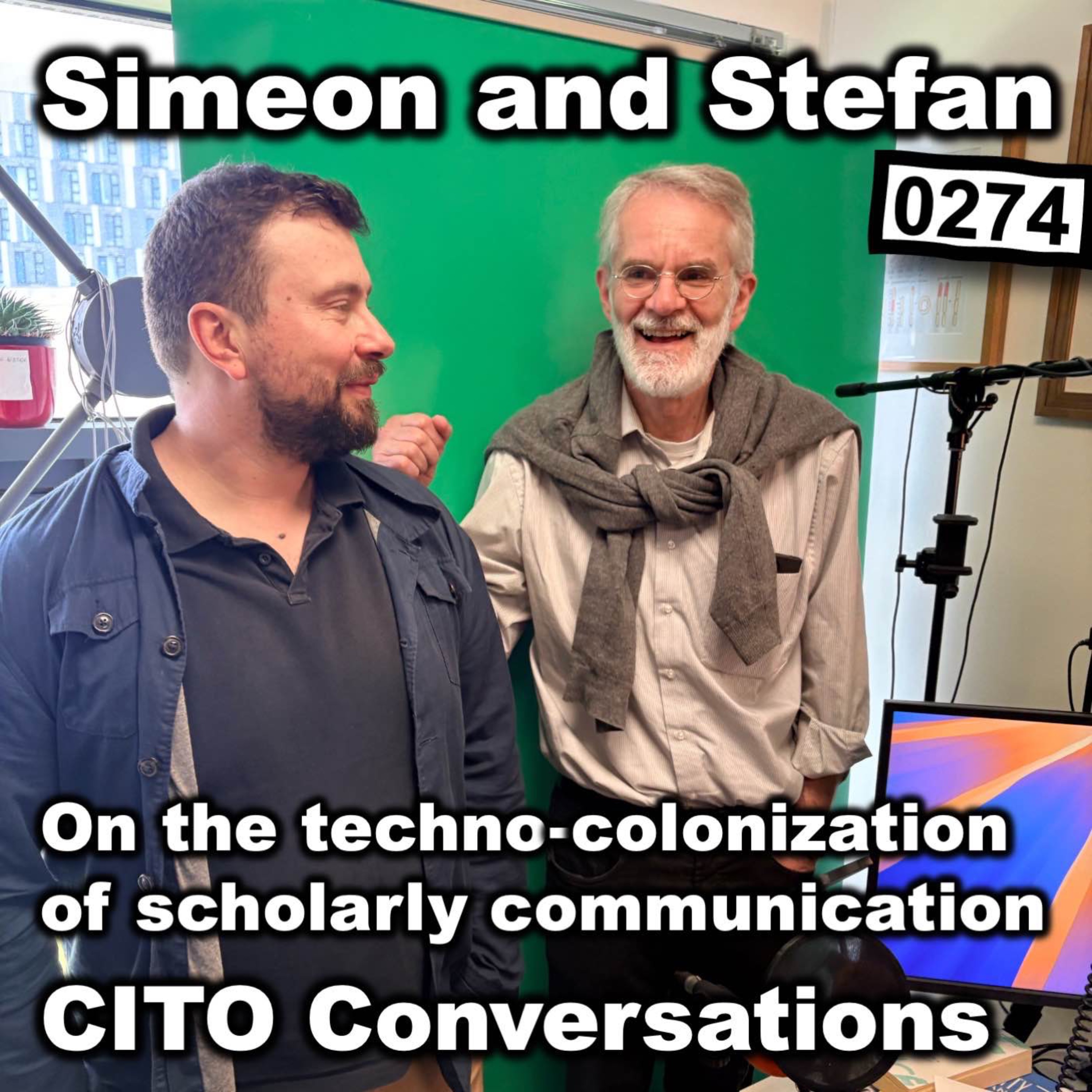
0274 - Techno-colonization with Simeon Vidolov and Stefan Klein
May 14, 2026
1h 28m 35s
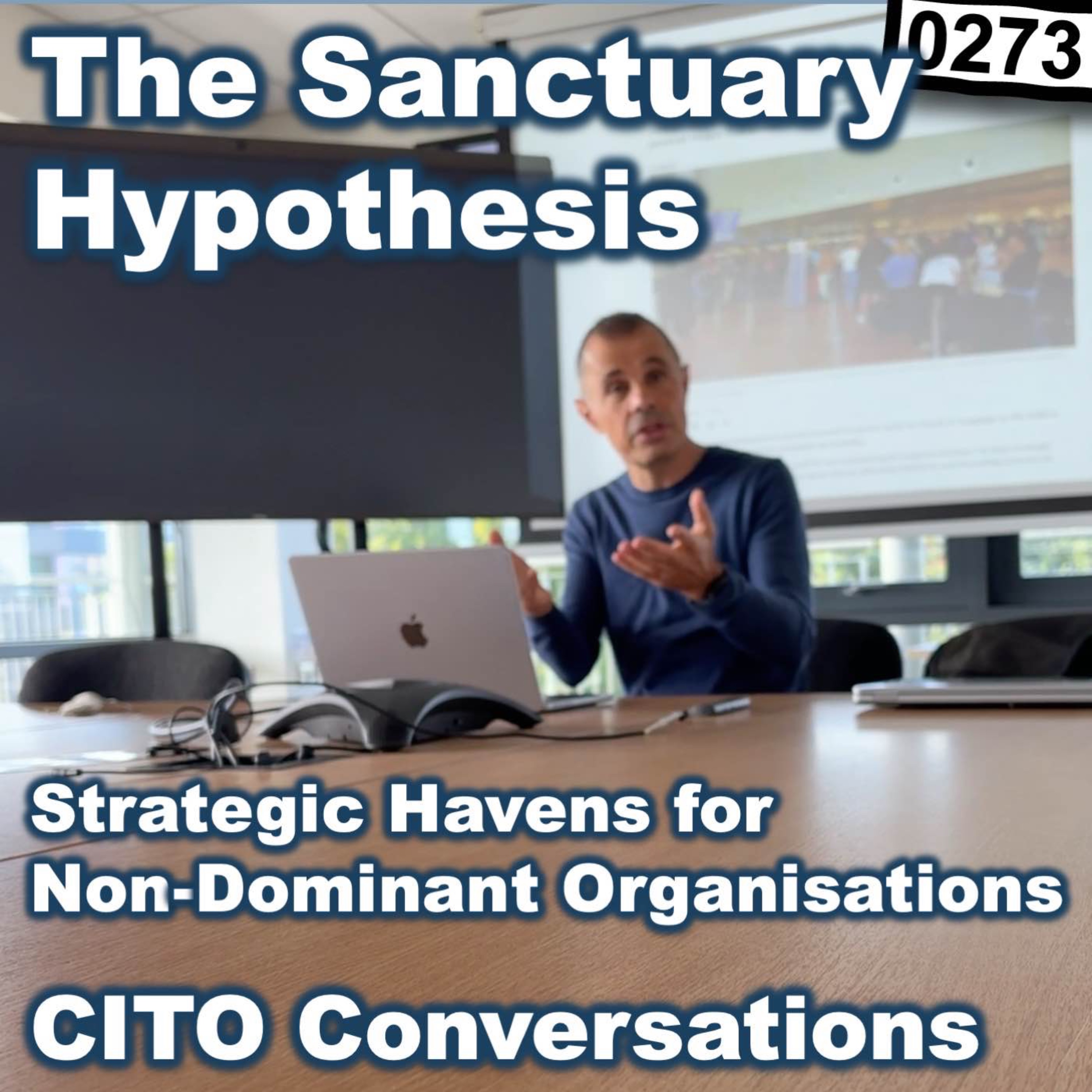
0273 - The Sanctuary Hypothesis by Jean-Fabrice Lebraty
May 11, 2026
49m 52s
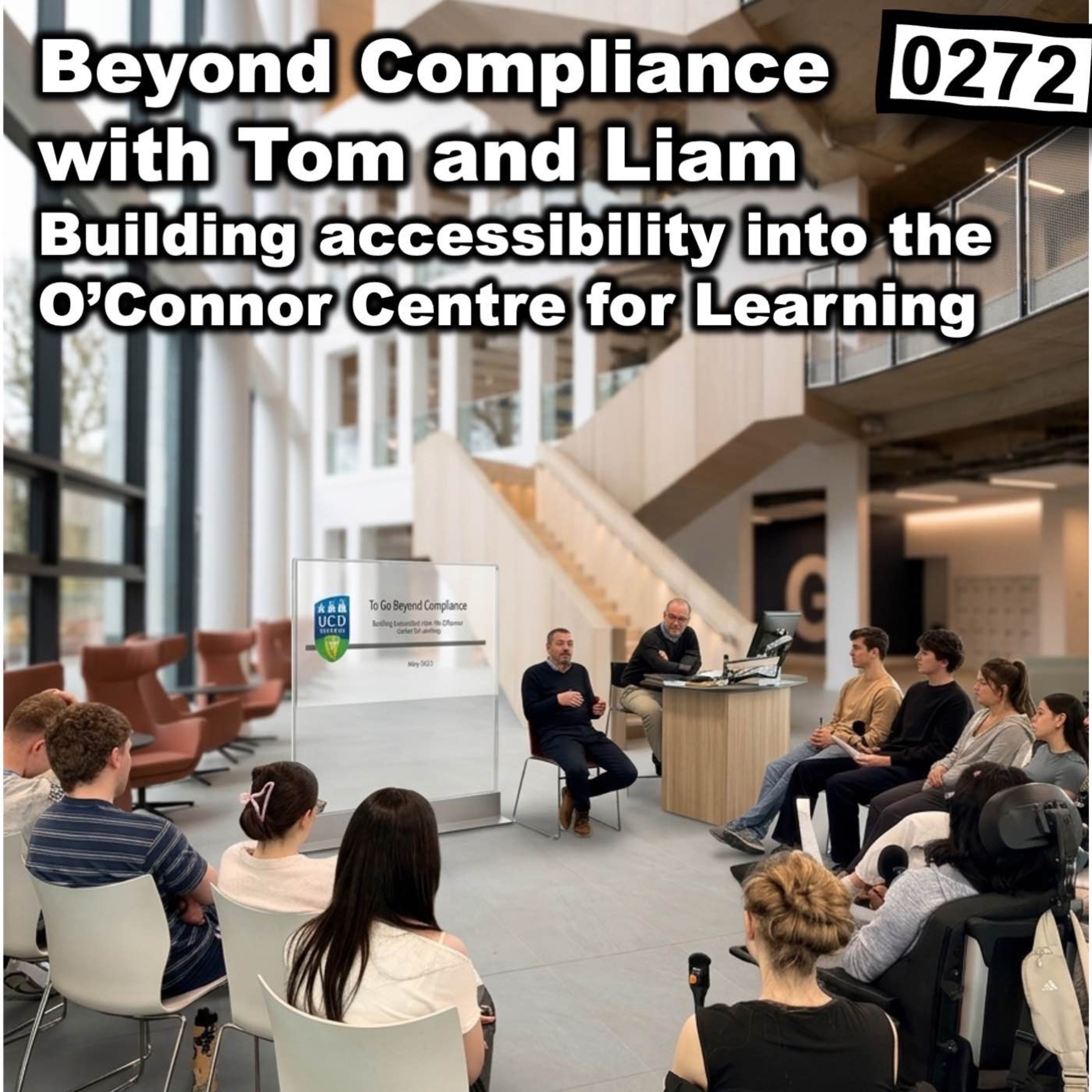
0272 - Beyond Compliance with Liam Brady and Thomas Hamill
May 11, 2026
47m 37s
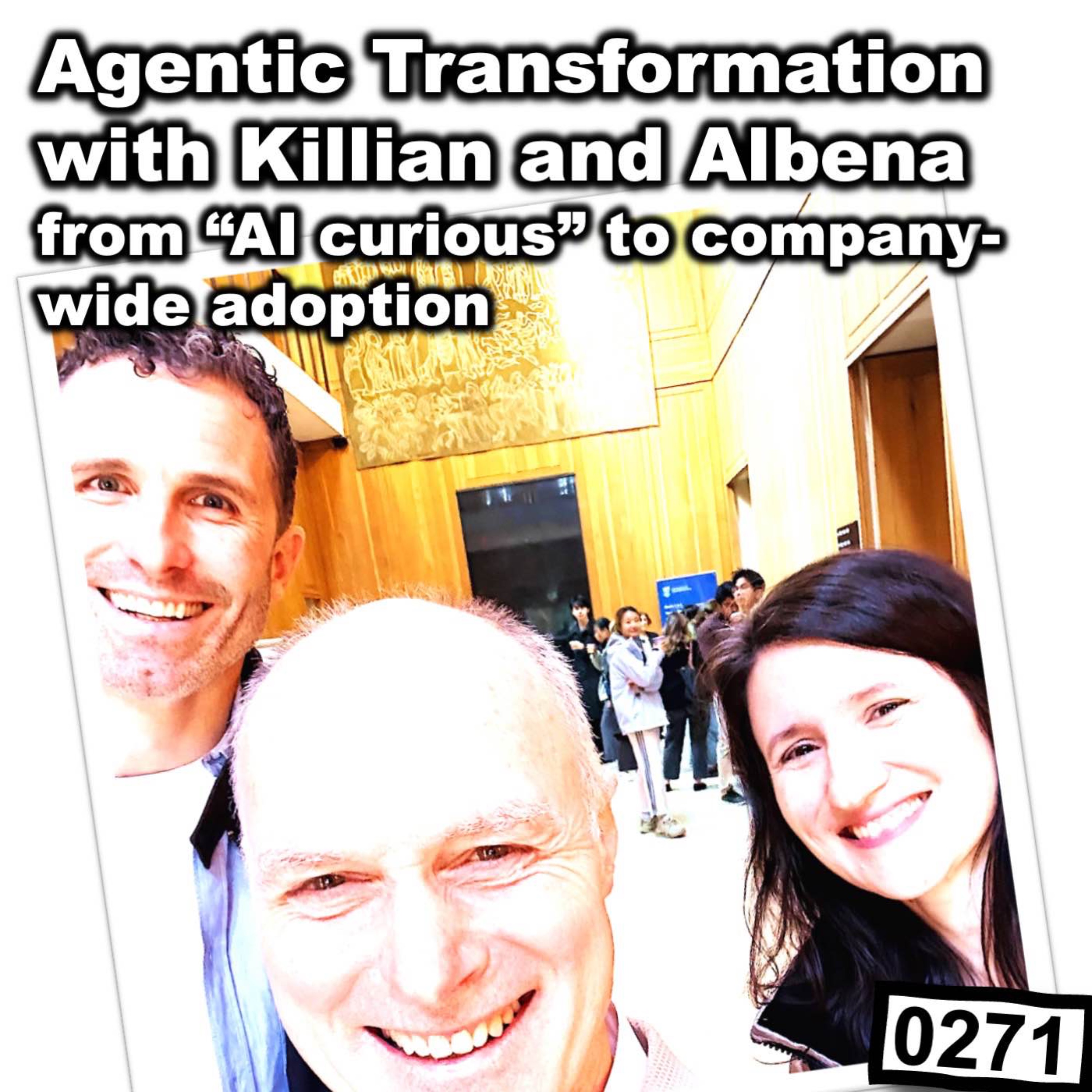
0271 - Agentic Transformation with Killian and Albena
Apr 24, 2026
1h 14m 00s
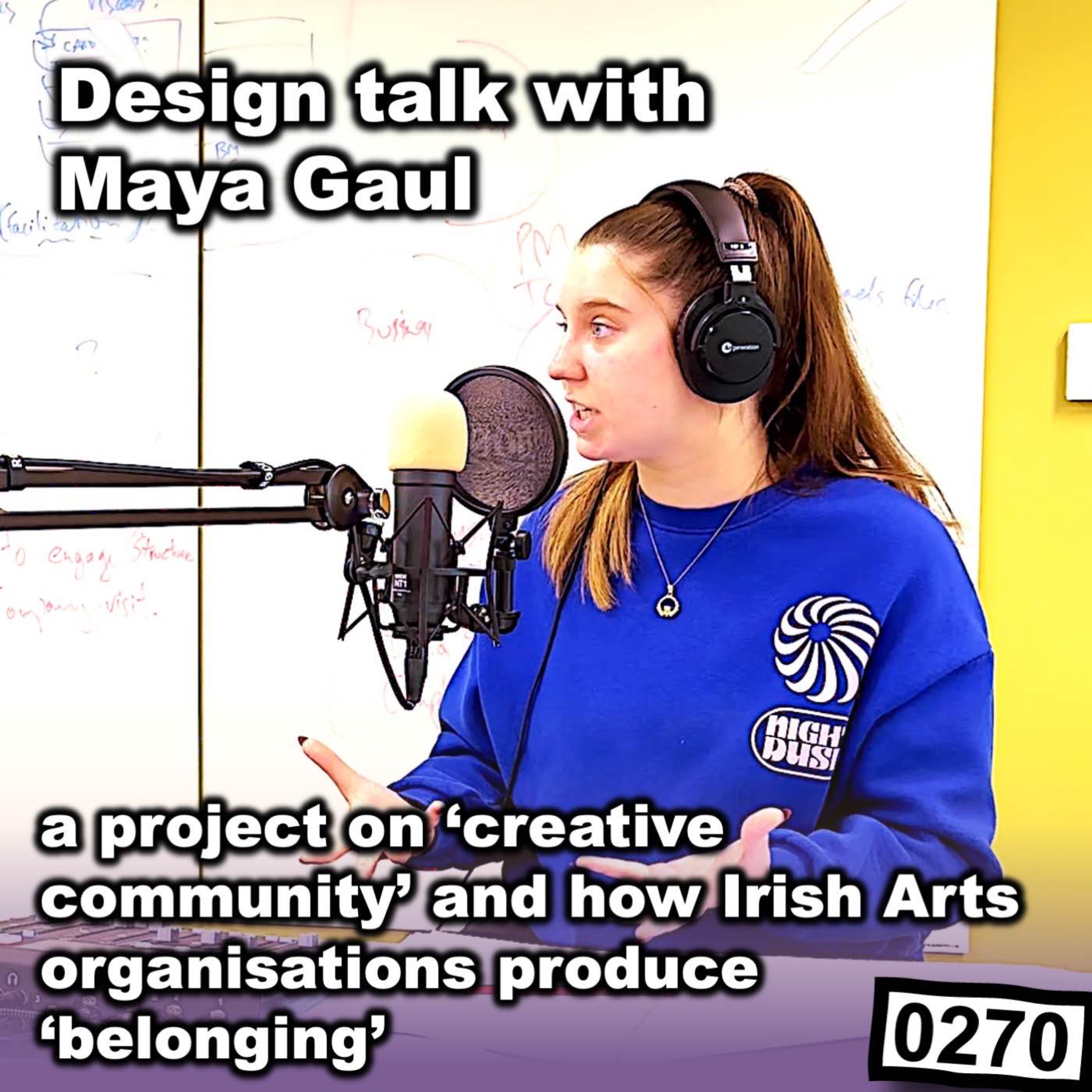
0270 - Creative Community with Maya Gaul
Feb 16, 2026
7m 38s
Social Links & Contact
Official channels & resources
Official Website
Login
RSS Feed
Login
| Date | Episode | Topics | Guests | Brands | Places | Keywords | Sponsor | Length | |
|---|---|---|---|---|---|---|---|---|---|
| 5/14/26 | ![]() 0274 - Techno-colonization with Simeon Vidolov and Stefan Klein✨ | scholarly communicationtechno-colonization+4 | Stefan KleinSimeon Vidolov | big publishing companiesscientific intellectual property+3 | — | techno-colonizationscholarly communication+7 | — | 1h 28m 35s | |
| 5/11/26 | ![]() 0273 - The Sanctuary Hypothesis by Jean-Fabrice Lebraty✨ | digital ecosystemssurvivability+4 | Jean-Fabrice Lebraty | UCD Belfield Campus | Lochlann Quinn School of Business | digital sanctuarysurvivability+5 | — | 49m 52s | |
| 5/11/26 | ![]() 0272 - Beyond Compliance with Liam Brady and Thomas Hamill✨ | campus designaccessibility+4 | Liam BradyThomas Hamill | UCD Estate ServicesPart M+2 | UCD’s Belfield campus | accessibility featuresdesign process+4 | — | 47m 37s | |
| 4/24/26 | ![]() 0271 - Agentic Transformation with Killian and Albena✨ | AI adoptiontechnology services+3 | Killian O'ConnorAlbena Krasteva | ZartisUCD Michael Smurfit Graduate School of Business+1 | Cork, Ireland | AIZartis+3 | — | 1h 14m 00s | |
| 2/16/26 | ![]() 0270 - Creative Community with Maya Gaul✨ | research designcreative community+4 | Maya Gaul | Creative Futures AcademyUCD+1 | — | creative communityIrish arts organisations+4 | — | 7m 38s | |
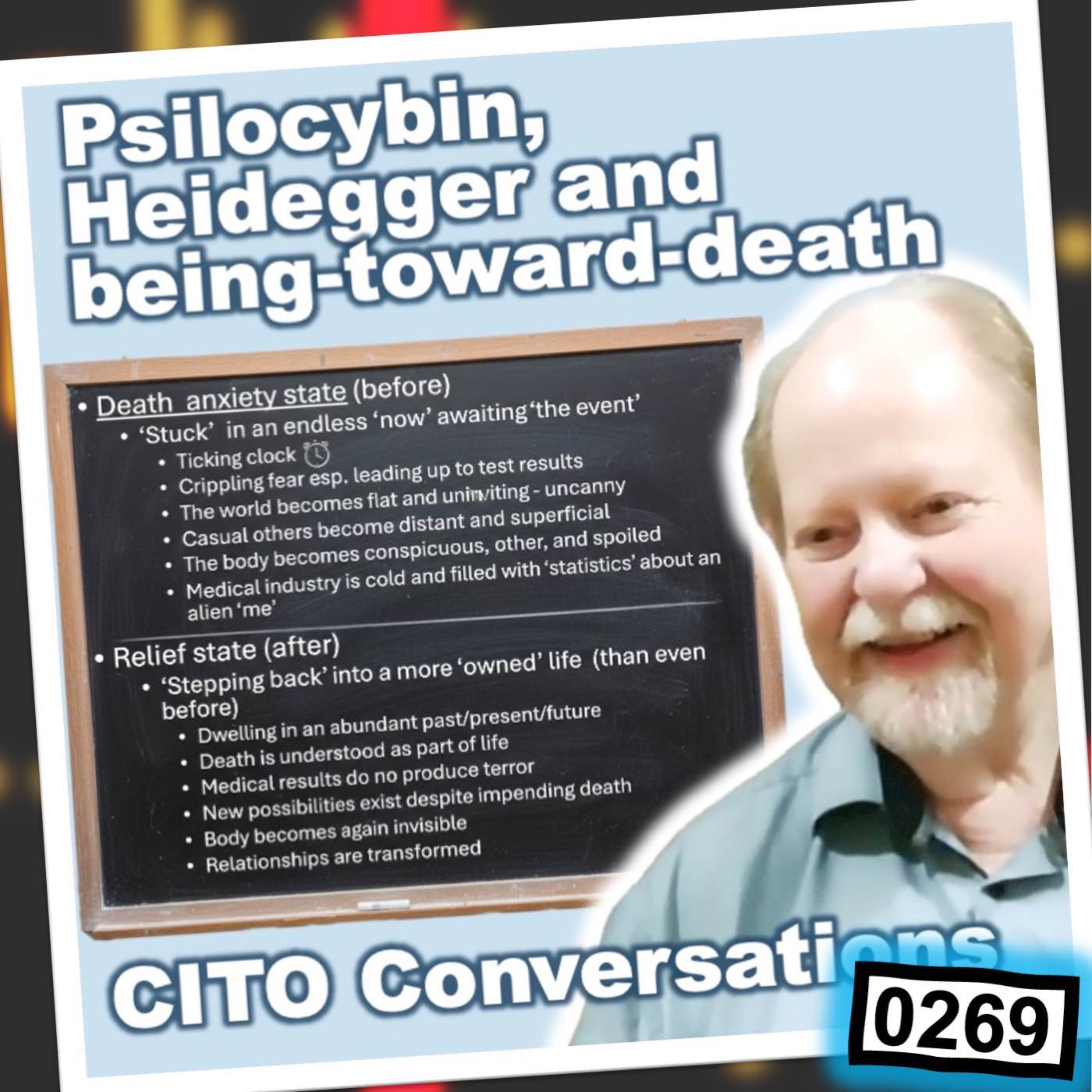
| 2/12/26 | ![]() 0269 - Johno (Robert Johnston) on Psilocybin, Heidegger and being-toward-death✨ | psilocybinHeidegger+4 | Johno Robert B. Johnston | Australian randomised control of psychedelic assisted psychotherapyBeing and Time | — | psilocybinHeidegger+5 | — | 1h 24m 54s | |
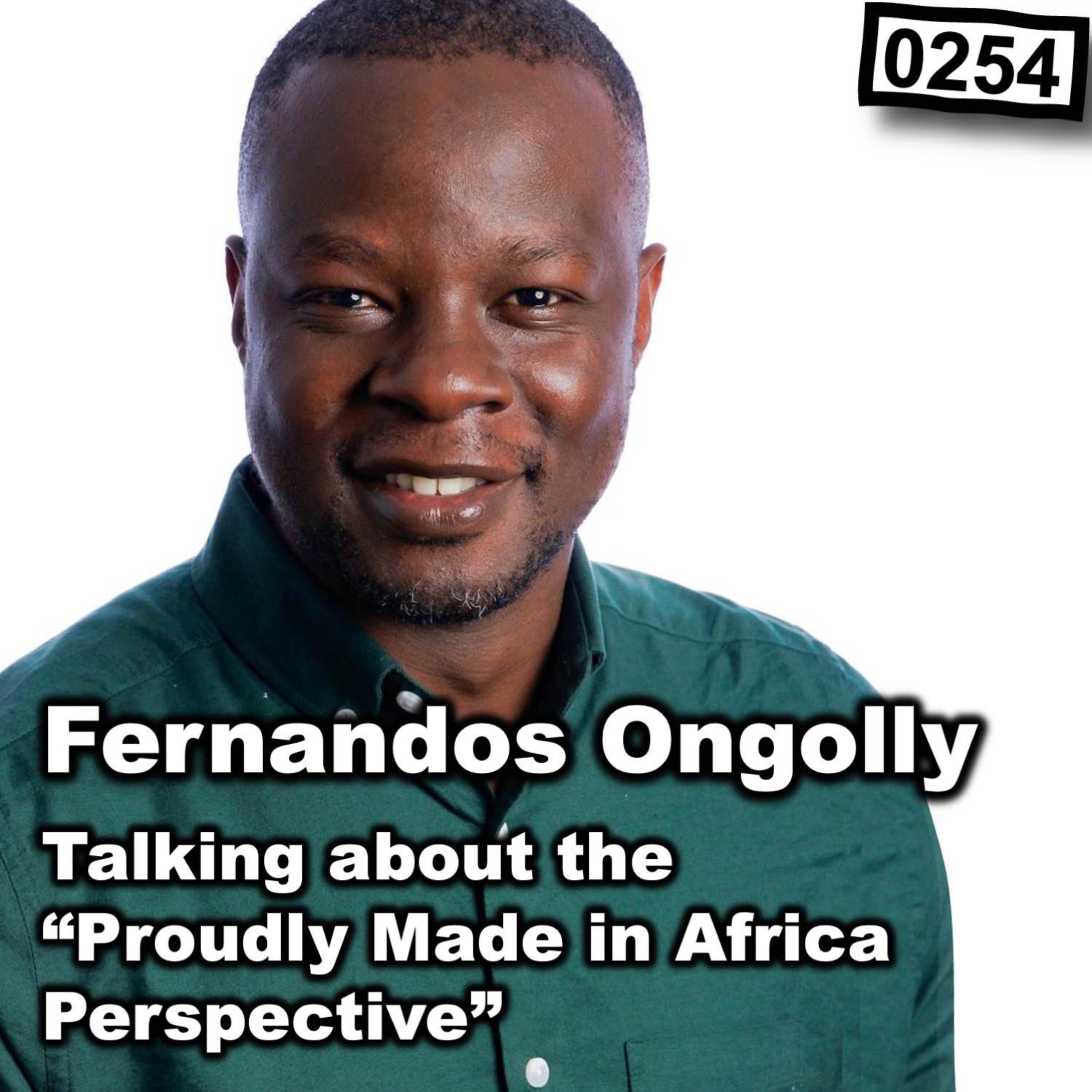
| 12/12/25 | ![]() 0254 - The PMIA Perspective with Fernandos Ongolly✨ | African innovationsdigital startups+3 | Fernandos Ongolly | UCDNon-EU Academics and Researchers Community in Ireland+1 | AfricaSilicon Valley+3 | Africadigital startups+5 | — | 56m 14s | |
| 12/9/25 | ![]() 0268 - Why Ireland? with Anna Scally✨ | corporate taxationglobal trade+4 | Anna Scally | KPMGPepperdine Graziadio Business School+4 | — | Irelandcorporate taxation+3 | — | 50m 11s | |
| 12/8/25 | ![]() 0267 - Instructions Not Included with Dajana Achelpohl✨ | AIDigital Innovation+3 | Dajana Achelpohl | AI Change MakerGoogle+5 | — | AI Change MakerDajana Achelpohl+3 | — | 49m 11s | |
| 12/5/25 | ![]() 0266 - Unlocking Design Expertise with Tom Rourke✨ | design expertiseinnovation+3 | Tom Rourke | KyndrylPepperdine Graziadio Business School+3 | — | designinnovation+3 | — | 52m 33s | |
Want analysis for the episodes below?Free for Pro Submit a request, we'll have your selected episodes analyzed within an hour. Free, at no cost to you, for Pro users. | |||||||||
| 11/25/25 | ![]() 0265 - Siobhain Duggan on Learning from Leaders✨ | leadershipcareer development+4 | Siobhain Duggan | GS1 IrelandUCD | — | leadershipmentorship+4 | — | 54m 07s | |
| 11/11/25 | ![]() 0264 - Navigating Risk with Peter Cripwell✨ | Risk AnalyticsRisk Reporting+3 | Peter Cripwell | RiskSystemLinkedIn+1 | — | Risk AnalyticsRisk Reporting+3 | — | 40m 41s | |
| 11/4/25 | ![]() 0263 - Learning from the London Whale with Denis McCarthy✨ | financial risk modellingorganisational culture+3 | Denis McCarthy | AIB | — | financial riskExcel management+3 | — | 37m 06s | |
| 10/29/25 | ![]() 0262 - From Grid to Dialogue with David Sammon | Hosted by Christina Philips and Anabela Da Silva Filipe Soares.Welcome to today’s seminar by David Sammon from UCC, Cork University Business School.In this session David Sammon from University College Cork talks about his approach to unlocking the value of the 2x2 Matrix in the classroom. David is co-Founder of the Data Value Innovation Group, whose mission is helping organisations to deliver value from their data through data value mapping. The Data Value Map (http://datavaluemap.com) offers resources for visual discursive organisational analysis and facilitation to build shared understanding around data initiatives.Further reading, sources, mentions and acknowledgements.David’s homepage at UCC - https://www.cubsucc.com/faculty-directory/dr-david-sammon/AcknowledgementsMusic Title: Guitar HouseArtist: josh pan (2020)Source: https://www.youtube.com/watch?v=JL-LId8ZWBMLicense: License CC BY 3.0Cover Art Title: Complex collaboration for BAEFArtist: Nuno Machado and Allen HigginsSource: vignette_version.pptxLicense: CC BY-NC-SA 4.0Podcast LicenseDesign Talk (dot IE) CC BY-NC-SA 4.0 The license can be viewed at https://creativecommons.org/licenses/by-nc-sa/4.0By taking part you give permission for your voice to be recorded, for the recording to be edited, and for it to be posted and published as a podcast. Hosted on Acast. See acast.com/privacy for more information. | — | ||||||
| 10/28/25 | ![]() 0261 - Data Practices with Hippolyte Lefebvre | Welcome to the CITO Podcast.Séamas Kelly invites Hippolyte Lefebvre to present an overview of his research interests and direction. Hippolyte is a member of CITO and the Management Information Systems group in the UCD College of Business, Dublin, and previously at the Université de Lausanne, Switzerland.Notes, extra questions, and further reading:Homepage at UCD - https://people.ucd.ie/hippolyte.lefebvreAnd Google scholar page linkAcknowledgementsMusic Title: Justice Little LeagueArtist: Ema GraceSource: https://bit.ly/2tJ6BndLicense: CC BY 4.0Artist notes: Ema Grace is an AI vocaloid produced by Ryoma MAEDA (@Ryoma_Maeda). Styled as virtual Singer&Idol 架空のバーチャルアイドル & シンガー、それがEma Grace.Cover Art Title: Inspired by selfie and AIArtist: Allen HigginsSource: CITO-podcast-DataPractices.pptxLicense: CC BY-NC-SA 4.0Podcast LicenseDesign Talk (dot IE) CC BY-NC-SA 4.0 The license can be viewed at https://creativecommons.org/licenses/by-nc-sa/4.0By taking part you give permission for your voice to be recorded, for the recording to be edited, and for it to be posted and published as a podcast. Hosted on Acast. See acast.com/privacy for more information. | — | ||||||
| 10/22/25 | ![]() 0260 - Data Driven Fintech with Donal Rafferty | Hosted by Alex and Conor. Welcome to the UCD 2nd year Economics and Finance class. Today, we are pleased to welcome Donal Rafferty, Director Product Development in Open Finance at Mastercard, Dublin.Thank you for coming in to speak to us today, can you share a little of your own story?· So, we’d like to start one of the ideas behind this series of talks. Do you think a finance professional’s working life will involve more or less interaction with dedicated development teams, IT or software engineers?· Can you make a case for the value of knowing a bit about programming (e.g. python) for working in Finance.· We are extremely interested in what you’ve learnt from experimenting with advanced aspects of LLMs, Model Context Protocol (MCP) servers, agentic knowledge graphs, and process automation. What do you imagine is going to be the impact on the Finance industry?· On your website you used the phrase “embedded finance” a couple of times, can you explain the concept?· About your website, you said it was VIBE coded. What motivated you and what did you learn about the process? With the time left we’d like to open it to questions from the audience…Any recommendations for books, podcasts, blogs??(questions from audience)Before we finish, is there anything further you'd like to add?Thank you so much for your time and for sharing your thoughts with us today. Notes and further reading: Key books, articles, blogs, podcasts, channelshttps://www.donalrafferty.comExplore Kaggle for inspiring examples of data analysis - https://www.kaggle.comLearn Python and Pandas! There are many resources available, for example, DataCamp - https://www.datacamp.comThe Unicorn Project and The Phoenix Project. Two books by Gene Kim about tech projects and working in tech.Andrew Ng’s AI education platform - https://www.deeplearning.ai/ Register for a free account to get access to Andrew’s videos. (in fact Andrew Ng coined the term “Agentic AI”, to describe a trend in how people were building applications) AcknowledgementsMusic Title: First TakeArtist: Debajyoti Biswas and Michael O'NeillSource: mis.aup3License: CC BY-NC-SA 4.0 Cover Art Title: Complex collageArtist: Allen HigginsSource: DonalRafferty_Mastercard.pptxLicense: CC BY-NC-SA 4.0 Podcast LicenseDesign Talk (dot IE) CC BY-NC-SA 4.0 The license can be viewed at https://creativecommons.org/licenses/by-nc-sa/4.0By taking part you give permission for your voice to be recorded, for the recording to be edited, and for it to be posted and published as a podcast. Hosted on Acast. See acast.com/privacy for more information. | — | ||||||
| 10/15/25 | ![]() 0259 - Making New Money with Quinn DuPont | Welcome to the CITO Podcast.This episode is a seminar by Quinn DuPont titled “Making New Money: How autonomous communities produce and govern cryptocurrencies.” Paul Dylan-Ennis opens the session with a brief introduction after which Quinn presents an overview of his project, and Donncha Kavanagh makes some observations and invites reactions.Decentralized cryptocurrencies are upending the foundations of economic power, challenging centuries of state and bank control over money. This research critically examines the rise of digital wildcat banking and its profound implications for economic sovereignty. Leveraging digital forensics, data science, and OSINT, this work reveals who actually produces and governs cryptocurrencies—and how their collective labor reshapes value and risk. It explores the forces behind decentralized money, the vulnerabilities these systems introduce, and the future role of state-issued currencies in an era of rapid monetary transformation.Reflecting on the project Quinn notes:"I've been working on this for well over a year now, and while it is still in development, the basic outline is complete. I make some pretty provocative claims, like arguing that global forces first emerging in the 1970s lead us inexorably to this point where the labour required to produce and govern new money has become involuted[1]. It’s a unique project that reveals how new money is made and details the implications for banks, nation states, and society. I also have some fun stories to share, like my effort to vampire attack Trump's WLFI token or my reverse engineering of the FBI's Operation Token Mirrors."[1] Involution; the theory from Clifford Geertz where, in the original context, rice production becomes internally competitive and the processes require more labour without an increase in output - analogous to this story of technological development and precarious technological labour. I argue that the operational infrastructure of crypto expands to require more labour, despite no correlated increase in output. Thus, crypto overtakes national currencies not by meeting a market demand, but by accommodating excess labour supply.Notes, extra questions, and further reading:Quinn’s homepage - https://iqdupont.comChina’s “Involuted” Generation by Yi-Ling Lu | The New Yorker Published MAY 14The president and the billion-dollar crypto businesses – How the Trump companies made $1bn from crypto by Joe Miller and Alex Rogers in Washington, Paul Caruana Galizia, Nikou Asgari, Eade Hemingway, Oliver Hawkins and Chris Cook in London | FT.com Published OCT 16 2025"Overcapacity" or "involution"? How China's manufacturing suffers from over-competition Tracing the roots and perils by Elena Wang and Nina Chen | Baiguan.news Published APR 18 2024AcknowledgementsMusic Title: CrazyMixArtist: Sandbox Korg AbletonSource: CrazyMix.aifLicense: : CC BY-NC-SA 4.0Cover Art Title: Inspired by Wordpress DefaultsArtist: Allen HigginsSource: CITO-podcast-STS.pptxLicense: CC BY-NC-SA 4.0Podcast LicenseDesign Talk (dot IE) CC BY-NC-SA 4.0 The license can be viewed at https://creativecommons.org/licenses/by-nc-sa/4.0By taking part you give permission for your voice to be recorded, for the recording to be edited, and for it to be posted and published as a podcast. Hosted on Acast. See acast.com/privacy for more information. | — | ||||||
| 10/14/25 | ![]() 0258 - Combining Business AND Technical Knowledge with Jane Antova | Our hosts for this episode are William Mugan and Grace Gunne from the BSc UCD Economics and Finance class.Today, we are very pleased to welcome Jane Antova from IBM Consulting and colleagues Angela Stakelum and Bernadette Keating.First, Jane, can you share a little of your own story and starting out in IBM?So, what does a day in the life look like? These days, do you find yourself needing more, or less interaction with technology specialists to get the job done? Can you talk about typical sources of information and scale or size of datasets?Can you talk about the tools used for modelling, economic simulations, machine learning, and use of AI?Do you think that programming skills necessary or nice-to-have?We have some time for questions from the audience…Before we finish, is there anything further you'd like to add? (favourite pods, blogs, channels, books)Thank you so much for your time and for sharing your thoughts with us today.Notes, extra questions, and further reading:IBM Skills Build - https://skillsbuild.org (free learning courses and resources)PL/I – Programming Language OneAcknowledgementsMusic Title: First TakeArtist: Debajyoti Biswas and Michael O'NeillSource: mis.aup3License: CC BY-NC-SA 4.0Cover Art Title: Complex collageArtist: Allen HigginsSource: JaneAntova-IBM.pptxLicense: CC BY-NC-SA 4.0Podcast LicenseDesign Talk (dot IE) CC BY-NC-SA 4.0 The license can be viewed at https://creativecommons.org/licenses/by-nc-sa/4.0By taking part you give permission for your voice to be recorded, for the recording to be edited, and for it to be posted and published as a podcast. Hosted on Acast. See acast.com/privacy for more information. | — | ||||||
| 10/7/25 | ![]() 0257 - Financial Tools and Applications with Raul Afonso | Our hosts are Tara O’Reilly and Jack Kavanagh. Welcome to the Economics and Finance class.Today, we are very pleased to welcome Raul Afonso, Chartered Financial Analyst and Chief Economist at MFW (Multi Family Wealth). MFW is an investment firm providing investment services on managed accounts and investment funds. Thank you for coming in to speak to us Raul. Can you share a little of your own story, how you came to Ireland and talk about the tools you use in your role as Economist and Financial Analyst?[Raul opens with self-introduction and present some slides e.g. asset allocation, fund management, showcase doing analysis on output from Bloomberg]I have a question; would you say that programming skills are necessary or just nice-to-have? Could you share some key information sources you think we as Economics and Finance students should know about and follow?With the time left we’d like to open it to questions from the audience…(question from audience)(question from audience)Before we finish, is there anything further you'd like to add?Well, this has been an informative talk. Thank you so much for your time and for sharing your thoughts and experience with us today. Notes, extra questions, and further reading:Key books mentioned?Key pods, articles mentioned?Other links…Multi Family Wealth – the investment management company - https://mfw.iehttps://yardeni.com/charts/feds-stock-valuation-model/https://www.ft.com/alphavillehttps://www.zerohedge.com – the most famous blog in finance.https://www.cfasociety.org/portugal/homeAcknowledgementsMusic Title: First TakeArtist: Debajyoti Biswas and Michael O'NeillSource: mis.aup3License: CC BY-NC-SA 4.0 Cover Art Title: Class vignetteArtist: Allen HigginsSource: RaulAfonso.pptxLicense: CC BY-NC-SA 4.0 Podcast LicenseDesign Talk (dot IE) CC BY-NC-SA 4.0 The license can be viewed at https://creativecommons.org/licenses/by-nc-sa/4.0By taking part you give permission for your voice to be recorded, for the recording to be edited, and for it to be posted and published as a podcast. Hosted on Acast. See acast.com/privacy for more information. | — | ||||||
| 9/30/25 | ![]() 0256 - Talking about Fintech with Dan Evison from Manakau | Today’s hosts are Isabelle Howard and Adam Golden. We are very pleased to welcome Dan Evison, Founder and CEO of Manakau, a Financial Services Delivery and Consulting company based in Ireland.Thank you for coming in to speak to us today Dan. Can you tell us a little about yourself and the story behind starting Manakau?· You’ve spent your career working in finance. Could you tell us about the types of financial markets and activities you’ve been involved with? · Now let’s get to the premise for this series of talks: For a career in financial markets, can you make a case for the value of knowing a bit about programming (e.g. python)? · I want to become a quantitative analyst; What 3 technologies do you consider must-have?· How is AI going to affect careers in financial services? · What advice would you have for a student who wants to work at one of the top financial firms, whether in Dublin, London, Tokyo or New York? Followed by questions from the audience… Notes, extra questions, and further reading:Manakau - https://www.manakau.comGTD or Getting Things Done - https://en.wikipedia.org/wiki/Getting_Things_Done Disciplined Entrepreneurship by Bill Aulet - https://www.d-eship.comSimon Willison’s blog is a long-running, practical, technical, openly documented experiments with all the AIs and up to the minute-of-the-day review of new GenAI developments - https://simonwillison.net Getting started on prompt engineering: O’Reilly’s “Prompt Engineering for Generative AI” book by James Phoenix and Michael Taylor AcknowledgementsMusic Title: First TakeArtist: Debajyoti Biswas and Michael O'NeillSource: mis.aup3License: CC BY-NC-SA 4.0 Cover Art Title: Complex collageArtist: Allen HigginsSource: DanManakau.pptxLicense: CC BY-NC-SA 4.0 Podcast LicenseDesign Talk (dot IE) CC BY-NC-SA 4.0 The license can be viewed at https://creativecommons.org/licenses/by-nc-sa/4.0By taking part you give permission for your voice to be recorded, for the recording to be edited, and for it to be posted and published as a podcast. Hosted on Acast. See acast.com/privacy for more information. | — | ||||||
| 8/7/25 | ![]() 0255 - Learning in the Digital Classroom | Welcome to Design Talk. This episode resurrects a recording from the College of Business Intercultural Forum bite-sized workshop series, session 7. A conversation with Jacob Eisenberg and Allen Higgins on “adapting experiential learning to the digital classroom”. The talk was hosted by Kathleen O’Reilly and Linda Yang.Key takeaways:Students benefit from being in control of at least some of the settings within which learning experiences unfold so, consider using multiple apps rather than integrated systems, for example, separate the video presence experience (e.g. Zoom or Teams) from the digital whiteboard from the shared document.We should encourage experimentation with tools, old and new alike.Experiment with multiple means of engagement like polls, MCQs, discussion boards but feel free to drop a tool if you feel it doesn’t work well.Always be seeking copious feedback from learners all the time. The difficulties or challenges they encounter may be intrinsic to the learning process rather than problems to solve but just knowing where they are in the learning process is valuable; for example, are they stuck, is there a shared misunderstanding or misconception, or knowing who has made progress so they might act as a catalyst for the wider group.Use breakout rooms tactically to scale up and scale down groups to sizes appropriate to the activity.AcknowledgementsMusic Title: Monologue Lu-Fugi octave climb with extra notes with wa wa with other tweaksArtist: Allen HigginsSource: introoutroLicense: CC BY-NC-SA 4.0 License note: Includes derivative work from KORG Monologue/Sound presets by KORG Inc. permitted under Terms of Use (https://korg.shop/terms-of-use) Section 2: “Derivative works and their authors benefit in turn from the full protection of copyright without prejudicing the rights of the original work's author”.Cover Art Title: Complex collageArtist: Allen HigginsSource: vignette_version.pptxLicense: CC BY-NC-SA 4.0Podcast LicenseDesign Talk (dot IE) CC BY-NC-SA 4.0 The license can be viewed at https://creativecommons.org/licenses/by-nc-sa/4.0By taking part you give permission for your voice to be recorded, for the recording to be edited, and for it to be posted and published as a podcast.AcknowledgementsMusic Title: Monologue Lu-Fugi octave climb with extra notes with wa wa with other tweaksArtist: Allen HigginsSource: introoutroLicense: CC BY-NC-SA 4.0 License note: Includes derivative work from KORG Monologue/Sound presets by KORG Inc. permitted under Terms of Use (https://korg.shop/terms-of-use) Section 2: “Derivative works and their authors benefit in turn from the full protection of copyright without prejudicing the rights of the original work's author”.Cover Art Title: Complex collageArtist: Allen HigginsSource: vignette_version.pptxLicense: CC BY-NC-SA 4.0Podcast LicenseDesign Talk (dot IE) CC BY-NC-SA 4.0 The license can be viewed at https://creativecommons.org/licenses/by-nc-sa/4.0By taking part, you give permission for your voice to be recorded, for the recording to be edited, and for it to be posted and published as a podcast. Hosted on Acast. See acast.com/privacy for more information. | — | ||||||
| 5/15/25 | ![]() 0253 - Teaching Analytics Visually with Stefan Helfrich | Hosted by Christina Philips and Anabela Da Silva Filipe Soares.Welcome to today’s seminar by Stefan Helfrich.In this session Stefan talks about the education paths on offer for data analytics and the need for balance between learning concepts versus hands-on experiences with tools. Stefan makes the case for the value of visual workflow approaches for teaching and implementing analytics.How do we do that? KNIME implements a well-documented, comprehensive and capable software environment that enables users to design and operate data analytics workflows visually using the following objects:· Nodes perform tasks on data. Nodes have inputs and outputs. Nodes have status/indicators. Nodes are natively implemented in Java. Python scripts may also be used as code nodes.· Connectors link nodes. Connectors indicate data flows. Connectors send data from one node to another. Connectors have direction. Nodes plus connectors enable you to create workflows.· Workflows are designed aggregates of nodes linked using connectors · Components/Metanodes encapsulate discrete sub-workflows. Component/metanodes can be used like nodes.· A large library of pre-build nodes and metanodes are offered for common tasks like cleaning up data, visualization, plug into Tableau and PowerBI.· Supports all types of data.· Further reading, sources, mentions and acknowledgements.Stefan Helfrich -- https://www.linkedin.com/in/stefanhelfrich/ KNIME – https://www.knime.com/See the KNIME Educators Alliance and the Teaching Materials Repository.References:Berthold, M. R. (2019). What Does It Take to be a Successful Data Scientist? Harvard Data Science Review, 1(2)Further reading:For examples, additional teaching materials, sample curriculum, see “The Data Science Guide” – www.datascienceguide.orgUnless otherwise noted, the teaching materials (including workflow examples, code examples, and slides) are available under the Creative Commons Attribution 4.0 International license (CC BY 4.0).Music Title: Guitar HouseArtist: josh pan (2020)Source: https://www.youtube.com/watch?v=JL-LId8ZWBMLicense: License CC BY 3.0Cover Art Title: We need You! Visual AnalyticsArtist: Nuno Machado and Allen HigginsSource: vignette_version.pptxLicense: CC BY-NC-SA 4.0Podcast LicenseDesign Talk (dot IE) CC BY-NC-SA 4.0 The license can be viewed at https://creativecommons.org/licenses/by-nc-sa/4.0By taking part you give permission for your voice to be recorded, for the recording to be edited, and for it to be posted and published as a podcast. Hosted on Acast. See acast.com/privacy for more information. | — | ||||||
| 5/12/25 | ![]() 0252 - どうして、日本? | Welcome to Design Talk.In this episode I give a short talk titled “Doshite Nippon?” for Naonori sensei’s 'Gateways to Japan' discovery module at University College Dublin. The talk was recorded on April 1st 2025.Kodate sensei is founding Director of the UCD Centre for Japanese Studies and Director of the Public Policy Programme in UCD.Why Japan? I contend that it is good to experience the ordinary strangeness of a culture that is quite different to one’s own. My starting point is to consider the classic images of Japan after which I strive to give a flavour of what it is like to live and work there.NotesNaonori – https://people.ucd.ie/naonori.kodateAllen – https://people.ucd.ie/allen.higginsGateways to Japan (DSCY10080)JET – The Japan Exchange and Teaching Programme (see JET Ireland), established in 1987 and still running, invites third level graduates from overseas to participate in international exchange and foreign language education throughout Japan. interac –Japan’s largest provider of ALTs (Assistant Language Teachers) https://interacnetwork.comJapan Digital Nomad Association – https://japandigitalnomad.com/en/Images:四季と酒shi ki to o-sakeThese are: the four distinct seasons.Haru (春) Springtime cherry blossoms. Natsu (夏) The lush greenery of summer holidays, flowers, fruit and heat.Aki (秋) Autumn when the leaves turn red and orange and gold.Fuyu(冬) Winter cold (really cold), snow, and cosy indoors.Add to this Japan’s visually striking architecture: Buddist temples (tera/-ji), Shinto shrines (jinja), Torii (gateways), and Castles (shiro/-jo) – former seats of power from the medieval period.And not to forget – sake!AcknowledgementsMusic Title: Check Them InArtist: Ema GraceSource: https://bit.ly/2tJ6BndLicense: CC BY 4.0Artist notes: Ema Grace is an AI vocaloid produced by Ryoma MAEDA (@Ryoma_Maeda). Styled as virtual Singer&Idol 架空のバーチャルアイドル & シンガー、それがEma Grace. Cover Art Title: Japan Digital NomadsCredit: Japan Digital Nomads AssociationSource: https://japandigitalnomad.com License: Podcast LicenseDesign Talk (dot IE) CC BY-NC-SA 4.0 The license can be viewed at https://creativecommons.org/licenses/by-nc-sa/4.0By taking part you give permission for your voice to be recorded, for the recording to be edited, and for it to be posted and published as a podcast. Hosted on Acast. See acast.com/privacy for more information. | — | ||||||
| 3/29/25 | ![]() 0251 - BAEF Seminar - Marios Kremantzis on using AI Chatbots as Tutors | Welcome to today’s seminar by Marios Kremantzis.In this session Marios presents current work related to two highly quantitative classes that have adopted a Chatbot as a teaching assistant. Two classes: Prescriptive Analytics” for the MSc Business Analytics programme and “Mathematics for Economists”, for the BSc Economics programmeHosted by Christina Philips and Anabela Da Silva Filipe Soares.Further reading, sources, mentions and acknowledgements.‘AI Tutor Chatbots & Student Engagement’ Evaluating the Impact of AI Chatbots on Student Support and Engagement in UK Higher EducationAcknowledgementsMusic Title: Guitar HouseArtist: josh pan (2020)Source: https://www.youtube.com/watch?v=JL-LId8ZWBMLicense: License CC BY 3.0Cover Art Title: Complex collaboration for BAEFArtist: Nuno Machado and Allen HigginsSource: vignette_version.pptxLicense: CC BY-NC-SA 4.0Podcast LicenseDesign Talk (dot IE) CC BY-NC-SA 4.0 The license can be viewed at https://creativecommons.org/licenses/by-nc-sa/4.0By taking part you give permission for your voice to be recorded, for the recording to be edited, and for it to be posted and published as a podcast. Hosted on Acast. See acast.com/privacy for more information. | — | ||||||
| 2/26/25 | ![]() 0250 - Programming as Craft with Roland Tritsch | Today we’re talking with Roland Tritsch, about software engineering, the increasing relevance of functional programming, and his thoughts on the implications of using genAI in the development process. Our student hosts are: Lora, Noah, Mynah, Austen, Fionn, and Sergio, with Lucas on sound, and our audience is the class of 2025 studying the Contemporary Software Development module taught by Mel Ó Cinnéide.First, Roland, can you set the context and explain what it means to be a software craftsman?What value there is in functional programming both technically and from a business perspective? Are coverage tools widely used in practice, what value do they bring and what is the state of the Scoverage project?If you were assessing a code base for quality, what are the main aspects you would look for in the code?Talk about some of the non-technical factors at play in refactoring and code reviews.If you had to strip it back to the basics; what aspects of Agile are key for any successful software development process?In your view, what impact will GenAI have on software development and is now a good time to be graduating with a CS degree? NotesRoland’s website and blog: https://tedn.life/Roland is one of the committers on `scoverage` (together with Chris Kipp) - https://github.com/scoverageAnd, as ‘the Augmented Software Engineer’ Roland is the host for a series of meetups dealing with the impact and implications of genAI upon the practice and profession of software engineering.https://www.meetup.com/the-augmented-software-engineer/ Further readingJošt et al “The Impact of Large Language Models on Programming Education and Student Learning Outcomes” (2024) - linkBecker et al, “Programming Is Hard – Or at Least It Used to Be”, (2023) - linkKaraci Deniz et al, “Unleashing Developer Productivity with generative-AI”, McKinsey & Company, (2023) - linkAcknowledgementsMusic Title: Faceplant with UK GarageArtist: Allen HigginsSource: a-Wed23Oct2024License: CC BY-NC-SA 4.0. Includes samples from Ableton Live by Ableton AG and by KORG Inc.Cover Art Title: Complex collageArtist: Allen HigginsSource: vignette_version.pptxLicense: CC BY-NC-SA 4.0Podcast LicenseDesign Talk (dot IE) CC BY-NC-SA 4.0 The license can be viewed at https://creativecommons.org/licenses/by-nc-sa/4.0By taking part, you give permission for your voice to be recorded, for the recording to be edited, and for it to be posted and published as a podcast. Hosted on Acast. See acast.com/privacy for more information. | — | ||||||
Showing 25 of 197
Pitch Fit is a Pro feature
See how bookable this show is for guests, which brands already advertise, the per-episode ad value, and the best-fit guest and sponsor profile. The numbers are blurred on the free plan.
How readily this show books outside guests like you.
How proven this show is for host-read sponsorships.
For Guests
ProFor Advertisers
ProUpgrade to Pro to unlock guest cadence, sponsor categories, fit scores, and per-episode ad value for this show.
Chart Positions
1 placement across 1 market.
Chart Positions
1 placement across 1 market.