

Designed 4 Recovery | Healthcare Innovation and Efficiency
by ‘lowo Adeyemi | Healthcare Innovation Expert
Is this your podcast?Insights from recent episode analysis
Audience Interest
Podcast Focus
Publishing Consistency
Platform Reach
Insights are generated by CastFox AI using publicly available data, episode content, and proprietary models.
Total monthly reach
Estimated from 1 chart position in 1 market.
By chart position
- 🇨🇦CA · Design#1845K to 30K
- Per-Episode Audience
Est. listeners per new episode within ~30 days
2.5K to 15K🎙 ~2x weekly·35 episodes·Last published 4d ago - Monthly Reach
Unique listeners across all episodes (30 days)
5K to 30K🇨🇦100% - Active Followers
Loyal subscribers who consistently listen
2K to 12K
Market Insights
Platform Distribution
Reach across major podcast platforms, updated hourly
Total Followers
—
Total Plays
—
Total Reviews
—
* Data sourced directly from platform APIs and aggregated hourly across all major podcast directories.
On the show
Recent episodes
D4R Holistic Care Gap Series - Episode 8: Beyond the Gap: Designing Healthcare That Truly Heals.
May 11, 2026
Unknown duration
D4R Holistic Care Gap Series-Episode 7: Safety vs Comfort: Are We Over-Designing for Risk?
May 4, 2026
Unknown duration
D4R Holistic Care Gap Series- Ep 6: Way-finding & Anxiety: Why Getting Lost Is a Clinical Problem
Apr 27, 2026
Unknown duration
D4R Holistic Care Gap Series-Episode 5: The silent stressors:
Apr 20, 2026
Unknown duration
D4R Holistic Care Gap Series - Episode 4: Designing for Recovery…or Designing for Throughput?
Apr 13, 2026
Unknown duration
Social Links & Contact
Official channels & resources
Official Website
Login
RSS Feed
Login
| Date | Episode | Description | Length | ||||||
|---|---|---|---|---|---|---|---|---|---|
| 5/11/26 | 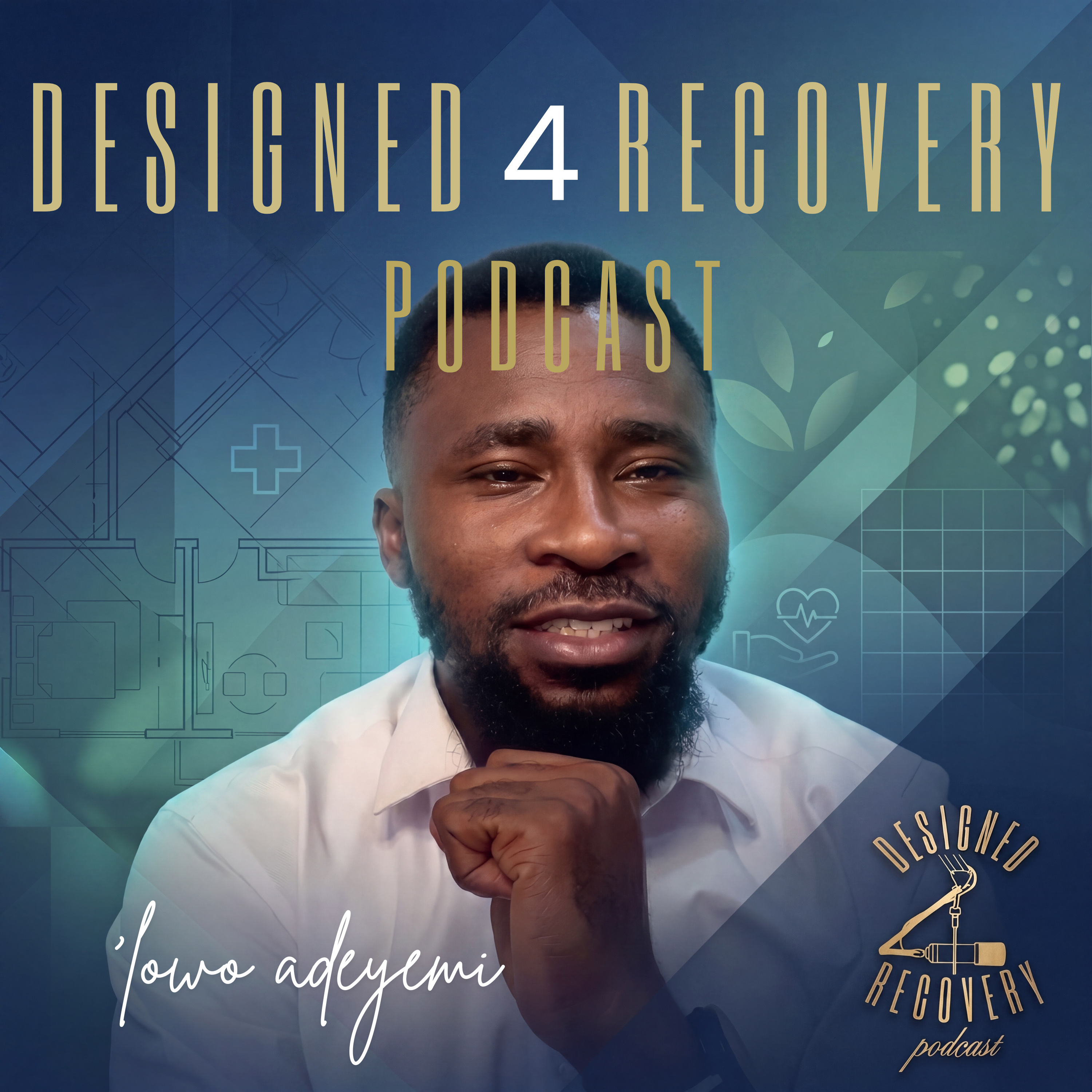 D4R Holistic Care Gap Series - Episode 8: Beyond the Gap: Designing Healthcare That Truly Heals. | 🔥 Episode SummaryAfter seven episodes of questioning healthcare systems, patient experience, and the environments we create, this final episode moves from critique to vision.In the concluding chapter of the Holistic Care Gap Series, we explore what it truly means to design healthcare environments that heal—not just clinically, but emotionally, psychologically, and humanely.Throughout the series, we uncovered a recurring truth:There is a gap between what healthcare promises… and what patients actually experience.But in this episode, we move beyond identifying the gap and begin defining the future.What would healthcare look like if environments were intentionally designed to:Reduce stressRestore dignitySupport emotional wellbeingEnhance recovery outcomesThis episode introduces the D4R Healing Design Pillars—a human-centered framework for rethinking healthcare environments as active partners in the healing journey.Because healing is not just about treatment.It is also about the conditions surrounding the patient. 🎯 What You’ll LearnWhy holistic care must integrate environment, psychology, and clinical treatmentThe hidden relationship between space and healing outcomesA new framework for designing truly healing healthcare environmentsThe six foundational pillars of the D4R Healing Design PhilosophyWhy the future of healthcare requires a shift from facility-thinking to human-centered healing systems 🧠 Key Insights from This EpisodeHealing is multidimensional:physical, emotional, psychological, and environmentalHealthcare environments influence patient outcomes whether intentionally designed or notDesign is not secondary to care—it actively shapes the care experienceHuman-centered environments reduce stress and improve engagement in careThe future of healthcare design is not just technological advancement—but environmental awareness 🏥 Design TakeawaysTo design healthcare environments that truly heal, we must:Treat design as a clinical support toolPrioritize human experience alongside operational efficiencyDesign environments that reduce stress before treatment even beginsCreate spaces that feel safe, calm, intuitive, and emotionally supportiveRecognize that healing is shaped by what surrounds the patientBecause environments are not passive.They actively participate in recovery. 🎙️ About the Series: The Holistic Care GapThe Holistic Care Gap Series explored the disconnect between healthcare ideals and patient realities—through the lens of design.Across eight episodes, the series examined:Patient controlEnvironmental stressWayfinding and anxietySafety vs comfortEfficiency vs healingAnd the future of human-centered healthcare environmentsThis final episode brings those ideas together into a unified vision for the future of healing-centered design. 💭 Reflective Takeaway“Care is not just what we do to patients…it is what surrounds them while we do it.” 🔗 Continue the ConversationWhat does a truly healing healthcare environment look and feel like to you?What experiences have shaped your perception of healthcare spaces?What environmental changes would most improve patient wellbeing?Let’s explore the future of healing-centered healthcare together. 📌 Connect with Designed 4 RecoveryFollow Designed 4 Recovery for conversations on:Healing-centered environmentsEvidence-based healthcare designHuman-centered patient experiencesThe future of recovery-focused healthcare systems 🎯 Final Series Reflection“We are not just designing hospitals…we are designing the conditions for healing.” 🙏🏽 Thank You for ListeningThank you for following the Holistic Care Gap Series.If you’re just joining the conversation, you can listen to all episodes in the series and explore more episodes of Designed 4 Recovery at:https://designed-4-recovery.kite.spaceIf this series resonated with you, share it with: | — | ||||||
| 5/4/26 | D4R Holistic Care Gap Series-Episode 7: Safety vs Comfort: Are We Over-Designing for Risk? | In healthcare design, safety is non-negotiable.From infection control to material selection, every decision is guided by the need to reduce risk and protect patients.But this raises an important—and often unasked—question:Can a space be so focused on safety… that it begins to compromise comfort?In this episode of the Holistic Care Gap Series, we explore the delicate balance between clinical safety and human experience.While healthcare environments are designed to meet rigorous standards, they can sometimes feel cold, impersonal, and emotionally distant—creating spaces that are technically safe, but experientially stressful.This episode challenges a deeply held assumption:Does designing for safety automatically support healing? 🎯 What You’ll LearnThe difference between actual safety and perceived safetyHow healthcare environments can feel sterile, controlled, and emotionally uncomfortableThe hidden trade-offs between risk reduction and patient experienceWhy comfort plays a critical role in emotional stability and recoveryHow design can balance clinical requirements with human-centered comfort 🧠 Key Insights from This EpisodeSafety and comfort are both essential—but not always alignedOverly sterile environments can feel harsh and emotionally disengagingMaterial choices influence not just hygiene—but sensory and emotional experienceVisual neutrality can lead to emotional emptiness and detachmentThe body responds to how a space feels—not just how it performsPerceived stress in an environment can influence real recovery outcomes ⚖️ Core QuestionWhen we design to eliminate every possible risk… what elements of comfort are we removing in the process? 🧩 Why This MattersWhen healthcare environments:Prioritize sterility over warmthFocus on control over comfortEmphasize risk reduction without emotional considerationThey may unintentionally:Increase patient stressReduce sense of safety and easeUndermine the overall healing experience 🏥 Design TakeawaysTo balance safety and comfort, healthcare design should:Integrate warm, human-centered materials within safety standardsSoften visual environments while maintaining clinical clarityDesign for both actual and perceived safetyCreate spaces that feel protective and supportive—not restrictiveConsider sensory and emotional experience alongside complianceBecause a space can be safe… and still feel uncomfortable.And when it does, healing is affected. 🎙️ About the Series: The Holistic Care GapThe Holistic Care Gap Series examines the disconnect between healthcare intentions and patient realities—through the lens of design.Each episode explores how the built environment shapes:ExperienceEmotionRecovery outcomes 🎯 Who This Episode Is ForHealthcare architects and designersHospital administrators and facility plannersClinicians interested in patient wellbeingAnyone exploring the balance between safety, compliance, and human experience 💭 Reflective Takeaway“A space can meet every safety standard…and still fail to make patients feel safe.” 🔗 Join the ConversationReflect on your experience:Have you ever been in a healthcare space that felt safe—but uncomfortable?What would make a space feel both secure and supportive to you?Let’s discuss. 📌 Connect with Designed 4 RecoveryFollow Designed 4 Recovery for insights on:Healing-centered environmentsEvidence-based healthcare designHuman-centered spatial strategies Connect with us:Website: https://designed-4-recovery.kite.space/LinkedIn: www.linkedin.com/in/adelowo-adeyemi-arcon-edac-leed-ga-887493ab | — | ||||||
| 4/27/26 | D4R Holistic Care Gap Series- Ep 6: Way-finding & Anxiety: Why Getting Lost Is a Clinical Problem | 🔥 Episode SummaryGetting lost in a hospital is often dismissed as a minor inconvenience.But what if it’s something more?In this episode of the Holistic Care Gap Series, we explore how poor wayfinding—confusing layouts, overwhelming signage, and disorienting spaces—can trigger anxiety, stress, and cognitive overload before a patient even receives care.From the moment a patient steps into a healthcare facility, their ability to orient, navigate, and feel in control shapes their emotional state.If the journey through a hospital creates stress before care begins… what does that mean for the care itself?This episode reframes way-finding as more than navigation—it is a psychological and clinical factor that directly influences patient experience and readiness for healing. 🎯 What You’ll LearnWhy way-finding is a core component of patient experience—not just signageHow confusion and disorientation increase anxiety and cognitive loadThe psychological impact of unclear spatial navigationWhy first impressions in healthcare begin with the journey, not the consultationHow design can create intuitive, stress-free navigation systems 🧠 Key Insights from This EpisodeWay-finding answers three critical questions:Where am I? Where am I going? How do I get there?When these questions are unclear, the brain enters a stress responseCognitive overload is amplified in already vulnerable patientsDisorientation creates emotional instability and loss of confidenceThe navigation experience sets the tone for the entire care journeyA patient can arrive at care already stressed—because of the environment ⚖️ Core QuestionIf a healthcare environment creates anxiety before treatment begins… how does that affect healing outcomes? 🧩 Why This MattersWhen patients:Struggle to find their wayFace too many decisionsNavigate confusing or repetitive spacesThey may experience:Increased anxiety and frustrationDelayed appointments or missed interactionsReduced trust in the systemEmotional fatigue before care even starts 🏥 Design TakeawaysTo support intuitive way-finding, healthcare environments should:Simplify signage and visual communication systemsReduce unnecessary decision pointsCreate clear spatial hierarchies and pathwaysIntegrate landmarks and visual anchorsDesign spaces that guide naturally—without over-reliance on signsBecause when navigation is intuitive… patients feel in control. 🎙️ About the Series: The Holistic Care GapThe Holistic Care Gap Series explores the disconnect between healthcare promises and patient realities—through the lens of design.Each episode reveals how environmental factors shape:Emotional experiencePsychological readinessRecovery outcomes 🎯 Who This Episode Is ForHealthcare architects and plannersHospital administrators and operations teamsDesigners focused on user experience and human-centered systemsClinicians interested in reducing patient anxiety and improving care journeys 💭 Reflective Takeaway“The patient journey doesn’t start with treatment…it starts with finding the way.” 🔗 Join the ConversationThink about your experience:Have you ever felt lost or overwhelmed in a healthcare facility?What made navigation easier—or more stressful?Let’s discuss. | — | ||||||
| 4/20/26 | D4R Holistic Care Gap Series-Episode 5: The silent stressors: | Episode SummaryNot all stress in healthcare is obvious.Some of the most powerful disruptors of healing are not clinical—they are environmental. Subtle. Constant. Often ignored.In this episode of the Holistic Care Gap Series, we uncover the silent stressors embedded in healthcare spaces—those invisible factors that quietly elevate anxiety, disrupt rest, and interfere with recovery.From persistent noise and poorly calibrated lighting to emotionally empty visual environments, these elements shape how patients feel… and ultimately, how they heal.If nothing is “wrong” with a space… but everything feels off—what is that doing to the patient?This episode reframes healthcare design as a sensory experience—one that directly influences physiology, mood, and recovery outcomes.🎯 What You’ll LearnWhat “silent stressors” are and why they are often overlookedHow environmental factors subtly activate stress responses in the bodyThe impact of sound, light, and visual environments on patient recoveryWhy patients can feel drained in spaces that appear “functional”How design can reduce stress and actively support healing🧠 Key Insights from This EpisodeStress in healthcare environments is often cumulative, not dramaticThe body responds continuously to sensory inputs—even when we don’t consciously noticePoor acoustic conditions can disrupt rest, mood, and recoveryMisaligned lighting affects circadian rhythm, sleep quality, and emotional stabilityEmotionally neutral spaces can feel cold, empty, and psychologically drainingHealing requires more than treatment—it requires environmental calm⚖️ Core QuestionIf a space constantly keeps the body in a low-level stress state… can true healing occur?🧩 Why This MattersWhen healthcare environments are filled with subtle stressors, patients may experience:Difficulty resting or sleepingElevated anxiety without clear causeEmotional fatigueReduced capacity to engage in careAnd over time, these effects can slow recovery and impact overall outcomes.🏥 Design TakeawaysTo reduce silent stressors, healthcare environments should:Integrate acoustic control strategies to minimize disruptive noiseUse circadian-aligned lighting that supports natural biological rhythmsIncorporate warm, human-centered materials and visual elementsCreate sensory balance rather than overloadDesign spaces that feel calm, grounded, and restorativeBecause what patients sense… shapes how they heal.🎙️ About the Series: The Holistic Care GapThe Holistic Care Gap Series explores the disconnect between healthcare intentions and patient realities—through the lens of design.Each episode examines how overlooked environmental factors influence:Patient experienceEmotional wellbeingRecovery outcomes🎯 Who This Episode Is ForHealthcare architects and designersHospital administrators and plannersClinicians focused on patient recovery and experienceAnyone interested in sensory-driven, human-centered healthcare design💭 Reflective Takeaway“Not all stress is loud.Some of it is designed into the background.” | — | ||||||
| 4/13/26 | D4R Holistic Care Gap Series - Episode 4: Designing for Recovery…or Designing for Throughput? | Healthcare systems today are under increasing pressure to do more—with less time, fewer resources, and higher patient volumes.In response, hospitals have become highly efficient—optimized for speed, flow, and throughput.But this raises a critical question:Are we designing healthcare spaces for recovery… or simply for movement?In this episode of the Holistic Care Gap Series, we explore the growing tension between system efficiency and human healing.While patients may move quickly through care pathways, the environments they experience often limit rest, disrupt stability, and compress the time needed for true recovery.This episode challenges a fundamental assumption:Does a faster system necessarily lead to better healing? 🎯 What You’ll LearnThe difference between throughput (movement) and recovery (restoration)How healthcare design is increasingly shaped by speed and efficiency metricsWhy healing requires time, stability, and supportive environmentsThe hidden cost of prioritizing flow over patient experienceHow design can balance operational demands with recovery needs 🧠 Key Insights from This EpisodeSpeed in healthcare does not always translate to quality recoveryHealing is not linear—it requires rest, calm, and consistencyFrequent patient movement can disrupt emotional and physiological stabilityMetrics often capture efficiency—but miss lived patient experienceA system can appear successful on paper… while falling short in reality ⚖️ Core QuestionWhen we optimize healthcare for speed… what aspects of healing are we slowing down? 🧩 Why This MattersWhen healthcare environments:Prioritize rapid turnoverInterrupt restEncourage constant movementThey can unintentionally:Increase patient stressReduce recovery qualityUndermine long-term outcomes 🏥 Design TakeawaysTo truly support recovery, healthcare environments must:Create spaces for uninterrupted restReduce unnecessary patient transfersSupport stability and continuity of experienceBalance efficiency with human-centered designIntegrate experience-based performance metricsBecause recovery is not just a process… it is an environment-supported state. 🎙️ About the Series: The Holistic Care GapThe Holistic Care Gap Series explores the disconnect between healthcare promises and patient realities—through the lens of design.Each episode challenges a core assumption and reveals how the built environment shapes:ExperienceEmotional wellbeingRecovery outcomes 🎯 Who This Episode Is ForHealthcare architects and plannersHospital administrators and system designersClinicians focused on patient outcomesAnyone interested in redefining healthcare performance beyond efficiency 💭 Reflective Takeaway“A fast system is not automatically a healing system.” 🔗 Join the ConversationReflect on your experience:Have you ever felt rushed through a healthcare system?Do you think speed improves or compromises recovery?Let’s explore this together. 📌 Connect with Designed 4 RecoveryFollow Designed 4 Recovery for insights on:Healing-centered environmentsEvidence-based healthcare designHuman-centered system thinking | — | ||||||
| 4/7/26 | D4R Holistic Care Gap Series Episode 3: Healing Environments … or Clinical Machines? | Modern hospitals are highly efficient, technologically advanced, and operationally optimized.But here’s the deeper question:Do they actually feel like places of healing… or systems designed for processing?In this episode of the Holistic Care Gap Series, we explore how many healthcare environments have evolved into clinical machines—spaces designed to maximize workflow, standardization, and efficiency—often at the expense of the human experience.While these systems perform well operationally, they can unintentionally create environments that feel cold, impersonal, and emotionally disconnected.This episode challenges us to rethink a fundamental assumption:Is efficiency alone enough… if the environment fails to support healing? 🎯 What You’ll LearnHow hospitals evolved into efficiency-driven systemsThe hidden cost of designing for workflow over human experienceWhy some healthcare spaces feel functional but not healingThe concept of dehumanization through spatial designHow to balance operational efficiency with emotional and psychological support 🧠 Key Insights from This EpisodeEfficiency is essential—but efficiency without empathy creates imbalancePatients can feel like part of a system rather than individuals within a spaceOver-standardization can strip away identity, comfort, and connectionHealthcare environments communicate emotionally—even when unintentionalA space that functions well can still fail the human experience ⚖️ Core QuestionWhen hospitals are designed like machines… what happens to the people inside them? 🧩 Why This MattersWhen healthcare spaces:Prioritize systems over peopleFocus on movement over experienceOptimize workflow at the expense of comfortThey risk creating environments that:Increase emotional detachmentReduce patient engagementUndermine the healing process 🏥 Design TakeawaysTo move beyond “clinical machines,” healthcare design must:Balance efficiency with empathyIncorporate human-centered spatial planningCreate emotionally supportive environmentsIntroduce variation, identity, and warmth into spacesConsider the patient journey—not just operational flowA hospital should not just work well… it should feel right. 🎙️ About the Series: The Holistic Care GapThe Holistic Care Gap Series examines the disconnect between healthcare intentions and patient realities—through the lens of design.Each episode questions a core assumption and explores how the built environment shapes:ExperienceEmotionRecovery outcomes 🎯 Who This Episode Is ForHealthcare architects and plannersHospital administrators and system designersClinicians interested in patient experienceAnyone exploring the intersection of design and healing 💭 Reflective Takeaway“A hospital can function like a machine…but healing requires something more human.” 🔗 Join the ConversationReflect on your experience:Have you ever felt like part of a system rather than a person in a healthcare space?What makes a space feel truly healing to you?Let’s explore this together. 📌 Connect with Designed 4 RecoveryFollow Designed 4 Recovery for insights on:Healing-centered designEvidence-based healthcare environmentsHuman-centered spatial strategies | — | ||||||
| 3/30/26 | D4R Holistic Care Gap Series - Ep 2: Patient-Centered Care … Without Patient Control? | Healthcare today strongly advocates for patient-centered care—but what does that truly look like in practice?In this episode of the Holistic Care Gap Series, we examine a critical contradiction: while patients are placed at the center of care decisions, they often have little to no control over the environments they inhabit.From lighting and noise to privacy and personal space, the healthcare environment frequently removes patient agency—especially at moments when control matters most.Can care truly be patient-centered… if the patient feels powerless?This episode explores how the loss of environmental control affects dignity, emotional stability, and ultimately, recovery outcomes. What You’ll LearnWhy control is a psychological and physiological necessity in healingHow healthcare environments unintentionally strip patients of agencyThe connection between dignity, autonomy, and recoveryHow design decisions can either empower or disempower patientsPractical ways to integrate patient control into healthcare environments Key Insights from This EpisodeControl is not a luxury—it is a core component of patient wellbeingLoss of control increases anxiety, stress, and emotional fatigueEnvironmental factors like lighting, noise, and privacy directly affect perceived dignityPatient-centered care must extend beyond treatment plans to include spatial experienceSmall design interventions can create significant psychological impact Core QuestionIf patients cannot control their environment… can we truly say care is centered on them? Why This MattersWhen patients:Cannot adjust their surroundingsLack privacyFeel exposed or powerlessThey are not just uncomfortable—they are psychologically compromised.And that affects:Engagement in careEmotional resilienceRecovery outcomes 🏥 Design TakeawaysTo support true patient-centered care, healthcare environments should incorporate:Adjustable lighting systems for patient controlAcoustic privacy strategies to reduce exposureSpatial zoning for dignity and comfortFlexible environments that allow choice and personalizationBecause when patients regain control… they regain stability. About the Series: The Holistic Care GapThe Holistic Care Gap Series explores the disconnect between healthcare promises and patient realities—through the lens of design.Each episode challenges a core assumption and reframes it through:Human experienceEnvironmental psychologyEvidence-based design Who This Episode Is ForHealthcare architects and designersHospital administrators and plannersClinicians focused on patient experienceAnyone interested in human-centered healthcare systems Reflective Takeaway“True patient-centered care doesn’t just treat the patient…it empowers them.” Join the ConversationThink about your own experience:Have you ever felt powerless in a healthcare space?What would meaningful control look like to you as a patient?Share your thoughts and continue the conversation. Connect with Designed 4 RecoveryFollow Designed 4 Recovery for insights on:Healing environmentsEvidence-based designPatient-centered spatial strategies | — | ||||||
| 3/23/26 | D4R Holistic Care Gap Series- Ep1: Holistic Care Without Healing Spaces | We often hear the term holistic care in healthcare—but what does it truly mean in practice?In this opening episode of the Holistic Care Gap Series, we challenge a critical blind spot in modern healthcare systems: the built environment.While clinical care continues to advance, many healthcare spaces still increase stress, reduce patient control, and disrupt recovery. This raises an uncomfortable but necessary question:Can we genuinely claim holistic care if the environment itself is working against healing?This episode explores whether this gap is a matter of deception—a promise not fully delivered—or omission—a critical piece left out of the care equation. 🎯 What You’ll LearnWhy holistic care must extend beyond clinical treatmentHow healthcare environments directly influence stress, psychology, and recovery outcomesThe hidden role of design in shaping patient experienceWhy ignoring the built environment leads to incomplete careA new way to evaluate healthcare systems through a design + human experience lens 🧠 Key Insights from This EpisodeThe environment is not passive—it actively shapes physiological and emotional responsesStress in healthcare settings is often designed, not accidentalPatients can receive excellent medical care… and still experience poor healing conditionsTrue holistic care must integrate:Clinical excellenceEmotional supportEnvironmental intelligence ⚖️ Core QuestionIs the absence of healing-centered environments in healthcare a form of deception… or a dangerous omission? 🧩 Why This MattersWhen healthcare spaces:Increase anxietyDisrupt restRemove patient controlThey don’t just affect experience—they affect outcomes.This episode reframes design as more than aesthetics:It is a clinical tool for recovery. 🎙️ About the Series: The Holistic Care GapThe Holistic Care Gap Series on Designed 4 Recovery explores the disconnect between what healthcare claims to deliver and what patients actually experience—through the lens of design.Each episode examines:A core healthcare claimThe environmental contradictionIts impact on patientsAnd how design can bridge the gap 🎯 Who This Episode Is ForHealthcare architects & designersHospital administrators & decision-makersClinicians interested in patient experienceAnyone passionate about improving healthcare outcomes through design 💭 Reflective Takeaway“If the environment is ignored… care is incomplete.” 🔗 Let’s Continue the ConversationWhat has been your experience in healthcare spaces?Have you ever felt stressed or disoriented in a hospital environment?Do you think design is being overlooked in patient care?Share your thoughts and join the conversation. 📌 Connect with Designed 4 RecoveryFollow Designed 4 Recovery for more insights on:Healing environmentsEvidence-based healthcare designThe future of patient-centered spaces | — | ||||||
| 2/23/26 | D4R Episode 31: Healing Spaces for Different Minds: Designing Healthcare Beyond the Neurotypical | In this episode of Design for Recovery, we explore how healthcare environments can better support neurodivergent patients, specifically those with dyslexia, by applying principles rooted in science and inclusive design. Russell Van Brooklyn, a leading dyslexia researcher, shares practical insights on reducing cognitive load, improving wayfinding, and fostering dignity and autonomy through thoughtful architecture and signage. This discussion highlights that accessible design is not about cost or complexity but about understanding and addressing deep psychological and cognitive needs. Key Topics The importance of cognitive accessibility beyond physical adjustments like ramps and railsHow dyslexia manifests in the brain and impacts patient experience in healthcare spacesApplying universal themes and avatar-based signage to improve clarity and reduce confusionDesigning wayfinding that minimizes dense language and uses clear, focused signageThe role of healthcare design in reducing anxiety, shame, and stress for neurodiverse patientsEvidence-based principles from healthcare design standards that support safety, dignity, and recoveryShifting from compliance-driven to compassionate design practices that prioritize understanding and inclusivity Timestamps 00:00 - Introduction: How environment influences healing beyond medicine02:00 - Russell Van Brooklyn’s background and motivation to solve dyslexia issues05:22 - Understanding dyslexia through brain activity and neurodivergence08:01 - Limitations of focusing solely on physical accommodations10:37 - Using movie reviews and universal themes as models for clear signage12:12 - Applying avatar-driven sign language for focused, patient-centered communication14:42 - The process for creating specific, understandable signage in healthcare spaces16:21 - How universal design benefits both neurodiverse and neurotypical patients19:17 - The impact of poorly designed instructions on patient stress and outcomes22:58 - Principles of wayfinding and reducing cognitive effort in healthcare design25:28 - Cost-effective signage strategies that support inclusive, supportive environments29:18 - How design can help diminish shame and fear in neurodivergent patients30:58 - The importance of dignity, autonomy, and psychological safety in healing spaces33:57 - Broader shifts healthcare leaders need for truly inclusive environments35:41 - Moving from compliance to compassion: a new mindset for healthcare design Resources & Links [Overcoming Dyslexia by Sally Shaywitz](https://www.amazon.com/Overcoming-Dyslexia-Sally- Shaywitz/dp/0670011904)dyslexiaclasses.comCenter for Health DesignFacility Guidelines Institute StandardsWELL Building Standards Note: Empathy-driven, evidence-based design isn’t costly; it’s about intentionality. Small, focused changes—like simplified signage, avatar-based communication, and clear universal themes—can profoundly impact healing, safety, and patient trust. Design for neurodiversity isn't about lowering standards; it’s about raising awareness of space’s influence on cognition and recovery. | — | ||||||
| 12/1/25 | D4R Episode 30: Designing for Climate Responsive Recovery | In this episode of Designed 4 Recovery, ’Lowo Adeyemi explores one of the most urgent conversations in healthcare architecture today: how climate-responsive design can safeguard patient care in an era of rising floods, heatwaves, and climate disasters.From passive cooling strategies and green roofs to decentralized microgrids and flood-resilient foundations, this episode breaks down the architectural tools shaping the future of resilient healthcare systems—especially in vulnerable and underserved regions.In this episode, you’ll learn:Why climate change is fundamentally a health crisis, not just an environmental oneDesign strategies for flood-prone regions, including elevated plinths, floodable landscapes, and amphibious structuresHow passive cooling, natural ventilation, green roofs, and reflective materials reduce heat stress in care environmentsThe role of decentralized energy and water systems in ensuring uninterrupted care during disastersHow resilient design improves not only safety but also patient comfort, staff well-being, and psychological recoveryCase studies from Rwanda, Bangladesh, Sweden, and beyond that demonstrate resilience in actionWhy the future of healthcare architecture is moving toward regenerative design—buildings that heal their environment, not just coexist with itWho this episode is for:Architects, healthcare planners, policymakers, clinicians, sustainability advocates, and anyone passionate about creating care environments that can endure—and heal—through crisis.Key Terms:Climate-responsive design, flood resilience, passive cooling, green roofs, natural ventilation, decentralized systems, microgrids, regenerative design. | — | ||||||
Want analysis for the episodes below?Free for Pro Submit a request, we'll have your selected episodes analyzed within an hour. Free, at no cost to you, for Pro users. | |||||||||
| 11/17/25 | D4R Episode 29: Behavioral Health Crisis Units: Designing for Stabilization | In this episode, we dive into the critical yet often overlooked world of Behavioral Health Crisis Units — the spaces where people arrive at their most vulnerable and where design can either escalate distress or initiate healing.Architectural design for crisis care requires a delicate balance: secure enough to ensure safety, yet humane enough to preserve dignity. This episode breaks down exactly how to achieve that balance through evidence-informed design strategies.What We CoverWhy crisis unit design profoundly shapes patient, family, and staff experienceHumanized entry, triage, and waiting area designLigature-resistant but non-institutional clinical environmentsThe power of lighting, acoustics, and sensory modulationFamily and peer-support–friendly program adjacenciesTechnology for safety without surveillance traumaNature, biophilia, and access to calming viewsEquity, cultural competence, and universal accessibilityIntegrating design with operations, staffing, and trainingHow to measure success using real behavioral health metricsKey TakeawaysThe first 10 minutes of arrival set the tone for stabilization.Safety doesn’t have to look punitive — trauma-informed aesthetics matterSensory modulation spaces significantly reduce agitation and restraint use.Staff wellness is a design priority, not an afterthought.Design must support, not replace, humane policies and trained staffWhy It MattersCrisis units are often the front line for people experiencing psychiatric emergencies. The built environment can be a therapeutic tool, restoring calm, grounding the senses, and supporting rapid stabilization — or it can amplify fear, confusion, and trauma.Designing for both security and humanity isn’t optional. It’s lifesaving. | — | ||||||
| 11/5/25 | D4R Episode 28: Designing Spaces for Caregiver: The Forgotten Stakeholders | What does it mean to design for those who give care — not just those who receive it?In this deeply reflective episode of Designed 4 Recovery, host ‘Lowo Adeyemi explores how architecture can support the emotional and physical well-being of both family and professional caregivers — the often invisible backbone of the healthcare system.Drawing on evidence-based design principles, this episode examines how thoughtful spatial strategies — from restorative staff zones and biophilic quiet rooms to family recharge areas and intuitive wayfinding — can reduce burnout, enhance compassion, and sustain the very people who sustain others.You’ll learn:How caregiver well-being directly impacts patient outcomes.Design interventions that nurture empathy, reduce stress, and improve staff retention.Case studies from healthcare facilities that have redefined what it means to design for care.Five core design principles for creating caregiver-supportive environments.Because healing doesn’t happen in isolation — it happens within ecosystems of care.🎙️ “When we design for caregivers, we design for connection — because healing is a shared act.” | — | ||||||
| 10/28/25 | D4R Episode27: Decolonizing Healthcare Architecture: Whose Space is It Anyway? | In this episode, ‘Lowo Adeyemi explores one of the most urgent frontiers in healthcare design — decolonization.Modern healthcare spaces were born from systems of authority, often imposed without the voices or values of the communities they serve. But what would healing look like if the spaces of care were shaped by the people themselves?Through historical reflection, global case studies, and design ethics, this episode reframes healthcare architecture as a site of power, culture, and possibility. It challenges designers, planners, and policymakers to move from a model of service to one of solidarity — creating spaces that not only heal but also liberate. Key ThemesThe colonial roots of institutional healthcare architectureHow design perpetuates — or dismantles — inequityThe role of cultural aesthetics in defining what “healing” looks likeCommunity-led and participatory models of designThe ethics of collaboration: designing with, not forSpatial justice and the democratization of healthcare space Case Studies HighlightedButaro District Hospital, Rwanda – MASS Design Group’s community-built model of dignity and local agencyBarefoot College Health Clinics, India – Women-led, self-sustaining rural health designIndigenous Health Centers (Canada, Australia) – Integrating traditional cosmologies and circular space planning for cultural resonance Key TakeawaysHealing is cultural, not just clinical.Architecture should reflect the rhythms, rituals, and relationships of the communities it serves.Design is political.Every plan, corridor, and waiting room encodes assumptions about who belongs — and who doesn’t.Community authorship is the new expertise.Co-designing with patients, caregivers, and local builders is essential to true inclusion.Decolonizing design means restoring dignity.The goal is not to reject modern healthcare models, but to infuse them with local identity, wisdom, and equity. Memorable Quote from the Episode“To decolonize healthcare architecture is to reclaim the right to design our own recovery — to ensure that every wall and corridor tells a story of inclusion.” — ‘Lowo Adeyemi Who Should ListenHealthcare architects & plannersPublic health policymakersHospital administrators & NGOsAcademics in architecture, anthropology, and global healthAnyone interested in design justice and community empowerment | — | ||||||
| 10/15/25 | D4R Episode 26: Pediatric Palliative Care: Designing for Compassion | Pediatric palliative care is one of the most delicate areas of healthcare—focused not on cure, but on comfort, presence, and dignity for children with life-limiting illnesses and their families. In this tender and profound episode of Designed 4 Recovery, host ’Lowo Adeyemi explores how architecture can embody compassion, creating environments where joy, love, and connection remain possible even in the hardest of circumstances.From family-centered suites to gardens, memory spaces, and playrooms, this episode dives into design strategies that honor the child, support families, and sustain caregivers. It’s a call to approach healthcare architecture with humility, sensitivity, and the courage to design for compassion. What You’ll Learn in This Episode:The unique role of environment in pediatric palliative care.How child-centered and family-centered spaces preserve dignity and comfort.The power of nature, light, and sensory design in creating peace.Practical strategies: flexible family rooms, memory spaces, play and art therapy areas, and staff respite zones.Global examples of pediatric palliative care facilities that embody compassionate design.Why design in palliative care is ultimately about presence, not just place. Who This Episode Is For:Healthcare architects and designersPediatric palliative care providersHospital leaders and plannersFamilies and caregivers seeking insight into supportive environmentsPolicy leaders shaping compassionate care spaces Key Quote“Architecture, at its best, honors life—even in the face of death. In pediatric palliative care, design can be an act of compassion—and compassion is everything.” — ’Lowo Adeyemi | — | ||||||
| 9/29/25 | D4R Episode 25: Architecture Against Loneliness | Loneliness has been called the silent epidemic—a hidden force that slows recovery, increases stress, and erodes well-being. But what if architecture could act as an antidote? In this episode of Designed 4 Recovery, host ’Lowo Adeyemi explores how intentional design of shared spaces can combat isolation and foster healing.From communal dining halls in rehabilitation centers to therapy gardens, family zones, and staff respite areas, ’Lowo unpacks the evidence, psychology, and strategies behind social design in healthcare. This episode challenges us to see corridors, waiting rooms, and lounges not as leftover spaces, but as active agents in recovery—places where connection thrives and loneliness loses its grip. What You’ll Learn in This Episode:Why loneliness is a hidden barrier to recovery in healthcare environments.How shared spaces—from courtyards to kitchens—create conditions for connection.Evidence-based insights linking social support with faster healing.Practical design strategies to reduce isolation through layout, furniture, activity-based zones, and technology.How staff and caregivers benefit from spaces that nurture community, not just efficiency.Why architecture must treat both the body and the social fabric of healing. Who This Episode Is For:Healthcare architects and designersHospital administrators and plannersClinicians and caregiversPolicy leaders shaping recovery environmentsAnyone passionate about how design can fight loneliness and promote belonging Key Quote“If loneliness is the silent epidemic, then architecture and social design can be its remedy. Healing is not just about medicine—it’s about belonging.” — ’Lowo Adeyemi Resources & References Mentioned:U.S. Surgeon General’s report on loneliness as a public health crisisResearch on social support and patient recovery outcomesCase studies of communal spaces in rehabilitation and long-term care | — | ||||||
| 9/22/25 | D4R Episode 24: Designing For Maternal Health Equity | Episode Title: Designing for Maternal Health Equity: Addressing Racial and Geographic Disparities Through Intentional SpacesPodcast: Designed 4 RecoveryHost: ‘Lowo AdeyemiMaternal health should never be a matter of race or geography—yet for too many women, it is. Black mothers in the U.S. are three to four times more likely to die from pregnancy-related causes than white mothers. Rural “maternity care deserts” leave countless women traveling hours for safe delivery. And globally, women in low-income regions face maternal mortality rates over 100 times higher than those in high-income countries.In this solo deep dive, host ‘Lowo Adeyemi explores how healthcare design can become a lever for equity in maternal health. From culturally affirming birthing environments to community-based care models and postpartum support spaces, this episode unpacks intentional strategies that address systemic disparities.🔑 What you’ll learn in this episode:Why design is central to tackling racial and geographic maternal health inequitiesHow culturally sensitive, trauma-informed environments foster trust and agencyThe role of community birthing centers, mobile care units, and telehealth-enabled spaces in bridging access gapsHow design can extend beyond birth to postpartum recovery, mental health, and family integrationFive guiding principles for equitable maternal health design: Access, Agency, Affirmation, Continuity, ConnectionThis is not just a conversation about spaces—it’s a call to action. Because every mother, regardless of race or location, deserves to give birth in safety, dignity, and care. | — | ||||||
| 8/25/25 | D4R Episode 23: Trauma-Informed Design in Healthcare Settings | Podcast Title: Designed 4 RecoveryEpisode Title: Trauma-Informed Design in Healthcare Settings: Creating Safe, Non-Triggering SpacesHost: ‘Lowo AdeyemiEpisode SummaryHow do healthcare environments impact individuals with a history of trauma? In this episode of Designed 4 Recovery, host ‘Lowo Adeyemi explores the transformative role of Trauma-Informed Design (TID) in shaping safe, supportive, and non-triggering spaces for patients and staff alike.Drawing from SAMHSA’s six guiding principles of trauma-informed care, we break down how these concepts translate into physical space—shifting healthcare design from sterile institutions to environments that actively promote healing, dignity, and trust.Listeners will gain insights into:The fundamentals of trauma in the context of care and why design matters.Common environmental triggers to avoid in healthcare facilities.Practical design strategies for sensory soothing, patient empowerment, spatial clarity, and cultural sensitivity.Real-world case studies—from pediatric clinics to trauma recovery centers—demonstrating the power of trauma-informed spaces.Why staff wellness is just as critical in trauma-informed design.Key Takeaway:Design is not just about aesthetics—it communicates safety, trust, and care at a nervous-system level. Trauma-informed design is not a trend, but a moral imperative in healthcare.Perfect For:Healthcare leaders, architects, interior designers, mental health professionals, and anyone passionate about creating environments that honor dignity and support recovery.Resources & Mentions:SAMHSA’s Six Principles of Trauma-Informed CareCase Studies: The Center for Youth Wellness (San Francisco), Trauma Recovery Center (Ohio)Connect with the Host:Follow ‘Lowo Adeyemi for more conversations at the intersection of healthcare and design. | — | ||||||
| 8/13/25 | D4R Episode22: The Role of Soundscaping in Patient Recovery | Noise is one of the most overlooked yet impactful elements in healthcare environments. In this episode, host Lowo Adeyemi takes a deep dive into how soundscaping—the intentional design and management of the acoustic environment—can transform patient experiences and outcomes.We explore:The science behind sound and healing – How noise affects stress hormones, sleep, and recovery, and how positive sound interventions can reduce pain and anxiety.Different care settings – Tailored soundscaping strategies for hospitals, rehabilitation centers, outpatient clinics, and home-care environments.Practical soundscaping tools – From sound masking and biophilic audio to acoustic materials and personalized audio devices.Expert guidelines & best practices – Recommendations from the WHO, FGI, AIA, and ASA on optimal decibel levels, design targets, and collaborative processes.Key Takeaway: Noise isn’t just background—it’s a clinical factor that influences recovery. By integrating science, technology, and design expertise, we can turn disruptive noise into a healing presence that supports dignity, rest, and well-being.📌 Perfect for: healthcare architects, interior designers, facility managers, clinicians, and anyone invested in creating truly healing environments. | — | ||||||
| 7/28/25 | D4R Episode 21: Healing Environments & the Psychology of Space | How does your environment affect your healing journey?In this deeply insightful episode of Designed 4 Recovery, host and healthcare architect ’Lowo Adeyemi explores the profound psychological and physiological impacts of the built environment on recovery and well-being.From the way light influences our circadian rhythms to the emotional resonance of restorative spaces, this episode breaks down the sensory, spatial, and symbolic dimensions that define truly healing environments.Whether you're a healthcare designer, clinician, planner, or simply someone passionate about human-centered design—this episode offers a compelling case for why design is not just functional—it’s emotional, cultural, and transformational. 🧩 In This Episode, You’ll Learn:How the human brain responds to space—emotionally and neurologicallyThe five key dimensions of healing design: light, acoustics, biophilia, wayfinding, and psychological safetyReal-world case studies from Maggie’s Centres (UK), Khoo Teck Puat Hospital (Singapore), and Legacy Emanuel Medical Center (USA)How spatial design reflects the emotional arc of a patient journeyWhy cultural sensitivity is essential to designing truly inclusive, dignified healthcare environmentsThe future of healing spaces—featuring smart technologies, modular clinics, and trauma-informed design 🏥 Featured Case Studies:Maggie’s Centres (UK): Domestic-scale cancer support spaces designed to feel like homeKhoo Teck Puat Hospital (Singapore): Biophilic design that brings nature directly into the care experienceLegacy Emanuel Medical Center (Oregon, USA): ICU redesign informed by staff insight, resulting in better outcomes and reduced errors 🌿 Key Quotes:“The brain is constantly reading the room—literally.”“We are not designing for pathology. We are designing for people in their most vulnerable moments.”“Healing begins not with a diagnosis—but the moment someone steps into a space that says: ‘You’re safe here.’” 🔗 Resources & Mentions:Roger Ulrich’s study on hospital views and recovery ratesThe field of neuroarchitectureDesign principles from biophilic design and trauma-informed environments Subscribe to Designed 4 Recovery on Spotify, Apple Podcasts, or your favorite podcast app 🙌 Support the Show:If you enjoyed this episode, please consider:✔ Subscribing✔ Leaving a 5-star review✔ Sharing it with colleagues, designers, and healthcare leadersYour support helps amplify the mission of dignified, healing-centered design in healthcare. | — | ||||||
| 7/14/25 | D4R 20: From Hospital to Home: Designing Transitional Care Facilities | What happens after acute care but before a patient is fully ready to return home? In this insightful solo episode, host and healthcare architect ‘Lowo Adeyemi explores the critical role of transitional care facilities—the often-overlooked spaces that support patients during rehabilitation and recovery.From step-down units to post-acute rehabilitation centers, this episode dives into how thoughtful design can bridge clinical efficiency with the comfort of home. Discover how spatial layout, material choices, biophilic design, and personalized environments can drastically reduce hospital readmissions, improve patient outcomes, and restore dignity.If you’re a healthcare designer, architect, clinician, or policymaker passionate about improving the continuum of care—this one’s for you.🎧 In this episode, you’ll learn:Why transitional care is a vital phase in the patient journeyHow to design spaces that balance residential warmth with medical functionalityThe power of biophilic elements, personalization, and therapy-integrated environmentsWhat it means to design not just for recovery, but for dignity and autonomyPractical examples and imagined case studies that reframe what's possible💡 Key Takeaway:Transitional care facilities aren’t just stopgaps—they are launchpads for healing. When designed well, they restore confidence, reduce stress, and support long-term wellness.📌 Mentioned Concepts:Step-down careRehabilitation design strategiesEvidence-based layout planningPatient-centered recovery environments•Designing for autonomy and hope Subscribe to Designed 4 RecoveryAvailable on Apple Podcasts, Spotify, Google Podcasts, and wherever you listen.Follow ‘Lowo Adeyemi for more insights:[LinkedIn] | [Instagram] | [Website]Hashtags:#HealthcareDesign #TransitionalCare #PatientRecovery #ArchitectureForHealing #Designed4Recovery | — | ||||||
| 7/2/25 | D4R Episode 19: The Economics of Healing Design: Does Good Design Pay Off? | In this compelling solo episode of Designed 4 Recovery, healthcare architect and design advocate ‘Lowo Adeyemi unpacks a vital and often overlooked question in healthcare architecture:Is good design truly worth the investment?Far beyond aesthetics, healing-centered design offers measurable financial returns—from reduced patient stays to lower medication use, fewer medical errors, and higher staff retention. In an industry where every dollar matters, this episode explores how thoughtful environments can generate millions in savings while improving care quality. 💡 What You’ll Learn:Why design is more than a “soft” consideration in healthcare operationsHow natural light, acoustics, and layout reduce length of stay and improve recovery ratesThe powerful link between healing environments and lower medication useHow strategic design enhances staff satisfaction and slashes turnover costsWays improved layouts and visibility reduce medical errors and liability risksThe economic impact of higher patient satisfaction on reimbursement and reputationA real-world success story: Legacy Salmon Creek Medical Center and its $10M+ in savings through healing design 🏁 Key Takeaway:Good design is not a luxury—it’s a financial strategy.Investing in healing-centered environments yields quantifiable returns in patient outcomes, staff performance, and operational efficiency. Over the lifespan of a facility, the ROI is monumental. 📌 Resources & Mentions:Legacy Salmon Creek Medical Center (Case Study)Center for Health Design’s Pebble Project (suggested resource for further reading) 👥 Ideal For:Healthcare administrators & executivesDesigners & architects in healthcare settingsPolicy-makers & healthcare investorsAnyone advocating for better environments in care delivery 🎧 Tune In, Reflect, and Share:If you’ve ever struggled to justify design upgrades to your board or stakeholders—this episode arms you with the language, data, and strategy to make your case.🔔 Subscribe, rate, and review Designed 4 Recovery on your favorite podcast platform.📩 Want help presenting a business case for healing design? Reach out to ‘Lowo Adeyemi—let’s design for impact, equity, and recovery. | — | ||||||
| 6/23/25 | D4R Episode 18: Designing for Dementia: Creating Safe, Navigable Environments | As global dementia rates continue to rise, how can healthcare design meet the moment with dignity and innovation? In this solo episode, healthcare architect Lowo Adeyemi takes a deep dive into designing environments that not only protect individuals with dementia—but also empower them.You’ll discover how thoughtful spatial planning, sensory-conscious interiors, intuitive wayfinding, and access to nature can mitigate common challenges associated with cognitive decline. Drawing from evidence-based frameworks and real-world applications, this episode explores how we can humanize memory care facilities through design that is as empathetic as it is effective. What You’ll Learn in This Episode🔹 The neurological and behavioral realities of living with dementia—and how they shape design priorities🔹 Key design strategies that improve safety while avoiding an institutional feel🔹 How intuitive wayfinding reduces disorientation and anxiety🔹 The therapeutic power of outdoor access and sensory regulation🔹 Why personalization and small-scale residential models foster autonomy and comfort🔹 Tools and frameworks such as the Dementia Design Assessment Tool (DDAT) and insights from DSDC🔹 The critical role of interdisciplinary collaboration in memory care design Design Tools & Resources MentionedDementia Design Assessment Tool (DDAT)Dementia Services Development Centre (DSDC) at the University of StirlingADA Guidelines & WELL Building Standard (with dementia-sensitive enhancements) Who Should ListenThis episode is a must-listen for:✅ Healthcare architects and interior designers✅ Memory care facility planners and operators✅ Gerontologists, neurologists, and caregiving professionals✅ Design students and researchers focused on inclusive environments✅ Advocates for aging-in-place and dignified elder care Quote to Remember"Design for dementia transcends the mere limitation of freedom—it seeks to empower dignity within secure parameters." – Lowo Adeyemi Connect & ShareIf this episode inspired you, don’t keep it to yourself. Share it with a colleague, caregiver, or design partner. Let’s build environments that remember those who cannot.🎧 Subscribe to Designed 4 Recovery for more episodes that explore the healing power of thoughtful design.#Designed4Recovery #DementiaDesign #MemoryCare #HealthcareArchitecture #DesignWithEmpathy | — | ||||||
| 6/16/25 | D4R Episode 17: Community-Centric Clinics: Delivering Care to Underserved Areas | In this solo deep-dive, host Adelowo Adeyemi explores how design innovation is reshaping access to healthcare through community-centric models. From mobile health units to pop-up clinics, this episode examines how architecture can bring care directly to underserved populations — not just physically, but meaningfully.We go beyond logistics to unpack how evidence-based design (EBD) empowers trust, dignity, and well-being, even in the most transient or compact of clinical environments. You’ll hear real-world examples, practical design strategies, and a compelling call for participatory, trauma-informed, and biophilic approaches to mobile care delivery.Whether you’re a healthcare architect, planner, provider, or policymaker, this episode offers inspiration and tools to help you design for movement, clarity, dignity, and agency. 🔍 Topics Covered:Why access to care is a design challenge — and how to meet it head-onMobile medical units: design efficiency + therapeutic intentPop-up clinics: rapid deployability meets emotional safetyTrauma-informed and biophilic strategies in transient care spacesCo-designing with communities to ensure cultural relevance and trustReal-world case studies from New York City to the Mississippi DeltaA designer’s checklist for equitable, impactful healthcare environments📌 Key Takeaways:Design for Movement: Prioritize modularity without sacrificing comfort or control.Design for Clarity: Elevate way-finding, flow, and acoustic integrity — even in mobile spaces.Design for Dignity: Embed nature, privacy, and softness into every experience.Design for Participation: Collaborate with the community early and intentionally.📣 Stay Connected:If this episode sparked new ideas or shifted your perspective, please share it with your network. For more insights at the intersection of healing and design, follow Designed 4 Recovery wherever you get your podcasts.Let’s keep building spaces that meet people where they are — and help them heal. | — | ||||||
| 6/2/25 | D4R Episode 16: Designing for a Sustainable Future in Healthcare | What if hospitals didn’t just treat illness—but actively nurtured wellness, community, and the planet?In this inspiring episode of Designed 4 Recovery, host ‘lowo Adeyemi explores how sustainability is revolutionizing the future of healthcare facility design. From energy efficiency and water conservation to biophilic design and adaptable infrastructure, this episode breaks down how thoughtful, eco-conscious spaces can promote healing—for patients, staff, and the environment alike.Whether you're a healthcare architect, clinician, sustainability advocate, or simply someone passionate about creating healthier spaces, this episode offers compelling insights into how design can reduce harm, enhance care, and build resilience for generations to come.What You’ll Learn:Why hospitals are among the most resource-intensive buildings—and how that’s changingPractical strategies for improving energy and water efficiencyThe power of material choices in supporting human and environmental healthHow biophilic design improves recovery and staff well-beingCreative solutions for healthcare waste managementWhy designing for adaptability is key to future-ready facilitiesResources & Links:Subscribe to Designed 4 Recovery for more episodes on the intersection of healthcare and designJoin the Conversation:If this episode sparked an idea or challenged your thinking, let us know! Leave a review, share with your network, and be part of the movement toward more healing, sustainable spaces. | — | ||||||
| 5/26/25 | D4R Episode 15: Pediatric Design: Transforming Fear into Delight | How can we turn hospitals from intimidating institutions into places of joy for children and their families? In this episode, ‘Lowo Adeyemi unpacks the power of pediatric healthcare design to shift emotional experiences, clinical outcomes, and organizational ROI. Drawing on compelling research, real-world case studies, and proven implementation frameworks, this solo deep dive explores how design can reduce fear and foster healing. 🧱 What You'll Learn:The Psychology of Pediatric Spaces: How spatial stressors heighten anxiety—and how design can ease itROI of Thoughtful Design: Learn how pediatric-friendly environments reduce length of stay and boost satisfactionThree Design Pillars for Pediatric Excellence:Play-Centric Spatial Programming – From themed corridors to sensory alcoves and narrative wayfindingIntegrated Interactive Technologies – Including projection mapping and AR murals to engage young mindsFamily-Centric Support Zones – With adaptable rooms, sibling-friendly lounges, and outdoor healing spaces Featured Stats & Case Examples:15% average reduction in Length of Stay with pediatric-first design40% decrease in wayfinding incidents using narrative elements35% increase in literacy engagement with AR wall installations25% drop in reported familial stress from dedicated family lounges Who Should Listen:This episode is designed for:Healthcare system leaders and project sponsorsPediatric facility planners and healthcare architectsDesign-build teams working on pediatric renovations or new construction Connect With Us:Ready to bring healing and joy into your next pediatric project?Let’s collaborate → www.linkedin.com/in/adelowo-adeyemi-arcon-edac-leed-ga-887493ab | — | ||||||
Showing 25 of 39
Sponsor Intelligence
Sign in to see which brands sponsor this podcast, their ad offers, and promo codes.
Chart Positions
1 placement across 1 market.
Chart Positions
1 placement across 1 market.