

Insights from recent episode analysis
Audience Interest
Podcast Focus
Publishing Consistency
Platform Reach
Insights are generated by CastFox AI using publicly available data, episode content, and proprietary models.
Total monthly reach
Estimated from 1 chart position in 1 market.
By chart position
- 🇨🇦CA · News Commentary#1745K to 30K
- Per-Episode Audience
Est. listeners per new episode within ~30 days
1.5K to 9K🎙 Daily cadence·34 episodes·Last published yesterday - Monthly Reach
Unique listeners across all episodes (30 days)
5K to 30K🇨🇦100% - Active Followers
Loyal subscribers who consistently listen
2K to 12K
Market Insights
Platform Distribution
Reach across major podcast platforms, updated hourly
Total Followers
—
Total Plays
—
Total Reviews
—
* Data sourced directly from platform APIs and aggregated hourly across all major podcast directories.
On the show
Recent episodes
Is Click To Cancel Finally on Canada's Radar?
Jun 23, 2026
28m 14s
How Lobbyists are Neutering Surveillance Pricing Bans
Jun 16, 2026
28m 59s
The Luxury of Economic Dissent
Jun 9, 2026
34m 33s
When Algorithms Set the Price: The Future of Consumer Deception
Jun 2, 2026
34m 39s
The Bread Price-Fixing Scandal is Far From Over
May 26, 2026
32m 09s
Social Links & Contact
Official channels & resources
Official Website
Login
RSS Feed
Login
| Date | Episode | Description | Length | ||||||
|---|---|---|---|---|---|---|---|---|---|
| 6/23/26 |  Is Click To Cancel Finally on Canada's Radar? | Want to cancel your phone or internet service? Better carve out a serious chunk of time for calling in to plead and argue with a customer agent.The irony is that same service might have taken only seconds to sign up for online in the first place. And it’s not just telecom, it’s widespread. Satellite radio, gym memberships, newspaper subscriptions – there are no shortages of businesses in Canada that purposely make it delightfully easy for customers to come on board, but dreadfully difficult to leave.As usual, Canada is lagging while other countries are moving to protect consumers from such predatory tactics. Fortunately, there’s a bright spot on the horizon, as the Canadian Radio-television and Telecommunications Commission recently announced new regulations that will force telecom providers to make it easy for customers to change or cancel their services online without having to call in to speak with an agent.These so-called “click-to-cancel” rules are the first federal effort to address the scourge of consumer lock-in, but they aren’t coming into effect until April 2027 and they only apply to telecom companies.Tahira Dawood, acting director of the Public Interest Advocacy Centre consumer rights group, joins the Do Not Pass Go podcast to discuss why Canada is so behind and why click-to-cancel rules are broadly needed throughout the economy.Check out the Competition Bureau’s recent paper on dark patterns here.Do Not Pass Go is a reader-supported publication. To receive new posts and support my work, consider becoming a paid subscriber. Get full access to Do Not Pass Go at www.donotpassgo.ca/subscribe | 28m 14s | ||||||
| 6/16/26 | 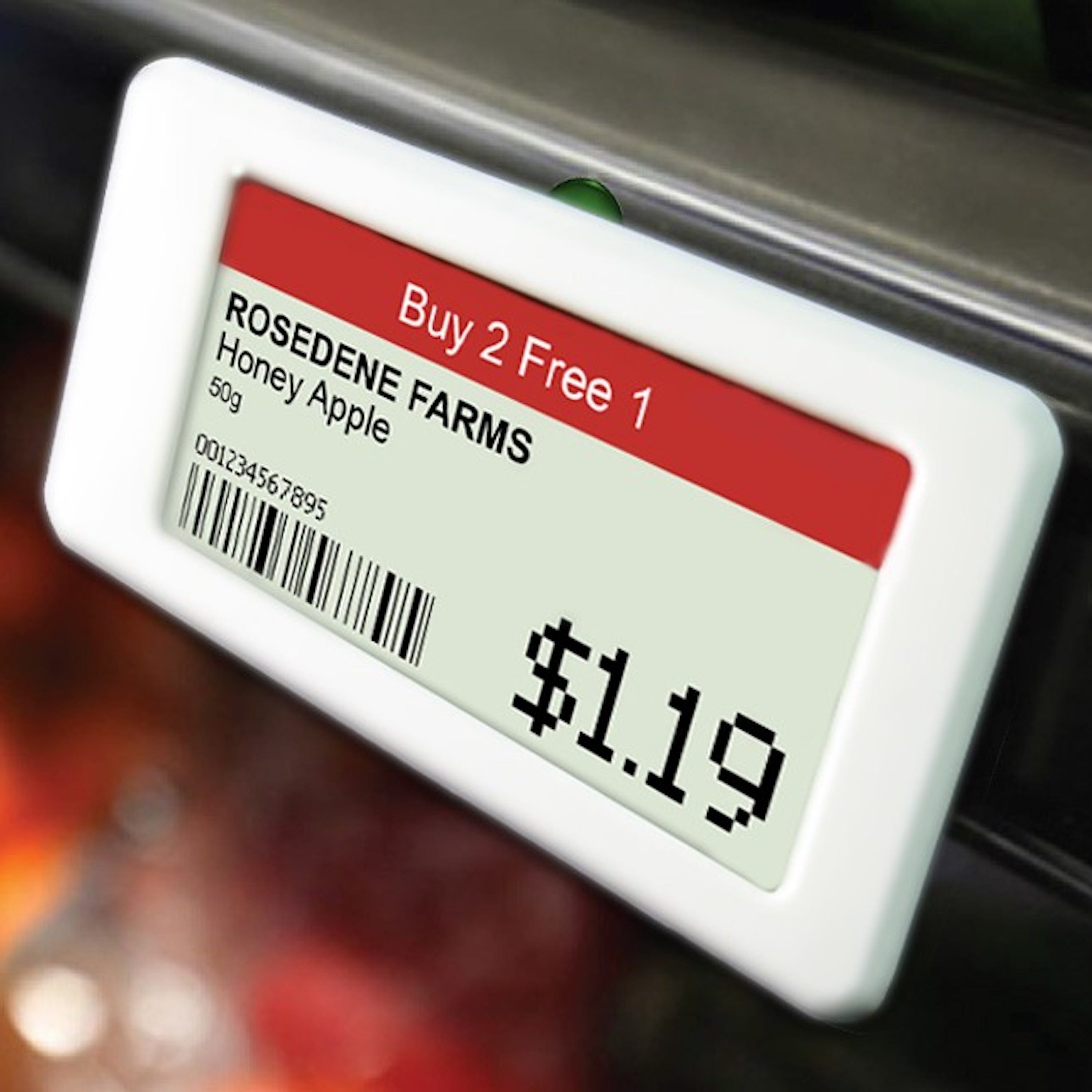 How Lobbyists are Neutering Surveillance Pricing Bans | Surveillance pricing is firmly in the public crosshairs, with the federal government this week introducing legislation to govern the controversial practice.Bill C-36, the Protecting Privacy and Consumer Data Act, promises to ensure that Canadians’ “personal information is used responsibly, transparently and for appropriate purposes, including to address unfair uses of personal information such as inappropriate surveillance pricing.”With more than 80 per cent of Canadians wanting a ban or strict regulations on surveillance pricing – where prices for goods and services are individualized based on the data that sellers have about buyers – the government’s move is timely and follows similar action in Manitoba.But unlike the province’s ban, which was passed in April, critics are already warning that the proposed federal rules don’t go far enough and lack specifics.The legislation appears to leave room for market segmentation and the preservation of merchants’ ability to offer discounts, which, as we’ll hear in this podcast episode, are hallmarks of a possible slippery slope.Alec Opperman is a producer and strategist with More Perfect Union, an Emmy-award winning non-profit journalism project in the U.S. He recently produced a video on how surveillance pricing laws are getting watered down and neutered by lobbyists in the United States.He joins Do Not Pass Go to discuss these cautionary tales, and to highlight the warning signs of supposed bans that are anything but.Check out More Perfect Union’s video here.The Chamber of Progress, mentioned in this episode, has critiques of surveillance pricing laws – such as those Maryland tried to enact – on its website.Do Not Pass Go is a reader-supported publication. To receive new posts and support my work, consider becoming a paid subscriber. Get full access to Do Not Pass Go at www.donotpassgo.ca/subscribe | 28m 59s | ||||||
| 6/9/26 |  The Luxury of Economic Dissent | One question we often ask in these parts is what can the average person do about monopolies and oligopolies? The answers vary depending on the situation, ranging from boycotts of products and services to shareholder activism and even political action.But with so many Canadians struggling just to make ends meet – when many are working multiple jobs and have precious little time or energy to devote to anything other than the basic necessities of life – the better question might be: Who can do something about monopolies and oligopolies? It’s known as “demographic availability,” or the privilege of protest – where only a certain well-resourced group of people are able to take action, whatever form it takes.It’s an ironic situation because it means that those who are most affected by economic concentration are often the least able to resist it directly, which gives rise to the question: Does that put more of the onus to do so on those with more resources and discretionary time?Stephen Gasteyer is an associate professor of sociology at Michigan State University who has written about activism and demographic availability. He joins the Do Not Pass Go podcast to discuss the privilege of protest, the different forms of economic resistance and whether society’s more resourced members have a heightened responsibility to engage in it.Do Not Pass Go is a reader-supported publication. To receive new posts and support my work, consider becoming a paid subscriber. Get full access to Do Not Pass Go at www.donotpassgo.ca/subscribe | 34m 33s | ||||||
| 6/2/26 |  When Algorithms Set the Price: The Future of Consumer Deception | Many of us see supposed discounts every day – products in flyers or on websites where the “regular” price is crossed out and replaced by a supposed sale price: a vacuum that is normally $599 is now $499, or a pair of pants that usually sells for $99, now only $49!Sometimes the deals are legitimate, but often they’re fake discounts meant to mislead consumers into thinking they’re getting a bargain.These fake discounts aren’t just marketing gimmicks, they’re illegal – running afoul of Canada’s “ordinary selling price” laws, which require listed regular prices to be legitimate. Products must genuinely be sold at the regular price for either a certain length of time or a specified volume of overall sales.The laws are meant to protect consumers from deceptive advertising and to keep merchants honest, but they’re routinely violated because the practice works. Psychological studies show that the promise of a bargain, real or not, makes people more likely to buy what’s being offered.The practice is already difficult enough for enforcers to detect and stop, so what happens when algorithms and artificial intelligence are added to the equation? What constitutes an “ordinary selling price” and a discount when dynamic pricing means costs for products and services can change every few seconds?These are questions raised in a new paper by Matthew Chiasson, a senior policy advisor for the Competition Bureau, who believes it’s the first attempt to address the issue in an academic context.Chiasson previously appeared on the Do Not Pass Go podcast to discuss how large companies were weaponizing regulations to stifle competition. He joins us again to talk about what’s a real discount in a world where the price of everything is increasingly fluid.Check out his paper here.Do Not Pass Go is a reader-supported publication. To receive new posts and support my work, consider becoming paid subscriber. Get full access to Do Not Pass Go at www.donotpassgo.ca/subscribe | 34m 39s | ||||||
| 5/26/26 |  The Bread Price-Fixing Scandal is Far From Over | Payouts in the class-action lawsuit against Loblaw for its role in the Great Canadian Bread Price-Fixing Scandal are now going out, which is great news… but also not.The $49.11 deposits, being paid out to those who registered for the lawsuit, are a drop in the bucket compared to what the scandal has cumulatively cost Canadian households – and a reminder of the big competitive problems plaguing the industry. For 15 years, Loblaw and its fellow large grocers – including Metro, Sobeys, Walmart and Giant Tiger – conspired to raise the price of bread. While Loblaw is finally paying something for its role in the cartel, the public is in the dark as to what – if anything – is happening with the other participants.Worse still, what little is known about the scandal suggests that price-fixing on other products may be happening and the chains themselves haven’t changed their behaviour, if the string of continuing controversies is anything to go by.Keldon Bester, executive director of the Canadian Anti-Monopoly Project, says strong action is needed by all levels of government to shed more light on the various ways in which the nation’s large grocers are colluding and preventing competition in the sector.He joins Do Not Pass Go this week to discuss why the current payouts are good news for consumers, but also to explain why Canada’s approach to fixing the industry’s structural problems isn’t even half-baked.Check out the Canadian Anti-Monopoly Project here.Do Not Pass Go is a reader-supported publication. To receive new posts and support my work, consider becoming a paid subscriber. Get full access to Do Not Pass Go at www.donotpassgo.ca/subscribe | 32m 09s | ||||||
| 5/19/26 |  Inside the Elevator Oligopoly Reshaping Canadian Cities | Canada has some of the most expensive elevators in the world — and as a result, we have far fewer of them per capita than most countries in the world. It’s a symptom of a much larger problem involving regulation, competition, housing affordability and Canada’s relationship with the United States.The two countries have effectively isolated themselves from the global elevator market by maintaining their own unique technical standards. While most of the world follows European regulations, North America requires different testing, sizing and certification rules that make it harder for international competitors to enter the market. The result is a highly concentrated industry dominated by four big multinational firms, where elevators cost far more to install, maintain and modernize than they do in Europe or Asia. As Canada becomes more urbanized and relies increasingly on condos and apartment buildings, these added construction costs are rippling through the housing market.Worse still, two members of the Big Four – Finland’s Kone and Germany’s TK Elevator – are now set to merge in a $34 billion (U.S.) deal that will create the largest manufacturer in the world and tighten the oligopoly even further.Stephen Smith is the executive director of the Center for Building North America, a research group that studies elevator markets around the world. He joins Do Not Pass Go to discuss how Canada needs to detach itself from U.S. standards and move closer to Europe in order to address the housing crisis and open its market to players outside of the oligopoly.Smith’s Globe and Mail piece, referenced in this episode, is here, while his recent report on the global elevator market is here.Do Not Pass Go is a reader-supported publication. To receive new posts and support my work, consider becoming a paid subscriber. Get full access to Do Not Pass Go at www.donotpassgo.ca/subscribe | 24m 28s | ||||||
| 5/12/26 |  The Hidden Real Estate Tactic Driving Up Grocery Prices | Industry concentration, supply problems and the war in Iran are all contributing to ever-escalating grocery prices for Canadians, but there’s also a serious anti-competitive issue behind them: restrictive real-estate covenants.These secretive real-estate deals, signed by Loblaws, Sobeys and others when they open stores, are keeping competitors away and funnelling consumers toward existing stores. They’re prevalent across Canada and, in some cases, their terms are egregious – would you believe that Loblaw’s typically blocks billiard halls from malls?Once used to prevent specific minorities from living in certain areas, grocery chains have discovered and deployed these restrictive covenants to great effect, which why is the Competition Bureau is now investigating them and Manitoba has banned them. Jacob Filipp, a marketing professional in Toronto, began unearthing and tracking these contracts after discovering how they drive up grocery prices. He maintains a definitive and growing database on his website as something of a hobby and a public service.He joins Do Not Pass Go this week to explain restrictive covenants and how grocery chains are using them to drive up prices for Canadians.Do Not Pass Go is a reader-supported publication. To receive new posts and support my work, consider becoming a paid subscriber. Get full access to Do Not Pass Go at www.donotpassgo.ca/subscribe | 36m 07s | ||||||
| 5/5/26 |  The Competition Act Turns 40: What Canada Has Right – and Wrong | Fun fact: Canada once led the world in fighting monopolies.With the Anti-Combines Act of 1889, we became the first country in the world to enact pro-competition laws, designed to bust monopolies and protect consumers. But, as the saying goes, being first doesn’t always mean being best.The Competition Act, which took effect on June 19, 1986, was an attempt to fix the problems with its predecessor. It’s been revised several times since.As the Act turns 40, we’re joined by its chief architect, Lawson Hunter, to assess how it has evolved and performed, and where Canada’s competition policy and enforcement should head next.Hunter’s career is long and distinguished. A former competition commissioner and assistant deputy industry minister, he is the recipient of the Chambers Canada Lifetime Achievement Award for his work as a member of the bar and a member of the Order of Canada.He’s the former chief corporate officer for Bell Canada and, as a long-time counsel at Stikeman Elliott, has advised many of Canada’s biggest companies on mergers and acquisitions.On this week’s Do Not Pass Go podcast, we discuss the up-and-down enforcement of the Act, who should be the next Competition Commissioner, and how Canada has been “infected” by all these antitrust hipsters.Do Not Pass Go is a reader-supported publication. To receive new posts and support my work, consider becoming a paid subscriber. Get full access to Do Not Pass Go at www.donotpassgo.ca/subscribe | 37m 15s | ||||||
| 4/28/26 |  Big Tech is "Trying To Gentrify Music" | Most musicians in North America are afraid to say anything negative about Live Nation/Ticketmaster for fear of retaliation, but not Rollie Pemberton. The Edmonton-born rapper, better known as Cadence Weapon, doesn’t just speak out – he takes action.In 2022, Pemberton started My Merch, a movement against the entertainment giant demanding a cut of artists’ merchandise sales in venues it owned. That effort led to more than a hundred venues signing on and a wave of public awareness around the issue.Now, on his just released new album Forager, the former Edmonton poet laureate uses his love of vintage clothing and thrifting as a bridge to connect with his immediate surroundings and to return to a less ephemeral existence that isn’t so controlled by big corporations.He goes further in his upcoming book, Ways of Listening, in which he explores how to really connect with music – without relying on algorithms.He joins Do Not Pass Go this week to talk about the ongoing Live Nation monopoly cases in both the U.S. and Canada, the future of Spotify and streaming, and how the fakeness of artificial intelligence is going to make people treasure real music again.Check out Forager here. His upcoming book, Ways of Listening, is out May 26 and can be found here. And of course, check out his regular musings on Substack.We also mention The Artist Economy, a Substack by Joel Gouveia, which can be found here.Do Not Pass Go is a reader-supported publication. To receive new posts and support my work, consider becoming a free or paid subscriber. Get full access to Do Not Pass Go at www.donotpassgo.ca/subscribe | 35m 34s | ||||||
| 4/20/26 | 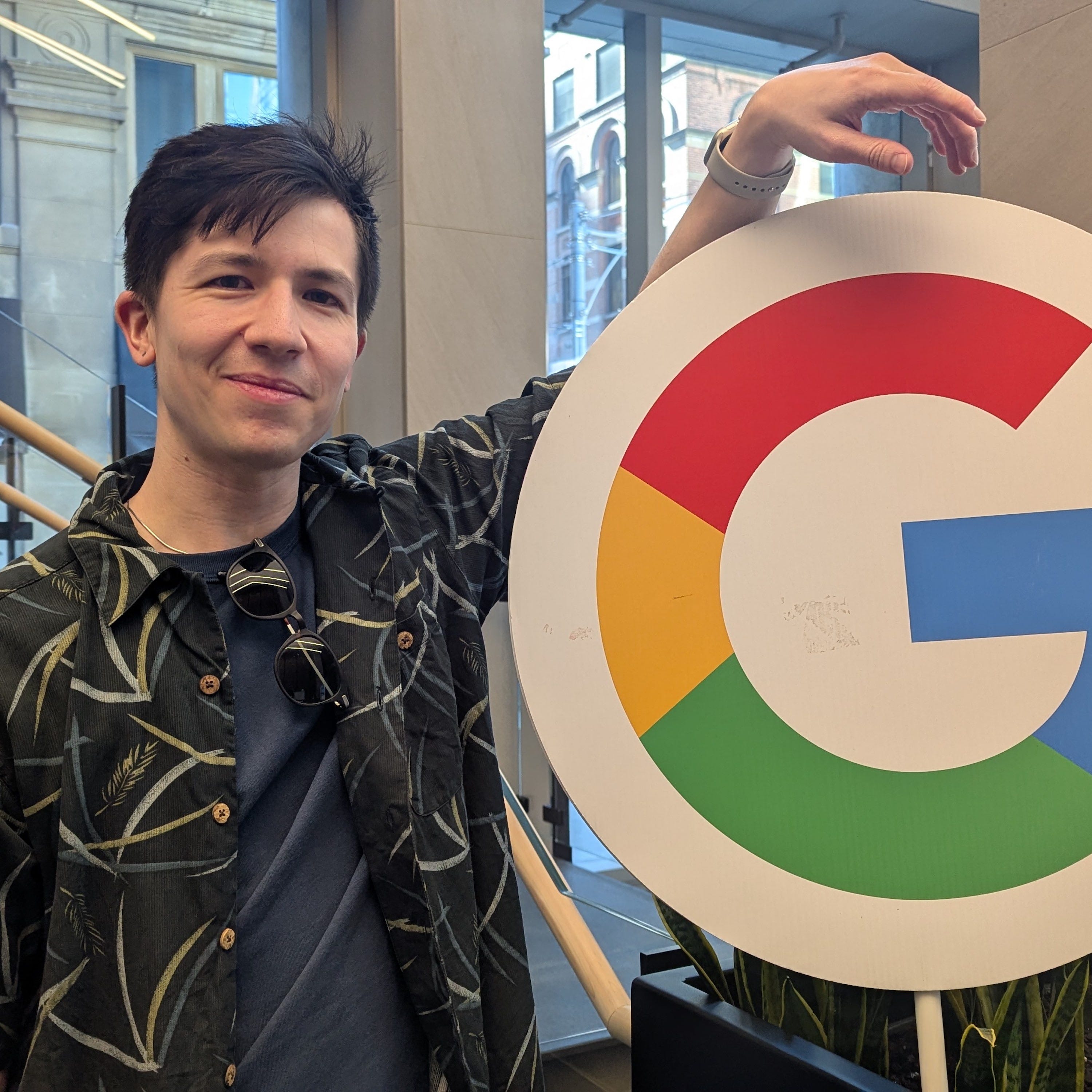 The Man Who Sued Google | It wasn’t the result he was hoping for, but Alexander Martin’s defeat in Canada’s competition court was historic nevertheless. Now, he’s ready to talk about it.Last year, the Toronto-based independent game developer – known online as “Droqen” – jumped on a new law that lets regular citizens and civil society groups challenge monopolies.His target was Google’s deal with Apple, where its search engine is the default on the iPhone maker’s devices in exchange for billions of dollars. This arrangement, Martin argued, is harmful to Canadian businesses and internet users because it forces them to use an opaque system that Google can – and does – change at any time.The Competition Tribunal in January refused to let his complaint go ahead, citing doubt that Martin and his law firm, Berger Montague, could mount a compelling case.But the effort was historic because it established the rules that other Canadian monopoly cases against Live Nation and Apple are now following.Martin joins the Do Not Pass Go podcast this week to talk about the experience, how the new law is intended to allow regular people like him to fight monopolies, and how the judge in his case may not have got that memo. Link is in the first reply below.Do Not Pass Go is a reader-supported publication. To receive new posts and support my work, consider becoming a free or paid subscriber. Get full access to Do Not Pass Go at www.donotpassgo.ca/subscribe | 37m 32s | ||||||
Want analysis for the episodes below?Free for Pro Submit a request, we'll have your selected episodes analyzed within an hour. Free, at no cost to you, for Pro users. | |||||||||
| 4/18/26 |  Do Not Pass Go Trailer | Airlines, banks, telcos, grocery chains. The economy is three companies in a trench coat. Welcome to The Antidote. Do Not Pass Go, your very own survival guide to our monopolized times. Join me, Peter Nowak, every week as we delve into competition issues, oligopolies, their influence over our lawmakers, affordability, and what it means for you.Do Not Pass Go is a reader-supported publication. To receive new posts and support my work, consider becoming a free or paid subscriber. Get full access to Do Not Pass Go at www.donotpassgo.ca/subscribe | 1m 12s | ||||||
| 4/15/26 |  Consolidation in the Canadian Resource Sector (Ft. Peter Nowak) | Get full access to Do Not Pass Go at www.donotpassgo.ca/subscribe | 1h 17m 54s | ||||||
| 4/6/26 |  Six Months and 1,000 Subscribers: Celebrating Do Not Pass Go Milestones! | This week we’re celebrating a pair of milestones here at Do Not Pass Go: We’ve officially hit both the six-month and the 1,000-subscriber marks! Our quick growth tells us there’s a big appetite for what we’re doing here, which is reporting on and elevating the profile of competition, affordability and consumer issues in Canada. That’s great news, because we’re just getting started – there’s so much more to come.Join us on this very special episode of the podcast for a look back at some of the highlights and stats from the past six months, plus a look forward at what’s next.Plus, in between, we’re joined by Vass Bednar, director of the Canadian SHIELD Institute sovereignty think tank, and Arshy Mann, host of The Hatchet podcast and Substack, for a report card on how the “hawkish” Carney government is doing so far on competition issues.Along with Denise Hearn, Vass is the co-author of the 2024 book The Big Fix, while Arshy in 2022/2023 produced Canadaland’s monopoly podcast series, both of which were the inspiration for Do Not Pass Go. What better way to celebrate our milestones than a conversation with grandma and grandpa!Check out the Canadian SHIELD Institute here and The Hatchet here.Do Not Pass Go is a reader-supported publication. To receive new posts and support my work, consider becoming a free or paid subscriber. Get full access to Do Not Pass Go at www.donotpassgo.ca/subscribe | 33m 42s | ||||||
| 3/30/26 |  Own Your Future: Why Businesses Can’t Afford to Rely on Online Platforms Anymore | Whether you’re a solo entrepreneur, a small business or a large enterprise, having an online presence is a necessity. And while businesses have always had to deal with unfavourable changes to online platforms, these issues are multiplying now that concentration has set in and competition between them has levelled off.Stories of businesses losing access to their social media accounts are increasingly popping up. Entire industries have pivoted because of changes to algorithms, only for platform owners to switch them up again on a whim. Some have ceased to exist entirely while others have changed hands and ushered in completely new sets of rules.On top of it all, most of the platforms in question are U.S.-based – a big problem when Canada is pushing toward more sovereignty.In other words, it’s never been a worse time to hitch your online wagon to someone else’s train.Spencer Callaghan is the brand and communications director for the Canadian Internet Registration Authority, the non-profit organization that sells the dot-ca domain name. He’s self-admittedly biased because of who he works for, but he’s not wrong in advocating for businesses of all sizes to control their own online fate.He joins Do Not Pass Go this week to warn of the dangers of businesses putting too much effort into opaquely run platforms, and to share his advice on how they can own rather than rent their respective online presences.Do Not Pass Go is a reader-supported publication. To receive new posts and support my work, consider becoming a free or paid subscriber. Get full access to Do Not Pass Go at www.donotpassgo.ca/subscribe | 35m 30s | ||||||
| 3/23/26 |  Inside Canada's Competition Court with Its Former Top Judge | Of all the places you’d think that Canada would have drawn inspiration from when deciding how to adjudicate its competition problems, Sweden maybe isn’t top of mind.But that’s exactly what lawmakers did back in the 1980s, when they borrowed from the Scandinavian country’s Market Court to create the Competition Tribunal – Canada’s court of first resort when it comes to assessing mergers and abuse of dominance cases.As the name implies, it’s not precisely a court. The Tribunal is indeed made of up judges, but they are often joined by lay members that jointly hear cases as a panel. As per the Swedish approach, the idea has always been to couple real-world economic and market knowledge with legal expertise. Prior to retiring this past October, Paul Crampton served on the federal court for 16 years, with 14 of those as its Chief Justice. His duties included heading the Competition Tribunal, where he presided over some of the biggest and most contentious cases in Canadian history – including perhaps the biggest and most contentious, the Rogers-Shaw merger in 2023.He joins the Do Not Pass Go podcast this week to discuss how recent, badly needed updates to Canada’s competition laws are likely to affect future Tribunal cases – and, of course, we talk about that Rogers-Shaw case. Do Not Pass Go is a reader-supported publication. To receive new posts and support my work, consider becoming a free or paid subscriber. Get full access to Do Not Pass Go at www.donotpassgo.ca/subscribe | 36m 33s | ||||||
| 3/16/26 |  How Employee-Owned Companies are Pushing Back Against Monopolies | When it comes to increasing corporate concentration and declining competition, Canada is dealing with a double-barrelled problem.On the one hand, big companies are continuing to snap up competitors. On the other, less visible serial acquirers – often private equity firms – are rolling up entire categories of businesses, from dental clinics and veterinarians to laundromats and car washes.Fortunately, a new counter-force has begun to emerge: employee-owned trusts (EOTs). Enabled by legislation that came into force in 2024, these new structures allow rank-and-file employees to buy the companies they work for, providing a different option for owners who want to retire or otherwise exit their businesses.It’s an exceptionally timely development – not just because EOTs are providing an alternative to further concentration, but also because of the nation’s looming succession crisis and a growing desire to keep local companies in Canadian hands.Jon Shell, chair of Social Capital Partners and Canadian Anti-Monopoly Project board member, is perhaps the biggest proponent of EOTs in the country. He joins the Do Not Pass Go podcast to explain their upsides and downsides, and to warn that employee-owned trusts are at risk if the government doesn’t take immediate action on the tax incentives that make them appealing.Learn more about employee-owned trusts here.Read the letter signed by notable business leaders to the federal government here. Do Not Pass Go is a reader-supported publication. To receive new posts and support my work, consider becoming a free or paid subscriber. Get full access to Do Not Pass Go at www.donotpassgo.ca/subscribe | 33m 10s | ||||||
| 3/9/26 | 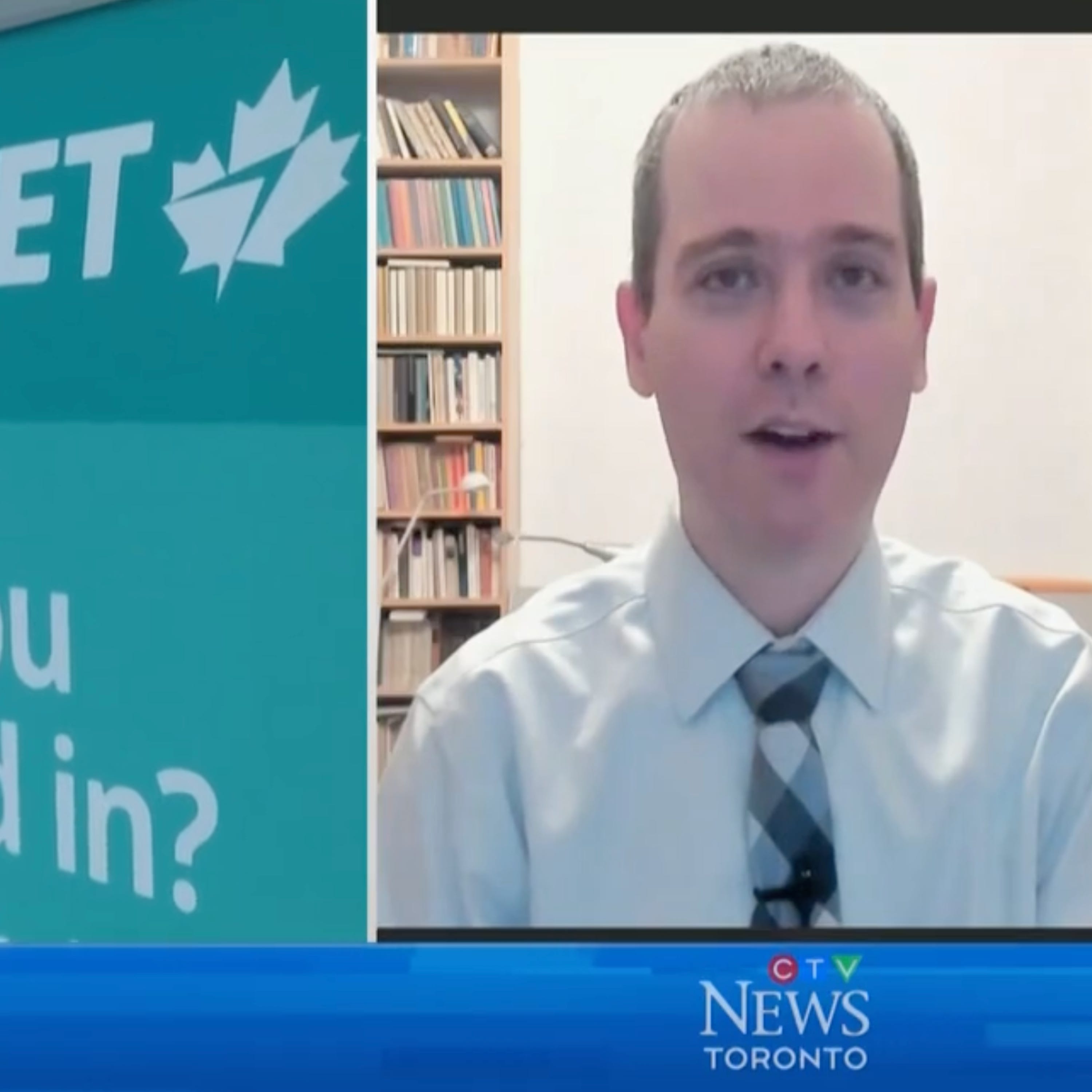 Canada's One-Man Air Force – and His Calculated Crusade Against Airlines | If there’s one highly concentrated industry that the federal government refuses to fix (perhaps more so than others), it’s airlines. It’s why Canadians pay some of the highest prices to fly and suffer under some of the weakest passenger protections in the world.The government has ignored a major report issued by the Competition Bureau last year that has recommendations on how to improve the problems. The passenger complaint backlog sits at close to 100,000, with each individual issue taking years to resolve. Worse still, according to a CBC Go Public investigation published in January, the feds are actively delaying making airlines pay for the complaints system.With such inaction and even complicity by officials, other resistance emerges. Enter Gabor Lukacs.For nearly 20 years, this one name has been striking fear into airlines by becoming synonymous with air passenger rights – in fact, Air Passenger Rights is his group, which has more than 274,000 members on Facebook.Lukacs has fought – and won – dozens of court battles with the airlines, getting passengers justice and the money they’re owed in the process. He’s a fixture in virtually every news report on airline misdeeds, which is to say he’s on TV a lot. He’s the nation’s veritable avatar of passenger anger.But who is Gabor Lukacs? Why has he taken up this crusade? What drives him?A child math prodigy, Lukacs escaped an abusive mother in Hungary when he was just eight years old and ended up doing a PhD in Canada at just 16. He joins Do Not Pass Go this week to share his amazing story and how it – and his love of math – fuels his crusade for the justice that the government refuses to deliver.For more, check out airpassengerrights.ca.Do Not Pass Go is a reader-supported publication. To receive new posts and support my work, consider becoming a free or paid subscriber. Get full access to Do Not Pass Go at www.donotpassgo.ca/subscribe | 33m 13s | ||||||
| 3/2/26 |  Why Cineplex’s Struggles Might Be the Best Thing to Happen to Movie Lovers | Cineplex isn’t exactly firing on all cylinders right now. Theatre closures, poor financial results, a fractious relationship with local film makers, plus the possibility of fewer movies coming its way are all making for a murky future for Canada’s pre-dominant theatre chain.But, to borrow from The Lion King, it’s the circle of life. At least it is according to Eric Veillette, arts journalist, theatre historian and former head programmer of the independent Revue Cinema in Toronto.Movie fans don’t need to worry much, he says, because theatres aren’t necessarily going anywhere. The days of BIG theatres, however, may be numbered – the next few years are likely to bring a market correction, and with it, consolidation and shrinking of the large chains in Canada and elsewhere.But just as cavemen (and cave ladies!) gathered in front of the fire to watch shadow-puppet stories, peoples’ need to experience stories communally is as strong as ever, especially at a time when so many of them are being fed to screens by faceless algorithms.Veillette joins the Do Not Pass Go podcast to reveal the often shady and competitively-fraught history of movie-going in Canada, and to discuss why its future is going to be smaller and more indie.Check out his Substack, The Downtown Theatre, and keep an eye out for his book, “In the Dark: A Select History of Movie-Going in Toronto,” coming from ECW Press in 2027.And check out our feature episode the Revue Cinema here.Do Not Pass Go is a reader-supported publication. To receive new posts and support my work, consider becoming a free or paid subscriber. Get full access to Do Not Pass Go at www.donotpassgo.ca/subscribe | 39m 58s | ||||||
| 2/23/26 |  Jim Balsillie Throws Down the Gauntlet: Will Ottawa Protect Canadians From Price Hikes? | Surveillance pricing is getting a lot of attention, and rightfully so – the individualized prices seen online for years, based on what companies such as Amazon and airlines know about their customers, are rapidly making their way into the real world.Also known as dynamic pricing, it’s a problem because it means retailers are increasingly going to be able to charge people differently based on what they know about the person and their ability to pay, rather than on traditional supply-and-demand economics and competitive factors.The driver of it all is poor privacy protection. Canada, with its lax laws, is especially vulnerable, according to Jim Balsillie, who needs little introduction.Balsillie was the co-chief executive of Research In Motion, otherwise known as BlackBerry – the tiny startup from Waterloo, Ont. that ignited the smartphone revolution in the early-2000s and became the most valuable company in Canada for a time.Apple and Google ultimately ate up the smartphone market, but Balsillie has continued to be a prominent voice in Canadian business and policy. He has started several think tanks and advocacy groups, including the Canadian Council of Innovators and the Canadian SHIELD Institute. And he continues to argue for stronger laws and policies that protection Canadian businesses and consumers.In a new Globe and Mail opinion piece, he takes aim at surveillance pricing and privacy and how it is contributing to Canada’s cost-of-living crisis.He joins Do Not Pass Go this week to lay down the gauntlet on Canada’s political parties – he wants them to declare whether they’re really on the public’s side when it comes to privacy and affordability or whether they’re all about their own self-interests.Check out his Globe and Mail opinion piece here.Do Not Pass Go is a reader-supported publication. To receive new posts and support my work, consider becoming a free or paid subscriber. Get full access to Do Not Pass Go at www.donotpassgo.ca/subscribe | 31m 49s | ||||||
| 2/18/26 |  Live with Peter Nowak: | Thank you Courtney 🇨🇦, Shirley Figueroa, Laurel Fairchild, Kathy, Matthew Mendelsohn, and many others for tuning into my live video with Dean Blundell! Join me for my next live video in the app. Get full access to Do Not Pass Go at www.donotpassgo.ca/subscribe | 25m 30s | ||||||
| 2/16/26 |  Why Is One Company Controlling All Of Toronto's Sports? | Baseball spring training is here! Hurray! Whether or not you’re a fan, it’s a symbolic reminder that the end of winter is just around the corner. It’s a time of celebration akin to the best pagan renewal rituals.But we’re not here to talk about the pending arrival of spring and sunnier days ahead. We’re here to discuss the problem in Toronto sports in general, and Canadian sports overall. And that is the monopoly that one company – Rogers Communications – has over all of it.After buying out its “rival” Bell’s share of Maple Leaf Sports Entertainment last year, Rogers now owns 75 per cent of the company and therefore full control of its properties, which include the Maple Leafs, Raptors, Toronto FC, the Argos and several other teams.Along with the Blue Jays, which Rogers bought in 2000, the company also owns the Rogers Centre (it’s still Skydome in these parts), the Scotiabank Arena, television broadcast rights and much of the media that covers the teams.Strangely, no one is doing anything about it. The Competition Bureau gave the MLSE transaction a pass in late 2024 and didn’t even say why.David Shoalts is an award-winning veteran of Canadian sports journalism. He spent decades covering sports for The Globe and Mail and, in 2018, published the latest of his three books: Hockey Fight in Canada, about how the CBC lost its NHL broadcast rights to Rogers.He joins Do Not Pass Go to discuss how Rogers’ sports monopoly is bad news for fans – not just when it comes to the prices they pay for tickets, snacks and beer, but also in how the teams are covered in the media and how that can affect their chances of winning.Do Not Pass Go is a reader-supported publication. To receive new posts and support my work, consider becoming a free or paid subscriber. Get full access to Do Not Pass Go at www.donotpassgo.ca/subscribe | 42m 36s | ||||||
| 2/9/26 |  America's Enshittification is Canada's Opportunity | Enshittification – it’s a word you’ve doubtlessly heard before, especially if you’ve been reading or listening here. It’s a term that neatly and cheekily encapsulates how everything, from our digital devices and streaming services to real-world retail stores and even health care, have gotten worse.It’s also the title of a new book by Cory Doctorow, the Toronto-born digital rights activist, science-fiction author and coiner of the word itself, which has won accolades including Word of the Year from the American Dialect Society in 2023 and the Macquarie Dictionary in 2024.Doctorow is everywhere these days expounding on his book, which has hit on the zeitgeist in a way that few others do. It’s probably because everyone instinctively knows exactly what he’s talking about.He was recently in Toronto for a joint talk at the Hot Docs theatre with his childhood friend, former Biden administration advisor and fellow Do Not Pass Go podcast guest Tim Wu, who unfortunately ended up participating via video call because of travel problems.Prior to the event, Doctorow sat down with us for a very special recorded interview at Bakka-Phoenix, the science-fiction bookstore where he worked as a teenager. In this conversation, we discuss the uniquely American aspect of Enshittification – and how the rift with our neighbour is presenting Canada with a golden opportunity to escape a big part of it.Check out all things Cory Doctorow at his Craphound site and buy Enshittification here. Photo courtesy Gage Skidmore on Flickr.Do Not Pass Go is a reader-supported publication. To receive new posts and support my work, consider becoming a free or paid subscriber. Get full access to Do Not Pass Go at www.donotpassgo.ca/subscribe | 1h 06m 04s | ||||||
| 2/2/26 | 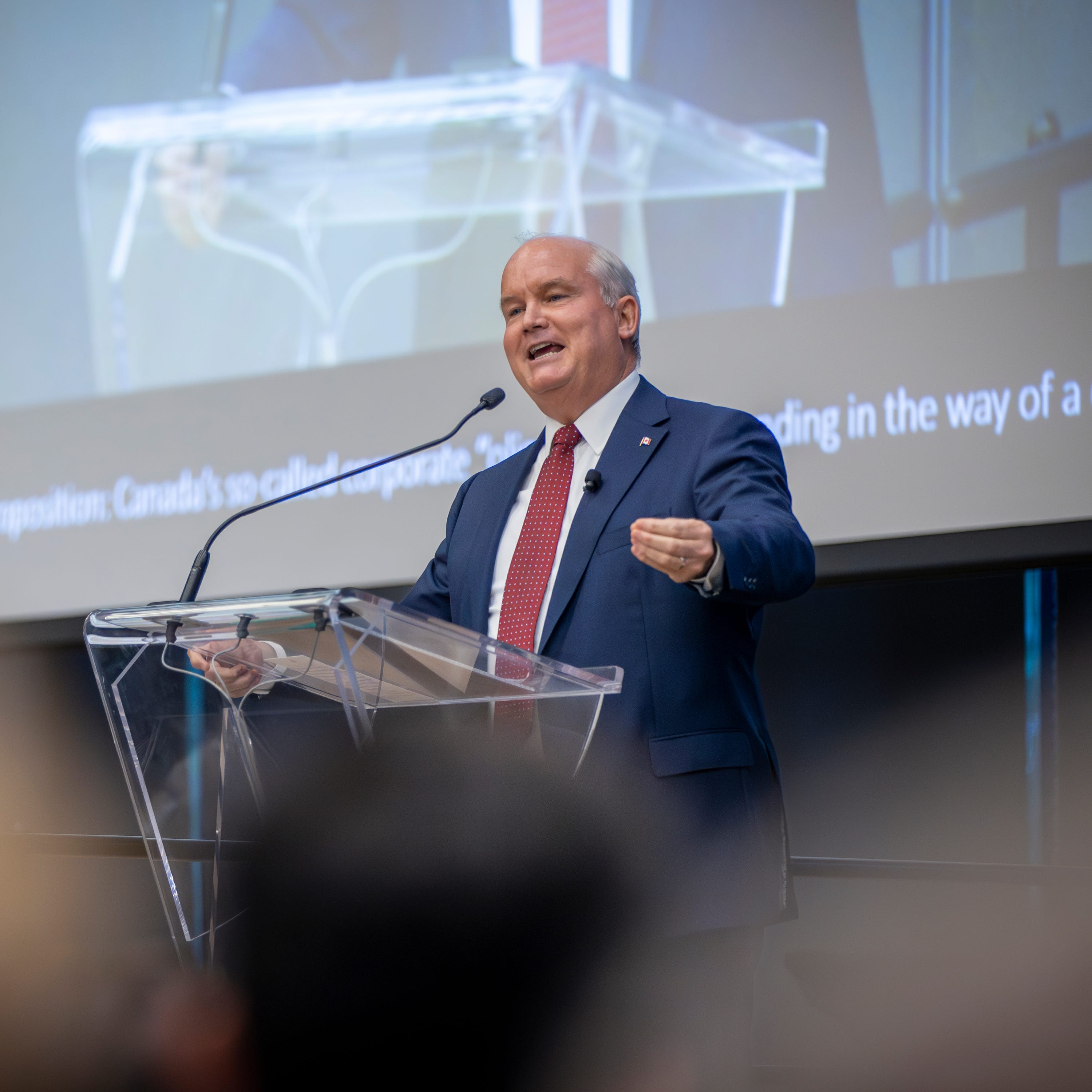 Does Canada Still Need Giants to Survive? | Back in October, former Conservative party leader and Prime Minister candidate Erin O’Toole argued that monopolies and oligopolies aren’t necessarily all bad at a University of Toronto debate on the subject.They were instrumental in building Canada in the first place, and keeping the country free from domination by the United States in its formative years.As the saying goes, everything old is new again, and Canada once again finds itself between a veritable rock and a hard place – an aggressive and increasingly unfriendly neighbour and a need to rein in corporate concentration and the affordability crisis it’s contributing to.O’Toole knows a thing or two about consumer issues and national security. Prior to politics, he worked as a competition lawyer for Procter & Gamble and served in the military for 12 years, where he earned the Canadian Forces Decoration distinction.After the Conservatives lost the 2021 election, he returned to the private sector, where he is currently the president and managing director of risk advisory firm ADIT North America.He joins Do Not Pass Go to discuss Canada’s difficult geopolitical situation and its equally difficult effort to bring oligopolies to heel, plus he sings a few bars of Gordon Lightfoot.Check out his Blue Skies Substack here.Do Not Pass Go is a reader-supported publication. To receive new posts and support my work, consider becoming a free or paid subscriber. Get full access to Do Not Pass Go at www.donotpassgo.ca/subscribe | 34m 26s | ||||||
| 1/29/26 |  Why Cheaper Groceries Might Require Public Ownership | In an effort to tackle out-of-control unaffordability, Prime Minister Mark Carney is upping the GST rebate and renaming it the Canada Groceries and Essentials Benefit. A family of four will get nearly $1,900 in credits this year and $1,400 in each of the next four years.But is that enough to counter the problem of skyrocketing grocery prices? In Canada, five giants control more than 80 per cent of the market – Loblaw, Sobeys, Metro, Costco and Walmart. And while they blame other factors such as supply chain problems for rising prices, their continually rising profits – and profit margins – suggest oligopoly is also at cause.It’s why the idea of public grocery stores – those owned or operated by government – are gaining cachet. New York City Mayor Zoran Mamdani recently rode the promise of establishing public grocery stores to an election victory while here in Canada, federal NDP leadership candidate Avi Lewis is making them part of his pitch to voters.The concept has been criticized, notably by the Globe and Mail, as unworkable, but a group of food experts beg to differ. In a recent paper, they’ve worked out the math and suggest that public grocery stores aren’t just possible in Canada, they’re necessary to provide competition and price discrimination to the oligopoly.Aaron Vansintjan, policy manager at advocacy group Food Secure Canada, joins Do Not Pass Go to discuss how public grocery stores would lead to lower prices for consumers.Read the paper by Vansintjan and his colleagues here.Do Not Pass Go is a reader-supported publication. To receive new posts and support my work, consider becoming a free or paid subscriber. Get full access to Do Not Pass Go at www.donotpassgo.ca/subscribe | 35m 43s | ||||||
| 1/26/26 |  The Quiet American Takeover of Banff and Jasper | There’s a battle going on over Canada’s crown jewels: Banff and Jasper.With more than 6 million annual visitors between them, the two national parks are the nation’s biggest tourist attraction – not to mention the symbolic image of natural beauty that many people around the world picture when they think of Canada.But a single company has rolled up nearly all of the market for paid attractions, including gondolas and boat rides, plus a third of the hotels in Banff. And worse yet, critics say, it’s an American company: Denver-based Pursuit Attractions and Hospitality.The Competition Bureau investigated the company’s roll-up last year but chose not to take action because of jurisdiction issues with Parks Canada, the federal agency responsible for national parks. That prompted the Canadian Anti-Monopoly Project watchdog to call on the government to intervene by breaking up Pursuit and requiring Parks Canada to consider competition issues in national parks going forward.Perhaps the biggest supporter of that stance is Adam Waterous, an oil tycoon from Toronto who also owns the Mount Norquay ski resort in Banff and the local train station.Waterous joins Do Not Pass Go this week to discuss how Pursuit’s monopoly is raising attraction prices and contributing to congestion in the parks. Stuart Back, Pursuit’s chief operating officer for Banff and Jasper, also joins us to refute the charges.The Canadian Anti-Monopoly Project brief on Pursuit’s holdings in Banff and Jasper can be found here.(Photo courtesy of Flickr user rvdbrugge, CC BY-NC 2.0)Do Not Pass Go is a reader-supported publication. To receive new posts and support my work, consider becoming a free or paid subscriber. Get full access to Do Not Pass Go at www.donotpassgo.ca/subscribe | 41m 14s | ||||||
Showing 25 of 44
Pitch Fit is a Pro feature
See how bookable this show is for guests, which brands already advertise, the per-episode ad value, and the best-fit guest and sponsor profile. The numbers are blurred on the free plan.
How readily this show books outside guests like you.
How proven this show is for host-read sponsorships.
For Guests
ProFor Advertisers
ProUpgrade to Pro to unlock guest cadence, sponsor categories, fit scores, and per-episode ad value for this show.
Chart Positions
1 placement across 1 market.
Chart Positions
1 placement across 1 market.