

Don’t Call Me Resilient
by The Conversation, Vinita Srivastava, Dannielle Piper, Krish Dineshkumar, Jennifer Moroz, Rehmatullah Sheikh, Kikachi Memeh, Ateqah Khaki, Scott White
Is this your podcast?Insights from recent episode analysis
Audience Interest
Podcast Focus
Publishing Consistency
Platform Reach
Insights are generated by CastFox AI using publicly available data, episode content, and proprietary models.
Total monthly reach
Estimated from 1 chart position in 1 market.
By chart position
- 🇨🇦CA · News Commentary#1195K to 30K
- Per-Episode Audience
Est. listeners per new episode within ~30 days
3.5K to 21K🎙 Weekly cadence·88 episodes·Long inactive - Monthly Reach
Unique listeners across all episodes (30 days)
5K to 30K🇨🇦100% - Active Followers
Loyal subscribers who consistently listen
1.5K to 9K
Market Insights
Platform Distribution
Reach across major podcast platforms, updated hourly
Total Followers
—
Total Plays
—
Total Reviews
—
* Data sourced directly from platform APIs and aggregated hourly across all major podcast directories.
On the show
Recent episodes
The world is in crisis – what role should our universities be playing?
Mar 27, 2025
Unknown duration
AI-generated influencers: A new wave of cultural exploitation?
Feb 20, 2025
Unknown duration
Food as a tool of oppression
Jan 23, 2025
Unknown duration
We're back!
Jan 16, 2025
Unknown duration
Don't Call Me Resilient Season 8 Teaser
Nov 7, 2024
Unknown duration
Social Links & Contact
Official channels & resources
Official Website
Login
RSS Feed
Login
| Date | Episode | Description | Length | ||||||
|---|---|---|---|---|---|---|---|---|---|
| 3/27/25 | 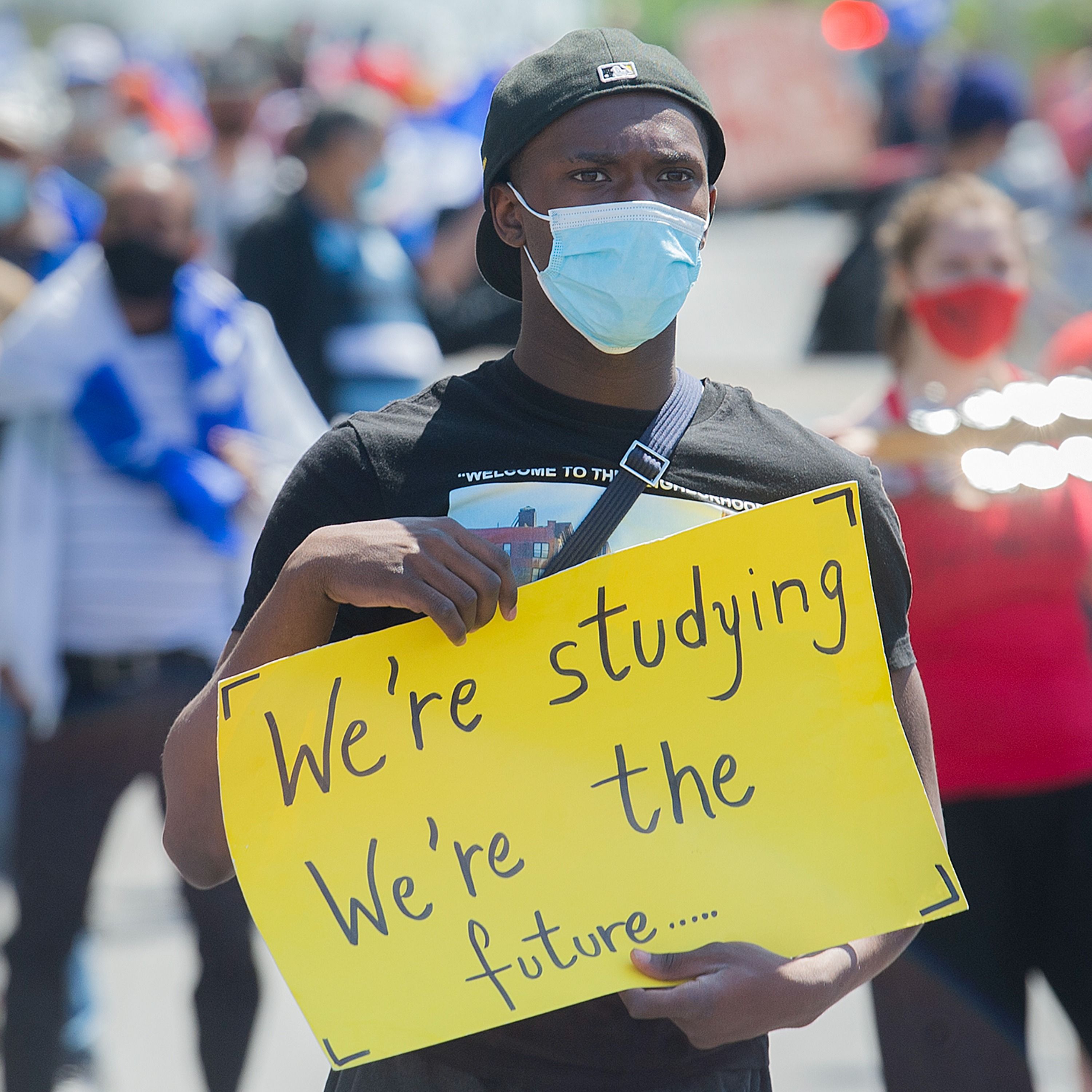 The world is in crisis – what role should our universities be playing? | It’s hard not to categorize our present global moment as a crisis. And just when we think things can't get worse — they do. At a time when critical conversations in higher education are under attack worldwide, can Canadian universities rise to the challenge and be a force for good? | — | ||||||
| 2/20/25 |  AI-generated influencers: A new wave of cultural exploitation? | By now… you probably know what an “influencer” is – individuals with large, highly engaged social media followings who have the power to sway beliefs and purchasing decisions. But have you heard of virtual influencers? They’re like human influencers… only they’re not human. They’re characters brought to life by CGI and AI, designed to target demographic groups from a first-person perspective | — | ||||||
| 1/23/25 |  Food as a tool of oppression | Food is so much more than what we eat. It is, of course, nourishment — the food we put into our body to fuel ourselves. It can be joyful, like the the smell of pancakes wafting through the house on a Sunday morning, or when loved ones gather around a feast at the dinner table. It can also be deeply personal and defining, connecting us to ancestral history, and cultural and racial identities. And it is also political — especially in the United States — which is the key takeaway in a new book by law scholar Andrea Freeman. | — | ||||||
| 1/16/25 |  We're back! | Don't Call Me Resilient is coming back to your podcast feed this month with a whole new series! We’ve been hosting some live events and we’re starting to roll them out as episodes in our feed. | — | ||||||
| 11/7/24 | Don't Call Me Resilient Season 8 Teaser | You may have noticed, Don’t Call Me Resilient hasn’t been in your feed lately. That’s because we’ve been busy behind the scenes working on a different format for the podcast. | — | ||||||
| 9/12/24 |  FLASHBACK: How to spark change within our public schools | Even before COVID-19, education experts were sounding the alarm about the future of racialized children in our schools. And the COVID-19 pandemic has only underscored – even deepened – the divide. Carl James, professor of education at York University and Kulsoom Anwer, a high school teacher who works out of one of Toronto's most marginalized neighborhoods, Jane and Finch, join us to discuss the injustices and inequalities in the education system – and the way forward. This episode is part of our Summer Flashback: it originally aired in February 2021. This flashback was recommended by Vinita Srivastava, the Host + Producer and Senior Editor of The Conversation Canada. | — | ||||||
| 8/29/24 |  FLASHBACK: The dangers of hair relaxers | In this reflective and personal episode, Professor Cheryl Thompson of Toronto Metropolitan University and author of “Beauty in a Box” untangles the complicated history of hair relaxers for Black women - and the health risks now linked to them. This episode is part of our Summer Flashback: it originally aired in October 2023. It was recommended by DCMR Associate Producer, Dannielle Piper. Listen to the episode to hear why. | — | ||||||
| 8/15/24 |  FLASHBACK: Why isn't anyone talking about who gets long COVID? | Long COVID, which impacts one in every five people who've had the virus, and especially Black and Latinx women, has been called a mass-disabling event. Join us for this episode of Don't Call Me Resilient as we speak with Margot Gage Witvliet who has insights into long COVID both as an epidemiologist and a patient. This episode is part of our Summer Flashback: it originally aired in November 2022. It was recommended by DCMR Consulting Producer, Jennifer Moroz. Listen to the episode to find out why. | — | ||||||
| 8/1/24 | 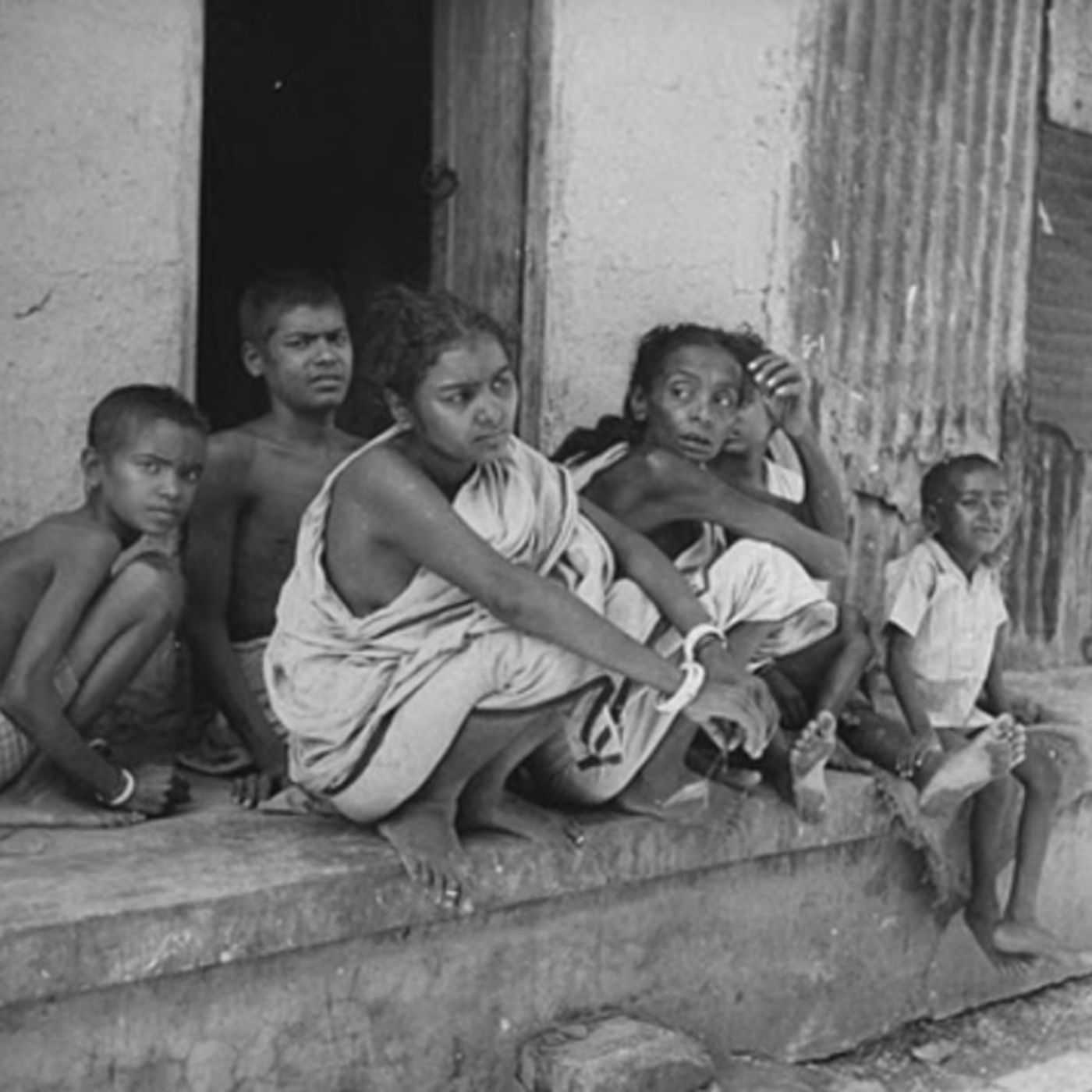 FLASHBACK: Colonialists used starvation as a tool of oppression | Vinita speaks to two famine scholars about the use of starvation as a tool in the colonizer's playbook through two historic examples - the decimation of Indigenous populations in the Plains, North America and the 1943 famine in Bengal, India. This episode is part of our Summer Flashback: it originally aired in March 2024. This flashback was recommended by Vinita Srivastava, the Host + Producer and Senior Editor of The Conversation Canada. | — | ||||||
| 7/18/24 |  FLASHBACK: Palestine was never a land without people | Modern settlers to Palestine viewed the desert as something they needed to “make bloom.” But the land was already blooming, thanks to Palestinian agricultural systems that have long been overlooked by colonial powers. This episode is part of our Summer Flashback: it originally aired in November 2023. It was recommended by DCMR Associate Producer, Ateqah Khaki. Listen to the episode to find out why. | — | ||||||
Want analysis for the episodes below?Free for Pro Submit a request, we'll have your selected episodes analyzed within an hour. Free, at no cost to you, for Pro users. | |||||||||
| 7/4/24 | 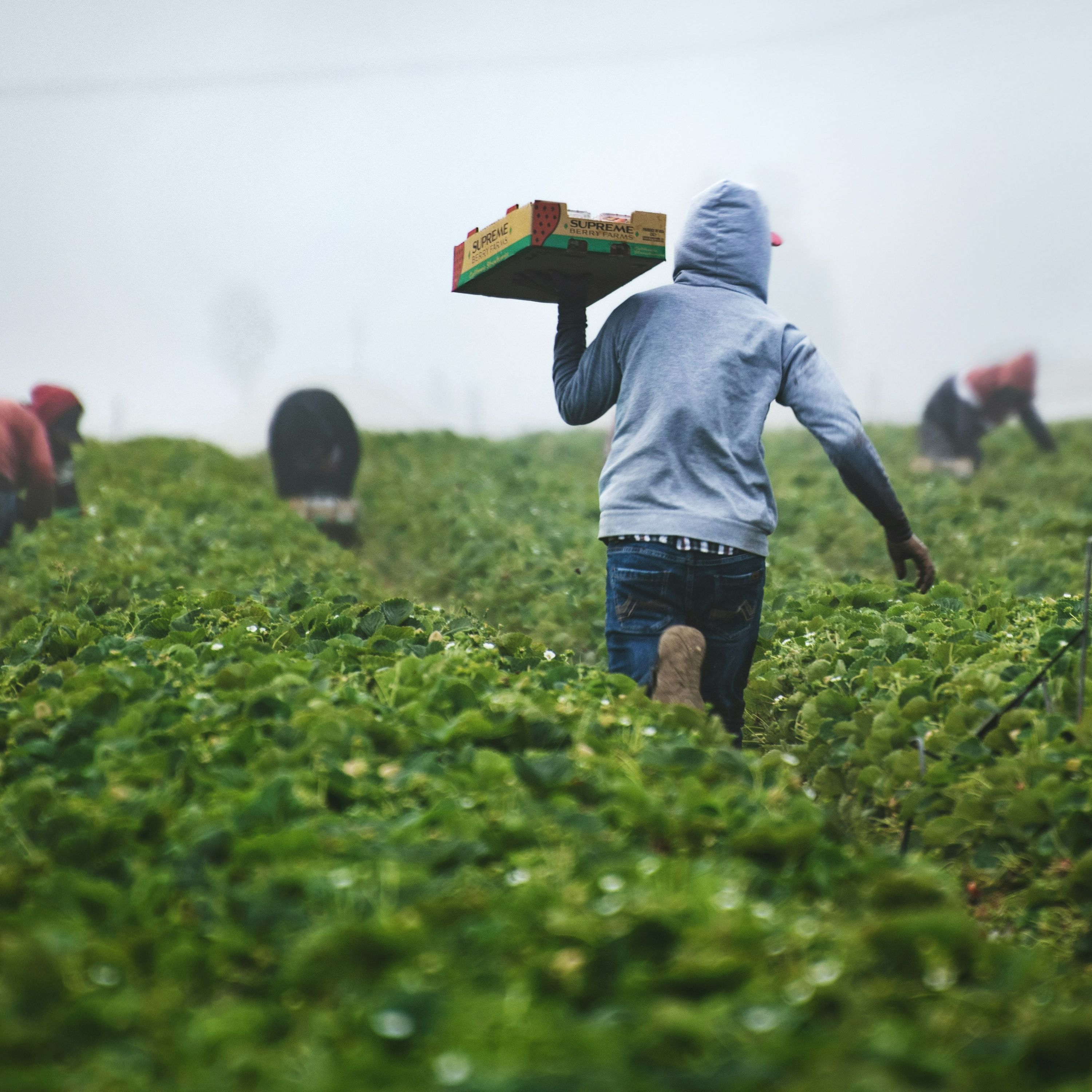 FLASHBACK: Shattering the myth of Canada 'the good' -- How we treat migrant workers who put food on our tables | Documentary filmmaker and OCAD University associate professor Min Sook Lee exposes how migrant workers have been treated in Canada, especially during COVID-19. In the conversation, Lee shatters any remaining myths about “Canada the Good.” Just how do Canadians treat the workers who put food on our tables? Lee has been documenting the voices of migrant farm workers in Canada for two decades. This episode originally aired in February 2021 and is part of our Summer Flashback series. This flashback was recommended by Scott White, the CEO and Editor in Chief of The Conversation Canada. Listen to the episode to hear why this episode resonated for him. | — | ||||||
| 6/20/24 | 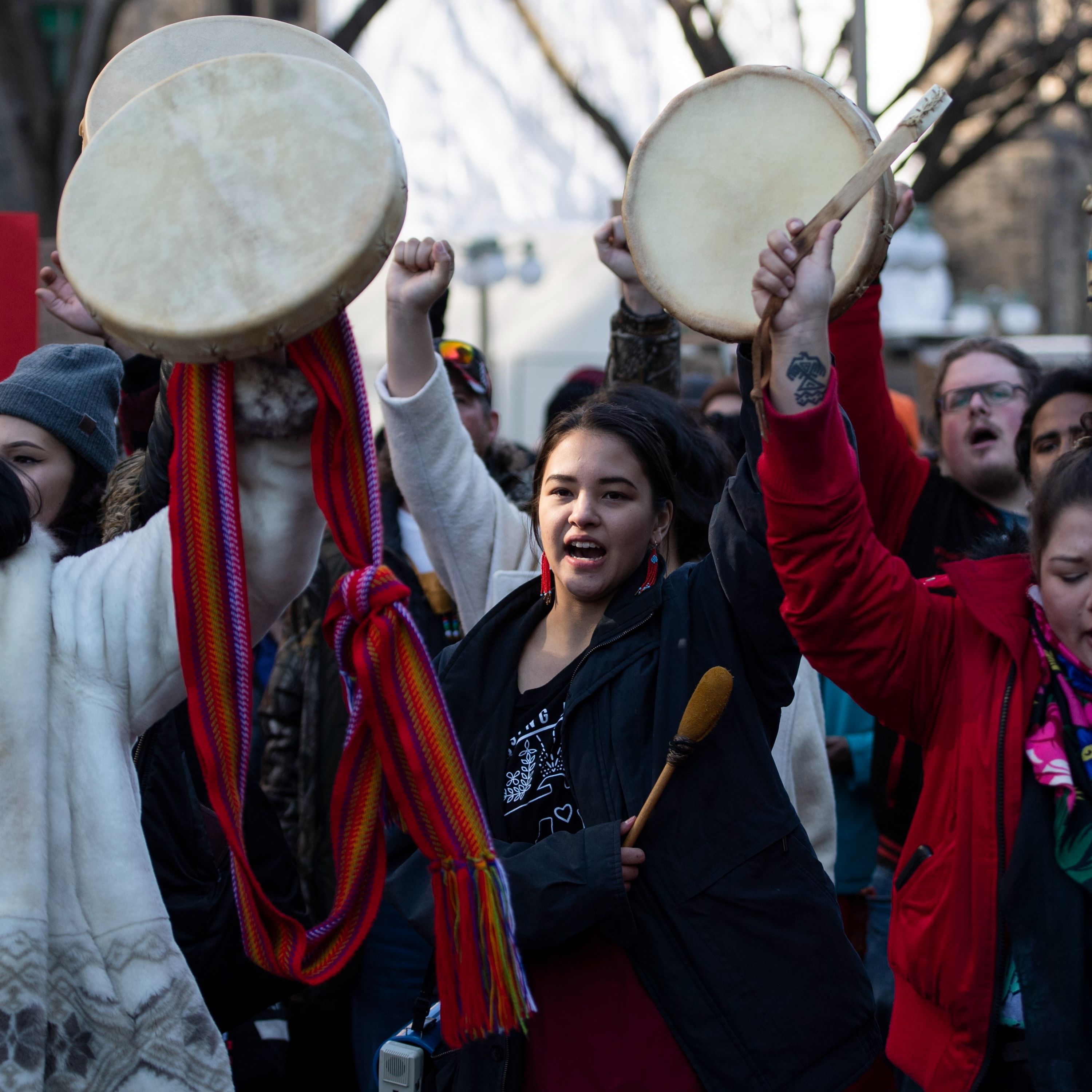 FLASHBACK: Indigenous land defenders on why they fight invasive development despite facing armed forces | Two Indigenous Land defenders from two different nations as well as generations, join us to explain why they work to protect the Land against invasive development and why their work is necessary for everyone’s survival. Ellen Gabriel, a human rights activist and artist well known for her role during the 1990 Oka crisis, and Anne Spice, a professor at TMU, discuss the importance and urgency of defending land. This episode is part of our Summer Flashback: it originally aired in March 2021. This flashback was recommended by Vinita Srivastava, the Host + Producer and Senior Editor of The Conversation Canada. | — | ||||||
| 6/13/24 |  Some of our favourite episodes you may have missed | In this bonus episode, you’ll meet some of the producers who help make this podcast to revisit some of our favourite episodes from past seasons. | — | ||||||
| 6/6/24 |  Trailer: Summer flashback season ahead | Our seventh season is officially over, but we will be back next week for a special bonus episode. You’ll get to meet some of our amazing producers who work hard behind the scenes to produce this podcast. | — | ||||||
| 5/30/24 |  As war rages in Sudan, community resistance groups sustain life | In Sudan, amid a growing humanitarian crisis caused by a year-long and ongoing war, neighbourhood organizations have stepped in as first responders, and to lead the call for peace. | — | ||||||
| 5/28/24 |  The Conversation Weekly: Assisted dying -- Canada grapples with plans to extend euthanasia to people suffering solely from mental illness | We’re bringing you an extra episode this week to share a fascinating interview from “The Conversation Weekly.” It’s a podcast hosted by our colleague Gemma Ware, from The Conversation UK. In this episode, psychiatrist Karandeep Sonu Gaind speaks to Gemma Ware on why he's a vocal opponent of Canada's expansion of its medically assisted dying laws to people with solely mental illness. | — | ||||||
| 5/23/24 | 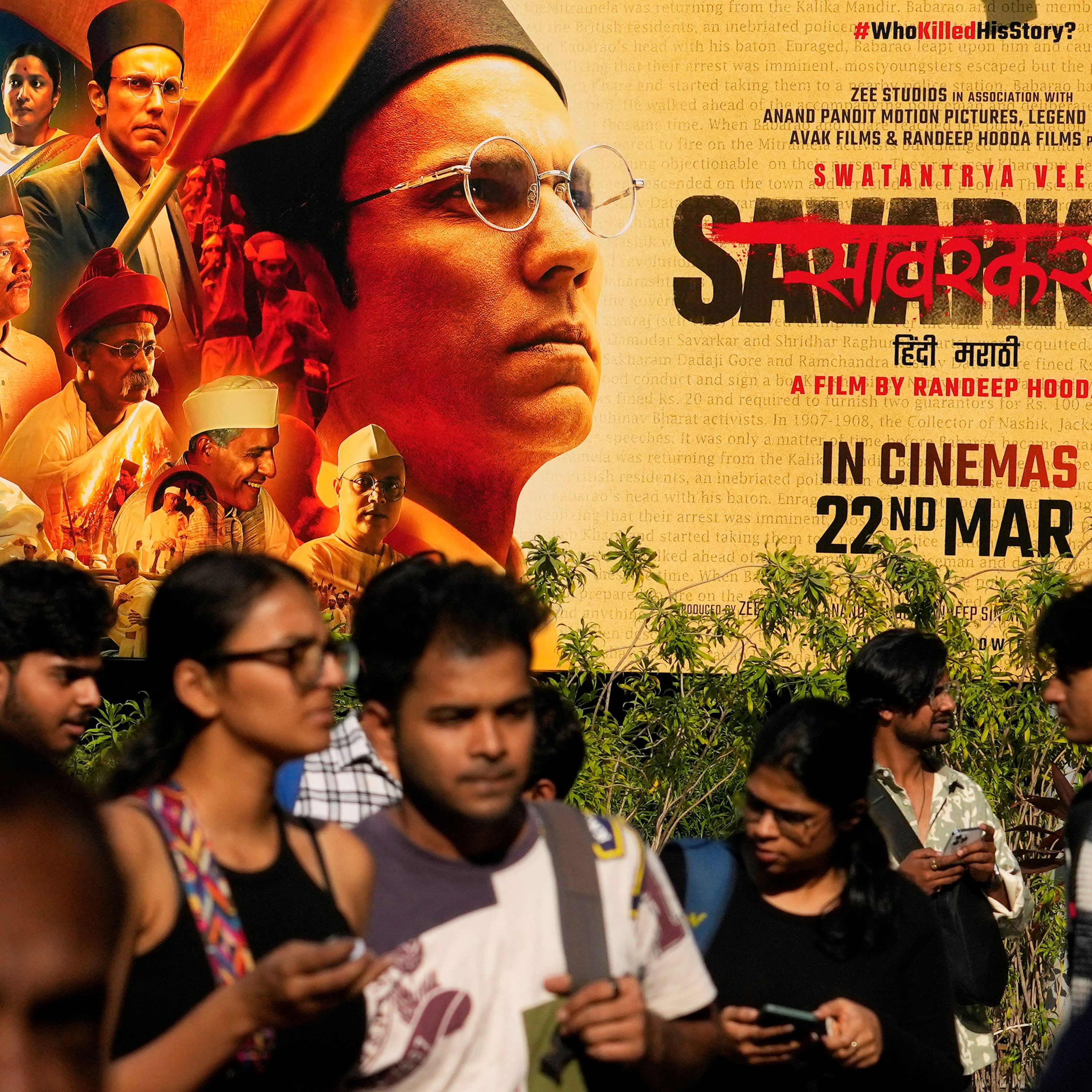 In India, film and social media play recurring roles in politics | Political scientist Shikata Banerjee and cinema studies scholar Rakesh Sengupta sit down with Vinita to talk about how Bollywood and popular culture in general are being used by Indian Prime Minister Narendra Modi and his right-wing Hindu nationalist BJP to sway voters in the world's largest election. | — | ||||||
| 5/16/24 |  A different way to address student encampments | Student protests on campuses are calling attention to atrocities in Gaza and challenging university administrators to divest. What is the best way forward that avoids unnecessary violence? | — | ||||||
| 5/9/24 | 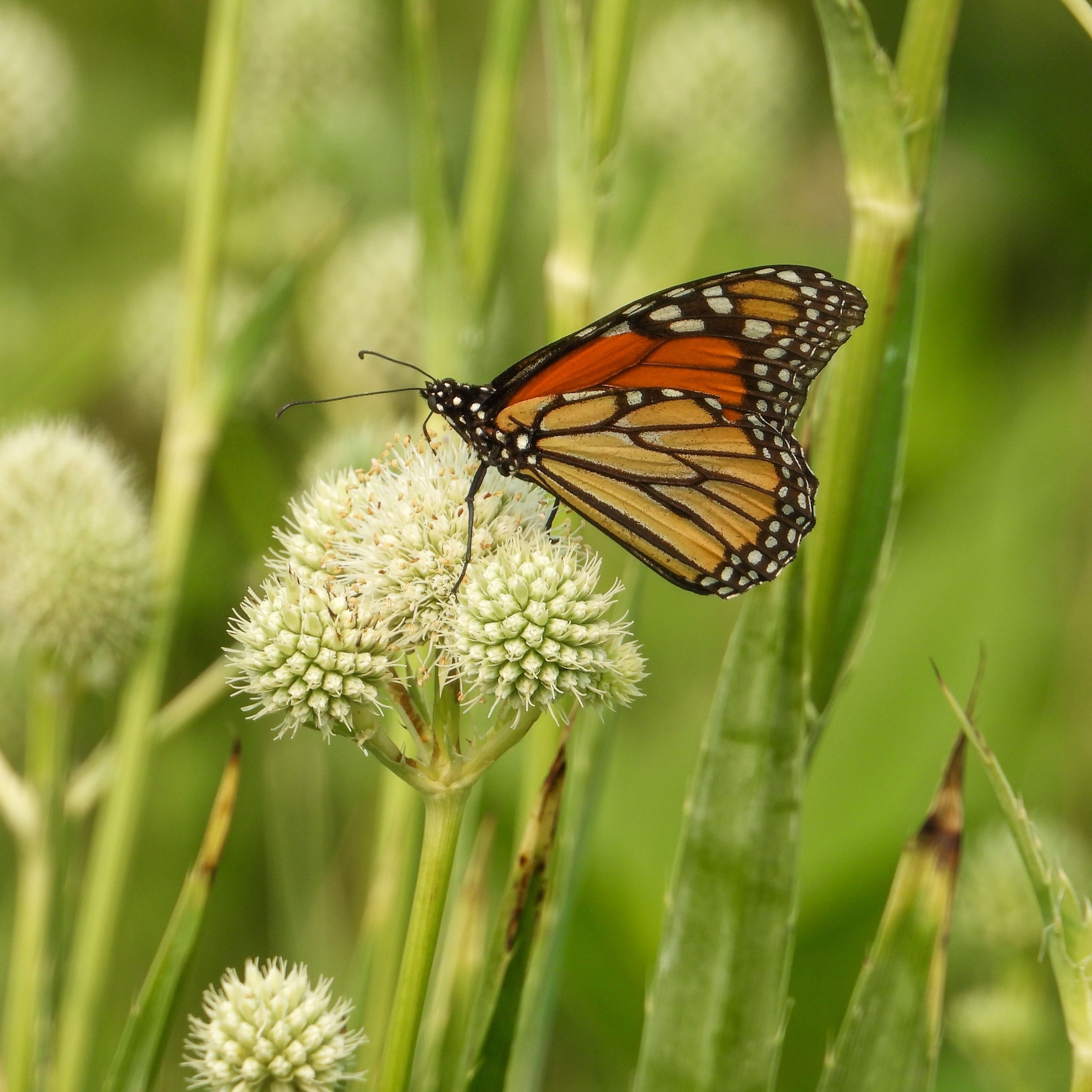 Digging into the colonial roots of gardening | In this episode of Don't Call Me Resilient, Vinita explores the complicated, colonial roots of gardening - which affect who gets to garden and what we plant - with researcher Jacqueline L. Scott and community activist Carolynne Crawley. | — | ||||||
| 5/2/24 |  Why students harmed by addictive social media need more than cellphone bans and surveillance | Is a cell phone ban, along with increased surveillance, the right way to deal with the impact of addictive and harmful technology in classrooms? | — | ||||||
| 4/25/24 | 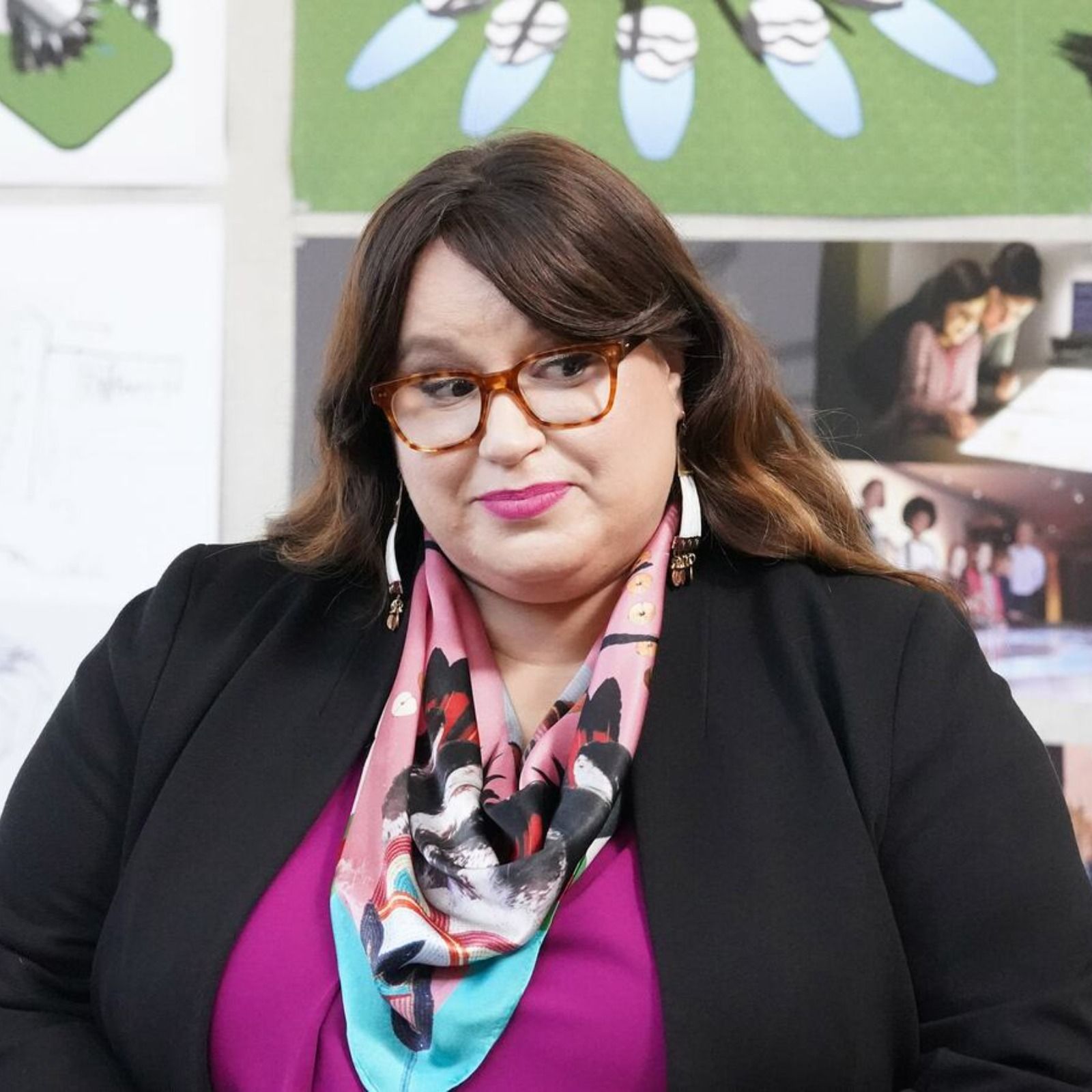 From stereotypes to sovereignty: How Indigenous media makers assert narrative control | Indigenous media in North America have rapidly expanded over the last 30 years with Indigenous media makers gaining greater control of their own narratives, including the ability to subvert colonial representations. | — | ||||||
| 4/18/24 | 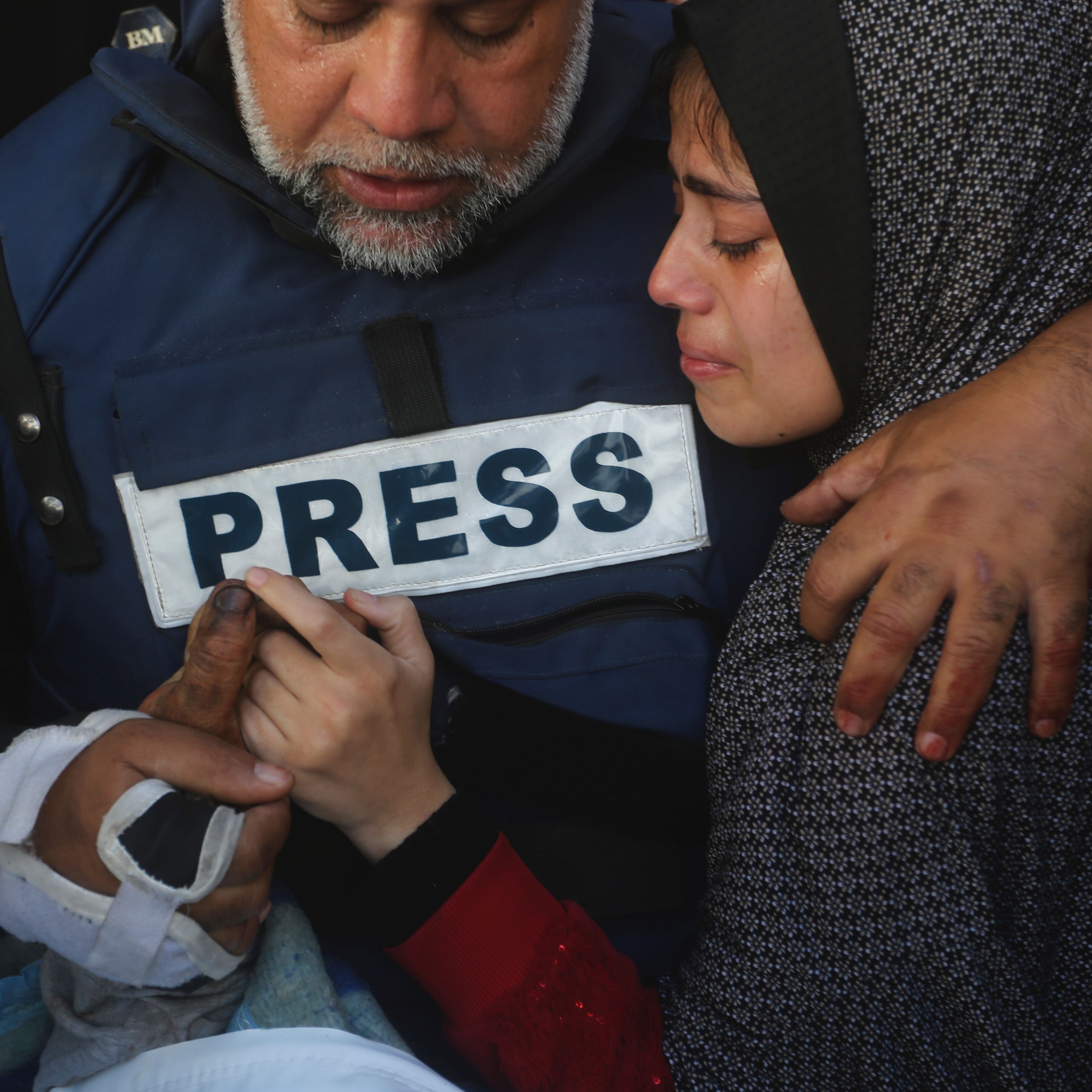 The chilling effects of trying to report on the Israel-Gaza war | Experts say mainstream media coverage of the war in Gaza is severely skewed -- with Palestinian voices getting stifled. They argue it privileges the perspectives of some journalists and not those of others. | — | ||||||
| 4/11/24 | 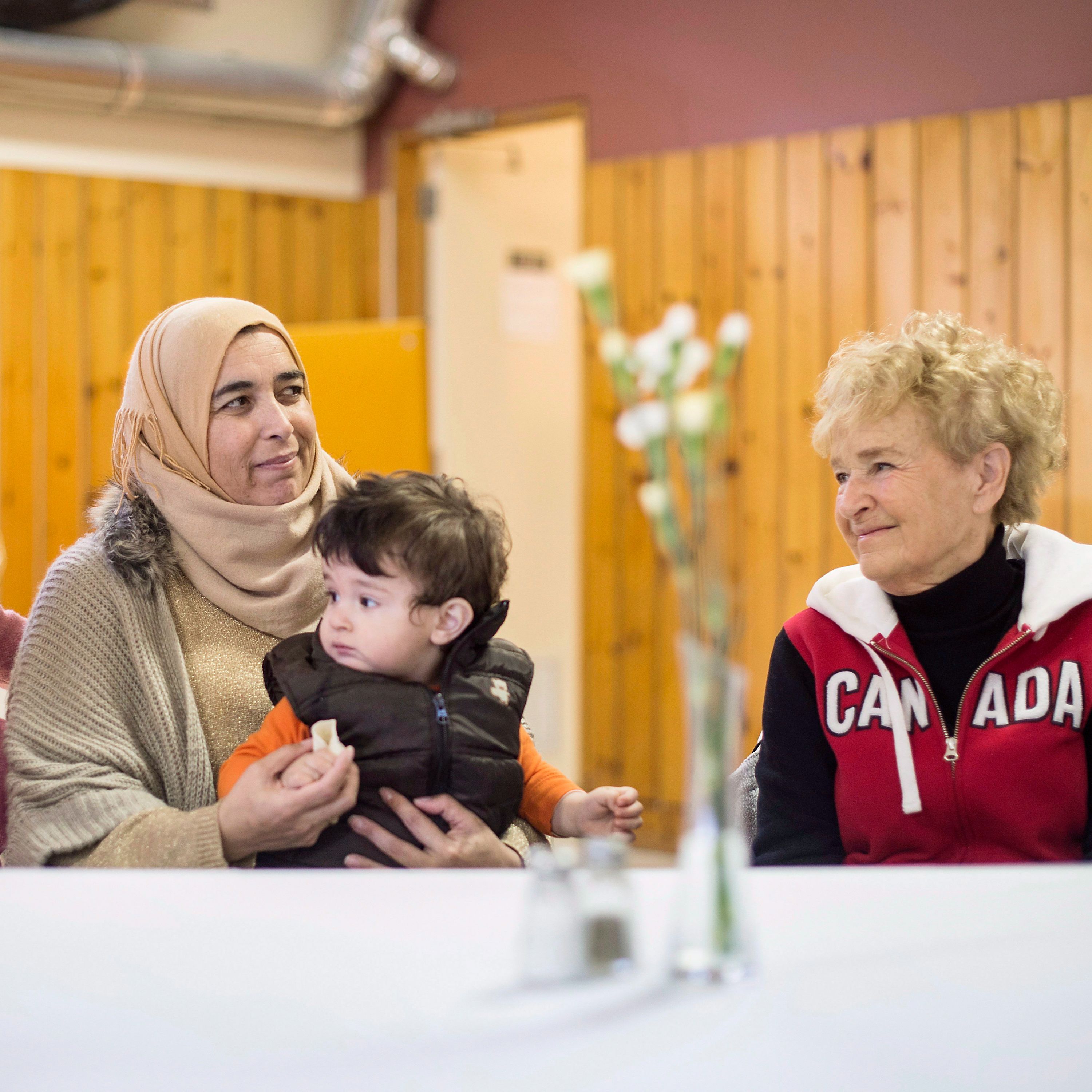 Asylum seekers from Gaza and Sudan face prejudiced policies and bureaucratic hurdles | Refugee programs in Canada have always been politicized, but more so in recent years, evidenced by discrepancies between programs for refugees from Gaza and Sudan and those from Ukraine. | — | ||||||
| 4/4/24 |  Beyoncé’s ‘Cowboy Carter’ transmits joy, honours legends and challenges a segregated industry | Today's episode is about Beyoncé's new album, Cowboy Carter. Beyoncé’s country-inspired album has caused a stir because the country music scene has long been white dominated, with a history of segregation that has erased its Black roots and gatekept it from Black artists. | — | ||||||
| 3/28/24 |  Colonialists used starvation as a tool of oppression | Vinita speaks to two famine scholars about the use of starvation as a tool in the colonizer's playbook through two historic examples - the decimation of Indigenous populations in the Plains, North America and the 1943 famine in Bengal, India. | — | ||||||
Showing 25 of 88
Sponsor Intelligence
Sign in to see which brands sponsor this podcast, their ad offers, and promo codes.
Chart Positions
1 placement across 1 market.
Chart Positions
1 placement across 1 market.