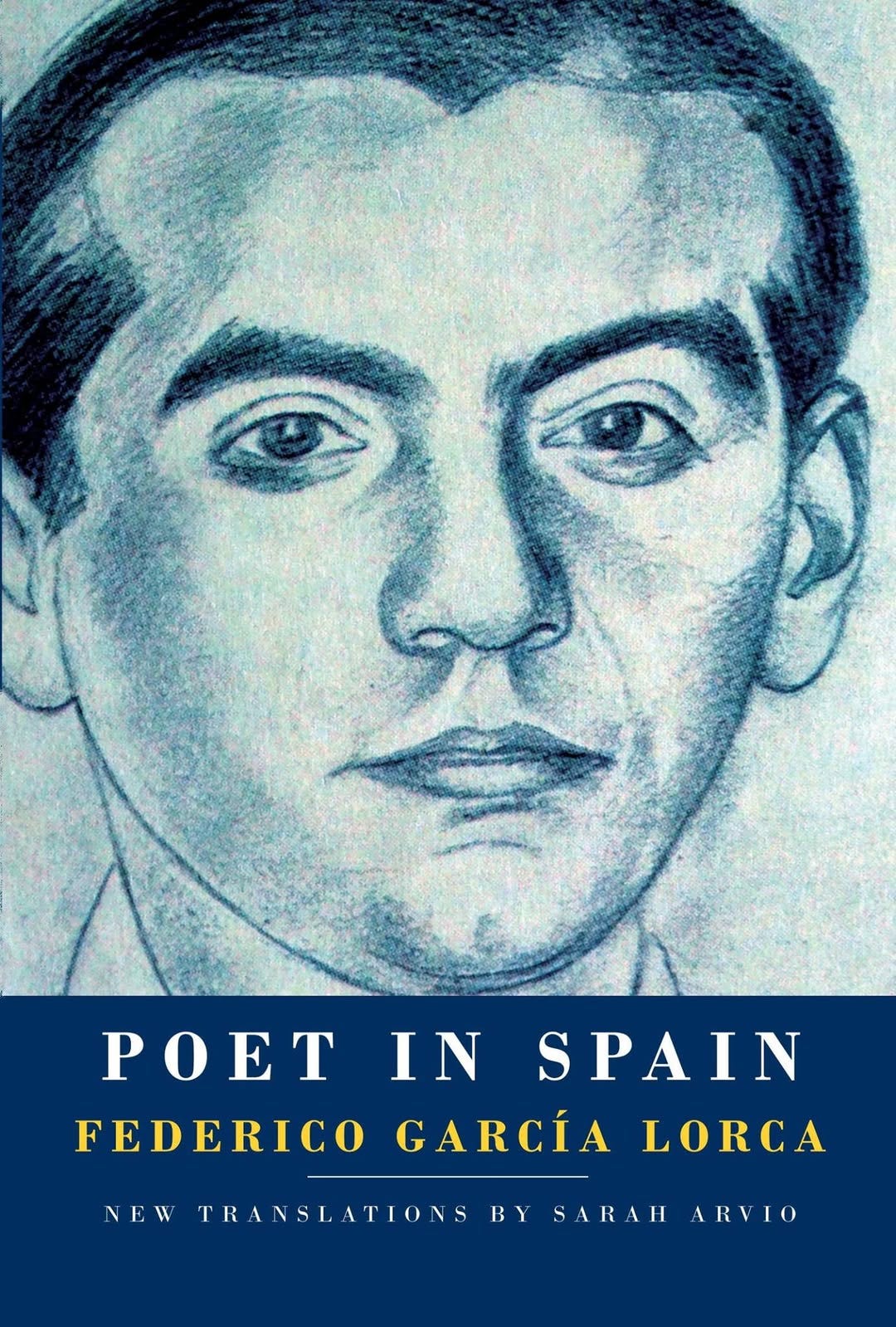
Half rant, half rendition
About this episode
The episode explores the complexities of translating Lorca's poetry and the cultural nuances involved.
What can I write about Lorca? He was not just a poet; he was also a dedicated pianist. Manuel de Falla was his mentor, and he learned from him about the profound songs known as Cante Jondo. Therefore, reading Lorca is an experience that evokes a deep sense of Duende, an ethereal quality that transcends mere poetry. Many scholars believe that translating Lorca into American English is an impossible task. However, if you dare to attempt it, I highly recommend reading this translation by Sarah Arvio while having a glass of red wine and some delicious Serrano ham. And perhaps, for a moment, you can channel the spirit of that young boy who found inspiration in music and transformed it into poetry. This voice crafter you are hearing will provide you with a full-blown rendition, taking advantage of my privileged condition as a transnational author. See, the translator thought Lorca never used commas or periods or full stops, but he certainly did. Like Emily Dickinson used dashes, including long ones, to create pauses, separate ideas, and add ambiguity to her poetry, a feature often lost in standardized printed versions but present in her manuscripts. I hope you find a suitable time to…
More episodes of Don't You Dare To Think Out Loud!
- The Uncanny Wordsmith
- Froth on the Daydream
- The Substance
- Soda Mill Studio
- Pain and Sorrow
- Egregious lunatics
Explore listener stats, chart rankings, contacts and more on the Don't You Dare To Think Out Loud! podcast page.