

Earth Charter Podcast: Turning Conscience Into Action
by Earth. Charter International
Insights from recent episode analysis
Audience Interest
Podcast Focus
Publishing Consistency
Platform Reach
Insights are generated by CastFox AI using publicly available data, episode content, and proprietary models.
Est. Listeners
Based on iTunes & Spotify (publisher stats).
- Per-Episode Audience
Est. listeners per new episode within ~30 days
1,001 - 10,000 - Monthly Reach
Unique listeners across all episodes (30 days)
5,001 - 25,000 - Active Followers
Loyal subscribers who consistently listen
501 - 5,000
Market Insights
Platform Distribution
Reach across major podcast platforms, updated hourly
Total Followers
—
Total Plays
—
Total Reviews
—
* Data sourced directly from platform APIs and aggregated hourly across all major podcast directories.
On the show
Recent episodes
Moacir Gadotti | Pedagogia da Terra, Cidadania Planetária e a Carta da Terra
May 29, 2025
Unknown duration
Sabrina Brando | An Interconnected Approach to Animal, Peoples, and Planetary Wellbeing in the Care and Conservation Field
Apr 30, 2025
Unknown duration
Neshan Gunasekera & Justin Sobion | Earth Trusteeship and Intergenerational Justice
Apr 7, 2025
Unknown duration
Akpezi Ogbuigwe | Reflections on Ethics, Education, and the Earth Charter
Mar 26, 2025
Unknown duration
Yolanda Kakabadse | Tejiendo redes para el cambio: Reflexiones sobre cuatro décadas de sostenibilidad
Mar 12, 2025
Unknown duration
Social Links & Contact
Official channels & resources
Official Website
Login
RSS Feed
Login
| Date | Episode | Description | Length | ||||||
|---|---|---|---|---|---|---|---|---|---|
| 5/29/25 |  Moacir Gadotti | Pedagogia da Terra, Cidadania Planetária e a Carta da Terra Moacir Gadotti | Pedagogia da Terra, Cidadania Planetária e a Carta da Terra | Neste episódio do Podcast da Carta da Terra, conversamos com o professor Moacir Gadotti sobre Paulo Freire, educação, cidadania planetária e sua trajetória com a Carta da Terra. Abordamos também temas como ecopedagogia e seu livro Pedagogia da Carta da Terra. O professor Gadotti descreve a Pedagogia da Terra como uma abordagem que insere o ser humano em uma visão mais ampla do universo, buscando restaurar nossa conexão e vínculo com o todo. Ele destacou que essa proposta pedagógica foi um sonho inacabado de Paulo Freire. | — | ||||||
| 4/30/25 | 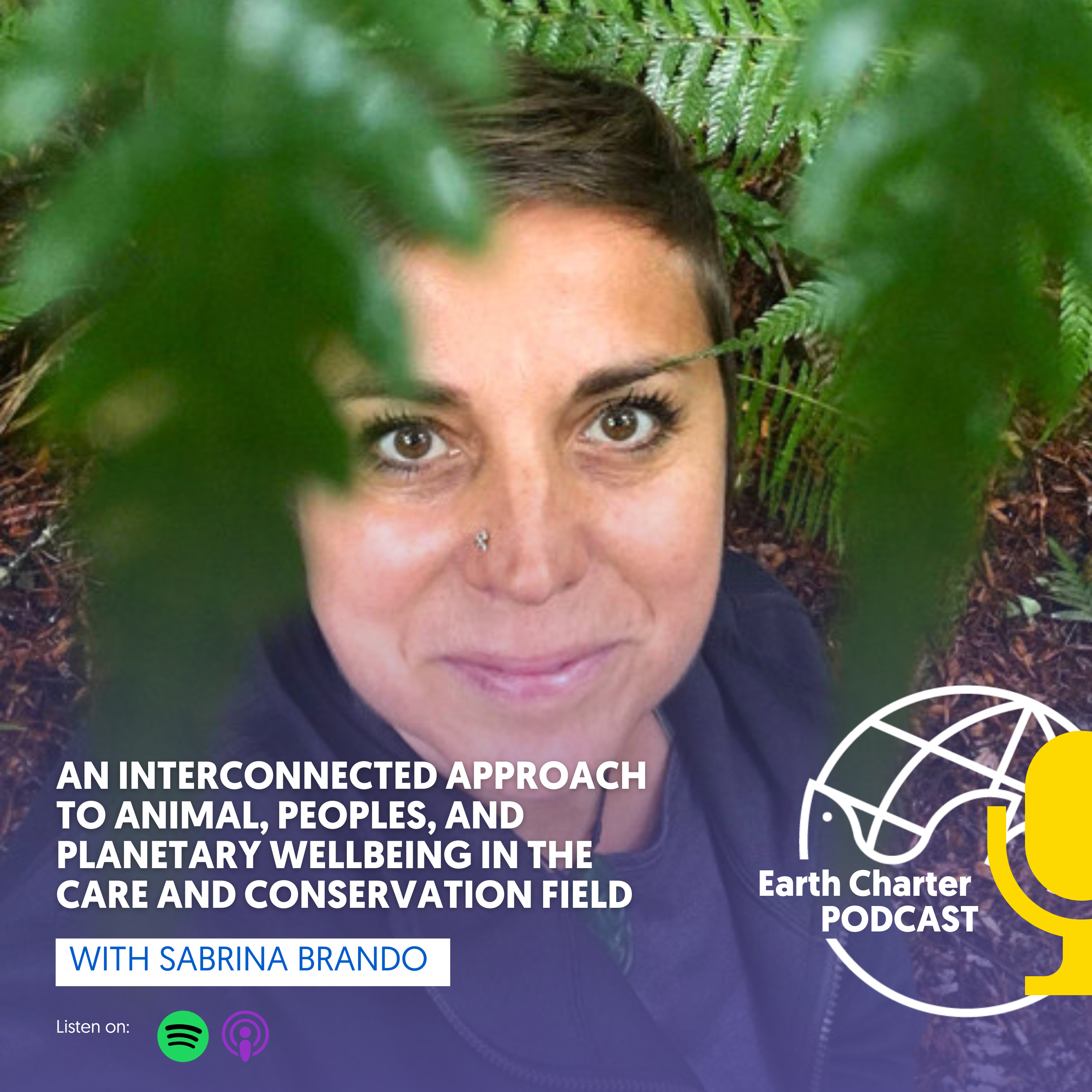 Sabrina Brando | An Interconnected Approach to Animal, Peoples, and Planetary Wellbeing in the Care and Conservation Field Sabrina Brando | An Interconnected Approach to Animal, Peoples, and Planetary Wellbeing in the Care and Conservation Field | This episode features Sabrina Brando discussing the vital link between animal and human wellbeing in professional animal care and conservation-related professions. We talk about the importance of supporting both human and animal welfare across animal facilities and supporting those who work in education and other purpose-driven professions. We reflect on what it means to “treat all living beings with respect and consideration”, including in zoos, aquariums, and sanctuaries, and their roles in urban spaces today. The conversation explores the role of education, research, and conservation in advancing animal wellbeing and conservation and how the Earth Charter offers a guiding framework for ethical and sustainable practices for zoos, aquariums, and animal sanctuaries. Sabrina also shares insights from her doctoral research on employee wellbeing in zoos and aquariums and the importance of self-care and fostering a culture of care within organizations. Additionally, she highlights the work AnimalConcepts is doing to integrate the Earth Charter into zoos, aquariums, animal sanctuaries and academia worldwide. | — | ||||||
| 4/7/25 | 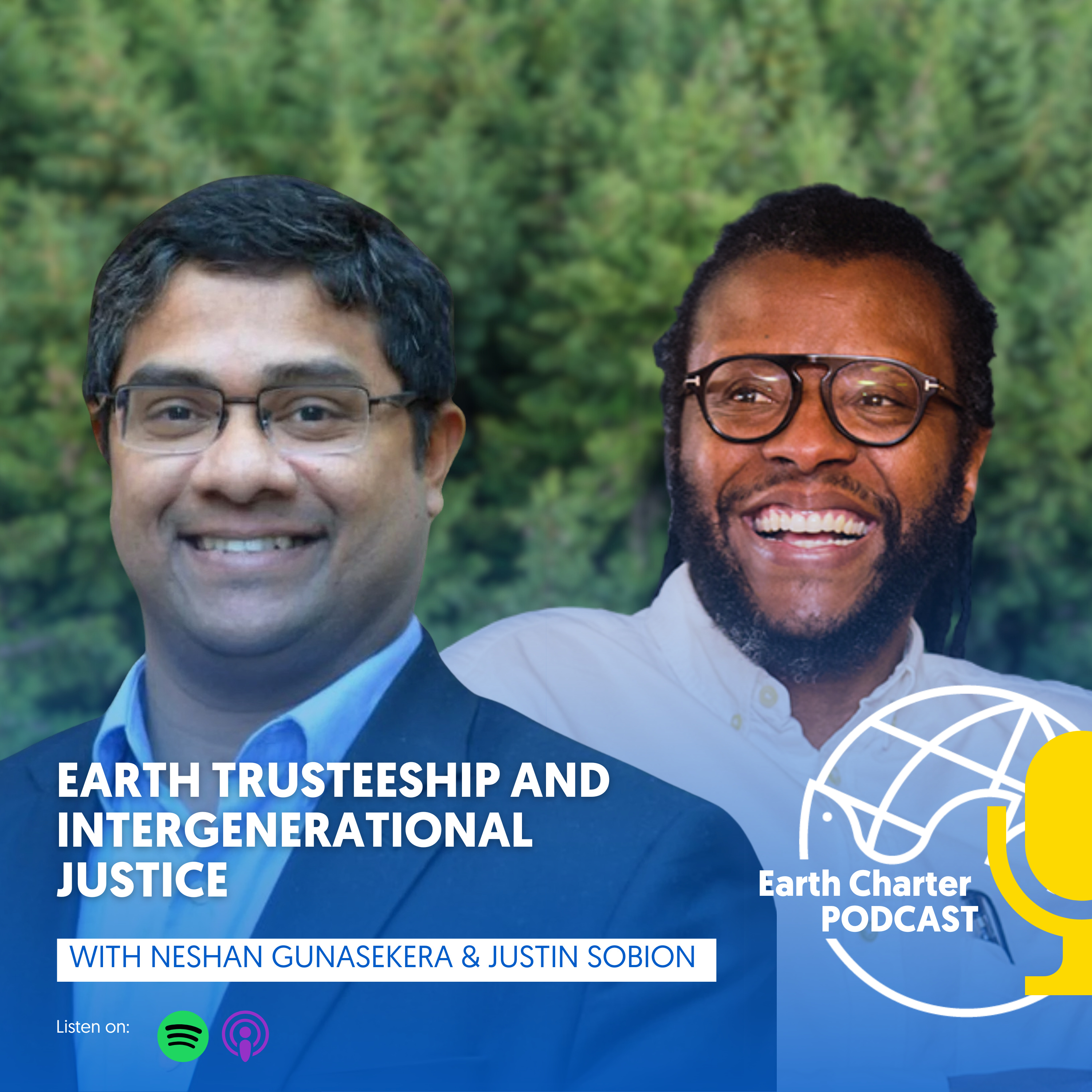 Neshan Gunasekera & Justin Sobion | Earth Trusteeship and Intergenerational Justice Neshan Gunasekera & Justin Sobion | Earth Trusteeship and Intergenerational Justice | In this podcast episode, we discuss the Earth Charter, the Hague Principles, and the concept of Earth Trusteeship, as well as the connection between trusteeship and ethics. We reflect on what Earth Trusteeship means, why it is important, and how it builds on the Earth Charter. We also explore Earth Trusteeship education, intergenerational justice, the Rights of Future Generations, The Pact for the Future, and the roles of states and citizens in these matters. Additionally, we delve into the 2023 book Reflections on Earth Trusteeship: Mother Earth and a New 21st-Century Governance Paradigm, edited by Justin Sobion and Hans van Willenswaard. This interview emphasizes the message that “We are all Earth Trustees, and we have a responsibility to one another and to future generations… and the importance of the rights of future generations.” | — | ||||||
| 3/26/25 | 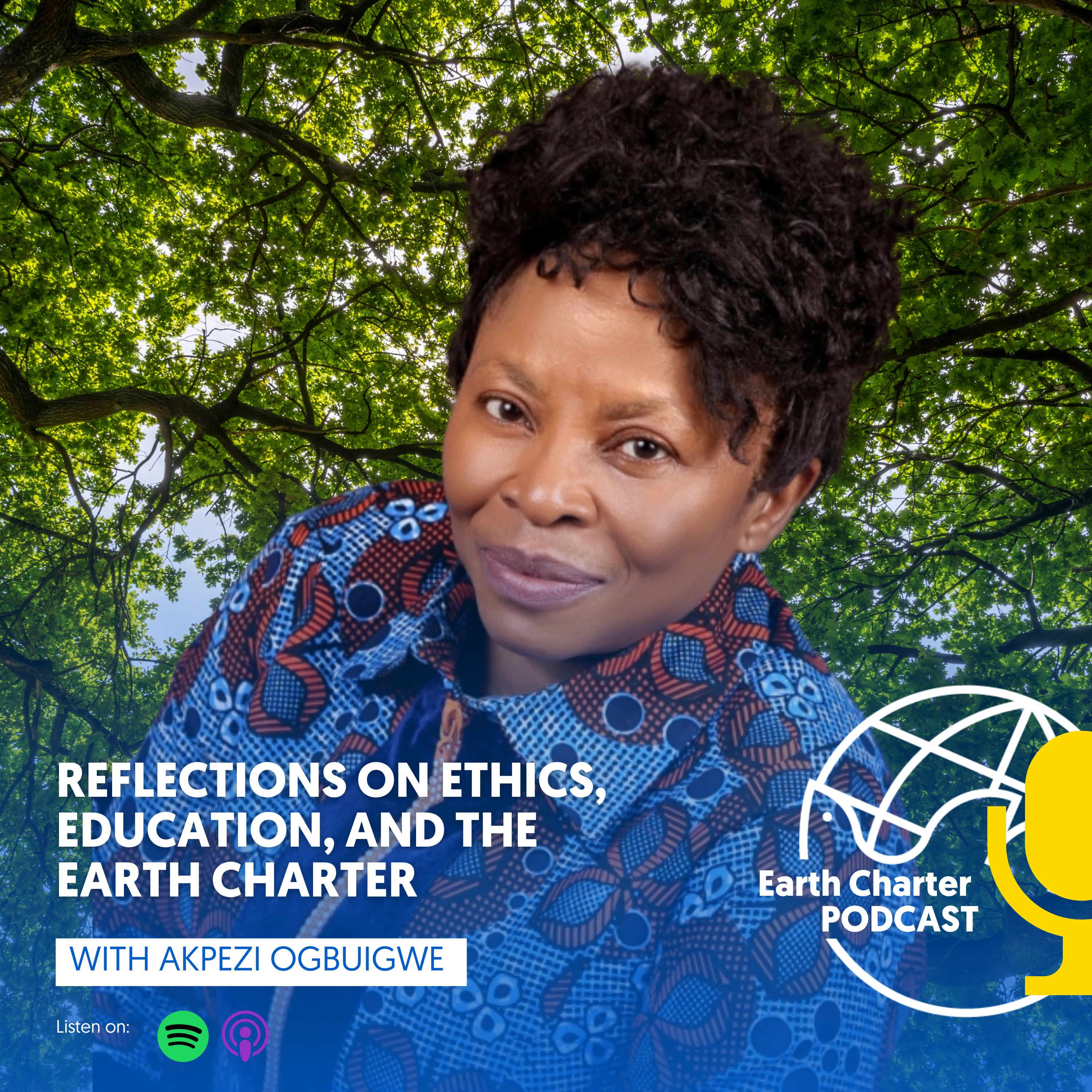 Akpezi Ogbuigwe | Reflections on Ethics, Education, and the Earth Charter Akpezi Ogbuigwe | Reflections on Ethics, Education, and the Earth Charter | In this podcast episode, Akpezi Ogbuigwe reflects on her experience in the context of Nigeria and as the head of education at UNEP and shares her views on Education for Sustainable Development (ESD) and its connection to environmental education, climate change education, and broader education for change. She explains that environmental education focuses on managing and improving the relationship between human society and the environment, emphasizing problem-solving skills. Akpezi also discusses the link between environmental education and ethics in educational settings, offering insights into the publication project she contributed to, called Environmental Education, Ethics, and Action: A Workbook to Get Started. She highlights the idea that “ethical awareness leads to practical action.” Toward the end of the conversation, Akpezi offers valuable perspectives on the Earth Charter, discussing its role in expanding "Planetary Consciousness," fostering "the Ethics of Care," and promoting "Intergenerational Justice." | — | ||||||
| 3/12/25 | 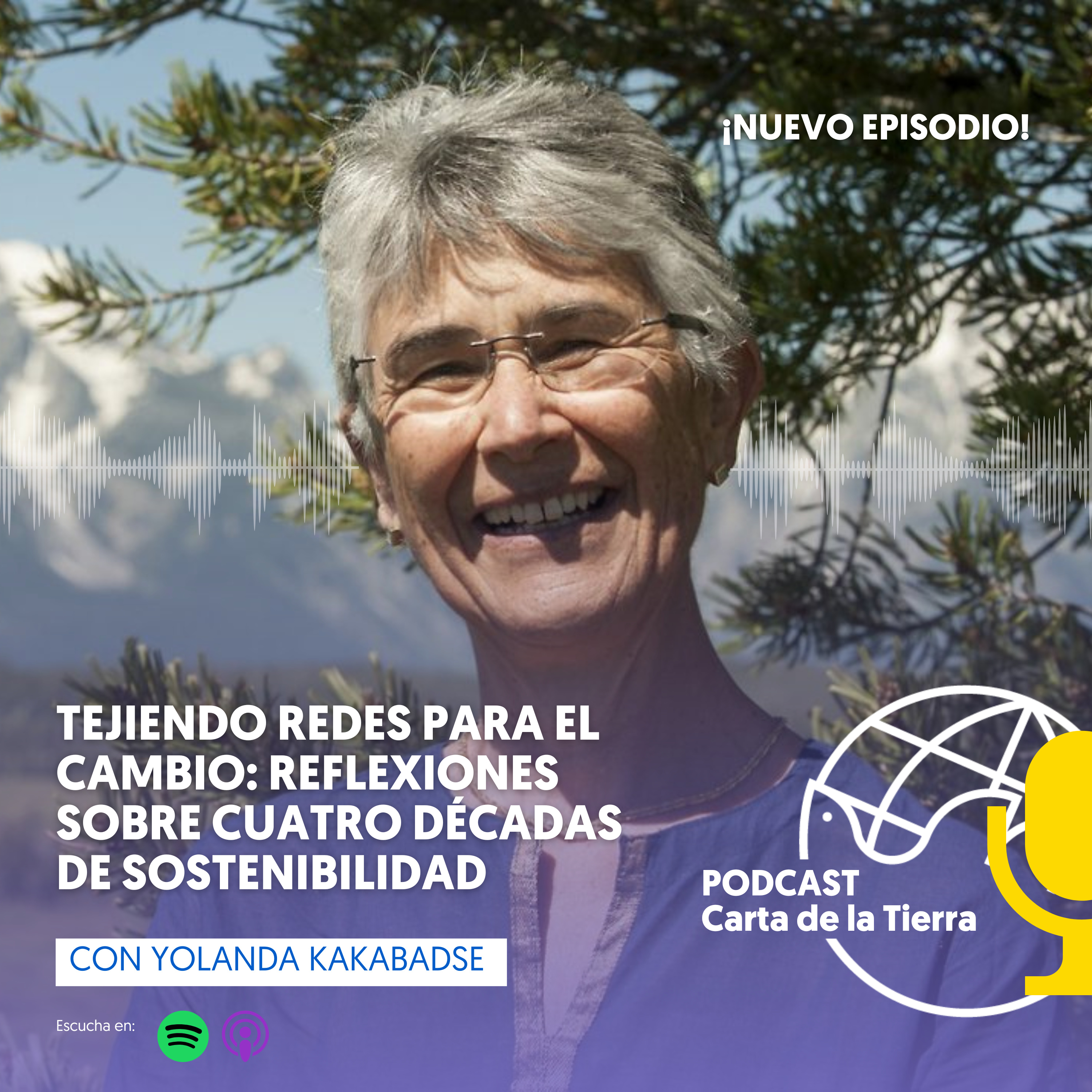 Yolanda Kakabadse | Tejiendo redes para el cambio: Reflexiones sobre cuatro décadas de sostenibilidad Yolanda Kakabadse | Tejiendo redes para el cambio: Reflexiones sobre cuatro décadas de sostenibilidad | En este episodio de nuestro podcast, hablamos sobre la importancia de la colaboración entre múltiples actores de la sociedad para abordar los desafíos socioambientales y cómo la comprensión de este tema ha evolucionado en los últimos años. Se destaca cómo la Cumbre de la Tierra de 1992 surge como un momento histórico para involucrar a diversos actores de la sociedad en el desarrollo e implementación de políticas públicas relacionadas con la sostenibilidad. Yolanda comenta algunas experiencias y lecciones aprendidas en su trabajo a lo largo de más de cuatro décadas en el ámbito de la sostenibilidad y conservación. Reflexiona sobre cómo ella ve los desafíos para abordar la crisis ecológica y social, así como el tema de la justicia social y económica que vivimos actualmente en América Latina. También hablamos sobre la UICN y cómo percibe las resoluciones que esta adopta, como la de la Carta de la Tierra | — | ||||||
| 2/26/25 | 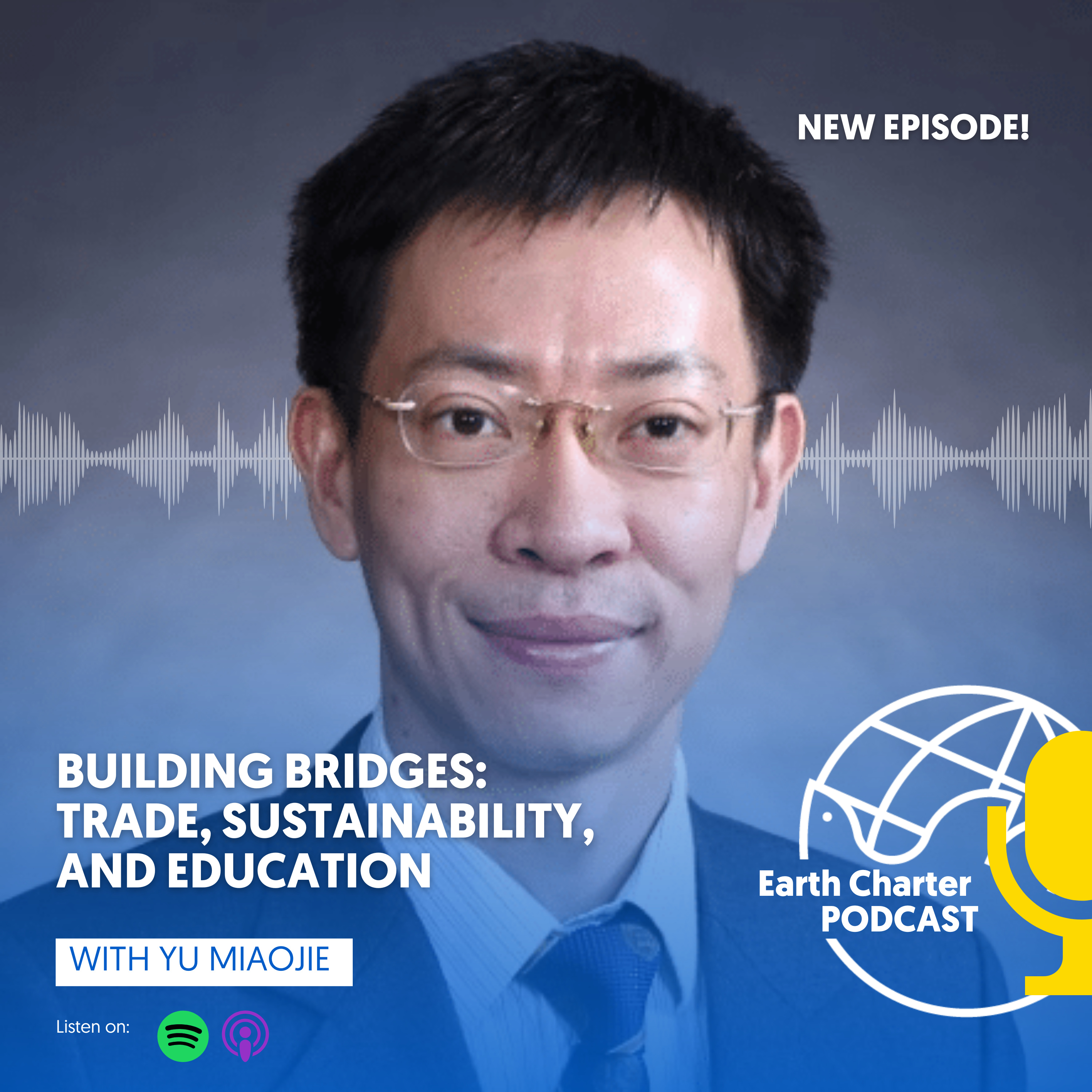 Yu Miaojie | Building Bridges: Trade, Sustainability, and Education Yu Miaojie | Building Bridges: Trade, Sustainability, and Education | In this episode, we welcome Dr. Yu Miaojie, president of Liaoning University (LNU), to explore the key ideas of his book China-US Trade War and Trade Talk, the challenges of trade relations between China and the US, and the impact of China trade liberalization in the world. We also reflect on China’s commitment and vision regarding Ecological Civilization—what it means, how institutions are aligning to this idea, and how LNU is embracing this commitment. Dr Yu shares his views on the role of higher education in shaping a more sustainable world, the connection between Education for Sustainable Development (ESD) and Ecological Civilization, and how the Earth Charter can help guide this path. We also talk about his vision on where he wants to take LNU. | — | ||||||
| 2/12/25 | 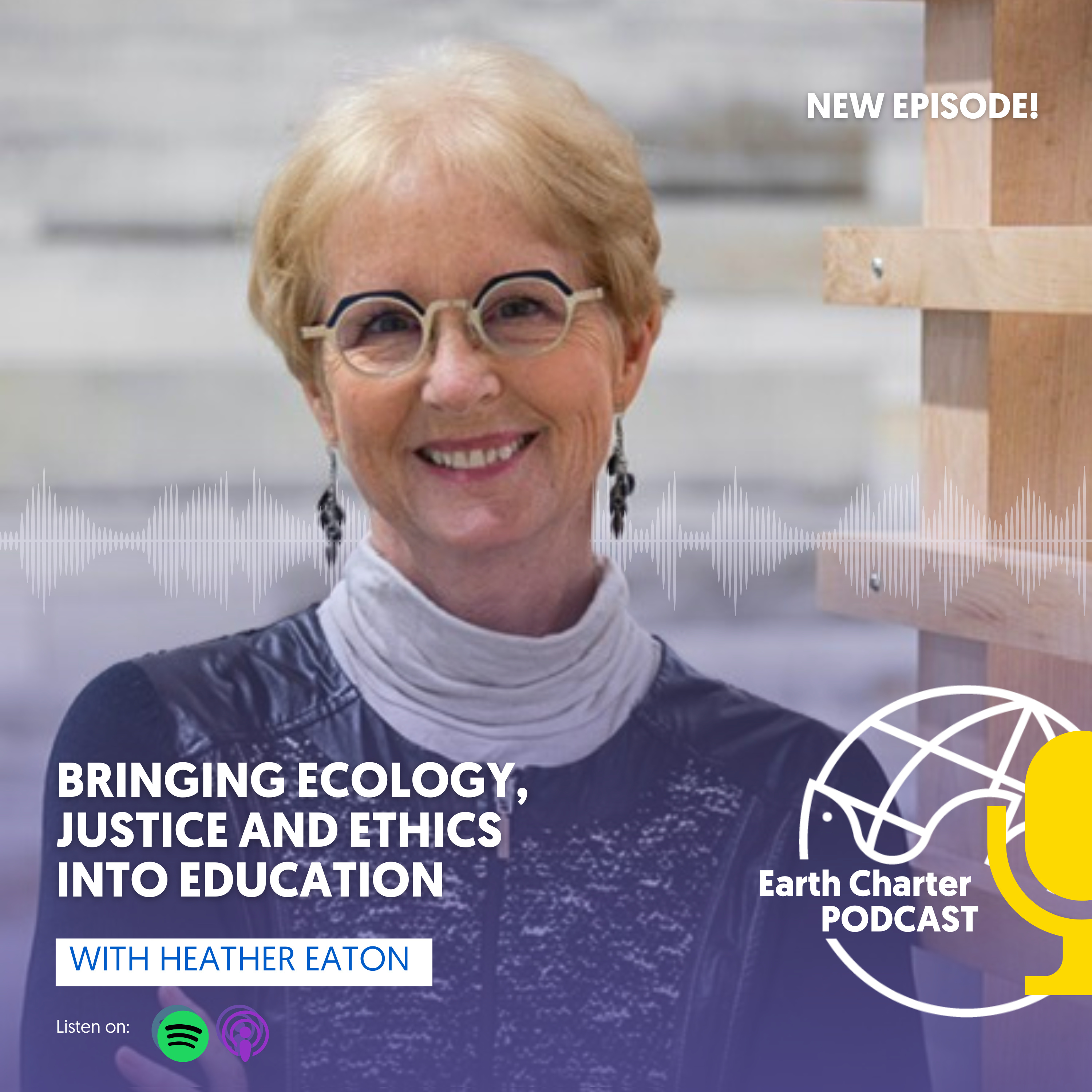 Heather Eaton | Bringing Ecology, Justice and Ethics into education Heather Eaton | Bringing Ecology, Justice and Ethics into education | In her teaching, Heather uses the Earth Charter to inspire students, encouraging them to connect its principles with local projects that foster practical action and hope. She emphasizes the Charter’s relevance in today’s fragmented, crisis-ridden world, highlighting its comprehensive vision of the Earth community, eco-justice, and nonviolence. | — | ||||||
| 1/29/25 | 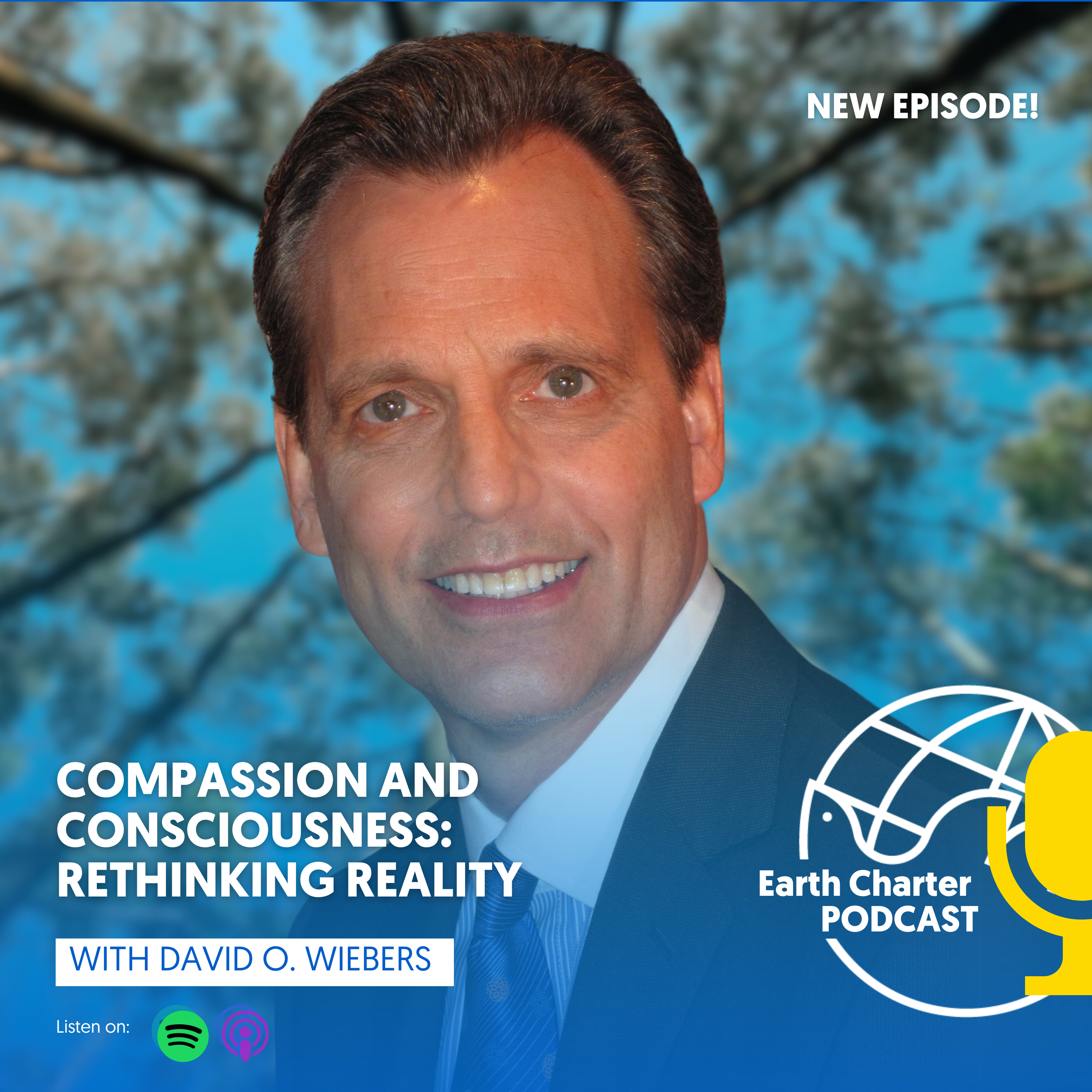 David O. Wiebers │Compassion and Consciousness: Rethinking Reality David O. Wiebers │Compassion and Consciousness: Rethinking Reality | In this interview, David O. Wiebers explores compassion for all life as the highest human pursuit, surpassing scientific achievement. He argues that compassion fuels creativity, wisdom, and survival. He links neuroscience concepts like resilience and coherence to creativity and social change. Critiquing the human-centric paradigm, he calls for a life-centric shift, emphasizing interconnection, climate action, and animal protection. | — | ||||||
| 8/8/24 | 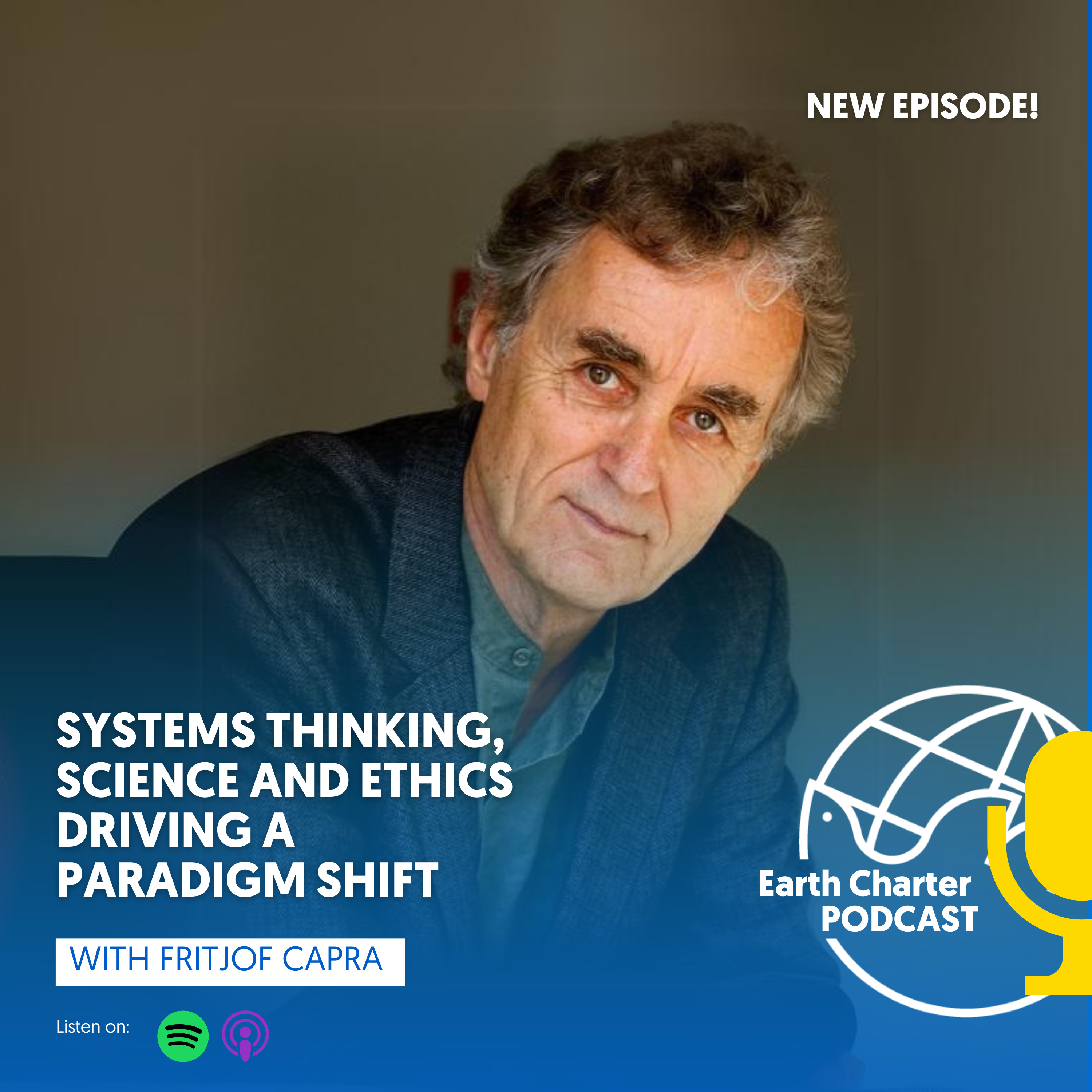 Fritjof Capra │Systems Thinking, Science and Ethics driving a paradigm shift Fritjof Capra │Systems Thinking, Science and Ethics driving a paradigm shift | Fritjof Capra comments on key ideas from his books and his work advocating for a shift from a mechanistic worldview to a systemic and ecological perspective. He argues that the mechanistic thinking model has failed to address the complexities of our world. Capra emphasizes that life organizes itself in networks that are regenerative, creative, and intelligent, envisioning a systems-based leadership approach. Supported by systems theory, he affirms that this new understanding of life reveals that major global issues are interconnected and require systemic solutions. Capra also advocates for a paradigm shift in ethics and values to address these challenges effectively. In this interview, he provides insightful reflections on systems thinking, the intersection of science and spirituality, the four principles of life, and The Earth Charter. | — | ||||||
| 7/5/24 | 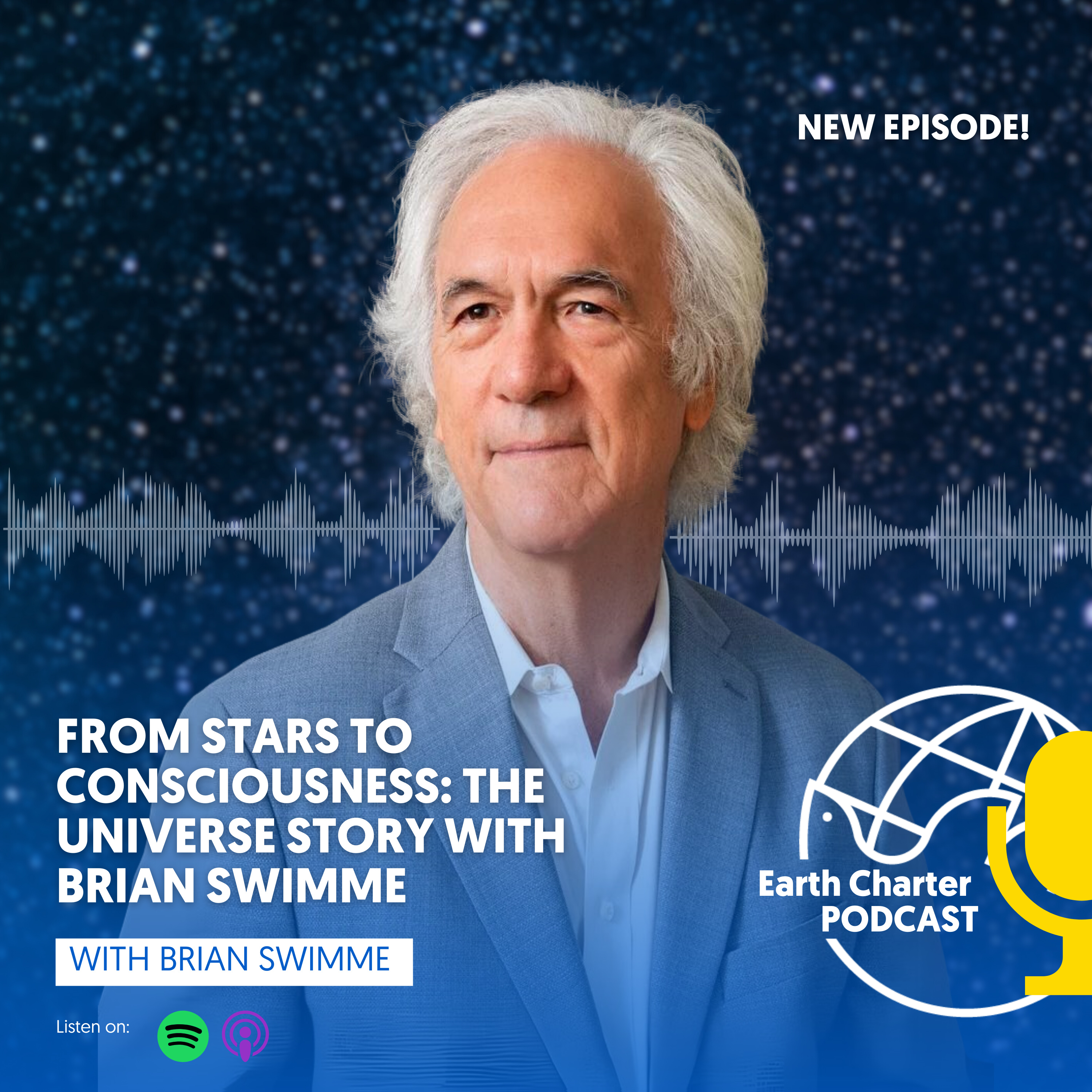 Brian Swimme | From Stars to Consciousness: The Universe Story Brian Swimme | From Stars to Consciousness: The Universe Story | Brian Swimme elucidates the philosophical and scientific underpinnings of humanity's relationship with the universe. He delves into the concepts of the “universe story” as a framework for understanding our existence, our interconnections as “cosmological beings,” and the evolution of humanity's shared knowledge. Through understanding our cosmological origins and the evolutionary saga, Swimme believes we can cultivate a new consciousness, recognizing ourselves as "cosmological beings" intrinsically linked to the cosmos. This expanded awareness, integrating science and spirituality, can lead to a more harmonious and responsible relationship with Earth and its inhabitants. Swimme sees the Earth Charter as an archetypal example of this evolving planetary wisdom, reflecting humanity's growing understanding of its interconnectedness and responsibility for the planet. | — | ||||||
Want analysis for the episodes below?Free for Pro Submit a request, we'll have your selected episodes analyzed within an hour. Free, at no cost to you, for Pro users. | |||||||||
| 6/11/24 | 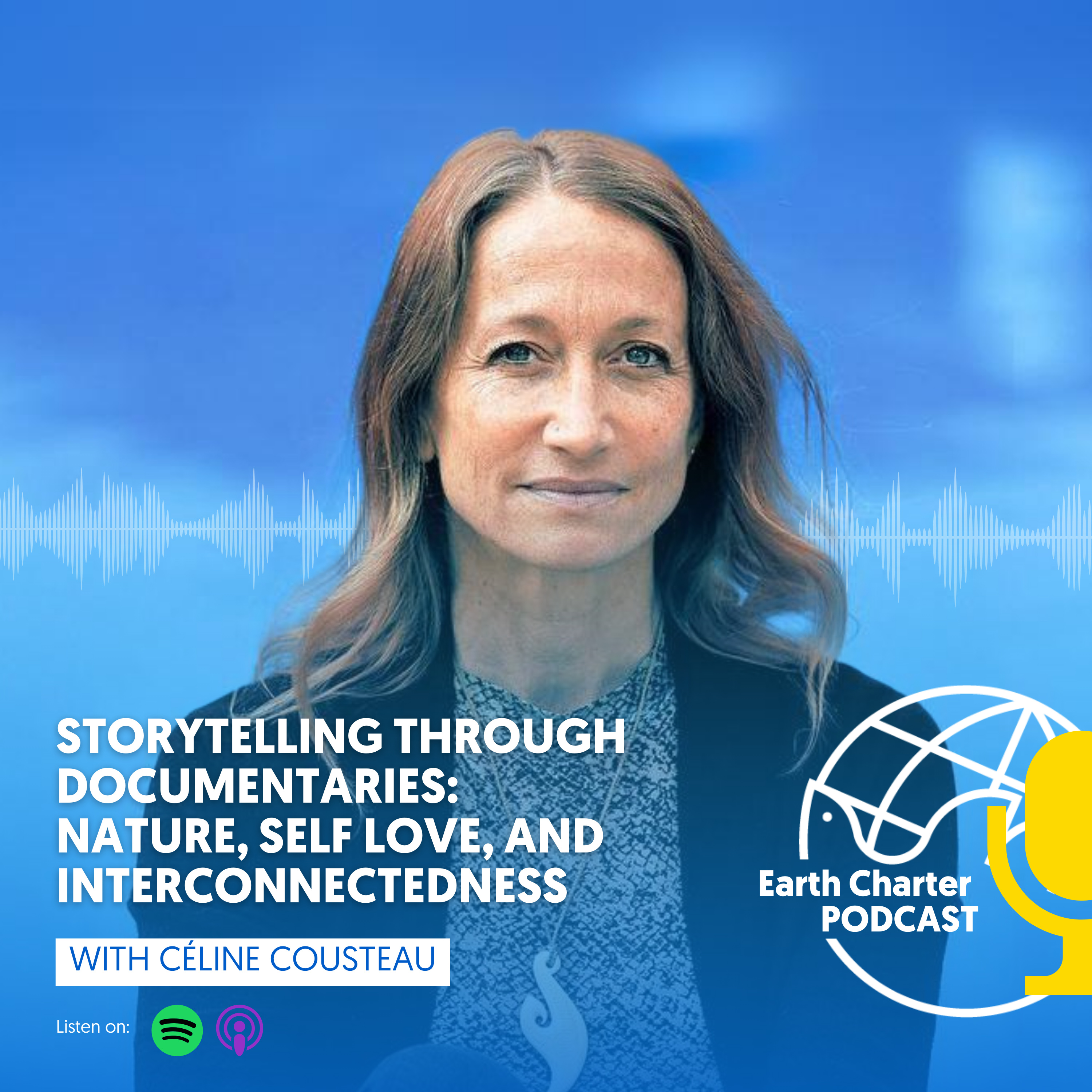 Storytelling Through Documentaries: Nature, Self Love, and Interconnectedness with Céline Cousteau Storytelling Through Documentaries: Nature, Self Love, and Interconnectedness with Céline Cousteau | Céline Cousteau expounds upon environmental advocacy and storytelling by sharing her work in documentary filmmaking and public speaking over the past decade, focusing on inspiring hope through conservation success stories. Ms. Cousteau emphasizes the interconnectedness of all living things and how modern disconnection from nature and ourselves has led to internal suffering impacting our relationship with the planet. The speakers explore how connecting humans to nature through education, transformational leadership, technology, and self-care could help address issues like ocean pollution. | — | ||||||
| 11/30/23 | 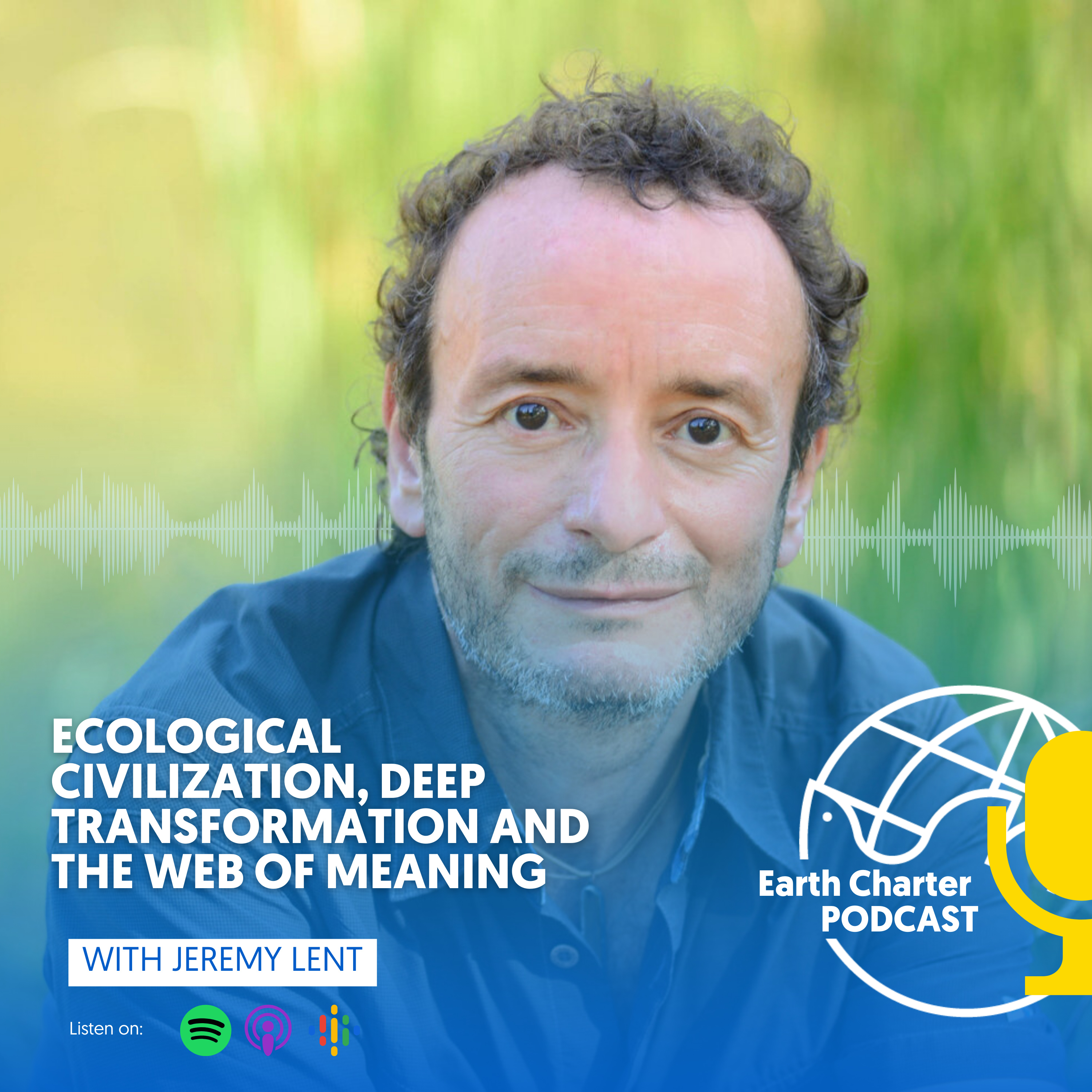 Jeremy Lent | Ecological Civilization, Deep Transformation and the Web of Meaning Jeremy Lent | Ecological Civilization, Deep Transformation and the Web of Meaning | In this interview, Jeremy Lent starts by offering an overview of some key ideas he articulates in his book “The Web of Meaning: Integrating Science and Traditional Wisdom to Find Our Place in the Universe.” He emphasizes the importance of generating an alternative worldview based on the understanding of our deep interconnection, and the notion of flourishing, particularly flourishing as an integrated organism. On Ecological Civilization, he invites us to visualize how the world could look like if we changed the dominant underlying operating system of our current civilization from one of extraction and exploitation to one that seeks to set the conditions for all beings to flourish on a regenerative Earth. This means envisioning not just changing one aspect, but everything. He stresses that in order to get on the path to an ecological civilization, we can look at life itself and ecosystems and apply that learning to our human societies, such as by cooperating and working together for mutual benefit. Lent makes the point that deep transformation starts with the recognition that our own ways of thinking need to be questioned and changed. | — | ||||||
| 11/9/23 | 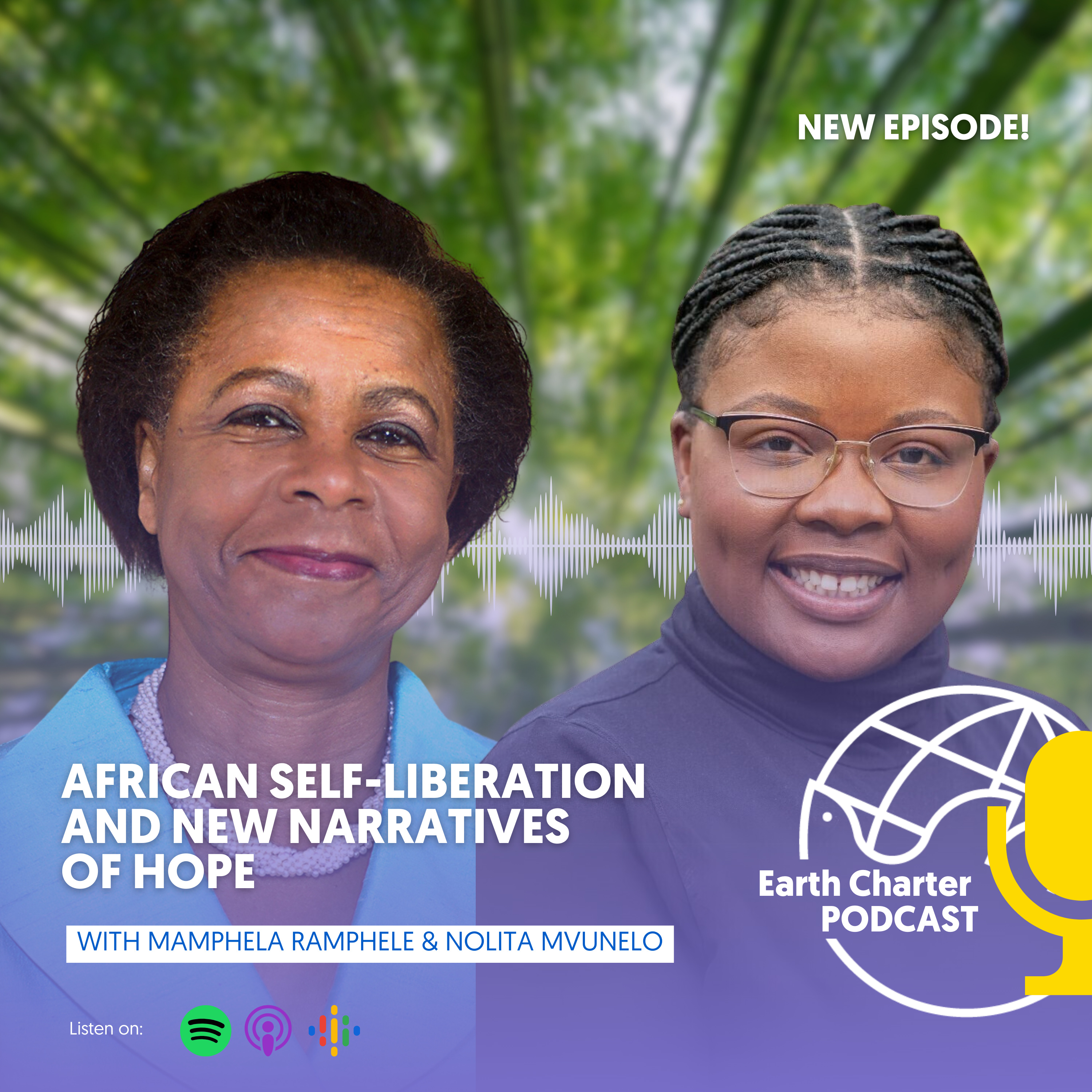 Mamphela Ramphele & Nolita Mvunelo | African Self-Liberation and New Narratives of Hope Mamphela Ramphele & Nolita Mvunelo | African Self-Liberation and New Narratives of Hope | Almost thirty years after the end of apartheid, Black South Africans still fight for African liberation from colonial narratives. While previous generations struggled to end apartheid, younger generations now face the task of reimagining themselves, their communities, and the world. Mamphela Ramphele and Nolita Mvunelo discuss the need for intergenerational collaboration to combine the wisdom of older generations with the energy of younger ones. The need for social equity ties into the idea of ecological civilizations as an alternative to our current society. Ramphele and Mvunelo emphasize the need to consider freedom for all life, not just humans and see the Earth Charter as an opportunity to help build a new narrative for ecological civilizations. | — | ||||||
| 10/27/23 | 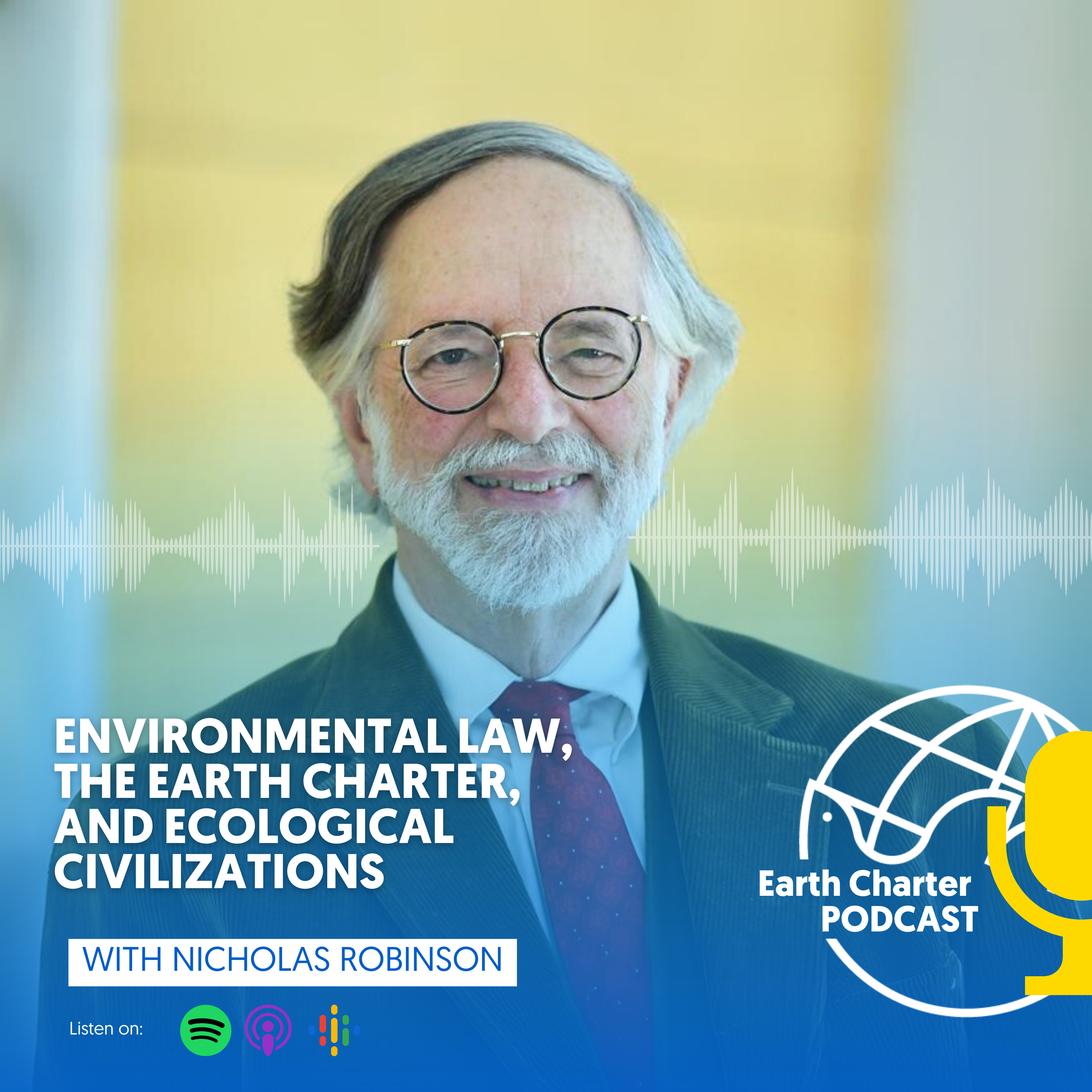 Nicholas Robinson | Environmental Law, The Earth Charter, and Ecological Civilizations Nicholas Robinson | Environmental Law, The Earth Charter, and Ecological Civilizations | Professor Nicholas Robinson first explains the history of environmental law and the role of the IUCN in its development. He then continues to discuss the importance of the Earth Charter, its connection to environmental law, and its current relevance. Dr. Robinson believes that the Earth Charter is unique because of the diversity and number of people involved in its drafting. This resulted in a consensus on shared principles and ethics accepted by people all over the world. Robinson sees the Earth Charter as a beacon amidst the current anxiety about the environment and believes that it provides a framework to implement the Sustainable Development Goals. Finally, Dr. Robinson discusses the concept of ecological civilizations and how it could be the answer to capitalism. | — | ||||||
| 10/12/23 | 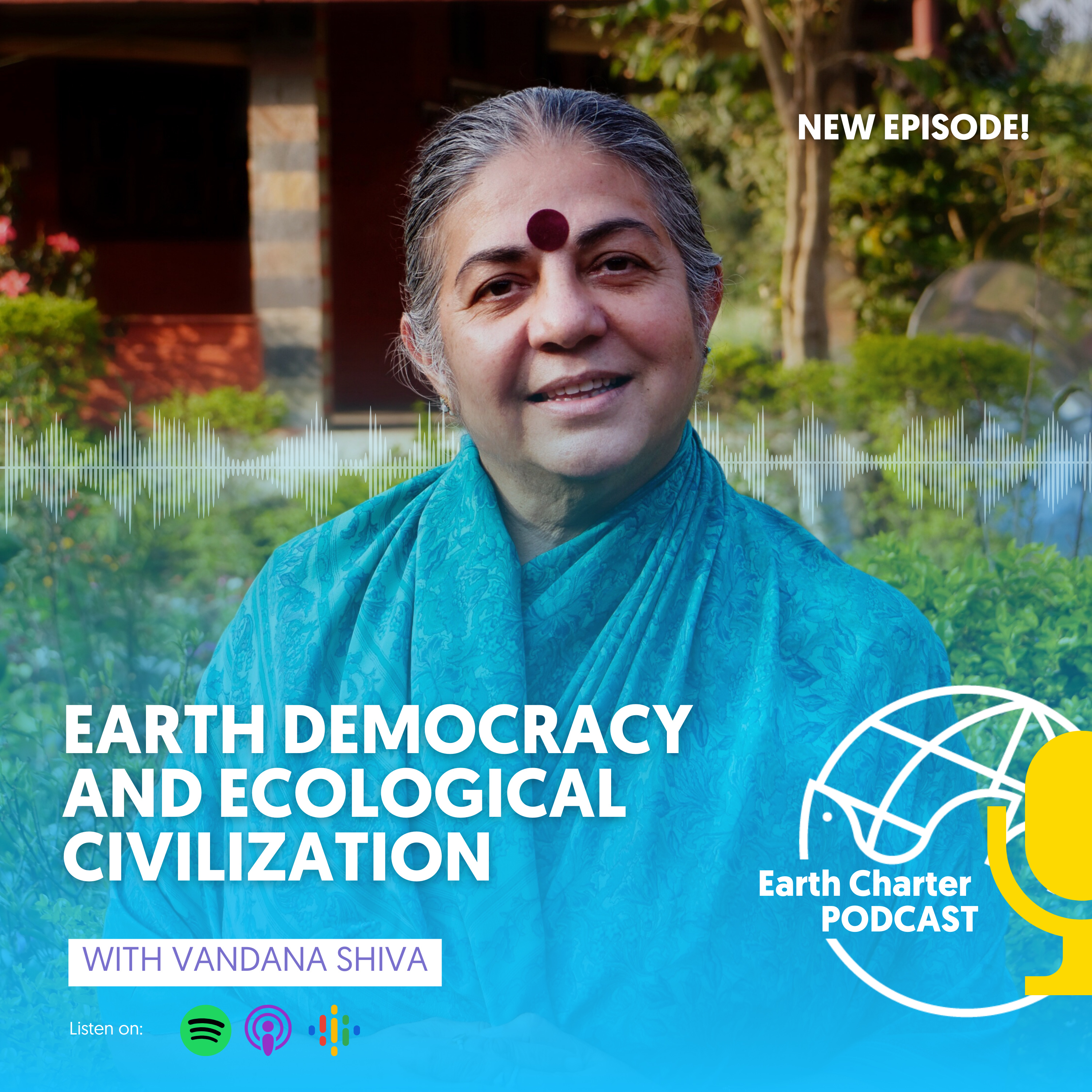 Vandana Siva | Earth Democracy and Ecological Civilization Vandana Siva | Earth Democracy and Ecological Civilization | Dr. Vandana Shiva shares key ideas from her book Earth Democracy and discusses the need to establish an Earth Democracy where we acknowledge that we are all part of the Earth, and that everything, including trees and rivers, have a right to exist. She connects this to the idea of Ecological Civilizations, democracies based on ecological oneness. These stand in opposition to today’s western civilizations that separate humans from nature and each other. Shiva also talks about her work fighting industrial agriculture and promoting seed sovereignty. When companies like Monsanto began patenting seeds and making farmers dependent on them, she began to promote seed sovereignty and native seeds. She believes seeds are the embodiment of life and should not be treated as inventions or commodities, but rather as a commons. Through her work she has found that native seeds promote biodiversity and are more nutritious and outperform industrial seeds. If we work with the Earth and replace what we take, using organic practices, she believes we can meet our food needs, reverse climate change, and regenerate biodiversity. | — | ||||||
| 9/27/23 | 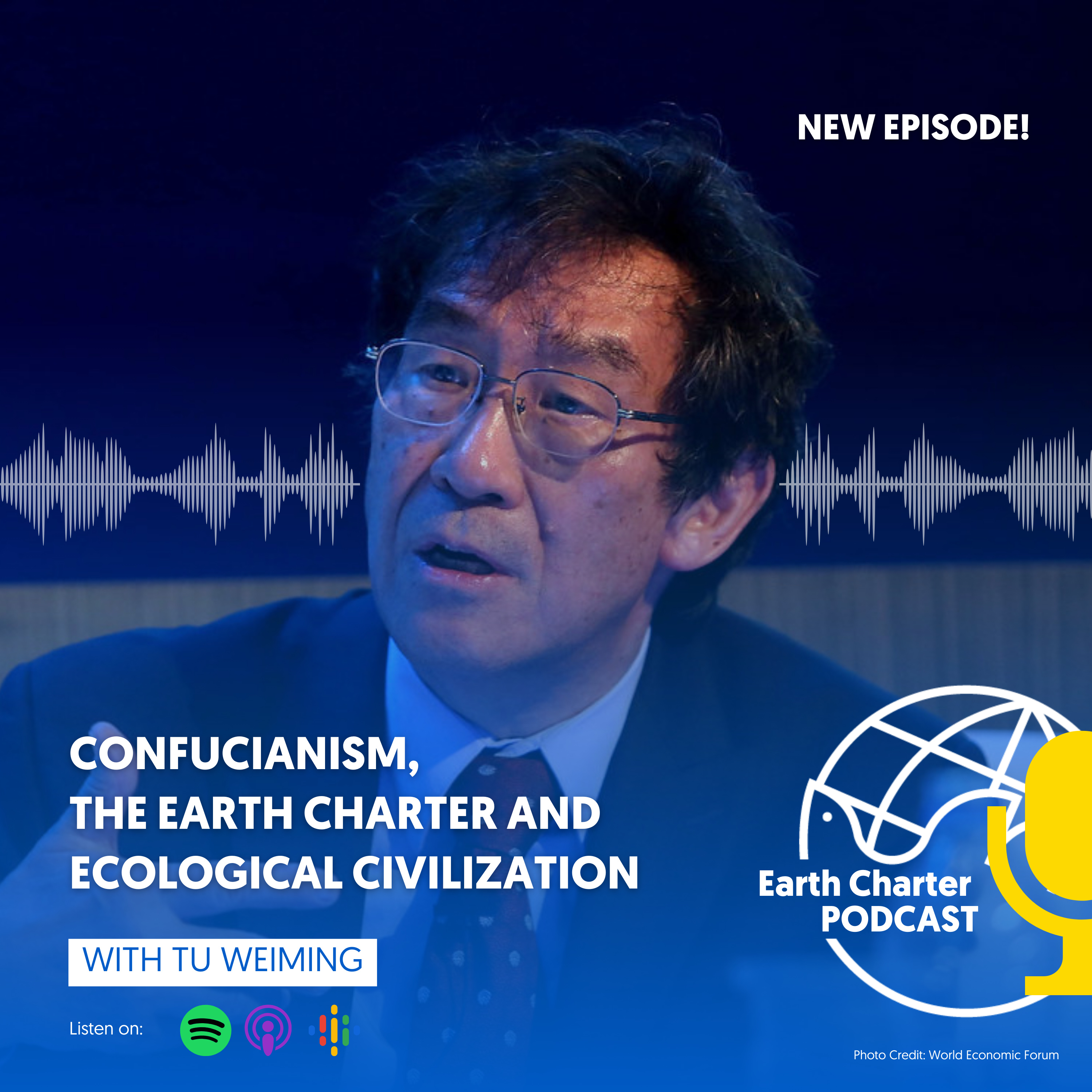 Tu Weiming | Confucianism, the Earth Charter, and Ecological Civilization Tu Weiming | Confucianism, the Earth Charter, and Ecological Civilization | Tu Weiming, one of the most influential Confucian thinkers of the 20th and 21st centuries, contributed to the drafting process of the Earth Charter bringing Confucian thoughts of the importance of interconnectedness and community into its principles. In this conversation he talks about Confucianism, how it can apply to our current societal and environmental challenges, and how it relates to the Earth Charter. He also discusses the importance of self-cultivation or “learning to be human” within Confucianism. He emphasizes that the purpose of this it not to attain inner happiness or develop individualism. Rather, the emphasis is on the communal act and becoming part of a network of relationships in four dimensions, the self, community, Earth, and heaven. | — | ||||||
| 9/8/23 | 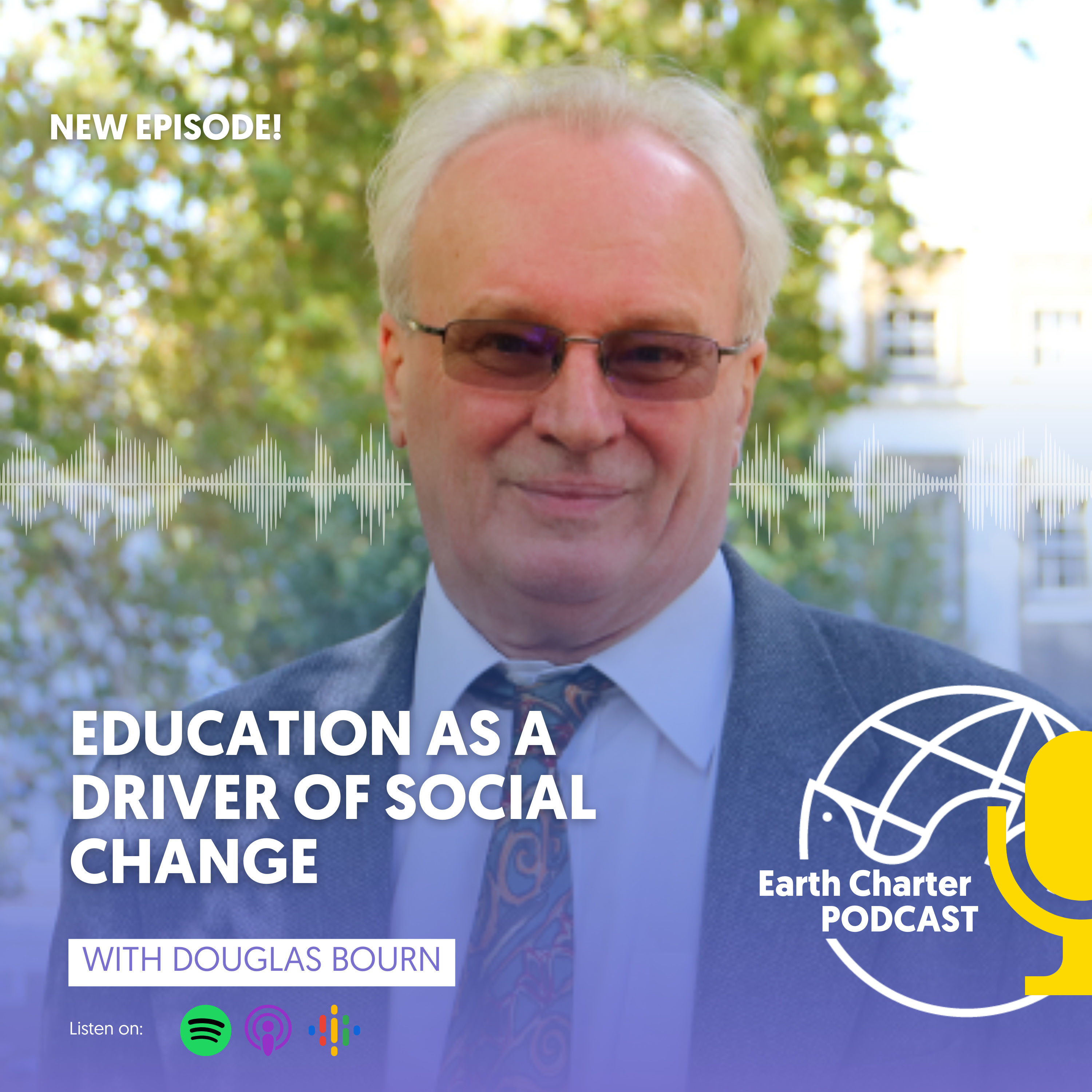 Douglas Bourn | Education as a driver of social change Douglas Bourn | Education as a driver of social change | Dr. Bourn shares some key ideas he addressed in his latest book and discusses education’s role in society and social change, particularly the purpose of higher education. Given that it can be difficult to differentiate between themes like education for sustainable development, global citizenship, and peace education, Bourn advocates for understanding the context and how the people using these terms define them. Dr. Bourn believes that higher education educators and administrators need to take the lead to create a pedagogy of hope to address the anger and anxiety students feel about environmental issues. Rather than viewing key topics like sustainability and decolonization simply as items to check off on a to-do list, Dr. Bourn believes higher education administrators should focus on creating spaces for dialogue about them. While there are no quick fixes or ready-made toolkits to remedy these issues, the Earth Charter can be used as an ethical framework to provide guidance. | — | ||||||
| 8/15/23 | 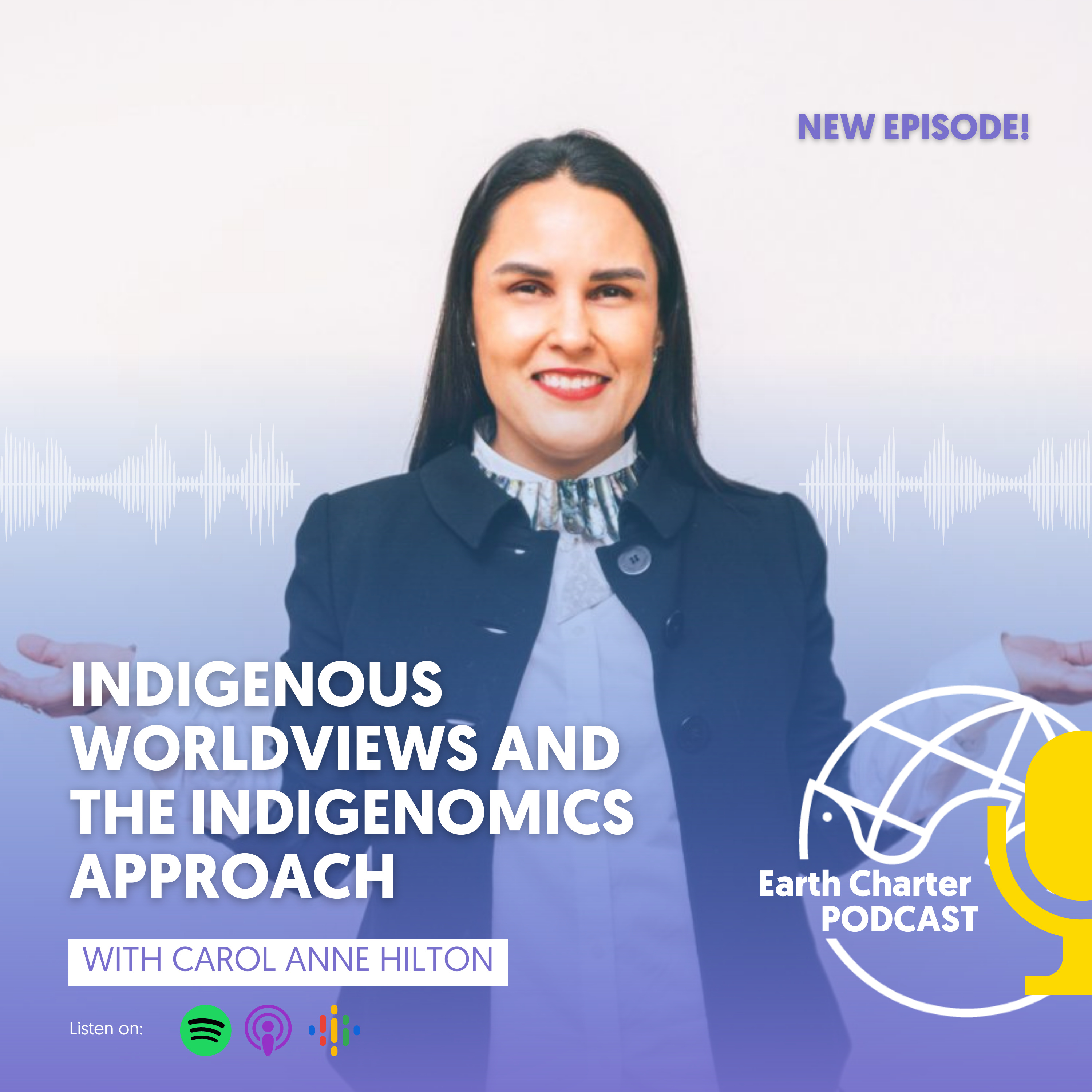 Carol Anne Hilton | Indigenous worldviews and the Indigenomics approach Carol Anne Hilton | Indigenous worldviews and the Indigenomics approach | Carol Anne Hilton is the founder of the Indigenomics Institute and the Global Center of Indigenomics and author of Indigenomics: Taking a Seat at the Economics Table. Her work centers on rebuilding and strengthening Indigenous economies to combat Canada’s history of oppression against them. In her work, Hilton addresses the economic impacts of this history by shaping a new space around Indigenous economics using traditional Indigenous ideas of conservation, sustainability, and well-being, concepts that are closely connected to the Earth Charter. | — | ||||||
| 8/4/23 | 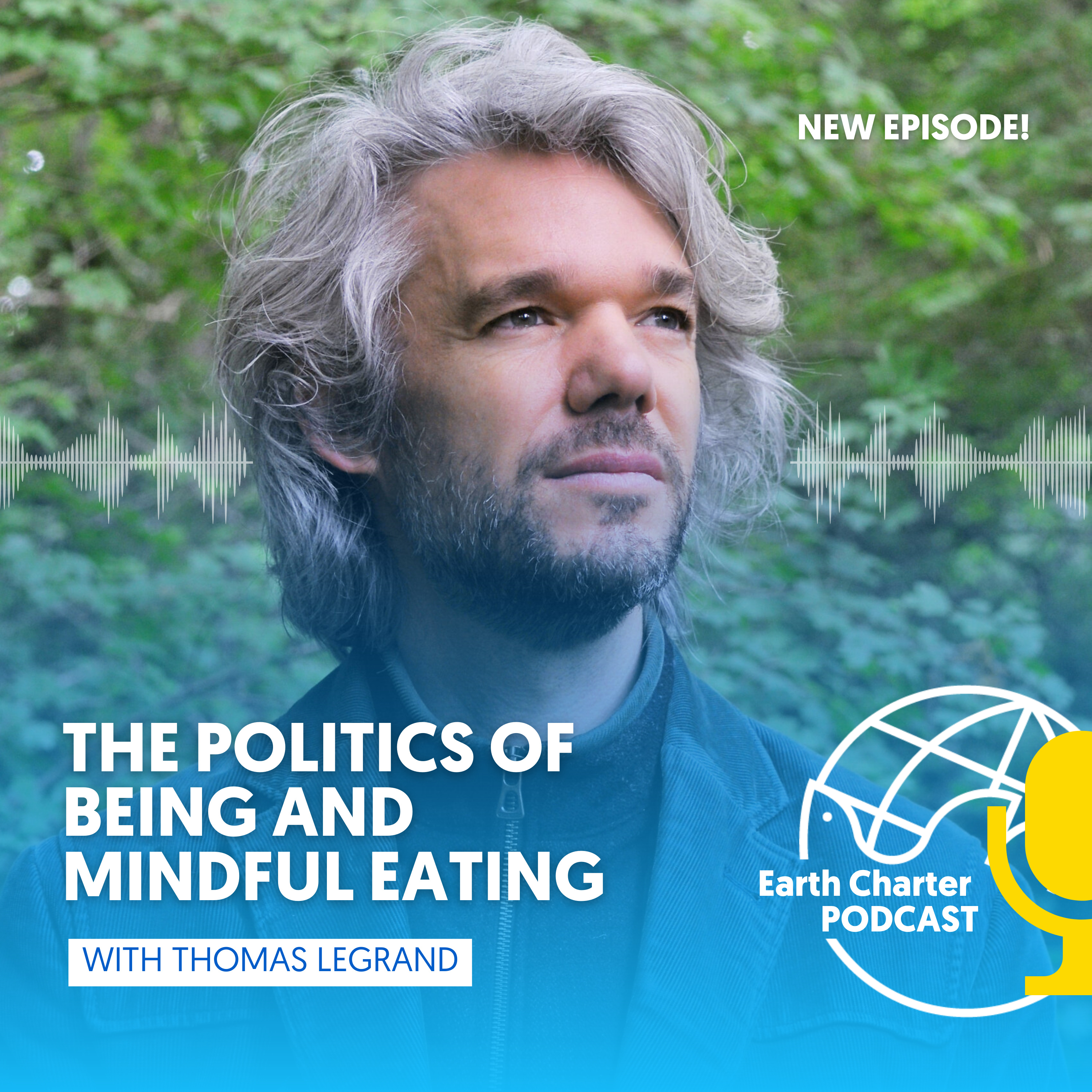 Thomas Legrand | The Politics of Being, when basic needs having been met and mindful eating Thomas Legrand | The Politics of Being, when basic needs having been met and mindful eating | In the episode, author, social scientist, and sustainability practitioner, Thomas Legrand speaks with Mirian Vilela about his new book, The Politics of Being, and his work with the UNDP Conscious Food Systems Alliance. Legrand believes that we must move away from a development model based on economic growth and instead to one that ties directly into the Earth Charter’s idea of “being more, not having more,” an idea he sees as very important but has of yet been mostly ignored. He sees an answer to this in reorganizing our society and politics to focus on helping individuals realize fulfillment through wellbeing, rather than emphasizing competition, status, wealth, and consumption. Legrand discusses some concrete examples of achieving this shift toward an economy of being in which everyone’s basic needs are met. He proposes policies that emphasize secure attachment between parents and children by supporting childcare and parental leave. He also sees providing a universal basic income and healthcare as a way to allow people more time to achieve wellbeing and fulfillment through means other than work. He also emphasizes the importance of the rights of nature, restorative justice, moving from a global economy to local economies, and the need for all of these ideas to be incorporated into the education system and national policies. | — | ||||||
| 7/4/23 | 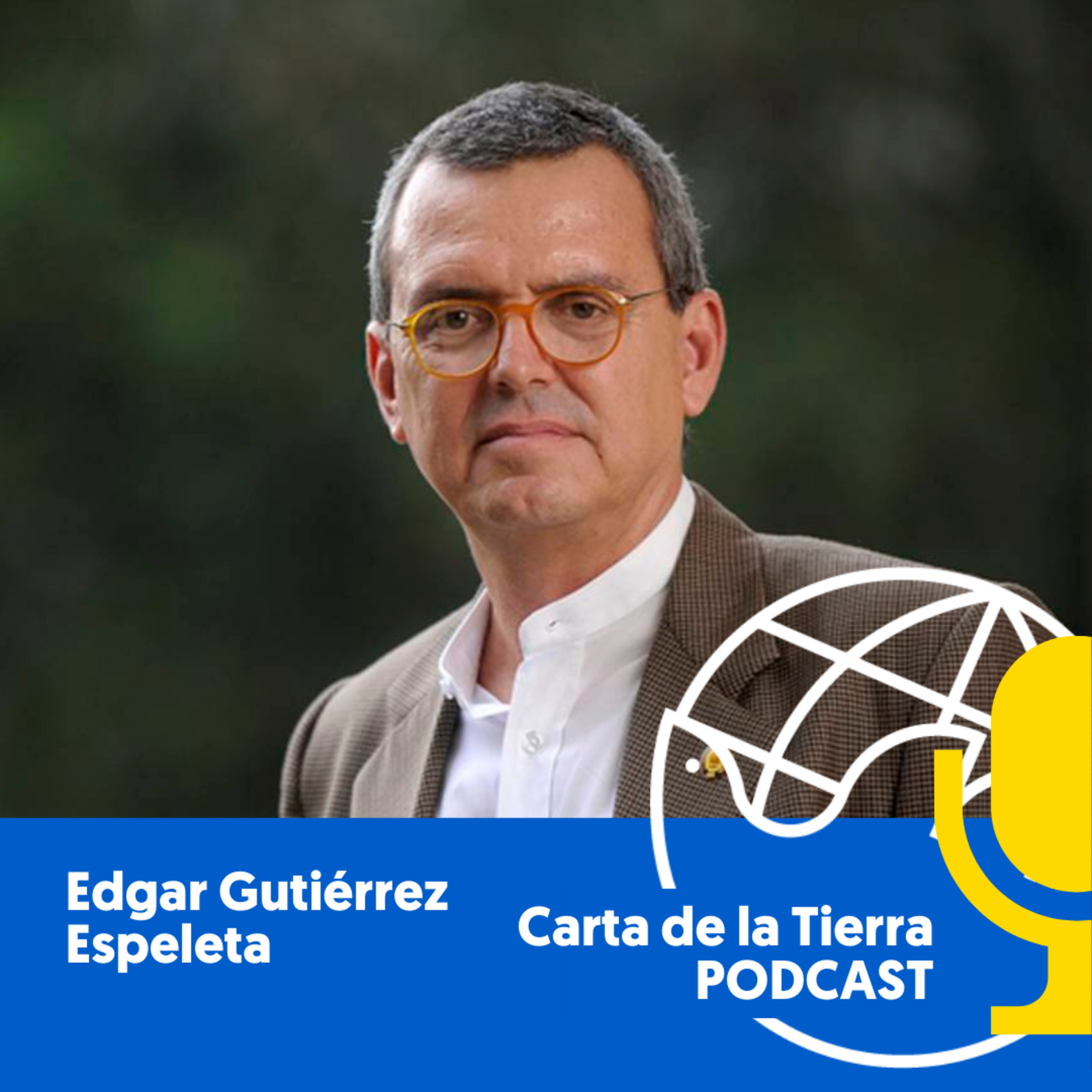 Edgar Gutiérrez Espeleta | Gobernanza Ambiental Global y Nacional, Sostenibilidad y Liderazgo Edgar Gutiérrez Espeleta | Gobernanza Ambiental Global y Nacional, Sostenibilidad y Liderazgo | En esta entrevista Edgar Gutierrez, incluye una reflexión sobre el papel de la Asamblea Ambiental de Naciones Unidas, la UNEA por sus siglas en inglés, creada en 2012, de brindar un sistema más eficaz de gobernanza ambiental internacional. Comenta su experiencia, como presidente de UNEA en dos periodos, en hacer que este ente tuviera un papel político, además de técnico. Y comparte algunas anécdotas vividas, en el proceso de negociación para desarrollar la primera declaración política de la UNEA aprobada en UNEA 3 en 2017. Destaca lo especial de la UNEA en cuanto a brindar la participación de actores no gubernamentales en su proceso. Edgar comenta uno de sus desafíos como ministro en disminuir el algo uso de combustibles fósiles en Costa Rica dado la flota vehicular. Termina resaltando le importancia de asegurar enfoques holísticos y no seguir abordando desafíos de manera fragmentada dando el ejemplo de la problemática de seguridad alimentaria y gestión sostenible de suelos en el país y la necesidad de construir puentes entre la agenda de conservación, de cambio climático, de agua... | — | ||||||
| 5/30/23 | 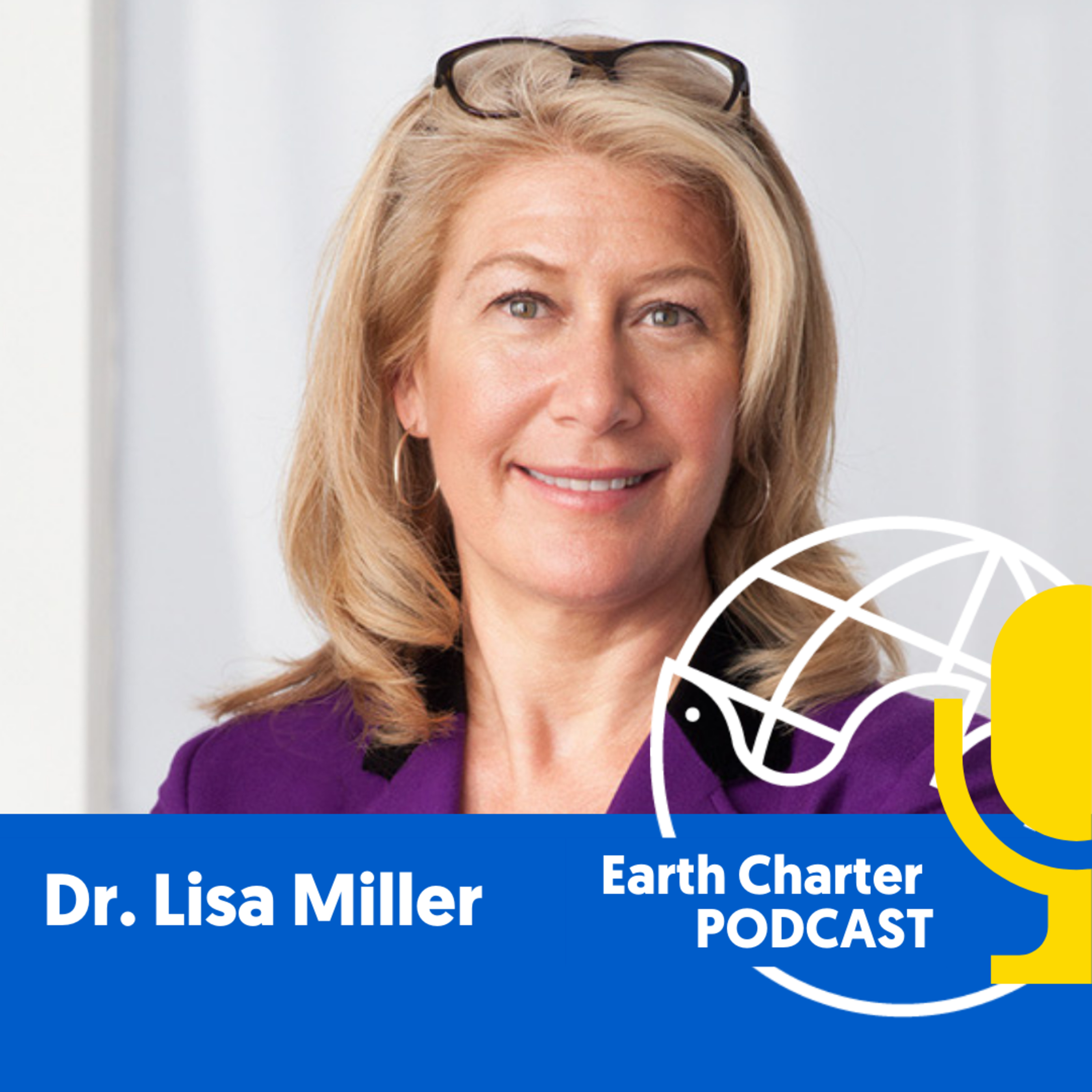 Lisa Miller | Spirituality in Education and exploring The Awakened Brain Lisa Miller | Spirituality in Education and exploring The Awakened Brain | In this episode, Mirian Vilela talks with Dr. Lisa Miller about the role of spirituality in mental and emotional health, the importance of spirituality in education, and the connections between her work and the Earth Charter. Dr. Miller explains that while religion is completely environmentally and culturally transmitted, we are born with an innate physical capacity for spirituality. She emphasizes that religion is not a requirement to fulfill this capacity for a transcendent relationship, but that this connection to a whole can be experienced through a god, the universe, ancestors, or another higher power. However, this innate spirituality is being socialized out of children which she believes is resulting in many of the emotional and mental health problems in today’s societies. In response to this, Dr. Miller created the Collaborative for Spirituality in Education to develop spaces for spirituality in K-12 schools. She believes that the most important work for a parent, teacher, or caregiver is to strengthen children’s spiritual form by modeling this behavior. To foster spiritual growth, parents must both “walk the walk” and “talk the talk” equally. In her book, The Awakened Brain, Dr. Miller discusses the need for awakened awareness. An obstacle to this is the transactional, achievement-oriented mindset that focuses on attaining more money, prestige, and material wealth. Instead, we must focus on the “deep in-and-of-itself of living”, spiritual value, and quality of life. Counterintuitively, this will lead to more outward success. Dr. Miller sees the connection between her work and that of the Earth Charter because of the focus on the interconnectedness and oneness with the environmental, spiritual, social, and political. Her work at the Spirituality Mind Body Institute identifies a need for a spiritual voice in environmental protection and education. In Principle 14, the Earth Charter emphasizes the importance of moral and spiritual education which parallels her work with the Collaborative for Spirituality in Education. Finally, both the Earth Charter and Dr. Miller recognize the importance of a transcendent relationship through our connection to the greater whole. Learn more about Dr. Miller’s work at the Spirituality Mind Body Institute and the Collaborative for Spirituality in Education at these websites: https://spiritualitymindbody.tc.columbia.edu/ https://spiritualityineducation.org/ | — | ||||||
| 5/18/23 | 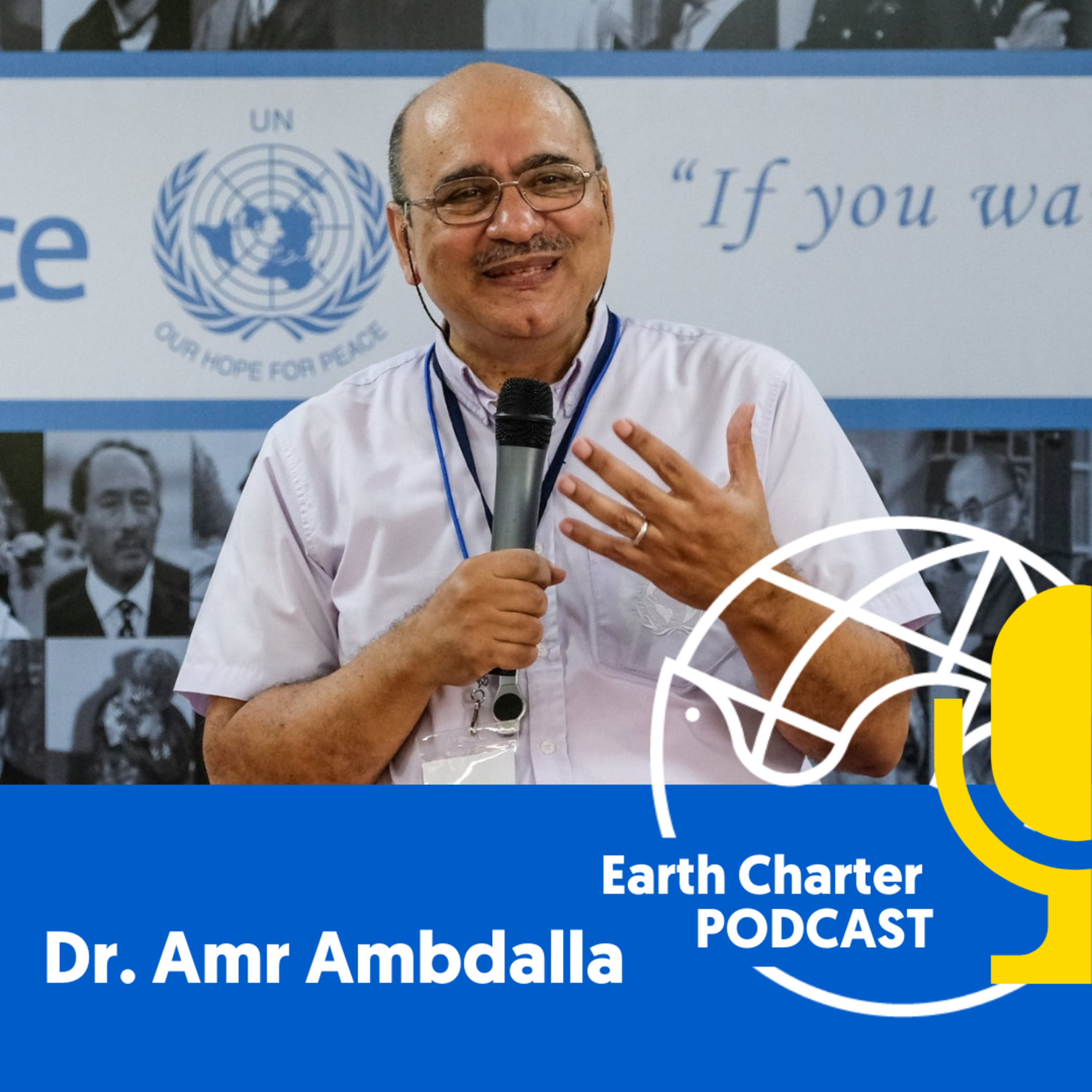 Amr Abdalla | Creating Lasting Peace Through Education Amr Abdalla | Creating Lasting Peace Through Education | In this episode, Dr. Amr Abdalla, professor emeritus and former vice-rector at the University for Peace, talks with Mirian Vilela about his 25 years of experience teaching peace and conflict resolution. He discusses the importance of participatory, interactive approaches when teaching peace and conflict resolution, and how the University for Peace created a space to develop this. To him, the connections between education for global citizenship, peace, and sustainable development are clear: giving people the tools for peace promotes development and prevents violent conflict. While there will always be conflict, education is crucial to creating long-term peaceful solutions and to prevent violence. Amr believes that learning critical thinking skills is key to creating lasting peace. This involves a 360-degree approach that helps the learner to deconstruct assumptions and embrace universal values. He talks about the importance of helping people learn how to deal with conflict to avoid violence. In reflecting about changes in education and cultural differences, he relates an anecdote from his son’s Kindergarten show-and-tell that made him confront the conventional education style that he grew up with and tells an example of when a student made him think differently about violence. | — | ||||||
| 5/9/23 | 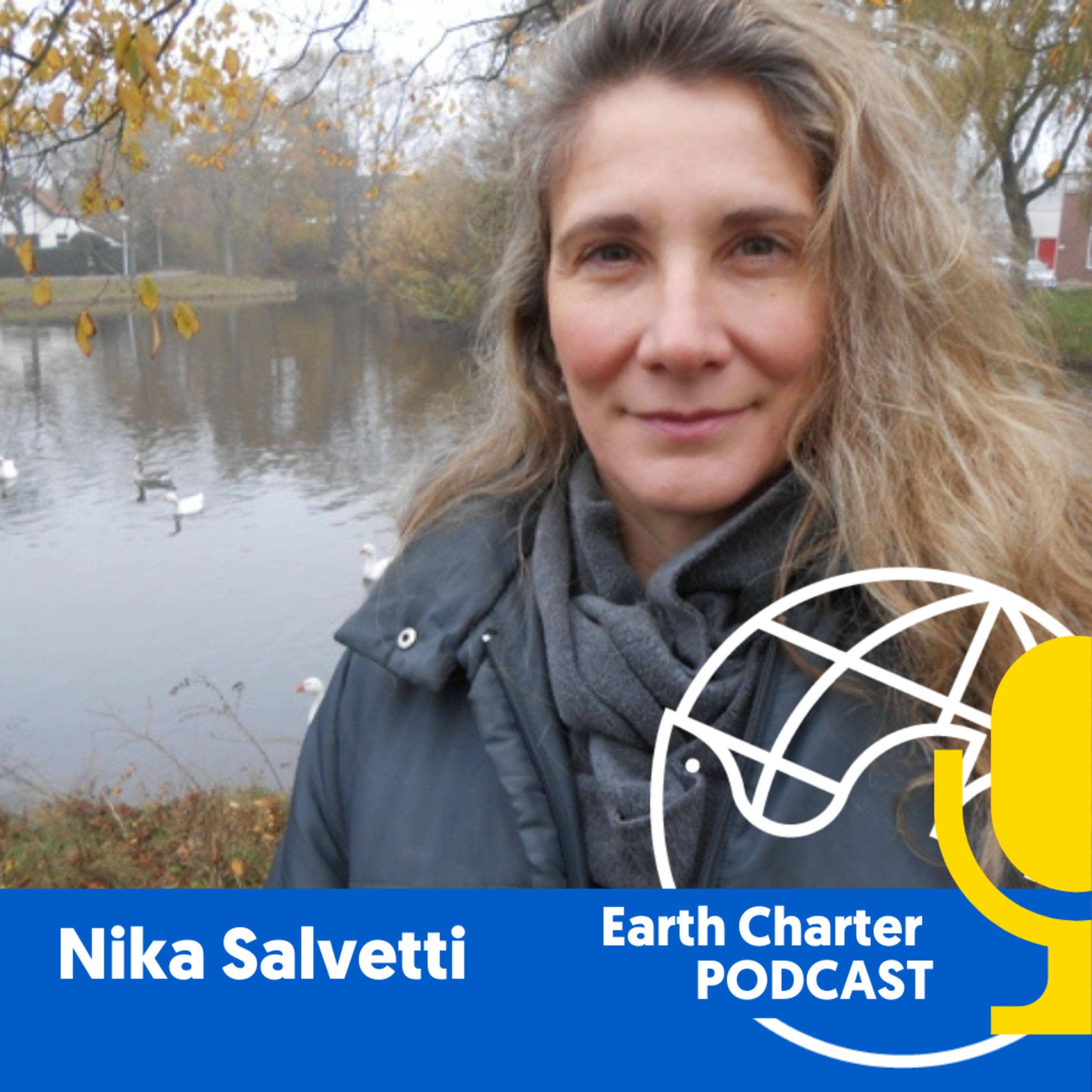 Nika Salvetti | Ten years later: Lessons learned by the garment industry from the Rana Plaza disaster Nika Salvetti | Ten years later: Lessons learned by the garment industry from the Rana Plaza disaster | In this episode, Nika Salvetti reflects on the Rana Plaza tragedy in Bangladesh and its impact on the garment industry. When the Rana Plaza building collapsed in 2013, killing more than 1,000 people and injuring another 2,500, it served as the tipping point for reforms in the garment industry. The tragedy spawned not only safety reforms but environmental ones as well, as the clothing industry is one of the most polluting. Today, garment factories in Bangladesh are subject to regular safety inspections, and companies are required to treat their wastewater so that chemicals do not pollute the soil and water. Salvetti also discusses the factors that motivate businesses to move towards socially and environmentally responsible practices. Finally, she recommends steps that consumers can take to encourage businesses to be more socially and environmentally responsible. | — | ||||||
| 4/19/23 | 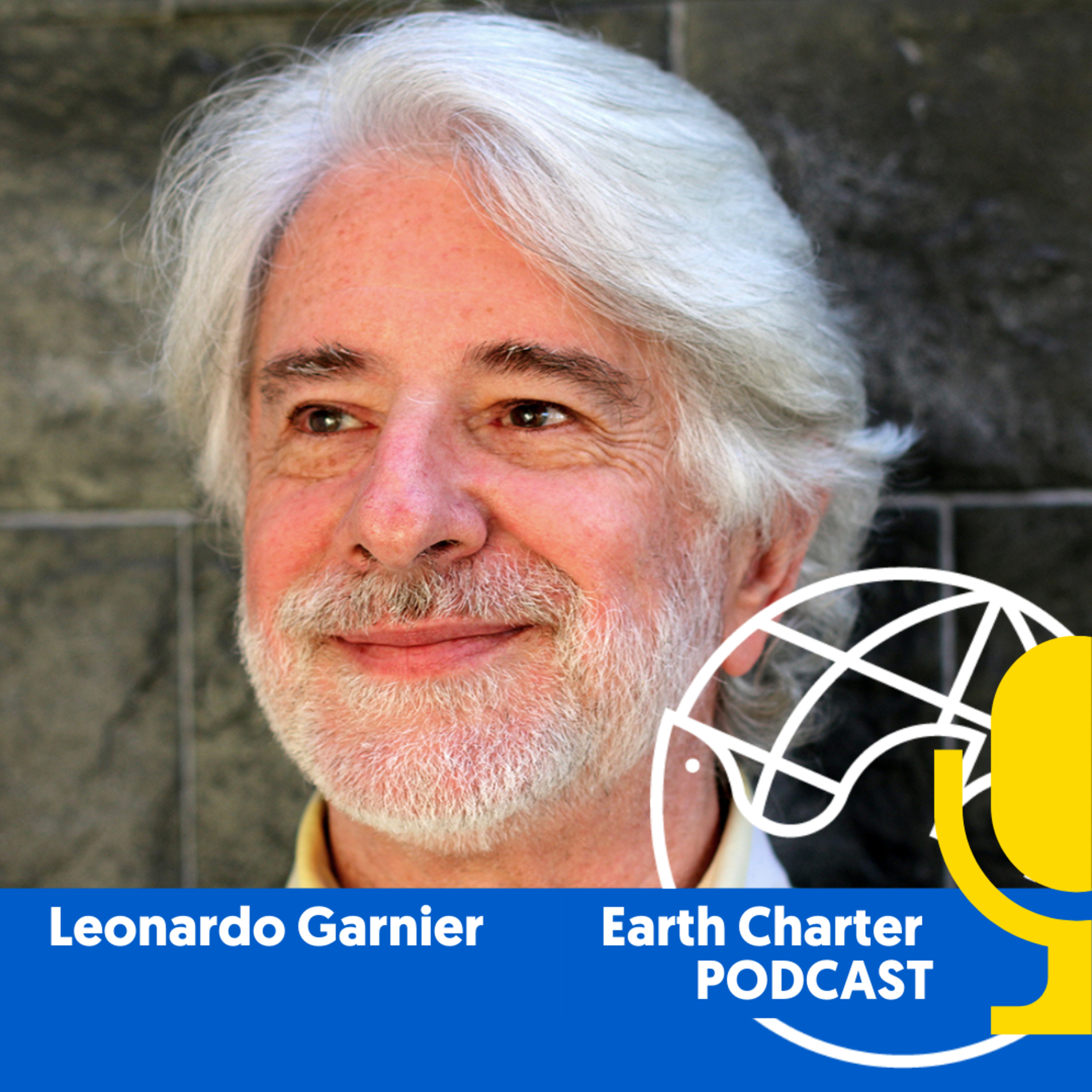 Leonardo Garnier | Insights from UNESCO’s Futures of Education initiative and Report with Leonardo Garnier: Reimagining Learning for a Changing World. Leonardo Garnier | Insights from UNESCO’s Futures of Education initiative and Report with Leonardo Garnier: Reimagining Learning for a Changing World. | In this podcast episode, Mirian Vilela, Executive Director, Earth Charter International, interviews Leonardo Garnier, former Minister of Education of Costa Rica about the UNESCO’s Futures of Education initiative and its report "Reimagining our futures together: A new social contract for education," which was launched in 2021 and some highlights of his work as a Minister of Education. The podcast provides a thought-provoking discussion on the need to rethink education and redefine the future and purpose of education in the current times and the potential role education has in creating a more just and sustainable future for all. | — | ||||||
| 3/3/22 |  Laura Chinchilla | Desafíos, oportunidades y la esperanza de la democracia en América Latina Laura Chinchilla | Desafíos, oportunidades y la esperanza de la democracia en América Latina | En este podcast, Laura Chinchilla ofrece un análisis sobre los desafíos y el deterioro de la democracia y la polarización en América Latina. Nos habla de la importancia de luchar por mantener los derechos civiles, de la transparencia y del liderazgo ético. Nos invita a considerar que hay que mantenerse firme en contra del populismo y la corrupción y trabajar en conjunto por el bien común, así como para mejorar el acceso a la justicia y garantizar la participación inclusiva en las discusiones políticas. | — | ||||||
Showing 25 of 66
Sponsor Intelligence
Sign in to see which brands sponsor this podcast, their ad offers, and promo codes.
Chart Positions
3 placements across 3 markets.
Chart Positions
3 placements across 3 markets.