Insights from recent episode analysis
Audience Interest
Podcast Focus
Publishing Consistency
Platform Reach
Insights are generated by CastFox AI using publicly available data, episode content, and proprietary models.
Most discussed topics
Brands & references
Total monthly reach
Estimated from 10 chart positions in 10 markets.
By chart position
- 🇨🇦CA · Nature#1535K to 30K
- 🇮🇳IN · Nature#7710K to 30K
- 🇪🇸ES · Nature#7910K to 30K
- 🇨🇴CO · Nature#4610K to 30K
- 🇸🇦SA · Nature#533K to 10K
- Per-Episode Audience
Est. listeners per new episode within ~30 days
22K to 76K🎙 Weekly cadence·310 episodes·Last published 4d ago - Monthly Reach
Unique listeners across all episodes (30 days)
43K to 152K🇨🇦20%🇮🇳20%🇪🇸20%+7 more - Active Followers
Loyal subscribers who consistently listen
13K to 46K
Market Insights
Platform Distribution
Reach across major podcast platforms, updated hourly
Total Followers
—
Total Plays
—
Total Reviews
—
* Data sourced directly from platform APIs and aggregated hourly across all major podcast directories.
On the show
From 10 epsHosts
Recent guests
Recent episodes
The Trail Provides
Jun 25, 2026
32m 19s
BONUS: A Thru-hike of the Appalachian Trail
Jun 18, 2026
28m 18s
The 'Godfather of Rewilding' with Alan Watson Featherstone
May 28, 2026
52m 09s
Rediscovering Forgotten Lands with Josh Jackson
Apr 29, 2026
54m 34s
In Search of Simple Shelter with Kat Hill
Mar 25, 2026
49m 28s
Social Links & Contact
Official channels & resources
Official Website
Login
RSS Feed
Login
| Date | Episode | Topics | Guests | Brands | Places | Keywords | Sponsor | Length | |
|---|---|---|---|---|---|---|---|---|---|
| 6/25/26 | ![]() The Trail Provides | After spending six months backpacking on the Appalachian Trail (AT), reaching the end felt like a joyous celebration. But there was a sadness lurking just around the corner. Reaching the end meant saying goodbye to the truly unique community of people on the trail, and it also meant the end of a routine focused on extreme exercise and exploring new places.Post-trail depression is a common topic of conversation amongst thru-hikers on the AT - most hikers understand that the transition back into the real world can be challenging. But depression probably isn’t the right word for what most thru-hikers experience when their journey comes to an end - it’s more akin to grief or sadness. But for some, trail’s end can lead to real, clinical depression. That was the case for one of the members of my trail family, Chop Chop.Chop Chop’s reason for embarking upon a thru-hike of the AT was drastically different from my own. I had been dreaming of hiking the Appalachian Trail since I was a kid - I spend years planning the trip. For Chop Chop, the AT was a lifeline. It was his last resort - the only thing that he thought might help when he found himself lost in a deep depression.Despite our differences, Chop Chop and I connected immediately when we met on the trail. We first met in Virginia, and our paths criss-crossed regularly until Vermont, when we connected with a few additional hikers and formed an impromptu trail family. The time that we spend on the trail together was largely joyous and celebratory. But as I got to know Chop Chop a bit more, he started to open up about his struggles with anxiety and depression.These conversations continued after we completed our hike. Chop Chop was one of the most vocal fans of my Common Land podcast series, and we began talking about sharing his story in an episode of the show.It’s been a slow and intentional process - we recorded our first interview over a year ago - but we’re both extremely proud of what we’ve put together. Chop Chop’s primary goal in sharing his story is to inspire others who may be struggling to get outside, go for a hike, and find their own safe space in nature.-Matt Podolsky Get full access to Earth to Humans Podcast's Substack at earthtohumanspodcast.substack.com/subscribe | 32m 19s | ||||||
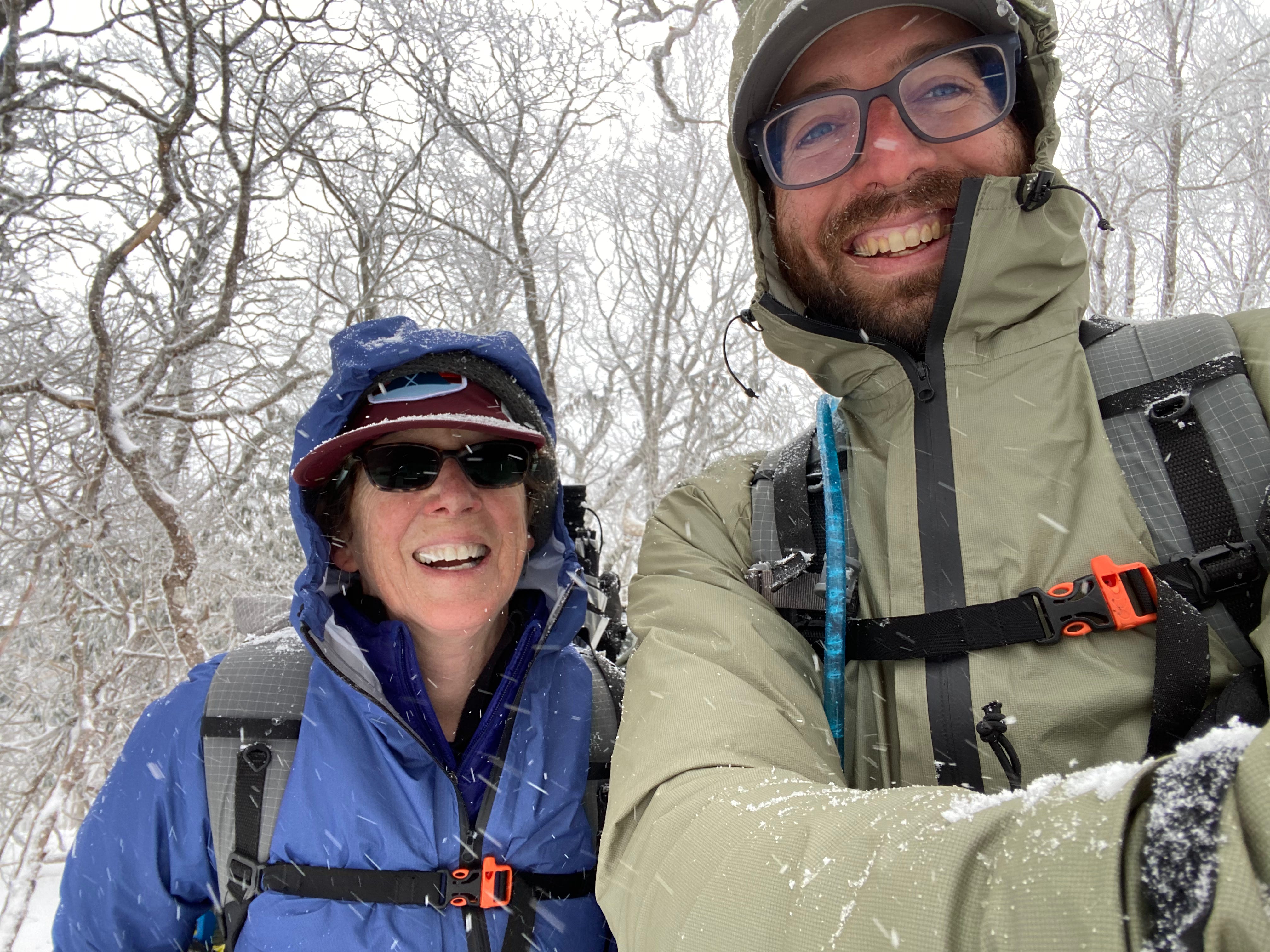
| 6/18/26 | ![]() BONUS: A Thru-hike of the Appalachian Trail | In 2022, I set out to thru-hike the Appalachian Trail. In addition to all of my necessary backpacking gear, I also carried small audio recorders and a suite of microphones that I could use to capture the sounds of the trail and document my journey.I spend six months hiking the entire length of this iconic trail, something that I had been dreaming about for almost 20 years. For most of the hike, I was joined by my mom, who was 65 years old at the time. The two of us had the adventure of a lifetime, and I captured some amazing moments with my audio recorder.It took me three full years to piece together the story of our long hike. The podcast series that resulted did more than just document my journey - I also captured expert interviews exploring the history of the trail and the conservation issues that it faces. What resulted was a 12-part radio documentary series, produced in partnership with New Hampshire Public Radio, which first aired in the summer of 2025. All 12 of the half-hour episodes are now available via the Common Land podcast feed.But for the past year or so I’ve been working on a 13th episode - an epilogue to the series. This final episode will drop next week, and it explores a particularly important topic - how mental health is intertwined with long distance hiking. I explore this idea through the perspective of one of my close friends who I met on the trail, Kevin Remillard, AKA Chop Chop.Chop Chop’s story is both fascinating and inspiring. But my hope is that it will also be instructive. I believe that long distance hiking can teach us about ourselves, illuminating the path towards a happier life. For Chop Chop, this idea serves as a guiding light, and both of us are eager to share this story with the wider world.But for now, enjoy episode one of Common Land’s second season. If you want to know what comes next, just head over to our podcast feed for the series, or click here to check out the show’s website and see pics from the trail.-Matt Podolsky Get full access to Earth to Humans Podcast's Substack at earthtohumanspodcast.substack.com/subscribe | 28m 18s | ||||||
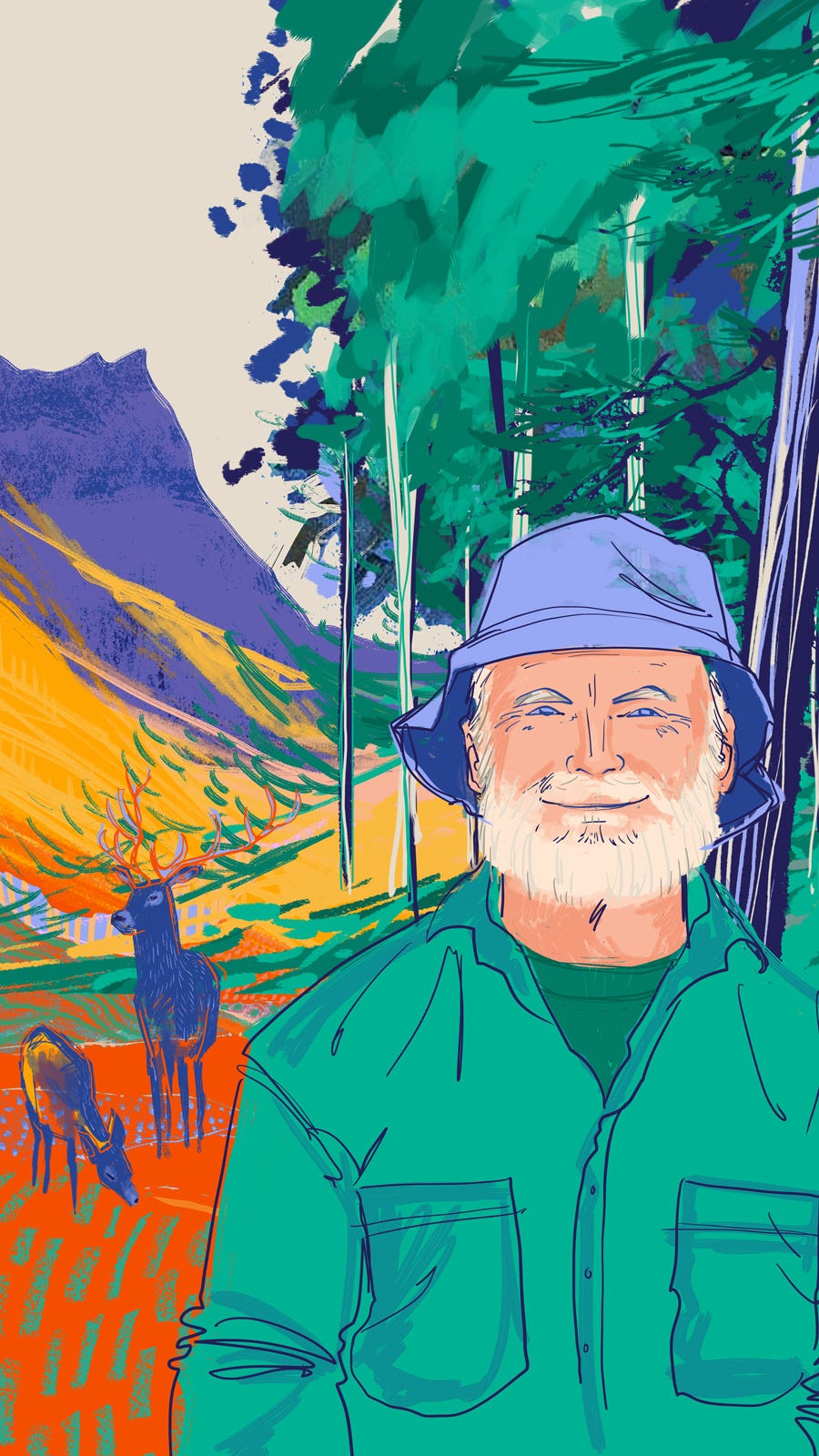
| 5/28/26 | ![]() The 'Godfather of Rewilding' with Alan Watson Featherstone✨ | rewildingconservation+3 | Alan Watson Featherstone | Earth to Humans Podcast | Scotland | rewildingAlan Watson Featherstone+3 | — | 52m 09s | |
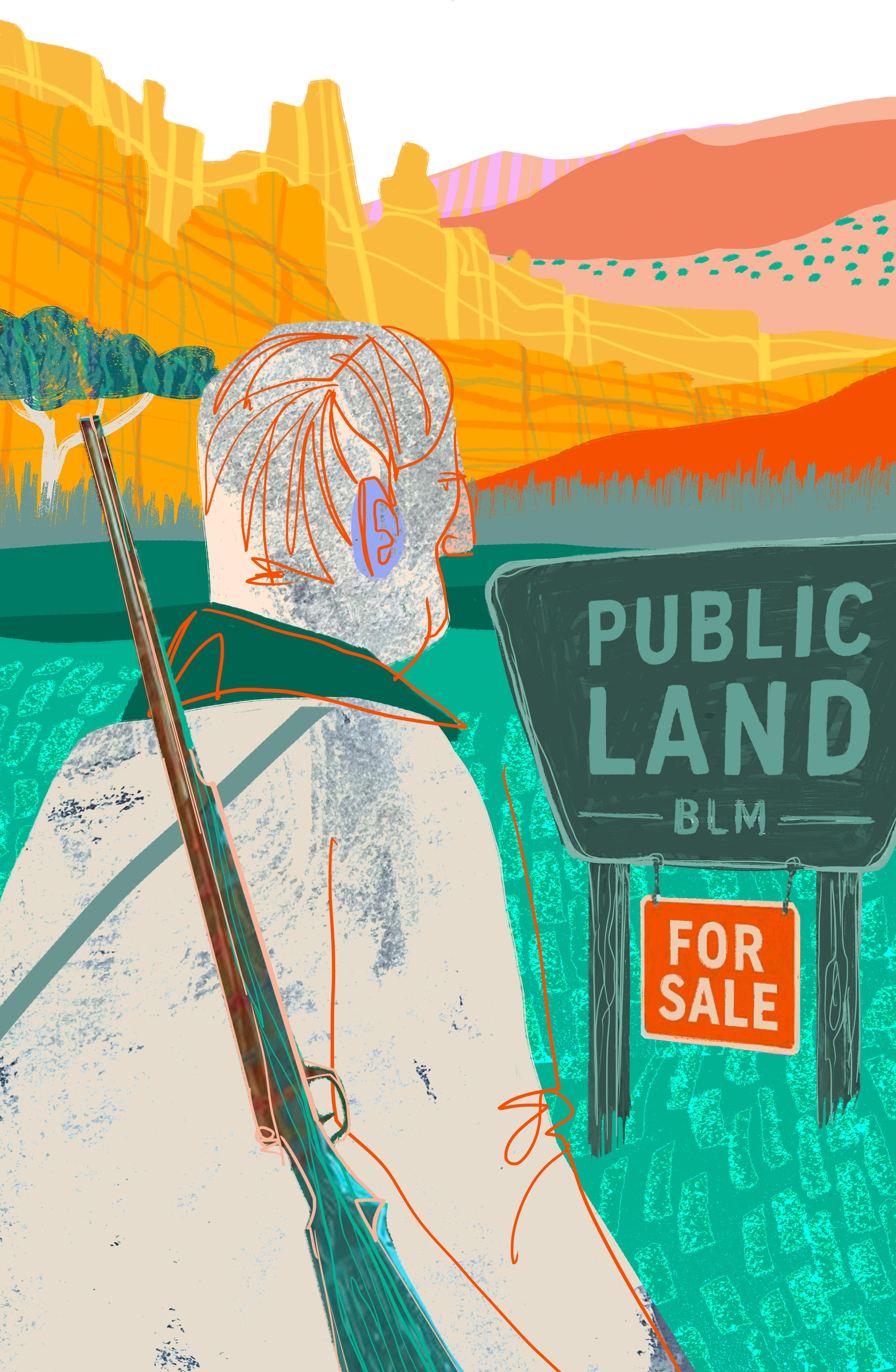
| 4/29/26 | ![]() Rediscovering Forgotten Lands with Josh Jackson✨ | Bureau of Land Managementpublic land+4 | Josh Jackson | Bureau of Land ManagementPeregrine Fund+2 | CaliforniaBoise, Idaho+1 | Bureau of Land Managementpublic land+4 | — | 54m 34s | |
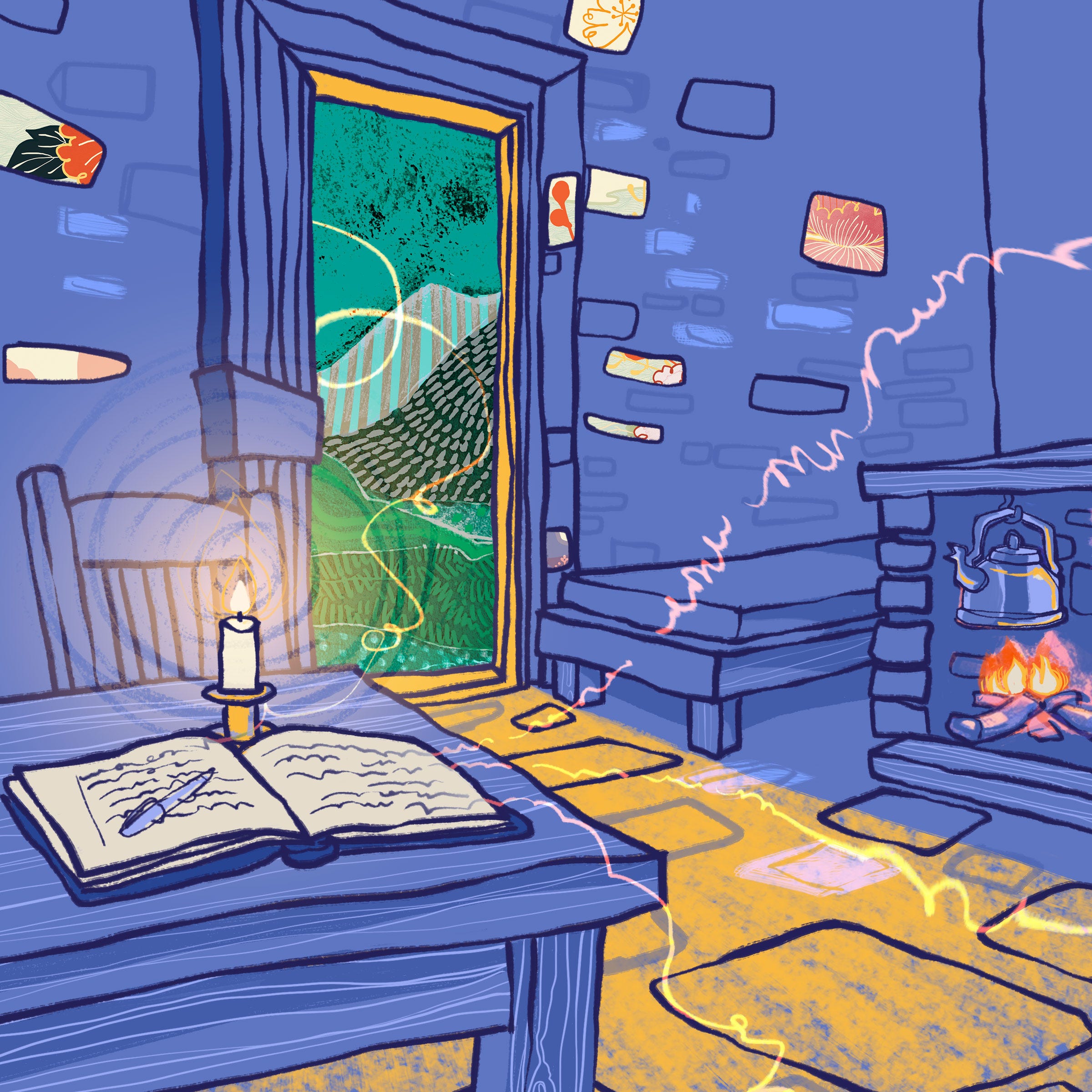
| 3/25/26 | ![]() In Search of Simple Shelter with Kat Hill✨ | bothiesScottish Highlands+4 | Kat Hill | Bothy: in Search of Simple Shelter | Scottish Highlands | bothiesScottish Highlands+5 | — | 49m 28s | |
| 2/25/26 | ![]() Nature-Informed Therapy with Dr. Heidi Schreiber-Pan✨ | nature-based therapypsychotherapy+3 | Heidi Schreiber-Pan | Center for Nature Informed TherapyEarth to Humans Podcast+1 | — | nature therapypsychotherapy+3 | — | 38m 10s | |
| 1/28/26 | ![]() Getting into the Weeds with Mo Wilde✨ | foragingethnobotany+3 | Mo Wilde | Earth to Humans Podcast | — | foragingwild food+3 | — | 58m 37s | |
| 4/22/25 | ![]() Happy Earth Day?✨ | Earth Dayclimate crisis+3 | — | — | — | Earth Dayclimate crisis+3 | — | 3m 35s | |
| 12/31/24 | ![]() Last One For the Year!✨ | year in reviewenvironmental challenges+3 | — | Earth to Humans Podcast | — | Earth to Humansenvironment+5 | — | 36m 59s | |
| 11/27/24 | ![]() The Age of Climate Conspiracy Theories w/ Mick West✨ | climate changeconspiracy theories+4 | Mick West | Metabunk.orgEscaping the Rabbit Hole | — | climate conspiracymisinformation+4 | — | 1h 01m 03s | |
Want analysis for the episodes below?Free for Pro Submit a request, we'll have your selected episodes analyzed within an hour. Free, at no cost to you, for Pro users. | |||||||||
| 11/13/24 | ![]() Where We Go From Here✨ | environmentclimate change+3 | — | Earth to Humans PodcastSubstack | — | Earthanswers+3 | — | 49m 17s | |
| 10/30/24 | ![]() Is Voting the Highest Form of Environmental Citizenship? Re-broadcast with Nathaniel Stinnett, founder of the Environmental Voter Project✨ | environmental citizenshipvoting+4 | Nathaniel Stinnett | Environmental Voter ProjectWild Lens Collective | — | votingenvironmental citizenship+7 | — | 46m 46s | |
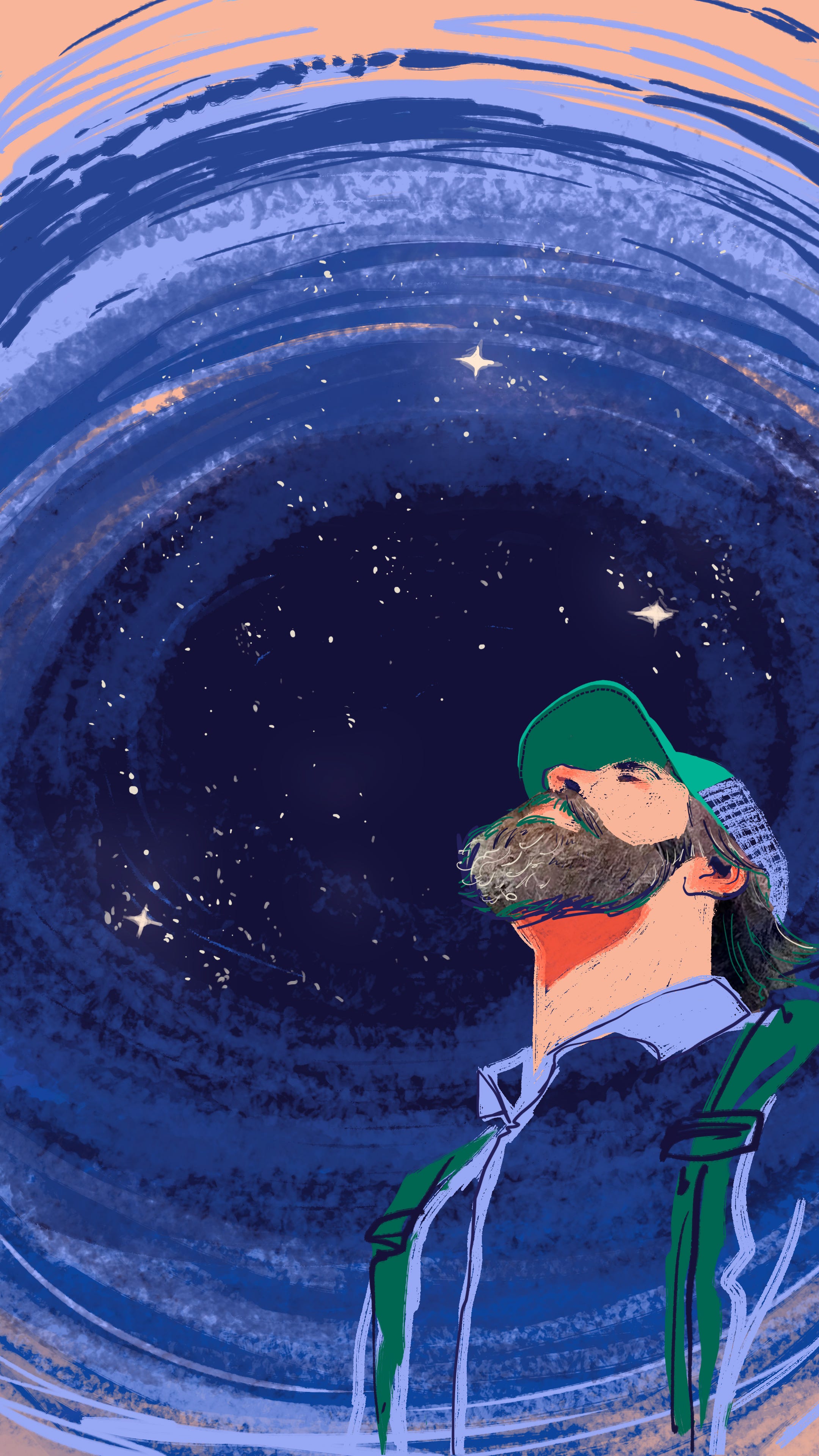
| 10/16/24 | ![]() Science on the Spectrum with Dr Lisa-Ann Gershwin | I discovered Lisa while reading a book not penned by her - Phosphorescence by Julia Baird. In the book, Julia is faced with a life threatening illness, and goes on a journey to cultivate ‘inner light’ which sees her, amongst many other things, meeting up with jellyfish and fluorescence expert Dr Gershwin. She tells a very brief summary of Dr Gershwin’s life - her incredible accolade of identifying over 200 species of jellyfish, her experience with homelessness, and her adulthood autism diagnosis.I remember putting the book down for a moment and thinking what an incredible story Lisa seemed to have, so I looked her up online and discovered that this story was barely scratching the surface. I bought Lisa’s first book, Stung, and learned so much about jellyfish and their role within their ecosystem that I discovered a newfound appreciation for them, and an understanding about why someone would dedicate so much of their career researching them. I decided to reach out to her to see if she would be a guest on Earth to Humans and, to my delight, she said yes!Cut to six month’s worth of emails later - she is based in Tasmania, Australia and I am based in Scotland, which made scheduling tricky - we finally found the time to chat. I could’ve spoken to Lisa forever. We explored her amazing journey from high school dropout to finishing her second phd, and how receiving an aspergers diagnosis made everything suddenly make sense for her. Artwork by Jasmine HortopLisa is a truly open book, and speaking to someone who is so honest about their experiences with neurodiversity, depression and finding their ‘ert’ left me feeling like the world would be a much better place if we all lived with such unapologetic authenticity. I have so much admiration for this amazing woman, I’m so excited to share this episode.Watch a snippet of the episode of ‘You Can’t Ask That’, featuring Lisa.In this episode, Lisa mentions the book she read that gave her insight into Aspergers and led to her getting a diagnosis. The book was by Dr Tony Attwood - check out his books here.If you’re visiting Tasmania and want to book onto one of Lisa’s Glow Tours, you can find out more on her website. Get full access to Earth to Humans Podcast's Substack at earthtohumanspodcast.substack.com/subscribe | 1h 21m 48s | ||||||
| 9/25/24 | ![]() The Maine Woods Initiative with Steve Tatko | Steve is bursting with enthusiasm for the Maine woods and the Appalachian Mountain Club’s efforts to protect this area. He grew up right along the border of Maine’s unincorporated territories, a vast stretch of uninhabited, but privately owned, forest land that covers nearly half the state. He always had a deep bond with this land, but was told while growing up that he’d have to leave if he wanted to earn a good living or follow his passion. That turned out not to be true, as an opportunity to work for the Appalachian Mountain Club arose that actually valued his preexisting connection to the region and to the area’s communities.The Maine Woods Initiative is a unique and vast project. The Appalachian Mountain Club has bought over 114,000 acres of land in the region, but even though its privately owned, they are managing it based on a public land model. They’ve created numerous recreational opportunities, they’ve initiated sustainable logging operations working closely with local communities, and they’ve restored watersheds, re-establishing the only wild Atlantic Salmon run on the entire Eastern seaboard. It’s an example of land conservation and protection that values and includes human communities - Steve is working to protect not just ecosystems, but cultural lifeways and economic viability. Get full access to Earth to Humans Podcast's Substack at earthtohumanspodcast.substack.com/subscribe | 47m 21s | ||||||
| 9/18/24 | ![]() BONUS - Inside the Post-Production Process on "The Invisible Mammal" | It was 2019 when I first began working on The Invisible Mammal with director Kristin Tieche. The past five years have been a whirlwind journey, but now we get to bring this story to life for the first time. The editing process on a documentary like The Invisible Mammal, which was shot over five years in a vérité style, is truly special. For the first time we get to see which story ideas work and which ones don’t. We establish a pacing and a tone for our film, and work hard to bring out the nuances of our character’s personalities. In today’s bonus episode of Earth to Humans, Kristin and I discuss what it’s like to be at this stage of the filmmaking process, share updates on some upcoming events featuring sneak peak screenings of selected work-in-progress scenes, and discuss our plans for the future.Learn more about The Invisible Mammal here: https://www.theinvisiblemammal.com/Learn more and register for our October 1st screening event in central CA: https://www.eventbrite.com/e/bat-movie-benefit-at-the-lark-theater-registration-998015740947?aff=oddtdtcreator -Matt Podolsky Get full access to Earth to Humans Podcast's Substack at earthtohumanspodcast.substack.com/subscribe | 18m 11s | ||||||
| 9/11/24 | ![]() The Pod Gets Political | In this episode of The Earth to Humans Podcast, the Pod gets POLITICAL. Specifically, the politics and dangers of Project 2025 and the looming chaos of another Trump administration.We delve into the far-reaching impacts of another potential Trump presidency on the environment here in the U.S. and how shifting U.S. policies might influence countries around the world, with special insight on the United Kingdom.The conversation extends to environmental and social justice policies, where we discuss the implications of diverging climate goals and the long term effects on already fractured international environmental collaborations. Fractures that could ripple across the globe for years to come.We’re here to unpack it all. Get full access to Earth to Humans Podcast's Substack at earthtohumanspodcast.substack.com/subscribe | 1h 22m 33s | ||||||
| 8/29/24 | ![]() Kelp! A Wind-Powered Seaweed Celebration | After reading the synopsis for the film Kelp! I headed straight to their website - it featured so many things I’m passionate about that I had to watch it immediately! I hit the play button, sat back and enjoyed half an hour of pure hope and joy - something it can sometimes be a bit tricky to find within the environmental space. I was aware of seaweed farming being a big deal in South East Asia, as I have seen vast coastal areas that are home to this form of agriculture, but I was surprised to learn that it was very much booming in the UK. The film goes into great detail about how amazing kelp is - it’s a habitat for numerous marine species, its potential to sequester carbon is unbelievable, it is a highly nutritious superfood, and it can be used as an alternative to plastic which is completely safe for humans and the planet.Artwork by Jasmine HortopNot only was I in awe of kelp itself, but also the team who made this film. I’ve heard of the great lengths production teams have gone to to ensure their films do not create more environmental problems that they’re attempting to solve, but the extreme efforts of the Kelp! team became as much of an integral part of the story as the kelp itself. I’m not going to ruin the film by going into too much detail, but it’s definitely the only production I’ve ever been aware of being filmed entirely on a sailboat! We somehow came up with the phrase ‘hungry for joy’ throughout the interview, and it’s something I regularly experience, with the greatest of appetites. If you’re looking for a big dose of hope and inspiration, I’d certainly recommend heading straight to the Kelp! website and getting exactly what you need! Scroll down to find the trailer, and a here’s a (free) link to the full film. I hope you enjoy it as much as I did!By Hannah Mulvany Get full access to Earth to Humans Podcast's Substack at earthtohumanspodcast.substack.com/subscribe | 55m 02s | ||||||
| 8/14/24 | ![]() The Nature of the Underground Railroad with Anthony Cohen | Anthony Cohen is a historian, author and expert on the Underground Railroad who has taken a truly unique approach towards researching and teaching history. His career was launched in 1996 when he traveled 1,200 miles by foot, boat and rail to retrace one of the routes of the Underground Railroad.Since completing this remarkable journey, Anthony has developed his expertise in experiential history, establishing a living history center that teaches people about slavery and life on an 1850s plantation. His work has been featured in a number of documentaries, most recently the series, “Rooted Wisdom”, about nature’s role in the Underground Railroad. Get full access to Earth to Humans Podcast's Substack at earthtohumanspodcast.substack.com/subscribe | 1h 13m 24s | ||||||
| 7/31/24 | ![]() Virus Vibes (Part 2) w/ Dr. Agustina Rimondi | Welcome to part 2 of our series on HPAI aka highly pathogenic avian influenza.Today we continue our deep dive into the fascinating yet unsettling world of avian influenza. In part 1, we explored how these viruses leap from birds to marine mammals, unraveling their ecological and health implications. This time, we shift our focus from New England to Argentina.Joining us is Dr. Agustina Rimondi, a scientist known for her work on the molecular epidemiology of avian influenza. Dr. Rimondi's research delves deep into the science of how these viruses evolve and spread, providing critical insights into our ongoing understanding of what these viruses are and how they might impact us.In this episode, we'll get into the weeds of the science behind avian influenza. Dr. Rimondi will share her experiences and findings from the field, shedding light on the intricate mechanisms of virus transmission and adaptation. We'll also discuss the broader implications of her work on other species, including us stubborn humans. Get full access to Earth to Humans Podcast's Substack at earthtohumanspodcast.substack.com/subscribe | 1h 06m 30s | ||||||
| 7/17/24 | ![]() Virus Vibes (Part 1) w/ Dr. Wendy Puryear | Today we embark on the first of a two-part deep dive into a topic that's as fascinating as it is unsettling: avian influenza.Joining us is Dr. Wendy Puryear, a leading virologist who’s pioneering work on the H5N1 strain of avian influenza has revealed some startling truths about how this virus spreads and the profound impacts it has on wildlife, particularly marine mammals.In this episode, we'll explore the intricate dance of viruses as they leap from birds to mammals, mammals to mammals, and maybe even mammals to birds, uncovering the ecological and health implications of these cross-species transmissions. We'll hear from Dr. Puryear about the challenges and triumphs of tracking these invisible threats and the collaborative efforts needed to combat them.This is part one of our exploration into avian influenza. Get full access to Earth to Humans Podcast's Substack at earthtohumanspodcast.substack.com/subscribe | 1h 00m 25s | ||||||
| 7/3/24 | ![]() The Joys and Fears of Women Who Wander | On this episode, we’re re-airing an episode we really think you will love. Today, Sarinah tackles female solo hiking from the perspectives of 5 women as she tries to make sense of managing both the physical and mental fears of hiking alone, but also the beauty of mentorship and prioritizing joy in the outdoors. The women in this panel range from environmental scientists to travel bloggers, teachers to mothers, but all with individual expertise and an accomplished list of hikes that should intimidate the hell out of you. Get full access to Earth to Humans Podcast's Substack at earthtohumanspodcast.substack.com/subscribe | 1h 14m 45s | ||||||
| 6/19/24 | ![]() Environmentalist group therapy with Dr Aura Goldman | Hannah is joined by Dr Aura Goldman - a psychotherapist who, amongst other accolades, specialises in eco-anxiety and the plethora of other climate and environmental emotions. They explore different case studies of environmentalists who are experiencing various environmental emotions, and Dr Goldman gives some fantastic tips on how to cope. Get full access to Earth to Humans Podcast's Substack at earthtohumanspodcast.substack.com/subscribe | 56m 30s | ||||||
| 6/5/24 | ![]() Exploring the Spirit of Wildness with Laura Waterman | I first came across the work of Laura Waterman while conducting research on the origins of the Appalachian Trail. As many of our listeners are surely aware by now, I completed a thru-hike of the Appalachian Trail in 2022, and am currently working on a 10-episode documentary radio series about the AT’s history and cultural influence in partnership with New Hampshire Public Radio. I was seeking information about the history of trail building in the Northeastern US, where the first modern long distance hiking trails were born, and I found everything that I was looking for in “Forest and Crag” by Laura and Guy Waterman.“Forest and Crag” is a comprehensive history of Mountain climbing in the Northeast - it is dense with information, but with a writing style that is accessible and compelling. Despite being first published over 35 years ago, it remains the best resource on this topic by a long shot. I was looking for someone to interview for my podcast series, so I also conducted research on the authors of this book - Laura and Guy Waterman. What I found was a story even more fascinating than the history of trail building laid out in “Forest and Crag”.I began reading Laura Waterman’s first memoir, “Losing the Garden”, and the story of Laura and Guy’s truly unique life together began to unfold in front of me. While the two of them were writing “Forest and Crag”, they were living in a rural Vermont homestead in a cabin they built themselves with no electricity or plumbing. They lived like they were in the 19th century for almost 30 years, until Guy’s depression intensified, and he decided to take his own life in the year 2000.But this wasn’t a typical suicide. Guy drew Laura into the planning of this effort to take his own life, and Laura, seeing no other option, went along with Guy’s plan. Guy ultimately chose to die by exposing himself to the elements on a winter hike of the Franconia Ridge - the site of the iconic New Hampshire ridge-line trail that Laura and Guy had maintained for almost 20 years.Laura published her first memoir “Losing the Garden” in 2005, but felt that she had left unanswered questions about her decision to go along with her husband’s plan to commit suicide. Her second memoir, published just a few months ago, “Calling Wild Places Home”, seeks to answer these questions, adding depth to the story of Laura’s truly unique life. Now 84 years old, Laura shares her reflections on the past, on aging, and the evolution of her writing style. It was truly and honor for me to have the opportunity to speak with Laura Waterman, and I hope that you enjoy the conversation as much as I did!-Matt Podolsky Get full access to Earth to Humans Podcast's Substack at earthtohumanspodcast.substack.com/subscribe | 1h 16m 39s | ||||||
| 5/22/24 | ![]() Below the Edge of Darkness w/ Dr. Edith Widder | Imagine descending into the abyss, leaving behind the sunlit waters and plunging into the dark, mysterious depths of the ocean. Here, sunlight fades away, and the pressure increases with every meter. This is the realm of the deep sea, an environment so extreme and alien that it's often compared to outer space.Under the weight of that much water and so far from the surface, you might envision the truest definition of darkness. But what if I told you there was an abundance of light just at the edge of darkness. Light that we are just beginning to understand.Dr. Edith Widder has dedicated her career to exploring these under-explored depths. She was one of the first scientists to capture the mesmerizing phenomenon of bioluminescence in its natural habitat. Bioluminescence is the emission of light by living organisms, a survival mechanism in the pitch-black ocean depths. It creates an otherworldly spectacle where creatures use light to communicate, hunt, and evade predators.From the hypnotic glow of jellyfish to the pulsing firework displays of deep-sea fish, bioluminescence transforms the dark ocean into a place of living light. Dr. Widder’s groundbreaking work not only showcases the beauty of these glowing organisms but also helps us understand the vital ecological roles they play.Join us as we journey with Dr. Edith Widder to uncover the secrets of the deep sea. Discover how these extraordinary light displays serve as both a beacon and a camouflage in the vast, dark expanse of the ocean. She shares her incredible experiences and insights into one of the most captivating phenomena of the natural world.Dr. WidderORCA Get full access to Earth to Humans Podcast's Substack at earthtohumanspodcast.substack.com/subscribe | 1h 02m 23s | ||||||
| 5/8/24 | ![]() Exploring eco-ableism with Umesh Balal Magar | In my echo chamber, gender, race, nationality, and gender are intersections that are spoken about and how they relate to environmentalism (still nowhere near frequently enough), yet one that was completely absent until recently was disability. I only truly became aware of this when I saw an article pop up featuring my guest on next week’s episode, who had gone to COP26 to ensure the voices of those living with disabilities were involved in climate discussions. Umesh Balal Magar is a young Nepalese disability and climate campaigner who, when he’s not working on improving climate related-water issues in Nepal, is fighting for more inclusive and equitable climate discussions and legislation.Artwork by Jasmine HortopHis story is so powerful and I wanted to use this platform to share it, to do something to amplify Umesh’s important messages and calls to action, as well as those of others working within this space.When I started researching this topic, I instantly became aware of a word that I hadn’t encountered before - eco-ableism. This is described by Friends of the Earth Scotland as, ‘‘a failure by non-disabled environmental activists to recognize that many of the climate actions they’re promoting make life difficult for disabled people’. They also listed examples, such as:- banning plastic straws without accepting that some disabled people need them to drink safely and conveniently- removing disabled parking bays to make way for cycle lanes- promoting active travel without realising that some disabled people cannot walk, wheel or cycle.These are very much local examples of eco-ableism within the UK and most probably many other countries too, but the reality is that it is very much a global issue.Something that Umesh raised during our episode, which horrified me, was that disabled people are currently completely left out of plans for disaster response, such as during evacuations. Umesh and his community are fighting for legislative change that will ensure that this does not continue, but progress is frustratingly slow and time is not on humanity’s side when it comes to climate change.Here’s a few resources that go into more detail about eco-ableism, as well as a written interview with Umesh.Friends of the Earth Scotland - Eco Ableism and the Climate MovementDisability Rights UK - Climate changeCurious Earth - What is Eco-ableism and how can we counter it?British Council - Discussing inclusive climate action with Umesh Balal Magar Get full access to Earth to Humans Podcast's Substack at earthtohumanspodcast.substack.com/subscribe | 38m 39s | ||||||
Showing 25 of 314
Pitch Fit is a Pro feature
See how bookable this show is for guests, which brands already advertise, the per-episode ad value, and the best-fit guest and sponsor profile. The numbers are blurred on the free plan.
How readily this show books outside guests like you.
How proven this show is for host-read sponsorships.
For Guests
ProFor Advertisers
ProUpgrade to Pro to unlock guest cadence, sponsor categories, fit scores, and per-episode ad value for this show.
Chart Positions
10 placements across 10 markets.
Chart Positions
10 placements across 10 markets.