
Insights from recent episode analysis
Audience Interest
Podcast Focus
Publishing Consistency
Platform Reach
Insights are generated by CastFox AI using publicly available data, episode content, and proprietary models.
Total monthly reach
Estimated from 11 chart positions in 11 markets.
By chart position
- 🇬🇧GB · Courses#1365K to 30K
- 🇦🇺AU · Courses#1565K to 30K
- 🇮🇹IT · Courses#5030K to 100K
- 🇮🇳IN · Courses#8210K to 30K
- 🇧🇷BR · Courses#8210K to 30K
- Per-Episode Audience
Est. listeners per new episode within ~30 days
51K to 186K🎙 Biweekly cadence·12 episodes·Long inactive - Monthly Reach
Unique listeners across all episodes (30 days)
73K to 266K🇮🇹38%🇬🇧11%🇦🇺11%+8 more - Active Followers
Loyal subscribers who consistently listen
22K to 80K
Market Insights
Platform Distribution
Reach across major podcast platforms, updated hourly
Total Followers
—
Total Plays
—
Total Reviews
—
* Data sourced directly from platform APIs and aggregated hourly across all major podcast directories.
On the show
Recent episodes
Effective altruism in a nutshell
Apr 12, 2021
9m 35s
One: Holden Karnofsky on times philanthropy transformed the world & Open Phil's plan to do the same
Apr 12, 2021
2h 36m 04s
Two: Dr Toby Ord on why the long-term future matters more than anything else & what to do about it
Apr 12, 2021
2h 10m 32s
Three: Alexander Berger on improving global health and wellbeing in clear and direct ways
Apr 12, 2021
2h 53m 44s
Four: Spencer Greenberg on the scientific approach to solving difficult everyday questions
Apr 12, 2021
2h 17m 12s
Social Links & Contact
Official channels & resources
Official Website
Login
RSS Feed
Login
| Date | Episode | Description | Length | ||||||
|---|---|---|---|---|---|---|---|---|---|
| 4/12/21 |  Effective altruism in a nutshell | Effective Altruism: An Introduction is a collection of ten top episodes of The 80,000 Hours Podcast specifically selected to help listeners quickly get up to speed on the school of thought known as effective altruism. Here the host of the show — Rob Wiblin — briefly explains what effective altruism is all about, and what to expect from the rest of this series. | 9m 35s | ||||||
| 4/12/21 |  One: Holden Karnofsky on times philanthropy transformed the world & Open Phil's plan to do the same | Both the Green Revolution and the contraceptive pill are widely recognised as scientific breakthroughs that transformed the world. But few know that those breakthroughs only happened when they did because of a philanthropist willing to take a risky bet on a new idea. | 2h 36m 04s | ||||||
| 4/12/21 | 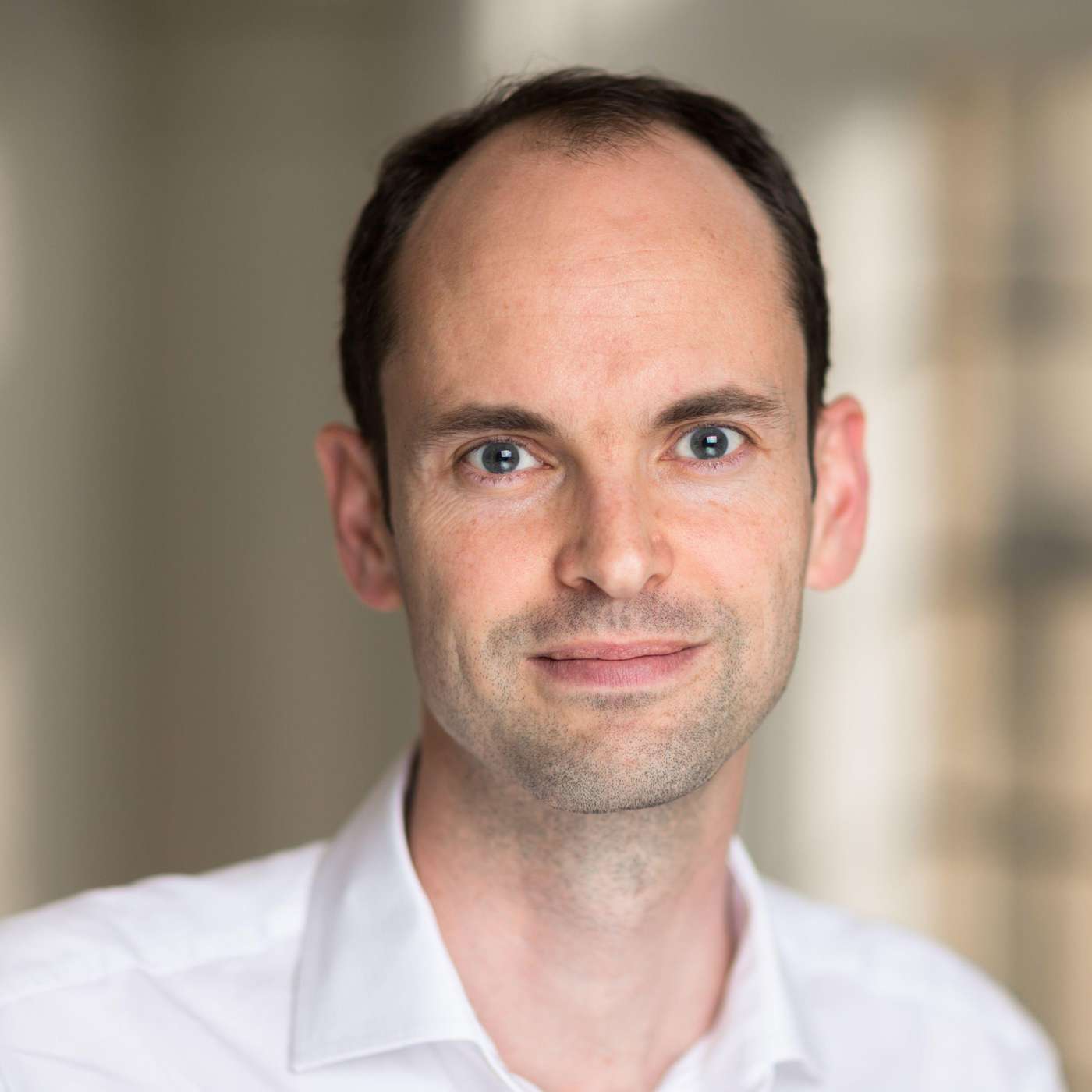 Two: Dr Toby Ord on why the long-term future matters more than anything else & what to do about it | Toby Ord makes the case that of all the people whose well-being we should care about, only a small fraction are alive today. The rest are members of future generations who are yet to exist. Whether they’ll be born into a world that is flourishing or disintegrating is in large part up to us. | 2h 10m 32s | ||||||
| 4/12/21 |  Three: Alexander Berger on improving global health and wellbeing in clear and direct ways | The effective altruist research community tries to identify the highest impact things people can do to improve the world. Unsurprisingly, given the difficulty of such a massive and open-ended project, very different schools of thought have arisen about how to do the most good.Today’s guest, Alexander Berger, leads Open Philanthropy’s ‘Global Health and Wellbeing’ programme, where he oversees around $175 million in grants each year, and ultimately aspires to disburse billions in the most impactful ways he and his team can identify.In this conversation from 2021, Alexander explains the case in favour of adopting the ‘global health and wellbeing’ mindset, while going through the arguments for the longtermist approach that he finds most and least convincing.Full transcript, related links, and summary of this interviewThis episode first broadcast on the regular 80,000 Hours Podcast feed on July 12, 2021. Some related episodes include:#22 – Dr Leah Utyasheva on the non-profit that figured out how to massively cut suicide rates#37 – GiveWell picks top charities by estimating the unknowable. James Snowden on how they do it.#83 – Jennifer Doleac on ways to prevent crime other than police and prisonsSeries produced by Keiran Harris. | 2h 53m 44s | ||||||
| 4/12/21 | 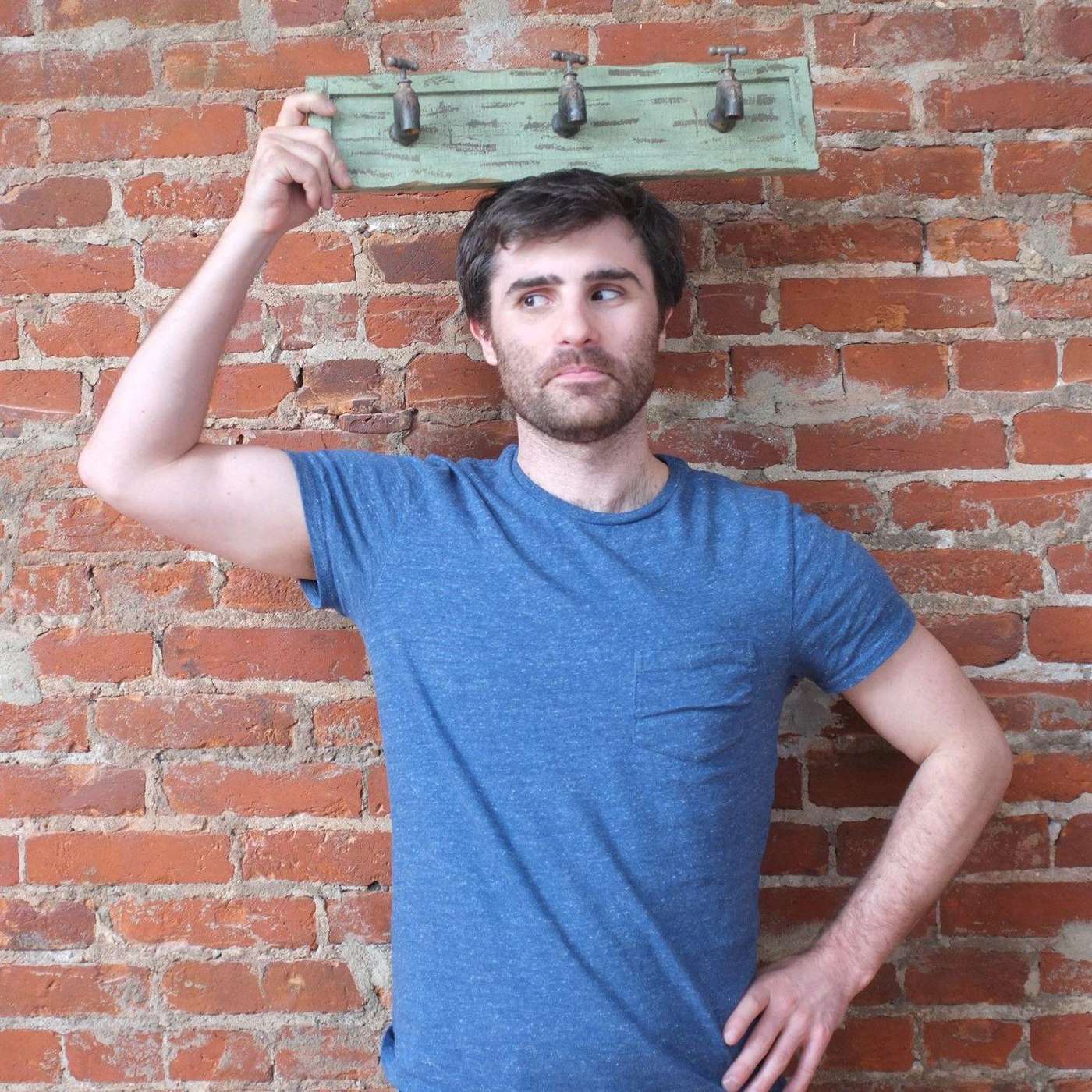 Four: Spencer Greenberg on the scientific approach to solving difficult everyday questions | Spencer Greenberg, founder of ClearerThinking.org has a process for working out real life problems. | 2h 17m 12s | ||||||
| 4/12/21 |  Five: Prof Will MacAskill on moral uncertainty, utilitarianism & how to avoid being a moral monster | If we accept that we’re probably making major moral errors, how should we proceed? | 1h 52m 46s | ||||||
| 4/12/21 |  Six: Ajeya Cotra on worldview diversification and how big the future could be | Imagine that humanity has two possible futures ahead of it: Either we’re going to have a huge future like that, in which trillions of people ultimately exist, or we’re going to wipe ourselves out quite soon, thereby ensuring that only around 100 billion people ever get to live.If there are eventually going to be 1,000 trillion humans, what should we think of the fact that we seemingly find ourselves so early in history? If the future will have many trillions of people, the odds of us appearing so strangely early are very low indeed.If we accept the analogy, maybe we can be confident that humanity is at a high risk of extinction based on this so-called ‘doomsday argument‘ alone.There are many critics of this theoretical ‘doomsday argument’, and it may be the case that it logically doesn’t work. This is why Ajeya Cotra — a senior research analyst at Open Philanthropy — spent time investigating it, with the goal of ultimately making better philanthropic grants.In this conversation from 2021, Ajeya and Rob discuss both the doomsday argument and the challenge Open Phil faces striking a balance between taking big ideas seriously, and not going all in on philosophical arguments that may turn out to be barking up the wrong tree entirely. Full transcript, related links, and summary of this interviewThis episode first broadcast on the regular 80,000 Hours Podcast feed on January 19, 2021. Some related episodes include:#45 – Prof Tyler Cowen's stubborn attachments to maximising economic growth, making civilization more stable & respecting human rights#40 – Katja Grace on forecasting future technology & how much we should trust expert predictions.#42 – Amanda Askell on moral empathy, the value of information & the ethics of infinity#3 – Dario Amodei on OpenAI and how AI will change the world for good and ill#41 – David Roodman on incarceration, geomagnetic storms, & becoming a world-class researcher#10 – Dr Nick Beckstead on how to spend billions of dollars preventing human extinction #62 – Paul Christiano on messaging the future, increasing compute, & how CO2 impacts your brain.Series produced by Keiran Harris. | 2h 56m 27s | ||||||
| 4/12/21 |  Seven: Prof Tetlock on why accurate forecasting matters for everything, and how you can do it better | Have you ever been infuriated by a doctor's unwillingness to give you an honest, probabilistic estimate about what to expect? Or a lawyer who won't tell you the chances you'll win your case? | 2h 17m 25s | ||||||
| 4/12/21 | 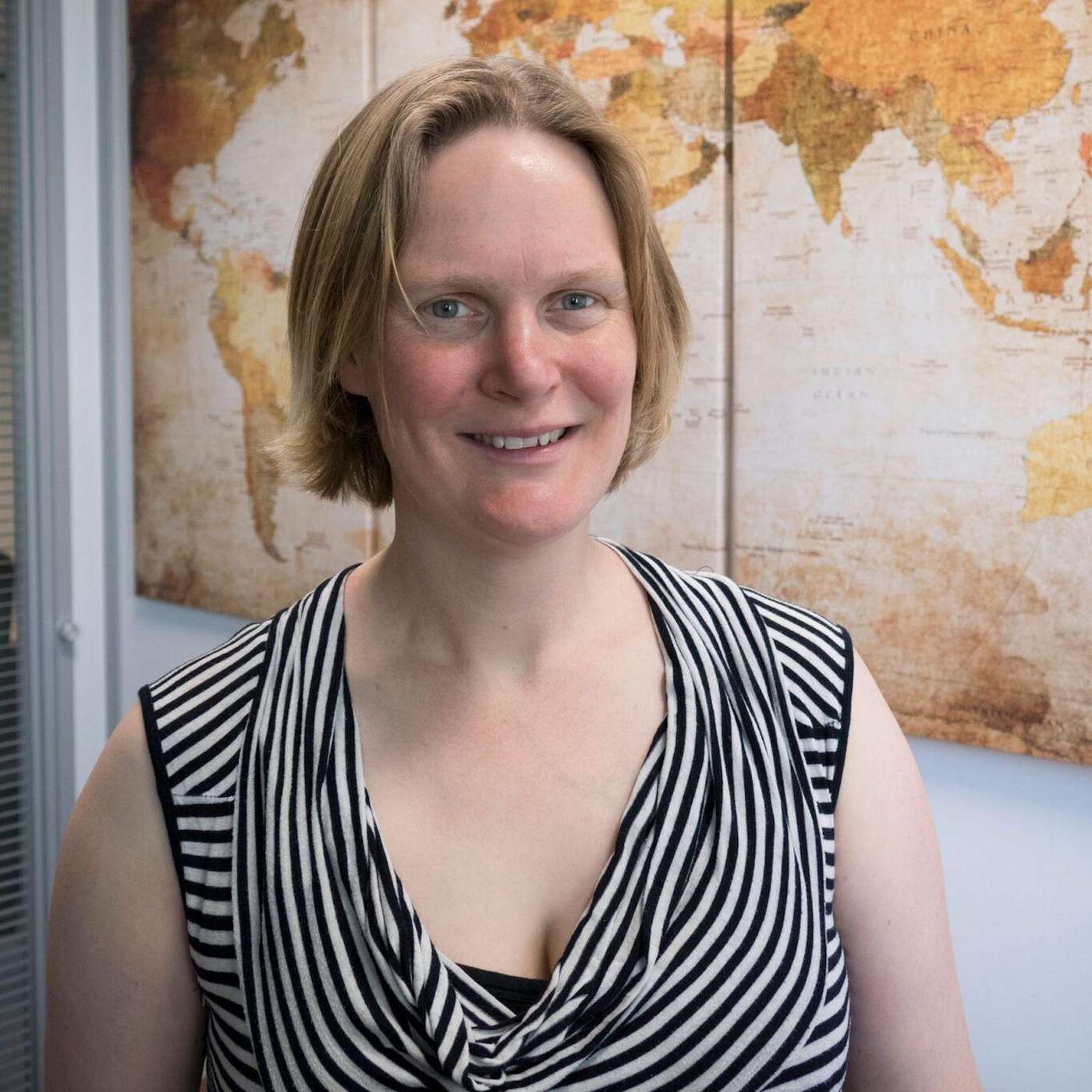 Eight: Prof Hilary Greaves on moral cluelessness, population ethics, & harnessing the brainpower of academia to tackle the most important research questions | The barista gives you your coffee and change, and you walk away from the busy line. But you suddenly realise she gave you $1 less than she should have. Do you brush your way past the people now waiting, or just accept this as a dollar you’re never getting back? According to Hilary Greaves, this simple decision will alter the identities of almost all future generations. | 2h 48m 33s | ||||||
| 4/12/21 | 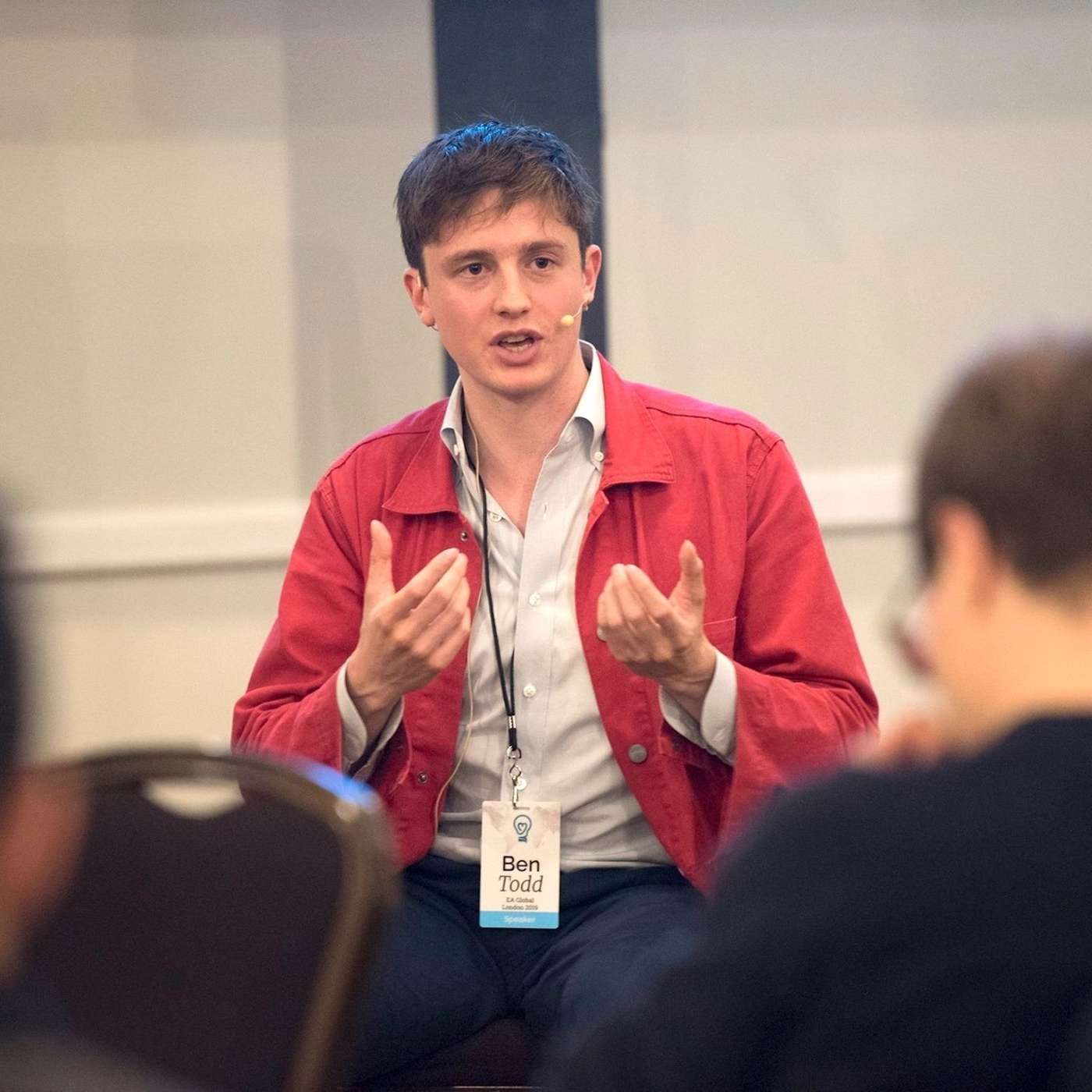 Nine: Benjamin Todd on the key ideas of 80,000 Hours | The 80,000 Hours Podcast is about “the world’s most pressing problems and how you can use your career to solve them”, and in this episode we tackle that question in the most direct way possible. | 2h 57m 13s | ||||||
Want analysis for the episodes below?Free for Pro Submit a request, we'll have your selected episodes analyzed within an hour. Free, at no cost to you, for Pro users. | |||||||||
| 4/12/21 |  Ten: Benjamin Todd on the core of effective altruism and how to argue for it | Benjamin Todd gives his thoughts on what effective altruism really is, how it's framed, and how people misunderstand it. | 1h 22m 37s | ||||||
| 4/12/21 | What's next | Now you've finished Effective Altruism: An Introduction, here's what we suggest you do next. | 2m 52s | ||||||
Showing 12 of 12
Sponsor Intelligence
Sign in to see which brands sponsor this podcast, their ad offers, and promo codes.
Chart Positions
11 placements across 11 markets.
Chart Positions
11 placements across 11 markets.