

Insights from recent episode analysis
Audience Interest
Podcast Focus
Publishing Consistency
Platform Reach
Insights are generated by CastFox AI using publicly available data, episode content, and proprietary models.
Total monthly reach
Estimated from 2 chart positions in 2 markets.
By chart position
- 🇨🇦CA · History#1735K to 30K
- 🇮🇪IE · History#109500 to 3K
- Per-Episode Audience
Est. listeners per new episode within ~30 days
2.8K to 17K🎙 ~2x weekly·14 episodes·Last published 4d ago - Monthly Reach
Unique listeners across all episodes (30 days)
5.5K to 33K🇨🇦91%🇮🇪9% - Active Followers
Loyal subscribers who consistently listen
2.2K to 13K
Market Insights
Platform Distribution
Reach across major podcast platforms, updated hourly
Total Followers
—
Total Plays
—
Total Reviews
—
* Data sourced directly from platform APIs and aggregated hourly across all major podcast directories.
On the show
Recent episodes
[Listener Suggestion] The Escape from Alcatraz (1962)
Jun 2, 2026
23m 00s
St. Mary’s Orphanage and the Great Storm
May 28, 2026
19m 51s
Who Was Genghis Khan? | The Dark Rise of The Mongol Empire
May 17, 2026
33m 23s
By Any Means Necessary: China's One Child Policy
May 4, 2026
20m 21s
Was Balto a Real Dog? | The 1925 Serum Run
Apr 20, 2026
36m 31s
Social Links & Contact
Official channels & resources
Official Website
Login
RSS Feed
Login
| Date | Episode | Description | Length | ||||||
|---|---|---|---|---|---|---|---|---|---|
| 6/2/26 | ![[Listener Suggestion] The Escape from Alcatraz (1962) episode artwork](https://images.castfire.com/image/660/8125/36825/8425257/8425257_2026-06-02-034657-8475248.jpg) [Listener Suggestion] The Escape from Alcatraz (1962) | American criminal history began on a cold June night in 1962. Three inmates disappeared from the most secure prison in America, leaving behind lifelike dummy heads and a mystery that continues to fascinate investigators, historians, and true crime enthusiasts decades later.In this episode, we explore the incredible story behind the 1962 Alcatraz escape, the meticulous planning that allowed the prisoners to break free, and the unanswered question that still sparks debate today: Did the Alcatraz escapees survive?Topics Covered:✔️ 1962 Alcatraz escape story ✔️ Alcatraz prison break explained ✔️ Frank Morris escape plan ✔️ Alcatraz escape evidence and theories ✔️ FBI Alcatraz investigationFor more than sixty years, the disappearance of Frank Morris and the Anglin brothers has remained one of America’s greatest mysteries. Whether they drowned in the frigid waters or successfully escaped to freedom, their story continues to captivate audiences around the world.🎙️ If you enjoy true crime, historical mysteries, unsolved cases, and remarkable stories from American history, this episode is for you.Sources & Further Reading• Federal Bureau of Prisons. "Alcatraz." Bureau of Prisons History.https://www.bop.gov/about/history/alcatraz.jsp• Federal Bureau of Investigation. "Alcatraz Escape."https://www.fbi.gov/history/cases-and-criminals/alcatraz-escape• National Parks Conservation Association. "A Genius, Two Brothers, and Fake Heads: The Escape from Alcatraz."https://www.nationalparks.org/connect/blog/genius-two-brothers-and-fake-heads• BBC Culture. "The Men Who Broke Out of Alcatraz with a Spoon."https://www.bbc.com/culture/article/20240607-it-was-the-cleverest-escape-in-the-prisons-30-years-the-men-who-broke-out-of-alcatraz-with-a-spoon• CBS News. "Scientists Offer New Theory Behind the 1962 Alcatraz Prison Break."https://www.cbsnews.com/news/scientists-new-theory-behind-1962-alcatraz-prison-break/• BBC News. "Alcatraz Escape: FBI Letter Renews Mystery."https://www.bbc.com/news/world-us-canada-42826582• SFGATE. "Does This Photo Prove the Most Famous Alcatraz Escapees Survived?"https://www.sfgate.com/news/article/Does-this-photo-prove-the-most-famous-Alcatraz-6568415.php | 23m 00s | ||||||
| 5/28/26 | 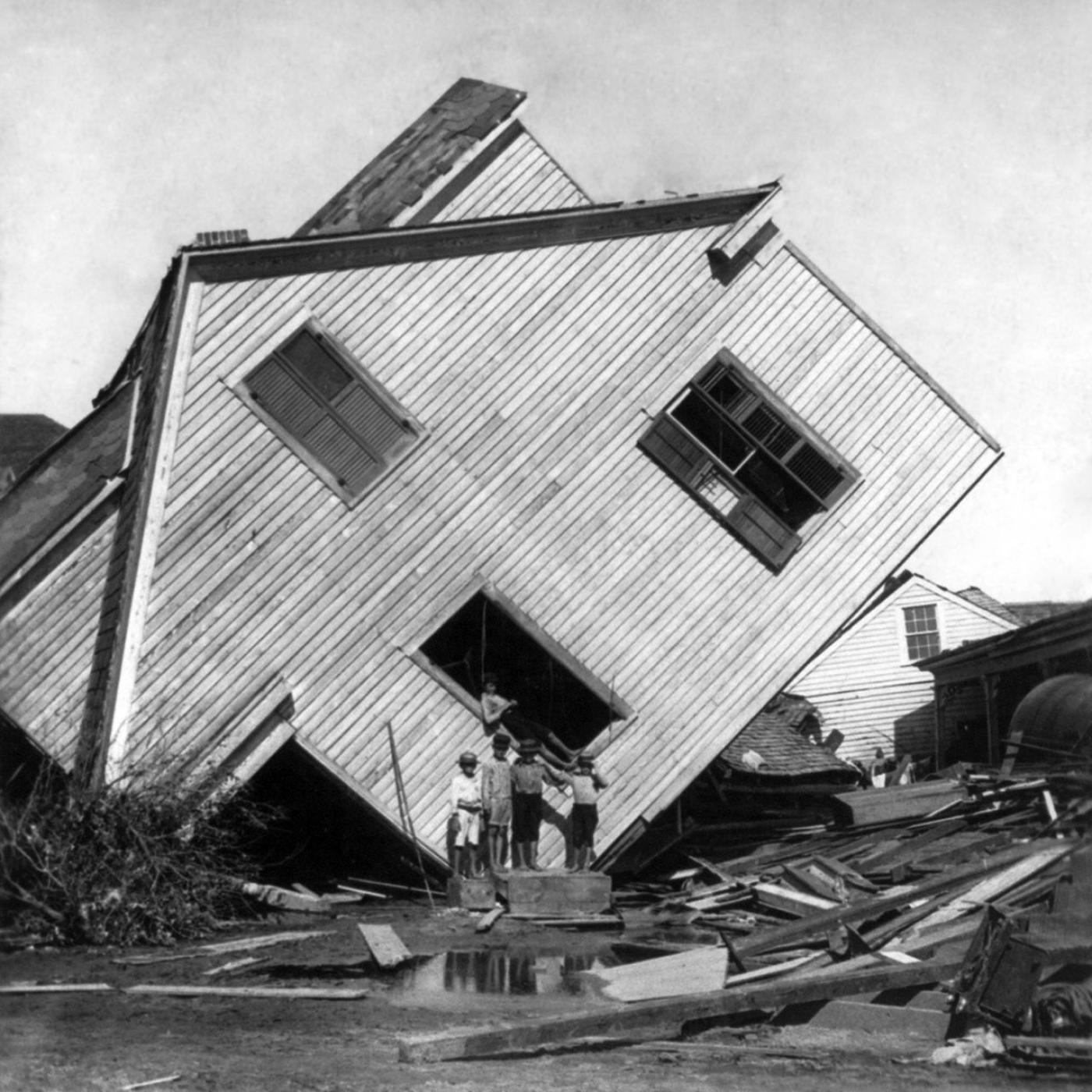 St. Mary’s Orphanage and the Great Storm | What Happened to St. Mary’s Orphanage?In this episode, we tell the heartbreaking true story of St. Mary’s Orphanage during the 1900 Galveston Hurricane, the deadliest natural disaster in American history.As a powerful hurricane approached the Texas coast on September 8, 1900, few residents understood the scale of the catastrophe that was about to unfold. By the time the storm reached Galveston Island, thousands of lives would be lost and an entire city would be devastated.Among the most tragic stories was that of St. Mary’s Orphanage, where the Sisters of Charity and dozens of children faced impossible circumstances as floodwaters rose around them.What Was the 1900 Galveston Hurricane?The 1900 Galveston Hurricane remains the deadliest hurricane in United States history. With storm surge flooding, destructive winds, and little warning, the storm destroyed much of Galveston and killed an estimated 6,000 to 12,000 people.This Episode CoversThe 1900 Galveston HurricaneThe deadliest hurricane in U.S. historySt. Mary’s OrphanageThe children of the orphanageActs of courage during the stormThe aftermath of the disasterThe legacy of the Great Galveston HurricaneKey TakeawaysThe 1900 Galveston Hurricane was the deadliest natural disaster in American history.Thousands of people lost their lives during the storm.St. Mary’s Orphanage became the site of one of the disaster’s most tragic stories.The Sisters fought to protect the children in their care.Storm surge flooding caused widespread destruction across Galveston Island.The hurricane transformed disaster preparedness in the United States.The tragedy remains one of the most remembered events in Texas history.The story highlights extraordinary courage during a natural disasterContent Warning: This episode contains descriptions of a mass casualty event, including the deaths of children.Sources:NOAA National Weather Service Heritage. Isaac Monroe Cline: The Cyclone Pioneer https://vlab.noaa.gov/web/nws-heritage/-/isaac-monroe-cline-the-cyclone-pioneer History.com Editors. 1900 Galveston Hurricane https://www.history.com/articles/1900-galveston-hurricane Galveston Historical Foundation. Storm FAQs https://www.galvestonhistorycenter.org/research/storm-faqs Gilder Lehrman Institute. One of Those Monstrosities of Nature: The Galveston Storm of 1900 https://www.gilderlehrman.org/history-resources/essays/one-those-monstrosities-nature-galveston-storm-1900 1900Storm.com. The Orphanage Story https://www.1900storm.com/orphanage.html Medium. 90 Orphans Sang This Catholic Hymn… https://musettedc.medium.com/90-orphans-sang-this-catholic-mariners-hymn-before-drowning-in-america-s-worst-natural-disaster-c97ac6308327 Tampa Bay Times Archive. Without Warning https://www.tampabay.com/archive/2000/05/28/without-warning/ | 19m 51s | ||||||
| 5/17/26 | 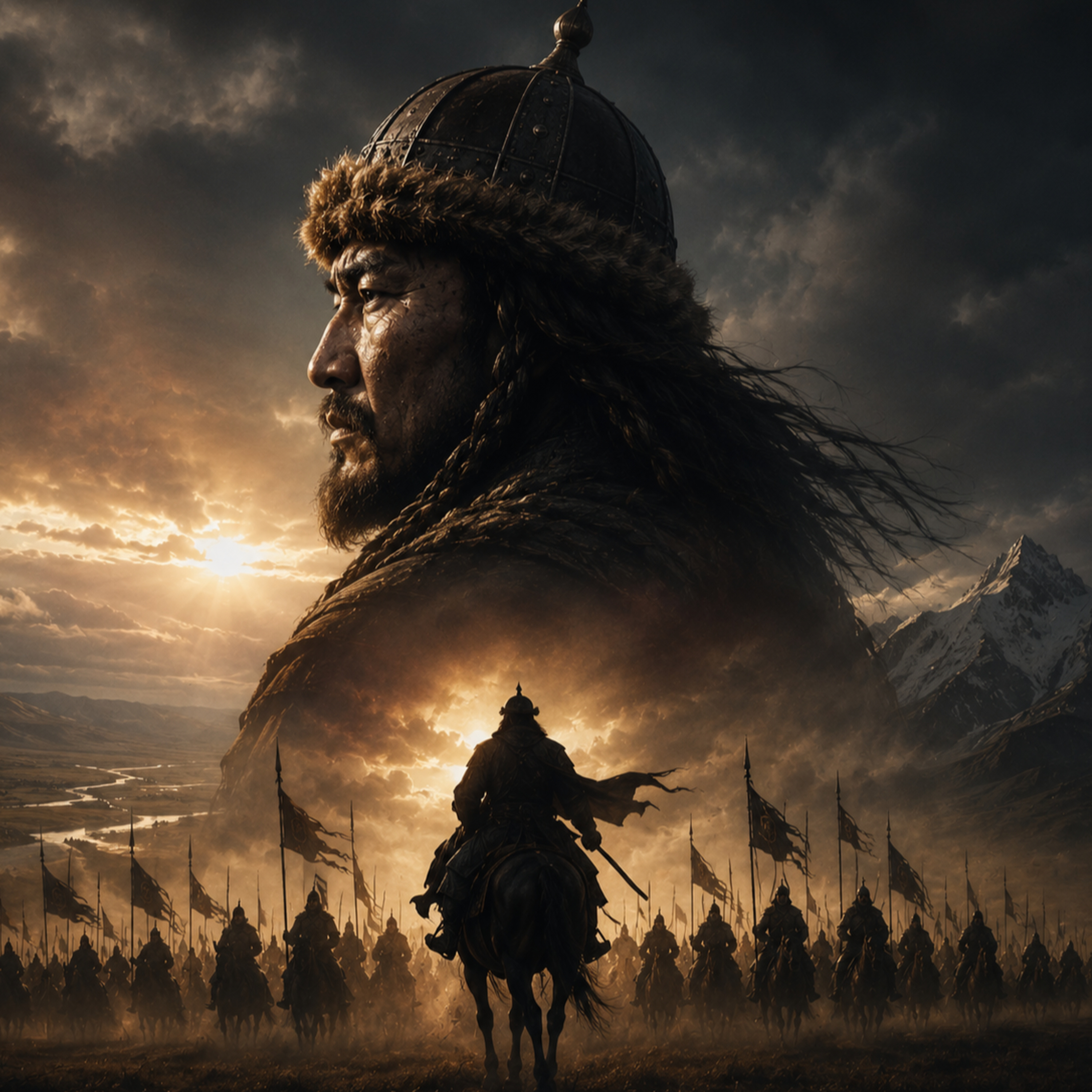 Who Was Genghis Khan? | The Dark Rise of The Mongol Empire | How Did Genghis Khan Conquer the World?In this episode, we explore the extraordinary life of Genghis Khan, the Mongol leader who united rival tribes and built one of the largest empires in human history.Born into a harsh and uncertain world on the Mongolian steppe, Genghis Khan rose from obscurity to become one of history’s most influential and feared conquerors. His military campaigns transformed Asia, reshaped trade routes, and changed the course of world history.Who Was Genghis Khan?Genghis Khan was the founder of the Mongol Empire, a vast realm that eventually stretched across much of Asia and into Europe.Before becoming one of history’s most successful military leaders, he faced betrayal, hardship, and years of conflict among competing tribes. His ability to unite the Mongols laid the foundation for an empire unlike any the world had seen before.How Did the Mongol Empire Become So Powerful?The Mongol military relied on speed, discipline, intelligence gathering, and innovative battlefield tactics. Highly mobile horse archers allowed Mongol armies to travel vast distances and strike with remarkable effectiveness.Under Genghis Khan’s leadership, the Mongols conquered territories across China, Central Asia, and beyond, creating one of the largest contiguous empires in history.Was Genghis Khan a Hero or a Villain?The legacy of Genghis Khan remains deeply debated.Some historians view him as a brilliant military strategist who promoted trade, communication, and religious tolerance across his empire. Others focus on the immense destruction, warfare, and loss of life associated with the Mongol conquests.His story remains one of the most complex and controversial in world history.How Did Genghis Khan Change the World?The Mongol Empire connected distant regions through trade and communication networks that helped facilitate the exchange of goods, technologies, cultures, and ideas.The effects of his conquests influenced the development of nations across Asia, the Middle East, and Europe for centuries.This Episode CoversThe early life of Genghis KhanThe unification of the Mongol tribesThe rise of the Mongol EmpireMongol military tacticsConquests across AsiaLeadership and strategyThe debate over his legacyHow Genghis Khan diedThe lasting impact of the Mongol EmpireKey TakeawaysGenghis Khan founded the Mongol Empire.The Mongol Empire became one of the largest empires in history.Mongol armies relied on mobility, discipline, and strategy.The empire expanded across Asia and into Europe.Trade routes flourished under Mongol rule.Historians debate whether Genghis Khan should be viewed as a hero or conqueror.The Mongols transformed warfare during the medieval period.Genghis Khan’s influence extended far beyond military conquest.His legacy continues to shape historical discussions today.Content Warning: This episode contains discussions of war, violence, murder, sexual violence, human suffering, and historical accounts of mass death connected to the Mongol conquests. Some descriptions may be disturbing to listeners. Listener discretion is advised.Sources:Genghis Khan: The Secret History of the Mongols Docuseries from National GeographicBook: The Mongols by Timothy Mayhttps://www.sciencedirect.com/science/article/pii/S1201971221000205https://www.history.com/this-day-in-history/august-18/genghis-khan-dieshttps://historynet.com/genghis-khans-secrets-success/ | 33m 23s | ||||||
| 5/4/26 |  By Any Means Necessary: China's One Child Policy | This episode explores China’s One-Child Policy, one of the most controversial population control policies in modern history. We examine how it was enforced, the methods used by authorities, and the profound human cost experienced by families across the country.Content Warning: This episode discusses the enforcement of China’s One-Child Policy, including forced abortions, sterilization, and the death of infants. Listener discretion is advised.SourcesOne Child: The Story of China's Most Radical Experiment by Mei FongDocumentary: One Child NationWebsites:https://www.britannica.com/topic/one-child-policy/Consequences-of-Chinas-one-child-policyhttps://www.npr.org/2021/06/21/1008656293/the-legacy-of-the-lasting-effects-of-chinas-1-child-policy#:~:text=%22The%20doctors%20would%20inject%20poison,remembers%20Lu%20Bilun%2C%20a%20resident.https://www.bbc.com/news/world-asia-17181951https://chrissmith.house.gov/uploadedfiles/2012-07-09_continued_human_rights_attacks_on_families_in_china.pdfChang, Gordon G.“SHRINKING CHINA: A Demographic Crisis.” World Affairs 178, no. 1, (2015): 35–41. http://www.jstor.org/stable/4355528Feng, Wang, BaochangGu, and Yong Cai. “The End of China’s One-Child Policy.” Studies in Family Planning 47, no. 1 (2016): 83–86. http://www.jstor.org/stable/24720399Hsia,Tao-Tai, Author, Constance A Johnson, and Issuing Body Library Of Congress. FarEastern Law Division. Populationcontrol in the People's Republic of China. [Washington, D.C.: Far Eastern Law Division, Law Library,Library of Congress, 1985] Pdf. https://www.loc.gov/item/2019668313/Wang,Zhihe, Ming Yang, Jiaming Zhang, and Jiang Chang. “Ending an Era of Population Control in China: Was the One-Child Policy Ever Needed?” The American Journal of Economics and Sociology 75, no. 4 (2016): 929–79. http://www.jstor.org/stable/45129326Yuesheng, Sun, and Zhangling, Wei. “TheOne-Child Policy in China Today.” Journal of Comparative Family Studies 18, no. 2 (1987):309–25. http://www.jstor.org/stable/41601462 | 20m 21s | ||||||
| 4/20/26 | 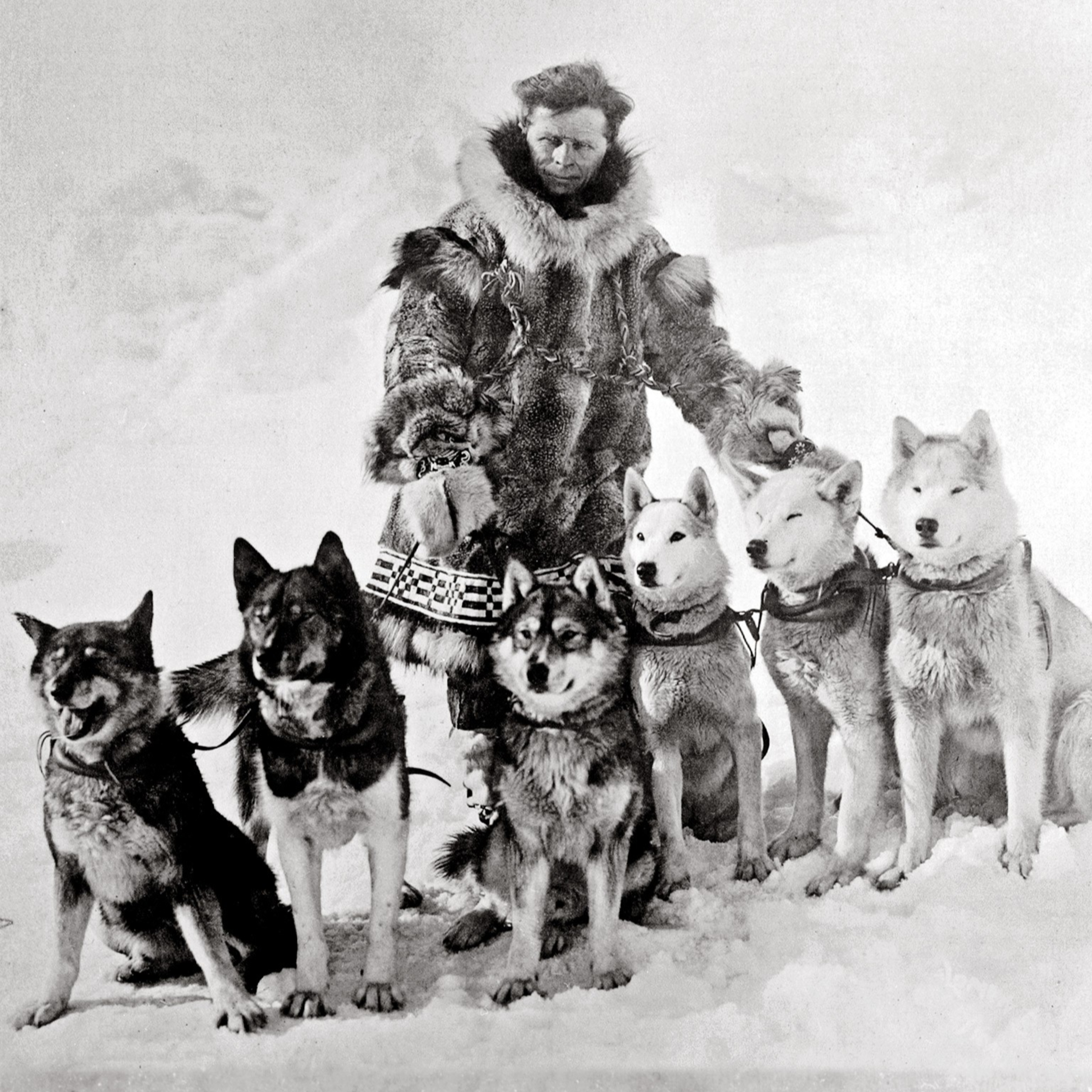 Was Balto a Real Dog? | The 1925 Serum Run | Was Balto a Real Dog? The True Story of the Serum RunIn this episode, we explore the incredible true story of Balto, the famous sled dog who became a national hero after helping deliver life-saving medicine across the frozen wilderness of Alaska.When a deadly diphtheria outbreak threatened the isolated town of Nome in 1925, officials faced an impossible challenge. With winter storms blocking transportation routes and temperatures plunging far below zero, teams of sled dogs and mushers were called upon to carry antitoxin across hundreds of miles of dangerous terrain.Who Was Balto?Balto was a Siberian Husky who became famous for leading the final leg of the historic serum run to Nome. Newspapers across America celebrated his role in the mission, and he quickly became one of the most famous dogs in history.His story inspired books, statues, films, and generations of admirers, but the full story is far more complex than many people realize.What Was the Serum Run to Nome?The 1925 Serum Run, sometimes called the Great Race of Mercy, involved multiple dog sled teams working together to transport diphtheria antitoxin to Nome before the outbreak could spread further.Facing blizzards, dangerous ice, and extreme Arctic conditions, the mushers and their sled dogs raced against time to save lives.Balto vs Togo: Who Was the Real Hero?One of the biggest debates surrounding the story is whether Balto or Togo deserves the most recognition.While Balto led the final stretch into Nome and became world-famous, Togo and his musher covered the longest and most dangerous section of the route. Historians continue to discuss the contributions of both dogs and the many teams that made the mission possible.Why Does Balto’s Story Still Matter?The Serum Run remains one of the greatest rescue missions in history and highlights the courage, endurance, and teamwork of the mushers and sled dogs who risked everything to deliver medicine.More than a century later, Balto remains a symbol of determination, heroism, and survival in the face of impossible odds.This Episode CoversThe diphtheria outbreak in NomeThe 1925 Serum RunBalto’s role in the missionThe story of TogoThe harsh conditions of Arctic AlaskaThe race to deliver life-saving medicineHow Balto became famousThe lasting legacy of the Serum RunKey TakeawaysBalto was a real Siberian Husky involved in the 1925 Serum Run.The Serum Run delivered diphtheria antitoxin to Nome, Alaska.Multiple sled dog teams participated in the rescue mission.Togo completed the longest and most dangerous section of the route.Balto led the final leg into Nome and became internationally famous.The event became known as the Great Race of Mercy.Extreme weather made the mission exceptionally dangerous.The Serum Run helped prevent a larger public health disaster.Balto became one of the most famous dogs in history.The story remains one of Alaska’s greatest survival and rescue legends.Content Warning: This episode contains descriptions of death from diphtheria, as well as accounts of humans and animals enduring extreme and life-threatening conditions.Sources:Book The Cruelest Miles: The Heroic Story of Dogs and Men in a Race Against an Epidemic by Gay Salisbury and Laney SalisburyWebsites https://www.who.int/news-room/fact-sheets/detail/diphtheriahttps://www.alaskamushingschool.com/learn/1925-serum-run-to-nome/ | 36m 31s | ||||||
| 4/13/26 | 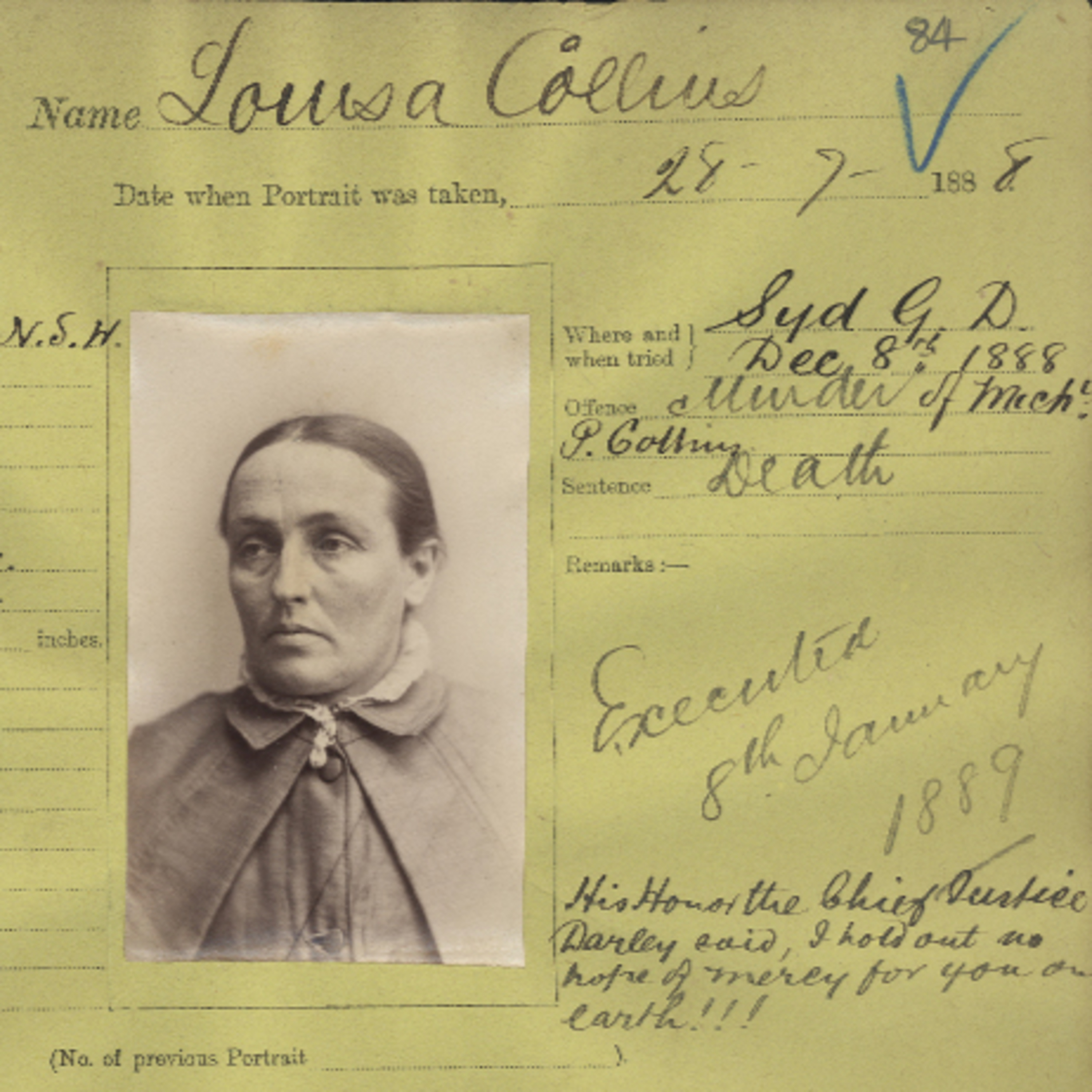 The Hanging of Louisa Collins Part 2: A Case Built on Doubt | We continue to examine the case of Louisa Collins, the last woman executed in New South Wales, by carefully weighing the evidence both for and against her guilt.Rather than settling on a single interpretation, we break down the medical findings, witness testimony, and circumstantial evidence to ask a difficult question: how strong was the case against Louisa really?We also explore the alternative theories that emerged during and after the trials—from accidental illness and self-poisoning to uncertainty around arsenic detection in 19th-century medicine. As the evidence is re-examined, the case becomes far less clear-cut than it first appears.But this story is not only about one woman’s fate. Louisa Collins’ case became a turning point in public debate and is often seen as part of a wider shift in attitudes toward justice, gender, and the role of women in society. In many ways, it was not just the end of a trial—it marked the beginning of a growing women’s movement and a new wave of public questioning about how women were judged within the legal system.Source:Last Woman Hanged: The Terrible, True Story of Louisa Collins by Caroline Overington | 23m 43s | ||||||
| 3/30/26 |  The Hanging of Louisa Collins | Part 1 | Who Was Louisa Collins? Last Woman Hanged in New South WalesIn this episode, we examine the extraordinary case of Louisa Collins, the last woman legally executed in New South Wales and one of the most controversial figures in Australian criminal history.Accused of poisoning two husbands with arsenic during the late nineteenth century, Louisa Collins became the center of a sensational murder investigation that captivated newspapers across Australia. Her case involved multiple trials, disputed evidence, and intense public debate over guilt, justice, and capital punishment.What Happened to Louisa Collins?Authorities believed Louisa Collins poisoned her husbands in separate incidents, leading to a lengthy legal battle unlike almost any other murder case in Australian history. After four back to back trials, she was ultimately convicted and sentenced to death.The execution of Louisa Collins marked a significant moment in Australian legal history and remains one of the country’s most discussed true crime stories.Why Is the Case Still Controversial?More than a century later, historians continue to debate whether the evidence presented at trial would withstand modern forensic scrutiny. Questions remain about arsenic poisoning, witness testimony, circumstantial evidence, and whether justice was truly served.This episode explores:The life of Louisa CollinsThe deaths that sparked suspicionThe arsenic poisoning allegationsMultiple murder trials and appealsPublic reaction to the verdictThe final executionThe historical legacy of the caseAustralian True Crime HistoryThe Louisa Collins case remains an important chapter in Australian true crime, criminal justice history, and the history of capital punishment in Australia. It offers a fascinating look at nineteenth-century investigations, courtroom procedures, and society’s attitudes toward crime and punishment.If you enjoy historical mysteries, famous murder cases, and forgotten true crime stories, this episode provides a detailed examination of one of Australia’s most remarkable criminal cases.Key TakeawaysLouisa Collins became the last woman executed in New South Wales.The case centered on allegations of arsenic poisoning.Multiple murder trials made the case highly unusual.Newspapers closely followed every development of the investigation.Historians continue debating the strength of the evidence.The case remains a landmark in Australian true crime history.Capital punishment played a central role in the story.The execution sparked public discussion about justice and guilt.The case reveals how nineteenth-century criminal investigations worked.Louisa Collins remains one of Australia’s most famous historical crime figures.Warning: This episode covers historical crimes, including poisoning, death, and execution.Sources:Book: Last Woman Hanged: The Terrible True Story of Louisa Collins by Caroline OveringtonNewspaper Article from the Execution: https://trove.nla.gov.au/newspaper/article/115380911 | 27m 52s | ||||||
| 3/23/26 | 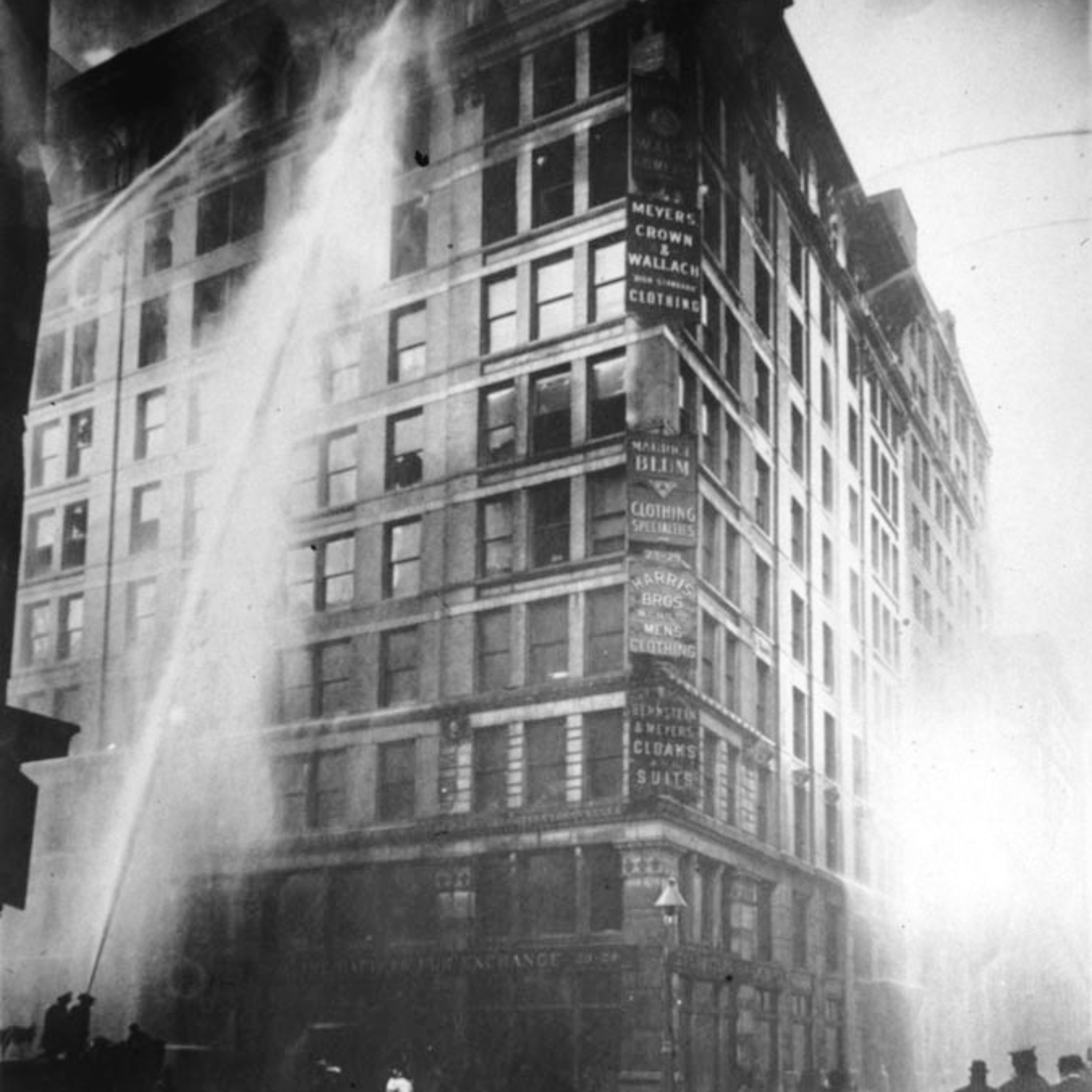 Triangle Shirtwaist Factory Fire of 1911 | Why Were the Doors Locked?In this episode, we examine the Triangle Shirtwaist Factory Fire, one of the deadliest industrial disasters in American history and a tragedy that transformed workplace safety laws across the United States.On March 25, 1911, a fire broke out inside the Triangle Shirtwaist Factory in New York City. Within minutes, hundreds of garment workers found themselves trapped as flames spread through the upper floors of the building.Key TakeawaysThe Triangle Shirtwaist Factory Fire occurred in New York City in 1911.Many victims were young immigrant women working in the garment industry.Locked exit doors became a symbol of unsafe factory conditions.Workplace safety laws were strengthened after the disaster.The event remains one of the most significant industrial disasters.The Triangle Shirtwaist Factory Fire changed American labor history forever.Content Warning: This episode contains discussion of death and a tragic factory fire. Listener discretion is advised.Image Credit:Image of Triangle Shirtwaist Factory fire on March 25 – 1911, first published on the front page of The New York World (March 26, 1911).Author: UnknownSource: Cornell ILR Triangle Fire ProjectLicensed as Public Domain / Wikimedia CommonsSourcesTriangle: Remembering the Fire (HBO Documentary, 2011)Gilder Lehrman Institute of American History – Triangle Shirtwaist Factory Fire Primary Source Collectionhttps://www.gilderlehrman.org/history-resources/spotlight-primary-source/triangle-shirtwaist-factory-fire-1911University of Missouri–Kansas City School of Law – Triangle Shirtwaist Fire Trial Accounthttps://law2.umkc.edu/faculty/projects/ftrials/triangle/triangleaccount.htmlCornell University ILR School – Triangle Factory Fire Project (History of the Fire)https://trianglefire.ilr.cornell.edu/story/fire.htmlCornell University ILR School – Mary Domsky Abrams Survivor Interviewhttps://trianglefire.ilr.cornell.edu/primary/survivorInterviews/MaryDomskyAbrams.htmlCornell University ILR School – Sweatshops and Strikes Backgroundhttps://trianglefire.ilr.cornell.edu/story/sweatshopsStrikes.htmlCornell University ILR School – Sarah Friedman Dworetz Survivor Interviewhttps://trianglefire.ilr.cornell.edu/primary/survivorInterviews/SarahDworetz.htmlEncyclopedia Britannica – Triangle Shirtwaist Factory Firehttps://www.britannica.com/event/Triangle-shirtwaist-factory-fireCornell University ILR School – William Shepherd Testimonyhttps://trianglefire.ilr.cornell.edu/primary/testimonials/ootss_WilliamShepherd.htmlNational Park Service – Triangle Shirtwaist Factory (Brown Building)https://www.nps.gov/places/triangle-shirtwaist-factory-brown-building.htm | 24m 36s | ||||||
| 3/19/26 | 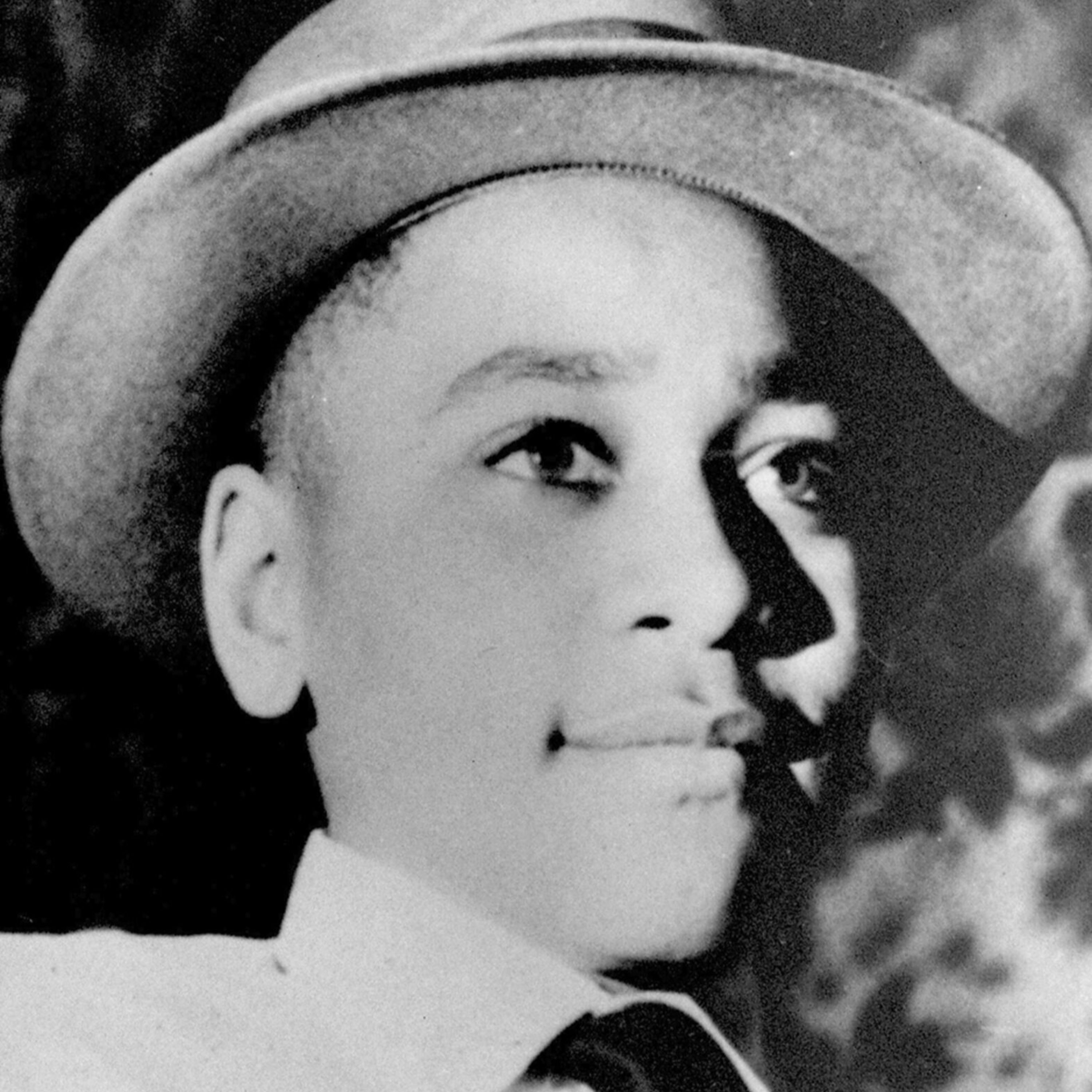 What Happened to Emmett Till? | What Happened to Emmett Till?In this episode, we examine the tragic story of Emmett Till, a 14-year-old boy whose murder became a defining moment in American history and helped galvanize the Civil Rights Movement.In the summer of 1955, Emmett Till traveled from Chicago to Mississippi to visit relatives. What happened during that trip shocked the nation and exposed the realities of racial violence and injustice in the Jim Crow South.The case drew national attention, sparked outrage, and became one of the most significant events in the struggle for civil rights in the United States.Clarification: Historian Timothy Tyson wrote in The Blood of Emmett Till that Carolyn Bryant Donham told him during a 2007 interview that parts of her accusation against Emmett Till were not true. The remark was not recorded, and Bryant later disputed that characterization.Sources:Chicago Sun-Times – Emmett Till’s Mother Mamie Bradley and the Fight for Justicehttps://graphics.suntimes.com/sun-times-75th-anniversary/emmett-till-mother-mamie-bradley-mississippi-white-supremacist-civil-rights/American Experience (PBS) – Emmett Till’s Funeralhttps://www.pbs.org/wgbh/americanexperience/features/emmett-tills-funeral/PBS American Experience – Biography of Mamie Till-Mobleyhttps://www.pbs.org/wgbh/americanexperience/features/emmett-biography-mamie-till-mobley/Equal Justice Initiative – Racial Injustice Calendar: Emmett Till Murderhttps://calendar.eji.org/racial-injustice/aug/28Chicago Crusader – Restoration Continues at the Church of Till’s Funeralhttps://chicagocrusader.com/restoration-continues-at-the-church-of-tills-funeral/Encyclopedia Britannica – Jim Crow Lawshttps://www.britannica.com/event/Jim-Crow-lawFamous Trials – Emmett Till Case Materialshttps://famous-trials.com/emmetttill/1755-homeNational Park Service – Emmett Till Biographyhttps://www.nps.gov/people/emmett-till.htmFamous Trials – Emmett Till Chronologyhttps://famous-trials.com/emmetttill/1759-chronologyEqual Justice Initiative – Emmett Till Accuser Admits She Liedhttps://eji.org/news/emmett-till-accuser-admits-she-lied/60 Minutes (CBS News archive) – The Murder of Emmett Tillhttps://web.archive.org/web/20130725144555/http://www.cbsnews.com/stories/2004/10/21/60minutes/main650652.shtmlPhoto: Emmett Till, 1954. Photograph by Mamie Till-Mobley. Public domain via Wikimedia Commons. | 23m 31s | ||||||
| 3/19/26 | 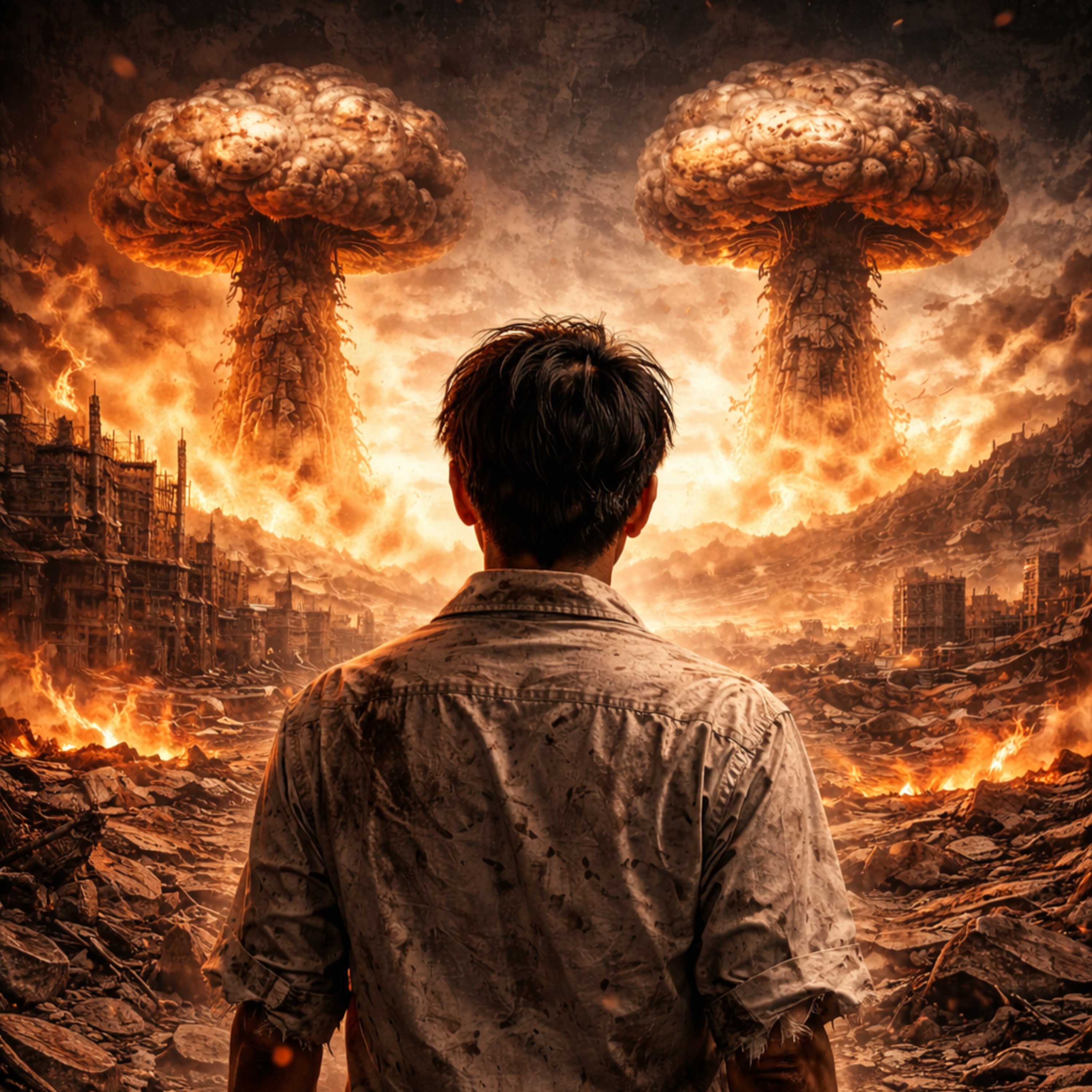 Tsutomu Yamaguchi: The Man Who Survived Both Atomic Bombs | Hiroshima and Nagasaki through one man’s eyes.On August 6, 1945, the world changed forever when the United States dropped an atomic bomb on the city of Hiroshima. Among the survivors was Tsutomu Yamaguchi, a shipyard engineer who had been in the city on a business trip. Severely burned and injured, he managed to escape the devastation and travel home—only to arrive in Nagasaki just days before history repeated itself.On August 9, the second atomic bomb fell, and Yamaguchi found himself surviving the unimaginable for a second time. In this episode, we explore the unbelievable true story of the only man officially recognized as having survived both atomic bombs.Content Warning: This episode discusses the atomic bombings of Hiroshima and Nagasaki and includes descriptions of severe injuries, death, and the devastation caused by nuclear weapons. Listener discretion is advised.Sources:Book: The Last Train from Hiroshima by Charles PellegrinoWebsite: https://www.the-independent.com/news/obituaries/tsutomu-yamaguchi-survivor-of-both-the-hiroshima-and-nagasaki-atomic-bomb-blasts-1885195.html?utm_source=chatgpt.comWebsite: https://www.biography.com/history-culture/a44577392/tsutomu-yamaguchi-hiroshima-and-nagasaki-bombing-survivor | 27m 55s | ||||||
Want analysis for the episodes below?Free for Pro Submit a request, we'll have your selected episodes analyzed within an hour. Free, at no cost to you, for Pro users. | |||||||||
| 3/18/26 | 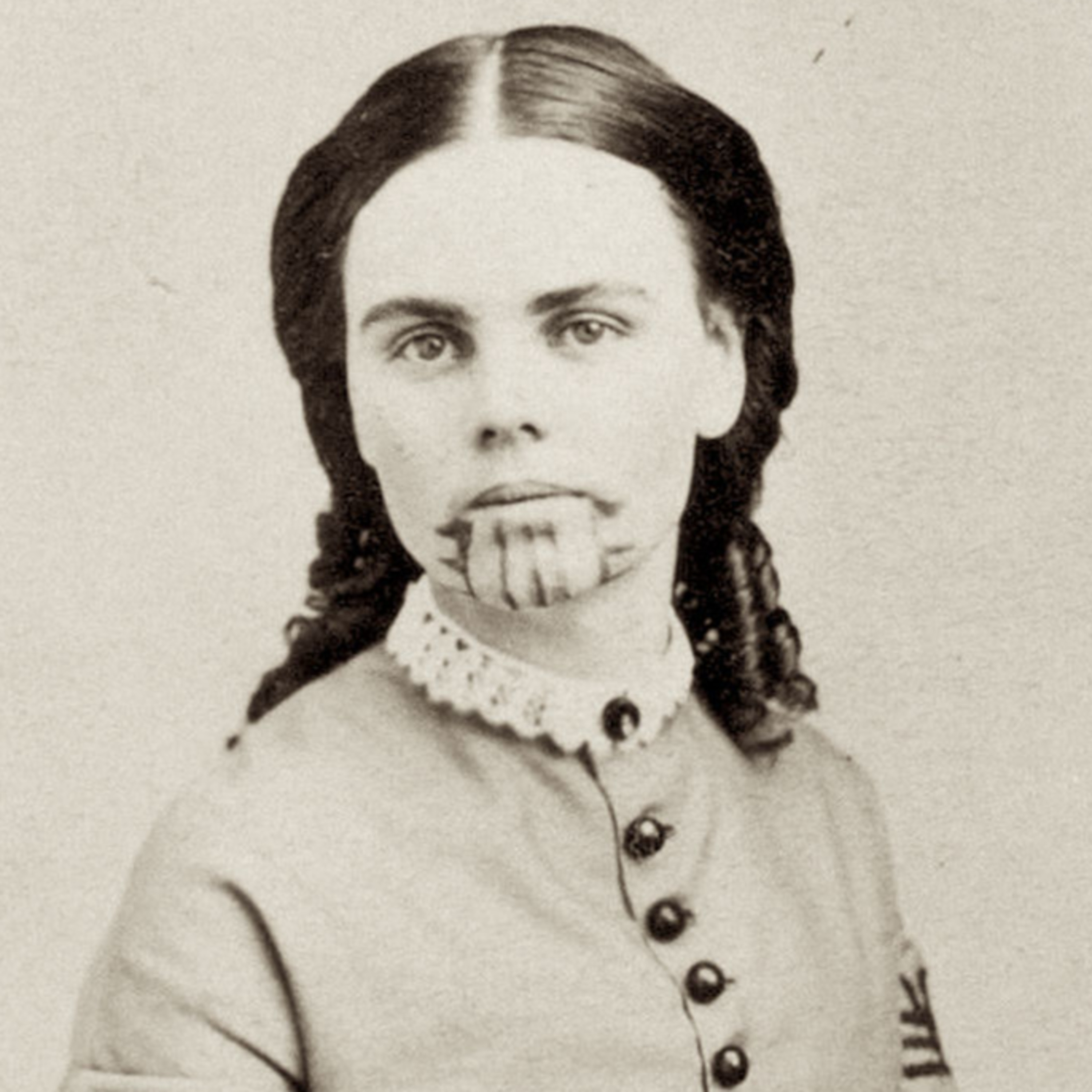 The Oatman Family Massacre and Captivity | In 1851, Olive Oatman’s family journey west ended in tragedy when she and her sister were taken captive by a Native American tribe. Branded with a striking tattoo, Olive would grow up stuck living between two worlds—forever changed by her ordeal. In this episode of End of Story, we explore her story of survival, resilience, and identity on the American frontier.Warning: This story includes descriptions of violence, loss, and trauma.SourcesImage: Olive Oatman, c. 1860s. Public domain. Source: Wikimedia Commons.The Blue Tattoo by Margot Mifflin (book)Captivity of the Oatman Girls by R.B. Stratton (available online at Project Gutenberg)If this story stayed with you then hit Follow for more stories and comment what you would like to hear! | 32m 53s | ||||||
| 3/17/26 |  The Woman Who Smuggled 2,500 Children Out of the Holocaust | During the Holocaust and World War II, a Polish social worker, Irena Sendler, risked her life to rescue more than 2,500 Jewish children from the Warsaw Ghetto. In this episode, we explore how she built a secret resistance network, worked with Żegota, and defied Nazi occupation to save lives. This is a powerful Holocause and Jewish history story of courage, survival, and compassion in the face of unthinkable danger. Content Warning: This episode discusses the Holocaust, including violence, death, and the persecution of Jewish families, as well as children in extreme danger. Please listen with care. SourcesMazzeo, Tilar J. Irena’s Children: The Story of Irena Sendlerand the Children She Rescued from the Warsaw Ghetto. Simon & Schuster, 2016. Kansas Historical Society. Kansas History Day – Holocaust and Life in a Jar. https://www.kansashistory.gov/p/kansas-history-day-holocaust-and-life-in-a-jar/14874United States Holocaust Memorial Museum. (n.d.). Warsaw. Holocaust Encyclopedia. https://encyclopedia.ushmm.org/content/en/article/warsaw | 37m 50s | ||||||
| 3/17/26 |  Eyam Village: Quarantined Inside with the Black Plague | When the plague came to Eyam, a small English village made an unthinkable choice.Rather than flee and risk spreading death to the surrounding countryside, the villagers of Eyam chose to seal themselves off—knowing many would not survive.In this episode, we tell the true story of the 1665–1666 plague quarantine at Eyam: the faith, sacrifice, and quiet heroism of ordinary people who chose the lives of others over their own. Through firsthand accounts and historical records, we explore what really happened, who survived, and why Eyam is remembered not for how many died—but for what they chose to do.Content Warning: This episode contains discussion of death, disease, and historical suffering related to the bubonic plague.Source:The History and Antiquities of Eyam, William Wood | 28m 11s | ||||||
| 3/17/26 |  Inside Leningrad: A City Starved by Hitler | A child’s diary became one of the most haunting records of wartime survival.This episode examines the forgotten history of the almost 900 day Siege of Leningrad through the words of an eleven-year-old girl.Trigger Warning This episode discusses extreme human hardship, including instances of cannibalism during times of famine. Listener discretion is advised.Sources & ReferencesWerth, Alexander. Leningrad 1943: Inside a City Under SiegeReid, Anna. Leningrad: Tragedy of a City Under Siege, 1941-1944Peri, Alexis. The War Within: Diaries from the Siege of LeningradSoka University Russia Center, "Tanya Savicheva Diary and the Life of Olga Berggolts. https://www.soka.ac.jp/en/special/berggolts/tanya/ | 24m 00s | ||||||
| 3/2/26 | 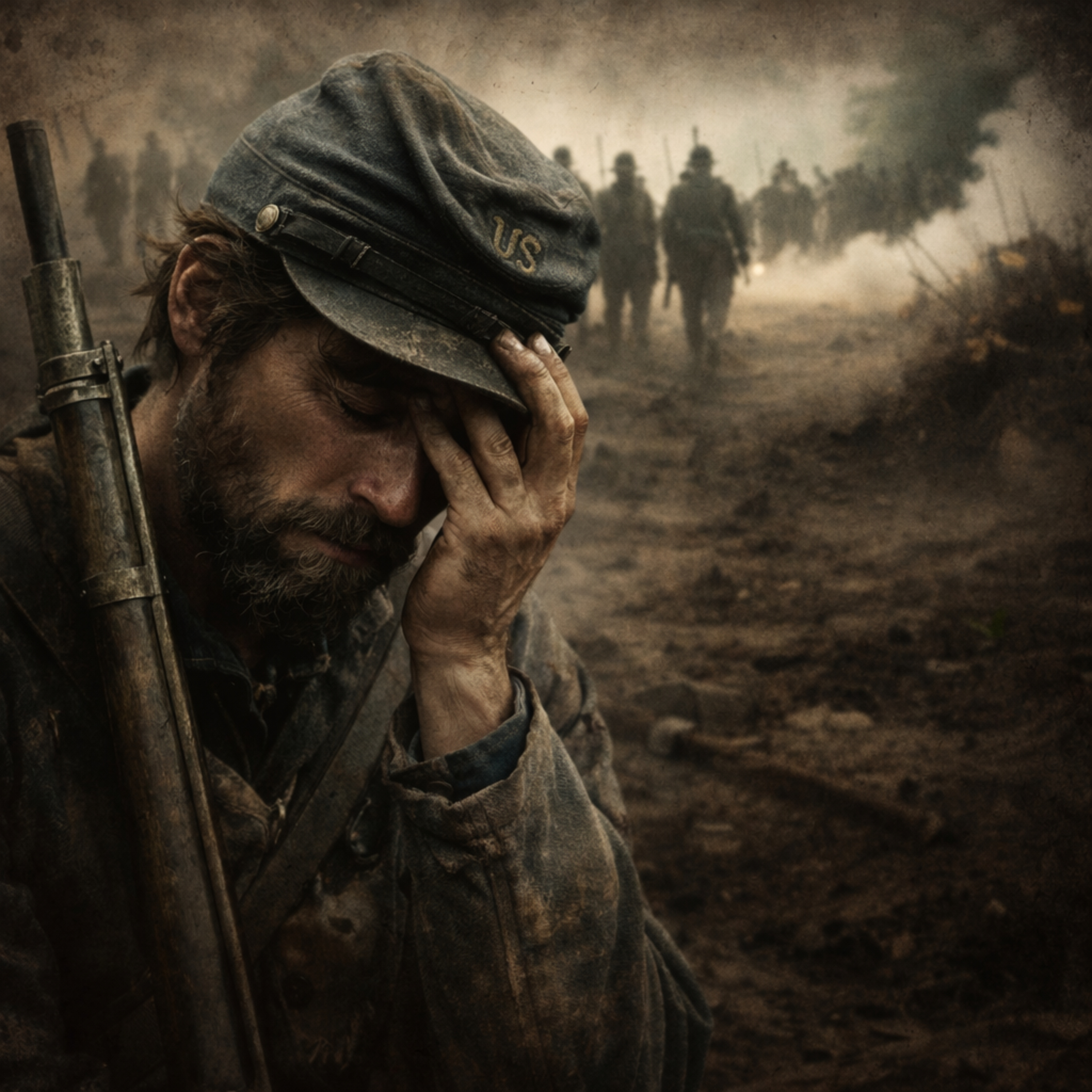 The Psychological Wounds of the Civil War: PTSD Before It Had a Name | They survived the battlefield — but many never escaped it.Civil War soldiers returned home changed. Some couldn’t sleep. Some trembled uncontrollably. Others were institutionalized for symptoms doctors couldn’t explain. Their stories, preserved in letters and medical charts, reveal the hidden cost of war long before PTSD was recognized.This episode tells the truth about what Civil War soldiers endured — and why their suffering didn’t end when the guns fell silent.Content warning: Discussion of war violence, trauma, and psychological distress.SourcesBook: Shook Over Hell by Eric T. Dean, Jr.Newspaper Article via Library of Congress: https://www.loc.gov/item/sn98060050/1866-08-31/ed-1/.Diane Sommerville’s chapter “A Burden Too Heavy to Bear: War Trauma, Suicide, and Confederate Soldiers” (pp. 23–48) in the edited volume Aberration of Mind: Suicide and Suffering in the Civil War-Era South (University of North Carolina Press, 2018) | 26m 44s | ||||||
| 2/23/26 | 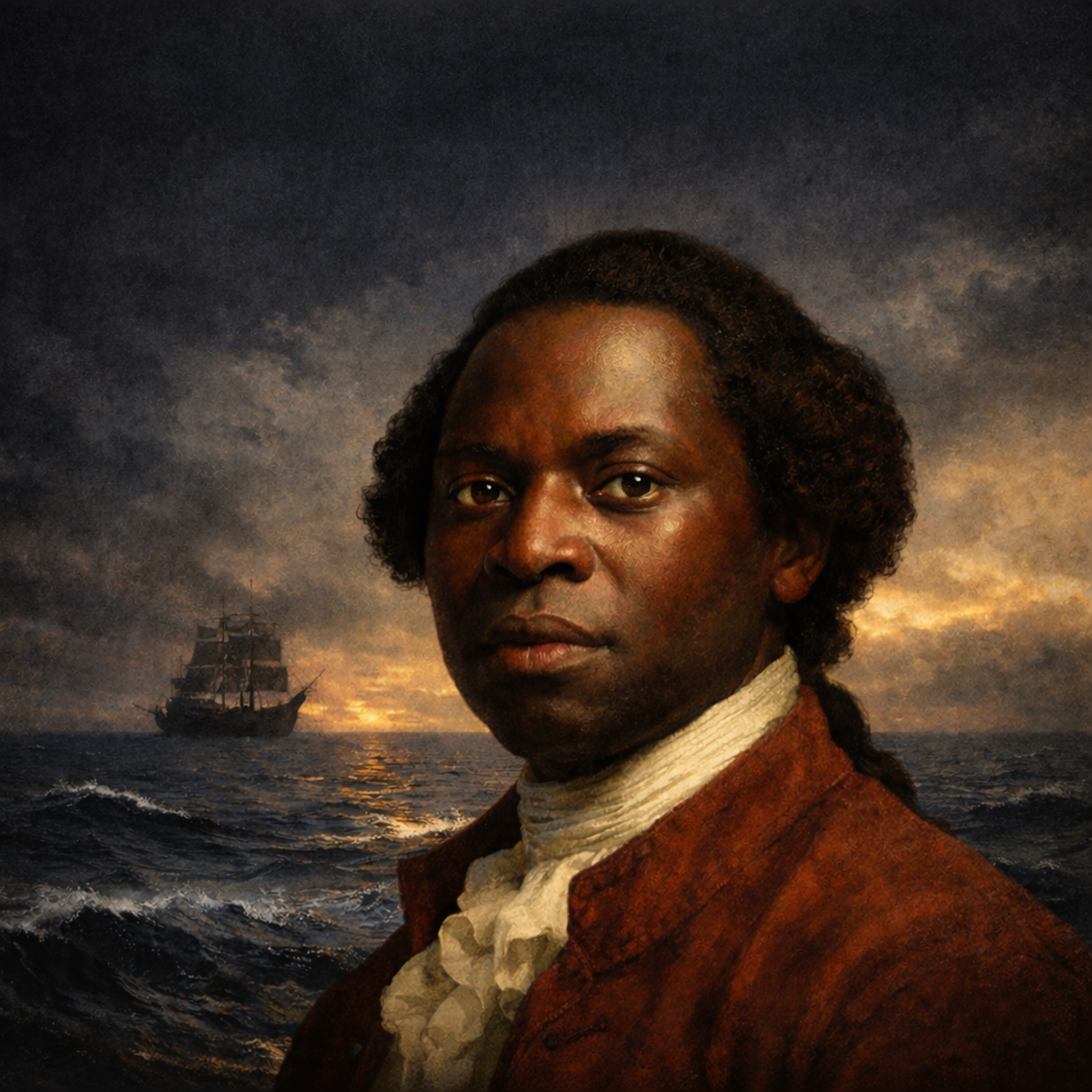 Olaudah Equiano: A Slave's Redemption Story | At just eleven years old, Olaudah Equiano was kidnapped from his home in West Africa and forced into the horrors of the transatlantic slave trade.In this episode, we tell the true story of Equiano’s journey through the Middle Passage — the brutal Atlantic crossing that claimed millions of lives — and the years of enslavement that followed. Sold multiple times, and forced to endure the rigid violence of life at sea, Equiano witnessed the full machinery of the 18th-century slave system.But this is not only a story of suffering.It is the story of survival, literacy, faith, resistance, and ultimately the extraordinary moment when Equiano purchased his own freedom — a rare and powerful act of self-liberation in a system designed to deny it.Content Warning: This episode contains discussions of slavery, kidnapping, and racial violence. Listener discretion is advised.SourcesWebsite: https://www.neh.gov/project/transatlantic-slave-trade-databaseOlaudah's Narrative available on Project Gutenberg: https://www.gutenberg.org/cache/epub/15399/pg15399-images.html | 27m 50s | ||||||
| 2/16/26 |  The Pitești Prison Experiment in Romania | Between 1949 and 1951, the Pitești Prison Experiment in Romania subjected political prisoners, students, and intellectuals to one of the most brutal psychological reeducation programs in history. Prisoners were forced to betray their beliefs, families, and even themselves in a process called “unmasking,” turning victims into torturers.Content Warning:This episode contains descriptions of extreme psychological and physical abuseSources:Book: The Anti-Humans by Dumitru BacuWebsite: https://www.procesulcomunismului.com/marturii/fonduri/pitesti/dbacu/explicatie.htm?utm_ | 27m 23s | ||||||
| 2/2/26 | 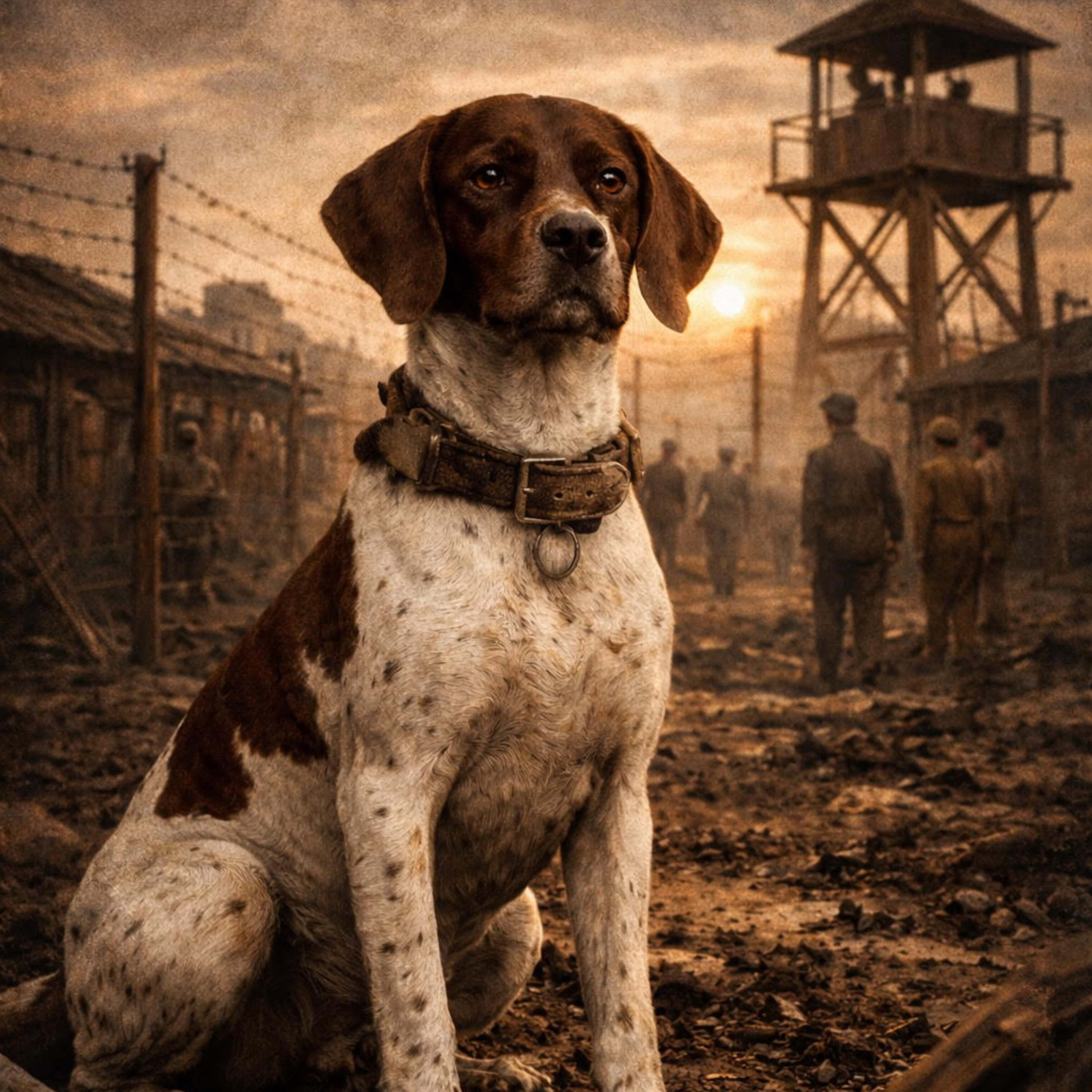 The True Story of Judy: The Dog Who Became a POW in World War II | Judy was the only dog officially registered as a Prisoner of War during World War II. Captured alongside British RAF Airman Frank Williams, she survived shipwrecks, harsh POW camps, and extreme hunger — saving lives and lifting spirits along the way. Through it all, her unbreakable bond with Frank showed the power of loyalty and friendship. This is the unforgettable true story of courage, loyalty, and survival on four paws.Content Warning: This episode briefly describes animal cruelty.SourceBook: No Better Friend by Robert Weintraub | 44m 11s | ||||||
| 1/26/26 | 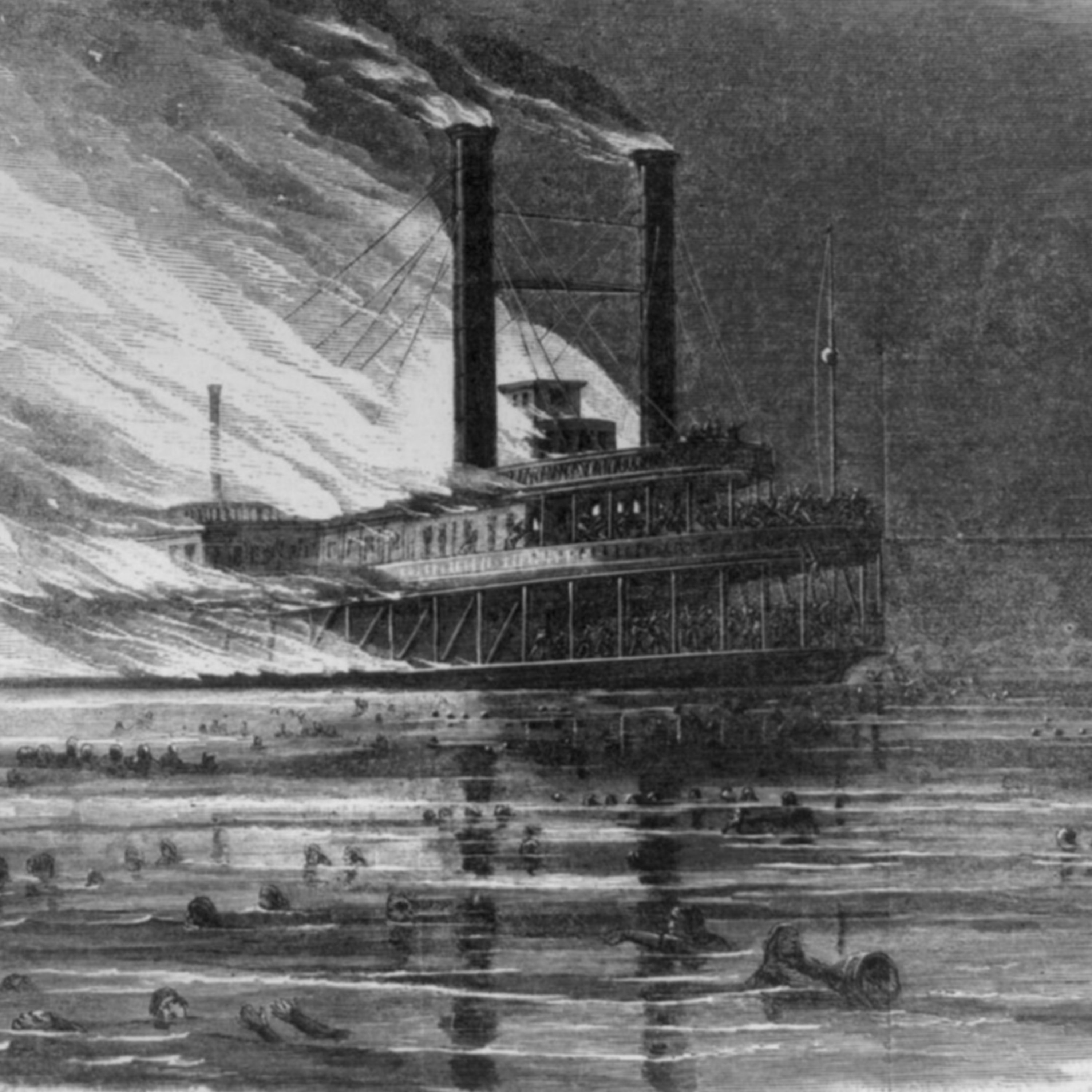 The USS Sultana Disaster | In April 1865, just days after the Civil War ended, thousands of Union soldiers believed they were finally going home. Instead, their journey ended abruptly. The explosion of the steamboat USS Sultana on the Mississippi River became the deadliest maritime disaster in American history, killing an estimated 1,800 people—most of them recently freed prisoners of war.In this episode, we tell the full story of the USS Sultana disaster: the overcrowded vessel, the known boiler damage, the greed and corruption that packed men aboard beyond capacity. This is the story of survival, neglect, and the cost paid by men who survived the war—only to perish on their way home.Content Warning: This episode contains descriptions of mass casualty events, injury, and death related to a historical disaster. Listener discretion is advised.Source: Disaster on the Mississippi: The Sultana Explosion, April 27, 1865 by Gene Eric Salecker.Episode cover image: Explosion of the steamer SULTANA, April 28, 1865.Wood engraving, 1865. Public domain.Courtesy of the Library of Congress Prints & Photographs Division.Image accessed via Wikimedia Commons. | 24m 27s | ||||||
Showing 19 of 19
Sponsor Intelligence
Sign in to see which brands sponsor this podcast, their ad offers, and promo codes.
Chart Positions
2 placements across 2 markets.
Chart Positions
2 placements across 2 markets.