

Insights from recent episode analysis
Audience Interest
Podcast Focus
Publishing Consistency
Platform Reach
Insights are generated by CastFox AI using publicly available data, episode content, and proprietary models.
Total monthly reach
Estimated from 2 chart positions in 2 markets.
By chart position
- 🇨🇦CA · Earth Sciences#42100K to 300K
- 🇯🇵JP · Earth Sciences#4630K to 100K
- Per-Episode Audience
Est. listeners per new episode within ~30 days
65K to 200K🎙 Weekly cadence·104 episodes·Last published 3d ago - Monthly Reach
Unique listeners across all episodes (30 days)
130K to 400K🇨🇦75%🇯🇵25% - Active Followers
Loyal subscribers who consistently listen
52K to 160K
Market Insights
Platform Distribution
Reach across major podcast platforms, updated hourly
Total Followers
—
Total Plays
—
Total Reviews
—
* Data sourced directly from platform APIs and aggregated hourly across all major podcast directories.
On the show
Recent episodes
Navigating Federal Funding for Small Water Systems
Jun 23, 2026
Unknown duration
PFAS Series, Part 2: Understanding PFAS Risks and Regulations
Jun 9, 2026
Unknown duration
Prepared, Compliant, and Resilient: Emergency Readiness for Water Utilities
May 8, 2026
Unknown duration
Keeping Wastewater Systems Running When Disaster Strikes
Apr 30, 2026
Unknown duration
Common Board Issues
Mar 30, 2026
Unknown duration
Social Links & Contact
Official channels & resources
Official Website
Login
RSS Feed
Login
| Date | Episode | Description | Length | ||||||
|---|---|---|---|---|---|---|---|---|---|
| 6/23/26 | 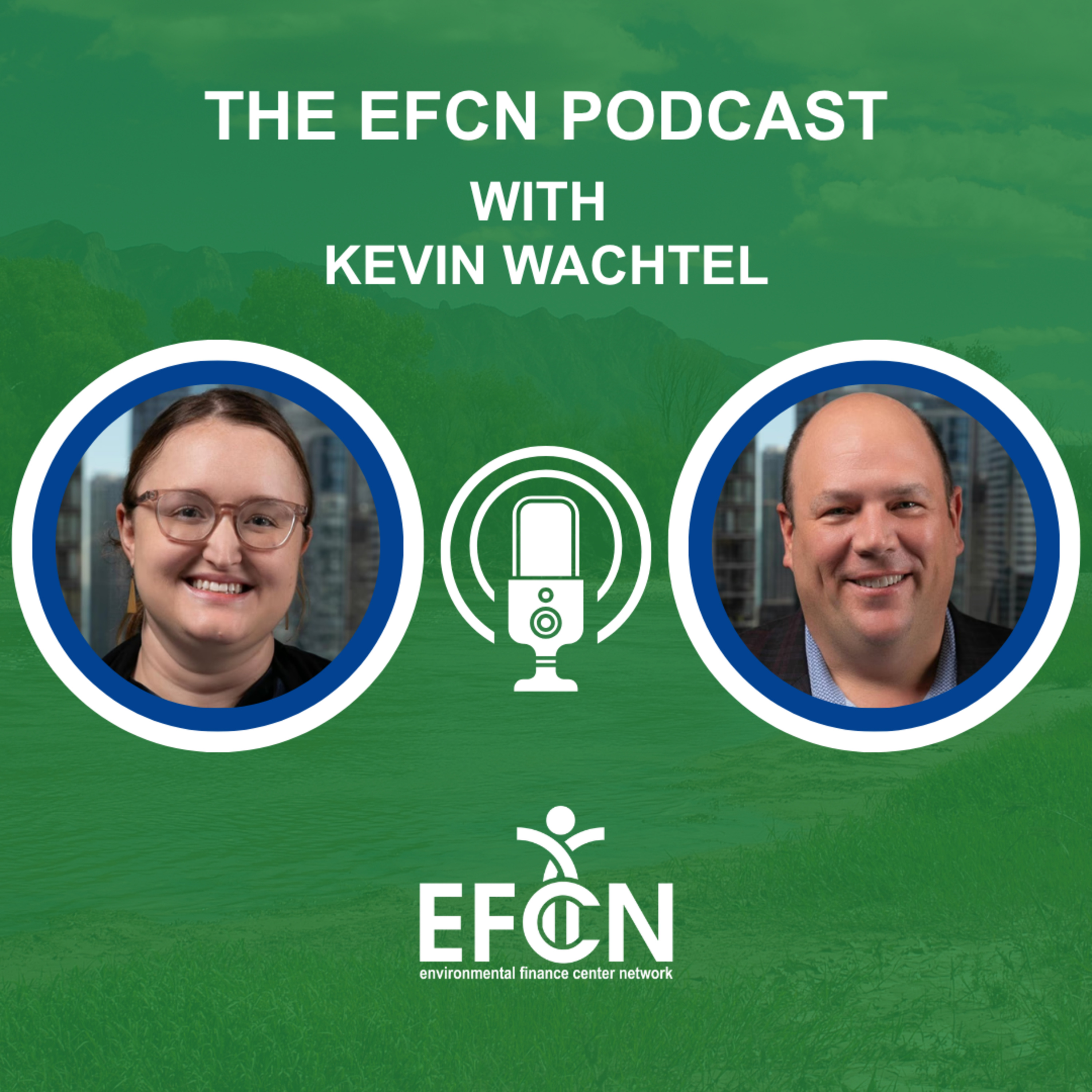 Navigating Federal Funding for Small Water Systems | Small water systems face many of the same regulatory requirements and financing complexities as larger utilities, but with fewer staff and resources to manage them. In this episode, we examine how finance professionals can effectively navigate the landscape of federal funding opportunities available to small water systems.Joined by finance expert Kevin Wachtel, Senior Manager at GFOA, the discussion addresses key funding sources including federal grants and loan programs as well as critical considerations for evaluating and selecting among financing instruments. Additionally, the conversation explains the importance of financial readiness, long-term capital planning, and the strategic role of debt financing in supporting essential infrastructure investments.This Podcast offers valuable insights for finance leaders seeking to strengthen their utility's financial position and ensure the sustainability of vital water infrastructure.Additional Resources:10 Steps to Developing Utility Rates | — | ||||||
| 6/9/26 | 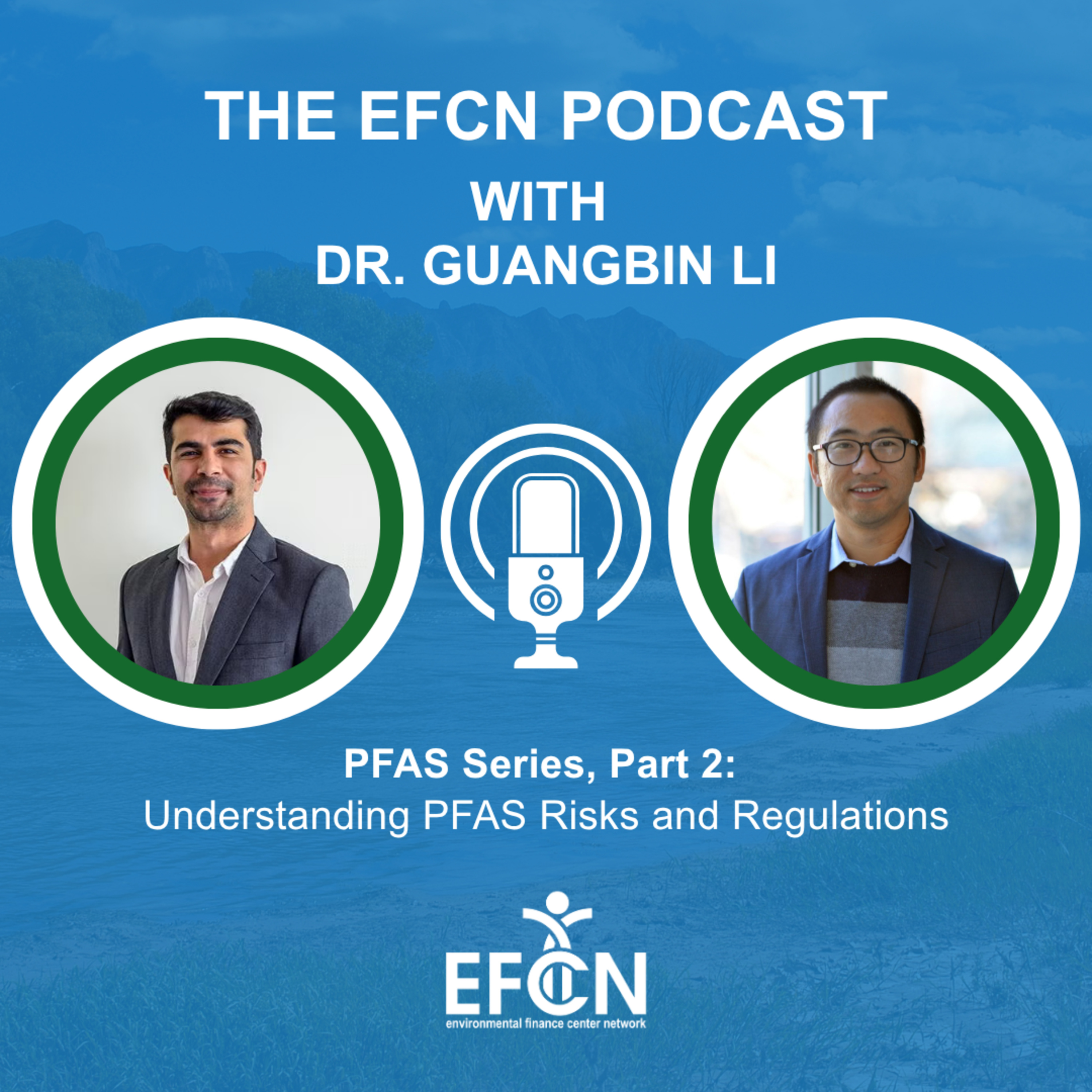 PFAS Series, Part 2: Understanding PFAS Risks and Regulations | PFAS are increasingly being detected in drinking water systems across the country. In this episode, Dr. Li explains what PFAS are, how they enter our water supplies, current regulations, risks to communities and private well owners as well as actionable measures individuals can implement within their households to mitigate the presence of these pollutants. | — | ||||||
| 5/8/26 | Prepared, Compliant, and Resilient: Emergency Readiness for Water Utilities | In this episode of the Environmental Finance Center Network podcast, hosts Anthony Craven and Eric Williams are joined by Bill Moody of the Mississippi Department of Health’s Water Division and David DeWitt of Taylor Power Systems. Together, they share practical guidance for water utilities on maintaining regulatory compliance and responding effectively during emergencies. Drawing on real-world experience, the conversation focuses on severe weather events, prolonged power outages, and steps utilities can take to prepare, respond, and recover while continuing to protect public health. | — | ||||||
| 4/30/26 | Keeping Wastewater Systems Running When Disaster Strikes | Severe weather events, natural disasters, and power outages pose serious challenges for wastewater public utilities, yet essential services must continue when communities need them most. In this episode of the Environmental Finance Center Network podcast, hosts Anthony Craven, Jason Barrett, and Eric Williams sit down with Mr. David DeWitt of Taylor Power Systems to explore how wastewater utilities can prepare for emergencies and maintain safe, reliable operations during crises.Drawing from his experience in designing generator systems for wastewater and water utility facilities, DeWitt emphasizes that emergency power planning is essential for utility resilience. The conversation covers key considerations for backup power systems, including generator sizing, fuel selection, load planning, routine testing, and long‑term reliability. Together, they discuss how planning and thoughtful design can help utilities respond effectively to hurricanes, tornadoes, flooding, winter storms, and other severe weather events.This episode also highlights the operational, financial, and public health implications of power loss at wastewater facilities and why investing in preparedness before disaster strikes can save time, money, and environmental harm. Whether you are a utility manager, operator, engineer, or local decision‑maker, this discussion offers practical insights into building resilient wastewater systems that protect communities and the environment when emergencies occur. | — | ||||||
| 3/30/26 | Common Board Issues | Join Brian Bohnsack, Tyler Cotner and John Colcazier from the Wichita State University EFC as they share their experiences working with wastewater and water boards and some of the most common issues they have encountered. | — | ||||||
| 3/2/26 | Navigating Wastewater Funding with Limited Capacity | This podcast outlines how to frame the funding challenges, how to understand the Funding Landscape, ways to identify funding sources for you utility, the best ways to stay organized, how to manage multiple funding sources, and how Technical Assistance can help. Hosted by Wichita State University EFC Program Manager Analisa Munhall, with Anna Archer, who is also a WSU EFC Project Manager. | — | ||||||
| 2/26/26 | From the Chesapeake Bay Watershed Agreement to Action: BMPs and Workforce Programs | This episode explores how the Chesapeake Bay Watershed Agreement has evolved since its inception. The conversation breaks down pollution diets and nutrient reduction goals, highlights effective stormwater best management practices, and discusses workforce development programs that are helping small communities move from regulatory compliance to community-focused action that protects local waters and builds long-term capacity. Hosted by Danish Kumar, Program Manager at the University of Maryland EFC, with special guest David Wood, Executive Director, Chesapeake Stormwater Network | — | ||||||
| 1/28/26 | Winter Wisdom: Best Practices for Cold Weather Operations | Cold weather can pose unique challenges for on-site wastewater systems—but with the right preparation, problems can be prevented before they start. In this episode, host Anthony Craven is joined by Jason Barrett, Associate Professor with the Mississippi State University Extension Service and Director of the Mississippi Water Resources Research Institute, to discuss best practices for maintaining on-site wastewater systems during the coldest months of the year. Listeners will gain practical, research-based tips to help protect systems from freezing temperatures, ensure continued performance, and avoid costly wintertime issues. | — | ||||||
| 1/23/26 | Water and Energy Use of AI Data Centers and Small System Communities | This episode explores the growing energy and water demands of data centers as artificial intelligence is driving rapid expansion across the country. The discussion highlights how AI-focused data centers differ from traditional facilities, why their electricity and water use is increasing, and what this means for small and rural communities. The conversation also explores how local governments and small water systems can prepare when data centers move into their region.This episode is hosted by Danish Kumar, Climate Change Program Manager at The University of Maryland Environmental Finance Center, with with energy expert Dr. Rakesh Radhakrishnan. | — | ||||||
| 1/5/26 | Small System Challenges and Shared Solutions | Small water systems are struggling to keep up with compliance and rising costs. In this episode, we explore how new policy tools, partnerships, and restructuring can unlock solutions for the future. This episode is hosted by Danish Kumar, Climate Change Program Manager at The University of Maryland Environmental Finance Center, with Ellen Kohler, Director of Applied Research and Policy at The Water Center at the University of Pennsylvania. | — | ||||||
Want analysis for the episodes below?Free for Pro Submit a request, we'll have your selected episodes analyzed within an hour. Free, at no cost to you, for Pro users. | |||||||||
| 10/15/25 | PFAS Series, Part 1: An Intro to PFAS with Dr. Clare Pace from Berkeley's Water Equity Science Shop (WESS) | In this episode, we talk with Dr. Clare Pace (PhD, MPH) a postdoctoral researcher for the University of California, Berkeley Water Equity Science Shop (WESS). Dr. Pace shares insights about PFAS for small and rural water systems. Starting with the basics, we discuss what PFAS are, where they come from, known and unknown health risks, the current PFAS regulatory landscape for water and wastewater systems in the United States, and advice for water systems and policymakers who are thinking about PFAS. | — | ||||||
| 9/26/25 | Permit to Protect: Inside Municipal Wastewater Operations | What happens behind the scenes to ensure clean, safe water leaves our communities? In this episode, host Anthony Craven talks with Dr. Jason Barrett, Director of the Mississippi Water Resources Research Institute at Mississippi State University, and Eric Williams, Senior Project Manager at the MWRRI, about the municipal wastewater permitting process. Together, they break down why permits matter, how the process works, and the critical role it plays in protecting public health and the environment. | — | ||||||
| 9/23/25 | Water Under Pressure: The Future of Our Infrastructure | Aging pipes, outdated meter reading systems, and strained budgets are putting more pressure than ever on our nation’s water utilities. In this episode, host Anthony Craven sits down with Eric Williams, Senior Project Manager with the Mississippi Water Resources Research Institute at Mississippi State University, and Dr. Jason Barrett, MWRRI Director, to unpack the biggest challenges facing utilities today. From infrastructure upgrades to modern billing technologies, they explore what’s at stake and how communities can prepare for a more resilient water future. | — | ||||||
| 9/19/25 | Prepping Your Septic System for the Future | Changing weather patterns and climate are putting new pressure on septic systems. From rising groundwater to more frequent flooding, many communities are already seeing the impacts. In this episode, Dr. Andrew Lazur and Dr. Allison Reilly explore how climate change is affecting septic system performance, the public health risks that come with system failures, and practical steps homeowners and local leaders can take to prepare for the future. The conversation also covers options for upgrading systems, connecting to centralized sewer, and building long-term community preparedness with a data-driven approach. | — | ||||||
| 9/5/25 | Ensuring Water Quality Through Treatment - Part 2 | In this second episode of a two-part series, University professor and water quality expert Kerry Howe and Ryan Magee, technical assistance provider at the Southwest Environmental Finance Center, continue their conversation about the meaning behind the term water quality as it applies to public water systems. From turbidity to different types of source water to chlorination, Kerry helps clarify how water systems use various layers of treatment to ensure that the water coming out of a tap is safe for public consumption. If you haven't listened to Episode 1, it was published on August 26, 2025, and can be found here: https://open.spotify.com/episode/0wb18ZmRAedU1VnBQR1FXs | — | ||||||
| 8/26/25 | Ensuring Water Quality Through Treatment - Part 1 | In a two-part series, University professor and water quality expert Kerry Howe explains the meaning behind the term water quality as it applies to public water systems. From turbidity to different types of source water to chlorination, Kerry helps clarify how water systems use various layers of treatment to ensure that the water coming out of a tap is safe for public consumption. Your host for this episode is Ryan Magee, a technical assistance provider at the Southwest Environmental Finance Center, in Albuquerque, NM. | — | ||||||
| 8/15/25 | Building Your Green Infrastructure Workforce: A case study from Tucson | One of the greatest challenges that communities face when planning and managing green infrastructure programs is maintenance and upkeep of their green infrastructure installations. Green infrastructure (water, wastewater, and stormwater infrastructure that uses natural systems to mitigate water quality and quantity) requires management and maintenance – but do you have a knowledgeable, reliable, and enthusiastic workforce to get it all done? The City of Tucson’s Storm to Shade program does. Listen in on a conversation with Brooke Bushman, the City of Tucson’s Storm to Shade Program Green Stormwater Infrastructure Maintenance Manager. She develops communication and technical systems to oversee and coordinate the upkeep of the city’s 800+ legacy and new green stormwater assets. In this interview with Shannon Sloane Pepper from the Southwest Environmental Finance Center, Brooke shares key insights, processes, and suggestions for anyone looking to develop or advise on green infrastructure workforce development. | — | ||||||
| 7/16/25 | Risk Management for Water Systems: A Case Study of Goleta Water District in Santa Barbara County, California | This podcast features Goleta Water District in Santa Barbara County, California. The district operates to provide water to over 87,000 people living in the greater Goleta Valley with an infrastructure of more than 270 miles of pipeline. GFOA worked with the Goleta Water District on a risk-based reserve project to assist the District re-evaluate it reserve policy to right-size fund levels to account for exposed risks and a broad range of externalities beyond its control. This podcast provides further insights into risk management for water systems through the case study of Goleta Water District. | — | ||||||
| 7/3/25 | Managing Decentralized Systems in Mobile Home Parks | In this podcast, host Danish Kumar speaks with Jennifer Egan, Program Manager at the UMD EFC about the pressing but often overlooked issue of wastewater management in mobile home parks and rural communities. They explore the challenges posed by aging septic systems, deferred maintenance, and complex ownership structures, particularly in low-income areas. Jennifer shares real-world examples from Delaware, including communities working toward centralized wastewater solutions with help from technical assistance and funding programs. The episode offers practical advice for park managers and system operators on how to track maintenance, identify early warning signs, and plan for long-term resilience. | — | ||||||
| 6/16/25 | Wastewater Sampling: Where do I Begin? | In the world of wastewater treatment, operators often wear many hats—including that of the sampler. Sampling is not just a regulatory requirement; it’s a cornerstone of effective plant operation and environmental protection. Yet, many operators face challenges due to limited access to proper tools and training.In this first episode of a two-part series, the Environmental Finance Center Network’s own Mike Rivera—a seasoned operator and plant manager—shares practical guidance on how to get started with sampling and how to ensure your procedures are accurate and compliant. From choosing the right equipment to avoiding common pitfalls, Mike offers actionable tips that every operator can use.Tune in to learn how to improve your sampling practices and continue safeguarding your community and the environment. | — | ||||||
| 5/27/25 | Water Quality Sampling: An Operator's Perspective | Veteran operator, Mike Rivera, shares real-world water sampling insights—from compliance prep and troubleshooting to working in tough environments. Practical tips for small system water operators. | — | ||||||
| 5/23/25 | The Benefits of Capital Improvement Planning | Join the Environmental Finance Center Network as we explore how capital improvement planning can lead to a more financially resilient utility. In this episode, Southwest EFC Research Engineer A.J. Barney speaks with Rose Fenton, the Wastewater Plant Operations Manager at the Village of Jemez Springs, NM. Rose shares her firsthand perspective on the journey of developing a Capital Improvement Plan (CIP) from the ground up. Whether you're new to capital planning or looking to refine your approach, you'll gain valuable insights into:Starting the process with no prior experienceOvercoming common challenges in plan developmentUnderstanding the long-term benefits of a well-crafted CIPPractical steps other systems can take to get started Tune in and take the first step toward building a stronger future for your system. | — | ||||||
| 5/6/25 | Solar Planning for Small Wastewater Facilities | This podcast features an interview with Nicole Rentz, the Director of Market Development and Policy for New Columbia Solar, a company that specializes in commercial and industrial solar energy solutions. The discussion revolves around the use of solar energy in wastewater treatment plants, covering topics like the benefits of solar, assessing feasibility, costs, financing options, technical and site requirements, and common pitfalls to avoid while planning for solar at your facility.Presenter: Danish Kumar, UMD EFC | — | ||||||
| 4/1/25 | Community Science and Stewardship: Inspiring Wastewater Action in Las Curías / Ciencia y Gestión Comunitaria: Inspirando Acción sobre Aguas Residuales en Las Curías | For decades, a Community Based Organization have been stewards of the Las Curías lake in San Juan, Puerto Rico. In this Spanish-language episode, we talk with limnologist Jorge Ortíz about an outreach project developed by Syracuse University EFC in collaboration with the University of Puerto Rico. This Community Science and Stewardship project provides opportunities for collaborative learning, allowing participants to explore scientific concepts and communications engagement strategies among community members and environmental science students, focusing on the impacts of decentralized wastewater systems on water quality to increase best management practices and environmental stewardship.Durante décadas, una Organización Comunitaria ha participado en el manejo de los recursos ambientales del lago Las Curías en San Juan, Puerto Rico. En este episodio en Español, conversamos con el limnólogo Jorge Ortíz, acerca de un proyecto participativo, desarrollado por el Centro para el Financiamiento Ambiental de la Universidad de Syracuse en colaboración con la Universidad de Puerto Rico. Este proyecto de Ciencia y Gestión Comunitaria Ambiental ofrece oportunidades de aprendizaje colaborativo, permitiendo a los participantes explorar conceptos científicos y estrategias de comunicación entre miembros de la comunidad y estudiantes de ciencias ambientales. Enfocándose en el impacto de los sistemas descentralizados de aguas residuales en la calidad del agua, para así fomentar las mejores prácticas de manejo y de gestión comunitaria ambiental. | — | ||||||
| 3/21/25 | Dirty Water: Why Engaging the Community Matters | A discussion with Carmen Guzman-Simpliciano from the community of Waianae, Oahu Hawaii on the importance of engaging communities from the beginning of a project. Carmen is the Director and cofounder of the community based organization Kingdom Pathways, and is also Capacity Collaborative's Manager for Hawaii and the Pacific Islands. Carmen is interviewed by Sarah Diefendorf (Director) and Elaine McCarty (Associate Director) of Capacity Collaborative. | — | ||||||
Showing 25 of 103
Pitch Fit is a Pro feature
See how bookable this show is for guests, which brands already advertise, the per-episode ad value, and the best-fit guest and sponsor profile. The numbers are blurred on the free plan.
How readily this show books outside guests like you.
How proven this show is for host-read sponsorships.
For Guests
ProFor Advertisers
ProUpgrade to Pro to unlock guest cadence, sponsor categories, fit scores, and per-episode ad value for this show.
Chart Positions
2 placements across 2 markets.
Chart Positions
2 placements across 2 markets.