

Insights from recent episode analysis
Audience Interest
Podcast Focus
Publishing Consistency
Platform Reach
Insights are generated by CastFox AI using publicly available data, episode content, and proprietary models.
Most discussed topics
Brands & references
Est. Listeners
Insufficient chart data. Estimates will improve as the show charts.
- Per-Episode Audience
Est. listeners per new episode within ~30 days
N/A🎙 Weekly cadence·117 episodes·Last published 2mo ago - Monthly Reach
Unique listeners across all episodes (30 days)
N/A - Active Followers
Loyal subscribers who consistently listen
N/A
Market Insights
Platform Distribution
Reach across major podcast platforms, updated hourly
Total Followers
—
Total Plays
—
Total Reviews
—
* Data sourced directly from platform APIs and aggregated hourly across all major podcast directories.
On the show
From 10 epsHost
Recent guests
No guests detected in recent episodes.
Recent episodes
Spiritual Warfare in Daily Life: The Battle of Thoughts
Apr 15, 2026
53m 19s
The Psychology of Creativity
Jan 16, 2026
54m 59s
The Psychology of The Restless Wanderer
Sep 24, 2025
52m 59s
The Fool Dances with Death
Jul 28, 2025
50m 49s
The Psychology of Sin
Jun 18, 2025
50m 59s
Social Links & Contact
Official channels & resources
Official Website
Login
RSS Feed
Login
| Date | Episode | Topics | Guests | Brands | Places | Keywords | Sponsor | Length | |
|---|---|---|---|---|---|---|---|---|---|
| 4/15/26 | 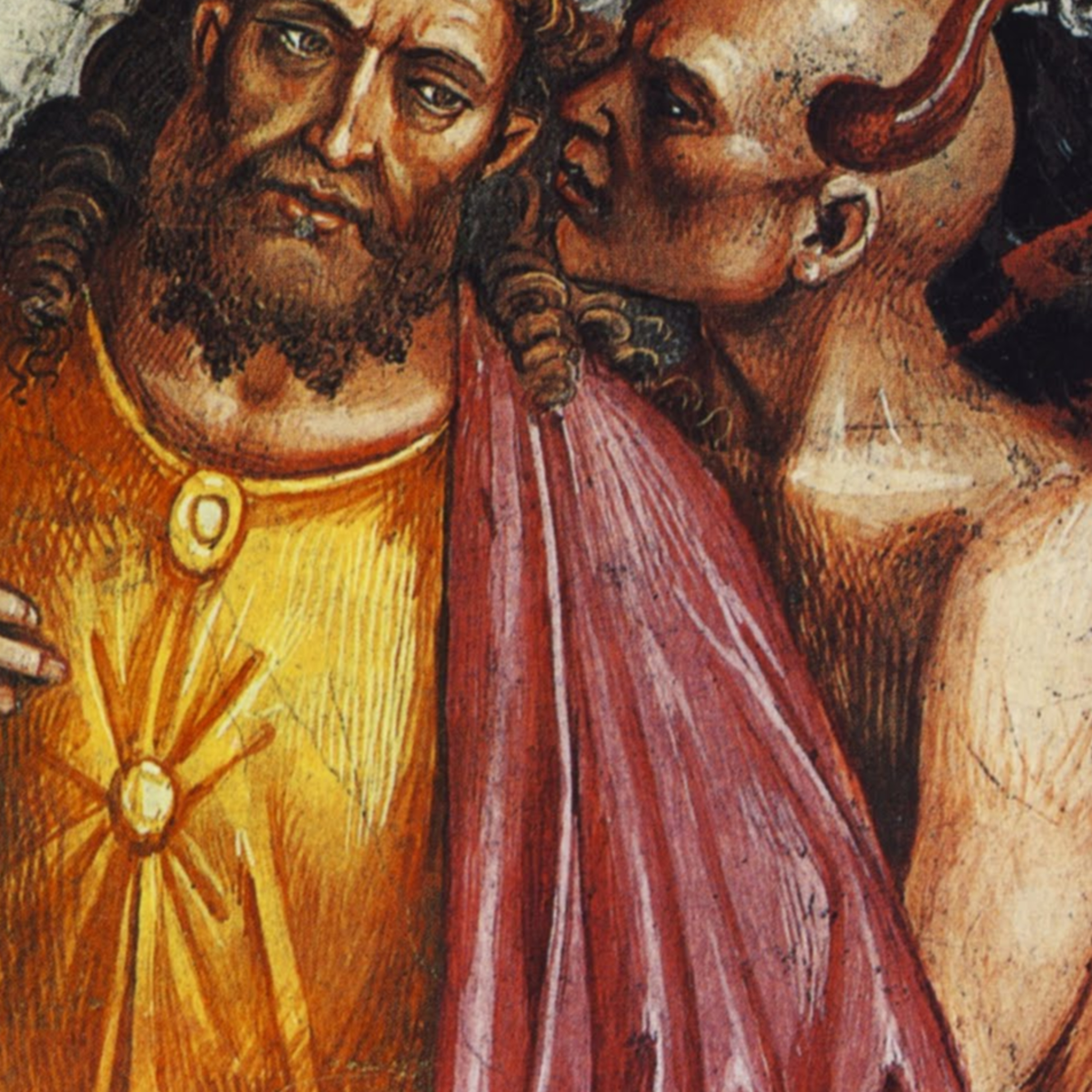 Spiritual Warfare in Daily Life: The Battle of Thoughts✨ | spiritual warfarethoughts+3 | — | — | — | spiritual warfarethoughts+5 | — | 53m 19s | |
| 1/16/26 | 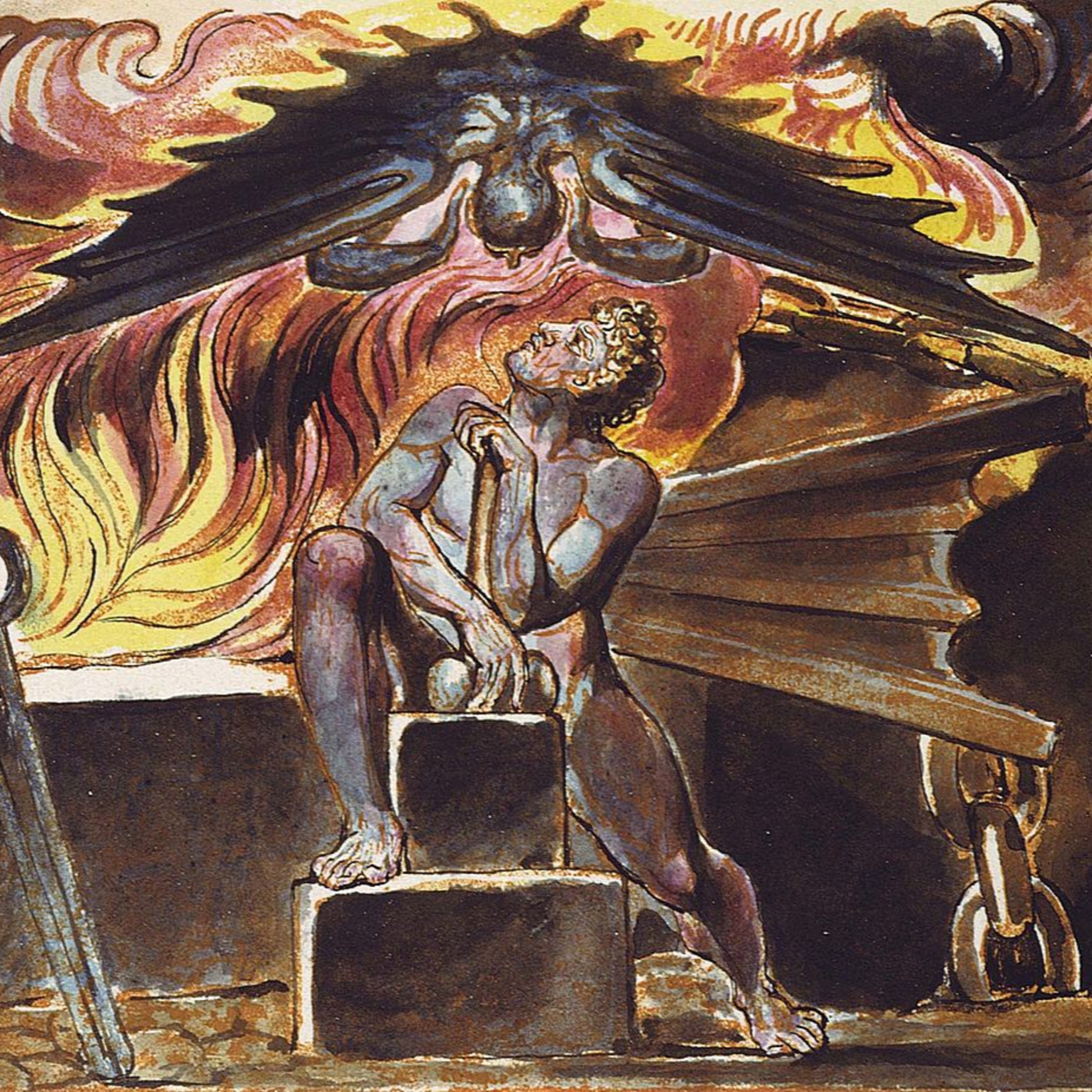 The Psychology of Creativity✨ | creativitypsychology+4 | — | Prometheus Bound | — | creativitypsychological power+5 | — | 54m 59s | |
| 9/24/25 | 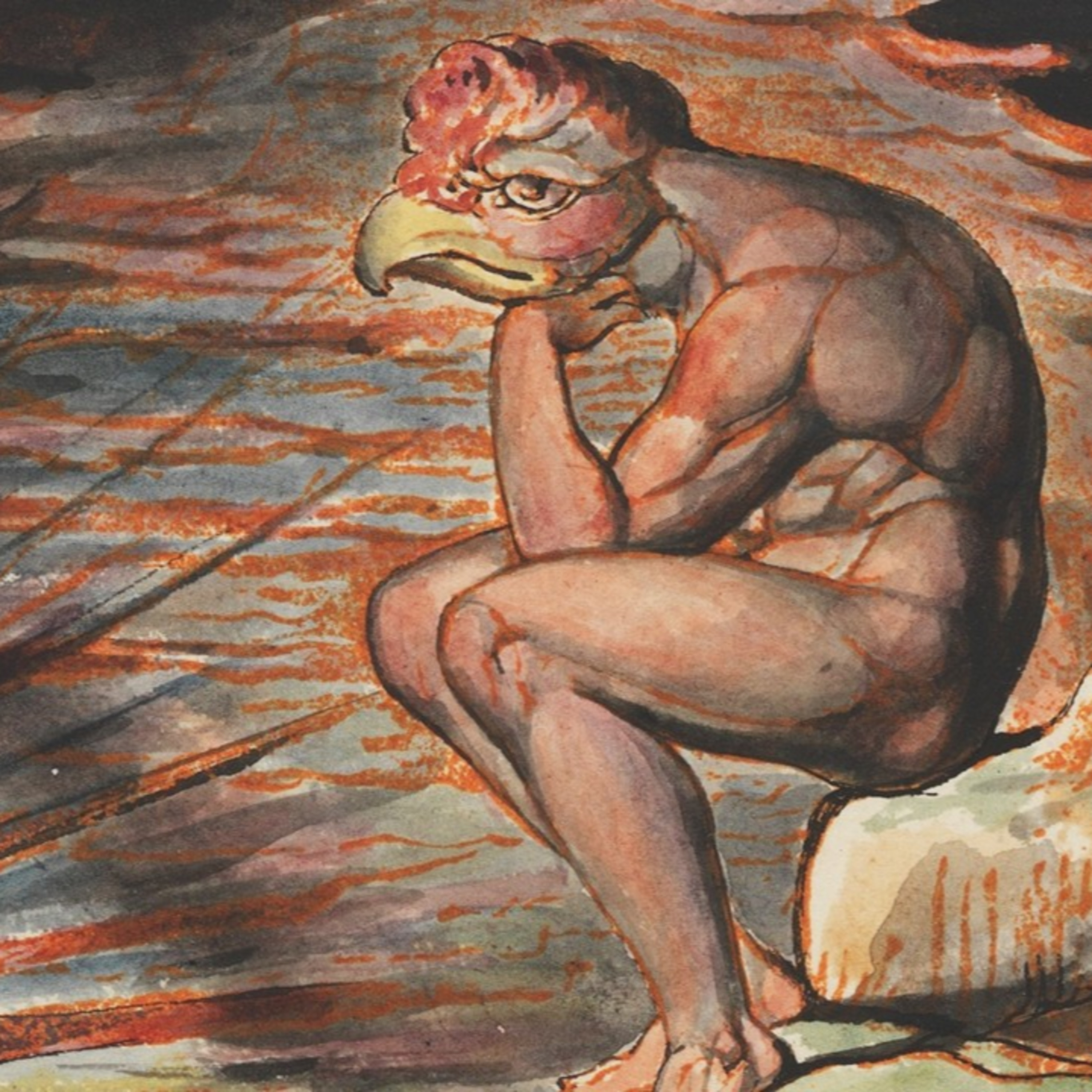 The Psychology of The Restless Wanderer✨ | Wanderer archetyperestlessness+4 | — | — | — | Wandererrestlessness+5 | — | 52m 59s | |
| 7/28/25 | 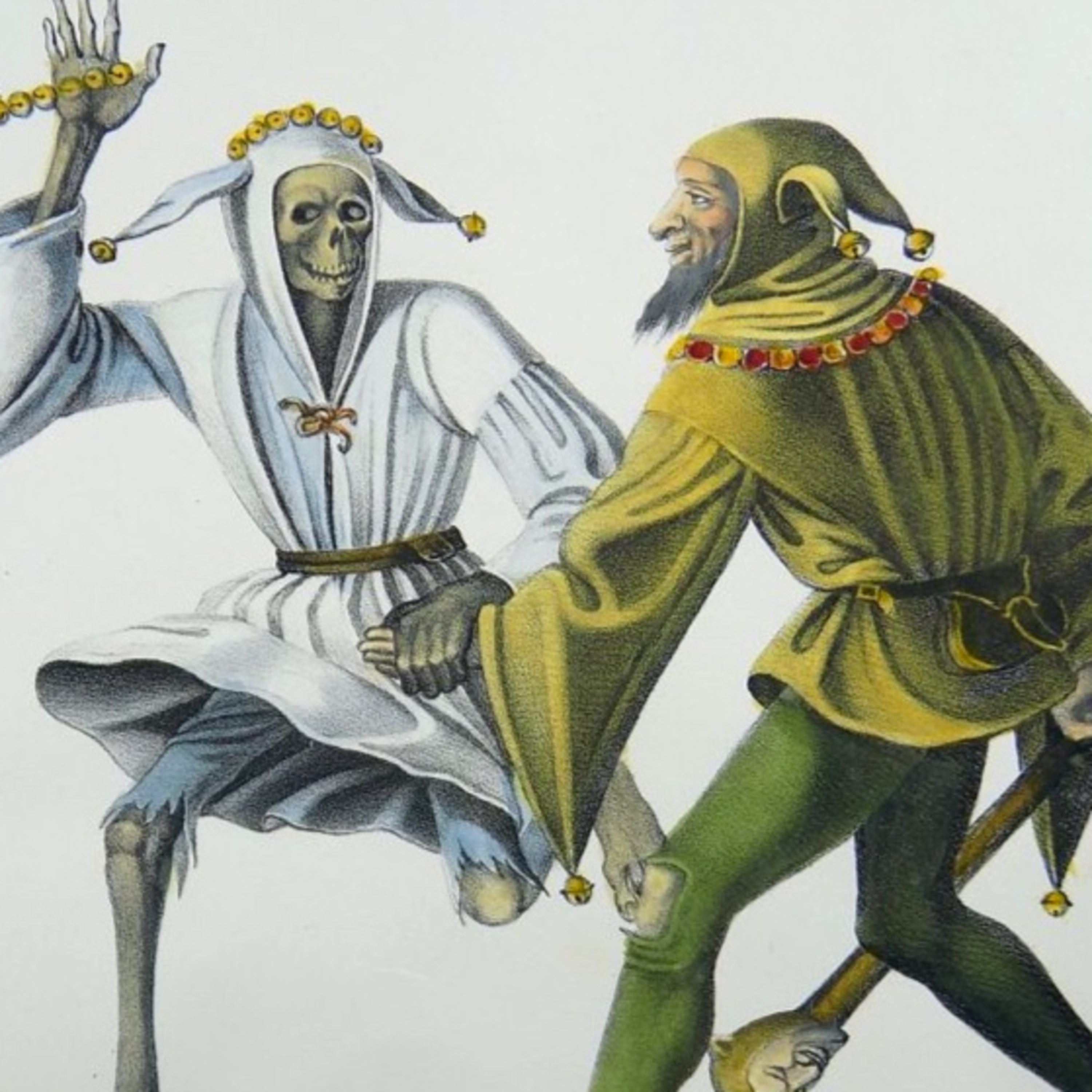 The Fool Dances with Death✨ | mortalityfolly+4 | — | — | — | DeathFool+5 | — | 50m 49s | |
| 6/18/25 | 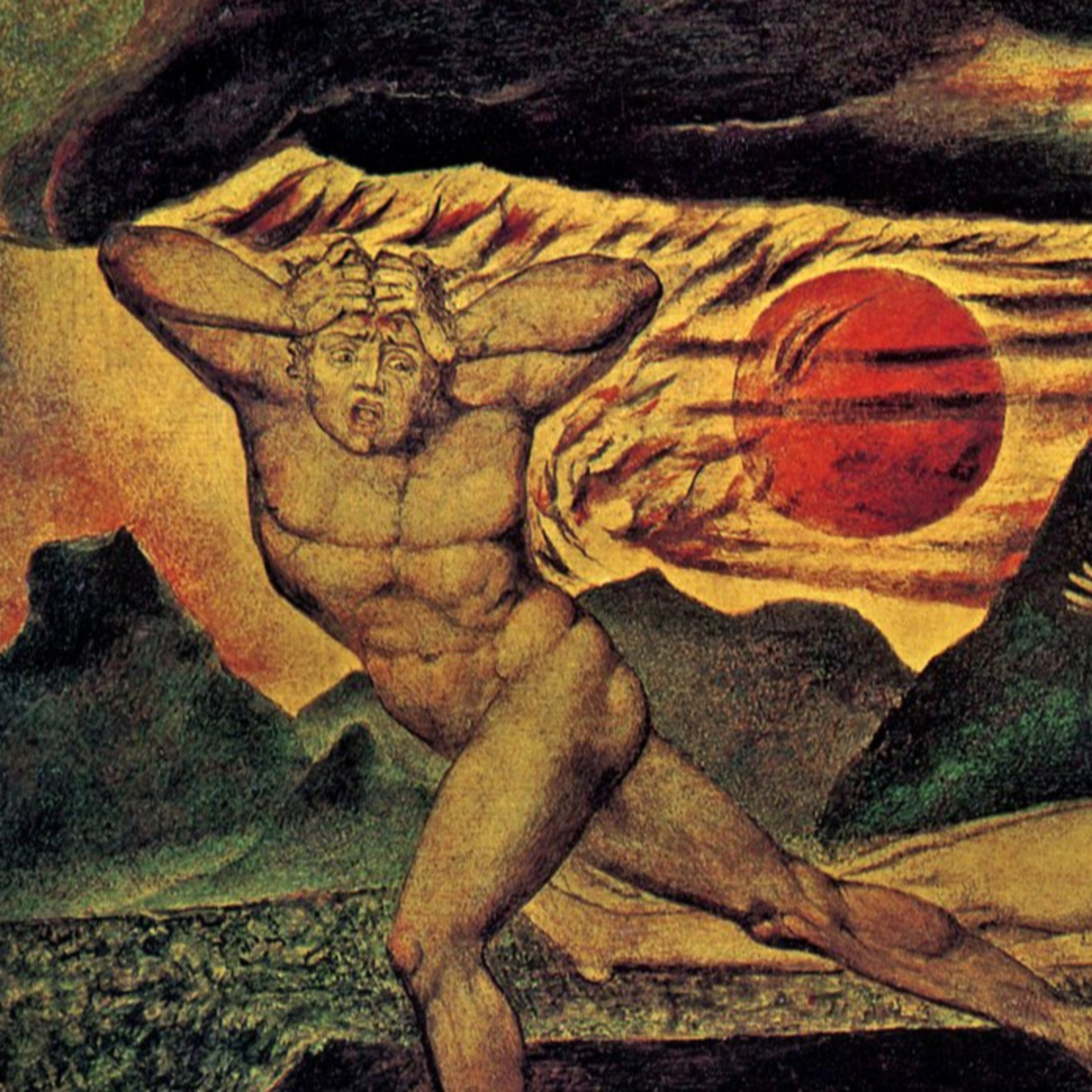 The Psychology of Sin✨ | psychologysin+3 | — | PoeticsNicomachean Ethics+1 | — | sinpsychology+3 | — | 50m 59s | |
| 5/2/25 | 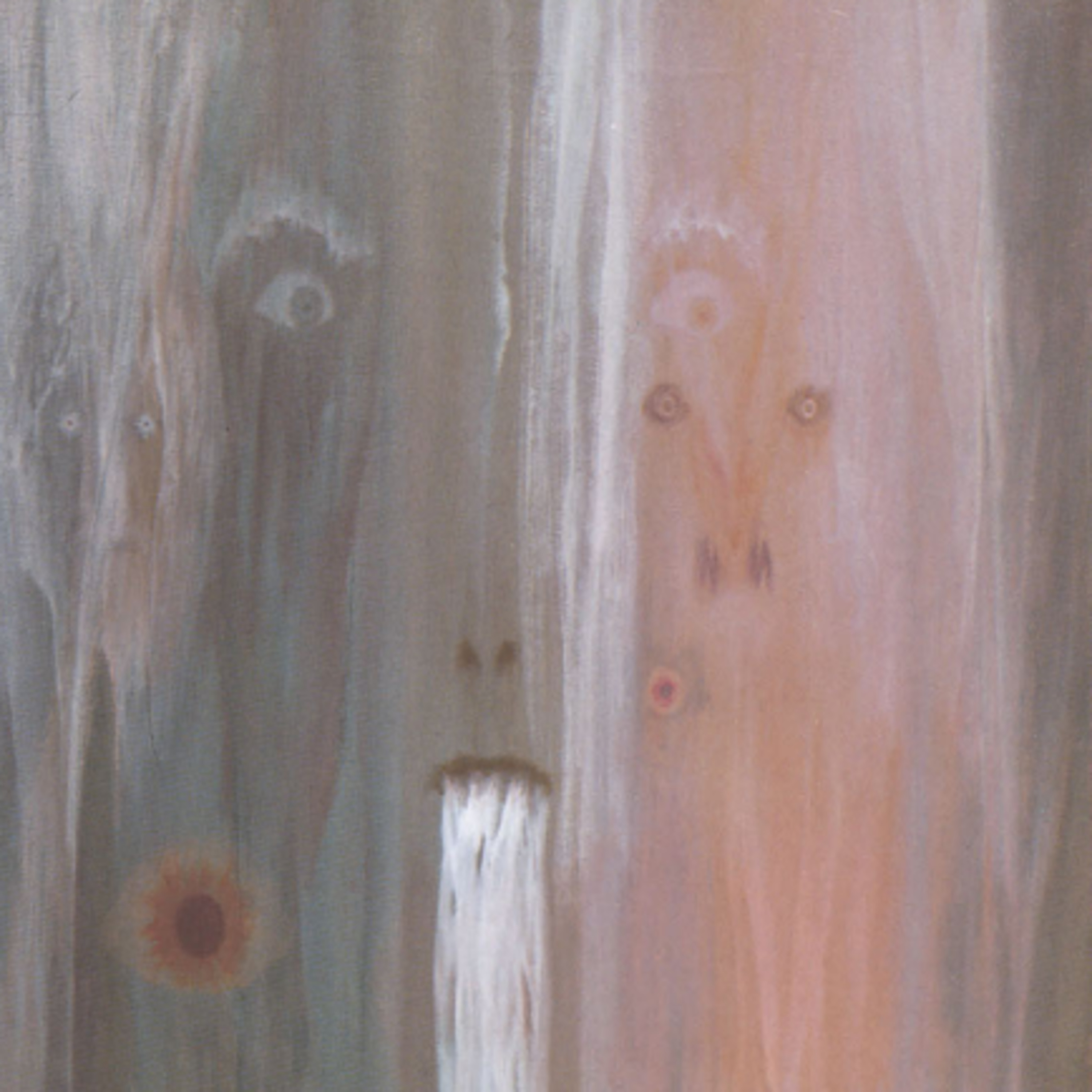 The Psychology of God's Dark Side✨ | psychologytheology+5 | — | Answer to Job | — | Carl JungAnswer to Job+8 | — | 55m 09s | |
| 2/25/25 | 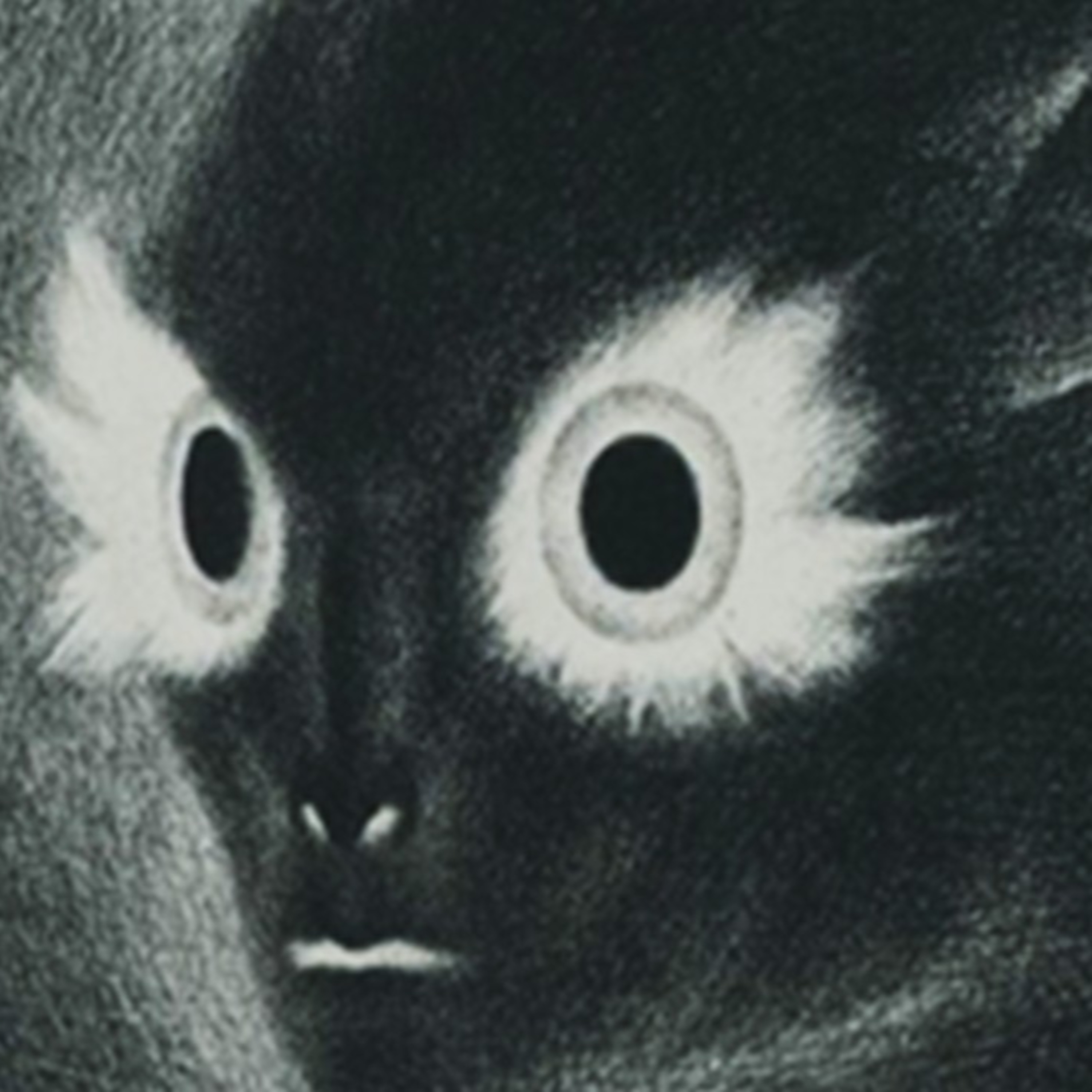 The Psychology of Knowing Yourself✨ | psychologyself-knowledge+3 | — | Psychological Types | — | Carl Jungpsychological types+5 | — | 51m 24s | |
| 12/31/24 | 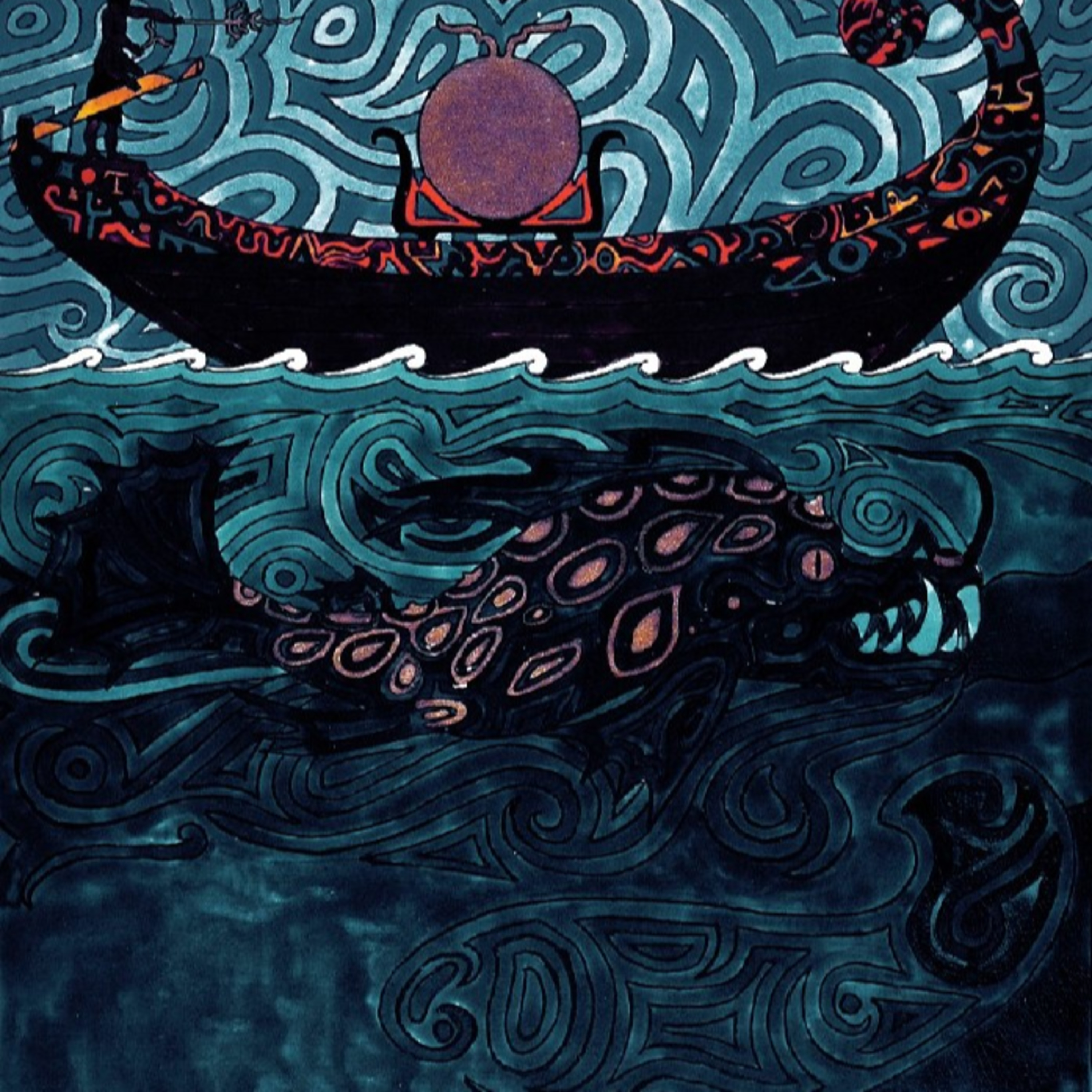 Carl Jung: A Journey into the Depths of the Soul✨ | psychologydream analysis+4 | — | — | — | Carl Jungpsychotherapy+5 | — | 46m 49s | |
| 11/19/24 |  The Psychology of Immature Femininity✨ | feminine archetypespsychology+3 | — | Goddesses in Everywoman: Powerful Archetypes in Women’s Lives | — | feminine archetypesJean Shinoda Bolen+4 | — | 50m 14s | |
| 10/11/24 |  The Psychology of Immature Masculinity✨ | masculinitypsychology+5 | — | — | — | masculinepsychology+5 | — | 47m 59s | |
Want analysis for the episodes below?Free for Pro Submit a request, we'll have your selected episodes analyzed within an hour. Free, at no cost to you, for Pro users. | |||||||||
| 9/6/24 | 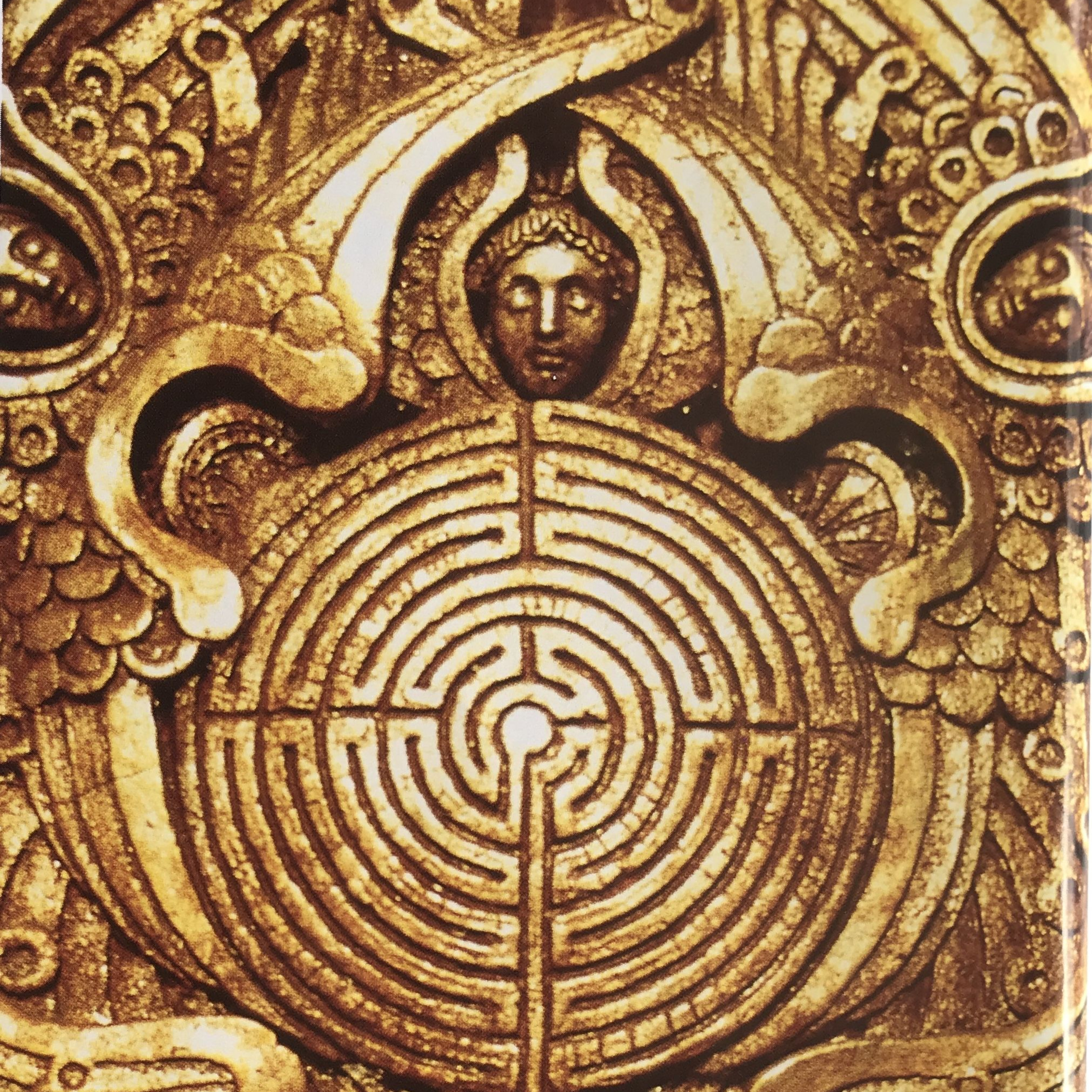 The Labyrinth: A Journey Through Inner Chaos | Confusion, wandering, isolation, darkness, disorientation—all evoke the labyrinth, a complex network of paths in which it is difficult to find one’s way out. Or do they? The labyrinth’s original meaning has been entirely distorted, which is only to be expected from such a perplexing symbol. Today, the labyrinth is found everywhere: in architecture, art, books, movies, and games. The labyrinth is an archetype, a primordial image that dates back to the Bronze Age (around 2500 to 2000 BC), making it one of the oldest symbols. The archetypal image of the labyrinth fundamentally expresses the path of life, full of dark corners and unexpected turns. If we overcome them, we are transformed and enlightened – if not, we become disoriented and find life meaningless.The labyrinth is an archetype, a primordial image that dates back to the Bronze Age (around 2500 to 2000 BC), making it one of the oldest symbols. It encompasses various images: the path of life, the Earth Mother, birth, dance, warding off evil, initiation, liminality, the descent into the underworld, symbolic death and rebirth, the journey to the Self, the alchemical Great Work and the pilgrim’s spiritual journey.👑 Become a PatronAccess exclusive material and deeper studies—Support the work☕ Buy a coffee💸 PayPal👕 Official Merch—For deeper study📜 Full transcript📚 Personal library💡 eBooks🎨 Artwork archiveStay connected📨 Newsletter✍️ Substack—Elsewhere🐦 X📷 Instagram📘 Facebook━━━━━━━━━━━━━📚 Recommended Reading▶ Through the labyrinth: designs and meanings over 5,000 years - Hermann Kernhttps://amzn.to/4e5WAW1▶ Labyrinth of the World and Paradise of the Heart - John Amos Comeniushttps://amzn.to/4dWV0WV▶ Labyrinths: Selected Stories & Other Writings - Jorge Luis Borgeshttps://amzn.to/3Z2LCvW▶ Pilgrim’s Progress - John Bunyanhttps://amzn.to/3yZl9VK▶ The Divine Comedy: Inferno; Purgatorio; Paradiso - Dante Alighierihttps://amzn.to/3zkiHZQ🎧 Prefer Audiobooks? Get a 30-day Audible Plus FREE trial: ▶ https://amzn.to/332zPzNAs an Amazon Associate, I earn a small commission from qualifying purchases at no additional cost to you. Thank you for your support.━━━━━━━━━━━━━⌛ Timestamps0:00 Introduction1:55 The Labyrinth as The Path of Life3:26 The Classical or Archetypal Labyrinth4:19 Labyrinth of Egypt5:03 The Labyrinth and The Maze9:18 Anxiety is the Dizziness of Freedom11:24 Time is a Labyrinth12:25 The Labyrinth and The Minotaur17:25 The Origins of The Mythical Labyrinth19:52 Archetypal Symbolism of The Labyrinth24:42 The Labyrinth: Descent into Hell28:03 The Labyrinth and Alchemy30:56 The Journey to The Centre (The Self)32:34 From Earth to Heaven to Earth34:16 The Medieval Labyrinth: Spiritual Journey35:15 The Labyrinth as The Pilgrim’s Journey39:25 Conclusion━━━━━━━━━━━━━✉️ Send me anything you like to my mailing address:EternalisedP.O. Box 10.01128080 Madrid, Spain | — | ||||||
| 8/7/24 |  The Psychology of Animals | Animals have been an integral part of human existence since our earliest origins. They are deeply ingrained within us and play a crucial role in the unconscious. In various religions, animals are revered as gods. Swiss psychiatrist and psychologist Carl Jung frequently remarked that animals embodied the divine aspect of the human psyche. He wrote a bold statement for a thinker of his era, "Even domestic animals, to whom we erroneously deny a conscience, have complexes and moral reactions.”We belong to the animal kingdom, and knowing this is part of the individuation process, the journey towards wholeness. Yet, we seem to have forgotten our roots.The animal is a symbol of the Self. It embodies the complete wisdom of nature yet does not possess the light of human consciousness. Animals are deeply connected to a “secret” order within nature itself and the absolute knowledge of the unconscious, living according to their own inner laws beyond human notions of good and evil. Animals live exactly as they were meant to live, and grasp a sense of wholeness instinctively, rather than intellectually. They are the ones who can lead us to this source of natural life. 👑 Become a PatronAccess exclusive material and deeper studies—Support the work☕ Buy a coffee💸 PayPal👕 Official Merch—For deeper study📜 Full transcript📚 Personal library💡 eBooks🎨 Artwork archiveStay connected📨 Newsletter✍️ Substack—Elsewhere🐦 X📷 Instagram📘 Facebook━━━━━━━━━━━━━📚 Recommended Reading▶ Archetypal Symbolism in Animals – Barbara Hannahhttps://amzn.to/3AaM1lW▶ Grimm’s Fairy Taleshttps://amzn.to/3WwtBDk▶ The Interpretation of Fairy Tales – Marie-Louise von Franzhttps://amzn.to/3yxI8qt▶ Archetypal Patterns in Fairy Tales – Marie-Louise von Franzhttps://amzn.to/3Wm2ta4▶ The Cat: A Tale of Feminine Redemption – Marie-Louise von Franzhttps://amzn.to/3ya7Z80▶ Animal Presences: Uniform Edition of the Writings of James Hillman, Vol. 9https://amzn.to/3Wwgylq▶ Aesop’s Taleshttps://amzn.to/4fqrhGO▶ Medieval Book of Beastshttps://amzn.to/4foDzPT🎧 Prefer Audiobooks? Get a 30-day Audible Plus FREE trial: ▶ https://amzn.to/332zPzNAs an Amazon Associate, I earn a small commission from qualifying purchases at no additional cost to you. ━━━━━━━━━━━━━⌛ Timestamps(0:00) Introduction(2:45) Animals: The Divine Side of The Human Psyche(7:42) Animals in the Unconscious(8:46) Our Animal Instincts and Symbolic Animals(12:08) The Helpful Animal Motif(15:36) The Archetypal Symbolism of Animals(18:05) The Psychology of The Cat(25:50) The Psychology of The Dog(33:53) The Psychology of The Horse(37:35) The Psychology of The Bull and Cow(40:30) The Psychology of The Lion(45:43) The Psychology of The Serpent(58:05) Conclusion | — | ||||||
| 7/5/24 | 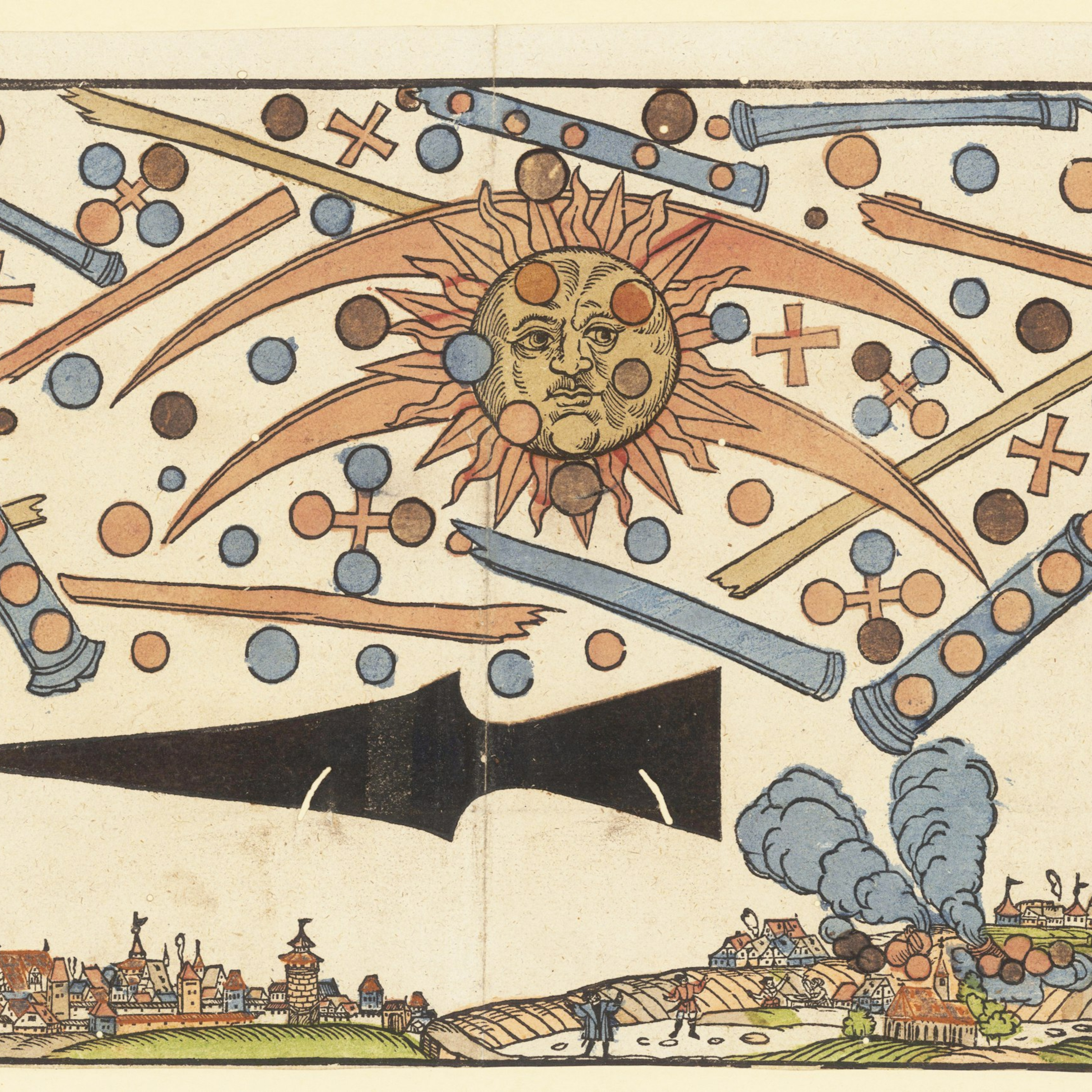 Carl Jung on UFOs: A Modern Myth of Hope and Fear | Strange sightings have been reported in the sky throughout history. After the Second World War, however, the appearance of UFOs became prominent in culture. Swiss psychiatrist and psychoanalyst Carl Jung studied the UFO phenomenon for more than a decade until his death in 1961. He wrote a book entitled Flying Saucers: A Modern Myth of Things Seen in the Skies, where he saw UFOs as a living myth for modern man, stating that we have the golden opportunity of seeing how a legend is formed, and how in a difficult and dark time for humanity a miraculous tale grows up of an attempted intervention by superior or “heavenly” beings.Jung’s field of interest is the human reaction to the phenomena, an effort to understand the complex working of our interior life, as this is revealed through the UFO phenomenon. UFOs are visionary rumours whose basis is an emotional tension having its cause in a situation of collective distress or danger, or in a vital psychic need – shedding light on the psychic compensation of the collective fear weighing on our hearts. UFOs have become a saviour myth, as we have projected on them a hope, an expectation. They express the symbol of totality represented by the mandala, the archetype of the Self, whose chief role is in uniting apparently irreconcilable opposites and is therefore best suited to compensate the split-mindedness of our age, bringing order and regulation to chaotic states.👑 Become a PatronAccess exclusive material and deeper studies—Support the work☕ Buy a coffee💸 PayPal👕 Official Merch—For deeper study📜 Full transcript📚 Personal library💡 eBooks🎨 Artwork archiveStay connected📨 Newsletter✍️ Substack—Elsewhere🐦 X📷 Instagram📘 Facebook━━━━━━━━━━━━━⌛ Timestamps(0:00) Introduction(3:32) UFOs as Visionary Rumours and Collective Visions(5:56) UFOs as Collective Distress and Mass Hysteria (7:30) UFOs as Saviour Myth (10:02) UFOs as Living Myth(12:29) Folklore and UFOs(16:30) Collective Dream(17:17) Messengers of Deception(19:19) Religion and UFOs(20:05) Ontological Shock and The Absurd(21:00) Psychic Aspects of UFOs(28:45) Unus Mundus: Psyche and Matter(30:55) Crop Circles and Archetypal Feminine(35:36) The Physical Existence of UFOs(37:15) The Case of Orfeo(44:53) UFOs and The Age of Aquarius(49:10) Conclusion━━━━━━━━━━━━━📚 Recommended Reading▶ Flying Saucers: A Modern Myth of Things Seen in the Skies - Carl Junghttps://amzn.to/3RRw8GL▶ Passport to Magonia: From Folklore to Flying Saucers - Jacques Valléehttps://amzn.to/3W3el1X▶ Crop Circles, Jung, and the Reemergence of the Archetypal Feminine - Gary S. Bobroffhttps://amzn.to/3RQUYH3▶ Messengers of Deception: UFO Contacts and Cults - Jacques Valléehttps://amzn.to/3VNU0fH▶ American Cosmic: UFOs, Religion, Technology - Diana Pasulkahttps://amzn.to/4cHVNtI▶ Wonders in the Skies: Unexplained Aerial Objects from Antiquity to Modern Times - Jacques Valléehttps://amzn.to/4cJjS30🎧 Prefer Audiobooks? Get a 30-day Audible Plus FREE trial: ▶ https://amzn.to/332zPzNAs an Amazon Associate, I earn a small commission from qualifying purchases at no additional cost to you. Thank you for your support. | — | ||||||
| 6/5/24 | 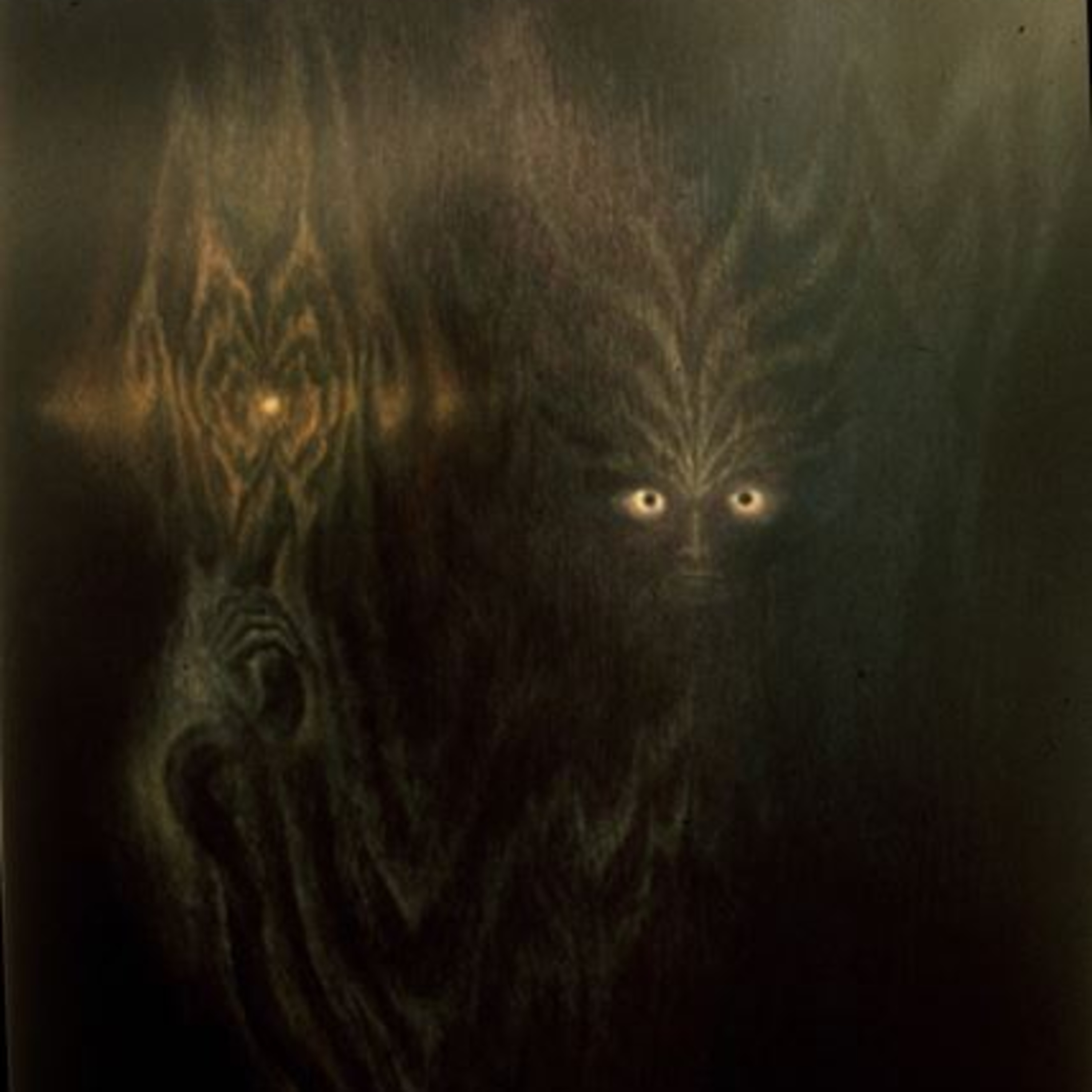 The Psychology of The Paranormal - Carl Jung | Since early childhood, Carl Jung experienced paranormal phenomena, that is, phenomena that are beyond the scope of scientific understanding. They were virtually commonplace in Jung’s family. Jung’s personal experiences with the paranormal would set him on a quest to find an explanation of these events with his theory of analytical psychology, as well as sparking his interest in parapsychology, the study of psychic or paranormal phenomena, especially regarding extrasensory perception or ESP (precognition, clairvoyance, telepathy, intuition, etc).Jung attended séances which formed the basis of his doctoral dissertation published in 1902, entitled On the Psychology and Pathology of So-Called Occult Phenomena. Jung admits that his period of the séances with his medium cousin contained the origin of all his ideas. He had discovered some objective facts about the human psyche. From then on, Jung got his first glimpse of the fact that there was another world (the unconscious) which had a life of its own quite apart from the life of consciousness.👑 Become a PatronAccess exclusive material and deeper studies—Support the work☕ Buy a coffee💸 PayPal👕 Official Merch—For deeper study📜 Full transcript📚 Personal library💡 eBooks🎨 Artwork archiveStay connected📨 Newsletter✍️ Substack—Elsewhere🐦 X📷 Instagram📘 Facebook━━━━━━━━━━━━━📚 Recommended Reading▶ Memories, Dreams, Reflections - Carl Junghttps://amzn.to/3waQbIJ▶ Reflections on the Life and Dreams of C.G. Jung: by Aniela Jaffé from conversations with Jung https://amzn.to/4bFphZ5▶ Synchronicity: An Acausal Connecting Principle - Carl Junghttps://amzn.to/3V2vaIG▶ The Zofingia Lectures - Carl Junghttps://amzn.to/4bGr5kp▶ The Red Book - Carl Junghttps://amzn.to/3V6HB6a▶ Jung on Synchronicity and the Paranormal - Roderick Main (Editor)https://amzn.to/4e59ZP0🎧 Prefer Audiobooks? Get a 30-day Audible Plus FREE trial: ▶ https://amzn.to/332zPzNAs an Amazon Associate, I earn a small commission from qualifying purchases at no additional cost to you. ━━━━━━━━━━━━━⌛ Timestamps(0:00) Introduction(0:53) The Paranormal in Jung’s Family(4:43) Séances and Occult Phenomena(12:22) Confrontation with The Unconscious and Synchronicity(16:09) Visions and Altered States(21:22) The Seven Sermons of the Dead(23:30) Jung's First Mandala: Systema Munditotius(24:36) The Voice of the Dead(26:58) Jung’s Paranormal and Parapsychological Experiences(37:26) Rationalism and Superstition(39:13) The Psychological Foundations of Belief in Spirits(41:56) On The Reality of Spirits(46:26) Conclusion | — | ||||||
| 5/2/24 | 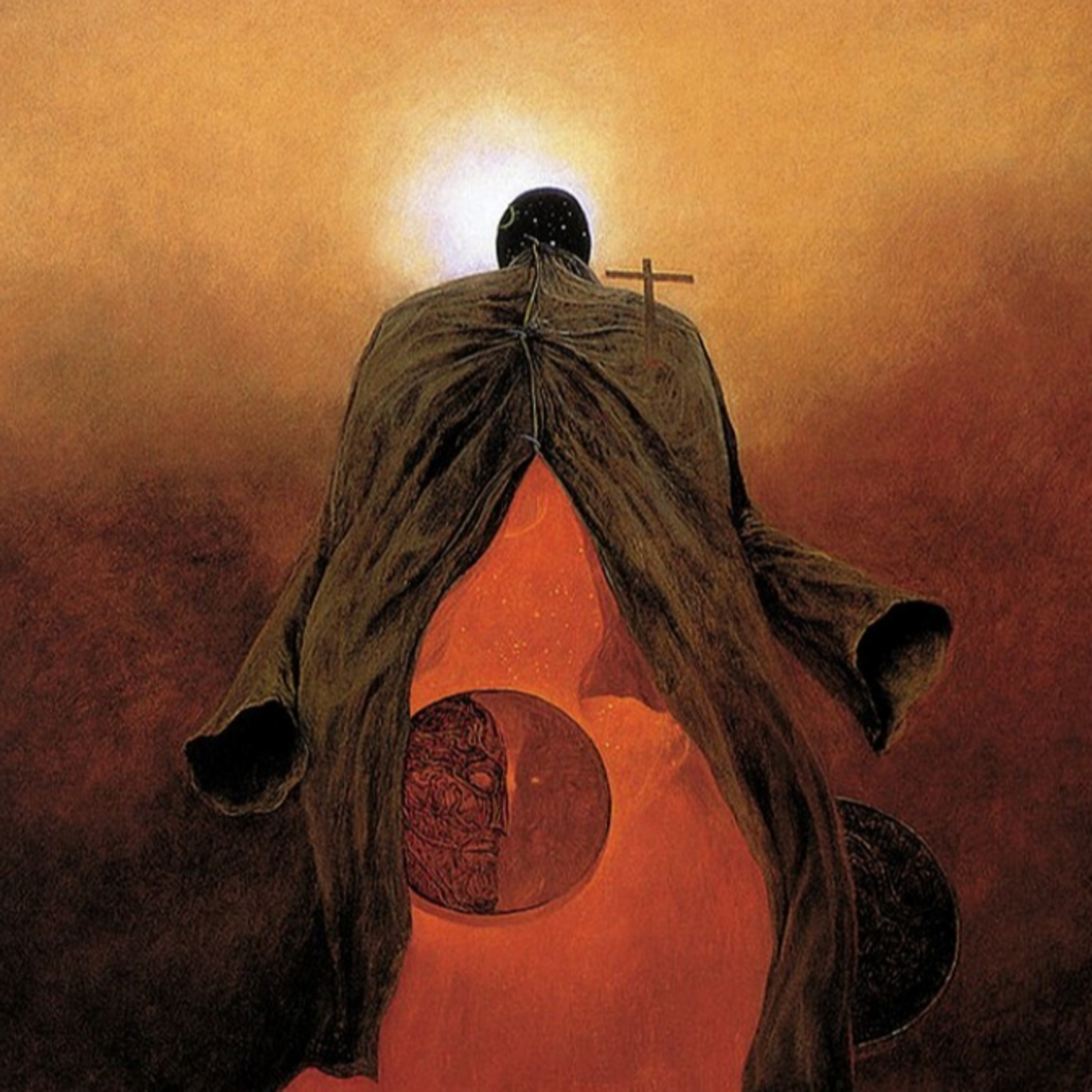 How Dreams Can Anticipate Death and Point to the Afterlife | Death is one of the greatest mysteries of human existence, the inevitable fate that unites us all. Whenever man is confronted with something mysterious and unknown such as the origin of the world, death, the afterlife, etc., the unconscious produces symbolic representations. In her groundbreaking book, On Dreams and Death, Jungian analyst Marie-Louise von Franz writes about death dreams, that is, dreams of people who subsequently died. Therefore, they are of a precognitive nature, as they can anticipate the death of someone. In death dreams, the end of physical life is represented in a symbolic way, but almost always accompanied by manifestations that allude to the continuation of the person’s life.👑 Become a PatronAccess exclusive material and deeper studies—Support the work☕ Buy a coffee💸 PayPal👕 Official Merch—For deeper study📜 Full transcript📚 Personal library💡 eBooks🎨 Artwork archiveStay connected📨 Newsletter✍️ Substack—Elsewhere🐦 X📷 Instagram📘 Facebook━━━━━━━━━━━━━⌛ Timestamps(0:00) Introduction(2:24) Death Is Not The End(4:50) Near-Death-Experiences (NDEs)(8:10) NDEs: Ego and Self(10:34) Death Dreams(14:14) Death Dreams in Second Half of Life(15:05) Death Dreams at a Young Age(15:45) Dreams About Someone Else’s Death(16:30) Birth is Death, Death is Birth(18:25) Metapsychic Dreams(22:10) Death Dreams: Vegetation (28:32) Death Dreams: Fire and The Philosophers’ Stone (33:56) Death Dreams: The Fruit (38:52) Death Dreams: Death as a Cure(40:15) Death Dreams: Dark Tunnel (41:55) Death Dreams: Spirit of Discouragement(44:00) Death Dreams: The Sinister Other(46:48) Death Dreams: The Threshold (48:25) Death Dreams: Light(50:28) Beyond Space and Time(51:45) The Final Decision(52:36) Conclusion | — | ||||||
| 3/26/24 |  The Psychology of The Villain | The villain is the most captivating and intriguing of all archetypes. The hero would not exist without his darker counterpart, which reflects aspects of ourselves that we do not dare to acknowledge or confront, but which are present within all of us. The villain is often a mirror of the dark aspects of humanity, embodying qualities that are evil, harmful, greedy, selfish, and destructive. In recent times, villains can even become sympathetic, and possess redeeming qualities, making some of them oddly likeable despite their malicious intent and immoral actions, thus challenging our traditional notions of good and evil. This type of villain has never existed to the degree it exists in the 21st century, symbolising a major change in the collective unconscious—which speaks to a psychological experience that is common to us all.👑 Become a PatronAccess exclusive material and deeper studies—Support the work☕ Buy a coffee💸 PayPal👕 Official Merch—For deeper study📜 Full transcript📚 Personal library💡 eBooks🎨 Artwork archiveStay connected📨 Newsletter✍️ Substack—Elsewhere🐦 X📷 Instagram📘 Facebook━━━━━━━━━━━━━⌛ Timestamps(0:00) Introduction(1:46) The Meaning of Villain(2:40) The Oldest Form of The Villain(3:18) The Villain Archetype in Literature(11:00) The Superhero(12:26) Sympathy for the Villain(13:17) The Antihero(14:56) The Modern Villain(16:03) The Joker and Hyper-Sanity(19:55) Villains and The Dark Side(21:40) The Villain’s Journey(23:00) The Villain and The Hero(28:22) Villain: Mirror of The Dark Aspects of Humanity(32:56) The Villain Redemption Arc (33:18) The Dark Triad(36:20) The Tyrant(38:26) The Resentful One(40:19) The Traitor(41:30) The Sadist(41:58) The Criminal Mastermind(43:25) The Mad Scientist(43:54) The Jester or Trickster(44:20) The Terrible or Devouring Mother(44:50) The Femme Fatale(45:50) Conclusion━━━━━━━━━━━━━✉️ Send me anything you like to my mailing address:EternalisedP.O. Box 10.01128080 Madrid, Spain | — | ||||||
| 2/18/24 | 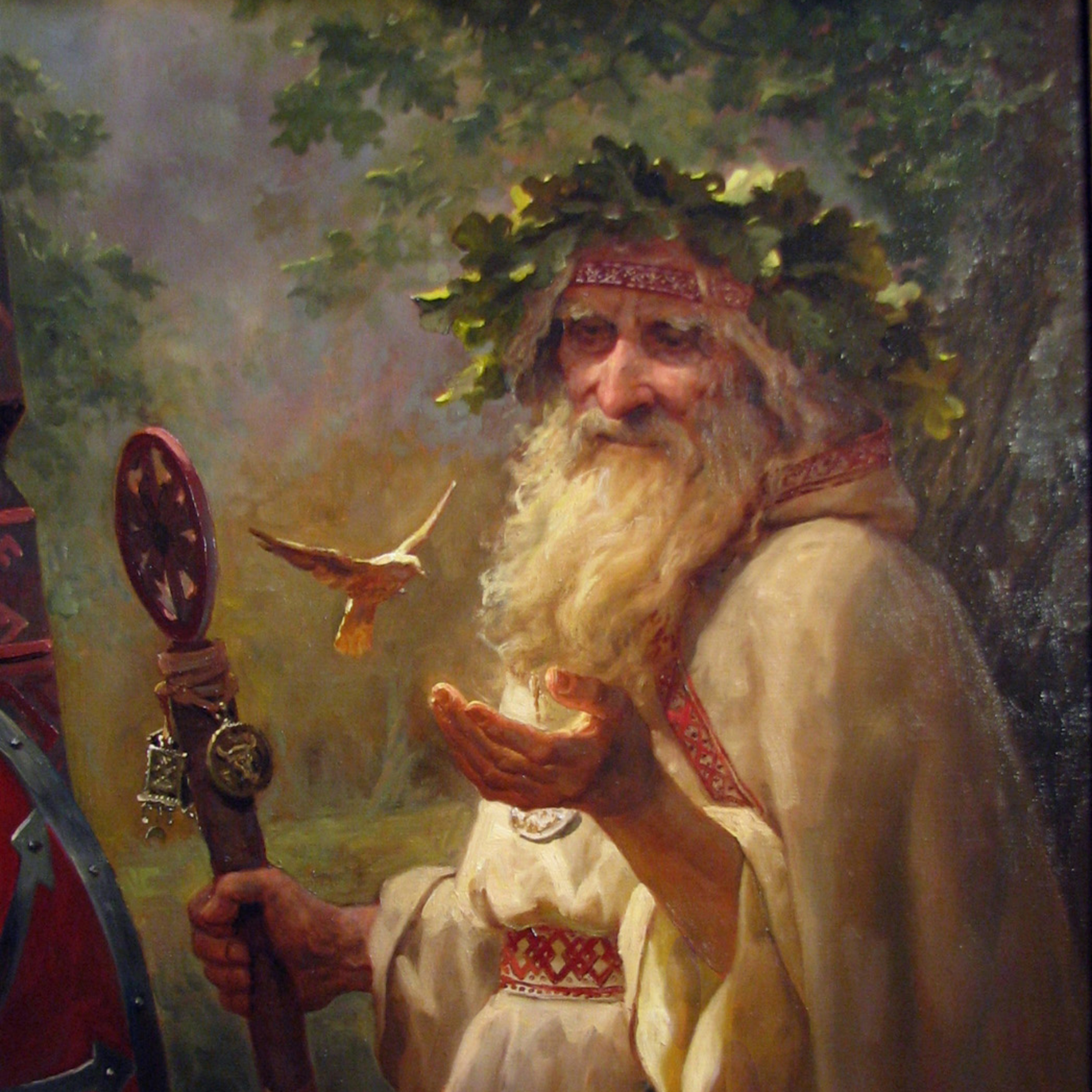 The Psychology of The Magician | The Magician is the most mysterious and fascinating of all archetypes. He is a person who has gained access to esoteric or occult (hidden) knowledge, bringing the spiritual to the material. Thus, he is an initiate of secret and hidden knowledge of all kinds. As the Emerald Tablet teaches us, “As above, so below, and as below, so above, to accomplish the marvels of the One work.” The Magician is often the mentor or guide to his people, and even to the king. Psychologically, the Magician is the archetype of transformation, transforming old realities into new ones. He is the archetype of self-realisation par excellence. The Magician aids us in our lifelong task of attaining a higher level of consciousness, and of recognising that higher power which is greater than ourselves.👑 Become a PatronAccess exclusive material and deeper studies—Support the work☕ Buy a coffee💸 PayPal👕 Official Merch—For deeper study📜 Full transcript📚 Personal library💡 eBooks🎨 Artwork archiveStay connected📨 Newsletter✍️ Substack—Elsewhere🐦 X📷 Instagram📘 Facebook━━━━━━━━━━━━━📚 Recommended Reading▶ Awakening the Heroes Within - Carol S. Pearsonhttps://amzn.to/42BjTlU▶ Jung and Tarot: and Archetypal Journey - Sallie Nicholshttps://amzn.to/4bwO5md▶ King, Warrior, Magician, Lover - Robert Moore and Douglas Gillettehttps://amzn.to/42CEarc▶ Merlin and the Grail - Robert de Boronhttps://amzn.to/48esf44▶ Shamanism: Archaic Techniques of Ecstasy - Mircea Eliadehttps://amzn.to/49dHprD▶ The Greek Magical Papyri in Translation - Hans Dieter Betz (Editor)https://amzn.to/42BLKCs▶ Three Books of Occult Philosophy - Agrippahttps://amzn.to/3UF2B5A▶ Twelve Keys - Basil Valentinehttps://amzn.to/49zZEHp▶ The Egyptian Book of the Deadhttps://amzn.to/3SX5SL9🎧 Prefer Audiobooks? Get a 30-day Audible Plus FREE trial: ▶ https://amzn.to/332zPzNAs an Amazon Associate, I earn a small commission from qualifying purchases at no additional cost to you. ━━━━━━━━━━━━━⌛ Timestamps(0:00) Introduction(2:22) Merlin(5:10) Hermes Trismegistus(6:17) Magic: The Shadow of Religion(7:32) Sympathetic Magic(8:30) Magic in Ancient Times(10:53) Grimoires and King Solomon(12:10) Necronomicon(13:00) The Archetype of the Sorcerer’s Apprentice (15:10) Renaissance Magic(18:13) Low Magic and High Magic(18:34) White Magic and Black Magic(20:11) Archetypal Images of the Magician(23:45) The Archetype of the Miracle(25:12) Magician: The Archetype of Transformation(29:29) Mana Personality(30:20) The Shadow Magician(31:50) The Magician and The Trickster(33:36) The Magician in Tarot(35:30) The Magician in Jung’s Red Book(37:18) The Integration of the Magician Archetype | — | ||||||
| 1/12/24 | 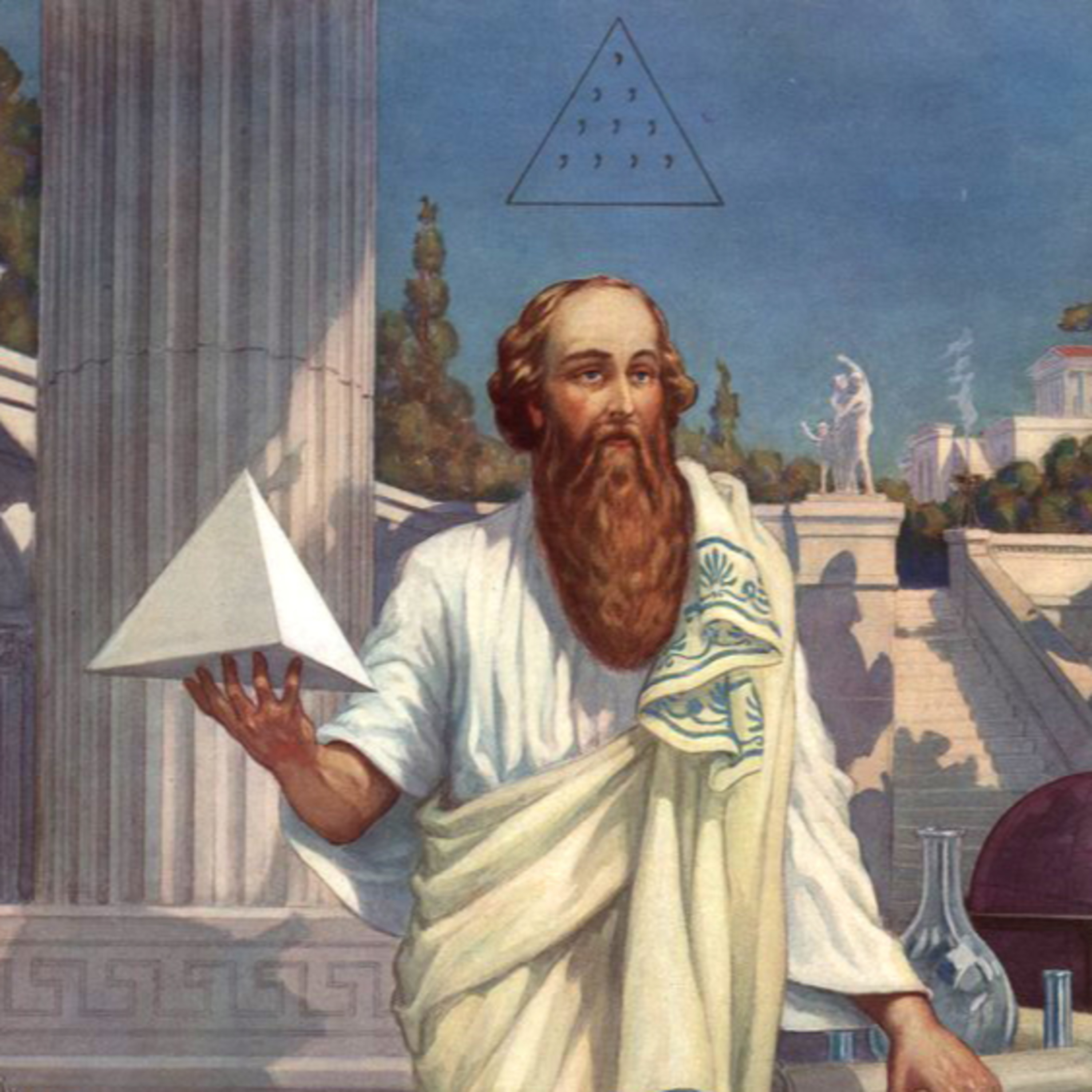 The Psychology of Numbers | Numbers do not merely have a quantitative nature, but also a qualitative one (for Pythagoras they were divine). Numbers have life, they are not just symbols on paper. Several philosophers, alchemists and mystics throughout history have associated religious or mystical ideas to numbers. In ancient times, people associated mystical meaning to words and names based on their numerical value, which became the basis for 20th century numerology that seeks to understand personality through numbers. Carl Jung describes number as the most primitive archetype (the archetype of order), which provides a vital link between matter and psyche (united by the unus mundus).Psychologically, the most primitive numbers are 1 to 4, which form the basis for all the rest of the numbers, and as such it is not surprising that they are the most recurring ones in the psyche. These remarkably symbolise the human creation myth and the purpose of life. To paraphrase Pythagoras, “Number rules the universe.”👑 Become a PatronAccess exclusive material and deeper studies—Support the work☕ Buy a coffee💸 PayPal👕 Official Merch—For deeper study📜 Full transcript📚 Personal library💡 eBooks🎨 Artwork archiveStay connected📨 Newsletter✍️ Substack—Elsewhere🐦 X📷 Instagram📘 Facebook━━━━━━━━━━━━━📚 Recommended Reading▶ The Theology of Arithmetic - Iamblichushttps://amzn.to/48GIqYI▶ Number and Time: Reflections Leading Toward a Unification of Depth Psychology and Physics – M.L. von Franzhttps://amzn.to/4aKT4Q4▶ The Three Books of Occult Philosophy: Book II - Heinrich Cornelius Agrippahttps://amzn.to/41KANy0🎧 Prefer Audiobooks? Get a 30-day Audible Plus FREE trial: ▶ https://amzn.to/332zPzNAs an Amazon Associate, I earn a small commission from qualifying purchases at no additional cost to you. ━━━━━━━━━━━━━⌛ Timestamps(0:00) Introduction(1:10) Isopsephy, Gematria, Numerology(2:58) Number as the Archetype of Order(5:00) The Role of Numbers in Dreams(5:35) Numbers as the Archetype of Wholeness (Self)(6:20) Numbers as Autonomous Entities(7:18) Numbers, Psychoid, Unus Mundus(9:32) Numbers and Synchronicity(11:17) Numbers: Link between Psyche and Matter(13:50) The Psychology of the Number 1(17:08) The Psychology of the Number 2(25:00) The Psychology of the Number 3(35:06) The Psychology of the Number 4(46:46) Esoteric Meaning of Numbers (5-10)(51:55) Conclusion | — | ||||||
| 11/29/23 | 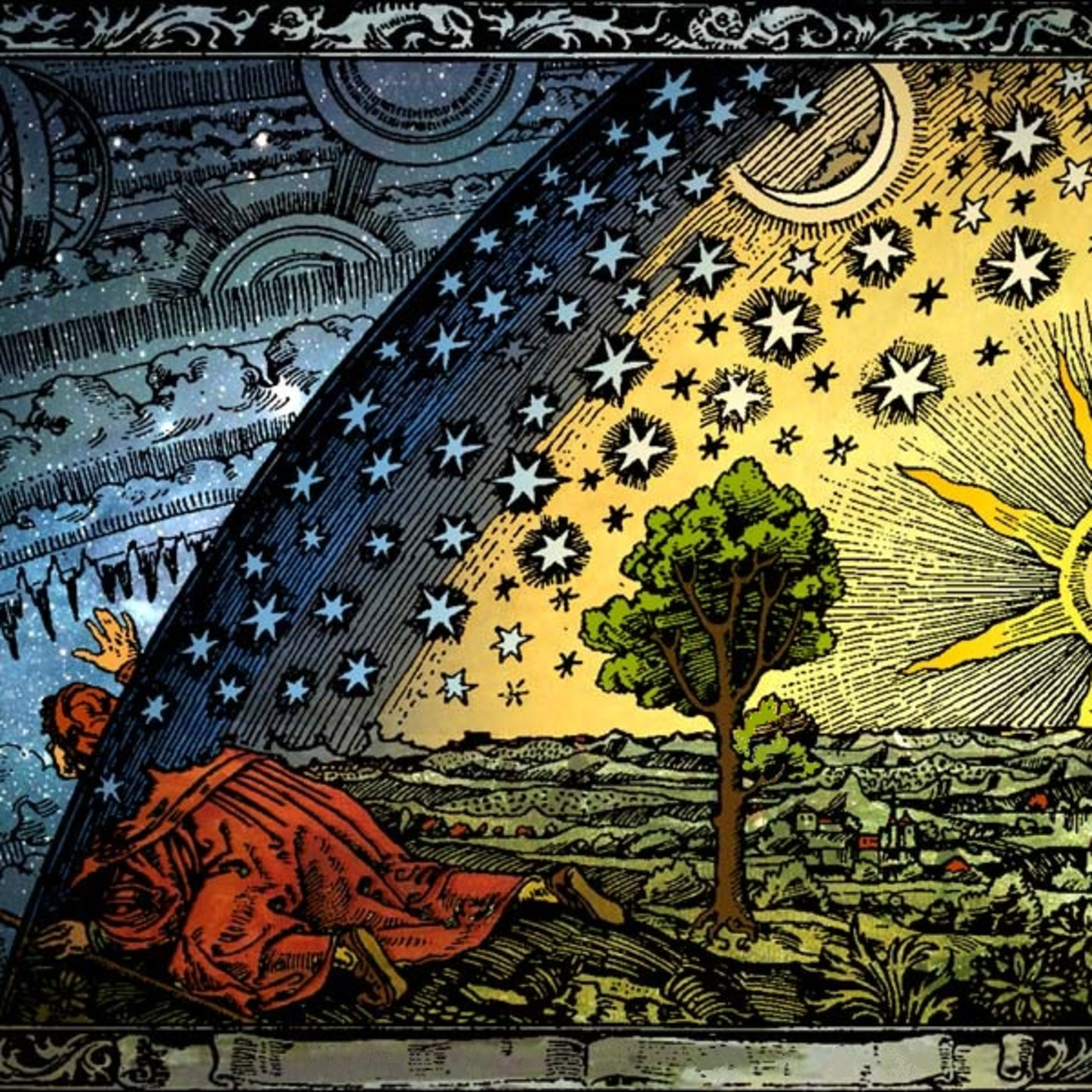 The Psychology of Astrology | The Swiss psychiatrist and psychoanalyst Carl Jung studied astrology for over 40 years, and was primarily interested in the way astrology could help to explore the psyche. For Jung, astrology represents the sum of all the psychological knowledge of antiquity. The notion of seeing mythic narratives through patterns in the heavens is one of the earliest attempts to link the outer world with the inner world. The well-known Hermetic dictum, “As above, so below,” is key to astrology. It is the idea that man (the microcosm), is influenced by the universe (the macrocosm). That is to say, truths about the nature of the cosmos may be inferred from truths about human nature, and vice versa. At the exact moment of birth, each person receives the typical qualities of the libido or energy which is characteristic of him or her. Time, or the moment understood as a peculiar form of energy, seems to coincide with our psychological condition. For Jung, this leads to a peculiar hypothesis, that our personality does not have to do with the position of the stars, but rather with the qualitative effect of time, also called synchronicity, based on the ancient Stoic concept of cosmic sympathy.👑 Become a PatronAccess exclusive material and deeper studies—Support the work☕ Buy a coffee💸 PayPal👕 Official Merch—For deeper study📜 Full transcript📚 Personal library💡 eBooks🎨 Artwork archiveStay connected📨 Newsletter✍️ Substack—Elsewhere🐦 X📷 Instagram📘 Facebook━━━━━━━━━━━━━📚 Recommended Reading▶ C.G. Jung. Jung on Astrologyhttps://amzn.to/3sLploR▶ Jung's Studies in Astrology. Prophecy, Magic, and the Qualities of Timehttps://amzn.to/3MWBWMZ▶ Synchronicity: An Acausal Connecting Principle - Junghttps://amzn.to/3SVeHGU▶ Aion: Researches into the Phenomenology of the Self - Junghttps://amzn.to/49I95FT▶ Esoteric Astrology - Alan Leohttps://amzn.to/49GbKQe🎧 Prefer Audiobooks? Get a 30-day Audible Plus FREE trial: ▶ https://amzn.to/332zPzN━━━━━━━━━━━━━⌛ Timestamps(0:00) Introduction(3:54) The Zodiac: Wheel of Life(5:06) The Basics of Astrology (9:37) Microcosm and Macrocosm(10:44) Astrology becomes Astronomy(11:48) Astrology and Carl Jung(17:12) Astrology as Ancient Psychology(20:02) Astrological Age and Precession of the Equinoxes(23:12) Qualitative Time(27:02) Astrology and Synchronicity(28:23) Sympatheia: Cosmic Sympathy(29:00) Psychoid and Unus Mundus, Pleroma, Anima Mundi(30:00) Planets as Archons (Gnosticism)(30:50) Spirit of the Depths and Spirit of the Times(32:28) Jung’s Thoughts on Astrology Before Death(33:15) Fate and Free Will(36:13) Individuation and Daimon (Soul-Image)(38:20) Exoteric and Esoteric Astrology(39:25) Aquarius: The Coming New Aeon(43:31) Conclusion | — | ||||||
| 10/25/23 | 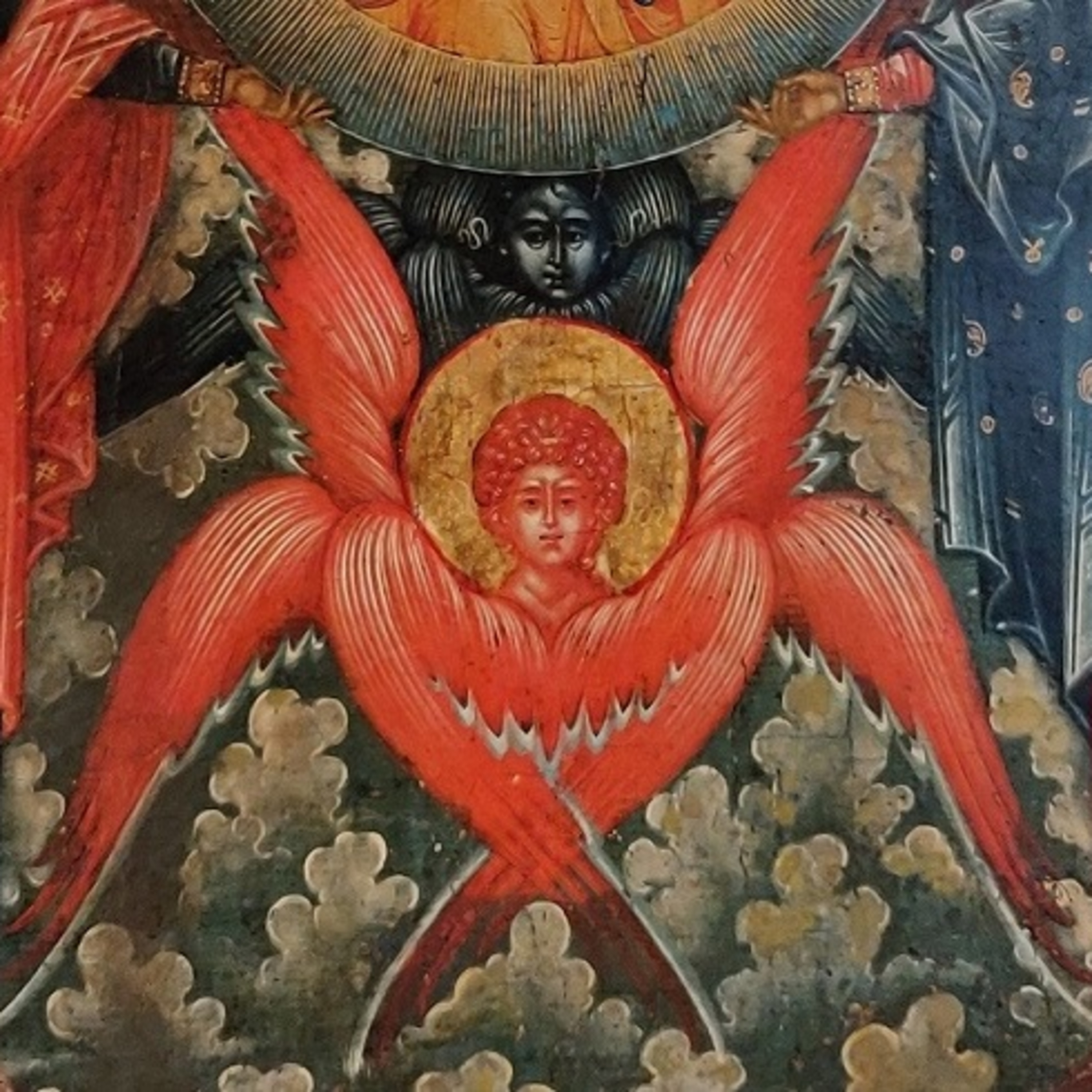 The Psychology of Angels | Angels have fascinated human consciousness since the beginning of time. The word angel derives from the Greek angelos, which is the default translation of the Biblical Hebrew term mal’ākh (literally “messenger”). The angel is a messenger between God and mankind.Whether we talk about angels, daimons, djinns, fairies, or any other of such beings, they all hold something in common, despite their difference in appearance, namely, they are all archetypal images of the same fundamental pattern, the archetype of the ethereal being. These spirits coexist with us; they just exist at another level of reality.As the archetypal image of the call, the angel initiates individuation, the journey towards wholeness of personality (the Self), as well theosis (union with God). Therefore, angels can help us both psychologically and spiritually. The integration of the angel archetype allows us to examine the nature of our essence or soul, the uniqueness that asks to be lived in each of us, and that unfolds itself during our lifetime. Thus, angels carry our true vocation, which is a calling, towards the meaning of our life.👑 Become a PatronAccess exclusive material and deeper studies—Support the work☕ Buy a coffee💸 PayPal👕 Official Merch—For deeper study📜 Full transcript📚 Personal library💡 eBooks🎨 Artwork archiveStay connected📨 Newsletter✍️ Substack—Elsewhere🐦 X📷 Instagram📘 Facebook━━━━━━━━━━━━━📚 Recommended Reading▶ The City of God – Saint Augustinehttps://amzn.to/405uOTu▶ The Soul’s Code – James Hillmanhttps://amzn.to/3M3QQjJ▶ The Life of Saint Teresa of Ávila by Herselfhttps://amzn.to/3s1WZGv▶ Journal of Dreams – Emanuel Swedenborghttps://amzn.to/3S7Mlsy▶ Marriage of Heaven and Hell – William Blakehttps://amzn.to/3Qpclyj▶ The Essential Sermons & more – Meister Eckharthttps://amzn.to/45D2rgP▶ Duino Elegies – Rainer Maria Rilkehttps://amzn.to/45D21af▶ The Way of the Dream – M.L. von Franzhttps://amzn.to/4051Pzo🎧 Prefer Audiobooks? Get a 30-day Audible Plus FREE trial: ▶ https://amzn.to/332zPzN━━━━━━━━━━━━━⌛ Timestamps(0:00) Introduction(2:22) Angels in Zoroastrianism(3:33) Ba-soul, Genius, Daimon(6:25) The Transmigration of Souls and Reincarnation(8:10) Djinns, Fairies, Elementals(9:10) The Archetype of The Ethereal Being(9:50) Subtle bodies(10:18) The Role of Angels in the Creation of Evil(12:42) The Purpose and Motivation of Angels (14:35) The Anthropos (Primeval Man)(15:24) The Celestial Hierarchy: First Choir(17:20) The Celestial Hierarchy: Second Choir(17:53) The Celestial Hierarchy: Third Choir(20:40) Swedenborg and Blake(22:12) The Psychology of Angels(27:23) The Angel of Death(27:55) The Angel’s Call (30:16) Angels: Individuation and Theosis(32:58) Angels and The Numinous(34:13) The Invocation of Angels(36:08) Angels and Dreams(37:05) Jacob’s Ladder and Soul Geography(38:38) Wrestling with The Angel(40:40) The Integration of The Angel Archetype(42:16) Conclusion | — | ||||||
| 9/25/23 | 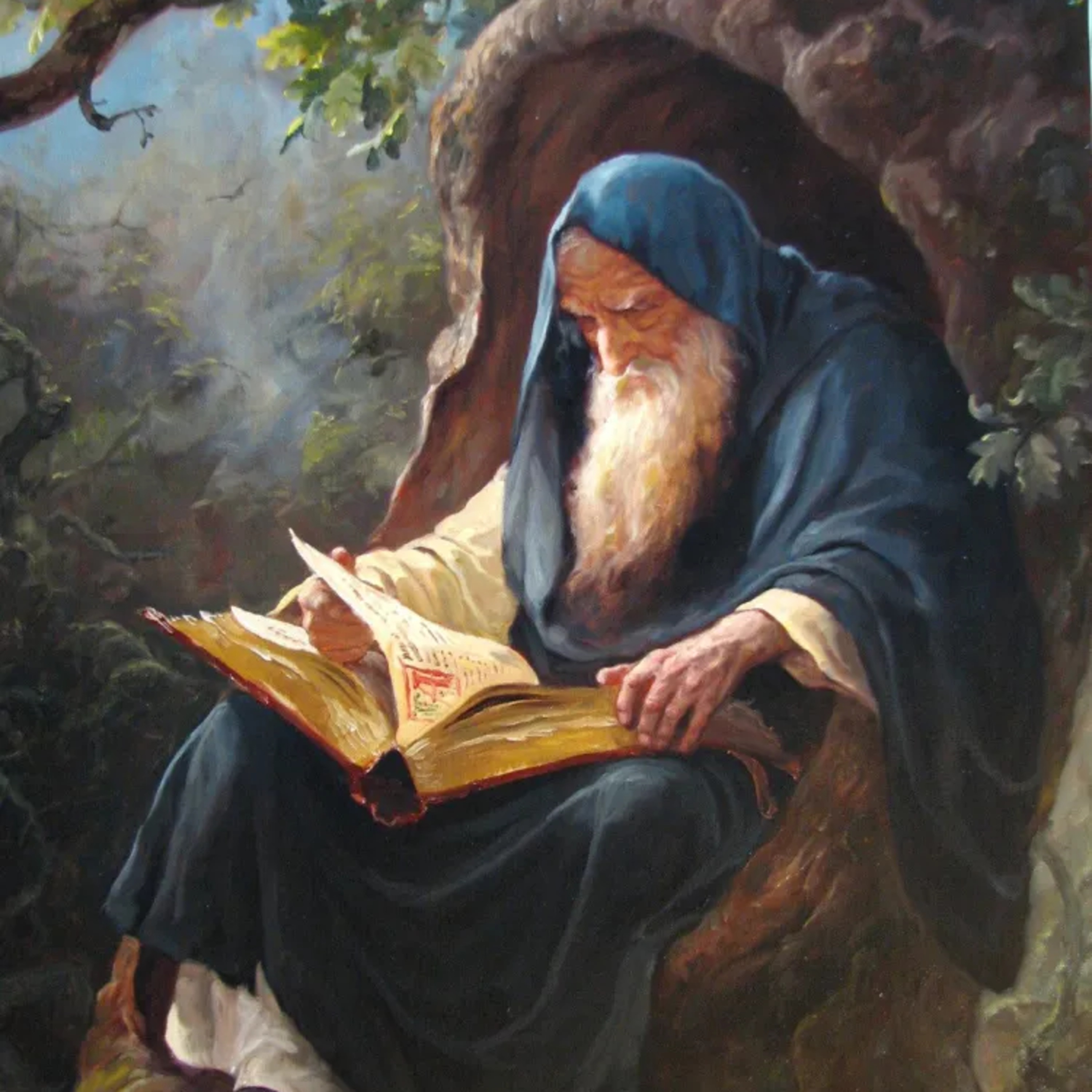 The Psychology of The Wise Old Man | The Wise Old Man or Sage is an archetype that is recognised by almost everyone, be it in stories, games, movies, or everyday life. In myth he is often shown as one living in isolation, meditating and living a simple life deep in a forest, in the mountains, or in other uninhabited places. The Wise Old Man is a lover of wisdom, and uses his experience to guide others. He is portrayed as a mysterious person or a wizard, in contact with nature and the numinous and unseen forces that permeate our existence. The Wise Old man appears as a teacher of wisdom such as King Solomon from the Bible. In Hermeticism, he is Hermes Trismegistus, the fount of all wisdom and the teacher of the mystery of all ages. In China, the sage is Lao Tzu ("old man" or "old master"), the founder of Taoism, while in India there are the sadhus and yogis. In Arthurian Legend he is Merlin, in Nietzsche he appears as the prophet Zarathustra, and in Carl Jung as Philemon. In modern popular fiction we have Yoda, Gandalf and Dumbledore, among others.In the individuation process (the lifelong journey towards psychic wholeness), the archetype of the Wise Old Man is late to emerge, and is therefore seen as an indication of the Self (the total personality).👑 Become a PatronAccess exclusive material and deeper studies—Support the work☕ Buy a coffee💸 PayPal👕 Official Merch—For deeper study📜 Full transcript📚 Personal library💡 eBooks🎨 Artwork archiveStay connected📨 Newsletter✍️ Substack—Elsewhere🐦 X📷 Instagram📘 Facebook━━━━━━━━━━━━━📚 Recommended Reading▶ Jung and Tarot: An Archetypal Journey - Sallie Nicholshttps://amzn.to/3PH7zM2▶ Awakening the Heroes Within - Carol S. Pearsonhttps://amzn.to/3PrjcFw▶ Thus Spoke Zarathustra - Friedrich Nietzschehttps://amzn.to/3rgZuEB▶ The Red Book - Carl Junghttps://amzn.to/48jkuLz▶ C.W. Vol. 9.1: The Archetypes and The Collective Unconscious - Carl Junghttps://amzn.to/45WtxAx🎧 Prefer Audiobooks? Get a 30-day Audible Plus FREE trial: ▶ https://amzn.to/332zPzN━━━━━━━━━━━━━⌛ Timestamps(0:00) Introduction(1:35) The Symbolism of the Desert(3:30) The Hermit and The Wandering Ascetic (5:00) The Wise Old Man Archetype(12:32) Senex and Puer Aeternus(14:47) The Dark Side of The Wise Old Man(18:34) The Wise Old Man and The Hero(19:44) The Dangers of Identifying as The Sage(21:00) The Hermit in Tarot (24:35) The Hermit and The Madman Archetype(27:18) Facing Death in Old Age(28:08) The Forgotten Art of Solitude(32:48) The Sage’s Journey: The Search for Truth(35:20) The Eternal Inner Centre(37:24) The Book of Ecclesiastes: Meaninglessness(38:47) The Truth Shall Set You Free(39:50) Conclusion | — | ||||||
| 8/23/23 | 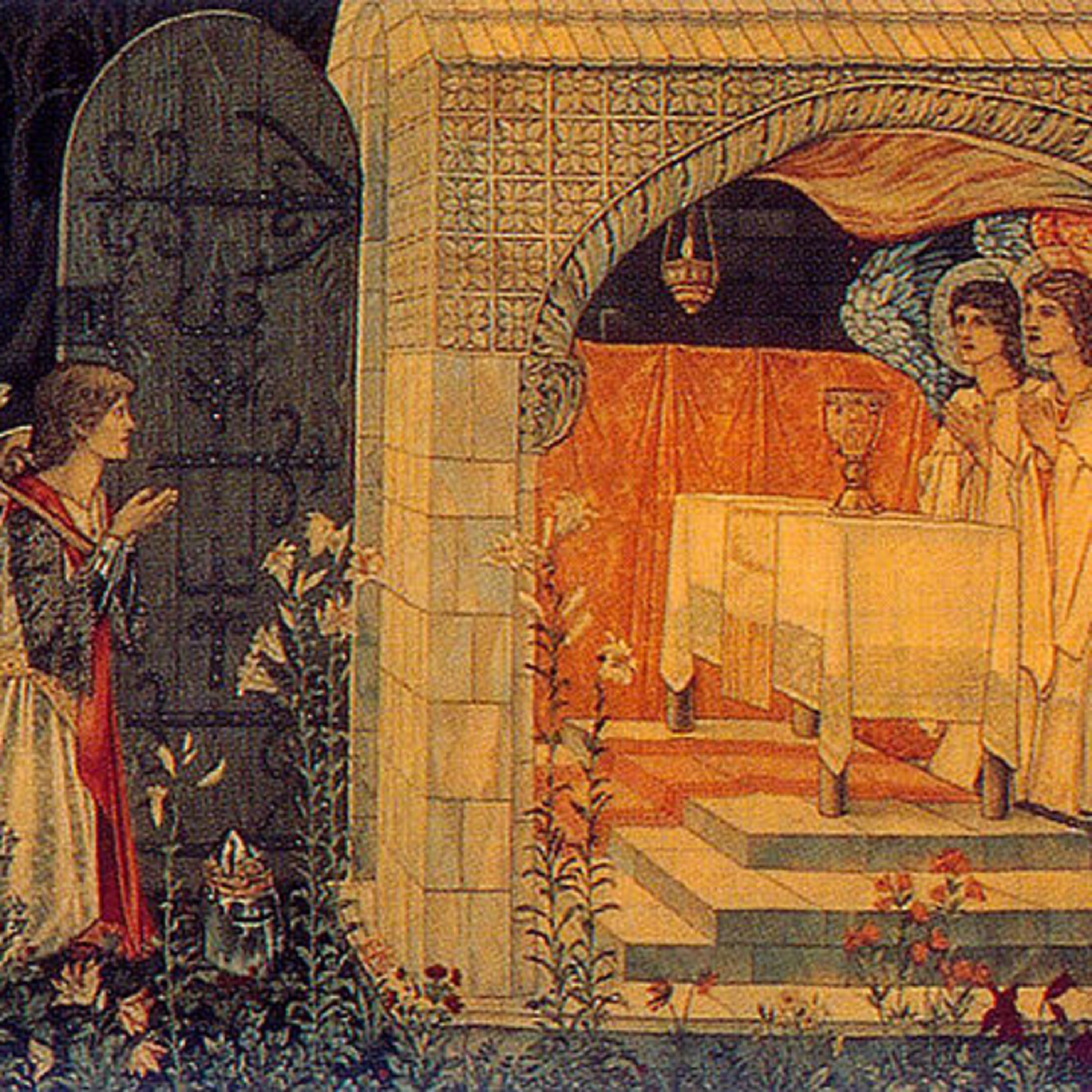 The Quest for the Holy Grail (The Self) | The Quest for the Holy Grail has fascinated the Western consciousness for a long time. It epitomises the true spirit of Western man and is, in many ways, the myth of Western civilisation. It is a perennial and timeless pattern that expresses fundamental concerns of the human condition. The Holy Grail is a mysterious object guarded by a king in a hidden castle. It has been described as a cup, dish, or a magical stone that can provide healing powers, immortality, eternal youth, and unlimited nourishment. It represents the fulfilment of the highest spiritual potentialities in human consciousness, which endows the world with a symbolic and spiritual meaning. The quest for the Holy Grail is always more or less the same, it is the hero’s journey, at the end of which one obtains the “treasure hard to attain.” It is the search for that which makes life most meaningful. Psychologically, the Holy Grail—like the philosophers' stone—is a symbol of the Self, the psychic totality and ultimate wholeness of the human being. The soul which represents the life principle, is that wondrous vessel which is the goal of the quest, whose final secret can never be revealed, but must ever remain hidden because its essence is a mystery.👑 Become a PatronAccess exclusive material and deeper studies—Support the work☕ Buy a coffee💸 PayPal👕 Official Merch—For deeper study📜 Full transcript📚 Personal library💡 eBooks🎨 Artwork archiveStay connected📨 Newsletter✍️ Substack—Elsewhere🐦 X📷 Instagram📘 Facebook━━━━━━━━━━━━━📚 Recommended Reading▶ The Grail Legend - Emma Jung and Marie-Louise von Franzhttps://amzn.to/3KL9Oei▶ Perceval, or the Story of the Grail - Chrétien de Troyeshttps://amzn.to/3YFvm1V▶ Parzival - Wolfram von Eschenbachhttps://amzn.to/3KJgOIK▶ Merlin and the Grail. Trilogy: Joseph of Arimathea, Merlin, Perceval - Robert de Boronhttps://amzn.to/3QI22FS▶ Le Morte d'Arthur - Thomas Maloryhttps://amzn.to/3qICHRB▶ Thou Art That - Joseph Campbellhttps://amzn.to/3P4QWcM▶ Vita Merlini - Geoffrey of Monmouthhttps://amzn.to/449f5TT🎧 Prefer Audiobooks? Get a 30-day Audible Plus FREE trial: ▶ https://amzn.to/332zPzN━━━━━━━━━━━━━⌛ Timestamps(0:00) Introduction (2:44) Perceval and the Grail(9:35) The Continuations of the Grail Legend(10:35) The Grail and The Philosophers’ Stone(13:46) From Grail to Holy Grail(23:17) Holy Grail: The Spirit of Western Man(24:41) The Treasure Hard to Attain(26:10) The Eternally Alone(27:52) The Holy Grail as the Self(29:19) Balancing Light and Dark(33:12) Merlin: The Wise Old Man Archetype(36:53) Conclusion | — | ||||||
| 7/23/23 | 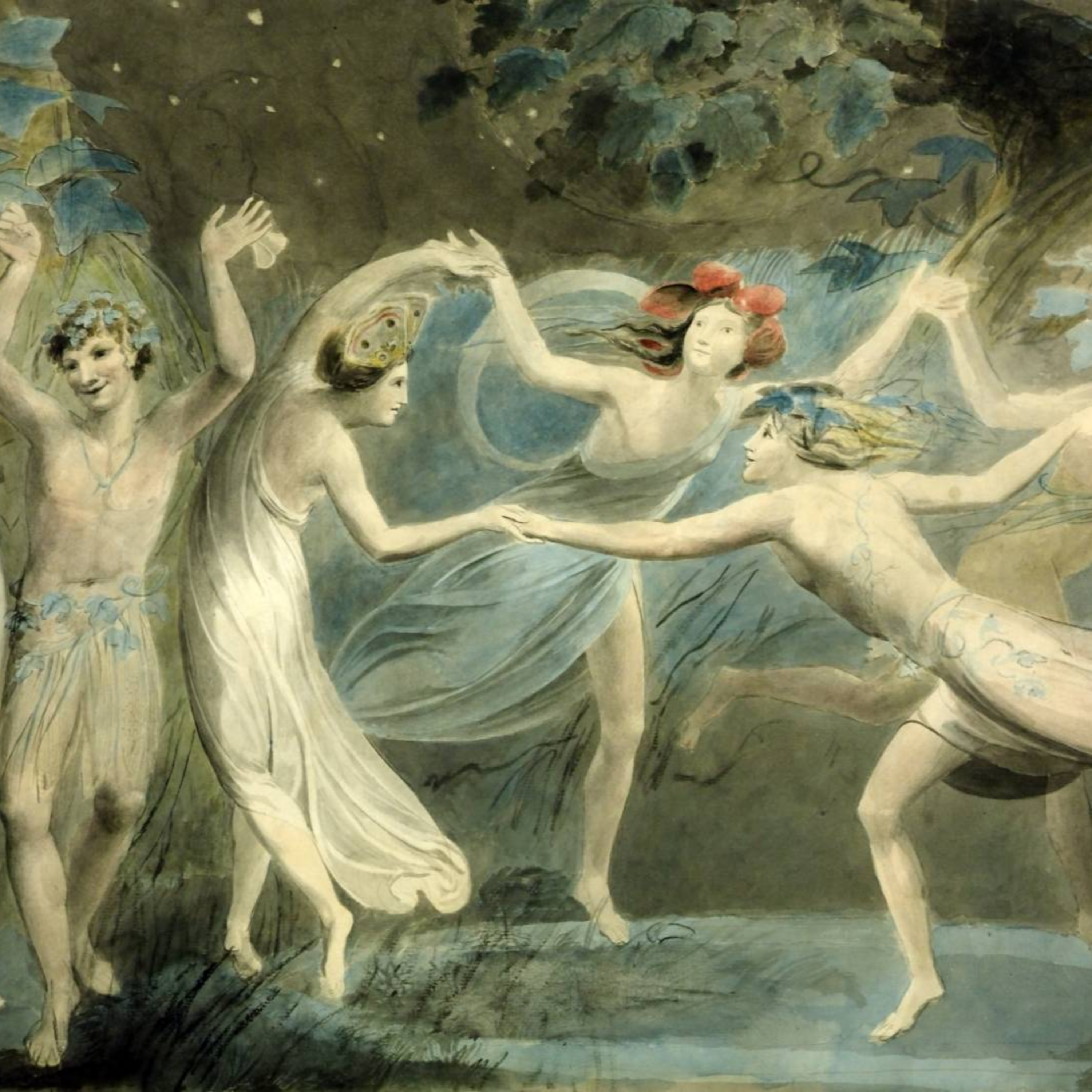 The Psychology of Fairy Tales | Fairy tales fascinate us and give us a sense of warmth and home-coming that comes from the mythical realm of the imagination, a necessary complement to our everyday life. We are fundamentally story-telling creatures, and there is much we can learn by reflecting on the fairy tales heard in childhood. They seem almost magical because they connect us with emotions deeply buried within that cannot find expression in outer life, because as we grow up, the world of imagination is shunned by our peers, considered as unproductive and good for nothing.Fairy tales can provide us with a sense that we are not alone in our life struggles. Humans have faced these struggles in one form or another since the beginning of time, and fairy tales represent this fundamental concern of the human condition. Psychologically, fairy tales reflect our inner landscape, and the characters can represent aspects of our own personalities. Jungian analyst Marie-Louise von Franz writes: "Fairy tales are the purest and simplest expression of collective unconscious psychic processes. Therefore, their value for the scientific investigation of the unconscious exceeds that of all other material. They represent archetypes in their simplest, barest, and most concise form."👑 Become a PatronAccess exclusive material and deeper studies—Support the work☕ Buy a coffee💸 PayPal👕 Official Merch—For deeper study📜 Full transcript📚 Personal library💡 eBooks🎨 Artwork archiveStay connected📨 Newsletter✍️ Substack—Elsewhere🐦 X📷 Instagram📘 Facebook━━━━━━━━━━━━━⌛ Timestamps(0:00) Introduction(3:43) What are Fairy Tales?(8:15) The Origin of Fairy Tales(11:39) Faërie, Fairies and Eucatastrophe(13:00) Fairy Tales and Collective Unconscious(18:19) The Interpretation of Fairy Tales(21:31) Rituals and Archetypal Stories(22:15) The Most Ancient Form of Tale(23:16) Individuation in Fairy Tales(25:14) The Three Feathers(28:42) Interpretation: The Three Feathers(30:39) Rumpelstiltskin(34:05) The Frog King or Iron Henry(37:15) Beauty and The Beast(40:15) Hansel and Gretel(43:06) Sleeping Beauty or Briar Rose(46:42) Conclusion | — | ||||||
| 6/24/23 |  The Psychology of the Devil | The Devil goes by many names: Satan, Lucifer, The Great Beast, Beelzebub, The Prince of Darkness. He is the adversary, the accuser, the tempter, the deceiver, and the one who divides from God. The Devil is incredibly wicked and evil, but also intelligent and witty – he is the father of all tricksters – that is what makes him so dangerous. The English word “devil” derives from the Greek diábolos (“the one who divides”). Diabolic is the term in contemporary English. The Greek verb dia-bollein literally means to tear apart. These divisions occur in almost every facet of our lives: race, sex, religion, politics, and economics. The demonic is an inversion of order.Temptation is the ordinary activity of the devil. It is a real thing for us in each and every day. It begins with deception, buying into the lies of the devil, who promises good, only to deliver evil. The goal of this is to create division or inner conflict in ourselves. In despair, we numb ourselves with pleasure or diversion, which can lead to addiction. Hell is that state of mind which has abandoned itself so completely to a given sin that it cannot act independently of that sin.👑 Become a PatronAccess exclusive material and deeper studies—Support the work☕ Buy a coffee💸 PayPal👕 Official Merch—For deeper study📜 Full transcript📚 Personal library💡 eBooks🎨 Artwork archiveStay connected📨 Newsletter✍️ Substack—Elsewhere🐦 X📷 Instagram📘 Facebook━━━━━━━━━━━━━📚 Recommended Reading▶ Holy Biblehttps://amzn.to/3p3xDGV▶ Answer to Job - Junghttps://amzn.to/3Nfv38P▶ Love and Will – Rollo Mayhttps://amzn.to/3Nen3F4▶ Faust - Goethehttps://amzn.to/44pDdm3▶ Tarot and the Archetypal Journey: The Jungian Path from Darkness to Light - Sallie Nicholshttps://amzn.to/3qSHXSz▶ The Divine Comedy: Inferno; Purgatorio; Paradiso - Dante Alighierihttps://amzn.to/42XEXBu🎧 Prefer Audiobooks? Get a 30-day Audible Plus FREE trial: ▶ https://amzn.to/332zPzN━━━━━━━━━━━━━⌛ Timestamps(0:00) Introduction(1:18) Daimon(2:06) Pan: The God of Panic and Pandemonium(3:24) Scapegoating, Projection, God-Complex(5:38) The Devil: The One Who Divides(7:06) The Characteristics of the Diabolic(9:05) Deals with the Devil(13:30) Archetypes, Ego-Inflation, and Delusion(14:35) The Fall from Paradise (Felix Culpa)(16:52) The Devil and Christ as Lucifer (Morning Star)(20:09) Satan (The Adversary) and Job(23:52) The Ultimate Tragic Story (24:29) The Harrowing of Hell(25:16) Satanism: Evil Disguised as Good(27:02) The Psychological Activities of The Demonic (31:08) Carl Jung on the Devil (Shadow)(33:23) The Devil in The Major Arcana(34:13) The One-Sided Western Image of God(36:50) Summum Bonum: The Highest Good(37:22) Privatio Boni: The Absence of Good(37:56) Deus Absconditus: The Hidden Dark Side of God(39:00) The Apocalypse (Revelation) and Enantiodromia(43:00) Conclusion | — | ||||||
| 5/25/23 | 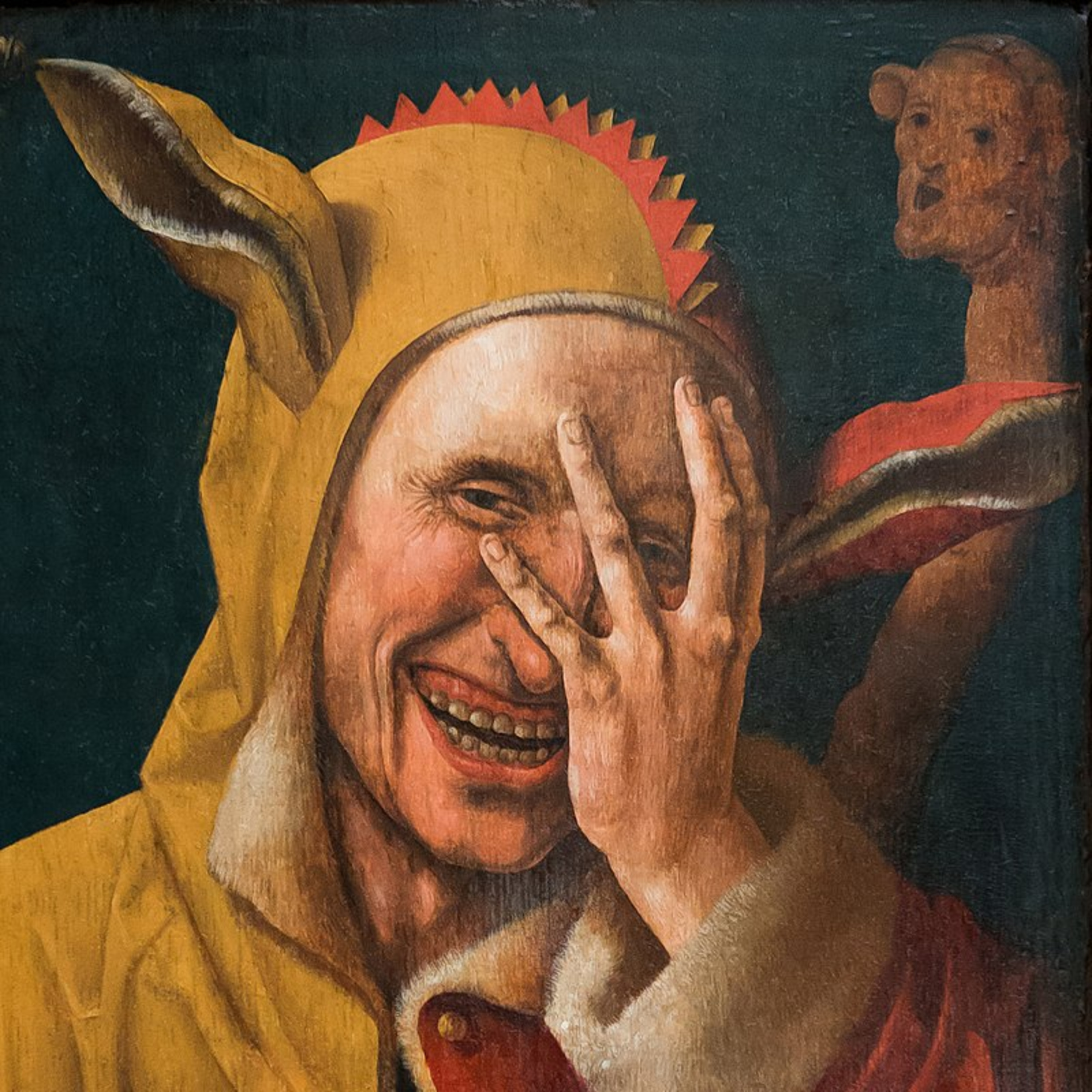 The Psychology of The Fool | The fool is one of the most relatable, intriguing and recurring figures in the world. There have been fools who have caused surprise and laughter since time immemorial. We worship folly by seeing it in people and in the world and by willingly displaying it in ourselves. It is one of the timeless archetypes, which we all inherit at birth.Many of us suffer from the absence of the fool in our lives. Frenetic and upright, we take ourselves too seriously. As William Shakespeare said, “All the world’s a stage, and all the men and women merely players.” Forgetting that playfulness is a basic human need, we wonder why we so easily become bored and exhausted, losing all capacity for spontaneity, authenticity, and passion. The antidote to this would be to give the fool archetype some space in our lives.“The soul demands your folly; not your wisdom.” - Carl Jung👑 Become a PatronAccess exclusive material and deeper studies—Support the work☕ Buy a coffee💸 PayPal👕 Official Merch—For deeper study📜 Full transcript📚 Personal library💡 eBooks🎨 Artwork archiveStay connected📨 Newsletter✍️ Substack—Elsewhere🐦 X📷 Instagram📘 Facebook━━━━━━━━━━━━━📚 Recommended Reading▶ In Praise of Follyhttps://amzn.to/436tosq▶ King Lear https://amzn.to/3IwNkNg▶ He: Understanding Masculine Psychology https://amzn.to/3BLnt0g▶ Don Quixote https://amzn.to/3MKYbp7▶ The Idiot https://amzn.to/43d5I5J▶ Ivan the Fool and Three Shorter Tales for Living Peaceablyhttps://amzn.to/3OpeoBO▶ Tarot and the Archetypal Journey: The Jungian Path from Darkness to Light https://amzn.to/45jCKms▶ The Complete Grimms' Fairy Tales https://amzn.to/3MCUHE8🎧 Prefer Audiobooks? Get a 30-day Audible Plus FREE trial: ▶ https://amzn.to/332zPzN━━━━━━━━━━━━━⌛ Timestamps(0:00) Introduction(2:00) In Praise of Folly(3:45) The Wise Fool (5:15) The Fool as Truth-Teller(6:24) Fool, Clown and Trickster(10:24) The Medieval Court Jester(13:54) The Shakespearean Fool(14:38) Parsifal: The Quest for The Holy Grail(17:47) Don Quixote (20:02) Dostoevsky’s The Idiot(22:17) The Fool as Hero(22:54) Ivan The Fool(24:50) The Fool’s Journey (Tarot)(27:57) The Number Zero in The Fool(29:32) Symbolic Transformations of The Fool in Tarot(31:42) The Fool: Precursor to Transformation(34:44) The Dark Side of The Fool(36:04) The Fool and the Child Archetype(36:45) The Fool: The Inferior Function(38:08) The Holy Fool | — | ||||||
Showing 25 of 110
Pitch Fit is a Pro feature
See how bookable this show is for guests, which brands already advertise, the per-episode ad value, and the best-fit guest and sponsor profile. The numbers are blurred on the free plan.
How readily this show books outside guests like you.
How proven this show is for host-read sponsorships.
For Guests
ProFor Advertisers
ProUpgrade to Pro to unlock guest cadence, sponsor categories, fit scores, and per-episode ad value for this show.