

Insights from recent episode analysis
Audience Interest
Podcast Focus
Publishing Consistency
Platform Reach
Insights are generated by CastFox AI using publicly available data, episode content, and proprietary models.
Most discussed topics
Brands & references
Total monthly reach
Estimated from 1 chart position in 1 market.
By chart position
- 🇫🇮FI · Business#523K to 10K
- Per-Episode Audience
Est. listeners per new episode within ~30 days
900 to 3K🎙 Daily cadence·722 episodes·Last published yesterday - Monthly Reach
Unique listeners across all episodes (30 days)
3K to 10K🇫🇮100% - Active Followers
Loyal subscribers who consistently listen
1.2K to 4K
Market Insights
Platform Distribution
Reach across major podcast platforms, updated hourly
Total Followers
—
Total Plays
—
Total Reviews
—
* Data sourced directly from platform APIs and aggregated hourly across all major podcast directories.
On the show
From 26 epsHosts
Recent guests
Recent episodes
Cynthia Hansen (Innovation Foundation): 4 lessons from scaling social innovation
Jun 24, 2026
Unknown duration
Will Bennett (Seedcamp): $320M raise and backing founders to go global from day one
Jun 22, 2026
Unknown duration
This Week in European Tech: Europe's next trillion-dollar company won't look obvious
Jun 21, 2026
Unknown duration
Ramzi Rizk (WIP Capital): The alpha is in sci-fi, not SaaS
Jun 19, 2026
Unknown duration
Jaap Vriesendorp (Marktlink Capital): The playbook of one of Europe's most active VC LPs
Jun 18, 2026
Unknown duration
Social Links & Contact
Official channels & resources
Official Website
Login
RSS Feed
Login
| Date | Episode | Topics | Guests | Brands | Places | Keywords | Sponsor | Length | |
|---|---|---|---|---|---|---|---|---|---|
| 6/24/26 | 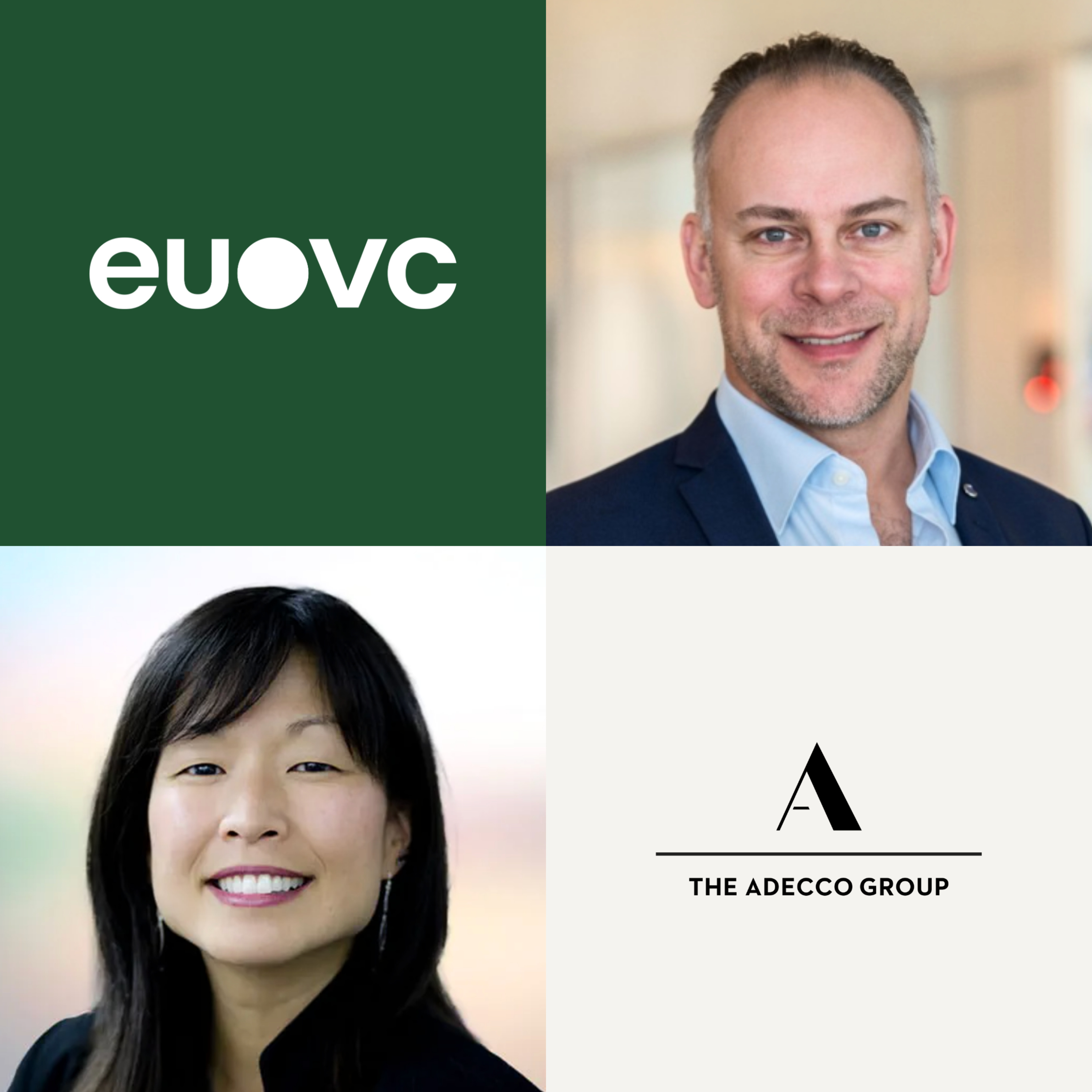 Cynthia Hansen (Innovation Foundation): 4 lessons from scaling social innovation | Most innovation programmes start with reasonable assumptions. The challenge is that reality often proves them wrong.In this episode, Andreas Munk Holm and Jeppe Høier speak with Cynthia Hansen, Managing Director of The Innovation Foundation, empowered by the Adecco Group, about four lessons learned from building and scaling employment solutions for people often excluded from the labour market.Cynthia shares how her team moved from designing programmes around demographics to designing around trends, why technology became central rather than supportive and what it takes to build venture teams capable of creating scalable social impact inside a large organisation.The conversation also explores the evolution of the Foundation's Scan, Build, Scale methodology, the challenge of finding people who can operate across business and social impact and how Foundry is helping create the next generation of innovation talent.Highlights Why designing around demographics led to repeating patternsHow trend-based innovation changed the team's approachThe evolution of the Scan, Build, Scale frameworkWhy technology became essential to scaling impactThe challenge of finding the right venture buildersHow Foundry is creating a pipeline of innovation talentWhat corporate innovators can learn about designing for scaleWhy scale should be built into a solution from day oneTimestamps(00:00) Introduction(02:00) What The Innovation Foundation does and why Adecco created it(03:00) Learning 1: Why demographics were the wrong place to start(08:00) Moving from audiences to trends(10:00) How the team identifies emerging labour market shifts(14:00) Learning 2: The Scan, Build, Scale framework(18:00) The challenge of finding the right venture builders(20:00) Introducing Foundry(23:00) Learning 3: Why technology became central(26:00) Technology, scale and the digital divide(29:00) Measuring impact beyond reach and job placement(31:00) The flywheel behind scaling social innovation(35:00) Learning 4: Building the right teams(38:00) What entrepreneurs can learn about working with corporates(39:00) Closing thoughtsSubscribe to EUVC, the home of European tech, for more insights. | — | ||||||
| 6/22/26 | 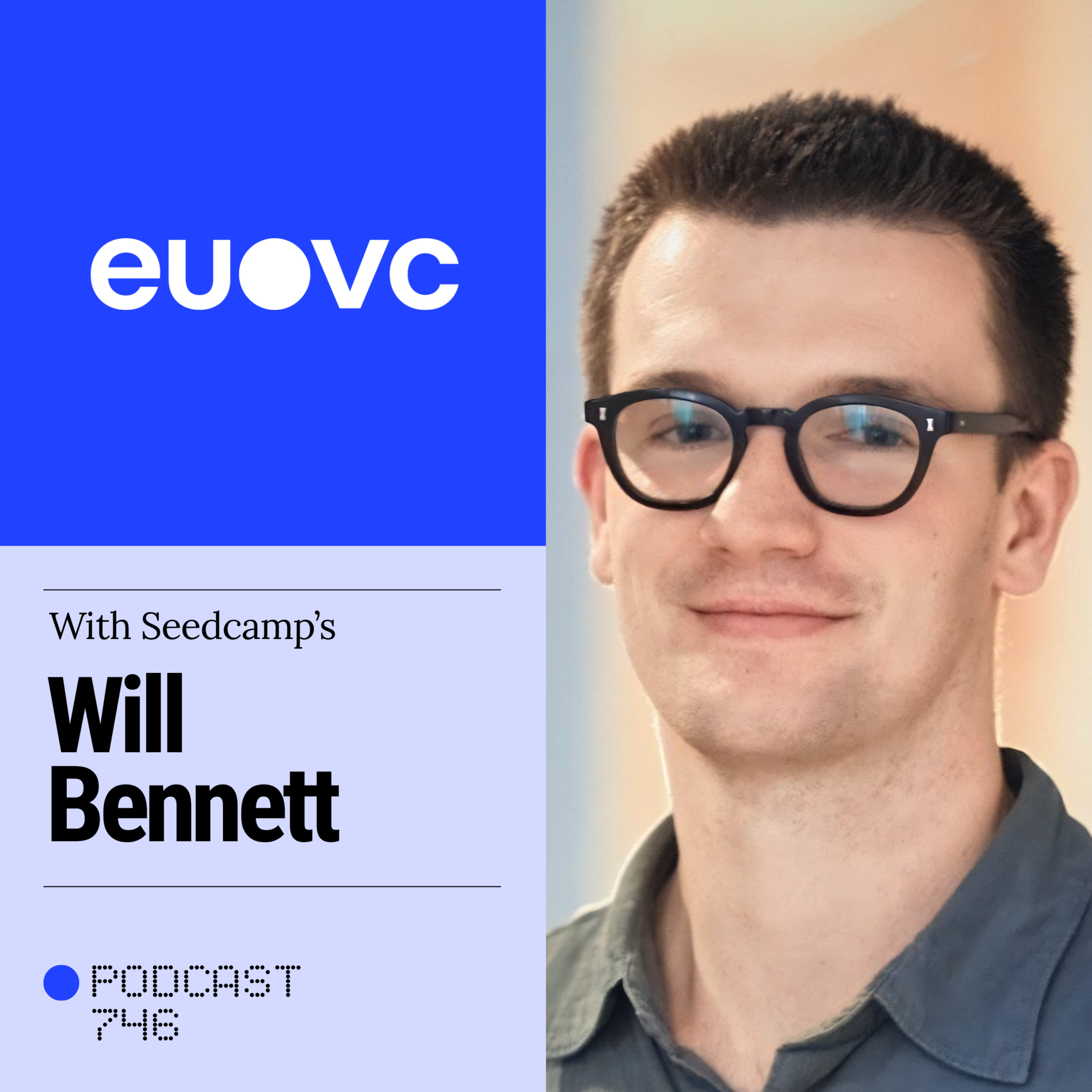 Will Bennett (Seedcamp): $320M raise and backing founders to go global from day one | Europe's best founders are no longer building for Europe first and the US later. They're building global companies from day one.In this episode, Andreas Munk Holm speaks with Seedcamp Principal Will Bennett as Seedcamp announces a new $320 million fund, split between a $220 million Core fund and a $100 million Select fund.Will explains why Seedcamp is expanding its US presence, how its transatlantic bridge helps founders access customers, talent and capital earlier and why the firm's conviction remains centred on backing exceptional founders before the company or category is obvious.The conversation also explores how AI is intersecting with science and the physical world, what excites Seedcamp about the next generation of startups and how venture is evolving after nearly two decades of investing.Disclosure: EUVC is a small LP in Seedcamp's latest fund and has also invested in previous Seedcamp funds.Key highlightsWhy Europe's best founders are building global companies from day oneThe strategy behind Seedcamp's $320 million fund raiseHow the transatlantic bridge helps founders access customers, talent and capital earlierWhy Seedcamp backs founders before the company or category is obviousHow AI is intersecting with science and the physical worldTimestamps(00:00) Introduction and Seedcamp's $320 million fund raise(01:00) Why Seedcamp launched a dedicated Select fund(03:00) Supporting founders beyond the first cheque(05:00) Venture's next frontier(06:00) AI, science and the physical world(11:00) Valuations, competition and the current market(17:00) Why Seedcamp is building a transatlantic bridge(18:00) Helping European founders win in the US(19:00) Building global companies from day one(21:00) Why pre-seed investors should avoid rigid theses(24:00) Closing thoughtsSubscribe to EUVC, the home of European tech, for more insights. | — | ||||||
| 6/21/26 |  This Week in European Tech: Europe's next trillion-dollar company won't look obvious | Europe already produces world-class technology companies. The mistake is assuming future winners will look obvious before they become winners.In this episode of This Week in European Tech, Dan Bowyer and Mads Jensen of SuperSeed speak with Joe Schorge, Founder and Managing Partner at Isomer Capital, about why the best investors focus less on predicting outliers and more on building exposure to exceptional founders, technologies and ecosystems.Joe shares why Europe's next trillion-dollar company is probably already operating today, what Amazon and Google teach us about identifying future winners and why diversification remains one of the most powerful tools in venture capital.The conversation also covers AI sovereignty, Anthropic's model shutdown, DeepSeek's $7 billion round, Mistral's latest raise and Europe's position in the global AI race.Key highlights:Why Europe's next trillion-dollar company probably already existsWhy future winners rarely look obvious early onThe LP case for backing ecosystems instead of chasing predictionsLessons from Amazon and GoogleWhy Europe already produces world-class technology companiesWhy tech sovereignty depends on world-class productsDeepSeek, Mistral and the future of AI infrastructureWhether Europe can compete with the US and China in frontier technologyTimestamps(00:00) Introduction(05:00) Why Accenture matters for the future of AI adoption(12:00) Anthropic's model shutdown and AI sovereignty(15:00) Why tech sovereignty is creating opportunities for European startups(20:00) AI alliances, geopolitics and Europe's position(26:00) DeepSeek's $7 billion funding round(31:00) Mistral's next chapter and Europe's AI ambitions(35:00) Can Europe build a trillion-dollar technology company?(38:00) Why future winners rarely look obvious(40:00) Europe's world-class technology companies(41:00) Isar Aerospace and European winners(42:00) European tech deal of the week(43:00) The week ahead in AI and ventureLearn more about the Love Tomorrow Summit and the programmes EUVC is curating, and secure your tickets here. | — | ||||||
| 6/19/26 | 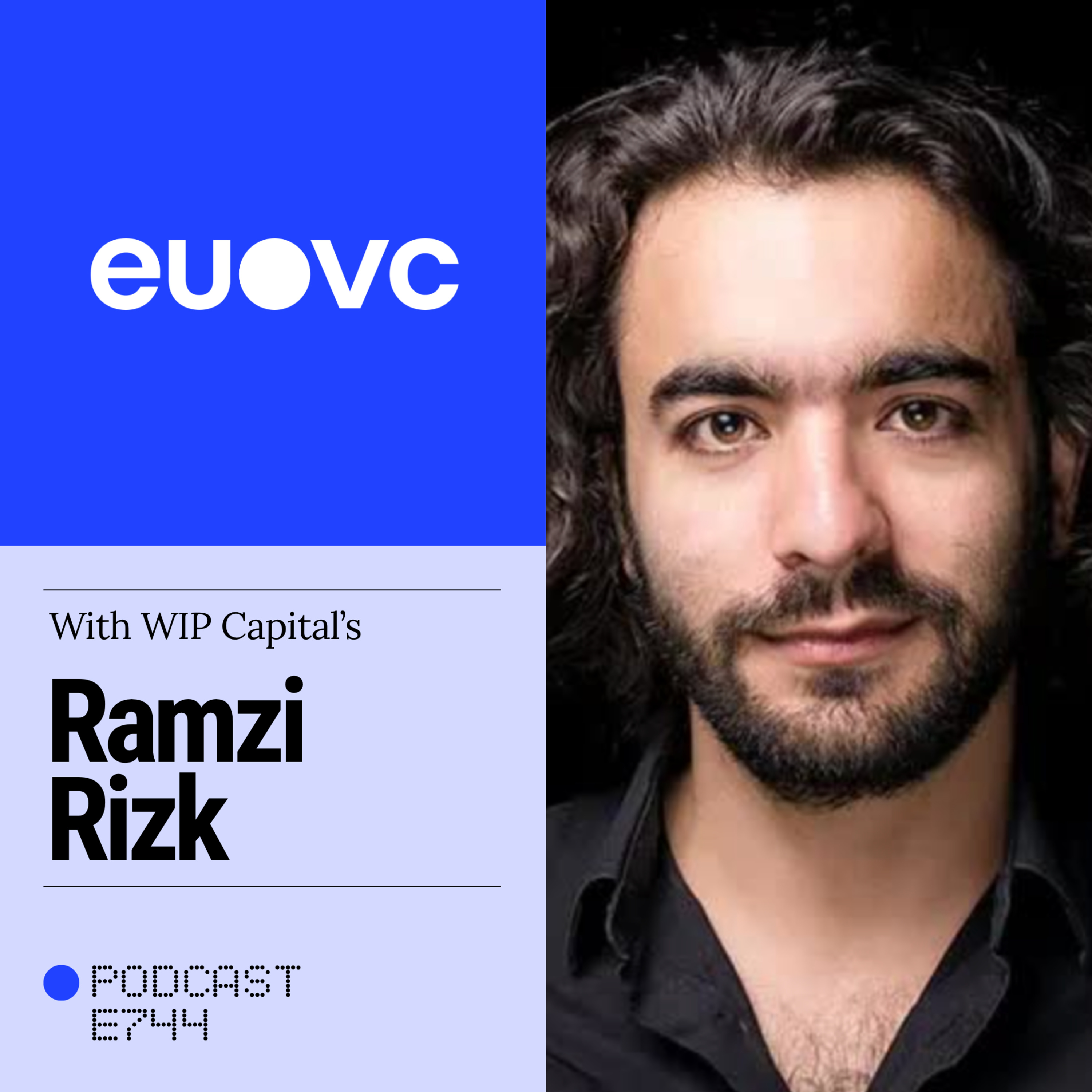 Ramzi Rizk (WIP Capital): The alpha is in sci-fi, not SaaS | The next generation of great founders will be scientists and engineers.That's the argument of Ramzi Rizk, General Partner at WIP Capital, a €10 million solo-GP fund backing scientists and engineers at the intersection of bio, neuro and foundational AI.In this episode, Andreas Munk Holm speaks with Ramzi about why the biggest opportunities in venture are moving beyond SaaS, how AI is accelerating scientific discovery and why founders with deep technical expertise may have an advantage in building the next generation of category-defining companies.The conversation explores Ramzi's recent visit to the Asilomar neurotechnology conference, Europe's opportunity in deep science, the idea that the natural world is becoming computable and the lessons he's learned from building companies, making more than 60 angel investments and launching WIP Capital.Topics coveredWhy the next generation of founders will be scientists and engineersWhy the alpha is in sci-fi, not SaaSLessons from the Asilomar neurotechnology conferenceEurope's opportunity in deep science and researchWhy the natural world is becoming computableHow AI is accelerating scientific discoveryWhat Ramzi looks for in technical foundersBuilding WIP Capital as a solo GPTimestamps(02:00) Introduction and Ramzi Rizk's background(04:00) Inside the Asilomar neurotechnology conference(09:00) Europe's opportunity in deep science(11:00) Why Ramzi backs scientists and engineers(16:00) What makes a great technical founder(19:00) Commercialising scientific research(23:00) Why the natural world is becoming computable(25:00) Bio, neuro and the next wave of AI innovation(27:00) Why the best investors follow patterns, not sectors(29:00) Building WIP Capital as a solo GP(31:00) Why deep tech may move faster than investors think(33:00) The future Ramzi wants to help buildLearn more about the Love Tomorrow Summit and the programmes EUVC is curating, and secure your tickets here. | — | ||||||
| 6/18/26 | 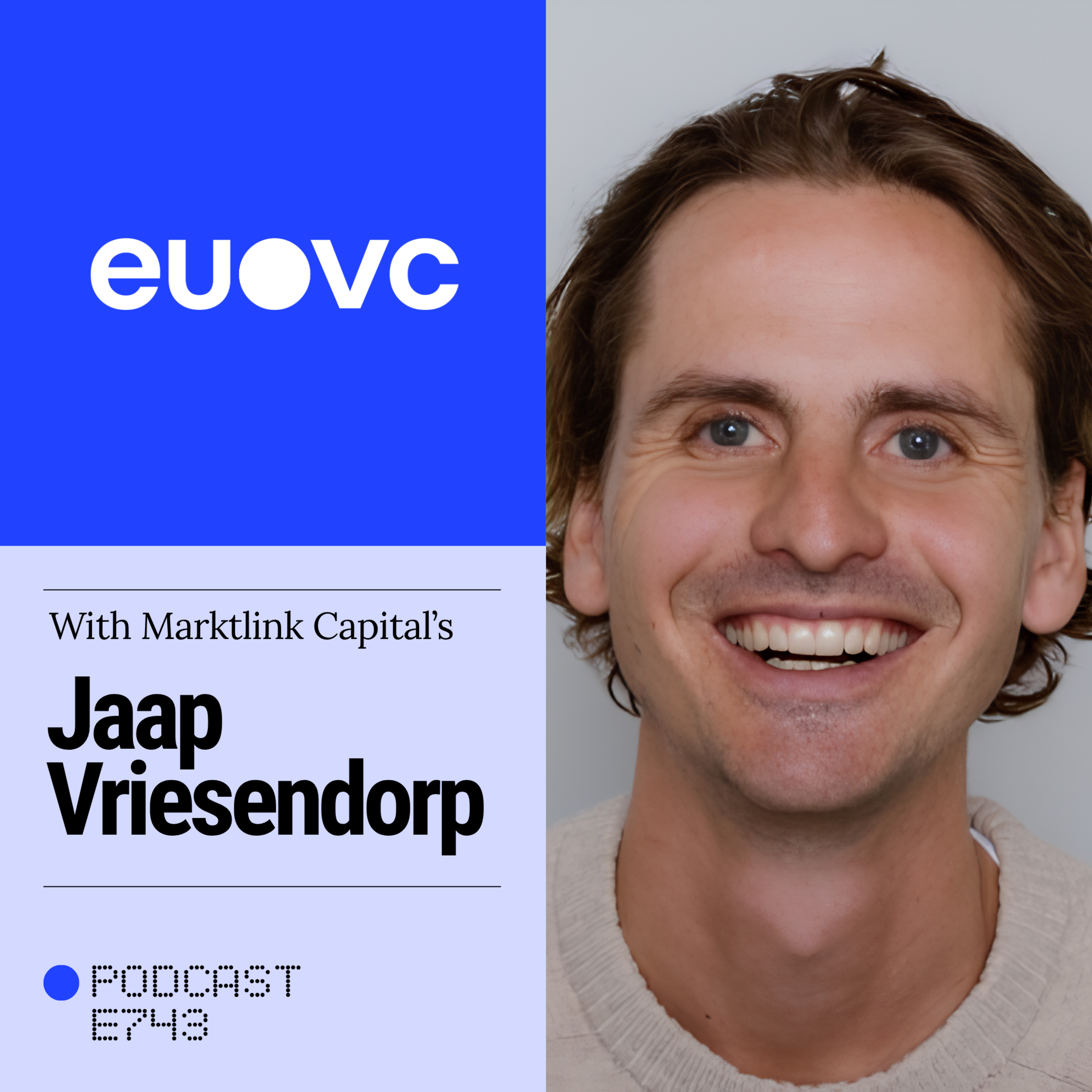 Jaap Vriesendorp (Marktlink Capital): The playbook of one of Europe's most active VC LPs | Europe's challenge isn't a lack of entrepreneurs. It's making sure enough capital reaches them.In this episode, David Cruz e Silva speaks with Jaap Vriesendorp, Managing Partner at Marktlink Capital, one of Europe's most active LPs in venture capital, about why backing European innovation matters, how to build a resilient venture portfolio and what separates the best fund managers from the rest.Jaap shares the thinking behind Marktlink's venture strategy, from vintage diversification and secondaries to manager selection and portfolio construction. He also explains why scale matters in private markets, how the firm uses data science and AI in its investment process and why many LPs make the mistake of running out of capital for their best-performing managers.The conversation also covers emerging managers, long-term capital formation and why Europe deserves more credit as a venture ecosystem.Key highlights:Why European entrepreneurs should back European entrepreneursHow one of Europe's most active VC LPs approaches venture investingThe role of primaries, secondaries and vintage diversificationWhat Jaap looks for in emerging managersWhy scale matters in private marketsHow data science and AI support investment decisionsThe biggest mistakes fund-of-funds investors makeWhy long-term capital is critical to venture successTimestamps:(00:00) Why Europe needs more capital flowing into innovation(02:00) Introduction and Jaap Vriesendorp's background(05:00) From McKinsey to launching a venture fund-of-funds(08:00) The merger that created Marktlink Capital(10:00) Building a platform backed by entrepreneurs(14:00) Why scale matters in private markets(17:00) Product strategy across venture, private equity, co-investments and private credit(23:00) How Marktlink uses data science and AI in investing(29:00) Marktlink's venture investment strategy(30:00) Vintage diversification, primaries and secondaries(33:00) Why annual funds help secure long-term LP capital(37:00) What Marktlink looks for in emerging venture managers(40:00) Why Europe deserves more credit as a venture ecosystemFurther listening:E347: The $26B CIO Who Turned Superforecasting Into Alpha - How I Invest with David WeisburdLearn more about the Love Tomorrow Summit and the programmes EUVC is curating, and secure your tickets here. | — | ||||||
| 6/12/26 | Quantum's ChatGPT moment is coming✨ | quantum computingcommercial adoption+4 | Andrew J. ScottCallum Stewart | SuperSeed7percent Ventures+3 | EuropeBritain | quantum computingcommercial adoption+5 | — | 1h 11m 17s | |
| 6/10/26 | 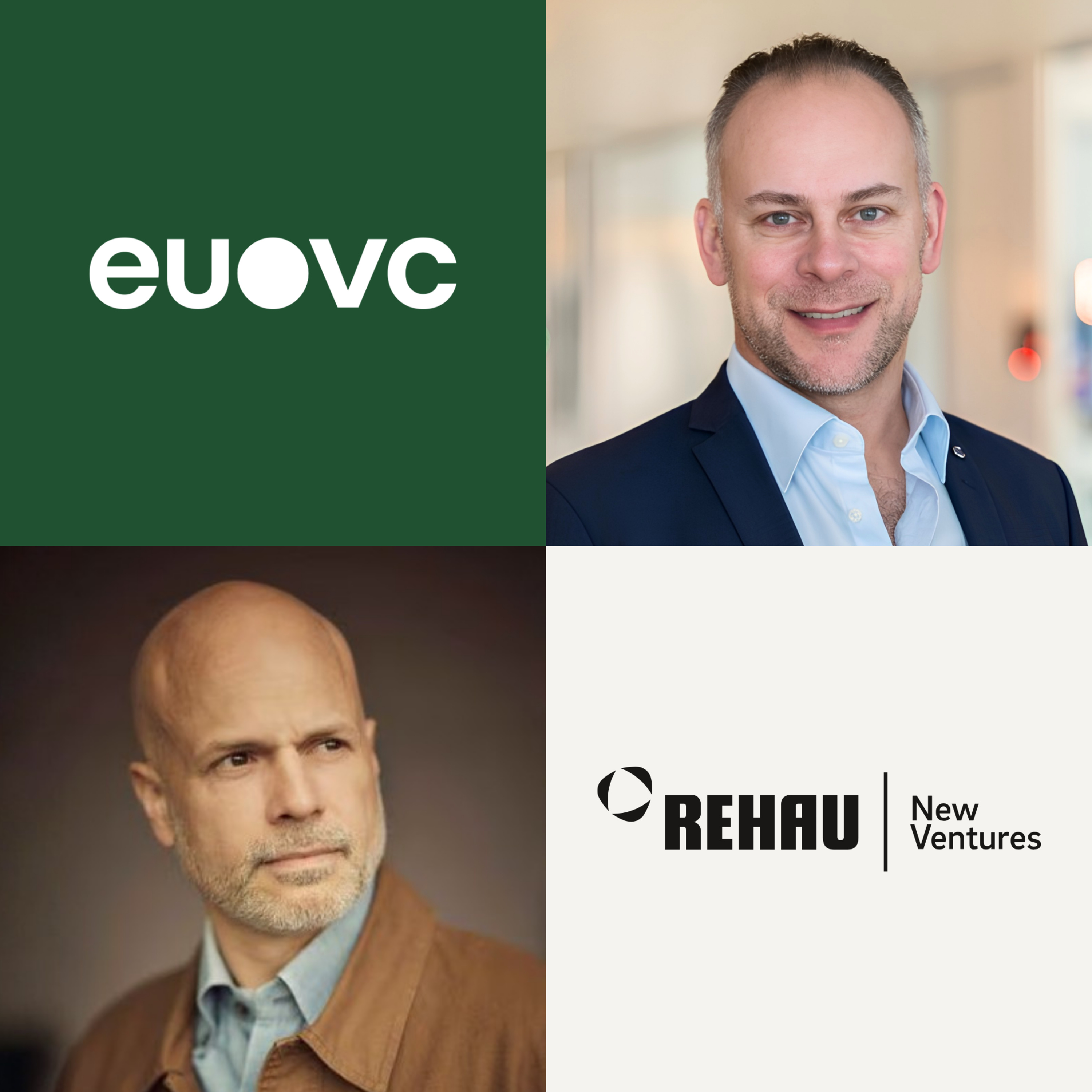 REHAU's AI rollout: AI Academy, AI Factory and enterprise adoption✨ | AI adoptioncorporate venturing+4 | Nils Wagner | REHAU New VenturesREHAU Group+1 | — | AI toolsadoption+5 | — | 35m 09s | |
| 6/10/26 | Nils Wagner (REHAU New Ventures): REHAU's AI rollout, from AI Academy to AI Factory | Most companies have access to AI tools. Far fewer have figured out how to drive adoption across an entire organisation.In this episode, Andreas Munk Holm and Jeppe Høier are joined by Nils Wagner, CEO of REHAU New Ventures, the corporate venturing unit of the REHAU Group, and a third-generation member of the Wagner family behind REHAU.Nils shares how REHAU built a secure AI platform, launched an AI Academy and AI Factory, reached 10% adoption within months and is targeting 50% by year-end. He also explains why the company moved from venture building to venture clienting and what other corporates can learn from the experience.Key topics Scaling AI adoption across a large industrial organisationBuilding a secure platform with access to multiple LLMs and company dataThe AI Academy and AI Factory modelReal-world AI use cases, including a touchless invoice workflow with 94% automation ratesWhy most corporates struggle with AI implementationLessons from REHAU's shift from venture building to venture clientingTimestamps(00:00) Why corporates struggle with AI adoption(02:00) Introducing Nils Wagner and REHAU New Ventures(06:00) Why REHAU started with venture building(15:00) The move to venture clienting(18:00) What makes venture clienting work(25:00) Why REHAU prioritised AI(27:00) Building REHAU's AI platform(28:00) The AI Academy approach(30:00) The AI Factory and workflow automation(31:00) AI use cases across REHAU(31:30) The touchless invoice project(33:00) Lessons for corporates implementing AI(34:00) The future of enterprise AISubscribe to EUVC, the home of European tech, for more insights. | — | ||||||
| 6/8/26 |  Europe's Palantir problem, AI sovereignty & the rise of venture secondaries✨ | AI sovereigntyventure secondaries+5 | Mads JensenMatt Russell | SuperSeedVenCap International+4 | Europe | AI sovereigntyventure capital+8 | — | 56m 03s | |
| 6/8/26 | This Week in European Tech: Europe's Palantir problem, AI sovereignty & rise of venture secondaries | Europe wants AI sovereignty. But can it reduce its dependence on foreign technology without sacrificing innovation, capability and competitiveness?In this episode of This Week in European Tech, Dan Bowyer and Mads Jensen of SuperSeed are joined by Matt Russell, Managing Director (Head of Secondaries) at VenCap International, to discuss Europe's growing sovereignty push, the debate around Palantir, the future of venture secondaries, enterprise AI adoption and the latest developments from Anthropic, SpaceX and OpenAI.The conversation explores why venture secondaries may be entering a new phase of growth, why some of the best-performing secondary investments are bought at premiums rather than discounts and what Europe's path to sovereign AI infrastructure could look like.Topics covered:Europe's AI and cloud sovereignty challengeThe Palantir debate and the risks of vendor lock-inWhy venture secondaries could become a much larger marketThe biggest misconceptions about secondary investingEnterprise AI adoption and the challenge of measuring ROIAnthropic, SpaceX and the next generation of AI mega-companiesOpenAI and the future of AI regulationWhether Europe can build sovereign AI infrastructureWhy AI may ultimately be a productivity and margin storyTimestamps(00:00) Introduction and the rise of venture secondaries(01:00) Why liquidity is becoming venture capital’s biggest theme(05:00) Europe’s sovereignty push and the Cloud & AI Development Act(12:00) Sovereign cloud, AI infrastructure and the search for European champions(18:00) The Palantir debate: dependency, lock-in and strategic control(24:00) Enterprise AI adoption, experimentation and proving ROI(31:00) Anthropic, SpaceX and the next wave of mega-cap technology companies(38:00) AI regulation, liability and the OpenAI lawsuit(42:00) Predictions: Europe’s two-tier AI future(47:00) Deal of the week: defence tech, Gigaton and autonomous systems(50:00) What’s next: Apple, the ECB and the SpaceX IPO(55:00) Closing remarksSubscribe to EUVC, the home of European tech, for more insights: https://www.eu.vc/subscribe | — | ||||||
Want analysis for the episodes below?Free for Pro Submit a request, we'll have your selected episodes analyzed within an hour. Free, at no cost to you, for Pro users. | |||||||||
| 6/4/26 | 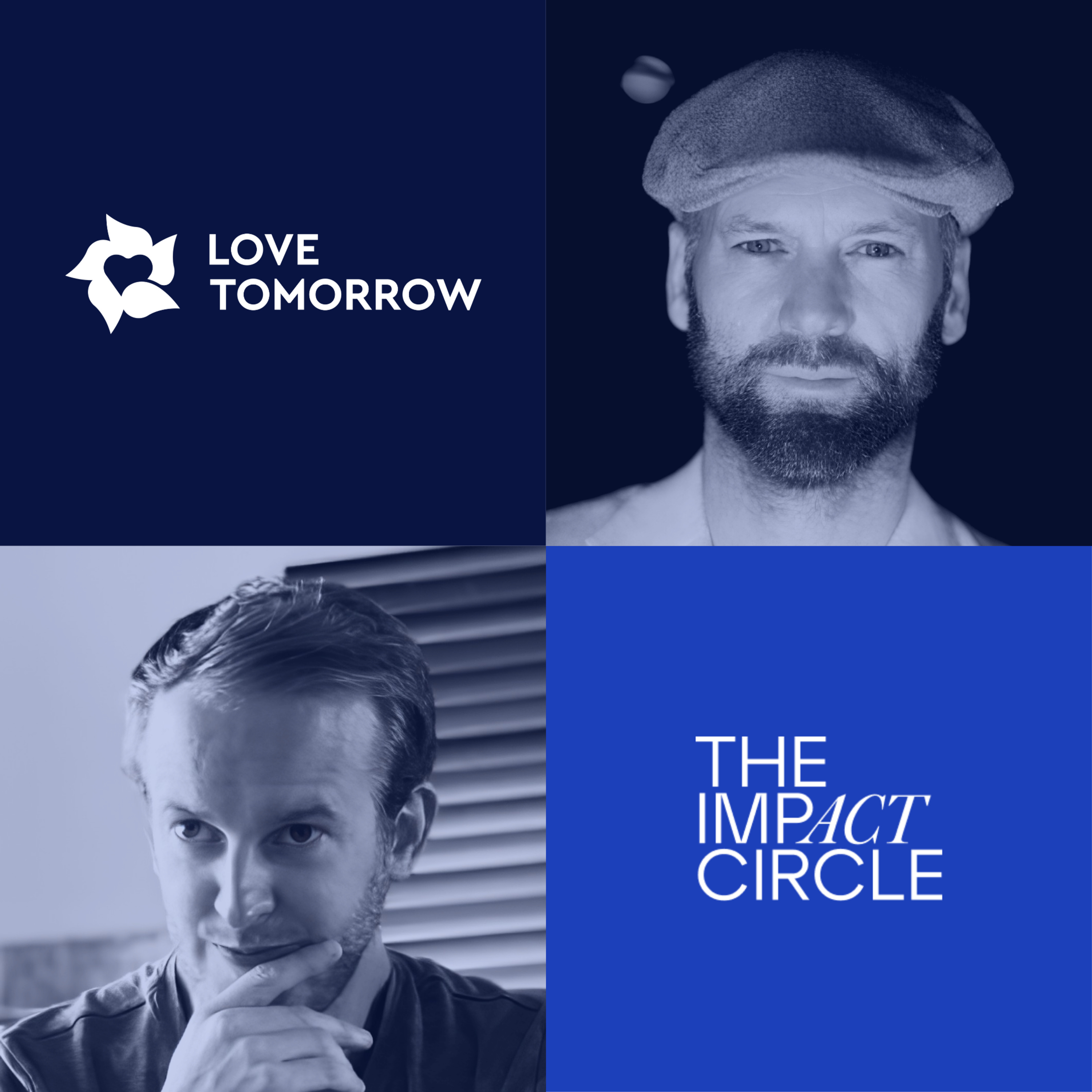 From festival to innovation platform: The story behind Love Tomorrow & The Impact Circle✨ | sustainabilityinnovation+4 | Joris BeckersMats Raes | Love TomorrowThe Impact Circle+2 | — | TomorrowlandLove Tomorrow+6 | — | 30m 52s | |
| 6/4/26 | Joris Beckers (Love Tomorrow) & Mats Raes (Love Tomorrow/The Impact Circle): Festival to innovation | Tomorrowland is one of Europe's best-known festivals.Less known is that it quietly helped create one of Europe's most interesting corporate-startup matchmaking platforms.In this episode, Andreas Munk Holm speaks with Joris Beckers, Co-Founder of Love Tomorrow, and Mats Raes, Event Director of Love Tomorrow and The Impact Circle, about how a sustainability initiative evolved into an open innovation platform connecting startups, corporates, investors and public institutions.The conversation starts with a simple idea: Tomorrowland is not just a festival. It is a temporary city of more than 75,000 people per day, facing many of the same challenges as any major city, from energy and water to waste, mobility and logistics.That insight led to Love Tomorrow, Tomorrowland's official sustainability and innovation platform. As startups, corporates and public institutions increasingly began using the festival as a real-world testing ground for innovation, one challenge remained: connecting promising technologies with customers, deployment partners and smart capital.The result was The Impact Circle, Europe's exclusive innovation network for impactful entrepreneurship. Through challenge-led collaboration, curated startup selection and partnerships including the European Innovation Council's Corporate Partnership Programme, The Impact Circle brings together startups, corporates, investors and public institutions around shared innovation challenges.Joris and Mats explain how Tomorrowland became a stress test for innovation, why corporates increasingly engage as deployment partners rather than sponsors, and how The Impact Circle helps move innovation from pilot projects to real-world adoption.Key highlightsWhy Tomorrowland describes itself as a "hyper-compressed city"How Love Tomorrow evolved from a sustainability initiative into an open innovation platformWhy startups need real-world testing environmentsHow innovation is stress-tested in real-world conditionsWhy corporates increasingly act as deployment partnersThe role of venture clienting in startup growthWhy "smart capital" led to the creation of The Impact CircleThe Impact Circle's partnership with the European Innovation CouncilHow curated ecosystems improve innovation adoptionWhat investors, founders and corporates can expect from Love Tomorrow Summit and The Impact CircleTimestamps(00:00) Introduction(01:00) From Tomorrowland to Love Tomorrow(06:40) The "hyper-compressed city" thesis(11:00) Why startups need real-world testing environments(13:20) Why The Impact Circle was created(16:40) How The Impact Circle works(20:30) Venture clienting, corporates and startup deployment(23:20) Love Tomorrow Summit vs The Impact Circle(24:00) What makes Tomorrowland different from traditional conferences(26:20) Who should attend and why(28:30) Final thoughtsMore informationLove Tomorrow Summit takes place on 23 July 2026 at Tomorrowland's iconic grounds in Boom, Belgium. The Summit unites the brightest minds — thinkers, entrepreneurs, music artists and leaders — to explore the future of intelligence, and what it asks of humans, organisations and society. With 80+ speakers and artists, the programme combines keynotes, networking, music, entertainment and a magical evening show.On July 23, EUVC is curating the investment stage at Love Tomorrow Summit, including 90 minutes of investor-focused keynotes on the Rose Garden Stage. On July 24, EUVC will host a dedicated investor programme at The Impact Circle Investor Lounge.Get your tickets here.#EUVC #VC #VentureCapital #Investing #TheEuropeanVC #Podcast #Tech #Startup | — | ||||||
| 6/2/26 |  Episode #2: Consumer Tech Napkin | Building moats in consumer tech✨ | consumer technologydefensibility+4 | Renato CirciRafaël Michali+1 | SavaTrue | — | moatsAI+8 | — | 44m 42s | |
| 5/29/26 |  The AI jobs panic might be wrong✨ | AI and employmentjunior hiring+5 | Dan BowyerMads Jensen | SuperSeedAnthropic+2 | UK | AI jobsjunior hiring+6 | — | 53m 20s | |
| 5/29/26 | This Week in European Tech: The AI jobs panic might be wrong | Everyone says AI is taking jobs. The data says something more complicated.In this episode of This Week in European Tech, Dan Bowyer and Mads Jensen of SuperSeed unpack the growing panic around AI-driven job losses, why junior hiring is falling across many industries and whether AI is actually the culprit.They explore new research suggesting remote work may be having a bigger impact on entry-level employment than AI, discuss the UK's record number of young people not in employment, education or training and examine what the data really shows about automation and labour markets.They also cover Anthropic's latest model release, the rise of AI application-layer companies, Europe's sovereignty debate, the economics of AI infrastructure and a zero-employee AI company that just raised $30 million.Topics coveredIs AI really replacing workers?Why junior hiring is fallingWhat the data says about AI and employmentAnthropic's rise and Opus 4.8Why the AI application layer is winningEurope's tech sovereignty dilemmaThe zero-employee AI company phenomenonAI infrastructure beyond GPUsTimestamps(00:00) The rise of the zero-employee AI company(04:50) Why AI applications are becoming more valuable(09:00) AI infrastructure moves beyond GPUs(16:00) Snowflake, Salesforce and enterprise AI adoption(24:00) Anthropic's latest model and valuation surge(27:00) Europe's sovereignty dilemma(33:00) The $30 million zero-employee AI startup(35:45) Is AI actually taking jobs?(38:00) What the data says about junior hiring(41:00) Why AI may not be the main cause(46:00) Predictions: which AI unicorn could fail next?(48:00) Deal of the week: Cognition and DevinFor more European venture, AI and startup insights, subscribe to EUVC, the home of European tech. | — | ||||||
| 5/27/26 | 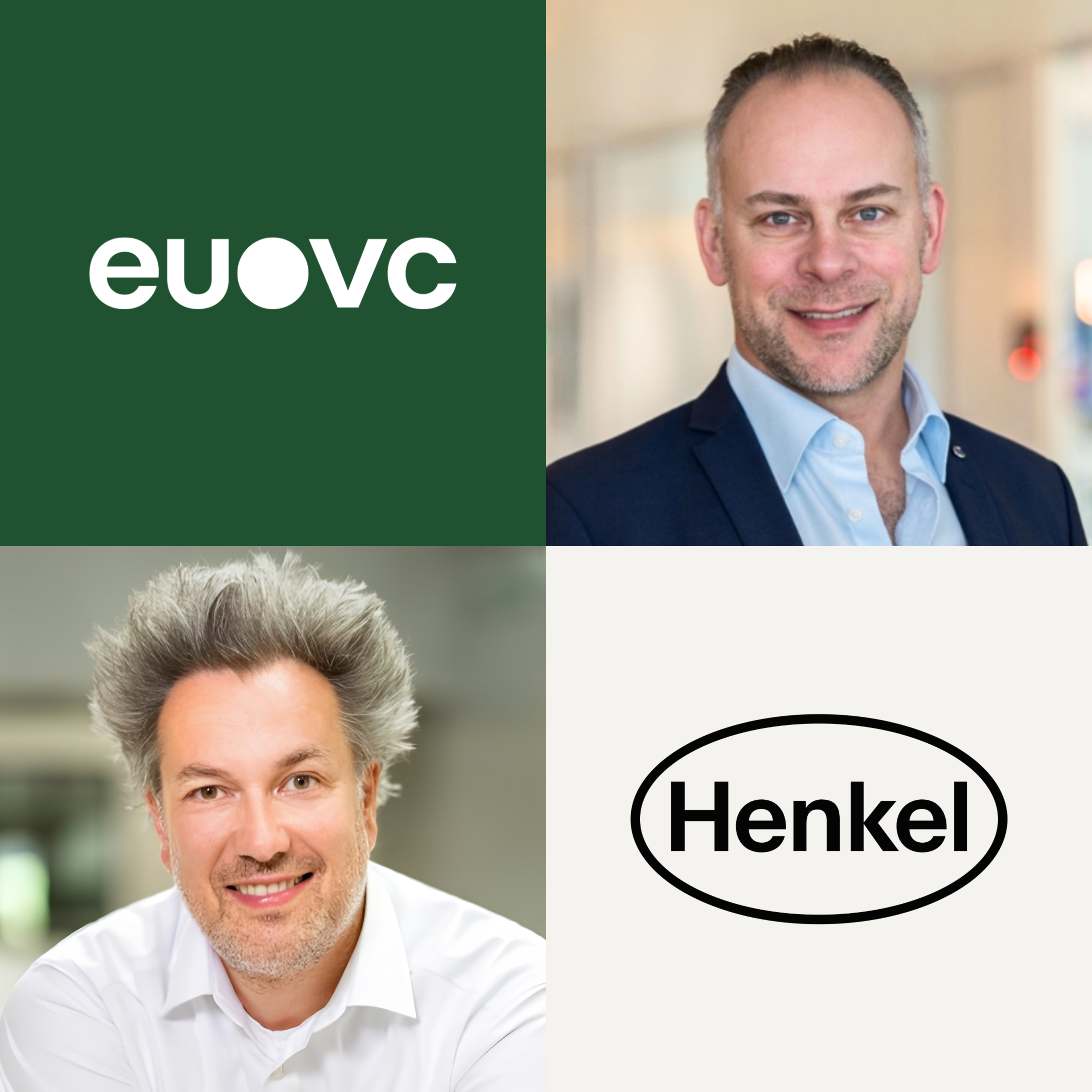 Why Henkel Ventures believes CVCs can outperform VCs✨ | Corporate Venture CapitalStartup Partnerships+4 | Marc Thom | Henkel VenturesResearchGate | — | CVCVC+6 | — | 41m 11s | |
| 5/27/26 | Marc Thom (Henkel Ventures): CVCs can outperform VCs | Most VCs think corporate venture capital is slower, more conflicted and structurally weaker than traditional venture firms. Marc Thom, Corporate Vice President and Head of Henkel Ventures, argues the opposite and explains why the best CVCs may actually outperform traditional VCs over time.In this episode, Marc joins Andreas Munk Holm and Jeppe Høier to discuss how Henkel built one of Europe’s leading corporate venture platforms, why most startup-corporate partnerships fail and how corporates can create both strategic and financial advantage through venture investing.Topics coveredWhy the best CVCs can outperform VCsHow Henkel structures venture investing and partnershipsThe “holy bible” behind startup collaboration inside corporatesWhy most startup partnerships fail internallyThe role corporates should play on startup cap tablesHow AI is reshaping industrial R&D and materials scienceTimestamps(00:00) Why CVCs can outperform traditional VCs(04:00) How Henkel structures startup sourcing and partnerships(11:00) The use case framework behind Henkel Ventures(16:00) The “Role of Henkel” in startup investing(23:00) Why Henkel invested in ResearchGate(27:40) AI, chemistry and the future of industrial R&D(30:20) Why Marc believes CVCs can outperform VCs(36:00) How Henkel built internal alignment for venture investingSubscribe to EUVC, the home of European tech, for more insights. | — | ||||||
| 5/22/26 |  AI is rewriting the global economy✨ | AI economycapital markets+4 | Mads JensenDan Bowyer | NVIDIAOpenAI+7 | EuropeUS | AINVIDIA+6 | — | 41m 51s | |
| 5/22/26 | This Week in European Tech: AI is rewriting the global economy | AI is no longer just a technology story. It is reshaping capital markets, infrastructure and industrial policy.In the latest episode of This Week in European Tech, Mads Jensen and Dan Bowyer of SuperSeed break down NVIDIA’s dominance of the AI economy, the return of the IPO market through OpenAI, Anthropic and SpaceX, and Europe’s push to build sovereign technology capabilities.HighlightsNVIDIA and the economics of AI infrastructureOpenAI, Anthropic and the IPO market reopeningEurope’s sovereign AI pushAI backlash and political risk in the USUnitree and the rise of humanoid roboticsIsomorphic Labs and AI-driven drug discoveryTimestamps(03:00) NVIDIA is swallowing the AI economy(06:20) The IPO market is reopening through OpenAI, Anthropic and SpaceX(08:40) Why SpaceX is really an AI infrastructure story(11:40) OpenAI’s IPO could expose the real economics of AI(13:40) Why Unitree and humanoid robotics matter for Europe(20:10) Europe’s sovereign AI push through Mistral, EQT and Quantexa(27:40) Americans are turning against AI(36:10) Isomorphic Labs and Europe’s biggest AI biotech opportunitySubscribe to EUVC, the home of European tech, for more insights. | — | ||||||
| 5/21/26 | 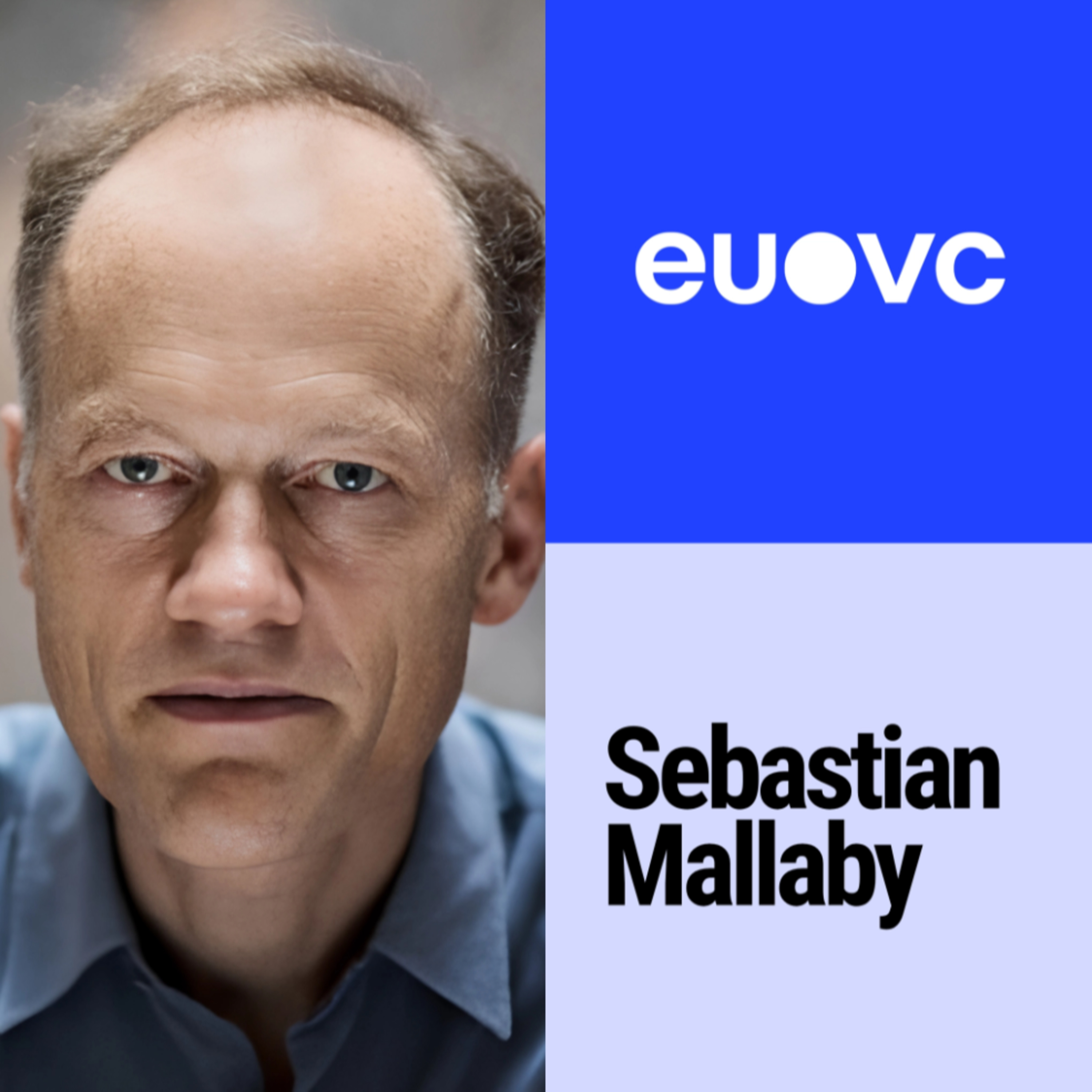 Sebastian Mallaby on Demis Hassabis, DeepMind and Europe’s AI future✨ | AI safetyDeepMind+5 | Sebastian Mallaby | Google DeepMindGoogle+3 | LondonEurope | DeepMindAI+7 | — | 55m 40s | |
| 5/21/26 | Sebastian Mallaby (The Infinity Machine): Demis Hassabis, DeepMind and Europe’s AI future | Demis Hassabis, Co-Founder and CEO of Google DeepMind, refused to leave London, challenged Google on AI safety and helped lead DeepMind back into the AI race.Sebastian Mallaby, author of The Infinity Machine and The Power Law, joins Andreas Munk Holm to discuss the founder psychology of Demis, the story behind DeepMind and why Europe may be entering a new era in technology.The conversation explores DeepMind’s fundraising journey, the Google acquisition, the merger with Google Brain, AI safety, sovereign technology and why Demis remains sceptical of parts of Silicon Valley culture despite operating at the centre of it.Timestamps(00:00) Why Demis Hassabis matters(01:12) Why DeepMind could not raise from European VCs(07:35) The Peter Thiel chess story(11:00) What DeepMind reveals about European venture(14:42) Why Europe’s tech ecosystem is accelerating(18:20) European sovereignty, defence tech and AI(21:20) DeepMind’s sale to Google and tensions over AI safety(29:40) The founder psychology of Demis(41:35) Google’s ChatGPT moment and Gemini’s comeback(45:05) Demis’ critique of Silicon Valley(50:45) Europe’s AI sovereignty problem(54:05) Final thoughts and Sebastian’s new bookSubscribe to EUVC, the home of European tech, for more insights. | — | ||||||
| 5/19/26 |  Building the world's 'thinnest' battery out of Europe✨ | battery innovationsolid-state batteries+5 | Michael BrehmMohamed Foulser+1 | RedstoneBTRY+2 | EuropeSwitzerland | batteriesinnovation+8 | — | 36m 33s | |
| 5/19/26 | Michael Brehm & Mohamed Foulser (Redstone) & Moritz H. Futscher (BTRY): World's 'thinnest' battery | Batteries do not just power products anymore. They shape what products can be built.In this episode, Andreas Munk Holm speaks with Michael Brehm and Mohamed Foulser from Redstone alongside Moritz H. Futscher, CEO and Co-Founder of BTRY, about why the next wave of battery innovation is not about bigger battery packs but entirely new form factors.BTRY is a Swiss battery startup developing an ultra-thin, foldable solid-state battery designed for IoT, medtech and consumer electronics. Founded in 2023 as an Empa and ETH Zürich spin-off, the company is building a new category of batteries aimed at enabling products that previously were not possible.The discussion covers Europe’s industrial opportunity in batteries, the importance of scalable manufacturing, overlooked opportunities in embedded electronics and why the future of hardware may make batteries effectively disappear.Key highlightsWhy battery innovation is shifting from chemistry to product design and manufacturingHow BTRY is creating a new category of ultra-thin batteriesWhy scalability matters more than lab breakthroughs in deep techEurope’s opportunity to build globally competitive battery companiesWhat embedded batteries could unlock across wearables, sensors and medtechTimestamps(00:00) Why batteries still limit innovation(04:10) The overlooked opportunity in sub-1Ah batteries(07:25) Rebuilding battery manufacturing from scratch(10:00) What foldable batteries could enable(14:00) Smart labels, sensors and embedded devices(18:00) Why scaling production is the real challenge(24:30) Can Europe compete in batteries?(34:00) The future of ultra-thin battery-powered productsSubscribe to EUVC, the home of European tech, for more insights. | — | ||||||
| 5/14/26 |  What happens when AI agents become customers?✨ | AI agentspayment infrastructure+4 | Viggo StensethSamuli Sirén+1 | SolvaPayRedstone General Partners | — | AI commercepayment systems+4 | — | 47m 02s | |
| 5/14/26 | Samuli Sirén & Mickaël Bellaïche (Redstone) & Viggo Stenseth (SolvaPay): AI agents as customers | What changes when AI agents can transact on their own?Andreas Munk Holm speaks with Viggo Stenseth, CEO and Co-Founder of SolvaPay, alongside Redstone General Partners Samuli Sirén and Mickaël Bellaïche, about building payment infrastructure for the agentic economy.The conversation explores agent-to-agent transactions, usage-based billing, protocol interoperability, regulatory moats and why existing payment rails may not be designed for AI-native commerce.Key highlightsWhy AI agents need payment infrastructure built for agentic commerceHow businesses can monetise APIs, datasets and digital services used by agentsWhy SolvaPay plugs into existing financial rails rather than bypassing themThe “battle of protocols” across agent marketplaces and ecosystemsWhy regulation, licensing and identity matter in agentic paymentsTimestamps(00:00) Why payments are blocking the agentic economy(02:00) What SolvaPay is building(05:10) Why customers already want agent-to-agent transactions(06:30) Existing financial rails versus crypto-native approaches(08:10) The “battle of protocols” and AI marketplaces(12:00) Redstone on why agentic payments are real(17:20) Why Redstone invested before traction existed(27:00) Can SolvaPay become the Stripe for AI agents?(32:00) Why incumbents may struggle to adapt(36:10) Building long term versus building for exit(41:00) Does the world need an agentic bank?Subscribe to EUVC, the home of European tech, for more insights: https://www.eu.vc/subscribe | — | ||||||
Showing 25 of 747
Pitch Fit is a Pro feature
See how bookable this show is for guests, which brands already advertise, the per-episode ad value, and the best-fit guest and sponsor profile. The numbers are blurred on the free plan.
How readily this show books outside guests like you.
How proven this show is for host-read sponsorships.
For Guests
ProFor Advertisers
ProUpgrade to Pro to unlock guest cadence, sponsor categories, fit scores, and per-episode ad value for this show.
Chart Positions
1 placement across 1 market.
Chart Positions
1 placement across 1 market.