Everyday Environment Podcast
Everyday Environment delves into the intricate web of connections that bind us to the natural world. From water, air, energy, plants, and animals to the complex interactions within these elements, we aim to unravel the t...
Insights from recent episode analysis
On the show
- Chris Enroth2 eps
- Chris Evans2 eps
- Theresa Culley1 ep
Also: Steven Butler, Kelly Estes, Tricia Bethke, TJ Benson, Rebekah Wallace, Michelle Beloskur, Emily Steele, Phil Anderson, Dr. Maria Lemke, Aishwarya Veerabahu, Andrea Wagner, Jay Solomon, Dr. Ken Johnson, Sarah Vogel, Amy Powers
Audience Interest
Podcast Focus
Publishing Consistency
Insights are generated by CastFox AI using publicly available data, episode content, and proprietary models.
Most discussed topics
Brands & references
Total monthly reach
Based on the show's feed history.
Built from
- Per-Episode Audience
Est. listeners per new episode within ~30 days
500 to 4.5K🎙 ~2x weekly·191 episodes·Last published 1w ago - Monthly Reach
Unique listeners across all episodes (30 days)
1K to 9K🇺🇸100% - Active Followers
Loyal subscribers who consistently listen
550 to 5.0K
Market Insights
Platform Distribution
Reach across major podcast platforms, updated hourly
Total Followers
—
Total Plays
—
Total Reviews
—
* Data sourced directly from platform APIs and aggregated hourly across all major podcast directories.
| Date | Episode | Topics | Guests | Brands | Places | Keywords | Sponsor | Length | |
|---|---|---|---|---|---|---|---|---|---|
| 10/14/26 | 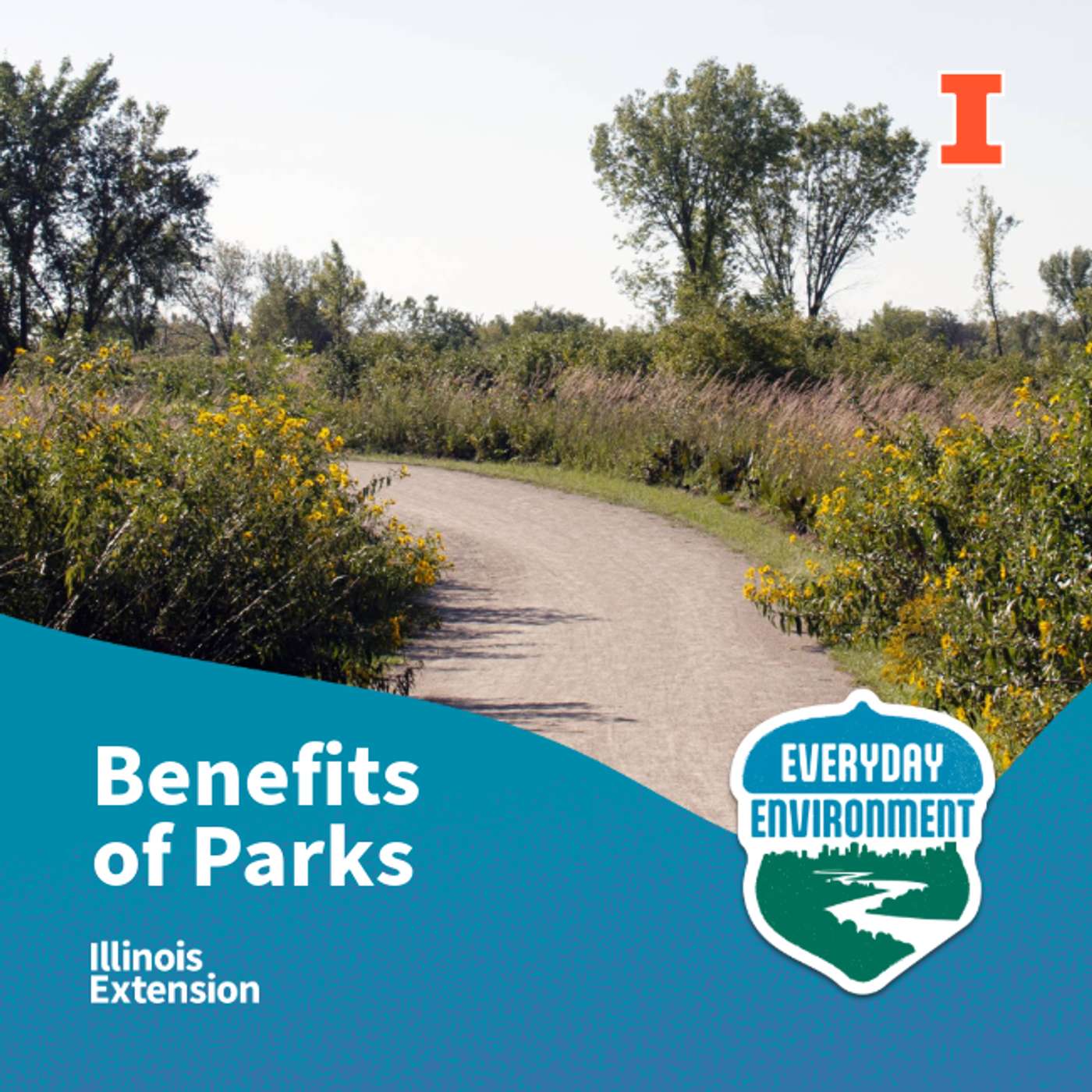 Community parks as nature-based solutions with Katie Dudley | During this week's episode we take a step back from our home landscapes and look at our rural communities through the lens of tourism. We explore how parks can be nature-based solutions to not only attracting outsiders to visit our communities, but at the same time to support and engage local residents. Community and economic specialist Dr. Katie Dudley with Illinois Extension chats with us about striking the balance between visitor use and local use during today's episode. Share your own Everyday ObservationWas there something about this topic we didn’t cover? See something cool in nature? Let us know! Send us your question or share your everyday nature observation with us at go.illinois.edu/EEconnect, and we may share it in a future blog or podcast.Questions? We'd love to hear from you!Abigail Garofalo [email protected], Erin Garrett [email protected], Amy Lefringhouse [email protected] Subscribe to our NewsletterCheck out our BlogSee the Everyday Environment Archives | 1h 03m 16s | ||||||
| 10/7/26 | 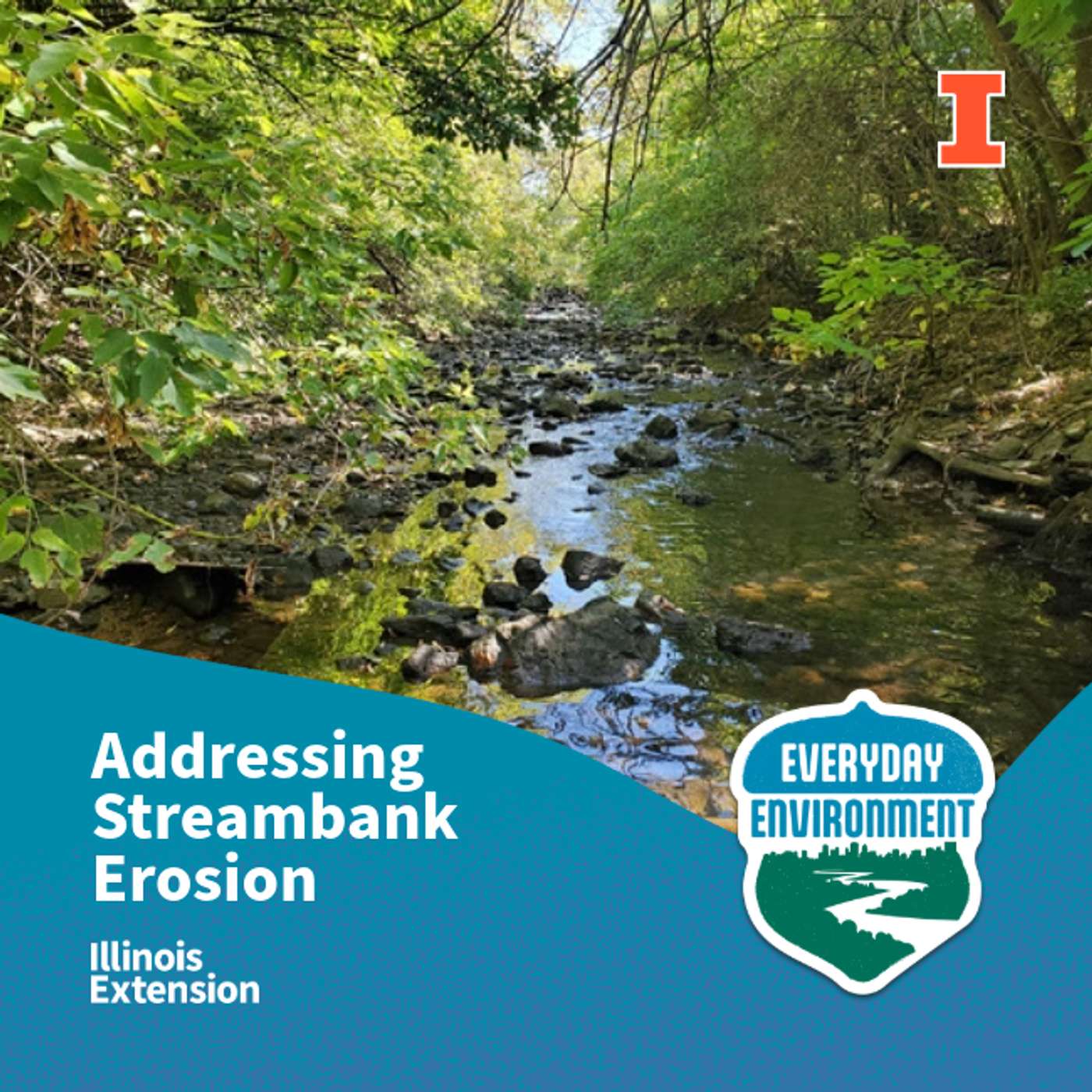 Preventing erosion in streambanks and waterways with Ryan Pankau | Stabilization of streambanks is an important aspect of watershed management in Illinois. Across the state, we are experiencing increased rainfall and increasing storm intensity as the effects of climate change continue to ramp up. These changes create additional strain on Illinois streambanks, leading to a variety of impacts, from increased erosion or changes in streamflow capacity to the loss of land area in extreme cases. Join us as we chat with Extension Educator Ryan Pankau on how we can address this challenge using nature-based solutions. | 1h 01m 13s | ||||||
| 9/30/26 | 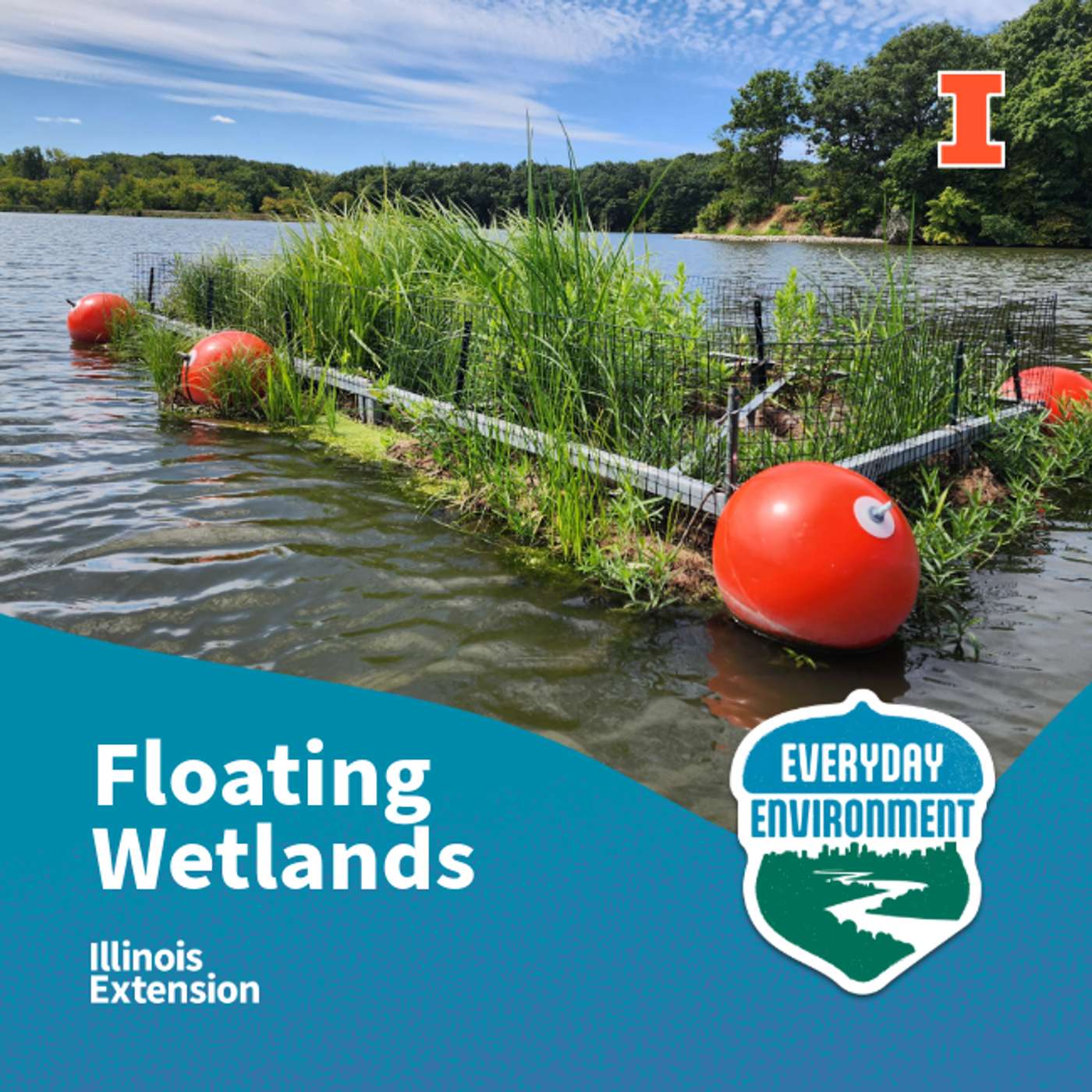 Floating wetlands: nature at work on the water with Susan McIntyre | New uses for old docks? Tiny, microscopic biofilm on the roots of wetland plant communities? Susan McIntyre, a plant ecologist with the Illinois Natural History Survey, joins us to talk about how dock frames were used to construct floating wetlands in a lake ecosystem. We talk about water quality issues that floating wetlands can address, plant choices for floating wetlands, and the interesting wildlife they attract. We also point out that roots rule during this episode! Learn More Building a Living Laboratory on a LakeWild MileShare your own Everyday ObservationWas there something about this topic we didn’t cover? See something cool in nature? Let us know! Send us your question or share your everyday nature observation with us at go.illinois.edu/EEconnect, and we may share it in a future blog or podcast.Questions? We'd love to hear from you!Abigail Garofalo [email protected], Erin Garrett [email protected], Amy Lefringhouse [email protected] Subscribe to our NewsletterCheck out our BlogSee the Everyday Environment Archives | 55m 02s | ||||||
| 9/23/26 |  Navigating native plants and municipal codes with Brodie Dunn | Is your yard compliant? Don't be fooled by the title - we have a fun time chatting about municipal codes and our native plant gardens during this episode with Brodie Dunn, Illinois Extension Wildlife & Pollinator Outreach Associate. Find out where to find the rules that may cover your native garden, learn best practices to apply within your own yard, and we even chat about some good and bad plant choices. Join us!Learn moreListening to Illinois Wildlife Everyday Environment episodeVoice of the Wild podcastIllinois Wildside blogIllinois pollinator plant selector toolShare your own Everyday ObservationWas there something about this topic we didn’t cover? See something cool in nature? Let us know! Send us your question or share your everyday nature observation with us at go.illinois.edu/EEconnect, and we may share it in a future blog or podcast.Questions? We'd love to hear from you!Abigail Garofalo [email protected], Erin Garrett [email protected], Amy Lefringhouse [email protected] Subscribe to our NewsletterCheck out our BlogSee the Everyday Environment Archives | 55m 48s | ||||||
| 9/17/26 |  Before the birds nest: Getting your yard ready for spring | Many of us invite birds to our landscapes - sometimes there is joy and sometimes there is frustration when birds begin to nest near our homes in the spring. Join us during this episode as we talk to Illinois Extension horticulture educator, Kim Rohling, about what to do in the fall to prepare our homes and landscapes for spring nesting birds. Learn moreMerlin bird ID appeBird bird recordkeeping appIllinois Extension Pollinator Plant Selector ToolNational Wildlife Federation Native Plant FinderCornell BirdLab Right Bird, Right HouseFall Migration Mini-Sit Birdwatching Event - Cache River Wetlands Natural Area, Cypress ILShare your own Everyday ObservationWas there something about this topic we didn’t cover? See something cool in nature? Let us know! Send us your question or share your everyday nature observation with us at go.illinois.edu/EEconnect, and we may share it in a future blog or podcast.Questions? We'd love to hear from you!Abigail Garofalo [email protected], Erin Garrett [email protected], Amy Lefringhouse [email protected] Subscribe to our NewsletterCheck out our BlogSee the Everyday Environment Archives | 1h 05m 21s | ||||||
| 9/10/26 | energy efficiencylandscaping+4 | Andrea WagnerJay Solomon | Illinois Extension | — | energy efficiencylandscaping+6 | — | 50m 46s | ||
| 9/3/26 | insectsecosystems+4 | Dr. Ken Johnson | Illinois ExtensionGood Growing podcast+2 | — | insectsecosystem services+5 | — | 51m 21s | ||
| 8/27/26 | lawn careecology+3 | Chris Enroth | Illinois Extension | — | lawn careecology+3 | — | 59m 14s | ||
| 8/20/26 | tree carenature-based solutions+3 | Sarah Vogel | Illinois ExtensionUSDA Forest Service | — | tree problemshorticulture+3 | — | 36m 30s | ||
| 8/13/26 | nature-based solutionsgardening+3 | Amy Powers | Powers Plants | Chicago | gardeningnative plants+3 | — | 1h 14m 43s | ||
Want analysis for the episodes below?Free for Pro Submit a request, we'll have your selected episodes analyzed within an hour. Free, at no cost to you, for Pro users. | |||||||||
| 8/6/26 | environmentcuriosity+3 | — | Everyday EnvironmentUniversity of Illinois | — | environmentcuriosity+5 | — | 20m 11s | ||
| 5/28/26 | invasive speciesQ&A+3 | Chris Evans | FacebookIllinois | — | invasive speciesQ&A+3 | — | 58m 40s | ||
| 5/21/26 | invasive species managementwetland restoration+4 | Dr. Maria Lemke | The Nature ConservancyForbes Biological Station | Emiquon PreserveIllinois River | invasive speciesEmiquon Preserve+4 | — | 51m 46s | ||
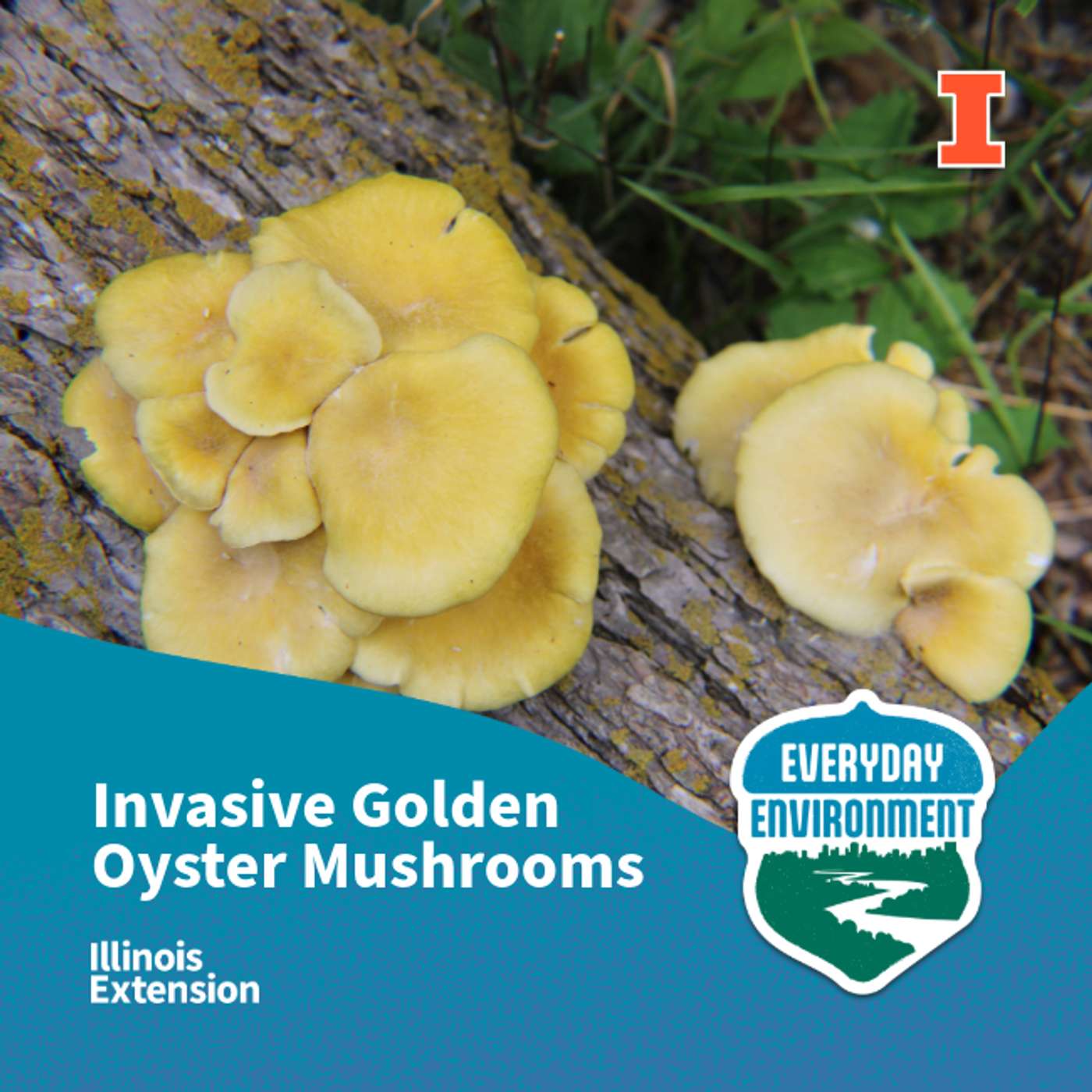
| 5/14/26 | invasive speciesfungi+4 | Aishwarya Veerabahu | University of Wisconsin-MadisonPringle Lab+1 | — | golden oyster mushroominvasive fungus+4 | — | 42m 33s | ||
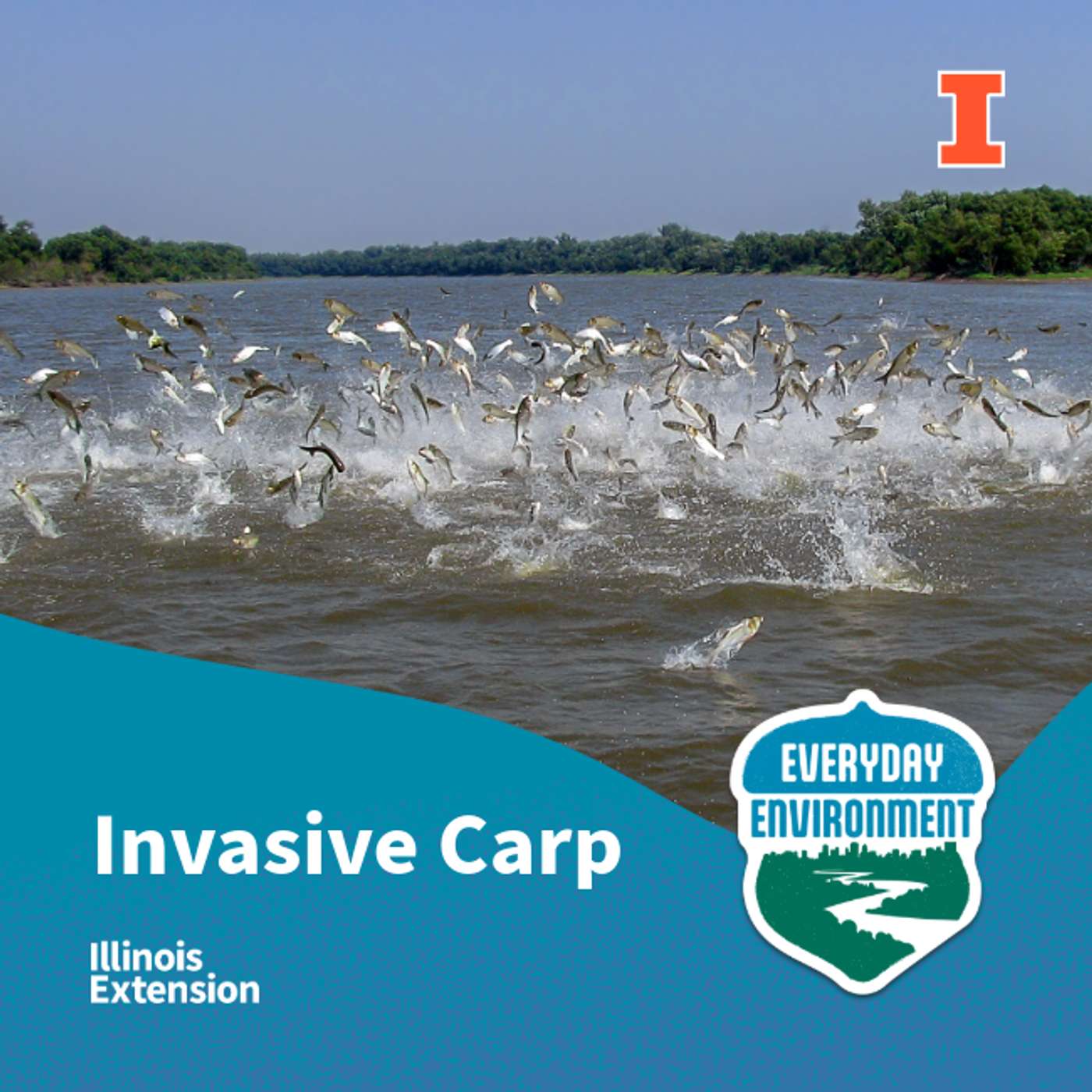
| 5/7/26 | invasive speciesecology+4 | Steven Butler | Kaskaskia Biological Field StationU.S. Fish and Wildlife Service+2 | — | invasive carpsilver carp+6 | — | 43m 16s | ||
| 4/30/26 | invasive speciesgenetics+3 | Theresa Culley | University of Cincinnati | — | invasive speciesgenetics+5 | — | 56m 22s | ||
| 4/23/26 | invasive pestsagriculture+4 | Kelly Estes | Illinois Cooperative Agricultural Pest SurveyIL CAPS program+1 | — | invasive pestsCAPS program+5 | — | 41m 39s | ||
| 4/23/26 | invasive pestsforest health+3 | Tricia Bethke | Illinois’ Forest Pest Outreach | — | invasive peststree check+3 | — | 49m 42s | ||
| 4/16/26 | invasive plantshome landscape+4 | Chris Enroth | Illinois ExtensionGood Growing podcast+2 | — | invasive specieslandscape management+3 | — | 47m 22s | ||
| 4/9/26 | historical datainvasions+3 | TJ Benson | Illinois Natural History Survey | — | invasionshistorical data+3 | — | 36m 31s | ||
| 4/2/26 | invasive speciesdata mapping+3 | Rebekah Wallace | University of GeorgiaEDDMapS | — | EDDMapSinvasive species+3 | — | 46m 19s | ||
| 3/26/26 | invasive plantsearly detection+3 | Michelle Beloskur | Midwest Invasive Plant NetworkPublic Gardens as Sentinels against Invasive Plants | — | invasive speciesearly detection+3 | — | 40m 20s | ||
| 3/18/26 | invasive speciesregulations+4 | Chris Evans | Illinois Exotic Weed ActIL Invasive Species Council+1 | — | invasive speciesIllinois Exotic Weed Act+5 | — | 48m 00s | ||
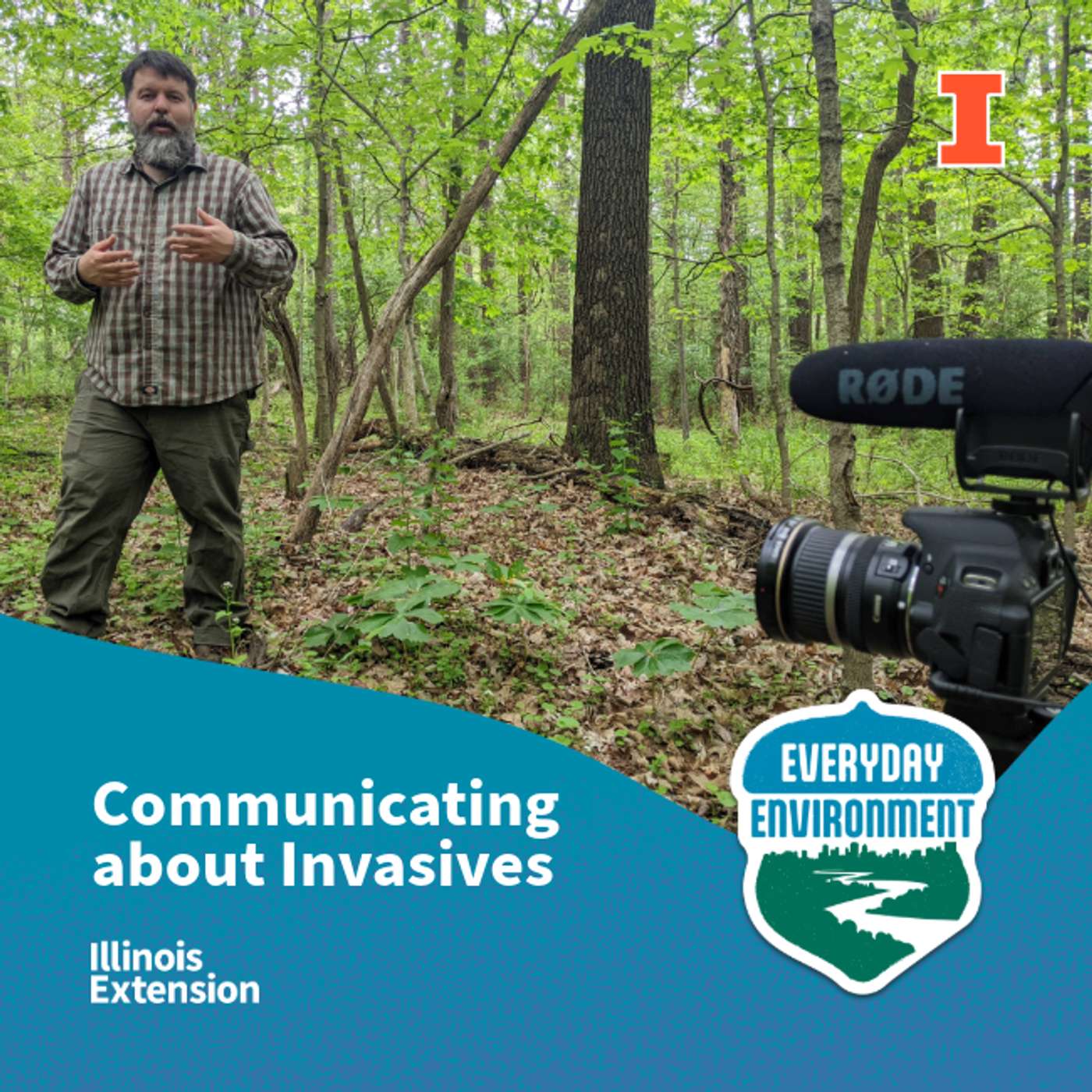
| 3/12/26 | invasive speciescommunication+4 | Emily SteelePhil Anderson | University of Illinoiscosplayforscience.com | — | invasive speciescommunication+5 | — | 54m 19s | ||
| 3/5/26 | Season 4 Preview and Invasives 101 | The Everyday Environment team is back for a new season this spring to discuss Invasive species. Get a preview of what is in store as well as a primer on Invasive Species from everyone's favorite Extension person: Chris Evans.Invasives Species 101 starts at 20:30Original Episode from the archives: Invasive Alert: Spotted LanternflyShare your own Everyday ObservationWas there something about this topic we didn’t cover? See something cool in nature? Let us know! Send us your question or share your everyday nature observation with us at go.illinois.edu/EEconnect, and we may share it in a future blog or podcast.Questions? We'd love to hear from you!Abigail Garofalo [email protected], Erin Garrett [email protected], Amy Lefringhouse [email protected] Subscribe to our NewsletterCheck out our BlogSee the Everyday Environment Archives | 36m 27s | ||||||
Showing 25 of 191
Pitch Fit is a Pro feature
See how bookable this show is for guests, which brands already advertise, the per-episode ad value, and the best-fit guest and sponsor profile. The numbers are blurred on the free plan.
How readily this show books outside guests like you.
How proven this show is for host-read sponsorships.
For Guests
ProFor Advertisers
ProUpgrade to Pro to unlock guest cadence, sponsor categories, fit scores, and per-episode ad value for this show.