
Insights from recent episode analysis
Audience Interest
Podcast Focus
Publishing Consistency
Platform Reach
Insights are generated by CastFox AI using publicly available data, episode content, and proprietary models.
Total monthly reach
Estimated from 10 chart positions in 10 markets.
By chart position
- 🇩🇪DE · Physics#31100K to 300K
- 🇨🇦CA · Physics#34100K to 300K
- 🇬🇧GB · Physics#44100K to 300K
- 🇦🇺AU · Physics#5130K to 100K
- 🇺🇸US · Physics#6330K to 100K
- Per-Episode Audience
Est. listeners per new episode within ~30 days
329K to 1.0M🎙 Biweekly cadence·31 episodes·Long inactive - Monthly Reach
Unique listeners across all episodes (30 days)
470K to 1.5M🇩🇪21%🇨🇦21%🇬🇧21%+7 more - Active Followers
Loyal subscribers who consistently listen
141K to 438K
Market Insights
Platform Distribution
Reach across major podcast platforms, updated hourly
Total Followers
—
Total Plays
—
Total Reviews
—
* Data sourced directly from platform APIs and aggregated hourly across all major podcast directories.
On the show
Recent episodes
Dr Kareem El-Badry, incoming Assistant professor at Caltech
May 26, 2023
Unknown duration
Dr. Lynne Hillenbrand, Professor of Astronomy at Caltech
May 3, 2023
Unknown duration
Dr Maria Charisi, Postdoctoral associate at Vanderbilt University
Mar 26, 2023
Unknown duration
Dr Robert Simcoe, Director of MIT's Kavli Institute for Astrophysics and Space Research
Feb 20, 2023
Unknown duration
Dr Gina Panopoulou, Assistant professor, Chalmers University of Technology
Dec 27, 2022
Unknown duration
Social Links & Contact
Official channels & resources
Official Website
Login
RSS Feed
Login
| Date | Episode | Description | Length | ||||||
|---|---|---|---|---|---|---|---|---|---|
| 5/26/23 | 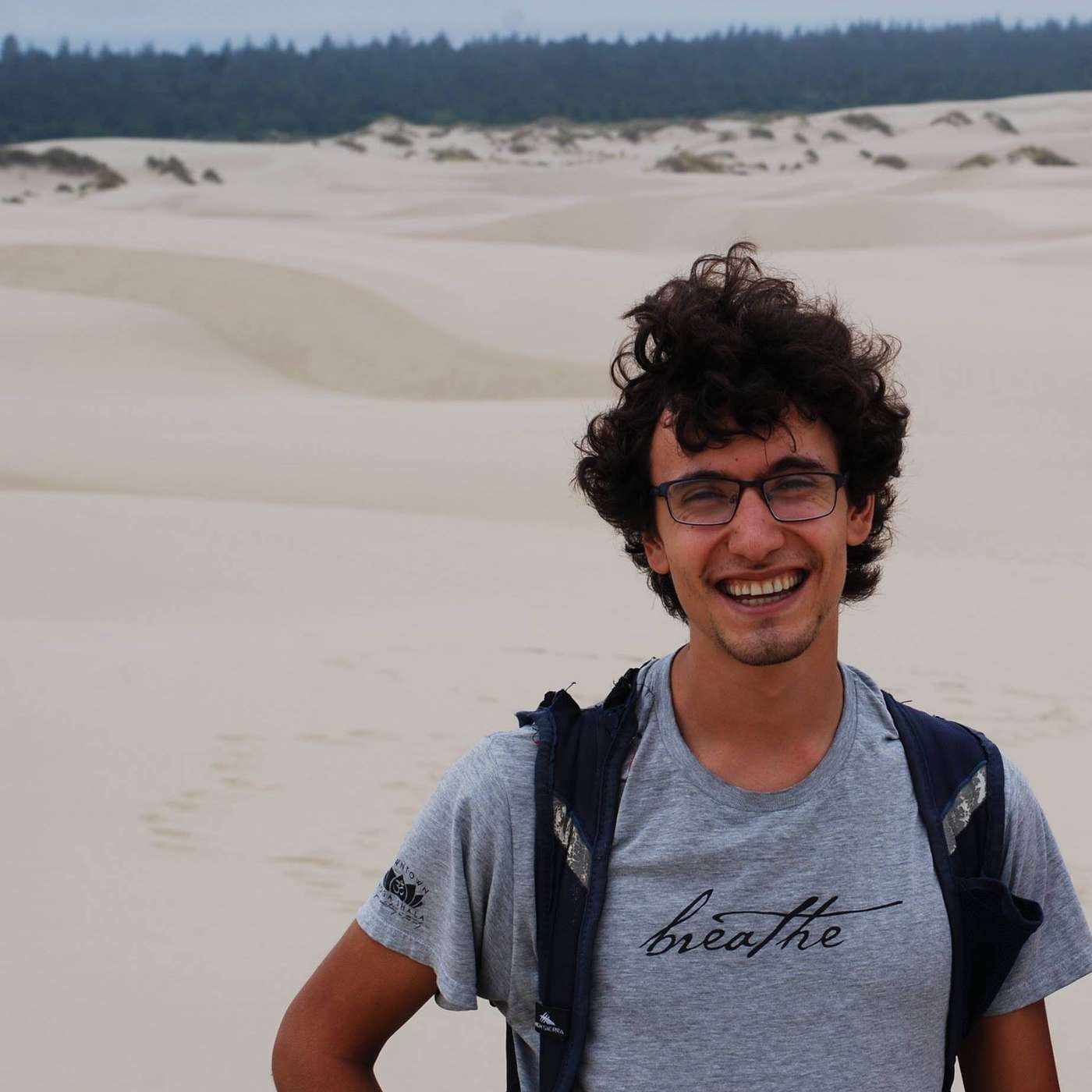 Dr Kareem El-Badry, incoming Assistant professor at Caltech | Welcome to episode 30 of exploring astrophysics with me, Vikram Bhamre. Today I am joined by Dr. Kareem El-Badry, a researcher who works mostly in the analysis of binary star systems and has obtained the nickname ‘Black hole destroyer’ for some of his past work. Stay tuned to hear more about that! | — | ||||||
| 5/3/23 |  Dr. Lynne Hillenbrand, Professor of Astronomy at Caltech | Hi everyone, welcome to another episode of exploring astrophysics. Today I am speaking to Dr Lynne Hillenbrand, a professor of Astronomy at Caltech who is an expert in the formation and evolution of young stars and the formation of star clusters. Dr. Hillenbrand spoke to me about trying to learn more about the evolution of these young stars, whose processes are often hidden behind dust and gasses from the Nebula it is in. Her work is partly focus on the properties of the circumstellar disc, a disc of gas and dust that rotates around a young star. | — | ||||||
| 3/26/23 |  Dr Maria Charisi, Postdoctoral associate at Vanderbilt University | Today I am joined by Dr Maria Charisi, a postdoctoral associate at Vanderbilt university. Her expertise is in looking for Supermassive Black-Hole Binaries: which are systems that are formed during the collisions of galaxies and weigh well over hundreds of millions of times our Sun. Dr Charisi also talked about her experience in academia and how she would describe it to someone potentially looking for a career in research. | — | ||||||
| 2/20/23 | 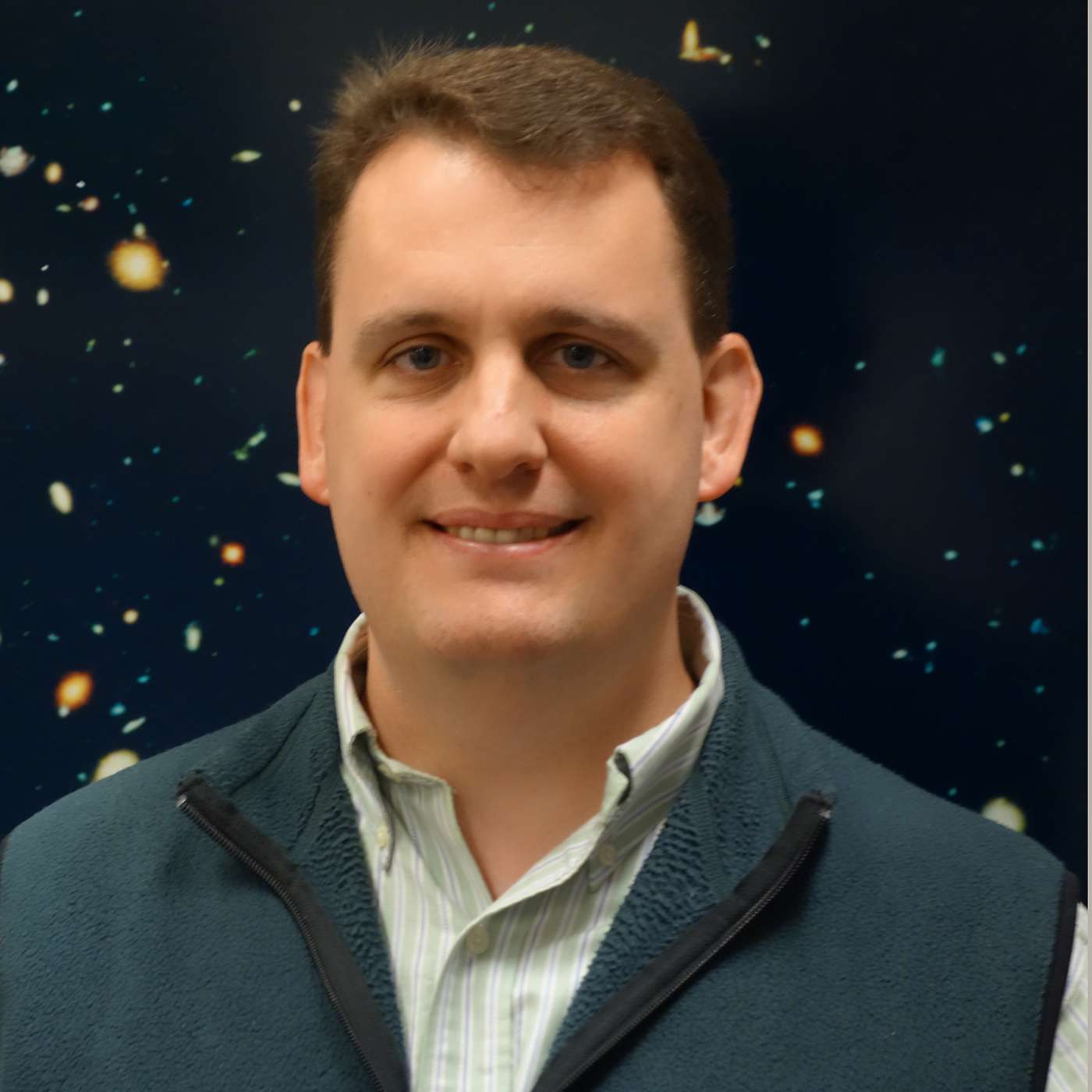 Dr Robert Simcoe, Director of MIT's Kavli Institute for Astrophysics and Space Research | In this episode, Dr Simcoe spoke about his research involving spectroscopy to look back into the early universe and search for the first stars. He also spoke about another interest of his - designing and building astronomical telescopes and instruments - and how it first began when he was still in high school. Lastly, he gave us a sneak peek into the job of a director of a huge astrophysics department like MIT's Kavli institute and the work that goes in to managing it. | — | ||||||
| 12/27/22 | 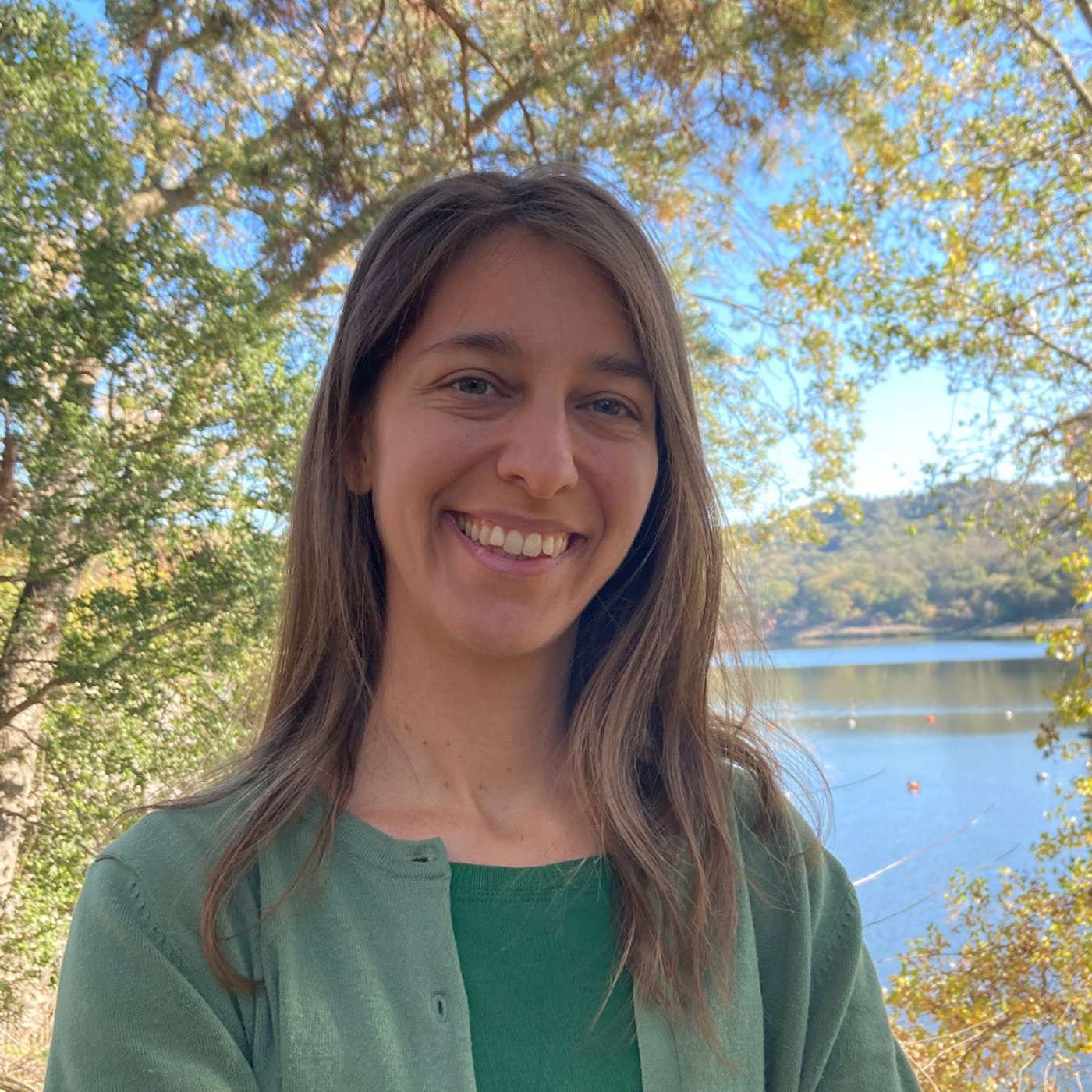 Dr Gina Panopoulou, Assistant professor, Chalmers University of Technology | In this episode, Dr Panopoulou spoke about how every galaxy has a magnetic field, and by using the polarisation of light we are able to map the structure of this field in our galaxy. We talked about the difficulties of doing this, including the limited information the polarisation of light can convey and how hard it is to check the accuracy of any results. | — | ||||||
| 10/19/22 |  Dr Christian Byrnes, Senior lecturer at the University of Sussex | Dr Byrnes talked about his journey to astrophysics having initially started out with a Mathematics degree at the University of Cambridge. He also talked about his research looking at the early universe - particularly the inflation period. Towards the end, he mentioned his work into primordial black holes and whether they may be the key to finding out about dark matter. | — | ||||||
| 9/11/22 | 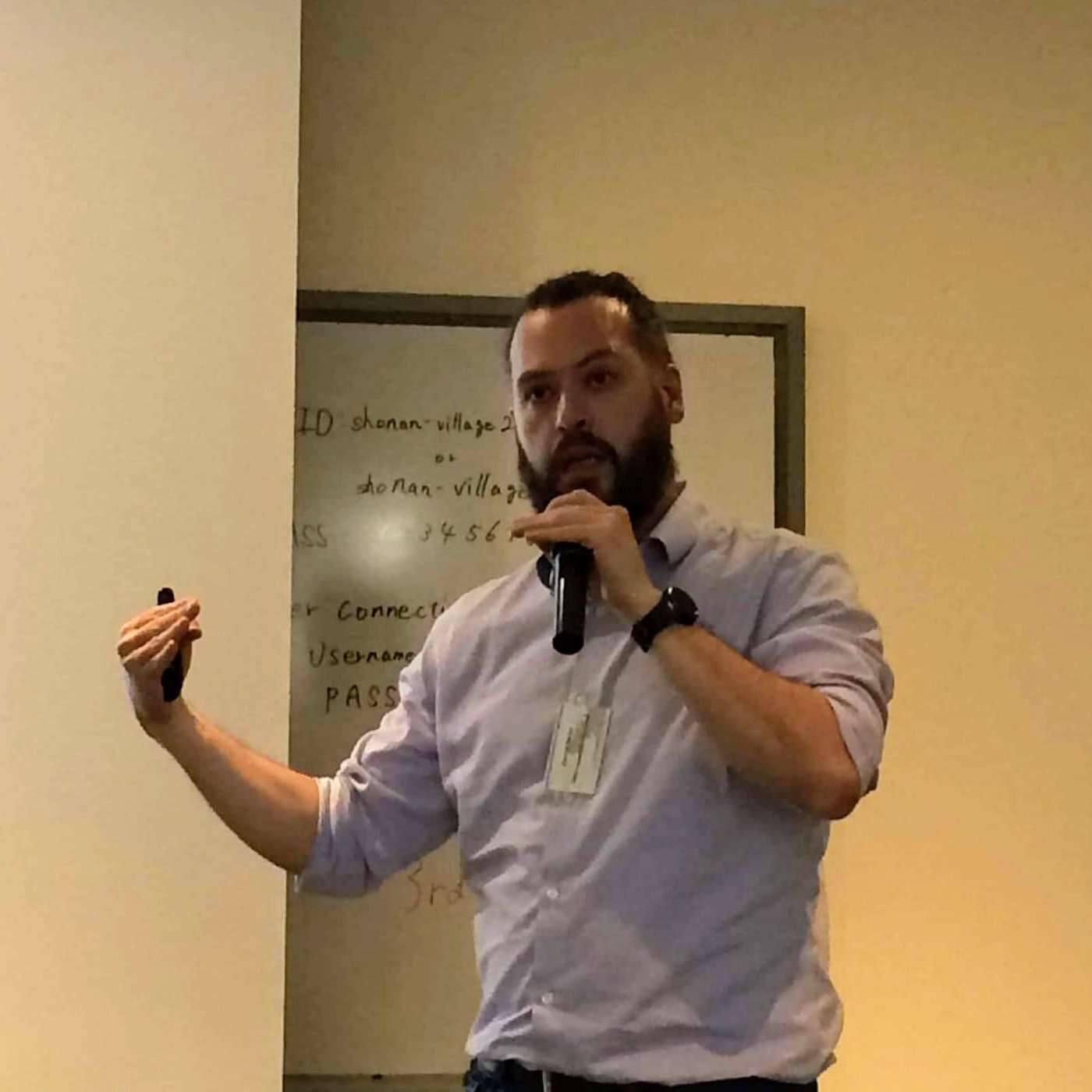 Dr Javier Garcia, Assistant professor of physics at Caltech | Dr Garcia has been looking at the gravitational fields near black holes and neutron stars to better understand the phenomenon we see in these unordinary circumstances. He talked about his transition from atomic physics to X-ray astrophysics, and what he has been working on recently. Stay tuned till the end of the episode, where he gives advice on what you can do to get involved in research. | — | ||||||
| 7/17/22 | 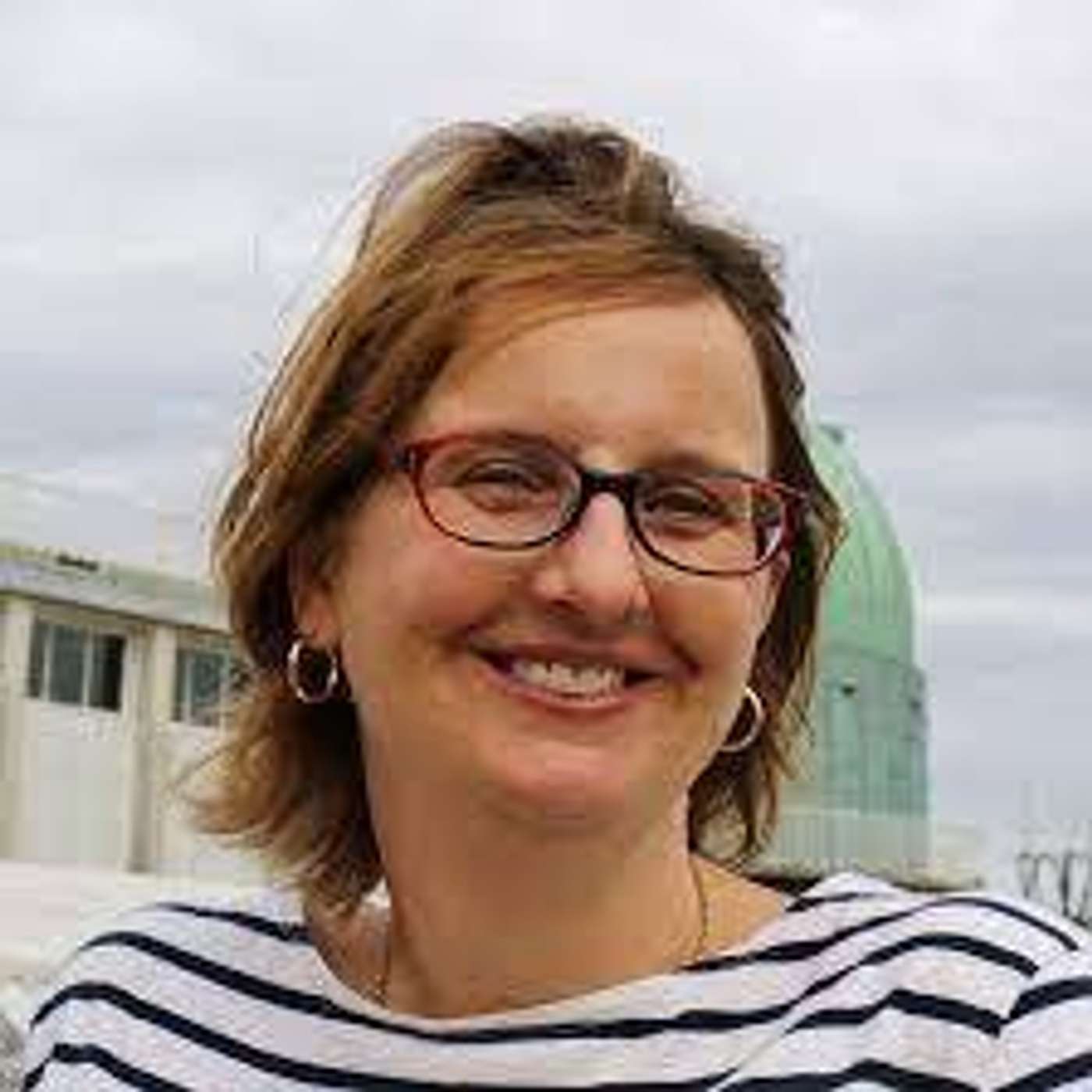 Dr Kathy Romer, Professor at the university of Sussex | Dr Romer shared some of her most exciting and coolest experiences as an astrophysicist, including a trip to the south pole! She also mentioned how in the past astronomers would have to travel to the obersevations sites in places like Chile to take the images, rather than having it all automated from your office. Dr Romer spoke about the recent James Webb space telescope images, and her reaction and thoughts to seeing the amazing pictures. | — | ||||||
| 6/11/22 |  Dr Raissa Estrela, Postdoctoral fellow at NASA's Jet Propulsion Laboratory | In this episode Dr Estrela spoke about her research into classifying and charecterizing the atmospheres of exoplanets, and also her research the effects of stellar activity on these exoplanets. Dr Estrela explained how she first was interested in astrobiology and how her work is helping us answer the age old question: Is there life out there? | — | ||||||
| 5/17/22 | 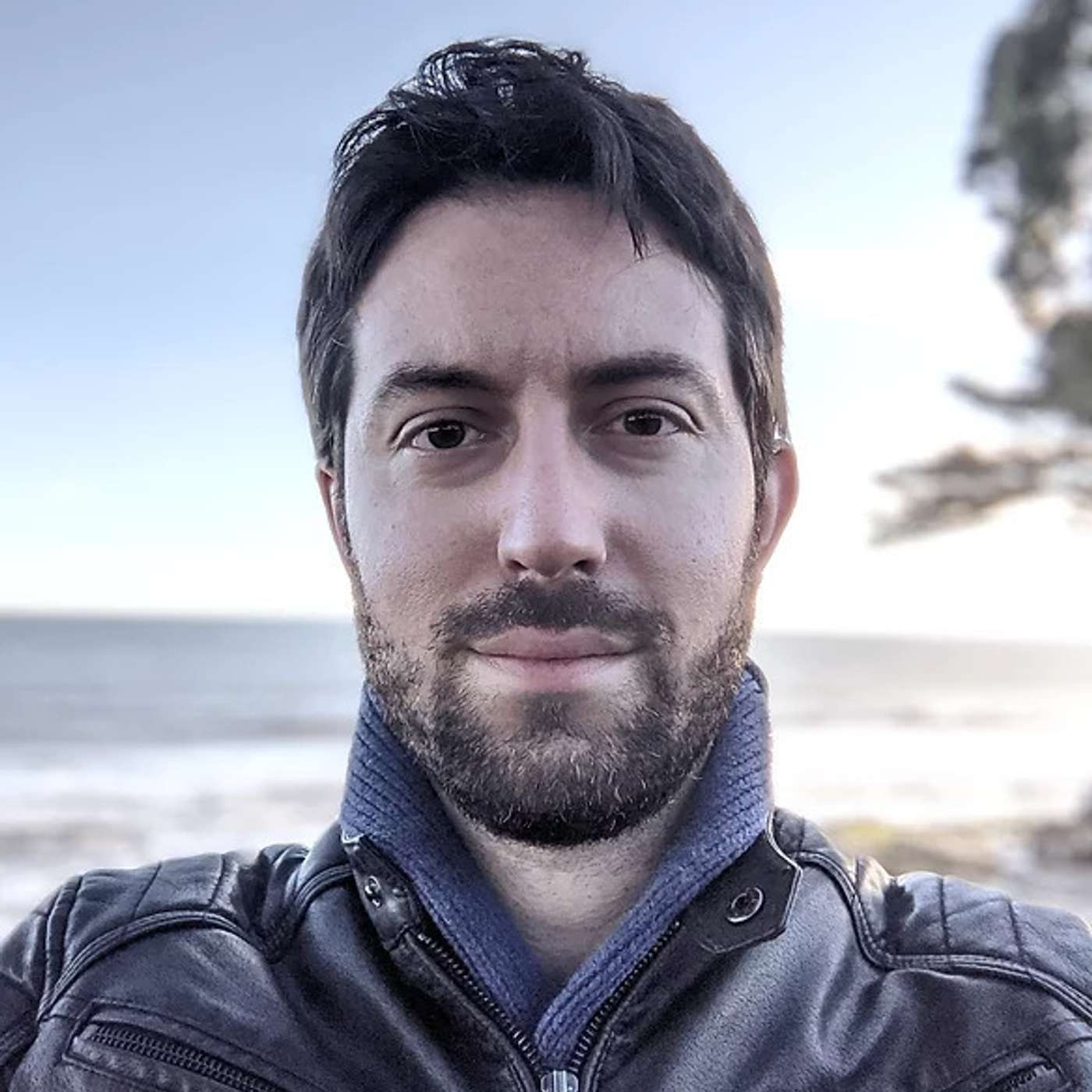 Dr Olivier Hervet, Assistant project scientist at UC Santa Cruz | Active galactic nuclei are found in the centers of galaxies and emit extremely high levels of radiation, which Dr Hervet tries to model computationally. Dr Hervet is also part of the VERITAS collaboration which is a ground based observatory with an array of 4 telescopes, each with a 12 meter wide diameter! | — | ||||||
Want analysis for the episodes below?Free for Pro Submit a request, we'll have your selected episodes analyzed within an hour. Free, at no cost to you, for Pro users. | |||||||||
| 5/15/22 | 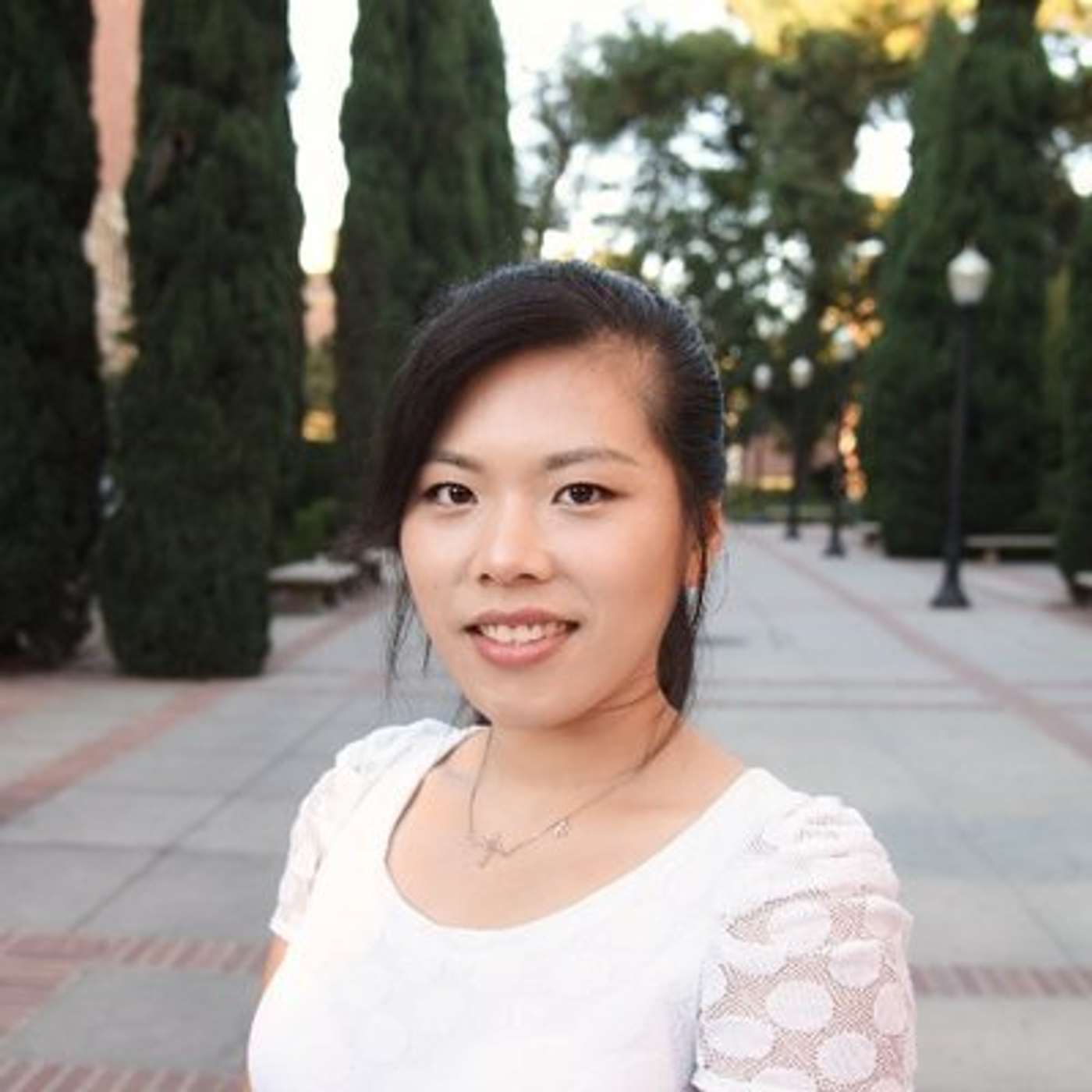 Dr Xinnan Du, Outreach and Engagement manager at KIPAC Stanford | This episode Dr Du spoke about some of her work looking at the physical properties of the interstellar medium in distant galaxies. She also spoke about her interest in asgtronomy outreach and the kind of work she does as outreach manager at the Kavli Institute for Particle Astrophysics and Cosmology. Listen to the end of the podcast to hear her advice on learning more about astronomy at a young age! | — | ||||||
| 4/3/22 | 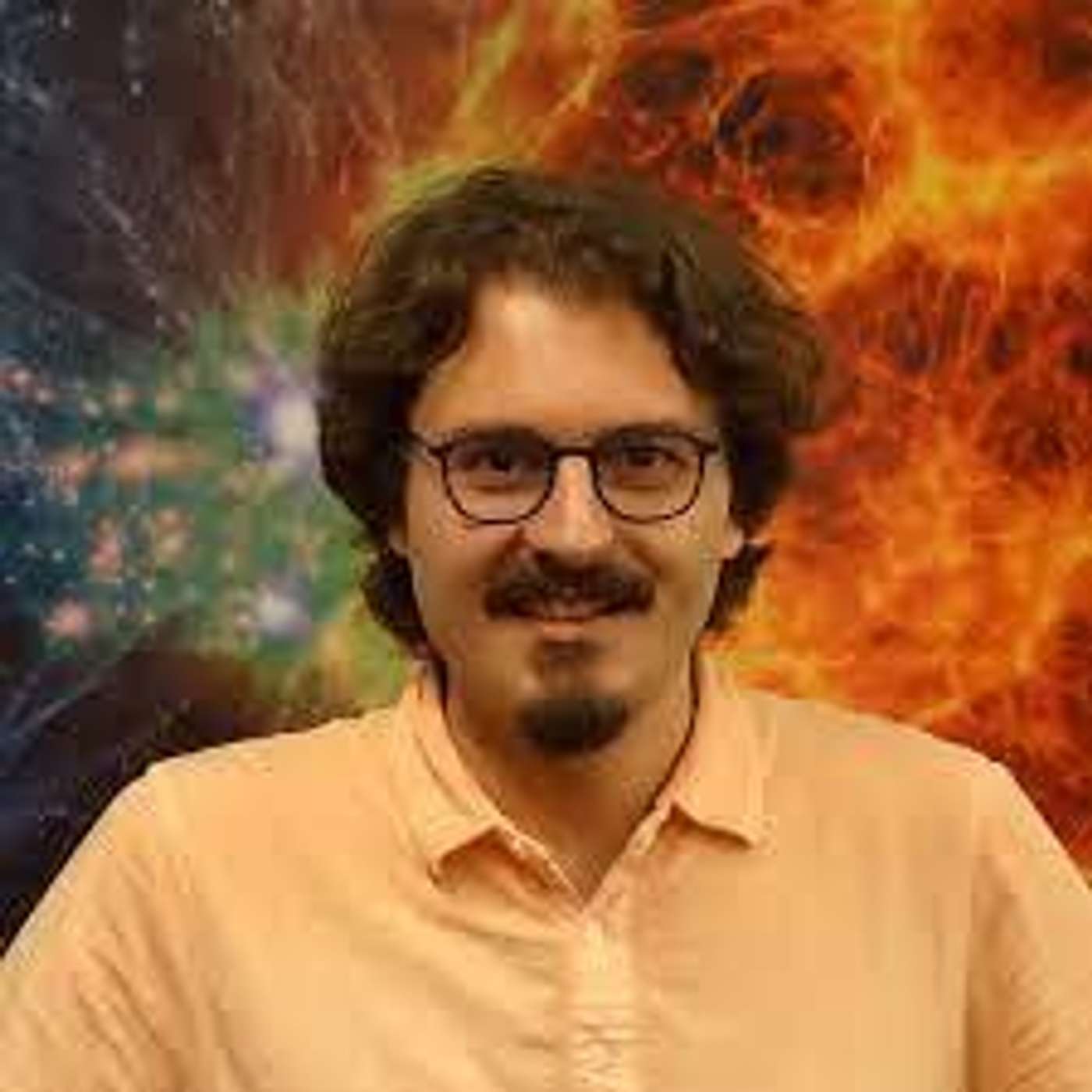 Dr Tansu Daylan, Posdoctoral associate and MIT and Princeton | Dr Daylan, told me about his work on explanets utilising primarily the TESS mission, and how the transit method is used to discover these planets. Additionally, he also spoke about the charecteristics that can be inferred from a discovered planets, such as the mass, density and orbital radius. | — | ||||||
| 4/2/22 | 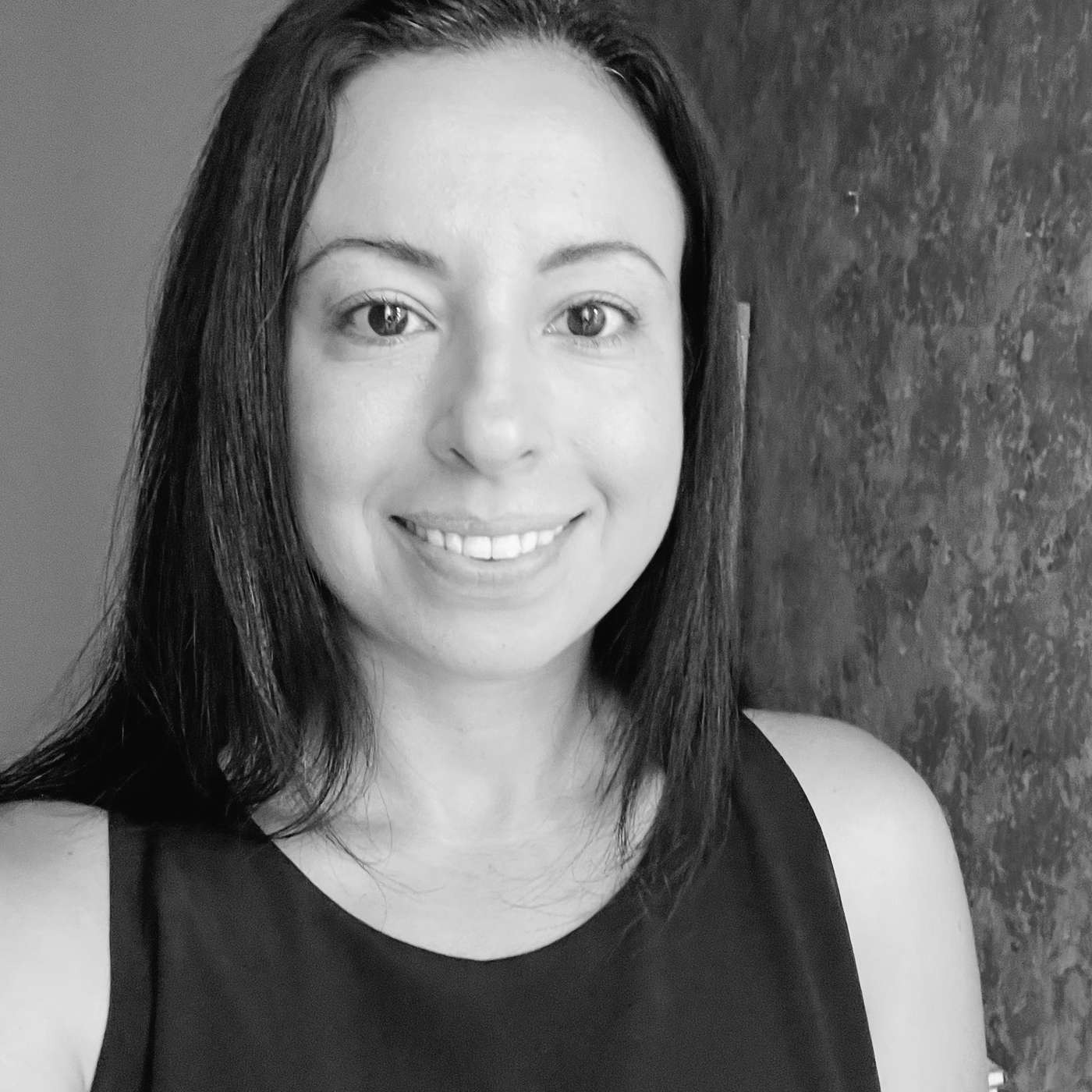 Dr Rana Ezzeddine, Assistant professor and Astrophysicist as the University of Florida | In this episode Dr Ezzeddine told me about how the chemical and physical compositions of stars can be inferred by the use of spectroscopy. Additionally, she explained what the r-process is, and how by building radiative transfer models we can calculate the abundances of elements in the atmospheres of stars. | — | ||||||
| 4/1/22 | 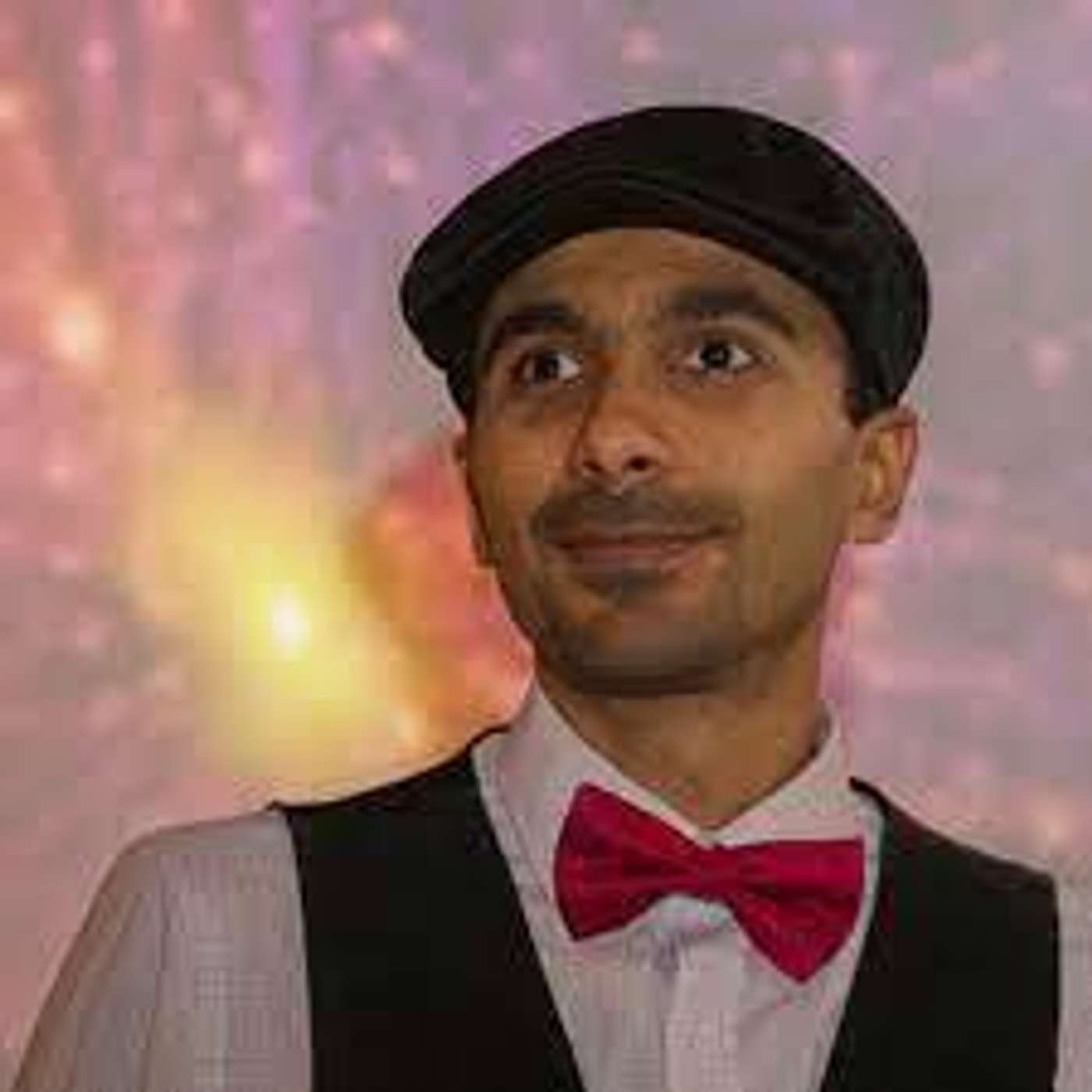 Dr Saeed Salimpour, Researcher at IAU's Office of Astronomy for Education | Dr Salimpour explained the intersection between art and cosmology, and why he believes those two things are inextricable. He also delved into how the beauty of simplicity underlies all of cosmology. | — | ||||||
| 2/27/22 | 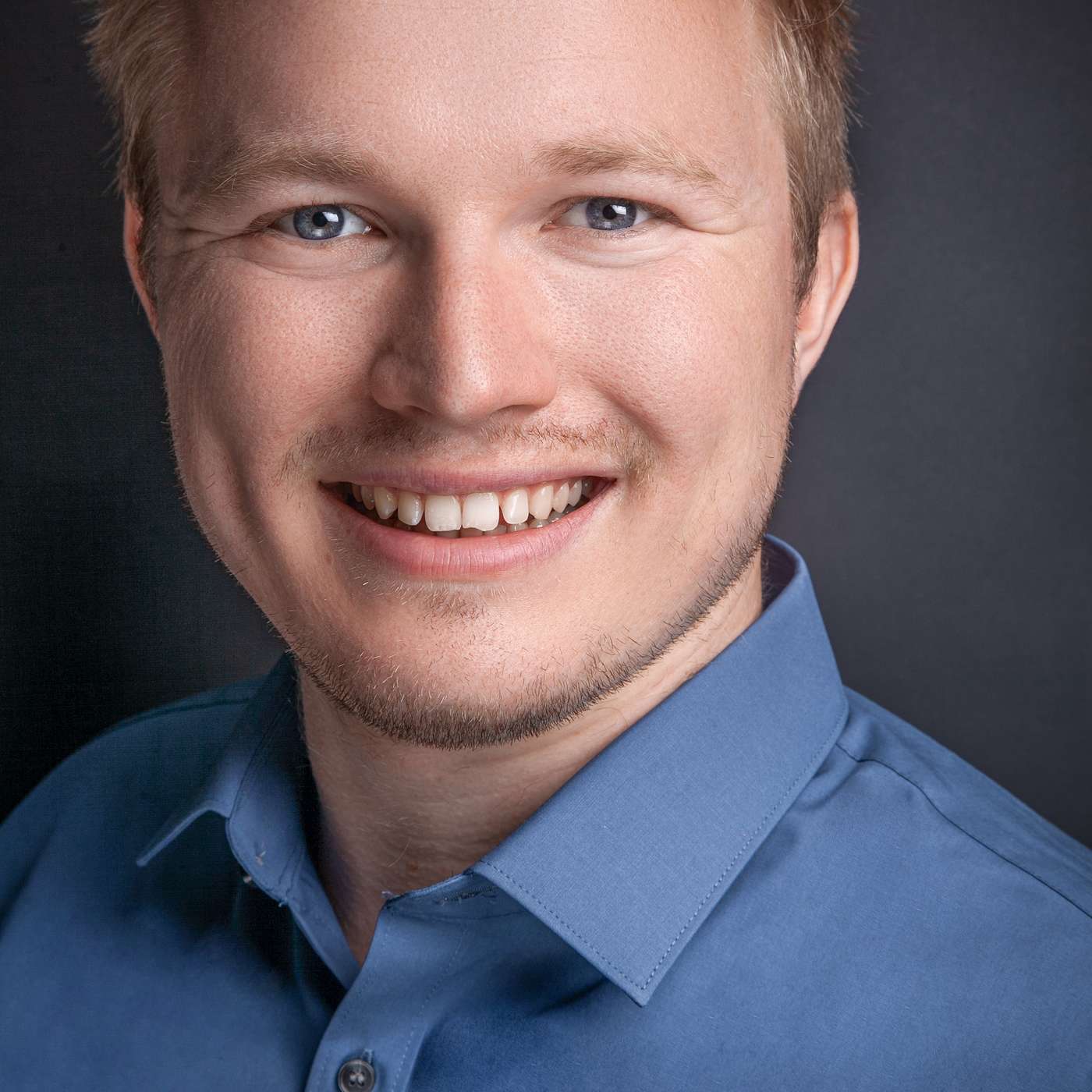 Sven Heydenreich, PHD student at the University of Bonn | In this episode, Sven spoke to me about his work in gravitational lensing, and more specifically, a novel statistical analysis method he is developing. He also spoke about how he transitioned to astrophysics from studying math, as well as how his analysis technique could prove incredibly useful in learning more about the matter distribution in our universe. | — | ||||||
| 1/23/22 |  Marcus Keil, PHD student at University College London | In this episode, Marcus spoke to me about his current PHD work as well as his interest in cosmology. He explained a little about Astrochemistry and the research he is doing related to it. Lastly, he spoke about the process of getting a PHD and the final outcome required for completion. | — | ||||||
| 12/15/21 |  Dr Niall Jeffrey, Researcher at the École Normale Supérieure in Paris | Dr Jeffery goes into detail about how dark energy and dark matter, two things he is researching extensively, are elusive and that astrophysicists know very little about it. The Dark Energy Survey is a project which he is part of that tries to map the distribution of dark energy in our universe. Dr Jeffrey also spoke about machine learning in the context of his research and how it is being used extensively throughout the projects he is working in. | — | ||||||
| 10/18/21 |  Dr Peter Doel, Professor of Astronomical Instrumentation at University College London | This episode I spoke to Dr Doel about some of the projects he has been working on. He told me about the considerations that need to be accounted for when retrofitting telescopes as well as how he entered this field. Dr Doel also described how he thought the field have changed in the past to what it is now. | — | ||||||
| 9/12/21 |  Prof. Marco Cavaglia, Professor of Physics at Missouri University | This episode I spoke to Dr Cavaglia about what the LIGO collaboration is and how it operates, as well as some of the details of the interferometers. He also spoke about the kinds of data cleaning a data analyst such as himself needs to perform of the LIGO data to actually find gravitational wave signals. I also asked him a little about his role teaching and some advice he might give to high school students looking to pursue astrophysics. | — | ||||||
| 8/21/21 | 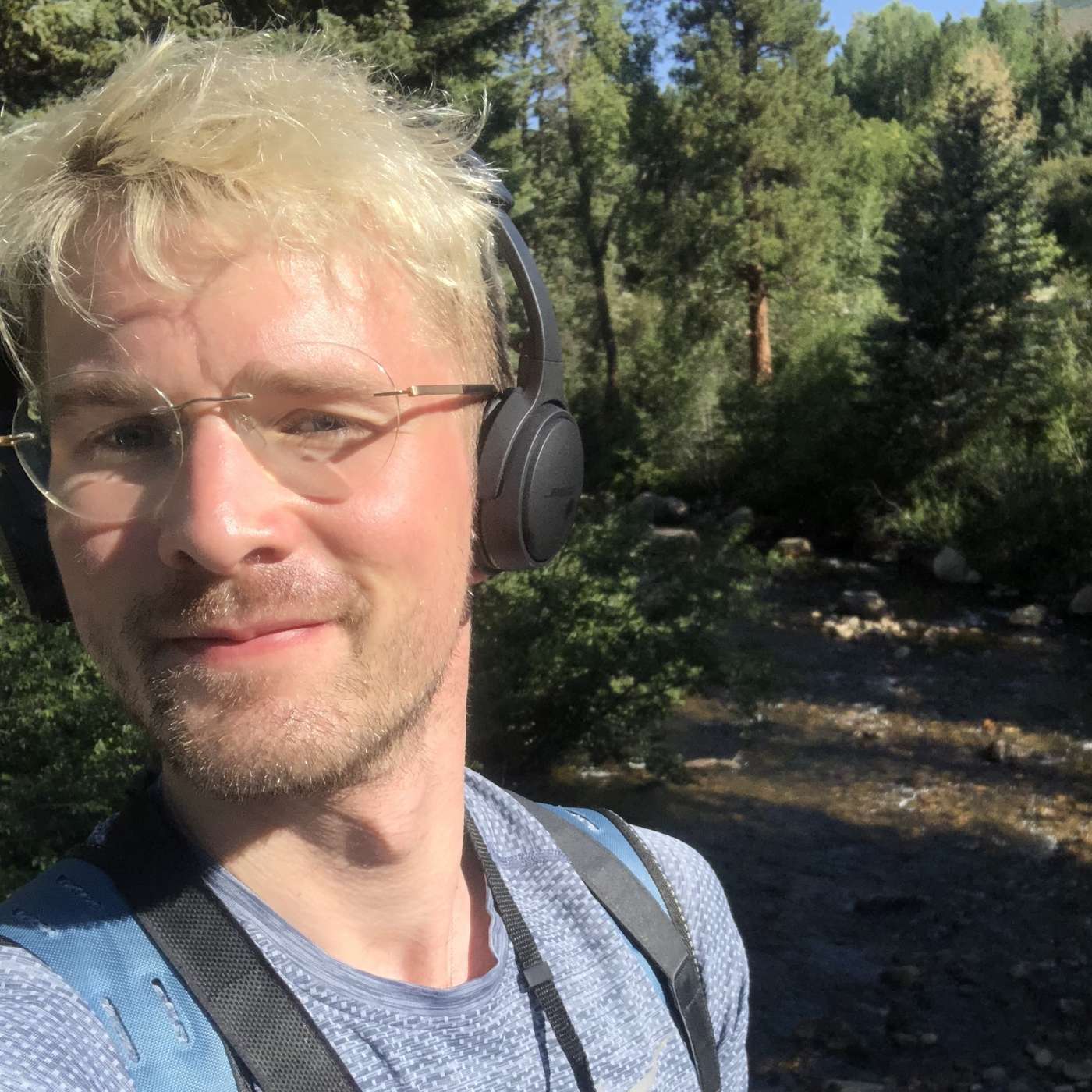 Dr Boris Leistedt, Researcher at Imperial College London | I spoke to Dr Leistedt on how statistics plays an important role in astronomy, as well as why astronomy is somewhat unique in comparison to other fields of physics such as particle physics. In addition, we spoke more about astronomical datasets, and how the sheer amount of data makes it more difficult to process as well as how even hardware imprecisions have to be taken into account when projects are conducted. | — | ||||||
| 8/21/21 | 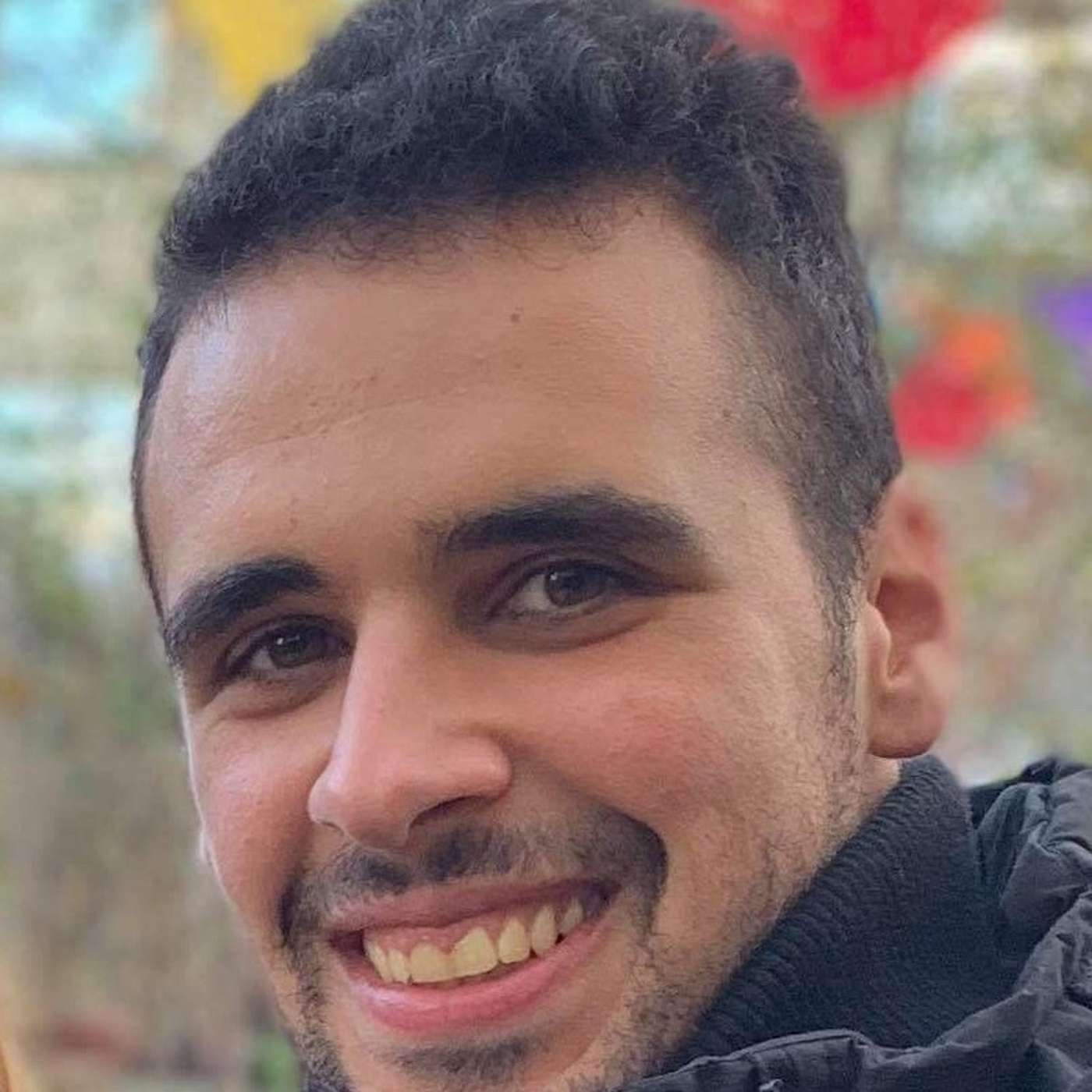 Dr Pablo Lemos, Postdoctoral research fellow in cosmology at UCL, London | I enjoyed speaking with Dr Pablo Lemos today as he described his work involving dark matter and energy which includes testing models and determining how accurate they are. He also spoke to me about the research he did for his PHD and how he implemented Artificial Intelligence into one of his projects. | — | ||||||
| 7/6/21 |  Dr Constance Mahony, Postdoctoral researcher at the German Centre for Cosmological Lensing | In this episode I spoke to Dr Mahony about her work using gravitational lensing to research more into the properties of dark energy and matter. We spoke about some of the work she found challenging and how she overcame those obstacles, while also speaking about the future implications her research could have in the field of astrophysics. | — | ||||||
| 5/3/21 | 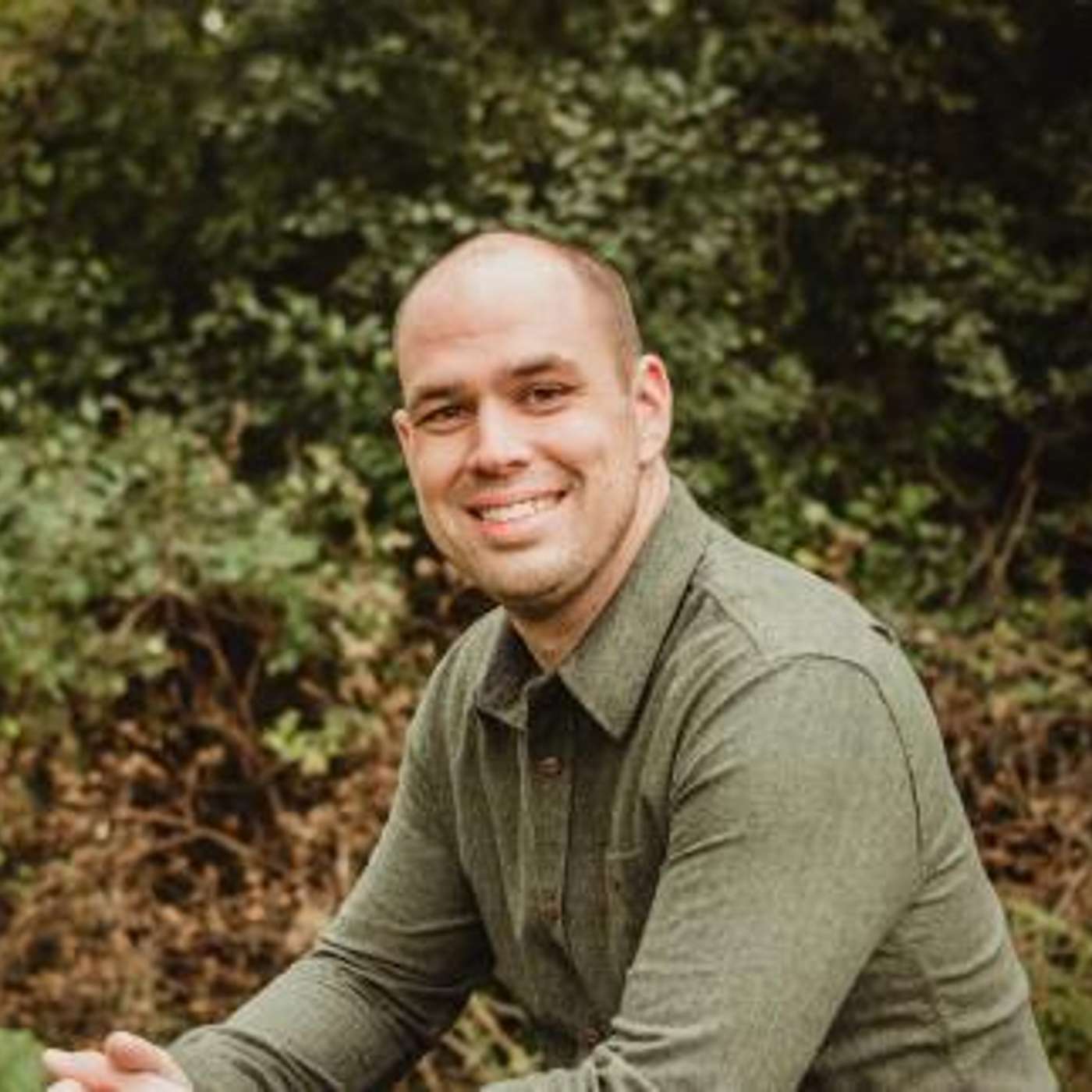 Aaron Stemo, A PHD candidate at the university of Colorado Boulder | In this episode we talked about how Aaron became involved with his current research and what AGN galaxies are. It was also very interesting about how he used computational techniques to cut down a database of 500,000 galaxies into just the 200 that met the criteria he was looking for. | — | ||||||
| 3/27/21 | 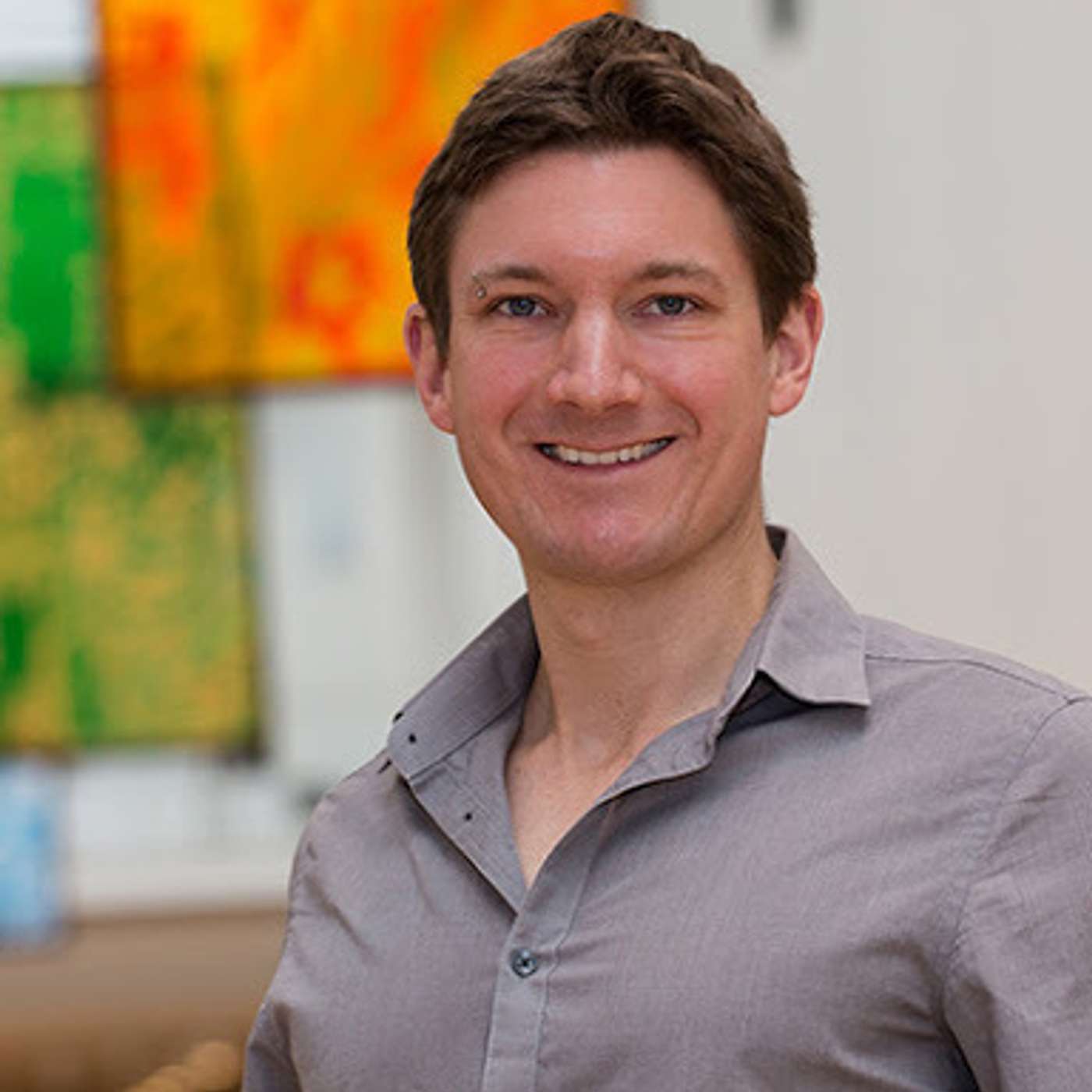 Prof. Benedikt Diemer, Computational astrophysicist as the University of Maryland | In this episode we looked at how astrophysical simulations can never be completely realistic due to the sheer scale of the universe, and how computational astrophysicists have to work around that. Prof. Diemer also spoke about his project with a textile specialist, fabricoftheuniverse.org, which tries to visualise dark matter data in a unique ways, such as representing the data as 3D woven textiles. | — | ||||||
| 3/2/21 |  Dr Rebecca Nevin, Postdoctoral research fellow at the Harvard Center for Astrophysics | In this episode I speak with Dr Nevin on her work building a tool to recognise and classify galaxy mergers. She also talked about using machine learning and statistical tools in her work to assess how realistic fake galaxies can be to the ones observed. We also looked at some of the types of galaxies mergers present. | — | ||||||
Showing 25 of 31
Pitch Fit is a Pro feature
See how bookable this show is for guests, which brands already advertise, the per-episode ad value, and the best-fit guest and sponsor profile. The numbers are blurred on the free plan.
How readily this show books outside guests like you.
How proven this show is for host-read sponsorships.
For Guests
ProFor Advertisers
ProUpgrade to Pro to unlock guest cadence, sponsor categories, fit scores, and per-episode ad value for this show.
Chart Positions
10 placements across 10 markets.
Chart Positions
10 placements across 10 markets.