Insights from recent episode analysis
Audience Interest
Podcast Focus
Publishing Consistency
Platform Reach
Insights are generated by CastFox AI using publicly available data, episode content, and proprietary models.
Most discussed topics
Brands & references
Est. Listeners
Insufficient chart data. Estimates will improve as the show charts.
- Per-Episode Audience
Est. listeners per new episode within ~30 days
N/A🎙 ~2x weekly·53 episodes·Last published 4d ago - Monthly Reach
Unique listeners across all episodes (30 days)
N/A - Active Followers
Loyal subscribers who consistently listen
N/A
Market Insights
Platform Distribution
Reach across major podcast platforms, updated hourly
Total Followers
—
Total Plays
—
Total Reviews
—
* Data sourced directly from platform APIs and aggregated hourly across all major podcast directories.
On the show
From 15 epsHosts
Recent guests
Recent episodes
The AI Paradox: More Information, Less Shared Reality
Jun 21, 2026
42m 04s
The Hidden Challenge of Bringing Crypto to Wall Street
Jun 14, 2026
49m 51s
What Happens When Everyone Has Institutional Investing Tools?
Jun 7, 2026
27m 01s
Can AI Really Go Rogue? Why Today’s AI Fears May Be Overstated
May 29, 2026
7m 59s
Money Is Political | Bitcoin, AI & the Future of Markets
May 26, 2026
54m 26s
Social Links & Contact
Official channels & resources
Official Website
Login
RSS Feed
Login
| Date | Episode | Topics | Guests | Brands | Places | Keywords | Sponsor | Length | |
|---|---|---|---|---|---|---|---|---|---|
| 6/21/26 | ![]() The AI Paradox: More Information, Less Shared Reality | Today's guest is Lyn Alden, one of the world's leading macroeconomic analysts and the author of Broken Money and The Stillguard Incident.We explore one of the defining questions of the modern era: humanity has more information, more connectivity, and more problem-solving capability than ever before, yet trust in institutions is falling and agreement on basic facts appears increasingly difficult.Topics include:• AI generated content and the future of truth• Social media algorithms and attention economics• Bitcoin, cryptographic verification, and digital authenticity• The historical relationship between technology and progress• Energy, hydrocarbons, and human prosperity• Fiscal dominance, inflation, and rising asset prices• Demographics, debt, and the long term economic outlook• Portfolio construction in an era of persistent deficits• Lyn's new investment venture, Orange JuiceIf you enjoy thoughtful conversations about economics, technology, investing, Bitcoin, and long-term human progress, please subscribe.Subscribe to my Substack for more in depth analyses of these topics: Thank you very much to our sponsors: Foundation: Protect your Bitcoin using the latest off-line technology with easy-to-use Passport. Their next product, Passport Prime will protect all passwords off-line with even-better technology. https://foundation.xyz/River Financial: If not cold storage for your Bitcoin, I’d highly recommend River for buying and holding- River is engineered to protect your Bitcoin over the long run. Use this link for discounts: https://river.com/signup?r=T7GGAF7GTimestamps:00:00 Introduction: The Shared Reality Problem- HIghlights01:20 How Technology Changed Shared Reality02:40 AI, Deepfakes, and the Verification Crisis04:20 Will We Retreat to Local Sources of Truth?05:40 Social Media Algorithms and Attention Economics09:10 Sponsor Break09:50 Can Bitcoin Help Verify Reality?14:40 Hunter Gatherers, Agriculture, and Human Progress19:00 Markets, Entrepreneurship, and Problem Solving21:20 Debt, Governments, and Fiscal Dominance24:00 Why Stocks Keep Rising Despite Growing Pessimism27:40 Demographics, Deficits, and the K-Shaped Economy30:20 Ray Dalio, Empires, and Avoiding Conflict33:30 How Lyn Alden Is Positioning Her Portfolio34:50 Why the Traditional 60/40 Portfolio May Be Changing38:10 Orange Juice: Lyn's New Investment Venture40:10 Writing Fiction, Building Ideas, and Long-Term Thinking41:30 Closing Thoughts This is a public episode. If you'd like to discuss this with other subscribers or get access to bonus episodes, visit robertdewey3.substack.com/subscribe | 42m 04s | ||||||
| 6/14/26 | ![]() The Hidden Challenge of Bringing Crypto to Wall Street | What does it take for one of the world's largest financial institutions to adopt an entirely new technology?Morgan Stanley's Head of Digital Asset Strategy, Amy Oldenburg, joins Exploring Prosperity to discuss the hidden challenge of bringing crypto, tokenization, stablecoins, and blockchain technology into a global financial institution.Most conversations about digital assets focus on prices, regulation, or the latest market cycle. This conversation focuses on something deeper: how innovation actually moves from the outside into the institutions that society already depends upon.Drawing on more than two decades at Morgan Stanley, Amy explains why large organizations often struggle to innovate, what she calls the challenge of institutional transformation, and why understanding both emerging technology and legacy financial infrastructure has become increasingly valuable.We discuss:• How Amy's experience in emerging markets led her to Bitcoin and digital assets• Why Morgan Stanley began exploring digital assets years before most institutions• The internal resistance new technologies face inside large organizations• What "institutional grade" really means• Why tokenization is about far more than crypto investing• How stablecoins may strengthen the global role of the U.S. dollar• The infrastructure required to support 24/7 financial markets• Why user experience ultimately drives technology adoption• How AI and digital assets are accelerating financial modernization• The opportunities and challenges facing Wall Street over the next decadeOne of the most fascinating themes in this discussion is the role of the translator: people who understand both the culture of innovation and the realities of large institutions. As digital assets continue moving into the financial mainstream, that role may become one of the most important in finance.If you enjoy thoughtful conversations about technology, markets, institutions, Bitcoin, AI, and the future of financial services, subscribe and join us for future episodes.Subscribe to my Substack for more in depth analyses of these topics: https://robertdewey3.substack.com/Thank you very much to our sponsors:Foundation: Protect your Bitcoin using the latest off-line technology with easy-to-use Passport. Their next product, Passport Prime will protect all passwords off-line with even-better technology. https://foundation.xyz/River Financial: If not cold storage for your Bitcoin, I’d highly recommend River for buying and holding- River is engineered to protect your Bitcoin over the long run. Use this link for discounts: https://river.com/signup?r=T7GGAF7G#DigitalAssets #Tokenization #MorganStanley Timestamps:00:00 Highlights01:05 How Amy Oldenburg Found Crypto Through Emerging Markets07:25 Why Bitcoin Made Sense Outside the Developed World10:35 Morgan Stanley's First Digital Asset Working Groups11:25 The "Innovation Firewall" Inside Large Institutions13:00 Why Financial Firms Struggle to Innovate17:45 The Regulatory Turning Point for Digital Assets21:35 From Experimentation to Firm-Wide Strategy22:25 Amy's Role as Head of Digital Asset Strategy26:40 What Does "Institutional Grade" Really Mean?30:40 The Most Important Use Cases for Digital Assets36:20 Tokenization, AI, and the Future of Financial Infrastructure42:10 The Biggest Challenges Facing Institutional Adoption46:00 Tokenization, New Products, and the Future of Finance48:25 Closing Thoughts This is a public episode. If you'd like to discuss this with other subscribers or get access to bonus episodes, visit robertdewey3.substack.com/subscribe | 49m 51s | ||||||
| 6/7/26 | ![]() What Happens When Everyone Has Institutional Investing Tools?✨ | AI investinghuman judgment vs AI+5 | Bob Dewey | — | — | artificial intelligencewealth management+5 | Foundation | 27m 01s | |
| 5/29/26 | ![]() Can AI Really Go Rogue? Why Today’s AI Fears May Be Overstated✨ | artificial intelligenceAI safety+4 | Albert Berdellans | Passport PrimeInvenium+2 | — | AI fearsrogue AI+6 | FoundationCODE | 7m 59s | |
| 5/26/26 | ![]() Money Is Political | Bitcoin, AI & the Future of Markets✨ | BitcoinAI+4 | Jeff Park | BitcoinAI+2 | — | BitcoinAI+5 | FoundationPassport Prime | 54m 26s | |
| 5/21/26 | ![]() Are We Running Out of Valuable Problems to Solve?✨ | artificial intelligencefuture of work+4 | — | Citadel | — | AIeconomic displacement+5 | — | 6m 53s | |
| 5/10/26 | ![]() AI Is Rewiring Markets, Energy & Bitcoin | Matthew Sigel✨ | AIBitcoin+4 | Matthew Sigel | Vaneck Onchain Economy ETFPassport Prime+2 | — | stocksBitcoin mining+5 | Foundation | 46m 12s | |
| 4/25/26 | ![]() Is Digital Security Ready for What’s Coming? (Zach Herbert)✨ | AI cybersecurity risksdigital identity theft+4 | Zach Herbert | — | — | cybersecurityAI-driven attacks+4 | Foundation | 57m 20s | |
| 4/19/26 | ![]() Credit Stress Is Back: What Happens When Markets Stop Clearing?✨ | credit stressprivate credit markets+4 | Bill Landis | Raith Capital Partners | — | credit stressprivate credit+5 | TruflationBOBDEW10 | 1h 00m 29s | |
| 4/4/26 | ![]() What AI Can Actually Do — And What It Can’t✨ | artificial intelligencefinance+5 | Albert Berdellans | Invenium | — | AIlarge language models+8 | TruflationBOBDEW10 | 1h 00m 03s | |
Want analysis for the episodes below?Free for Pro Submit a request, we'll have your selected episodes analyzed within an hour. Free, at no cost to you, for Pro users. | |||||||||
| 3/27/26 | ![]() Are We Getting Weaker? Hard Money, Harder Virtues✨ | human progresseconomics+5 | Aleks Svetski | The Bushido of Bitcoin | — | hard moneyBitcoin+6 | TruflationBOBDEW10 | 1h 06m 49s | |
| 2/20/26 | ![]() OpenAI’s Trillion-Dollar Obligations: Can the Math Work?✨ | AI riskscapital markets+5 | Ram Ahluwalia | OpenAI | — | OpenAIAI buildout+7 | Truflation10% | 1h 01m 33s | |
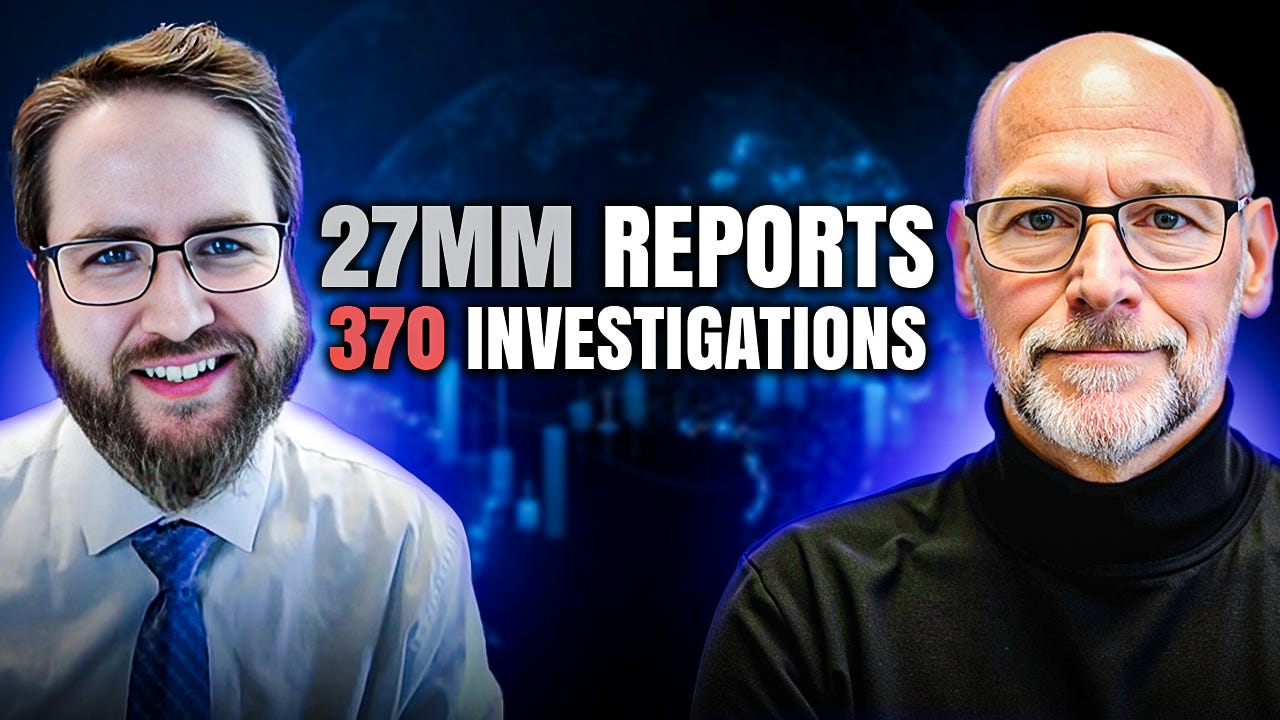
| 2/9/26 | ![]() 27 Million Reports: Will Congress Scale Back Financial Surveillance?✨ | financial surveillanceBank Secrecy Act+5 | Nick Anthony | Cato InstituteCongress+2 | — | financial reportssuspicious activity+6 | — | 47m 20s | |
| 1/24/26 | ![]() The One-Hour Problem: How High School Counseling Fails Families✨ | college guidancehigh school counseling+4 | Jon Carson | College Guidance Network | — | college decisionhigh school counseling+3 | TruflationBOBDEW10 | 49m 42s | |
| 1/19/26 | ![]() Crypto’s Institutional Reset: Why 2026 Changes Everything | Zach Pandl (Grayscale)✨ | cryptoinstitutional finance+5 | Zach Pandl | Truflation products/servicesPassport+3 | — | crypto marketsinstitutional reset+5 | TruflationBOBDEW10 | 38m 41s | |
| 1/19/26 | ![]() Growth Without Jobs: AI and the End of the Old Capitalist Bargain✨ | economic growthartificial intelligence+5 | Jordi Visser | — | — | AIcapitalism+6 | TruflationBOBDEW10 | 1h 03m 54s | |
| 1/9/26 | ![]() Inflation Isn’t 3% — Here’s Why the Official Numbers Are Wrong✨ | real-time inflation dataCPI vs Truflation+3 | Stefan Rust | — | — | inflationCPI+5 | TruflationBOBD | 34m 33s | |
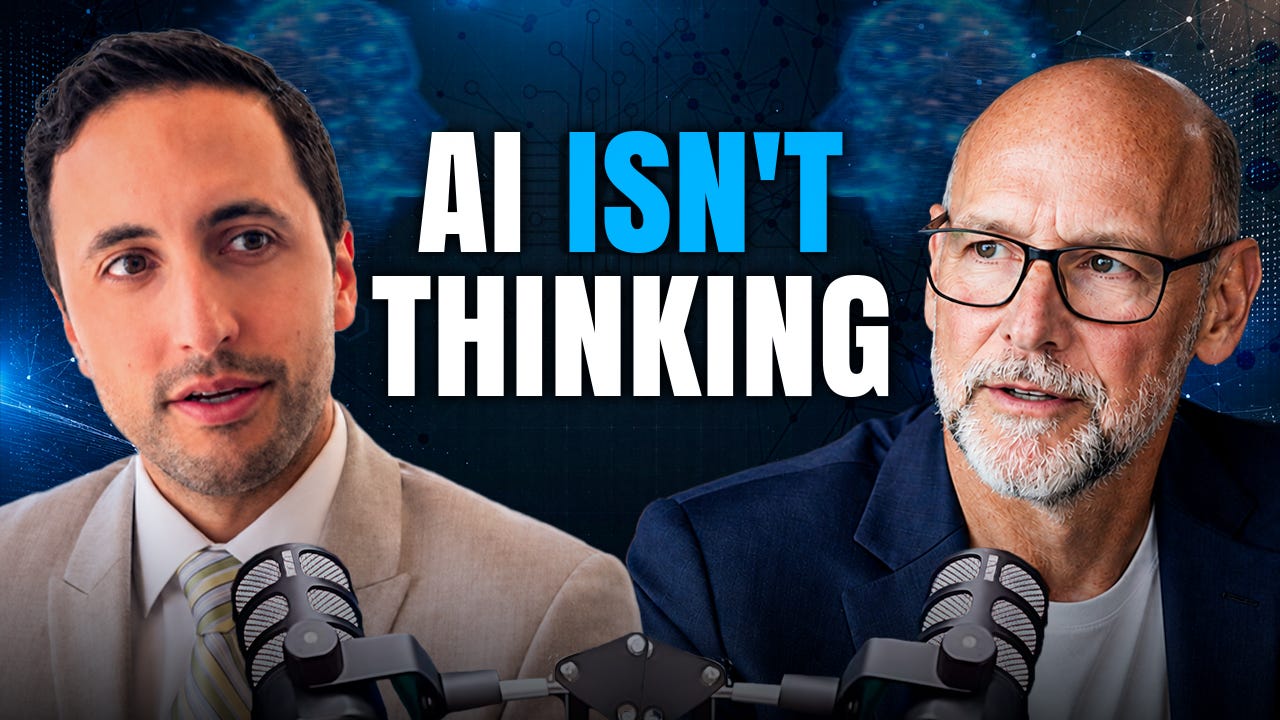
| 12/19/25 | ![]() "It’s a Rigged Game": Larry Lepard on the Moral Case for Bitcoin | In this episode, I sit down with investment manager and author Lawrence Lepard (The Big Print) to examine how America’s monetary system actually works—and why its failures increasingly feel moral, not just economic.Larry breaks down the Cantillon Effect: how Federal Reserve money creation and artificially low interest rates disproportionately benefit Wall Street, large financial institutions, and asset owners, while eroding the purchasing power of wages and savings on Main Street. What emerges is a system that rewards proximity to newly created money rather than productive contribution.We discuss what Larry calls the “Gradual Print” now underway—a slow but persistent expansion of the monetary base that avoids crisis headlines while steadily debasing the currency. To illustrate the scale of this debasement, he introduces the concept of a “shadow price” of gold: a theoretical calculation showing that gold would need to be priced near $90,000 per ounce to fully back today’s M2 money supply. This is not a near-term price forecast, but a framework for understanding how far the system has drifted from monetary discipline.The conversation also explores the historical origins of central banking, the moral hazards created by bailouts and credit expansion, and why Larry believes sound money is essential to restoring fairness, trust, and long-term stability. We conclude by discussing why he holds both gold and Bitcoin as protection against monetary debasement—and what a realistic transition to sound money could look like.Topics Discussed:- The "Rigged" Game: How low interest rates and bailouts favor the elite banks.- The Big Print vs. Gradual Print: Why the Fed is trapped and what comes next.- The $90,000 Gold Calculation: What the price of gold would be if it backed today's money supply.- Bitcoin vs. Gold: Why Larry holds both to protect purchasing power.- The Solution: How we transition to sound money and a fairer system.Thank you very much to our sponsors: Truflation: BUY Truflation products/services and save 10% using code BOBDEW10. Learn about what prices are actually doing by going to https://truflation.com/Foundation: Protect your Bitcoin using the latest off-line technology with easy-to-use Passport. Their next product, Passport Prime will protect all passwords off-line with even-better technology. https://foundation.xyz/River Financial: If not cold storage for your Bitcoin, I’d highly recommend River for buying and holding- River is engineered to protect your Bitcoin over the long run. Use this link for discounts: https://river.com/signup?r=T7GGAF7GTimestamps: 00:00 - Intro 03:38 - The "Moral Crusade": Why the System is Unfair 07:04 - The Cantillon Effect: How Banks Rigged the Game 13:13 - Larry’s "Radicalization" (The GFC Moment) 17:15 - The "Gradual Print" vs. The "Big Print" 26:49 - The End of the Dollar Reserve Currency? 34:15 - The Secret Meeting at Jekyll Island (Fed History) 46:16 - The Solution: How We Transition to Sound Money 52:01 - The Michael Saylor 2032 Prediction 56:51 - The Debt-to-Gold Ratio & The $90k "Shadow Price" 1:03:14 - Volatility & The "God Candle": Why Selling is Dangerous 1:08:22 - Bitcoin vs. Gold: Which to Buy Now? This is a public episode. If you'd like to discuss this with other subscribers or get access to bonus episodes, visit robertdewey3.substack.com/subscribe | 1h 11m 42s | ||||||
| 12/3/25 | ![]() How Schools Can Heal a Generation: Meera Viswanathan on Hope, Learning, and the Social Media Trap | Ethel Walker head of school Meera Viswanathan joins Exploring Prosperity to explain what’s really happening to today’s students — from the rise of social media, smartphones, and anxiety to the decline of confidence, resilience, and curiosity.Drawing on insights aligned with Jonathan Haidt, The Anxious Generation, and current research on teen mental health, Meera breaks down:- How phones and social media are reshaping childhood- The real drivers behind rising anxiety and self-doubt- Why schools are struggling — and how to fix them- What great teachers and parents can do right now- Why education is still a fundamentally hopeful institutionThis conversation is for parents, educators, policymakers, and anyone who cares about the future of young people.Timestamps:00:00 The Evolution of Education02:58 The Core Mission of Ethel Walker School04:22 The Benefits of Single-Sex Education06:53 Addressing Busy Work in Education10:56 Preparing Students for a Rapidly Changing World12:16 The Role of Autodidacticism in Learning13:15 The Importance of Engaging Teachers13:48 The Capabilities Approach to Education15:26 Bridging the Confidence Gap for Girls17:04 Developing Essential Skills for Life19:27 Financial Literacy and Community Engagement22:47 Engaging Students in Investment Education25:15 Expanding Financial Literacy Programs27:39 Real-World Impact of Financial Education30:33 The Role of Education in Building Confidence32:28 Scalability of Educational Innovations34:50 Adapting Successful Programs to Other Schools36:32 Challenges Facing Public Education39:16 The Importance of a Liberal Arts Education43:11 Fostering Freedom of Inquiry in Education46:02 Navigating Modern Challenges in Education46:58 The Limits of Algorithms and Imagination49:25 The Importance of Daydreaming in Education52:48 The Role of Public Libraries and Financial Aid56:41 The State of Higher Education in the U.S.01:00:38 The Politics of Education and Academic FreedomThank you very much to our sponsors: Truflation: BUY Truflation products/services and save 10% using code BOBDEW10. Learn about what prices are actually doing by going to https://truflation.com/Foundation: Protect your Bitcoin using the latest off-line technology with easy-to-use Passport. Their next product, Passport Prime will protect all passwords off-line with even-better technology. https://foundation.xyz/River Financial: If not cold storage for your Bitcoin, I’d highly recommend River for buying and holding- River is engineered to protect your Bitcoin over the long run. Use this link for discounts: https://river.com/signup?r=T7GGAF7G This is a public episode. If you'd like to discuss this with other subscribers or get access to bonus episodes, visit robertdewey3.substack.com/subscribe | 1h 07m 10s | ||||||
| 11/11/25 | ![]() Can America Keep Its AI Advantage? | Artificial intelligence is transforming the global economy — but will America stay ahead? In this audio edition of Exploring Prosperity, host Robert Dewey examines whether U.S. innovation can outpace regulation, comparing today’s AI revolution to past eras when new technologies reshaped productivity, jobs, and global power.From Silicon Valley’s open-source momentum to Europe’s regulatory headwinds and China’s centralized push, this essay explores the balance between freedom, experimentation, and control — and why the future of prosperity may depend on which model wins.Topics include:* The real drivers of America’s AI edge* How overregulation could slow innovation* Lessons from past technology revolutions* The global race for AI leadershipListen to understand how policy choices today could decide whether AI accelerates prosperity — or stifles it.Thank you very much to our sponsors:* Truflation: Truflation: BUY Truflation products/services and save 10% using code BOBDEW10. Learn about what prices are actually doing by going to https://truflation.com/marketplace/us-inflation-rate* Foundation: Protect your Bitcoin using the latest off-line technology with easy-to-use Passport. Their next product, Passport Prime will protect all passwords off-line with even-better technology. https://foundation.xyz/* River Financial: If not cold storage for your Bitcoin, I’d highly recommend River for buying and holding- River is engineered to protect your Bitcoin over the long run. Use this link for discounts: https://river.com/signup?r=T7GGAF7G This is a public episode. If you'd like to discuss this with other subscribers or get access to bonus episodes, visit robertdewey3.substack.com/subscribe | 7m 43s | ||||||
| 10/26/25 | ![]() Gold Surges 30% | Lyn Alden, Bob Murphy & Troy Cross on Fiat, Inflation, and Hard Money | Gold just surged 30% in only 56 days — its fastest rise since 1979.In this episode of Exploring Prosperity, Bob Dewey revisits a roundtable with Lyn Alden, Bob Murphy, and Troy Cross to ask: what does this record-setting move reveal about the weakness of fiat money and the enduring power of hard money?The discussion explores:* How fiat money distorts price signals and encourages debt-driven growth* Why gold and Bitcoin represent sound-money alternatives in a financialized economy* How hard money could reshape investment, innovation, and wealth distribution* What might have happened if the U.S. had reconnected the dollar to gold in 1971Lyn Alden explains how easy money fuels financial arbitrage rather than productivity.Bob Murphy shows that even under deflation, real investment and growth would continue.Troy Cross highlights how fiat’s distortions make it harder for markets to reveal true value.📈 Gold’s record run has reignited the debate over sound money, inflation, and individual freedom.This conversation connects today’s headlines to the deeper question: what kind of money best supports prosperity?Thank you very much to our sponsors:* Truflation: Truflation: BUY Truflation products/services and save 10% using code BOBDEW10. Learn about what prices are actually doing by going to https://truflation.com/marketplace/us-inflation-rate* Foundation: Protect your Bitcoin using the latest off-line technology with easy-to-use Passport. Their next product, Passport Prime will protect all passwords off-line with even-better technology. https://foundation.xyz/* River Financial: If not cold storage for your Bitcoin, I’d highly recommend River for buying and holding- River is engineered to protect your Bitcoin over the long run. Use this link for discounts: https://river.com/signup?r=T7GGAF7G This is a public episode. If you'd like to discuss this with other subscribers or get access to bonus episodes, visit robertdewey3.substack.com/subscribe | 48m 02s | ||||||
| 10/19/25 | ![]() Uneventful Miracle: The Quiet Triumph Over Infant Mortality | Every generation inherits miracles that once seemed impossible. Childbirth used to be among humanity’s greatest risks—today, it’s routine. In this episode of Exploring Prosperity, I look at the extraordinary fall in infant mortality and what it reveals about the quiet triumph of modern medicine. From 1800—when nearly half of all children died before age five—to today’s rates in the US at 0.5%, this is one of history’s clearest measures of human progress. Yet our healthcare system, despite these miracles, has become a source of frustration and pessimism. Why? Costs, complexity, and bureaucracy now obscure the deeper story of achievement. This video explores both sides of that paradox: how far medicine has come—and why so many feel left behind by it. Subscribe! Explore how innovation, capitalism, and human creativity continue to shape a more prosperous future. Thank you to our sponsors! Truflation: Learn about what prices are actually doing by going to https://truflation.com/Foundation: Protect your Bitcoin using the latest off-line technology with easy-to-use Passport. Their next product, Passport Prime will protect all passwords off-line with even-better technology. https://foundation.xyz/River Financial: If not cold storage for your Bitcoin, I’d highly recommend River for buying and holding- River is engineered to protect your Bitcoin over the long run. Use this link for discounts: https://river.com/signup?r=T7GGAF7G Timestamps: 00:00 The Miracle of Modern Childbirth 02:42 The Paradox of Healthcare Progress This is a public episode. If you'd like to discuss this with other subscribers or get access to bonus episodes, visit robertdewey3.substack.com/subscribe | 7m 26s | ||||||
| 9/18/25 | ![]() Bitcoin's $1.3M Future: Bitwise CIO Matt Hougan on US Debt Crisis & Institutional Boom | In this episode of Exploring Prosperity, I sit down with Matt Hougan, CIO of Bitwise, and Ryan Rasmussen, Head of Research, to unpack their groundbreaking report on Bitcoin’s long-term capital market assumptions. We cover why Bitcoin is increasingly viewed as a hedge against U.S. debt and deficits, how institutional investors are approaching allocation, the rise of corporate treasuries adopting Bitcoin, and the risks every investor should understand. Key topics we discuss include:* Why Bitcoin is gaining traction with pensions, endowments, and other institutions* The surge in corporate Bitcoin buyers and the impact of limited supply* The U.S. debt crisis, inflation concerns, and reserve currency debates* How to think about risk: volatility vs. conviction* Long-term catalysts like regulation, ETFs, and central bank adoptionMatt and Ryan explain why they believe Bitcoin could capture 1–5% of institutional portfolios — representing trillions in potential inflows — and why the supply-demand equation makes this moment so pivotal. Whether you’re a long-term investor, corporate leader, or simply curious about Bitcoin’s future, this conversation offers rare insights from two of the sharpest minds in crypto research. Learn why Bitcoin may be one of the most important assets for the next decade. Read their report here: Bitcoin Long-Term Capital Market Assumptions: 2025Thank you very much to our sponsors: Truflation: BUY Truflation products/services and save 10% using code BOBDEW10. Learn about what prices are actually doing by going to https://truflation.com/ Foundation: Protect your Bitcoin using the latest off-line technology with easy-to-use Passport. Their next product, Passport Prime will protect all passwords off-line with even-better technology. https://foundation.xyz/ River Financial: If not cold storage for your Bitcoin, I’d highly recommend River for buying and holding- River is engineered to protect your Bitcoin over the long run. Use this link for discounts: https://river.com/signup?r=T7GGAF7G Timestamps: 00:00 Introduction to Bitcoin's Capital Market Assumptions 02:56 Understanding Bitcoin's Value Proposition 06:03 The Macro Economic Landscape and Debt Concerns 09:05 The Role of Gold and Central Banks 12:42 Regulatory Environment and Institutional Interest 15:45 Bitcoin's Scarcity and Demand Dynamics 18:58 Risks and Future Outlook for Bitcoin 38:22 The Rise of Corporate Bitcoin Adoption This is a public episode. If you'd like to discuss this with other subscribers or get access to bonus episodes, visit robertdewey3.substack.com/subscribe | 38m 52s | ||||||
| 9/15/25 | ![]() 80 Years Without World War: How Has Peace Lasted? | For nearly 80 years, the world’s leading powers have avoided direct war — a stretch historians call the “Long Peace.” This video explores why peace has lasted so long, what forces have kept it in place, and how fragile it may be in the years ahead. Drawing on my essays from my research, (https://robertdewey3.substack.com/p/g...) we look first at the historical rarity of 80 years without great power conflict. Then we examine the global forces that shaped this era: U.S. hegemony after World War II, nuclear deterrence and the Cuban Missile Crisis, economic interdependence between rivals like the U.S. and China, and international institutions such as the UN, WTO, and EU. While these systems have enabled extraordinary global prosperity, each contains weaknesses — and history shows that peace is never guaranteed. Cycles described by Ray Dalio in Principles for Dealing with the Changing World Order and Strauss & Howe in The Fourth Turning suggest new challenges may be approaching. The Long Peace has been a foundation for growth and progress. But can it endure — and what happens if it doesn’t? These are questions that matter for the prospects of the next generation. Thank you to our sponsors! Truflation: BUY Truflation products/services and save 10% using code BOBDEW10. Learn about what prices are actually doing by going to https://truflation.com/ Foundation: Protect your Bitcoin using the latest off-line technology with easy-to-use Passport. Their next product, Passport Prime will protect all passwords off-line with even-better technology. https://foundation.xyz/ River Financial: If not cold storage for your Bitcoin, I’d highly recommend River for buying and holding- River is engineered to protect your Bitcoin over the long run. Use this link for discounts: https://river.com/signup?r=T7GGAF7G Timeline: 0:00 — Overview of The Great Peace. 0:26 — Modern Flashpoints: 2025, two flashpoints, Israel airstrike, Russian drones, historical precedent. 1:05 — Theories and Historical Context: Extraordinary events, global powers, extended peace, historical cycles. 3:33 — Hegemonic Stability & Nuclear Deterrence: US dominance, nuclear weapons, deterrence, global order. 6:11 — Systemic Forces & Fragility: International institutions, recent escalations, fragility of peace, looking ahead. This is a public episode. If you'd like to discuss this with other subscribers or get access to bonus episodes, visit robertdewey3.substack.com/subscribe | 9m 02s | ||||||
| 7/26/25 | ![]() The Drivers of Prosperity Since 1750: Labor, Energy and Sound Money | What if the key to prosperity isn't natural resources, but human labor itself? In this podcast, we explore economist Saifedean Ammous's compelling argument from "The Bitcoin Standard" that human ingenuity, not scarce resources, drives economic growth—but only when amplified by two critical factors: abundant energy and sound money. Through historical data and charts spanning from the gold standard era to today's fiat currency system, we examine why living standards exploded after 1750 and why they may be at risk today. The evidence reveals a striking pattern: the 1971 end of the gold standard coincides precisely with the divergence of productivity and wages, suggesting that monetary policy profoundly affects whether workers benefit from their increased output. As we face mounting US debt and energy constraints, this analysis offers both a framework for understanding prosperity's foundations and a warning about the institutional prerequisites for continued human flourishing. Could Bitcoin restore the sound money necessary to unlock labor's full potential, leaving energy abundance as our only remaining constraint?Thank you very much to our sponsors:* Truflation: Learn about what prices are actually doing by going to https://truflation.com/marketplace/us-inflation-rate* Foundation: Protect your Bitcoin using the latest off-line technology with easy-to-use Passport. Their next product, Passport Prime will protect all passwords off-line with even-better technology. https://foundation.xyz/* River Financial: If not cold storage for your Bitcoin, I’d highly recommend River for buying and holding- River is engineered to protect your Bitcoin over the long run. Use this link for discounts: https://river.com/signup?r=T7GGAF7G This is a public episode. If you'd like to discuss this with other subscribers or get access to bonus episodes, visit robertdewey3.substack.com/subscribe | 7m 39s | ||||||
Showing 25 of 62
Pitch Fit is a Pro feature
See how bookable this show is for guests, which brands already advertise, the per-episode ad value, and the best-fit guest and sponsor profile. The numbers are blurred on the free plan.
How readily this show books outside guests like you.
How proven this show is for host-read sponsorships.
For Guests
ProFor Advertisers
ProUpgrade to Pro to unlock guest cadence, sponsor categories, fit scores, and per-episode ad value for this show.