Insights from recent episode analysis
Audience Interest
Podcast Focus
Publishing Consistency
Platform Reach
Insights are generated by CastFox AI using publicly available data, episode content, and proprietary models.
Most discussed topics
Brands & references
Total monthly reach
Estimated from 1 chart position in 1 market.
By chart position
- 🇭🇺HU · Christianity#803K to 10K
- Per-Episode Audience
Est. listeners per new episode within ~30 days
900 to 3K🎙 Daily cadence·213 episodes·Last published 6d ago - Monthly Reach
Unique listeners across all episodes (30 days)
3K to 10K🇭🇺100% - Active Followers
Loyal subscribers who consistently listen
1.2K to 4K
Market Insights
Platform Distribution
Reach across major podcast platforms, updated hourly
Total Followers
—
Total Plays
—
Total Reviews
—
* Data sourced directly from platform APIs and aggregated hourly across all major podcast directories.
On the show
From 10 epsHost
Recent guests
Recent episodes
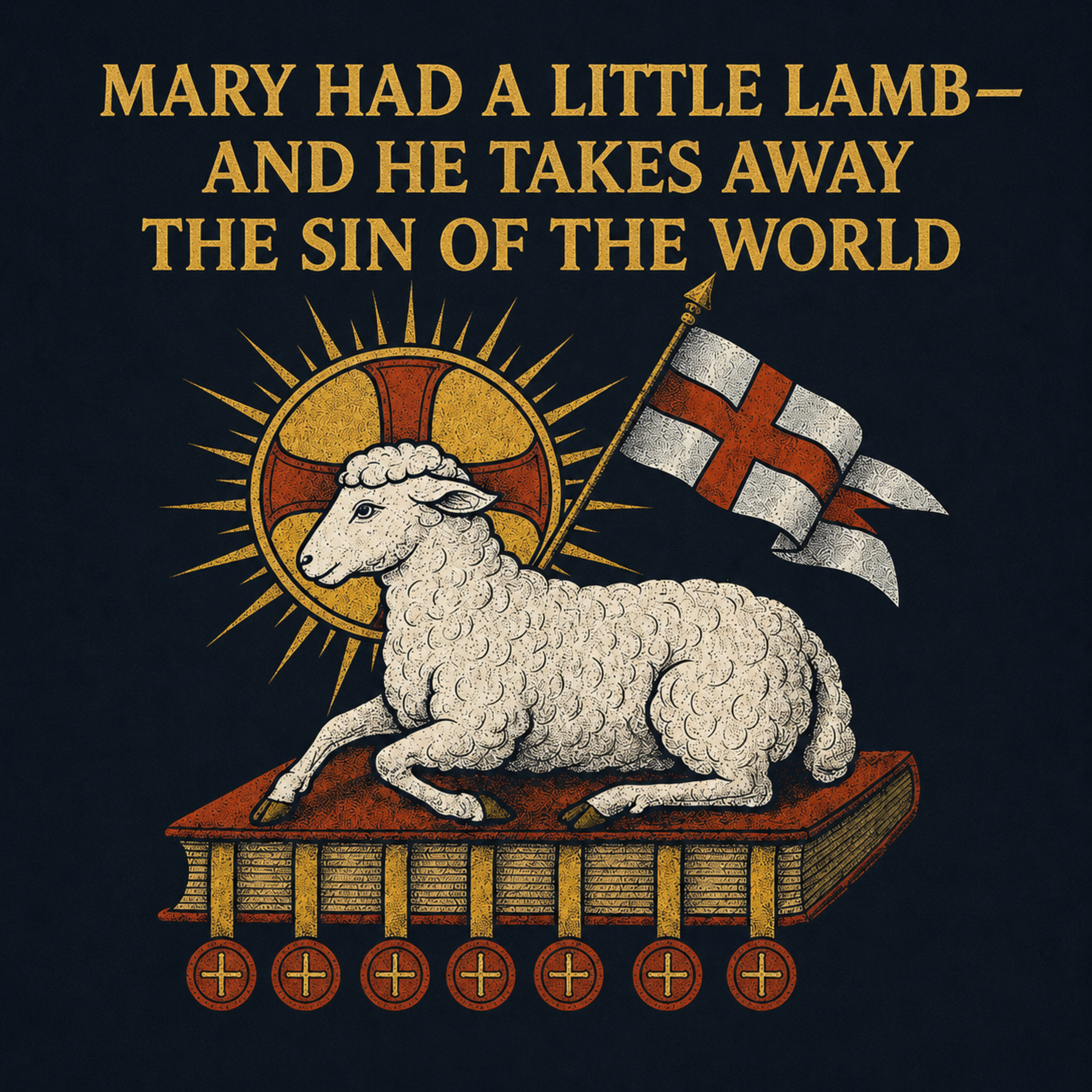
Mary Had a Little Lamb—And He Takes Away the Sin of the World
Jun 20, 2026
Unknown duration
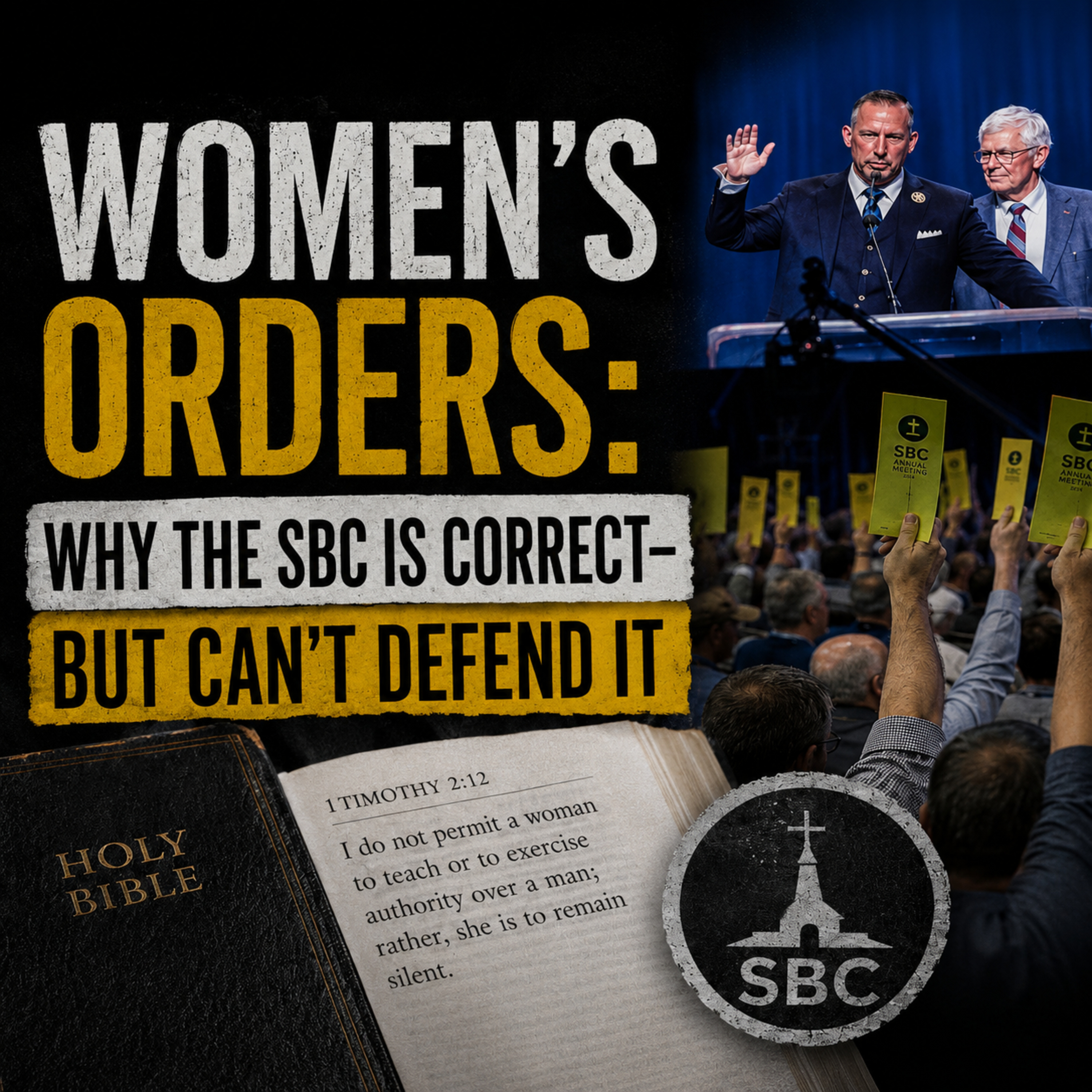
Women’s Orders: Why the SBC is Correct—But Can’t Defend It
Jun 14, 2026
Unknown duration
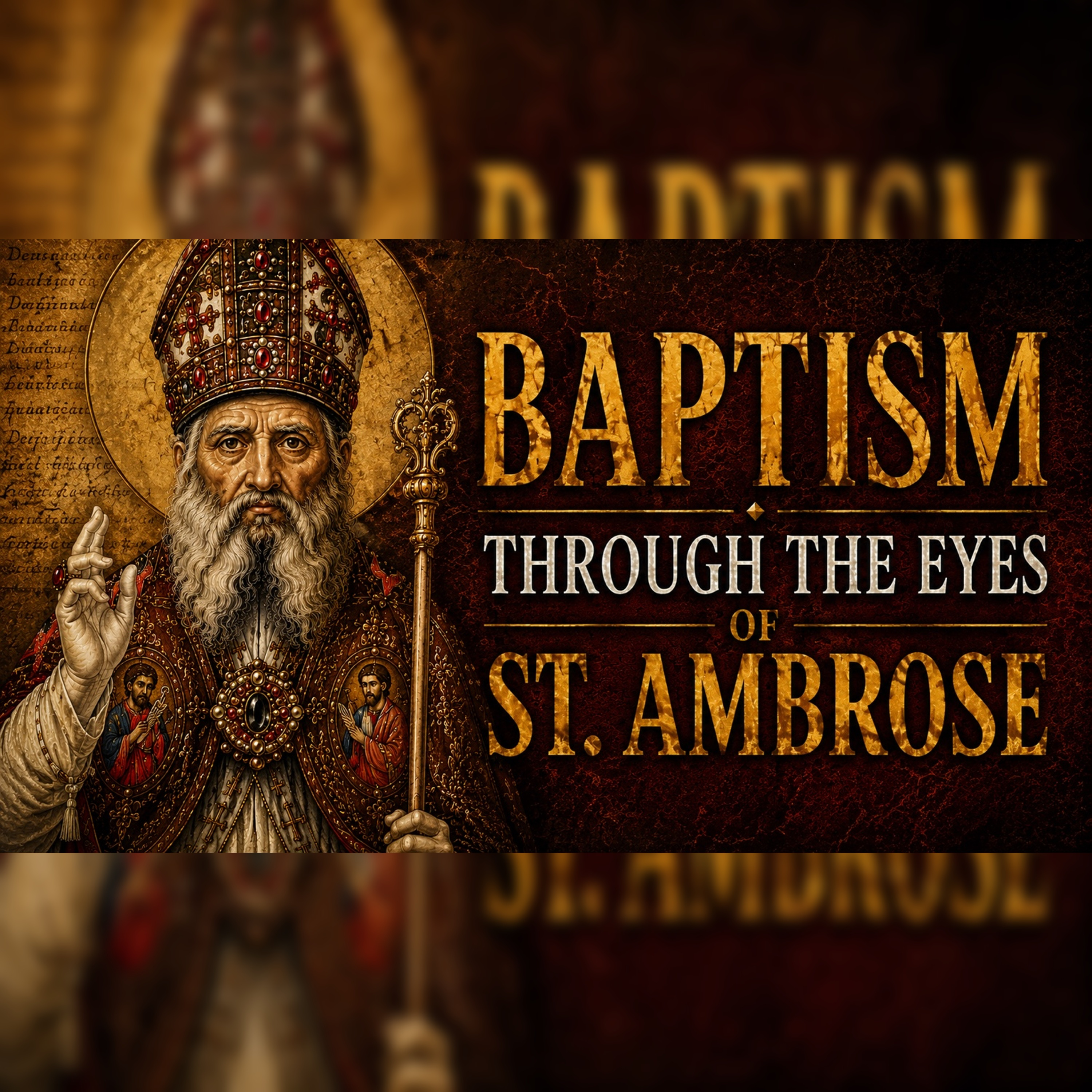
Baptism Through the Eyes of St. Ambrose
Jun 6, 2026
1h 01m 15s
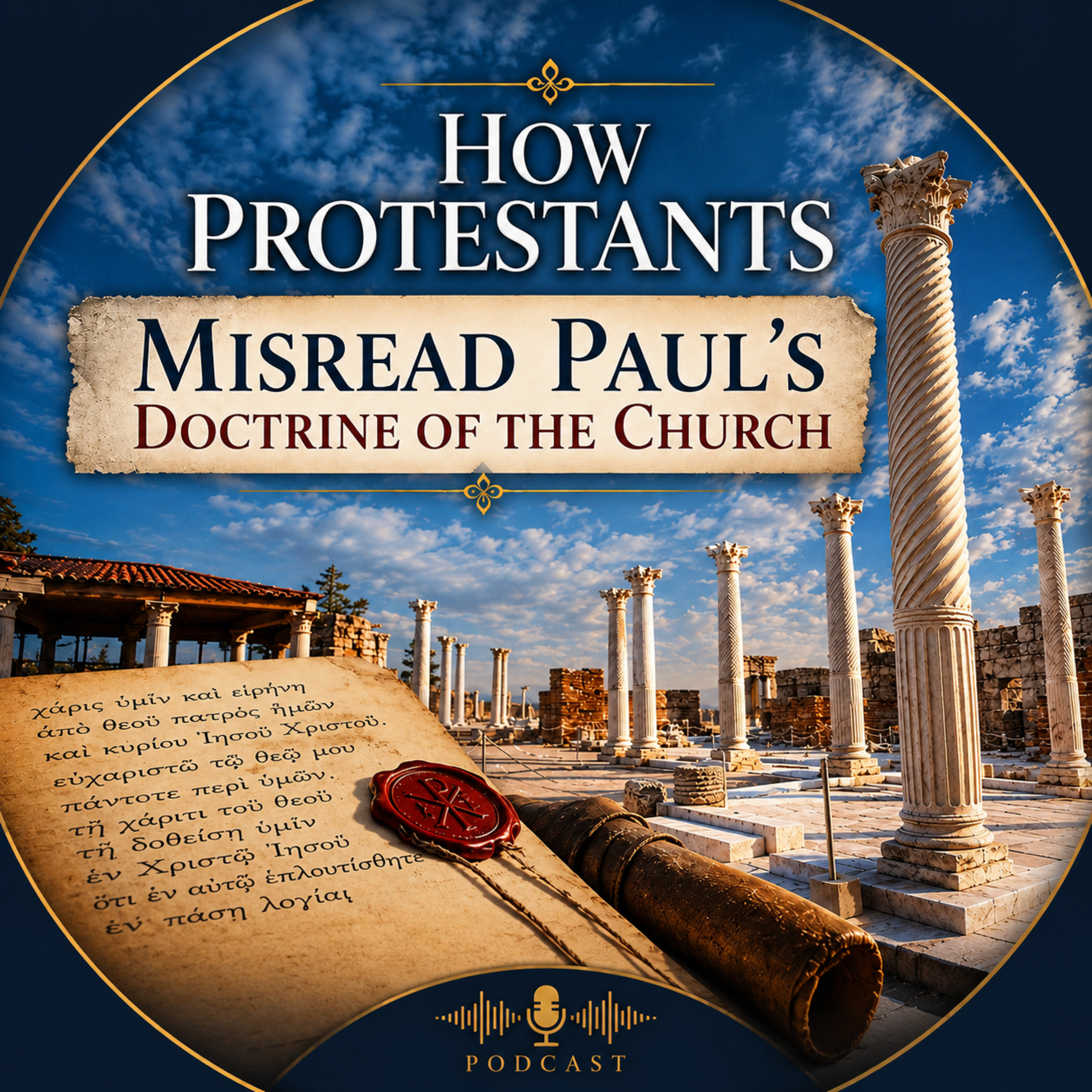
How Protestants Misread Paul's Doctrine of the Church
May 30, 2026
1h 13m 48s
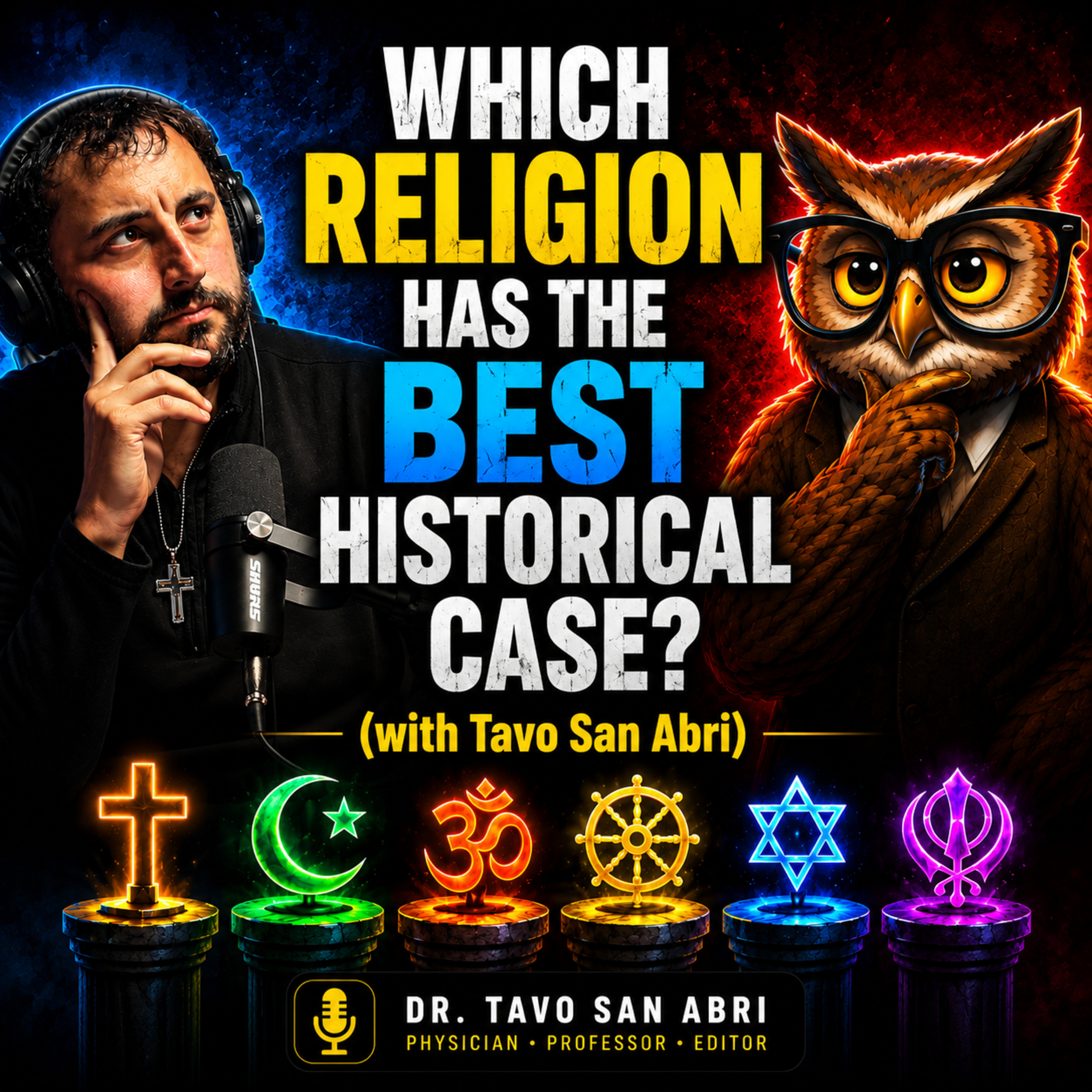
Which Religion Has the Best Historical Case?
May 23, 2026
1h 21m 37s
Social Links & Contact
Official channels & resources
Official Website
Login
RSS Feed
Login
| Date | Episode | Topics | Guests | Brands | Places | Keywords | Sponsor | Length | |
|---|---|---|---|---|---|---|---|---|---|
| 6/20/26 | ![]() Mary Had a Little Lamb—And He Takes Away the Sin of the World | Why does Scripture call Jesus the Lamb of God? Was it merely a metaphor, or is it the key that unlocks the entire story of redemption?In this episode, we trace the biblical theology of the Lamb from Genesis to Revelation. Beginning with the first sacrifices after the Fall, we follow the thread through Abel, Noah, Abraham, the Passover, the Tabernacle, the Temple, and the prophets, showing that biblical worship has always been sacrificial at its core.We then examine John the Baptist’s declaration: “Behold, the Lamb of God who takes away the sin of the world!” Why did he identify Jesus this way? How does Christ fulfill the Passover? Why does John’s Gospel carefully structure the Passion around the slaughter of the Passover lambs? And what does Revelation’s vision of the Lamb standing as though slain reveal about worship in heaven?Along the way, we’ll explore the testimony of the Church Fathers, including Melito of Sardis, Irenaeus, Cyprian, Chrysostom, and Leo the Great, who all saw Christ as the fulfillment of every sacrificial type in Scripture.Most importantly, we’ll consider what Revelation 5 reveals about the heavenly liturgy and how the worship of heaven centers forever upon the Lamb who was slain and now reigns. The Lamb is not merely part of the Christian story—He is its center.From Cain and Abel to the heavenly throne room, Scripture points to one reality:The Lamb who was slain now stands forever, receiving the worship of all creation.If you'd like to donate to our ministry or be a monthly partner that receives newsletters and one on one discussions with Dr. Stephen Boyce, here's a link: https://give.tithe.ly/?formId=6381a2ee-b82f-42a7-809e-6b733cec05a7#AgnusDei #LambOfGod #Catholic #Eucharist #Mass #BookOfRevelation #Passover #JesusChrist #ChurchFathers #BiblicalTheology #Christianity #CatholicPodcast #FACTSwithStephenBoyce #JohnTheBaptist #Revelation5 #HeavenlyLiturgy #Sacrifice #Worship #BibleStudy #CatholicFaith | — | ||||||
| 6/14/26 | ![]() Women’s Orders: Why the SBC is Correct—But Can’t Defend It | The Southern Baptist Convention recently voted to move forward with a constitutional amendment formally prohibiting women from serving as pastors. In this episode, I examine the SBC’s decision, the reaction it sparked, and why I believe they arrived at the correct conclusion—but for the wrong reasons.Using the SBC article and Pope St. John Paul II’s Ordinatio Sacerdotalis as a point of comparison, I explore a much deeper question: What is the nature of the ministerial office in the Church, and who has the authority to define it?The problem with the SBC’s position is not necessarily its conclusion regarding women’s ordination. The problem is that within a Baptist framework, the debate ultimately becomes an issue of biblical interpretation. If Scripture alone is the final authority, and individual churches or denominations possess the authority to interpret it differently, then the argument over women’s ordination becomes difficult to settle in any lasting way.Historically, the Church’s rejection of women’s ordination was not based solely on isolated proof texts. It was rooted in a sacramental understanding of the priesthood, apostolic succession, ecclesiastical authority, and a consistent tradition maintained throughout Christian history in both East and West. The early Church Fathers, the historic episcopate, and the universal practice of Christianity all provide a much broader framework than a simple appeal to competing interpretations of Scripture.In this episode, we’ll examine the SBC vote, the theological assumptions behind it, what Ordinatio Sacerdotalis actually argues, and why the larger issue is not women’s ordination itself—but the authority of the Church to define and preserve the offices Christ established.If you'd like to donate to our ministry or be a monthly partner that receives newsletters and one on one discussions with Dr. Stephen Boyce, here's a link: https://give.tithe.ly/?formId=6381a2ee-b82f-42a7-809e-6b733cec05a7#SouthernBaptistConvention #WomensOrdination #WomenPastors #OrdinatioSacerdotalis #CatholicChurch #ChurchHistory #ChurchFathers #ApostolicSuccession #Ecclesiology #FACTSPodcast | — | ||||||
| 6/6/26 | ![]() Baptism Through the Eyes of St. Ambrose✨ | Christian baptismSt. Ambrose+4 | Pat May | On the Mysteries | fourth century | baptismSt. Ambrose+5 | — | 1h 01m 15s | |
| 5/30/26 | ![]() How Protestants Misread Paul's Doctrine of the Church✨ | Paul's doctrine of the ChurchProtestant ecclesiology+4 | Pat May | 1 Corinthians 12Ephesians 1–2+1 | — | PaulChurch History+7 | — | 1h 13m 48s | |
| 5/23/26 | ![]() Which Religion Has the Best Historical Case?✨ | historical casereligion+4 | Dr. Tavo San Abri | — | — | historical evidenceComparative Theological Framework+5 | — | 1h 21m 37s | |
| 5/17/26 | ![]() How Protestants Misunderstand Paul✨ | Protestant misunderstanding of PaulRomans 1-3+5 | — | RomansDead Sea Scroll document 4QMMT | — | PaulBible Study+8 | — | 1h 08m 00s | |
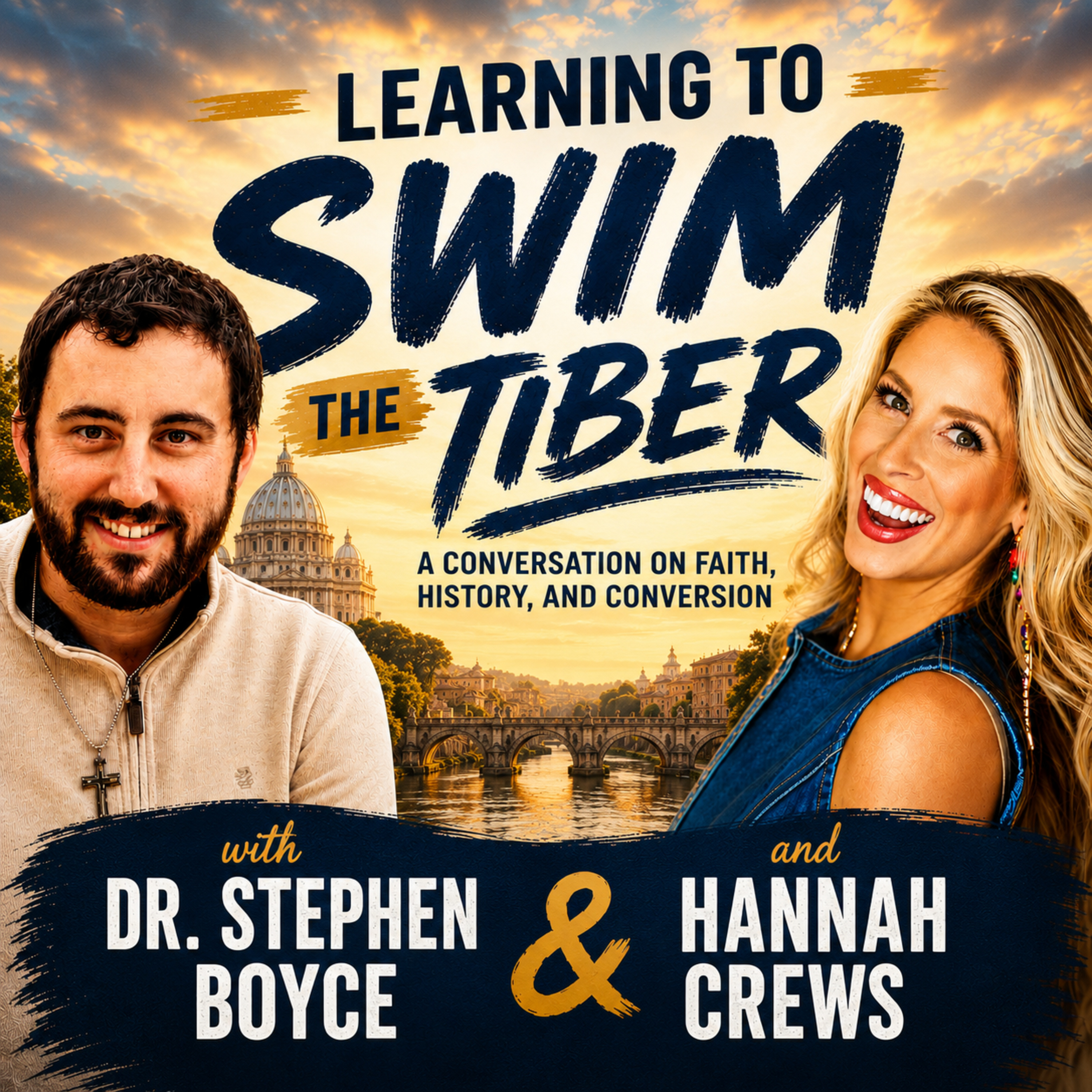
| 5/14/26 | ![]() Learning to Swim the Tiber✨ | faithhistory+4 | Hannah Crews | The Lighten Up PodcastCatholic Church | — | CatholicConversion Story+4 | — | 1h 17m 13s | |
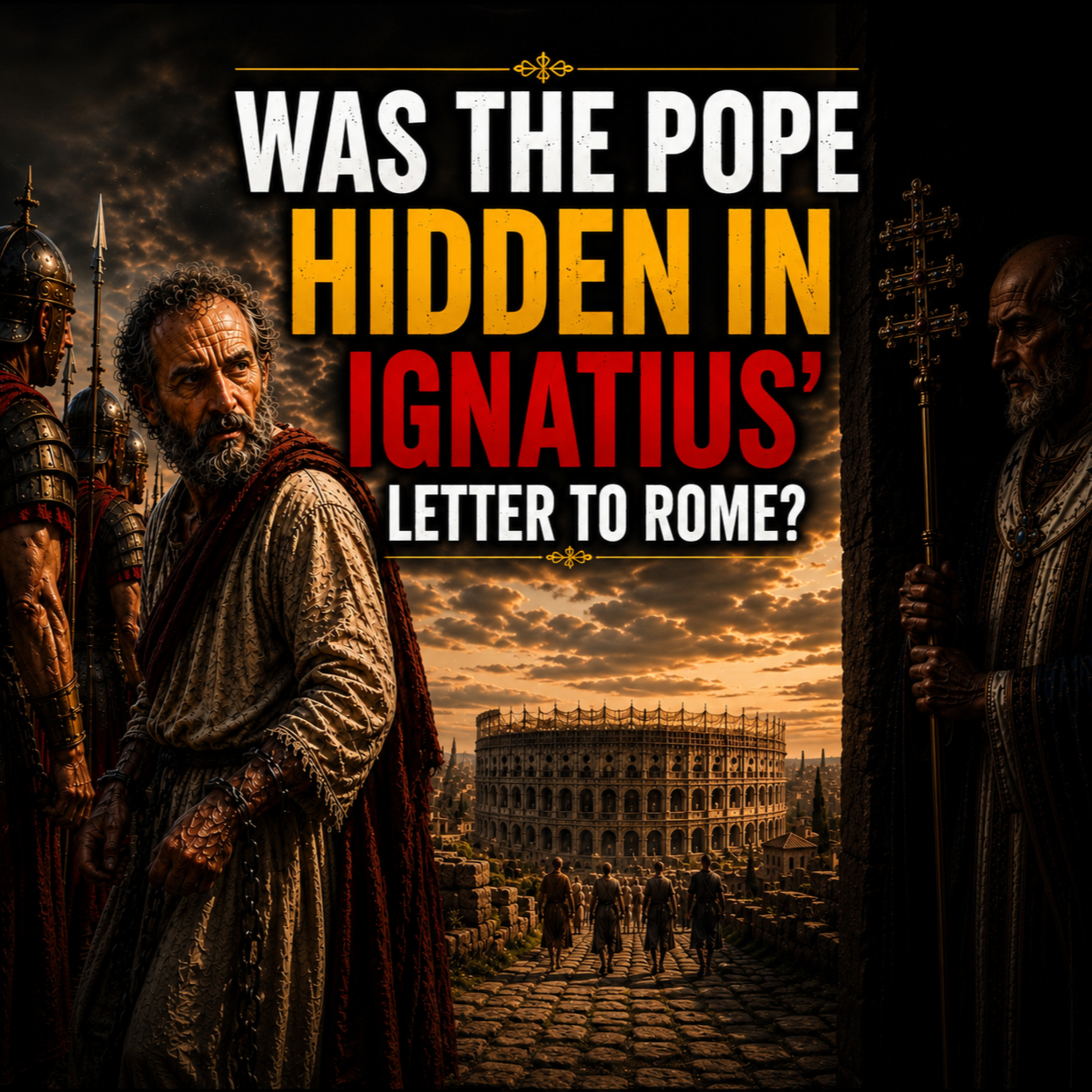
| 5/9/26 | ![]() Was the Pope Hidden in Ignatius’ Letter to Rome?✨ | early ChristianityRoman primacy+4 | — | Roman ChurchChristianity | RomeTrajan | Ignatius of AntiochLetter to the Romans+6 | — | 55m 25s | |
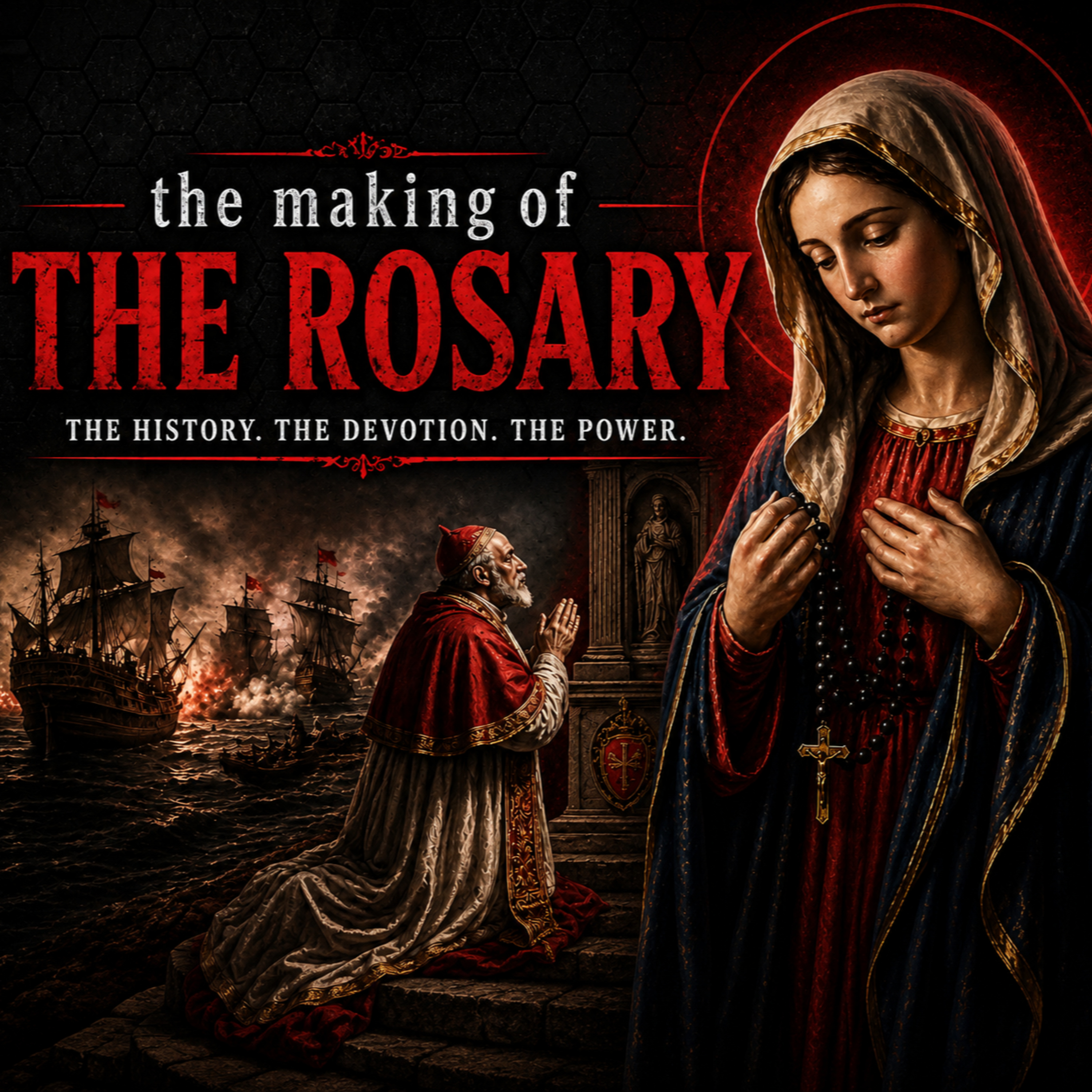
| 5/2/26 | ![]() The Making of the Rosary✨ | RosaryChristianity+4 | Pat May | The Gospel According to Luke | — | RosaryChristian tradition+5 | — | 1h 10m 28s | |
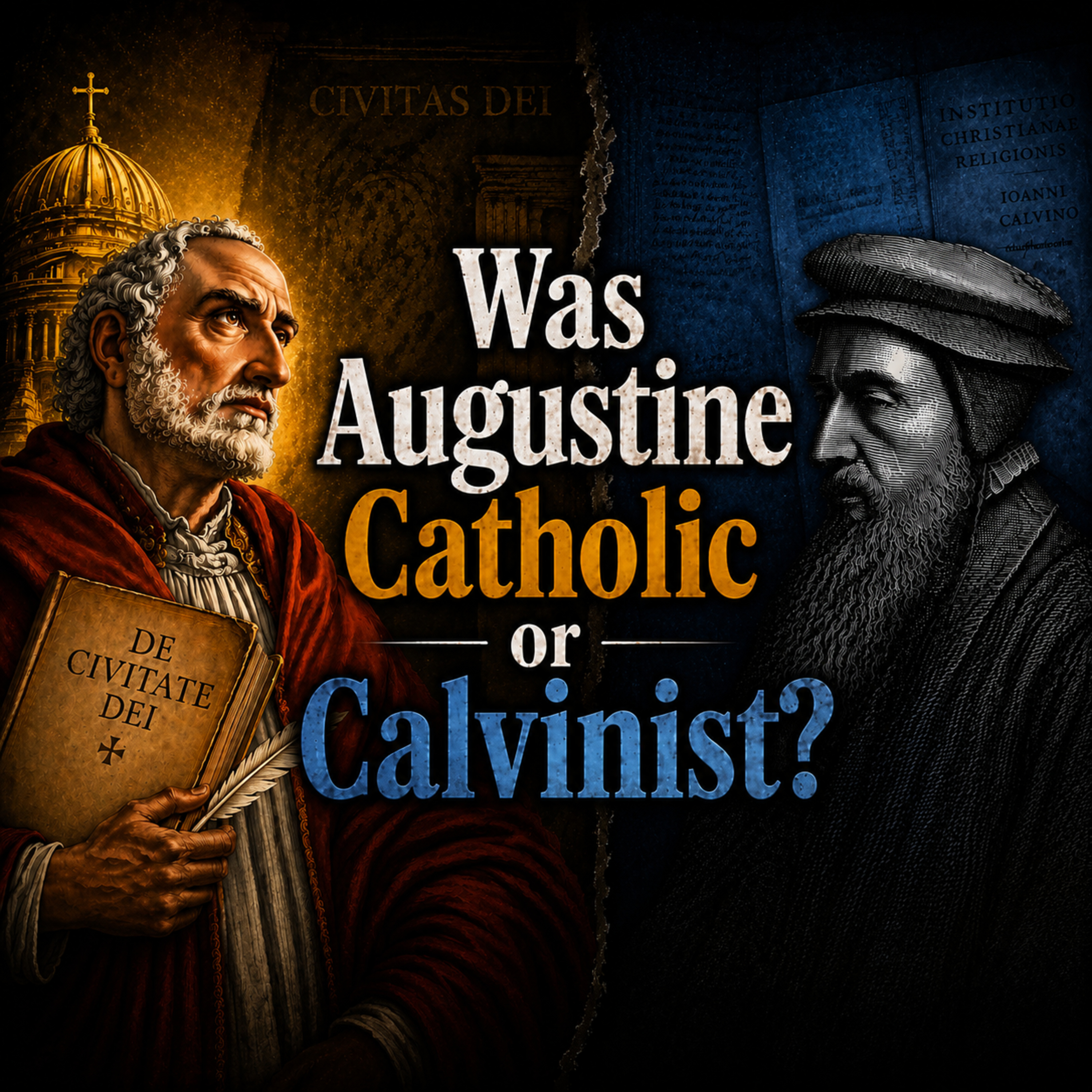
| 4/25/26 | ![]() Was Augustine Catholic or Calvinist?✨ | AugustineCalvinism+5 | — | — | — | AugustineJohn Calvin+8 | — | 1h 13m 17s | |
Want analysis for the episodes below?Free for Pro Submit a request, we'll have your selected episodes analyzed within an hour. Free, at no cost to you, for Pro users. | |||||||||
| 4/18/26 | ![]() John Calvin’s Dilemma: The Church is Ancient, Universal… and ‘Corrupt’?✨ | John CalvinReformation+4 | Pat May | the ChurchChristianity | — | Calvin's letterprayers for the dead+3 | — | 1h 17m 10s | |
| 4/10/26 | ![]() Anglican Patrimony Is Catholic Again: England’s Lost Tradition Returns Through the Ordinariate✨ | Anglican patrimonyCatholic Church+5 | Pat | VaticanAnglicanorum Coetibus | EnglandCanterbury | Anglican traditionCatholicism+5 | — | 1h 24m 47s | |
| 4/3/26 | ![]() From Supper to Resurrection: Walking Through Holy Week | From the Upper Room to the Empty Tomb, Holy Week reveals the full story of redemption. In this episode, we walk through Maundy Thursday, Good Friday, Holy Saturday, and Resurrection Sunday—unpacking the institution of the Eucharist, the sacrifice of the Cross, the silence of the tomb, and the victory of the Resurrection. This is not just history—it is the Gospel in motion.If you'd like to donate to our ministry or be a monthly partner that receives newsletters and one on one discussions with Dr. Stephen Boyce, here's a link: https://give.tithe.ly/?formId=6381a2ee-b82f-42a7-809e-6b733cec05a7 | — | ||||||
| 3/28/26 | ![]() Septuagint vs Hebrew Bible: The Old Testament You Thought You Knew | What if the Old Testament you grew up reading isn’t as fixed as you think?In this episode, we dive into the real evidence behind the Septuagint (LXX), the Masoretic Text (MT), and the Dead Sea Scrolls (DSS)—and what they reveal about the state of Scripture in the first century.From Goliath’s height to the missing verses of Esther, from Genesis chronologies to Stephen’s speech in Acts of the Apostles, we uncover a world where multiple textual traditions existed side by side—and sometimes disagreed.Was the Septuagint just a translation… or does it preserve an older form of the Hebrew text?Did the New Testament authors rely on a different Bible than the one we use today?And what do the Dead Sea Scrolls actually prove?This episode challenges the assumption that the Old Testament was ever a single, settled text—and shows why that matters for how we understand Scripture today.If you'd like to donate to our ministry or be a monthly partner that receives newsletters and one on one discussions with Dr. Stephen Boyce, here's a link: https://give.tithe.ly/?formId=6381a2ee-b82f-42a7-809e-6b733cec05a7 | — | ||||||
| 3/21/26 | ![]() The Jewish Canon Wasn’t Settled—Here’s the Evidence | Most people assume that the Jewish canon of Scripture was already fixed and universally agreed upon in the time of Jesus—but the historical evidence tells a very different story.In this episode of FACTS, Stephen Boyce and Pat May take a deep dive into the world of Second Temple Judaism to examine what different Jewish groups actually believed about Scripture. From the Pharisees and Sadducees to the Qumran community (Essenes), we uncover a landscape of textual diversity, competing authorities, and a canon that was still developing.Did the Sadducees really only accept the Torah?Were the Pharisees already using the full Hebrew Bible?Why were books like Enoch and Jubilees preserved at Qumran?And what does all of this mean for how we understand the Old Testament today?We’ll also explore the role of the Dead Sea Scrolls, the rise of rabbinic Judaism after 70 AD, and how the idea of a “closed canon” emerged over time—not before Christ.If you’ve ever been told that “the Jews had a settled canon,” this episode will challenge that assumption and walk through the actual historical evidence.Join us as we separate tradition from history and take a closer look at the formation of the Hebrew Scriptures.#DeadSeaScrolls #BiblicalCanon #OldTestament #SecondTempleJudaism #MasoreticText #Septuagint #BibleHistory #ChurchHistory #Apologetics #FACTSPodcastIf you'd like to donate to our ministry or be a monthly partner that receives newsletters and one on one discussions with Dr. Stephen Boyce, here's a link: https://give.tithe.ly/?formId=6381a2ee-b82f-42a7-809e-6b733cec05a7 | — | ||||||
| 3/18/26 | ![]() Where Gavin Ortlund’s History of Icons Goes Wrong | Joined by Steven Alspach from The Catholic Brothers, we break down the historical context behind iconography and examine where Gavin Ortlund and other Protestant critiques miss the mark. From the early Church to the development of Christian art, we take a closer look at the evidence and challenge some of the most common assumptions surrounding icons.If you'd like to donate to our ministry or be a monthly partner that receives newsletters and one on one discussions with Dr. Stephen Boyce, here's a link: https://give.tithe.ly/?formId=6381a2ee-b82f-42a7-809e-6b733cec05a7#GavinOrtlund #IconsDebate #ChristianHistory #ChurchHistory #EarlyChurch #Iconography Link to the Catholic Brothers: http://www.youtube.com/@TheCatholicBrothersLink to their on the Temple: https://youtu.be/Vasj98P1WAw?si=fyNvA7nIkkyfhj8dLinks to Gavin's videos: https://youtu.be/_ytYX4dXpRo?si=HoiYCDSIuF6esx0Zhttps://youtu.be/aoU4PO5d6kQ?si=pvD1NeDf1x1MiQmm | — | ||||||
| 3/15/26 | ![]() The Making of the Septuagint | In this episode, Dr. Stephen Boyce explores the origin and historical development of the Septuagint (LXX), the earliest Greek translation of the Hebrew Scriptures. We examine the ancient traditions surrounding its creation under Ptolemy II Philadelphus, including the well-known account preserved in the Letter of Aristeas and later repeated by Philo of Alexandria and Flavius Josephus. We also discuss how the translation likely developed historically within the Jewish community of Alexandria as Greek became the common language of the Mediterranean world.Along the way, we look at key textual examples showing the importance of the Septuagint for biblical studies and early Christianity, including the famous textual variant in Gospel of Luke 10 concerning whether Jesus sent out seventy or seventy-two disciples, and the missing “nun” verse in Psalm 145 preserved in the Septuagint and confirmed by Hebrew manuscripts from the Dead Sea Scrolls. These examples highlight how the Septuagint sometimes preserves readings that reflect an earlier textual tradition than the later Masoretic Text. This episode helps listeners understand why the Septuagint became the primary Old Testament of the early Church and why it continues to play a crucial role in biblical scholarship today.If you'd like to donate to our ministry or be a monthly partner that receives newsletters and one on one discussions with Dr. Stephen Boyce, here's a link: https://give.tithe.ly/?formId=6381a2ee-b82f-42a7-809e-6b733cec05a7 | — | ||||||
| 3/7/26 | ![]() The Heretic Who Tried to Rewrite Christianity: The Story of Marcion | In this episode of FACTS, Stephen Boyce and Pat May explore the life and controversy surrounding Marcion of Sinope—one of the most influential and dangerous figures in the history of early Christianity.Arriving in Rome in the mid–second century, Marcion brought with him wealth, influence, and a radical theological proposal. He argued that the God of the Old Testament was not the same God revealed by Jesus Christ. Rejecting the Hebrew Scriptures entirely, Marcion promoted an edited version of the Gospel of Luke and a shortened collection of Paul’s letters as the only legitimate Christian writings.His teachings quickly sparked a crisis within the Church. Around A.D. 144, the Roman church formally expelled Marcion and returned the large donation he had given to the Christian community. Yet the impact of his ideas did not end there. Marcion went on to establish a rival movement that spread throughout the Roman world, forcing early Christian leaders to more clearly articulate the unity of Scripture and the authority of the apostolic writings.In this episode, we examine Marcion’s background, his theology, the events leading to his expulsion from Rome, and why the controversy surrounding him became one of the most important moments in the development of the New Testament canon.#ChurchHistory #Marcion #EarlyChristianity #NewTestament #FACTSIf you'd like to donate to our ministry or be a monthly partner that receives newsletters and one on one discussions with Dr. Stephen Boyce, here's a link: https://give.tithe.ly/?formId=6381a2ee-b82f-42a7-809e-6b733cec05a7Tertullian on Marcion: https://www.newadvent.org/fathers/03121.htmIrenaeus on Marcion: https://www.newadvent.org/fathers/0103304.htm | — | ||||||
| 3/2/26 | ![]() Reconsidering the Resurrection Narratives | Were the resurrection accounts contradictory, or are we reading them with the wrong expectations?In this episode, we take a careful look at the resurrection narratives in Matthew, Mark, Luke, and John. Rather than forcing harmonization or dismissing differences as errors, we examine how ancient historians wrote, how eyewitness testimony was preserved, and how narrative compression, selective naming, and staggered arrivals help make sense of the details.We explore the role of the women at the tomb, Mary Magdalene, Joanna, Mary the mother of James, and Salome, and consider why their consistent presence across the Gospels matters historically. We also look closely at Peter and John’s visit to the tomb and the significance of the burial cloths described in John’s account.When read within their ancient context, the resurrection narratives do not collapse under scrutiny. Instead, they reflect the texture of remembered events told from distinct but overlapping perspectives.Join us as we reconsider what the Gospels are, and how they should be read.Here's a link to Stephen's newest paper: https://www.academia.edu/164899261/Reconsidering_the_Resurrection_NarrativesIf you'd like to donate to our ministry or be a monthly partner that receives newsletters and one on one discussions with Dr. Stephen Boyce, here's a link: https://give.tithe.ly/?formId=6381a2ee-b82f-42a7-809e-6b733cec05a7 | — | ||||||
| 2/21/26 | ![]() A Letter from the Second Century That Shames Modern Christianity | In this episode of FACTS, Dr. Stephen Boyce explores one of the most beautiful and overlooked writings of the early Church — the Epistle to Diognetus. Written in the second century, this anonymous apology offers a stunning portrait of early Christian identity before Constantine, before the great councils, and before Christianity held cultural influence.What did Christians actually believe about their place in the world?How did they explain themselves to pagan critics?And what does it mean that Christians are described as “the soul in the body” of the world?We’ll examine the historical background of the letter, its theology, its apologetic strategy, and its powerful vision of Christians living as citizens of heaven while dwelling among the nations. Long before Christendom, this text shows us a faith that was confident, distinct, and radically countercultural.If you want to understand how the earliest Christians saw themselves — and what that means for the Church today — this episode is for you.#ChurchHistory #EarlyChristianity #EpistleToDiognetus #Patristics #Apologetics #FACTSPodcastIf you'd like to donate to our ministry or be a monthly partner that receives newsletters and one on one discussions with Dr. Stephen Boyce, here's a link: https://give.tithe.ly/?formId=6381a2ee-b82f-42a7-809e-6b733cec05a7Link to the Letter: https://www.newadvent.org/fathers/0101.htm | — | ||||||
| 2/18/26 | ![]() Dust and Development: The Historical Roots of Ash Wednesday | Is Ash Wednesday apostolic? Medieval? Biblical? Or something in between?In this special Ash Wednesday episode of FACTS, Dr. Stephen Boyce examines the historical development of the imposition of ashes, tracing its roots from the biblical symbolism of dust and repentance to the public penitential practices of the early Church, and finally to its formal codification in the medieval West.Were ashes universally practiced in the early centuries? How did Lent develop into a 40-day fast? Why does the East not observe Ash Wednesday in the same way as the West? And does later liturgical development undermine theological legitimacy?Rather than sentimentality or polemics, this episode offers careful historical analysis—grounded in Scripture, the Fathers, and liturgical history. Ash Wednesday may not be apostolic in its fixed form, but its symbolism is deeply biblical and its theology profoundly Christian: we are dust, and we stand in need of repentance.Join Dr. Boyce for a historically grounded exploration of how dust became devotion. | — | ||||||
| 2/15/26 | ![]() Sola Traditio (Tradition Alone): The Missing Sola of the Reformation | Stephen Boyce and Pat May examine Against Heresies Book III, chapters 3–4 from Irenaeus of Lyons to explore a bold claim: that the early Church could have sustained itself in faith and practice even if the apostles had never left written texts.According to Irenaeus, the apostolic tradition was deposited in the successors of the apostles and preserved publicly in the churches. So much so that even illiterate “barbarians,” without a Bible in hand, were able to refute heretics by holding fast to the rule of faith they had received.#SolaTraditio #TraditionAlone #MissingSola #ReformationDebate #ChurchHistory #EarlyChurch #Irenaeus #AgainstHeresies #apostolictradition Link to Irenaeus: https://ccel.org/ccel/irenaeus/against_heresies_iii/anf01.ix.iv.v.htmlIf you'd like to donate to our ministry or be a monthly partner that receives newsletters and one on one discussions with Dr. Stephen Boyce, here's a link: https://give.tithe.ly/?formId=6381a2ee-b82f-42a7-809e-6b733cec05a7 | — | ||||||
| 2/10/26 | ![]() Did the Church Condemn Origen—or Origenism? | In this co-recorded discussion with Susan Sonna, we take a careful, historically grounded look at Origen of Alexandria, cutting through centuries of caricature and polemics to ask a more basic question: Who was Origen actually, and how should the Church understand his legacy?Rather than treating Origen as either a misunderstood saint or a condemned heretic, this conversation focuses on primary sources, historical context, and reception history. We explore Origen’s role as a foundational biblical exegete, his influence on the Nicene Fathers, and the crucial distinction between Origen’s own theology and the later Origenist controversies that erupted centuries after his death.Special attention is given to: • Origen’s method of biblical interpretation • His Christology and doctrine of the eternal Word • How figures like Athanasius and the Cappadocians engaged him • The difference between speculative exercises and settled doctrine • And why later condemnations often reflect sixth-century debates, not third-century realitiesThe goal of the discussion is not to rehabilitate Origen uncritically, but to redeem the historical conversation—to read him as the early Church read him: critically, appreciatively, and with theological discernment.This episode is for listeners who want a more precise, historically responsible account of Origen, beyond soundbites and inherited assumptions.If you'd like to donate to our ministry or be a monthly partner that receives newsletters and one on one discussions with Dr. Stephen Boyce, here's a link: https://give.tithe.ly/?formId=6381a2ee-b82f-42a7-809e-6b733cec05a7 | — | ||||||
| 1/24/26 | ![]() Excommunicated: How Pope Pius V Declared Queen Elizabeth I a Heretic | Was England’s break with Rome really about religious freedom—or about power and authority?In this controversial episode, Pat and Stephen uncover what actually happened between the English monarchy and the papacy during the Reformation. Drawing on the scholarship of Eamon Duffy, we challenge the familiar narrative of “Bloody” Mary I and tolerant Elizabeth I, showing instead that Catholic faith in England remained vibrant and deeply rooted long after the Reformation began.We examine Elizabeth I’s Acts of Supremacy and Uniformity, the suppression of the Catholic Mass, and the enforcement of religious conformity—revealing a slow, reluctant reform imposed from above. At the center of the episode is Pope Pius V’s 1570 bull, Regnans in Excelsis, which formally excommunicated Elizabeth I, declared her a heretic, and released her subjects from allegiance.Finally, we explore how the bull backfired—strengthening Elizabeth’s rule, hardening persecution of Catholics, and cementing the schism between England and Rome that still exists today.Link to the Papal Bull: https://www.papalencyclicals.net/pius05/p5regnans.htmIf you'd like to donate to our ministry or be a monthly partner that receives newsletters and one on one discussions with Dr. Stephen Boyce, here's a link: https://give.tithe.ly/?formId=6381a2ee-b82f-42a7-809e-6b733cec05a7 | — | ||||||
| 1/17/26 | ![]() The Battle for 2 Peter: How a Disputed Epistle Entered the Canon | Why did 2 Peter face more resistance than nearly any other New Testament book—and how did it ultimately secure its place in the Christian canon?In this episode, Dr. Stephen Boyce traces the long and contested journey of 2 Peter, one of the most debated epistles in early Christianity. From early doubts about authorship and style, to its uneven reception in the East and West, we examine why this letter stood on the margins for centuries while others were quickly received.We explore:Early patristic hesitation and silence surrounding 2 PeterHow figures like Origen, Eusebius, and Jerome evaluated the letterThe role of apostolic authority, theological content, and ecclesial usageWhich church councils and canonical lists ultimately included 2 Peter—and whyWhat this controversy reveals about how the canon was actually formedFar from being a simple rubber-stamp process, the inclusion of 2 Peter exposes the rigor, caution, and theological criteria employed by the early Church when discerning Scripture.This episode challenges modern assumptions about the canon and asks a deeper question:What does it really mean for a book to be “Scripture,” and who decides?A must-listen for anyone interested in biblical canon, early church history, and the complexities behind the New Testament we hold today.If you'd like to donate to our ministry or be a monthly partner that receives newsletters and one on one discussions with Dr. Stephen Boyce, here's a link: https://give.tithe.ly/?formId=6381a2ee-b82f-42a7-809e-6b733cec05a7 | — | ||||||
Showing 25 of 218
Pitch Fit is a Pro feature
See how bookable this show is for guests, which brands already advertise, the per-episode ad value, and the best-fit guest and sponsor profile. The numbers are blurred on the free plan.
How readily this show books outside guests like you.
How proven this show is for host-read sponsorships.
For Guests
ProFor Advertisers
ProUpgrade to Pro to unlock guest cadence, sponsor categories, fit scores, and per-episode ad value for this show.
Chart Positions
2 placements across 1 market.
Chart Positions
2 placements across 1 market.