

Insights from recent episode analysis
Audience Interest
Podcast Focus
Publishing Consistency
Platform Reach
Insights are generated by CastFox AI using publicly available data, episode content, and proprietary models.
Total monthly reach
Estimated from 13 chart positions in 13 markets.
By chart position
- 🇰🇷KR · Nature#3300K to 800K
- 🇧🇷BR · Nature#12100K to 300K
- 🇯🇵JP · Nature#16100K to 300K
- 🇮🇳IN · Nature#2230K to 100K
- 🇮🇹IT · Nature#3630K to 100K
- Per-Episode Audience
Est. listeners per new episode within ~30 days
305K to 877K🎙 ~2x weekly·100 episodes·Last published 1w ago - Monthly Reach
Unique listeners across all episodes (30 days)
610K to 1.8M🇰🇷46%🇧🇷17%🇯🇵17%+10 more - Active Followers
Loyal subscribers who consistently listen
244K to 701K
Market Insights
Platform Distribution
Reach across major podcast platforms, updated hourly
Total Followers
—
Total Plays
—
Total Reviews
—
* Data sourced directly from platform APIs and aggregated hourly across all major podcast directories.
On the show
Recent episodes
Policy Recommendations to Prevent a Global Food Crisis | Hormuz Crisis 2026 | The Work We Do
May 20, 2026
Unknown duration
The Work We Do - Ep 4. Science & Innovation in Agriculture and the Digital Divide. Charles Spillane
May 6, 2026
Unknown duration
Update on the Global Agrifood Implications of the 2026 Conflict in the Middle East - The Work We Do
Apr 13, 2026
Unknown duration
The Work We Do – Ep 3. Trade Economics and Policy Tradeoffs. David Laborde
Mar 30, 2026
Unknown duration
The Work We Do Special: Global Agrifood Implications of the 2026 Conflict in the Middle East
Mar 16, 2026
Unknown duration
Social Links & Contact
Official channels & resources
Official Website
Login
RSS Feed
Login
| Date | Episode | Description | Length | ||||||
|---|---|---|---|---|---|---|---|---|---|
| 5/20/26 |  Policy Recommendations to Prevent a Global Food Crisis | Hormuz Crisis 2026 | The Work We Do | The Strait of Hormuz has been effectively closed since February 28. As of May 18th, 2026, it remains shut. The chokehold on global energy and fertilizer supplies keeps expanding through agrifood systems worldwide. In this special episode of The Work We Do, we discuss the short, medium, and long-term structural policy solutions to the global agrifood impacts of the closure of the Strait of Hormuz. | — | ||||||
| 5/6/26 |  The Work We Do - Ep 4. Science & Innovation in Agriculture and the Digital Divide. Charles Spillane | In this episode of The Work We Do, we sit down with Charles Spillane, Chief Scientist at FAO. Charlie traces how his upbringing on a farm in Ireland and an early interest in science fiction shaped his techno-optimistic worldview and his belief in the power of science and innovation to improve society. He discusses why scientific advances often fail to reach smallholder farmers, what it takes to close the gap between knowledge and adoption, and how financial, institutional, and systemic barriers can be addressed. Charlie explores the growing role of data in agriculture, including questions of ownership and governance, and the limitations of current research funding models. And he shares vision for a more effective, future-ready agrifood science system. 00:00 Inequality and progress 01:00 From farm to FAO 08:28 Innovation in context 11:11 The technology gap 12:24 Data and control 16:00 The digital divide 21:10 Climate trade-offs 27:07 Science funding 32:46 Why FAO | — | ||||||
| 4/13/26 |  Update on the Global Agrifood Implications of the 2026 Conflict in the Middle East - The Work We Do | The Strait of Hormuz has been effectively closed since 28 February. As of 13 April, vessels are still not moving in meaningful numbers. The last ships to leave before the blockade are now reaching their destinations, meaning the real supply gap is only beginning to materialise. Key messages: • Before the conflict began, the strait carried 30-35% of global crude oil, 20% of natural gas, and up to 30% of internationally traded fertilizers. • Food commodity prices have not risen yet because existing stocks are absorbing the shock. But if the strait traffic does not resume, the shocks to energy and fertilizer markets will translate into higher commodity and retail prices later in 2026 and into 2027. • The crop calendar is the key constraint. As planting seasons begin, farmers must choose between absorbing higher input costs or reducing fertilizer and other input use. They need targeted, timebound support, as do low-income countries relying on food and fertilizer imports. • The disruption is not contained to the Gulf or South Asia. It is moving from east to west and from south to north. Export restrictions by major producers risk compounding the supply shortfall. • With diplomatic solutions and the right policy, there is still time to contain the current situation and prevent it from turning into a global food crisis. This episode was recorded on 11 April 2025.Host: Katrin ParkProduced by: Eduardo De La ChicaCopyright: FAO | — | ||||||
| 3/30/26 |  The Work We Do – Ep 3. Trade Economics and Policy Tradeoffs. David Laborde | In this episode, we sit down with David Laborde, Director of the Agrifood Economics and Policy Division at the Food and Agriculture Organization of the United Nations. David shares his journey as a trade economist and how it has shaped his approach to today's agrifood systems. We discuss the role of trade in food security and the true cost of the food we consume. We also dive into the art of policymaking in complex systems, from balancing competing priorities to managing unintended consequences to navigate difficult tradeoffs. 0:57 How Does a Trade Economist End Up at FAO? 6:14 How Does Trade Affect Food Security and Nutrition? 8:45 Is Local Food Actually Better? 11:57 Does Trade Make You Vulnerable? 17:53 Does Trade Keep Peace? 24:28 Are We Giving Away Our Resources? 33:14 What Is the True Cost of Food? 36:43 Can Subsidies Fix Agrifood Systems? 44:43 On Navigating Complex Tradeoffs 50:13 Towards a Global Social Contract | — | ||||||
| 3/16/26 |  The Work We Do Special: Global Agrifood Implications of the 2026 Conflict in the Middle East | Middle East is increasing risks for global energy, fertilizer, and agrifood systems. Disruptions in the Strait of Hormuz, one of the world's most critical chokepoints for oil, gas, and fertilizer shipments, are already pushing up energy and agricultural input costs worldwide. Because energy and fertilizer markets are closely linked to food production, these shocks can quickly spread through global agrifood systems. At the same time, possible shifts toward biofuel production could further increase food price volatility. Import-dependent countries, particularly in Africa and Asia, are especially exposed to these risks. In the short term, measures such as diversifying trade routes, strengthening market monitoring, supporting farmers, and providing targeted assistance to vulnerable countries can help stabilize supply chains. Diplomatic efforts to ensure the safe reopening of the Strait of Hormuz also remain critical for protecting global energy markets and food security. Timestamps: 00:34 Impacts of the conflict so far 03:48 Regional impacts 08:01 How long can the system absorb the shock? 13:19 Economic modelling scenarios 18:03 How this conflict differs from Ukraine 22:52 Policy recommendations Follow FAO on social media! * Facebook - https://www.facebook.com/UNFAO * Instagram - https://instagram.com/fao * LinkedIn - https://www.linkedin.com/company/fao * TikTok - https://www.tiktok.com/@fao * Twitter - http://www.twitter.com/fao/ * Weibo - https://www.weibo.com/unfao © FAO: http://www.fao.org #SDGs #Agenda2030 #GlobalGoals | — | ||||||
| 2/24/26 |  The Work We Do - Ep2. Women and Youth in Agrifood Systems. Lauren Phillips | In this episode of The Work We Do, we speak with Lauren Phillips, Director of Partnerships and UN Collaboration at the Food and Agriculture Organization of the United Nations, about why women and youth are central to the transformation of agrifood systems. The conversation draws on FAO's flagship reports to examine women's roles across agrifood systems, persistent gaps in access to land, finance, and opportunities, and why progress remains uneven despite decades of policy reform. We discuss the International Year of the Woman Farmer, youth participation in policymaking and the global challenge of youth unemployment, including why young women are disproportionately affected. The episode also explores the financing gap in agrifood systems and the economic case for investing in women and youth as drivers of inclusive growth, resilience, and food security. Key reports discussed in this episode: - The Status of Women in Agrifood Systems (2023) https://www.fao.org/documents/card/en/c/cc5343en/ - The Status of Youth in Agrifood Systems (2025) https://www.fao.org/3/cd5619en/online/cd5619en.html - The Unjust Climate (2024) https://openknowledge.fao.org/handle/20.500.14283/cc9680en - Financing Food for a Better Future (2025) https://openknowledge.fao.org/items/e279d507-3ac2-4f0b-a775-9937d97976b8 | — | ||||||
| 2/10/26 |  The Work We Do - Ep1. How to Build Resilient Agrifood Systems. Máximo Torero, FAO Chief Economist. | In this first episode of The Work We Do, we speak with Máximo Torero, Chief Economist of the Food and Agriculture Organization of the United Nations (FAO). Máximo served as the Director of Markets, Trade and Institutions Division at IFPRI and later as an Executive Director for the World Bank representing several South American countries. The conversation explores how agrifood systems, global markets, financing, and macroeconomic stability are deeply interconnected, and why food security is not only a humanitarian concern but a central pillar of economic and political resilience, promoting national security. Máximo explains how countries can better protect themselves against food crises through smarter investment, early action, and risk-informed policies, and why prevention is far more effective than crisis response. The episode also unpacks the links between hunger, migration, and conflict, and the role international institutions play in stabilizing agrifood systems and reducing systemic risk in an increasingly volatile global environment. Máximo also offers a glimpse into how his upbringing in Peru and his early years as a researcher have shaped his career and worldview. Follow FAO on social media! Facebook - / unfao Instagram - / fao LinkedIn - / fao TikTok - / fao Twitter - / fao Weibo - https://www.weibo.com/unfao © FAO: http://www.fao.org #SDGs #Agenda2030 #GlobalGoals | — | ||||||
| 10/9/25 |  Welternährungstag 2025 – Öffentliche Bekanntmachung | Was ist Essen? Essen ist Leben. Essen ist Erinnerung, Wurzeln, Land und das Wissen unserer Vorfahren. Essen ist ein Recht, kein Privileg. Am diesjährigen Welternährungstag, dem 16. Oktober, lasst uns alle gemeinsam Hand in Hand gehen, um zu ehren, zu kultivieren und eine bessere Zukunft zu ernten – damit niemand zurückgelassen wird. Besuchen Sie www.fao.org, um mehr zu erfahren. ©FAO | 0m 31s | ||||||
| 10/7/25 |  د خوړو نړیواله ورځ ۲۰۲۵ - د عامه پوهاوي پیغام | خواړه ژوند دی، خواړه یادونه دي، ریښې، ځمکه، او زموږ د نیکونو پوهه ده. خواړه یو حق دی، نه امتیاز. د اکتوبر پر ۱۶مه، د خوړو په دې نړیواله ورځ راځئ چې لاسونه سره ورکړو، وویاړو، کرنه وکړو، او د ښه راتلونکې حاصل تر لاسه کړو تر څو هیڅوک شاته پاتې نه شي. نور معلومات له www.fao.org څخه تر لاسه کړی. ©د خوړو او کرنې سازمان | 0m 31s | ||||||
| 10/7/25 |  روز جهانی غذا ۲۰۲۵ - اطلاعیه آگهی عامه | غذا چیست؟ غذا یعنی زندگی، یعنی خاطره، ریشه، سرزمین و دانش نیاکان ما. غذا یک حق است، نه یک امتیاز. هشتاد سال پیش، جهان وعده داد که برویاند، به اشتراک بگذارد، جوامع را سیر کند و زندگی بهتری بسازد. امسال، در روز جهانی غذا، ۱۶ اکتبر، بیایید همه باهم دست به دست قدم برداریم. افتخار کنیم، بکاریم، آینده بهتری را برداشت کنیم، تا هیچکسی را پشت سر نگذاریم. برای کسب اطلاعات بیشتر به ویبسایت [www.fao.org](http://www.fao.org) مراجعه کنید. | 0m 31s | ||||||
Want analysis for the episodes below?Free for Pro Submit a request, we'll have your selected episodes analyzed within an hour. Free, at no cost to you, for Pro users. | |||||||||
| 10/7/25 | 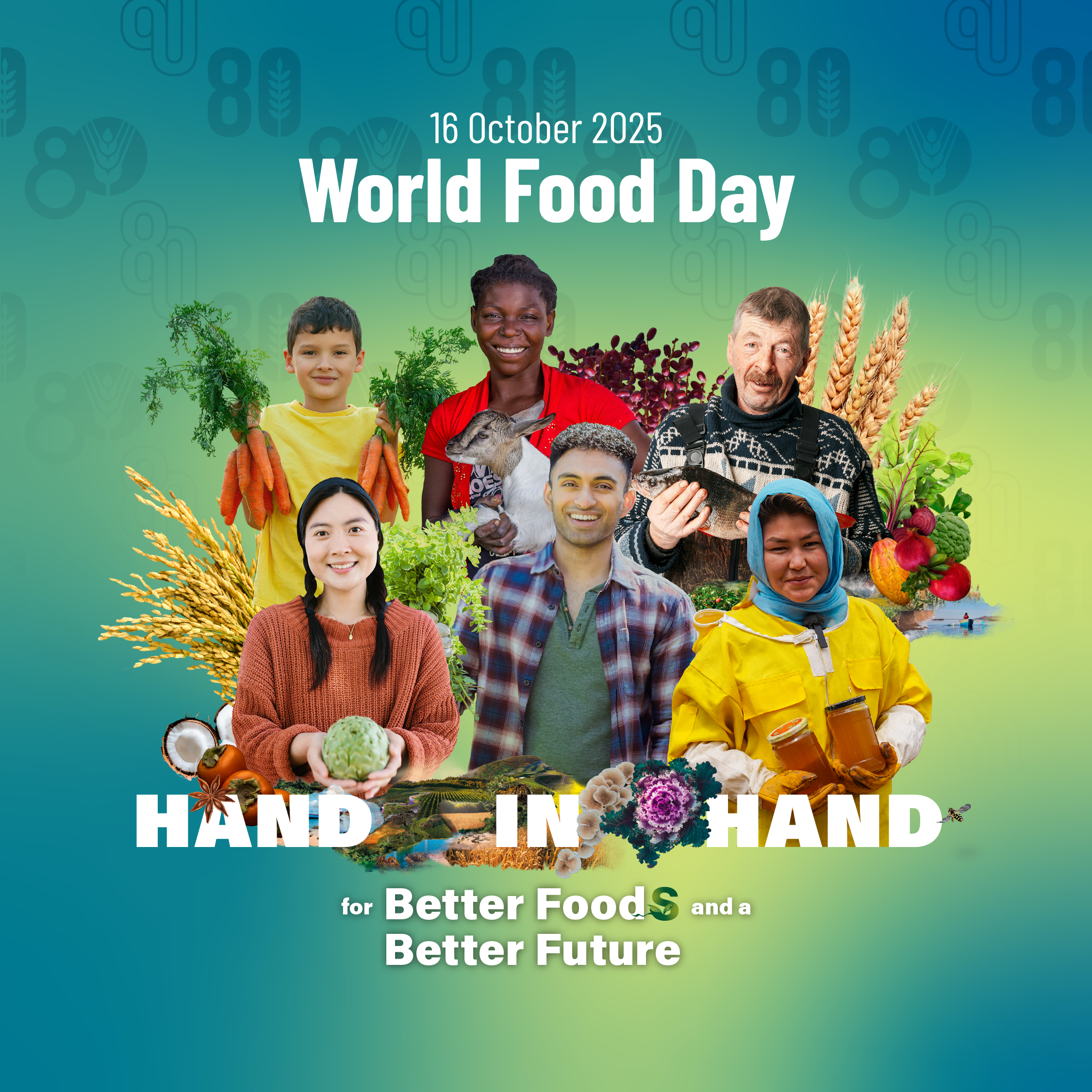 Dünya Gıda Günü 2025 Kamu Spotu | Gıda nedir? Gıda hayattır, hafızadır, köklerdir, topraktır ve atalarımızın bilgeliğidir. Gıda bir haktır, ayrıcalık değildir. Seksen yıl önce dünya bir söz verdi: büyütmeye, paylaşmaya, toplumları beslemeye ve daha iyi yaşamaya. 16 Ekim'de, bu Dünya Gıda Günü'nde, haydi birlikte el ele yürüyelim. Daha fazlası için www.fao.org'u ziyaret et. ©FAO | 0m 31s | ||||||
| 10/3/25 |  Día Mundial de la Alimentación 2025- Día Mundial de la Alimentación 2025 - Spot en español para Latinoamérica | La alimentación es vida, es memoria, raíces, tierra, y el saber de nuestros ancestros. La alimentación es un derecho, no un privilegio. Hace ochenta años, el mundo prometió cultivar, compartir, alimentar a las personas y lograr una vida mejor gracias a la alimentación. Este 16 de octubre, Día Mundial de la Alimentación, caminemos todos juntos mano de la mano. Para no dejar a nadie atrás. Visita www.fao.org para conocer más. © FAO | 0m 31s | ||||||
| 10/3/25 |  Pengumuman Layanan Publik - Hari Pangan Sedunia 2025 | Apa itu pangan? Pangan adalah kehidupan, kenangan, akar, lahan, dan pengetahuan leluhur kita; pangan merupakan hak, bukan hak istimewa. Delapan puluh tahun yang lalu dunia berjanji untuk menumbuhkan, membagikan, memberi makan komunitas, dan hidup lebih baik. Di Hari Pangan Sedunia, 16 Oktober, mari semua bergandengan tangan: menghormati, menumbuhkan, dan memanen masa depan yang lebih baik tanpa meninggalkan seorang pun. Kunjungi www.fao.org untuk informasi lebih lanjut. ©FAO | 0m 31s | ||||||
| 9/24/25 |  Día Mundial de la Alimentación 2025- Anuncio de servicio público | La alimentación es vida, es memoria, raíces, tierra, y el saber de nuestros ancestros. La alimentación es un derecho, no un privilegio. Hace ochenta años, el mundo prometió cultivar, compartir, alimentar a las personas y lograr una vida mejor gracias a la alimentación. Este 16 de octubre, Día Mundial de la Alimentación, caminemos todos juntos mano de la mano. Para no dejar a nadie atrás. Visita www.fao.org para conocer más. © FAO | 0m 31s | ||||||
| 9/19/25 |  2025世界粮食日公益广告 | 粮食是什么? 粮食是生命 粮食是记忆 是根脉 是土地 是祖辈的知识传承 粮食是权利 不是特权 80年前 世界许下承诺 耕耘大地 分享收获 滋养社区 10月16日,共庆"世界粮食日" 让我们手拉手、并肩走 不让任何人掉队 更多详情,敬请访问www.fao.org © 粮农组织 | 0m 31s | ||||||
| 9/19/25 |  Giornata mondiale dell'alimentazione 2025 - Annuncio di servizio pubblico | Cos'è il cibo? Il cibo è vita, è memoria, radici, terra e saperi antichi. Il cibo è un diritto, non un privilegio. Ottanta anni fa il mondo ha fatto una promessa crescere, condividere, nutrire le comunità e vivere meglio. In questa Giornata Mondiale dell'Alimentazione il 16 ottobre camminiamo insieme, mano nella mano. Senza lasciare nessuno indietro. Per saperne di più, visita www.fao.org © FAO | 0m 31s | ||||||
| 9/19/25 |  Journée mondiale de l'alimentation 2025 - Message d'intérêt public | Qu'est-ce que l'alimentation ? L'alimentation c'est la vie, c'est la mémoire, les racines, la terre, et les savoirs de nos ancêtres. L'alimentation est un droit, pas un privilège. Il y a 80 ans, le monde a fait la promesse de grandir, de partager, de nourrir les communautés, et de vivre mieux. En cette Journée mondiale de l'alimentation, le 16 octobre, marchons tous ensemble main dans la main. Célébrons. Cultivons. Récoltons un meilleur avenir sans laisser personne de côté. Visitez www.fao.org pour en savoir plus. Les versions anglaise et française ont été doublées par les acteurs renommés et champions engagés de la FAO Lambert Wilson et Charlotte Rampling. En tant que champions de la FAO, tous deux ont mis à disposition leur notoriété pour défendre les initiatives clés de l'Organisation. Lambert Wilson, acteur et chanteur français acclamé, a activement soutenu les campagnes d'urgence et Faim Zéro de la FAO et a également collaboré à l'initiative « Common Oceans » de l'Organisation dans le passé, ainsi que récemment lors de la Conférence des Nations Unies sur l'Océan à Nice. Charlotte Rampling, actrice de renommée internationale, met son engagement de longue date en faveur des causes humanitaires mondiales au service de son rôle de championne de la FAO. Après avoir contribué aux campagnes de paix des Nations unies dans le passé, Charlotte Rampling défend aujourd'hui le thème de la Journée mondiale de l'alimentation de la FAO, « Une meilleure alimentation pour un avenir meilleur ». Narration par Charlotte Rampling et Lambert Wilson © FAO | 0m 31s | ||||||
| 9/19/25 |  World Food Day 2025 - Public Service Announcement | What is food? Food is life. Food is memory, roots, land, and the knowledge of our ancestors. Food is a right, not a privilege. Eighty years ago, the world made a promise to grow, share, feed communities and live better through food. This World Food Day, October 16, let's all walk together hand in hand. Honour traditions. Cultivate innovation. Harvest a better future. To leave no one behind. Visit www.fao.org/wfd to learn more. The English and French versions feature voiceovers by renowned actors and dedicated FAO Champions, Lambert Wilson and Charlotte Rampling. As FAO Champions, both have used their public profiles to advocate for key FAO initiatives. Lambert Wilson, acclaimed French actor and singer, has actively supported FAO's emergency and Zero Hunger campaigns and also collaborated on FAO's Common Oceans initiative in the past as well as recently at the Oceans Conference in Nice. Charlotte Rampling, an internationally acclaimed actress, brings her longstanding commitment to global humanitarian causes to her role as an FAO Champion. Having contributed to UN Peace campaigns in the past, Charlotte Rampling is now championing FAO's World Food Day theme of Better Foods for a Better future. Narrator: Charlotte Rampling and Lambert Wilson ©FAO | 0m 31s | ||||||
| 7/21/25 | 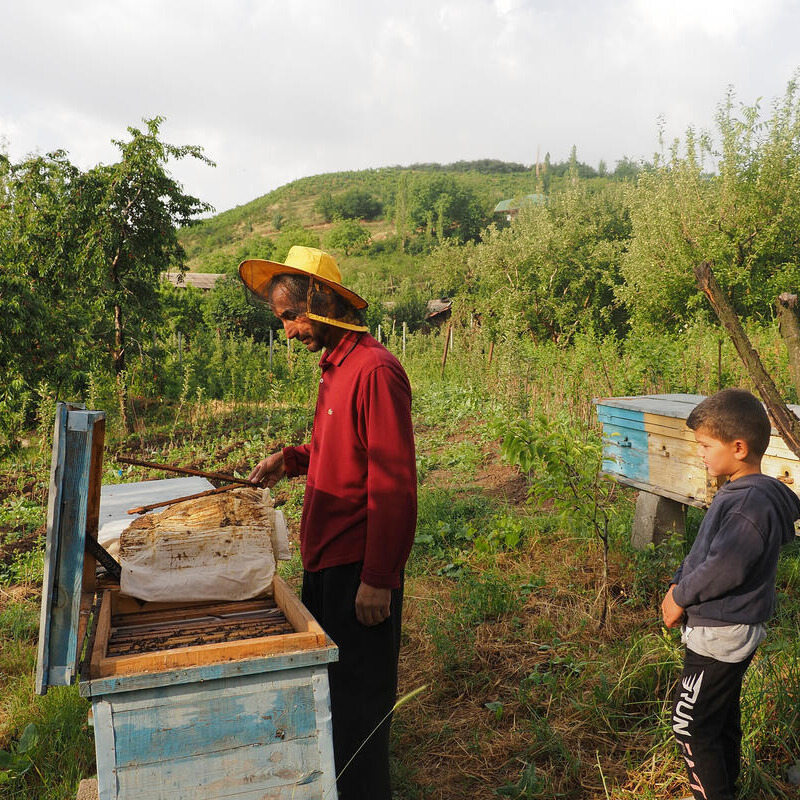 FAO Brief - 21 July 2025 | In this episode of the FAO Brief: new heritage farming systems recognized in the Republic of Korea, Portugal and Tajikistan; emerging economies will drive growth in animal-source food over the next decade, said a new report released by FAO and OECD; and a global initiative launched to empower youth to tackle hunger with AI and robots. Producer: Flora Trouilloud, Ruki Inoshita, Heriberto Araujo Presenter: Ruki Inoshita Editorial supervision: Ho Tszmei Sound: Eric Deleu © FAO/ Nozim Kalandarov | — | ||||||
| 7/21/25 |  La FAO en minutos – 21 de julio de 2025 | In este episodio de la FAO en Minutos, se reconocen nuevos Sistemas importantes del patrimonio agrícola mundial en la República de Corea, Portugal y Tayikistán; las economías emergentes impulsarán el crecimiento de los alimentos de origen animal durante la próxima década, según un nuevo informe publicado por la FAO y la OCDE; y se lanza una iniciativa mundial para empoderar a los jóvenes y combatir el hambre con inteligencia artificial y robots. Productores: Flora Trouilloud, Ruki Inoshita, Heriberto Araujo Presentador: Heriberto Araujo Supervisión editorial: Ho Tszmei Sonido: Eric Deleu © FAO/ Nozim Kalandarov | — | ||||||
| 7/21/25 | 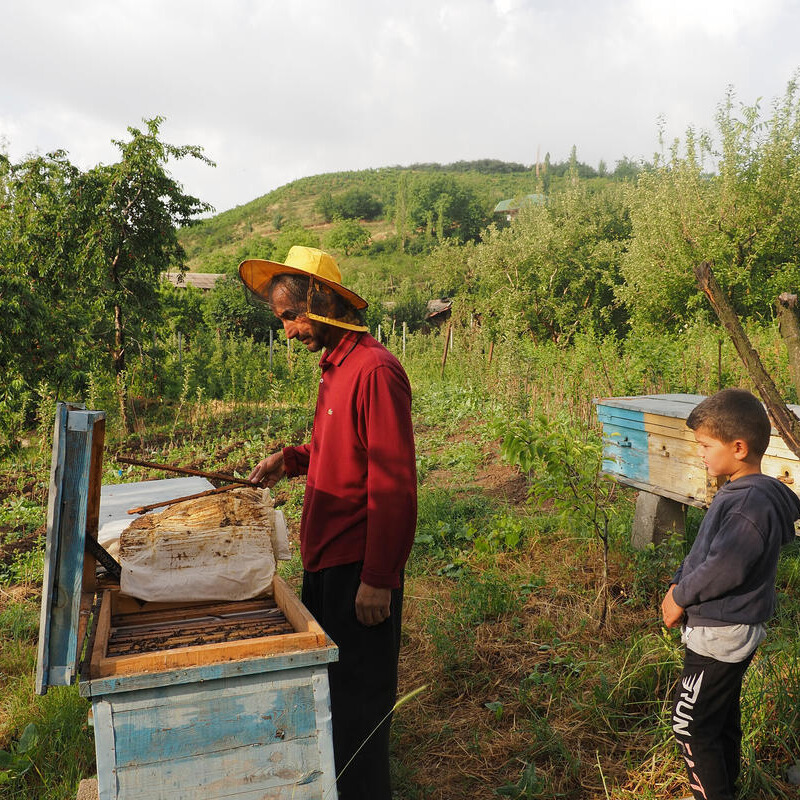 La FAO en bref – 21 juillet 2025 | Dans cet épisode de la FAO en Bref: de nouveaux systèmes agricoles patrimoniaux reconnus en République de Corée, au Portugal et au Tadjikistan; un nouveau rapport publié par la FAO et l'OCDE explique que les économies émergentes seront le moteur de la croissance des aliments d'origine animale au cours de la prochaine décennie, et une initiative mondiale lancée pour mobiliser les jeunes dans la lutte contre la faim grâce à l'intelligence artificielle et aux robots. Producteurs: Flora Trouilloud, Heriberto Araujo, Ruki Inoshita Présentatrice: Flora Trouilloud Son: Eric Deleu Supervision éditoriale: Ho Tszmei © FAO/ Nozim Kalandarov | — | ||||||
| 7/7/25 | 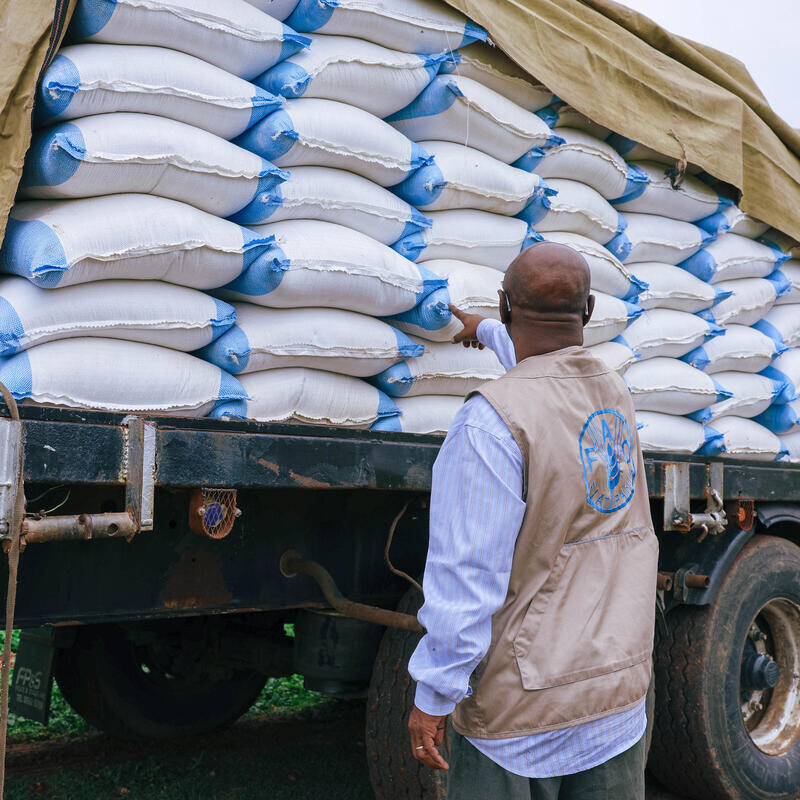 La FAO en minutos – 7 de julio de 2025 | En este episodio de la FAO en Minutos, la Organización amplía la distribución de semillas de emergencia en Sudán; se publica un nuevo informe sobre los jóvenes y los sistemas agroalimentarios; y la Conferencia de la FAO se celebra en Roma. Productores: Flora Trouilloud, Ruki Inoshita, Heriberto Araujo Presentador: Heriberto Araujo Supervisión editorial: Ho Tszmei © FAO/Mahmoud Hamoruk | — | ||||||
| 7/7/25 | 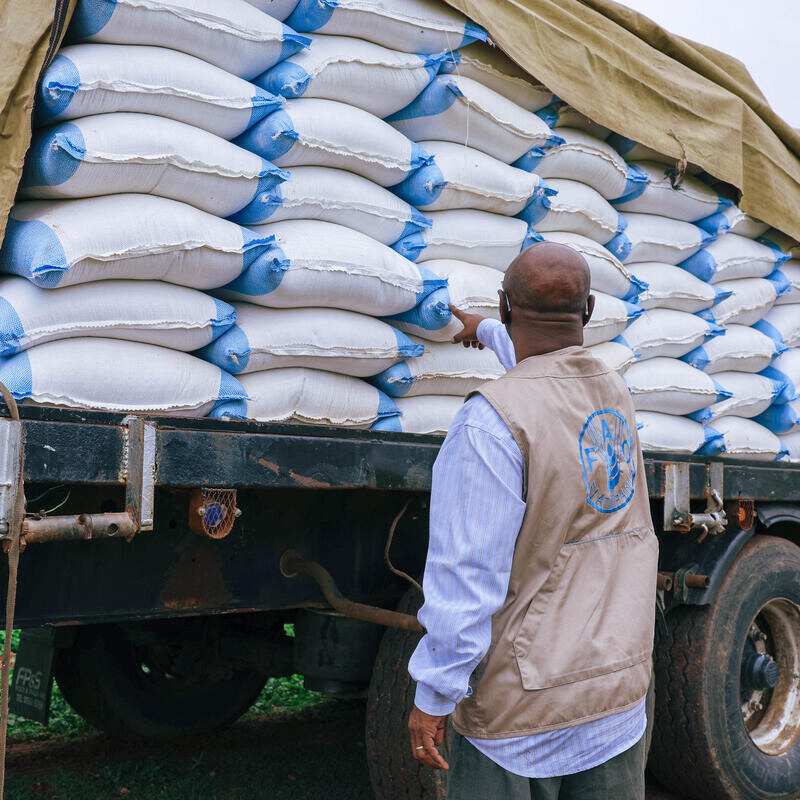 FAO Brief – 7 July 2025 | In this episode of the FAO Brief: FAO scales up emergency seed distribution in Sudan; a new FAO report on the status of youth in agrifood systems; and FAO's Conference held in Rome. Producer: Flora Trouilloud, Ruki Inoshita, Heriberto Araujo Presenter: Ruki Inoshita Editorial supervision: Ho Tszmei © FAO/Mahmoud Hamoruk | — | ||||||
Showing 23 of 99
Sponsor Intelligence
Sign in to see which brands sponsor this podcast, their ad offers, and promo codes.
Chart Positions
15 placements across 13 markets.
Chart Positions
15 placements across 13 markets.