
FI Minded: Bridging Pre FI Discipline and Post FI Freedom in Financial Independence
by Justin Peters - Financial Independence Enthusiast
Is this your podcast?Insights from recent episode analysis
Audience Interest
Podcast Focus
Publishing Consistency
Platform Reach
Insights are generated by CastFox AI using publicly available data, episode content, and proprietary models.
Most discussed topics
Brands & references
Total monthly reach
Estimated from 1 chart position in 1 market.
By chart position
- 🇳🇿NZ · Investing#993K to 10K
- Per-Episode Audience
Est. listeners per new episode within ~30 days
900 to 3K🎙 Daily cadence·195 episodes·Last published 1w ago - Monthly Reach
Unique listeners across all episodes (30 days)
3K to 10K🇳🇿100% - Active Followers
Loyal subscribers who consistently listen
900 to 3K
Market Insights
Platform Distribution
Reach across major podcast platforms, updated hourly
Total Followers
—
Total Plays
—
Total Reviews
—
* Data sourced directly from platform APIs and aggregated hourly across all major podcast directories.
On the show
From 15 epsHost
Recent guests
Recent episodes
Why Freedom Needs Structure in Early Retirement | E204 Maggie Tucker
Aug 26, 2026
Unknown duration
Fast-Track Your Way to Financial Independence With This Plan | E203 Cody Berman
Aug 12, 2026
Unknown duration
How Many Years of Freedom Does Your Car Cost? | E202 Hanna Horvath
Jul 29, 2026
Unknown duration
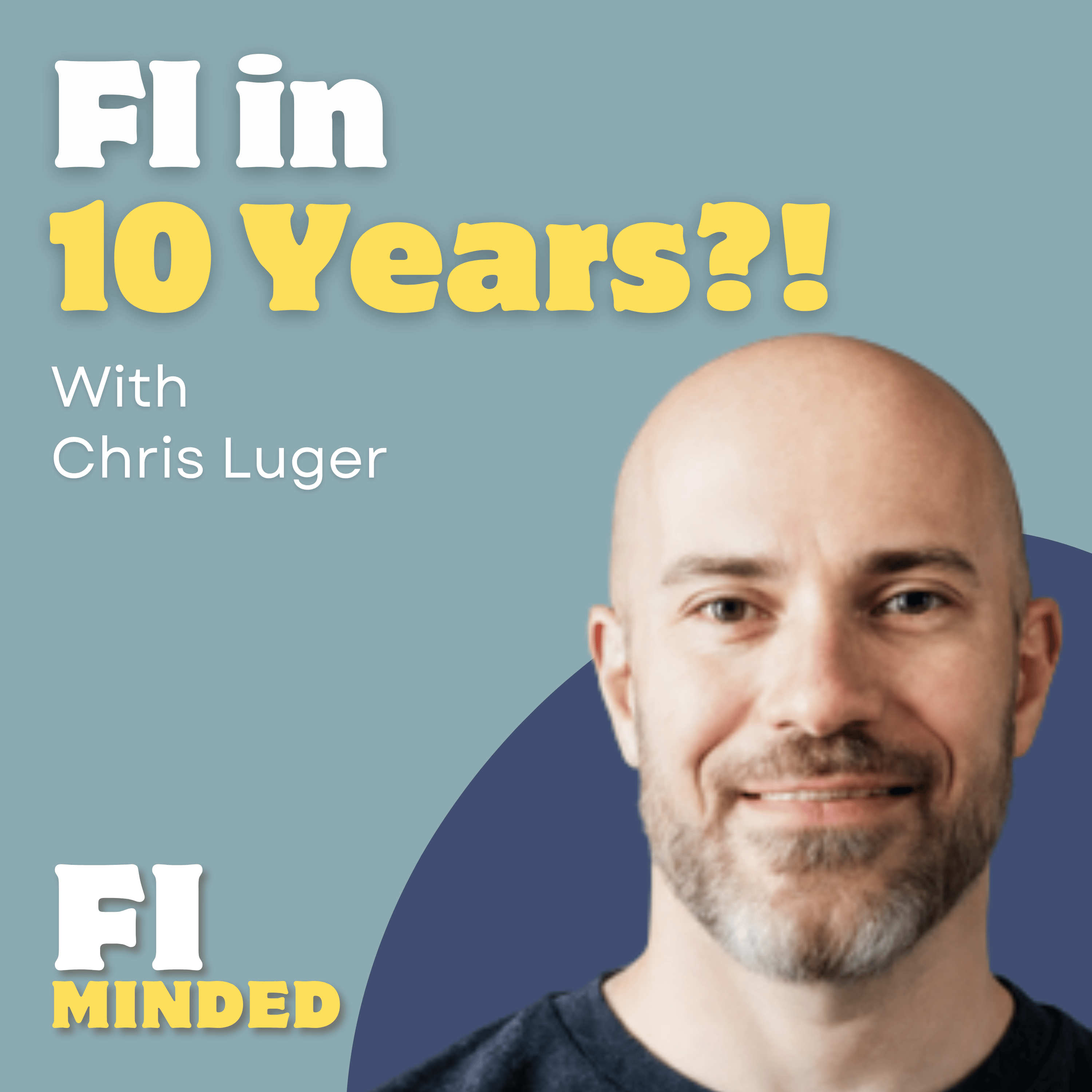
How to Reach Financial Independence in 10 Years | E201 Chris Luger
Jul 15, 2026
40m 48s
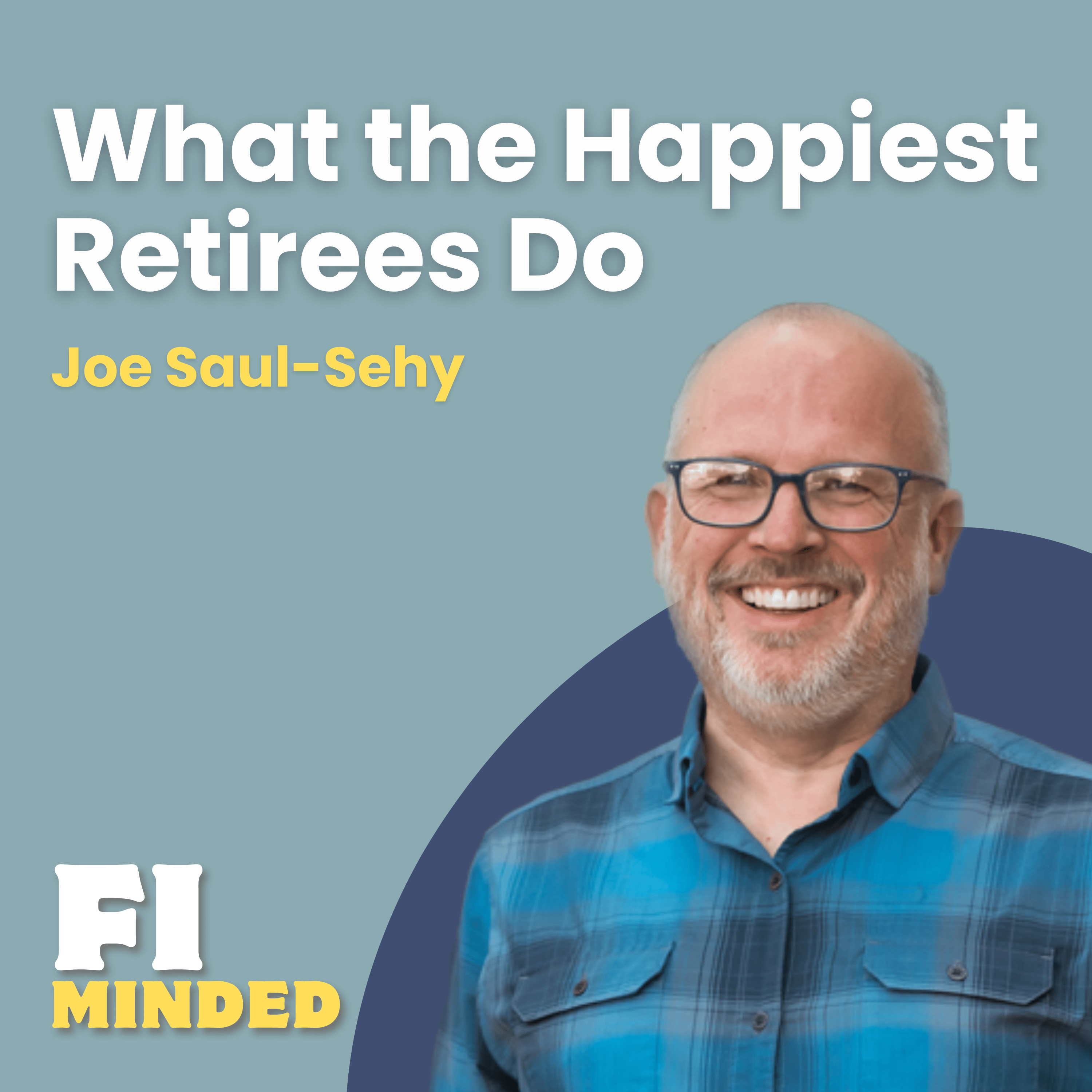
What 200 Episodes Taught Me About Financial Independence | E200 Joe Saul-Sehy
Jul 1, 2026
42m 03s
Social Links & Contact
Official channels & resources
Official Website
Login
RSS Feed
Login
| Date | Episode | Topics | Guests | Brands | Places | Keywords | Sponsor | Length | |
|---|---|---|---|---|---|---|---|---|---|
| 8/26/26 |  Why Freedom Needs Structure in Early Retirement | E204 Maggie Tucker | For years, financial independence feels like the answer.No more alarms. No more asking permission for vacation. No more meetings that could have been an email.But what happens when you finally get everything you worked for?Maggie Tucker retired at 41 expecting money and identity to be the biggest adjustments. Instead, she discovered something she never anticipated: freedom without structure can leave you feeling surprisingly lost.After decades of living by deadlines, calendars, and expectations from other people, early retirement requires an entirely different skill—learning how to create purpose, rhythm, and meaning on your own.In this conversation, Maggie shares what she's learned during four years of early retirement, why she believes freedom works best with a framework, and how simple practices like hobbies, community, and "Adventure Days" can make life after FIRE far more fulfilling.Whether you're years away from financial independence or already work-optional, this episode will help you prepare for the part of FIRE that no spreadsheet can predict.Key Takeaways:Learn how to create structure after leaving full-time workAvoid the hidden challenges many early retirees experienceBuild habits that make freedom feel meaningfulCreate purpose without relying on work for identityPractice retirement skills before reaching your FI numberOther Episodes You’ll Love:What 200 Episodes Taught Me About Financial Independence | E200 Joe Saul-SehyWhen Productivity Becomes the Problem | E199 Doug CunningtonHow to Create a 3-Day Workweek (Before You Reach FI) | E187 Andy HillGuest Summary:Maggie Tucker retired at 41 after reaching financial independence with her husband in 2022. Through her podcast, Inside Out Money, she shares honest reflections on life after FIRE, exploring topics like purpose, structure, identity, and how to build a fulfilling life once work is optional. Her work encourages future retirees to prepare not just financially, but emotionally, for the transition into early retirement.Connect With JustinEmail me at [email protected] or connect with me on LinkedIn.Support FI MindedWant to hear more? Follow FI Minded on your favorite podcast player.Like this episode? Share it with a friend pursuing financial independence.Love the show? Say thanks by leaving a positive review. | — | ||||||
| 8/12/26 |  Fast-Track Your Way to Financial Independence With This Plan | E203 Cody Berman | The Slow FI movement has changed the way many of us think about financial independence. Instead of rushing to the finish line, more people are prioritizing balance, flexibility, and enjoying life along the way.But what if you're in a season where you actually want to accelerate?Maybe you're motivated to leave a stressful job, create more options for your family, or simply reach financial independence sooner. The question becomes: how do you speed things up without sacrificing everything that makes the journey worthwhile?In this episode, I sit down with Cody Berman, entrepreneur, real estate investor, and author of Retire by 30, to explore the biggest levers that can dramatically shorten your path to financial independence. Together they discuss the two primary approaches to FI, why increasing your income often matters more than cutting another expense, and how Cody earned more than $400,000 in a single year while intentionally keeping his lifestyle simple.Whether you're just starting your FI journey or looking for ways to shave years off your timeline, this conversation will help you identify the strategies with the biggest impact.Key Takeaways:Learn the biggest levers that accelerate financial independenceDecide whether entrepreneurship fits your FI strategyDiscover why income often matters more than frugalityBuild wealth faster without inflating your lifestyleFind the right balance between speed and sustainabilityOther Episodes You’ll Love:How to Reach Financial Independence in 10 Years | E201 Chris LugerRetiring Before 50? Here’s What You Need to Know | E196 Jesse CramerTiny Quits That Build Toward Full FI | E194 Jess, The FioneersGuest Summary:Cody Berman is an entrepreneur, real estate investor, and co-host of The FI Show podcast. He achieved financial independence at a young age by combining entrepreneurship, strategic investing, and intentional spending. Cody is also the author of Retire by 30, where he shares practical strategies to help people accelerate their path to financial independence while building a life they enjoy along the way.Connect With JustinEmail me at [email protected] or connect with me on LinkedIn.Support FI MindedWant to hear more? Follow FI Minded on your favorite podcast player.Like this episode? Share it with a friend pursuing financial independence.Love the show? Say thanks by leaving a positive review. | — | ||||||
| 7/29/26 |  How Many Years of Freedom Does Your Car Cost? | E202 Hanna Horvath | Most people can quickly tell you what they love spending money on: travel, concerts, hobbies, or trying new restaurants.But almost no one gets excited about paying for their car.Yet transportation is one of the biggest expenses most households have. Between car payments, insurance, fuel, maintenance, and depreciation, the average American spends more than $11,000 each year to own and operate a vehicle. For many families, that's over $20,000 annually going toward something that often feels more like a necessity than a choice.In this episode, I sit down with Hanna Horvath from Your Brain on Money to explore what our cars are really costing us (and not just financially). We discuss practical ways to reduce transportation expenses, whether you decide to go car-free, become car-lite, or simply make smarter decisions about the vehicle you already own. Along the way, they examine how America's car-centric culture shapes our spending, our communities, and even our relationships.If you've ever wondered how much faster you could reach financial independence by spending less on transportation, this conversation may completely change how you think about your next car.Key Takeaways:The expense quietly delaying your path to FIWhy your "dream neighborhood" may cost less overallThe surprising math behind owning two carsHow much freedom cheaper transportation can buyWhy going car-free isn't the only smart optionThe hidden costs of driving beyond your budgetWhy America's car culture feels impossible to escapeOther Episodes You’ll Love:What Our Wedding Taught Us About Money | E197 Gaby DeimekeThe Emotional Cost of Ignoring Burnout While Pursuing FI | E193 Jess, The FioneersThe Hardest Skill in FI: Knowing When to Stop | E190 Joel LarsgaardGuest Summary:Hanna Horvath is a personal finance journalist, creator of Your Brain on Money, and an advocate for helping people make smarter financial decisions by understanding the psychology behind them. Through her writing and reporting, she explores how our environments, habits, and cultural norms influence the way we spend, save, and build wealth. Her work frequently challenges conventional assumptions about money while offering practical ways to create a life that's both financially healthier and more intentional.Connect With JustinEmail me at [email protected] or connect with me on LinkedIn.Support FI MindedWant to hear more? Follow FI Minded on your favorite podcast player.Like this episode? Share it with a friend pursuing financial independence.Love the show? Say thanks by leaving a positive review. | — | ||||||
| 7/15/26 | financial independenceincome strategies+3 | Chris Luger | Heavy Metal Money | — | financial independenceFI plan+3 | — | 40m 48s | ||
| 7/1/26 | financial independencelife choices+4 | Joe Saul-Sehy | Stacking Benjamins | — | financial independenceretirement+5 | — | 42m 03s | ||
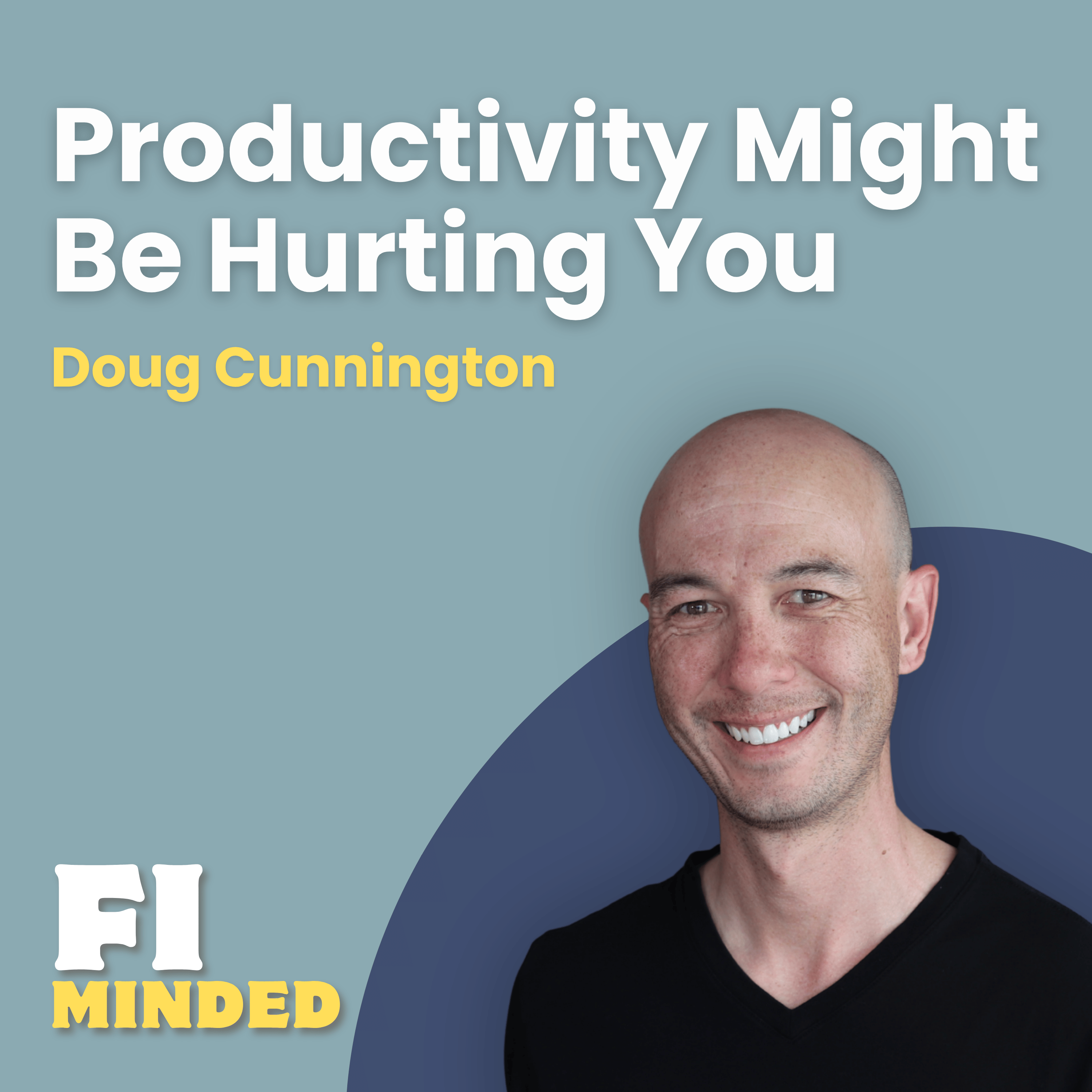
| 6/17/26 | productivityfinancial independence+3 | Doug Cunnington | Mile High FI | — | productivityfinancial independence+3 | — | 38m 49s | ||
| 6/3/26 | retirement planningtransition to retirement+3 | Fritz Gilbert | Retirement Manifesto | — | retirementfinal year+5 | — | 37m 28s | ||
| 5/20/26 | wedding expensesfinancial decisions+3 | Gaby Deimeke | — | — | weddingmoney+3 | — | 26m 59s | ||
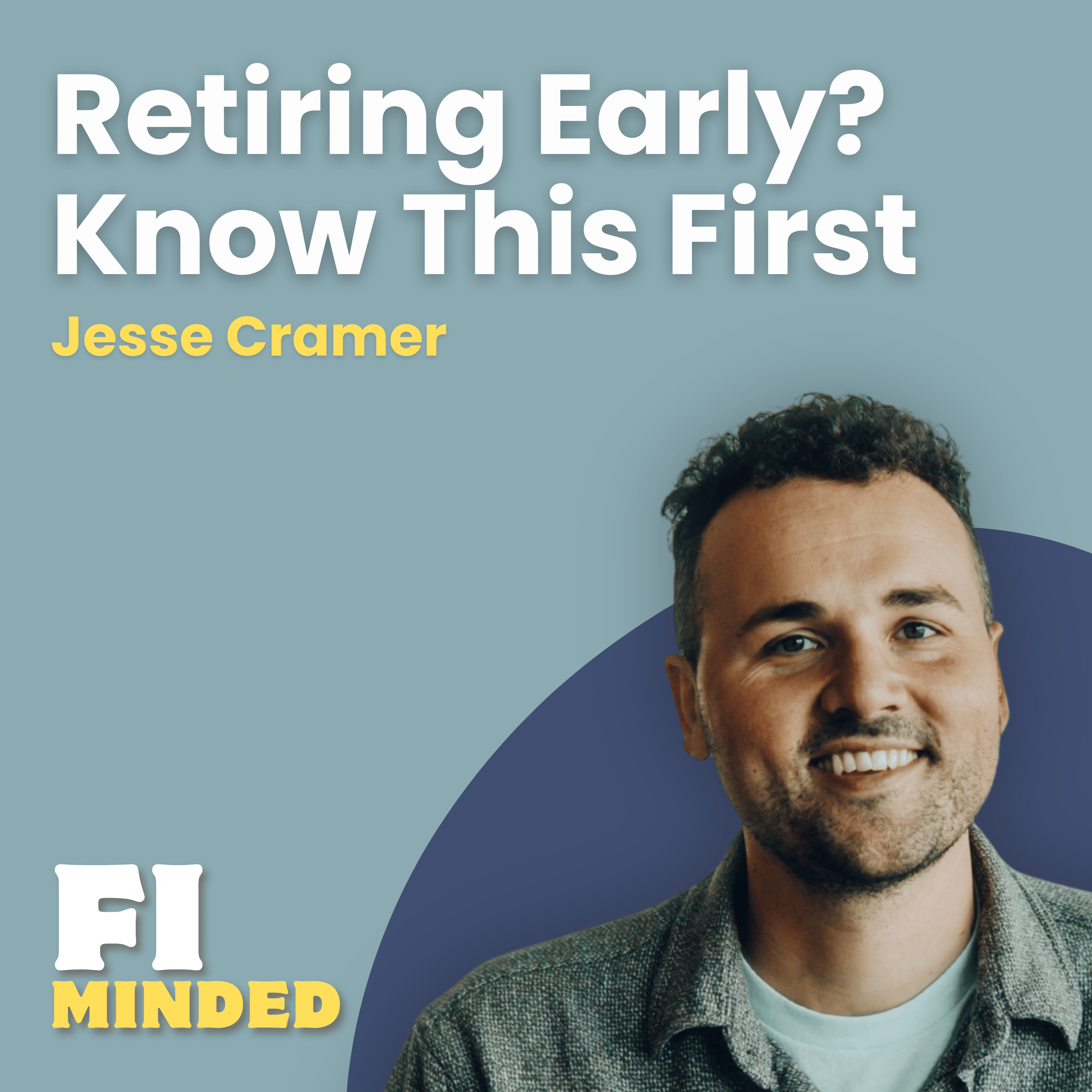
| 5/6/26 | early retirementfinancial planning+4 | Jesse Cramer | Personal Finance for Long-Term Investors | — | early retirementfinancial advice+5 | — | 45m 42s | ||
| 4/22/26 | financial independenceidentity after FI+4 | Justin David Carl | Fit Rich Life | — | financial independenceidentity+5 | — | 50m 58s | ||
Want analysis for the episodes below?Free for Pro Submit a request, we'll have your selected episodes analyzed within an hour. Free, at no cost to you, for Pro users. | |||||||||
| 4/8/26 | financial independencetiny quits+4 | Jess | The Fioneers | — | financial independencetiny quits+5 | — | 24m 05s | ||
| 4/8/26 | burnoutfinancial independence+3 | Jess | The Fioneers | — | burnoutfinancial independence+5 | — | 18m 58s | ||
| 3/25/26 | financial independencetime management+4 | — | — | — | financial freedomFridays off+4 | — | 21m 43s | ||
| 3/11/26 | Roth contributionsTraditional contributions+3 | Cody Garrett | — | — | Roth contributionsTraditional contributions+5 | — | 27m 48s | ||
| 2/25/26 | financial independencework-life balance+4 | Joel Larsgaard | How to Money | — | financial independenceburnout+5 | — | 41m 45s | ||
| 2/11/26 | marriagedivorce+4 | Aaron Thomas | Prenups.comHarvard Law | — | marriage failurefinancial agreements+5 | — | 44m 39s | ||
| 1/28/26 | spending principlesfinancial independence+3 | — | — | — | spendingfinancial independence+5 | — | 20m 42s | ||
| 1/14/26 | work-life balancefinancial independence+3 | Andy Hill | — | — | 3-day workweekfinancial independence+5 | — | 45m 54s | ||
| 12/31/25 |  What’s on Your FI Bucket List? | E186 | If you’ve ever felt stuck somewhere between the excitement of starting your FI journey and the reality that the finish line is still years away, this episode will give you a practical way to stay motivated. You’ll learn how a FI Bucket List can immediately add meaning, momentum, and enjoyment to the process—no matter where you are on the path. This isn’t about spending more money; it’s about intentionally creating experiences that keep you energized instead of burned out.You’ll also hear how shifting from a “save now, live later” mindset to a “design a meaningful life today” approach can completely change the way your journey feels. We break down how to choose bucket-list items that fit your values, your current season of life, and your budget. You’ll walk away with clear steps for creating your own version, whether you want more adventure, more connection, or simply more joy in your week.Finally, the conversation highlights what the FI Bucket List reveals about the bigger purpose behind financial independence: freedom, flexibility, and the chance to build a life you actually want to live. If you’ve been feeling behind, bored, or disconnected from your "why," this episode will help you reconnect with the possibility, purpose, and excitement that originally drew you to FI.Key Takeaways:Why a FI Bucket List is one of the most effective ways to stay motivated on a long FI journeyHow to design bucket-list items that fit your values, energy, and current season of lifeThe mindset shift from delaying joy to intentionally integrating it into your journeyHow to balance saving aggressively and creating meaningful experiences todayWhy your FI “finish line” isn’t the real point—and what actually matters moreHow a bucket list helps reduce burnout, boredom, and the fear of “doing FI wrong”Practical examples of small, low-cost wins that build excitement and momentumThe difference between running away from work and running toward a fulfilling lifeOther Episodes You’ll Love:Is Saving Too Much Holding You Back? | E179 Jesse CramerMini-Retirements: Retire Often, Not Just Early | E177 Jillian JohnsrudHow to Get the Courage to Travel More Adventurously | E174 Jon OteroConnect With JustinEmail me at [email protected] or connect with me on LinkedIn.Support FI MindedWant to hear more? Follow FI Minded on your favorite podcast player.Like this episode? Share it with a friend pursuing financial independence.Love the show? Say thanks by leaving a positive review. | — | ||||||
| 12/17/25 |  End-of-Life & Estate Planning With Your Parents (In A Compassionate Way) | E185 Tess Waresmith | Talking about end-of-life planning is one of the hardest conversations we’ll ever have, but also one of the most important. Whether you’re pursuing financial independence or already work-optional, someone in your life will eventually rely on you to make decisions on their behalf. And without clarity, that responsibility becomes emotionally heavy, financially stressful, and often filled with guesswork.In this episode, Financial Educator Tess Waresmith (Wealth With Tess) walks us through how to approach these conversations with compassion and confidence. Tess has navigated caregiving and loss firsthand, including the passing of her stepfather and aunt. She brings a personal and practical approach to preparing families for the future.You’ll learn how to make these conversations feel less overwhelming, how to use Tess’s 3-Layer Talk Framework to guide your discussion, and which estate-planning essentials every FI-minded person should have squared away. More than anything, this episode will help you strengthen connections, reduce uncertainty, and create peace of mind for yourself and the people you love.Key Takeaways:How to start end-of-life conversations in a way that feels natural, not heavyThe 3-Layer Talk Framework for discussing logistics, values, and legacyEssential estate-planning documents every family needs (Will, POA, Healthcare Directive)Questions that help uncover a loved one’s hopes, fears, stories, and wishesWhy acknowledging mortality can lead to more intentional spending, saving, and FI planningOther Episodes You’ll Love:3 Hidden Traps That Make FIRE Feel Empty | E182 Jordan GrumetHow to Negotiate Your Medical Bills | E161 Dr. Virgie Bright EllingtonDoes My FIRE Number Account for Inflation? | E140 Jesse CramerGuest Summary:Tess Waresmith is a financial educator, speaker, and the creator of Wealth With Tess, where she teaches women how to build confidence with money and investing. Through her workshops, courses, and content, she shares clear, compassionate financial guidance to help women reduce stress and prioritize what truly matters.Instagram: https://www.instagram.com/wealthwithtess/Talking About Death: https://www.moneyconfidentclub.com/talkdeathDeathly Yours Workbook ($60 off with code FIMINDED):https://www.moneyconfidentclub.com/offers/BkfzyzKV?coupon_code=FIMINDEDConnect With JustinEmail me at [email protected] or connect with me on LinkedIn.Support FI MindedWant to hear more? Follow FI Minded on your favorite podcast player.Like this episode? Share it with a friend pursuing financial independence.Love the show? Say thanks by leaving a positive review. | — | ||||||
| 12/3/25 |  50/30/20 Budget: Does This Popular Guideline Actually Work for FI Seekers? | E184 | Are FI seekers supposed to follow the 50/30/20 budget guideline — or is it completely irrelevant when you’re pursuing financial independence? In this solo episode, Justin walks through five years of his own spending data to find out how closely his real-life budget aligned with this popular personal finance rule of thumb.You’ll learn what the 50/30/20 rule was originally designed for, where it breaks down for people on the path to FI, and how your own needs, wants, and savings ratios might shift as you move closer to financial independence. Justin also shares his FI-friendly version of the guideline that better supports intentional spending, lifestyle design, and long-term financial freedom.Whether you’re in your first year of the FI journey or optimizing for Coast FI, this episode will help you rethink your spending percentages, understand your true savings rate, and build a budgeting approach that matches your work-optional goals.Key Takeaways:Why the traditional 50/30/20 budgeting rule often breaks down for FI seekers, early retirees, and anyone aiming for financial independence.How Justin’s actual 2020–2025 spending data compared to the guideline — including needs, wants, and savings percentages.The difference between budgeting for traditional retirement vs budgeting for financial independence or Coast FI.What your savings rate reveals about your FI timeline and why it matters more than a fixed budget ratio.How an FI-minded spending framework can help you design a flexible lifestyle, reduce money anxiety, and stay aligned with your long-term goals.A simple FI version of the 50/30/20 rule you can adapt to your income, values, and personal financial independence path.Why intentional spending beats rigid budgeting - and how knowing your own numbers can help you reach work optionality faster.Other Episodes You’ll Love:Smart Frugality: The Frugal Mindset That Actually Feels Good | E183 JC RodriguezHow to Save Thousands on Groceries (Without Giving Anything Up) | E176 Bryan SuddithMoney Moves That Sound Smart…But Aren’t (Part 1) | E172Connect With JustinEmail me at [email protected] or connect with me on LinkedIn.Support FI MindedWant to hear more? Follow FI Minded on your favorite podcast player.Like this episode? Share it with a friend pursuing financial independence.Love the show? Say thanks by leaving a positive review. | — | ||||||
| 11/19/25 |  Smart Frugality: The Frugal Mindset That Actually Feels Good | E183 JC Rodriguez | Cutting costs can help you reach financial independence faster, but it shouldn’t come at the expense of your happiness. The real key is smart frugality: spending intentionally on what adds value and confidently cutting what doesn’t.In this episode, I’m joined by JC Rodriguez, financial coach and creator of The Frugal Rich, to explore how to build a values-based spending system that feels good, lasts long term, and supports your FI goals.We’ll unpack practical hacks from grocery savings to “buy for life” strategies and talk about how to balance conscious spending, frugality with purpose, and joy along the journey to financial freedom.If you’ve ever wondered whether saving money is helping or hurting your quality of life, this one’s for you.Key Takeaways:How values-based spending helps you save money without losing joyWhy cutting too far in the name of frugality can backfireSimple hacks to save money on everyday expenses like groceriesUse tools like CamelCamelCamel to track prices and shop smarterThe difference between short-term savings hacks and lasting frugal habitsWhy “buy for life” products often save more money long-termBalancing frugality with happiness in everyday spending decisionsWhy some people thrive on frugality while others struggle with itHow to spend confidently on big purchases without guiltHow to balance financial independence goals with living well todayGuest Summary:JC Rodriguez is a financial coach and creator of The Frugal Rich, a community of over 1.5 million people learning how to live better with less. His work helps people embrace frugality with purpose, adopt sustainable money habits, and build long-term financial freedom without sacrificing happiness.Check out JC on:YouTubeFacebook GroupConnect With JustinEmail me at [email protected] or connect with me on LinkedIn.Support FI MindedWant to hear more? Follow FI Minded on your favorite podcast player.Like this episode? Share it with a friend pursuing financial independence.Love the show? Say thanks by leaving a positive review. | — | ||||||
| 11/5/25 |  3 Hidden Traps That Make FIRE Feel Empty | E182 Jordan Grumet | FIRE was never meant to be the finish line. It was supposed to be the launchpad. But somewhere along the way, we started chasing optimization instead of meaning.In this episode, I sit down with Jordan Grumet (Doc G), author of The Purpose Code and host of the Earn & Invest Podcast, to explore how the FIRE movement can sometimes turn from a tool for freedom into a trap that leaves people feeling empty.We unpack three hidden pitfalls that can derail your FIRE journey and how to realign money, purpose, and meaning once you’ve “made it.”Jordan has been a longtime voice in the Financial Independence movement, through his blog, DiverseFI, his book, The Purpose Code, and his podcast, Earn & Invest.But after a decade in the movement, he started asking some deeper questions:Has FIRE become the destination instead of the launchpad?Are we optimizing our finances at the expense of meaning?And how do we bring purpose back into the FIRE movement?Key Takeaways:Why FIRE can accidentally make money the goal instead of the toolThe trap of “Perfect is the Enemy of Good” in personal financeEndless optimization (Roth timing, iBonds, chasing interest rates) can distract from what truly matters.How optimization can distract us from the hard emotional workReal fulfillment comes from pursuing purpose, not FIRE.What Jordan still loves about the FIRE movement (and what he’s outgrown)How to redefine success beyond spreadsheets and savings ratesOther Episodes You’ll Love:Is Saving Too Much Holding You Back? | E179 Jesse CramerHow to Live a FI Life Without the FI Bank Account | E170 Jess from FioneersFind Purpose Beyond Financial Independence | E157 Jordan GrumetGuest Summary:Jordan Grumet (Doc G) is a physician turned writer, speaker, and host of the Earn & Invest Podcast. His books, Taking Stock and The Purpose Code, explore how to align money, meaning, and legacy. Jordan has been part of the FIRE community since 2014, helping thousands rethink what financial independence really means.Connect with Jordan:Book: The Purpose CodePodcast: Earn & Invest PodcastConnect with Justin:Email me at [email protected] or connect with me on LinkedIn.Support FI Minded:Want to hear more? Follow FI Minded on your favorite podcast player.Like this episode? Share it with a friend pursuing financial independence.Love the show? Say thanks by leaving a positive review. | — | ||||||
| 10/22/25 |  How to Find a Side Hustle You’ll Love (and Stick With) | E181 Nick Loper | Everyone talks about starting a side hustle, but few talk about how to pick the right one. The one that fits your skills, your lifestyle, and your FI goals.Nick Loper, host of The Side Hustle Show, joins me again to share smart ways to find a side hustle that actually fits your life, skills, and Financial Independence goals.We explore creative frameworks like “Rip, Pivot, and Jam,” “Intersection,” and “Shovels in the Gold Rush,” and how to use AI tools like ChatGPT to uncover ideas faster than ever. Nick also shares how to narrow your list to just one idea you’ll be excited to work on for years to come.If you’ve been overthinking your next move or waiting for the “perfect” side hustle, this episode will help you find clarity, confidence, and direction.Key Takeaways:Find side hustle ideas at the intersection of what you love, what you’re good at, what people need, and what they’ll pay for.Use frameworks like Rip, Pivot, and Jam or Shovels in the Gold Rush to generate creative and practical ideas.Leverage AI tools like ChatGPT to brainstorm and refine your concepts.Ask questions like “Does this fit my lifestyle?” or “Would I still enjoy this in three years?” to narrow your choices fast.Other Episodes You’ll Love:How to Start a Side Hustle in One Month | E167 Nick LoperHow to DOUBLE Your Income in One Year | E164 Andrew GiancolaHow to Launch a Side Hustle While Working Full-Time | E132 Genuinely GenesisMore of Nick: The Side Hustle ShowMore of FI Minded:Email Justin at [email protected] with Justin on LinkedIn: https://www.linkedin.com/in/justinleepeters/ | — | ||||||
| 10/8/25 |  Optimal Tax Strategies for Your Early Retirement | E180 Cody Garrett & Sean Mullaney | It might have been monsters under the bed, shadows in the corner, or creepy dementors from Harry Potter. We all had irrational fears growing up.Mine was creepy dolls. After watching a movie called Teacher’s Pet, I became so terrified of dolls that my dad had my sister box up hers and store them in the basement.I’ll be honest, I’m still not a huge fan of dolls, but I’ve mostly outgrown that fear. Along the way, though, I’ve picked up some new ones like running out of money, being left without health insurance, and probably the biggest of all… taxes.I’ve been saving and investing with the fear that Uncle Sam will take a huge chunk of my money. That mindset has me padding my investment accounts and inflating my FI number. But after reading Sean Mullaney and Cody Garrett’s book, Tax Planning To and Through Early Retirement, I’m starting to rethink that - and I think you should too.To help us all navigate this, I invited Sean and Cody to walk us through strategies to optimize taxes before and during early retirement. We’ll cover things like which accounts to deplete first, how to control your taxable income through strategic selling, ways to minimize sequence-of-return risk, and even how you could pay almost nothing in taxes some years without cutting expenses.If you want practical strategies for optimizing taxes on your path to early retirement, this episode is for you.I hope you enjoy my conversation with Mr. Measure Twice and the FITaxGuy…Cody Garrett and Sean Mullaney.Key Takeaways:How to fund an early retirement lifestyle tax-free with drawdown strategies.Which investment accounts to tap first to optimize your retirement withdrawalsHow to sell specific brokerage lots to precisely manage taxes and cash flowA drawdown approach that protects against the sequence of returns risk in retirementHow to maximize ACA premium tax credits for affordable early retirement healthcareWhen to use Roth and HSA withdrawals for tax-efficient income flexibilityMentions:Selling Specific Lots in Fidelity: https://www.youtube.com/watch?v=Cft7dLLP7_U&feature=youtu.beMore of Sean & Cody:Check out the book “Tax Planning To and Through Early Retirement”:: https://www.measuretwicemoney.com/bookCody’s website: https://measuretwicefinancial.com/Sean’s website: https://fitaxguy.com/More of FI Minded:Email Justin at [email protected] with Justin on LinkedIn: https://www.linkedin.com/in/justinleepeters/The discussion is intended to be for general educational purposes and is not tax, legal, or investment advice for any individual. Justin and the FI Minded podcast do not endorse Sean Mullaney, Mullaney Financial & Tax, Inc. and their services. | — | ||||||





Showing 25 of 205
Pitch Fit is a Pro feature
See how bookable this show is for guests, which brands already advertise, the per-episode ad value, and the best-fit guest and sponsor profile. The numbers are blurred on the free plan.
How readily this show books outside guests like you.
How proven this show is for host-read sponsorships.
For Guests
ProFor Advertisers
ProUpgrade to Pro to unlock guest cadence, sponsor categories, fit scores, and per-episode ad value for this show.
Chart history for FI Minded: Bridging Pre FI Discipline and Post FI Freedom in Financial Independence
Peaked at #99 in New Zealand, currently #99 in New Zealand.
| Market | Genre | Peak | Current | Trend |
|---|---|---|---|---|
| New Zealand | — | #99 | #99 | — |
Chart Positions
1 placement across 1 market.
Chart Positions
1 placement across 1 market.