
Insights from recent episode analysis
Audience Interest
Podcast Focus
Publishing Consistency
Platform Reach
Insights are generated by CastFox AI using publicly available data, episode content, and proprietary models.
Most discussed topics
Brands & references
Total monthly reach
Estimated from 2 chart positions in 2 markets.
By chart position
- 🇳🇿NZ · Fiction#160500 to 3K
- 🇮🇱IL · Fiction#167500 to 3K
- Per-Episode Audience
Est. listeners per new episode within ~30 days
500 to 3K🎙 Weekly cadence·59 episodes·Last published 1mo ago - Monthly Reach
Unique listeners across all episodes (30 days)
1K to 6K🇳🇿50%🇮🇱50% - Active Followers
Loyal subscribers who consistently listen
400 to 2.4K
Market Insights
Platform Distribution
Reach across major podcast platforms, updated hourly
Total Followers
—
Total Plays
—
Total Reviews
—
* Data sourced directly from platform APIs and aggregated hourly across all major podcast directories.
On the show
From 13 epsHost
Recent guests
Recent episodes
Takiguchi Yūshō: 'When I’m writing fiction, I have very little sense I’m the one inventing the story'
May 16, 2026
19m 32s
Holly Edwards: 'There's obviously something political about presenting trans characters'
May 9, 2026
17m 16s
Joel Cox: 'It's fine to have jerks in stories, but you have to have something that makes the reader keep reading'
May 3, 2026
24m 33s
Bruna Martini: 'I have spent too many months without drawing'
Apr 24, 2026
25m 36s
Diana Evans: 'Writing is an act of hope'
Apr 16, 2026
19m 58s
Social Links & Contact
Official channels & resources
Official Website
Login
RSS Feed
Login
| Date | Episode | Topics | Guests | Brands | Places | Keywords | Sponsor | Length | |
|---|---|---|---|---|---|---|---|---|---|
| 5/16/26 |  Takiguchi Yūshō: 'When I’m writing fiction, I have very little sense I’m the one inventing the story'✨ | fiction writingnarrative techniques+3 | Takiguchi YūshōJesse Kirkwood | Peppermint | — | fictionnarrator+3 | — | 19m 32s | |
| 5/9/26 | 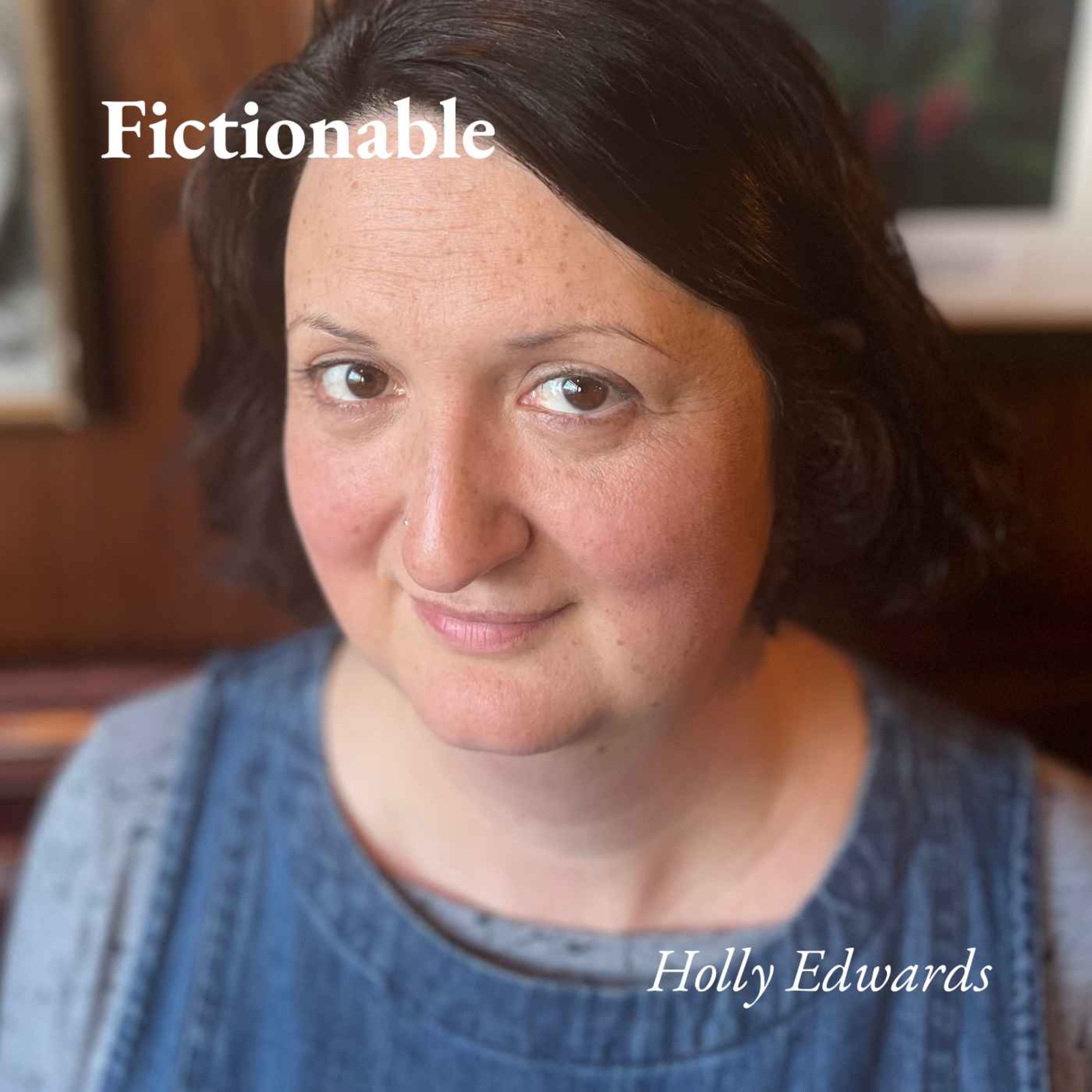 Holly Edwards: 'There's obviously something political about presenting trans characters'✨ | trans charactersqueerness+3 | Holly Edwards | Little Lamb, Who Made Thee?This Farming Life+1 | — | transgenderqueer perspectives+3 | — | 17m 16s | |
| 5/3/26 | 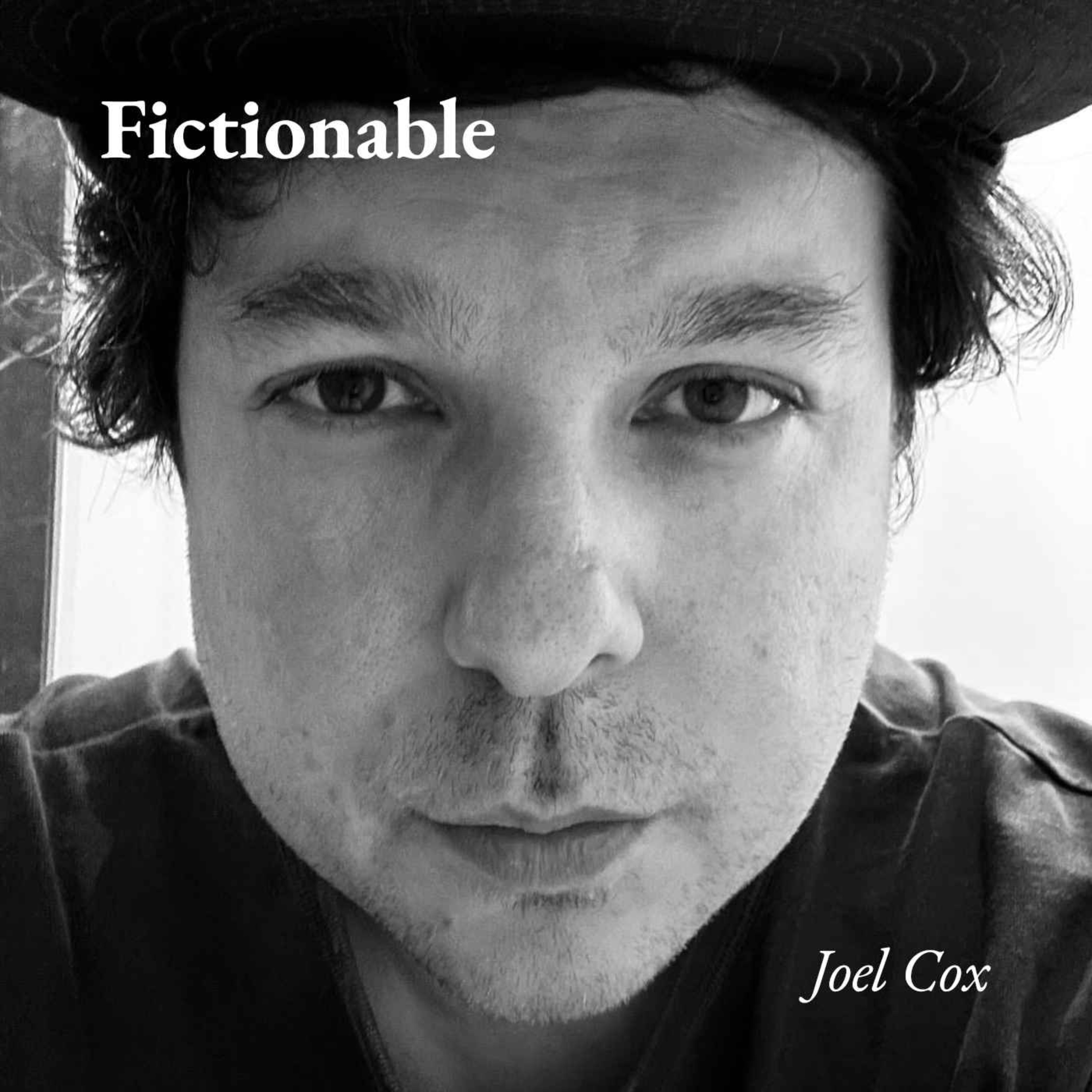 Joel Cox: 'It's fine to have jerks in stories, but you have to have something that makes the reader keep reading'✨ | suburban lifedisconnection+4 | Joel Cox | AIRevolutionary Road | — | suburbsdisconnection+6 | — | 24m 33s | |
| 4/24/26 | 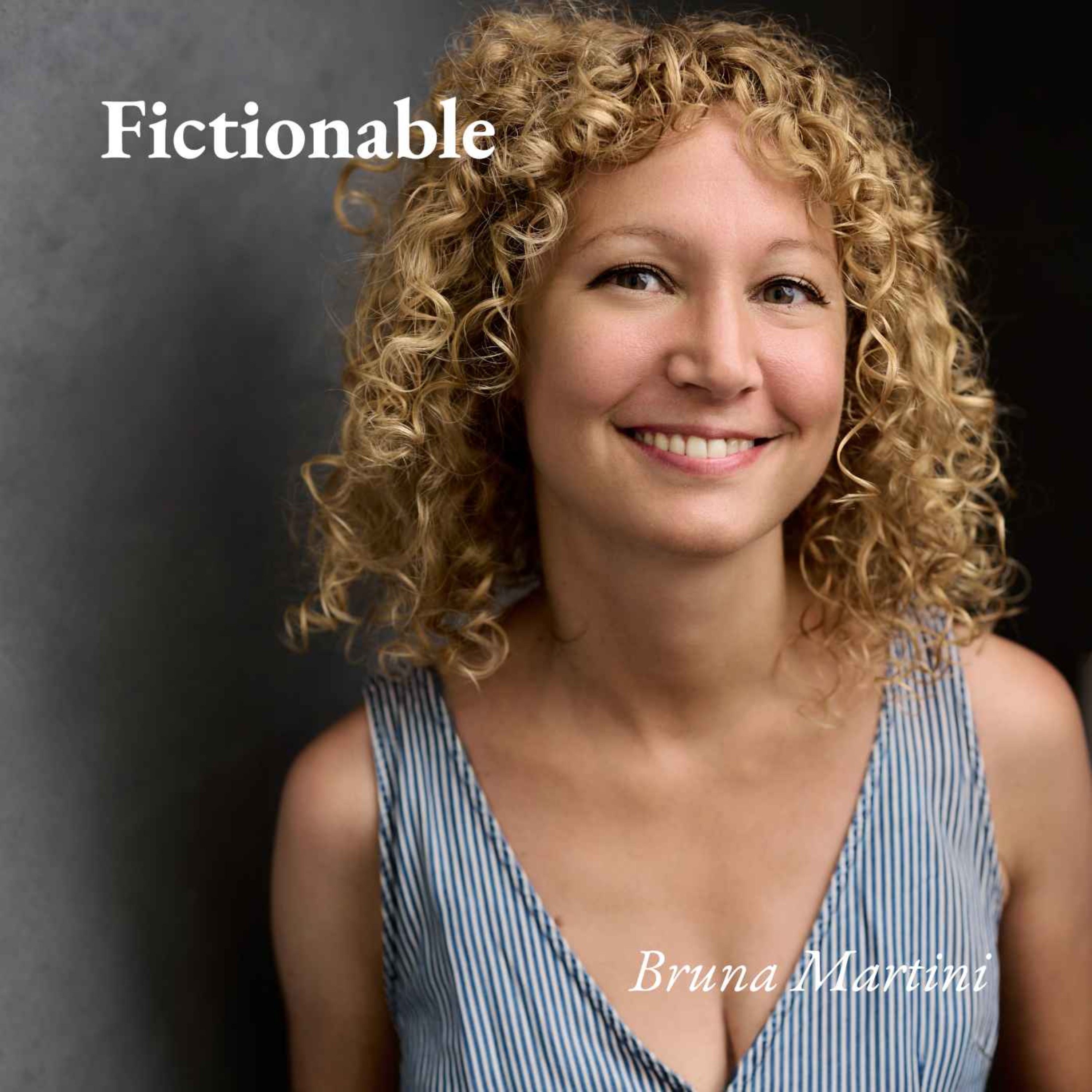 Bruna Martini: 'I have spent too many months without drawing'✨ | parentinggraphic storytelling+4 | Bruna Martini | One Day at at Time | — | Bruna Martinigraphic short story+4 | — | 25m 36s | |
| 4/16/26 | 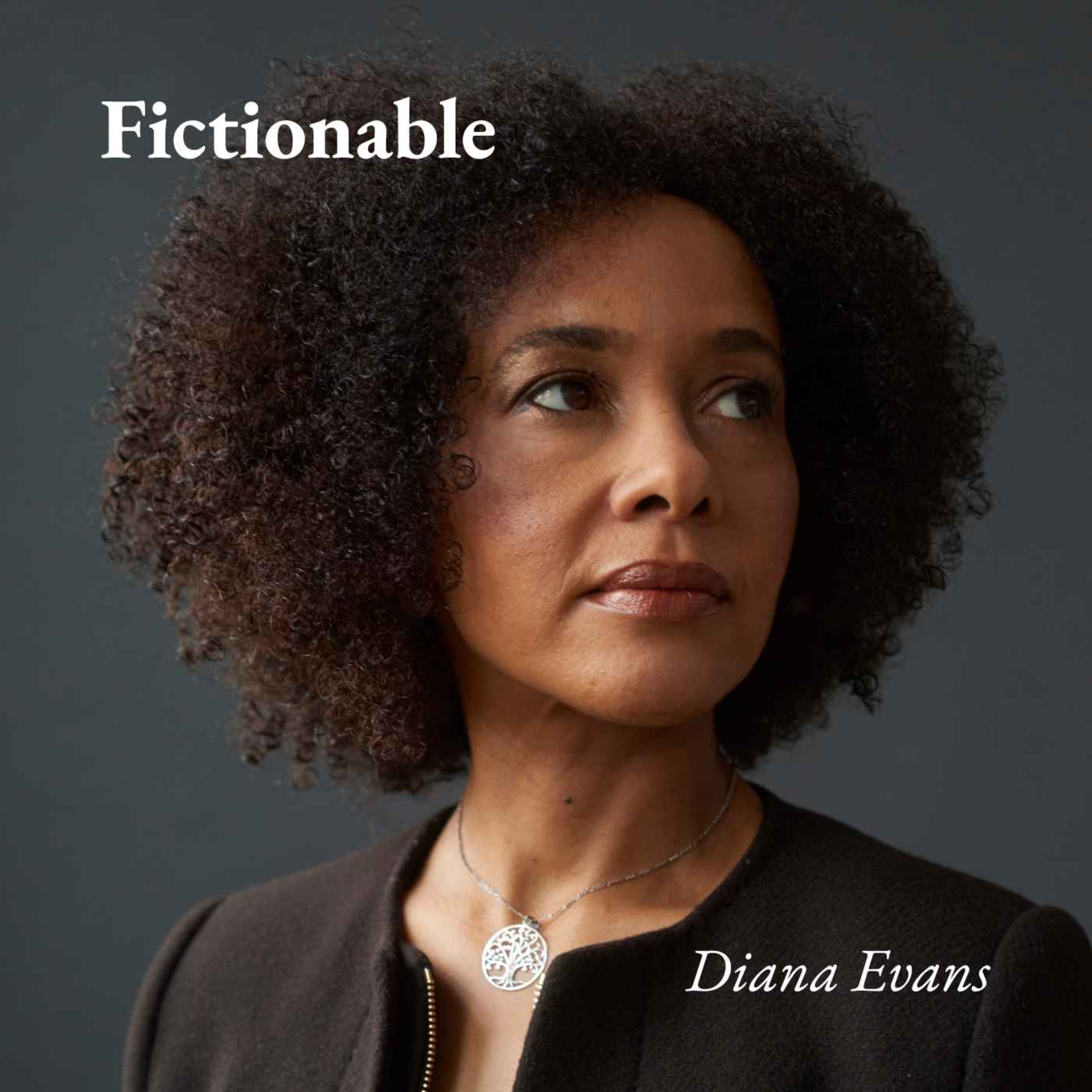 Diana Evans: 'Writing is an act of hope'✨ | youth unemploymentBlack music scene+3 | Diana Evans | Pride magazine | — | Diana EvansIce Cream+5 | — | 19m 58s | |
| 2/20/26 | Cynthia Banham: 'Writing is a dangerous act'✨ | writingmemoir+4 | Cynthia Banham | Swimming With CrocodilesA Certain Light+1 | — | Cynthia Banhamwriting+5 | — | 26m 23s | |
| 2/12/26 | Samuel Rigg: 'Often I find I'm writing about people who are not me'✨ | parenthoodloss+4 | Samuel Rigg | At the Rink | ScarsdaleNew York City+1 | Samuel RiggAt the Rink+5 | — | 14m 51s | |
| 2/5/26 | Tim Conley: 'Short fiction is a lot more liberating'✨ | short fictionmemory+4 | Tim Conley | Records | — | short fictionmemory+5 | — | 19m 51s | |
| 1/30/26 | Rodrigo Urquiola Flores: 'Everything in this short story is true'✨ | memoryfiction+4 | Rodrigo Urquiola FloresShaina Brassard | DYSNEYWORLD | La Paz | Rodrigo Urquiola FloresDYSNEYWORLD+6 | — | 23m 19s | |
| 1/22/26 | Cynthia Zarin: 'You write out of the world that you're living in'✨ | short storiesprose fiction+5 | Cynthia Zarin | HousekeepingInverno+1 | — | Cynthia ZarinHousekeeping+7 | — | 31m 25s | |
Want analysis for the episodes below?Free for Pro Submit a request, we'll have your selected episodes analyzed within an hour. Free, at no cost to you, for Pro users. | |||||||||
| 11/20/25 | Ephameron: 'My work is always at the crossroads between literature, graphic arts, painting, comics'✨ | graphic artsliterature+4 | Ephameron | Minecraft | Antwerp | Ephamerongraphic short story+5 | — | 18m 06s | |
| 11/13/25 | Kasimma: 'Because I’m writing fiction, I can get away with anything'✨ | fictioncolonization+3 | Kasimma | — | IgbolandNigeria | Kasimmafiction+5 | — | 21m 10s | |
| 11/6/25 | Caroline Clark: 'This story completely surprised me'✨ | writing processstorytelling+4 | Caroline Clark | I Will GoMama Taught Me That | — | Caroline Clarkwriting process+6 | — | 17m 31s | |
| 10/29/25 | Helon Habila: 'What fiction does is make you live the life of the other' | Here in the northern hemisphere it's getting misty and mellow all over again. Time for Autumn 2025 and another fruitful harvest of podcasts, ripened to the core. Over the next few weeks, we'll be hearing from Caroline Clark, Kasimma and Ephameron. But we launch into autumn with Helon Habila and his story Paradise.Habila tells us how, after twenty years of living in the USA, in this story he's trying to "make sense of America"."History is not past," Habila says, "it's still with us, and we're living the consequences of that history of slavery in America. To even begin to understand the place, you have to grapple with that history."Paradise puts different Black experiences alongside each other – a Nigerian girl living in Northern Virginia, a young woman whose mother is Nigerian and whose father is white, and a vision of the Brazilian countryside "filled with Black people". But at the heart of the story are two twins, whose ancestors were enslaved on the Strout Estate.When they return to the house, there's "almost a beautiful symmetry", Habila says, "a cycle coming to a close"."You can only imagine that, for them, what it must feel like." To be free people, he continues, knowing their ancestors could never have dreamed of the freedoms that they enjoy today, "that's the contradiction, that's the complexity in American history and the American present, where the past is always in conflict with the present".Some people want to erase the evidence, Habila adds, to "rewrite history. They want to claim that the slaves were actually happier being slaves than Black people are today."The pressure on academics, the new boldness of people in power to say out loud what could only be said before in a whisper is "scary" he says, but he has to go on. "The only thing one can do as an artist is just to remind people and historicise these things and try to turn it into art."Next time, Caroline Clark will be talking about the inevitable pain of the writing life and her short story I Will Go. Hosted on Acast. See acast.com/privacy for more information. | — | ||||||
| 9/1/25 | Sheyla Smanioto: 'It's a haunted story, where you know something is going to happen' | This summer series of podcasts has taken us from the snow and ice of AL Kennedy's Expedition Skills to the blunt heat of Ali McClary's Proper Magic, and from the staccato fragments of Pete Segall's Bolex Man to the unstoppable momentum of Dafydd McKimm's The Nosebleed.We bring this season to a close with Sheyla Smanioto and the haunting threat of her short story Intruder, translated by Laura Garmeson and Sophie Lewis.Speaking with the help of the interpreter Jaciara Topley Lira, Smanioto tells us that the story came to her with "almost the last sentence", in a dream where "Somebody was holding me by the throat and saying, 'Look how difficult it will be for me not to kill you when I'm choking you'."She had to deliver that sentence so that she could recreate the feeling she had in the dream, she continues, "And so that's why I needed to trick the reader sometimes."The slippery first-person plural, the sudden switches between the present and the past and the abrupt swerves into dialogue that keep the reader on their toes are also a challenge for the writer."So, in a way," Smanioto adds, "both me and the reader are victims of what the text needed."Pito's bar is midway along the great journey from the country to the city that Smanioto charts in her novel Out of Earth."It's a historical movement," the author says. "It's a movement that brought my family to São Paulo. But when you look at it as a movement, it always looks like it is made up of a mass. But it's never a mass, it's made up of people."The people who make this journey are left with a "specific type of loneliness", Smanioto continues, an emptiness that she has tried to fill with her writing by "creating a culture that was a sort of dream, a memory of the past".Even though she calls herself a "very intellectual" writer, dreams are still central to her work."I have studied technique," Smanioto says, "I'm a literature graduate. But I can't create anything if I don't feel it in my skin first." Hosted on Acast. See acast.com/privacy for more information. | — | ||||||
| 8/24/25 | Dafydd McKimm: 'I write this kind of story in a bit of a fever' | This summer, we've heard from AL Kennedy, Pete Segall and Ali McClary. We'll be bringing this series to a close with Sheyla Smanioto, but this time Dafydd McKimm steps into the consulting room with his short story The Nosebleed.McKimm tells us how The Nosebleed was a story that came to him with the ending already in place, citing the translator Michael Hofmann and his notion of Kafka time, where it's "already too late".With this type of story, the author says, "You just set the ball rolling and the characters fruitlessly struggle against the inevitability of that ending."Even though McKimm tries to keep politics out of his stories, it's a notion that feels very 21st century."We do certainly seem to be living in a world where, if it wasn't too late ten years ago, it certainly is too late now," he says. "We might be fighting a losing battle."While the sharp divisions in the bookshop between fantasy and surreal fiction are something of a mirage, McKimm continues, there is still a difference of approach."Even though you might write a secondary-world fantasy, where the world is very different to the world we live in," he explains, "it's going to have dragons or whatever, or magic exists, the tone of the world is very similar. Whereas in a surrealist story, or an absurdist story, it's the feverishness of the tone that is turned up. You turn up the dial on your paranoia, on your madness essentially, your internal madness."Next time we'll be turning up the dial with Sheyla Smanioto and her short story Intruder. Hosted on Acast. See acast.com/privacy for more information. | — | ||||||
| 8/8/25 | Ali McClary: 'This story started as a conversation between two young women' | We've already heard from AL Kennedy and Pete Segall in this summer series of podcasts, and we’ll be hearing from Sheyla Smanioto and Dafydd McKimm over the next few weeks. But this time we're summoning up Ali McClary and her short story Proper Magic.McClary confesses that the intense friendship between Min and Hazel is drawn from her own experience."I hope that all girls, all women have these kinds of friendships," she says, "that feel a little bit magic, a little bit disgusting."They may not always end well, McClary continues, "but for those brief moments or those long, hot summers, they're really beautiful, and they're the most important thing in people's lives".The trauma buried at the core of Proper Magic emerged out of the writing process. And it was only when looking back at the story and starting to edit that the author says she realised "how dark and how heavy the secret at the heart of the story is"."When grief hits," McClary explains, "or there's a big cataclysmic event in someone's life, I think it's fairly common that people slip out of reality a little bit. Everything becomes slightly unreal, they see everything with an entirely different lens because the world as they have known it for so long has been completely shattered."We'll be looking beyond the real with Dafydd McKimm next time, and his short story The Nosebleed. Hosted on Acast. See acast.com/privacy for more information. | — | ||||||
| 7/31/25 | Pete Segall: 'I don’t feel like it’s my job as a writer to answer questions' | We began this Summer series of podcasts with AL Kennedy arguing that the empathy which powers fiction makes writing it a political act. We'll be talking fiction – or maybe politics – with Sheyla Smanioto, Ali McClary and Dafydd McKimm over the next few weeks. But this time we're zooming in on Pete Segall and his story Bolex Man.Segall tells us that this series of snapshots emerged after he took up analogue photography. He was wandering around the neighbourhood taking pictures of "the same buildings, the same places" and he began to ask himself "if there are posts in some kind of Facebook group about 'Is there this weird guy taking pictures of your house?'"As his fictional neighbourhood and its inhabitants came into focus, it became clear the story was about "looking and looking back and being looked at," he continues, a feeling that is "very modern"."There's a very ambient feeling of being watched," Segall says, "of being perceived."Bolex Man is a story assembled out of fragments – an accommodating form for someone who "writes in very small bursts" – and it's up to the reader to fill in the spaces between each frame."I don't feel like it's my job as a writer to answer questions," Segall explains. "I feel like it's my job to ask, 'What is going on?' To delineate the experience of not knowing what is going on."After years in which Segall tried to write "conventional fiction" with plot and character, he's embraced his natural rhythm."If that means that a story ends up being four words long," he says, "then a story is four words long. And I am in love with that."Next time we'll be falling for female friendship with Ali McClary and her short story Proper Magic. Hosted on Acast. See acast.com/privacy for more information. | — | ||||||
| 7/25/25 | AL Kennedy: 'It's all political, if you're writing fiction' | It's raining in London, but it's time for another issue – and another series of Fictionable podcasts. Over the next few weeks we'll be hearing from Sheyla Smanioto, Pete Segall, Ali McClary and Dafydd McKimm. But we begin Summer 2025 with AL Kennedy, and her icy short story Expedition Skills.Kennedy says that the story emerged out of the "very strange day" earlier this year which saw the commemoration of Martin Luther King and the second inauguration of Donald Trump. Upstate New York was covered in snow and ice, she explains and "it seemed good to put people in that weirdness of first snow, because it always looks like a clean start".The author was sitting at home "not watching the inauguration… the most not-watched inauguration in history", and thinking about wealth."It is a time when the wealthy are just inconceivably wealthy," she says, "and other people are always dodging complete destitution."In Expedition Skills, Martin wants to wander across boundaries like kids, who can "go wherever they like". But the limits on our freedoms are never quite as solid as they might look, Kennedy argues, "because a lot of policing and democracy and power is about consent. And if you don't consent, the people in charge, they're always a massively smaller number."If people want to keep politics out of fiction, "you'd have to keep people out," she continues."Writing well, trying to create characters that people can enter into and practise empathy, and reverse the psychological pressure that is online, that's a political act. I'm sorry, it just is. That's why people like Erdoğan and Trump and Bolsonaro and all the variety of dictators who are floating about, that's why they'll arrest you. That's why they'll suppress your work. That's why they like burning books."Kennedy's latest novel, Alive in the Merciful Country, features a set of major characters who are all damaged in one way or another, but "that's life", says the author. "Very hard to not have trauma. I don't even know if it's entirely healthy to not have any obstacles."And it's either great pain or great joy that delivers the extraordinary emotional spike that fiction requires. Writing about the positive side may be "very difficult", Kennedy adds, but only focusing on the bad things in life would be "psychopathic. It's just, buckle up and try to make the good stuff interesting."Next time, we'll be looking for the good stuff with Pete Segall and his short story Bolex Man. Hosted on Acast. See acast.com/privacy for more information. | — | ||||||
| 5/23/25 | Susanna Clarke: 'You’ve got to play with things being very fantastical and also slightly humdrum' | This spring we've heard from Fríða Ísberg, Bronia Flett, Jeremy Wikeley and PR Woods already. But we bring this series to a close with Susanna Clarke and her short story The Bishop of Durham Attempts to Surrender the City.Clarke tells us that it's a story she's been thinking about for some time."I have never really stopped thinking about Strange and Norrell," she says. "It's a world that keeps summoning me back."In the novel, The Raven King was very young when he first arrived in England, Clarke explains, "and I had an idea that he wasn't too happy. And also that he would be surrounded by politicians."Even though The King of the North is not a fairy himself, she continues, "his fairy upbringing has had a massive influence on him, and he's never really quite at home with human beings. He ends up in this middle space, not quite one thing and not quite another. And that's kind of useful to him, but it's also quite lonely."Clarke remembers learning at school that the Norman conquest was a wonderful thing, but it was actually a massive upheaval."Nobody quite realised that of course it's being conquered by the French," she says. "And that, particularly for the north, was an absolutely traumatic thing."Just as in Jonathan Strange & Mr Norrell, Clarke found that exploring the differences between her human characters "made a little space to put the fairies in"."In a fantastical story, you've got to play with things being very fantastical and alien, and also try to make them slightly humdrum, so that they become believable."The Bishop of Durham Attempts to Surrender the City is full of Clarkean weather, the "thick mist" around Durham, the rain falling across the New Castle on the Tyne in "grey, slanting lines", and the author confesses she feels at home in the rain."If you look at Strange and Norrell," she says, "most of it is set in winter. I think, grudgingly, there are a few chapters set in summer."The rain and wind even seep inside the house in Piranesi, another novel poised like its author between Classicism and the Romantics."I like the formality of 19th-century prose," she says, "but I always want to push it out of a 19th-century shape and do something different with it."Clarke found she was pushed to do something different herself, when her long struggle with chronic fatigue syndrome made her put aside the sequel to Jonathan Strange & Mr Norrell and focus on "things that felt feasible". But she hasn't left it behind."I'm still moving towards it," she says, "and I do hope to have the energy and just the brains to write it. It's far from abandoned. It's absolutely what I want to do with my life."Fatigue and brain fog may make it harder to write, Clarke admits, but they don't bring the creative process to a halt."Stories and fiction don't really come from that place," she declares, "at least they don't in me. They come from my imagination, from my unconscious, and those things aren't ill. They're fine." Hosted on Acast. See acast.com/privacy for more information. | — | ||||||
| 5/15/25 | Jeremy Wikeley: 'I would always defend the notion of being able to write about a place called England' | We've already welcomed Fríða Ísberg, Bronia Flett and PR Woods in this Spring series, and Susanna Clarke will be joining us next time. But now we're hearing from Jeremy Wikeley with his short story Kent's Oak.According to Wikeley, his main character's disconnected connection with his neighbours on the estate is just how it felt when he was growing up in the suburbs of a small town."You were very familiar with a lot of places and a lot of things," he says, "and you were at home. But you didn't have many opportunities to express that with other people and therefore were you really at home?"As someone who has "always felt very English and sort of not English," Wikeley explains, Englishness is "a big hobbyhorse of mine – what it is, how it feels".There's an element of disconnection buried in the heart of Englishness, he continues. "Nature writing, which is tied up with Englishness, is often a response to the destruction of the countryside and the destruction of nature. And so the time element of it is always loaded with loss, but also with nostalgia."But for Wikeley these losses are an inevitable part of being human."I don't have a problem with cutting down trees," he says, "which is maybe not what you were expecting from this story… as long as you're doing it for a reason." Hosted on Acast. See acast.com/privacy for more information. | — | ||||||
| 5/8/25 | PR Woods: 'I would never write anything against Wolf Hall' | We've already heard from Fríða Ísberg and Bronia Flett in this Spring series, and we'll be welcoming Susanna Clarke and Jeremy Wikeley on to the Fictionable podcast over the next few weeks. But this time we're going back in time with PR Woods and her short story Our Lady of Sorrows.Woods tells us how Sister Avis came to her after someone wrote to the Guardian about Hilary Mantel's novel Wolf Hall arguing "It's a great story, but it didn't happen like that."In the 16th century, the dissolution of the monasteries was a great upheaval, Woods says, so she asked herself "how did it actually happen? You've got this massive, fundamental change in the landscape of England, the literal landscape – houses and buildings being demolished – but also the religious landscape. I was just interested in the logistics of of it.""An awful lot of the monks and the friars could become what we would essentially think of as parish priests now," she continues. "But that obviously wasn't an option for the women. So where did they all go?"While Woods confesses a fascination with the Tudors, she's no fan of Henry VIII."He was a tyrant," she says, "he was dreadful to women, to all his wives in one way and another."But Woods imagines that Sister Avis would have seen this awful king for what he was."I like to think that she tutted whenever she heard rumours about what Henry VIII was doing, that she was disappointed by him again and again." Hosted on Acast. See acast.com/privacy for more information. | — | ||||||
| 5/1/25 | Bronia Flett: 'This is obviously all fiction' | Fríða Ísberg got this Spring series of podcasts started, with a dialogue on monologues and a reading from her short story Fingers, translated by Larissa Kyzer. We'll be welcoming Susanna Clarke, Jeremy Wikeley and PR Woods on to the podcast over the next few weeks, but right here and right now we're talking transformation with Bronia Flett.Flett tells us how her short story Leopard, Spots fell into her lap, and explains why she wanted to put female friendship under the lens."We do form these close bonds," she says, "and more often than not they're our defining relationships in our lives."Women who are very close to each other may tell each other a lot, Flett continues, but "it might not necessarily be positive conversation all the time. And we are still keeping things from each other, and we are still inventing ourselves in the presence of other people."This constant negotiation of the self with others begins at a very early age, she argues, confessing that the argument between two children in Leopard, Spots was plucked from life."We're always telling other people who we think they are and should be," Flett says, "and insisting on who we are and being told, 'No, you're not'."Maybe some of us are predisposed to "brooding on these issues", she admits, but – for the writer – "looking back for those moments where you think 'Oh, why did I behave like that? Who was that person who behaved like that?' That's where you start to get these universal truths." Hosted on Acast. See acast.com/privacy for more information. | — | ||||||
| 4/24/25 | Fríða Ísberg: 'We are always just looking for simple stories' | Everything is changing, but one thing you can rely on is a new set of stories and a new series of podcasts from Fictionable. Spring 2025 brings us stories from Susanna Clarke, Bronia Flett, Jeremy Wikeley and PR Woods – we'll be hearing from them all over the next few weeks. But we begin with Fríða Ísberg and her short story Fingers, translated by Larissa Kyzer.Like much of her work, Ísberg explains, Fingers began with the cadence of a character's thought."You don't need to know what the mother's name is," she says, "or the job description, or where they live. You don't need to know that at the beginning, you just really need the rhythm of that person. It's like knitting a sweater. You just need to know what kind of pattern you are doing and then you can just do the whole thing."The narrator in Fingers is woven from the anxious expectations that surround relationships in the 21st century."It's really hard to meet the standards that we have towards the love match these days," Ísberg says.In western societies, women are shaking off the constraints imposed on them and refusing to "sacrifice their standards"."Power is shifting, absolutely," Ísberg says, noting that "The Icelandic word for marriage is brúðkaup, which is 'bridal buy'."The glass may be half full for gender equality in Iceland – a country currently governed by a coalition led entirely by women – but violence against women is still a reality Ísberg can't ignore."I have three close friends who have had their former boyfriends just completely lose it," she says, "breaking into their apartments or staying outside their house or their car. It's really threatening and they don't see it as a threat, because they see it as a romantic gesture."In a world where people are increasingly demanding simple narratives from their political leaders, fiction can help us navigate the messy complications of real life."For me," Ísberg says, "it's always more trying to understand the two different views." Hosted on Acast. See acast.com/privacy for more information. | — | ||||||
| 2/23/25 | Joanna Kavenna: 'We all make fictions about the future' | After hearing from Helga Schubert, Ben Sorgiovanni, Julian George and Rachida Lamrabet, we bring this Winter series of podcasts to a close with Joanna Kavenna and her short story Notes on the Future.Kavenna tells us how this story was born from an obsession with patterns and a robust detachment from her characters."I like to have quite questing narrators," she says, "who are desperately trying to find meaning in a world that keeps depriving them of meaning. Which is probably quite autobiographical."When you’re writing, Kavenna continues, you’re constantly forced up against the gap between language and the world. But it’s a question that none of us can avoid."All of us are in this," she explains, "whether we like to be or not. And it’s this strange illogic logic that we’re all existing within."While the characters in Kavenna’s novel A Field Guide to Reality are in pursuit of a book that will answer all their questions, Notes on the Future begins when a book which promises to reveal the future is found. But according to Kavenna the future is "a massive area of complete, unknowable fiction" for us all."There’s something quite powerful about the predictions of the future that we all make," she says, "because we’re more likely – potentially – to unravel things towards them."Even if we could conjure a world in which we know everything, it’s not clear that we would want to take that path."Would we want to know the full remit of the future," Kavenna asks, "or would that be actually the most horrifying nightmare of all?"The AI-driven future imagined in the author’s novel Zed takes her characters dangerously close to that precipice."I felt really sorry for them," she admits, "because I put them in this dystopia, which seemed really unfair after spending so long with them."Five years after Zed hit the shelves, that future is coming down the track with alarming speed."If you’re going to be compelled to live in a certain reality," Kavenna says, "it would be nice to be asked. And I think that’s the major political question that we now have." Hosted on Acast. See acast.com/privacy for more information. | — | ||||||
Showing 25 of 63
Pitch Fit is a Pro feature
See how bookable this show is for guests, which brands already advertise, the per-episode ad value, and the best-fit guest and sponsor profile. The numbers are blurred on the free plan.
How readily this show books outside guests like you.
How proven this show is for host-read sponsorships.
For Guests
ProFor Advertisers
ProUpgrade to Pro to unlock guest cadence, sponsor categories, fit scores, and per-episode ad value for this show.
Chart Positions
2 placements across 2 markets.
Chart Positions
2 placements across 2 markets.