
Insights from recent episode analysis
Audience Interest
Podcast Focus
Publishing Consistency
Platform Reach
Insights are generated by CastFox AI using publicly available data, episode content, and proprietary models.
Most discussed topics
Brands & references
Total monthly reach
Estimated from 5 chart positions in 5 markets.
By chart position
- 🇩🇪DE · Film History#1705K to 30K
- 🇫🇷FR · Film History#1681K to 10K
- 🇨🇿CZ · Film History#4910K to 30K
- 🇿🇦ZA · Film History#863K to 10K
- 🇨🇭CH · Film History#116500 to 3K
- Per-Episode Audience
Est. listeners per new episode within ~30 days
9.8K to 42K🎙 Weekly cadence·131 episodes·Last published 5mo ago - Monthly Reach
Unique listeners across all episodes (30 days)
20K to 83K🇩🇪36%🇨🇿36%🇫🇷12%+2 more - Active Followers
Loyal subscribers who consistently listen
5.8K to 25K
Market Insights
Platform Distribution
Reach across major podcast platforms, updated hourly
Total Followers
—
Total Plays
—
Total Reviews
—
* Data sourced directly from platform APIs and aggregated hourly across all major podcast directories.
On the show
From 10 epsHosts
Recent guests
Recent episodes
The Rise of A24 - Spring Breakers (2013) and Kids (1995)
Jan 31, 2026
1h 17m 22s
The Rise of A24 - Enemy (2014) and The Tenant (1976)
Jan 5, 2026
1h 05m 30s
The Rise of A24 - Green Room (2016) and Straw Dogs (1971)
Dec 1, 2025
1h 12m 04s
The Rise of A24 - It Comes at Night (2017) and The Crazies (1973)
Nov 6, 2025
59m 15s
The Rise of A24 - First Reformed (2018) and Ordet (1955)
Oct 20, 2025
1h 14m 26s
Social Links & Contact
Official channels & resources
Official Website
Login
RSS Feed
Login
| Date | Episode | Topics | Guests | Brands | Places | Keywords | Sponsor | Length | |
|---|---|---|---|---|---|---|---|---|---|
| 1/31/26 | 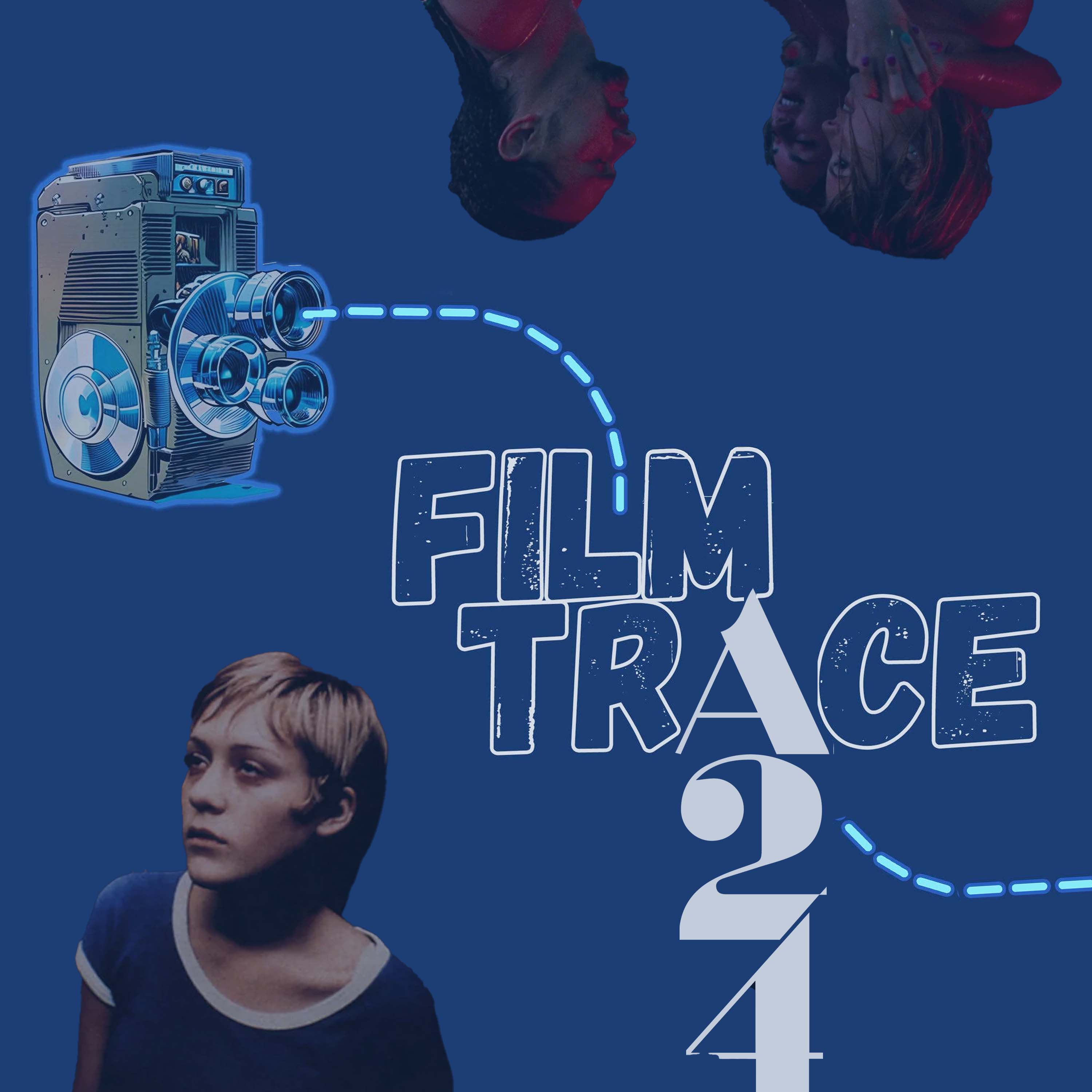 The Rise of A24 - Spring Breakers (2013) and Kids (1995)✨ | A24film analysis+4 | — | A24Spring Breakers+1 | — | A24Harmony Korine+5 | — | 1h 17m 22s | |
| 1/5/26 | 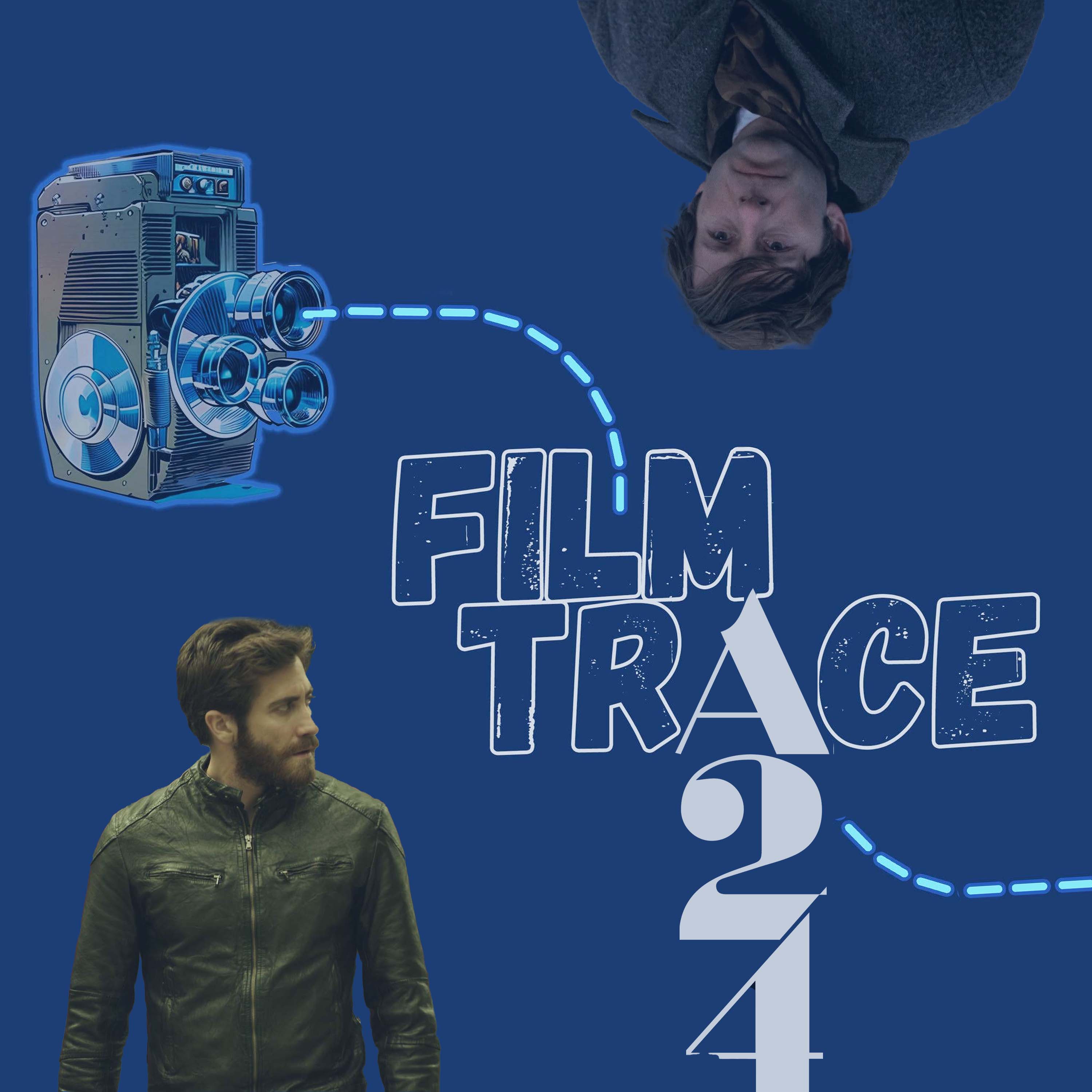 The Rise of A24 - Enemy (2014) and The Tenant (1976)✨ | psychological horroridentity+4 | Ryan Slipping | EnemyThe Tenant | — | A24Enemy+6 | — | 1h 05m 30s | |
| 12/1/25 | 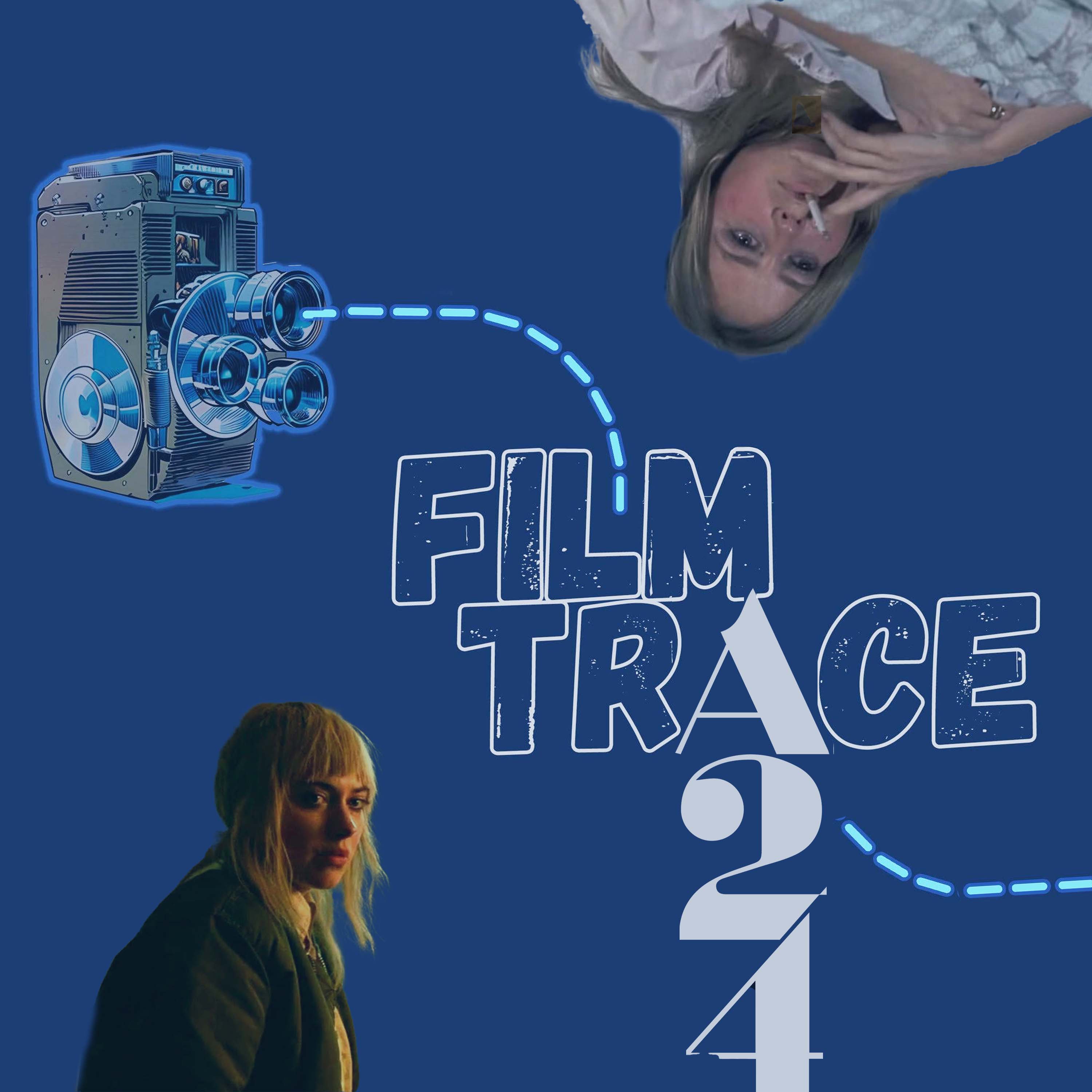 The Rise of A24 - Green Room (2016) and Straw Dogs (1971)✨ | A24film analysis+3 | David | A24Humdrum+2 | Chicago | A24Green Room+6 | — | 1h 12m 04s | |
| 11/6/25 |  The Rise of A24 - It Comes at Night (2017) and The Crazies (1973)✨ | A24horror films+4 | Bridget D. Brave | It Comes at NightThe Crazies | — | A24It Comes at Night+7 | — | 59m 15s | |
| 10/20/25 |  The Rise of A24 - First Reformed (2018) and Ordet (1955)✨ | A24film analysis+4 | JenSarah | A24Movies & Us+3 | — | First ReformedOrdet+7 | — | 1h 14m 26s | |
| 9/28/25 |  Under the Silver Lake (2019) and L'Avventura (1960)✨ | A24 filmscult classics+5 | James Adamson | A24Under the Silver Lake+3 | — | Under the Silver LakeL'Avventura+8 | — | 1h 12m 32s | |
| 9/14/25 |  After Yang (2022) and Late Spring (1949)✨ | AI in filmfamily dynamics+4 | Lillian Crawford | Sight & SoundBBC Culture+9 | — | After YangLate Spring+6 | — | 1h 12m 28s | |
| 9/1/25 | 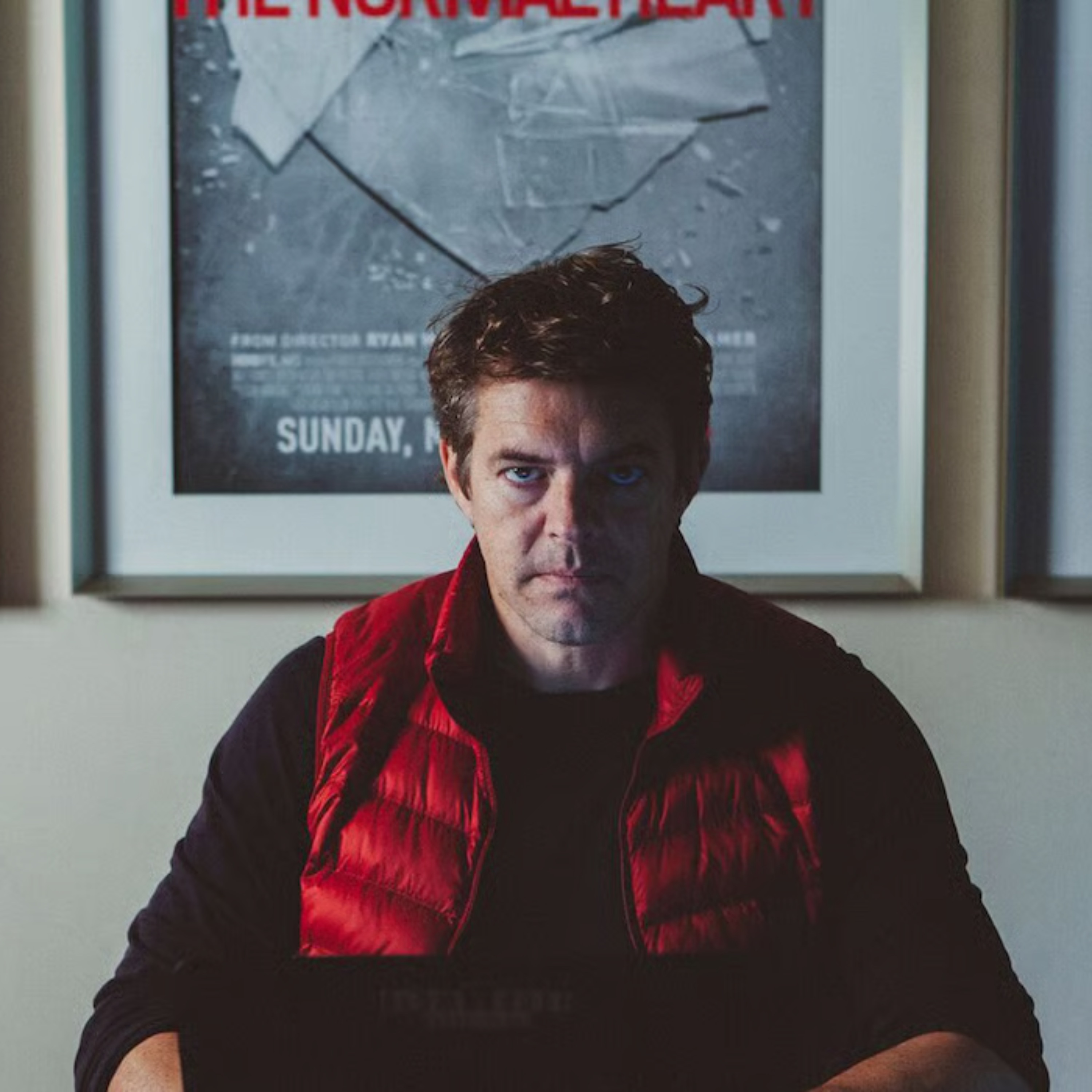 Audio Essay - The End of the Blum Supremacy - State of Horror Films 2025✨ | horror filmsfilm industry+4 | Jason Blum | Blumhouse ProductionsM3GAN 2.0+1 | — | BlumhouseM3GAN 2.0+5 | — | 47m 16s | |
| 8/27/25 |  The Rise of A24 - Talk to Me (2023) and Possession (1981)✨ | A24horror films+3 | Andrea Gomez | A24Talk to Me+4 | USACannes+1 | A24Talk to Me+5 | — | 1h 14m 07s | |
| 8/11/25 |  The Rise of A24 - Sorry, Baby (2025) and Eddington (2025)✨ | A24film analysis+3 | — | A24Sorry, Baby+3 | — | A24Sorry, Baby+5 | — | 1h 20m 17s | |
Want analysis for the episodes below?Free for Pro Submit a request, we'll have your selected episodes analyzed within an hour. Free, at no cost to you, for Pro users. | |||||||||
| 4/1/25 |  The Maltese Falcon (1941\1931) | In the season finale of our Visionary Remakes season, we investigate two versions of The Maltese Falcon, the original from 1931 and the more famous 1941 version.The Maltese Falcon has almost become shorthand for both Humphrey Bogart and the beginning of film noir. That famous film was preceded by a film adaptation a decade earlier, which itself was preceded by the hard boiled crime novel a year prior. The 1941 film has totally eclipsed both the original adaptation and the book in popular consciousness. Perhaps rightly so. John Huston's directorial debut is a masterwork in writing, editing, and acting. It has also been touted as one of the more rewatchable films from the era due to its production design, clockwork plot, and Bogart's enigmatic vibes.The Maltese Falcon is a great example of why some films should be remade. The remake improves pretty much every aspect of the original film. But our discussion takes a turn when Dan questions whether Falcon is truly a noir film. We dive deep into this topic and how labels and genres can often obfuscate the significance and heritage of a film. If The Maltese Falcon is not the first big noir film, then what gives it such a high value among film lovers and filmmakers? The answer of course lies within the film itself, not a genre label. | — | ||||||
| 3/23/25 |  A Fistful of Dollars (1964) and Yojimbo (1961) | In episode seven of our Visionary Remakes season, we traverse two classic westerns. First, Kurosawa's Yojimbo (1961) and its nearly immediate Italian reaction, Sergio Leone's A Fistful of Dollars (1964).The western has always been seen as a distinctly American film genre. The "west" in the word is the American West, a grand nearly ungovernable stretch of land filled with plains, deserts, mountains, rivers, and precarious cliffs, both literal and moral. It is a rich canvas that can tell a thousand different stories. Ironically, here we have two non-American voices calling out to the vast wilderness of the West. Perhaps it is a wild and mysterious place that exists in all cultures. Kurosawa's Yojimbo is not necessarily a textbook Western, but of course, it is deeply indebted to Shane (1953), High Noon (1952), The Gunfighter (1950), and John Ford's Stagecoach (1939) and My Darling Clementine (1946). At the same time, the source material was a hardboiled detective American novel from the 1930s, and we can not discount its place in the lineage of the chanbara films. Yojimbo is an amalgamation and many different styles and genres, but it still feels like a Western at its core.A Fistful of Dollars is resolutely a Western, but it came from somewhere left of the dial. Sergio Leone did not speak English nor had he ever been to America, let alone the American West. But Leone was able to spark something new and powerful in the waning genre. Westerns had been around since the beginning of film, but by the 1950s and 1960s, the genre had oversaturated culture mostly through dime-store tv shows: Gunsmoke, The Lone Ranger, Bonanza, and Rawhide. Westerns had become trite and tired. Along came Clint Eastwood, Sergio Leone, and Ennio Morricone to reinvent and rekindle that flickering flame. | — | ||||||
| 3/12/25 |  King Kong (1976\1933) | In episode six of our Visionary Remakes season, we explore two versions of the King Kong myth, the original from 1933 and the 1970s remake. We toss in a dash of Peter Jackson's 2005 version as well.Special Guest: Riley - Good friend of the show and true film buff King Kong is a cultural institution. How that happened is still a mystery to us children of the 1980s. We grew up with the original. The 1976 version had been memory holed by the time we were children. The 1933 version is iconic for many reasons honorable or not. The special effects were groundbreaking for the time and its blending of genres was unique. But problematic doesn't even begin to describe King Kong (1933). It is hard to watch it without feeling a strong sense of distaste and unease, even viewing it as a film artefact. The remake of King Kong from 1976 was a bold attempt to one-up Jaws which came out the year before. The summer blockbuster was born, but a big budget and spectacular marketing campaign do not make a hit. The making of King Kong 1976 would probably make for a better movie than what we got on screen. Mired in legal trench warfare, this remake tried to update the King Kong story to incorporate the cynicism of post-Nixon years. It fails mostly, but it does not disappoint. It is an interesting and bizarre watch that is getting reappraised by Zoomers, for better or worse. Lastly, the 2005 version probably needs its own episode. Peter Jackson's King Kong was highly praised upon its release, and it still is held in high regard. But Dan has more than a few bones to pick with its prestige. | — | ||||||
| 3/2/25 |  The Fly (1986\1958) | In episode five of our Visionary Remakes season, we dissect the original The Fly from 1958 as well as David Cronenberg's bombastic remake from 1986.Special Guest: Daniel Malone - Host of the great You Talkin' to Me? podcast where Daniel watches classic films with his son for the first time. Check it out!The impetus of this season was to explore how remakes can add, take away, or supercede the original. Of course, all remakes add to the discourse of the original, and it is not some arbitrary competition. But the intention to remake is in some sense always competitive. A producer, writer, and/or director wants to retell a story in a different way, presuming the original will no longer do. Often this desire is imprudent but The Fly is a great example of how that impulse can lead to something much deeper and richer than the original execution.The Fly (1958) is certainly not a bad film. It was an elevated B-movie for its time, shot in beautiful CinemaScope. Vincent Price dutifully shows up, and a couple scenes became iconic (both fly head reveals). When compared to David Cronenberg's masterpiece from 1986, the original suddenly feels quite quaint and slight, a time capsule curiosity rather than groundbreaking film. Cronenberg's The Fly is perhaps the paradigm of taking an interesting idea and expanding it into something much more and much better. The remake also demonstrates that an idea or concept is just the foundation of a film. The true totality of a movie is the collective creative action of hundreds of people. When it all gels, we get something special and magical. | — | ||||||
| 2/16/25 |  Cape Fear (1991\1962) | In episode four of our Visionary Remakes season, we cross-examine two versions of Cape Fear, the original starring a creepy and enigmatic Robert Mitchum, and the 1991 remake from Martin Scorsese starring a crazed and manic Robert De Niro.Special Guest: Amanda Jane Stern - writer, producer and star of the award-winning psychosexual thriller Perfectly Good Moment. Streaming now on Tubi! Co-host of the podcast Don't Be Crazy.Both versions of Cape Fear are anchored by dazzling performances of the antagonist, Max Cady. Robert Mitchum reduces the overtly violent nature of Cady in order to play up his cleverness, obsessiveness , and wiliness. De Niro goes over the top in his version of Cady, playing him as zany, an almost comical but brutal cartoon villain. This difference underlines the drastically opposed tones, vibes, and outcomes of each version of Cape Fear. The 1962 original focused on the limits of justice. It clearly asks and attempts to answer where the line between enforced law and moral justice lives, albeit wrapped in a juicy and sensational B-movie plot. Scorsese's 1991 remake does not ask those questions, but it does drench us in pulpy genre stimuli: graphic violence, improprietous sexuality, and domestic disputes. The debate we have in this episode is whether either film is successful in its intended mission. Is the original too flat for a genre flick and perhaps too lofty to escape pretension? Do Marty and De Niro swing away and strike out, can a trashy thriller be too much even if it attempts to do nothing more than shock? | — | ||||||
| 2/9/25 |  Dawn of the Dead (2004\1978) | In episode three of our Visionary Remakes season, we bite into Dawn of the Dead, the original by George Romero from 1978 and the kinetic remake by Zack Snyder from 2004.Special Guest: Karl Delossantos, founder and film critic at Smash Cut, editor at The New York Times, a Rotten Tomatoes-approved critic, and member of the Online Film Critics Society.George Romero's Dawn of the Dead (1978) was my favorite film through my 20s and 30s (Dan here). The horror film's intoxicating mixture of gonzo production, revolting gore, pitch black satire, and anti-consumerist musings were a perfect match for my young adult mind. My adoration hasn't faded at all since I first saw it in high school, some 25 years ago. Dawn of the Dead is often considered Romero's masterpiece and perhaps the greatest zombie film ever made.The remake of Dawn of the Dead landed like an atom bomb in 2004. Running zombies! Zach Snyder's first, and inarguably his best, film helped launch a zombie cultural moment that peaked 10 years later when 22 million people watched the season five opener of The Walking Dead, a tv show heavily indebted to George Romero's dead universe. Zombies had become mass appeal. "What would you do in an zombie apocalypse" became a lamestream icebreaker question. While Snyder's Dawn was a catalyst for this popularity, it was really the ideas in Romero's Dead films that attracted people to this once very niche subgenre of horror. | — | ||||||
| 2/2/25 |  True Grit (2010\1969) | In episode two of our Visionary Remakes season, we survey the recent Coen brothers remake of True Grit (2010) and compare it to the original film, a John Wayne vehicle from 1969.Special Guest: Brian Eggert is the owner and film critic of Deep Focus Review, where he has written movie reviews, in-depth essays, and critical analyses since 2007. Brian also regularly appears on KARE 11, the NBC affiliate for the Twin Cities, to review and discuss movies. He belongs to the Society For Cinema and Media Studies, Minnesota Film Critics Alliance, Online Film & Television Association, International Film Society Critics, Independent Film Critics of America, The Critics Circle, and National Coalition of Independent Scholars.Westerns have gone through many cycles since the beginning of filmmaking. Right now, we are seeing an uptick in interest as the tv show Yellowstone dominates the traditional tv market. But back in 2010, Westerns were definitely far off in the background as comic book movies had begun to take over the box office. In 2010, the Coen brothers were coming off a very successful adaption of No Country for Old Men (2007) as well as two more left of center films, the sprightly spy romp Burn After Reading from 2008 and the niche existentialist A Serious Man from 2009. It is unclear why they decided to remake True Grit and focus on the novel from 1968 instead of the John Wayne movie which came a year later in 1969, but the choice was very successful. True Grit (2010) became the 2nd biggest Western in the modern box office.The 2010 True Grit showcases the refined talents of the Coens alongside the gorgeous cinematography of Roger Deakins, the layered and rich music from Carter Burwell, and a smashing breakout debut performance from Hailee Steinfeld as the lead Mattie Ross. The 1969 version of True Grit offers so much less. Despite John Wayne winning an Oscar for his portrayal of Rooster Cogburn, the original film seems totally out of step and out of time. In hindsight, it was an end-of-the-line production for the core creatives involved. The director, writer, and star actor were all at the end of their careers. Indeed this very type of Western was on its last leg as evidenced by the giant leap the genre made at the same time this film was being produced and released. Watch any of the bigger westerns from the late 1960s and then try to sit through True Grit (1969). The dislocation and disorientation is severe. The original True Grit was a swan song that came about a decade too late. | — | ||||||
| 1/27/25 | 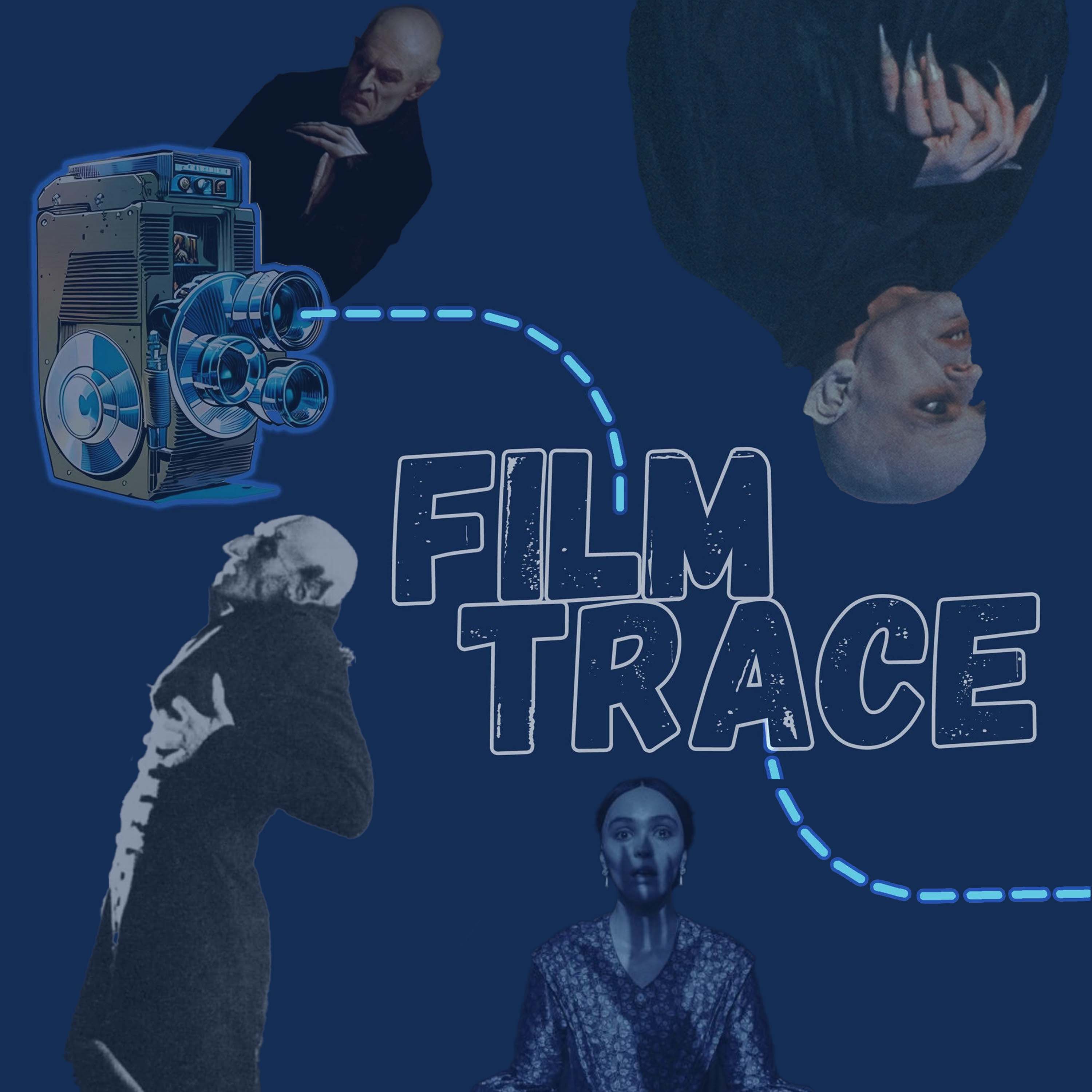 Nosferatu (2024\1922) | A new season of Film Trace is here! This season we will try something a bit different. We are focusing on Visionary Remakes. In each episode, we will watch a remake made in the selected decade and then go back and compare it to the original film. First up, we are covering Nosferatu. This season was inspired by Robert Eggers' remake which came out late last year. The film was a surprise hit at the box office and is currently doing very well on digital release. We will compare the modern Nosferatu with the famous original, Nosferatu: A Symphony of Horror from 1922. We will also toss in a little of Werner Herzog's remake from 1979.Nosferatu is perhaps the most famous horror character in the history of film. The character was a blatant and conspicuous copy of Dracula, so much so that the original film was ordered destroyed due to copyright violations. We only have it now, because it had been exported from Germany. Eggers brings forward the titular character into the world of Imax Laser and Dolby Atmos. He adds layer upon layer of intricate production and sound design, but the overall feeling is a bit mushy and lukewarm. Eggers decided to shift the main focus from the male protagonist to a female supporting character in the original story. A bizarrely postmodern move from a resolutely modernist director. Nosferatu is perhaps the perfect film to kick off the new season. Why remake a film? What you are bringing to it, what are we losing? | — | ||||||
| 12/10/24 |  A House Divided: 2024 Films We Love, Films We Hate | A House Divided: 2024 Films We Love, Films We HateIn this special episode, Dan and Chris delve into the films that split them down the middle—where one of us loved a movie, and the other couldn't stand it. It's our version of cinematic crossfire, complete with slightly heated debates and a dash of common ground by the end.Episode Highlights:--Intro: House Divided Origins--Trap & Longlegs--The Divide--I Saw the TV GlowA Quiet Place: Day OneHit ManMaxxxineLove Lies BleedingThe SubstanceCivil WarRebel Ridge--Dan vs. Chris: To Watch Lists--For Chris:Dan Hates: Strange DarlingDan Loves: Beetlejuice Beetlejuice, Speak No EvilFor Dan:Chris Loves: Conclave, Furiosa, PavementsChris Likes: A Real Pain, The Wild Robot, Kinds of Kindness, Will & Harper, Dear SantaChris OKs: Anora, Heretic, Cuckoo, My Old Ass, Transformers One, Woman of the HourChris Hates: Nutcrackers, Moana 2--Conclusion: Where We Agree--Both Hated IT: Twisters, Deadpool & Wolverine, Alien: Romulus, Abigail, Blink TwiceBoth Love: ChallengersBoth Like Sort Of: The Fall Guy | — | ||||||
| 10/27/24 |  While the City Sleeps (1956) and M (1931) | In the season finale of our Manhunt series, we trace the trajectory of Fritz Lang's exceptional beginnings with M (1931) to his wilting end in While the City Sleeps (1956).Fritz Lang had already created two masterpieces, Metropolis (1927) and M (1931), by the time he reached middle age. He went on to direct twenty-three more films throughout his long career. While some of these subsequent films were great, it would be difficult to argue that any of them reached the heights of his early work. There is a clear reason for this. Lang, a vehement anti-Nazi, was forced into exile when the NSDAP took over Germany in the 1930s. Lang found work in the Hollywood system, which he persistently despised. This acrimonious relationship eventually soured beyond repair, and While the City Sleeps is a cynical swan song to the business side of filmmaking that Lang loathed.M and While the City Sleeps serve as excellent bookends to Lang's career, as well as to our season of Manhunt. While M delves deeply into the underbelly of Berlin and the moral abyss of the protagonist, While the City Sleeps gingerly skips along a similarly dark story with overly light interiors and day drunk actors. Lang transformed from an experimental and deeply probing artist into one who seemed more interested in cashing-in checks endorsed by the era's big movie stars. M represents a high point in the true crime, thriller, and manhunt genres. While the City Sleeps, on the other hand, exemplifies the erosion of originality we often see in this popular genre. The farther the story gets from the minds of the hunter and hunted, the less thrilling it all becomes. | — | ||||||
| 10/14/24 |  Bullitt (1968) and Le Samouraï (1967) | In episode seven of our Manhunt series, we traverse a gritty and rebellious San Francisco in Bullitt (1968) alongside an oddly sleek and barren Paris in Le Samouraï (1967).Bullitt is famous for two reasons: Steve McQueen and the car chase. Like most famous films, its celluloid holds many more layers than its reputation claims. Bullitt was a leap forward for crime thrillers. Its naturalism, meticulousness, and postmodern plot made it a harbinger for the decades to come. There is no Chinatown without Bullit nor Heat. That alone makes it a remarkable and important film. The car chase is maybe the best ever put on screen, so that doesn’t hurt it.On the other side of the Atlantic, Jean-Pierre Melville’s Le Samouraï takes us into the calculated, Zen-like existence of a contract killer, played with masterful restraint by Alain Delon. Unlike the exposed id of Bullitt, Le Samouraï draws its power from a detached coolness, which deepens as the films reaches its crescendo. The film's manhunt is quietly relentless. The glitz and glamor of Paris and a life of crime are ruthlessly stripped away scene after scene until the isolated hero makes a final existential leap. | — | ||||||
| 10/7/24 |  Apocalypse Now (1978) and Logan's Run (1976) | In episode six of our Manhunt series, we face the masterpiece that is Apocalypse Now (1978) alongside the much lesser Logan's Run (1976)Special Guest: the great Mike Field, Co-host of the Forgotten Cinema podcastAny film critic or scholar who dares traverse the muddy waters up river within Apocalypse Now feels doomed to be bereft of insight about such a well-established pure cinema magnum opus. But alas, here we are swimming upstream in one of the many backwater tributaries that make up the cultural cache of the definitive 1970s New Hollywood film. Yes, Apocalypse Now is a manhunt movie at its core, but that plot is a thin veneer overlaying a philosophic treatise on violence and madness. Any attempt at trying to decipher it often renders us stupefied. Coppola would probably find the same is true for him. It is the best type of film, an untouchable mystery.Logan's Run (1976) has been held in somewhat high regard for decades, but it looks quite poor in direct comparison to Apocalypse. Perhaps it is unfair to pair it against one of the best films ever made, but I think this juxtaposition only highlights the flaws that were already there. What was probably a very interesting and unique film for its time, Logan's Run now feels sluggish, stilted, and all together boring. There are some interesting ideas in the script, but those are stuffed into the first 30 minutes. By the time the chase really begins, no emotional foundation has been built for Logan, and we are left filling out a plot box score as the film diddles along to a flaccid conclusion. | — | ||||||
| 9/29/24 |  Manhunter (1986) and The Running Man (1987) | In episode five of our Manhunt series, we discuss two films very rooted in the 1980s Aesthetic. First up is Michael Mann's neon blue serial killer thriller, Manhunter from 1986 followed by the bombastic and preposterous Schwarzenegger action movie, The Running Man from 1987. Special Guest: Friend of the show and co-host of the Screen Time: A Quarantine Family Podcast. BrigitteManhunter failed to make its money back at the box office when it was released in mid August 1986 on a dumping ground weekend. In the forty years since its release, the film has gained a rather prestigious reputation. The film of course established Hannibal Lecter as a film character. It was also one of the first serial killer movies where the subject matter was treated seriously as opposed to the more ghoulishly depictions often seen in b-movies. The FBI profiler, played by CSI skipper William Petersen, is shown to be slightly depraved, fully troubled, and mostly cold-blooded. Graham was an anti-hero before the term has much cache. Mann's flashy style has aged the best here along with the intertwined psychology of the hunter and hunted. It takes one to know one.The Running Man (1987) feels like the concept of an action movie. Cearly helmed by a seasoned tv director, the difference between the boob tube and pure cinema may never be more clear than this overly stuffed, rompous, and absurd action thriller. Arnold Schwarzenegger and Richard Dawson are at the Ponderosa Steakhouse eating up every scene in sight. That alone is worth watching. The rest, not so much. The source material, of course a Stephen King novel, is put in the shredder and out comes pastel and neon confetti that lights on fire the moment you touch it. It is a direct ancestor to the Schumacher Batman series, for better or worse. | — | ||||||
| 9/21/24 |  Cure (1997) and One False Move (1992) | In episode four of our Manhunt series, we explore two films that veer off the beaten path of their genre linenage. From Japan, Cure (1997), an atmospheric and fatalist horror film that helped launched J-Horror and the concept of elevated horror. From the United States, One False Move (1992), a raw and politically charged on-the-run film that still feels edgy and uncomfortable thirty years after its release.Special Guest: Good friend of the show, and our resident Japan expert, Harry BrammerEveryone loves a good villain, especially in a horror film. We might even root for them, see Jason Takes Manhattan. But every so often a horror antagonist comes along that we would like to forget. Mamiya is one of those bad guys. Cure plunges us into the existential dread of modern existence: dull grey concrete mixed with blinding fluorescence, devoid of all natural light and warmth. The film ties together a series of seemingly unrelated murders into one terrifying thread: a unknown force compelling ordinary people to commit unthinkable acts. Director Kiyoshi Kurosawa crafts an oppressive world out of everyday urban life. The conjuring of Mamiya seems so simple and casual until a shock of violence erupts. The film's realism anchors the fantasy to make it believable, and then Kurosawa has us in his hands.One False Move doesn't have good guys or bad guys. The film opens with unspeakable acts of violence and cruelty committed by our supposed protagonists. In this sense, the film is defiantly postmodern as it brackets out any notion of morality or propriety. Directed by Carl Franklin, it weaves a suspenseful and oddly poignant story of feckless fugitives on the run, crossing paths with a small-town sheriff who yearns for excitement. Here, the manhunt is not just a chase but an exploration of racial tension, broken dreams, and the suffocating weight of the past. The chase builds to a showdown that erupts with a flurry of gunfire, and the finale comes quick. But no answers are given, just lives squandered and lost. | — | ||||||
| 9/15/24 | 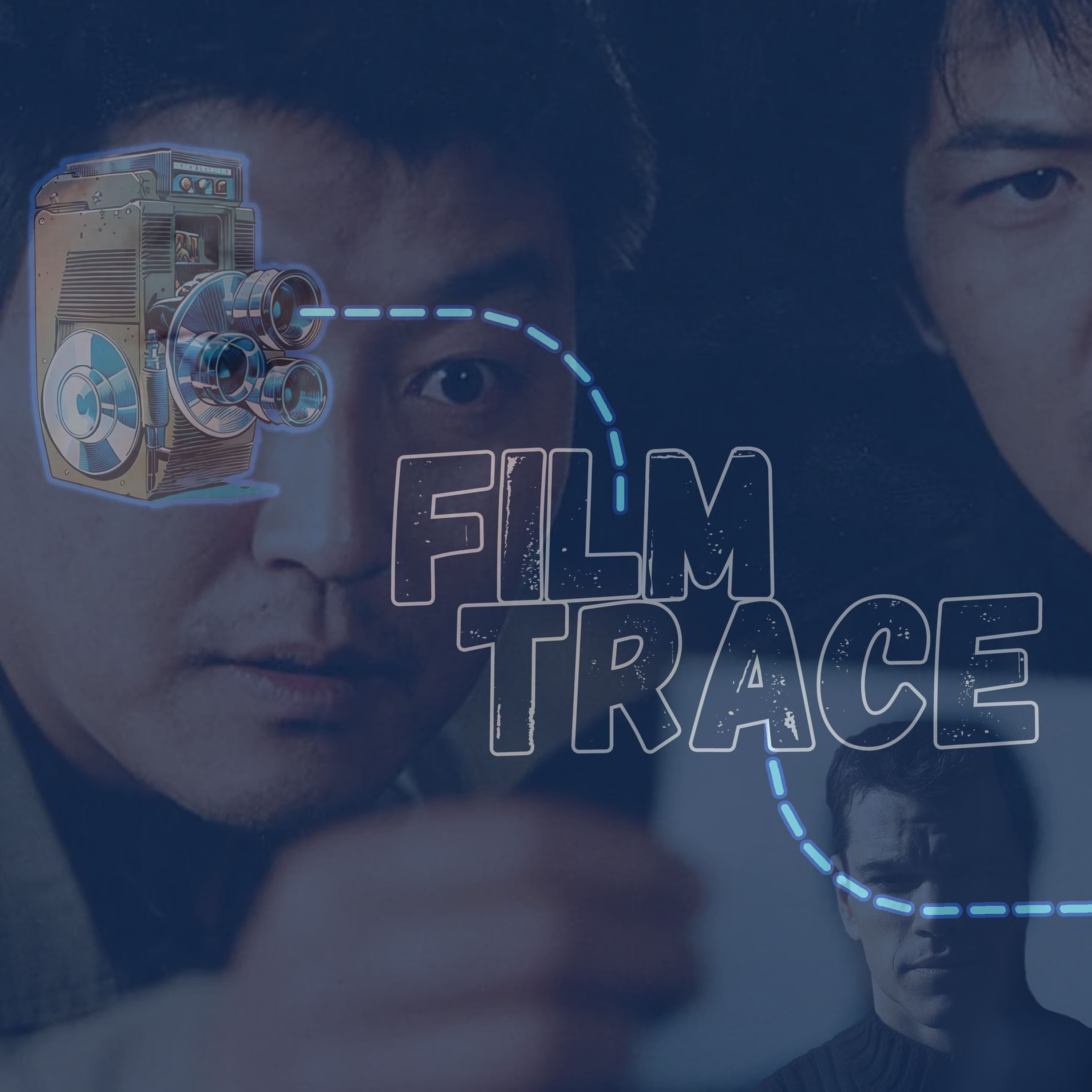 Memories of Murder (2003) and The Bourne Identity (2002) | In episode three of our Manhunt series, we delve into two films that helped redefine and revive the genre of pursuit. From South Korea, Memories of Murder (2003), a haunting and postmodern crime drama. From the United States, The Bourne Identity (2002), an adrenaline-fueled yet grounded spy thriller.Special Guest: the talented John Brooks from the great 1999 Podcast which covers all the films from that seminal year of film.Crime stories hinge on a denouement of justice. When that justice is denied, the audience is often left in suspended emotional agitation. We want to believe that violent crimes are always solved, and the villainous perpetrators are caught. That order is restored. Yet, reality dictates a much less clear cut finale to crime stories. Memories of Murder explores this ambiguity in its depiction of a real-life serial killer case, where answers are elusive, and the moral certainties dissolve in a haze of bureaucratic stagnation, intellectual flaccidity, and craven dispositions. Director Bong Joon-Ho crafts a deeply unsettling vibe where the boundary between good and evil fades, exposing the futility of the hunt and the flawed nature of those involved.In contrast, The Bourne Identity is sleek, fast-paced, and decidedly straightforward. This chase movie skips across Europe with the hunter and hunted dichotomy awhirl. Director Doug Liman invokes the stacco precision of a spy thriller but interweaves melodrama with Jason Bourne's fractured psyche. In many ways, Bourne is more indebted to the dutch-angled noir tradition than its most obvious predecessor, James Bond. With its relentless action and tightly wound narrative, the film strips away the nuance of morality found in Memories of Murder while delivering a linear yet captivating tale of survival, deception, and revenge. | — | ||||||
Showing 25 of 131
Pitch Fit is a Pro feature
See how bookable this show is for guests, which brands already advertise, the per-episode ad value, and the best-fit guest and sponsor profile. The numbers are blurred on the free plan.
How readily this show books outside guests like you.
How proven this show is for host-read sponsorships.
For Guests
ProFor Advertisers
ProUpgrade to Pro to unlock guest cadence, sponsor categories, fit scores, and per-episode ad value for this show.
Chart Positions
5 placements across 5 markets.
Chart Positions
5 placements across 5 markets.