

Insights from recent episode analysis
Audience Interest
Podcast Focus
Publishing Consistency
Platform Reach
Insights are generated by CastFox AI using publicly available data, episode content, and proprietary models.
Most discussed topics
Brands & references
Total monthly reach
Estimated from 8 chart positions in 8 markets.
By chart position
- 🇮🇳IN · Hobbies#1541K to 10K
- 🇮🇹IT · Hobbies#1761K to 10K
- 🇷🇴RO · Hobbies#3110K to 30K
- 🇸🇦SA · Hobbies#4210K to 30K
- 🇧🇪BE · Hobbies#713K to 10K
- Per-Episode Audience
Est. listeners per new episode within ~30 days
8.0K to 30K🎙 Daily cadence·1,000 episodes·Last published today - Monthly Reach
Unique listeners across all episodes (30 days)
27K to 99K🇷🇴30%🇸🇦30%🇮🇳10%+5 more - Active Followers
Loyal subscribers who consistently listen
11K to 40K
Market Insights
Platform Distribution
Reach across major podcast platforms, updated hourly
Total Followers
—
Total Plays
—
Total Reviews
—
* Data sourced directly from platform APIs and aggregated hourly across all major podcast directories.
On the show
From 10 epsHost
Recent guests
No guests detected in recent episodes.
Recent episodes
Billy Goat Weed
Jun 25, 2026
Unknown duration
Baptisia australis
Jun 18, 2026
Unknown duration
Dahlias
Jun 11, 2026
Unknown duration
Torch Lilies
Jun 4, 2026
Unknown duration
Sweet Dianthus
May 28, 2026
Unknown duration
Social Links & Contact
Official channels & resources
Official Website
Login
RSS Feed
Login
| Date | Episode | Topics | Guests | Brands | Places | Keywords | Sponsor | Length | |
|---|---|---|---|---|---|---|---|---|---|
| 6/25/26 | 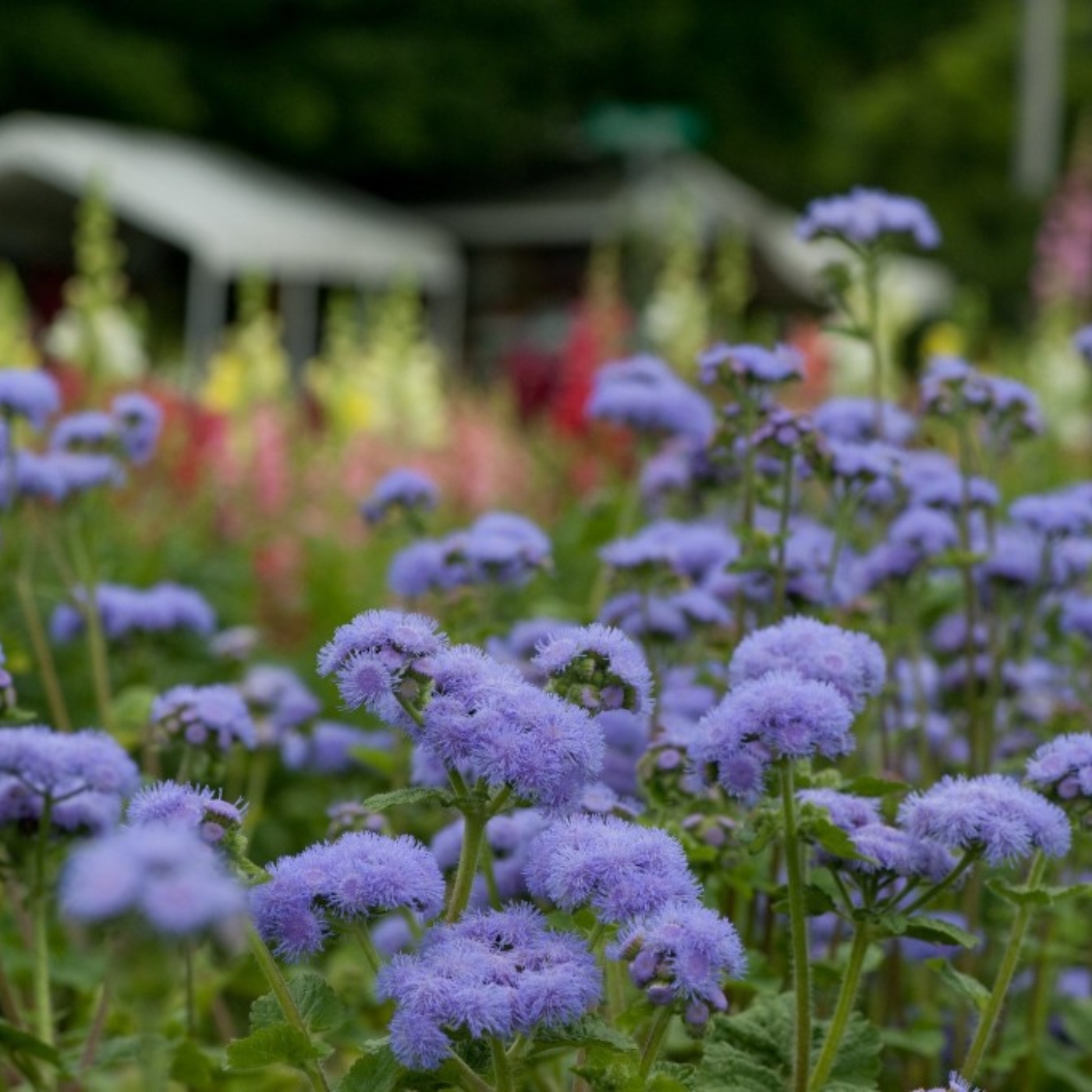 Billy Goat Weed | Many of us are familiar with ageratum, the low-growing annual with fuzzy flowers that are blue/lavender color. It is a member of the Ageratum genus that includes 43 species of annuals and perennials, most of which are native to warmer regions of the American continents. They have felted oval or heart-shaped leaves and clustered flower heads. They like full sun and moist well-drained soil, and a common name is floss flower. Another common name is billy goat weed, which suggest perhaps that goats may like them. I am guessing about that, as I have never seen a goat eating ageratum in my garden. Of course, I do not have any goats in my garden, even though I do have ageratum, as it pairs well with just about any other plant of any color. I also grow tall varieties ‘Bavaria’ and ‘Blue Horizon’, which are 18-20 inches tall and produce good cut flowers that dry well. Some species of ageratum can be pink and white as well as blue. Some even grow in light shade—for example, Ageratum altissima, which gets quite tall and has fluffy white blossoms. Some native varieties of ageratum winter over in our zone 6 and may become a pest as they self-sow prolifically. As long as you just grow varieties of this plant that are annual in our cold climate, however, it is well behaved. Otherwise, you may need to get some goats! | — | ||||||
| 6/18/26 | 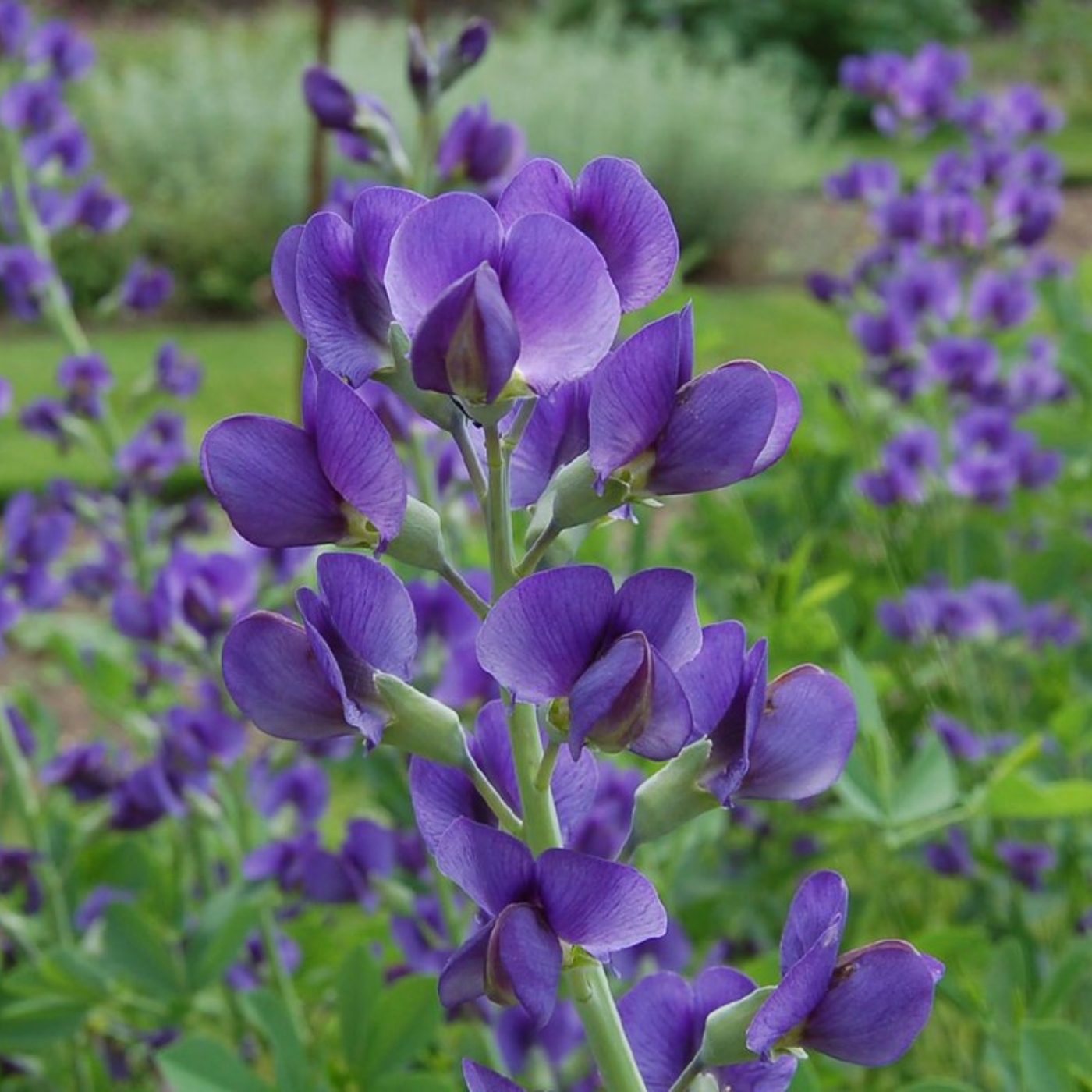 Baptisia australis | Blue false indigo, with the botanical name Baptisia australis, is a lovely shrub that blooms in the late spring in zones 3-9 in full sun or part shade. It grows about 4 feet tall and as wide and is drought tolerant and deer resistant and has blue/green foliage and blue flowers that resemble lupins. It was used by pioneers to dye cloth and is called 'false indigo' because its color is not as deep as true indigo. It has a big root system that cannot be divided. However, it grows easily from seeds. Gather the dark-colored seed pods in the fall and start new plants any time. This plant has been hybridized so that there are now white, purple, and yellow flowering varieties available and some that are smaller. They prefer full sun and good drainage to bloom well and can be planted as a hedge or as a background plant. The foliage stays grey/green and crisp and neat until late fall when it can be cut to the ground. I have mine in the front of a large flower bed, but if I was planting it now, I would place it at the back of a bed, as its flowering period is short, and it tends to self sow. However, the foliage always looks cool even on the hottest day of summer. | — | ||||||
| 6/11/26 | 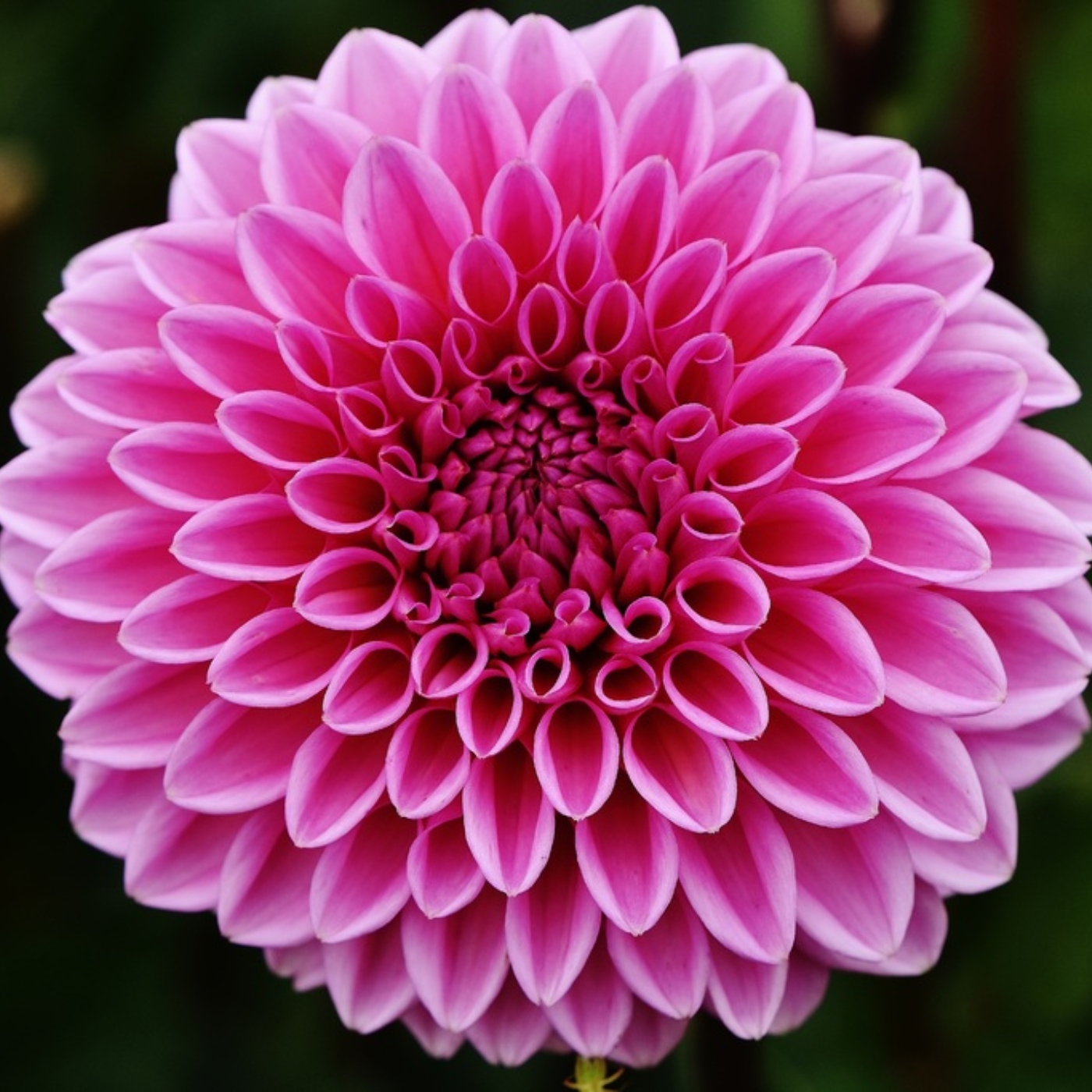 Dahlias | Native to Mexico, dahlias probably grew in Aztec gardens as they were already in cultivation when the Spaniards arrived.Francisco Hernandez, a botanist and physician to King Phillip of Spain, described them in a book published in 1651. But dahlias were not introduced to Europe until 1789 when seeds were sent from Mexico to the Royal Gardens in Madrid. The flower was named in honor of Dr. Dahl a Swedish botanist and pupil of Linnaeus. They were sent to Kew Gardens in England in 1798 by the wife of the British Ambassador to Madrid. By 1835, John Wedgewood, the founder of the British Horticultural Society, grew over 200 different varieties of dahlias. They were popular cut flowers with blooms of many sizes and colors. If a tuber has a sprout of more than 2" long, clip it off before you plant the tuber. Dig a hole 4-6 inches deep and place the tuber on its side and cover it with soil. Fertilizer is needed every 3-4 weeks and must be low in nitrogen. Do not water until sprouts are visible above the ground and then water deeply 3 times a week. Full sun is best, but plant in part shade if your temperatures go over 100F degrees. Dahlias bloom about 3 months after planting. Cut blooms that are 2/3 open and place the stems in hot (but not boiling) water in a plastic container and leave them in it until the water cools. | — | ||||||
| 6/4/26 | 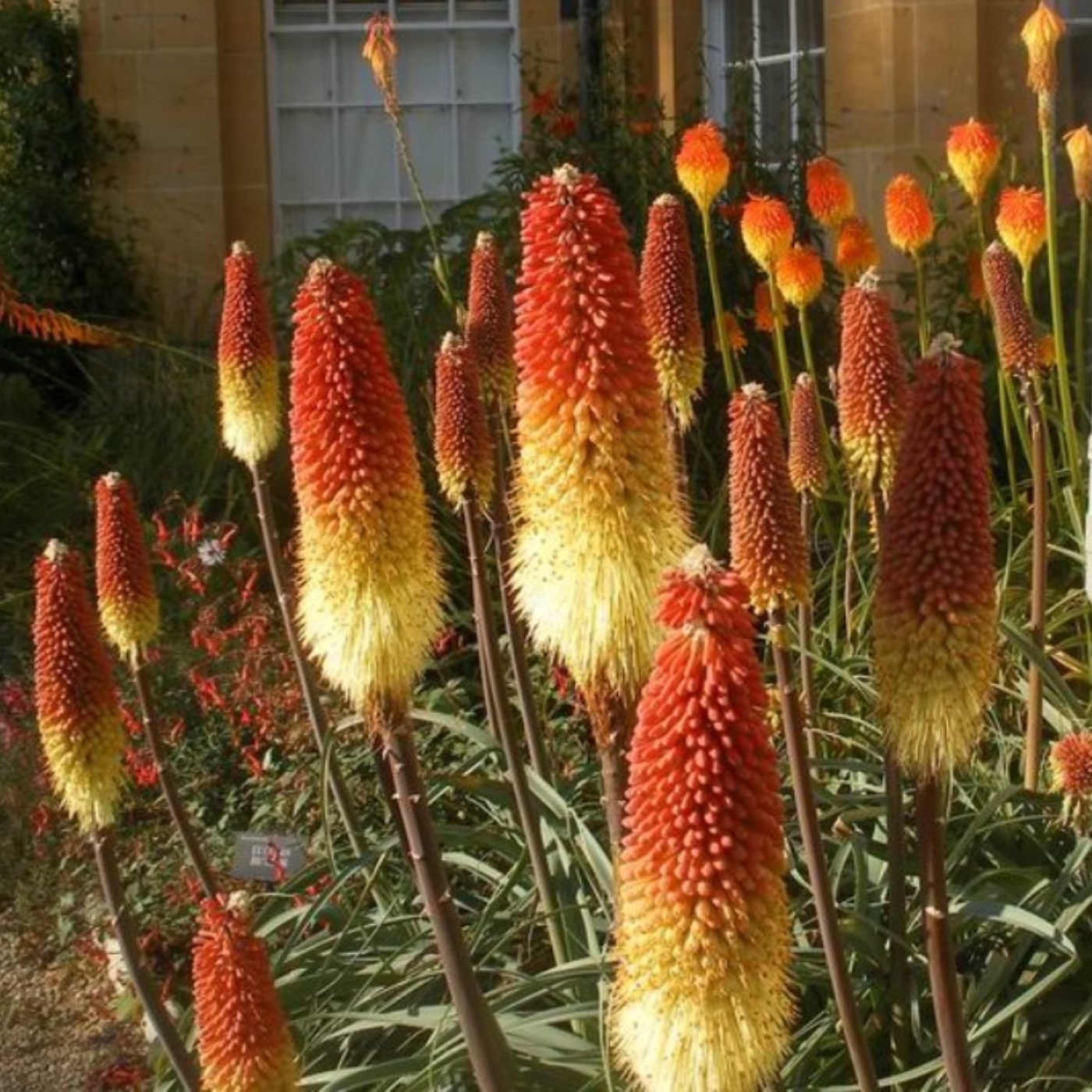 Torch Lilies | Red Hot Pokers belong to the genus Kniphofia (Kniphofia uvaria) and are also known as tritoma or torch lilies. Some dwarf varieties are 'mango popsicle', 'pineapple popsicle', and 'red hot popsicle'. They are orange, yellow, and red with grassy foliage. They spread by rhizomes and can become invasive. Native to South Africa, they like full sun and well-drained soil and do well in zones 6 through 9, as they tolerate heat and drought and dislike boggy soil. Flowers fade first at the bottoms of the torch-shaped blooms, but the striking blooms last a long time on the plants. After the blooming is over, do not cut down the foliage until it yellows and dies back in the fall. These are not flowering plants to put in pots or urns, as they look best in clumps and swathes in garden beds. Their vertical shape and vibrant orange, red, and yellow blooms make a strong statement. Give them room to spread and do not combine them with small plants that they will overwhelm. They are interesting perennials that have become popular on both sides of the Atlantic. While they do not combine well with cottage garden plants, they do create a modern looking presence and are perfect near a mid-century modern home. | — | ||||||
| 5/28/26 | 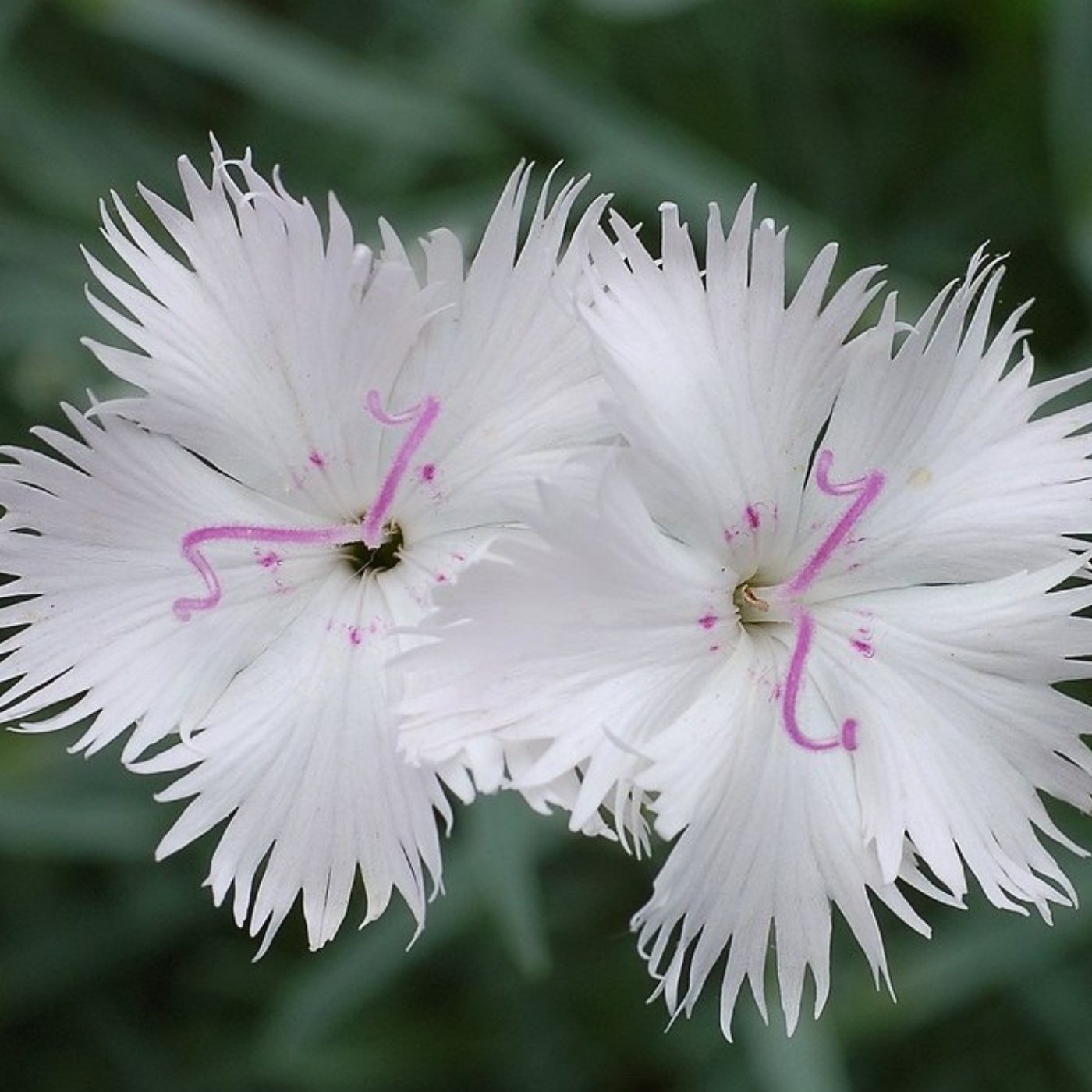 Sweet Dianthus | Dianthus are well-behaved in our gardens. The flowers are fragrant, and the plants can be perennial, biennial, or annual. The common name "pinks” does not refer to the color but to the fringed edging of the petals that makes them look as if they had been cut with pinking shears. They like full sun but can manage some shade and a variety of soils. However, they do best in well-drained soil with good air circulation, as they are susceptible to root rot and fungal diseases. Rabbits eat the narrow grey/green leaves, but thankfully deer leave these plants alone. There are over 27,000 registered cultivar names, so there are plenty to choose from. Colors can be pink, lilac, purple, white, and combinations with picotee edging on the petals. They originated in Eurasian countries and are grown worldwide in home gardens because they are easy care and don't mind periods of dry weather. Dead heading keeps them looking attractive and the plants stay low. The flowers make sweet little arrangements and even just a few, in a small bottle, look pretty. I would not be without these plants in my Midwestern garden. Most varieties are not especially long lived, however, but that is okay as then one can always be tempted to try new varieties that come on the market. Common names are cheddar pinks, clove pinks, maiden pinks, and gillyflowers. | — | ||||||
| 5/21/26 | 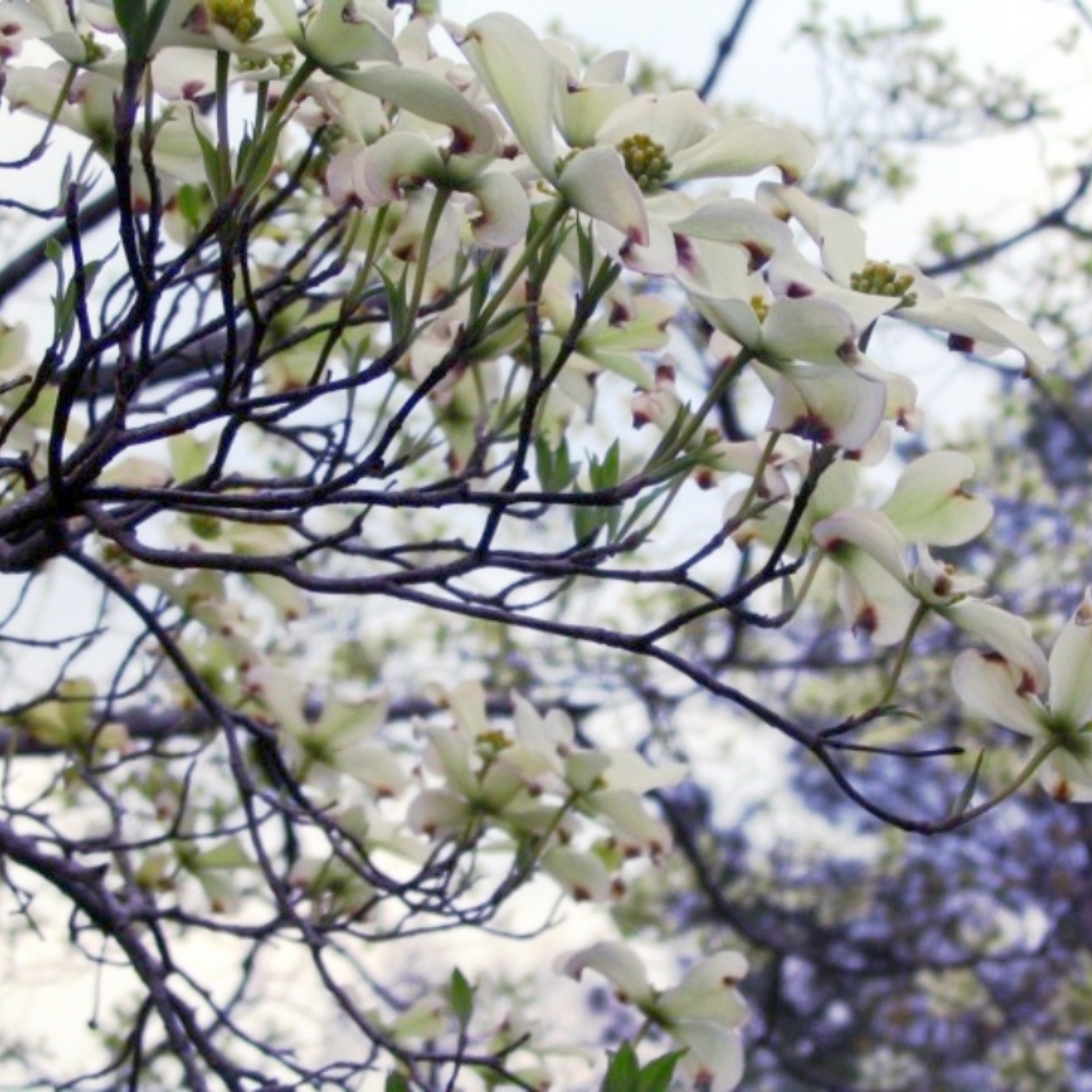 May is the Month of White Flowers | In the lower Midwest, May is the month when we see lots of white flowers. For example, Spirea ‘Bridal Wreath’ shrubs completely cover themselves with lacy white blossoms so that they do, in fact, resemble brides in traditional wedding gowns. The low-growing perennial iberis, commonly known as candytuft, also has lacy white flowers, and there are white lilacs and dogwoods in abundance too. Dogwood trees are positively dazzling when they are in full bloom. There is even a rare white double flowered dogwood Cornus Florida ‘plena.’ Other white flowering trees include Bradford pears, serviceberries, and star magnolias. The kalmia shrubs, our native mountain laurels, have some whites, and the miniature white variety ‘Elf’ is especially lovely. The mock oranges are fragrant as well as white, and Philadelphus ‘Virginal” has luscious double blossoms. A dainty white flowering groundcover is sweet woodruff (gallium odoratum), and it has a scent like vanilla and has been traditionally used as a May Day centerpiece for celebrations. If you want to use this shade lover as a centerpiece, dig up several small clumps of it in bud and pop them into a basket lined with foil. They will happily bloom indoors and then can be replanted back into the garden. Lily-of- the-Valley is usually in bloom in the lower Mid-West on Kentucky Derby day and so make perfect centerpieces for Derby Parties. They smell wonderfully fragrant and partner well with mint juleps. | — | ||||||
| 5/14/26 | 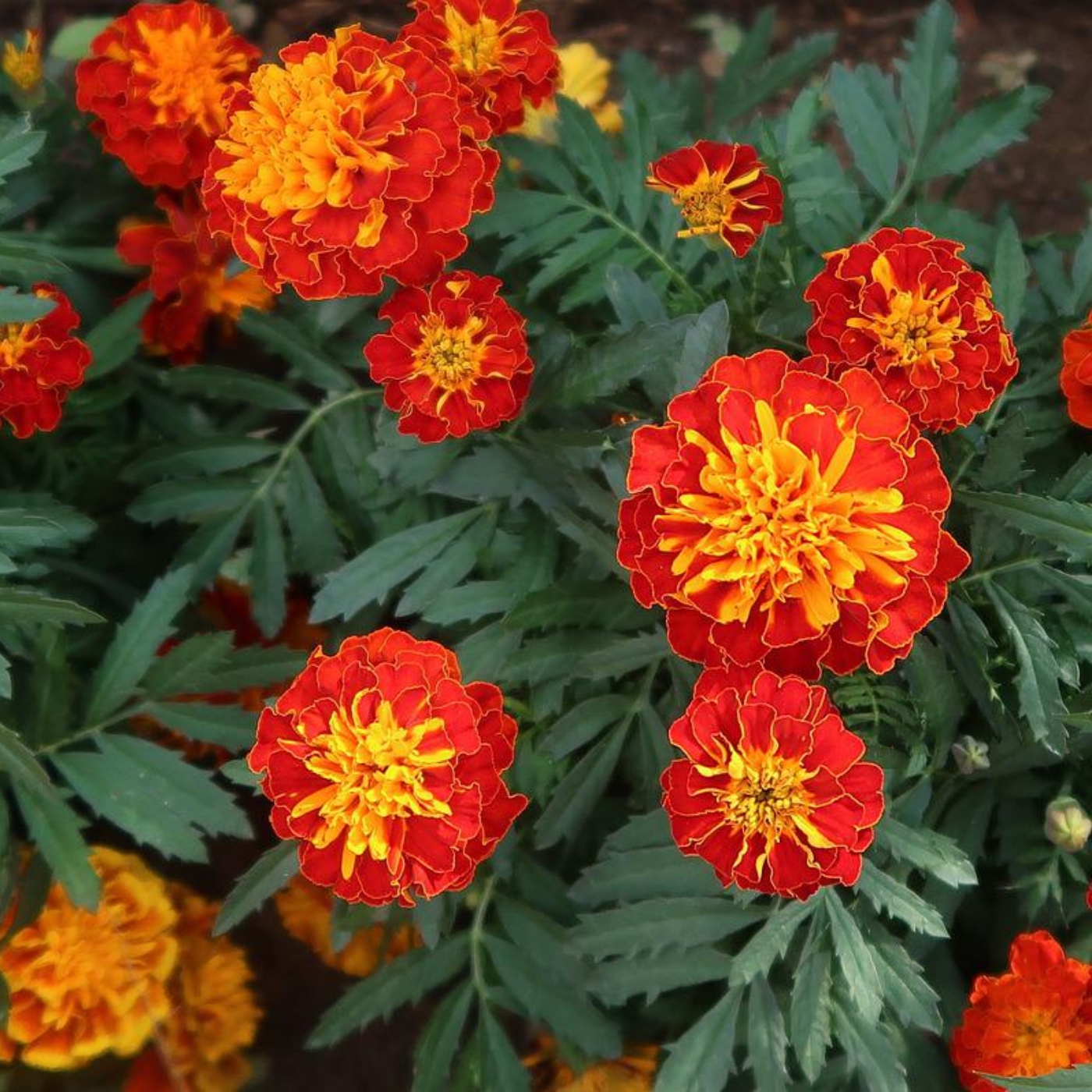 Calendula officinalis | The common European marigold, (like the Mexican variety), is justly popular because it is easy to grow, and pests don't like it. It was first mentioned by the old-time herbalists in 1578, quote, "It has pleasant and bright shining yellow and orange single-petal flowers." It was used by herbalists during the times of ancient plagues, and the petals of the flowers were dried and sold for use in making broth in the winter. The flowers have also been used to add yellow color to cheese in times past.Native to southern Europe, the seeds can be sown directly into the soil and germinate easily in sun or part sun. Plants begin to flower in June and continue till frost. Gather seeds when they ripen in August and September.Some people use the flowers to treat the stings of wasps and bees and also to treat warts. Large flowering marigolds (those that originated in Mexico) are usually yellow or orange, and French marigolds are smaller and orange/brown in color.All types of marigolds last well as cut flowers, but it is best to remove all of the leaves below the water line in a vase as they otherwise develop an unpleasant odor.Marigolds are excellent plants for children to grow when they begin gardening as they are likely to grow well even with sporadic watering.Note: The European variety (about 20 species) is daisy-like in appearance, and the botanical name is Calendula officinalis with the common name of Pot marigold or English marigold. The name calendula comes from the same root as the word "calendar," signifying that it blooms almost all year in zones 6-10.The Mexican variety is larger and many petaled, and its botanical name is Tagetes, and they are unrelated to the European varieties. | — | ||||||
| 5/7/26 | 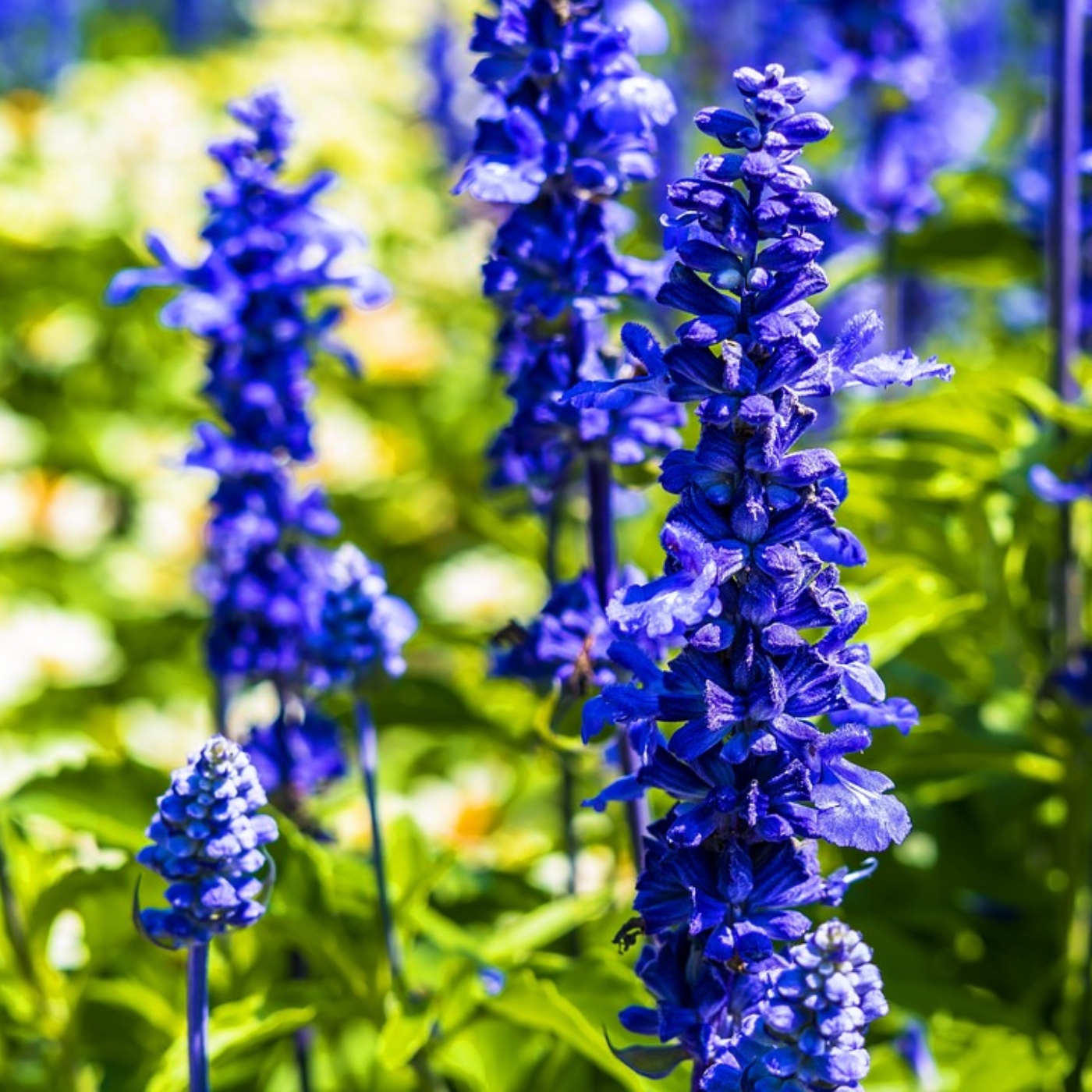 Larkspur | Larkspur is a member of the Delphinium family and though native to Europe, it grows well in North America. The plant is poisonous if eaten by cattle but fortunately only mildly toxic to domestic pets and people. Its colors are shades of blue/purple, white, and pink, and its tall upright habit and ferny, lacy foliage is good in combination with other garden plants. Larkspur likes well drained soil in full sun and is a good cut flower. In my midwestern garden I cannot grow perennial delphiniums or perennial larkspur. So, I buy packets of annual larkspur seeds and just sprinkle them in my beds (unmulched, as mulch often has a seed germination deterrent) in early spring. I am rewarded with pretty flowers that meld well with many of my perennials. For example, I have a bed of white iris, and the larkspur grows up and blooms before the iris have finished their show. Larkspur also blend nicely with daylilies because of their height. Larkspur seeds germinate best between 40-50F in zones 4-7. I would not be without my annual larkspur, which I have enjoyed year after year and some often self-seed and return, but in order to be sure, I always buy some seeds. I don't want to risk a year without it! Note: Larkspur grows well in zones 4-7 but needs protection to self-sow below zone 5. Field larkspur grows wild in cornfields throughout Europe. | — | ||||||
| 4/30/26 |  Magnolia x soulangiana | The most commonly grown deciduous magnolia in the Lower Midwest is Magnolia x soulangiana, usually referred to as the saucer magnolia.Hardy in zones 4-9, it may be a shrub but usually is a tree about 20-25 feet tall with a rounded crown. It usually develops a number of trunks and may over time even grow 30 feet tall and as wide.It blooms before it leafs out, and the pale pink blossoms look striking against the rough grey bark. However, about one in three years the late spring frosts ruin the bloom and the flowers turn brown. I am told there is a hybrid called ‘Forrest's Pink’ that will make new buds if the old ones are ruined.I think ‘Spectrum’ and ‘Galaxy’ bloom a little later also, which provides more reliable bloom.There are actually a large number of more modern hybrid cultivars now available and some produce flowers in other shades such as white, rose, magenta, burgundy, and purple.The genus name honors Pierre Magnol, a French botanist (1638-1715). Since it is a long- lived tree, think carefully before you decide where to plant it as it needs space for its branches, which cast a lot of shade when it matures. This allows for a large shade garden beneath it.I have a tree that is 83 years old and underneath its sheltering arms I grow winter aconite, Virginia bluebells, perennial geraniums, ferns, hellebores, bleeding heart, wildflowers, epimediums, and for-get-me-nots. The birds love to perch above. | — | ||||||
| 4/23/26 | Gardening Trends✨ | gardeningsustainability+8 | — | the University of Florida’sInstitute of Food and Agricultural Sciences+1 | — | horticultureUniversity of Florida+3 | — | 2m 00s | |
Want analysis for the episodes below?Free for Pro Submit a request, we'll have your selected episodes analyzed within an hour. Free, at no cost to you, for Pro users. | |||||||||
| 4/16/26 | Perennial Challenges✨ | perennialsgardening+2 | — | delphiniumsloosestrife+1 | Midwest | gardening tipsplant varieties+2 | — | 2m 00s | |
| 4/9/26 | Spring Greens✨ | springgardening+3 | — | HelleboresVinca | — | HelleboresVinca+3 | — | 2m 00s | |
| 4/2/26 | 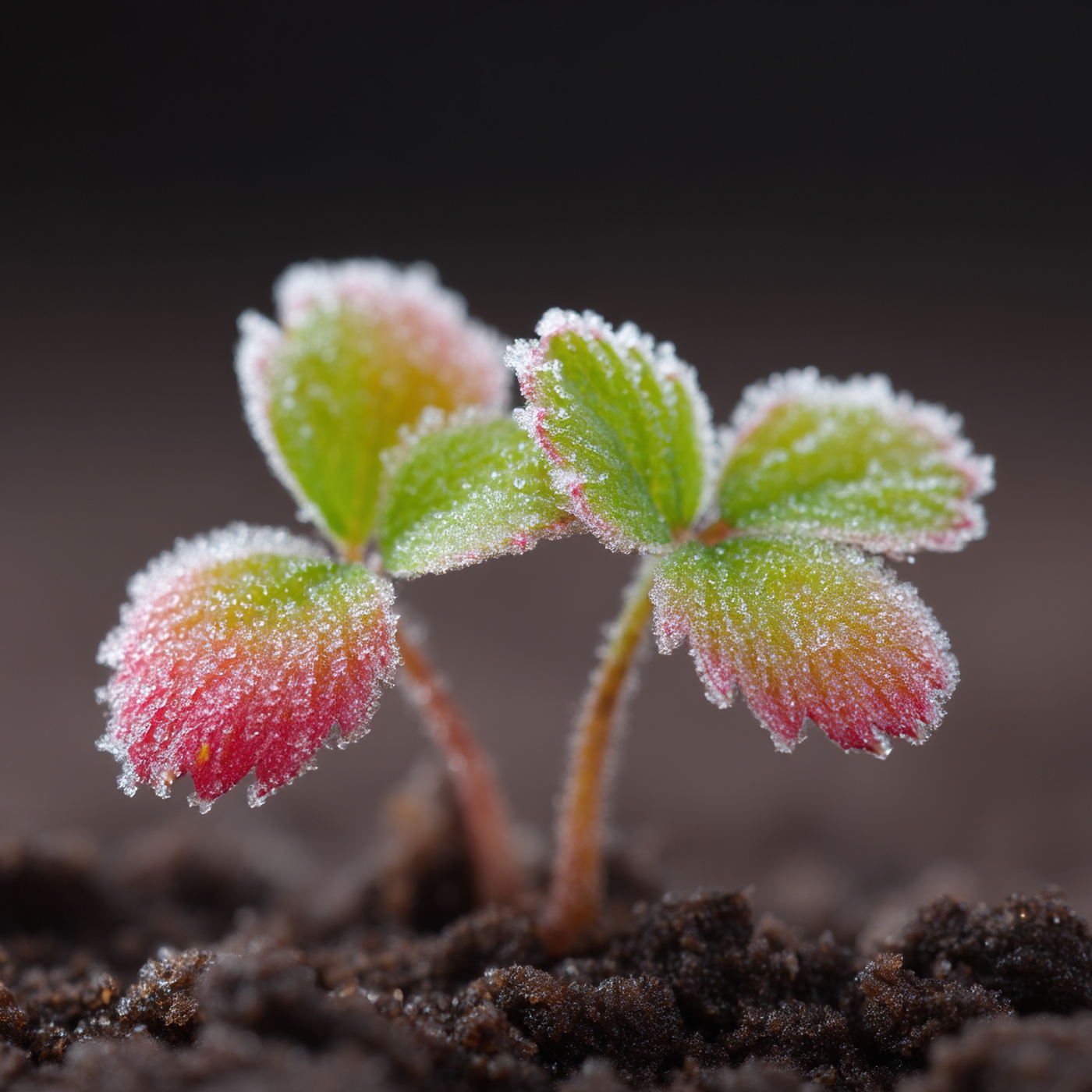 The Cruelest Month✨ | gardeningApril+3 | — | heirloom seedslarkspur+4 | Virginia | cruelest monthfreezing temperatures+2 | — | 2m 00s | |
| 3/26/26 | 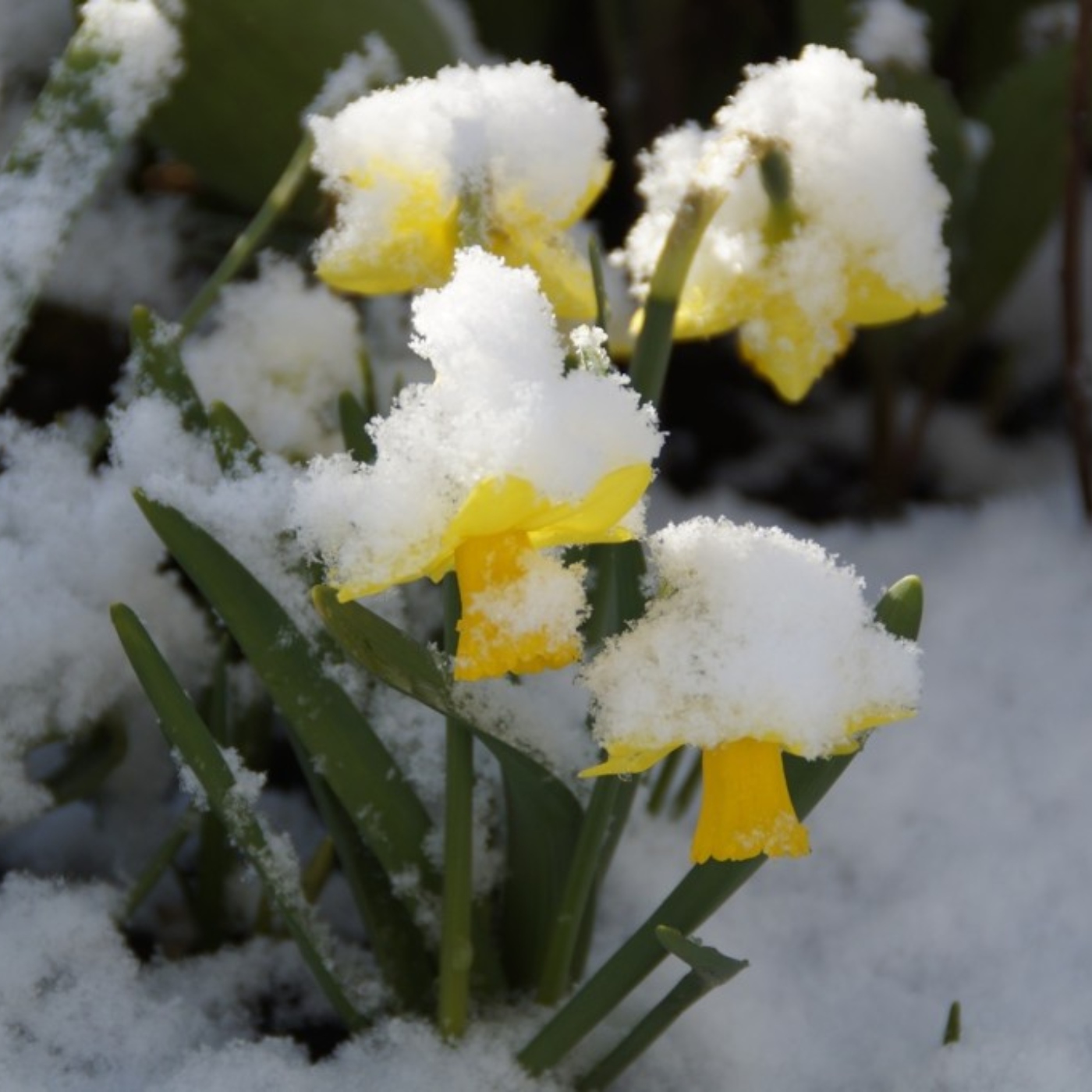 Frost✨ | frostgardening+1 | — | — | — | chill injurytemperature+3 | — | 2m 00s | |
| 3/19/26 | 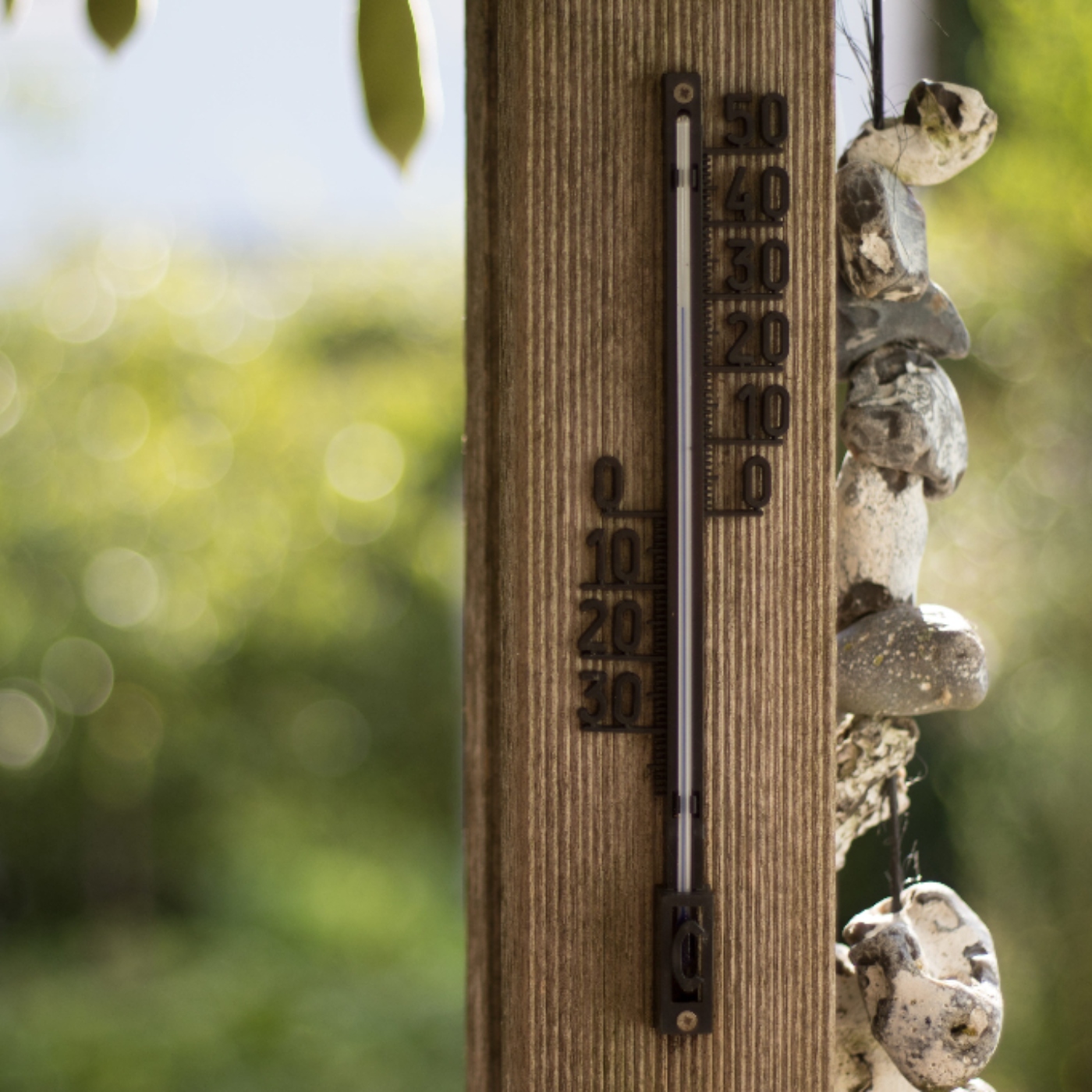 Air Temps✨ | air temperatureplant care+1 | — | — | — | tender plantsfreezing temperatures+2 | — | 2m 00s | |
| 3/12/26 |  Outwitting the Weather✨ | weatherclimate+3 | — | The US Department of AgricultureUSDA+2 | North AmericaIndiana | atmospheric conditionsUSDA zones+2 | — | 2m 00s | |
| 3/5/26 |  Clay is Okay✨ | clay soilflower gardening+2 | — | coneflowersJapanese anemones+19 | — | gardeningplants+3 | — | 2m 00s | |
| 2/26/26 | 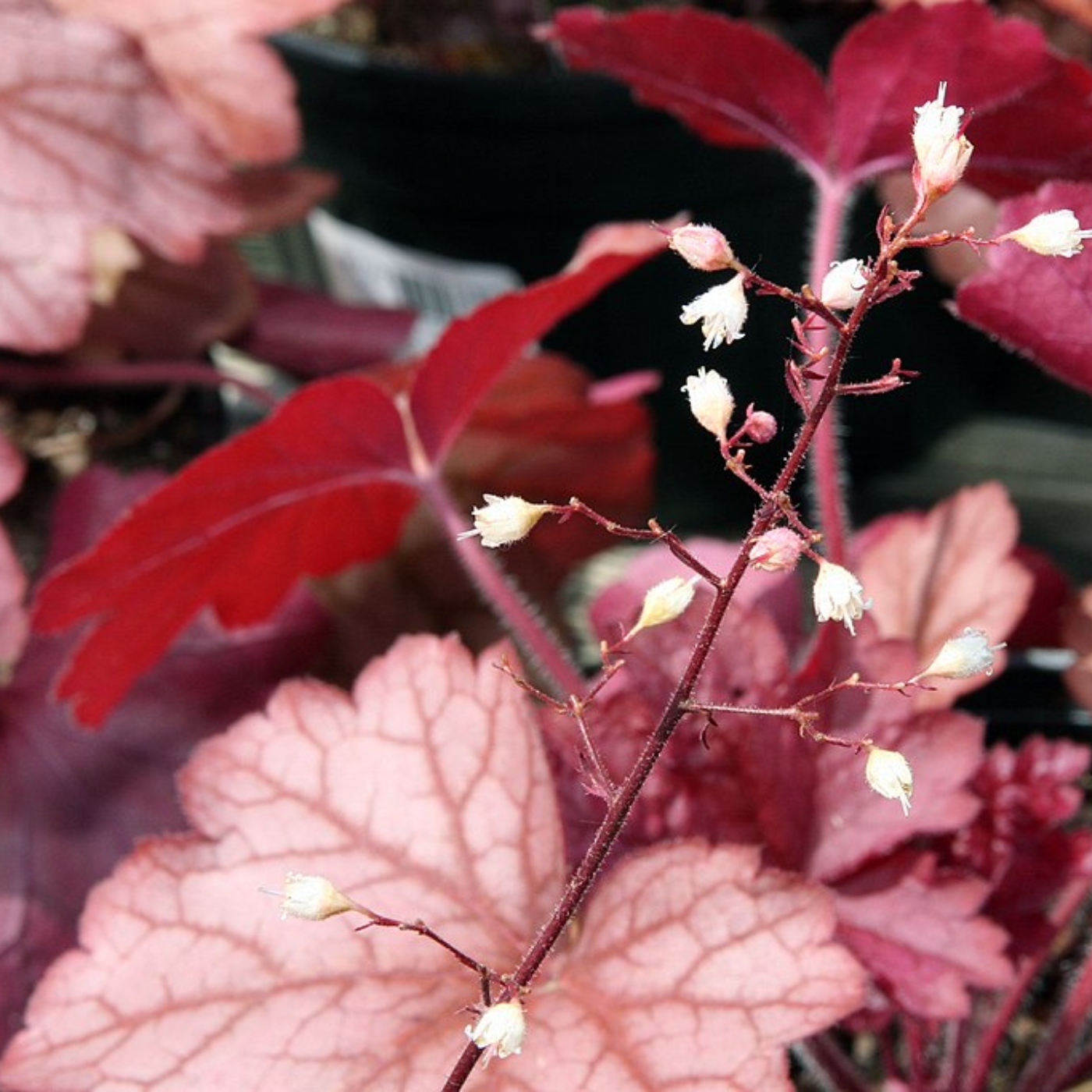 A New Generation of Coral Bells✨ | coral bellsheucheras+3 | — | Forever PurpleGeorgia Peach+4 | — | plant varietiesshade-loving plants+2 | — | 2m 00s | |
| 2/19/26 | 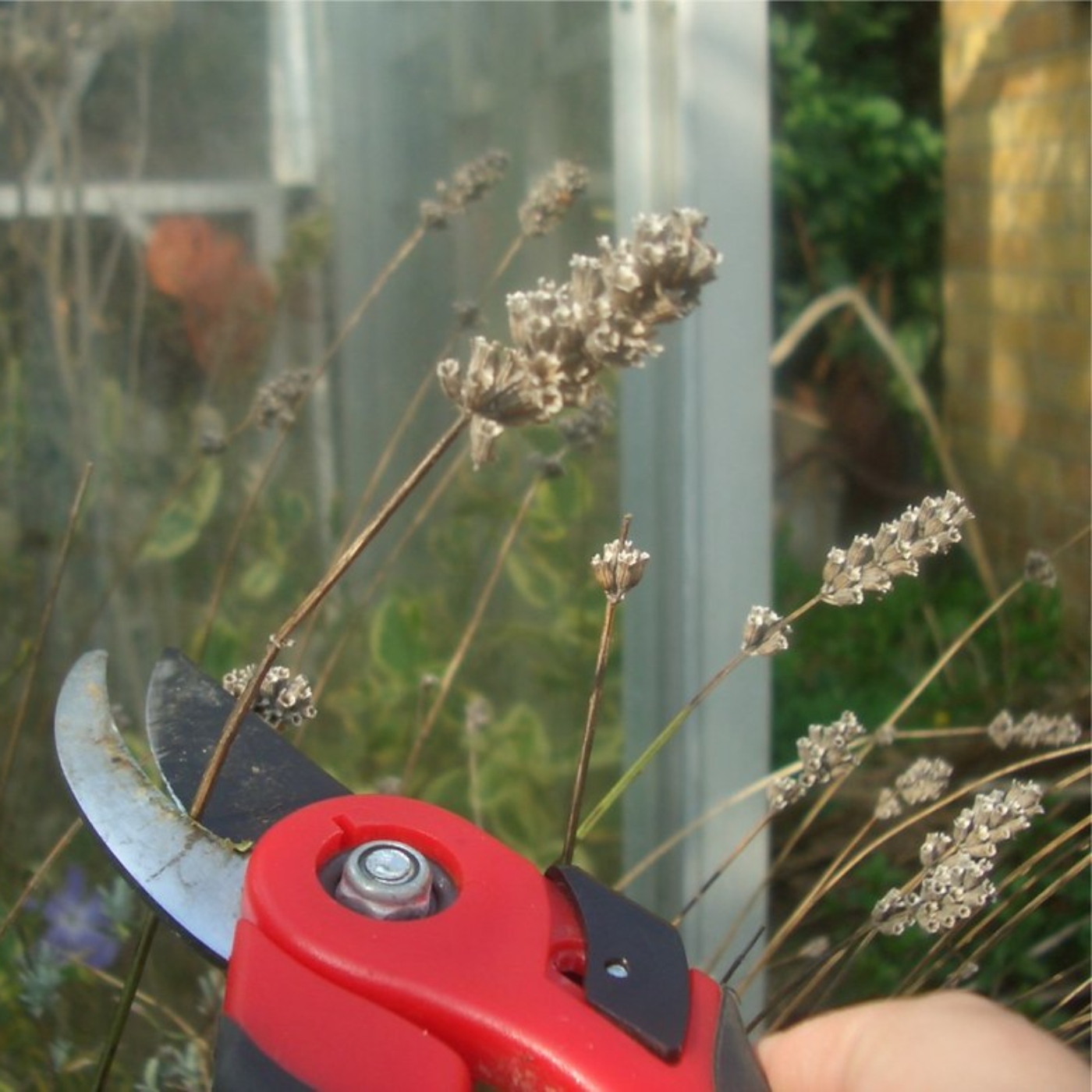 Deadheading: It Keeps the Color Coming✨ | deadheadinggardening+3 | — | — | — | flowersgardens+3 | — | 2m 00s | |
| 2/12/26 | 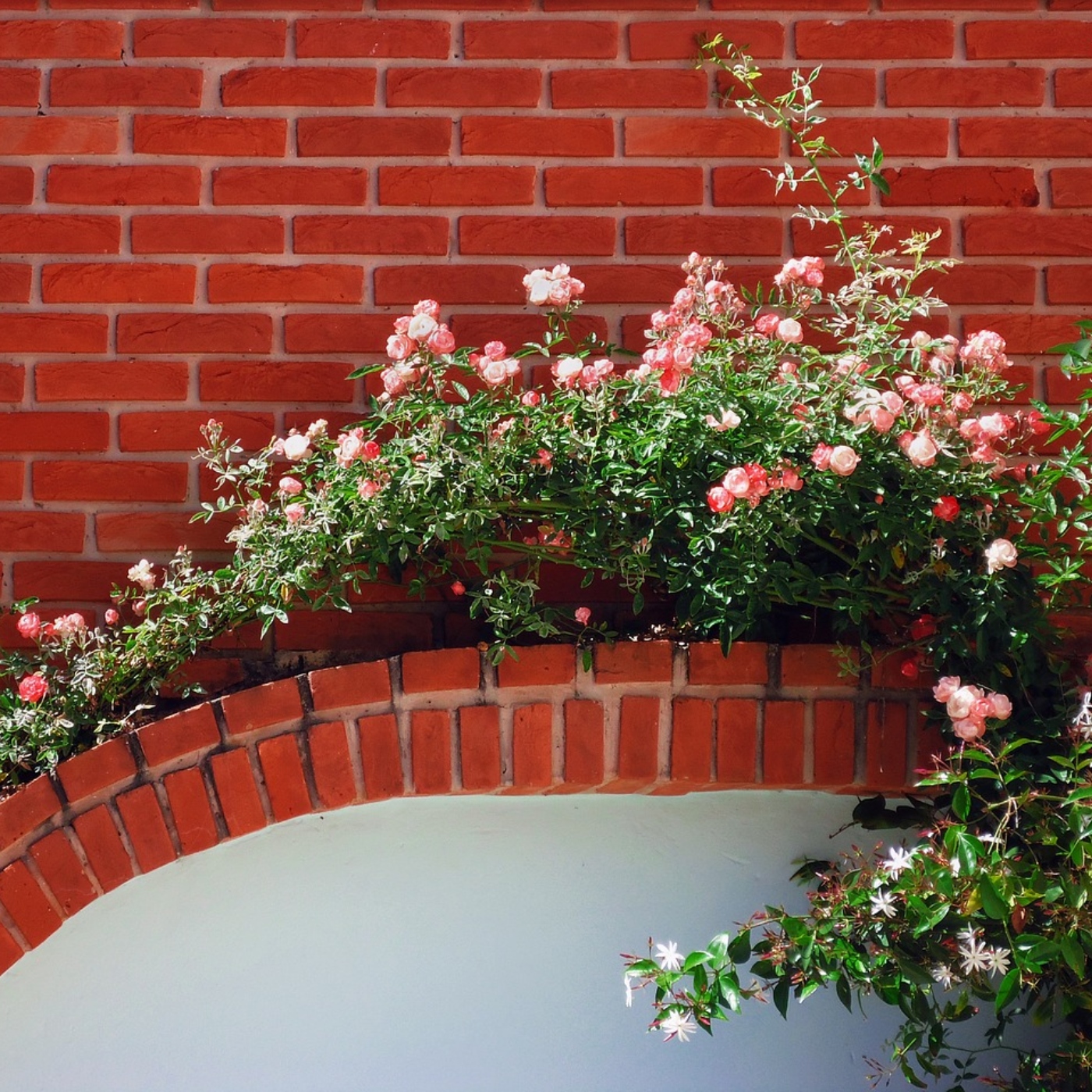 Roses in Words | In February, it is appropriate to think about roses.Here is what Gertrude Jekyll (1843-1932) wrote:"There is scarcely any rose that we can wish to have in our gardens that is not also delightful in the cut state. A china bowl filled with well-grown hybrid perpetuals, grand of color and sweetly scented, is a room decoration that can hardly be beaten both for beauty and for the pleasure it gives, whether in a sitting room, or on the breakfast table. The only weak point about cut roses is that their life is short."William Fitzroy (1851-1924) wrote: “The houses I love best are those where warm old red bricks and old roses seem to melt into each other.”Margaret Millfield in 1931 had this advice:"Plant your rose in a good square hole, keep it weeded; prune it once a year, thoroughly; apply a spade of manure in February and you will have blooms the rest of your life."And John Boyle O’Reilly (1844-1909) wrote this verse:"The red rose whispers of passion, and the white rose breathes of love;O, the red rose is a falcon, and the white rose is a dove.But I send you a cream- white rose bud, with a flush on its petal tips;For the love that is purist and sweetest, has a kiss of desire on the lips." | — | ||||||
| 2/5/26 | 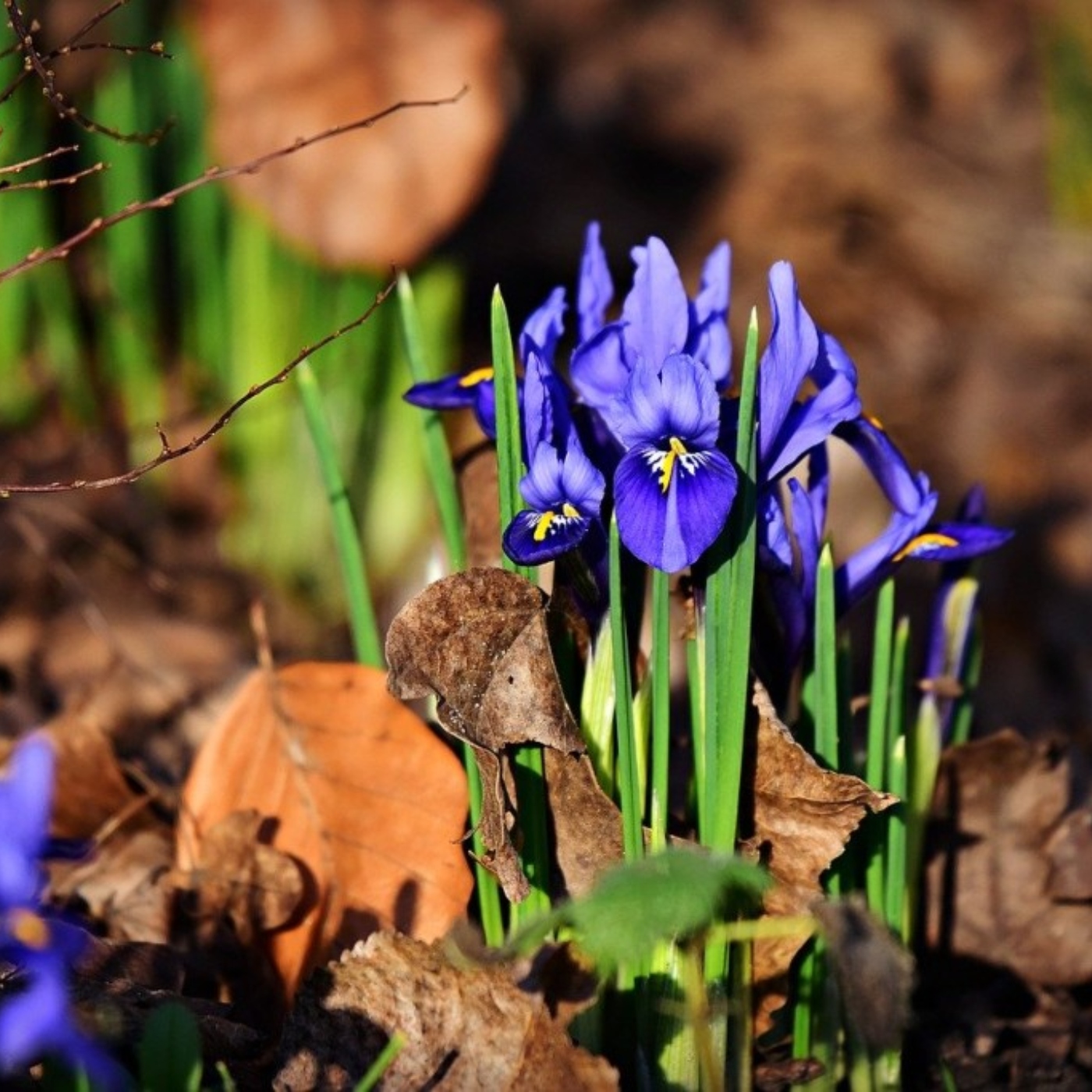 Tiny but Tough | The earliest iris to bloom is the petite Iris reticulata.The reticulated irises have a fibrous network on the bulbs that is similar in pattern to the markings on a giraffe, which is also described as reticulated, “like a net.” These earliest blooming iris have 3- to 6-inch stems and they bloom with the crocus. To display the blooms indoors, I use a tiny bottle for each one.There are also intricate patterns on the small petals, and their beautiful colors—maroon, purple, lavender, white, and yellow—delight winter-weary eyes.Plant the little bulbs in drifts in the fall. Since they dislike wet feet, a good spot for them is in a sloping or raised bed so there is good drainage.Iris is the sacred flower of the Goddess of the Rainbow, and iris means “eye of heaven.” (It is also the name of the center of our eyes.)After their spring bloom, Iris reticulata bulbs should be given an application of granular fertilizer, sprinkled over them, and their leaves should not be cut down. They are hardy in zones 5 to 9 and are long lived if they are not disturbed. Plant these little bulbs 3 inches deep.These darling little miniature iris are the start of a progression of flowers of varying types of plants in the family Iridaceae. They are followed late in the spring by the taller Siberian iris.Try to grow as many different types of iris in your garden so that you can have a progression of these blooms until June each year. The deer leave them alone![Note: Try the following : Iris histrioides ‘George’ Zones 3 to 8, which are dark purple with gold marks, and Iris histrioides ‘Katherine Hodgkin’ zones 5 to 8.]Reference: Perennials Short and Tall: A Progression of Flowers for your Garden by Moya Andrews and Gillian Harris, Indiana University Press (2008), Page 67. | — | ||||||
| 2/3/26 | 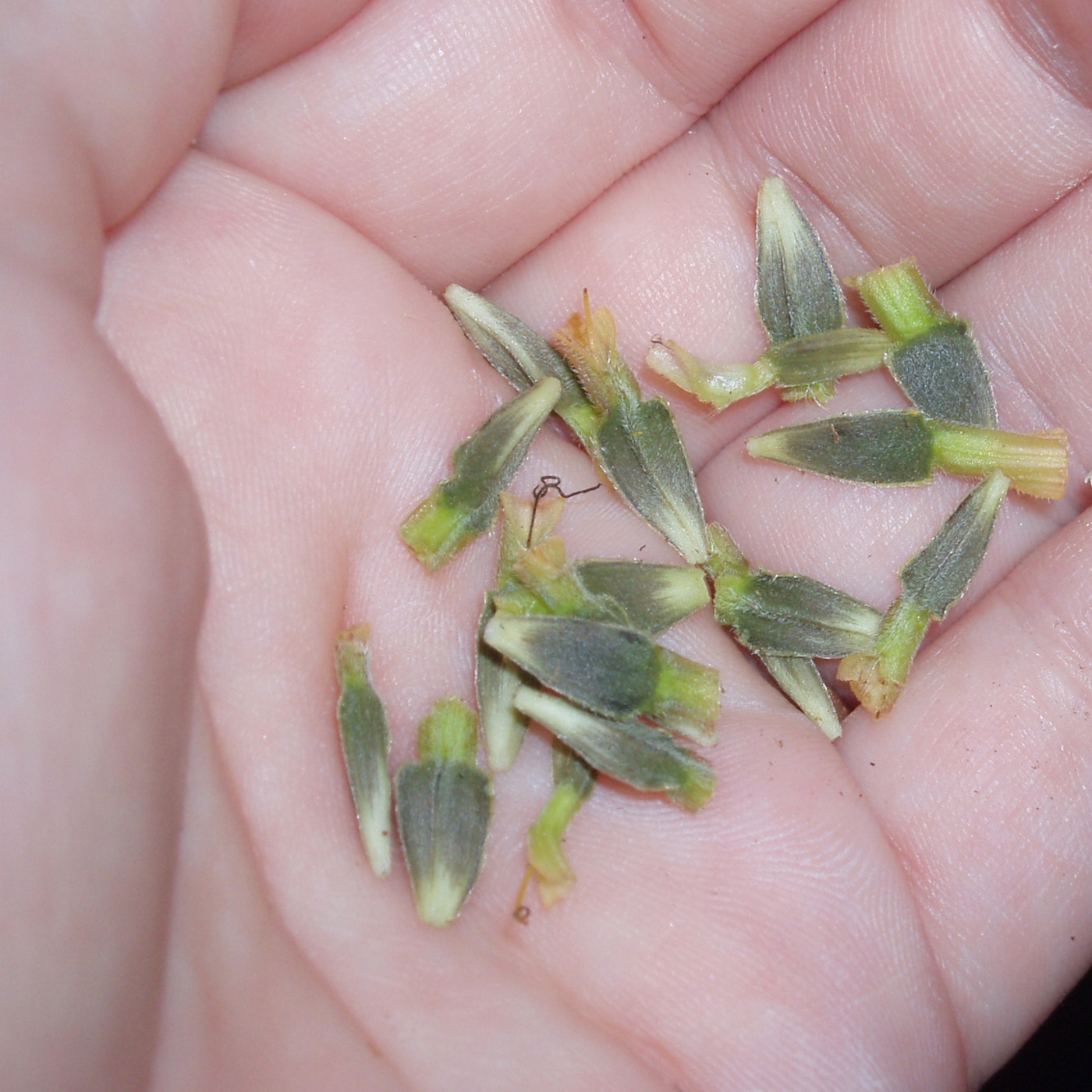 Easy Does It | Quite a number of flowering annuals can be started by sowing their seeds directly into the garden. Wait until after the last frost in the spring when the soil has really warmed enough for seeds to germinate. I tend to pick up packets of seeds wherever I go so usually have a big stash of them, and it is fun to scatter them in my bare perennial beds. Since seeds are inexpensive, I throw them around with abandon expecting that they all won’t germinate, but hoping that some will and give me surprises later in the season. I especially love the tall blue/purple spires of larkspur, since delphiniums do not thrive in my climate. Last year I hopefully flung some into my bed of white German iris, and though the iris bloomed first, the larkspur looked lovely among the blue/grey iris foliage later. If I have big pots on my deck, I sow zinnia seeds into those. Even the small daisy-flowered variety ‘White Star’, which does not need to be dead-headed, does well in pots in full sun. Cosmos is a pretty, floriferous annual that can be scattered on top of the soil in beds, and it will bloom in 8 weeks. It has pretty foliage and is good for cutting, which stimulates the continued flowering all summer. Small French marigolds, the gold and brown ones, will germinate easily, also, and are very drought-tolerate, flowering until frost. And of course, I always save or buy Cleome seeds—better known by the common names of ‘Spider plant’ or ‘Cat’s whiskers’—and scatter them in the middle of beds or the back of borders because they grow tall and last a long time. Those I do not cut, as they are best left in the garden to produce seeds for the following year. Besides, I do not like their smell very much. Another favorite is blue Clary sage. Direct sowing is inexpensive, easy, and fun and usually results in a few surprises! | — | ||||||
| 1/29/26 | 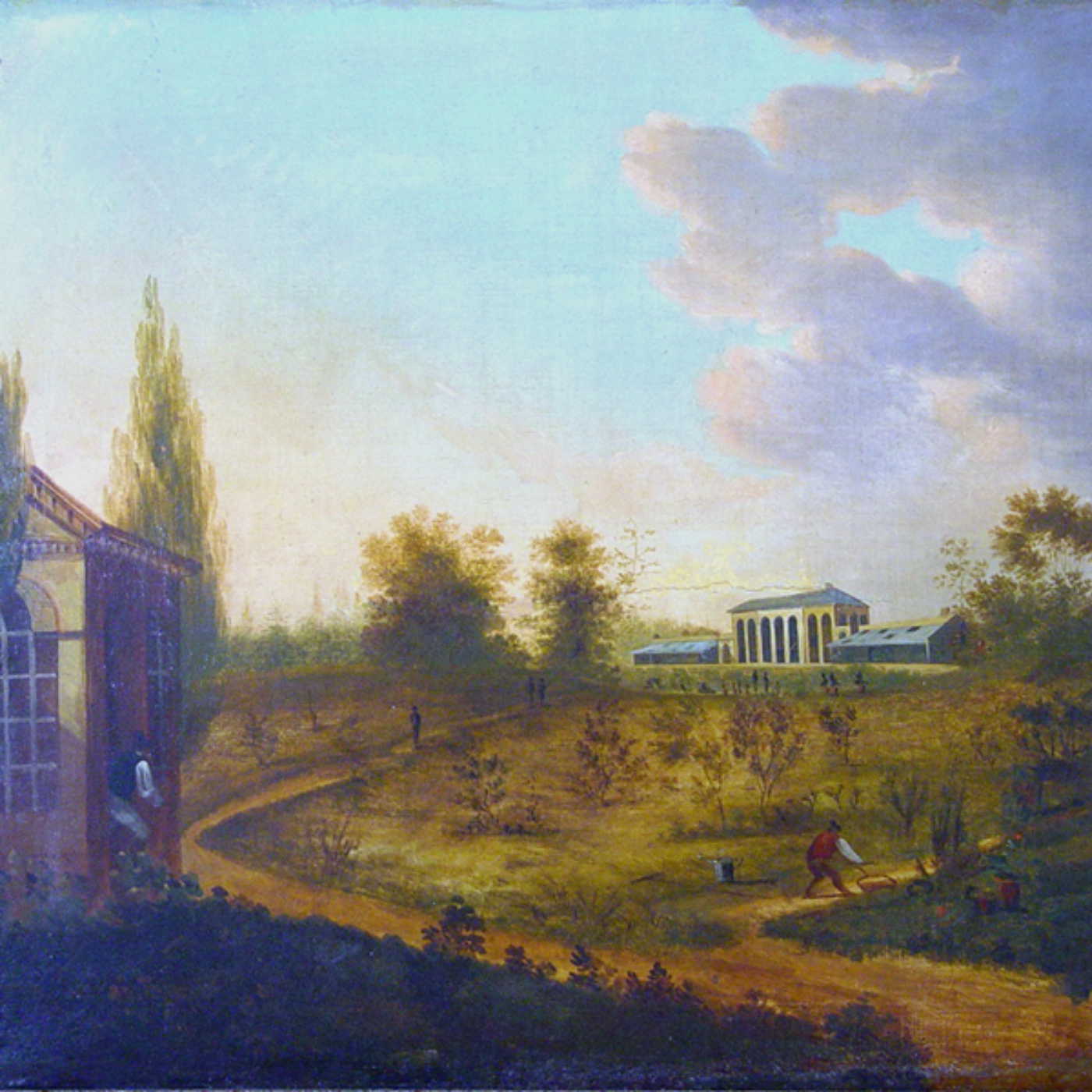 David Hosack | David Hosack was born in New York in 1769 and in a book about him by Kerri Miller, she states that he is responsible for the establishment of New York’s first botanical garden. There was an interview by Victoria Johnson on NPR that drew my attention to this. Hosack was a brilliant medical scientist who focused on medicinal plants. The Bartrams, earlier on, grew medicinal plants in their gardens in Philadelphia, but Hosak was the first to grow these plants in North America for scientific research purposes.Dr. Hosack studied medicine in both London and Edinburgh and then returned to North America to teach and practice at Columbia College in New York City. In London he had been trained in the classification of plants using the system developed by Linnaeus in the 18th Century. Miller describes in her biography how Hosack met Joseph Banks and other famous plant scientists in London in the early 1800s and became knowledgeable about European plants and their medicinal properties.When he returned to New York he realized the need for a public garden as a research facility for medical scientists and their students. He even wrote to President Jefferson to ask for plants gathered by the Lewis and Clark expedition. Later he became the personal physician of Alexander Hamilton and Aaron Burr. He used his own money, and later went into debt, to buy and maintain 20 acres on Manhattan Island to grow plants, including many natives that had not been known abroad, in order to study and teach students about their medicinal effects. His garden was the first scientific garden established on our shores.This is Moya Andrews, and today we focused on David Hosack. | — | ||||||
| 1/15/26 | 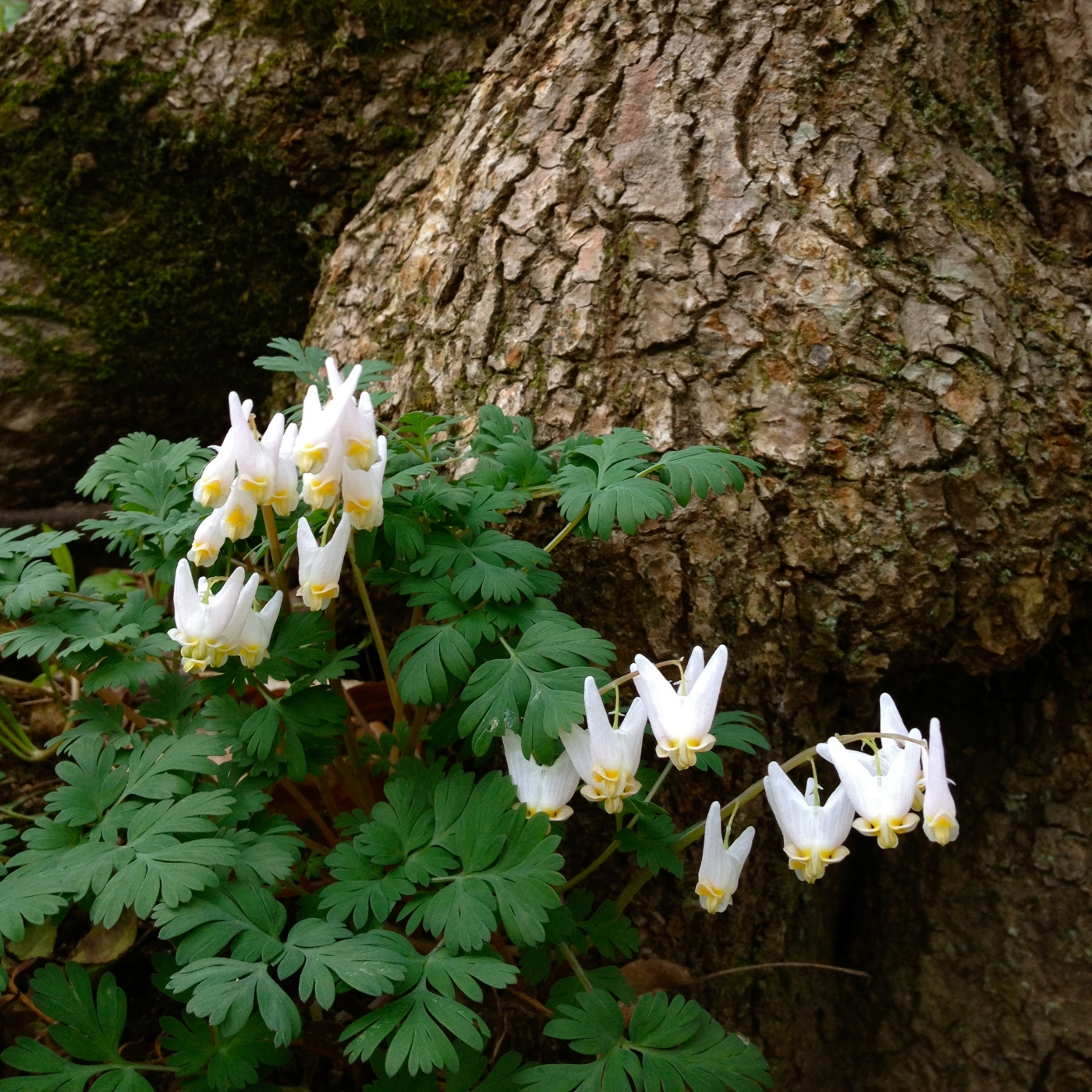 Spring Ephemerals | Before long now, some of the earliest flowers to bloom will be stirring in our gardens. Many of them are ephemeral, a descriptor that means “short lived” or transitory. In garden-speak, this means that these cold-hardy little plants bloom early and then die down leaving no trace until they return the following year. Most grow in woodland settings, where the soil is moist from late snows under deciduous trees and there is weak sunlight, as the trees have not yet leafed out. Some bloom even before al the snow has melted. Their early flowers can be picked and taken into the house for tiny vases. When the blooms fade, the plants set seed and then go dormant. They are at their best planted where they are not disturbed after they die down, though they co-exist well with low growing plants that grow up over the bulbs and shade them in the hot dry summers. The sunshine-yellow winter aconite is usually the first to bloom, followed by the snow-white snowdrops (Galanthus spp., zones 3-9), hardy cyclamen (Cyclamen coum, zones 5-9), bloodroot (Sanguinaria Canadensis ‘multiplex’, zones 3-9), Dutchmen’s breeches (Dicentra culcullaria, zones 3-7), Virginia bluebells (Mertensia Virginica, zones 3-8), and European wood anemones (Anemone nemorosa, zones 5-8).Later the red trillium (Trillium erectum, zones 4-9), and Japanese woodland primrose (Primula Sieboldii, zones 3-8) light up our gardens. The best way to get these early bloomers in your garden is to acquire starts from another gardener during the early spring, or you can find them listed in catalogs. Their dense root systems help them persist and colonize.Notes: Source material from Amanda’s Garden, Dansville, New York. | — | ||||||
| 1/8/26 |  Interesting Quotes | In 1785 William Cowper wrote:Who loves a garden, loves a greenhouse too. Unconscious of a less propitious clime There blooms exotic beauty, warm and snug While winds whistle and the snows descend.In 1974 Maya Angelou said, "Nature has no mercy at all. Nature says ‘I’m going to snow. If you have on a bikini and no snowshoes, that’s tough. I’m going to snow anyway’." And there is a Chinese proverb that makes many of us smile:If you would be happy for a day, get drunk. If you would be happy for a week, take a wife. If you would be happy for a month, kill your pig. But if you would be happy all your life, plant a garden.And Jude Patterson wrote, “In winter, when roots and seeds sleep under the crusted snow, the gardener is an artist hatching ideas for the coming season.” But my personal advice to you in January is to be careful of all of those tempting offers that arrive in catalogs in the mail this month, as well as all of the seductive offers to order plants online. We are all so eager to have flowers on our gardens again, that we are susceptible to all of the plant offers that bombard us. But it really is too early to start ordering plants—January is too soon!—so try, if possible, to exercise some restraint. | — | ||||||
Showing 25 of 1831
Pitch Fit is a Pro feature
See how bookable this show is for guests, which brands already advertise, the per-episode ad value, and the best-fit guest and sponsor profile. The numbers are blurred on the free plan.
How readily this show books outside guests like you.
How proven this show is for host-read sponsorships.
For Guests
ProFor Advertisers
ProUpgrade to Pro to unlock guest cadence, sponsor categories, fit scores, and per-episode ad value for this show.
Chart Positions
8 placements across 8 markets.
Chart Positions
8 placements across 8 markets.