Insights from recent episode analysis
Audience Interest
Podcast Focus
Publishing Consistency
Platform Reach
Insights are generated by CastFox AI using publicly available data, episode content, and proprietary models.
Most discussed topics
Brands & references
Total monthly reach
Estimated from 2 chart positions in 2 markets.
By chart position
- 🇵🇱PL · Non-Profit#2030K to 100K
- 🇨🇿CZ · Non-Profit#523K to 10K
- Per-Episode Audience
Est. listeners per new episode within ~30 days
9.9K to 33K🎙 Daily cadence·296 episodes·Last published yesterday - Monthly Reach
Unique listeners across all episodes (30 days)
33K to 110K🇵🇱91%🇨🇿9% - Active Followers
Loyal subscribers who consistently listen
13K to 44K
Market Insights
Platform Distribution
Reach across major podcast platforms, updated hourly
Total Followers
—
Total Plays
—
Total Reviews
—
* Data sourced directly from platform APIs and aggregated hourly across all major podcast directories.
On the show
From 10 epsHost
Recent guests
Recent episodes
Foster Dad: The Power of Showing Up with Corey McKinney
Jun 23, 2026
Unknown duration
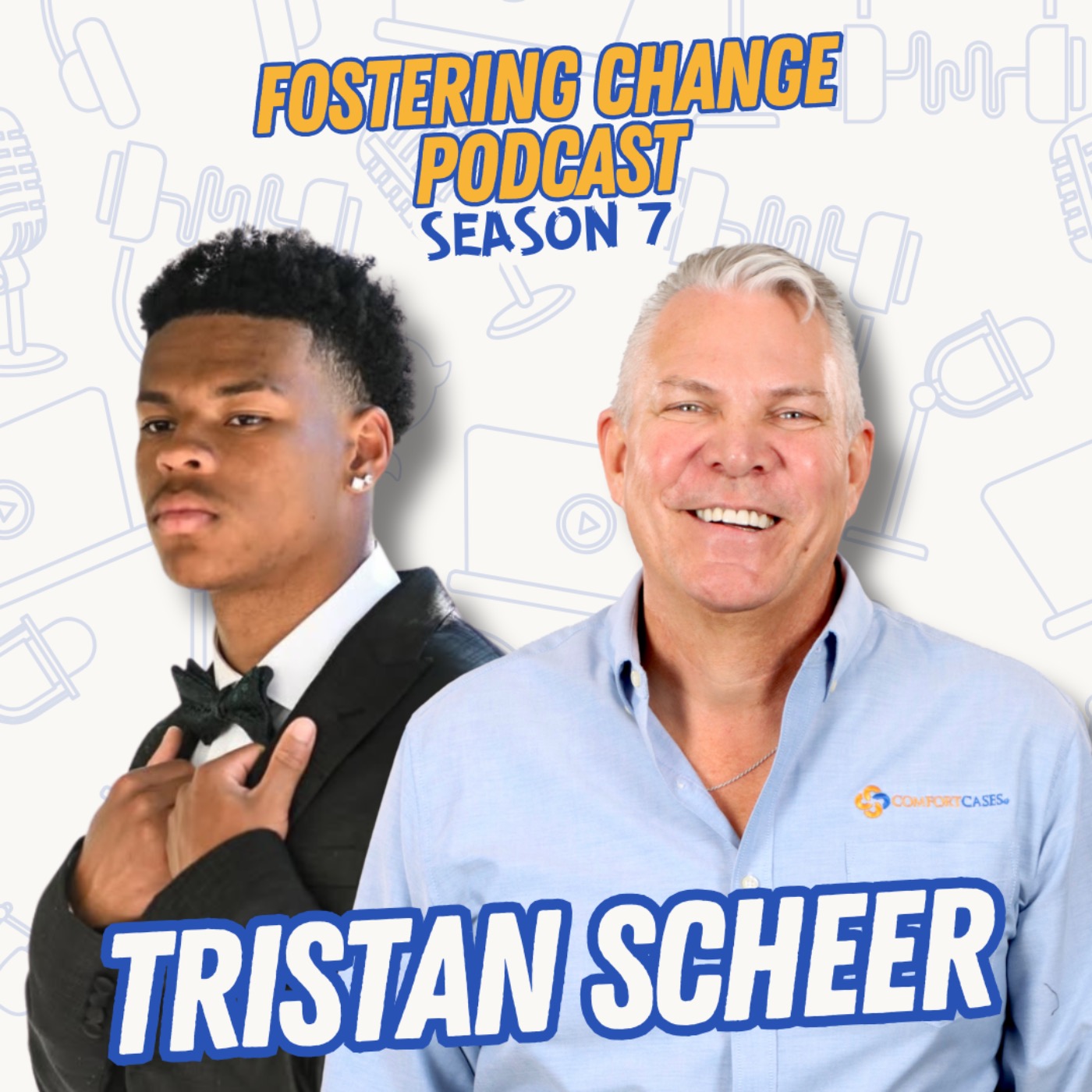
Growing Up Scheer: A Father and Son's Perspective on Family, Foster Care, and Finding Home
Jun 16, 2026
Unknown duration
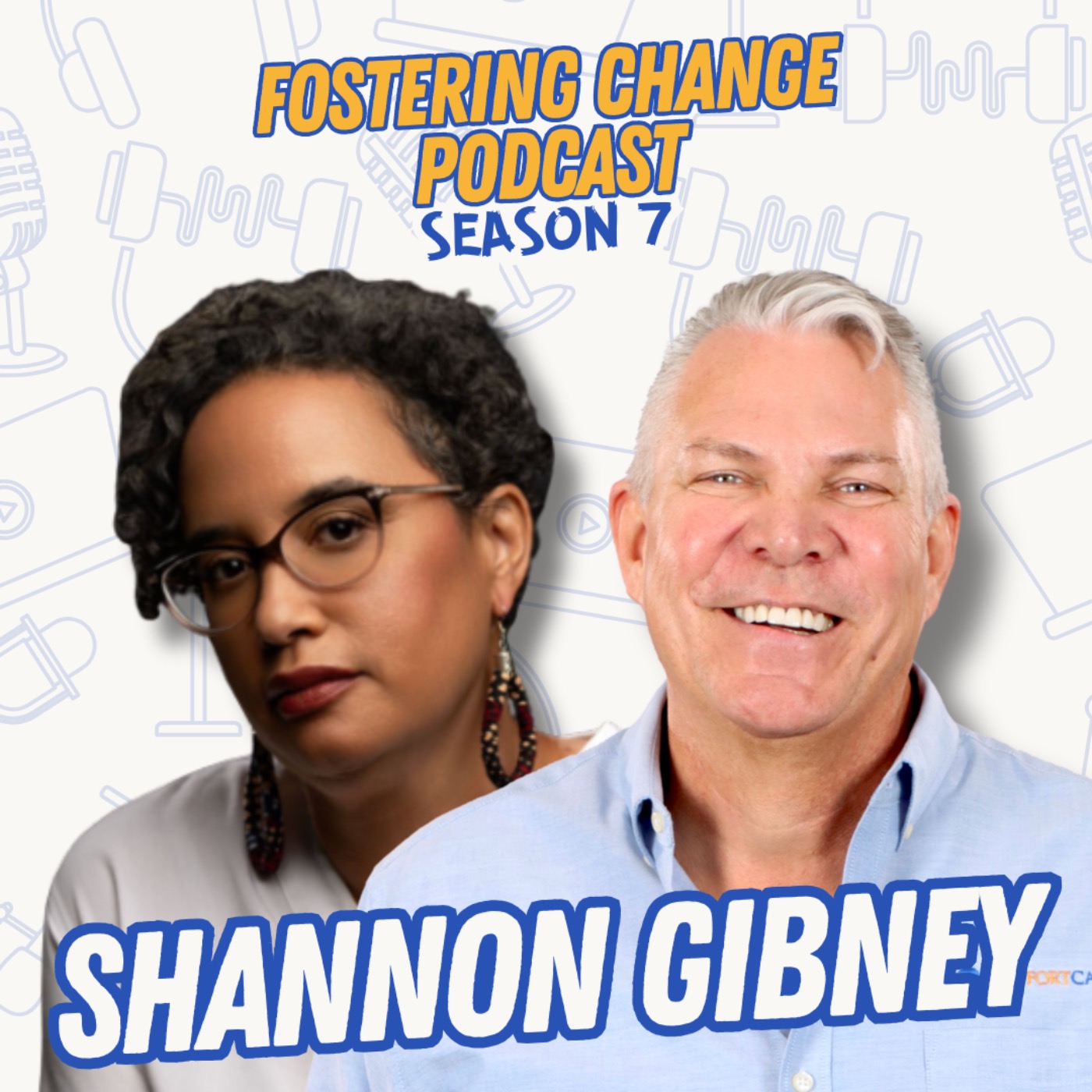
The Girl I Am: Identity, Adoption, and Who Tells the Story with Shannon Gibney
Jun 9, 2026
Unknown duration
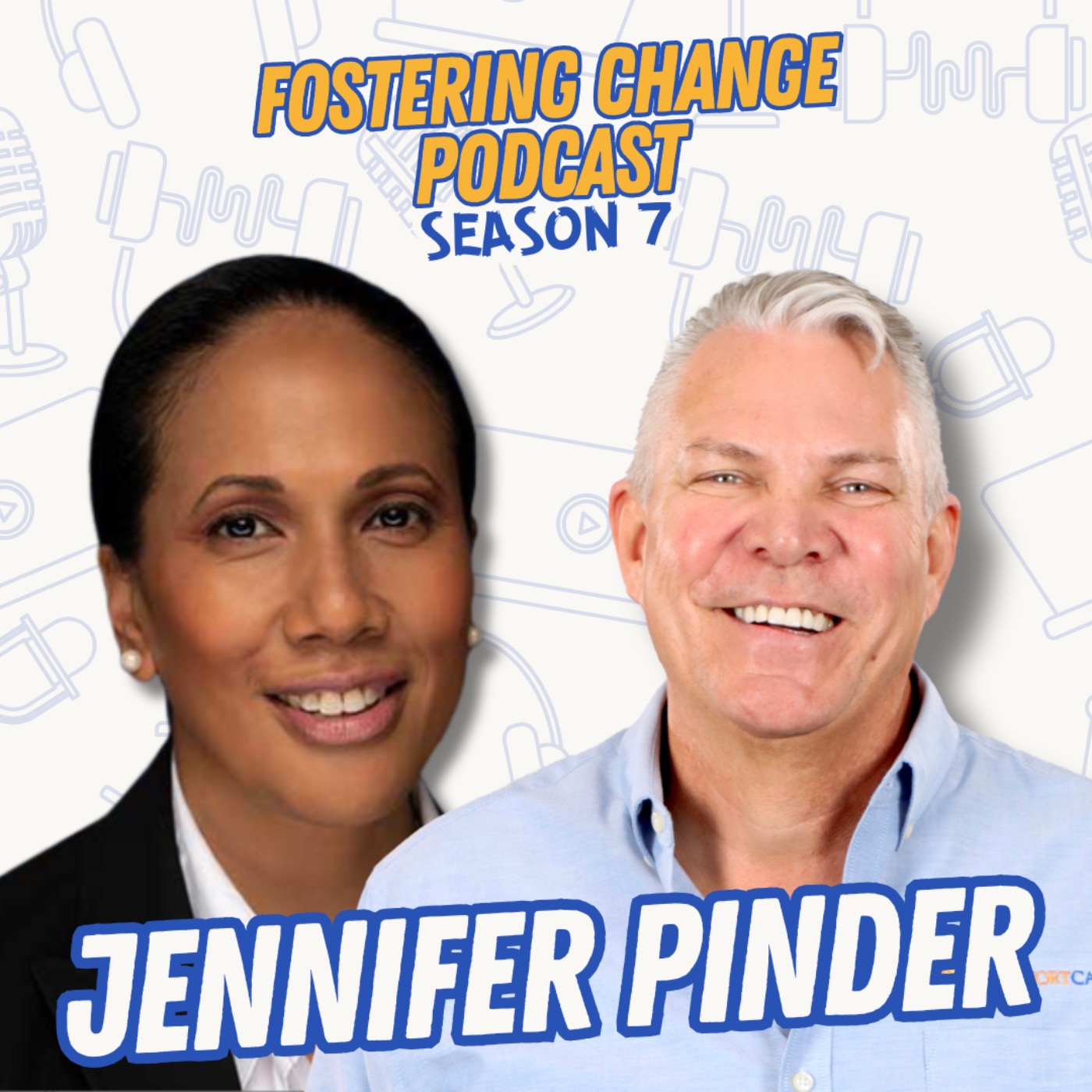
No Child Should Age Out Alone: Finding Families for Older Youth with Jennifer Pinder
Jun 2, 2026
Unknown duration
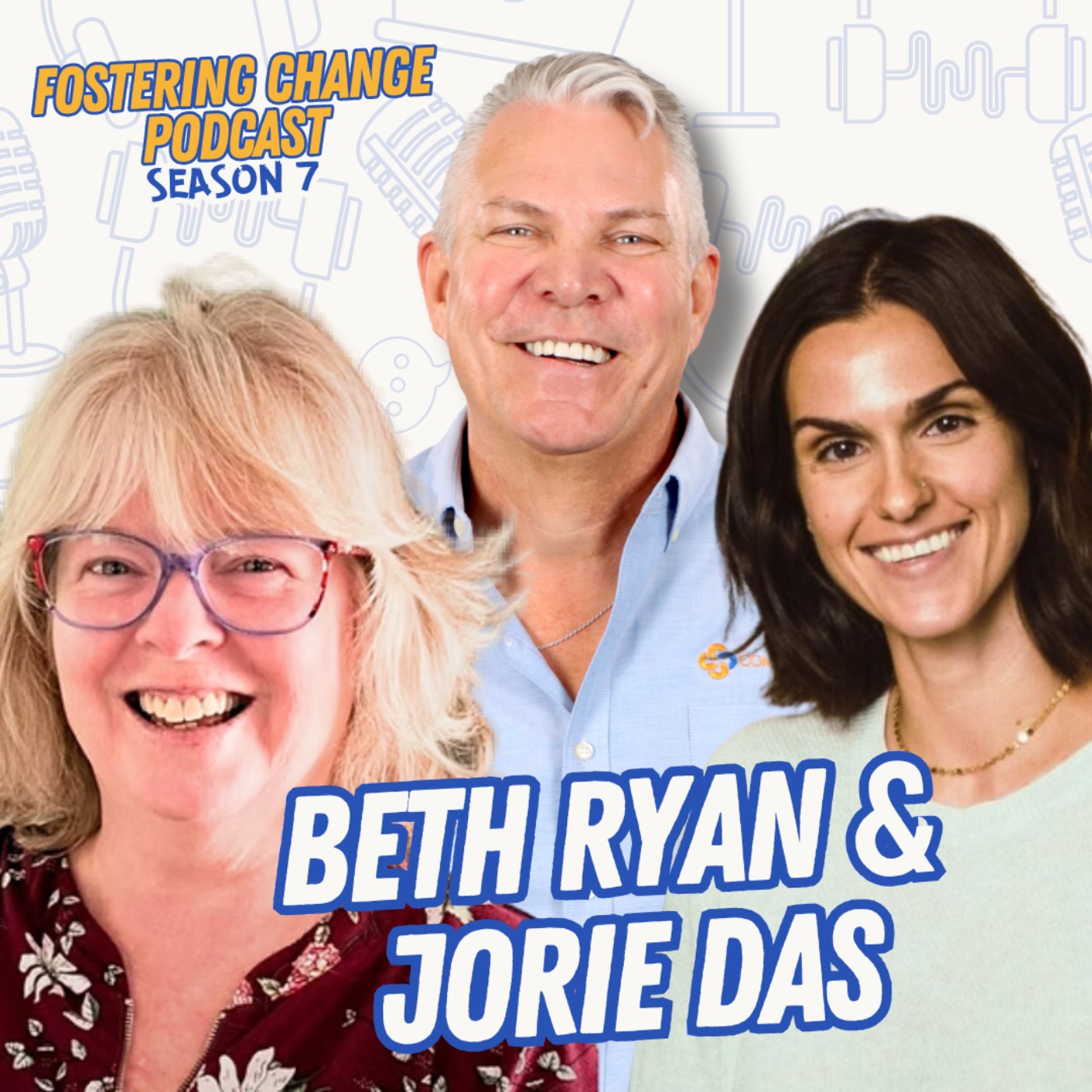
Supporting Youth in Foster Care Through Community & Mentorship with Beth Ryan and Jorie Das
May 26, 2026
Unknown duration
Social Links & Contact
Official channels & resources
Official Website
Login
RSS Feed
Login
| Date | Episode | Topics | Guests | Brands | Places | Keywords | Sponsor | Length | |
|---|---|---|---|---|---|---|---|---|---|
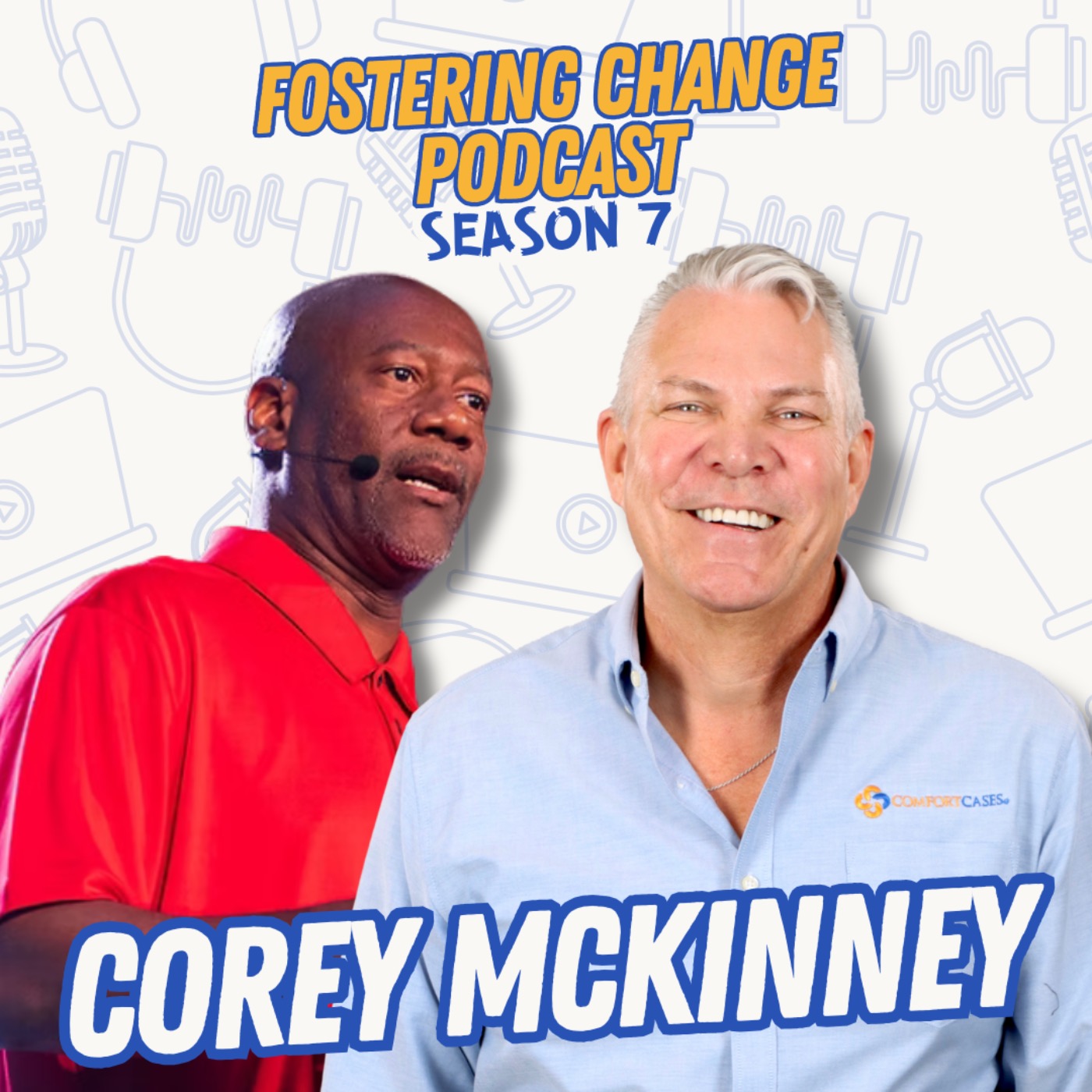
| 6/23/26 | ![]() Foster Dad: The Power of Showing Up with Corey McKinney | Last week, we celebrated Father's Day with a special conversation between Rob and his son, Tristan. This week, we're continuing that theme with a powerful discussion about what it means to show up for young people who need someone in their corner.Rob is joined by Corey McKinney, a speaker, mentor, author, and former foster parent whose life has been dedicated to helping young people navigate some of life's toughest challenges.Through his work with the Steve Harvey Mentoring Program and other youth-focused initiatives, Corey has spent more than three decades encouraging young people to overcome obstacles, believe in themselves, and build brighter futures. But some of his most meaningful lessons came through foster parenting.In his book Foster Dad, Corey shares the joys, challenges, heartbreaks, and unexpected rewards of opening your home to a child in need. More importantly, he shares what can happen when a young person experiences consistency, encouragement, and unconditional support.This is a conversation about mentorship, fatherhood, foster care, and the life-changing impact of simply being present.Conversation HighlightsWhat inspired Corey to become a foster parentThe experiences that led him to write Foster DadThe joys and challenges of opening your home to youth in foster careWhy attachment and connection are worth the riskThe importance of consistency and showing up for young peopleHow mentoring and foster parenting often intersectRemaining connected to former foster youth long after placement endsWhy positive adult relationships can change the trajectory of a young person's lifeAbout Corey McKinneyCorey McKinney is a professional speaker, mentor, author, and former foster parent dedicated to helping young people overcome gun violence, bullying, and peer pressure. A former Division I basketball player and longtime mentor with the Steve Harvey Mentoring Program, Corey has spent more than 35 years working with youth. He is the author of Coach Daryl's Colts and Foster Dad, inspired by his experiences as both a mentor and foster parent.Why This Episode MattersOne of the most common questions prospective foster parents ask is: "What if I get attached?"Corey's answer is simple: that's the point.Children and youth in foster care need adults who are willing to invest in them, encourage them, and remain present through both good and difficult moments.This conversation reminds us that foster parenting is not about being perfect. It's about being available. It's about showing up consistently and creating relationships that can last long after a placement ends.Whether you're a foster parent, mentor, coach, teacher, or simply someone who cares about young people, Corey's story demonstrates the profound difference one committed adult can make.🎧 Thank you for listening to Fostering Change. Join us next week for another conversation focused on creating brighter futures for youth experiencing foster care.Connect with Corey McKinneyWebsite: www.coreymckinney.netFacebook: CoreyMcKinneyInstagram: @TheCoreyMcKinneyTikTok: @TheCoreyMcKinneyLinkedIn: Corey McKinney🎥 Watch the full video episodes on YouTube!Head over to Comfort Cases on YouTube to catch every inspiring conversation:👉 youtube.com/@comfortcases Hosted on Acast. See acast.com/privacy for more information. | — | ||||||
| 6/16/26 | ![]() Growing Up Scheer: A Father and Son's Perspective on Family, Foster Care, and Finding Home | As Father's Day approaches, this week's episode of Fostering Change is one of our most personal conversations yet.For years, listeners have heard Rob Scheer share his family's story through the lens of a former foster youth, adoptive father, advocate, and founder of Comfort Cases. This week, he sits down with his youngest son, Tristan, for an honest and heartfelt conversation about family, foster care, belonging, and the journey they've shared together.Tristan joined the Scheer family as an infant, alongside his older brother, Greyson, instantly transforming the family from two children to four. Today, at 17 years old, he's a high school junior, an accomplished football and track athlete, and a young man beginning to think about college, adulthood, and the future ahead.Together, father and son reflect on growing up in a family built through foster care and adoption, what it was like being surrounded by advocacy and public service, and how Tristan defines family, belonging, and home.More than a Father's Day episode, this is a conversation about love, resilience, healing, and the lasting impact of showing up for one another.Conversation HighlightsTristan's perspective on growing up in the Scheer familyWhat it means to be part of a family formed through foster care and adoptionGrowing up around Comfort Cases, advocacy, and public serviceThe values Rob and Reece worked to instill in their childrenHow family is built through commitment, consistency, and loveLessons learned from fatherhood, family, and shared experiencesAthletics, college aspirations, and Tristan's hopes for the futureWhy belonging matters at every stage of lifeWhy This Episode MattersThis conversation reminds us that foster care is not ultimately about systems, policies, or paperwork.It's about people.It's about children finding stability, growing into young adults, building relationships, and creating futures for themselves.As Father's Day arrives, we also recognize that families come in many forms. Some young people have traditional fathers in their lives. Others are guided by foster fathers, adoptive fathers, grandfathers, uncles, brothers, mentors, coaches, teachers, or caregivers who step forward when they're needed most.And many are still searching for that connection.To all those who show up, stay present, and help a young person know they matter: Happy Father's Day.And to every young person experiencing foster care, may this conversation remind you that family is not defined by biology alone. Family is built through love, commitment, and the people who choose to stay.🎧 Thank you for listening to Fostering Change. Join us next week for another powerful conversation focused on creating brighter futures for youth experiencing foster care.🎥 Watch the full video episodes on YouTube!Head over to Comfort Cases on YouTube to catch every inspiring conversation:👉 youtube.com/@comfortcases Hosted on Acast. See acast.com/privacy for more information. | — | ||||||
| 6/9/26 | ![]() The Girl I Am: Identity, Adoption, and Who Tells the Story with Shannon Gibney | Who gets to tell the story of adoption?For generations, adoption narratives have often been shaped by agencies, systems, and families. But increasingly, adoptees themselves are taking ownership of those stories and offering perspectives that are more complex, nuanced, and deeply personal.This week on Fostering Change, Rob Scheer is joined by acclaimed author, educator, and activist Shannon Gibney, whose award-winning memoir, The Girl I Am, Was, and Never Will Be, explores transracial adoption, identity, race, belonging, and the lifelong process of understanding where we come from.As an adoptee, Shannon brings lived experience to a conversation that challenges assumptions and invites listeners to think more deeply about identity, voice, and perspective. Together, Rob and Shannon explore how adoption stories evolve over time, why adoptee voices matter, and what it means to reclaim ownership of one's own narrative.This is not a conversation about simple answers. It's a conversation about listening, understanding, and making space for experiences that have too often been left out of the discussion.Conversation HighlightsHow adoption narratives are evolving to include more adoptee-centered perspectivesThe unique complexities of transracial adoption and identity formationWhy race, culture, and belonging remain important parts of the adoption conversationHow Shannon uses "speculative memoir" to explore memory, identity, and possibilityWhat it means for adoptees to reclaim and tell their own storiesWhy listening to lived experience strengthens conversations about adoption and foster careAbout Shannon GibneyShannon Gibney is an award-winning writer, educator, and activist whose work explores race, identity, family, and adoption. She is the author of several acclaimed books, including The Girl I Am, Was, and Never Will Be: A Speculative Memoir of Transracial Adoption, which received a Michael L. Printz Honor and a Minnesota Book Award.In addition to her writing, Shannon teaches at Minneapolis College and was named Educator of the Year in 2023. Her work encourages readers and audiences to engage thoughtfully with questions of identity, belonging, and social justice.Connect with Shannon Gibney🌐 Website: Shannon Gibney📧 Email: shannongibney@gmail.comClosing ThoughtIdentity is not a destination. It is a lifelong journey.This conversation reminds us that adoption is not a single event but an experience that continues to shape people across a lifetime. By listening to adoptee voices, we deepen our understanding of belonging, family, and the many ways people make sense of their own stories.🎧 Join us next week for another powerful conversation as Fostering Change continues to explore the people, ideas, and experiences shaping the future of foster care and adoption.https://youtu.be/k8YuD5iw_uE🎥 Watch the full video episodes on YouTube!Head over to Comfort Cases on YouTube to catch every inspiring conversation:👉 youtube.com/@comfortcases Hosted on Acast. See acast.com/privacy for more information. | — | ||||||
| 6/2/26 | ![]() No Child Should Age Out Alone: Finding Families for Older Youth with Jennifer Pinder | What happens to a child when they grow up in foster care… and no one ever comes for them?Not when they’re five. Not when they’re ten. Not even when they’re fifteen.This week on Fostering Change, Rob Scheer is joined by Jennifer Pinder, Executive Director of You Gotta Believe!, an organization that has spent the last 30 years proving that it is never too late for a young person in foster care to have a permanent, loving family.As an adoptee herself, Jennifer brings both lived experience and professional leadership to this conversation — helping challenge the harmful belief that older youth are “too old” for adoption or permanency.Together, Rob and Jennifer discuss why older youth are so often overlooked, the emotional realities of aging out of foster care alone, and how You Gotta Believe! is redefining what family can look like for teenagers and young adults in care.At the center of this conversation is a simple but powerful truth: every child deserves belonging, commitment, and someone who will show up for them — no matter their age.Conversation HighlightsWhy do thousands of youth age out of foster care each year without permanent family connectionsThe misconceptions and fears that prevent many families from considering older youth adoptionHow You Gotta Believe! focuses exclusively on permanency for older youth in foster careWhy lived experience matters in leadership, advocacy, and building trust with young peopleWhat permanency and belonging truly mean for youth who have spent years in the systemAbout Jennifer PinderJennifer Pinder is the Executive Director of You Gotta Believe!, a nonprofit dedicated to finding permanent families for older youth in foster care. Since joining the organization in 2020, she has led efforts in advocacy, communications, fundraising, and strategic growth as the organization celebrates its 30th anniversary.An adoptee herself, Jennifer brings a deeply personal connection to the organization’s mission and works alongside a team that includes many individuals with lived experience in child welfare.Connect with Jennifer & You Gotta Believe!🌐 Website: You Gotta Believe! 📸 Instagram: @jennifer_yougottabelieve 💼 LinkedIn: Jennifer Pinder LinkedInClosing ThoughtFamily is not about perfection. It is about commitment. Consistency. Showing up.This conversation is a reminder that no young person should leave foster care believing they are unwanted or forgotten — and that it is never too late for someone to belong.🎥 Watch the full video episodes on YouTube!Head over to Comfort Cases on YouTube to catch every inspiring conversation:👉 youtube.com/@comfortcases Hosted on Acast. See acast.com/privacy for more information. | — | ||||||
| 5/26/26 | ![]() Supporting Youth in Foster Care Through Community & Mentorship with Beth Ryan and Jorie Das | As National Foster Care Awareness Month comes to a close, this episode of Fostering Change focuses on something deeply important: what happens when organizations stop working in silos and start working together for young people.This week, Rob Scheer is joined by two Los Angeles-based leaders making a meaningful impact in the lives of youth connected to foster care: Beth Ryan, Executive Director & Founder of Stepping Forward LA, and Jorie Das, Executive Director of Friends of the Children Los Angeles.Together, their organizations are helping young people navigate some of the most difficult transitions imaginable — aging out of foster care, finding stability, building community, and creating long-term support systems rooted in consistency and trust.Beth Ryan’s work through Stepping Forward LA focuses on youth transitioning out of foster care, with programs centered around mentorship, housing support, internships, workforce readiness, and a first-of-its-kind app designed by and for foster youth.Jorie Das leads Friends of the Children Los Angeles, which provides long-term professional mentorship to youth facing systemic barriers through a unique 12+ year commitment model focused on stability, prevention, and long-term success.Throughout the conversation, Rob, Beth, and Jorie explore how collaboration between nonprofits can strengthen outcomes for youth — and why consistent relationships remain one of the most powerful tools for healing and success.Episode HighlightsWhy aging out of foster care remains one of the biggest challenges facing young adultsHow mentorship and long-term relationships improve outcomes for youthThe importance of nonprofit collaboration instead of competitionHow Los Angeles reflects both the scale of the foster care crisis and the opportunity for innovationWhy Foster Care Awareness Month must lead to meaningful action and engagementAbout the GuestsBeth Ryan is the Executive Director & Founder of Stepping Forward LA, a nonprofit supporting youth aging out of foster care through mentorship, housing support, workforce development, and community-based solutions. As the organization approaches its 10-year anniversary, Stepping Forward LA continues expanding its impact across Los Angeles.Jorie Das is the Executive Director of Friends of the Children Los Angeles, an organization providing long-term professional mentorship to youth facing systemic barriers. Under her leadership, the organization has expanded across Los Angeles County, helping youth and caregivers through a prevention-focused model built on consistency and trust.Key Questions from This EpisodeWhat prompted the creation of Stepping Forward LA and Friends of the Children Los Angeles?What are the biggest challenges youth face when aging out of foster care?Why does long-term mentorship matter so much?How can nonprofits collaborate more effectively to support youth?What role do community, housing, and workforce development play in long-term stability?How can people move beyond awareness and take meaningful action?Connect with the GuestsStepping Forward LA🌐 Website: Stepping Forward LA 📸 Instagram: @steppingforwardlaFriends of the Children Los Angeles🌐 Website: Friends of the Children Los Angeles 📸 Instagram: @friendslaClosing ThoughtReal change rarely happens alone.This conversation is a reminder that when organizations, mentors, communities, and advocates work together, young people experience something powerful: consistency, connection, and the belief that they are not navigating life alone.🎥 Watch the full video episodes on YouTube!Head over to Comfort Cases on YouTube to catch every inspiring conversation:👉 youtube.com/@comfortcases Hosted on Acast. See acast.com/privacy for more information. | — | ||||||
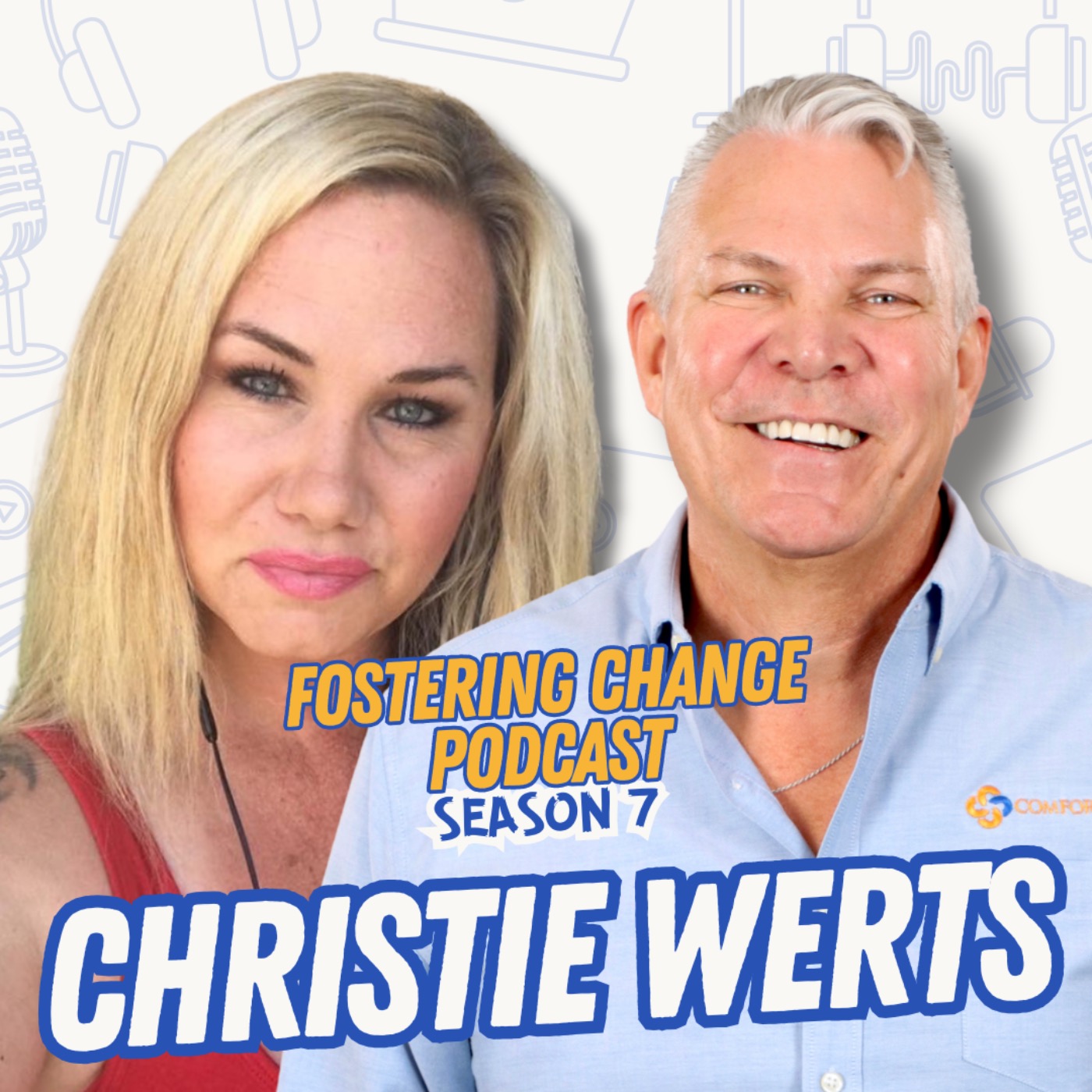
| 5/19/26 | ![]() From Foster Care to Family: A Story of Healing and Second Chances with Christie Werts | On this episode of Fostering Change, Rob Scheer is joined by Christie Werts, a former foster youth, Army veteran, author, and adoptive mother whose life has come full circle through foster care.Christie shares her journey in her book, Life’s Sad Story, God’s Love Story, tracing a path from childhood trauma and separation to healing, compassion, and building a family of her own.This is an especially emotional conversation for Rob, who reflects openly on the painful experience of his own mother leaving him and his siblings — and the lasting impact that loss has had throughout his life.Together, Rob and Christie explore how childhood trauma shapes identity, how healing can emerge in unexpected ways, and what it means to return to the foster care system — not as a child, but as a parent determined to create something different.At the center of Christie’s story is compassion: a decision to foster and later adopt her husband’s ex-wife’s child in order to keep siblings connected and together.And by the end of the conversation, Christie leaves listeners with a message that becomes the emotional heartbeat of the episode: this is ultimately a love story — about God, healing, and hope.As Christie shares: “There’s a love story ahead of you. And it’s gonna be ok.”Episode HighlightsChristie’s journey from foster youth to foster and adoptive parentThe emotional impact of childhood separation and abandonmentHow trauma and healing can exist side by sideA remarkable decision to keep siblings together through adoptionThe role of faith, compassion, and second chances in rebuilding familyAbout the GuestChristie Werts is a former foster youth, Army veteran, author, speaker, and mother of five whose life has come full circle through foster care and adoption. After experiencing trauma in the system as a child, she later returned to foster care as a parent, ultimately adopting a child connected to her own family.Through her book, Life’s Sad Story, God’s Love Story, Christie shares a deeply personal journey of resilience, faith, healing, and compassion.Key Questions from This EpisodeWhat inspired you to write Life’s Sad Story, God’s Love Story?How did your childhood experiences in foster care shape your life?What led you to step back into foster care as a parent?How did the decision to adopt your husband’s ex-wife’s child come about?What did healing look like for you over time?How have kindness and compassion shaped your family today?What message do you hope listeners take from your story?Connect with Christie📱 TikTok: @Cjthemom5📘 Facebook / Instagram: Christie Werts🎥 Watch the full video episodes on YouTube!Head over to Comfort Cases on YouTube to catch every inspiring conversation:👉 youtube.com/@comfortcases Hosted on Acast. See acast.com/privacy for more information. | — | ||||||
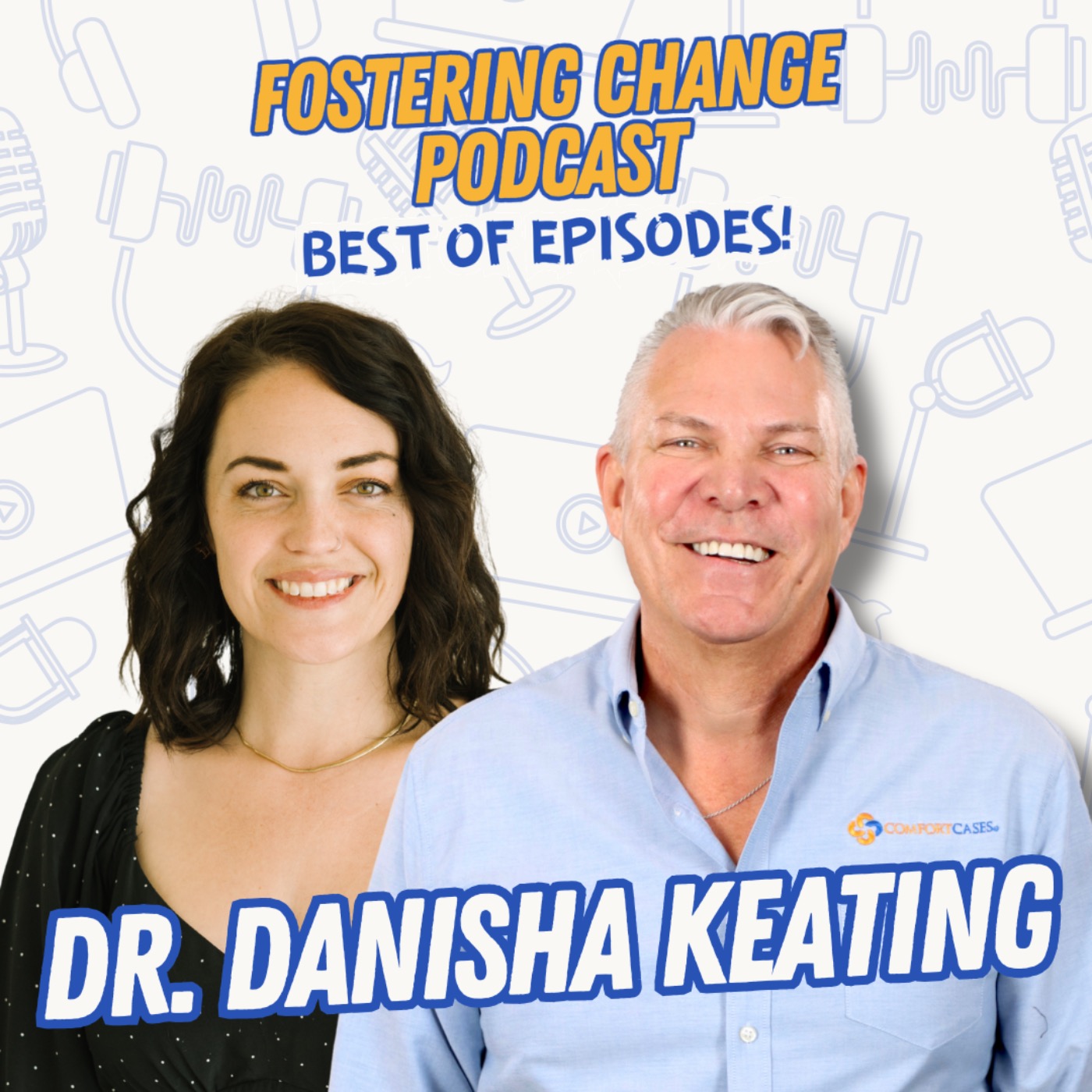
| 5/12/26 | ![]() Emergence: From Group Homes to Groundbreaking Science with David Sussillo | On this episode of Fostering Change, Rob Scheer is joined by David Sussillo, a neuroscientist, author, and former youth who experienced a childhood marked by instability, poverty, and time in group homes.His story begins in environments many children in foster care and group settings know all too well — uncertainty, trauma, and systems that don’t always provide the support they should. But his story doesn’t end there.Through a combination of resilience, critical intervention, and moments where someone stepped in, David found a path forward. Today, he is a leading neuroscientist who has worked at Stanford, Google, and Meta, studying the very thing that shaped his life: the human brain.His memoir, Emergence, is not just a story of survival — it is a powerful reminder of what can happen when even one opportunity changes the trajectory of a child’s life.This conversation challenges us to ask a difficult but necessary question: how many children are out there right now, just one moment away from a different future?Episode HighlightsGrowing up in instability, poverty, and group home environmentsHow trauma shapes memory, identity, and developmentThe role of mentors, teachers, and small interventionsFrom survival to success in neuroscience and researchReflecting on resilience, loss, and the paths not takenAbout the GuestDavid Sussillo is a neuroscientist, author, and adjunct professor at Stanford University. After a childhood marked by instability and time in group homes, he earned a PhD in computational neuroscience from Columbia University and has worked at leading institutions, including Google Brain and Meta.His memoir, Emergence: A Memoir of Boyhood, Computation, and the Mysteries of Mind, tells the story of his journey from trauma to transformation.Key Questions from This EpisodeWhat led you to write Emergence now?What was it like to revisit your childhood experiences through writing?How did you navigate growing up in group homes and unstable environments?Who were the people who helped change your path?What role did small moments or opportunities play in your journey?How do you reflect on your success alongside those who didn’t have the same outcome?What would you say to a young person facing similar challenges today?Closing ThoughtSometimes it doesn’t take everything changing — it takes one moment, one person, one opportunity.And for a child navigating instability, that can be the difference between surviving and becoming something far beyond anyone's expectations.Connect with David🌐 Website: https://www.davidsussillo.com🐦 Twitter/X: https://x.com/SussilloDavid🔗 LinkedIn: https://www.linkedin.com/in/david-sussillo-736a1290/🎥 Watch the full video episodes on YouTube!Head over to Comfort Cases on YouTube to catch every inspiring conversation:👉 youtube.com/@comfortcases Hosted on Acast. See acast.com/privacy for more information. | — | ||||||
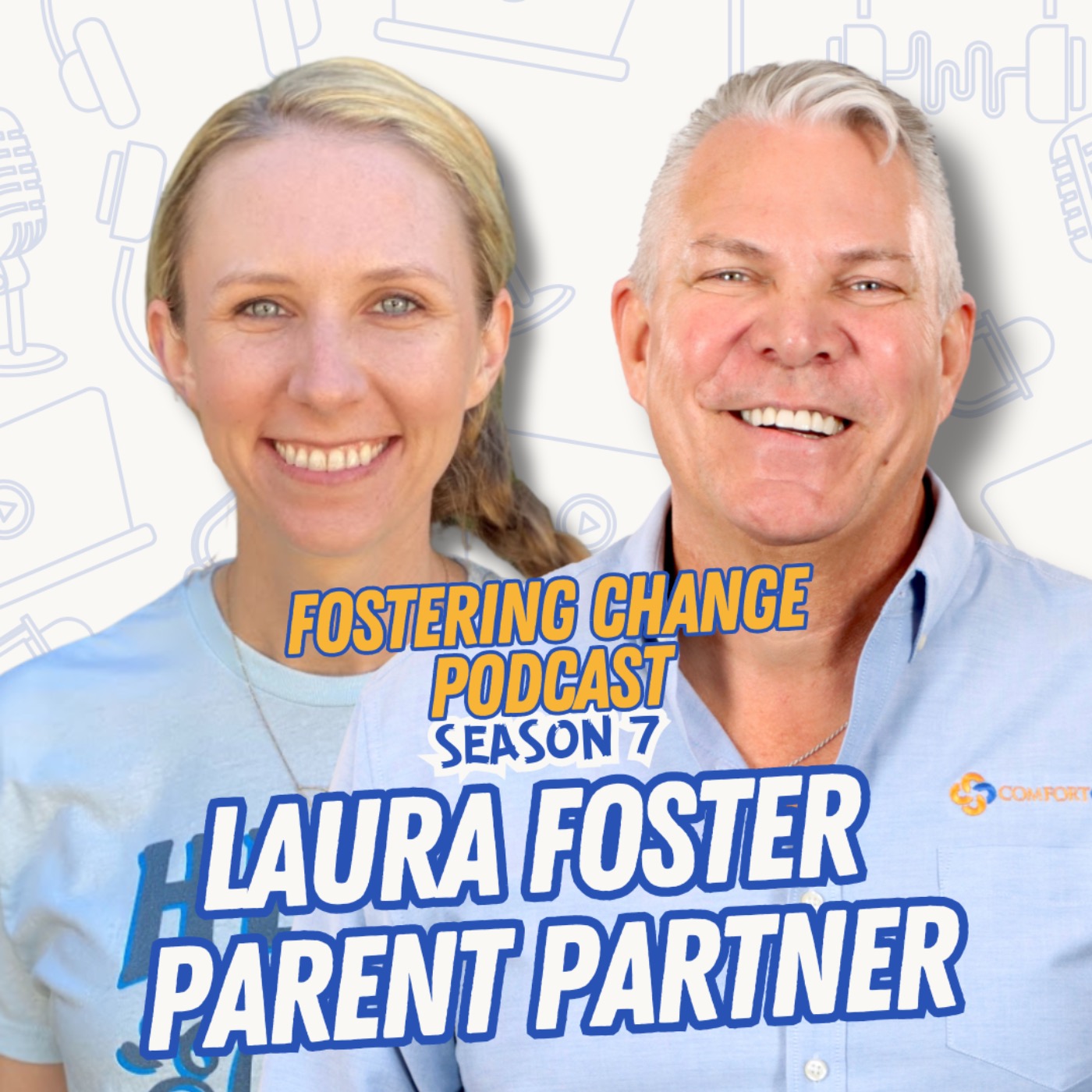
| 5/5/26 | ![]() First-Time Fostering: What It Really Takes to Say Yes✨ | fosteringfoster care+3 | Laura | First-Time Fostering | — | foster parentingNational Foster Care Awareness Month+3 | — | 22m 11s | |
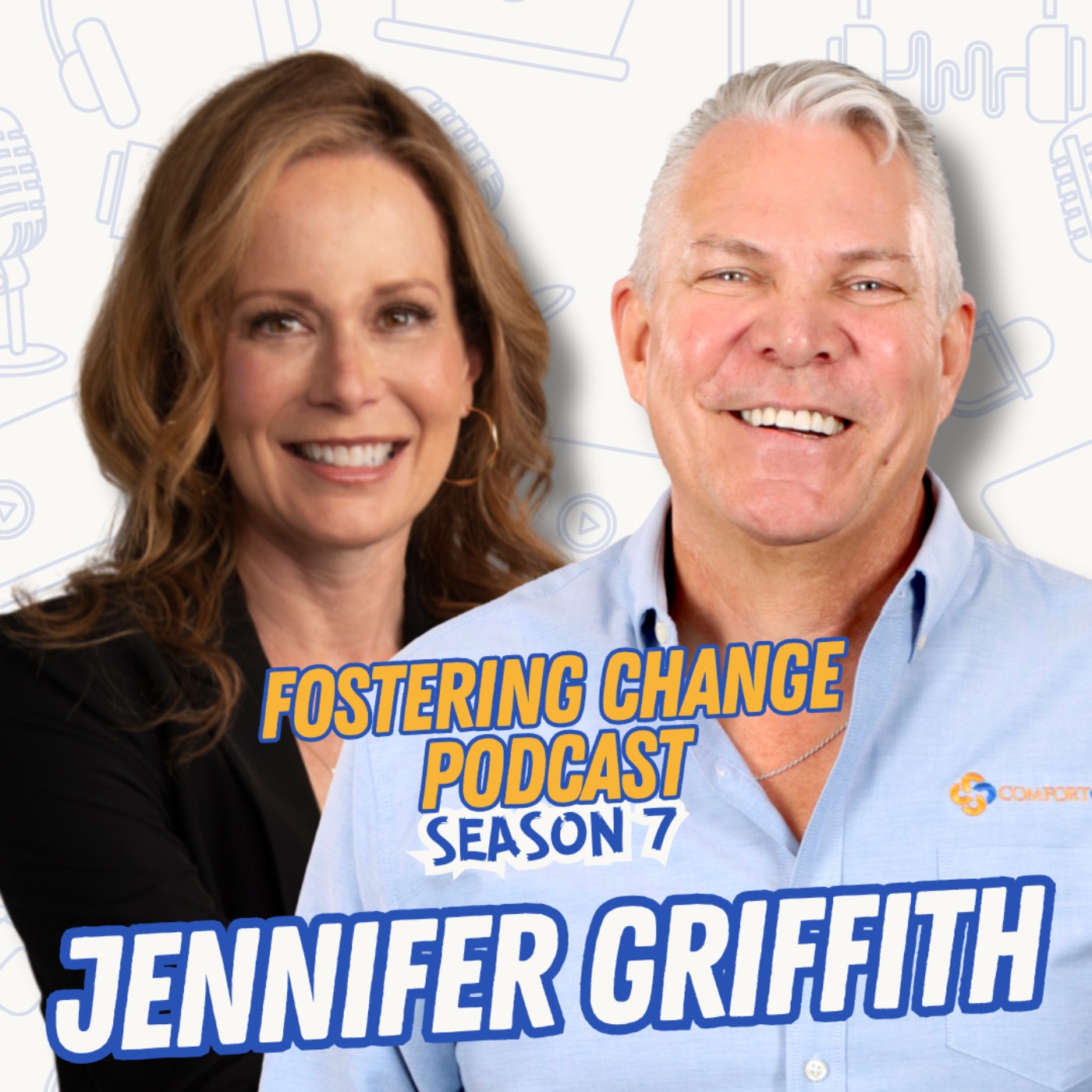
| 4/28/26 | ![]() Both Sides of Then: Understanding Where We Come From with Jennifer Griffith✨ | maternal relationshipsidentity+4 | Jennifer Griffith | Both Sides of Then: Finding Love After AbandonmentAbout Your Mother | — | maternal influenceidentity development+5 | — | 15m 44s | |
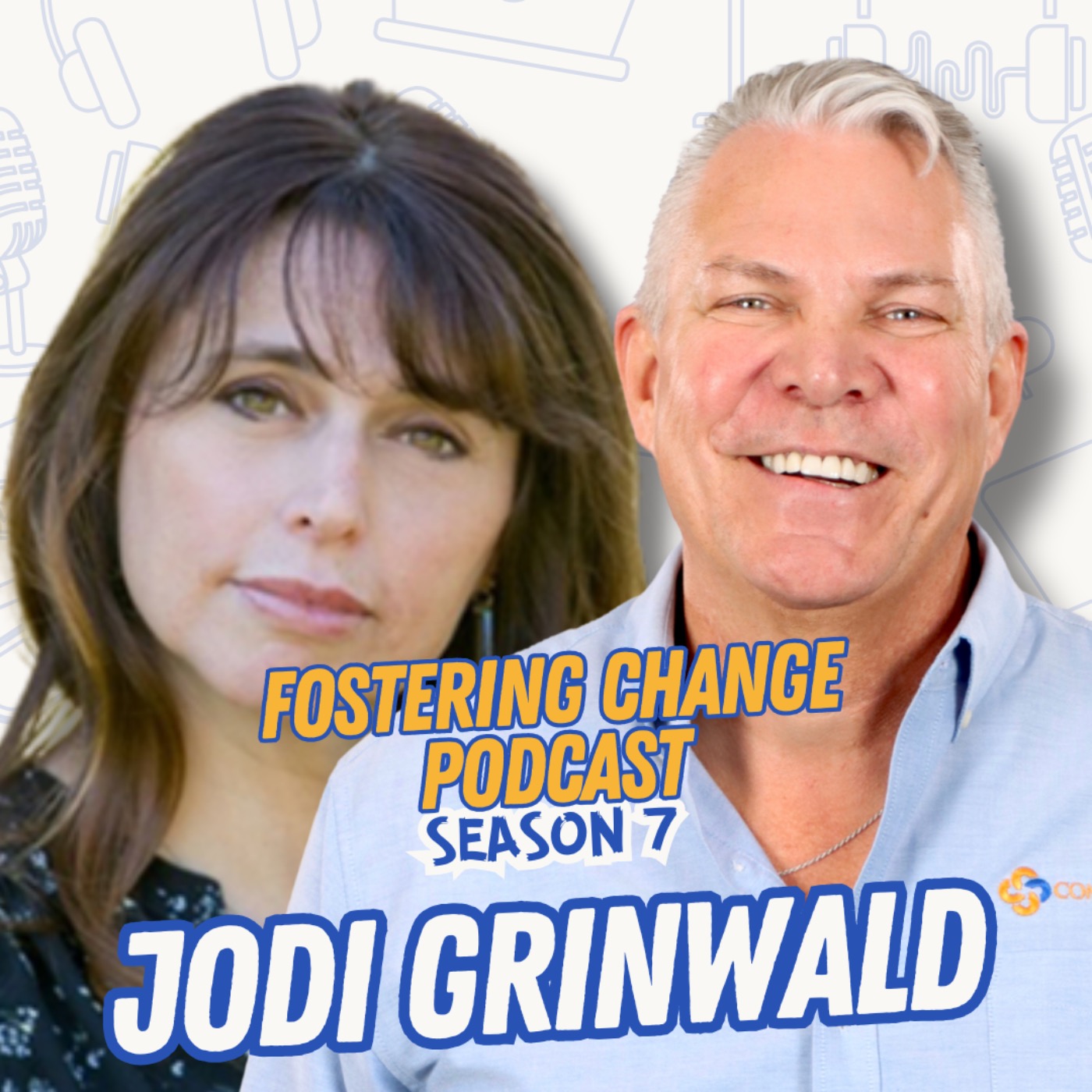
| 4/21/26 | ![]() Build the Table: Creating Opportunity, Connection, and Lasting Impact for Youth with Jodi Grinwald✨ | youth opportunityconnection+4 | Jodi Grinwald | Today is the DayApplaud Our Kids Foundation+2 | — | youth programsfoster care+5 | — | 10m 43s | |
Want analysis for the episodes below?Free for Pro Submit a request, we'll have your selected episodes analyzed within an hour. Free, at no cost to you, for Pro users. | |||||||||
| 4/14/26 | ![]() Called to Help: The Many Paths to Building and Supporting Families with Katy Encalade✨ | foster caresurrogacy+4 | Katy Encalade | Egg Donor & Surrogate Solutions | — | foster parentingfamily building+3 | — | 13m 25s | |
| 4/7/26 | ![]() Thinking Inside the Box: How Business Can Drive Real Impact with Mordy Kurtz from The Boxery✨ | business impactfoster care+3 | Mordy Kurtz | The BoxeryComfort Cases | — | foster carebusiness impact+5 | — | 11m 42s | |
| 3/31/26 | ![]() Raising the Voice of Youth Aging Out of Foster Care!✨ | foster careyouth transition+4 | Sarah BaumgartnerBrian Robinson+1 | Anthem Blue Cross and Blue ShieldKids’ Voice of Indiana+2 | — | foster careyouth aging out+5 | — | 22m 06s | |
| 3/24/26 | ![]() Preserving Childhood: Safeguarding Memories for Youth in Foster Care with Karen Segal✨ | foster carechildhood memories+3 | Karen Segal | Photo Safe | — | foster carephotographs+3 | — | 21m 00s | |
| 3/17/26 | ![]() The Untold Story Behind Somewhat Familiar: Pedro Andrade Reveals How It All Started!✨ | storytellingfoster care+4 | Pedro Andrade | HBO MaxSomewhat Familiar | — | Pedro AndradeRob Scheer+6 | — | 27m 52s | |
| 3/10/26 | ![]() Not Quite Home: When Systems Meant to Help Fall Short✨ | social servicesnonprofit leadership+3 | Temple Lentz | University of ChicagoClaremont Lincoln University+1 | — | social service safety netpolicy failures+3 | — | 19m 34s | |
| 3/3/26 | ![]() Migrating Toward Wholeness: Adult Adoptees, Storytelling, & the Long Arc of Healing - Dr Liz Debtta✨ | adult adoptionstorytelling+4 | Dr. Liz DeBetta | Migrating Toward WholenessAdult Adoptees and Writing to Heal | — | adoptiontrauma+4 | — | 19m 58s | |
| 2/24/26 | ![]() Fractured Hope to Reform: One Mother’s Fight for Justice in Child Welfare with Rachel Bruno | This episode of Fostering Change was originally scheduled to air in March — but after recording, Rob Scheer felt the conversation was too important to wait. He personally requested that it be released early so listeners could hear it as soon as possible.Rob is joined by Rachel Bruno, a Nashville-based author, speaker, and advocate whose deeply personal experience with the child welfare system ignited a powerful call for accountability and reform.After her children were unlawfully removed by child protective services, Rachel found herself confronting a system where parental rights, due process, and family integrity are often overlooked. Instead of staying silent, she fought back — ultimately securing a seven-figure civil rights settlement and emerging as a leading national voice for families facing similar injustices.Rachel is the author of Fractured Hope: A Mother’s Fight for Justice and founder of Giver of Light, an organization dedicated to supporting families navigating child welfare involvement. Together, Rob and Rachel discuss hope after trauma, the urgent need for accountability, and why lived experience must guide ethical, child-centered reform.Episode Highlights• How one mother’s fight sparked national conversations about reform• What families experience when due process is ignored• Accountability and justice within child welfare• How Giver of Light supports families in crisis• Why lived experience belongs at the center of policy change📘 Book RecommendationRob strongly recommends Rachel’s book:Fractured Hope: A Mother’s Fight for Justice — a powerful firsthand account that exposes the realities families face inside the child welfare system and why reform is urgently needed.👉 Get the book directly from Rachel:https://rachelbruno.com/book/Purchasing directly supports her advocacy and helps amplify voices too often unheard.About the GuestRachel Bruno is an author, speaker, and advocate for parental rights. Her lived experience navigating the child welfare system made her a national leader in reform. After securing a civil rights settlement for the unlawful removal of her children, she authored Fractured Hope and founded Giver of Light. She continues to serve in leadership and advisory roles, promoting family integrity, accountability, and ethical child welfare practices.Connect with Rachel & Giver of Light🌐 Website: www.thegiveroflight.org📘 Facebook: facebook.com/rachelbrunospeaks📸 Instagram: @rachelbrunospeaks🐦 X/Twitter: @bruno.rachel🔗 LinkedIn: linkedin.com/in/rachelbruno🎥 Watch the full video episodes on YouTube!Head over to Comfort Cases on YouTube to catch every inspiring conversation:👉 youtube.com/@comfortcases Hosted on Acast. See acast.com/privacy for more information. | — | ||||||
| 2/24/26 | ![]() Funding the Mission: Stephen Garten on Financial Resilience for Nonprofits | Nonprofits exist to serve people — not paperwork.But too often, outdated financial systems slow growth, strain leadership, and pull focus away from mission-driven work.This week on Fostering Change, Rob Scheer sits down with Stephen Garten, Founder & CEO of Charity Charge, a Public Benefit Corporation built exclusively to support the financial needs of nonprofit organizations.Stephen launched Charity Charge in 2015 after recognizing a widespread problem: nonprofits were forced to rely on banking and financial tools never designed for how they actually operate. Today, Charity Charge serves more than 3,000 nonprofits nationwide, offering nonprofit-specific credit cards, bookkeeping and compliance tools, gift cards, and over $60 million in working capital — empowering leaders to focus on impact instead of infrastructure.Rob and Stephen also reflect on their recent crossover conversation, following Rob’s appearance on Stephen’s podcast, The Charity Charge Nonprofit Spotlight, where they continued discussing leadership, transparency, and sustainability in the social sector.🎧 Watch or listen to Rob’s interview here:https://www.charitycharge.com/nonprofit-resources/rob-scheer-comfort-cases/Episode Highlights• Why traditional banking often fails nonprofit organizations• How Charity Charge was built specifically for mission-driven leaders• The connection between financial transparency and donor trust• Lessons learned from supporting thousands of nonprofits nationwide• What it takes to build long-term sustainability without losing sight of missionAbout the GuestStephen Garten is the Founder and CEO of Charity Charge, a Public Benefit Corporation providing financial infrastructure built exclusively for nonprofits. Since launching in 2015, Charity Charge has supported more than 3,000 organizations, delivered over $60 million in working capital, and granted more than $1 million through the Charity Charge Foundation.His work has been featured by Forbes, Fast Company, and The Today Show, and he hosts The Charity Charge Nonprofit Spotlight, highlighting nonprofit and social impact leaders across the country.Connect with Charity Charge🌐 Website: www.charitycharge.com📘 Facebook: facebook.com/CharityCharge📸 Instagram: @charitycharge🐦 X/Twitter: @charitycharge🔗 LinkedIn: Charity Charge🎥 Watch the full video episodes on YouTube!Head over to Comfort Cases on YouTube to catch every inspiring conversation:👉 youtube.com/@comfortcases Hosted on Acast. See acast.com/privacy for more information. | — | ||||||
| 2/10/26 | ![]() Breaking the Silence: Menstrual Health, Dignity, and the Power of Partnership with Yvonne Esipila | As Fostering Change continues through Season 7, this episode dives into an urgent but often unseen issue: menstrual and postpartum poverty, and how it impacts girls in foster care and communities around the world.Rob Scheer sits down with Yvonne Esipila Patron, Co-Founder and CEO of the PATESI Foundation, an organization working globally to ensure women and girls have the dignity, resources, and education they deserve.In 2025, Comfort Cases and PATESI began a powerful partnership to make sure no girl entering foster care faces her first night without essential menstrual supplies. Through this collaboration, PATESI donates up to 10,000 emergency menstrual kits each year, included in Comfort Cases® backpacks for girls ages eight and up — providing dignity, protection, and confidence during moments of deep transition.Together, Rob and Yvonne unpack why menstrual poverty remains invisible, why postpartum poverty continues long after childbirth, and why involving men and boys is key to ending stigma and driving real change.Episode Highlights• The global impact of menstrual poverty and why it’s rarely discussed• How entering foster care can make menstruation even more stressful for young girls• What the Comfort Cases × PATESI partnership delivers each year• Why postpartum poverty deserves national attention• How male allyship strengthens long-term solutionsAbout the GuestYvonne Esipila Patron is the Co-Founder and CEO of the PATESI Foundation, a global nonprofit dedicated to ending menstrual and postpartum poverty. With a background in public health and sustainable development, she has spent her career advancing reproductive health equity, youth empowerment, and community-driven solutions.Connect with PATESI🌐 Website: www.patesifoundation.org📘 Facebook: facebook.com/patesifoundation📸 Instagram: @patesifoundation🎥 Watch the full video episodes on YouTube!Head over to Comfort Cases on YouTube to catch every inspiring conversation:👉 youtube.com/@comfortcases Hosted on Acast. See acast.com/privacy for more information. | — | ||||||
| 2/3/26 | ![]() Solving the Foster Parent Shortage with StepStone Family & Youth Services | As Fostering Change continues into the new year, this episode tackles one of the most urgent issues facing child welfare today: the national shortage of foster parents and what it means for children who need safe, stable homes.Rob Scheer is joined by Kelsey Davis, National Director of Foster Parent Recruitment, and Stacy Brindley, National Treatment Director at StepStone Family & Youth Services. Together, they explore why fewer families are stepping forward, how misconceptions about fostering hinder progress, and why supporting foster parents is essential to better outcomes for children.With more than 343,000 children in foster care and fewer than 200,000 licensed foster homes nationwide, this conversation goes beyond the numbers. Kelsey and Stacy share how StepStone approaches recruitment differently, centers trauma-informed care, and treats the entire family as part of the healing process.Episode HighlightsThis episode explores why the foster parent shortage continues to grow and how it directly impacts children who need consistency and belonging. The discussion challenges common myths about fostering, explains why recruitment messaging must change, and emphasizes that strong outcomes depend on strong support for foster parents.Listeners also hear why trauma-informed care must include the whole family, not just the child, and how communities can get involved with StepStone through volunteering, respite support, and national initiatives beyond fostering.As Rob notes, “We must get more qualified families to support our youth in foster care.” And as Kelsey reminds us, fostering works best when families know they are not doing it alone.About the GuestsKelsey Davis is the National Director of Foster Parent Recruitment at StepStone Family & Youth Services. A former Title I educator with an MBA in Marketing, she leads national strategies to recruit, train, and retain foster families through people-centered, community-driven outreach.Stacy Brindley is StepStone’s National Treatment Director and a Licensed Clinical Social Worker with nearly 30 years of experience. She has worked across residential treatment, therapeutic foster care, independent living, and in-home services, and now leads trauma-informed and evidence-based practices nationwide.Learn MoreWebsite: https://www.stepstoneyouth.com/🎥 Watch the full video episodes on YouTube!Head over to Comfort Cases on YouTube to catch every inspiring conversation:👉 youtube.com/@comfortcases Hosted on Acast. See acast.com/privacy for more information. | — | ||||||
| 1/27/26 | ![]() A Soft Place to Land: How Isaiah 117 House Is Transforming Removal Day for Children in Crisis | In this powerful episode, Rob Scheer sits down with Lindsay Lendyak, South Carolina State Director for Isaiah 117 House, to talk about one of the most overlooked moments in foster care: Removal Day.Instead of children waiting for hours in government offices, Isaiah 117 House creates a warm, home-like space where kids can exhale, eat a meal, change into clean clothes, and feel safe while caseworkers find placement. Lindsay shares why this model is a true game changer for children, foster families, and social workers alike, and how South Carolina is rapidly expanding its footprint.What You Will Hear in This Episode* What Removal Day really looks like, and why so many youth remember it as the hardest day of their lives* How Isaiah 117 House replaces a cold, adult-centered setting with comfort, dignity, and stability* The heart of the model: trauma-informed volunteers providing steady, calm presence during a chaotic moment* How community support builds a stronger system around children and the professionals serving them* South Carolina growth updates, including York County and new houses coming soonQuotes to Highlight* Lindsay on why this matters: “Nearly all of them recount removal day as the worst day of their lives.”* Lindsay on the mission: “We can fix how foster care begins for our kids.”* Lindsay on what kids experience at Isaiah 117 House: “It’s a yes… For a kid who’s lived a life of nos, that is a game changer.”* Lindsay on why the system needs community: “Every single person should help a child in foster care. Full stop.”South Carolina Updates* York County opened September 2025* Greenville County expected to open early spring 2026* Horry County fundraising begins February 2026* Lexington County kickoff coming early 2026Why This Episode MattersThis conversation is a reminder that children enter foster care because of choices other people made, and that the first hours of care should not add trauma. Isaiah 117 House proves that a better beginning is possible, and it starts with community saying yes to dignity.Links and Ways to ConnectMain Website: https://isaiah117house.com/York County Facebook: https://www.facebook.com/isaiah117houseyorkcoscYork County Instagram: https://www.instagram.com/isaiah117houseyorkcoscLinkTrees:York County: https://linktr.ee/isaiah117houseyorkcoscGreenville County: https://linktr.ee/isaiah117housegreenvillescHorry County: https://linktr.ee/isaiah117househorrycosc🎥 Watch the full video episodes on YouTube!Head over to Comfort Cases on YouTube to catch every inspiring conversation:👉 youtube.com/@comfortcases Hosted on Acast. See acast.com/privacy for more information. | — | ||||||
| 1/20/26 | ![]() What’s OK? Helping Youth Navigate Boundaries, Sexting, and Cyber Safety with Jenny Coleman | As Fostering Change continues into the new year, this episode tackles one of the most urgent — and evolving — challenges facing young people today: staying safe, informed, and supported in a digital world.Rob Scheer is joined by Jenny Coleman, a nationally recognized expert in child welfare and abuse prevention, and a former foster parent whose work is grounded in both professional expertise and lived experience.Jenny serves as Director of Stop It Now!, a national organization focused on preventing child sexual abuse through education and early intervention. She also leads What’s OK?, a first-of-its-kind online platform and free helpline where teens and young adults can anonymously ask questions about relationships, boundaries, sexting, consent, and online behavior — without fear or shame.In this conversation, Jenny helps parents, caregivers, and educators better understand how to talk with young people about tough topics — especially as AI-generated and non-consensual images become an increasing form of peer-driven harm.Episode HighlightsYouth Safety in the Digital AgeHow sexting, cyberbullying, and online exploitation are changing — and what adults need to know.New & Alarming TrendsWhy recent data shows a sharp rise in AI-generated inappropriate images targeting teens, most often created and shared by peers.What’s OK?How this research-backed platform empowers youth ages 14–21 to ask honest questions and get reliable guidance.What Caregivers Can DoPractical steps for parents and caregivers, including how to respond, stay connected, and support youth without judgment.A Foster Care PerspectiveWhy trauma-informed, prevention-focused conversations are especially critical for foster and adopted youth.About Jenny ColemanJenny Coleman, MA, LMHC, has spent more than 30 years working in child welfare as a clinician, educator, and prevention advocate. She is the Director of Stop It Now! and leads What’s OK?, an innovative online resource for youth navigating questions about sexual behavior, consent, and boundaries. A former foster parent and longtime foster care trainer, Jenny brings a compassionate, prevention-centered approach to keeping young people safe.ResourcesStop It Now!: www.stopitnow.orgWhat’s OK?: www.whatsok.org✨ Why This Episode MattersThis episode is a reminder that prevention starts with conversation. When young people have access to trustworthy information — and adults willing to listen without judgment — safety and resilience follow.🎧 Fostering Change continues next week with another powerful conversation.Thank you for being part of a community committed to protecting, educating, and supporting young people — especially when the topics are hard, but the stakes are high.🎥 Watch the full video episodes on YouTube!Head over to Comfort Cases on YouTube to catch every inspiring conversation:👉 youtube.com/@comfortcases Hosted on Acast. See acast.com/privacy for more information. | — | ||||||
| 1/13/26 | ![]() Turning Tassels, Changing Futures: Shanté Elliott Is Redefining Education for Kids in Foster Care! | As we continue an exciting new year of Fostering Change, this episode centers on possibility — what happens when lived experience, research, and belief in young people come together to rewrite outcomes.This week, Rob Scheer is joined by Dr. (Candidate) Shanté Elliott, a learning scientist, social innovator, and founder of TasselTurn — an organization reimagining how children in foster care and students experiencing housing insecurity move through school, graduation, and the transition to adulthood.Having experienced foster care herself, Shanté brings rare and powerful insight to her work. She blends academic research, technology, and deep empathy to help children in foster care not only stay in school, but truly see themselves as capable, worthy, and supported.What began in 2020 with a $300 grant has grown into a nationally recognized platform connecting young people with coaching, mentorship, and meaningful incentives tied to educational milestones.Now a PhD candidate at Northwestern University, Shanté has been recognized as a Forbes Changemaker, L’Oréal Paris Woman of Worth, and Echoing Green Fellow, with her work featured in Forbes, The Imprint, and Reader’s Digest. In this conversation, she shares how education — when paired with trust and opportunity — can become a powerful pathway to stability, confidence, and economic mobility for children in foster care.🎧 Episode HighlightsEducation & Foster CareThe real barriers children in foster care face in completing high school and navigating what comes next — and why traditional systems often fall short.The TasselTurn ModelHow personalized coaching, milestone-based incentives, and digital tools keep children in foster care engaged and supported.Tech for GoodUsing technology to track progress, close equity gaps, and create accountability that centers student success.Lived Experience as LeadershipHow Shanté’s own foster care journey informs her research, innovation, and belief in changing — not “beating” — the odds.Why It MattersThe long-term impact of investing in education as a tool to disrupt cycles of poverty and instability for children in foster care.Shanté Elliott is a learning scientist, social entrepreneur, and founder of TasselTurn — a national platform supporting children in foster care and students experiencing housing insecurity through key educational milestones. A former child in foster care and first-generation college graduate, she is currently a PhD candidate at Northwestern University, where her research focuses on educational identity and narrative.Since launching TasselTurn in 2020 with just $300, Shanté has built a nationally recognized organization rooted in the belief that young people deserve more than survival — they deserve systems designed for their success.🔗 Connect with Shanté & TasselTurnWebsite: www.tasselturn.orgInstagram: @tasselturnLinkedIn: TasselTurn✨ Why This Episode MattersThis conversation is a powerful reminder that when we stop asking children in foster care to overcome broken systems — and instead commit to changing those systems — futures shift. Shanté Elliott isn’t just turning tassels; she’s helping young people step into adulthood with confidence, support, and real opportunity.🎧 Fostering Change continues next week with another powerful conversation as Season 7 unfolds. Thank you for listening, believing, and being part of a community that shows up for children in foster care — not just in words, but in action.If you have questions or a guest suggestion, please reach out to our producer at dthalberg@comfortcases.org.🎥 Watch the full video episodes on YouTube!Head over to Comfort Cases on YouTube to catch every inspiring conversation:👉 youtube.com/@comfortcases Hosted on Acast. See acast.com/privacy for more information. | — | ||||||
| 1/6/26 | ![]() Leading with H.O.P.E.: Building Resilience in Youth, Families, and Classrooms with Dr. Brandi Kelly | Happy New Year from all of us at Fostering Change! We hope you had a joyful holiday season filled with rest, connection, and moments that centered what matters most. As we step into 2026 together, we’re excited to continue bringing you meaningful conversations that uplift, educate, and inspire. Season 7 is already shaping up to be one of our most impactful yet — and we’re thrilled to kick off the year with today’s guest.🎙 Introduction This week, Rob Scheer is joined by Dr. Brandi Kelly, an award-winning educator, licensed clinical social worker, leadership coach, and founder of Spark HOPE Edu. For more than 20 years, Dr. Kelly has served children and families as a school social worker, principal, and superintendent, always guided by her belief in the transformative power of H.O.P.E. — Habits, Optimistic Outlook, Purpose, and Excellence.Her approach blends emotional wellness, compassionate leadership, and practical tools that empower students — especially those experiencing trauma, foster care, or instability — to build resilience and recognize their inherent worth. Through Spark HOPE Edu and her coaching programs, Dr. Kelly now equips caregivers, educators, and community leaders to create environments where every child feels safe, supported, and capable of thriving.Her message is the perfect way to begin a new year: intentional, uplifting, and rooted in the belief that we can all lead with hope.Main Topic / ThemeHow Dr. Kelly’s H.O.P.E. framework cultivates resilience, emotional wellness, and confidence in children — particularly those who have experienced trauma — by equipping the adults who support them to lead with compassion, clarity, and purpose.Key Discussion PointsResilience Through H.O.P.E. How Habits, Optimistic Outlook, Purpose, and Excellence help youth overcome adversity and build self-worth.Education + Healing Why collaboration between educators, caregivers, and social workers is essential for children in foster or kinship care.Leadership for Youth Helping children see themselves as leaders regardless of their circumstances.Coaching for Connection Dr. Kelly’s January 2026 six-week cohort designed to help adults strengthen resilience and relational skills using the H.O.P.E. model.Guest BioDr. Brandi Kelly is a Licensed Clinical Social Worker, award-winning educator, and founder of Spark HOPE Edu. Over her two-decade career, she has served as a school social worker, principal, and superintendent — earning multiple leadership awards. Her H.O.P.E. framework (Habits, Optimistic Outlook, Purpose, Excellence) provides a roadmap for helping youth—and the adults who guide them—build resilience and belonging. She is the author of Lead with H.O.P.E. and host of the Lead with HOPE podcast.Connect with Dr. KellyWebsite: www.sparkhopeedu.com Facebook: @LTW24 Instagram: @leadwithhope.23 LinkedIn: Dr. Brandi Kelly✨ A New Year Note from Fostering ChangeAs we launch into 2026, we want to thank you — our listeners — for being part of this powerful community. We hope your holiday season was restful and meaningful, and that this new year brings purpose, possibility, and renewed hope.We’re excited to continue this incredible Season 7 journey with you. Fostering Change returns next Tuesday with another inspiring conversation as we work together to support children, families, and caregivers across the country.Here’s to a year of compassion, courage, and making a difference — one story, one act, and one child at a time.Happy New Year, and thank you for being GOOD HUMANS. 🎉🎥 Watch the full video episodes on YouTube!Head over to Comfort Cases on YouTube to catch every inspiring conversation:👉 youtube.com/@comfortcases Hosted on Acast. See acast.com/privacy for more information. | — | ||||||
Showing 25 of 306
Sponsor Intelligence
Sign in to see which brands sponsor this podcast, their ad offers, and promo codes.
Chart Positions
2 placements across 2 markets.
Chart Positions
2 placements across 2 markets.