Gaia's Call
by Listen to the call of the Earth and take action.
Is this your podcast?Insights from recent episode analysis
Audience Interest
Podcast Focus
Publishing Consistency
Platform Reach
Insights are generated by CastFox AI using publicly available data, episode content, and proprietary models.
Most discussed topics
Brands & references
Est. Listeners
Insufficient chart data. Estimates will improve as the show charts.
- Per-Episode Audience
Est. listeners per new episode within ~30 days
N/A🎙 Daily cadence·73 episodes·Last published 1w ago - Monthly Reach
Unique listeners across all episodes (30 days)
N/A - Active Followers
Loyal subscribers who consistently listen
N/A
Market Insights
Platform Distribution
Reach across major podcast platforms, updated hourly
Total Followers
—
Total Plays
—
Total Reviews
—
* Data sourced directly from platform APIs and aggregated hourly across all major podcast directories.
On the show
From 18 epsHosts
Recent guests
Recent episodes
A Gaia's Call 2.0 Conversation with Erin Remblance
Aug 22, 2026
31m 38s
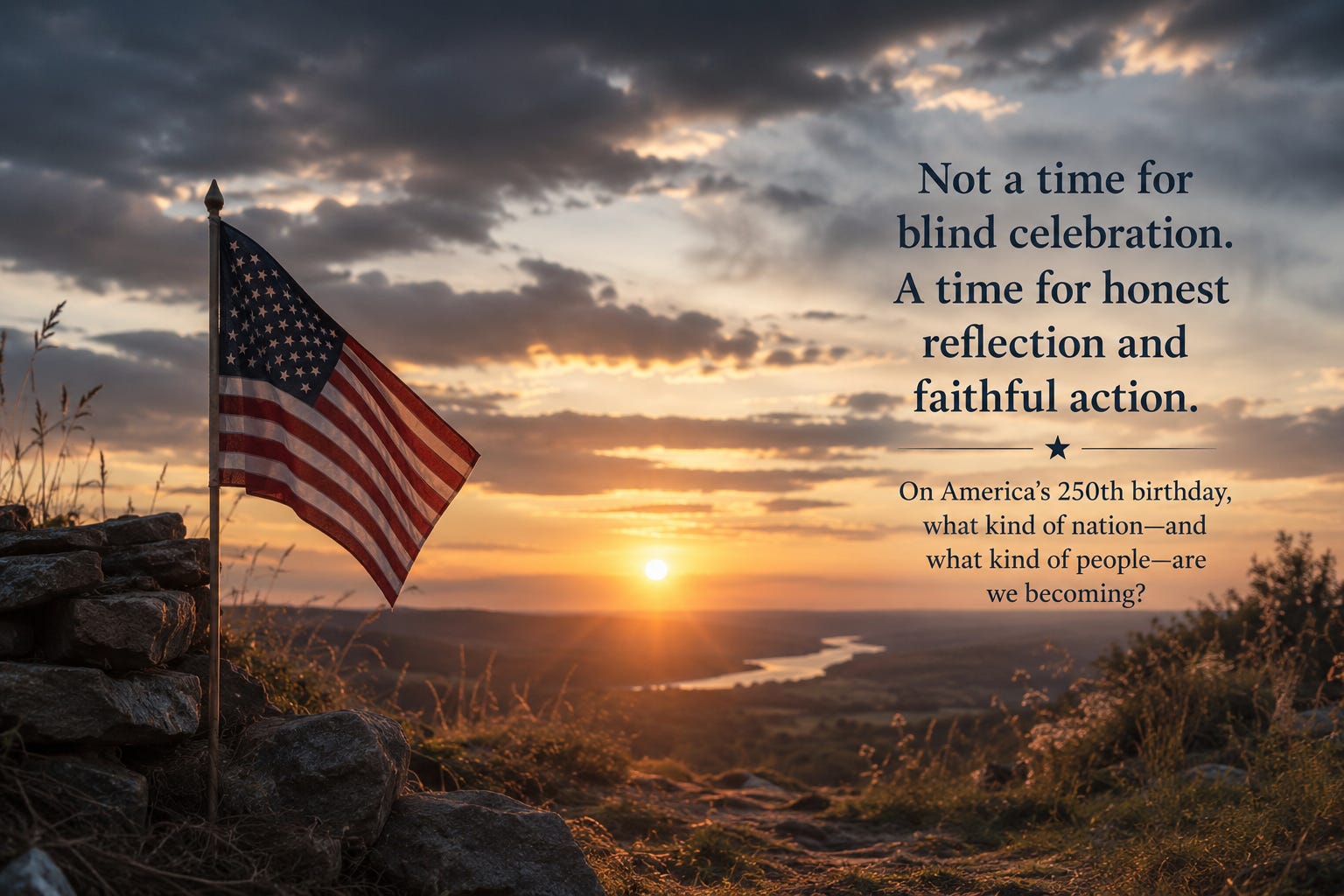
Independence Day… or Interdependence Day?
Jul 3, 2026
11m 45s
The Stories We Live By — Part 1: The Sea of Meaning
Jun 26, 2026
23m 19s
The Stories That Shape Our World
Jun 19, 2026
15m 55s
Manda Scott & the Rise of Thrutopia
Jun 12, 2026
57m 10s
Social Links & Contact
Official channels & resources
Official Website
Login
RSS Feed
Login
| Date | Episode | Topics | Guests | Brands | Places | Keywords | Sponsor | Length | |
|---|---|---|---|---|---|---|---|---|---|
| 8/22/26 |  A Gaia's Call 2.0 Conversation with Erin Remblance | GAIA’S CALL 2.0Reader-Friendly Podcast TranscriptGuest: ErinCo-hosts: Brad Swift and Marla LiseEditor’s note: This transcript has been lightly edited for readability while preserving the substance, sequence, and conversational character of the recorded discussion. Timestamps are retained so readers can follow along with the podcast.[00:00:03]Hello, everybody. This is Brad Swift with Gaia’s Call 2.0, and I’m so excited to be here with my co-host today, Marla of the Eco Chapter. And we have a special guest, which we often do, and I’m very excited about that. So excited that I was able, even easily, as it turned out, to get up early in the morning. So you may see It looks kind of like the sun’s coming up. Well, it is kind of coming up here on the North Carolina coast. So, let’s just dive right in, Marla. Introduce our guest, if you would. Yeah. Thanks, everybody, for joining us today. And yes, we have Erin, and I’ve known Erin for a couple of years and, excited to have her on the show. So, Erin is Sydney-based, and she’s a researcher, writer, wife, and mother to three children.[00:00:51]She began her career in business working in national account management for Nestle, Unilever and L’Oreal. And then she took a break to raise her children. And then she became aware of the ecological crisis and has pivoted her career to raise awareness of these issues and what we can do about them. She’s the co-creator of Beyond Duality, which is an eight week online course, which goes beyond sustainability as usual to see what we can do to create an ecological future and how we can do that. Erin is also passionate about animal rights, whole food, plant-based eating, and is currently working on a course to raise awareness of the harms of industrial animal agriculture. So I’ve been really lucky to do a couple of courses with Erin. I did her Project Tipping Point course a couple of years ago,[00:01:36]and I’ve also done her Healthy Habits Accelerator twice, twice actually. So, so Erin, why don’t you start by Maybe telling us what was the biggest push to get you to pivot from that very corporate career in business to what you’re doing now? Firstly, thanks for having me on the show. I’m really happy to be here with you both. What was the push? I think there was a little bit of emptiness in the work I was doing anyway. So for 10 years I was a bit like, oh, shouldn’t I be doing something more meaningful than selling more Coffee, margarine, tea, fragrance, whatever. Shouldn’t I be doing something more than making... So L’Oreal’s mostly owned by the wealthiest woman in France, like it’s the family.[00:02:25]Shouldn’t I be doing something more than making her wealthier? So there was an emptiness in the work that I was doing already. But I think it takes stepping away from that work. And we often say this, like it takes a period of illness, a parental leave break, A sabbatical, any sort of break from the system to be able to see it a bit more clearly. And when I was home with my children, which is busy work, but not very often very mindful work, I had some mental space to see more clearly what was going on. And I was able to read more and learn more about what was happening in the world. And what I was learning, I was not liking very much. So when you talk about what was the thing, what was the moment that made you want to pivot your career? I remember it very clearly. My youngest, who is eight this year, she was three months old.[00:03:13]No, she was, I think she was five weeks old. And I was walking up and down my hallway just here, like trying to get her to sleep. I was wearing her. And as I was trying to get her to sleep, I was reading an article published by the New York Times Magazine, I think. And it was titled, The UN Says Climate Genocide is Coming. Actually, it’s worse than that. And it was written by David Wallace-Wells, who’s written The Uninhabitable Earth, which is a Difficult read, but probably important read. And it was written just after the IPCC released the special report into 1.5 degrees of warming in 2018. And it was just, just everything that was coming through. I was like, it’s so much worse than I realized. Like I really thought there was the Paris Agreement that had been signed and governments were doing something, but it was, it was,[00:03:59]I was horrified, but I was reading and I was like, you know, like I’d be waiting for the toaster a week later and I’d be like, Like you think about what you did in your head and you’re like, how is everyone just living like normally? Like this is horrifying. And I had another friend who’d passed the article on to me, which instigated me reading it. And she felt the same way. So between us, like we wanted to do something, but we didn’t know what it looked like. And, you know, everyone has these sorts of conversations. How can we be part of the solution? And we never ended up building anything, but it never left me that drive to do something. Sorry, I dabbled in working in carbon offsets, but it didn’t feel meaningful enough. So I’ve just kept trying to find something that ticks that box of this is going to help make a difference.[00:04:45]And, you know, there’s only so much one person can do. I don’t know how, you know, the idea that I can make a real difference is probably... If I get stuck on that, I won’t do anything because there’s probably nothing I can do that will make a significant difference. But still, I think the metric is if lots of people were doing this, would it make a difference? Yes. Then I keep going and I try and bring more people along with me so that eventually we hopefully do make that difference that we all aspire to. That was a long-winded way of telling you how I got here. Sorry. That’s good. I think many of us can relate to that path. Yeah. Yeah. Just that, like, I don’t want to, I don’t want to close my eyes to this. I don’t, I want to continue to look at it face on as terrifying as it is and do something[00:05:35]about it. Yeah. Yeah. So it seems you’ve done a lot already. I mean, you’ve done like university lectures and you’ve also done like all these courses and I guess your, your latest course is called Beyond Duality. Do you want to tell us about that? Yeah, I’d done a couple of courses. I think I’ve been doing maybe for the last three years. I started with Rebiz, which was like more related to how a business could exist in a non-harmful, regenerative, sustainable way. So that was very business orientated. And from there we did Project Tipping Point, which you’ve done with us. We did that for a couple of years. And then I was like, I was hosting Project Tipping Point calls, which is all about social tipping points and how I can contribute to them and how they can I was wanting to talk about other things on the calls for Project Tipping Point,[00:06:23]so I had this desire to talk about imperialism and colonialism and manufactured consent and all of these things that are bigger than the Project Tipping Point course was about. So I had this idea to create the course, like if I was to get hit by a bus tomorrow, Beyond Duality is the course that passes on the knowledge that I’ve acquired in eight years since I read that David Wallace Wells article. So it’s just, it’s the culmination of everything that I’ve learnt and would, you know, if I, those eight years ago, if I could have taken this eight week course, I would have saved myself a lot of work because it’s just, it’s all there in one place and it just takes you on the journey of A lot of stuff. I remember starting my climate journey going, all right, carbon dioxide, let’s go.[00:07:12]And then you go, oh, there’s eight other planetary boundaries, damn it. And like we’re transgressing six of them and it’s the seventh being climate. So we’re transgressing seven, but one of them I already knew of. So, oh, no, it’s worse than I thought. It’s not just climate change, it’s biodiversity loss and it’s So then you start to go like it’s bigger and bigger and bigger. And, it’s sort of helping people cut out years and years worth of learning and just get straight to the heart of the problem. Yeah. Yeah. And how have people been reacting to this so far? It sounds like it would terrify quite a lot of people, right? Yeah. So we’ve had like genuinely a couple of hundred people sign up and, far it’s all been very positive,[00:07:58]but there is a stage after about the second week where people go, literally people go, does it get more positive? I feel so anxious. Like I really like the course and the resources, but it’s making me feel a bit unsettled. It’s like totally, it gets better from us. So, like there is like a necessarily you have to take people through the world as it is today and how we got here and what that looks like. And then we do it does it gets better. We take people on a journey that is hopefully more positive and more action orientated and solutions based than just highlighting the problem. But I do very carefully never word people’s experiences having enjoyed the course because I don’t think it’s something you enjoy. I think it’s something that might resonate with you or you might find powerful or compelling.[00:08:47]But I don’t think it’s something you necessarily enjoy because the subject matter is not an easy one. It’s an important one, but it’s not, you know, it’s not. Oh, has anyone ever used the word? I’m so happy that you’ve got a new hobby or like that sort of tone with you about like being active in this space. No, I’m passionate. I’m so glad you found something you’re passionate about. Like if this is not something you do because it’s like fun and cool, like it’s not playing the guitar, it tends to be a moral imperative that we feel like we have to help because we’re in a state of crisis and chaos. So, this is not playing the guitar as such. This is just something people feel like they want to be a part of the solution and putting themselves forward for. Yeah.[00:09:32]I mean, me and Brad both work in this space, so it’s not fun. I mean, you’re definitely doing it, not for s***s and giggles. I’m so glad you found something you’re passionate about. Why aren’t you passionate about it? You should be too. Yeah, exactly. Come and join me. Yeah, I mean, it’s a difficult conversation to have with most people and most people just don’t want to have those difficult conversations and that’s the part that we have to keep pushing for it because otherwise who’s going to have any of these conversations? Sorry, just one thing before you step into Brad. Roger Hallam, you guys know who he is? Founder of Extinction Rebellion and Just Stop Oil and that sort of thing. He cited some research that said like it’s never been a majority of the population[00:10:17]that have been changemakers. It’s always a small percent. And it was learning that was like, oh, okay. Like it’s never, everyone’s never going to step up. It’s a certain type of personality that wants to. To do this stuff. And it’s so, you know, that’s just who we are, I guess, those personality types. Sorry, Brad. And I guess that’s also a good thing because, you know, in the social tipping point, they said, what, 25%? That was the University of Pennsylvania, I think, that did this study. And, it’s like, if there’s three of us here right now, we just need one more person. And, you know, like that would become a normal behavior and 25% would be one of us. Yeah. So it kind of makes the big problem kind of small because if you could just talk to three people and that would be, That would be your responsibility. You know, it wouldn’t have to be like you had to change the world.[00:11:02]Yeah. Yeah. Yeah, absolutely. I think for myself, the part that’s kind of the counterpoint to the confrontational aspect of this is to balance that with a vision for what you see is possible and how to kind of hone that vision in your current reality to some small degree. You know, one of the things that keeps me inspired and relatively sane in the midst of all this is focusing on[00:11:48]My two grandkids who just this past weekend moved right up there. They start waking up any moment, might start hearing some sounds from them. But, you know, Logan’s five and Piper’s three. And all the whatever it takes to give them some hope and future is what keeps me excited about it. And like I said, kind of counterbalance that. You know, the massive confrontation that it can be when we really see how asleep we as a society have been. So I think vision is an important counterbalance to it. Yeah, absolutely. And I do want to mention while I got the podium here.[00:12:35]Yeah. My family has been in a massive amount of breakdown since the move. And, much so that we finally looked up the old saying, Mercury is in retrograde if things aren’t going right. And actually, Mercury is in retrograde right now. So I don’t know where you guys are in, but my end, we’re getting some, and that’s not our, I’ll blame it on Mercury. Just wanted to put that in. So I guess with both of you, well, Brad’s grandkids and Erin, you have three kids, right? So I guess,[00:13:21]how do we talk to people with parents and educators and carers of the youth and children? A lot of people are now not having children because they say that the world is becoming too scary of a place. So with both of you, how do you I guess with Erin, how do you talk to people who have kids and yourself? How do you navigate this conversation also with you? Yeah. I don’t always do that, actually. I find that People don’t want to know. So I don’t necessarily have conversations with people that are in my life face to face.[00:14:07]So I would use a platform like LinkedIn or not so much X anymore, but like that’s where I try and use my voice because it seems to be more received. And, that’s, yeah. And there’d be people that I know in my day to day life that follow me there, but I do find that Like it goes, it’s a real spectrum of, yeah, it’s a big problem, but it’s just not on my radar to, yeah, is it even real? Oh my God, yes, it’s real. You know, like people are obviously taking in different media to me and the bridge to, is that, am I saying it right? The bridge, the gap to bridge, sorry, is too big. It’s so enormous that I can’t bridge it.[00:14:55]I think it’s important that you, like I still, so I’m thinking specifically of people I see in my day-to-day life. I still have to have relationships with these people. I can’t exist in, none of us is an island, I can’t exist in isolation. So sometimes you just, you don’t have anyone around you who’s climate focused. I do have climate focused social groups and friends. But, for me, I write articles, which I have on, Substack and I use LinkedIn to try and reach more people because otherwise I would actually feel like I’m banging my head against a brick wall. I think I would have stopped a long time ago if I had to rely on the people in my circle. Yeah. So what I would say to people is if you don’t have anyone around you, try and find your crew.[00:15:45]And it could just be like a WhatsApp group. Like I had a WhatsApp group or typing signal or something for a number of years, which was such a savior. Like it was, oh, these people get it. Oh, these people care. And they were sharing information and I was learning from them. And otherwise, so there’s a real in the sociology of or like the research into social tipping points, they say that if you’re not insulated from the dominant culture somehow by a group of like minded people, It would be very easy and often does happen that people fall back into that dominant culture because you don’t have anyone helping you maintain these new values and behaviours and things. So that’s what that signal group did to me for a long time to help me stay in this space. So for other people who don’t have people also interested in keeping[00:16:33]the planet habitable around them, see if you can find some because it will make your life easier. Yeah. Well, if you’re looking for communities to join, all three of us have our own communities. We all write articles. I post them on LinkedIn as well. And we just formed a community in Sri Lanka and we have one in Singapore. And Brad has his eco stories and his community in North Carolina as well. So if you guys are looking for Sydney, Singapore, Sri Lanka, North Carolina, we’re all here. Well, most of the world covered. Yeah, exactly. Between us. We’ve got, we’re uncovering an important missing is like,[00:17:22]how do you introduce the crisis, even just one segment of it, like, you know, climate change, way that people that So I don’t know if either you have a social gathering where that doesn’t feel threatened to that gathering itself. We’re losing you a little bit, Brad, but I think I can take this one. So in Singapore, I mean, for me, it’s been really hard.[00:18:16]Like Erin said, like, you know, banging your head against the wall. That’s definitely been, you know, what I’ve been facing. And actually, when I did the project tipping course that Erin designed a couple of years ago, I was like, oh, my God, this is my tribe. You know, I’m still really good friends with so many people in that space. And that really helped me through that first year in corporate sustainability in Singapore, which I hated. But then I also set up the community because I felt like I needed it. So it’s been one and a half years that we’ve been doing these monthly meetups very informally at an alfresco bar in Singapore. And it’s really based around questions with the poly crisis. So introducing every week, every month, a new topic where people come together in an informal setting,[00:19:04]outside of the suit, outside of the like, what do you do? Here’s my name card, business card. Have a drink together, sit down, talk about family and friends, and then talk about, hey, how does creativity solve the polycrisis? Or how does a post-colonial world look like? And just really getting people to share those stories and taking that business corporate suit out of the conversation and really kind of focusing on needs and that this is affecting everybody and building that community around that. Yeah. I’m not sure if that answers your question, Brad. I didn’t really hear you very well. Yeah. Okay. So, I mean, going back to like the sustainability conversation,[00:19:50]like when, when I was working as a sustainability manager in 2023, like for me, that was quite strange because I come from a conservation background and, you know, Erin, you talk about this sustainability as usual business as usual. Yeah, sustainability as usual is things we can do that make sure the current system just continues. So, it’s a lot of what we call sustainability, but it really, it doesn’t change anything. So it makes people feel good, like we’re doing something. But actually we’re not doing very much. And, we can continue to do all of the industrial activity that was going[00:20:38]to happen anyway, essentially. And as you talk about corporate sustainability, like a lot of corporate sustainability is enabling some of the most harmful activities to continue because there’s a sustainability department, they must be doing something about it. But actually, you know, a lot of the work that they’re doing is ESG reporting and things like that. And ESG reporting is It’s trying to determine the impact of the external environment on the company, not the impact of the company on the external environment. And if you care about the environment, that’s a pretty key difference. Like it’s single materiality. How is the environment affecting The company’s like outlook, financial outlook, risk, all of those things. So, you know,[00:21:24]it’s not designed to stop a company from harming the environment or social outcomes or anything like that. It’s literally not designed for that purpose. And there’s a whole heap of other things that would fall under sustainability as usual. It’s like trying to value nature is another way to continue this financialization of everything, commodification of things, putting things like to be able to put... So the financialization of nature is when I heard about this through a book I read called The Value of a Whale and they literally Trying to think about which institution did it. The World Bank, I think. They valued humpback whales at two million US dollars each.[00:22:13]And the reason they did that is because when that whale dies, Two reasons, the tourism that the whales can generate from people I presume going to look at them and then when the whale dies they drop to the bottom of the ocean floor and they take a whole heap of carbon with them so now they’re sequestering carbon and you can value the whale because of that. And it’s like, that’s mad. Like, are you joking that’s what we’re doing to these beautiful animals who to them, their life is invaluable? Of course, like our lives are invaluable to us. And like just this idea that we could just put, so someone just pays $2 million and now we can kill the whale? I don’t know. It’s just crazy. So, you know, valuing nature is another one of them.[00:22:59]This idea of circular economy, like I’m not saying circular economy is not part of the solution. Obviously, we should be reusing as much as we can, but you can’t do that in a growth-based system. You can’t do that where your energy can’t be recycled. You know, if you’re burning coal, how is that becoming circular? Or if your solar panels have a 25-year lifespan on them. There’s so many elements of the economy that exist today that can’t be circular. Food. How do you make food properly circular? It’s a part of the solution, but it’s not the entire solution. It has to be incorporated into something like degrowth or something like that where it’s working with other elements of the economy to scale back our activity rather than just be thrown in there.[00:23:46]And let the growth economy keep going, because that’s what ultimately most businesses want to do, to keep growing. Yeah. I mean, the sad thing is that all the sustainability policies are based on financial models and accounting, which doesn’t work in a natural world. And, you know, they’re just putting band-aids on. And I write a lot about that in my Substack as well. You know, the idea that sustainability is a hoax and ultimately was designed by the financial industry where you’re looking at very linear, infinite growth in a finite planet of finite resources. Yeah. And the sad thing as well is that people in the sustainability industry are also not conservationists and not environmentalists. They’re probably from PR, sales, marketing, a very financial accounting background. And then you’re using these financial human-made models in a natural system where[00:24:34]that doesn’t work. And also looking at things very fragmented and very siloed rather than systems thinking and holistic design. You know, cradle to cradle or the cradle to the grave and things like that. I mean, these are things that really, really need to completely be overhauled in order to properly make change. Yeah, yeah. And something I love to remember and remind people of is that there’s no such thing as a sustainable business in an unsustainable system. So it really has to be systemic change. It’s not going to happen at an organizational level. It has to, like, we have to enable people to live good lives without Everyone having to have a corporate job because everyone needing to work in corporate is creating all this activity and production that we don’t need just[00:25:20]so everyone can to work. The whole system needs an overhaul and it’s not going to happen just by corporations adopting sustainability metrics. It’s just, it’s not enough. Yeah. And it’s also getting people to start to think of what a better future narrative would look like, right? Like decoupled from monetary gain and financial wealth and stuff and self-consuming. And, I mean, the nice thing was like, Erin actually wrote the endorsement for our book, Dreams of Unwritten Futures, where we’re really trying to get that out into the world that, you know, reciprocity, community, living together in sufficiency and, you know, those kinds of values are still what people want ultimately at the end of the day when you scrape off that suit and the money and the You know, constant rat race. People just want to have, like, you know, nice times to do hobbies,[00:26:06]you know, to be passionate about things, to spend time with your kids and your family and read a book under a tree, you know, go to the beach, you know, and stuff like that. There’s this book written by a palliative care nurse and it’s called The Five Regrets of the Dying. And like literally regret number one, might be two, I could be wrong, is that people wish they didn’t work so much because they get on their deathbed. They are on their deathbed. I don’t know how they got there. And they just look back and think, what was I doing? You know, I should have used my time to do something different. I should have spent it with my loved ones. I should have learned guitar. I should have helped make a better future for my grandkids. Any of those things, but they were working because at the time, I guess that’s what they felt like they should be doing.[00:26:49]But with the benefit of hindsight, they don’t always feel that way. Yeah. I mean, that’s good that you’ve done Beyond Duality because you said, wait, now you can die in peace. Yeah, if I get hit by a bus, it’s all out there guys. If I get hit by a bus, something’s sus though, right? Touching wood, touch wood. There’s not even any buses around here. There should be more buses around here though. So in the conscious of time, yeah, I guess because our, most of our audience is like, you know, educators and parents and youth and People associated with the next generation, like what kind of advice would you leave our listeners?[00:27:36]Oh, good question. I think more people should be curious. I reckon if more people were curious, then they would like delve into more topics and that would make them dive into another topic and then they’d be learning and asking questions and I learned this fact that I just find fascinating is that between 1970 and like 1996, people from the U.S. gained six hours of more free time each week. Do you know what people did with that six hours of more free time each week? They used it to watch TV. You know like there’s a lot there’s just so much of our time goes to Netflix and Amazon Prime and I don’t know like just watching TV and YouTube Shorts[00:28:24]and I think if we could take that time and read a book or have a conversation or read the news I just think we could learn more and who knows where that might take you then you know like you I just feel like I’m not saying never watch TV and, you know, have some time out from busy schedules and all that sort of thing, but do it as well as taking the time out to read and learn and converse and, that would be my advice. Right. Yeah. And if you guys are looking for things to read, I mean, author yourself. We’re all kind of addicted to learning and we’re constantly learning new things and putting new stuff out there and trying to rephrase stuff and make it[00:29:11]a little bit easier for anyone. So Brad, anything you want to end with? Yeah, I’m just saying to keep on the idea of curiosity, get more curious. About what’s your relationship to the web of life? And, you know, we talk about it as nature, but, you know, I’ve started thinking of it more as the web of life, which includes all this greenery we’re seeing behind here. Get curious about that. Take a walk out in nature and see if you can’t discover something you have not discovered. Yeah.[00:29:57]Absolutely. And what can you learn about it? And even just watching it fills you with awe and wonder, like, you know, and that fills you with reverence and wanting to be a part of bigger things. So that’s wonderful advice. There’s a really good book by David Haskell and it’s called The Forest Unseen. He literally draws like a quadrant in the backyard of his house and calls it a mandala and he watches it for a year. And it’s amazing. He managed to write a whole book about this thick, about just this quadrant in the backyard of his house. So the amount of things that went on there, the changing of seasons, the different animals, all the different animals that also came to visit, the different flora and fauna. It’s so amazing. So that’s a really good book to start if you don’t know where to start.[00:30:43]Yeah, sounds incredible. Well, thank you very much, Erin, for your time. It was really nice to hear, you know, what you’re doing and to catch up with you again. It’s been a few months. Yeah. And for anyone who wants to join Erin’s course, Beyond Duality, we’ll put the link in the post. Yeah. And I think you have a new season coming up in September, right? Yes. Summer of September is the next one. So, yeah. That’d be a good one to join for anyone who’s keen to learn more. Or I think it’s beyondduality.org. If you want to see the syllabus or brochure or anything like that. Thank you for having me. I’m on LinkedIn. Yeah, I’m on LinkedIn as well. It’s been really fun. Enjoy your day Brad. You’ve got a full day ahead of you now. Thank you.[00:31:28]Now you’re up nice and early so you have the whole day. Thank you. Bye guys. Thanks so much. See you later. This is a public episode. If you'd like to discuss this with other subscribers or get access to bonus episodes, visit wbradfordswift.substack.com/subscribe | 31m 38s | ||||||
| 7/3/26 | Independence DayInterdependence+4 | — | — | United StatesWeymouth, MA | Independence Dayinterdependence+4 | — | 11m 45s | ||
| 6/26/26 | meaninginterview+3 | Rob Hopkins | Gaia's Call | — | interviewRob Hopkins+3 | — | 23m 19s | ||
| 6/19/26 | storiesimagination+3 | — | — | — | Thrutopiastories+3 | — | 15m 55s | ||
| 6/12/26 | Thrutopiasustainability+3 | Manda Scott | — | — | ThrutopiaManda Scott+3 | — | 57m 10s | ||
| 6/5/26 | motivationstorytelling+4 | — | — | — | environmentmotivation+5 | — | 10m 09s | ||
| 5/30/26 | technologyrecording issues+3 | — | — | — | podcastGoogle Meet+3 | — | 25m 33s | ||
| 5/22/26 | motivationbehavior change+3 | — | — | — | motivationbehavior change+5 | — | 17m 12s | ||
| 5/15/26 | updatespersonal moves+1 | — | — | — | updatemoves+3 | — | 22m 31s | ||
| 5/8/26 | storytellingchildhood imagination+4 | — | — | — | storyimagination+5 | — | 13m 08s | ||
Want analysis for the episodes below?Free for Pro Submit a request, we'll have your selected episodes analyzed within an hour. Free, at no cost to you, for Pro users. | |||||||||
| 5/1/26 | environmentresources+3 | — | — | — | planetresources+4 | — | 21m 46s | ||
| 4/29/26 | 4th Turningsociety+2 | — | — | — | 4th Turningsociety+3 | — | 13m 50s | ||
| 4/17/26 | religionanimism+4 | — | — | — | Christianityanimism+5 | — | 14m 53s | ||
| 4/15/26 | movingfamily+4 | — | — | — | movingdownsizing+4 | — | 5m 32s | ||
| 4/10/26 | parentinghistory+4 | Amber | The Fourth Turning Is Here | — | parentinghistory+5 | — | 12m 35s | ||
| 4/3/26 | naturekinship+4 | — | Sapara | Amazon River | treesrainforest+5 | — | 9m 35s | ||
| 3/27/26 | interviewGaia's Call+3 | Katharine Burke | — | — | Gaia's Callinterview+3 | — | 32m 16s | ||
| 3/20/26 | animismcompanionship+3 | — | — | — | animismdogs+3 | — | 8m 51s | ||
| 3/13/26 | AImisinformation+4 | — | Gaia's Call | — | AImisinformation+5 | — | 23m 09s | ||
| 3/6/26 | 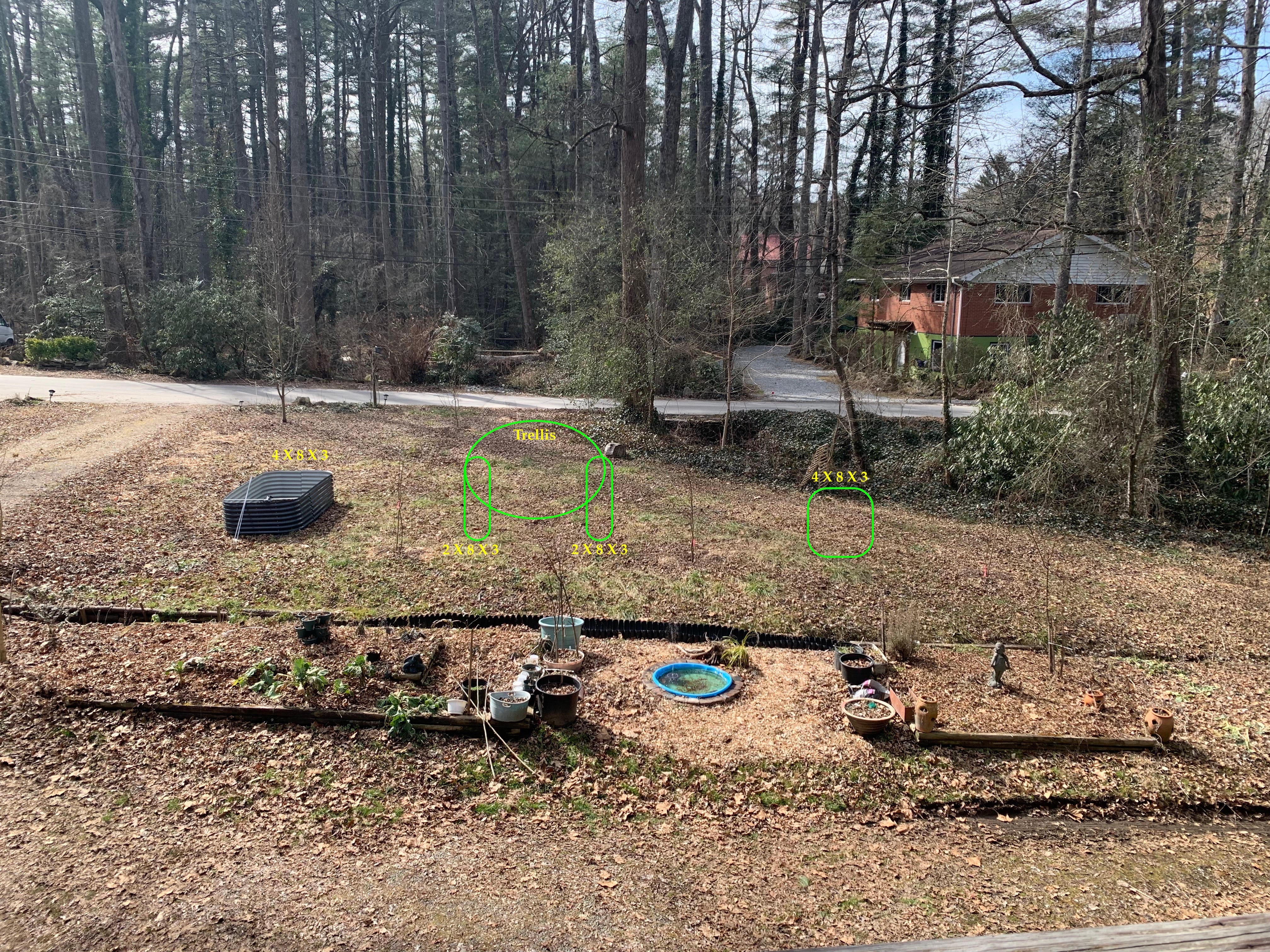 Raising Our Children as Eco-Guardians in a Time of Collapse | A few weeks ago, Ann and I reopened a conversation that has been quietly circling for years. What if Amber and Justin moved into the upstairs of Loving Homestead… and Ann and I moved downstairs to the ‘mother-in-law’ apartment? Four loving adults. Two extraordinary children. One shared roof. One shared experiment.It feels beautiful. It feels bold. It feels right. And then—as real life tends to do—a wrinkle surfaced. The local school Logan and Piper would attend has a “poor” rating. That word landed heavily. Of course it did. Parents want the best for their children. We all do.And I found myself sitting with a deeper, slightly uncomfortable realization: even if the school had a five-star rating… would it actually be preparing them for the world they are growing into?That question has not left me.The World Our Children Are InheritingWe are living in what many are calling a polycrisis or metacrisis—overlapping ecological, political, economic, technological, and spiritual disruptions. Some call it the Great Collapse. Others call it the Great Turning. And others, including myself, see it as something messier and more mysterious—like what happens inside a chrysalis as a caterpillar transforms into a butterfly.Inside that chrysalis, everything dissolves. Structures break down. It looks like chaos. And yet, imaginal cells begin to organize around a new pattern of being.Perhaps we are living inside such a chrysalis moment. Perhaps our children are not merely inheriting a mess—perhaps we and they are the imaginal cells of what comes next. Whatever language we use, one thing is clear: the world Logan and Piper will inhabit as adults will not look like the world I grew up in. And probably not even like the world their parents grew up in.So the real question isn’t, “Is this school highly rated?” The real question is: What prepares children to steward a changing world?Stewardship Is Not the Same as SuccessMost school ratings measure standardized test scores, reading and math proficiency, graduation rates, and college admissions. Important? Yes. Sufficient? Not even close…not for these times that are before us and that our children are inheriting.Because stewardship requires something deeper.Stewardship is about how we show up in relationship to the Earth, to community, to uncertainty, and to ourselves. It asks not only, “Can you compete?” but “Can you care?” Not only, “Can you achieve?” but “Can you regenerate?”In many ways, our dominant educational model is based on and a reflection of the Great Untruths:* that we are separate from nature,* that more is always better,* that Earth’s resources are unlimited, or* that technology will save us.* But the world our children are stepping into demand a different set of capacities altogether—ones based in and are a reflection of the four Great Truths.What Might Actually Prepare Our Children?As I’ve reflected on this—both as a grandfather and as someone deeply living true to the four Great Truths—a few qualities rise to the top.Emotional resilience. Not the stiff upper lip of suppression, but the ability to feel deeply without being overwhelmed. To face unsettling realities without collapsing into despair. To experience disappointment without losing direction. In a time of disruption, emotional regulation may be more important than algebra.Collaborative skills. The future will not be navigated alone. Climate events, economic shifts, technological upheaval—these are collective challenges. Children who can listen, negotiate, co-create, and repair relationships will be far better equipped than lone high-achievers. Stewardship is relational.Comfort with uncertainty. My generation was largely raised with the promise of predictability: study hard, work hard, retire comfortably. That storyline is fraying. Our children need to become fluent in ambiguity—not paralyzed by not knowing, but energized by exploration. This may be one of the most countercultural capacities of all.Ecological intimacy. To steward something, you must feel connected to it. If nature is merely scenery or resource, stewardship feels optional. But if children grow up planting, composting, repairing, noticing birds, understanding soil… something shifts. They no longer see themselves as separate from nature. They experience interconnection. And that changes everything.Entrepreneurial adaptability. Not hustle culture, but creative agency. The ability to see problems as invitations. To start small initiatives. To experiment and pivot. In a rapidly shifting world, adaptability may matter more than institutional credentials.Inner steadiness. Perhaps the quiet foundation beneath all the others—an anchored sense of self, a moral compass not easily swayed by noise, a capacity to act from values rather than panic. Inner steadiness is cultivated slowly—through modeling, conversation, presence. Not through rankings.The Deeper RealizationAs I’ve wrestled with the school rating question, I’ve had to confront something in myself.Part of me still wants reassurance—a five-star rating, a clear path, a sense that everything will continue more or less as it has. But another part of me knows that no school—highly rated or not—can single-handedly prepare children for this moment in history.Education is ecological.It happens in families, in communities, in gardens, at dinner tables, in moments of failure, in how adults handle disagreement, and in whether we model fear or steadiness.Recently, I created a miniature hydroponic system out of a plastic take-home container so Logan and Piper could watch seeds sprout in real time. Nothing fancy. Just water, light, and patience. But when those first tiny green shoots emerged, their eyes widened. The miracle of growth became immediate, tangible, intimate.That, too, is education.That, too, is stewardship training.And if Ann and I move downstairs while Amber and Justin move upstairs, something extraordinary becomes possible: four adults consciously shaping a micro-culture—one in which the capacities of stewardship are lived daily, not merely discussed.A Shift in the QuestionInstead of asking, “Is this school good enough?” perhaps the better question is:How do we, as parents and grandparents, cultivate the qualities that will allow our children to steward whatever world unfolds? School matters. But it is not destiny. Atmosphere may matter more. Alignment among adults may matter more. Modeling resilience may matter more.Each morning, I renew a vow—to live as if the Four Great Truths are real and trustworthy. To embody interconnectedness, sufficiency, reciprocity, and stewardship—not perfectly, but sincerely. That vow subtly shapes my decisions, my conversations, and the kind of world I’m trying to create within my own home.Because ultimately, our children are watching far more than they are listening.The InvitationI don’t pretend to have the final answer. In fact, one of the most important things our children may learn from us is how to navigate not knowing. But I am increasingly convinced of this:If we raise children who are emotionally resilient, collaborative, comfortable with uncertainty, ecologically intimate, adaptable, and inwardly steady…They will be capable of stewarding a world in transition.Whether the school rating is high or low.Whether the times are calm or turbulent.Whether the future is predictable or entirely new.And perhaps that is the deeper work before us—not simply protecting our children from a changing world, but preparing them to participate in its regeneration.P.S. Here are a few pics of what has taken up much of my time (and had me miss publishing a Substack article on Feb. 20th): This is a public episode. If you'd like to discuss this with other subscribers or get access to bonus episodes, visit wbradfordswift.substack.com/subscribe | 13m 27s | ||||||
| 2/27/26 |  Grieve Globally While Thriving Locally | In our recent Gaia’s Call 2.0 conversations, Marla and I explored the polycrisis—the overlapping ecological, social, and spiritual challenges shaping our world. In this episode, we go one step deeper, asking a more intimate question: How do we live inside this reality without losing ourselves—or each other? Drawing from the simple yet profound inquiry “Grieve globally. Thrive locally,” we explore how caring deeply for the world does not have to lead to burnout or despair. Instead, when grounded in the Four Great Truths of One Cause—interconnectedness, sufficiency, reciprocity, and stewardship—we discover a way of living that honors grief while still making room for joy, presence, and meaningful action. This is a conversation especially for eco-conscious families navigating how to stay open-hearted, sane, and hopeful in uncertain times. This is a public episode. If you'd like to discuss this with other subscribers or get access to bonus episodes, visit wbradfordswift.substack.com/subscribe | 24m 23s | ||||||
| 2/13/26 |  The Polycrisis Part 2 | This is a public episode. If you'd like to discuss this with other subscribers or get access to bonus episodes, visit wbradfordswift.substack.com/subscribe | 24m 33s | ||||||
| 2/6/26 |  To Share or Not to Share | The other night, Ann and I were having dinner with Amber and Justin (daughter and son-in-law). The kids were nearby—Logan and Piper laughing, moving, playing the way only young children can, fully inhabiting the moment. It was one of those evenings that feels quietly complete. Nothing spectacular. Nothing missing.And yet, somewhere between passing food and watching the kids, a familiar question rose up in me.Is this a moment to say something?To check in with the adults about what they’re seeing… or not seeing… about the world we’re living in?To ask whether they’re aware of the polycrisis—or where they might be in relationship to it?Just as quickly, another voice answered back.Don’t ruin this.Don’t turn a good night into a heavy one.Why bring global grief into a room full of local joy?I noticed myself holding the tension rather than resolving it. And I realized: this wasn’t just a family moment. It was a microcosm of a much larger question many of us are quietly carrying.To share—or not to share—the reality of the polycrisis with the people we love.And if we do share… when?How?To what end?I don’t have clean answers. But I’m no longer convinced that not having answers is a failure.The Question Beneath the QuestionOn the surface, this looks like a communication dilemma. But underneath it lives something deeper.We are living through a time of undeniable global grief: ecological unraveling, political instability, widening inequality, accelerating technological disruption, and the quiet erosion of shared meaning. Many of us feel it in our bodies long before we can articulate it.At the same time, life keeps happening locally. Children grow. Gardens need tending. Meals are shared. Laughter still breaks through.So the real question becomes:How do we grieve globally without abandoning the small, sacred forms of thriving that make life worth living?And just as importantly:How do we invite others into this awareness without overwhelming them—or ourselves?Taking the Question to CommunityRather than answer this alone, I did something that increasingly feels essential in this time: I brought the question to community.I shared this inquiry—nearly as raw as I’ve written it here—with members of the Home Grown Human community, an online gathering of people already aware of the polycrisis and committed to supporting one another through it. (If you’re curious, I’ll share a link at the end.)I didn’t ask for advice. I asked for lived wisdom.What came back wasn’t a single answer—but a constellation of insights that now live inside this piece.What I Heard (and What Shifted in Me)One recurring theme was attunement.Not every truth belongs in every moment. Timing matters. Tone matters. Relationship matters more than content.Several people shared that when conversations about the polycrisis go wrong, it’s often because of what Jamie Wheal aptly named “therapeutic aggression”—when we speak not because it’s what the other person is ready for, but because we need relief from carrying the truth alone.That landed hard for me.It made me ask:Am I sharing to serve the relationship… or to unburden myself?Another insight that stayed with me: presence is not avoidance.Laughter, play, ordinary love—these are not denials of reality. Sometimes they are the most honest responses available. Especially with children. Especially when nervous systems are already overloaded.One community member put it simply: staying connected is more important than being right.And yet—silence isn’t always care either.A few people spoke about how sharing, when done gently and incrementally, can actually deepen connection—if it’s rooted in curiosity rather than persuasion, and grounded in evidence rather than opinion. Not to convince, but to invite.Still others described choosing a third path: placing the “hard information” somewhere accessible—writing, podcasts, Substack essays—and trusting loved ones to engage if and when they’re ready.That, too, felt like wisdom.Where This Is Still Hard for MeThere are days when global grief overwhelms me—when the scale of suffering makes local thriving feel insufficient, even indulgent. When playing pickleball, tending soil, or planning the spring garden feels almost naïve in the face of what’s unraveling.And yet, I’ve come to see something else.Thriving locally is not a distraction from collapse.It is resistance to the forces that want us frozen, despairing, and disconnected.When I walk in the woods.When I sit with Logan and Piper.When Ann and I share a quiet meal.When I call a friend for tea instead of doomscrolling.I’m not turning away from grief—I’m metabolizing it.This is what “Grieve Globally, Thrive Locally” has begun to mean for me.Not an answer.A practice.Releasing the Savior ReflexOne of the most important shifts I’m making as we move into 2026 is releasing a familiar but exhausting pattern: the need—or addiction—to save the world.I’m not abandoning responsibility.I’m relinquishing grandiosity.I can still share One Cause here on Substack.I can still participate in the Great Turning amid the Great Simplification.But I no longer need to carry the illusion that it all rests on my shoulders.This mantra gives me something far more sustainable.It invites me to pause throughout the day and ask:* How am I doing with my grieving?* How am I doing with my thriving?* Which one needs attention right now?Sometimes the answer is tears.Sometimes it’s laughter.Sometimes it’s silence.So… To Share or Not to Share?Where I’m landing—for now—is this:There may never be a “perfect” moment.There may always be a shadow when we speak honestly about the world.The question is not how to avoid that shadow—but how to make sure it doesn’t eclipse love, presence, or belonging.If we are facing a kind of terminal diagnosis as a civilization, then perhaps the most important questions become:* How outrageously do I dare to love?* What do I want my children and grandchildren to remember?* How do I live in a way that tells the truth without hardening my heart?And maybe—just maybe—the most powerful form of sharing isn’t explanation at all.It’s how we show up.How we treat the land.How we speak to neighbors.How we hold joy alongside sorrow.No footnotes required.An Open Ending (On Purpose)I’m leaving this unresolved because I believe it’s meant to be.So I’ll offer a few guidepost questions—for you, and for me:* When does sharing deepen connection—and when does it serve something else?* What signals in your body tell you it’s time to speak… or to listen?* How might grieving globally strengthen your capacity to thrive locally?* And who are the people you don’t have to answer this question alone with?A Note of GratitudeI want to thank the Home Grown Human community for helping me think, feel, and write more honestly. Their wisdom is woven throughout this piece—not as answers, but as living questions.If you’re curious about that community, you can find them here: Home Grown Human SkoolAnd if this essay stirred something in you, I’d genuinely love to hear from you—whether in the comments, the chat, or through sharing it with someone you trust.This feels like one of those inquiries we’re not meant to resolve quickly.But perhaps we’re meant to walk it together. This is a public episode. If you'd like to discuss this with other subscribers or get access to bonus episodes, visit wbradfordswift.substack.com/subscribe | 12m 20s | ||||||
| 1/30/26 |  What Is the Polycrisis? Part One | This is a public episode. If you'd like to discuss this with other subscribers or get access to bonus episodes, visit wbradfordswift.substack.com/subscribe | 21m 29s | ||||||
| 1/16/26 | 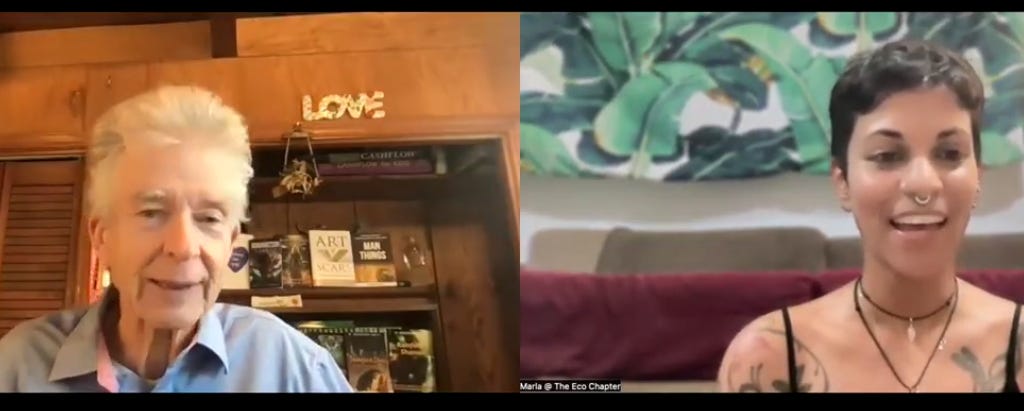 Gaia Call 2.0 – Episode One | Hello everybody. this is Brad Swift of Gaia’s Call and this is Gaia’s call, but this is 2.0. And as you will notice, it’s not just me, it’s also Marla from the Eco Chapter. Hey Marla.Hi. How are you?I’m good. I’m good. And I’m looking forward to this.And I’m a little trepidatious about it, you know, it’s it is a first, a lot of firsts are coming my way these days. but I’m also excited about it because we’re here. first we’re going to kind of just share our background and how we got connected. also who we’re kind of directing this to, you know, the, the people that we would really like to reach with this.one of the things that we talked about, and may end up, you know, renaming this at some point, but, certainly a segment of this is called, is. Regeneration with capital GE in, because as you can see, we’re not of exactly the [00:01:00] same generation. I’m a couple years older. So there’s some differences.And we actually want to, given the, the nature of the world these days and how much we are, pointing to the, in a bad way, the differences. We wanna embrace the differences. So I’m, white skinned. And Marla is brown skinned and I’m a male and she’s a female, and I live in the mountains of North Carolina and we don’t really know where we might find Marla at any time, but right now you are where?Right now I’m in Singapore.Right?The other side of the world from you.Yes. So right now we are at like nine 40 in the morning here in the North Carolina mountains. And it is what time there?Those are differences. Now, there’s some things that we share, which is, well, certainly first and top most for me would be [00:02:00] our deep love and compassion for planet.And all of its, all of its beings. Not just human beings, but all the beings, the plants and animals that we share this planet with. So, and that’s kind of what has connected us. So, let’s just take a, moment or two Marla, and share, from our own memories, how did, we get connected?Yeah, so hi everyone.My name is Marla, and yes, I’m all the way over here in Singapore. I am an Earthling. I like to call myself that and I run the eco chapter. And the eco chapter is a ecoliteracy and regenerative storytelling consultancy. and the crazy thing is that me and Brad, we met on Substack, through my company, the eco chapter.I write a lot. articles that translate science and complex concepts into easier to digest and more accessible, literature. So articles with metaphors, and I sometimes write poetry. just any kind of way to get the science to [00:03:00] be a little bit easier. And so the nice thing was. read my stories.and it was Brad, so it’s crazy because it was almost exactly a year ago. We met in December, I think 2024. so it’s, yeah, it’s been a journey. Brad, you wanna add anything to, that?Yeah, I, I had a major, revelation, insight, whatever you want to call it. about two days. After the, USA, elections of a year ago when, they did not go the way I wanted, I did not have a whole lot of hope for either party, directing much attention to the, climate crisis, and the crisis that, you know, the climate crisis is a part of.But when, president Trump became president, I got really clear there’s something, something that I’ve gotta do. I’ve gotta up my game, so to speak around that. And, The, other piece that was kind of woven in there at the same time, at that [00:04:00] time, I had a, grandson, three and a half, Logan and Piper, one and a half.So now a year later, four and a half and two and a half. and I, it was on YouTube was where I ran into this thing about. 3:00 AM in the morning and I cannot sleep because my great-great-grandchildren are asking me what did I do? What did I do when I realized the earth was burning and the democracy was falling, and da da die, it goes on beautiful peace.And it woke me up to like, yeah, what will I tell Logan and Piper as they get older? What did I do? And about that time I was reading, you know, I read, a couple of pieces from Marla and thought, wow, this is a real connection there. And I started writing one cause, which is now written and in revision stages.And we’ll be released sometime, hopefully in the first quarter, first half of, 2026. [00:05:00] And it’s my take on. what is the fundamental causes of climate change? That climate change is not a cause, it’s the effect of something. And so, that’s, kind of the evolution. And then, I think somewhere in the mix of that, you, expressed an idea about.Wanting to write a book, a, more positive book of, positive narratives. And given that, one of the things I still do is as a coach. I coach aspiring authors. I was like, I wanna work with this woman. I, wonder how much I’m gonna have to pay her to let me coach her. And you were kind enough to not charge me anything for that.So, that was another piece of it. So why don’t you say just a little bit about, where that went.We had our first meeting in December last year, just around Christmas, I think. And I was so stumped that [00:06:00] somebody on the other side of the world wanted to coach me because, well, obviously had read my articles and thought it would be good for me to write a book.and the crazy thing is like a year later, the book is here. So it’s called Dreams of Unwritten Futures. And this book was actually written by five of us. And, Brad was coaching me and I was editing this book, with a few of my friends. And now, the whole point of it is to have a series of books, and I wanna put it under project called The Better Future Narratives Project, where I found that everything that I was reading in terms of like climate fiction or the news or.science, a lot of it was doom and gloom and, really a post-apocalyptic, chaos. so then my idea was like, how do we then. better stories into the world where we didn’t have to become zombies and eat people’s faces first, before we, started doing better things. and that’s kind of how the idea was born.I wrote an article in October, 2024. And that article [00:07:00] became the spine of this book. And so I sent that article to five friends, who wrote, their parts and their Better Future narratives, which then I compiled into this book and we just got it published in October. So, I think, Brad’s pushing me to write something, really helps, because I had so many ideas already, and it was just that little poke to say, Hey, you’re good enough.Go write. so it’s really exciting. So it’s now I am also writing proposals to bring this, project to schools and, I’m planning like a six months project with kids that they can turn their eco anxiety and feelings of helplessness or depression into more better future narratives and that we can publish more books and, put them out into the world.because I think a lot of people, when they say better future, they just. immediately of money and cars and material wealth and things. but if you talk to lots of people, they’ll tell you those are not the things that make your future better. Yeah, it’s really [00:08:00] simplicity of things. It’s the connection with people.It’s the community. It’s a time to read a really good book and have a coffee undisturbed. It’s those quiet moments at the beach or under a tree. usually with nature or with friends, you know? So that’s the whole point of trying to put these imaginations into, people’s worlds where they can think of better future narratives that are not coupled with material wealth and, and consumerism.Yeah. hopefully kind of change the whole narrative, of a society through through writing.Yeah. Very good. And yeah, I hear again, I hear some other cross, cross connections there. Out of your book has come a, project, you know, and you’re out to reach young, young people and kids.And same here with me. I, you know, in my background, I’ve been writing for about 30, oh gosh, 35 plus years. I have about 30, I think one cause will read my 38th book. [00:09:00] But in the last several years, most of my writing has been in the eco fiction or eco fantasy area. So you can see kind of in the background there, see if I can point to ‘em.These books here are part of the Zach Bates Eco Adventure series. So that was one of the other things is, because of my, I just have such a deep love for Logan and Piper. And a deep love for, kids in general, that’s, you know, those are the generations that we are leaving planet Earth to.And I’ll be honest, I’m not proud of how my generation, the baby boomer generation is leaving the planet. we, and while we’re still, able to, what can we do to. a trim tab, moved this big spaceship earth in a more positive, direction of truly being connected to, nature itself.So from one cause has come, and is [00:10:00] emerging the, eco guardian’s, youth project. And again, it includes, you know. and inspiring children to express themselves through writing and through art. and, helping them to get really in touch with their love of nature, before they get so.Caught up in jagged, you know, adults. We wanna get them early enough to, encourage that natural love for, nature, as, they grow, grow into adulthood itself. So that’s kind of who we’re out to reach. So you wanna say a little bit about our. if somebody’s listening to this, who you could share this with, you know, like that.Yeah. So we’re trying to reach out to anyone who wants to listen, really anyone that’s interested in the eco crises that are happening all over the world, everywhere. sometimes it can be really lonely and also quite. helplessness and, that you have no idea what’s going on. so I guess we’re [00:11:00] also reaching out to educators that don’t have the ability or the, knowledge to share this information with your students.send them our way. We’re both teachers, so happy to help with that. Also to the carers of students and children, parents who are too busy working or also don’t have the, knowledge or the know-how about the climate crisis. Now this would be really great for you too, because it’s a way for you to understand a little bit more.so then you can, kind of comfort your, children and tell them that, you know, with us all working towards this together, it’s all going to be okay. And apart from from the work that we’re doing here on the podcast, I’m also doing as part of the eco chapter, lots of webinars for people who are.working in either small to medium enterprises or school teachers, and also with people doing, like nonprofit work and organizations. So I do like regenerative consultancy for, those groups of people who like maybe need something a little bit [00:12:00] more in depth or specified to your company or organization as well.Yeah, for this podcast, like it’s really for the generations, right? That’s why we’re calling it possibly regeneration, from kids who want to come on the show And talk to us about how you feel, you know, about parents who are drowning in, how do I do this because I’m new parent and I’ve never done this before.Or, teachers who are just hearing stories from your students and, you don’t know what to do. You know, like we’re also very happy to have interviews. with, anyone from around the world. I mean, we’re already in two different continents. Why not? Why stop there,right? Yeah, for sure. And while right now the, eco Guardian Youth Project is primarily local here in the North Carolina Mountains.I do an event, in fact, I did two in the past, week called the Story. story maker event where you come together with small groups of children and we actually help them [00:13:00] understand that storytelling is great fun and story making, actually writing and, composing your own stories can be fun.And so we actually go through and collectively together, create the beginnings of a story and follow that up with the, for those who want to, the eco guardian. writer’s challenge. So all that’s pretty much local right now, but we do want, you know, my, one of my intentions, you know, in 2026 is to find ways to have it be,Scaled so it can be done not just with me, but other people can do it in their local communities, wherever those local communities are. And I see we have another compadre there in the background.So this is rha. And another similarity between me and Brad is Brad just got two kittens. Ah,we do, and, they may be on the show before too long, but right now they’re, acclimating to our own lifestyle here.Yes, for [00:14:00] sure. So obviously we’re both. animal lovers. My background is a small animal veterinarian before I turn to writing. And, and mine is scienceand wildlife conservation.Yes. And, if I’m not careful, I put my feet in the wrong places. I’ll end up stepping on Rascoe, who’s right at my feet sleeping at the moment.So, let’s see, what else did we want to share today as this, introduction that, that we haven’t already shared?I think a few things. If you are a writer, I think the first thing is keep writing because the world needs more stories and more art and put more beautiful, literature into the world.I think we’re, losing that. if you’re someone who feels like you want to come onto the show, please get in touch with either of us. in. we’ll give you ways to contact us, that’s for sure. and also if you are. wanting to come on the show and just wanting to listen.I hope you also know that Yeah. are listening and we’re [00:15:00] here. Like, you don’t have to just write to us if you wanna come onto the show, if you want us to talk about something for you, please send us your, your thoughts or your ideas and or your fears or doubts, and we’ll be happy to make a podcast, especially for that for you.Yes. Yeah. Very good. So, there’s a new word that I’ve come across, We, all know about dystopia. You know, dystopian fiction right now is super popular. I’m not quite sure why it’s become so popular. we’re living in a dystopia, maybe that has part something to do with it. And there’s also the term that most people are familiar with is utopia.You know, kind of almost kind of airy, magical, you know, land. I was just the other day through a podcast was introduced to which is kind of in the middle area. It’s about how do we, in the face of what we’re dealing with. recreate or regenerate a, life thriving, ecology and, planet and, not, you know, not at a [00:16:00] utopian type way, but, you know, some, very specific ways that we can do that.And for and I, part of it is changing the narrative, you know, writing stories that, really do speak to, And not in a way, but in a positive way. Changed that narrative. So again, one cause is a big part of, that for me, you know, identifying the four great untruths and the four great truths.And I’m sure in other podcasts we’ll get into that, you know, in, more depth itself. So, yes. You know, if you are writer, if you have thought about writing on, you know, on, you know, whether it’s, Climate fiction or eco fiction or there’s a number of different, you know, ways of speaking about it. But if that’s something that, you are either doing or you would want to do, we, would love to support you in that as well.Yeah, and Brad has a, whole library, so once you have your books, we can put it up there. you can also [00:17:00] find dreams of Unwritten Futures in Brad’s library.Yes. I’m, glad you, mentioned that ‘cause part of the, eco Guardians, Project that we’re working with is the Eco Guardian Secret Society Library that nobody’s supposed to know about except that just spilled the beans.So I can, you know, blame her for it. But, and again, all of my eco fiction books are. there’s two or three, other books from other authors that I have coached, including book itself. And, there will be a, growing resource of, both fiction and nonfiction and other, you know, pertinent information, to support.Other, eco guardians in training as I like, refer to it. And the reason I call it Eco Guardians in training is we’re all in training. We’re all continuing to deepen our relationship and our appreciation for, Mother Earth. [00:18:00] So, that’s what it is to be an eco guardian. Thank you for sharing that.So I think, covered the, basis to begin with. Yeah. And, any, last comments before we kind of sign off and you go to bed and I go into the rest of my day.I am good. I’m looking forward to our next podcast and, hopefully we get some people writing in to come talk to us.Yes. Very good. Okay, everybody, we’re signing off from Gaia’s Call slash Regeneration. Take care. This is a public episode. If you'd like to discuss this with other subscribers or get access to bonus episodes, visit wbradfordswift.substack.com/subscribe | 18m 32s | ||||||

Showing 25 of 85
Pitch Fit is a Pro feature
See how bookable this show is for guests, which brands already advertise, the per-episode ad value, and the best-fit guest and sponsor profile. The numbers are blurred on the free plan.
How readily this show books outside guests like you.
How proven this show is for host-read sponsorships.
For Guests
ProFor Advertisers
ProUpgrade to Pro to unlock guest cadence, sponsor categories, fit scores, and per-episode ad value for this show.