

Insights from recent episode analysis
Audience Interest
Podcast Focus
Publishing Consistency
Platform Reach
Insights are generated by CastFox AI using publicly available data, episode content, and proprietary models.
Total monthly reach
Estimated from 1 chart position in 1 market.
By chart position
- 🇦🇺AU · Design#1205K to 30K
- Per-Episode Audience
Est. listeners per new episode within ~30 days
2.5K to 15K🎙 Weekly cadence·33 episodes·Long inactive - Monthly Reach
Unique listeners across all episodes (30 days)
5K to 30K🇦🇺100% - Active Followers
Loyal subscribers who consistently listen
1.5K to 9K
Market Insights
Platform Distribution
Reach across major podcast platforms, updated hourly
Total Followers
—
Total Plays
—
Total Reviews
—
* Data sourced directly from platform APIs and aggregated hourly across all major podcast directories.
On the show
Recent episodes
Ngozi Omeje ✿ For the love and joy of it
Oct 31, 2024
Unknown duration
Steal This ✿ Melissa Cameron confesses to her role in a lawless jewellery gang
Apr 4, 2024
Unknown duration
Pamela Hall on the Encyclopedia of Local Knowledge
Dec 21, 2023
Unknown duration
Urmila Mohan on the Jugaad Project
Dec 19, 2023
Unknown duration
The Mashrabiya Project at the Museum of Art and Wood
Sep 13, 2023
Unknown duration
Social Links & Contact
Official channels & resources
Official Website
Login
RSS Feed
Login
| Date | Episode | Description | Length | ||||||
|---|---|---|---|---|---|---|---|---|---|
| 10/31/24 |  Ngozi Omeje ✿ For the love and joy of it | Ngozi Omeje is a ceramicist who teaches at the Department of Fine and Applied Arts at University of Nigeria, Nsukka. She has been directly influenced by the work of El Anatsui. She has exhibited overseas in exhibitions such as the Cheongju Craft Biennale, but continues to live in Nsukka. In our conversation, Ngozi discussed a particular method she uses to string ceramic shards from the ceiling to create larger forms. She sees this as a way to transcend the kiln’s size limits and deal with the regular threat of breakage that afflicts ceramics’ transport. The idea came to her when she watched people fishing. The result is quite emotional. Ngozi talks about the sensation of hugging one of her ceiling works as if picking up a baby and it smiling back to you. She describes the individual shards as like “leaves.” Each has been imprinted with the palm of her hand. The palm print resembles the veins on a leaf. For Ngozi, there is no audience to sustain her work in Nigeria. But rather than constantly waiting to be recognised internationally, she decided to make work for the love of it. “It calms my spirit”. Finally, she talks about the work of making traditional ceramic hives for bees that open up easily so that honey can be extracted without disturbing the colony. Follow @ngozichukwukaomeje See: https://garlandmag.com/ngozi-omeje/ | — | ||||||
| 4/4/24 | 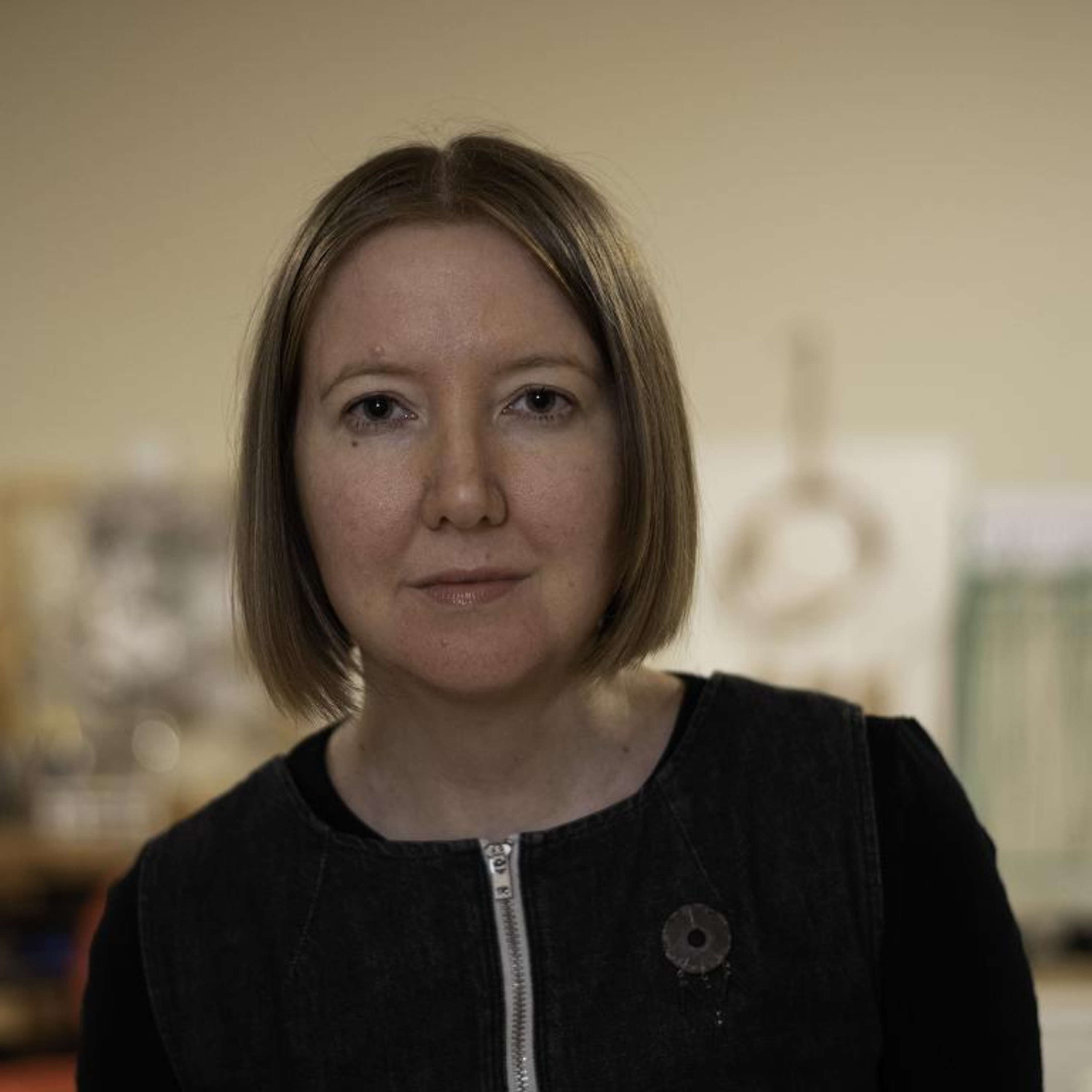 Steal This ✿ Melissa Cameron confesses to her role in a lawless jewellery gang | Kevin Murray interviews one of the key instigators in Melbourne's street jewellery scene, Melissa Cameron. How did Part B evolve? What does the name mean? What were its other projects? What is its enduring influence? For more details and images, see https://garlandmag.com/loop/steal-this/. | — | ||||||
| 12/21/23 |  Pamela Hall on the Encyclopedia of Local Knowledge | Pam Hall has extended her practice as an artist in Newfoundland to create an Encyclopedia of Local Knowledge. The three chapters written so far feature the living crafts of Northern Penninsula and Bonn Bay, Fargo and Change Islands and Miawpukek Middle River. We invited Pam to share the story of his epic project. Read more: https://garlandmag.com/loop/pam-hall-the-encyclopedia-of-local-knowledge/ https://encyclopediaoflocalknowledge.com/ https://pamhall.ca/ | — | ||||||
| 12/19/23 |  Urmila Mohan on the Jugaad Project | Urmila Mohan is an anthropologist who established the Jugaad Project, an open platform for publishing articles on material culture. Here are some of the topics covered in our conversation: The meaning of jugaad as everyday innovation The need for an open global platform to share articles in material culture How published articles benefit their subjects Prayer beads as spiritual technology that is only partly replaced by fidget spinners Articles on bamboo weaving in Java and the infrastructure of Durga Puja in India The new book publication https://www.thejugaadproject.pub http://www.urmilamohan.com/ https://www.thejugaadproject.pub/home/likhai-wood-carving | — | ||||||
| 9/13/23 | 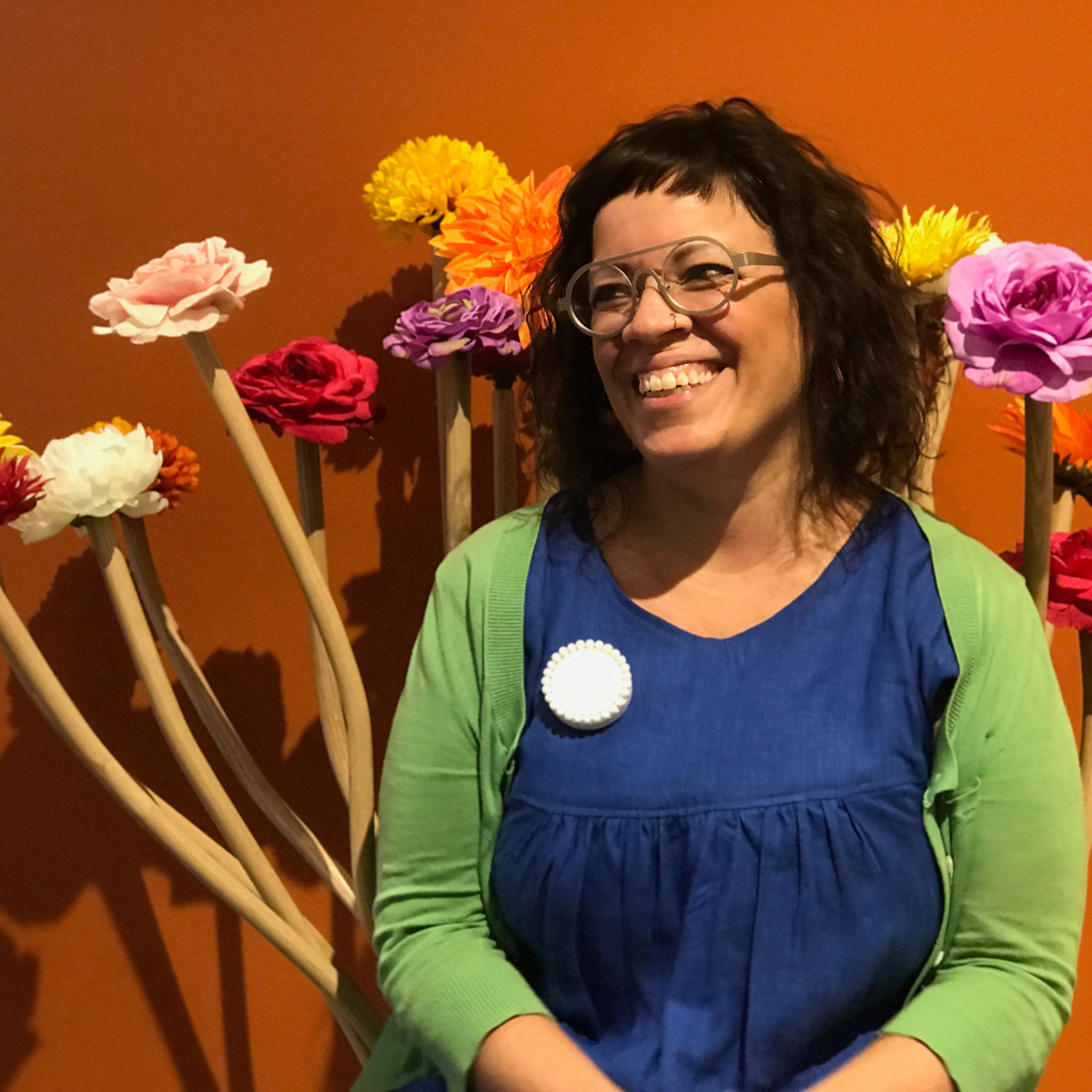 The Mashrabiya Project at the Museum of Art and Wood | We speak with Jennifer-Navva Milliken, director of the Museum of Art and Wood about a fascinating project inspired by the iconic lattice wooden screen of the Islamic world. | — | ||||||
| 7/12/23 |  Lavina Baldota on Sutr Santati | We speak with the curator of the magnificent exhibition Sutr Santati, in celebration of the 75th anniversary of Indian independence. This exhibition consists of 100 textile works representing an impressive range of techniques including Kutch embroidery, patola, brocades, sequin work, applique, block printing, silk tapestry and ikat. | — | ||||||
| 6/22/23 | 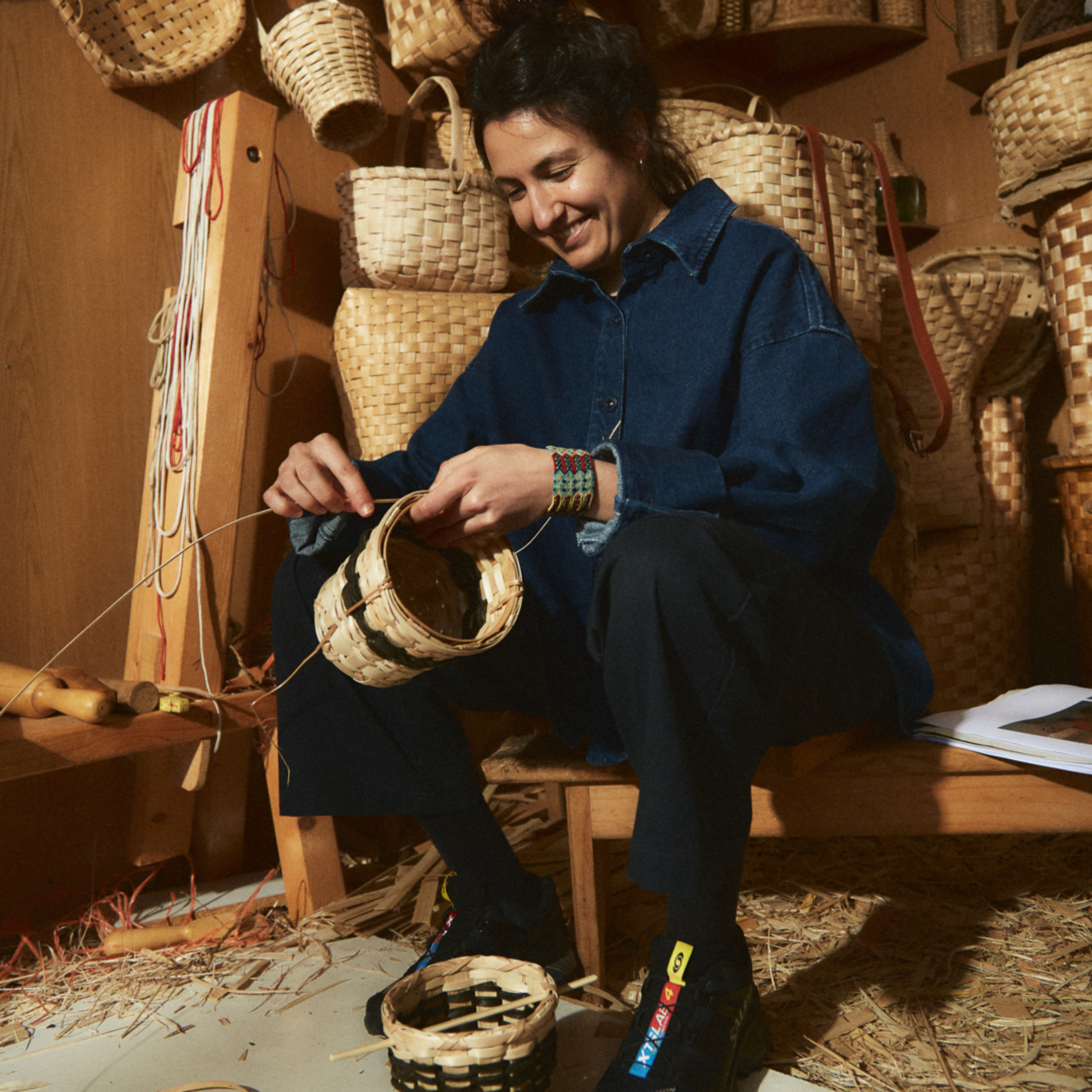 Biopolymer fibre in basketry: An interview with Paula Camiña about Co-Obradoiro Galego | Co-Obradoiro Galego is a collaborative project by three basketmakers and designer Paula Camiña, looking at biotechniques to help regenerate and revive Galician craft heritage. We speak with Paula about the origins of this project and how it stems from her own roots in the region. We learn about the impact of foresty monoculture and its impact on basketmakers. The use of a biopolymer fibre produced from seafood waste offers a circular path to help promote this traditional craft. | — | ||||||
| 4/27/23 | 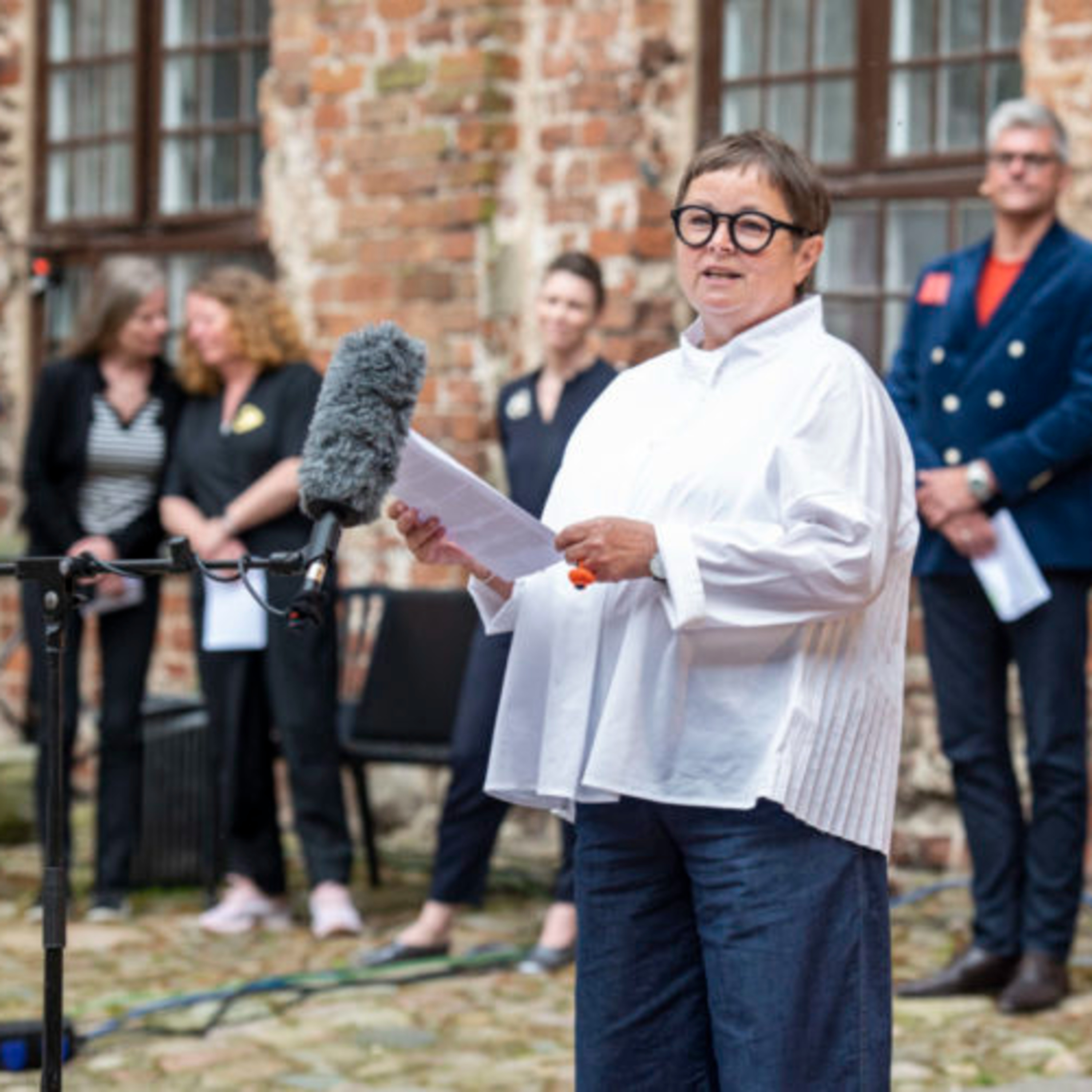 Hand makes hand: Hanne Brøbech Sønnichsen on Danish craft education | Hanne Brøbech Sønnichsen is the chairperson of Danish Crafts and Design. For the organisation's Formkraft publication, she recently wrote Greasy Fingers and Practical Research Help Craft Out of the Display Case which reflect on the student revolt against the lack of technical education in their craft program. "That the students see themselves more as practitioners of craft rather than craft artist (kunsthåndværkere) is perfectly fine. We must – and this also applies to us at DKoD (Danish Crafts & Design Association)- clear up the concepts and remember that ‘craft’ gives associations to handwork, whereas ‘kunsthåndværk’ signals that there is also a certain aesthetic ambition involved." "Artistic craft is something essential and valuable that we must pass on to the next generation. Otherwise, the basic know-how and foundation for Danish design will lose its shape." In this podcast, we learn of the background to this controversy, the specifically Danish understanding of craft, and also her opinions about craft education. Underlying this is her philosophy that "hand teaches hand" . | — | ||||||
| 2/9/23 | 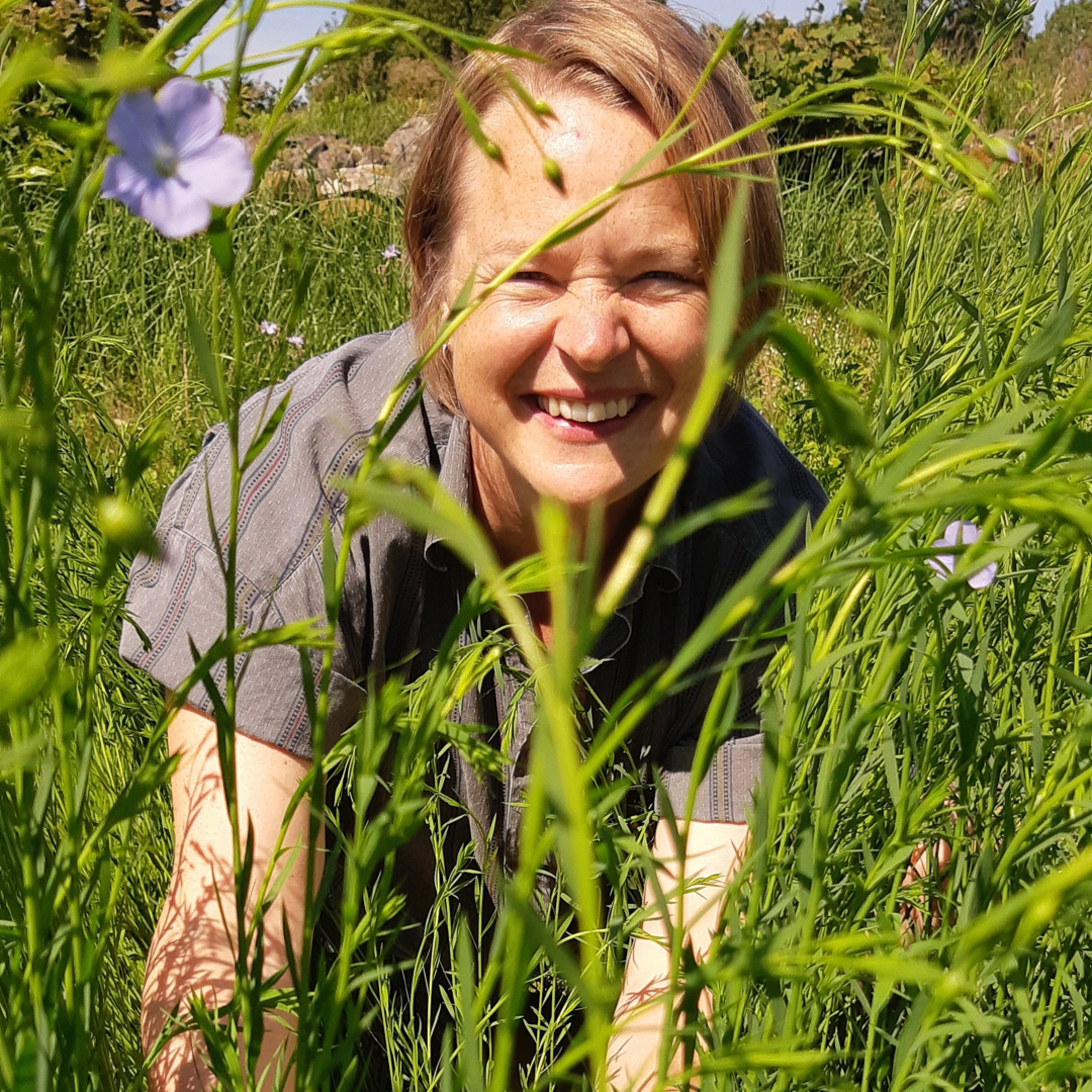 1 square metre of linen: Life begins where the Internet ends | We speak with Hillevi Skoglund about a Swedish project involving thousands of participants who each plant and process a plot of linen. See our website for more information. | — | ||||||
| 10/27/22 | 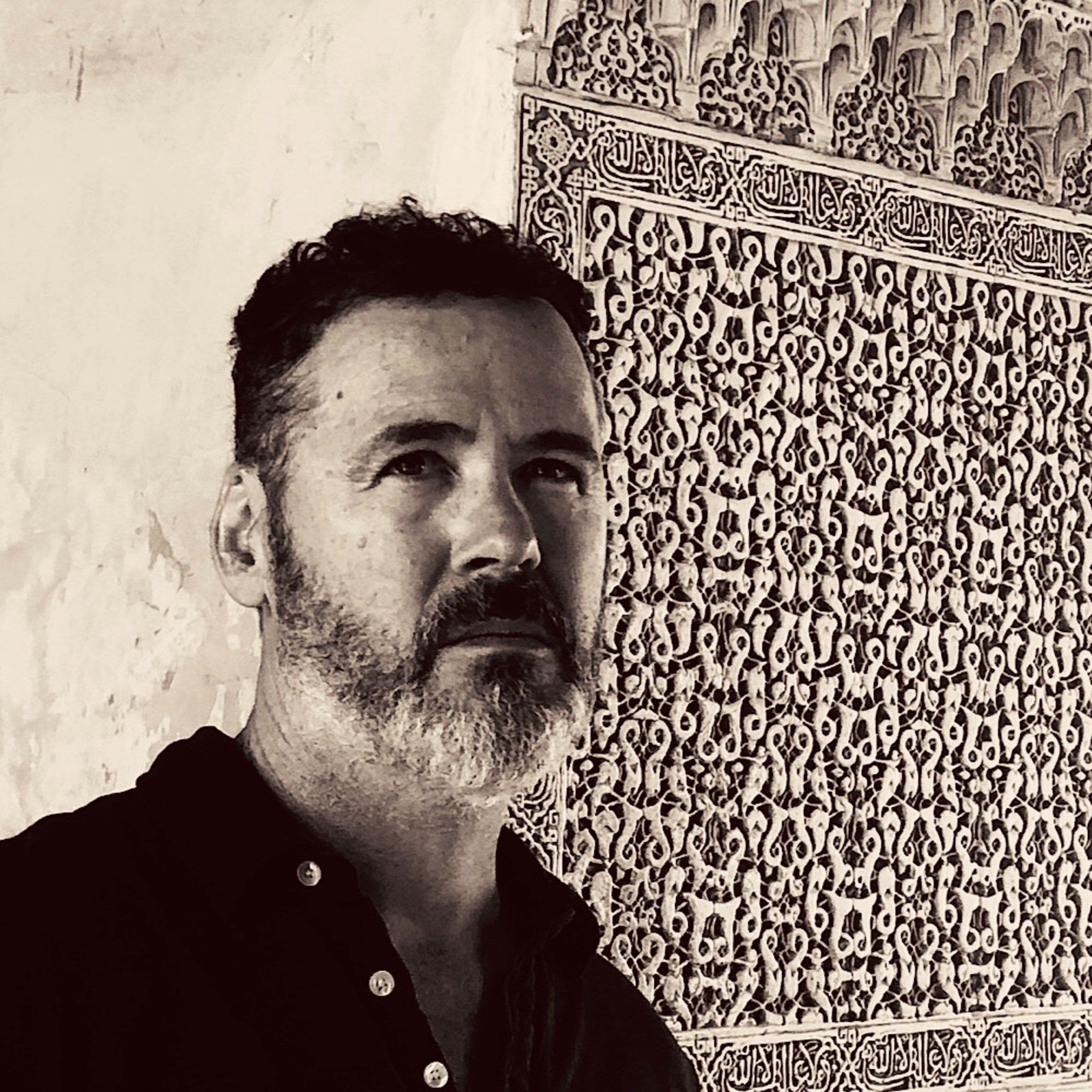 Patrick Webb ✿ A generous coat of craft thinking | Our current issue, titled Know How: The Grammar of Making, features an article by Patrick Webb, titled Maker Mythologies Classical Origin Stories for the Crafts, which is a fascinating overview of the key role played by craft in the ancient understanding of the world as a divine creation. This is a taste of the rich offerings from his blog called Real Finishes, which I highly recommend. What intrigues me about Patrick is that he articulates this complex world knowledge not as a university professor in humanities, but as an exponent of his own craft, as a plasterer. Patrick offers a view of the world through the eyes (and hands) of a plasterer. For Patrick, plaster is part of the process by which humans were able to leave their caves and venture out into the world. Of course, the very word "ceiling" derives from the importance of plaster in rendering impermeable membranes for our shelter. Plaster is by nature a demanding substance. Beginning as a liquid, it quickly sets when exposed to air, which causes Patrick to believe that "the material is the master." When I ask Patrick whether craft could be considered a form of knowledge, he doesn't shy from its dimension as labour: "What I do requires a great bit of physical exertion. You build muscles, you sweat." Rather than drudgery, Patrick sees the physicality of plastering as good for both physical and mental health. Nonetheless, Patrick does advocate for a kind of knowledge that is revealed in the doing. When he reaches the limits of describing this in his writing, Patrick then turns to poetry to reflect this haptic understanding. Patrick offers a critique of Plato, particularly the way his academy required students to know geometry, yet would not admit artisans who he saw as a lower form of life. I was curious how Patrick gathers so much knowledge outside the modern academy of the university. For Patrick, the university is "a place of intellect and cognition" and therefore not a natural place for the "arts and crafts". Craft knowledge is embodied experience that is best taught through the apprenticeship system. I wonder if that is necessarily so, especially given Patrick's critique of Plato's academy for the exclusion of artisans. Finally, I brooch the issue of gender in Patrick's language, which frequently mentions "craftsman". Patrick says that he did ask some female students what they preferred to be called, and found "craftsman" the most popular. What I appreciate while listening to Patrick is his generosity of knowledge. He puts great effort into his various writings without the systemic rewards that are built into academic careers. It is a testament to knowledge as a currency that we can all share. | — | ||||||
Want analysis for the episodes below?Free for Pro Submit a request, we'll have your selected episodes analyzed within an hour. Free, at no cost to you, for Pro users. | |||||||||
| 9/22/22 |  Neke Moa ✿ How to make deities for everyday use | We interview Neke Moa to learn about being a custodian of pounamu and how she uses it to connect with atua as guiding spirits. More info: https://garlandmag.com/loop/neke-moa-deities/ | — | ||||||
| 7/7/22 |  Glenn Adamson on Material Intelligence and the scientific turn in crafts | Glenn Adamson speaks about the new publication project, Material Intelligence. He reflects on how this project evolved from his return to the Chipstone Foundation in Milwaukee. Adamson describes the need in craft writing to keep in mind the publication as an object, in this case, a PDF which will become a book. In terms of readership, he aims to engage with a scientific community who are practically working with materials. We discuss the nature of "material intelligence": how thinking might have a craft-base and its relationship to the modernist principle of "truth in material". Finally, Adamson offers a book recommendation by technology writer, John Markoff: Machines of Loving Grace: The Quest for Common Ground Between Humans and Robots. | — | ||||||
| 6/23/22 |  Jesse Adams Stein - Do we still need to make things? | We speak with Jesse Adams Stein, the author of Industrial Craft in Australia: Oral Histories of Creativity & Survival (Palgrave Macmillan 2021) For more information, see our post: https://garlandmag.com/loop/jesse-adams-stein/ | — | ||||||
| 3/31/22 | 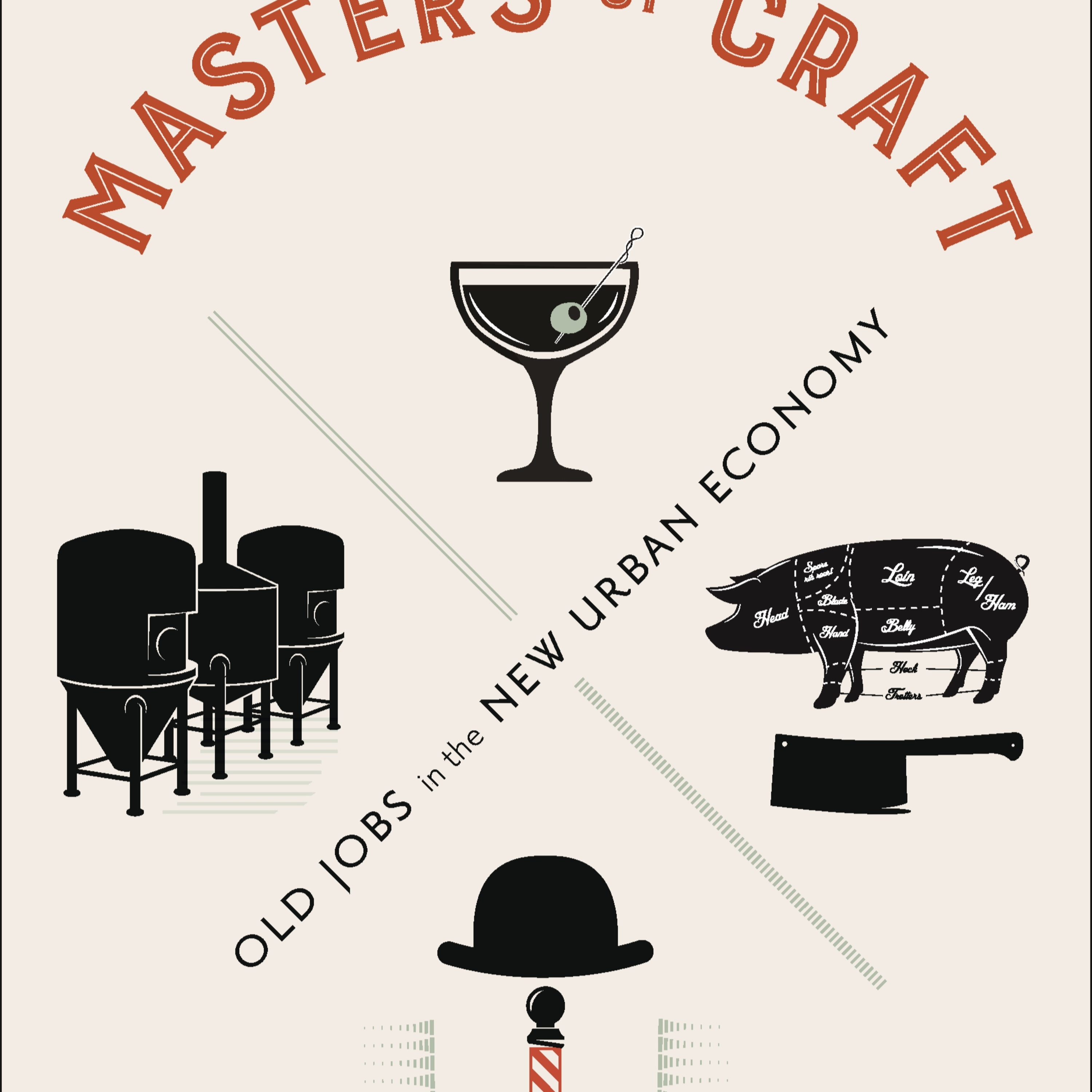 Masters of Craft - five years later | We interview Richard Ocejo, author of Masters of Craft: New Jobs in the Old Economy (2017). This intriguing book described a trend among white middle-class men in taking on manual trades. These included bartender, barber, butcher and distiller. We explore how this differentiates from the hipster figure as an ironic consumer and the complications of the term "master". Then we turn to the impact of the pandemic on these gentrified trades. Their dependence on an audience means the lockdown did have a negative effect on their work. Ocejo ends with a powerful tale of a local potter who teaches his craft who told him: "The world doesn't need more plates. The world doesn't need more cups. That's not what we're doing here. We're trying to connect people here with an ancient practice and that's what makes us who we are." | — | ||||||
| 12/28/21 | 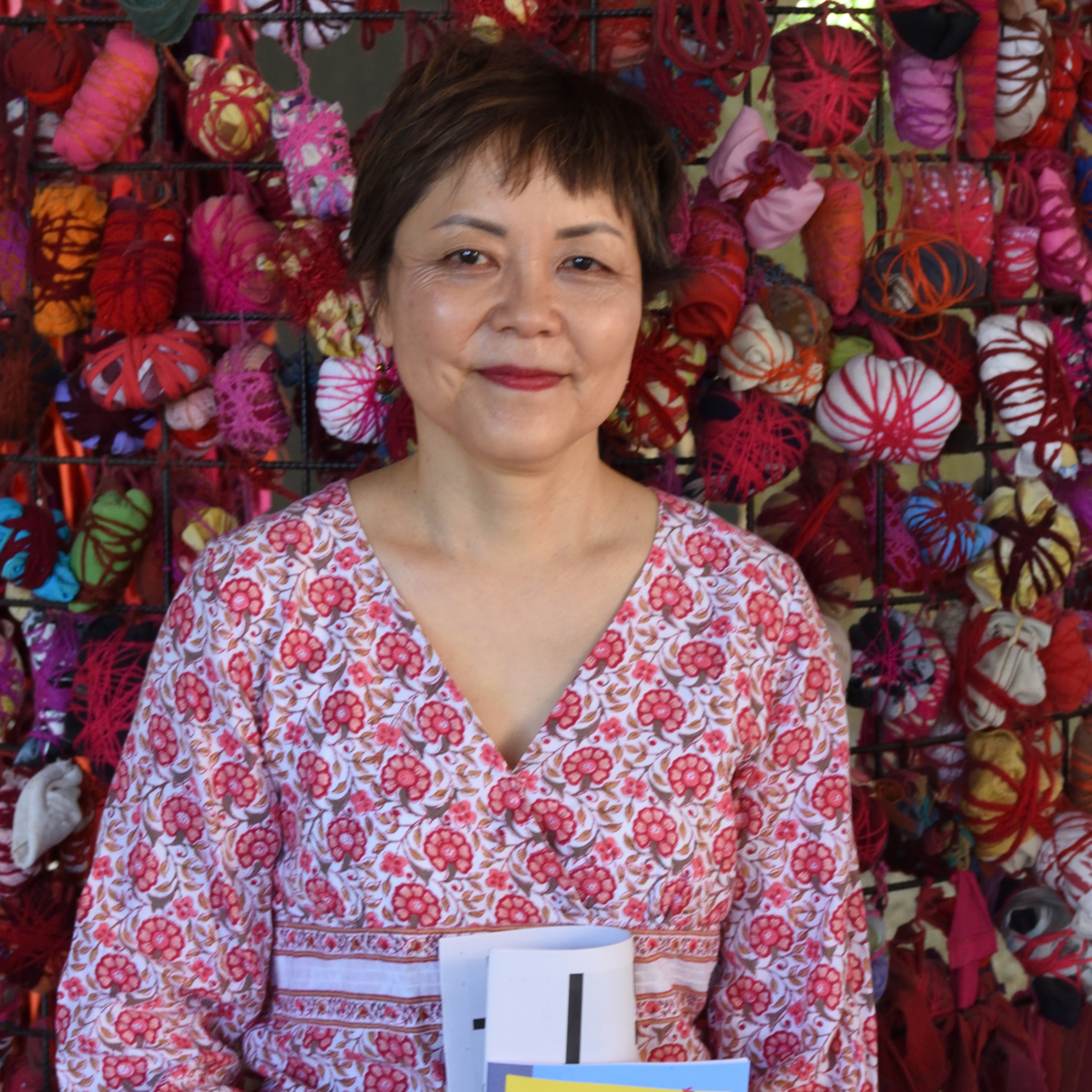 The spirit of Mingei in MUJI and manga | Yuko Kikuchi, Professor of Craft History at Kanazawa College of Art, shares her professional journey beginning with the Beat Generation in California. Moving to England, she was introduced to the Arts and Crafts Movement, through which she re-discovered the Mingei folk craft movement of her home country, Japan. She reflects on the Western critic of Mingei as elitism by identifying its evolution inside Japan into a modern commodity through MUJI and popular culture through manga comics. We also talk about Japan's relationship to Taiwan, the unsustainability of craft in Kanazawa and the gender imbalance in Japanese society. Transcript | — | ||||||
| 9/16/21 |  Hamza El Fasiki ✿ Lockdown reveals the enduring crafts of Morocco | Hamza El Fasiki is a geometer, brass smith, bookbinder, Andalusian Oud musician, and founder of a Morocco arts studio. He offers an important perspective as a young person who has embraced the world of Moroccan traditional crafts. This gives him particular insight into the differences between modern and traditional worlds. Read more here. | — | ||||||
| 7/9/21 |  Kaamya Sharma ✿ A salutary lesson for us craft snobs | Kaamya Sharma is an academic who has recently turned knowledge worker for the crafts. We speak to her at home in Madurai, after leaving a secure position at the Institute of Technology, Jodhpur, and embracing an independent practice building technologies for artisans. Kaamya is a talented writer and deep thinker who is able to see both sides of the story. We dwell on her research into the value of saris in Chennai, which features the concept of "sartorial bio-moralism". She questions the hierarchy that positions handwoven and natural-dyed over machine-made and chemical dyed. For Kaamya, this is often an expression of class value designed to differentiate upper classes from those in lower castes and menial livelihoods. Her questioning poses a challenge. How can we sustain the value of the handmade without subscribing to the kind of snobbery that looks down on those who choose machine-made alternatives, often for utilitarian and sometimes even aesthetic reasons? Much to think about. | — | ||||||
| 5/3/21 |  Malika Verma on the Śilpa series | We talk to Malika Verma about the origins of Border&Fall and the values that underpin the Śilpa series profiling Indian artisans. See Kanta Kadse ✿ Khajur ki pattiyo | — | ||||||
| 4/6/21 |  Anna Battista, the woman behind Irenebrination | In our series of interviews with key figures of the craft world, we talk to Anna Battista, an Italian writer whose Irenebrination has published nearly 3,000 stories of the world through an intelligent fashion lens. We learn what sustains such as committed independent voice. Anna Battista is a writer, freelance journalist and independent scholar. Her articles about art, architecture, culture, fashion, lifestyle, politics and social issues have been featured in American, British, French, Italian, Portuguese, Russian, Spanish, Swedish publications. Among the publications she has contributed and collaborated with there are Dazed Digital, Port Magazine, The Guardian, Vogue Russia, Vogue Italia and Interview Magazine Russia. She has lectured for many institutions including the Museum of Photography in Moscow and the AA Visiting School Paris at the Musée des Arts Décoratifs, Paris. Anna’s architecture, art, fashion and film notes are collected on her site, Irenebrination, inspired by iconic Italian journalist and fashion and art critic Irene Brin and conceived as a reaction against commercial fashion publications. | — | ||||||
| 1/13/21 | 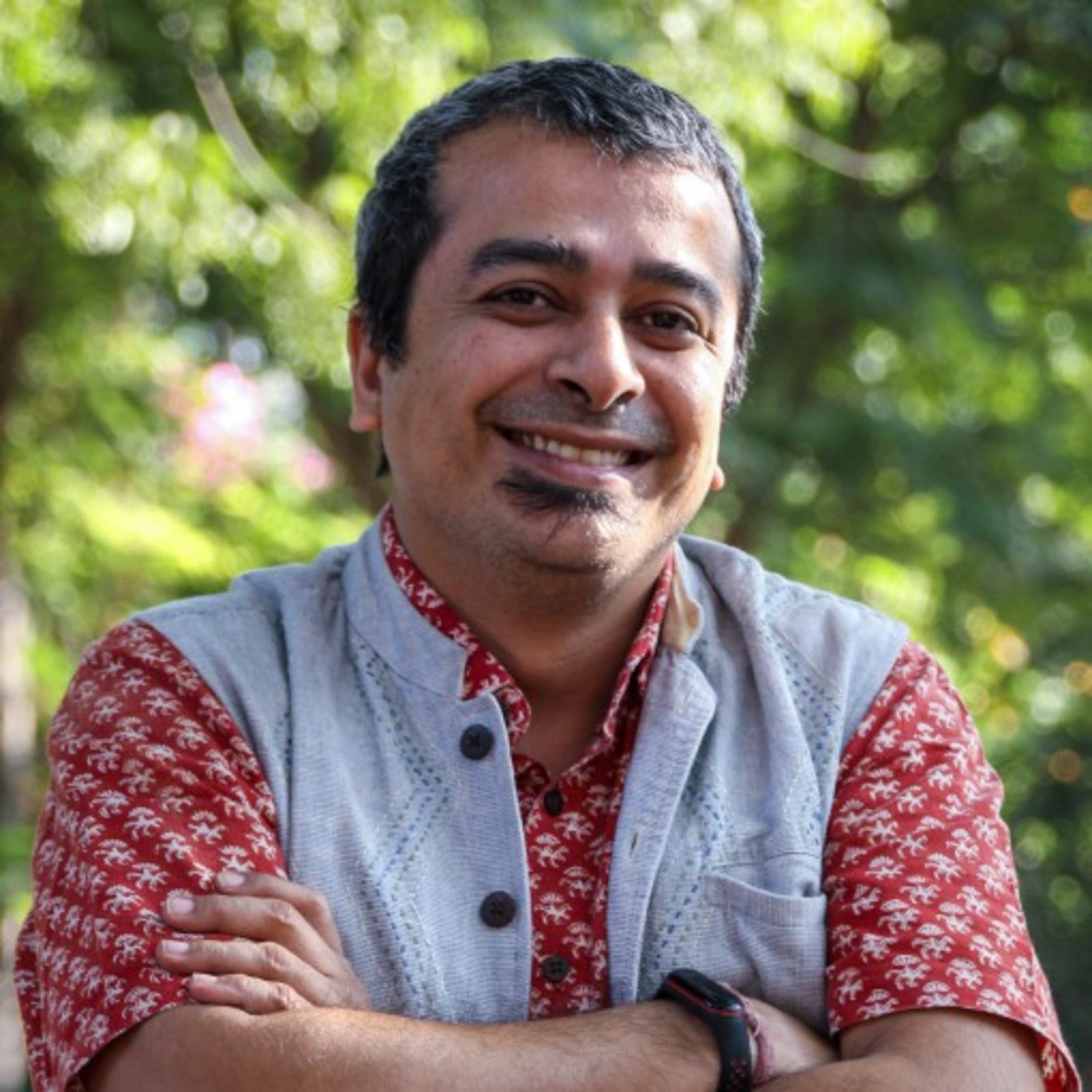 Jay Thakkar ✿ The fourth wave in craft education | Our first podcast of 2021 features one of the most innovative forces in Indian craft, reflecting Ahmedabad’s status as a unique cultural centre. We speak to Jay Thakkar on the eve of the legendary kite festival in Ahmedabad, and we begin by learning what the city is like during this spectacular event and how COVID has affected the themes of kite design. We discuss his ambitious project on vernacular furniture, which was told previously in our story by Mitraja Bais. We also hear about the five-year-long exchange with a Kutch village Guniyali which culminated recently in the launch of a virtual exhibition with the support of the British Council. Jay shares with us his thoughts on craft education in India and proposes a “fourth wave” in which designers seek learning from the villagers themselves in location. Finally, we learn some of the deeper values that underpin is work, and a saying of his father’s that money is like wheat. Listen and learn why this is so. Jay Thakkar is an Associate Professor, Head of Exhibition at CEPT University and Co-founder and Executive Director at Design Innovation and Craft Resource Centre (DICRC) at CRDF, Ahmedabad, India. You visit the virtual exhibition Celebrating Gundiyali here. | — | ||||||
| 9/17/20 |  Laila Al Hamad ✿ The craft of smell | Kuwaiti designer Laila Al Hamad speaks about the meaning of smell in Arab cultures and how it connects people together. One of the enduring themes of our journey is the meaning of ephemeral objects. We tend to see value in objects of lasting worth - as artefacts that survive millennia to rest in our museum shelves, or works that can be collected for their artistic value. But when we look at the kinds of objects that have meaning in the wider world, they are often of fleeting presence. We can look no further than the garland itself, as an object woven together with flowers that will last only a couple of days. What worth can that be? Here we need to consider other cultural contexts, like the value of offerings. In this podcast, we look at perhaps the most ephemeral substance - smell. What is the possible worth of objects related to smell, such as incense, perfume or soap? We explore this Laila Al-Hamad, a Kuwaiti designer who has previously shared her story on Garland about the fraught nature of craft in the Gulf. Poetry and images referred to by Laila can be found here. | — | ||||||
| 7/8/20 | 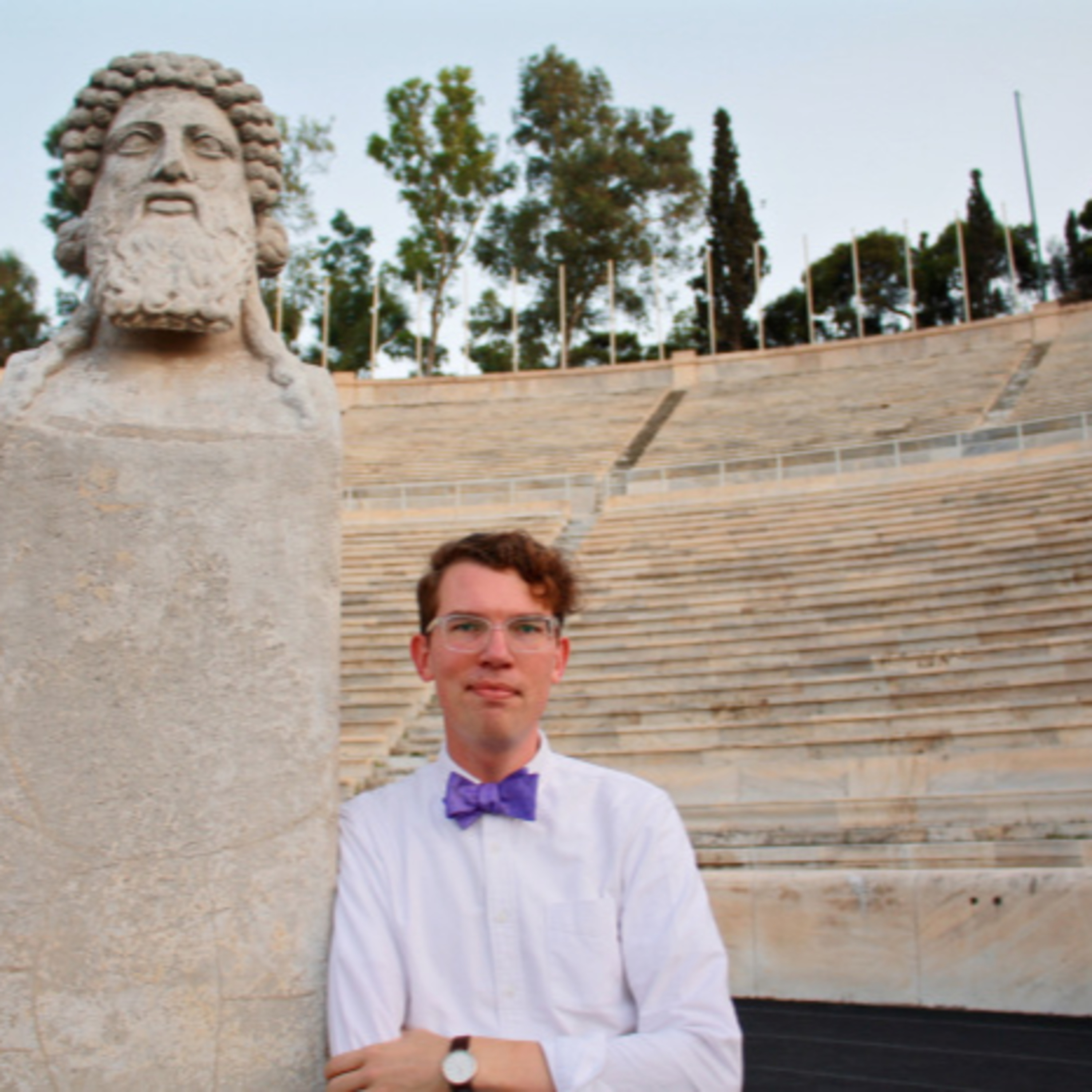 Art for life: The hanging garlands of Pompeii according to Dylan Rogers | We talk to Dylan Rogers about his discovery of the true significance of the garlands that feature in Pompeii murals. Pompeii offers a snapshot of Roman life in 79AD. It reveals the prevalence of murals, not just as decoration, but as instructions for living. As part of his investigation of "lived religion" in Roman times, archeologist Dylan Rogers uncovered the real purpose of these garlands. The inclusion of painted garlands on walls is an enduring reminder to individuals and the community that garland-giving is a vital part of the veneration of the deities depicted in that space. This discovery emphasises the true meaning of garlands as "living" objects that help maintain cultural order. This is a challenge for our understanding of art as made of fixed objects that live separate from life in galleries and museums. Visit this world of ancient Rome with Dylan Rogers. Reference: Rogers, Dylan. 2020. “The Hanging Garlands of Pompeii: Mimetic Acts of Ancient Lived Religion.” Arts & Health 9 (2): 65. | — | ||||||
| 6/17/20 |  Maikel Kuijpers on material thinking and the Future is Handmade | Maikel Kuijpers an Assistant Professor of the Archaeology of Early Europe at Leiden University as well as a research coordinator for the Centre of Global Heritage and Development, a collaboration between Technical University Delft, Erasmus University Rotterdam, and Leiden University. Kuijpers is a key thinker in what has been called the "material turn", in which knowledge is seen not just as an abstraction to be housed in books, but also something embodied in materials and things that resides in our hands. His book, An Archaeology of Skill (2017), argues that to understand objects of the bronze age, we need to account for the experience of the metalsmith in dialogue with materials. We cover in particular the video Kuijpers produced in Cambridge, The Future is Handmade, which advocated for the renewed value of craft in trades. Why would an archeologist make a film about a contemporary tailor? | — | ||||||
| 5/7/20 |  Ashoke Chatterjee - We must revive the villages | Ashoke Chatterjee is an Indian craft leader. He was executive director of National Institute of Design (NID) from 1975-85, Senior Faculty Advisor for Design Management and Communication from 1985 to 1995, and Distinguished Fellow at NID from 1995 until retirement in 2001. In 1975, NID was invited to be involved with the Rural University, a new concept in education and rural development initiated by Professor Ravi Matthai, first director of the Indian Institute of Management (IIM), Ahmedabad. Ashoke Chatterjee became part of the Rural University team that worked with people of the Jawaja block, which included about 200 villages with a population of approximately 80,000 people in a drought prone district of Rajasthan. Ashoke Chatterjee shares his journey and reflects on the secret behind the success of the Jawaja project. He concludes with a rousing call to heed the message of Gandhiji in protecting the poor who have been betrayed by the lure of urbanisation and now face a long and hard journey back to their village and possible starvation. You can read his Garland article here. | — | ||||||
| 4/21/20 |  Chandan Bose ✿ The rich social world of patam art in Telangana | Our latest podcast interview with leading craft scholars includes Chandan Bose, whose study of naqqash artisans in Telangana reveals the rich social world of this narrative art form. There is a new generation of craft scholars who seek to work in partnership with artisans. Chandan Bose recently published book on patam art in Telangana is very much a conversation a naqqash artist, Vaikuntam. The book is a very thorough account of this graphic art, along with the complex social relations it involves. But Bose also reflects on the active role played by Vaikuntam in leveraging ethnography to promote his caste. As he quotes Vaikuntam, “It is only because you are asking these questions that I am telling all of this.” As part of our series of podcasts on leading craft scholars, we interviewed Chandan Bose about the path that led to Vaikuntam and the issues it raised. We learn about how the plight of Gond folk artists prompted his concern about the role and value of the artisan in contemporary India. He reflects on the value of formalised heritage structures such as Geographic Indicators and future challenges to be explored. Chandan Bose is Assistant Professor of Anthropology and Sociology, Department of Liberal Arts, Indian Institute of Technology, Hyderabad. His work focuses on the meaning of work and livelihood, and ways of knowledge production and sharing among skilled communities. His first monograph Conversations Around Craft (2019) is an ethnographic study of a household of artisans in Telangana, who share their experience of making ‘crafts’ and of being ‘craftspersons’ in contemporary India. He is currently working with second-generation artisans in urban India to understand how inheritance, technology and urbanization help shape visions of a future. See Garland magazine for more details and images. Further reading Bose, Chandan. 2019. Perspectives on Work, Home, and Identity From Artisans in Telangana: Conversations Around Craft. Springer. | — | ||||||
Showing 25 of 34
Pitch Fit is a Pro feature
See how bookable this show is for guests, which brands already advertise, the per-episode ad value, and the best-fit guest and sponsor profile. The numbers are blurred on the free plan.
How readily this show books outside guests like you.
How proven this show is for host-read sponsorships.
For Guests
ProFor Advertisers
ProUpgrade to Pro to unlock guest cadence, sponsor categories, fit scores, and per-episode ad value for this show.
Chart Positions
1 placement across 1 market.
Chart Positions
1 placement across 1 market.