The one-armed man at the concert
About this episode
The episode reflects on Mozart's final symphony and contrasts it with Shostakovich's work, while exploring themes of art and democracy.
Mozart’s Symphony No. 41 in C Major, the “Jupiter,” was his last, a symphony he never heard, composed in the summer of 1788, three years before his death, along with two other symphonies, a piano sonata, other chamber works, by a 32-year-old genius deeply in debt, having lost the favor of his noble patrons, caring for his ailing wife, Constanze — it’s heartbreaking to hear the tenderness of the dances in the third movement, the inventiveness of the finale.The audience adored the Shostakovich. They gave it a standing ovation and brought the maestro back for five bows and he gave bows to the brass, the English horn, the violas, the tympani, the cymbals, the strings, the winds, the harps. Shostakovich wrote it in honor of the Bolshevik Revolution of 1917 but during intermission Jenny had shown me videos she’d taken of New Yorkers sliding Cedar Hill in Central Park, sliding on plastic saucers, pieces of cardboard, baking trays, roasting pans, skis, going off a jump and flying in the air and landing in a cloud of snow. Tyranny is brutal and blind to the goodness and delight of life that Mozart found even in his summer of distress. We have a democracy here, my friend. The vintage of…
People in this episode
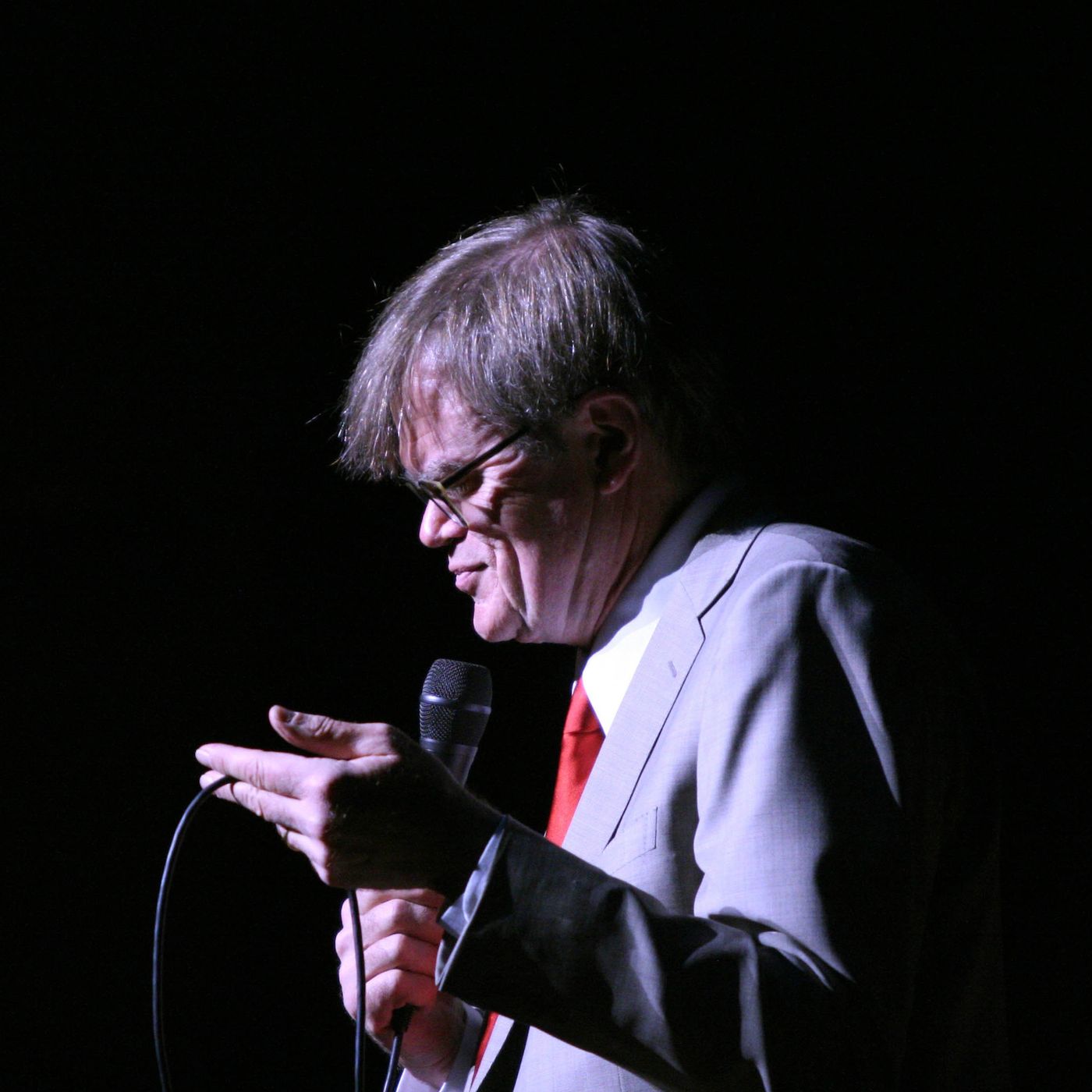
Host: Garrison Keillor
Topics covered
- classical music
- Mozart
- Shostakovich
- New York
- democracy
- artistic expression
Keywords
- Mozart
- Shostakovich
- symphony
- New York
- Bolshevik Revolution
- Cedar Hill
- democracy
- classical music
Mentioned in this episode
Books & works: Symphony No. 41 in C Major
Places: New Yorkers, Cedar Hill in Central Park
More episodes of Garrison Keillor's Podcast
- Gearing up to go on the road
- An old man's winter night
- Remembering you but not the rest
- What we learn from air travel
- My weekly walk to church and back
- The sweet day draws near
Explore listener stats, chart rankings, contacts and more on the Garrison Keillor's Podcast podcast page.