
Insights from recent episode analysis
Audience Interest
Podcast Focus
Publishing Consistency
Platform Reach
Insights are generated by CastFox AI using publicly available data, episode content, and proprietary models.
Total monthly reach
Estimated from 2 chart positions in 2 markets.
By chart position
- 🇦🇺AU · Religion & Spirituality#6630K to 100K
- 🇭🇰HK · Religion & Spirituality#115500 to 3K
- Per-Episode Audience
Est. listeners per new episode within ~30 days
9.2K to 31K🎙 Daily cadence·246 episodes·Last published 5d ago - Monthly Reach
Unique listeners across all episodes (30 days)
31K to 103K🇦🇺97%🇭🇰3% - Active Followers
Loyal subscribers who consistently listen
12K to 41K
Market Insights
Platform Distribution
Reach across major podcast platforms, updated hourly
Total Followers
—
Total Plays
—
Total Reviews
—
* Data sourced directly from platform APIs and aggregated hourly across all major podcast directories.
On the show
Recent episodes
The pleasure we take in others' misfortune and what it says about us
Jun 19, 2026
Unknown duration
The ideas that inspired American Christian Zionism
Jun 12, 2026
Unknown duration
How should we view our relationship to work?
Jun 4, 2026
Unknown duration
The seen and unseen: Belief in Jinns, Marian apparitions and Japanese yokai
May 29, 2026
Unknown duration
Home economics: waking up from the Australian dream
May 22, 2026
Unknown duration
Social Links & Contact
Official channels & resources
Official Website
Login
RSS Feed
Login
| Date | Episode | Description | Length | ||||||
|---|---|---|---|---|---|---|---|---|---|
| 6/19/26 |  The pleasure we take in others' misfortune and what it says about us | You heard that someone had come unstuck. A rival. A bully. Someone overconfident, or two-faced, or just a bit too pleased with themselves. And something in you was glad. You won't say it out loud. You might barely admit it to yourself. But the Germans have a word for it. And it turns out, so did the ancient Greeks. Schadenfreude. The pleasure we take in others' misfortune. Is it a moral failing? A sign of deficient character? Or is it a window into what we actually believe about justice, equality — and each other?GUESTS:Tiffany Watt-Smith is a cultural historian and author of Schadenfreude: The Joy of Another's Misfortune. She joins us from London. Nick Haslam is Professor of Psychology at the University of Melbourne, and the man who's been thinking hard about Australia's national variant — tall poppy syndrome. | — | ||||||
| 6/12/26 | 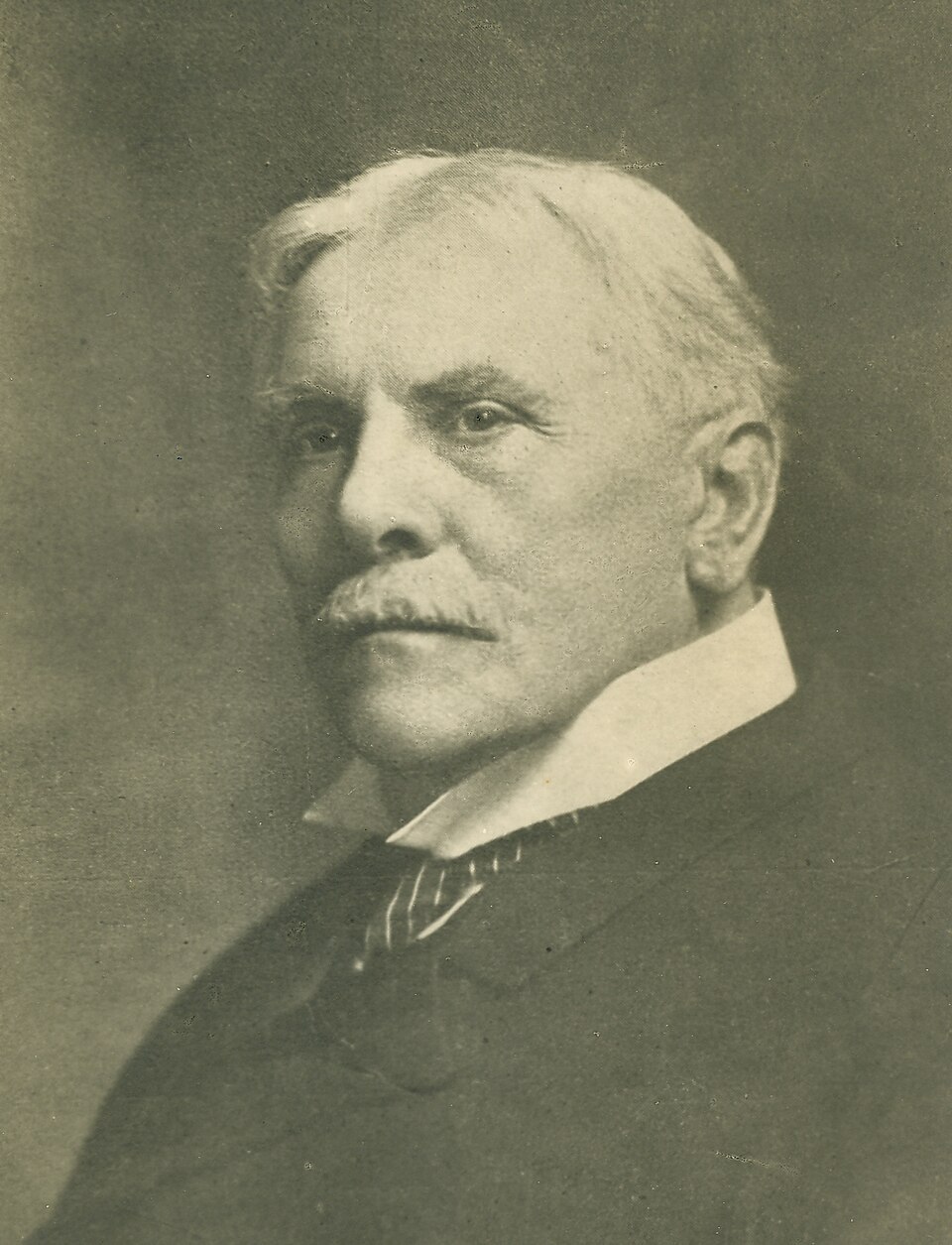 The ideas that inspired American Christian Zionism | Whether or not you believe in - or even know about "the Rapture", "the Tribulation", "the End Times", and "Armageddon", your life is influenced by the idea that Jesus Christ will not only return, he’ll go to Jerusalem, and from there, for exactly one thousand years, he’ll rule the world. Yet, this concept is not in the Bible...at least not directly. But a bible, published in America in 1909, and written by an American made it the most influential concepts in American Christian fundamentalism.The story of the Scofield Reference Bible is an extraordinary one. Not least because it lies at the heart of Christian Zionism which is more consequential today than ever. GUESTS:Professor Donald Akenson is from Queen's University in Ontario, his latest book The Americanization of the Apocalypse: Creating America's Own Bible.Dr Robyn Whitaker is Associate Professor of New Testament at Melbourne’s University of Divinity – among her titles Revelation for Normal People. | — | ||||||
| 6/4/26 | How should we view our relationship to work? | Most of us spend most of our waking hours working, paid and unpaid. From housework to paid work, most of our lives are dominated by work. It's so ingrained that losing our true selves in work can feel unavoidable. Yet, many also find purpose, value, and joy in work – even if it's not their dream job. Work is less a place and more a concept, the line between work and home can be blurred. And younger Gen-Z workers are repelled by the hustle culture and burnout that comes from increased casualisation, unpaid overtime and labour shortages. It’s why for Millennials, nearly 2 in 3 say work is a part of who they are. But for Gen Z, half say their job is not even a central part of their identity. So how, when and why do we work? GUESTS:Valerie Ling founded The Centre for Effective Serving, a psychology practice dedicated to alleviating burnout and other workplace problems. Kara Martin is Adjunct Professor at Boston's Gordon-Conwell Theological Seminary. She's also the author of Workship: How to Use your Work to Worship God.Rabbi Zalman Kastel is founder of Together For Humanity which teaches intercultural understanding in schools and the community. | — | ||||||
| 5/29/26 | 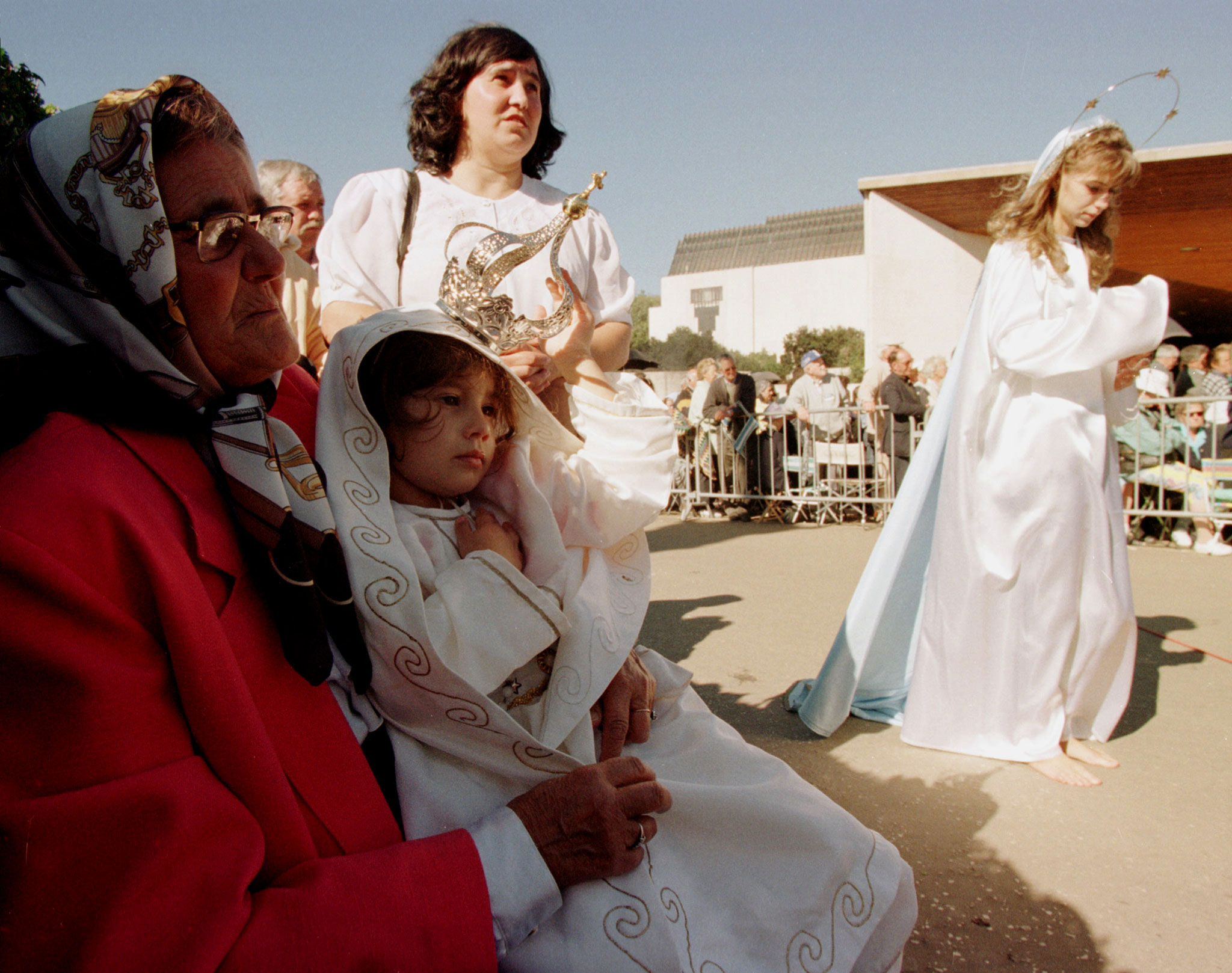 The seen and unseen: Belief in Jinns, Marian apparitions and Japanese yokai | Halloween, in the western Christian tradition, remembers the dead – saints, martyrs, and all the faithful departed. But why do so many believe the departed return? Regardless of the place on earth, or time in history, people say they see strange apparitions and ghostly figures. And as for things unseen, even more profess a belief in genies, spirits, angels and supernatural entities. All these ideas and feelings are traditionally laid bare in this realm of the supernatural, the boundaries of dark and light, good and evil, in our human imagination. That’s why God Forbid panellist Ali A. Olomi studies genies – or jinn as they’re known in the Muslim world. He's a popular podcaster and Assistant Professor of History at Loyola Marymount University in Los Angeles. Kristy Nabhan-Warren is Professor and Chair in Catholic Studies at the University of Iowa. She is an expert on Marian apparitions – the supernatural appearance of Mary, mother of Jesus. And in Seattle Washington, Zack Davisson is an award winning author, lecturer, and Japanese language translator – and expert in yokai, the supernatural creatures of Japanese folklore. | — | ||||||
| 5/22/26 |  Home economics: waking up from the Australian dream | The government has removed favourable tax settings for investors to make home ownership just a bit more achievable for Millennials and Gen Z’s priced out of the market. The Prime Minister has spoken about the importance of giving young people access to housing so they have “a stake in the economy”Is tinkering with, or even an overhaul, of the housing market really the only answer to growing wealth gaps in Australia? What if we can move towards a totally different economic structure that serves everyone? And what do some of Australia's faith communities say about what that model might look like? GUESTS:Dr Julie Macken Research and Project Officer of the Catholic Archdiocese of Sydney’s Justice and Peace Office, and author of Australia’s Schism in the soul: colonization, asylum seekers, and a nation’s failure to mourn Asad Ansari, a specialist in Islamic finance, with 25 years of experience across Australia, Southeast Asia, and the Middle East, and Co-founder of Amanah Islamic Finance Dr Jonathon Cornford runs Manna Gum, an independent Christian non-profit thinktank, and podcast host of Mannacast | — | ||||||
| 5/14/26 |  Doomsday or just good planning? The ethics of prepping | From climate disasters to economic collapse, pandemics to political unrest — some people prepare for the worst long before it happens. But is prepping a sign of prudent foresight or a loss of faith in society? And how do ethics and religion shape ideas of survival? In this episode we explore the growing culture of preppers and survivalists, from community resilience to billionaire bunkers. Are preppers visionaries, doomsayers, or just realists? And in a crisis, what do we owe each other?GUESTS:Dr. Bradley Garrett – Social geographer and author of Bunker: What It Takes to Survive the Apocalypse.Dr. Tom Doig – Journalist and author of the upcoming book We Are All Preppers Now.John Scarinci – Secretary General of the Australian Peoples Survival League.Tracy Simmons – Journalist, religion reporter, and executive director of FāVS News, a religion news website in the Pacific Northwest.This episode of God Forbid was made on Gadigal land and in Meanjin. And was first broadcast March 2025. | — | ||||||
| 5/6/26 | 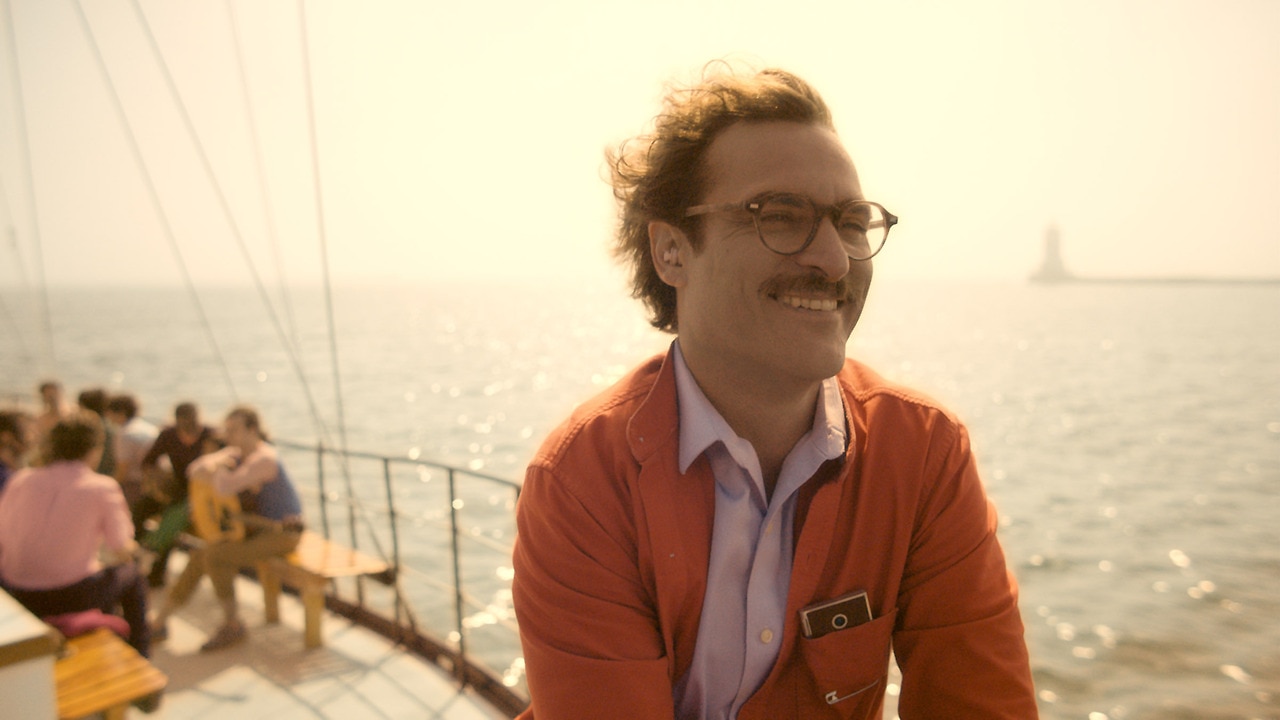 Can we truly love AI? And can it love us back? | Falling in love with a machine is supposed to be the stuff of science-fiction. About a decade ago, Spike Jonze made the film Her, about a lonely man Theodore, played by Joaquin Phoenix, falling in love with his operating system, Samantha. And the world renowned psychoanalyst Esther Perel recently counselled a man and his romantic partner, a chat bot! Is romantic love just in our hearts and heads, or does it require another human to be real? If an AI lover is always patient, understanding, never challenges you, and you never have to pick up after them, how could a human ever compete? Is AI the ultimate cure for human loneliness? Can AI fill the God-shaped hole in us? GUESTS:Professor Meghan Sullivan, Wilsey Family College Professor of Philosophy at the University of Notre Dame. Also, the Founding Director of Notre Dame’s Institute for Ethics and the Common GoodCaragh OBrien, author of AnnieBot (written under the pen name Sierra Greer) a novel told from the perspective of a robot girlfriend for a man called Doug. AnnieBot won the 2025 Arthur C. Clarke award for UK science fiction book of the year. Professor Uri Gal, Professor of Business Information Systems at the University of Sydney Business School, whose research focuses on the organisational and ethical aspects of digital technologies - his recent article for the ABC is here. | — | ||||||
| 5/1/26 | 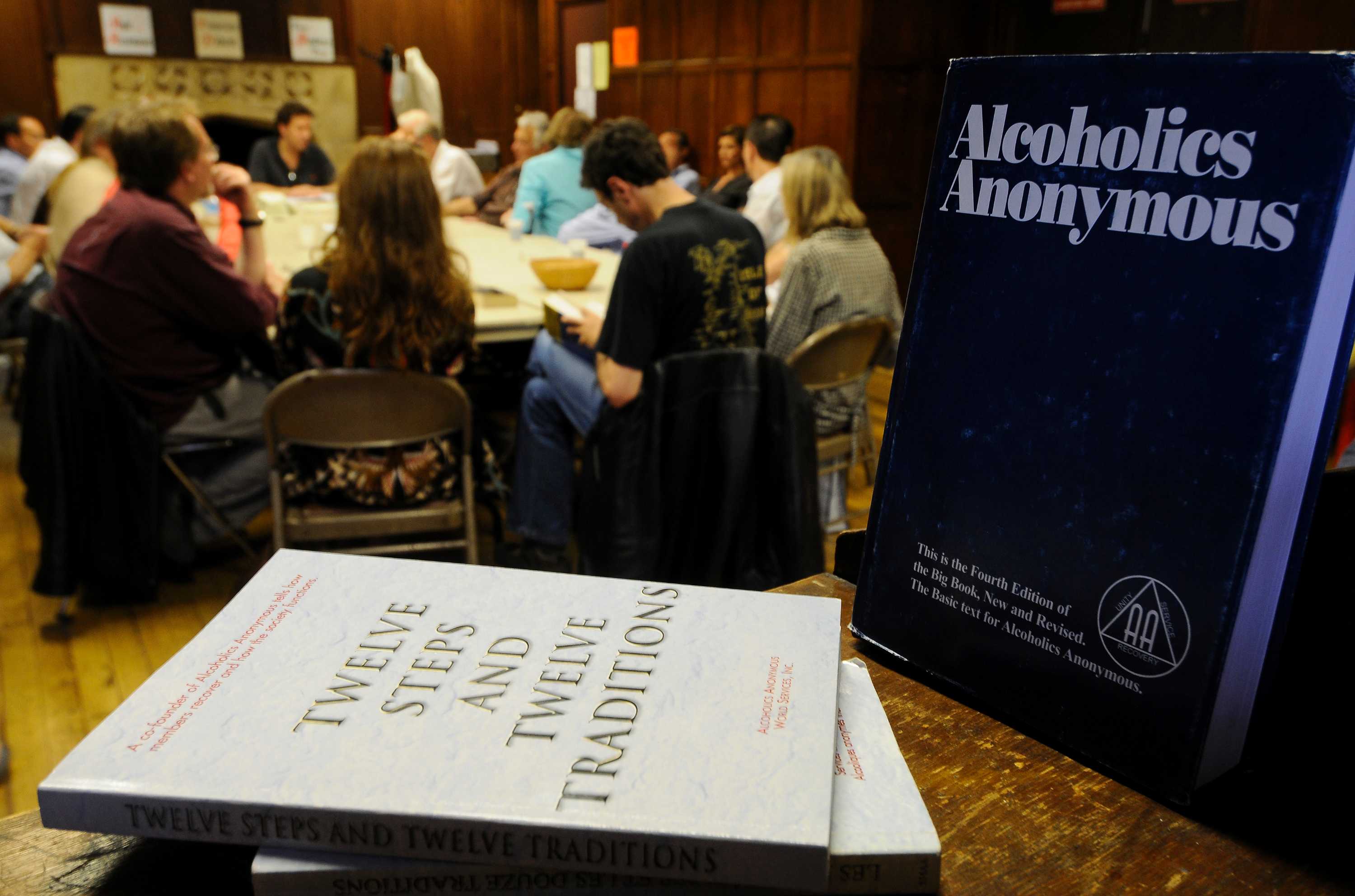 Addiction, God, and the origin of the twelve steps | Since the Stone Age we’ve used, and abused, drugs and alcohol. And some cultures believed their mood-altering effects brought you closer to God. But if you go to an Alcoholics Anonymous or AA meeting today, you’ll be told that getting closer to God means getting away from the drink.AA also welcomes atheists, of course, as the only requirement for membership is a desire to stop drinking. But as part of the program, surrendering to a higher power is essential. Not necessarily God, but something outside of the bondage of self.But why does the twelve step program work brilliantly for some — and fail miserably for others? And what are the spiritual roots of the program? And it's not just alcoholism, there are twelve step programs for gamblers, social media and sex addicts, also overeaters and clutterers anonymous. GUESTS:Joanna Thyer, Multi-Faith Chaplaincy Coordinator at the University of Technology Sydney. She's also author of 12 Steps to Spiritual Freedom - Understanding the Christian Roots of Twelve Step Programs, and Steps to Life.Melinda Lake, psychologist and co-founder & CEO of Australian Recovery Centres in Northern NSW. She's also worked with AABCAP on Addiction in Buddhism and Psychotherapy.Amber Rules, Clinical psychotherapist and Director of Sydney Addictions Recovery in Sydney's inner west. | — | ||||||
| 4/24/26 | 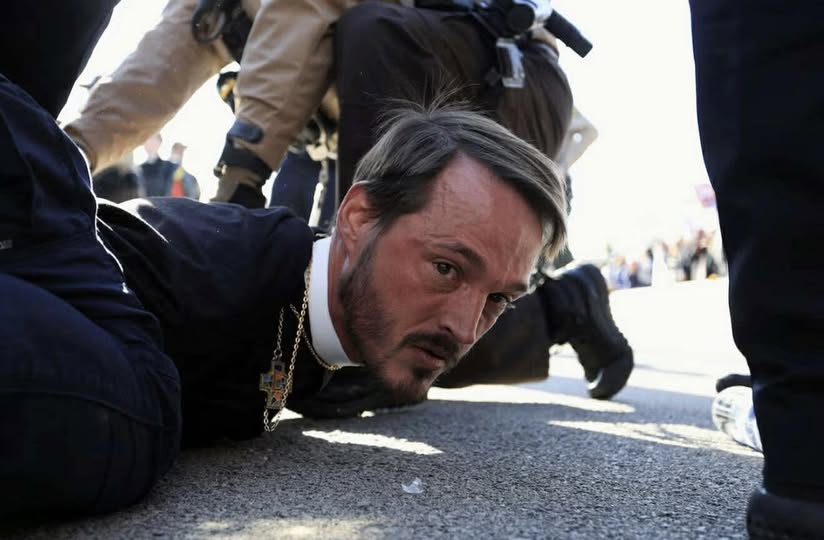 Christian leaders talk war, the Pope, getting arrested, courage and empathy | Pope Leo XIV has recently slammed the use of God's name to justify what he terms as the "absurd" pursuit of war, specifically challenging military leaders who describe operations in Iran as a holy war "in the name of Jesus Christ". Is a "holy war" antithetical to the teachings of Jesus Christ? Sister Brigid Arthur, Rev Tim Costello and Rev Michael Woolf certainly think so. All of them have been at the forefront of contemporary societal battles about some of the most pressing issues of our day: asylum seekers and refugees, gambling reform and homelessness. So, what can Christian leaders offer us in this context? Can they be holy warriors for our most pressing concerns? GUESTS:Rev Tim Costello is Chief Advocate for the Alliance for Gambling Reform, Member of the Order of Australia, Executive Director of Micah Australia.Rev Dr Michael Woolf is Senior Minister of Lake Street Church of Evanston in the US state of Illinois and Co-Associate Regional Minister with the American Baptist Church, and author of Sanctuary and Subjectivity: Thinking Theologically about Whiteness and Sanctuary Movements Sister Brigid Arthur is a Brigidine sister who coordinates the Brigidine Asylum Seekers Project, which advocates for asylum seekers, and helps them out with practical needs like housing, rent and utilities, friendship. | — | ||||||
| 4/17/26 | 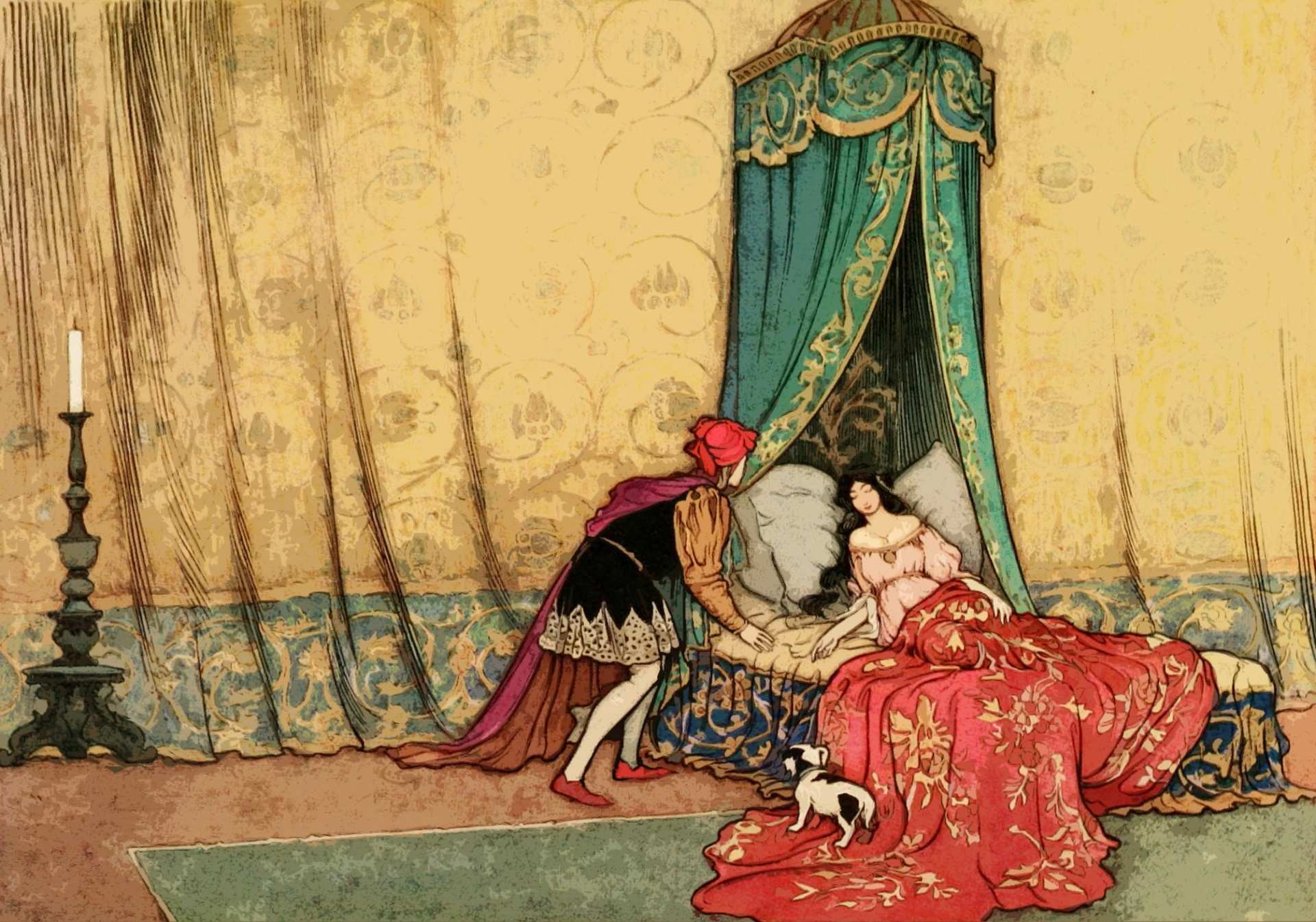 Why do adults still need fairytales? | Fairytales are among the oldest forms of human storytelling, with their roots in the oral traditions of pre-literate societies. Over centuries, these tales have been reworked to suit the religious, moral and political order of the day. They are instructive, entertaining and sometimes terrifying. Why is there this ongoing appeal – indeed a revival – of fairytales among young and old alike? Guests: Marguerite Johnson, classicist, historian and Honorary Professor at the University of Queensland. Tom Wright, theatre writer and Artistic Associate at Belvoir Street Theatre in Sydney Michelle Smith, Associate Professor in Literary Studies at Monash University This program first aired in March 2024 | — | ||||||
Want analysis for the episodes below?Free for Pro Submit a request, we'll have your selected episodes analyzed within an hour. Free, at no cost to you, for Pro users. | |||||||||
| 4/10/26 | The Orthodox surge | It’s Eastern Orthodox Easter this weekend, where the faithful will announce to each other Christos Anesti. Christ is Risen.Also risen? The fortunes of Eastern Orthodoxy among men – though this is contested. Over the last 50 years, the numbers of people around the world identifying as religious have dropped. But the numbers of Christians seem to have stabilised, just in the last few years. Why? | — | ||||||
| 4/2/26 | 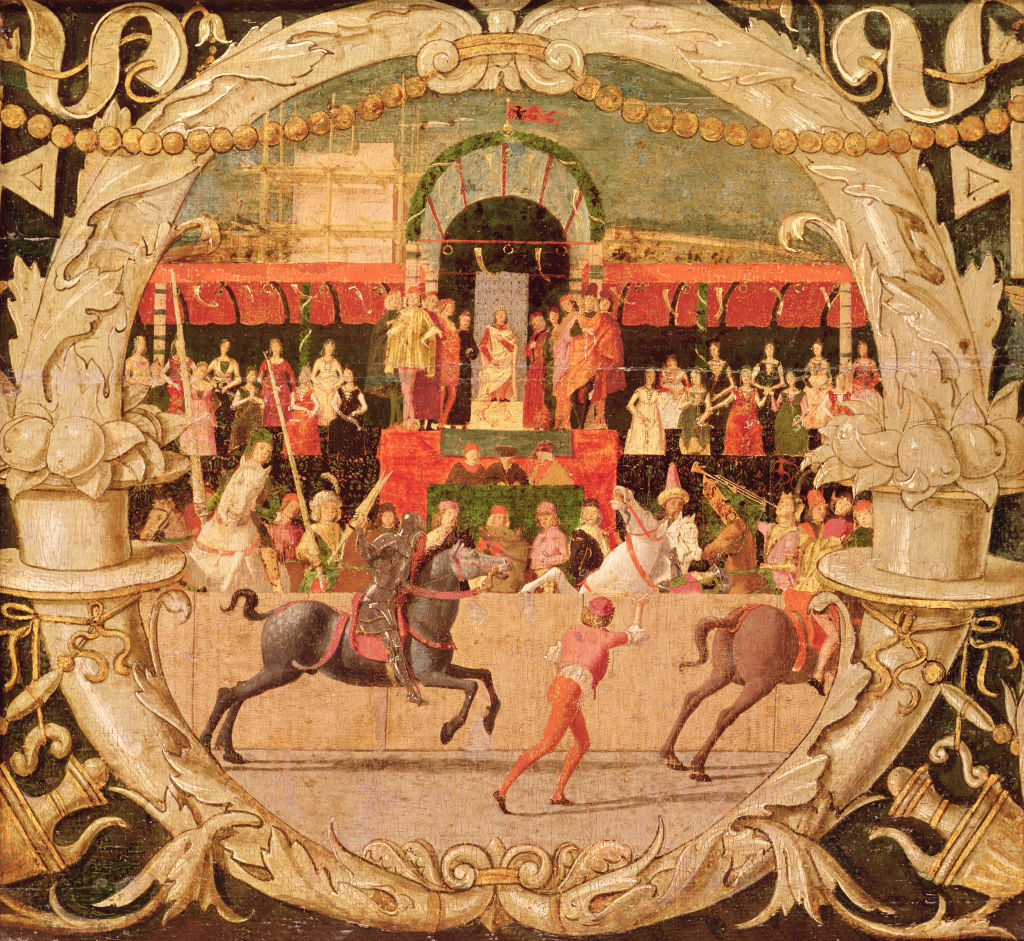 Why are the Middle Ages are still relevant today? | If you go to the movies, or turn on your TV, you’ll find it hard to avoid the medieval fantasy genre. With its castles and fortresses, cloaks and crowns, and even dungeons and dragons.The stories are fantastical but of course, fictional in their portrayal of medieval Europe and the Islamic Golden Age.But how can a better understanding of what actually happened, in a rapidly changing Europe and Middle East, 500 to 1,000 years ago, help us navigate complexities in the world today?GUESTS:Dr Michael Barbezat, Research Fellow in Medieval and Early Modern Studies at the Australian Catholic University.Dr Miles Pattenden, Senior Research Fellow in Medieval Studies, also at ACU.Dr Mahsheed Ansari, Senior Lecturer at the Centre for Islamic Studies and Civilisation, Charles Sturt University. This program was first broadcast in October 2023 | — | ||||||
| 3/26/26 |  Is your privacy sacred? | Evolving digital technologies have supercharged our anxieties about privacy and surveillance. These concerns may feel new, but they have always existed. Access to privacy is central to human dignity and intimacy - but it is also conditional in a society which values openness and accountability. So what should remain seen and unseen? When does surveillance become intrusive? And can privacy survive the digital age? Guests: Anita Allen, Professor of Law and Philosophy, University of Pennsylvania Hugh Breakey, Professor of Philosophy, Griffith University David Vincent, Professor Emeritus, Open Universities UK, author of Privacy: A Short History | — | ||||||
| 3/20/26 | On judgement | "Don't judge me" is the unofficial commandment of our secular liberal society. We're told so long as you’re not hurting anyone, live however you want. But online, judgement is relentless and cruel. Have we lost the ability to wisely judge, and — eventually — forgive? Or did we never really have it in the first place? | — | ||||||
| 3/13/26 |  Is the 21st century’s version of freedom liberating or a freedom trap? | These days, we want Rights, not religion. Choice, not Church. Pleasure, over prayer. In Australia, and the world increasingly, the market is the Messiah, and the self is the saviour. But, if we’re the freest people who’ve ever lived, to choose our partners, careers, genders, and Gods or no God, free to buy anything, stream anything, be anything...why then do we seem to be unravelling? In a world of loneliness, anxiety, extremism, polarisation, the more we chase freedom, the more it seems to slip away. Are we in a freedom trap?GUESTS:Priyan Max Jeganathan is a Senior Research Fellow at the Centre for Public Christianity, author of The Freedom Trap.Alexander Lefebvre is Professor of Politics and Philosophy at the University of Sydney. He's the author of Liberalism as a Way of Life. | — | ||||||
| 3/6/26 | International Women's Day special | What is the state of women in Australia and globally in 2026? Mainstream social media is increasingly clogged with misogyny, there's the horrendous revelations around Jeffrey Epstein, a rise in women killed by their partners and online harassment of women is at a peak. Are we going backwards? Guests:Ginger Gorman is a journalist and author of Troll Hunting: Inside the World of Online Hate and its Human FalloutNayomi Kannangara is CEO of the International Women's Development Agency. | — | ||||||
| 2/27/26 | 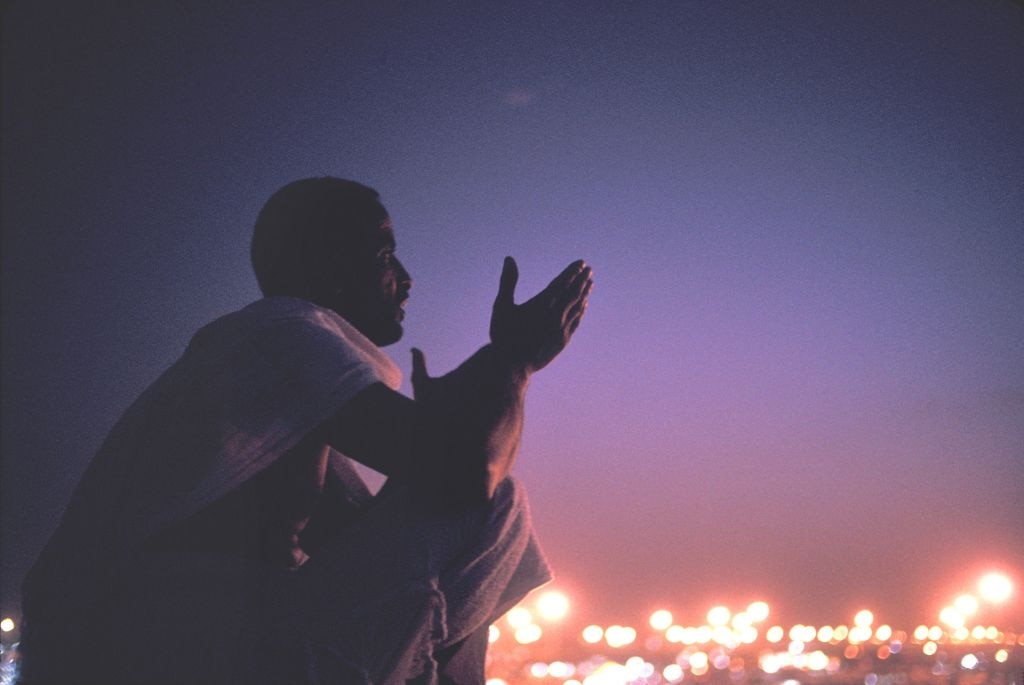 Conversion — Why would anyone move from disbelief to belief? | Why would you trade the visible for the invisible? And experts believe in the census later this year – for the first time ever - those ticking “no religion” will surpass Christians. And it’s happening across the global north - even the US – where 95% believed in something 30 years ago – today, nearly 1-in-3 American’s say they’re atheist or agnostic or no religion in particular. So why in this sea of secularism would some swim against the current? People raised without faith, who find themselves drawn to prayer, or ritual, or surrender to the unseen? To the disbeliever it can look madness. Or maybe in a world of clicks and content the hunger for sacred silence makes more sense than we think. GUESTS:Tanya Luhrmann, Professor of Anthropology at Stanford University and author of “How God Becomes Real: Kindling the Presence of Invisible Others” Kelsey Osgood, a journalist, a convert to orthodox Judaism, and the author of “Godstruck - Seven Women's Unexpected Journeys to Religious Conversion”Abdullah Kunde is a medical doctor a convert to Islam, and Founder and President of the Muslim Debate Initiative Australia. | — | ||||||
| 2/20/26 |  The nature of evil, abuse and forgiveness | If forgiveness is a gift to yourself, what do you give when the harm is unforgiveable? And it’s hard to believe, but some families endure unspeakable harm and somehow remain intact, while others fracture over what seems like nothing at all. How do we hold space for the reality of suffering, even trauma – but also the possibility of redemption? Our culture justifies righteous anger – the victim rightly must be vindicated, not blamed. But the question remains challenging for all of us, because perfect families don't exist. And any relationship worth having, comes at a cost. GUESTS:Dr Karen Pack is a lecturer at University of Notre Dame Australia, a religious historian, ordained minister, trained pastor and teaches around the world. Her new book is “Queer Omissions: Unmarried Women and Social Justice Activism in the Church” Professor Michael Salter, from UNSW, is the director of the Australasian hub of Childlight, the Global Child Safety Institute and is an internationally recognised expert in child sexual exploitation, complex trauma and gender-based violence. | — | ||||||
| 2/13/26 |  The pain of love and grief for our pets | Imagine losing the only person who never judged you, never walked away, always made you feel safe. Our culture, and our religions, can make us believe human loss is different to animals dying. But tell that to someone who believes one of the most important relationships in their life is with their pet. GUESTS:Dr Millie Cordaro, Professor of Psychology at Texas State UniversityDr Daniela Rizzo is a theologian at Alphacrucis University College and author of Animal PneumatologyDavid Michie is an author, known around the world for his series of books about Buddhism and animals | — | ||||||
| 2/6/26 | Pawnbroking, bankruptcy, debt, usury & God! | Credit and debt — borrowing and lending — have long been a part of life.Mortgage holders are all too familiar with the challenge of meeting their repayments and juggling the household budget — a challenge made even more difficult by the recent Reserve Bank decision to increase interest rates.But are financial commitments purely economic obligations, or do they come with a significant moral burden? Guests: Dr Lucie O’Brien, Postdoctoral Research Fellow at University of Melbourne’s Centre for Commercial Law Dr Ilsup Ahn, Professor of Philosophy at North Park University Royce Kurmelovs - journalist | — | ||||||
| 1/30/26 | If you could save a drowning child, would you? | Of course, you believe you WOULD save a drowning child. But that doesn’t make you a saint – in fact, depending on how you live the rest of your life, it could well make you a sinner. For 50 years, PETER SINGER has been making uncomfortable observations like that.Peter is perhaps the world’s most influential philosopher - he’s shaped the way we think about animals and bioethics, abortion and euthanasia. And he's the philosophical father of the Effective Altruism movement - a quiet revolution that's transformed doing good from sentiment into science. GUEST:Professor Peter Singer is Emeritus Professor of Bioethics at Princeton and National University of Singapore His Bold Reasoning substack is hereHis book The Life You Can Save is free to download | — | ||||||
| 1/23/26 | The Antisemitism and Social Cohesion Royal Commission | After the targeting of Jews in the worst terrorist attack in modern Australian history – a Royal Commission into antisemitism has been announced by the PM.And many Australians refused to believe the something like Bondi could happen here. But other Australians –Jews and Gentiles – warned the terror was not an isolated act, but a foreseeable progression – antisemitic thoughts leading to words leading to action. GUESTS:Ronald Sackville KC was the royal commissioner into the abuse of disabled people. A former federal court judge, he is a former member of the advisory board of the New Israel Fund. His substack piece on The Special Envoy’s Plan to Combat Antisemitism is here.Robert Richter KC has appeared before royal commissions, and is one of Australia's most prominent criminal barristers. David Slucki is Director of the Australian Centre for Jewish Civilisation, and Associate Professor of Contemporary Jewish Life and Culture at Monash University. He wrote this piece for ABC Religion and Ethics | — | ||||||
| 1/16/26 |  Living simply in a complex world: how modern monks navigate AI, social media, and climate change | What does living simply mean in 2025? With an increasingly complex world, it is becoming harder and harder to detach from Earthly possessions. But what if we don't need to, in order to live an awakened and spiritual life?The monks of today don't look like the ones you might picture from your childhood. They carry iPhones, have social media, and catch planes across the world. From Hare Krishna to Humanistic Buddhism, modern followers of mindful traditions grapple with maintaining a connection to the world while not falling prey to its modern trappings of selfishness, consumerism, and greed. How do they do it? And what can we learn from them?GUESTS: His Holiness S.B. Keshava Swami, a Hare Krishna monk, author, and teacher of the Vaishnava Hindu traditionTosana Krsna Dasa, also know as Tilak, a Hare Krishna teacher, pastor and disciple, also a student in both law and religion at the University of SydneyVenerable Dr JueWei Shi, a member of the Fo Guang Shan order of Buddhists and Director of the Nan Tien Institute’s Humanistic Buddhism Centre.This episode of God Forbid was recorded on Dharawal and Gadigal land and produced on Gadigal land. It was first broadcast in January 2025 | — | ||||||
| 1/9/26 |  Coercion, control and worship: Where do we draw the line between a religion and a cult? | Is a cult a misunderstood religion? Or something much more dangerous?The line between high-control religions, new religious movements, and 'cults' is as grey as ever. But the fascination we have with these groups is only getting stronger. What counts as a 'cult'? Is it your highly controlling tech workplace? Your gym with a forever-binding contract? Or does the casual use of the word 'cult' do a disservice to those stuck in dangerous and emotionally manipulative religious and spiritual organisations?To shed some light on the difference between a new religious movement, a cult, and your regular high-control Pentecostal mega-church are the God Forbid guests who have lived, studied, or spoken to survivors of these groups. GUESTS: Professor Carole Cusack, Professor of Religious Studies at the University of Sydney, specialising in new religious movements (NRMs) contemporary religious trends and Western esotericism.Sarah Steel, host and creator of award-winning podcast, Let's Talk About SectsScott Parker, writer and star of stage production, Hillsong BoyThis episode of God Forbid was made on Gadigal land and first broadcast in May 2025. Technical production by Craig Tilmouth and Tegan Nicholls.More InformationIf you or someone close to you has been affected by an extreme or controlling group, you can make a submission or anonymous report to the Victorian Parliamentary Inquiry here: Inquiry into the recruitment methods and impacts of cults and organised fringe groups. If you need support or help you can call Lifeline 13 11 14 | — | ||||||
| 1/1/26 | Did the human species invent the Bible? | If God says that man is fallible, and man wrote the Bible, then how can we know that the Bible is the true word of God? | — | ||||||
Showing 25 of 248
Sponsor Intelligence
Sign in to see which brands sponsor this podcast, their ad offers, and promo codes.
Chart Positions
2 placements across 2 markets.
Chart Positions
2 placements across 2 markets.