

Insights from recent episode analysis
Audience Interest
Podcast Focus
Publishing Consistency
Platform Reach
Insights are generated by CastFox AI using publicly available data, episode content, and proprietary models.
Est. Listeners
Based on iTunes & Spotify (publisher stats).
- Per-Episode Audience
Est. listeners per new episode within ~30 days
1 - 1,000 - Monthly Reach
Unique listeners across all episodes (30 days)
1 - 5,000 - Active Followers
Loyal subscribers who consistently listen
1 - 500
Market Insights
Platform Distribution
Reach across major podcast platforms, updated hourly
Total Followers
—
Total Plays
—
Total Reviews
—
* Data sourced directly from platform APIs and aggregated hourly across all major podcast directories.
On the show
Recent episodes
Getting ahead with lupins
Apr 26, 2026
Unknown duration
Getting more from legumes in your rotation
Apr 23, 2026
Unknown duration
Deep ripping: what it costs - and what it returns
Apr 21, 2026
Unknown duration
Maximising canola returns with less
Apr 20, 2026
Unknown duration
Smarter nitrogen decisions for the season ahead
Apr 15, 2026
Unknown duration
Social Links & Contact
Official channels & resources
Official Website
Login
RSS Feed
Login
| Date | Episode | Description | Length | ||||||
|---|---|---|---|---|---|---|---|---|---|
| 4/26/26 |  Getting ahead with lupins Getting ahead with lupins | In this episode of Grains Convo, Tim Scanlon speaks with Greg Shea about getting the most from lupins this season.They cover practical agronomy, soil testing and nutrient decisions to maximise nitrogen benefits and manage input costs. The discussion highlights how lupins can set up following crops and support better returns over multiple seasons.Episode links:Producing Lupins Crop Sowing GuideRainfall to date toolSoil water tool | — | ||||||
| 4/23/26 | Getting more from legumes in your rotation | In this episode of Grains Convo, Tim Scanlon speaks with Mark Seymour about how to get the most from pulse crops this season.They cover key decisions around soil type, inoculation, nutrient management and crop selection to reduce risk and maximise returns. The discussion highlights how pulses can improve soil health, manage weeds and deliver valuable nitrogen benefits for following crops.Episode links:Potential yield toolCrop Sowing Guide | — | ||||||
| 4/21/26 | Deep ripping: what it costs - and what it returns | With diesel prices and input constraints front of mind, making the right call on deep ripping has never been more important. In the latest Grains Convo episode, Tim Scanlon speaks with Wayne Parker about the EasyDiesel Calculator, a simple tool designed to help growers understand the financial impact of deep ripping before committing valuable resources.Episode links:Easy Diesel CalculatorDPIRD/GRDC Deep Ripping factsheetSoil Water Tool | — | ||||||
| 4/20/26 | Maximising canola returns with less | In this episode of Grains Convo, host Tim Scanlon speaks with DPIRD Senior Research Scientist Jackie Bucat about managing canola under tight seasonal and input constraints.With rising costs and uncertainty around rainfall, Jackie outlines strategies to help growers make sound decisions.Episode Links:Crop Sowing GuidePotential yield toolRainfall to date toolSoil water toolWA crop sequence calculatorCanola seeding rate calculator | — | ||||||
| 4/15/26 | Smarter nitrogen decisions for the season ahead | In this episode of Grains Convo, Cindy and Janette are joined by Dr Dion Nicol to explore practical strategies for nitrogen management across the WA grainbelt.Dion outlines how growers can approach pre-season planning and adapt in-season decisions to improve returns, with a focus on allocating nitrogen where it is most likely to deliver yield and gross margin benefits. He also emphasises the importance of continually reassessing cost–benefit as conditions change, and how timely follow-up applications can be used to respond to the season as it unfolds.Episode Links:Click here to access the Rainfall to Date tool.Click here to access the Potential Yield tool.Click here to access the Soil Water tool. | — | ||||||
| 9/11/24 | Everything Fall armyworm - with Helen Spafford | Host: DPIRD research agronomist Cindy WebsterGuest Speaker: DPIRD Manager of Crop Protection Portfolio, Senior Research Scientist, Dr Helen SpaffordIn this episode of Grains Convo, Cindy Webster hosts the Manager of DPIRD's Crop Protection Portfolio, Dr Helen Spafford, as they discuss Fall armyworm. They go through what it is, whether should growers be worried about it, and when it was first detected. Helen also addresses the impact the pest has on crops, and be sure to tune in throughout the episode, as Helen describes what its distinguishing features are and typical breeding habits. Episode Links:Click here to read DPIRD webpage Fall armyworm in Western Australia | — | ||||||
| 6/30/24 | Sodic Soils: Insights from 30 years of research with David Hall | Host: DPIRD research agronomist Cindy WebsterGuest Speaker: DPIRD Principal Research Scientist David Hall In this episode of Grains Convo, Cindy Webster hosts DPIRD Principal Research Scientist David Hall, as they discuss sodic soils and David's work spanning 30-years (and counting) in this space. David then delves into where sodic and alkaline clay soils occur most throughout WA, and explains the reasons why sodic soils are highly productive in above average rainfall years, but have poor outcomes for grain production in dry years.Episode Links:Click here to read more about the project Increased grower profitability on soils with sodicity | — | ||||||
| 4/30/24 | Managing snails in broadacre crops in 2024 | Host: DPIRD research agronomist Janette PrattGuest Speaker: DPIRD Entomologist Svetlana Micic In this episode of Grains Convo, Janette Pratt hosts DPIRD Entomologist Svetlana Micic, as they discuss a new fly biocontrol program which has commenced on the South Coast, and how to manage snails in broadacre crops. Svet delves into the types of species growers are most likely to find, goes through the new program, and answers the question "will these flies become the new cane toad?" Episode Links:Click here to read more on the DPIRD webpage Identification and control of pests slugs and snails for broadacre crops in Western AustraliaClick here to read the Slugs and Snails webpage on the GRDC website | — | ||||||
| 1/31/24 | Weed outlook for 2024 | Host: DPIRD research agronomist Cindy Webster Guest Speakers: DPIRD Research Scientist Alex Douglas and DPIRD Research Scientist Dr Arslan Peerzada In this episode of Grains Convo, Cindy Webster hosts DPIRD Research Scientist Alex Douglas and DPIRD Research Scientist Dr Arslan Peerzada, as they go through an overview of the biology of weeds and what growers can expect in the 2024 season as the biggest threats to agricultural production. Alex takes a look back at the 2023 season, and the various weeds growers can expect to emerge in the upcoming season.While Arslan delves into what farmers should be focusing on for effective weed management throughout the 2024 season, and how to make the most out of soil amelioration. Episode Links:Click here to read Agric article on about Pre-emergent herbicides Click here to read media release 'Research focus on weed management for ameliorated soils' Click here to read Agric article on Improving control of summer weeds Click here to read GrainsConvo newsletter article 'Investigating the effects of soil amelioration on weed management in WA's wheatbelt | — | ||||||
| 11/14/23 | End of season weed summary | Host: DPIRD research agronomist Cindy WebsterGuest Speakers: DPIRD Discipline Leader (Weed science) Dr Catherine Borger and Senior Research Scientist Dr Harmohinder DhammuIn this episode of Grains Convo, Cindy Webster hosts DPIRD Discipline Leader (Weed science) Dr. Catherine Borger and Senior Research Scientist Dr. Harmohinder Dhammu, as they discuss how weeds performed in the 2023 season, focusing on how the season has influenced weed seed set and weed seed dormancy. Catherine delves into whether there's value in harvest weed seed control in a dry year. While Harmohinder goes through ways a dry season may potentially impact herbicide residue. Episode Links:Click here to visit DPIRD's webpage on Residual herbicides - carryover and behaviour in dry conditionsClick here for the Grains Research & Development Corporation (GRDC) webpage on The value of pre-emergent herbicides Click here to access the Grains Research & Development Corporation (GRDC) manual on Rotational crop constraints for herbicides used in Australian farming systems | — | ||||||
Want analysis for the episodes below?Free for Pro Submit a request, we'll have your selected episodes analyzed within an hour. Free, at no cost to you, for Pro users. | |||||||||
| 8/31/23 | 7th International Plant Dormancy Symposium | Host: DPIRD research agronomist Cindy Webster Guest Speakers: DPIRD research scientist Jeremy Curry and UWA Principal Research Fellow Dr Michael Considine. In this episode of Grains Convo, Cindy Webster hosts DPIRD research scientist Jeremy Curry and UWA Principal Research Fellow Dr. Michael Considine.This podcast revolves around the upcoming 7th International Plant Dormancy Symposium, which is taking place in Perth from September 12-15 2023. Jeremy and Michael talk about how the conference, sponsored by DPIRD, will bring together researchers working on various aspects including seeds and buds. Listeners will also get a sneak peek into their work in the field of plant dormancy. Episode Links: Click here for DPIRD’s webpage on pre-harvest sprouting Click here for bud dormancy journal article. | — | ||||||
| 7/31/23 | Strategic deep tillage's impact on herbicide toxicity | Host: DPIRD research agronomist Janette Pratt Guest Speaker: DPIRD research scientist Tom Edwards In this episode of Grains Convo, Janette Pratt hosts DPIRD research scientist Tom Edwards and delves into the impact strategic deep tillage has on herbicide toxicity. Tom explores how strategic deep tillage can ameliorate soil constraints and lift production but can also have an impact on the way soil applied herbicides work on these modified soils. Drawing from his research in this area, Tom discusses how different herbicides behave on strategic deep tilled soils and some actionable strategies for dealing with these changes. Episode Links: Click here for DPIRD’s grains convo newsletter on Mitigating pre-emergent herbicide damage on ameliorated soils Click here for Soil and Tillage Research journal article | — | ||||||
| 7/13/23 | WA Farming Systems project boosts profitability with innovative research | Host: DPIRD research agronomist Janette PrattGuest Speakers: DPIRD research scientist Martin Harries and development officer Dayna Hutchinson In this episode of Grains Convo, Janette Pratt hosts DPIRD research scientist Martin Harries and development officer Dayna Hutchinson, who delve into DPIRD's Western Australia Farming Systems Project. Martin sheds light on the evolving farming systems in WA's low and medium rainfall areas, highlighting the shift towards intensive cropping and reduced pasture. Listeners discover how the project aims to evaluate the consequences of these changes on nitrogen use efficiency, water use efficiency, and greenhouse gas emissions. Dayna emphasises the project's collaboration with growers and consultants, ensuring its findings and recommendations are applicable and beneficial for farmers. Tune in to gain insights into sustainable farming practices in WA.Episode Links:Click here for DPIRD’s webpage on the Western Australia Farming systems project.Click here for GRDC Research updates paper ‘Improving farming system profitability, management of greenhouse gas emissions and climate resilience in the low and medium rainfall zones of WA: Grower perspectives. | — | ||||||
| 4/30/23 | How does liming change soil acidity over 20 years? | Host: DPIRD research agronomist Cindy WebsterGuest Speakers: DPIRD research scientist Alice Butler and soil science portfolio manager Chris Gazey.In this episode of Grains Convo, DPIRD research scientist Alice Butler and soil science portfolio manager Chris Gazey join Cindy Webster to talk about the practice of liming.Alice has spent the past three years working on a project looking at soil acidity in the Avon River Basin and has been updating our knowledge on soil pH which was originally studied by Chris in the early 2000s.Together, they talk about how liming changes soil acidity over the course of two decades and discuss the difference mechanical tillage can make on how quickly lime incorporates into the subsoil.Episode Links:Click here to download the iLime app. | — | ||||||
| 4/14/23 | 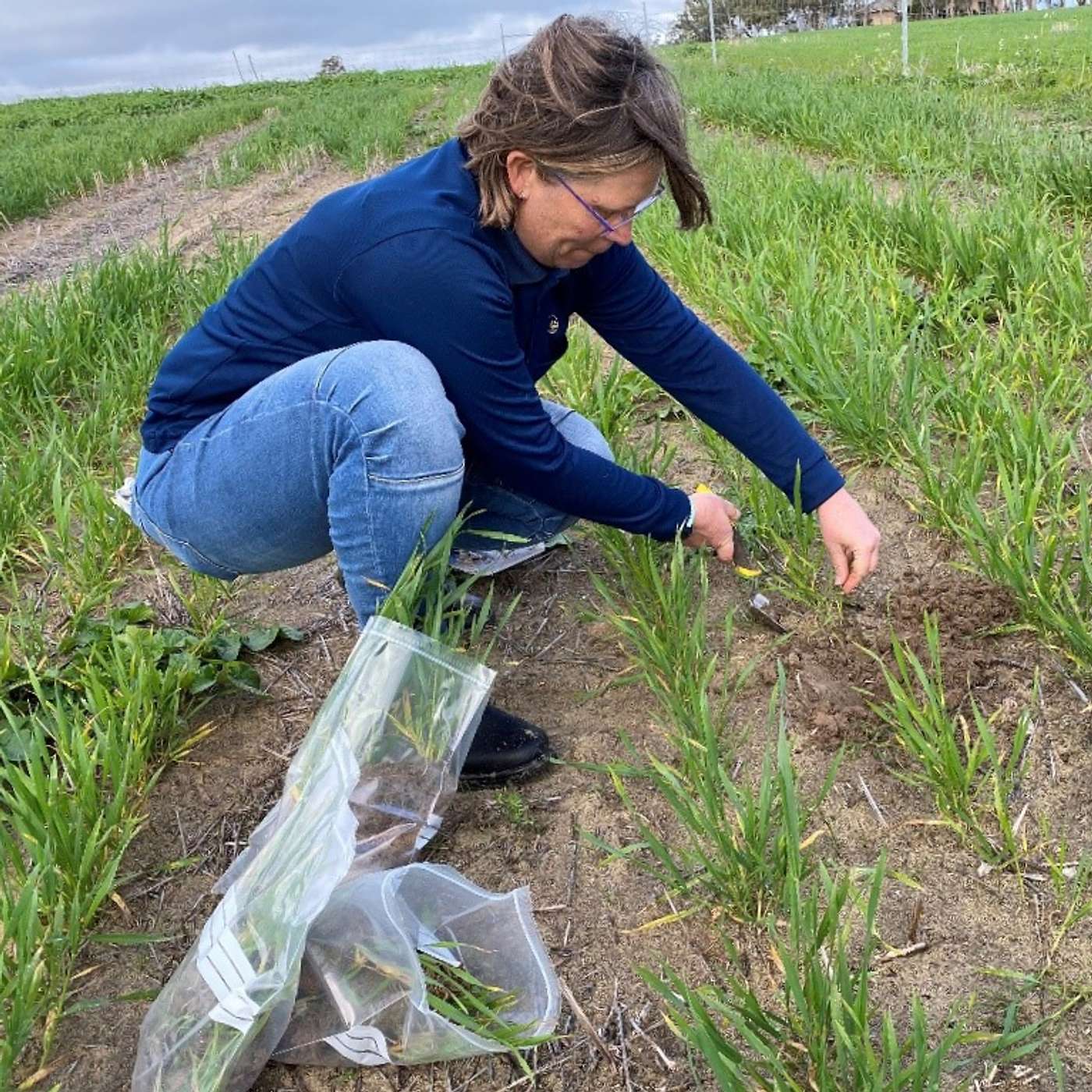 Can amelioration reduce the impact of soil pathogens and nematode pests? Can amelioration reduce the impact of soil pathogens and nematode pests? | Host: DPIRD research agronomist Cindy WebsterGuest Speakers: DPIRD nematologist Sarah Collins and research scientist Wayne Parker.In this episode of Grains Convo, DPIRD nematologist Sarah Collins and research scientist Wayne Parker join Cindy Webster to talk about the impact of soil amelioration on soilborne pathogens and nematode pests.Sarah tells us what the difference between pathogens and pests are and explains why they cause issues in particular soils.Wayne chats about the extsive soil renovation work being conducted by DPIRD and how he's collaborating with the wider crop protection team.Together, they detail the trials undertaken at Yerecoin, Darkan and Williams to determine which amelioration methods best mitigate the impact of soilborne pathogens and nematode pests.Some of this work was funded by the Grains Research and Development Corporation (GRDC).Episode Links:Click here for more information on nematodes.Click here for an article on the impacts of mechanical soil amelioration on weeds, soilborne nematode pests and fungal pathogens. | — | ||||||
| 1/13/23 | 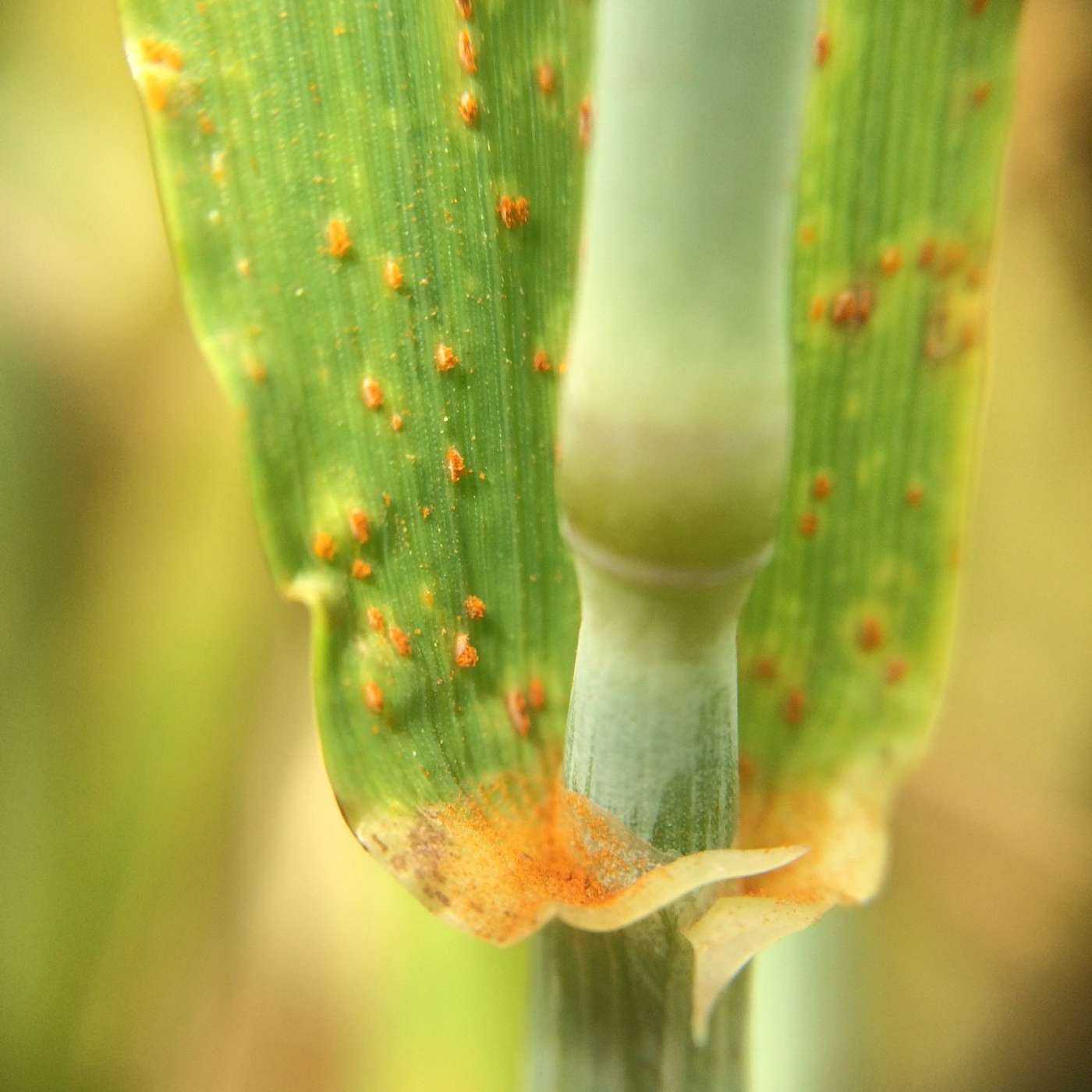 Crop diseases in 2022 and what to expect in 2023 Crop diseases in 2022 and what to expect in 2023 | Host: DPIRD Research Agronomist, Janette PrattGuest Speakers: DPIRD Research Scientists Geoff Thomas and Andrea HillsIn this episode of Grains Convo, DPIRD Research Scientists Geoff Thomas and Andrea Hills discuss the crops diseases that were seen in the WA grainbelt in 2022. They also talk about the implications for the coming season and how to prepare and manage these diseases before seeding in 2023.Episode Links:Click here for information about controlling the green bridge for pest and disease management. | — | ||||||
| 11/11/22 | 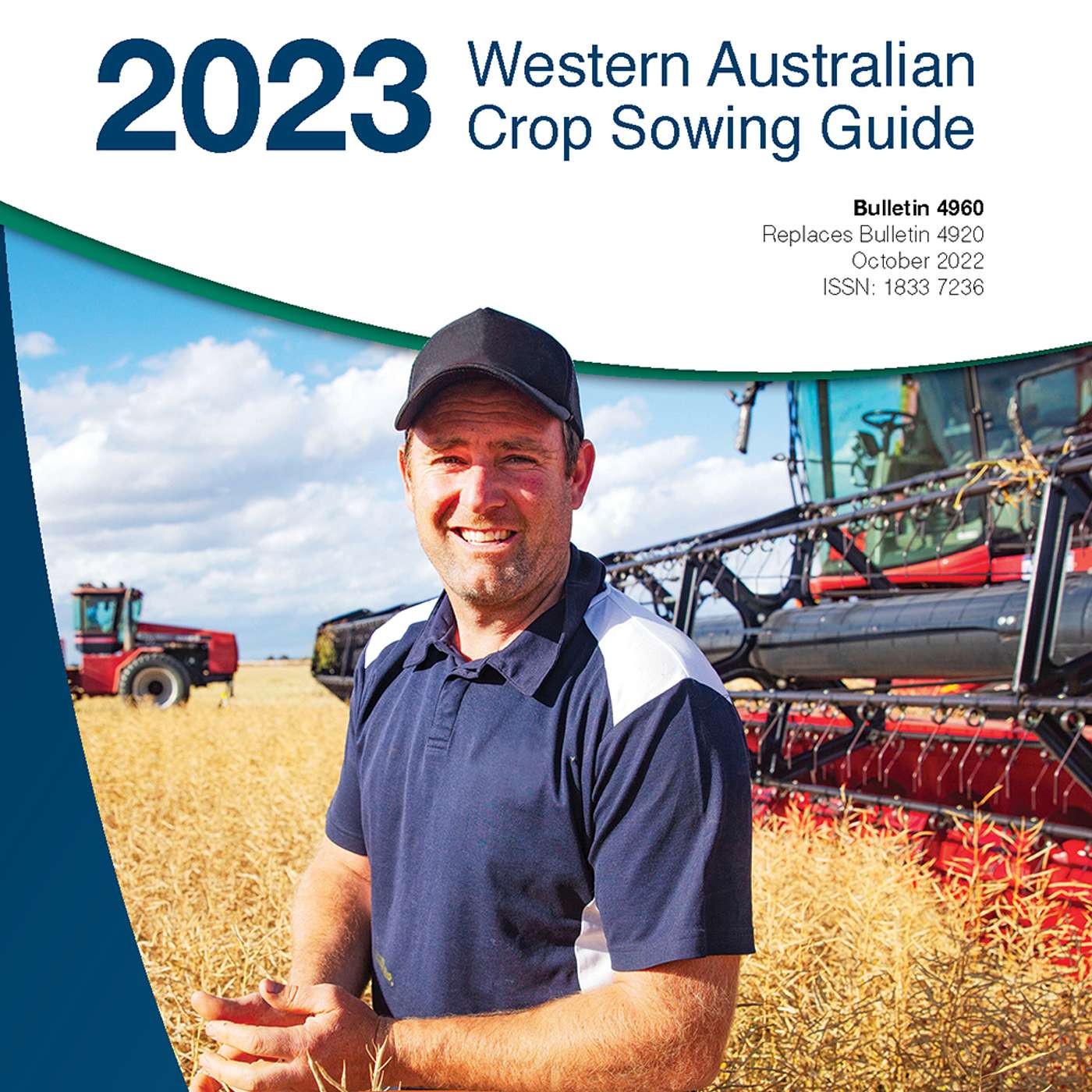 2023 WA Crop Sowing Guide 2023 WA Crop Sowing Guide | Host: DPIRD Research Agronomist, Cindy Webster Guest Speaker: DPIRD Research Scientist, Brenda ShackleyIn this episode of Grains Convo we discuss the recently released 2023 WA Crop Sowing Guide. This annual publication, compiled by DPIRD officers, is a one stop shop for information on varieties for all the major crops grown in WA.The 2023 guide features information on 31 new variety releases, alongside the latest industry developments.Episode Links:Click here to download or order the 2023 WA Crop Sowing Guide. | — | ||||||
| 10/28/22 | 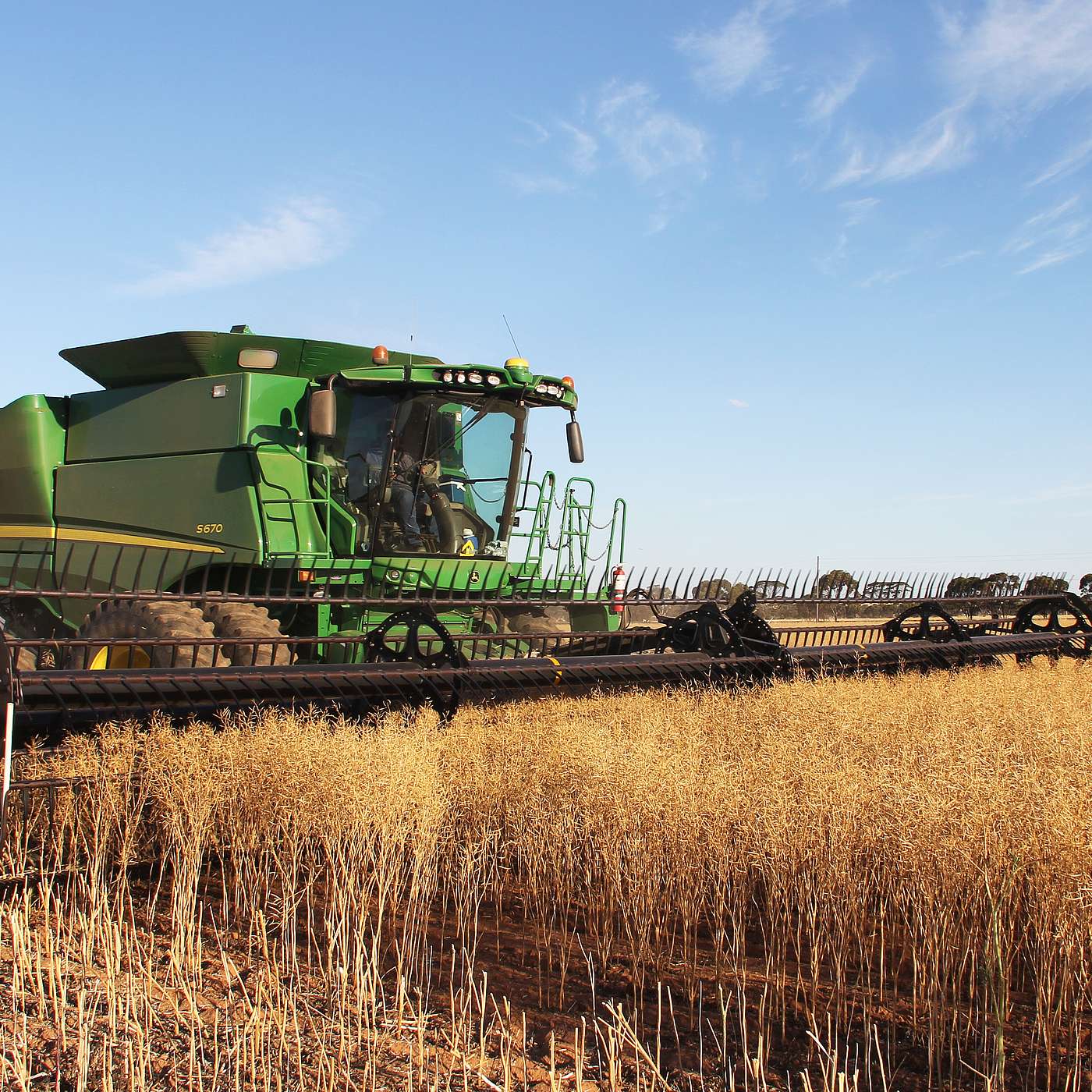 Minimising harvest losses Minimising harvest losses | Host: DPIRD Research Agronomist, Janette PrattGuest Speaker: DPIRD Research Officer, Glen RiethmullerIn this episode of Grains Convo we talk about minimising grain losses at harvest through harvester setup.DPIRD Research Officer Glen Riethmuller discusses how much grain is lost at harvest, where most of the grain is being lost and setting up harvesters to minimise these losses. | — | ||||||
| 9/12/22 | 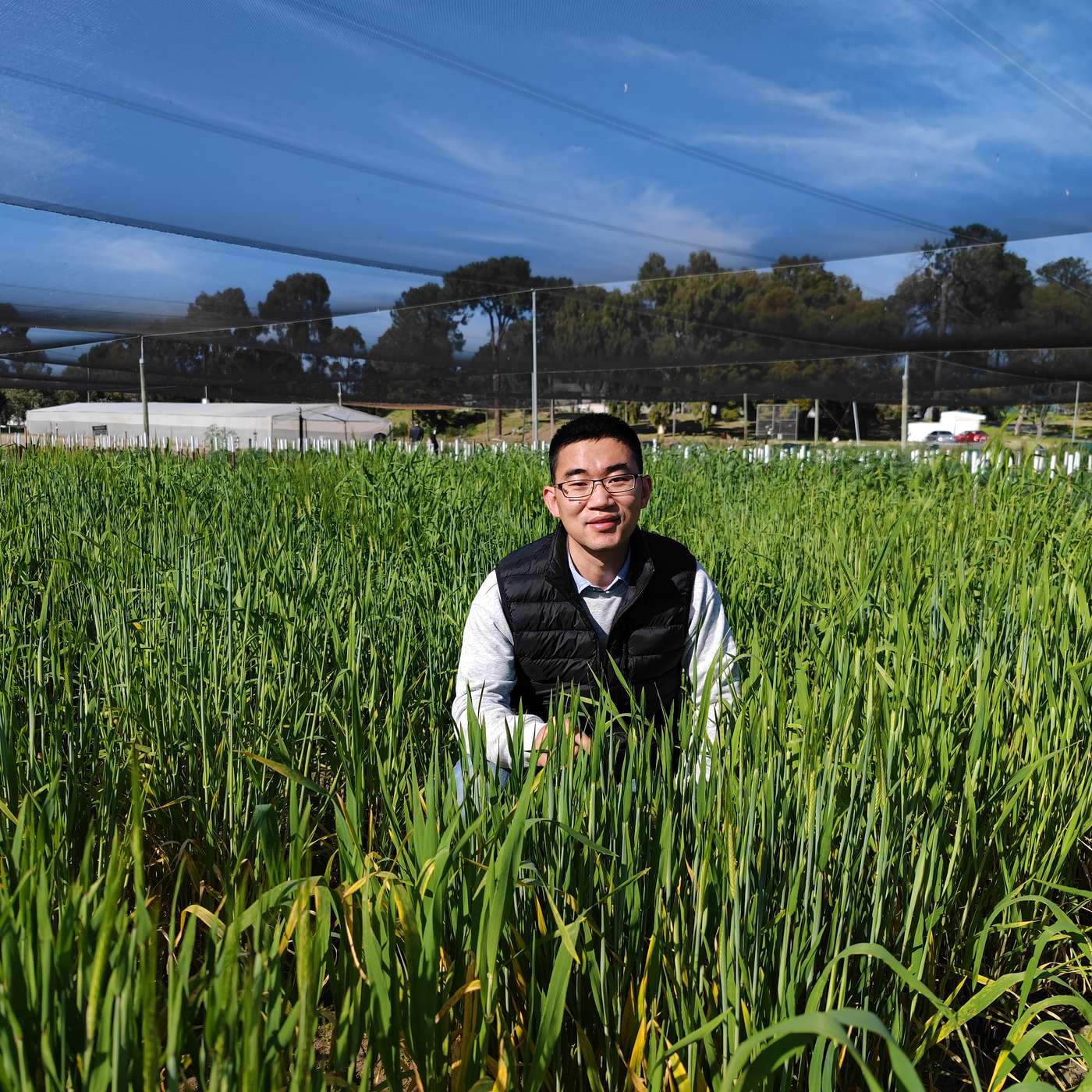 Gene editing for crop improvement Gene editing for crop improvement | Host: Grains Research, Development and Extension Communications Manager, Amber Atkinson Guest Speaker: DPIRD Research Scientist, Dr Yong HanIn this episode of Grains Convo we speak with DPIRD Research Scientist, Dr Yong Han, about gene editing technology and how it will influence the future of plant breeding in Australia.Gene editing technology is different to genetic modification. In this podcast Dr Han explains the key differences and how he is using it to develop the next generation of crop varieties.This technology is revolutionary and was awarded a Nobel prize in 2020. Dr Han is adopting this approach for crop genetic improvements that will influence yield, quality and many other agronomist traits.Episode links:Click here to read: New barley varieties to help cut costs and build a greener planet | — | ||||||
| 6/14/22 | 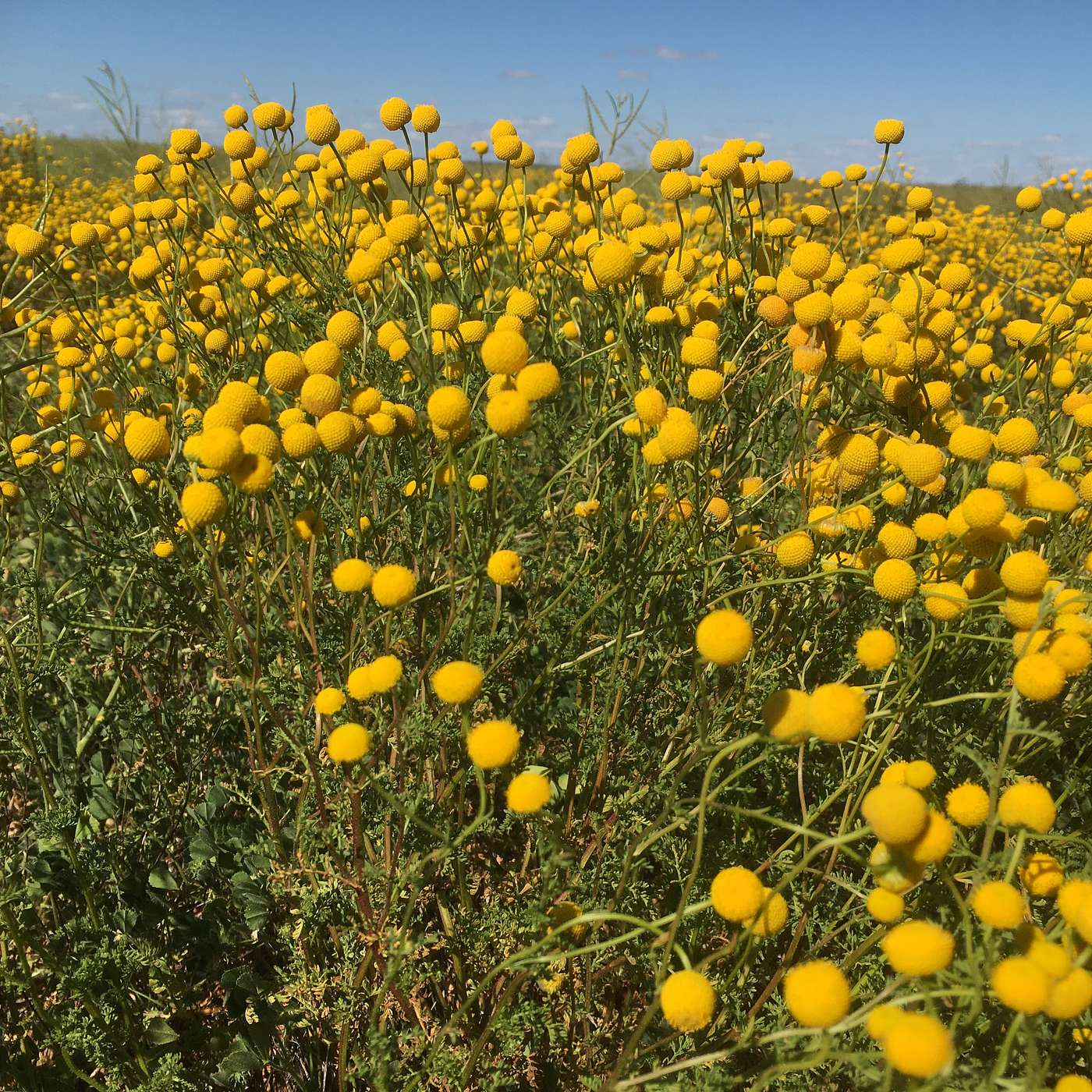 Managing Matricaria Managing Matricaria | Host: DPIRD research agronomist, Janette PrattGuest speaker: DPIRD research agronomist, Alex DouglasIn this podcast we focus on the weed Matricaria in the Western Australian wheatbelt. Previously the weed Matricaria was mostly found in the Eastern wheatbelt but in recent years it has been spreading into the central and eastern wheatbelts as well.In this podcast, DPIRD research agronomist Alex Douglas will discuss Matricaria and how its spreading, how to distinguish Matricaria from other weeds and the management options that are available for its control.Episode Links The biology and control of matricaria and marshmallow – can we run down the seed bank? Click here for the presentation.Click here to view the biology and management of matricaria GRDC webpage. | — | ||||||
| 5/30/22 | 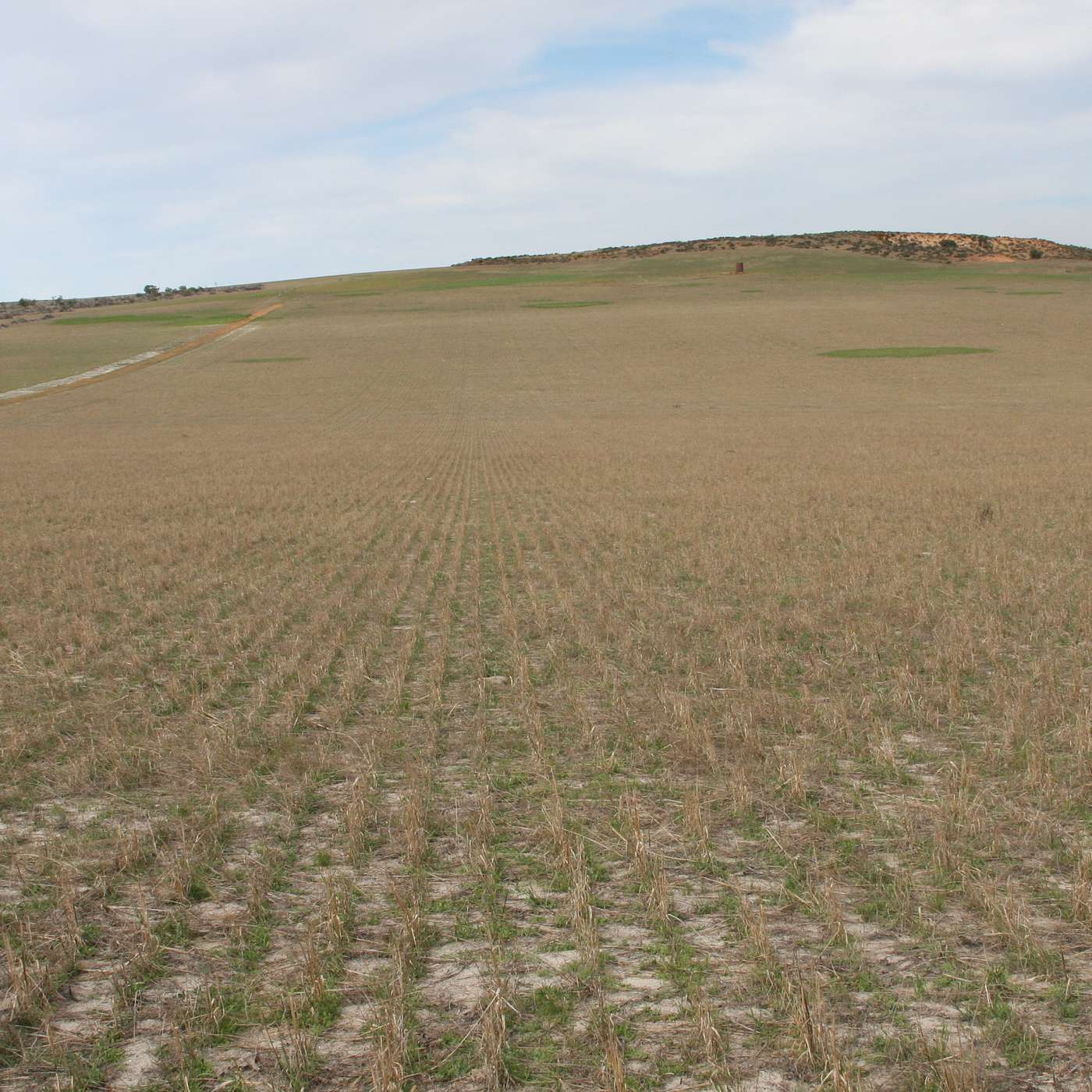 Managing low groundcover on sandy soils in the West Midlands Managing low groundcover on sandy soils in the West Midlands | Host: DPIRD Research Agronomist, Cindy Webster Guest Speakers: DPIRD Research Scientists, Geoff Moore and Svetlana MicicIn spring 2021 there were widespread areas of bare, or low groundcover, sandy soils in the West Midlands region of WA. This was unusual due to the favourable growing conditions experienced in the previous year. Investigations by DPIRD and the West Midlands Group found that high grasshopper numbers, along with other contributing factors like a false break, over-grazing or a low pasture seed bank resulted in these conditions.In this podcast DPIRD Research Scientist Geoff Moore discusses the findings from investigations by DPIRD and the West Midlands Group, what growers needs to watch out for in 2022 and how to manage low groundcover. DPIRD Research Scientist Svetlana Micic advises how to identify and manage sand grasshoppers.Episode Links: To learn more about seasonal issues visit DPIRD’s Season 2022 webpage.For more information about sand grasshoppers refer to DPIRD’s Identifying and controlling Urnisa grasshopper or sand grasshopper webpage. To report any grasshopper activity, or request an identification, contact the PestFacts WA team on pestfax@dpird.wa.gov.au or use the PestFax Reporter app. Contact Geoff MooreP. +61 (0)8 9368 3293 M. 0427 448 025E. geoff.moore@dpird.wa.gov.auContact Svetlana MicicP. +61 (0) 9892 8591.M. 0427 772 051E. svetlana.micic@dpird.wa.gov.au | — | ||||||
| 4/19/22 | 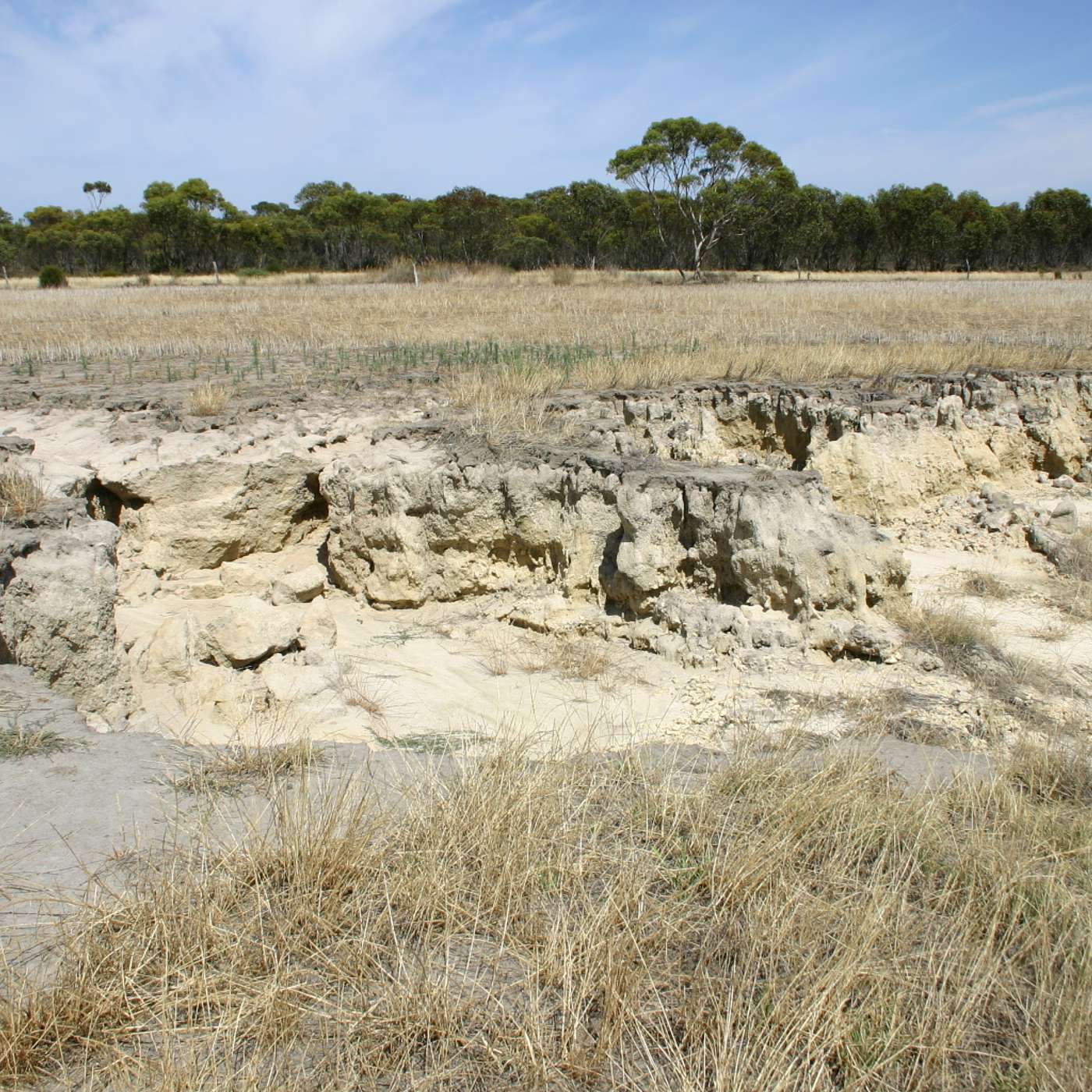 Sodic Soils Sodic Soils | Host: DPIRD Research Scientist, Alice ButlerGuest Speaker: DPIRD Senior Soils Research Scientist, David Hall In this podcast DPIRD Research Scientist Alice Butler chats with DPIRD Senior Soils Research Scientist David Hall about how sodic soils are formed and the different management options for these soils.David currently leads up the Sodic Soils project, funded by GRDC, where he and his team are trialling everything from gypsum applications, ripping, organic amendments and mulching to increase soil stability and ultimately lead to better water infiltration and crop growth. | — | ||||||
| 3/17/22 | 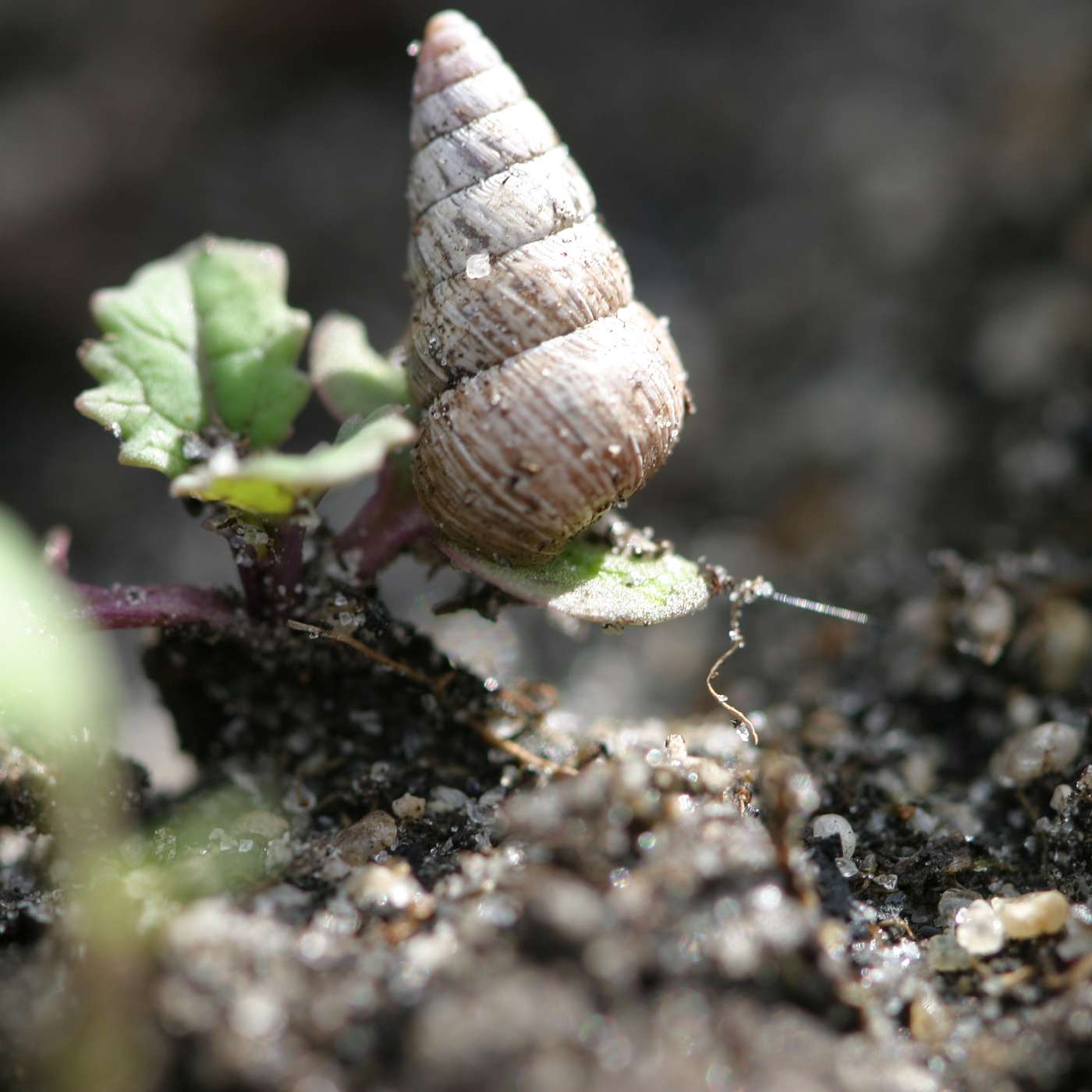 Managing snails in broadacre crops Managing snails in broadacre crops | Host: DPIRD Research Agronomist, Cindy WebsterGuest Speakers: DPIRD Research Scientist, Svetlana Micic DPIRD Research Scientist Svetlana Micic discusses the importance of correctly diagnosing snails, their impact on crops and the importance of managing snails before they lay their eggs. Egg laying can occur anytime from mid-March to mid-April depending on rainfall. Episode Link: DPIRD’s Identification and control of pest slugs and snails for broadacre crops in Western Australia Contact Svetlana Micic: P. +61 (0) 9892 8591. M. 0427 772 051 E. svetlana.micic@dpird.wa.gov.au | — | ||||||
| 3/10/22 | 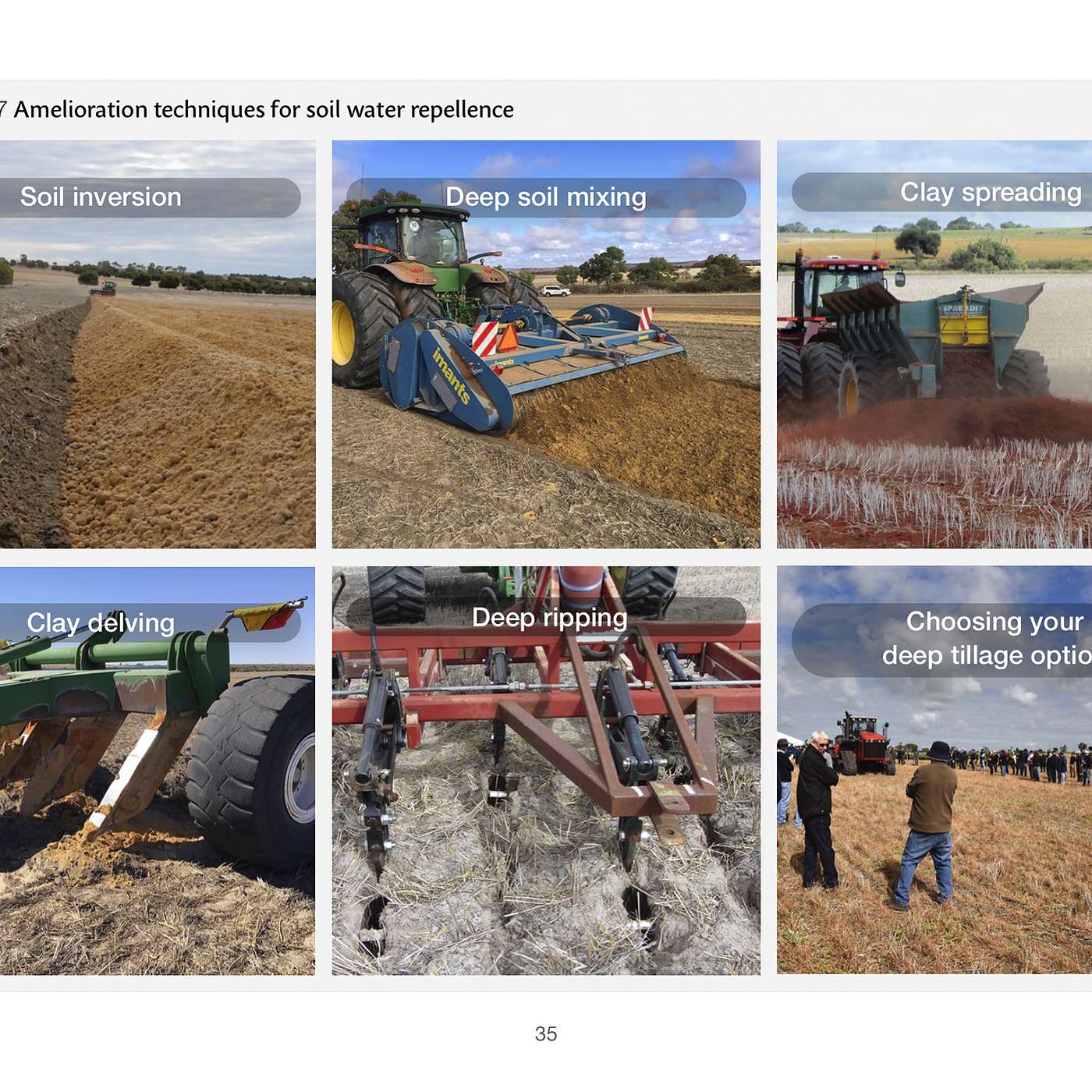 Soil Water Repellence Soil Water Repellence | In this podcast, Alice Butler speaks with Steve Davies about his pathway to becoming a Senior Research Scientist working on soils in Geraldton, and what inspired his career in this field.Steve explains his understanding of water repellence on sands versus gravels and discusses the new SoilsWest eBook, Soil Water Repellence, that he contributed to.Steve currently works on the Post Amelioration Project, co-invested by DRIRD and GRDC, which focuses on minimising risks when undertaking strategic tillage and ensuring longevity of soil amelioration benefits. | — | ||||||
| 3/1/22 | 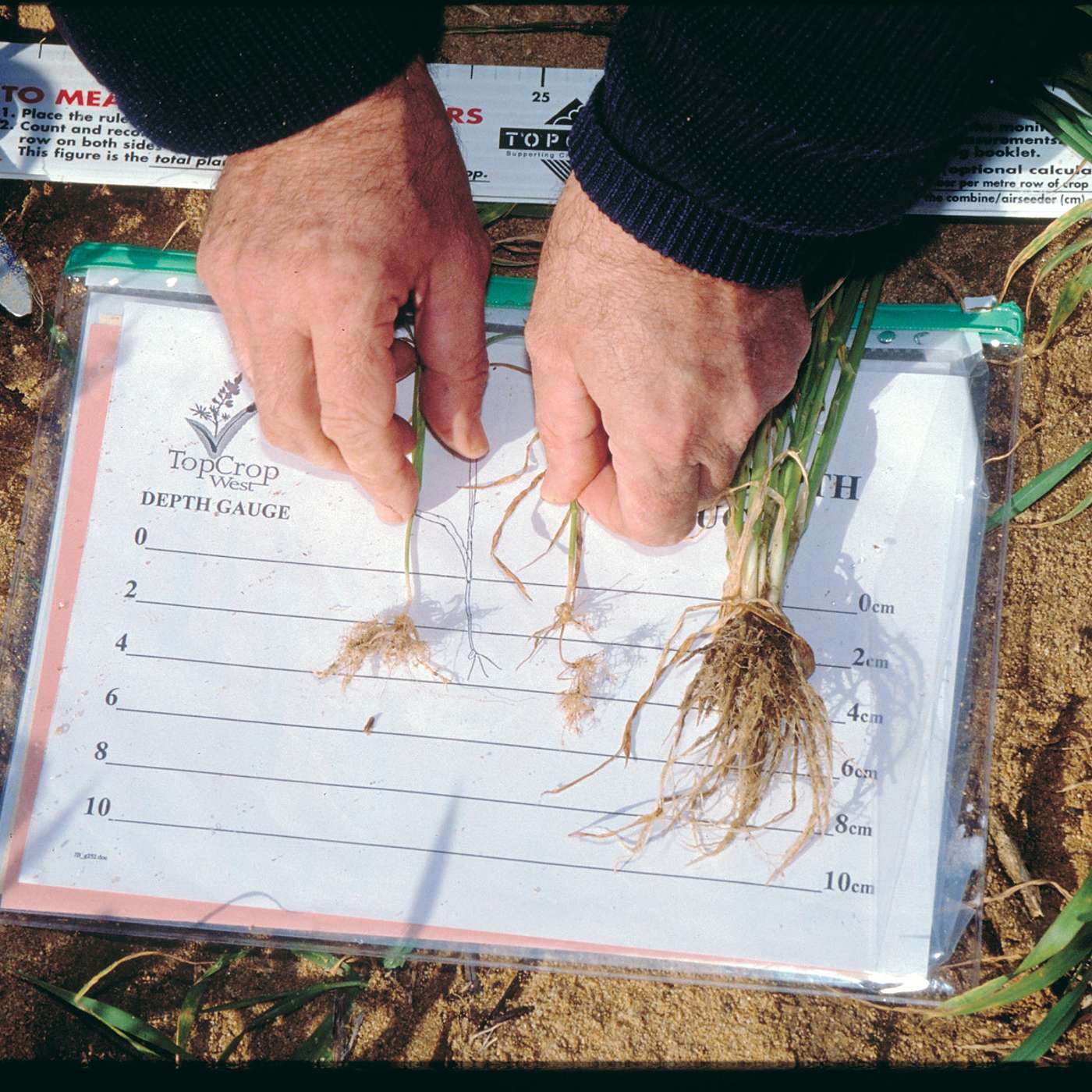 New technologies for monitoring crops for diseases and insects New technologies for monitoring crops for diseases and insects | Host: DPIRD Research Agronomist, Janette PrattGuest Speakers: DPIRD Epidemiologist Jean Galloway and Entomologist Dusty Severtson.In this episode you'll learn about important early warnings for diseases and insects, and the new technologies that are being researched to aid in crop monitoring. We also discuss why it's necessary to monitor crops and identify some key resources to learn more about crop diseases and insects. | — | ||||||
Showing 25 of 77
Sponsor Intelligence
Sign in to see which brands sponsor this podcast, their ad offers, and promo codes.
Chart Positions
1 placement across 1 market.
Chart Positions
1 placement across 1 market.