

Insights from recent episode analysis
Audience Interest
Podcast Focus
Publishing Consistency
Platform Reach
Insights are generated by CastFox AI using publicly available data, episode content, and proprietary models.
Most discussed topics
Brands & references
Est. Listeners
Insufficient chart data. Estimates will improve as the show charts.
- Per-Episode Audience
Est. listeners per new episode within ~30 days
N/A🎙 Weekly cadence·51 episodes·Last published 2mo ago - Monthly Reach
Unique listeners across all episodes (30 days)
N/A - Active Followers
Loyal subscribers who consistently listen
N/A
Market Insights
Platform Distribution
Reach across major podcast platforms, updated hourly
Total Followers
—
Total Plays
—
Total Reviews
—
* Data sourced directly from platform APIs and aggregated hourly across all major podcast directories.
On the show
From 1 epsHost
Recent guests
No guests detected in recent episodes.
Recent episodes
Ralph Reacts #16 - The End of the Orban Era?
Apr 13, 2026
16m 17s
Ralph Reacts #2 - No, Europe does not have Escalation Dominance
Jan 21, 2026
Unknown duration
Demographics, Civil Unrest, and Geopolitics - get ready for 2026.
Jan 7, 2026
Unknown duration
How to save the UK and the West - Ralph on Neil Oliver
May 13, 2025
Unknown duration
Will there be war? - Hammer-Time with Ralph Schoellhammer
May 11, 2025
Unknown duration
Social Links & Contact
Official channels & resources
Official Website
Login
RSS Feed
Login
| Date | Episode | Topics | Guests | Brands | Places | Keywords | Sponsor | Length | |
|---|---|---|---|---|---|---|---|---|---|
| 4/13/26 |  Ralph Reacts #16 - The End of the Orban Era?✨ | Hungarian electionpolitical analysis+3 | — | Brussels Signal | Hungary | Hungarian electionOrban+4 | — | 16m 17s | |
| 1/21/26 | Ralph Reacts #2 - No, Europe does not have Escalation Dominance | In this conversation, Ralph Schoellhammer discusses the perceived escalation dominance of Europe over the United States, arguing that this belief is largely an illusion. He highlights the significant military, digital, financial, and energy dependencies that Europe has on the US, emphasizing that while Europe may hold some leverage, it is constrained and cannot easily achieve strategic autonomy. The discussion covers various domains, including military technology, digital infrastructure, financial markets, and energy supplies, ultimately concluding that European independence is a complex and long-term challenge. | — | ||||||
| 1/7/26 | Demographics, Civil Unrest, and Geopolitics - get ready for 2026. | This discussion examines Europe’s geopolitical situation in 2026, including the challenges posed by migration, the influence of religion on society, and the need for cultural revitalization. The speakers analyze the role of the United States as a global policeman and the impact of geopolitical tensions on European identity. The conversation also addresses growing social tensions and the potential rise of vigilantism, while exploring the challenges of Islam in Europe and the continent’s future. | — | ||||||
| 5/13/25 |  How to save the UK and the West - Ralph on Neil Oliver | Get 50% off on the Biogena One Starter Pack with START50 at https://biogena-one.com/enRalph's German Channel: / @ralphschoellhammer-de Ralph's Substack in English: https://the1020.substack.com/Ralph's Substack in German: https://schoellhammer.substack.com/In this conversation, the Ralph and Neil delve into pressing geopolitical issues, focusing on the India-Pakistan conflict, the implications of historical context on current events, and the role of national identity in shaping global politics. They discuss the shifting dynamics of power, the risks of escalating conflicts, and the importance of understanding history in navigating contemporary challenges. In this conversation, the speakers discuss the current state of societal identity crises, the institutional crises leading to a pre-revolutionary phase in the UK and beyond, and the global shift from a unipolar to a multipolar world. They explore political changes in Africa, the role of leadership in development, and the implications of BRICS for global cooperation. The conversation also touches on the future of American influence and the significance of the new American pope in the context of Catholicism.Chapters00:00 Introduction to Geopolitical Developments02:12 The India-Pakistan Conflict: A Tectonic Shift12:12 Historical Context and Its Impact on Current Events22:20 The Role of National Identity in Global Politics29:06 Reprogramming Society: The Crisis of Identity30:51 Pre-Revolutionary Phase: Institutional Crisis in the UK and Beyond34:14 Global Instability: The Shift from Unipolar to Multipolar World36:12 Emerging Alternatives: Political Changes in Africa39:11 The Role of Leadership: Dictatorship vs. Democracy in Development42:44 The Changing Landscape: BRICS and Global Cooperation50:04 The Future of American Influence: A Shift in Strategy55:07 The American Pope: A New Era for Catholicism? | — | ||||||
| 5/11/25 | Will there be war? - Hammer-Time with Ralph Schoellhammer | Get 50% off on the Biogena One Starter Pack with START50 at https://biogena-one.com/enRalph's German Channel: / @ralphschoellhammer-de Ralph's Substack in English: https://the1020.substack.com/Ralph's Substack in German: https://schoellhammer.substack.com/Interview with David Betz: • "The coming civil war with David Betz" Interview with Doomberg and Michael Every: • The New World Order – with Doomberg a... Ralph Schoellhammer discusses the potential for a coming revolution in the West, driven by an institutional crisis where existing political frameworks fail to adapt to contemporary challenges. He emphasizes the importance of political legitimacy, voter frustration, and the role of youth in seeking change. The conversation explores historical parallels and the uncertain future of political order amidst rising discontent.Takeaways• The West is facing an institutional crisis that threatens democracy.• Existing political institutions are failing to adapt to new challenges.• Voter frustration is leading to a loss of legitimacy in political systems.• Youth engagement in politics is increasing as they seek alternatives.• Historical revolutions were often preceded by significant institutional crises.• The current political landscape is marked by a desire for change.• Adaptation of institutions is crucial for preserving democracy.• Crackdowns on dissent are not sustainable solutions to political discontent.• The future political order is uncertain and may vary by region.• The conversation aims to spark dialogue about pressing political issues.Chapters1. 00:00 Introduction and Announcements2. 02:22 The Coming Revolution in the West3. 06:28 Institutional Crisis and Adaptation4. 12:07 Political Legitimacy and Voter Frustration5. 18:35 The Role of Youth in Political Change6. 24:04 The Future of Order and Change | — | ||||||
| 5/10/25 | The New World Order – with Doomberg and Michael Every | Ralph Schoellhammer, Michael Every, and Doomberg discuss the current economic and geopolitical challenges. They analyze the role of #GDP , the geopolitical tensions between the #us and #china , and the impact of the #trump administration on global #politics They also discuss the situation in #canada and the importance of #energy and resources in the political landscape. | — | ||||||
| 10/5/24 | Hammer Time #10 - Can the Smart People Win? Featuring Konstantin Kisin | Ralph Schoellhammer discusses concerning political and societal trends with Konstantin Kisin, focusing on the erosion of trust in institutions due to government misbehavior (exemplified by the COVID-19 response), the rise of populism fueled by ignored public concerns, and the growing competition from China's increasingly efficient industrial policies. | — | ||||||
| 9/6/24 | Hammer Time #8 - "Who defends us from the "Defenders of Democracy"" featuring Andy Ngo. | This episode of "Hammer Time" explores how the establishment, often posing as protectors of democracy, actively undermines it by silencing dissenting voices and promoting policies like mass migration that erode national identity and economic stability. It also features an in-depth conversation with Andy Ngo (https://twitter.com/MrAndyNgo) about his 2021 New York Times bestselling book, "Unmasked: Inside Antifa's Radical Plan to Destroy Democracy." (https://www.amazon.com/Unmasked-Antif...) Key Takeaways: The rise of anti-establishment parties like AfD in Germany and BSW in Saarland highlights a growing distrust of the political elite. "Defenders of democracy" are using state power to suppress alternative political movements, thereby undermining the very foundation of democratic change. The left's obsession with diversity and atonement for Western history is leading to policies that hurt the very people they claim to champion. The media's liberal bias and the rise of engagement farming on social media platforms contribute to a crisis of trust and the spread of misinformation. The increasing use of inflammatory rhetoric and the demonization of opposing viewpoints create a climate of fear and division, eroding the principles of free speech and open debate. The lack of accountability for errors and the refusal to correct the record further undermine the credibility of legacy media institutions. The emergence of a "liberal tyranny," where state power is used to suppress dissent and control information, poses a significant threat to democracy. | — | ||||||
| 8/25/24 | Ralph Schoellhammer on the Neil Oliver Show. 23-08-2024 | Ralph Schoellhammer and Neil Oliver discuss the concept of "moral licensing" and how it relates to a perceived moral hierarchy among elites, examining its implications for social and political discourse. Key Takeaways: Moral licensing is the idea that those in power can justify their actions, even if they contradict their stated values, by claiming moral superiority. The wealthy and powerful often use moral licensing to demand sacrifices from others while exempting themselves. The concept of "protected characteristics" in law creates a moral hierarchy where certain groups are deemed more deserving of rights than others. Moral licensing and the perception of a moral hierarchy contribute to a sense of societal division and resentment. The prevalence of moral licensing and the devaluation of truth pose significant challenges to achieving social harmony and a just society. | — | ||||||
| 8/24/24 | Hammer Time Episode #7 - "What motivates our current elites?" | This episode of Hammer Time explores how the "moral licensing" phenomenon, where people believe they can act immorally due to fighting a perceived greater good, shapes the behavior and rhetoric of the political left in the West, specifically in Germany and the US. Key Takeaways: German companies are using diversity as a public relations strategy to distract from economic problems and appease the left-leaning government. The left uses the accusation of fascism as a tool to smear their opponents, avoid engaging with actual policies, and justify authoritarian measures. Moral licensing allows left-leaning politicians and activists to act hypocritically, ignoring the rules they impose on others. This phenomenon is rooted in a quasi-religious struggle against a perceived "evil" that justifies almost any action. The left often uses a simplistic, binary framework by identifying their political opponents as Nazis and advocating for the opposite, regardless of policy merits. This strategy serves to stifle debate and emotionally blackmail the public into supporting left-wing causes. | — | ||||||
Want analysis for the episodes below?Free for Pro Submit a request, we'll have your selected episodes analyzed within an hour. Free, at no cost to you, for Pro users. | |||||||||
| 8/16/24 | Hammer Time Episode #6 - "Who will protect us from our Politicians?" featuring Doomberg | Ralph Schoellhammer examines the accountability of politicians and argues for the necessity of mechanisms to ensure they serve the public's interest, rather than their own. For the full conversation with Doomberg, jump over to Brussels Signal , where it will be uploaded on Monday, August 19th. Key Takeaways: The episode questions the effectiveness of current systems in holding politicians accountable for their actions. Schoellhammer discusses several historical and contemporary examples of political corruption and abuse of power. The importance of public engagement and advocacy in political processes is emphasized. The potential role of technology and social media in increasing transparency and oversight is explored. The host urges viewers to think critically about the political system and their role within it, advocating for active participation. Discussion includes the impact of populism on political accountability and citizen trust. Conclusion stresses the need for ongoing dialogue about political structure and reform to protect democratic values. | — | ||||||
| 8/10/24 |  Ralph Schoellhammer on the Neil Oliver Show. 09-08-2024 | In a discussion on The Neil Oliver Show, Ralph Schoellhammer explores the concept of societal cohesion and the potential consequences of a diminishing shared narrative, particularly concerning youth engagement and authority in modern governance. Key Takeaways: Societal cohesion is crucial for maintaining community identity and stability. The youth today experience heightened feelings of normlessness and isolation compared to previous generations. Authorities may lack understanding of the importance of cultural cohesion, leading to increased reliance on authoritarian measures. The decline in shared narratives can result in tribalism, complicating governance. Historical context reveals that strong national identity contributes to societal power and influence. Finding and communicating a shared narrative is essential for reinvigorating community bonds, especially among younger generations. | — | ||||||
| 8/6/24 |  Ralph Schoellhammer on the Neil Oliver Show. 02-08-2024 | Ralph Schoellhammer discusses societal issues such as government control, individual freedoms, and the impact of mandates. He reflects on the erosion of critical thinking, moral values, and individual rights in the face of state authority. Key Takeaways: Discussion on the impact of mandates and loss of critical thinking in society. Reflection on the erosion of moral values and individual rights. Comparison of state power to a quasi-fascist ideology. Illustration of the submission to authority in everyday life, including airport security. Mention of the need to question the morality of laws and mandates. Critique on the societal shift towards conformism and acceptance of government control. Emphasis on the importance of upholding human sanctity and embracing moral principles above legal mandates. | — | ||||||
| 8/1/24 | Hammer Time Episode #4 - "Schoellhammer's Law" | In "Hammer Time Episode #4 - "Schoellhammer's Law" Ralph Schoellhammer addresses the rise in violence and crime in Europe linked to migration, criticizing the mainstream media's downplaying of these issues and calling for honest discussions about societal changes. I am also talking to Benedict Beckeld, whom you can find on X: https://x.com/BenedictBeckeld and on here on YouTube: / @benedictbeckeld Make sure to check out his book as well: https://a.co/d/de58Vcb Key Takeaways: Schoellhammer discusses the rise in violence and crime related to migration in Europe and the UK. He references a notable incident in Southport involving the stabbing of three girls and the resulting public unrest. The video mentions the concept of oikophobia, or self-hatred and disdain for one's own culture. Schoellhammer critiques the mainstream media for downplaying the severity of these incidents. He highlights the need for more honest discussions about the impacts of migration policies. The episode suggests that moral purism and self-hatred are affecting societal attitudes. | — | ||||||
| 7/27/24 |  Schoellhammer Time with Neil Oliver. Episode #2 | Ralph Schoellhammer discusses on The Neil Oliver Show how media manipulation is inverting societal perceptions of 'radical' and 'moderate,' with significant implications for political accountability and the impact of radical environmental policies. Key Takeaways: Society is experiencing a major brainwashing to alter the perception of 'radicals' and 'moderates.' Politicians like Justin Trudeau and Kamala Harris are misrepresented in the media. Media is engaging in voluntary totalitarianism by distorting narratives to fit political agendas. Historical examples of state control are compared to current media practices. Radical environmental policies are warned against for potentially causing mass suffering. Emphasis is placed on local community engagement over global impacts. Calls are made for awareness and critical thinking about media narratives and political agendas. | — | ||||||
| 7/23/24 | "Hammer Time" on Redacted | Ralph Schoellhammer discusses political topics regarding European and American leadership, media manipulation, and societal discontent, emphasizing the need for factual reporting and accountability. Key Takeaways Discussion on European and American leadership, critiquing figures like Ursula von der Leyen and Kamala Harris. Highlighting media manipulation and misinformation in shaping political narratives. Emphasizing the importance of factual reporting and holding leaders accountable for their actions. Criticism of the lack of democratic accountability in decision-making processes. Addressing the disconnect between political elites and the general population. Warning about the potential for societal unrest if people feel disenfranchised and voiceless. Advocating for a return to common sense politics and a focus on representing the will of the people. | — | ||||||
| 7/20/24 |  Schoellhammer Time with Neil Oliver | Ralph Schoellhammer discusses the reemergence of nationalism and patriotism in Europe and the US, highlighting the cultural aspects, societal impacts, and challenges faced by contemporary elites regarding these sentiments. Key Takeaways: Nationalism and patriotism are viewed as unifying forces in Europe and the US. Contemplation on the role of national identity within societies and governments. Cultural, societal, and political implications of nationalism and patriotism. Discussion on the challenges faced by contemporary elites in addressing national identity issues. Mention of conflicts in UK, political leadership, and the evolving nature of patriotism. Analysis on the changing political landscape, especially the rise of right-wing ideologies. Consideration of the United States' political dynamics and the potential for national renewal. | — | ||||||
| 5/11/23 | Nuclear Energy with Mark Nelson | Mark Nelson holds degrees in mechanical, aerospace, and nuclear engineering, as well as Russian language and literature. He is Managing Director of Radiant Energy Fund, and was formerly an analyst at Environmental Progress. | — | ||||||
| 11/14/22 |  Turned Tables - Ralph Schoellhammer on the Antidote Podcast with Camille Asmar | In late September I had the great opportunity to talk to Camille Asmar on his beautifully made podcast! I highly recommend to subscribe to it here: https://www.youtube.com/c/TheAntidote... | — | ||||||
| 9/3/22 |  Turned Tables - Ralph on Geopolitics, Culture, and Identity on the MIssing Piece | Today Ralph is not the interviewer but the interviewed on "The Missing Piece." Make sure to check out their YouTube channel as well: https://www.youtube.com/channel/UCcn9R6zigqqIGeqrM4kr-0A/featured As an international news podcaster and journalist for 13 years, Will is determined to bring the latest news to our views. Will Li, the creator, and the host of the podcast, invites academic guests, experts from international relations, unique authors across the continents to join the show. No matter where you are, this program will give you firsthand information regarding the affairs around the world. - The Missing Piece - We Dig Deeper in News. | — | ||||||
| 7/19/22 | American Politics and Culture with Daniel Idfresne | Daniel Idfresne is a seventeen-year-old born and raised in Brooklyn, New York. He has experience on the Public Forum Debate team and is currently a member of the Philosophy Club at Brooklyn Technical High School. Tune in to the Daniel Idfresne Show, where he makes philosophical connections to political and cultural occurrences today. | — | ||||||
| 7/10/22 | Conservatism: A Rediscovery with Yoram Hazony | Today Ralph talks to Yoram Hazony, the President of the Herzl Institute in Jerusalem, and current Chairman of the Edmund Burke Foundation, a public affairs institute based in Washington that has hosted the National Conservatism Conference since 2019. Their conversation is about Yoram's most recent book, "Conservatism: A Rediscovery," that takes a new look at the history of conservatism and its potential future. I also highly recommend his book "The Virtue of Nationalism" that was published by Basic Books in September 2018. It has been selected as Conservative Book of the Year for 2019, and was an amazon #1 best-seller in both International Diplomacy and Nationalism. | — | ||||||
| 6/21/22 |  The War in Ukraine with Daniel Berman | In today's episode Ralph speaks with the historian and commentator Daniel Bermans (make sure to follow him on Twitter @DanielBerman2). Daniel Berman received his BA in Political Science and History from Bates College, an MLitt in Iranian Studies from the University of St. Andrews, and his Phd in International History from the London School of Economics and Political Science. His work has been published in the Diplomat, Times of Israel, and AMAC, and featured on Realclearpolitics. He worked in the United States Senate, and advised the last Administration. | — | ||||||
| 5/8/22 | 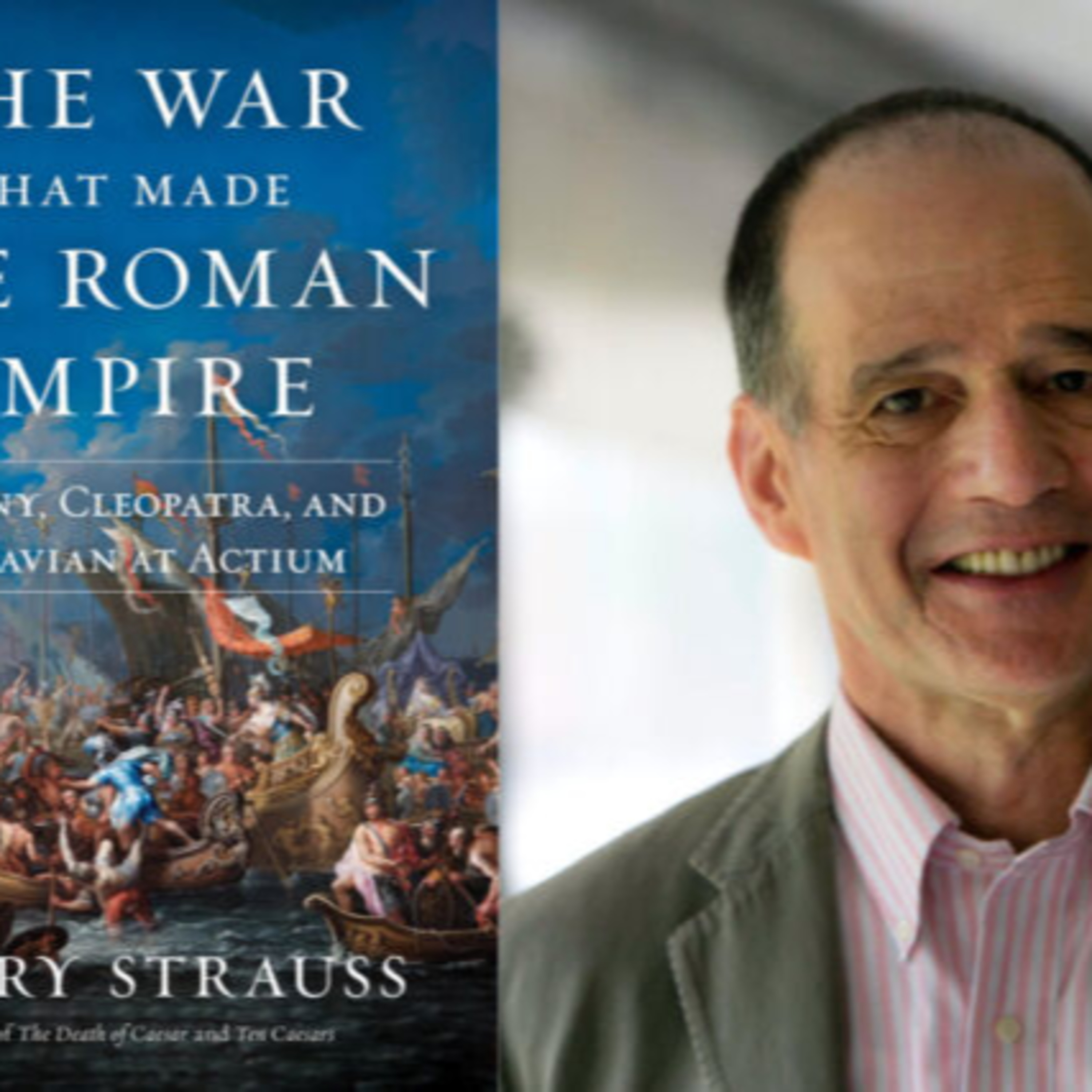 The War that Made the Roman Empire with Barry Strauss | In today’s episode Ralph talks with Dr. Barry Strauss about "The War that Made the Roman Empire" and what we can learn about leadership from Augustus. Barry S. Strauss is a historian and Professor of History and Classics at Cornell University. He is an expert on ancient military history and has written numerous books, including The Battle of Salamis (2004), The Trojan War (2006), The Spartacus War (2009), Masters of Command (2013), and The Death of Caesar (2015). His books have been translated into sixteen languages. His most recent book is “The War That Made the Roman Empire: Antony, Cleopatra, and Octavian at Actium” in which professor Strauss takes a closer look at a conflict that would have a lasting effect on the direction of Western history. In addition to being a prolific writer, professor Strauss is also a commentator on contemporary issues from modern leadership to politics, and he publishes regularly in magazines like the New Criterion, the Wall Street Journal, and others. He is also a podcaster himself, and his podcast Antiquitas can be found on his personal homepage at www.barrystrauss.com. I highly encourage my listeners to take a look, because engaging with professor Strauss’ work is both educational and, due to his engaging writing style, entertaining and capturing. He is also a contributor to the highly acclaimed Netflix original series “Roman Empire.” | — | ||||||
| 4/8/22 | 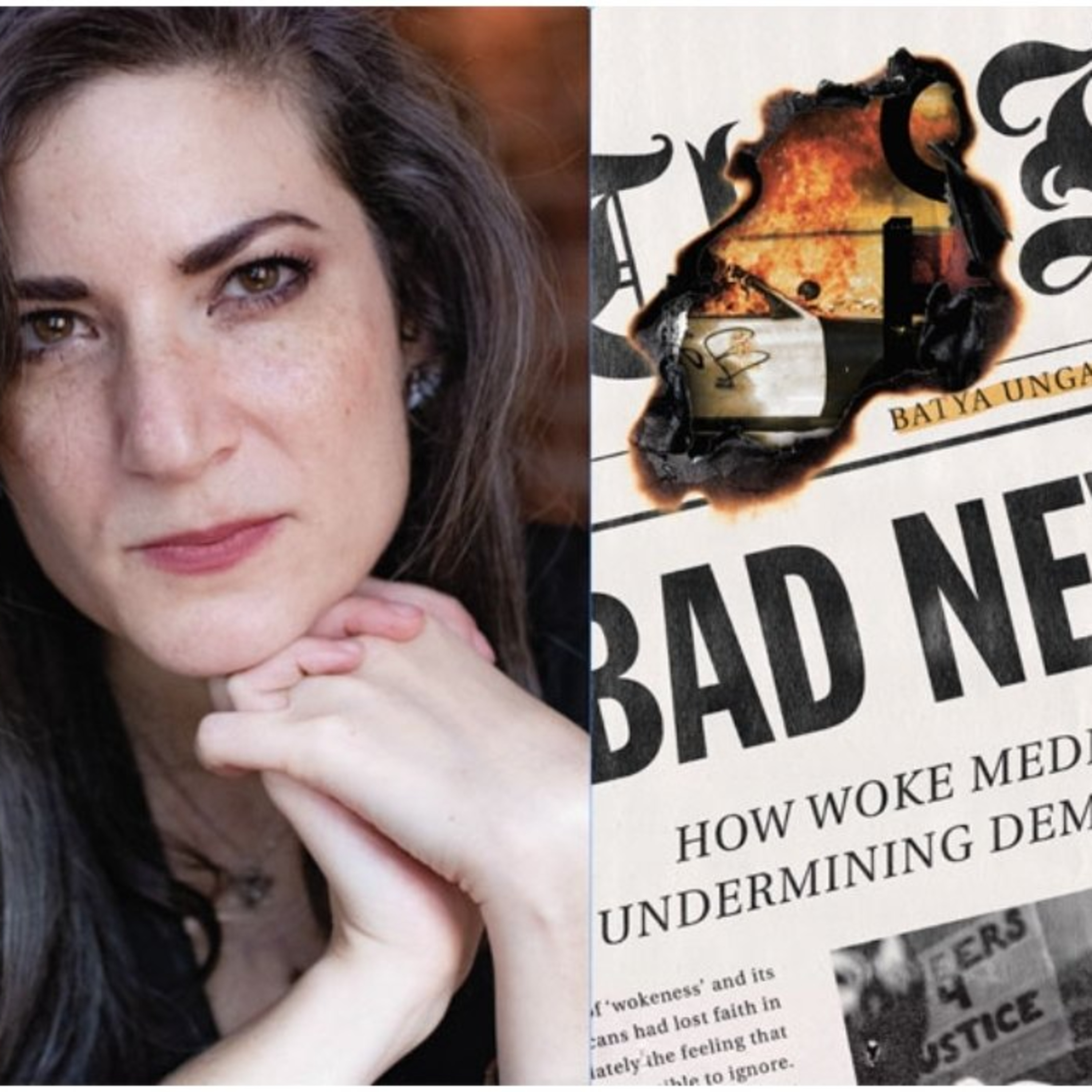 Bad News: How Woke Media Undermines Democracy with Batya Ungar-Sargon | In today’s episode Ralph speaks with Newsweek’s deputy opinion editor Batya Ungar-Sargon (make sure to follow her on Twitter @bungarsargon) about the state of the Western working class, how elitism in the media has become a threat to democracy, and why Donald Trump might have enduring appeal. Ms. Ungar-Sargon has published her first book “Bad News: How Woke Media is Undermining Democracy” in October 2021. You can get it on Amazon and other booksellers (I highly recommend you do) and on May 10th the audiobook read by the author herself will be available as well. In her book she describes how the Media shifted from being critical of those who held powerful positions in society to becoming part of the very powerful elites they were supposed to be critical of. Under the guise of culture wars Ms. Ungar-Sargon detects an actual class conflict that is deliberately (albeit maybe also unconsciously) obfuscated by focusing on cultural issues. he has written for the New York Times, the Washington Post, Foreign Policy, Newsweek, the New York Review of Books Daily, and other publications. She has appeared numerous times on MSNBC, NBC, the Brian Lehrer Show, NPR, and at other media outlets. | — | ||||||
Showing 25 of 32
Pitch Fit is a Pro feature
See how bookable this show is for guests, which brands already advertise, the per-episode ad value, and the best-fit guest and sponsor profile. The numbers are blurred on the free plan.
How readily this show books outside guests like you.
How proven this show is for host-read sponsorships.
For Guests
ProFor Advertisers
ProUpgrade to Pro to unlock guest cadence, sponsor categories, fit scores, and per-episode ad value for this show.