

Insights from recent episode analysis
Audience Interest
Podcast Focus
Publishing Consistency
Platform Reach
Insights are generated by CastFox AI using publicly available data, episode content, and proprietary models.
Most discussed topics
Brands & references
Total monthly reach
Estimated from 1 chart position in 1 market.
By chart position
- 🇩🇪DE · Entrepreneurship#1395K to 30K
- Per-Episode Audience
Est. listeners per new episode within ~30 days
2.5K to 15K🎙 ~2x weekly·28 episodes·Last published 2w ago - Monthly Reach
Unique listeners across all episodes (30 days)
5K to 30K🇩🇪100% - Active Followers
Loyal subscribers who consistently listen
2K to 12K
Market Insights
Platform Distribution
Reach across major podcast platforms, updated hourly
Total Followers
—
Total Plays
—
Total Reviews
—
* Data sourced directly from platform APIs and aggregated hourly across all major podcast directories.
On the show
From 13 epsHost
Recent guests
Recent episodes
Turn Words Into Wealth with publisher Aurora Winter
Jun 12, 2026
1h 02m 14s
Gratitude, Agency, and building the life you're grateful to have with Aaron Hendon
May 29, 2026
54m 40s
Websites, Niches, and the Joy of Showing Up
May 15, 2026
54m 11s
Ads, Discovery, and the Author’s Digital Future with Mal Cooper
Apr 3, 2026
1h 03m 15s
Vibe coding your way to indie success with Chelle Honiker
Mar 20, 2026
49m 30s
Social Links & Contact
Official channels & resources
Official Website
Login
RSS Feed
Login
| Date | Episode | Topics | Guests | Brands | Places | Keywords | Sponsor | Length | |
|---|---|---|---|---|---|---|---|---|---|
| 6/12/26 |  Turn Words Into Wealth with publisher Aurora Winter✨ | AI transformationhuman superpowers+3 | Aurora Winter | — | — | AIentrepreneurship+6 | — | 1h 02m 14s | |
| 5/29/26 |  Gratitude, Agency, and building the life you're grateful to have with Aaron Hendon✨ | gratitudeagency of attention+3 | Aaron Hendon | Puget Sound | — | gratitudeagency of attention+3 | — | 54m 40s | |
| 5/15/26 |  Websites, Niches, and the Joy of Showing Up✨ | web designdigital marketing+3 | Wes Towers | Uplift 360 | Australia | website ownershipconversion optimization+3 | — | 54m 11s | |
| 4/3/26 |  Ads, Discovery, and the Author’s Digital Future with Mal Cooper✨ | Facebook Adsindie authors+3 | Mal Cooper | The Writing WivesFacebook | — | Facebook Adsindie authors+3 | — | 1h 03m 15s | |
| 3/20/26 |  Vibe coding your way to indie success with Chelle Honiker✨ | independent authorsAI in publishing+3 | Chelle Honiker | — | SavannahLondon+1 | vibe codingindependent creative+3 | — | 49m 30s | |
| 3/13/26 |  You have nothing to lose. So why are you playing it safe?✨ | coachinglegacy+4 | Jermaine | Heirlight | — | coaching callestate planning+5 | — | 1h 00m 16s | |
| 3/6/26 |  Being so you that no one can replicate it with One Brilliant Arc✨ | entrepreneurshipbusiness challenges+3 | — | One Brilliant Arc | — | HAPI Compassproject blocks+3 | — | 57m 00s | |
| 2/20/26 |  Building a business tarot deck and what it taught me about clarity, systems, and letting go✨ | tarotbusiness+4 | — | — | — | tarot deckbusiness problems+5 | — | 32m 51s | |
| 1/13/26 |  Work that feels like cheating✨ | worklearning+4 | Michael Simmons | — | — | workentrepreneurship+5 | — | 46m 11s | |
| 1/11/26 |  Fun work changed everything✨ | intuitionenergy+4 | Elin Petronella | Follow Your Gut | — | joyful growthcreative life+3 | — | 1h 02m 09s | |
Want analysis for the episodes below?Free for Pro Submit a request, we'll have your selected episodes analyzed within an hour. Free, at no cost to you, for Pro users. | |||||||||
| 1/9/26 |  Finding your magic trick✨ | creative lifeentrepreneurship+4 | Adam Ming | Ten Minute Artist | — | creative lifeentrepreneurship+6 | — | 1h 01m 08s | |
| 1/8/26 |  How 30 people can beat 1,000,000✨ | social mediacreative careers+4 | Seth Werkheiser | SOCIAL MEDIA ESCAPE CLUB | — | social mediacreators+5 | — | 57m 54s | |
| 1/2/26 |  Building a creative life that gives energy back✨ | creative lifejoy+4 | — | Joyful Growth Club | — | creative lifejoyful growth+5 | — | 1h 09m 20s | |
| 12/12/25 |  Path of least friction presentation record | * Listen/subscribe on Apple* Listen/subscribe on Spotify* Listen/subscribe on Pocketcasts* Listen/subscribe on YoutubeThis is the recording from December’s Path of Least Friction presentation. While I didn’t record the breakthrough sessions, I took a video of the presentation bit for you.It breaks down your path of least friction, the place where your natural strengths, joy, and effort align to produce disproportionate results with less unnecessary struggle.After working with authors, creators, entrepreneurs, tech companies, and even street performers, I’ve found that everyone essentially faces the same challenge: they keep hitting blocks and have no idea how to move through them or where to start.PDF slide downloadDownloadIndividual slidesAnimated GIF: 10 second timer This is a public episode. If you would like to discuss this with other subscribers or get access to bonus episodes, visit podcast.hapitalist.com | 31m 14s | ||||||
| 11/20/25 |  Break your biggest blocks: Craft Con highlight reel | * Listen/subscribe on Apple* Listen/subscribe on Spotify* Listen/subscribe on Pocketcasts* Listen/subscribe on YoutubeThis week, I’m bringing you sneak peek into Craft Con, a free two-day virtual summit I’m hosting with my friends at Plotdrive happening Thursday, Nov. 20 and Friday, Nov. 21.Craft Con is all about helping authors break through their biggest creative blocks whether you’re stuck in the middle of your novel, struggling to start a story you’ve been dreaming about, or just feeling totally burnt out as the year winds down.I interviewed 12 of my most amazing friends about the blocks they face, how they got through them, and most importantly, how they would train you to get through them as well. We’ll be talking to amazing, superstar writers Ines Johnson, Johnny Truant, Melissa Storm, Joe Nassise, Kevin McLaughlin, Jennifer Hilt, Heather Hildenbrand, Mal Cooper, Lee Savino, Jennifer Probst, Alex Dobrenko, and Kern Carter. You’ll hear from bestselling authors who’ve been in the trenches, facing every kind of writing block, from losing momentum and getting tangled in the messy middle to doubting their own talent, and the strategies they used to break through and become successful.All registrants will also receive the Blockbreaker Digital Bundle for free, packed with tools and ebooks from our speakers to crush your own writing blocks!The Blockbreaker Bundle includes The Zero to Sixty Author: One Road to Writing Success (ebook) by Kevin McLaughlin, The Write Naked Affirmation Deck by Jennifer Probst, Book Launch Checklist and Marketing Quickstart Guide by Lee Savino, Manifest Your HEA (ebook) by Heather Hildenbrand, and How to Write Irresistible Books That Readers Devour (ebook) by me.In today’s episode, I’ve pulled together some highlight moments—golden nuggets from those interviews that’ll light a fire under you and remind you: you’re not alone in this.✅ And the best part? You can join us live at Craft Con for free.Register now and you’ll also get the Blockbreaker Digital Bundle—ebooks, checklists, and tools from our speakers designed to help you crush your own creative blocks.Register here: 👉 https://luma.com/obukrp1hWhether you’re stuck, stalled, or just creatively scattered, this event will help you reset, refocus, and finally get that book done.🎙 Now, let’s jump into the highlight reel. This is a public episode. If you would like to discuss this with other subscribers or get access to bonus episodes, visit podcast.hapitalist.com | 16m 17s | ||||||
| 11/19/25 | 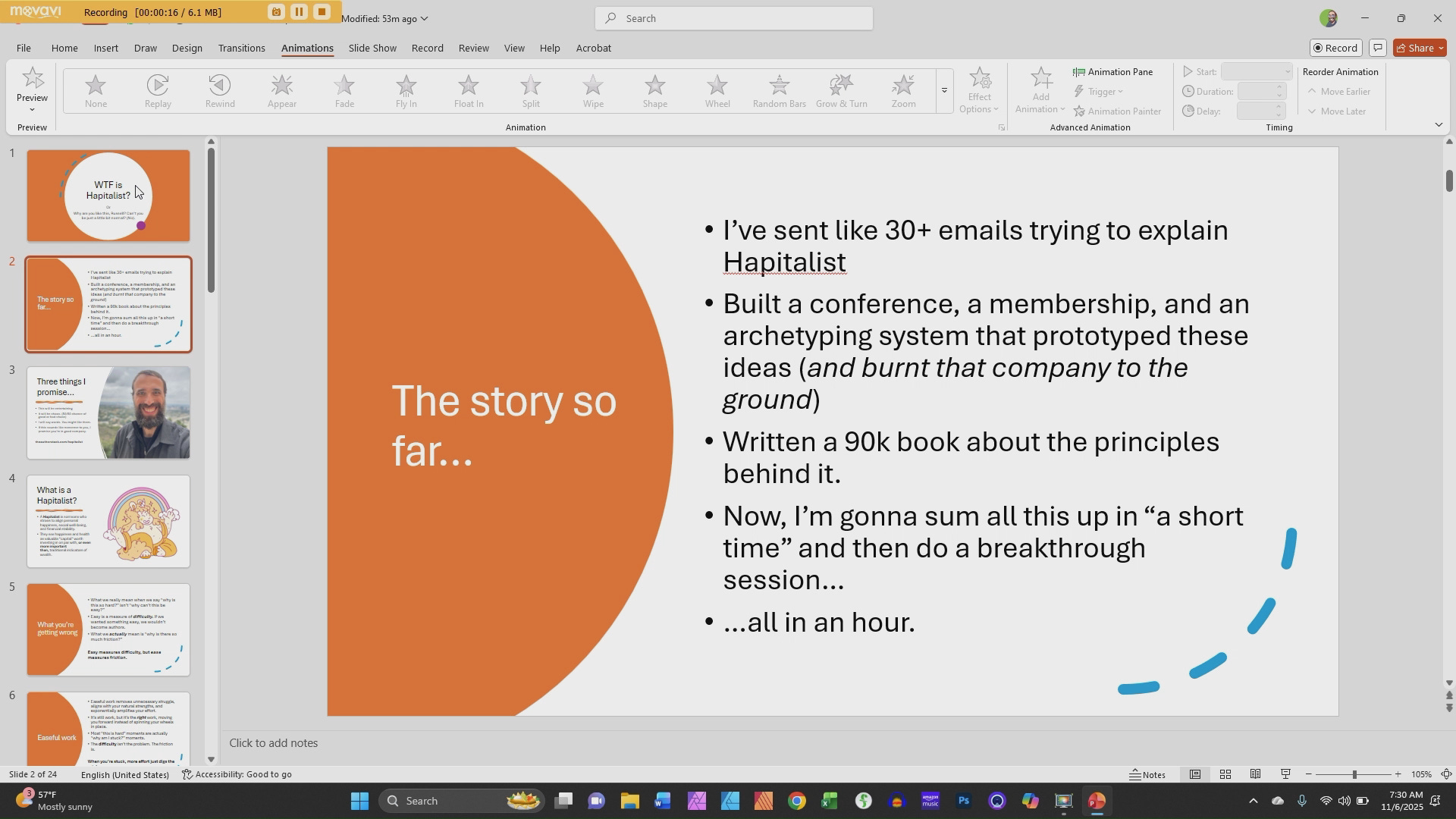 WTF is Hapitalist presentation record | * Listen/subscribe on Apple* Listen/subscribe on Spotify* Listen/subscribe on Pocketcasts* Listen/subscribe on YoutubeI ran a live breakthrough session at Author Nation, which meant I needed to introduce the whole Hapitalist system to people who’d never heard of it before. If you want to download that presentation, including a framework for running your own breakthrough session, you can do so here. Otherwise, here is the vibe of what’s in the video if you just want to read it. I’ve been writing about and studying creative businesses for 15+ years, and this is everything I’ve learned about building a successful creative career, condensed into one digestible system.Most authors feel stuck not because writing is hard, but because they’re solving the wrong problem with the wrong strategies.You’re pouring energy into building an audience when your real bottleneck is clarity about what you’re writing. Or you’re agonizing over your next book idea when what you actually need is a monetization strategy that doesn’t make you feel like a sellout.Hapitalist is how we break that cycle.* What we really mean when we say “why is this so hard?” isn’t “why can’t this be easy?” Easy is a measure of difficulty, and if we wanted something easy, we wouldn’t become authors. What we actually mean is “why is there so much friction?” Easy measures difficulty, but ease measures friction.* Easeful work removes unnecessary struggle, aligns with your natural strengths, and makes your effort matter. It’s still work, but it’s the right work, moving you forward instead of spinning your wheels in place. Most “this is hard” moments are actually “why am I stuck?” moments. The difficulty isn’t the problem. The friction is. When you’re stuck, more effort just digs the rut deeper.* Getting unstuck means finding the path of least friction that increases meaningful progress without eliminating effort entirely. Imagine yourself as a Jenga tower. Frictionless growth is when you find that block that slides out with barely a touch.* There are five paths we’ve watched authors repeatedly use to achieve frictionless, easeful growth: Virality (writing to market/social media), Thought Leadership (blogs/podcasts.speaking), Big Spectacle Launches (Kickstarter/virtual summits), Evangelism (ARC teams, Influncer marketing, referrals), and Partnerships (shared worlds, anthologies, publishing deals).* At least one of those paths will very likely give you frictionless growth. You can succeed with any of these, but spending 100% of your time in the most frictionless path will lead to the most growth in the least time. You might get growth from several strategies, but one will give you the most growth, which is where you should focus. * This is almost certainly the one that’s also the most fun for you and the one you enjoy most, because you’ll be getting a positive feedback loop, possibly for the first time in your entire career. Once you have one flowing beautifully, the other paths amplify and augment your growth.* It’s not that you can do anything, but that there’s something inside that you already love, which can lead to frictionless growth, and we just have to find it. Think of it a bit like Anton Ego’s famous line from Ratatouille “Not everything inside you can lead to frictionless growth; but frictionless growth could come from anywhere.”* Each of those paths has five stages. In Stage 1, you’re too overwhelmed/paralyzed with fear to do anything. In Stage 2, you are doing things, but none of them work particularly well. In Stage 3, you’ve found one thing that works really well, but you’re weighed down with a bunch of stuff that doesn’t work. In Stage 4, you’re honed in on what works, but capped out on how much you can grow. In Stage 5, you’re expanding and thriving.* If you’re in Stage 1, then your goal is to do anything. If you’re in Stage 2, then your goal is testing all the thing to find something that works. If you’re in Stage 3, then your goal is to shed things that don’t work. If you’re in Stage 4, then your goal is to start expanding into new paths. If you’re in Stage 5, then your goal is to build your team. * It is nearly impossible to grow your audience and monetize your work at the same time. The growth side means investing to reach more people and lower friction. The monetization side means maximizing revenue now through paywalls, premium pricing, and exclusive access, which inherently raises friction and limits reach. Both are valid, but they directly contradict each other. To grow, you need to reduce friction. To monetize, you need to increase friction. Pinpoint where you are on this spectrum, choose your path, and do it completely. Are you in a growth era or a monetization era? * Author business challenges usually show up in four buckets, which we call the HAPI Compass. (H)eart challenges come from the ideas, projects, and creative work that light you up and resonate deeply with who you are. (A)udience challenges come from the people ready to champion, amplify, and ultimately buy your work. (P)rioritization challenges form around choosing (or failing to choose) one high-leverage move at a time, letting wins compound, and buying yourself runway for the next right thing. (I)ncome challenges revolve around the revenue that funds your life and fuels your creative work.* Your biggest challenge will almost certainly form around one of those buckets, but we’re horrible at recognizing which one is really blocking us. We constantly misdiagnose them in ourselves. Misdiagnosis leads to solutions that make things worse. You double down on marketing when you need to clarify your message. If you have a challenge growing your audience, you can’t fix it with solutions designed to make you more money. They’re at odds with each other.* You can only solve challenges by using solutions designed to fix them. (A)udience solutions won’t fix (H)eart challenges, (I)ncome solutions won’t fix (P)rioritization challenges, etc. If you want to solve your biggest challenges, you need to use the right solutions, which means you need to know what your biggest challenge is right now, and almost nobody does, especially about themselves.The Hapitalist approach helps you pinpoint the most easeful path forward, narrow your place on the growth-monetization spectrum, identify your true bottleneck, and match the right solution to the right problem.Do this well, and you solve the vast majority of author business challenges without expending any additional effort. In fact, you’ll probably save effort by cutting back on things that don’t work for you.Yet it’s impossible to see this in ourselves, and to keep ourselves on track, which is why you need a community, preferably one trained on the same methodology as you and run by somebody who knows what they are doing. * Hence the bi-monthly breakthrough sessions to make sure you’re on track and to course correct. * Hence the digital brain to give you feedback between sessions and show you what to do next in real time. * Hence the collection of world-class resources to help you make the most of the path you choose to achieve the most frictionless growth possible.Every author joins us with something holding them back, whether that’s a mindset block, a marketing problem, a confidence issue, or a missing skill. That’s your lock. But everyone also shows up with keys from things they’ve already solved, overcome, or mastered. You might not have the key for your own lock, but you absolutely have one that can open someone else’s. And in doing so, you often find the clarity to open your own. The real magic happens when we use our keys and start unlocking each other’s locks.Why is community strategically important, instead of just feel good vibes? Because if you’re in stages 1-3, then you’re lock will probably be opened by somebody in the same success path but further along on their journey. If you’re in stages 4-5, then your lock will probably be opened by somebody in a different ecosystem doing something completely different than you. You are one human, going through one lived experience, consuming one person’s media, with one person’s brain. You’re gonna miss things, discount important things you don’t understand, and have questions that make perfect sense to somebody else. Sure, you could study things and maybe figure it out, or you could ask a group of people trained on the same methodologies as you, who know what to look for, and they can give you the right answer in a few minutes. You’re not stuck because this business is “hard.” You’re stuck because you’re solving the wrong problem, or solving the right problem with the wrong strategy, or solving the right problem at the wrong time.You’re stuck because you’re trying to do it alone.The path forward isn’t about working harder. It’s about working in alignment with your strengths, your season, your actual bottleneck, and the ecosystem where your particular gifts thrive.That’s what easeful means.And yes, it still takes effort, but it’s effort that compounds into momentum instead of friction that grinds you down. This is a public episode. If you would like to discuss this with other subscribers or get access to bonus episodes, visit podcast.hapitalist.com | 33m 05s | ||||||
| 11/17/25 | 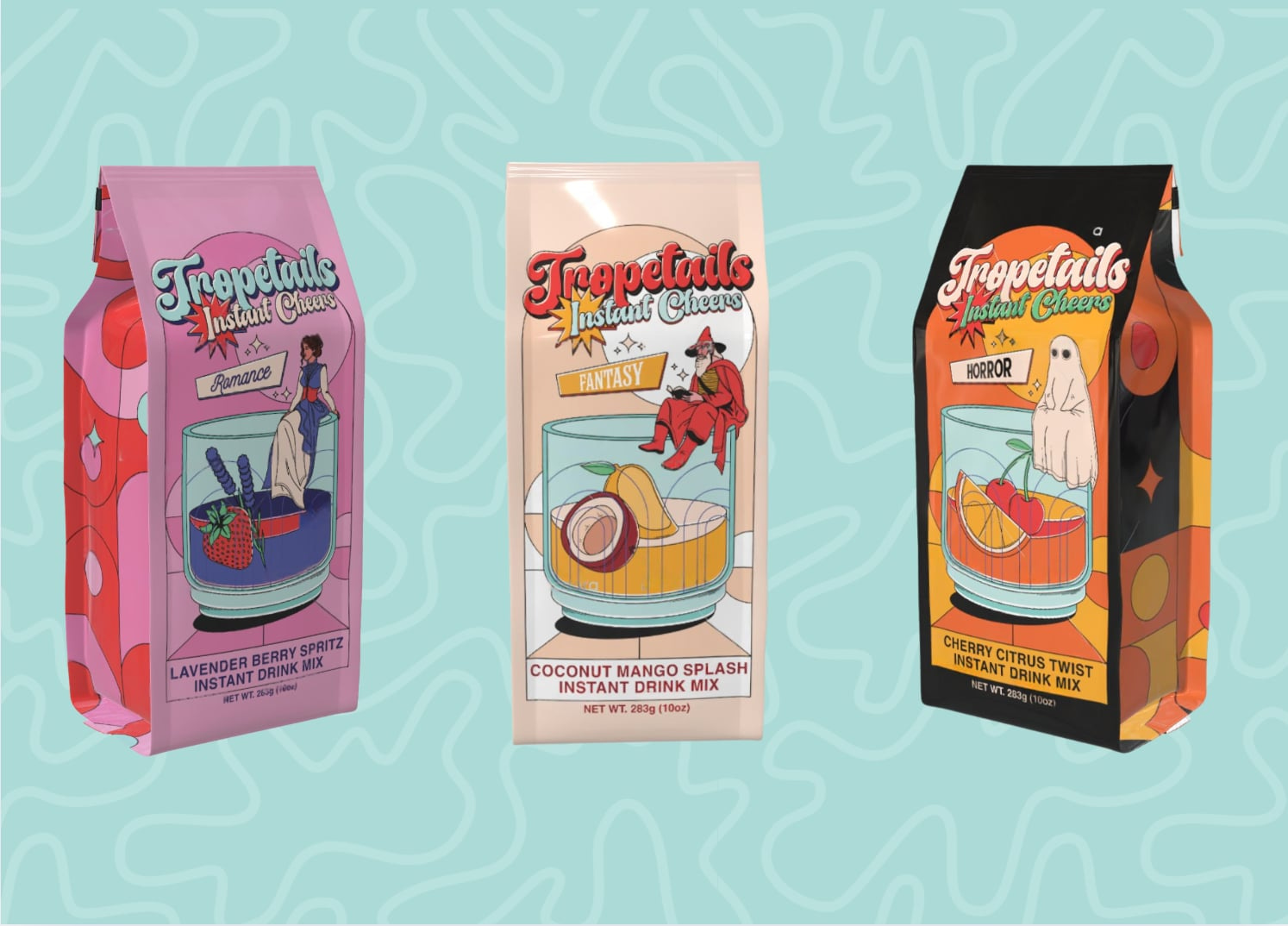 The art of joyful expansion into consumables with Maggie Beeler | * Listen/subscribe on Apple* Listen/subscribe on Spotify* Listen/subscribe on Pocketcasts* Listen/subscribe on YoutubeI’ve known (Wheeler Dealer) Maggie Beeler for years. I took her out to breakfast the first year we met and she was incredibly charming, if a little naive. Still, I wish I had an ounce of her ambition and direction at her age. Since then, she’s shed the naivete and evolved into a true creative force We’ve both been in the trenches of this author life long enough to know that success doesn’t come from a single launch or viral post. It comes from relentless iteration, big ideas, and the willingness to make weird shit that lights us up. So when Maggie and I caught up at Author Nation this year, and she told me she was getting into consumables, I had to ask: “WTF is a consumable, Maggie?” So, I had her on the podcast to figure it out, and realized that I had been in consumables for years before even Maggie thought it was cool. We absolutely talked about that, but the real lesson I took away was that creative brands don’t have to grow by force. They can grow by opening doors that already want to open.That’s what Maggie did, and it’s what I kept circling back to on the call. Before we get into the takeaways, make sure to check out her new consumables brand on Kickstarter1. Expansion happens when you stop telling yourself “it has to look like X.”Most authors think brand expansion means:* merch* character art* special editions* pins* whatever the last successful author didMaggie didn’t do any of that. TropeTails didn’t come from a marketing plan. It came from something she genuinely does for fun: mixing drinks and hanging out with authors.The joy came first. The business came second. That’s the part most creators skip.2. Follow the path of least resistance, which is probably where your enthusiasm already is.TropeTails didn’t require Maggie to become someone else.She didn’t reinvent her brand. She didn’t contort her author identity. She didn’t “rebrand” to fit a niche.She just expanded outward from something she already loved. That’s the direction creative expansion is supposed to go.If you’re dragging your feet, that’s not expansion. That’s punishment.This is the whole point of Hapitalist, and our new Frictionless Growth Challenge. We’ll be hosting the first one on December 1st. Sign up for free at frictionlessgrowth.com3. The best expansions are the ones you don’t overthink.Maggie didn’t sit down and say “Time to build a parallel CPG ecosystem and leverage adjacent markets.”No. She made TropeTails because it sounded fun. She made the drink mixes because readers asked for an easier version than going to buy a bunch of ingredients.Expansion isn’t about being clever. It’s about recognizing when something wants to grow.4. You don’t need permission to expand. You need curiosity.I kept saying during the interview how impressed I was that she just… did it.No drama. No fear. No branding consultant. No committee vote. She followed a thread of curiosity, and that’s the permission slip we ALL forget we have:If it delights you, you’re allowed to make it. If your audience responds, you’re allowed to expand it.5. Expansion doesn’t betray your brand. It reveals more of it.Maggie didn’t “leave” YA fantasy to make TropeTails. She didn’t abandon her books. She didn’t pivot away from fiction. She just added another dimension of herself into the brand.Your brand is not your genre. Your brand is you.Maggie simply widened the circle.And it still feels like her.Actually, it feels more like her.The whole time we were talking, I kept thinking: “This is what creative expansion is supposed to feel like.”Not obligation. Not pressure. Not algorithm-chasing. Not “I guess I should make merch because everyone else is.”Instead, it should be filled with joy, curiosity, play, and alignment.Expansion that comes from joy is sustainable. Expansion that comes from pressure burns you out.That’s the real lesson from the interview.Not the recipes. Not the launches. Not the mixes. Not even TropeTails itself.The lesson is that your brand grows wherever you feel most alive.What do you think? Let us know in the comments. This is a public episode. If you would like to discuss this with other subscribers or get access to bonus episodes, visit podcast.hapitalist.com | 1h 05m 48s | ||||||
| 10/24/25 |  From stranger to evangelist in 5 emails | * Listen/subscribe on Apple* Listen/subscribe on Spotify* Listen/subscribe on Pocketcasts* Listen/subscribe on YoutubeRecently, Substack added drip campaigns for “bestsellers”, which means it will probably be launched to everyone in a month or two. Claire Venus ✨ and I jumped on a call (because we’re nerds about this stuff) and talked through the new feature we’ve both been waiting for this for… years, honestly.Drip sequences are standard on basically every email platform—ConvertKit, MailerLite, ActiveCampaign, you name it. Substack, on the other hand, has always been more minimalist. For better or worse.Until now, if you wanted automation, you had to jerry-rig it with Zapier and some elbow grease, which is what I had to do. I built my own system off-site just to do basic onboarding.Now, Substack finally lets you do it natively, which means you can now…* Greet your new subscribers properly* Introduce them to your world without chaos* Let your back catalog breathe againAll without manually onboarding every new reader, which is tedious and unscalable. The only thing worse is dropping new subscribers into the middle of your newsletter with zero context. If someone lands on your publication from a promo, a podcast, or a book backmatter, they’re not necessarily going to “get it” right away.If they don’t know your vibe, your values, or your universe, they’re just confused.And confused people unsubscribe.Drip campaigns help solve that. They let you:* Slowly onboard people into your world* Share the why behind your work* Build a relationship over time* …without having to remember to do it every timeThis doesn’t have to be a great burden either. I walk you through how to take your About page, slice it into 3–5 short emails, and schedule those as your welcome sequence very quickly.This doesn’t have to be some elaborate, 12-email sales funnel. This isn’t ClickFunnels. It’s Substack. You’re building trust, not closing a $10,000 coaching deal.Drip campaigns won’t magically 10x your revenue or convert 43% of subscribers into superfans overnight. (If it does, call me.)But it will:* Clarify your message* Reduce churn* Make new people feel like they belong* Let you step away from your laptop and breatheThat last one? Kinda matters.🎯 Key Takeaways from the Podcast EpisodeTopic: Substack Drip Campaigns* Drip campaigns help you make a better first impression.New readers shouldn’t have to guess what you’re about. A welcome sequence sets expectations, shows off your best work, and builds trust from day one.* Substack finally lets you automate onboarding—natively.No more Zapier hacks or outside platforms. You can now guide new subscribers through your ecosystem without lifting a finger after setup.* You don’t need a complex funnel—just 3–5 solid emails.Break up your About page. Highlight a few core ideas. Point to key posts. Invite people to go deeper. That’s enough to start.* Automation ≠ cold or impersonal.Done well, it’s actually more considerate. It’s the difference between ghosting your readers and greeting them at the door.* If you don’t onboard readers, you’ll lose them.People unsubscribe when they don’t “get” your work. Drip campaigns reduce churn and increase engagement.* Use this sequence to soft-sell without sounding salesy.Once someone understands your mission, they’re more open to becoming a paid subscriber, buying a book, or joining your world long-term. This is a public episode. If you would like to discuss this with other subscribers or get access to bonus episodes, visit podcast.hapitalist.com | 44m 28s | ||||||
| 8/8/25 |  Mastering email with Shiv Chibber from Kit | * Listen/subscribe on Apple* Listen/subscribe on Spotify* Listen/subscribe on Pocketcasts* Listen/subscribe on YoutubeIn this power-packed session, USA Today bestselling author Russell Nohelty sits down with Shiv Chibber from Kit to break down the exact email marketing system that powers Russell's business—using automation, segmentation, and recommendations to nurture, segment, and monetize a large and loyal audience.Together, they explore how authors can build robust email ecosystems using Kit’s tools, starting from reader acquisition and ending with automated sequences that run on autopilot for years. If you're looking for a smart, sustainable way to grow your reader base and revenue—this episode is your playbook.🧠 Key Takeaways:1. Start With a Strong Entry Point (Lead Magnet)* Russell uses a prequel novella to invite readers into his 12-book Godsverse series.* The novella is offered for free in exchange for an email address using BookFunnel or Kit's native landing pages.* It’s critical to start building your list as early as possible—even if you only have one book.2. You Need More Than 1,000 True Fans* The “1,000 true fans” concept sounds nice, but you need thousands more casual or curious readers to get there.* Russell has added over 250,000 email addresses across his career.* “There are no bad email subscribers” when you own the platform and can segment intelligently.3. Use Tags Like a Pro* Every reader gets tagged based on how they entered the list—what book they downloaded, what promo they saw, what preferences they selected.* Kit allows unlimited tagging and segmentation, so readers can self-select (e.g., “no Kickstarter emails” or “fiction only”).* This creates hyper-relevant messaging without annoying subscribers.4. Automations Are Leverage, Not Labor* Once automations are set up, Russell doesn’t have to touch them again.* New subscribers are automatically added to the right sequence, get the right welcome, and receive offers at the right time.* “Pitching a perfect game” means every new reader gets your best work, in the right order, with no manual effort.5. Segment by Interest and Intensity* Kit allows readers to choose how often they hear from you—weekly, monthly, or launches only.* You can also funnel them into interest-based sequences (e.g., the Godsverse vs. Ichabod Jones), preventing email fatigue and boosting engagement.* Russell even uses poll-based branching to segment further, keeping the experience customized.6. Use Recommendations to Grow Faster* Kit's creator network allows reciprocal email recommendations—think of it like the LinkedIn of authors.* Russell has gained nearly 300 subscribers just from being recommended by other creators in the system, without lifting a finger.* It’s a fast way to collaborate, especially with fellow authors inside niche communities like Author Stack.7. The “Forever Sequence” Strategy* Russell calls his email sequences "forever sequences"—essentially slow-release content machines.* For nonfiction (like Author Stack), he repurposes entire books into multi-year weekly drips.* This means years of valuable content queued up for new subscribers, building long-term trust and engagement.If you’re tired of hustling on social media and want something more sustainable, email—done right—is the answer. This episode reveals how to build a system that scales your reach and revenue without burning you out. Whether you’re writing fiction or nonfiction, just starting out or scaling up, Russell’s Kit strategy offers a roadmap to owning your platform, building true connection, and selling without shouting. This is a public episode. If you would like to discuss this with other subscribers or get access to bonus episodes, visit podcast.hapitalist.com | 1h 12m 54s | ||||||
| 7/23/25 |  Rating popular Substack strategies | Let’s be real. Most advice about growing on Substack feels either too vague to be useful or too hacky to feel good. That’s why we decided to do something different.We’re not outside observers. We live in this ecosystem. We talk to creators every day, see what’s working in real time, and watch what quietly fizzles out once the hype dies. So instead of theorizing, we sat down and gave each strategy a gut-level, real-world rating, based on what we’ve actually seen succeed (and what’s quietly destroying people behind the scenes).This is not a list of silver bullets. It’s an honest look at what’s getting traction right now, what’s sustainable long term, and what’s just noise. Every tactic we rate below came up in our conversation, and got scored on a 10-point scale.Easy is without difficulty, easeful is without friction. So, what can you do without friction?1. The "X More Subscribers Until Y" Notes StrategyExample: “Only 17 more until I hit 1,000!”Russell: “It works. It’s dumb, but it works.”Erin: “I’m on the fence, but I’m going with six. It does work.”This is the ‘milestone begging’ strategy. It leverages urgency and social proof—just enough to make people think, "Oh sure, I’ll help you hit that number.”We’ve seen it pop. But it’s got no longevity. It doesn’t build trust or excitement. It’s a party trick.* Our Take: While this strategy can offer a quick "jolt" of new subscribers and create a sense of excitement , we've found it's generally not effective for long-term engagement. It can feel a bit "dumb" if overused, and historically, this type of plea hasn't sustained growth across platforms.Our Rating: ★★★★★★☆☆☆☆ (6/10)Summary: A shallow bump. It’s a sugar high, not a growth plan.2. Posting 3-10 Times a Day on NotesAKA “The Blitzkrieg of Content” strategyRussell: “Maybe a 10/10 at the beginning… but it’s probably a 6/10 for the long haul.”Erin: “If it burns you out and makes you miserable, it’s just not worth it… I might go six.”This is the most chaotic-good strategy on this list. It works, especially if you’re in launch mode, if your energy is high, or if you’re trying to build early momentum. It creates visibility. It feeds the algorithm. Sometimes one Note pops, and the rest don’t.But the toll? Brutal. This is where burnout grows legs.* Our Take: The effectiveness here heavily depends on your energy and the context. If it burns you out and makes you miserable, it's simply not worth it, as there are better alternatives. While it can lead to new followers and potential subscribers, overexposure can lead to your audience gets saturated and turns away. It can be a 10/10 at the beginning to ride an initial wave, especially when leading up to a specific launch or program, but it's unsustainable as a 24/7 strategy.Our Rating: ★★★★★★☆☆☆☆ (6/10)Summary: Use in sprints, like leading up to a launch. Not your forever strategy.3. Niching DownNarrowing your content focus to a very specific topic or audienceRussell: "I'm going to rate it a nine of 10."Erin: "Yes, totally. Agree."Niching down isn’t just smart, it’s survival. Especially early on, it tells the world what bucket to put you in. It makes it easy for others to recommend you: “Oh, you should read them, they’re the X person.” More importantly, it makes you legible inside the creator ecosystem. Other writers know what you do and what you don’t. That creates space for collaboration instead of competition.Can you niche back up later? Sure. But until your voice becomes the brand, specificity is your best friend.* Our Take: Niching down is a powerful growth strategy, provided you understand its core purpose: to help people easily categorize and recommend you ("you're the X person"). More importantly, it helps the broader ecosystem, including other creators and collaborators, know exactly where to "slot you in". This allows you to offer additive value without overlapping with existing content in the ecosystem. While it's crucial at the start, you might eventually "niche back up" as your platform grows.* An Exception: An exception exists for exceptionally strong writers with a highly recognizable voice, where their personality becomes the niche, rather than a specific topic. Honorable mentions to Alex Dobrenko`, Badreads, and Ash Ambirge.Our Rating: ★★★★★★★★★☆ (9/10)Summary: If you have big growth goals and you’re not niching down, you’re making it harder for people to share you.4. Creating Pop-Up Publications for Specific ProjectsTemporary Substacks tied to launches, summits, or special eventsErin: "At least a nine out of 10. I think it's so effective."Russell: "Yeah, 10 out of 10. I think it's killer."This strategy hits hard. Think: a Substack just for a summit, an anthology, or a collaborative project. We’ve both seen this explode reach. Why? Because it creates a focused, time-bound container that people can get excited about without having to commit long-term.Even better: it lets you explore topics that don’t fit neatly into your main publication, without diluting your brand. And pop-ups often become a gateway—people show up for the event and stick around for your other work.* Our Take: We're huge fans of this strategy. We've seen it work incredibly effectively for projects like the "Sparkles on Substack Summit" and the "10K Secrets" anthology. It's a killer strategy because it allows you to hyper-focus on a specific project, even if it's not meant to last forever, leading to exponential growth. It integrates well with niching down by allowing you to pursue topics outside your main publication. These pop-ups also serve as excellent entry points for new readers who might be intimidated by a broad publication with years of content.* Hot Tip: Funnel the people you attract with these pop-up publications toward your ongoing newsletter, or the next pop-up you have on deck!Our Rating: ★★★★★★★★★★ (10/10)Summary: High-leverage, low-risk, wildly effective. Do this.5. Focusing on Free Subscribers First, Then PaidBuild the free list before you pitch anythingRussell: "That is an enormous, like, successful win. 7 out of 10."Erin: "It just makes it so much easier when you go to launch anything paid."This one’s all about playing the long game. The bigger your free list, the warmer your paid leads. Simple as that. We’ve seen creators like Tom Orbach grow huge free lists (think 40k+), then flip on monetization and rake in five figures in a week.But the trick is you need a real offer. You can’t just hope people throw you money because they like your vibes. The free-to-paid pathway only works if it’s paired with intention, timing, and clarity.* Our Take: This is a nuanced strategy, but it can be highly successful. We've seen examples like Tom Orbach building a 40,000-person free mailing list before launching a paid product and generating significant revenue in a short time. The key lies in having a clear launch plan and a specific paid offer. Continually generating free subscribers fills a "bucket" of potential paid leads, making conversion much easier. While typical conversion rates are 1-3%, a much higher rate might indicate you're not expanding your reach enough. Ultimately, having a paid offer, even if small, allows for crucial experimentation and avoids the pressure of needing a massive launch later.Our Rating: ★★★★★★★☆☆☆ (7/10)Summary: Grow the free list first, but only if you’ve got a paid plan to follow it up.6. The "Recommend for Recommend" (Reciprocal Recommendations) StrategyReciprocal recommendations without authentic alignmentErin: "I think that's like a two out of 10."Russell: "Agree. It’s not a real community."This one lives at the intersection of cringe and collapse. It sounds good in theory—“I’ll recommend you if you recommend me”—but in reality, it builds nothing. It’s the equivalent of those “follow for follow” trains that ruined Instagram.If you genuinely love someone’s work? Recommend them. But don’t turn it into a transaction. That erodes trust, both with your audience and your peers.* Our Take: This strategy involves agreeing to recommend other publications in exchange for them recommending yours. We disapprove of this approach. It’s disingenuous unless you genuinely appreciate the other person's content, comparing it to unhelpful "everyone recommend each other" dynamics found in some social media groups. Authentic recommendations don't require a quid pro quo.* An Exception: If you have had previous positive interactions with the person you want a recommendation from, and if you both are just starting out or have near-equal subscriber counts, you may be able to get away with this strategy. The trick is to already be recommending their newsletter before reaching out for reciprocation. Bonus points if you keep it super low-pressure and send them a specific article of yours they might be particularly interested in.Our Rating: ★★☆☆☆☆☆☆☆☆ (2/10)Summary: If you have to ask for it, it probably doesn’t belong in your sidebar.7. Collaborative Articles / Guest Posting / Guest SwapsWriting for other publications or hosting writers on yoursRussell: "Somebody, someone letting you post on their publication is like about the biggest form of trust and validation that you can get... 11 out of 10. I think people should be doing this at least once a month... you are missing the best growth engine."Erin: “I’m with you, 11/10 for me. Collaborations for the win.”This is the most underrated power move in the ecosystem. When someone lets you publish on their Substack, that’s not just exposure—it’s endorsement. It’s trust transfer. You’re being introduced to a warm audience by someone they already believe in.Guest swaps are the real magic. You both write for each other, you both win, and it cuts your weekly writing load in half. Especially powerful between creators at the same stage of growth.* Our Take: This strategy involves contributing content to other publications ("writing for other people") or hosting others on your own. Collaborations are truly the biggest form of trust and validation. Aim for doing a collaboration at least once a month, as it connects you with new audiences and fosters relationships with other creators who can then recommend you. While growth primarily comes from your content appearing on other publications, guest swaps (where you both write for each other) are highly recommended, especially for creators at similar levels, as they provide mutual benefits and reduce weekly writing load.Our Rating: ★★★★★★★★★★★ (11/10)Summary: This isn’t a growth hack. It’s the growth engine.8. Sending Marketing Emails to Free Subscribers (While Avoiding Friction)Converting free readers into paid subscribers via emailErin: “I’ve seen these work really well. To do a really good marketing email, a few things have to be in place. 1) Have a reason: only email when there’s something new and cool happening that you want to tell them about. 2) Use cohorts: only send emails to new free subscribers who’ve signed up in the last 2-12 weeks (depending on when you sent your last marketing email). 3) Space them out: send these emails monthly to quarterly.”This one wasn’t rated explicitly, but it came through loud and clear: marketing emails to free subscribers, when timed right and when trust has been built, lead to conversions!Quarterly marketing emails to a cohort of newer free subscribers can be particularly effective in converting “warm leads,” which are folks who are the most likely to upgrade to paid.Summary: Email doesn’t build your list—but it absolutely builds your business.* Our Take: This strategy focuses on using email marketing to convert free subscribers to paid ones, specifically by making the process seamless and low-friction. The key is to offer clear, direct calls to action within the content itself, rather than relying on external links or complex payment processes. It's about optimizing the user journey from free content consumption to paid subscription. While not explicitly rated in the provided text, the emphasis on directness and avoiding friction suggests a high value placed on effective conversion pathways within the email environment.* Hot Tip: There’s a sweet spot for leads that are new to your newsletter but not so new that they are too unfamiliar with your work to convert. When cohorting, think of two-to-eight-week-old leads as your sweet spot, depending on how frequently you publish and email.Our Rating: 0/10 for overall list growth, 10/10 for paid growthSummary: Email doesn’t build your list—but it absolutely builds your business.The Meta-Strategy: Ease and ExperimentationUnderneath every tactic we’ve rated is a deeper truth: the best growth strategy is the one you’ll actually do.Choose What Feels EasefulRussell: “The stuff that feels good is the stuff you’ll keep doing.”It doesn’t matter how ‘effective’ a tactic is on paper if it makes you feel gross, drained, or creatively dead. You could copy someone’s exact strategy and still get wildly different results—because your energy matters. The sustainable wins come from strategies that align with how you like to show up. That’s where consistency lives. That’s where real growth starts.Adopt a Testing MindsetErin: “Everything is a test.”When you treat your strategy like an experiment, the stakes drop—and your clarity goes up. You stop judging every Note or post by whether it ‘worked,’ and start asking better questions: What did this tell me? What do I want to try next? That curiosity is the engine of long-term growth. Not perfection. Not hustle. Just iteration.Growth Has a Shelf Life (And Sometimes a Cliff)Russell: “People talk about Notes as if it's a permanent growth engine. It's not. It's got a curve.”There’s a clear arc to visibility-based growth: it spikes, plateaus, and sometimes falls off a cliff. We both pointed out that what works today might not work next month. That means smart creators don’t just pick strategies, they plan for when those strategies stop working.This mindset helps people avoid panic when their follower rate slows down or when their Notes engagement tanks. It’s not failure. It’s a normal phase shift in the cycle.Depth × Duration = GrowthErin: “Do a somatic check. See if it actually feels good in your body to send that marketing email, to engage in that collaboration. Ask yourself if you can really sustain this effort. That’s the only way you’ll see if it’s really going to work.”TL;DR If it feels good, you’ll keep doing it. If you keep doing it, it’ll grow.Sustainable growth doesn’t come from intensity. It comes from repetition and relationship-building over time. You don’t need to go viral. You need to go consistent.That means you can “fail” publicly a dozen times and still win, as long as you’re learning and showing up. It reframes the goal—not to make every strategy work, but to stay in the game long enough for the right ones to work.Key takeaway: Depth is slow. But it compounds if you let it.Don’t Use Leaderboards as StrategyRussell: “It just breaks the leaderboard. It doesn’t help you grow.”This one was specific to Notes, but it’s worth calling out as a principle: don’t chase metrics at the expense of trust. Leaderboard strategies (like flooding Notes or asking friends to like your posts) might create visibility, but they rarely create real fans and often hurt the ecosystem.If your growth depends on tricking a system rather than building a connection, it won’t last.Key takeaway: Growth that breaks the system breaks your future.Our Biggest Piece of Advice? Stay in the RoomAt the end of the day, none of this is about chasing magic numbers or cracking some mythical code. Growth on Substack is messy, human, and nonlinear. The tactics help, but only when they’re rooted in your energy, your values, and your willingness to play the long game.The real strategy is staying in the room long enough to be seen.Top takeaways:* Test everything.* Pay attention to what feels good.* Build trust instead of chasing clout.* Give it time.* Let yourself be seen.What do you think?* What’s your current go-to growth strategy on Substack—and how’s it actually working for you?* Which of these tactics have you tried, and what would you rate them out of 10?* What’s one strategy that totally bombed for you—but everyone swore would work?Let us know in the comments.If you enjoyed this one, I highly recommend checking our archive, with over 600 exclusive member-only posts about how to help you build your own author career, including our course, fund your book on Kickstarter. You can take it for free with a seven-day trial, or give us a tip if you want to support us without committing long term. This is a public episode. If you would like to discuss this with other subscribers or get access to bonus episodes, visit podcast.hapitalist.com | 1h 02m 28s | ||||||
| 7/18/25 |  How to Build a World Class Substack in 2025 with Claire Venus | * Listen/subscribe on Apple* Listen/subscribe on Spotify* Listen/subscribe on Pocketcasts* Listen/subscribe on YoutubeSubstack is having a moment, but not everyone is thriving. In this deeply honest episode, Claire Venus and Russell Nohelty dig into what’s actually working on Substack in 2025, what’s changed, and how it fits into a larger creative business ecosystem.This isn’t a “growth hack” chat. It’s a clear-eyed look at:* What’s broken in creator culture* What’s confusing about Substack as a platform* And what still works if you approach it with clarity, systems, and community🧠 Key Lessons from the Episode:1. Substack is one channel—not the whole systemClaire and Russell emphasize that Substack should be part of a broader strategy—not your only strategy. It’s a tool that shines when it complements other efforts like events, collaborations, and direct sales.“You can’t expect Substack to do all the heavy lifting. It works best when it’s integrated.” —Claire2. Collaboration drives visibilityThey revisit their own collaboration (including co-writing How to Build a World-Class Substack) as a major catalyst for both growth and resilience—proof that momentum compounds when creators combine audiences and skills intentionally.3. Substack Notes = Social, Not SalesThe episode gets real about Notes: it’s a useful tool for presence and light interaction, but it’s not a reliable direct sales channel. It’s closer to social media than it is to a monetization engine.“Notes is great for connection—but it’s not where the money comes from. That still takes real content, relationships, and offers.” —Russell4. Business chaos is part of growthVAT nightmares, exploding tech stacks, unexpected breakdowns—it’s all in there. But these moments of chaos helped both hosts refine what they actually wanted from their platforms, including Substack.“I nearly walked away. But that breakdown brought so much clarity.” —Claire5. Succeeding on Substack through collaborationYou and Claire discuss how your collaboration (starting with the Substack book) led to shared momentum, credibility, and audience crossover. Claire even notes that many of her paid subscribers came from the energy created through those collabs.“Substack grew because of that—it grew because of our connection, because of people like Jason who amplified it.”6. The importance of clarity in audience and positioningClaire talks about how defining her audience ("creative business owners trying to reach the next income tier") helped her stabilize her messaging and offerings. That’s directly tied to sustainable Substack growth.“Now I'm much clearer that I'm serving creative business owners... not just writers.”7. Burnout and rebuilding as a growth catalystYou both discuss how moments of total burnout—especially surrounding business complexity (like VAT or course structures)—led to a deeper realignment with what your platforms were for. That realignment fueled more strategic growth, including through Substack.8. Substack as a central, stabilizing platformIt’s clear that Substack isn’t mentioned as a silver bullet, but as a platform where clarity, connection, and consistency pay off, especially when used for community-building and collaborative projects.🚀 If You’re Trying to Grow on Substack, Start Here:* Define your ecosystem role (Are you a Desert? A Tundra? Something else?)* Treat Substack as your hub, not your whole machine* Use Notes to build light connections—but focus your energy on the newsletter itself* Collaborate early and often—growth is exponential when you share momentum* Be willing to burn it down and rebuild with intention💬 Favorite Quote:“This year’s been wild. The swings are bigger—the wins, and the meltdowns. But the platform is stronger too, if you use it right.” —Russell This is a public episode. If you would like to discuss this with other subscribers or get access to bonus episodes, visit podcast.hapitalist.com | 57m 53s | ||||||
| 5/23/25 |  The Future of Direct Sales and Author Ownership with Monica Leonelle and Greg Keogh from Curios | * Listen/subscribe on Apple* Listen/subscribe on Spotify* Listen/subscribe on Pocketcasts* Listen/subscribe on YoutubeThis is our first joint live broadcast since the end of Writer MBA, and we’re kicking it off with a bang. Joining Russell Nohelty are two powerhouse guests:* Monica Leonelle, author, strategist, and creator of The World Needs Your Passion—and longtime advocate for author empowerment.* Greg Keogh, Head of Creator Partnerships of Curios, a direct sales platform helping authors regain control of their digital revenue, reader data, and distribution.This wide-ranging, tactical conversation dives deep into the changing landscape of indie publishing—and what comes next. We talk about how authors are being squeezed out of the digital economy by big tech platforms, and how Curios is stepping in to provide a viable alternative.If you’ve ever felt like Amazon, Audible, Spotify, or KU were siphoning off too much of your work for too little return, this episode is for you.🔍 What We Talk About* Why the ebook and audiobook markets are starting to resemble the streaming music industry (and why that’s a huge problem)* How platforms like Kindle Unlimited and Findaway Voices are quietly leading authors down a path of diminished profits and control* The origins of Curios, a tech-forward platform that gives authors:* 100% of their sales revenue* full ownership of reader data* a clean, discoverable storefront* and cash incentives to try it out (seriously, you get paid to test it)* Monica’s take on why this moment mirrors what happened in the music industry 15 years ago—and what authors need to do now to avoid the same fate* Russell’s case for “going wide with everything” and treating author visibility like musicians treat gigging and guest spots: be everywhere, own your data, and diversify your attention* Why owning the chain of custody of your reader relationships is the most important move an author can make in 2025💡 Key Takeaways✅ Digital direct sales are not just viable—they’re essential. Platforms like Curios remove the middlemen and give authors the data, money, and flexibility they need to build sustainable careers.✅ The streaming model is dangerous for authors. Kindle Unlimited and audiobook streaming pay micro-cents per interaction—authors are trading control and profit for scale, and the math doesn’t work out.✅ Being early matters. Just like early adopters won Substack Notes and built empires on Kickstarter, authors who join platforms like Curios now will be best positioned as discoverability grows.✅ Author success is increasingly collaborative. The era of solo career-building is over. Sharing tools, knowledge, and platforms is how we survive and thrive.✅ Test everything, invest wisely. Even if you’re already on Amazon or Substack or WooCommerce, trying a new platform with zero downside (and a $50 upside) is a strategic play.🎧 Listen now if you’re ready to rethink your digital strategy, reclaim your reader relationships, and explore what the post-Writer MBA era of authorship really looks like.🛠️ Want to check out Curios? Visit Curios (and get paid for setting up your store).📬 Subscribe to The World Needs Your Passion by Monica Leonelle for deep dives on writing and direct sales.✍️ And of course, subscribe to The Author Stack to stay on the bleeding edge of indie publishing strategy. This is a public episode. If you would like to discuss this with other subscribers or get access to bonus episodes, visit podcast.hapitalist.com | 53m 31s | ||||||
| 5/16/25 |  How can other people like my writing if I don’t even like myself? | * Listen/subscribe on Apple* Listen/subscribe on Spotify* Listen/subscribe on Pocketcasts* Listen/subscribe on YoutubeIn this episode of The Author Stack, Russell Nohelty breaks down a critical reason why many writers struggle to build true connection with their audience—despite being good (or even great) at their craft.Russell focuses on the Forest archetype from the Author Ecosystem model, explaining that true connection isn’t about charisma or visibility—it’s about giving your readers a shared language to connect with each other. Forest authors don’t have to lead membership communities or be constantly online. Instead, they create cultural context through their work—think Hogwarts houses, Hunger Games districts, or inside jokes that only fans would understand.“It’s not about making people love you. It’s about making them feel seen, and giving them the tools to build community without you having to be there.”Russell challenges the idea that personal presence is the key to success. Instead, he argues that lasting connection comes from helping readers feel like part of something larger than themselves. He shares examples from his own experience—of readers unsubscribing not because the work is bad, but because it no longer aligns with their transformation.A key takeaway? If your work isn’t sparking discussion or growth, it’s likely not because you’re not talented—it’s because you’re not providing the language or emotional resonance people need to talk about your work with others.This episode dives deep into:* Why connection is about resonance, not reach* How to identify if you’re the right conduit for a reader’s transformation* What sets Forests apart from other author archetypes like Grasslands* The danger of centering yourself in your community—and what to do instead* Why it’s okay if readers grow out of your workUltimately, Russell encourages writers to look at their work through the lens of shared meaning and emotional alignment—not just skill or output. If you’ve ever felt like your work isn’t landing the way it should, this episode might just be your wake-up call.📌 Bonus tip: Visit this link to discover your own author archetype and learn how to better align your marketing with your natural strengths. This is a public episode. If you would like to discuss this with other subscribers or get access to bonus episodes, visit podcast.hapitalist.com | 35m 49s | ||||||
| 5/9/25 |  Building a Kickstarter Master plan with Tyler James from Comixlaunch | * Listen/subscribe on Apple* Listen/subscribe on Spotify* Listen/subscribe on Pocketcasts* Listen/subscribe on YoutubeThis week on the show, Russell Nohelty is joined by none other than Tyler James, creator of the ComixLaunch podcast—an essential resource for indie comic creators navigating Kickstarter. In this candid conversation between two seasoned creators, they peel back the curtain on what it really takes to succeed in the crowdfunding trenches.🔥 Episode Highlights🎯 Why ComixLaunch ExistsTyler created ComixLaunch in 2015 with one goal: to be the world’s leading podcast on comic book crowdfunding. He accomplished that by niching hard into the Kickstarter space before anyone else was doing it—and built an empire from there. Weekly episodes, masterclasses, coaching, masterminds—he's done it all.📚 Turning 10 Years of Wisdom Into a BookFor years, fans asked Tyler, “When’s the book coming?” Now, to mark the 10th anniversary of ComixLaunch, Tyler’s finally pulling back the curtain on his full system. After running nearly 40 successful campaigns, he’s creating the resource he wished he had at the start: a book that captures everything he’s learned so far.🧠 Launch Smarter, Not HarderEven after dozens of campaigns, Tyler still prints out his planning worksheets, daily journals, and post-launch debriefs. Why? Because repetition doesn’t equal mastery—reflection does. He shares how systematizing your launch not only reduces stress, but amplifies results.🤝 Sustainability Over BurnoutBoth Russell and Tyler are obsessed with long-term thinking. They’ve seen creators crash and burn chasing one big hit. This episode reinforces the ComixLaunch ethos: launching is a skill, not a gamble. If you can learn it, you can scale it.🛠️ The Power of Process Over InspirationDespite his experience, Tyler still relies on structured tools like daily journals, planning templates, and post-launch debriefs for every campaign. He emphasizes that success isn’t about getting inspired—it's about following a consistent, repeatable process that evolves with each launch.🛠️ Creator Takeaways from This Episode* Niche until it hurts. Dominate a narrow category before trying to scale.* Build systems, not just strategies. Having a repeatable plan will keep you sane and productive.* Document everything. Each campaign teaches you something—only if you reflect.* Teach what you do. If you’ve launched successfully, someone else wants to learn how. Capture and share your knowledge.📚 The ComixLaunch Book is Coming…Tyler’s upcoming book isn’t just another how-to—it’s a legacy project. Ten years of field-tested, creator-first Kickstarter strategy, distilled into one complete manual. If you’ve ever wanted to stop winging your launches and start mastering them, this will be your new go-to resource.Back the Kickstarters here: * Comic Book Crowdfunding Planner 🚀 Workbook by ComixLaunch* How to Thrive as a Writer in a Capitalist Dystopia This is a public episode. If you would like to discuss this with other subscribers or get access to bonus episodes, visit podcast.hapitalist.com | 59m 14s | ||||||
| 4/28/25 |  Building Sustainable $10K Months with Newsletter Strategies | * Listen/subscribe on Apple* Listen/subscribe on Spotify* Listen/subscribe on Pocketcasts* Listen/subscribe on Youtube🎯 What is 10K Secrets?* 10K Secrets is a collaboration between Write, Build, Scale and The Author Stack.* It's a newsletter (and a free book) designed to help creators learn how to consistently hit $10K months.* The book features 14 successful creators, each sharing one strategy that helped them build a $10K month.* You can get the book free by subscribing at 10ksecrets.substack.com.Key idea: A six-figure business is built one $10K month at a time.🛠 Yana’s Strategy for Scaling NewslettersYana shared her specific framework for scaling newsletters to $10K/month, focusing on:* Automations: Setting up backend systems to nurture and upsell subscribers without constant manual effort.* Audience Growth: Growing the free subscriber list first, ensuring a strong and loyal base.* Conversions: Turning free subscribers into paying subscribers using strategic sequences.* Upsells: Offering digital products, mid-tier packages, and high-end offers like coaching programs.* Building Ladders: Creating an intentional journey from a free signup → low-ticket offer → premium coaching or mentorship.📩 Is Email Still Relevant?Philip raised a great point about the common belief that "email is dead" due to newer channels like SMS marketing.Russell and Yana’s take:* Email is still the most powerful marketing tool for nurturing an audience.* Algorithms (social media) come and go; you own your email list.* Email creates a direct connection that’s irreplaceable compared to social media or SMS noise.Bottom line: Email marketing is far from dead — it's foundational for sustainable creator businesses.💡 Big Takeaways* Consistency Wins: Hitting $10K months isn’t about viral one-offs. It's about steady, strategic growth.* Own Your Audience: Focus on platforms (like newsletters) where you control the connection, not big tech.* Monetize Intentionally: Free content warms people up; real income comes from well-placed paid offers and upgrades.* You Only Need ONE Strategy: Out of the 14 strategies shared, you only need to find one that resonates and double down.Whether you're just starting or looking to scale, the key message from this conversation is: Building a six-figure creative career starts with one solid $10K month — and you can absolutely engineer that outcome.Ready to dive deeper?👉 Subscribe to 10K Secrets here and grab your free book! This is a public episode. If you would like to discuss this with other subscribers or get access to bonus episodes, visit podcast.hapitalist.com | 43m 58s | ||||||
Showing 25 of 31
Pitch Fit is a Pro feature
See how bookable this show is for guests, which brands already advertise, the per-episode ad value, and the best-fit guest and sponsor profile. The numbers are blurred on the free plan.
How readily this show books outside guests like you.
How proven this show is for host-read sponsorships.
For Guests
ProFor Advertisers
ProUpgrade to Pro to unlock guest cadence, sponsor categories, fit scores, and per-episode ad value for this show.
Chart Positions
1 placement across 1 market.
Chart Positions
1 placement across 1 market.