
Insights from recent episode analysis
Audience Interest
Podcast Focus
Publishing Consistency
Platform Reach
Insights are generated by CastFox AI using publicly available data, episode content, and proprietary models.
Most discussed topics
Brands & references
Est. Listeners
Insufficient chart data. Estimates will improve as the show charts.
- Per-Episode Audience
Est. listeners per new episode within ~30 days
N/A🎙 Weekly cadence·72 episodes·Last published 3mo ago - Monthly Reach
Unique listeners across all episodes (30 days)
N/A - Active Followers
Loyal subscribers who consistently listen
N/A
Market Insights
Platform Distribution
Reach across major podcast platforms, updated hourly
Total Followers
—
Total Plays
—
Total Reviews
—
* Data sourced directly from platform APIs and aggregated hourly across all major podcast directories.
On the show
From 1 epsHost
Recent guests
Recent episodes
Breaking Down Trump’s Healthcare Plan
Feb 27, 2026
43m 58s
Why Obamacare Was Never Affordable — A Candid Look at the 2025 Health Care Stalemate
Oct 15, 2025
40m 42s
Republicans are resisting pressure to include Obamacare premium tax credits
Sep 25, 2025
44m 29s
From $2.5 Million to $104 Million: How Medicaid Exploded in Minnesota
Aug 21, 2025
39m 26s
RFK Jr. is clamping down on removing organs from patients declared “brain dead.”
Aug 5, 2025
48m 43s
Social Links & Contact
Official channels & resources
Official Website
Login
RSS Feed
Login
| Date | Episode | Topics | Guests | Brands | Places | Keywords | Sponsor | Length | |
|---|---|---|---|---|---|---|---|---|---|
| 2/27/26 |  Breaking Down Trump’s Healthcare Plan✨ | Trump's healthcare planhealth reform+5 | Devon Herrick | The Great Healthcare PlanGoodman Institute Health Blog+1 | — | healthcareTrump+5 | — | 43m 58s | |
| 10/15/25 |  Why Obamacare Was Never Affordable — A Candid Look at the 2025 Health Care Stalemate | Health economist Devin Herrick joins AnneMarie Schieber to break down the fight over Obamacare subsidies behind the government shutdown, what happens if they expire, and how free-market reforms could reshape health care—from $2 million drugs to Costco’s new Ozempic plan. | 40m 42s | ||||||
| 9/25/25 |  Republicans are resisting pressure to include Obamacare premium tax credits | Republicans are resisting pressure to include Obamacare premium tax credits in the Stopgap Funding bill which would fund the government until November 21. In this episode of The Heartland Daily Podcast, AnneMarie Schieber, managing editor of Health Care News and Devon Herrick, of the Goodman Institute Health Blog discuss why Republicans should resist that idea. Also on tap, how health insurance premiums have increased 297 percent in the past 24, the rising cost of having a baby, whether there is a special interest campaign to get HHS Secretary Robert F. Kennedy, Jr. fired, Trumps’ news conference on Tylenol and autism, and in a $5 trillion industry, how is it that bankruptcies in health care are on the rise? | 44m 29s | ||||||
| 8/21/25 |  From $2.5 Million to $104 Million: How Medicaid Exploded in Minnesota | How did Minnesota’s Medicaid program balloon from $2.5 million to $104 million today?Join AnneMarie Schieber, managing editor of Health Care News, and Devon Herrick of the Goodman Institute Health Blog as they discuss how fraud in two programs—both aimed at addressing non-medical “social determinants” of health care—has contributed to this explosive growth.Also in the show: the troubling connection between untreated mental illness and the recent wave of violence and murder-suicides across the country, including incidents in Michigan, New York City, Atlanta, and Austin, Texas, between July 28 and August 11.Why weren’t these individuals in institutional care?Should privacy laws be loosened so extended families can better monitor and help their loved ones?Can Medicaid be revised to provide more flexibility for substance abuse and mental health treatment?Should we investigate the link between marijuana use and psychosis?Helpful resources include the Treatment Advocacy Center and the discussion of outpatient civil commitment in Committed: The Battle over Involuntary Psychiatric Care.Other topics covered in this episode:Trump backing down on mandating IVF coverage in insurance plansThe shocking cost of a $21,000 post-exposure rabies shot | 39m 26s | ||||||
| 8/5/25 |  RFK Jr. is clamping down on removing organs from patients declared “brain dead.” | HHS Secretary Robert Kennedy, Jr. is clamping down on removing organs from patients declared “brain dead.” Join AnneMarie Schieber, managing editor of Health Care News and Devon Herrick, of the Goodman Institute Health Blog to find out starting new facts on, as well as the latest headlines in health care from a free market perspective. Also on tap, Minnesota is encouraging moms on Medicaid to deliver babies at home, what happened to hormone replacement therapy for women? Will FDA Commissioner Martin Makary take steps to make it more available? Sen. Josh Hawley wants to repeal limits on Medicaid provider taxes to keep rural hospitals afloat, states are suing to stop ICE from using Medicaid data to enforce immigration laws, and is being a doctor today a job or a calling? Devon explains what has changed over the years. | 48m 43s | ||||||
| 7/17/25 |  What is next in the fight to manage waste, fraud, and abuse in Medicaid now that the One Big Beautiful Bill (OBBB) is law? | What is next in the fight to manage waste, fraud, and abuse in Medicaid now that the One Big Beautiful Bill (OBBB) is law? Join AnneMarie Schieber, managing editor of Health Care News and Devon Herrick, of the Goodman Institute Health Blog as they discuss the latest headlines in health care from a free market perspective. Will there be an effort to make states more financially responsible for their Medicaid programs outside the OBBB? How will states manage Medicaid work requirements and will work requirements ultimately eliminate Medicaid waste? Also, it appears Congress is ready to tackle “site neutral payments” under Medicare, the latest Supreme Court decisions impacting “Medicaid Provider of Choice” and required preventative screenings under the Affordable Care Act. And, did the 2020 No Surprises Act make an impact in surprise medical bills and balance billing? Plus, health savings account expansion and what this means to patients. | 48m 11s | ||||||
| 7/4/25 |  Hot Topics—Prior Authorization Shakeup, Gig Worker Health, Heat Wave Dangers & Whole Milk Wins | Welcome to another episode of the Heartland Daily Podcast, where Ann Marie Sheber and healthcare economist Devon Herrick unpack this week’s biggest developments in health policy:🔹 Prior Authorization ReformHHS Secretary RFK Jr. & CMS’s Dr. Oz secured voluntary pledges from major insurers to streamline prior authorization—cutting red tape, boosting transparency, and digitizing approvals by 2026–2027. Devon shares a personal story of how prior auth actually saved his wife thousands—and why this process isn’t always the bogeyman.🔹 Healthcare for Gig WorkersWith gig roles rising, rigid benefits laws in states like California have faltered. We discuss how personal HSAs and portable coverage could replace one-size-fits-all models—and help millions working flexibly.🔹 The Heat Wave & Health RisksFrom Chicago’s 1995 heat disaster to Europe’s recent summer crisis, air conditioning isn’t a luxury—it’s lifesaving. We highlight how cooling can protect vulnerable populations and why power reliability matters.🔹 Whole Milk Isn’t the EnemyNew research (Maha Commission) reveals full-fat milk may benefit kids more than skim—boosting nutrition and curbing junky snack cravings. Is it time to rethink “fat-free” school policies? | 44m 29s | ||||||
| 6/24/25 |  Why don’t we have a health care reform bill yet? | In this episode of the Heartland Daily Podcast, AnneMarie Schieber and economist Devon Herrick break down the latest health care debates in Washington. They discuss how promised reforms like Medicaid work requirements and health savings account expansions are being stripped from President Trump’s health care package, and what that means for patients and taxpayers. The conversation covers efforts to close costly Medicare Advantage loopholes, the push for site-neutral payments, and Minnesota’s controversial plan to incentivize Medicaid-funded home births. They also examine Robert F. Kennedy Jr.’s overhaul of the federal vaccine advisory committee and the growing concern about political bias in mental health counseling. Finally, Devon explains why age — more than lifestyle choices — is the biggest risk factor for cancer.Get a clear, free-market perspective on these vital health care issues. Visit Health Care News and the Goodman Institute Health Blog for more insights. | 54m 53s | ||||||
| 5/28/25 |  Why Republicans Dropped the Ball on Medicaid Reform | The "Big Beautiful Act" turned into a big disappointment for Medicaid reform. Instead of adding ways to improve Medicaid benefits, like cutting non-medical spending, Republicans caved. Work requirements and eliminating provider taxes will help, but the failure to fix Medicaid spending now creates major debt headaches just a few years down the road.AnneMarie Schieber, managing editor of Health Care News, and Devon Herrick of the Goodman Institute Health Blog discuss how this golden opportunity was lost in the U.S. House.Also on tap: tips beyond the obvious to bring down your prescription drug bill. Plus, what happened to baby powder? Why does it now feel like chalk? Trial lawyers. Even the American Cancer Society isn't convinced talc is dangerous. And what's a realistic way to understand risk? Vox had a good read on how to consider risk. Devon and AnneMarie agree it’s time to "take a deep breath, relax, and educate yourself." We all die; the only difference is when and how. | 49m 43s | ||||||
| 5/28/25 |  Hospitals Rejecting Medicare Advantage: What's Really Going On? | Are hospitals locking out Medicare Advantage enrollees? Find out the likely real reason behind the shutout and why we should be worried if MA can no longer compete with traditional fee-for-service Medicare. Join AnneMarie Schieber, managing editor of Health Care News, and Devon Herrick of the Goodman Institute Health Blog as they discuss the latest headlines in health care from a free-market perspective. Also on their radar: the mad rush by states to pass assisted medical suicide bills. Is the U.S. becoming Canada? Is assisted suicide becoming a means to ration ever-escalating health care costs?Additionally, former President Joe Biden’s aggressive prostate cancer is receiving increasing attention as Congress probes who knew what—and when—about Biden’s cognitive impairment. How in the world could a president not be screened regularly for a condition he previously had? Finally, will it be the carrot or the stick when it comes to creating rules based on the MAHA Commission report? | 36m 11s | ||||||
Want analysis for the episodes below?Free for Pro Submit a request, we'll have your selected episodes analyzed within an hour. Free, at no cost to you, for Pro users. | |||||||||
| 5/1/25 |  AI Doctors Are on the Rise | Will AI replace your doctor? Bill Gates seems to think so. In today’s podcast, AnneMarie Schieber, managing editor of Health Care News, and Devon Herrick of the Goodman Institute Health Blog discuss where AI can be a benefit—such as reducing medical error. But when it comes to replacing highly trained medical doctors to reduce the doctor shortage and save money for insurance companies, Herrick and Schieber say "nada."Also in the podcast: how tariff policy could impact the low cost of generic drugs in the U.S., and how far Trump should go in getting foreign countries to pay their fair share of drug R&D. Herrick and Schieber also discuss states now authorizing ivermectin to be sold over the counter, and why it’s so difficult for Medicare patients to get good post-acute hospital care. Lots of gaps—and reasons why facilities are closing. | 51m 09s | ||||||
| 3/31/25 |  The Consent Trap: Agreeing to Medical Bills Without Knowing Prices | How can you consent to paying for something if you don’t know the price? In today’s podcast, AnneMarie Schieber of Health Care News and Devon Herrick of the Goodman Institute Health Care Blog talk about New York State’s decision to ban “consent to pay” forms at medical practices. Also on tap: reforming health care without a political fight, the RESULT Act being reintroduced, which fast-tracks successful treatments in trusted countries but comes too late for one Alzheimer’s patient, “Name it to tame it,” is over-diagnosing symptoms driving up health care utilization?—and has private equity ruined the doctor-patient relationship? Be sure to check out Health Care News at the Heartland.org website and the Goodman Institute Health Blog for the free-market perspective on the very latest in health care news. | 53m 42s | ||||||
| 3/26/25 |  Medicaid Reform, FDA Firestorms, and Beating Bad Medical Bills | Can you beat a medical bill you feel is unfair? AnneMarie Schieber and Devon Herrick discuss their personal experience. Can Congress rein in Medicaid? Many ideas being consider: block grants to states, changing funding rates for expanded Medicaid, work requirements. Do enrollees value Medicaid or waste it? Schieber and Herrick also discuss “gutting the FDA.” Herrick discusses why DOGE and the Trump administration might want to proceed cautiously. New parody book out critical of MI Gov. Gretchen Whitmer and her pandemic lockdowns. True Gretchen is a hilarious parody of the governor’s own tome, True Gretch. Be sure to check out Health Care News at the Heartland.org website and the health care blog and the Goodman Institute Health Blog for the free market perspective on the very latest in health care news. | 49m 15s | ||||||
| 3/26/25 |  CDC Shake-Up, Big Pharma Influence, and the Vaccine Policy Wars | Hours before his confirmation hearing, former Rep. Dave Weldon’s nomination to head the CDC was withdrawn. Weldon has been a vaccine critic. How much of a role did Big Pharma play? AnneMarie Schieber and Devon Herrick also talk about the growing focus on vaccines, and the history of vaccine policy. Most recently the Trump’s administration to nix vaccines on chickens for bird flu. Also in the podcast, state AGs take the first step in going after Anthony Fauci for violating state laws when handing the COVID-19 pandemic. A company offers indemnity style health insurance for direct primary care members, and how “meritocracy” is bad for your health. Also, how spouses age differently and how this can complicate health care decisions. | 44m 00s | ||||||
| 2/28/25 |  Conflict of Interest: Medical Boards Serving Doctors or Patients? | In this episode of Health Care News, hosts AnneMarie Schieber and Devon Herrick dive into the critical debates shaping health care today. They discuss the potential expansion of Health Savings Accounts (HSAs), exploring proposals from Rep. Chip Roy and policy experts who argue HSAs could significantly improve coverage, especially for gig workers and those seeking direct care options.AnneMarie and Devon also highlight Ohio’s groundbreaking step to enforce price transparency at hospitals—holding institutions accountable by barring debt collection if hospitals fail to disclose clear pricing. Additionally, they examine troubling conflicts of interest within medical boards, spotlighting cases from Texas and beyond, raising crucial questions about whether medical boards protect patients or physicians' profits.Tune in for these insights and more in this timely discussion on the evolving landscape of health care policy. | 44m 00s | ||||||
| 1/22/25 |  Untangling Healthcare: Free Market Solutions to America's Biggest Challenges | In this episode of The Heartland Daily Podcast, host AnneMarie Schieber is joined by health economist Devon Herrick for an in-depth discussion on the pressing issues in the U.S. healthcare system. Together, they explore the real-life implications of policies like Obamacare, the growing challenges of Medicare, and the evolving landscape of health insurance options. From short-term plans to the potential of direct primary care, they highlight innovative, free-market solutions that empower individuals and reduce costs.Discover why health insurance remains prohibitively expensive for many Americans, how government mandates distort the market, and what steps can be taken to promote transparency, competition, and patient-centered care. This episode also delves into topics like the unintended consequences of employer-provided insurance, the future of telemedicine, and creative alternatives for long-term care.With insights backed by decades of research and expertise, AnneMarie and Devon shed light on how we can move toward a more efficient and accessible healthcare system. Whether you're a policymaker, healthcare professional, or concerned citizen, this episode offers valuable perspectives you won’t want to miss. | 32m 48s | ||||||
| 2/29/24 | 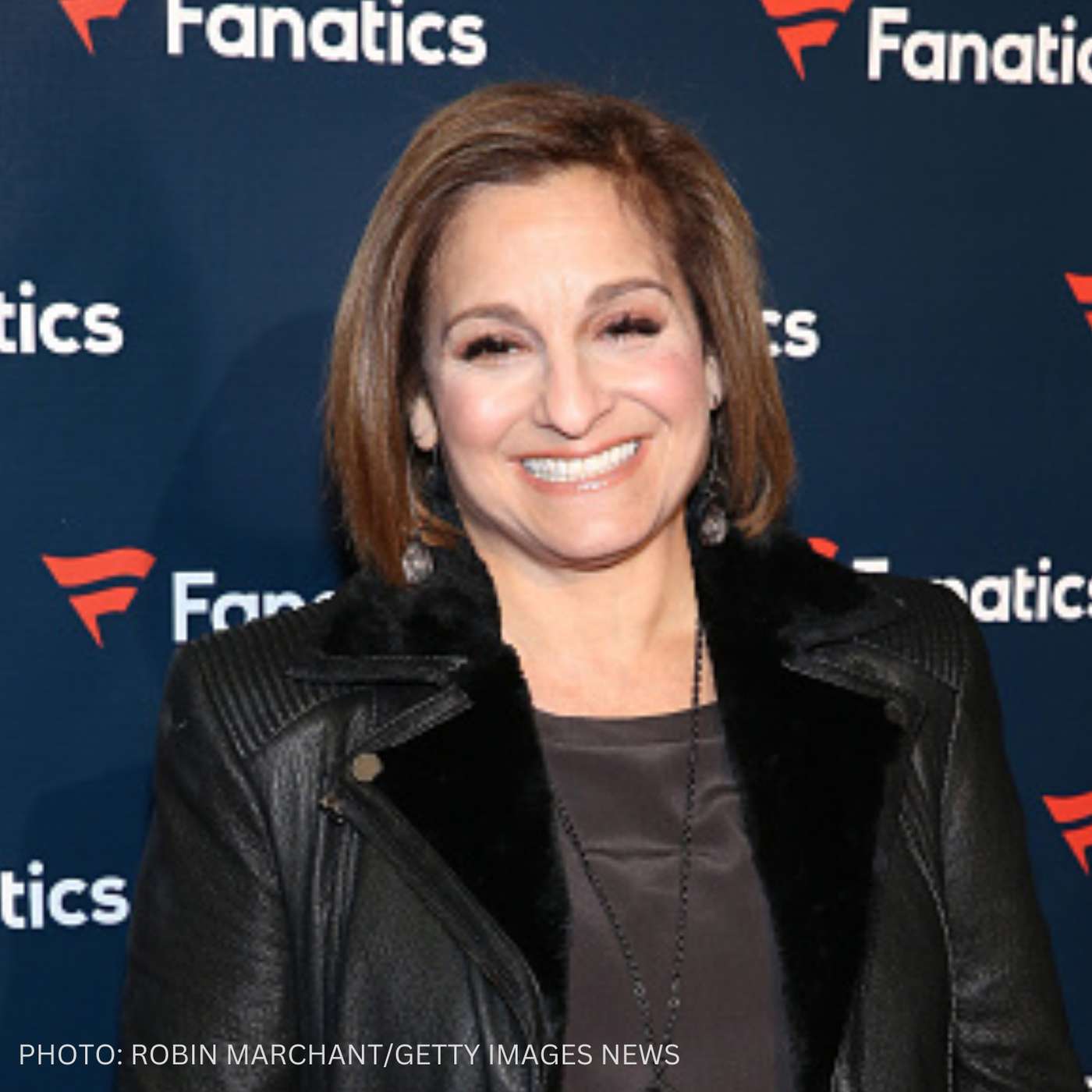 Obamacare's Olympian Premiums – "I couldn’t afford it," says Mary Lou Retton (Guest: Kansas State Sen. Beverly Gossage) | Olympian Mary Lou Retton made a stunning revelation when asked why she didn’t have health insurance while she was in intensive care fighting for her life. “I couldn’t afford it,” Retton told the Today Show on January 8 when she was faced with a life threating pneumonia recently. Retton’s daughter started a “Go Fund Me” page to help her mother pay for what was likely to be tens of thousands of dollars in hospital bills. Health Care News managing editor AnneMarie Schieber talked to Kansas State Senator Beverly Gossage as to why Retton may have gone without health insurance. The likely answer is Obamacare, the only option for people without an employer health plan. Gossage discusses what Retton might have paid for an Obamacare plan without subsidies and why there are almost no other options today for middle income people. She also discusses what Congress needs to do about it.Read more: https://heartlanddailynews.com/2024/02/i-couldnt-afford-it-olympic-champion-mary-lou-retton-on-health-insurance/PHOTO: ROBIN MARCHANT/GETTY IMAGES NEWS | 26m 56s | ||||||
| 2/7/24 |  Are Hospitals Prematurely Ending Life for Organs? – Heidi Klessig, M.D. | You see the reports in the news all the time, a patient on life support has given the “gift of life” by donating organs. Few people realize but organ donors needs to be alive to do this. Hospitals can legally declare people with a brain death diagnosis allowing them to take their vital organs for transplant. Dr. Heidi Klessig is author of The Brain Death Fallacy. She discusses whether brain death is irreversible and how the organ transplant business has grown since the decision in 1968 to include brain function in the legal definition of death. Klessig: “People defined to be brain dead or dead by neurological criteria have beating hearts, digest food, excrete urine, and even gestate pregnancies and deliver healthy babies. These people are not biologically dead, and their spirits have not departed. Brain death is not death. Many people who were diagnosed as being brain dead have recovered. If brain death was real death, people should not recover even once.” Klessig also discusses the Uniform Declaration of Death Act, and how New Jersey is the only state that allow families to demand treatment for patients declared “brain dead.” Patients and families can take measures before a crisis to make sure hospitals do not violate their wishes when it comes to life and death issues. For more information, see respectforhumanlife.org | 23m 53s | ||||||
| 1/9/24 |  Consumers Have Spent Billions on Decongestants that Don’t Work | In this episode of Health Care News, we delve into the recent revelation by the Food and Drug Administration (FDA) that certain over-the-counter decongestants, specifically those labeled with "PE" (phenylephrine), are no more effective than a placebo. Our guest, Dr. Jeffrey Singer, a practicing surgeon from Phoenix, Arizona, and a senior fellow at the Cato Institute, sheds light on how these medications found their way onto store shelves.Dr. Singer traces the issue back to the Combat Methamphetamine Epidemic Act (CMEA), enacted 18 years ago in response to the methamphetamine crisis. This legislation pushed pseudoephedrine, an effective decongestant, behind the counter, leading drug companies to modify their formulas to include PE for over-the-counter sales.Throughout the episode, Dr. Singer discusses several key points:The factors that led the FDA to reconsider its stance on over-the-counter decongestants.An overview of different decongestant drugs and tips for consumers to differentiate them.The process for purchasing pseudoephedrine, the effective decongestant.An exploration of why the FDA initially overlooked the ineffectiveness of PE.The sales strategies of drug manufacturers for OTC decongestants.Evaluating the CMEA's impact on the Meth epidemic.The potential for a class-action lawsuit against this misleading practice.The future: Is there a possibility that Congress will repeal the CMEA?For further insights, don't miss Dr. Singer’s op-ed in Health Care News, linked in the episode description. | 21m 04s | ||||||
| 11/16/23 |  The Domino Effect of Medicare Hospital Reimbursements on Soaring Health Costs | For years, Medicare has paid hospitals and their affiliates more for services than it has to others. The reasons are complex, but this policy significantly incentivizes hospitals to absorb independent practices, creating “monopolies” that reduce competition and increase prices for everyone. Dr. Richard Kube, M.D., founder and CEO of the Prairie Spine and Pain Institute—an independent practice in Illinois—experiences first-hand how this policy and other top-down government regulations work against patients. Kube, an advocate for “site-neutral” payment, recently discussed this topic in Newsweek. “Site-neutral payment would end the unfair policies promoting consolidation and encouraging higher prices,” Kube writes. “Such proposals have bipartisan support in Congress. Several congressional committees are currently debating a health reform package, including provisions to establish site neutrality under limited circumstances. This would be an essential first step, one that physicians nationwide hope will soon extend to other services. After all, reimbursing providers equally for the same service is only fair.” In the podcast, Kube discusses: - The reasons why Medicare pays more money to hospitals for the same service- Examples of the differences in costs- How this policy leads to increased consolidation in the healthcare industry and raises costs for everyone- The track record of Congress and the administration, including under Trump and Biden, in promoting site-neutral payments- The influence of the hospital lobby and the feasibility of implementing site-neutral payments- Actions the public can take to support the advancement of more free-market policies | 30m 59s | ||||||
| 11/9/23 |  Four-Year-Old Child Trapped in Hospital Getting Against Parents' Will (Guest: Hope Schacter, Mother) | For almost 4 weeks, four-year-old Autumn Schall has been virtually trapped at Lucile Packard Children’s Hospital, in Palo Alto, CA against the will of her parents. Today, mother Hope Schacter joins the program to discuss Autumn’s situation. Autumn was admitted to the teaching hospital for an e-coli infection but within days, she became critically ill, receiving care in the ICU, being given intravenously a cocktail of risky drugs, and eventually put on a ventilator. When the parents questioned the treatment, the hospital reported them to Child Protective Services. They are working with advocates and a lawyer to have her moved to another hospital where their daughter won’t be viewed as a “case study,” and the family is treated like an ally not an adversary. Autumn was referred to Lucile Packard Children’s Hospital for a diagnostic work to examine her bowel after a week-long case of diarrhea. Her bowel was normal, but the hospital diagnosed an e-coli condition and wanted to admit her. After the parents agreed, the hospital proceeded with an aggressive treatment plan including powerful drugs such as Lasix, Diarel, and Aminophalen. “Their protocol was very aggressive. My daughter was never on Tylenol before. She was never really sick and when they’re throwing all these diuretics at you, and given the side effects these can produce, I just thought it was a lot for her constitution,” said Hope Schacter. The family has been working with Remnant Nursing advocacy services which has identified multiple ethical and clinical lapses. Schacter believes the hospital is trying to cover up clinical errors at the beginning of care that damaged her daughter’s kidneys and caused her to have a seizure. They complied with all treatment recommendations, even an MRI, which required intubation. Autumn has also had to undergo a blood transfusion. There was a hearing involving the CPS complaint. The hospital is trying to get the parents to sign off on all intervention deemed “emergency,” but the parents say it has been vaguely defined. Related Health Care News articles on patient advocacy in hospitals: Minnesota Legislature Considers ‘Trusted Doctor’ Bill, May 3, 2023 Down Syndrome Patient’s Family Sues Hospital for Do Not Resuscitate Order, June 20, 2023 Judge Plans Three Week Jury Trial in Do Not Resuscitate Case, August 1, 2023 Patient Takes Hospital to Court for Life-Saving COVID -19 Treatment, Feb. 12, 2021 Ivermectin obstacles during COVID | 26m 41s | ||||||
| 11/7/23 |  Removing Medicaid Loopholes to Improve Long-Term Health Care | Stephen Moses, one of the leading experts on long-term care in the U.S., says the nation can dramatically improve the quality of our health care system if we could get rid of the loopholes that allow nearly everyone to qualify for Medicaid coverage. The current system encourages few people save for long-term care because it is widely accepted that the government will pick up the tab. While this may be true, government control limits innovation and leads to worsening health outcomes. Moses, and the Paragon Institute released their latest report on the problems with long term care in the U.S., called Long-Term Care: The Solution. In October 2022, Moses and Paragon outlined the problems in Long-Term Care: The Problem. People prefer to live out their final years in the comfort of their own home but surprisingly, many of the elderly end up in institutional care. That is no accident. Medicaid is the largest payer of long-term care, and one reason is because you don’t have to be impoverished to qualify. This has put a huge strain on the federal budget, on Medicaid reimbursements and significantly compromised the quality and supply of care. Few innovations exist because there is little presence of a free market. As a result, institutional care has become the “go-to.” This podcast begins with a discussion on Medicaid loopholes, the response from Congress, whether a solution is workable immediately, and how special interests might respond to closing off loopholes. The conversation then turns to why the public needs to be better educated on long-term care. The idea that it must be debilitatingly expensive isn’t true. | 34m 46s | ||||||
| 10/18/23 |  Woke Lawsuits Target Affordable Healthcare (Guest: Hal Frampton) | Join us as Hal Frampton, senior counsel at Alliance Defending Freedom, delves into a pivotal legal case in Michigan's Sixth Circuit U.S. Court of Appeals. He's representing Christian Healthcare Centers (CHC) and Sacred Heart Academy as they navigate the expanded civil rights protections in Michigan, which now encompass "gender" and "sexual preference." Both institutions could potentially be compelled to hire individuals who don't align with their religious principles. Established in 2018, the Grand Rapids-based Christian Healthcare Centers offers a unique, direct-pay primary care model that also caters to patients' spiritual well-being. While they serve all patients irrespective of sexual preference and identity, their hiring process requires employees to resonate with their religious beliefs and confirm this with a signed statement. Potentially, CHC could be sued for not hiring someone who does align with its mission. In this episode, Frampton addresses: 1. If there has been no fine or penalty yet against CHC, why is it being sued? 2. The significance of faith in CHC's practice model. 3. The quagmire that can be presented by expanding civil rights protections to include “gender” and “sexual preference.” 4. The potential of this case reaching the U.S. Supreme Court. Read more:Christian Healthcare Centers, Inc. v. Dana Nessel et. al., U.S. District Court for the Western District of Michigan Southern Division, August 29, 2023: https://adfmedialegalfiles.blob.core.windows.net/files/ChristianHealthcareCentersComplaint.pdf (appellate briefs will be submitted mid-October) Health Care News articles on Christian Healthcare CentersHealth Care News articles on Alliance Defending Freedom | 12m 20s | ||||||
| 10/3/23 |  Was Obamacare Designed to Fail? | Is it possible that Obamacare was intentionally set up to falter, leading frustrated Americans to implore the federal government to assume control of health care? Devon Herrick posits this theory, having recently explored the topic on the Goodman Health Blog. He highlights that without the crutch of subsidies, Obamacare is destined to collapse — a prediction echoed by many during the 2009-2010 debates surrounding the inception of the Affordable Care Act.Herrick delves into various topics, including the expansion of Medicaid, and the concept of Medicare for All — or as he terms it, “Medicaid for All.” Since the enactment of the ACA, 21 states have contemplated bills advocating for single-payer systems. However, the majority of these proposals were thwarted due to their exorbitant costs. For instance, Vermont terminated its program, while California’s initiative never came to fruition. Colorado’s electorate decisively rejected a similar proposition. Currently, Michigan is weighing the adoption of a single-payer system, prompting Herrick to pose crucial questions that demand consideration. These include whether employers will participate, if employees will face surcharges for the state plan, and if the state will request the federal government to allocate all Medicaid and Medicare funds directly to the state’s program.Moreover, the “Medicare for All” concept continues to persist, with a bill garnering the support of 100 legislators introduced this past May. Herrick and Schieber engage in a discussion about the public’s susceptibility to the false promise of efficient government-managed health care as opposed to a free-market approach. They ponder why the public readily embraces the free market in sectors like retail and technology — which have witnessed significant innovation and competitive pricing — yet hesitates to do the same for health care. | 26m 01s | ||||||
| 9/20/23 |  Obamacare’s Dirty Little Secret (Guest: John C. Goodman, Ph.D.) | Hidden within the intricacies of Obamacare lies an unsettling truth that many are unaware of. Dive deep with us as we uncover how this renowned health care reform might not be the safety net for the genuinely ill as it's often portrayed. Join Host AnneMarie Schieber and guest John C. Goodman, Ph.D., co-publisher of Health Care News and founder of the Goodman Institute for Public Policy Research, to learn the layers behind this revelation.Goodman shed light on the problems with Obamacare in his recent article for the Wall Street Journal. He delves into the financial burdens faced by families with severe health challenges who, without an employer plan, turn to Obamacare exchanges. For these families, Obamacare effectively becomes a staggering 182% "tax." Even with insurance subsidies, they face the pitfalls of Obamacare's limited networks. Alarmingly, both Democrats and Republicans remain silent on this issue, and Goodman sheds light on their reticence.Despite the U.S. pouring billions into health care across both private and public sectors, glaring coverage gaps persist, leading to mounting medical debts for many. Goodman believes there's a viable solution: the Health Care Fairness for All Act, proposed by Rep. Pete Sessions (R-TX). He also explores the potential of a "Medicare Advantage" style program to revolutionize public health care and insurance exchanges. Goodman contends that insurers should vie to support those with health issues, rather than shying away. | 20m 29s | ||||||
Showing 25 of 72
Pitch Fit is a Pro feature
See how bookable this show is for guests, which brands already advertise, the per-episode ad value, and the best-fit guest and sponsor profile. The numbers are blurred on the free plan.
How readily this show books outside guests like you.
How proven this show is for host-read sponsorships.
For Guests
ProFor Advertisers
ProUpgrade to Pro to unlock guest cadence, sponsor categories, fit scores, and per-episode ad value for this show.