Historiansplaining: A historian tells you why everything you know is wrong
by Samuel Biagetti, PhD
Is this your podcast?Insights from recent episode analysis
Audience Interest
Podcast Focus
Publishing Consistency
Platform Reach
Insights are generated by CastFox AI using publicly available data, episode content, and proprietary models.
Most discussed topics
Brands & references
Est. Listeners
Insufficient chart data. Estimates will improve as the show charts.
- Per-Episode Audience
Est. listeners per new episode within ~30 days
N/A🎙 ~2x weekly·193 episodes·Last published today - Monthly Reach
Unique listeners across all episodes (30 days)
N/A - Active Followers
Loyal subscribers who consistently listen
N/A
Market Insights
Platform Distribution
Reach across major podcast platforms, updated hourly
Total Followers
—
Total Plays
—
Total Reviews
—
* Data sourced directly from platform APIs and aggregated hourly across all major podcast directories.
On the show
From 10 epsHosts
Recent guests
No guests detected in recent episodes.
Recent episodes
French Canada, pt. 2 -- Envisioning a Province, 1648-1688
Jun 26, 2026
Unknown duration
French Canada, pt. 1 -- Unlocking the Gates of the Continent, 1608-1648
Jun 14, 2026
Unknown duration
Unlocked: Italy: Nation-Building Struggles & the Entry Into World War I, 1861-1915
Jun 9, 2026
1h 54m 44s
Excerpt: Myth of the Month 26: The Industrial Revolution -- pt. 2: Spinning the National Yarn
May 26, 2026
12m 43s
Myth of the Month 26: The Industrial Revolution -- pt. 1: Conceiving a Catastrophe
May 14, 2026
1h 36m 21s
Social Links & Contact
Official channels & resources
Official Website
Login
RSS Feed
Login
| Date | Episode | Topics | Guests | Brands | Places | Keywords | Sponsor | Length | |
|---|---|---|---|---|---|---|---|---|---|
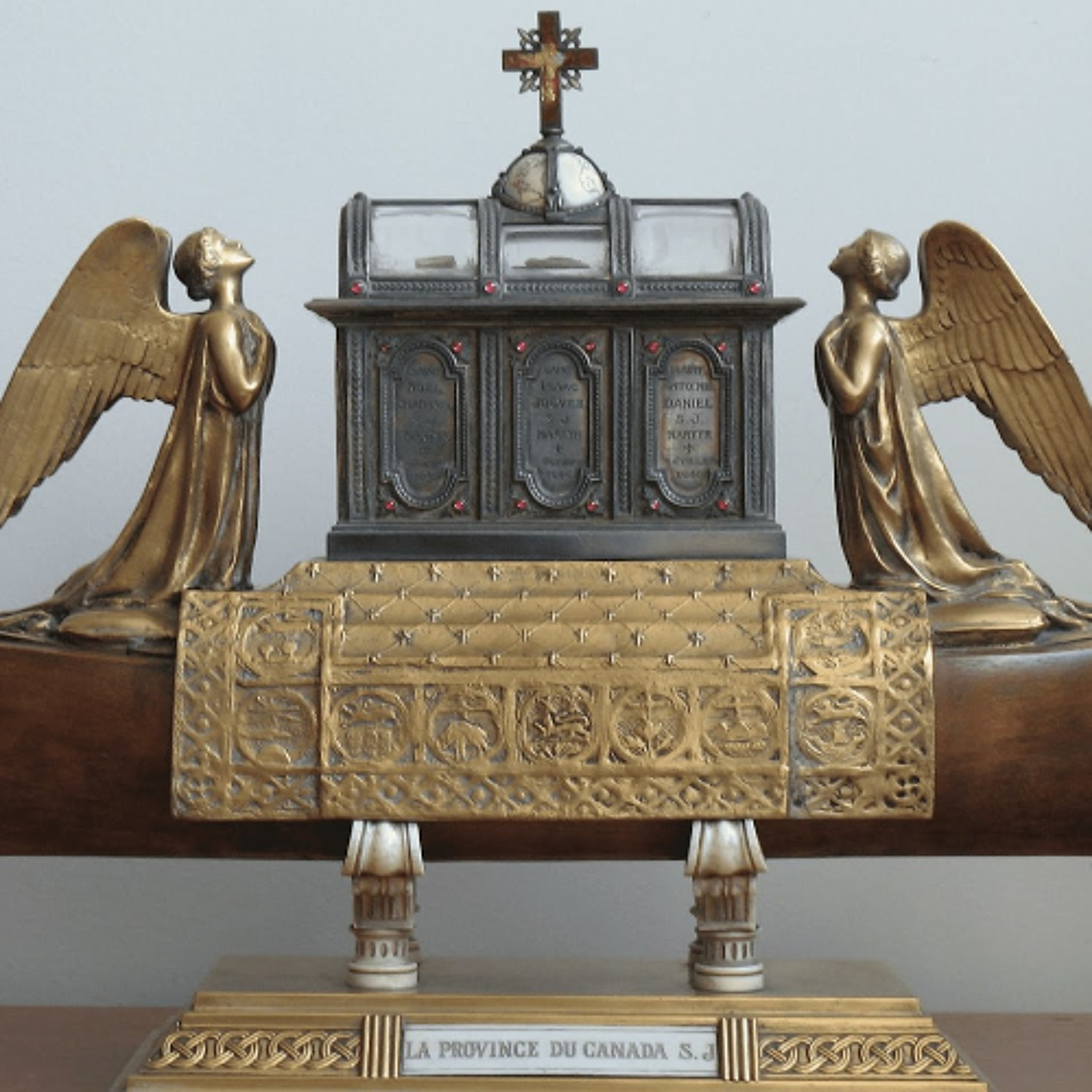
| 6/26/26 | ![]() French Canada, pt. 2 -- Envisioning a Province, 1648-1688 | We examine how French Canada and its indigenous allies weathered the apocalyptic disasters of the mid-1600s, giving shape in the process to a new, ditinctly Canadian form of mystical and penitential piety. We trace how in the 1660s, the new absolutist regime under the young Louis XIV and Colbert took the colony under direct royal rule, investing immense resources into the colonizing venture, pacifying the enemies of the French, and enabling ambitious imperial officials like Jean Talon to enlarge Canada into a full-fledged province, comprising extensive agricultural lands along the Saint Lawrence, a complex tiered social structure, an autonomous church, and a sprawling network of outposts, forts, and missions stretching as far as the Mississippi and modern-day Manitoba. Finally, we see how English expansion both in the south and in the north ended the interval of peace, reigniting war along new frontiers, and ultimately pulling Canada into a vortex of inter-imperial war from which it would never fully escape. Please sign on as a patron to support the podcast and to hear all patron-only lectures: https://www.patreon.com/c/u5530632 Image: Reliquary with relics of three of the Canadian Martyrs (Chabanel, Jogues, & Daniel), held by the archives of the Jesuit Province of Quebec Suggested Further Reading: Riendeau, “A Brief History of Canada”; Moogk, “La Nouvelle France: The Making of French Canada”; Linteau, “The History of Montreal”; Greg Koabel, “The Nations of Canada” podcast, | — | ||||||
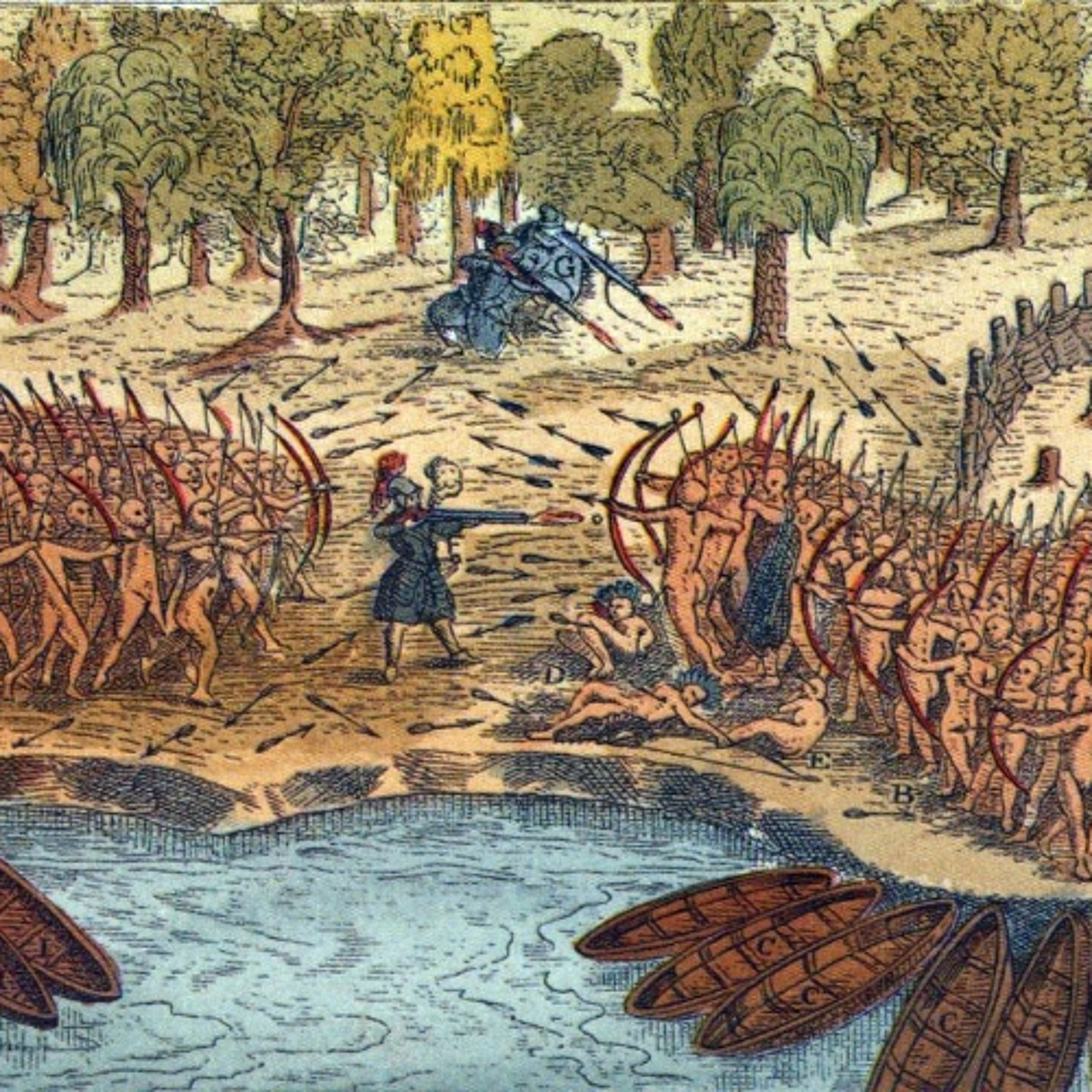
| 6/14/26 | ![]() French Canada, pt. 1 -- Unlocking the Gates of the Continent, 1608-1648 | No other American colony projected such extensive power with so few people. We recount how the French explored the vast northern region they called “Canada” for decades in pursuit of furs and the Northwest Passage, but repeatedly failed to plant a lasting colony in the harsh and forbidding land—until they found in Samuel de Champlain a leader with the shrewdness and grit to overcome the severe cold, the vast distances, and the treacherous politics of the Saint Lawrence basin. We trace the growth of Quebec from little more than a warehouse in the frozen wilderness to a thriving town, controlling the most critical gateway into the continent and serving as the hub of a lucrative trading network, a vast constellation of mission towns and outposts (including the Christianizing experiment known as Montreal), and most importantly, a formidable indigenous alliance system that dominated the continent from the Atlantic to Lake Superior. Finally, we consider the disasters of the mid-1600s, including deadly epidemics and warfare with the Five Nations, that brought Canada’s most important allies to their knees and threatened to wipe the colony off the map. Please sign up as a patron to support the podcast! -- https://www.patreon.com/c/u5530632 Previous lecture discussing the history of the Haudenosaunee Confederacy (aka the Iroquois Confederacy or Five Nations): https://historiansplaining.com/individual-episodes/the-hiawatha-belt/ Previous lecture, discussing the dynamics and importance of the fur trade: “History of the United States in 100 Objects, no. 24 – Beaver-Fur Stovepipe Hat” -- https://historiansplaining.com/individual-episodes/beaver-fur-stovepipe-hat/ Previous lecture on the first French colony on the North American mainland, Acadia: https://historiansplaining.com/individual-episodes/acadia-first-foothold-in-the-north/ Image: Engraving depicting the battle of Lake Champlain, July, 1609, published in Samuel de Champlain’s “Les Voyages du Sieur de Champlain,” 1613, based on a drawing by Champlain himself Suggested Further Reading: Riendeau, “A Brief History of Canada”; David Hackett Fischer, “Champlain’s Dream: The European Founding of North America”; Moogk, “La Nouvelle France: The Making of French Canada”; Linteau, “The History of Montreal”; Greg Koabel, “The Nations of Canada” podcast, https://podcasts.apple.com/us/podcast/the-nations-of-canada/id1531471267 | — | ||||||
| 6/9/26 | ![]() Unlocked: Italy: Nation-Building Struggles & the Entry Into World War I, 1861-1915✨ | Italian historynation-building+5 | — | Triple AllianceEntente powers+2 | — | Italynation-building+6 | — | 1h 54m 44s | |
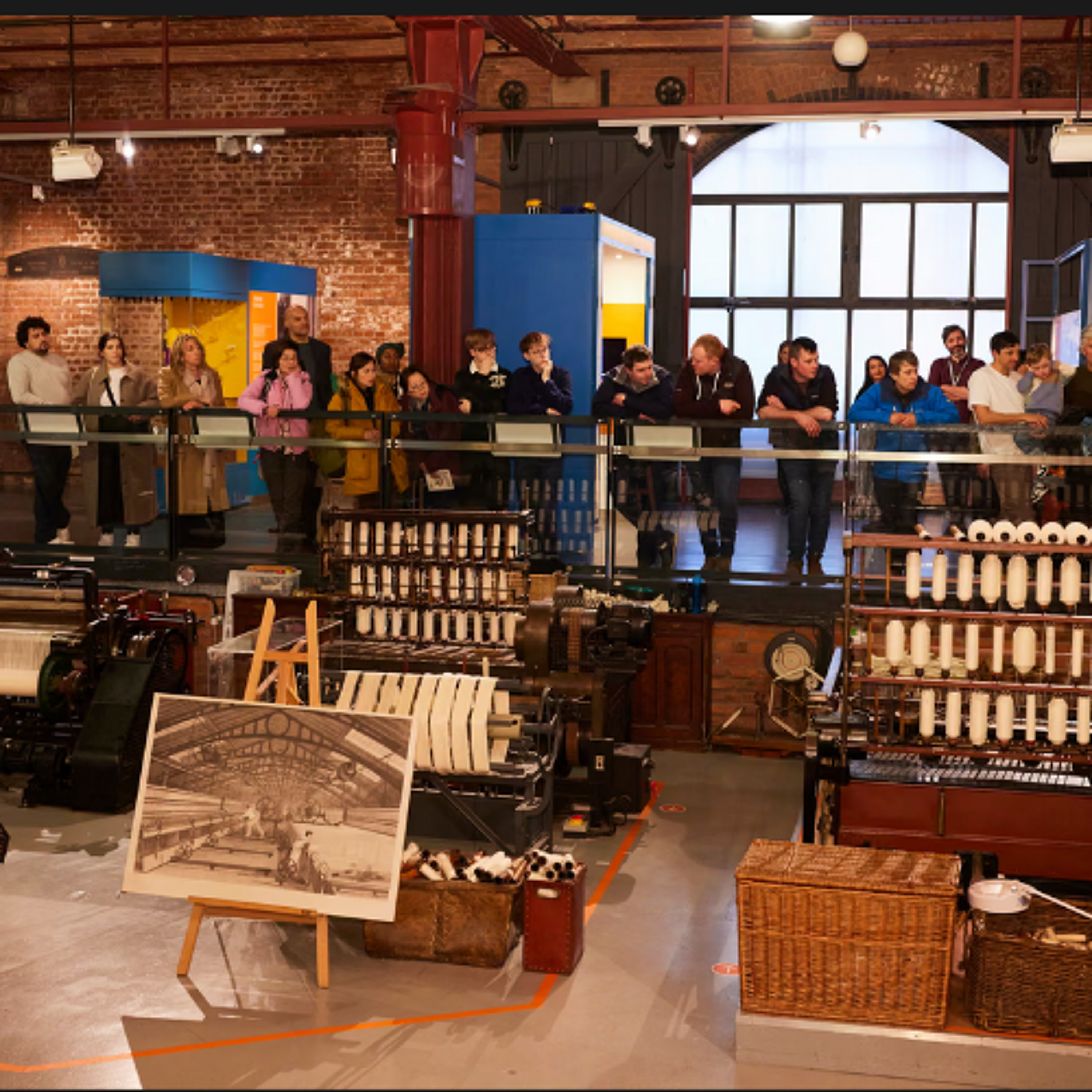
| 5/26/26 | ![]() Excerpt: Myth of the Month 26: The Industrial Revolution -- pt. 2: Spinning the National Yarn✨ | Industrial RevolutionBritish political discourse+4 | — | Museum of Science and IndustryThe Great Divergence+3 | — | Industrial RevolutionBritish history+5 | — | 12m 43s | |
| 5/14/26 | ![]() Myth of the Month 26: The Industrial Revolution -- pt. 1: Conceiving a Catastrophe✨ | Industrial Revolutionhistorical analysis+4 | — | Myth of the Month 26: The Industrial Revolution -- pt. 1: Conceiving a CatastropheMyth, History, and the Industrial Revolution | BritainRestoration-era France+1 | Industrial Revolutionagrarian life+4 | — | 1h 36m 21s | |
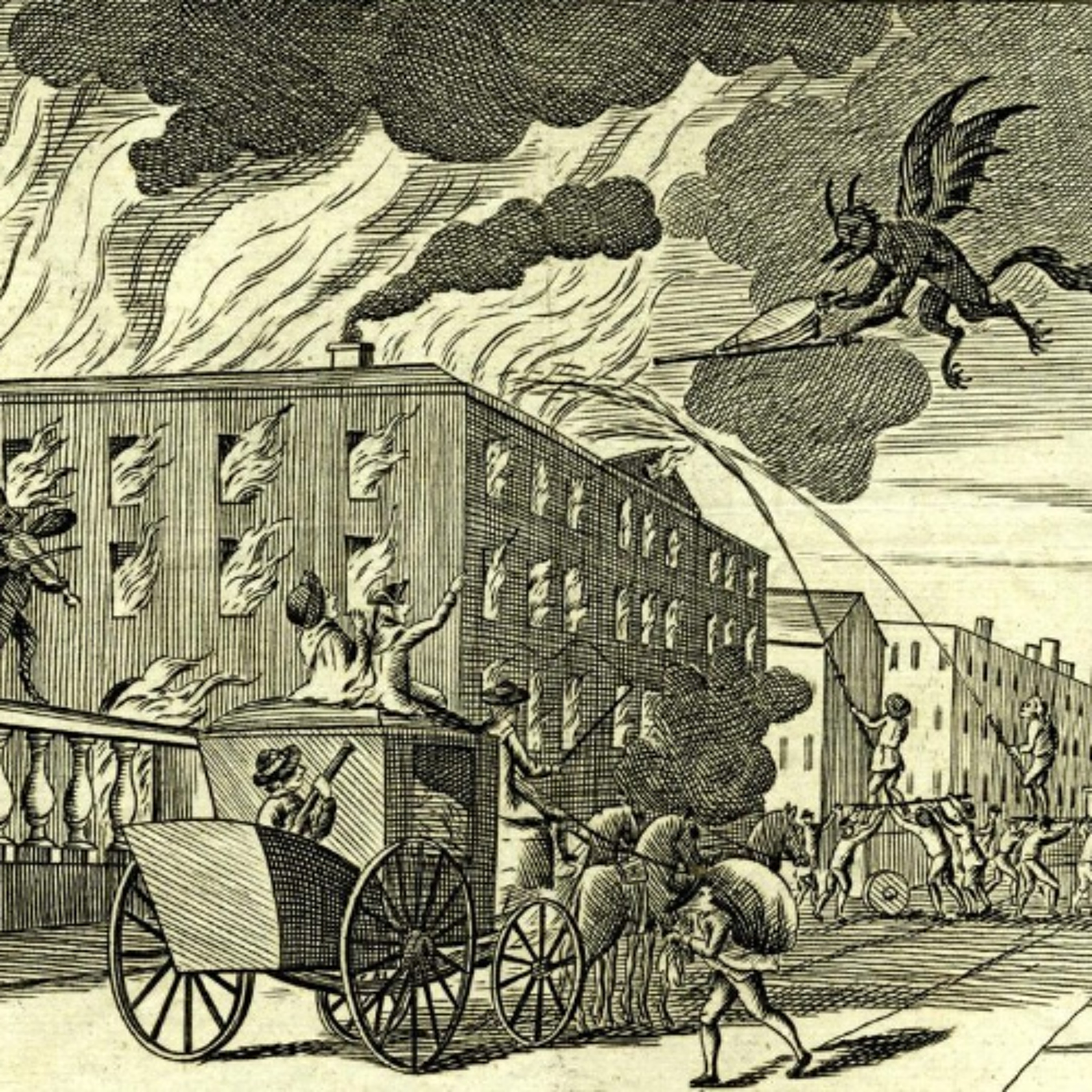
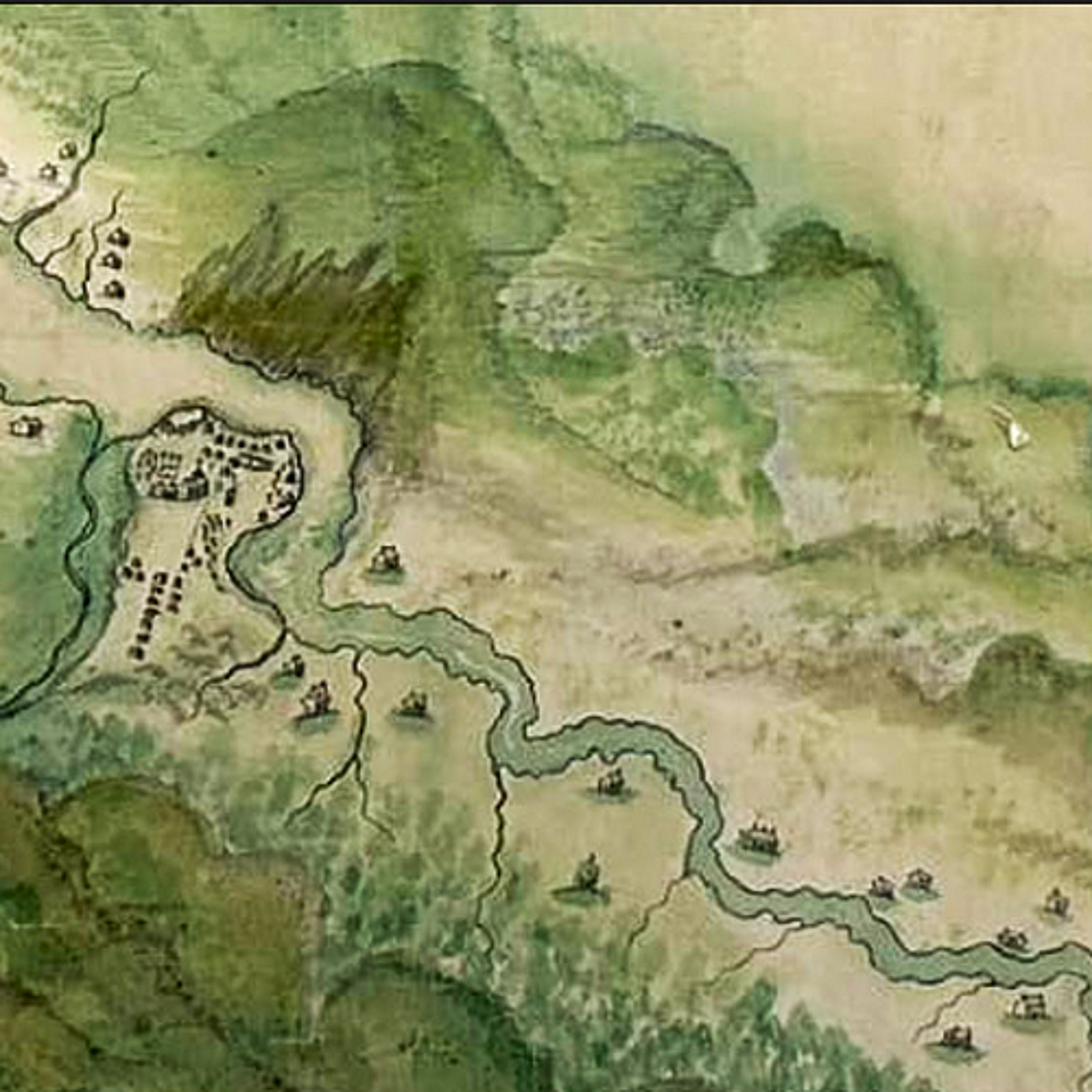
| 4/28/26 | ![]() Virginia, pt. 2 -- A Dominion on Fire, 1646-1685✨ | Virginia historychattel slavery+4 | — | Jamestown-Yorktown FoundationAmerican Slavery, American Freedom: The Ordeal of Colonial Virginia+3 | VirginiaPotomac River | VirginiaOld Dominion+5 | — | 1h 47m 29s | |
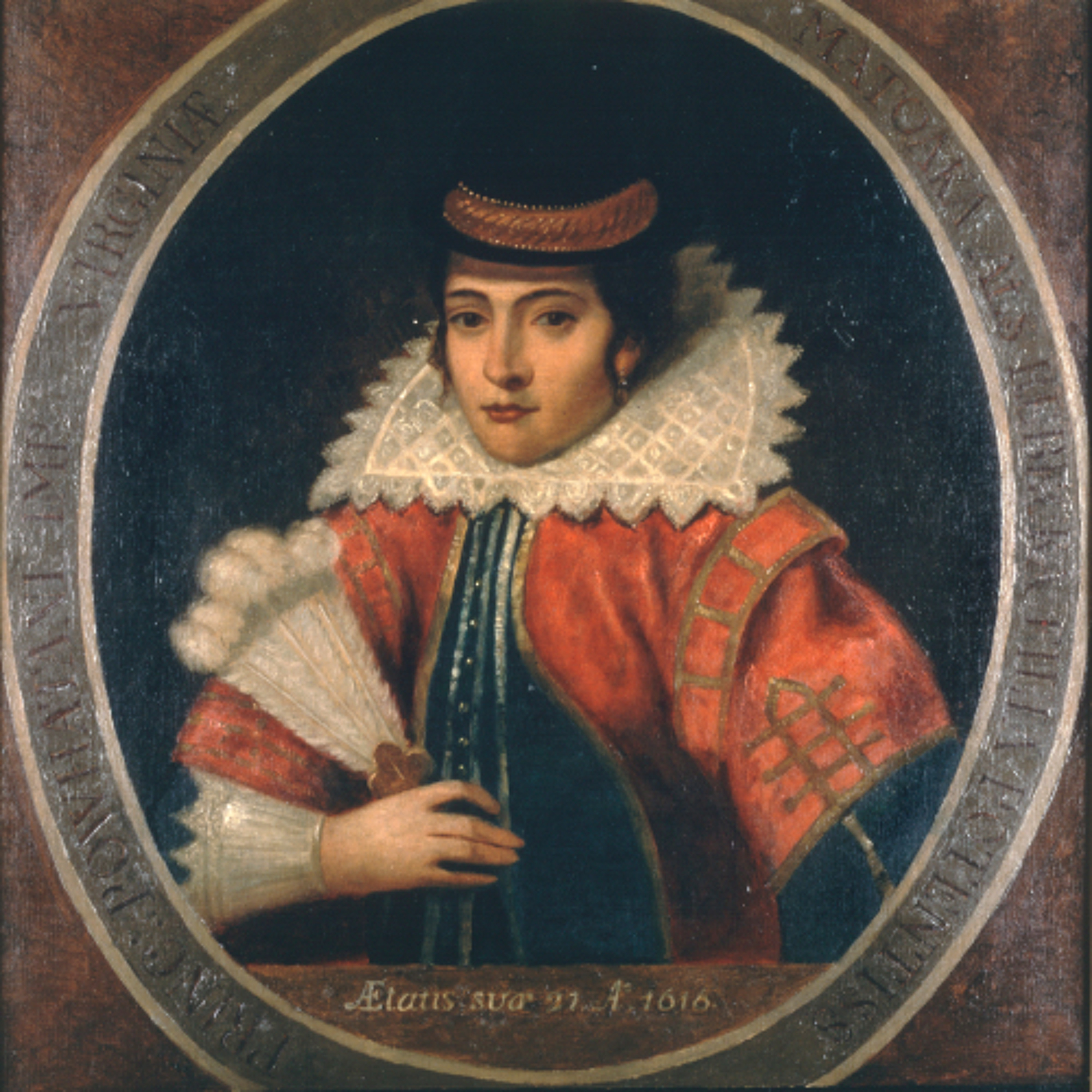
| 4/17/26 | ![]() Excerpt: Virginia, pt. 1 -- The Successful Failure, 1607-1646✨ | colonial historyVirginia+4 | — | Powhatan ConfederacyAmerican Slavery, American Freedom: The Ordeal of Colonial Virginia+3 | — | Virginiacolonization+6 | — | 10m 41s | |
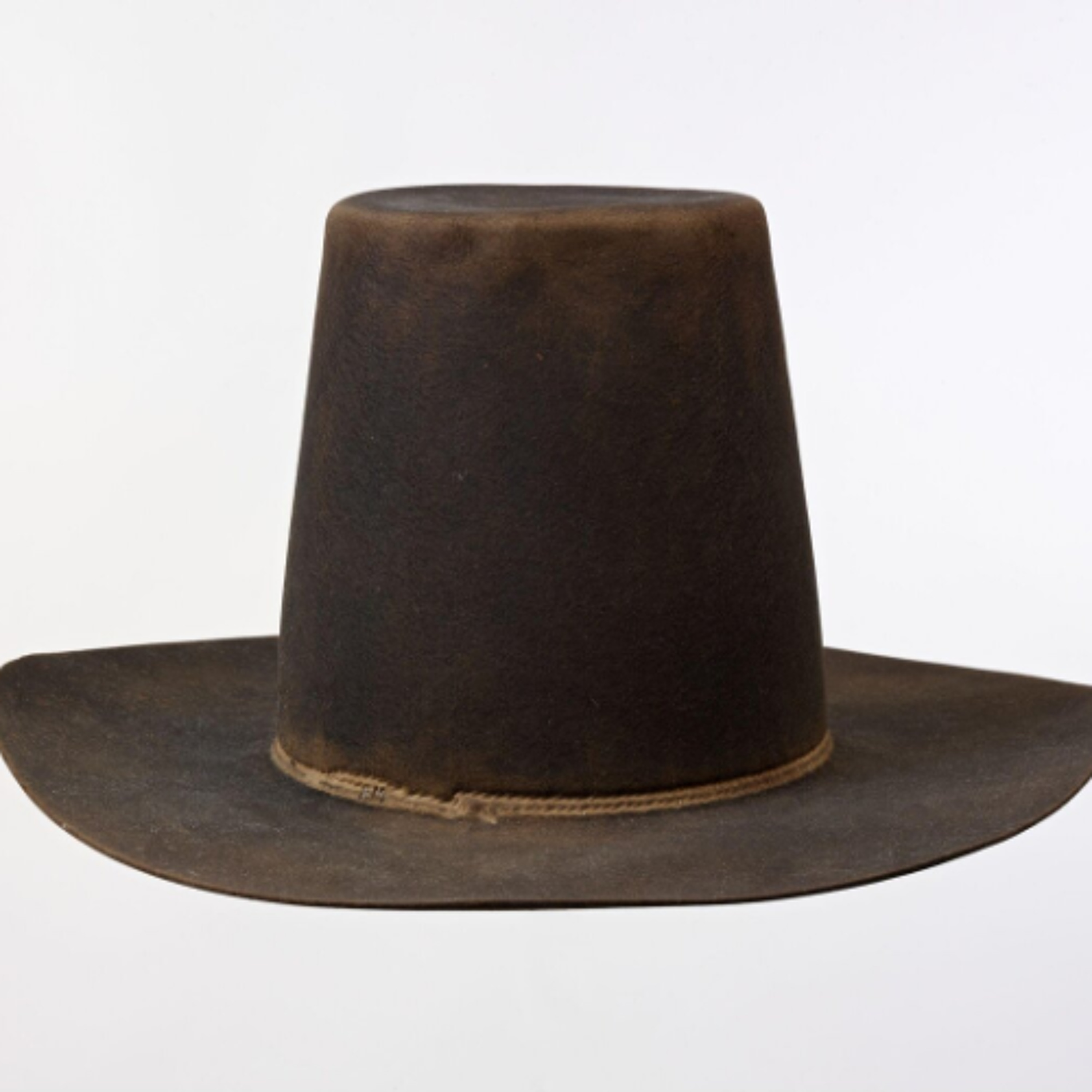
| 4/11/26 | ![]() Unlocked: History of United States in 100 Objects -- Beaver Fur Hat, 1590-1670✨ | beaver fur hatcolonization+4 | — | English ParliamentWeiss Gallery+2 | — | beaver fur hatcolonization+5 | — | 51m 27s | |
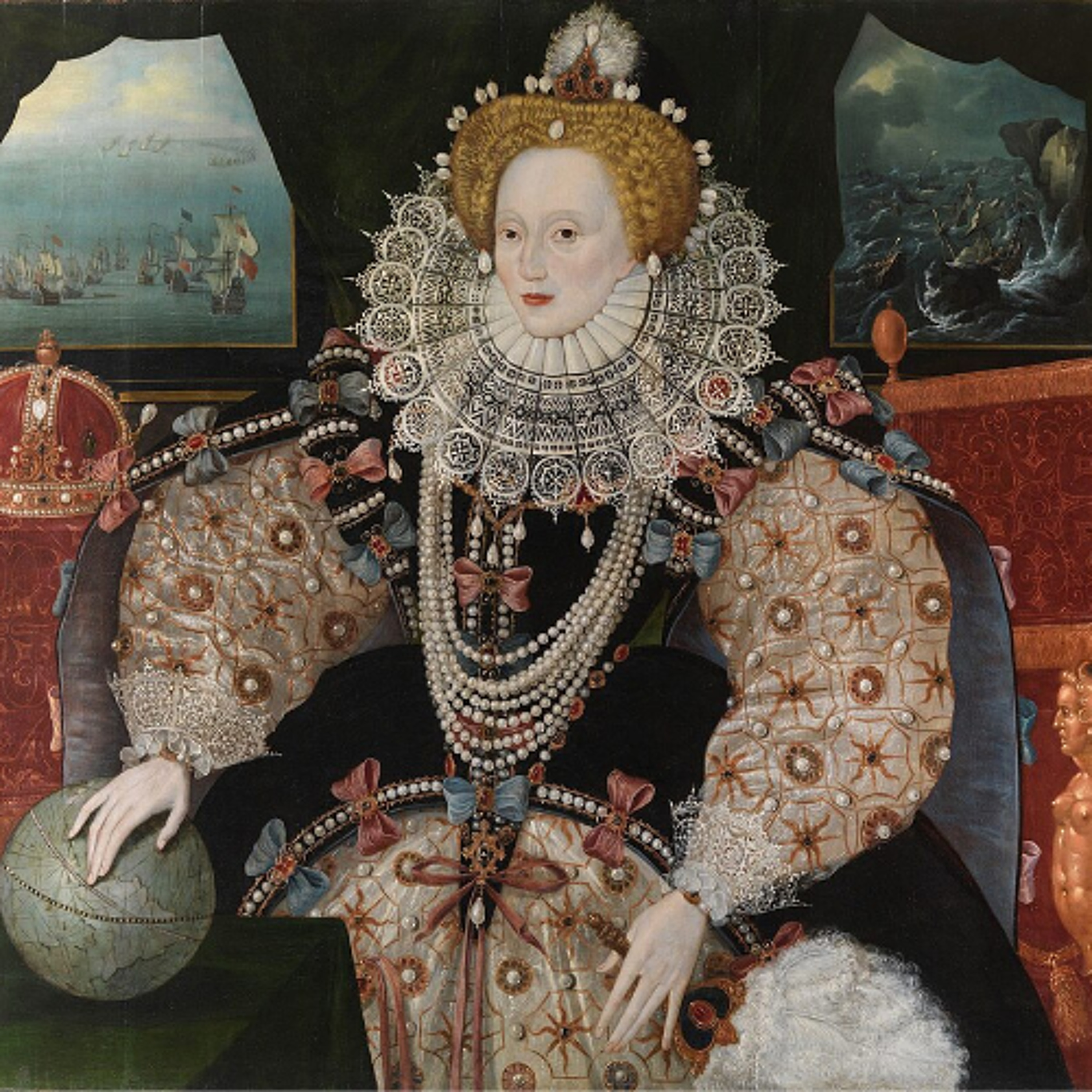
| 3/20/26 | ![]() The Elizabethan Dream: How England Became a Sea Power✨ | Elizabethan Englandsea power+5 | — | Spanish empireArmada Portrait | West AfricaCentral America+3 | sea dogsTudor regime+5 | — | 2h 06m 34s | |
| 2/27/26 | ![]() Acadia: First Foothold in the North✨ | Acadiacolonial history+3 | — | Danse des SauvagesLes Indes Galantes | AcadiaPort Royal | Acadiacolonization+5 | — | 1h 34m 05s | |
Want analysis for the episodes below?Free for Pro Submit a request, we'll have your selected episodes analyzed within an hour. Free, at no cost to you, for Pro users. | |||||||||
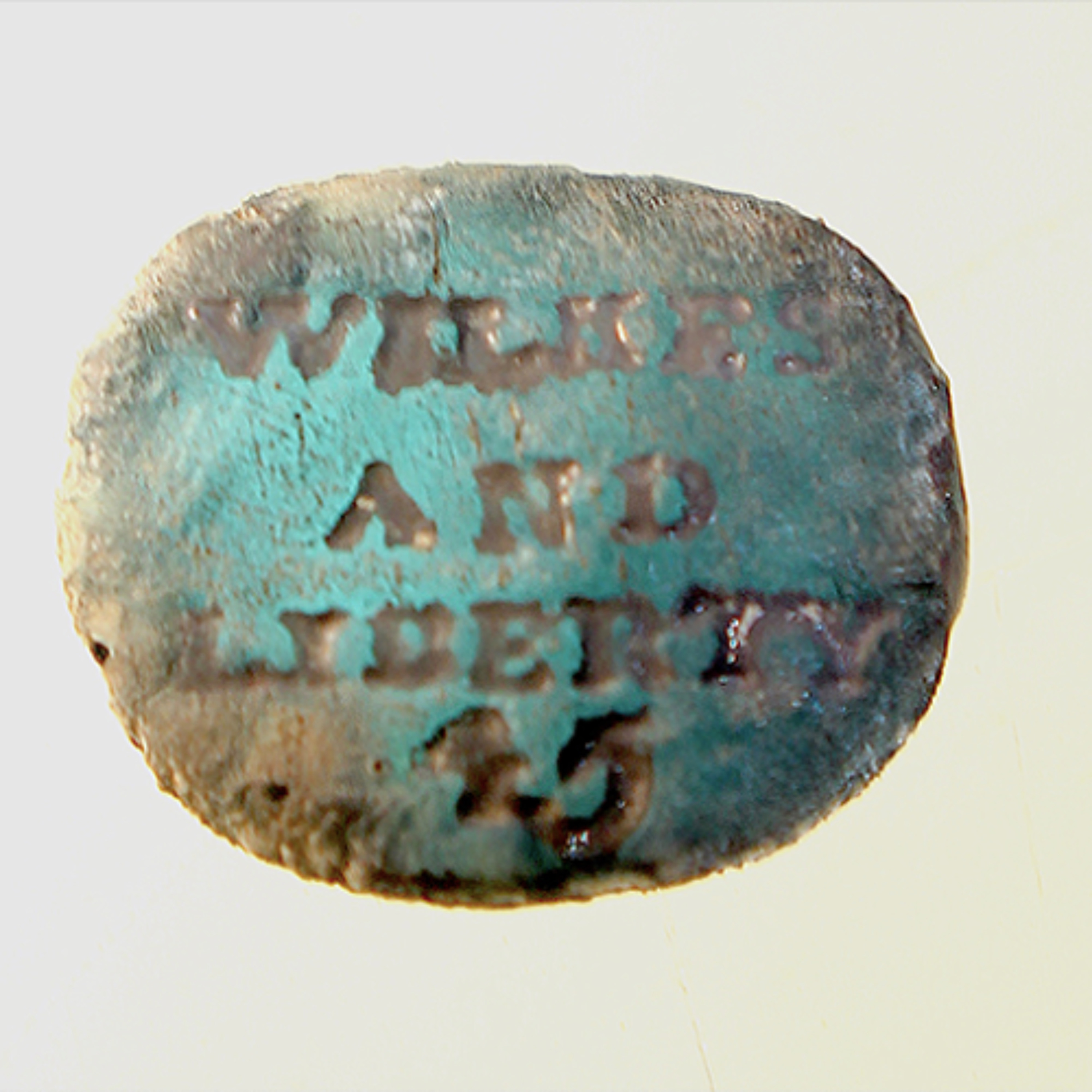
| 2/13/26 | ![]() History of the United States in 100 Objects -- 25: "Wilkes And Liberty" Cufflink Jewel, 1760s✨ | American Revolutionliberty+5 | — | East Carolina UniversityBrunswick Town / Fort Anderson State Historic Site | — | Wilkes and Libertycufflink+7 | — | 1h 29m 13s | |
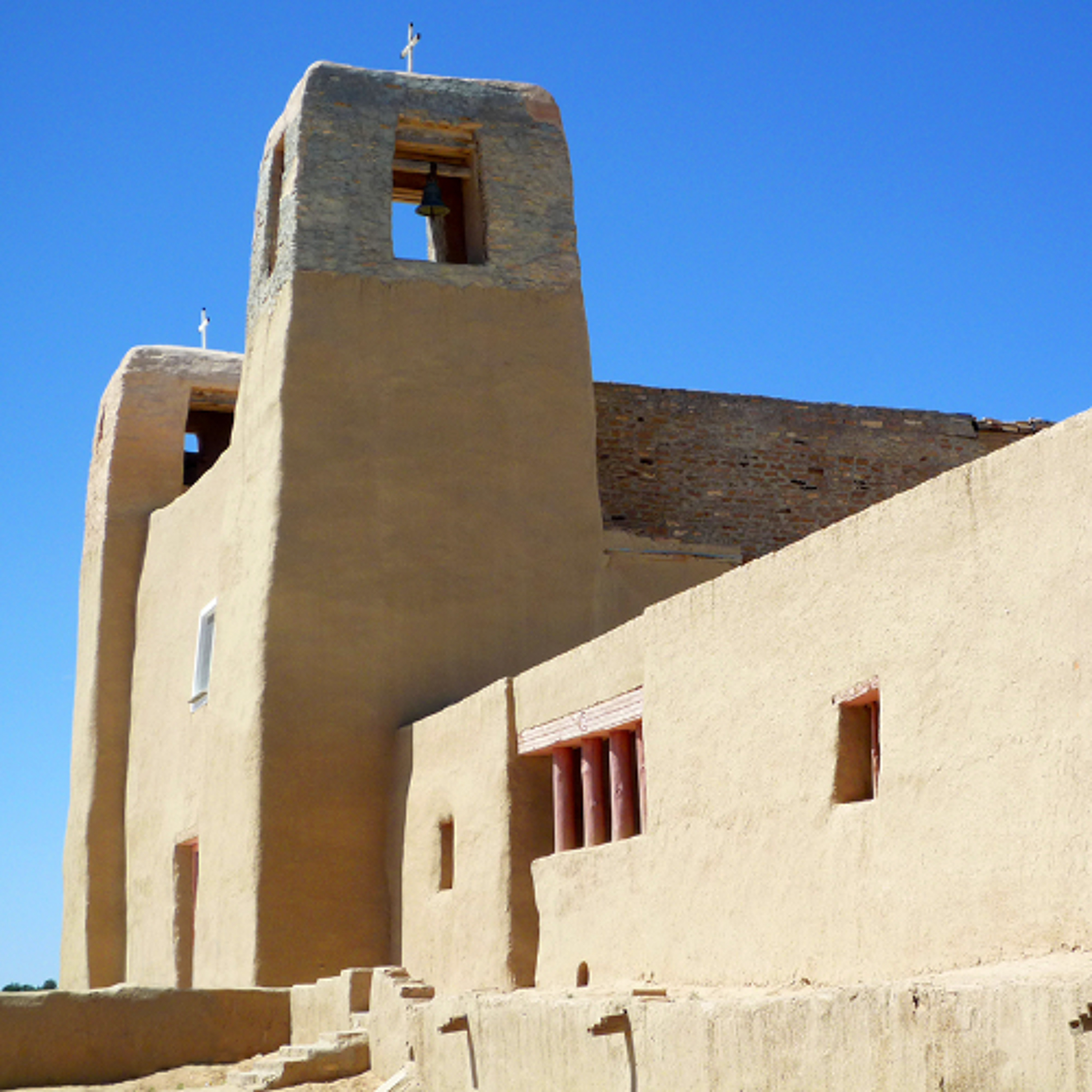
| 1/31/26 | ![]() New Mexico: From Prehistory to the Pueblo Revolt✨ | New Mexico historyPueblo civilization+4 | — | New Mexico: A HistoryWhen Jesus Came, the Corn Mothers Went Away+2 | New MexicoAcoma Pueblo | New MexicoPueblo Revolt+6 | — | 1h 35m 22s | |
| 1/29/26 | ![]() Unlocked -- The Impossible City: The History of Venice -- pt. 3: Metropolis or Museum? | Unlocked after 1 year for patrons only: We trace the struggles of Venice, through conquest, revolution, and depression, to fashion a place for itself in the modern world, to channe We trace the struggles of Venice, through conquest, revolution, and depression, to fashion a place for itself in the modern world, to channel or keep at bay the new floods -- of rising seas, of diseased canals, and of tourist hordes -- and most of all, to somehow square the circle of preservation and modernity. Image: The Palazzo dei Camerlenghi & Rialto Bridge on the Grand Canal in the flood of Nov. 4, 1966 Intro music: Giuseppe Verdi, La Traviata, overture Closing music: Giuseppe Verdi, La Traviata, brindisi / drinking song | — | ||||||
| 1/14/26 | ![]() Excerpt: The Great Archaeological Discoveries -- Pt. 10: Çatalhöyük | On Patreon for patrons only for 1 year: It is the only large town that has ever been discovered from the Stone Age, making it one of the most important archaeological finds of all time and a critical prize in the heated debates that have divided the field of archaeology. Its striking artworks have fired the imagination, and its extensive ruins, copious burials, and rich grave goods have filled in massive gaps in the story of the origins of civilization, illustrating how the invention of agriculture and the “Neolithic Revolution” made cities and urban life possible. Yet it also remains a stubborn mystery: why are the houses all so identical? Why are there no public buildings or gathering places, or even streets? And why did the town spring up in the middle of a muddy and malarial plain? Please sign up on Patreon to hear the whole lecture! -- https://www.patreon.com/posts/doorways-in-time-148211879 Non-patrons may hear the entire playlist of “Doorways in Time: The Great Archaeological Discoveries,” beginning with pt. 1 on the Sutton Hoo treasure, for one small flat fee: https://www.patreon.com/collection/2127051?view=condensed Suggested Further Reading: Mellaart, “Catal Huyuk: A Neolithic Town in Anatolia”; Balter, “The Goddess and the Bull”; Newitz, “Four Lost Cities: A Secret History of the Urban Age”; Ian Hodder, “Becoming a Çatalhöyük Person: An Integration of the Evidence,” lecture, Image: The “Seated Woman of Çatalhöyük,” discovered in 1961 Music: Rameau, "Les Cyclopes", performed by Paul Barton for Feurich | — | ||||||
| 12/23/25 | ![]() Excerpt: Crucible of the Continent: Central Africa before 1700 | Excerpt of a lecture for patrons only for 1 year: We explore the tumultuous history of Central Africa, embracing the enormous Congo rainforest, the great rift valleys, the Indian Ocean coast, and the gold fields of the Zambezi basin, as formidable kingdoms—Kongo, the Swahili cities, and the mysterious Great Zimbabwe—emerged in the tropical landscape, adapted to the traumatic incursion of the Portuguese, and eventually struck back against European power, through diplomatic schemes, military struggles, and religious awakenings. This same region of the world produced some of the most remarkable and towering figures in African or world history, such as King Afonso I and Queen Nzingha, as well as many of the first captives to be taken to the New World, including the “twenty-and-odd negroes” that were famously landed at Point Comfort, Virginia, in 1619. Please sign on as a patron of historiansplaining in order to heat the full lecture: https://www.patreon.com/c/u5530632 Image: Bronze crucifix, Kongo, 1650-1750, High Museum of Art Suggested further reading: Van Reybrouck, “Congo: The Epic History of a People”; Edgerton, “The Troubled Heart of Africa: a History of the Congo”; Wills, “An Introduction to the History of Central Africa”; Heywood, “Njinga of Angola : Africa's Warrior Queen” Samuel, “The kingdom of Ndongo and the Portuguese,” ; Thornton, “The Kongolese Saint Anthony: Dona Beatriz Kimpa Vita and the Antonian Movement, 1684–1706” | — | ||||||
| 11/23/25 | ![]() Cities of Iron & Gold: West Africa Before 1700 | We follow the rise of civilization and of powerful empires in West Africa before the slave tade, based upon iron-working and the traffic in gold and salt across the Sahara, followed by the spread of wealth and power southward, towards the gold fields and the tropical forests, and finally the reverberating impacts of the arrival of Portuguese traders on the coast, which paved the way for the rise of the Atlantic slave trade. Suggested further reading: Rodney, “History of the Upper Guinea Coast”; Ajayi, ed., “History of West Africa,” vol. 1 Image: Sculptural head from Ife, bronze & brass, ca. 1300s Please sign on as a patron to hear patron-only lectures, including upcoming installment on Central AFrica: https://www.patreon.com/c/u5530632 | — | ||||||
| 10/31/25 | ![]() Halloween Reading & Thank you to Patrons | We read ghost-related poems by Henry Wadsworth Longfellow, Lola Haskins, & Stanley Plumly, as a thank-you to patrons and a meditation on the field of history. Please sign on as a patron in order to hear patron-only lectures, and to vote in the current poll on the next archaeological discovery for the series, "Doorways in Time": https://www.patreon.com/posts/announcement-in-142272603 Most of my recent apperance on the Katie Halper show can be seen on youtube, beginning about here: https://youtu.be/aScGDE4CuHk?t=4398 Image: photograph from photobook, "Epitaph," by Brendon Burton | — | ||||||
| 10/26/25 | ![]() "I Do Not Need a Lecture from You About Idealism" -- The Political Ideology of RWRB | Audio track from the new video, "Red, White & Royal Blue: A Historian's Analysis -- pt. 4: The Political Ideology of RWRB"-- Intro: Why the Politics of RWRB? – 0:00:30 Sec. 1: Idealism vs. Realism – 0:16:21 Sec. 2: The Hidden Agenda – what is left out of RWRB – 0:52:29 Sec. 3: The Trade Wars – 1:28:25 Sec. 4: The Elusive Democratic Majority – 1:40:09 Conclusions: Power & Pride – 1:47:45 We examine Red, White & Royal Blue as a window into the ideology of the Democratic Party and the liberal middle class in the early 21st Century, including its attraction to free trade, the Sun Belt, and particularly Texas, as symbols of the so-called “Emerging Democratic Majority” that would supposedly rule the rest of the century. We question the film’s basic opposition between idealism and realism and all of the implicit value judgments that it carries, and finally consider how the film excludes or avoids discussion of class and material issues, through a comparison with the 2014 British film “Pride.” View this video on youtube: https://www.youtube.com/watch?v=rPEb9Zxx9eE Please become a patron of historiansplaining in order to hear patron-only lectures -- / u5530632 -- and the see this video in its entirety without ads! -- https://www.patreon.com/posts/1420325... | — | ||||||
| 10/23/25 | ![]() UNLOCKED: Myth of the Month 24: The Epic of Gilgamesh -- pt. 2: Analysis | Unlocked after 1 year for patrons only -- We examine the Epic of Gilgamesh as a piece of literature, for its strange dream-like style and form, its points of similarity to Biblical and ancient Greek and European mythology, and finally, its deep levels of psychological and political allegory, ultimately revealing the love between Enkidu and Gilgamesh as a parable of the fraught relationship between civilization and the wild. Become a patron at any level in order to hear patron-only lectures as soon as they post (https://www.patreon.com/c/u5530632), or alternatively, non-patrons can buy the entire playlist of Myths of the Month, including “The Enlightenment,” “Race,” & “Capitalism,” among others: https://www.patreon.com/collection/2031535?view=condensed Image: Gilgamesh grappling with Enkidu; illustration by Wael Tarabieh. Our previous lecture on the discovery of the Library of Ashurbanipal, where the Epic of Gilgamesh was rediscovered: Historiansplaining – Unlocked-the-great-archaeological-discoveries-pt-3-the-library-of-ashurbanipal The SOAS's recordings of scholars reading Akkadian texts: https://www.soas.ac.uk/baplar/recordings Suggested further reading: George, "The Epic of Gilgamesh"; N.K. Sandars, "The Epic of Gilgamesh"; Heidel, "The Epic of Gilgamesh and Old Testament Parallels"; Stephen Mitchell, "Gilgamesh"; Michael Schmidt, "Gilgamesh: The Life of a Poem"; Rivkah Scharf Kluger, "The Archetypal Significance of Gilgamesh." | — | ||||||
| 10/15/25 | ![]() UNLOCKED: Myth of the Month 24: The Epic of Gilgamesh -- pt. 1: The History | Unlocked after 1 year for patrons only: He is the earliest human being whose name and life story are known to history. We examine the origins and contents of the most ancient narrative ever found anywhere on Earth, and trace how it has been rediscovered, re-used, and re-translated in the modern world, becoming a living and evolving text in a time of anxiety over the fate of civilization. Become a patron at any level in order to hear patron-only lectures as soon as they post (https://www.patreon.com/c/u5530632), or alternatively, non-patrons can buy the entire playlist of Myths of the Month, including “The Enlightenment,” “Race,” & “Capitalism,” among others: https://www.patreon.com/collection/2031535?view=condensed Image: Sumerian bas-relief sculpture of a man subduing a bull, possibly representing Gilgamesh slaying the Bull of Heaven, 2200s BC. Our previous lecture on the discovery of the Library of Ashurbanipal, where the Epic of Gilgamesh was rediscovered: https://soundcloud.com/historiansplaining/unlocked-the-great-archaeological-discoveries-pt-3-the-library-of-ashurbanipal Suggested further reading: George, "The Epic of Gilgamesh"; N.K. Sandars, "The Epic of Gilgamesh"; Heidel, "The Epic of Gilgamesh and Old Testament Parallels"; Stephen Mitchell, "Gilgamesh"; Michael Schmidt, "Gilgamesh: The Life of a Poem." | — | ||||||
| 9/30/25 | ![]() Ireland: From Prehistory to the Protestant Ascendancy | We follow how a remote landmass on the far western fringe of Europe became the home of a lasting Gaelic civilization and a major center of classical and Christian knowledge, before coming under attack by Viking raiders and Anglo-Norman invaders. We examine the English Crown’s shifting and increasingly desperate strategies to control Ireland, and the long battle over control of land and religion before Ireland was finally subjected to Protestant domination following the Glorious Revolution. Recommended further reading: Cronin, “A History of Ireland”; Foster, ed., “The Oxford Illustrated History of Ireland”; Ranelagh, “A Short History of Ireland”; Roberson, “The Irish Ice Sheet,” Music: “Danse du Grand Calumet de la Paix” / “Forets Paisibles,” from the opera-ballet “Les Indes Galantes,” by Jean-Philippe Rameau & Louis Fuzelier, 1735, performed by Les Arts Florissants, with vocalists Patricia Petibon & Nicolas Rivenq -- used with the kind authorization of Les Arts Florissants Image: Lavabo, Mellifont Abbey, Ireland Sign up as a patron to hear all patron-only lectures: https://www.patreon.com/c/u5530632 Alternatively, non-patrons may purchase the entire playlist on English royal & dynastic history, including the lecture on “Anglo-Saxon England and the Vikings,” for one low flat fee: https://www.patreon.com/collection/2181996?view=condensed | — | ||||||
| 8/31/25 | ![]() Myth of the Month 25: Nations | Nations: What are they? Are they defined by language, by “culture,” by blood, or something else? How do you know if you are part of one? —and is everyone in the world a member of one nation or another? We follow how the rise of medieval kingdoms and universities and the print revolution made it possible for people in the West to imagine themselves as part of extended kinship groups united by a common language and ancestry, how these abstract “nations” differed from all earlier social groupings, how nations have developed a standard template for national history and mythology, and how since the French Revolution, “nationalism” has inspired the loyalties and fired the passions of millions. Finally, we consider how scholars and critics have torn the concept of the nation to shreds, and then have tried to account for the profound transformations in consciousness and time made it possible for people to conceive of themselves as belonging to nations in the first place. Apologies for the osprey squawking in the background of the lecture! Suggested further reading: B. Anderson, "Imagined Communities"; Ernest Renan, "Qu'est-ce qu'une nation?"; Grosby, "Nationalism: A Very Short Introduction"; Potter, "The Historian's Use of Nationalism and Vice Versa" Music: “Danse du Grand Calumet de la Paix” / “Forets Paisibles,” from the opera-ballet “Les Indes Galantes,” by Jean-Philippe Rameau & Louis Fuzelier, 1735, performed by Les Arts Florissants, with vocalists Patricia Petibon & Nicolas Rivenq -- used with the kind authorization of Les Arts Florissants Become a patron at any level in order to hear patron-only lectures as soon as they post (https://www.patreon.com/c/u5530632), or alternatively, non-patrons can buy the entire playlist of Myths of the Month, including “The Enlightenment,” “Race,” & “Capitalism,” among others: https://www.patreon.com/collection/2031535?view=condensed | — | ||||||
| 8/7/25 | ![]() The History of Deportation in America -- pt. 2: Expelling the Twentieth Century | We follow how deportation policy has evolved, expanding massively in the aftermaths of World War One and World War Two, while shifting its main targets -- from political radicals and dissidents, to organized criminals, to "undesirable" racial and ethnic groups including Asians and Mexicans. We examine the changing laws and judicial rulings that have carved out an exception for deportation, allowing the government nearly unlimited and unchecked power, with no recourse to the protections of the Bill of Rights -- and finally, we consider how the Trump administration's recent failed attempts to deport supporters of the Palestinian cause might lead to a small crack in the wall sealing the deportation process off from the courts and the Constitution. Image: Cartoon of the Buford or "Red Ark" departing from New York, Evening Star, Dec. 22, 1919 Suggested further reading: Kanstroom, "Deportation Nation"; Drinnon, "Rebel in Paradise: A Biiography of Emma Goldman"; Muzaffar Chishti and Colleen Putzel-Kavanaugh, "Tapping Ancient Wartime and Security Laws," etc., Migration Policy Institute, Please sign on as a patron to hear all patron-only lectures, including the most recent on the modern history of the Papacy! -- www.patreon.com/c/user?u=5530632 | — | ||||||
| 8/1/25 | ![]() UNLOCKED: The Great Archaeological Discoveries, pt. 8 -- The Dead Sea Scrolls | Unlocked after 1 year for patrons only: The most massive and momentous manuscript discovery of modern times, the Dead Sea Scrolls blew the lid off of the long-mysterious world of messianic and apocalyptic ferment before the destruction of the Second Temple—yet it took decades of conflict and struggle to bring them to public light. We trace why the scrolls became the object of a long international struggle, what they actually say, and what they reveal about the roots of the Bible, Christianity, and modern Judaism. Suggested further reading: Lim, “The Dead Sea Scrolls: A Very Short Introduction”; Collins, “The Dead Sea Scrolls: A Biography”; Shanks, ed., “Understanding the Dead Sea Scrolls: A Reader from the Biblical Archaeology Review”; Eisemman & Wise, “The Dead Sea Scrolls Uncovered”; Wise, Abegg, & Cook, eds., “The Dead Sea Scrolls: A New Translation.” Image: Portion of the Temple Scroll Please sign up as a patron, at any level, in order to hear patron-only lectures, including the series on the Epic of Gilgamesh! -- https://www.patreon.com/c/user?u=5530632 Non-patrons may hear the entire playlist of “Doorways in Time: The Great Archaeological Discoveries,” beginning with pt. 1 on the Sutton Hoo treasure, for one small flat fee: https://www.patreon.com/collection/2127051?view=condensed | — | ||||||
| 7/29/25 | ![]() The History of Deportation in America -- pt. 1: Banishment By Another Name | We examine the roots of the American practice of "deportation" -- from colonial banishment of heretics, through the political upheaval over Alien & Sedition Acts, to the age of Chinese Exclusion -- which paved the way for the federal government to exercise virtually unlimited & absolute power over aliens, whom they placed outside the protection of the Constitution. Suggested further reading: Kanstroom, "Deportation Nation: Outsiders in American History" Image: East Asian women & children in a holding cell, Angel Island immigration station, Calinfornia, ca. 1920 Please sign on as a patron to hear all patron-only lectures, including the most recent on the modern history of the Papacy! -- https://www.patreon.com/c/user?u=5530632 | — | ||||||
Showing 25 of 195
Pitch Fit is a Pro feature
See how bookable this show is for guests, which brands already advertise, the per-episode ad value, and the best-fit guest and sponsor profile. The numbers are blurred on the free plan.
How readily this show books outside guests like you.
How proven this show is for host-read sponsorships.
For Guests
ProFor Advertisers
ProUpgrade to Pro to unlock guest cadence, sponsor categories, fit scores, and per-episode ad value for this show.