
Insights from recent episode analysis
Audience Interest
Podcast Focus
Publishing Consistency
Platform Reach
Insights are generated by CastFox AI using publicly available data, episode content, and proprietary models.
Most discussed topics
Brands & references
Total monthly reach
Estimated from 1 chart position in 1 market.
By chart position
- 🇵🇪PE · History#573K to 10K
- Per-Episode Audience
Est. listeners per new episode within ~30 days
1.5K to 5K🎙 ~2x weekly·189 episodes·Last published 2mo ago - Monthly Reach
Unique listeners across all episodes (30 days)
3K to 10K🇵🇪100% - Active Followers
Loyal subscribers who consistently listen
900 to 3K
Market Insights
Platform Distribution
Reach across major podcast platforms, updated hourly
Total Followers
—
Total Plays
—
Total Reviews
—
* Data sourced directly from platform APIs and aggregated hourly across all major podcast directories.
On the show
From 10 epsHosts
Recent guests
Recent episodes
Los golpes de estado en América Latina, con Sebastián Carassai y Kevin Coleman
Apr 20, 2026
55m 05s
La última guerra del Siglo de las Luces. Revolución Liberal y republicanismo popular en Ecuador (Entrevista con autora Valeria Coronel)
Mar 23, 2026
1h 00m 40s
Episode VI - Resolution
Mar 11, 2026
1h 15m 34s
Episode V - Crisis
Feb 5, 2026
1h 03m 15s
Episode IV - The Bay of Pigs
Jan 21, 2026
45m 31s
Social Links & Contact
Official channels & resources
Official Website
Login
RSS Feed
Login
| Date | Episode | Topics | Guests | Brands | Places | Keywords | Sponsor | Length | |
|---|---|---|---|---|---|---|---|---|---|
| 4/20/26 | 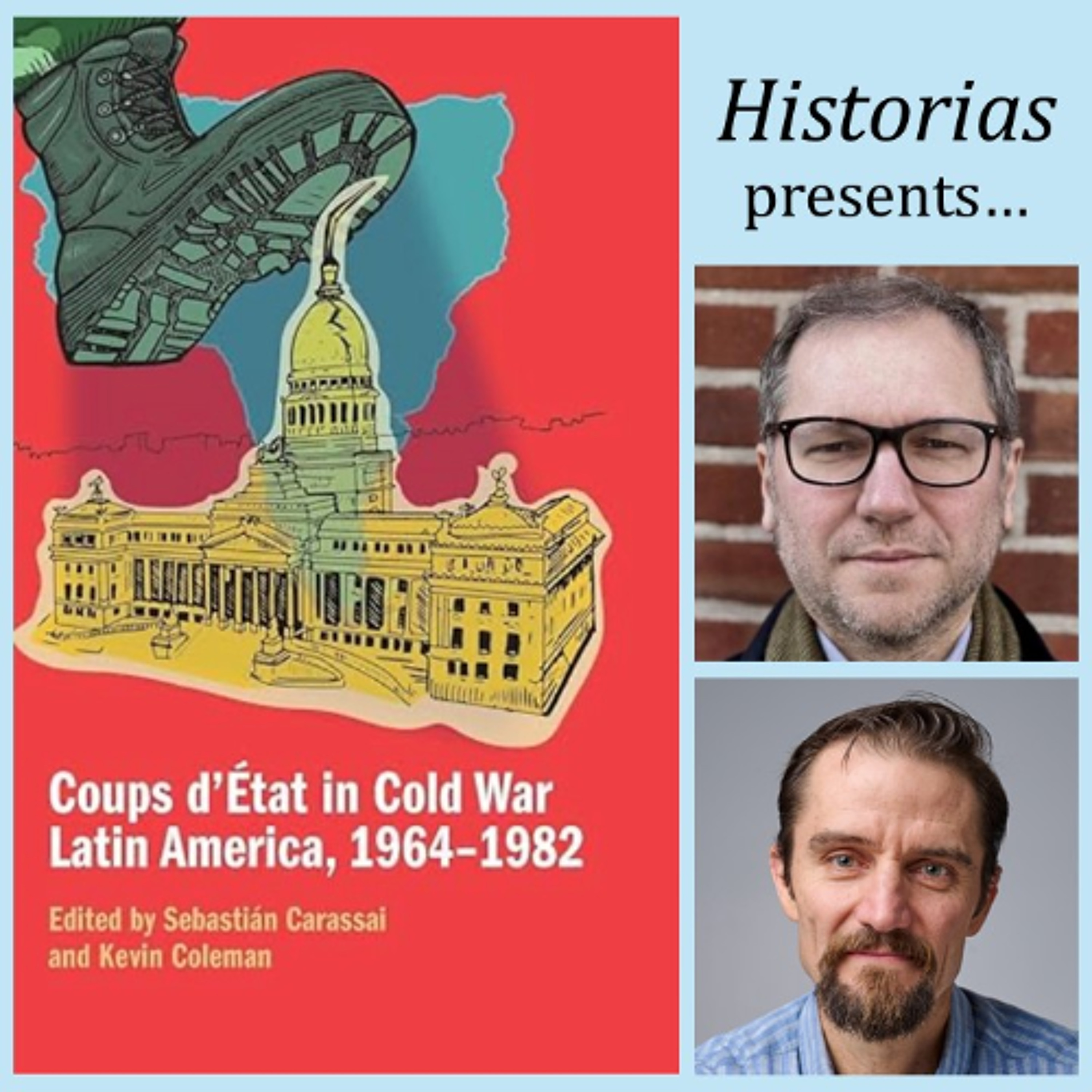 Los golpes de estado en América Latina, con Sebastián Carassai y Kevin Coleman✨ | military coupLatin America+3 | Sebastián CarassaiKevin Coleman | Coups d’État in Cold War Latin America, 1964–1982Coups d’État in | América LatinaArgentina+5 | coups d'étatArgentina+4 | — | 55m 05s | |
| 3/23/26 | 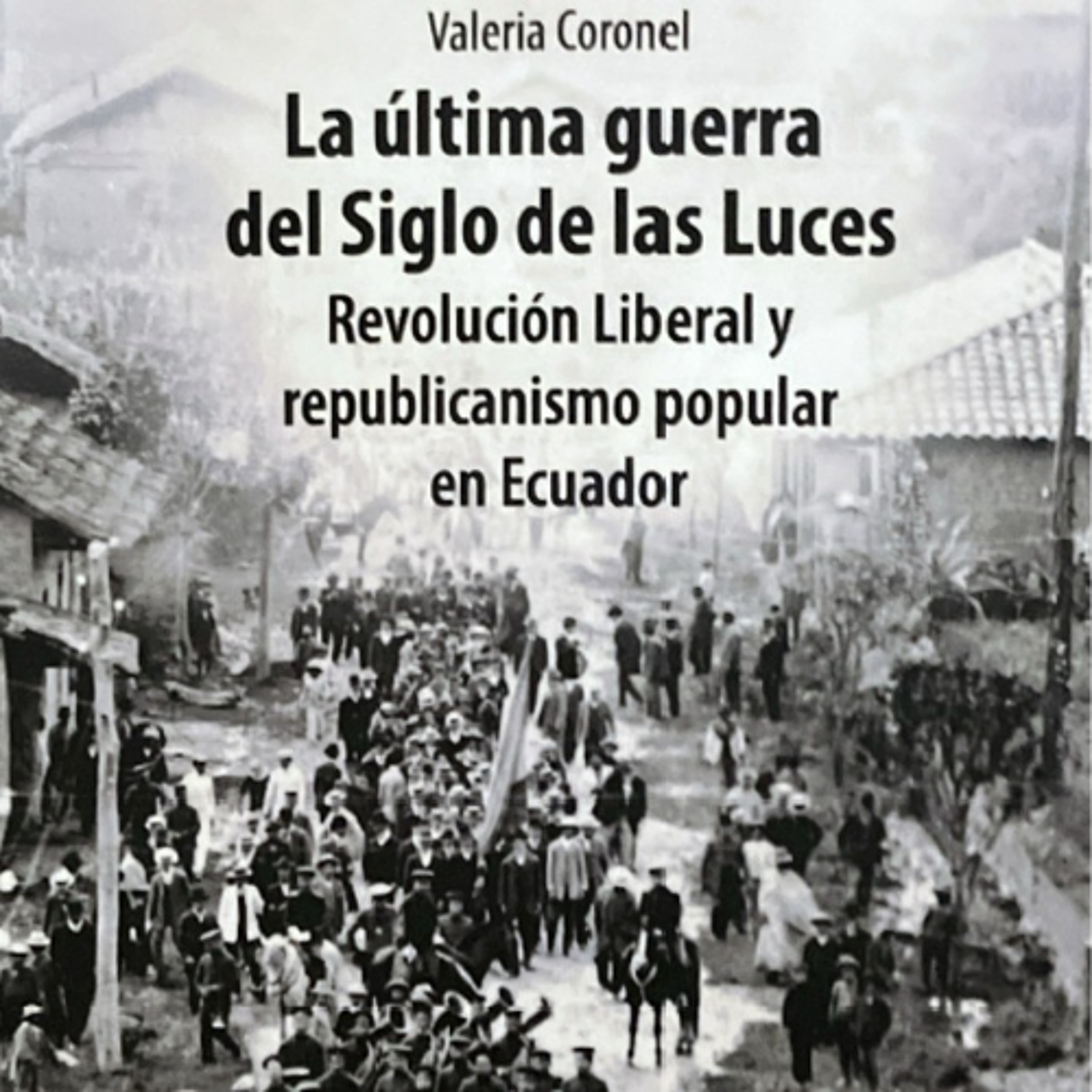 La última guerra del Siglo de las Luces. Revolución Liberal y republicanismo popular en Ecuador (Entrevista con autora Valeria Coronel)✨ | EcuadorRevolución Liberal+3 | Valeria Coronel | FLACSORevolución Liberal y republicanismo+1 | Ecuador | Siglo de las Luceshistoria+1 | — | 1h 00m 40s | |
| 3/11/26 |  Episode VI - Resolution✨ | Cuban Missile Crisisresolution+1 | Michelle ParanzinoCarlos Alzugaray+7 | — | — | CubaCold War+1 | — | 1h 15m 34s | |
| 2/5/26 | Episode V - Crisis✨ | Cuban Missile CrisisCold War+1 | Carlos Alzugaray TretoMichelle Chase+4 | Crisis | — | CrisisCuban Missile Crisis+2 | — | 1h 03m 15s | |
| 1/21/26 | Episode IV - The Bay of Pigs✨ | Bay of Pigs InvasionCuban Missile Crisis+1 | Michael BustamanteJonathan C. Brown+3 | The Bay of Pigs | — | Cubainvasion+2 | — | 45m 31s | |
| 11/20/25 | 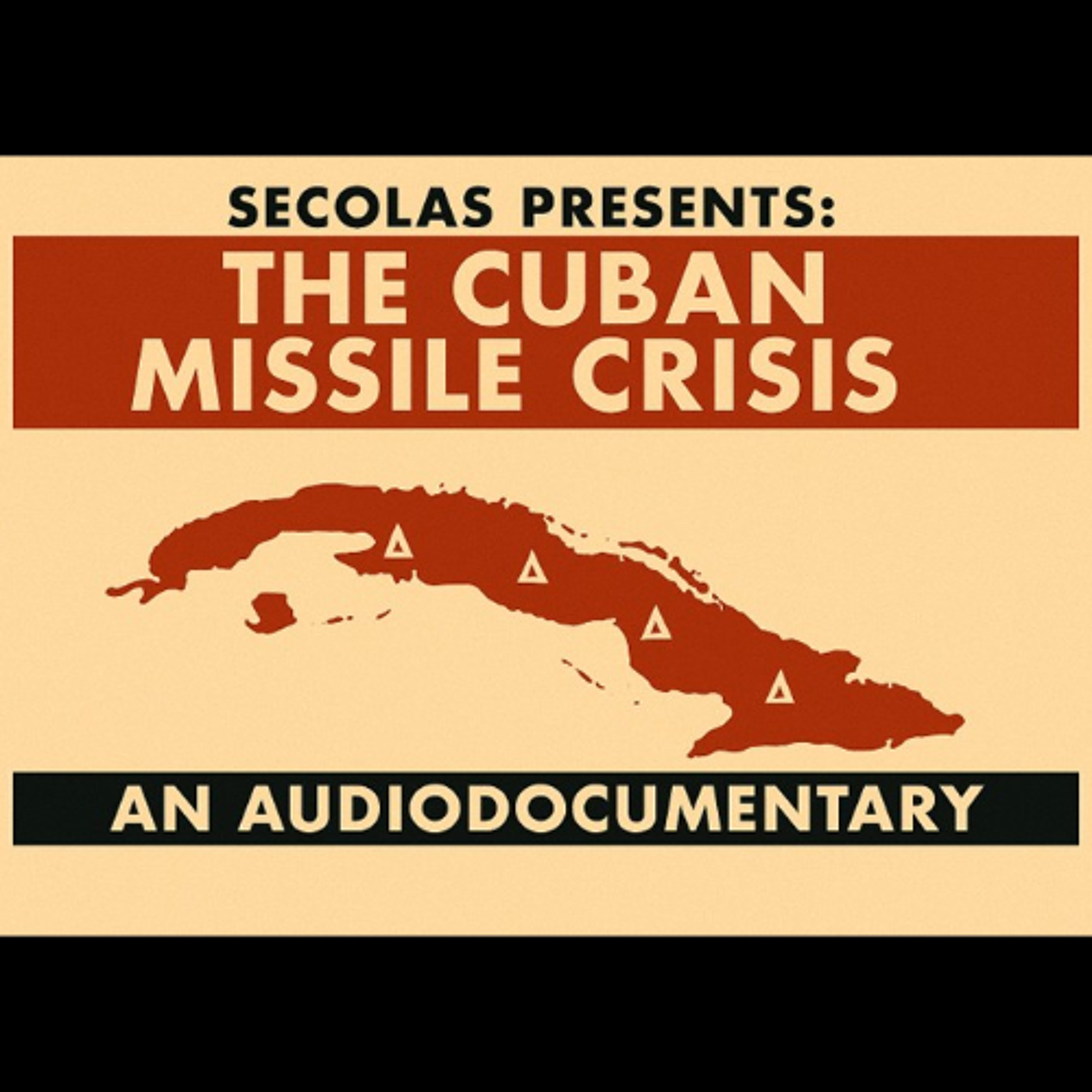 Episode III - Cuba in the Global Cold War✨ | Cuban RevolutionCold War+4 | Lillian GuerraLorraine Bayard de Volo+7 | — | Cubathe United States+3 | CubaCold War+2 | — | 47m 25s | |
| 11/4/25 | Episode II - Defining Cuba's Revolution✨ | Cuban RevolutionCuba+2 | Lillian GuerraEric Getting+2 | Defining Cuba's Revolution | — | Cuban historyrevolutionary changes+1 | — | 57m 17s | |
| 10/20/25 | Renata Keller and Dustin Walcher - A Cuban Story (Episode 1)✨ | Cuban Missile CrisisCuban Revolution+1 | Lars SchoultzLillian Guerra+5 | A Cuban Story | Cuba | Cubahistory+1 | — | 1h 01m 46s | |
| 9/24/25 | 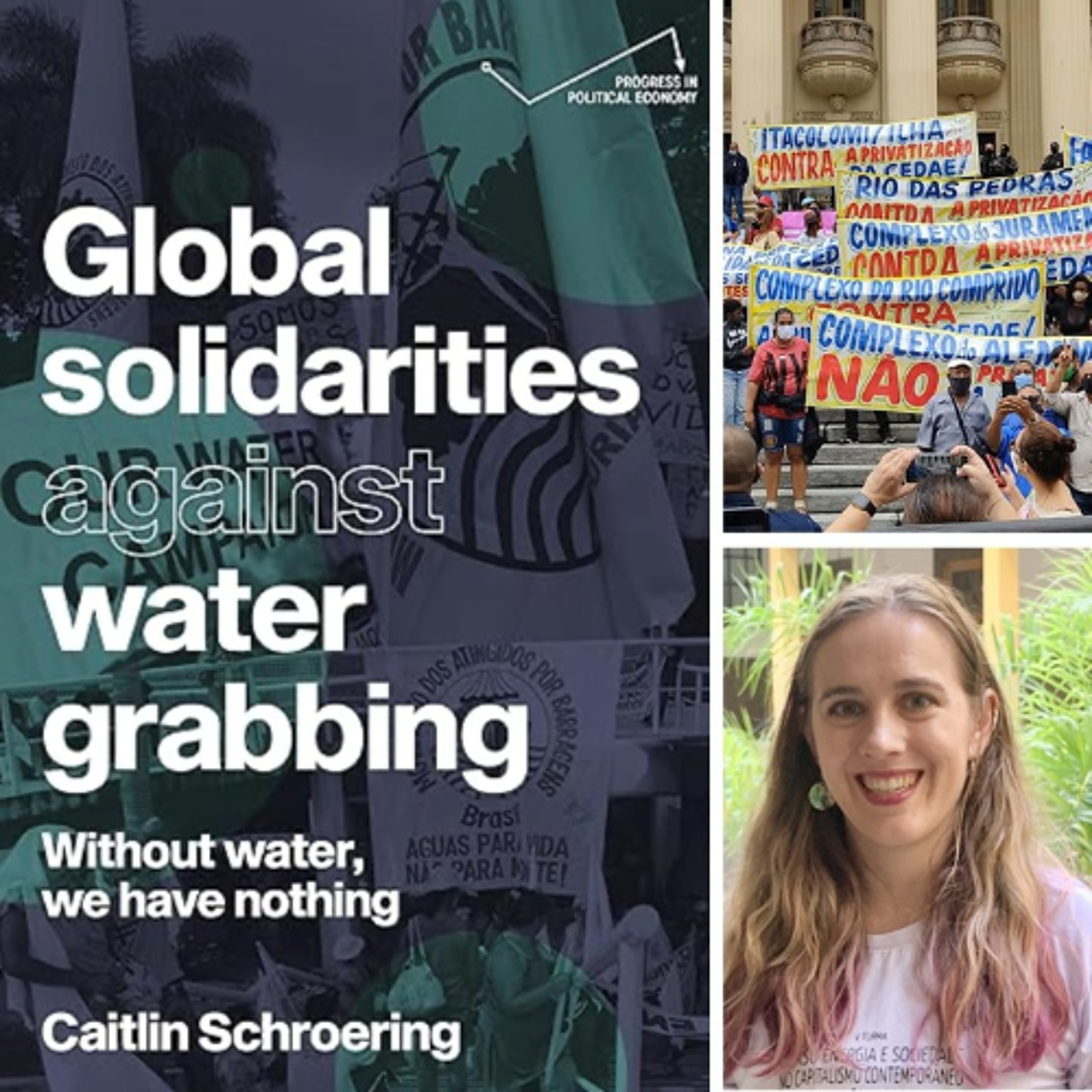 Caitlin Schroering talks with us about water rights and global social movements.✨ | water rightsglobal social movements+2 | Caitlin Schroering | Global Solidarities Against Water Grabbing | — | Global Solidarities Against Water Grabbingsociologist+1 | — | 54m 49s | |
| 8/26/25 | 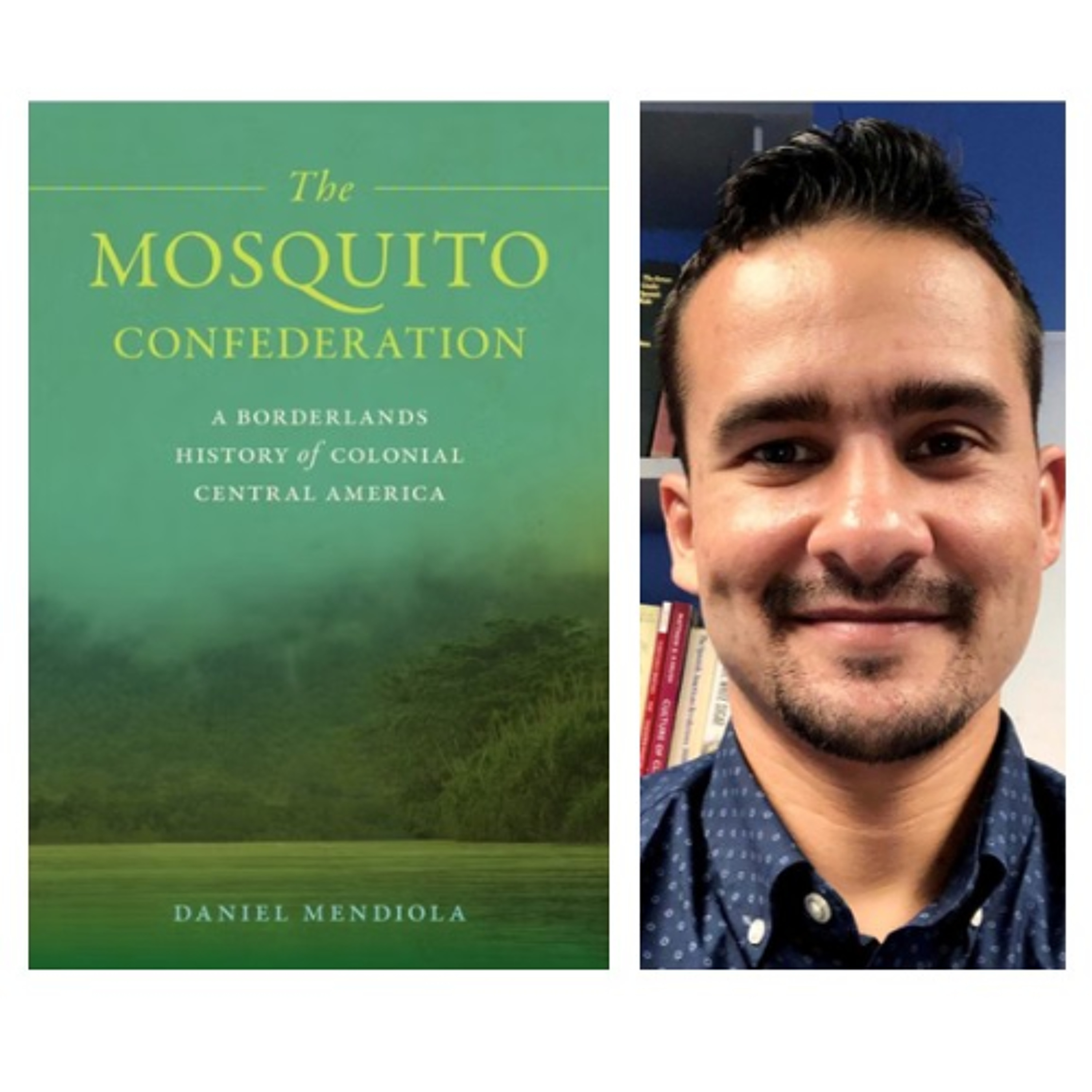 Daniel Mendiola nos habla de su libro The Mosquito Confederation✨ | historycolonial Central America+2 | Daniel Mendiola | The Mosquito ConfederationHistoria Latinoamericana+6 | — | The Mosquito ConfederationReino Mosquito+2 | — | 1h 00m 59s | |
Want analysis for the episodes below?Free for Pro Submit a request, we'll have your selected episodes analyzed within an hour. Free, at no cost to you, for Pro users. | |||||||||
| 4/9/25 | 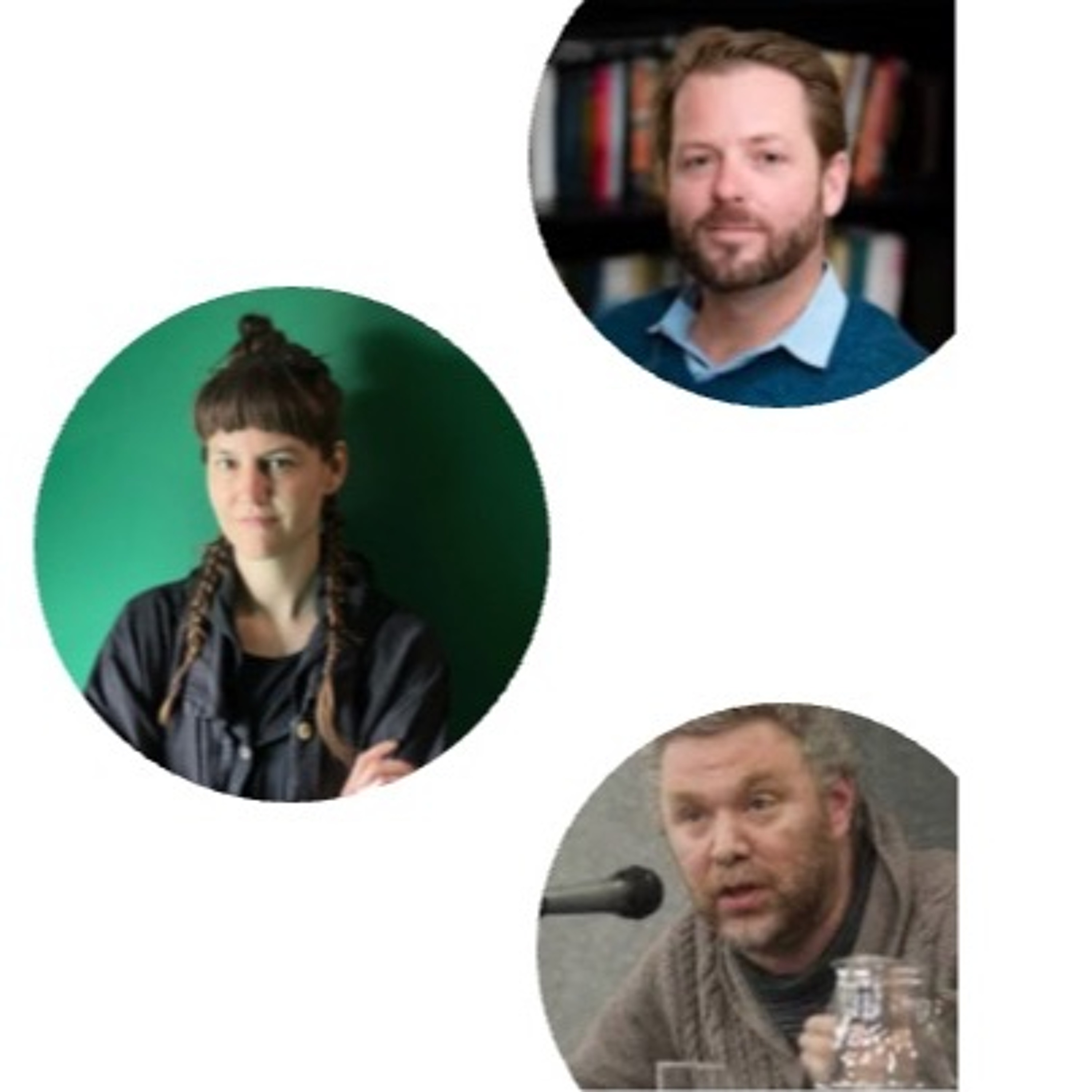 The role of US AID in Latin America | In this episode, historians Aldo Marchesi, Amanda Waterhouse, and Thomas Field examine the role of U.S. aid in Latin America, helping us place this institution’s history in context—particularly in light of Trump’s recent move to restrict or cut foreign assistance to the region. | — | ||||||
| 3/6/25 | 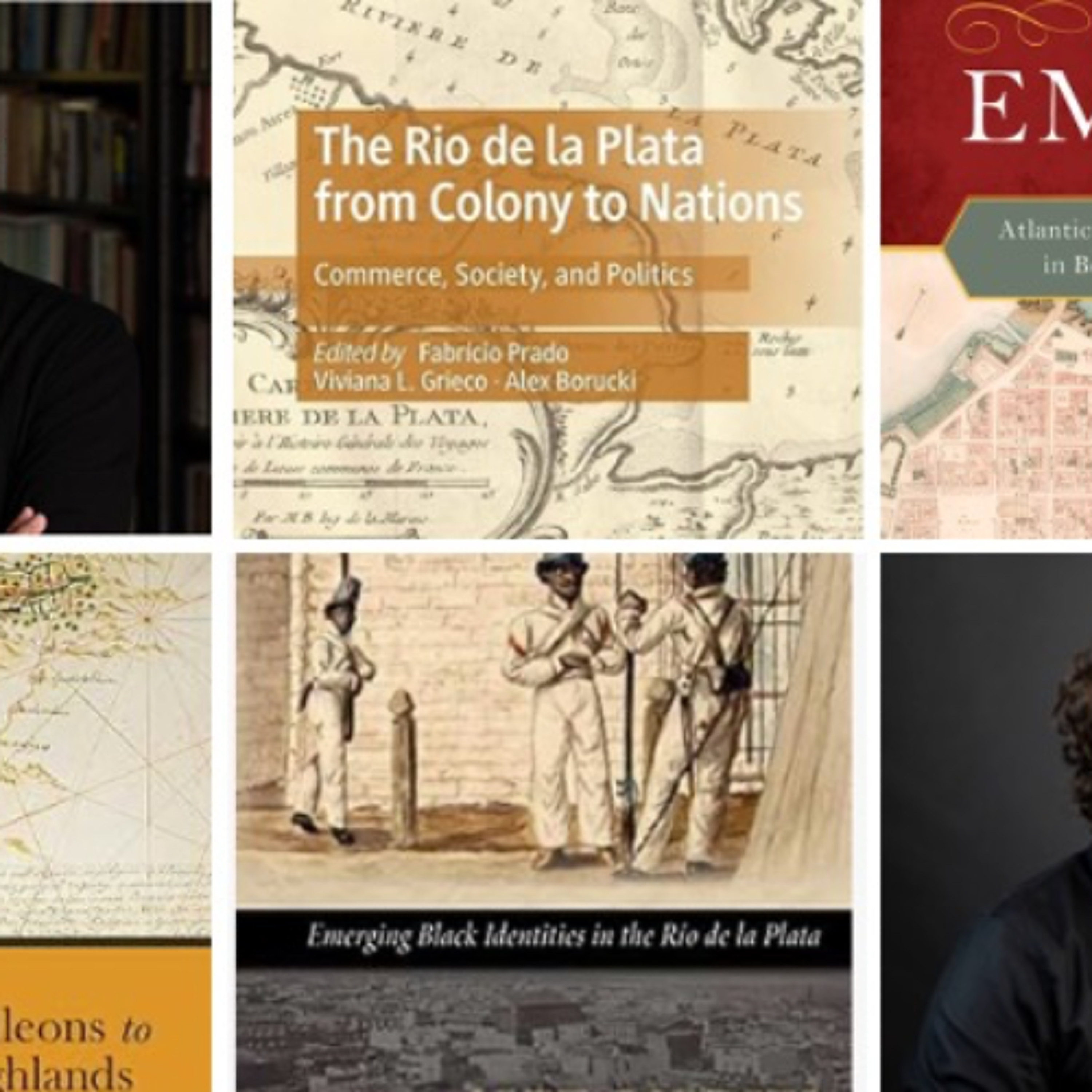 Historias del Río de la Plata: Conversaciones con Alex Borucki y Fabricio Prado | En este episodio, Edward Brudney y Carmen Soliz conversan con los historiadores Fabricio Prado y Alex Borucki sobre sus aportes a la historia del Río de la Plata. Discutimos cómo su trabajo desafió el nacionalismo metodológico y sus aportes a los estudios de redes sociales y comerciales transimperiales. Alex Borucki es autor de From Shipmates to Soldiers: Emerging Black Identities in the Río de la Plata. También editó el volumen From the Galleons to the Highlands: Slave Trade Routes in the Spanish Americas. Fabricio Prado es autor de Edge of Empire: Atlantic Networks and Revolution in Bourbon Río de la Plata. Junto con Alex Borucki, coeditó The Río de la Plata: From Colony to Nations, un volumen que explora las transformaciones políticas, sociales y económicas de la región en el tránsito del período colonial a la independencia. | — | ||||||
| 2/8/25 | 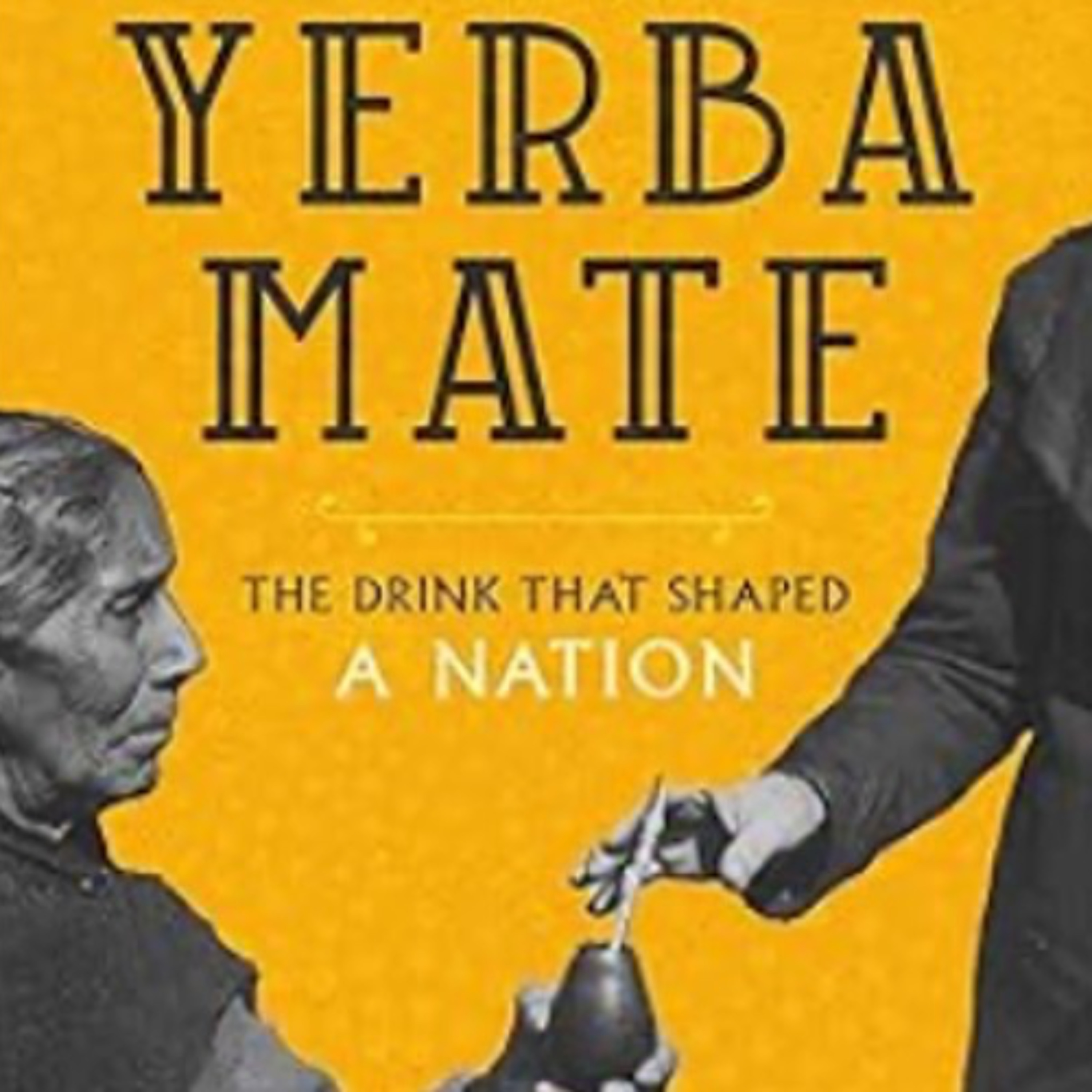 Julia Sarreal hablan con Edward Brudney y Carmen Soliz | Julia Sarreal conversa con Edward Brudney y Carmen Soliz sobre Yerba Mate: The Drink that Shaped a Nation, el primer libro que explora la historia de esta icónica bebida en Argentina desde la época precolonial hasta la actualidad. Sarreal narra cómo el mate pasó de ser una tradición indígena a un símbolo omnipresente en la colonia, su asociación con los sectores rurales y populares en el siglo XIX, y su resurgimiento en el siglo XX. Este libro revela el papel de la bebida en la construcción de la identidad nacional argentina, explorando raza, cultura y producción en su evolución. | — | ||||||
| 1/11/25 | 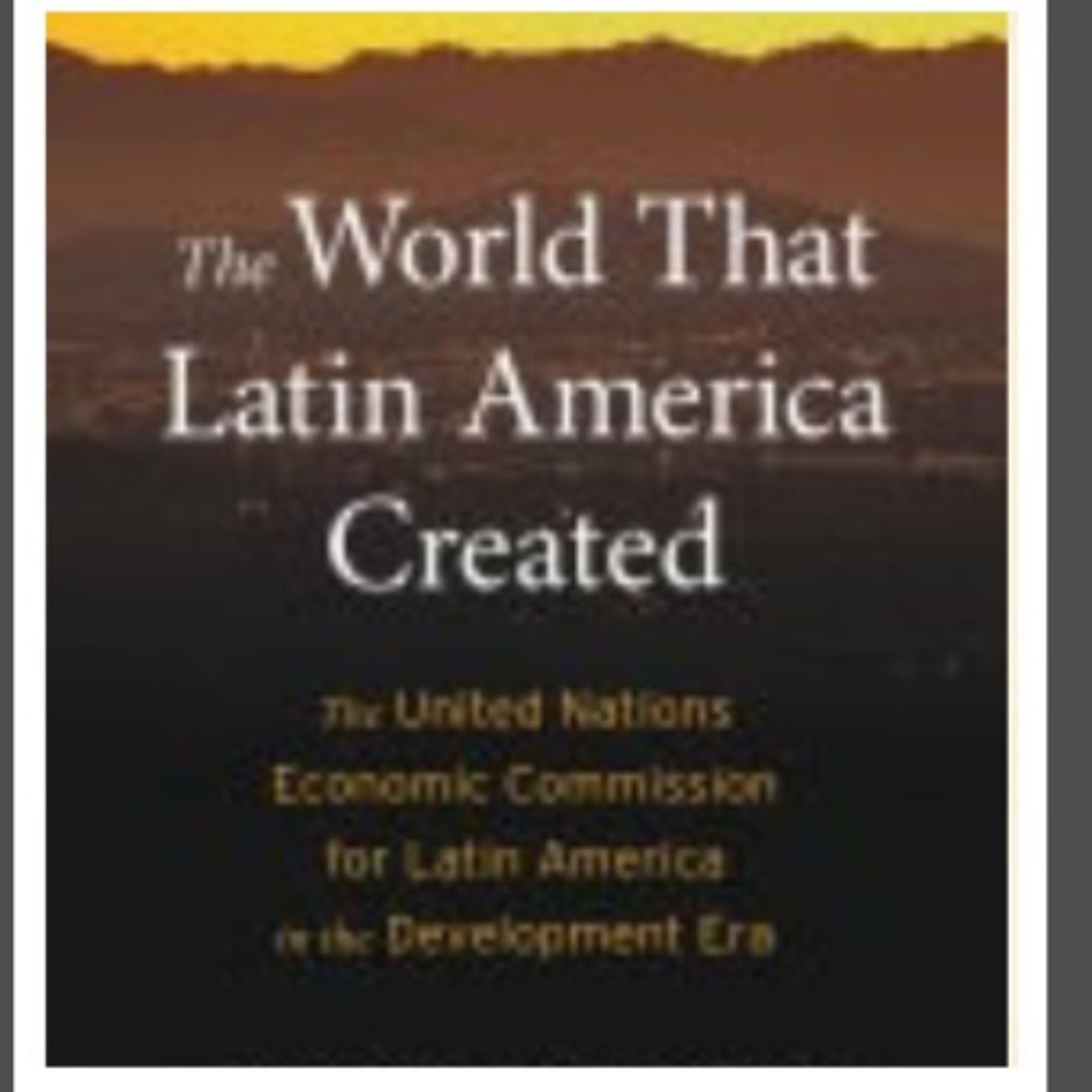 El nuevo equipo de SECOLAS, Edward Brudney y Carmen Soliz entrevistan a la historiadora Margarita Fajardo | Edward Brudney y Carmen Soliz entrevistan a la historiadora Margarita Fajardo para hablar sobre su innovador libro The World That Latin America Created: The United Nations Economic Commission for Latin America in the Development Era. En su obra, Fajardo revela cómo un grupo de intelectuales transformaron la economía del desarrollo y redefinieron el papel de América Latina en el escenario global. | — | ||||||
| 12/17/24 | 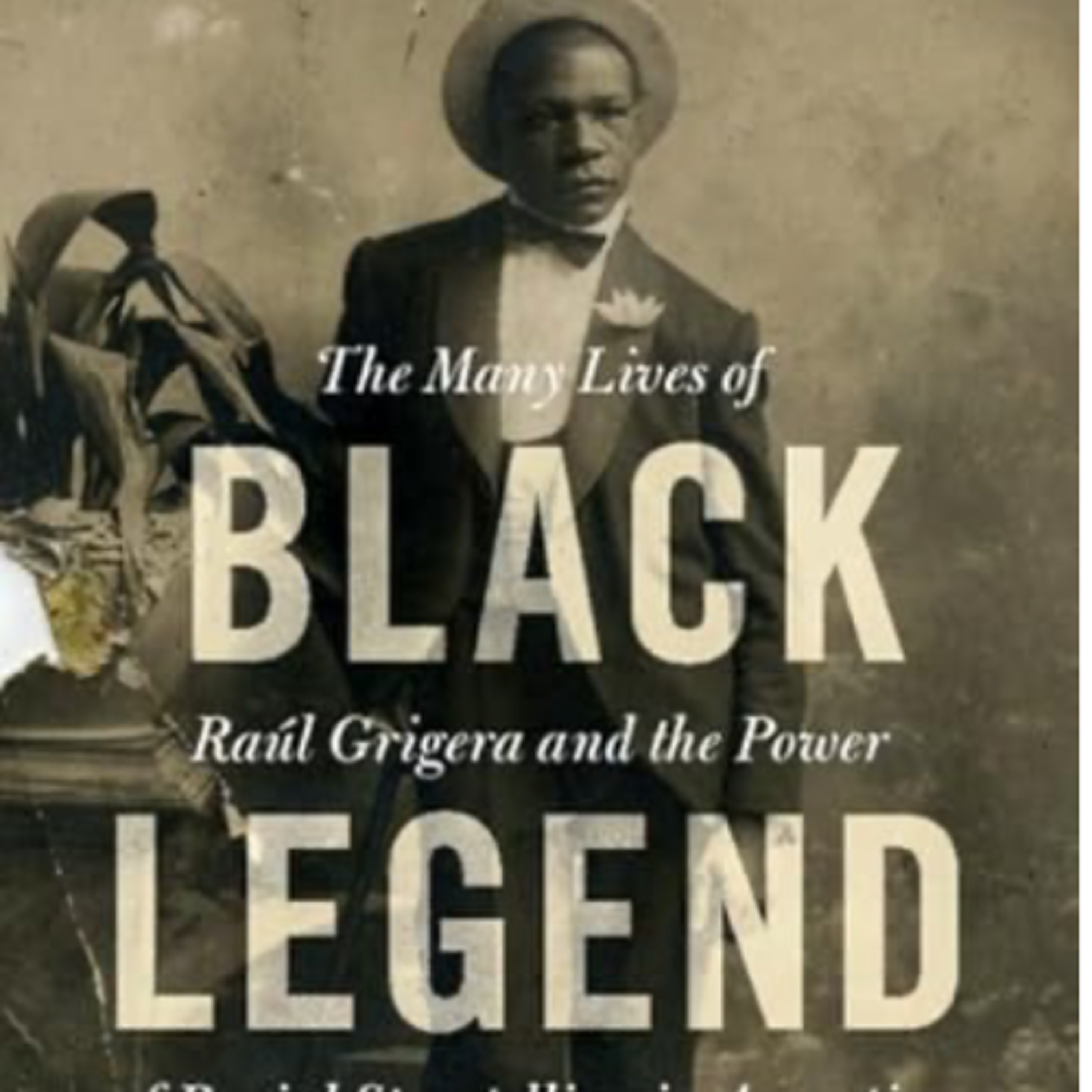 A fabulous interview with Paulina Alberto, discussing her award-winning book Black Legend. | In this episode, historian Paulina Alberto joins us to talk about her award-winning book Black Legend, published by Cambridge University Press in 2022. Celebrated with the 2023 Bolton-Johnson Prize for Best Book in Latin American History and the 2023 Southern Cone Section Award for Best Book in the Social Sciences, Black Legend has quickly become a must-read. Tune in to discover the groundbreaking insights of Alberto’s second monograph and learn more about her inspiring academic journey. | — | ||||||
| 12/17/24 | 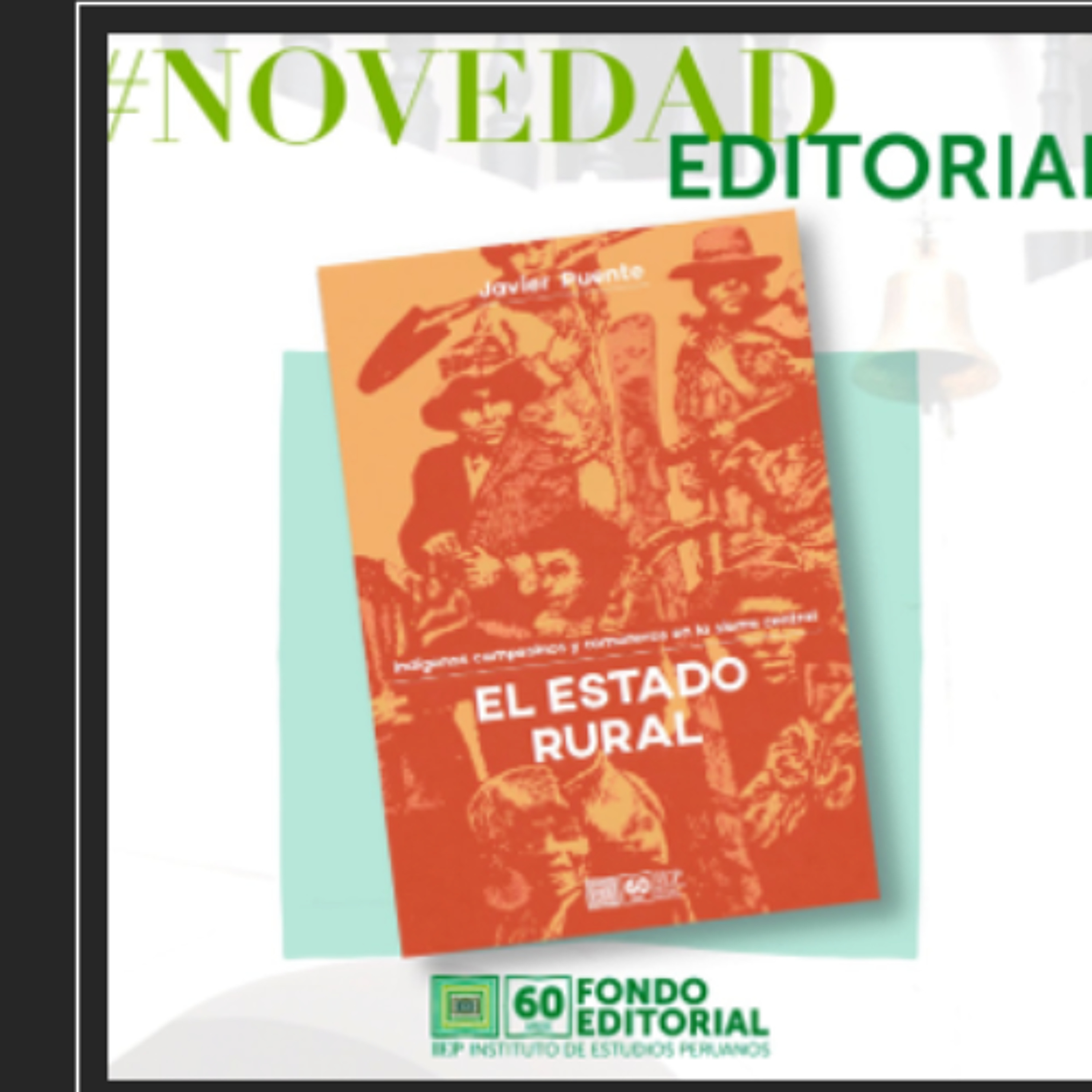 Javier Puente nos habla de su libro El Estado rural: indígenas, comuneros, y campesinos en la sierra central | El Estado Rural estudia la política interna de una comunidad de la sierra central peruana, desde principios del siglo XX, cuando el estado peruano reconoció la legalidad de las comunidades indígenas, hasta finales del conflicto armado en la década de 1990. Este largo arco temporal permite al autor analizar un siglo de intervenciones estatales y mercantiles en el campo y sus repercusiones en la vida rural. | — | ||||||
| 12/17/24 | 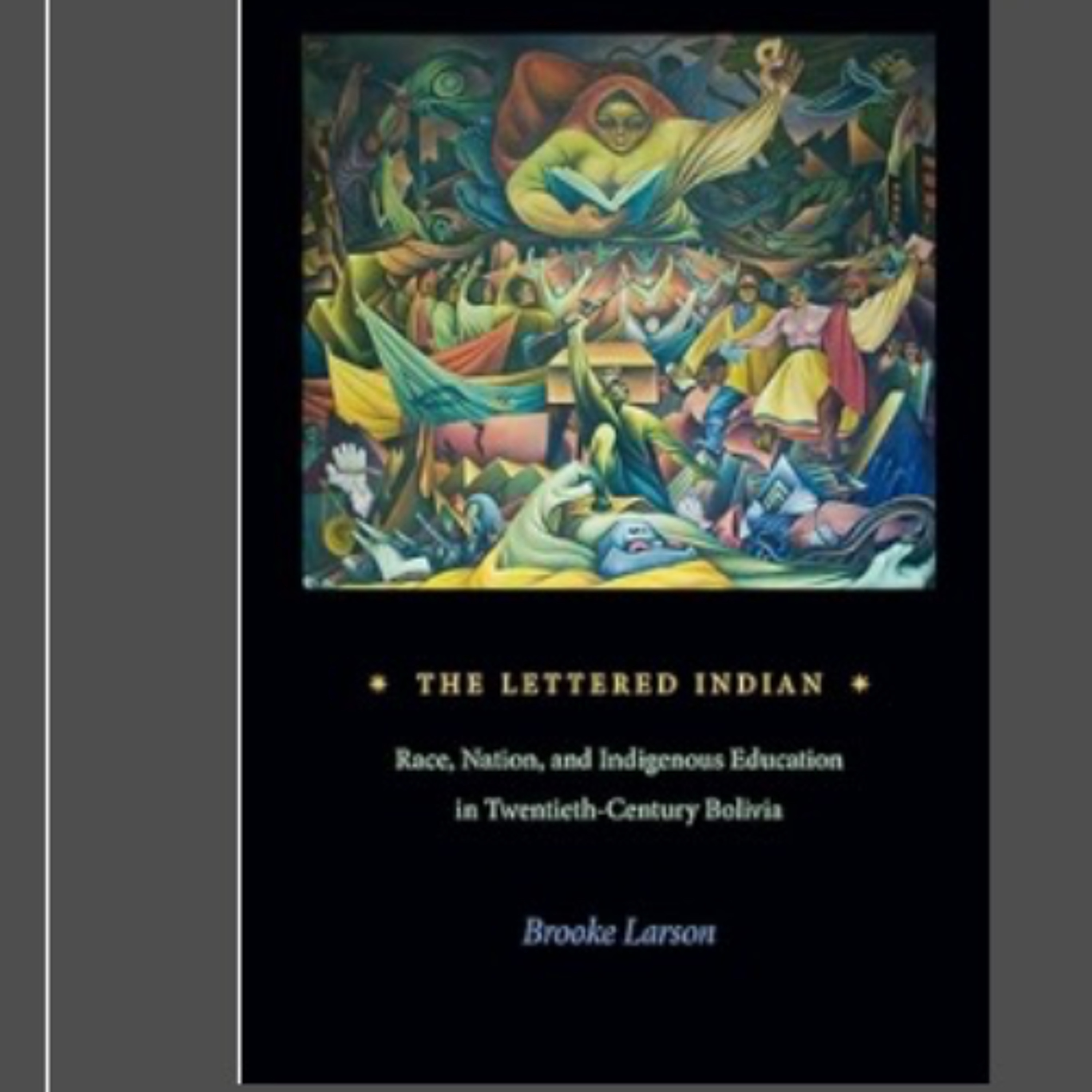 A conversation with Brooke Larson about her most recent book, The Lettered Indian. | Several scholars, including Joanne Rappaport, Sinclair Thomson, Gavin O'Toole, and Bret Gustafson, have praised Brooke Larson's book as a monumental, meticulously documented history of Indigenous education in twentieth-century Bolivia. | — | ||||||
| 12/17/24 | 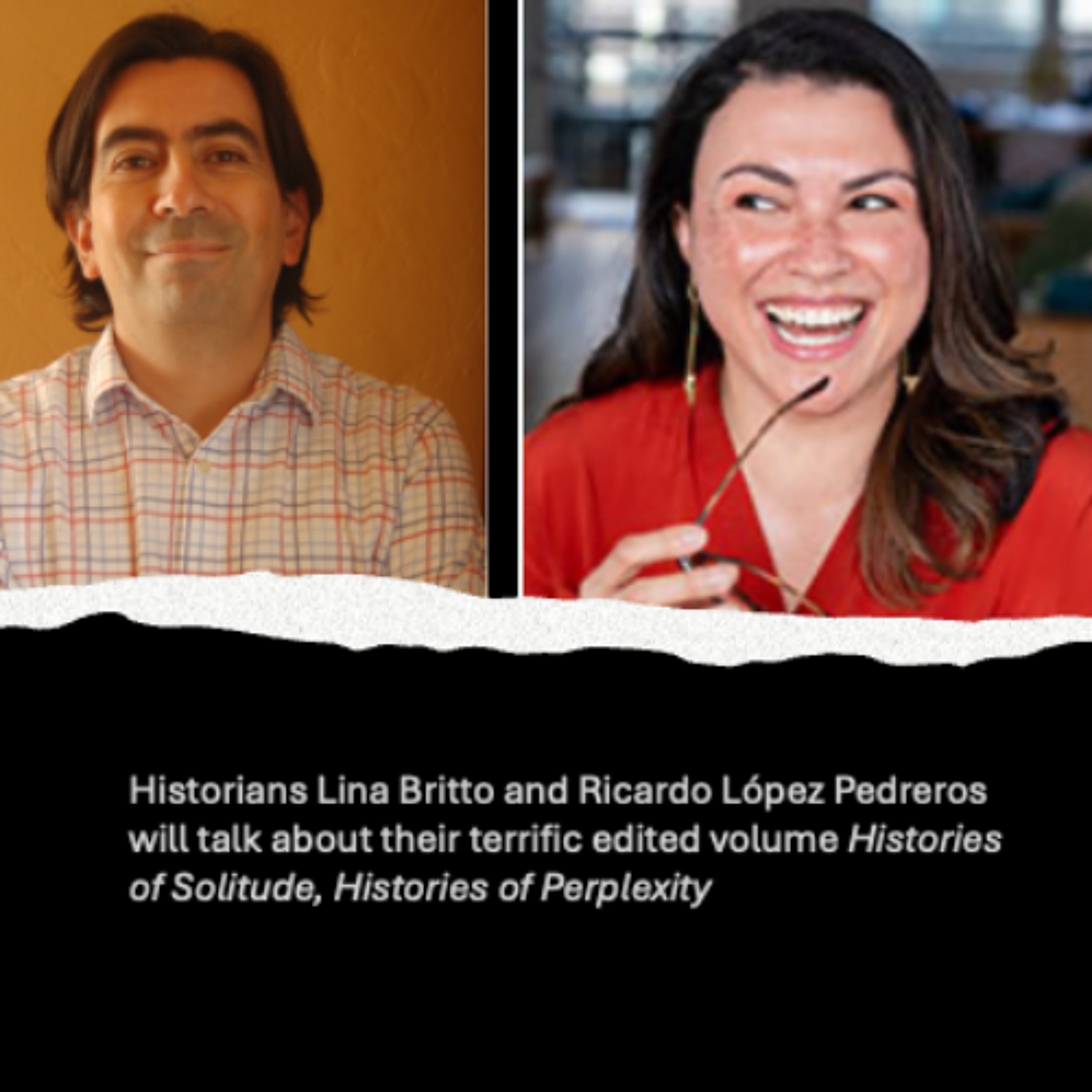 Lina Britto y Ricardo López nos hablan de Historias de Soledad y Perplejidad | Los historiadores Lina Britto y Ricardo López Pedreros -editores de dos volúmenes, Historias de soledad e Historias de perplejidad- reflexionan sobre las trayectorias personales y académicas que impulsaron la producción de esta obra, las condiciones de producción de conocimiento en Estados Unidos y América Latina, y la importancia de utilizar Colombia como lente para mirar a las Américas y al mundo. | — | ||||||
| 1/16/23 | 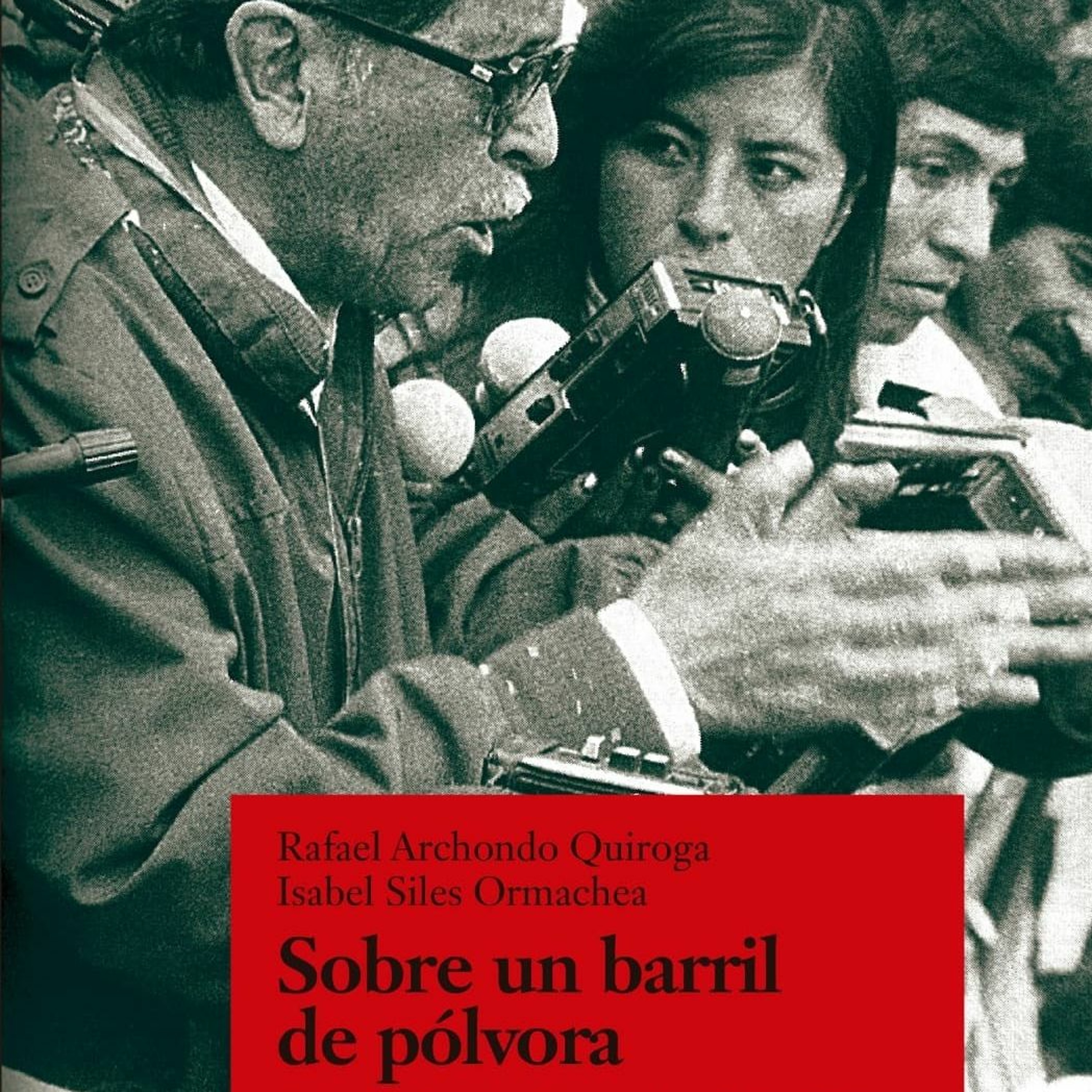 Rafael Archondo on Hernan Siles Zuazo | Rafael Archondo and Isabel Siles’ Sobre un barril de pólvora, is a comprehensive review of the former president’s life, Hernan Siles Zuazo (1913-1996). He was one of the founding members of the nationalist revolutionary party (MNR) in 1942. He was elected two times as president (1956-1960 and 1982-1985), and his role was vital to consolidate revolutionary achievements like Agrarian Reform or social participation and pluralistic democracy. The authors highlight Siles Zuazo’s commitment to human rights and civil liberties. During his tenure, power was peacefully transferred to the next elected president. Siles was a kind of tragic hero because of his conviction in using peaceful means in political struggles. | — | ||||||
| 1/16/23 | 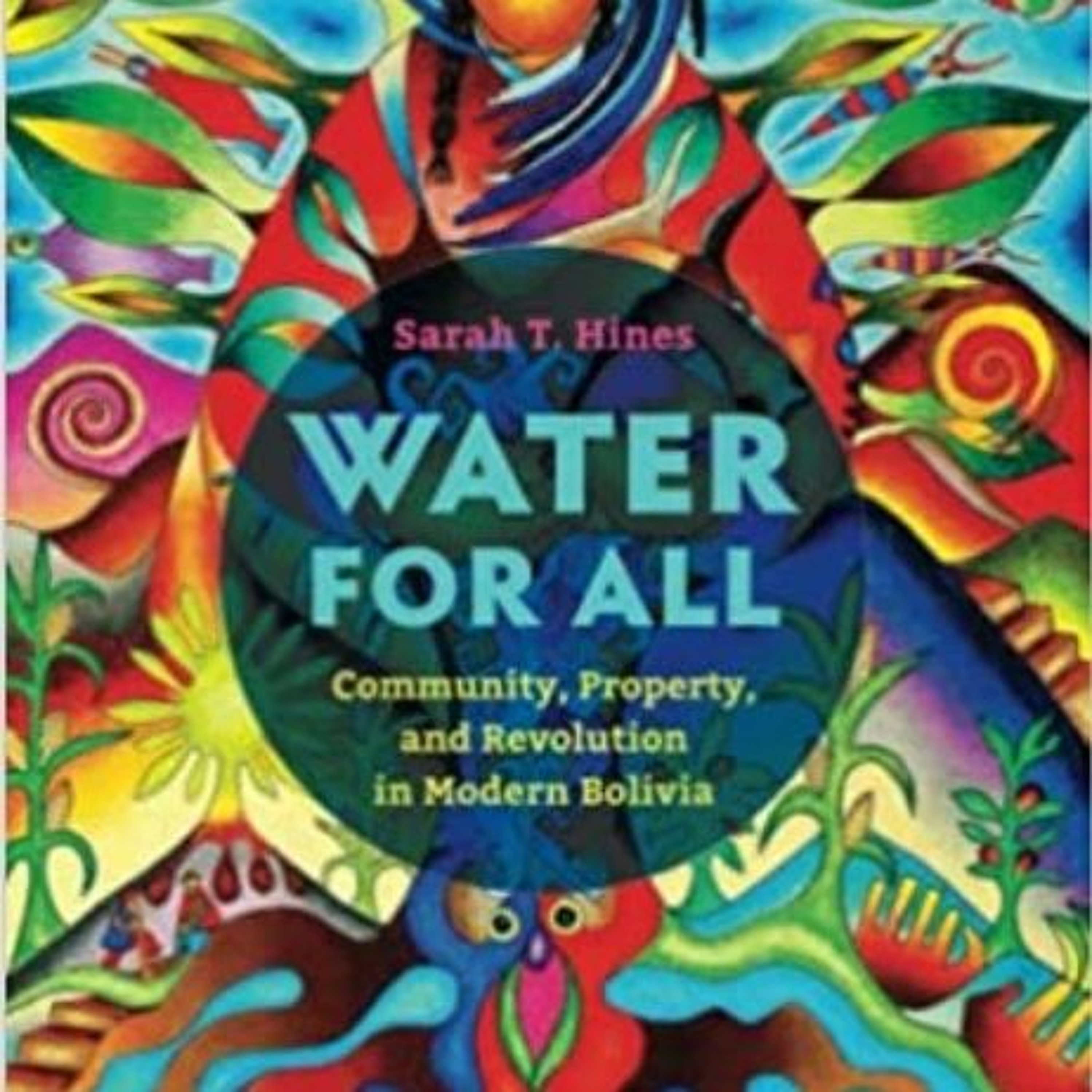 Sarah Hines on water, citizenship, and revolution | Dr. Sarah Hines explores residents of Cochabamba struggle for access to water that is linked to broader historical processes such as the dispossession and dismantling of indigenous communities in the 19th century, the Bolivian revolution of 1952, and the dictatorships of the 1960s and 1970s. Her book argues that the Cochabambinos defeated privatization in the Water War in 2000 because they defended something they had fought for and won decades earlier, especially in the context of the 1952 revolution. | — | ||||||
| 1/16/23 | 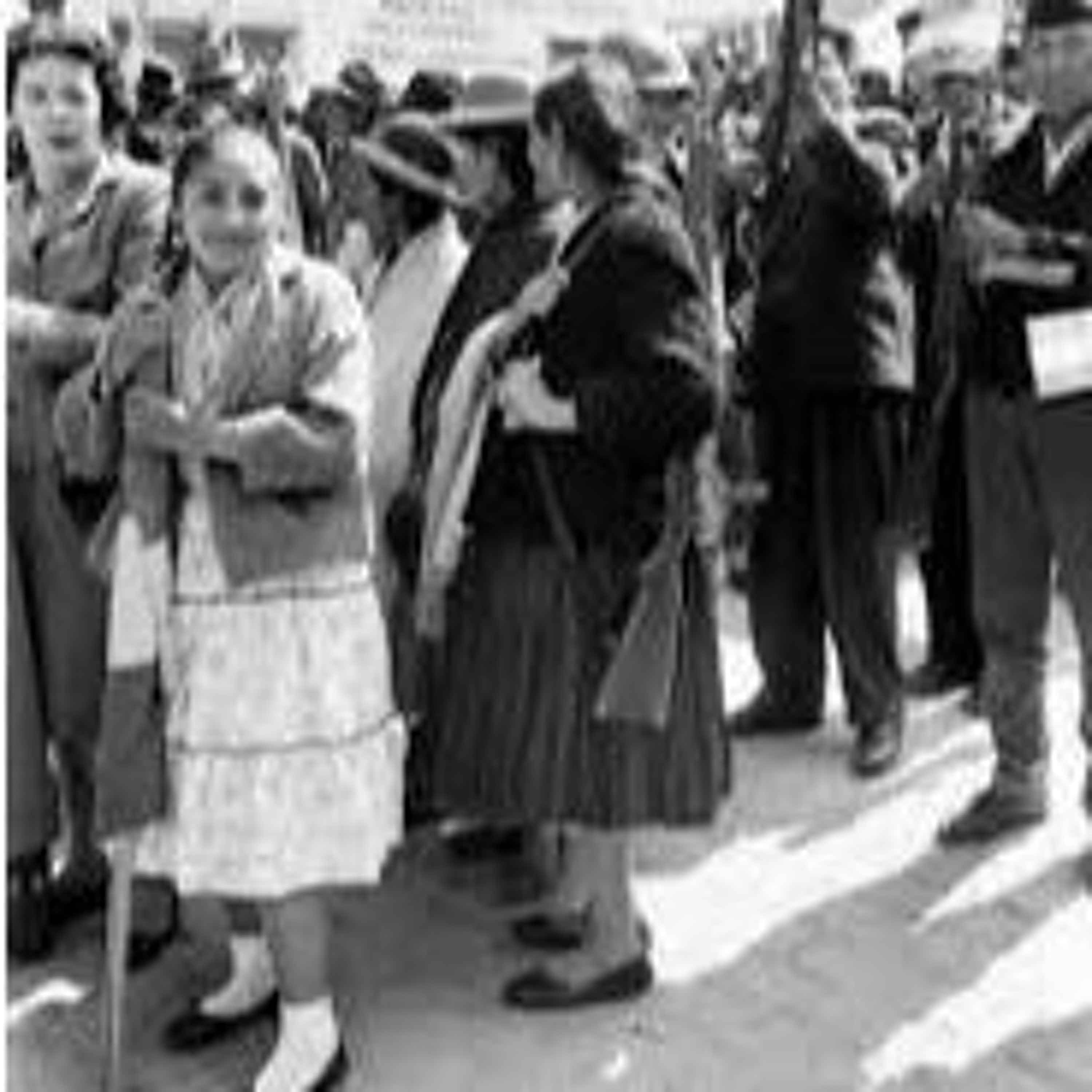 Nicole Pacino on revolutionary public health | Dr. Nicole Pacino is an associate professor at the University of Alabama in Huntsville. Nicole has studied the effects of the policies of the 1952 Revolution on rural health, particularly on indigenous women. Her work shows how maternity was a central axis of the nationalist policies of the MNR that strived to create/consolidate the nation. | — | ||||||
| 1/15/23 | 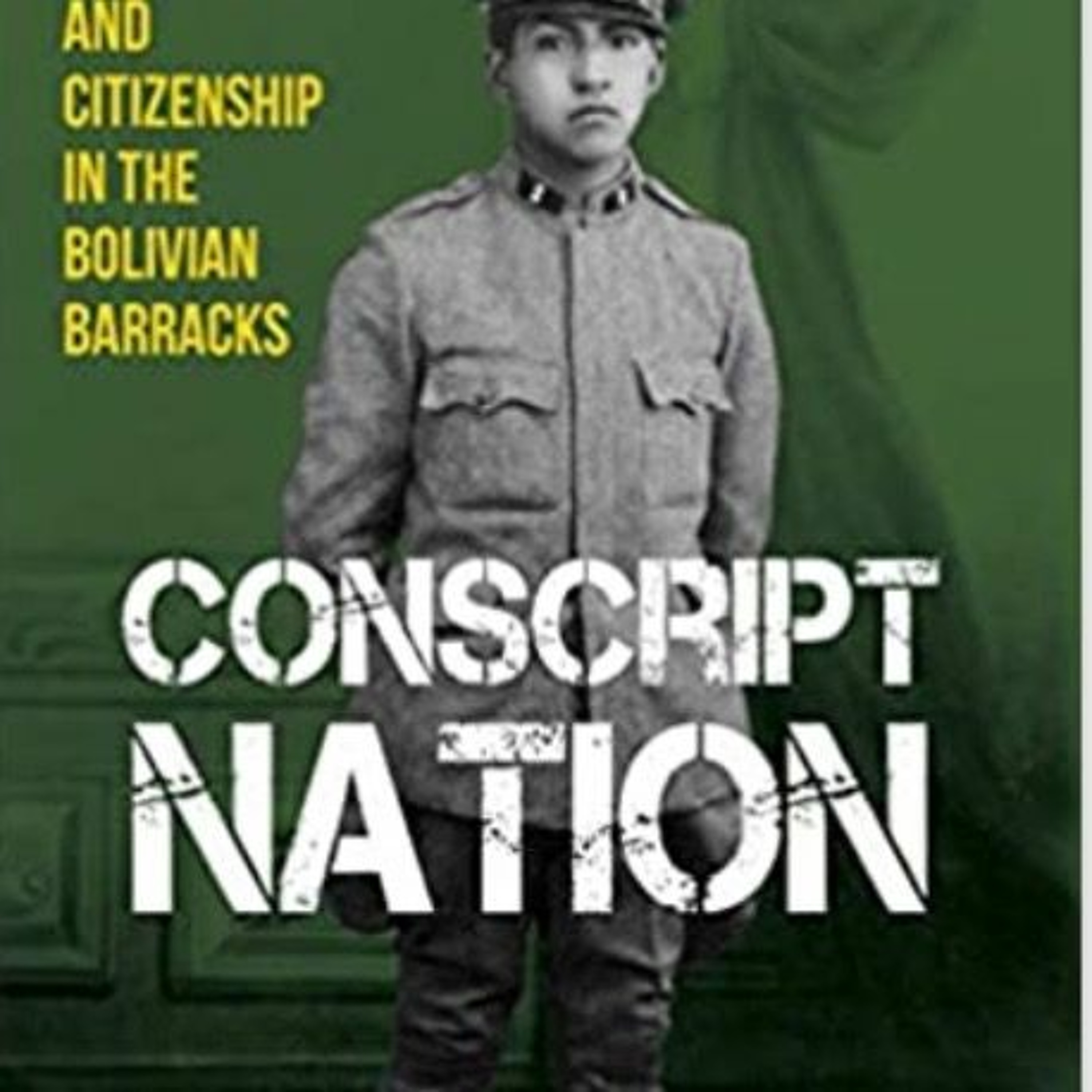 Elizabeth Shesko on conscription in Bolivia | Elizabeth Shesko argues that conscription evolved into a pact between the state and society. It was not only imposed from above but also embraced from below because it provided a space for Bolivians across divides of education, ethnicity, and social class to negotiate their relationships with each other and the state. Shesko contends that state formation built around military service has been characterized in Bolivia by multiple layers of negotiation and accommodation. The resulting nation-state was and is still hierarchical and divided by profound differences, but it never was simply an assimilatory project. It instead reflected a dialectical process to define the state and its relationships. | — | ||||||
| 1/15/23 | 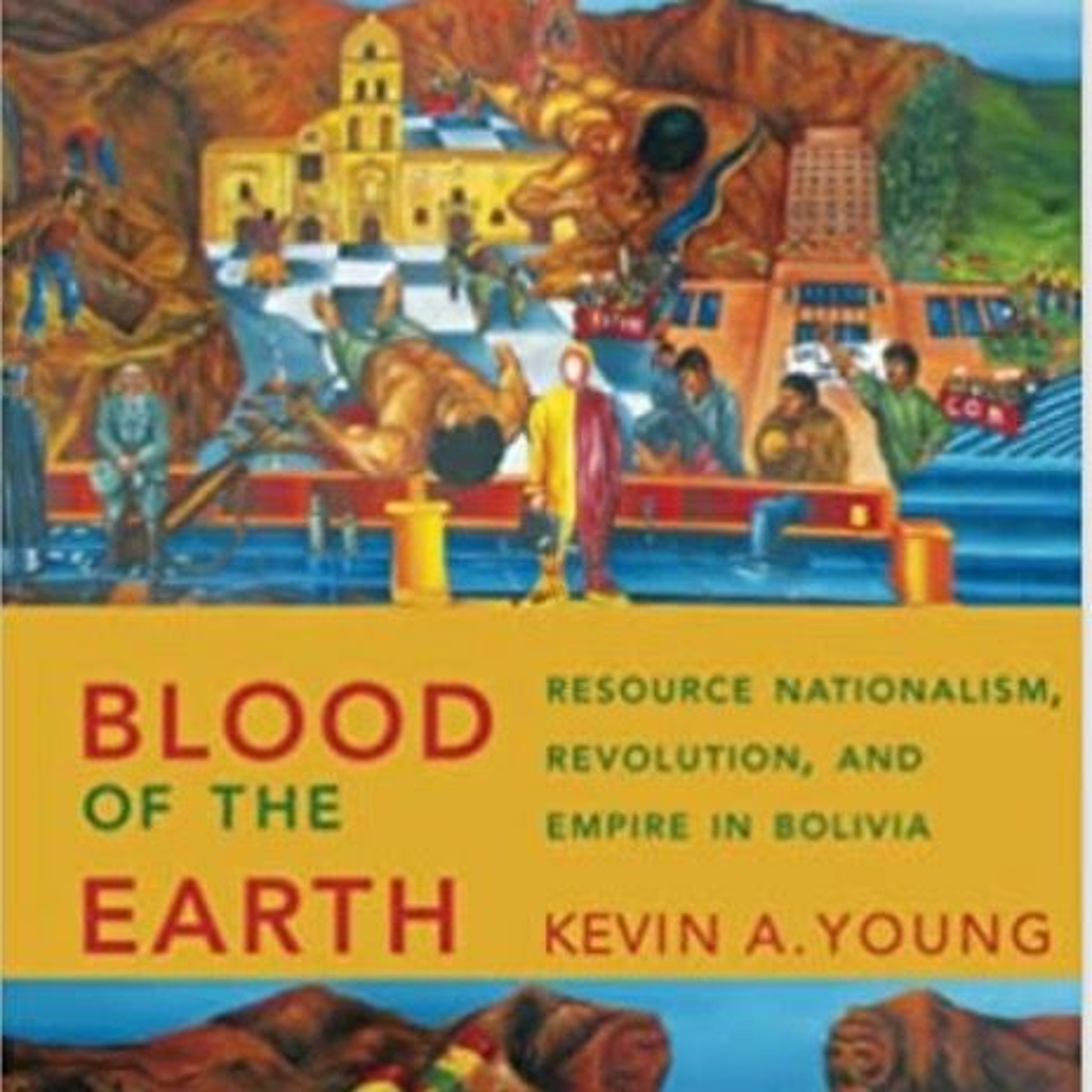 Kevin Young on resource nationalism in Bolivia | Kevin Young traces the history of Bolivian struggles over mineral and hydrocarbon resources, highlighting the complex legacies of Bolivia’s 1952 revolution. His work also revolves around the various economic projects that party officials, political party leaders, activists, urban factory workers, university students, and mine workers proposed to address a key question for Bolivians: How to overcome economic dependency and underdevelopment? To make sense of these debates, Young uses the term resource nationalism, which he will explain in detail in this interview. | — | ||||||
| 1/15/23 | 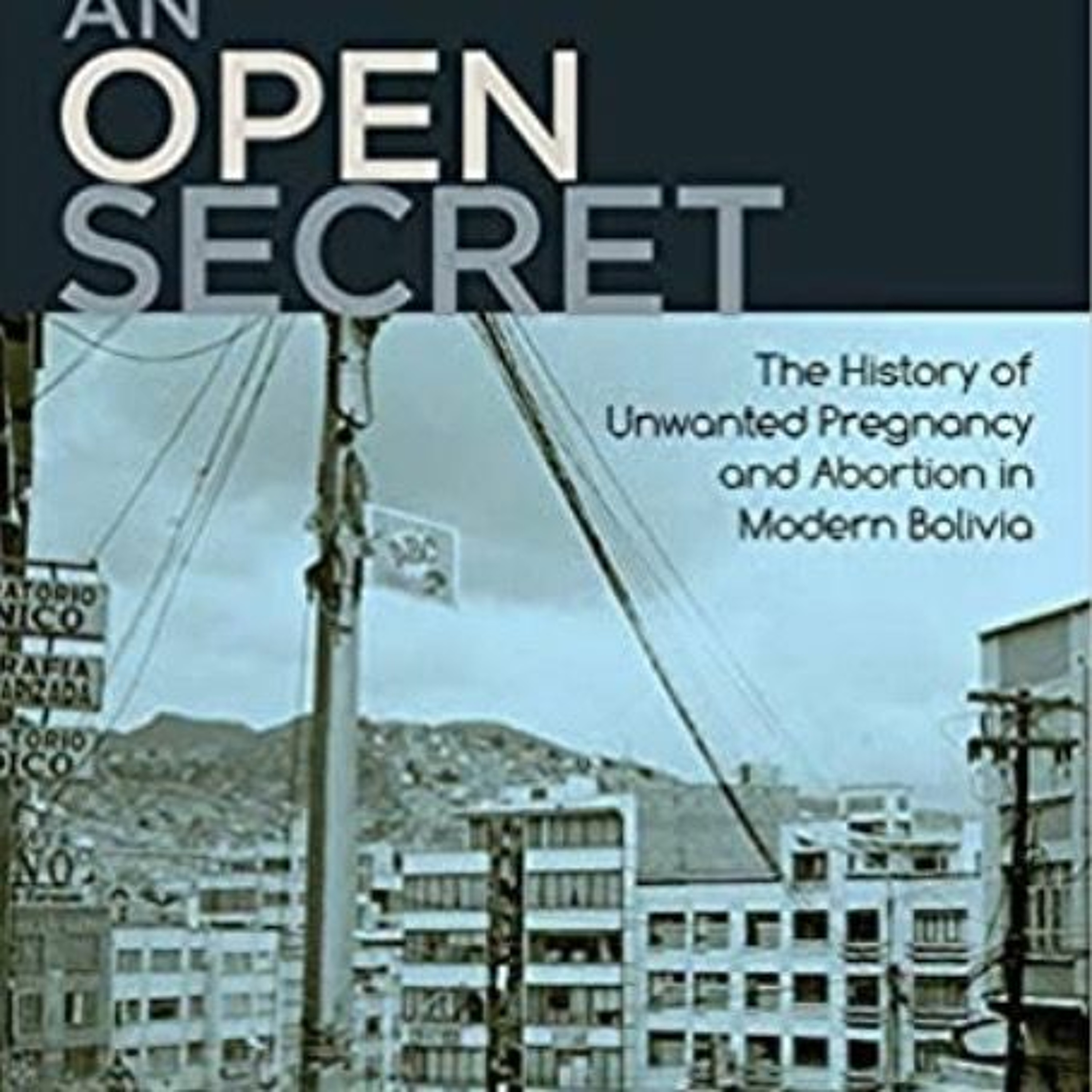 Natalie Kimball on politics and reproductive rights | Dr. Natalie Kimball analyzes the politics of abortion and reproductive rights in Bolivia from the mid-twentieth century to the present. They focus on the cities of La Paz and El Alto, exploring this open secret that brings to light the complex relationship of Bolivian nationalist, military, neoliberal, and leftist governments with women’s reproductive rights. | — | ||||||
| 1/15/23 |  Elena McGrath on everyday forms of revolution | Elena McGrath explores how culture and material conditions create revolutionary conditions. In this interview, Elena helps us understand how the lives of mine workers and their families changed after the revolution. Elena demonstrates that the revolution brought the mine workers and their families an unprecedented sense of citizenship that did not limit to the right to vote but also to the right to education, health, and social security linked to their work in the mines. In this way, Elena shows us the concrete ways in which the revolution transformed the lives of the mine workers. | — | ||||||
Showing 25 of 190
Pitch Fit is a Pro feature
See how bookable this show is for guests, which brands already advertise, the per-episode ad value, and the best-fit guest and sponsor profile. The numbers are blurred on the free plan.
How readily this show books outside guests like you.
How proven this show is for host-read sponsorships.
For Guests
ProFor Advertisers
ProUpgrade to Pro to unlock guest cadence, sponsor categories, fit scores, and per-episode ad value for this show.
Chart Positions
1 placement across 1 market.
Chart Positions
1 placement across 1 market.