Insights from recent episode analysis
Audience Interest
Podcast Focus
Publishing Consistency
Platform Reach
Insights are generated by CastFox AI using publicly available data, episode content, and proprietary models.
Most discussed topics
Brands & references
Est. Listeners
Insufficient chart data. Estimates will improve as the show charts.
- Per-Episode Audience
Est. listeners per new episode within ~30 days
N/A🎙 Daily cadence·130 episodes·Last published 5d ago - Monthly Reach
Unique listeners across all episodes (30 days)
N/A - Active Followers
Loyal subscribers who consistently listen
N/A
Market Insights
Platform Distribution
Reach across major podcast platforms, updated hourly
Total Followers
—
Total Plays
—
Total Reviews
—
* Data sourced directly from platform APIs and aggregated hourly across all major podcast directories.
On the show
From 17 epsHosts
Recent guests
Recent episodes
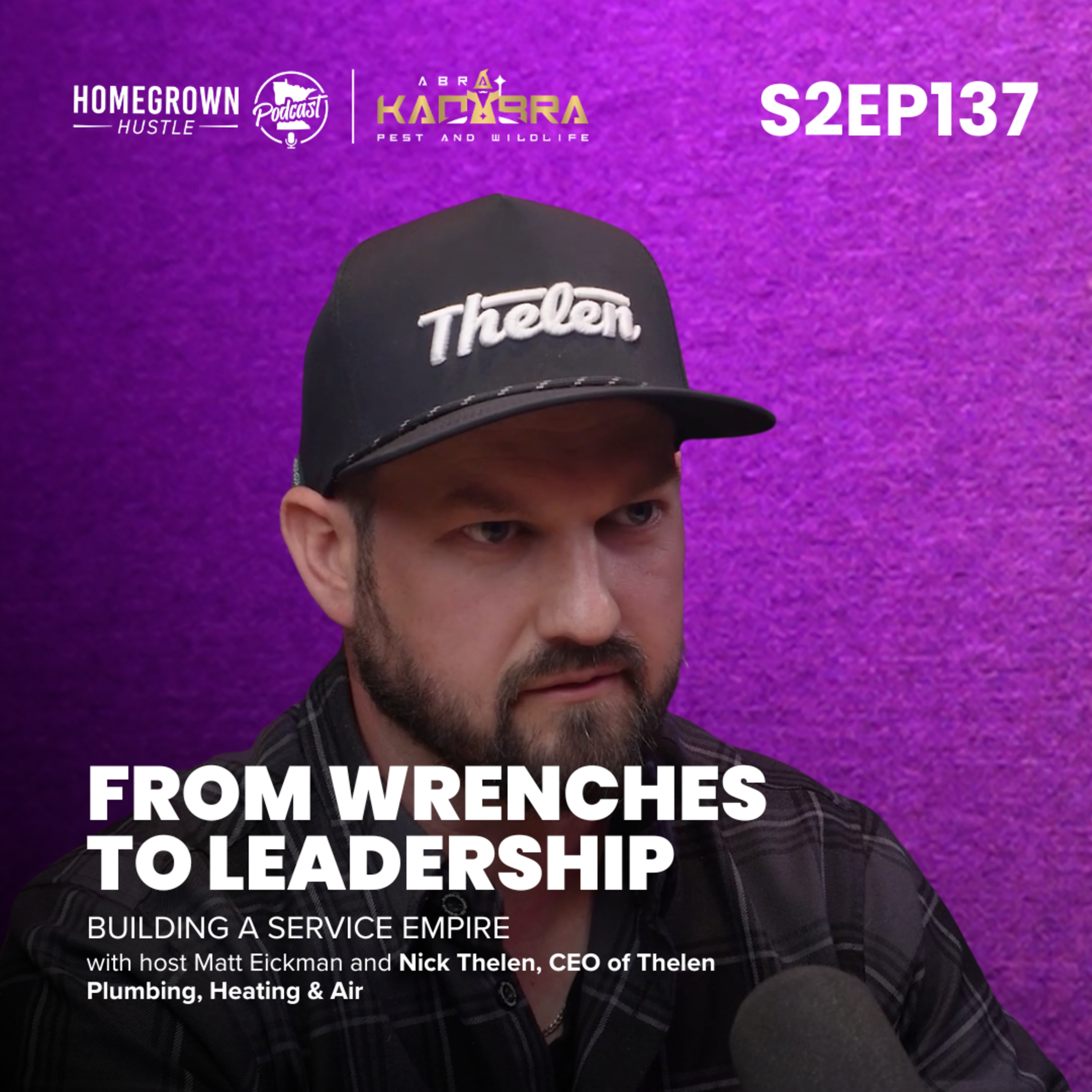
From Wrenches to Leadership: Building a Service Empire
Jun 19, 2026
Unknown duration
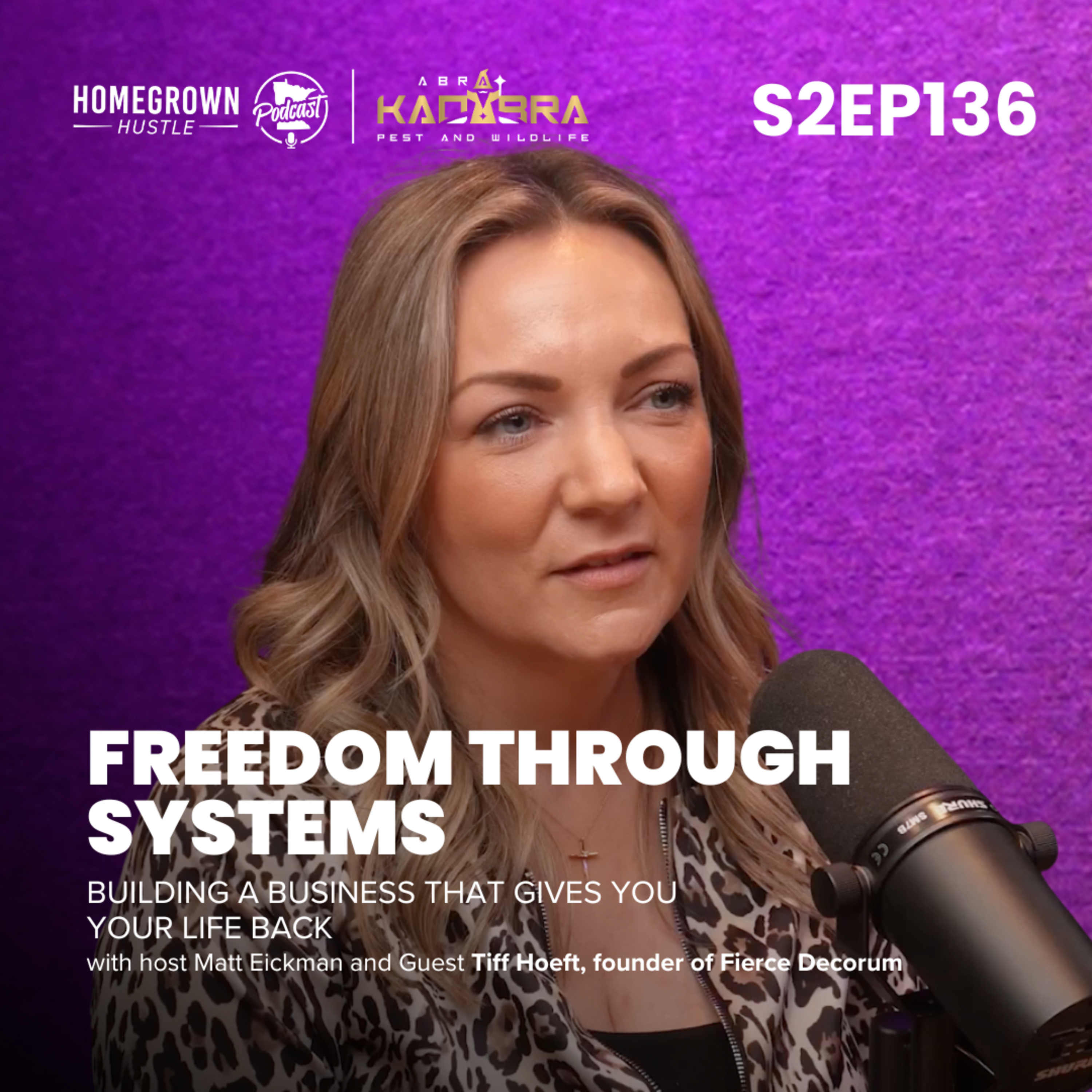
Freedom Through Systems: Building a Business That Gives You Your Life Back
Jun 12, 2026
56m 58s
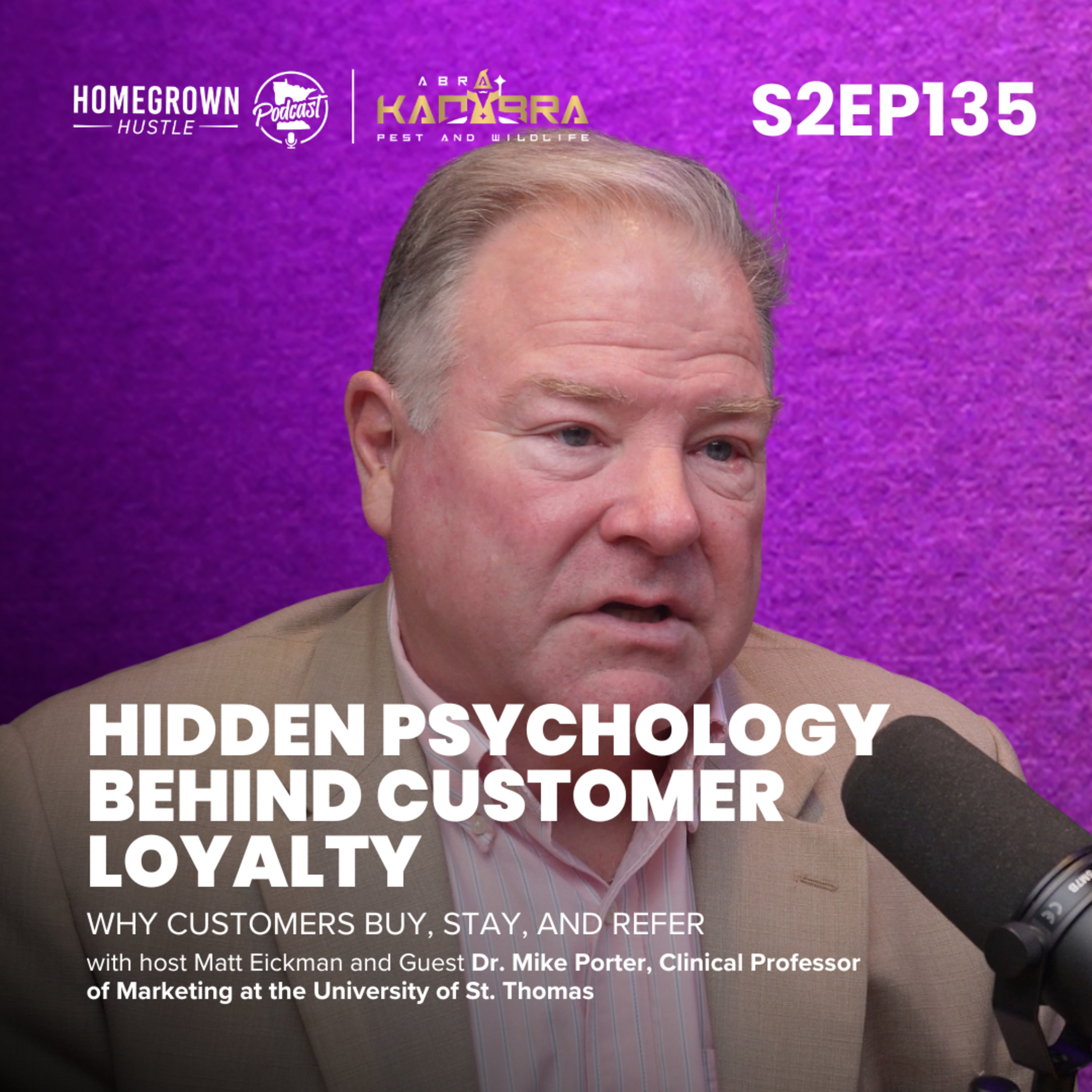
The Hidden Psychology Behind Customer Loyalty
Jun 5, 2026
54m 41s
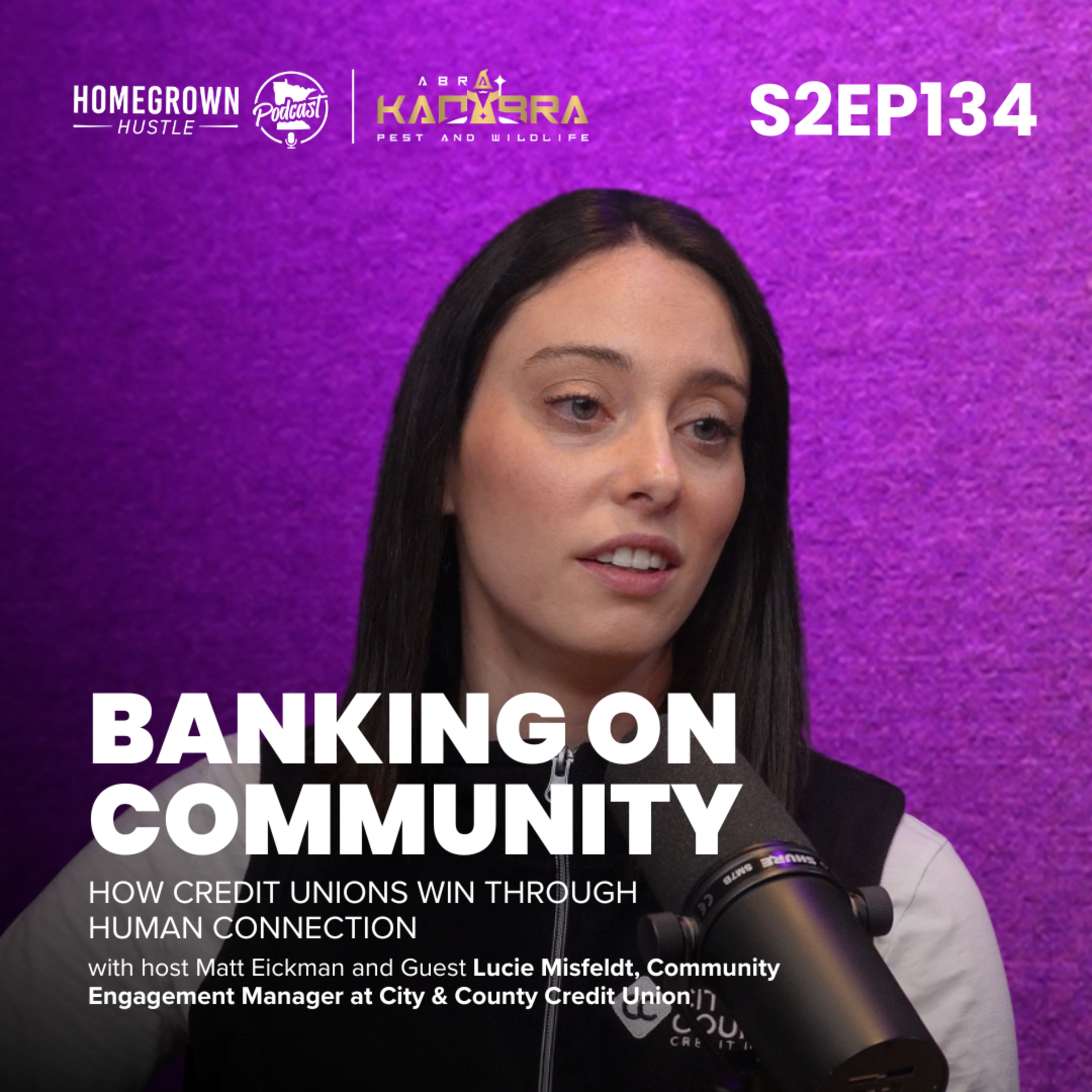
Banking on Community: How Credit Unions Win Through Human Connection
May 28, 2026
51m 30s
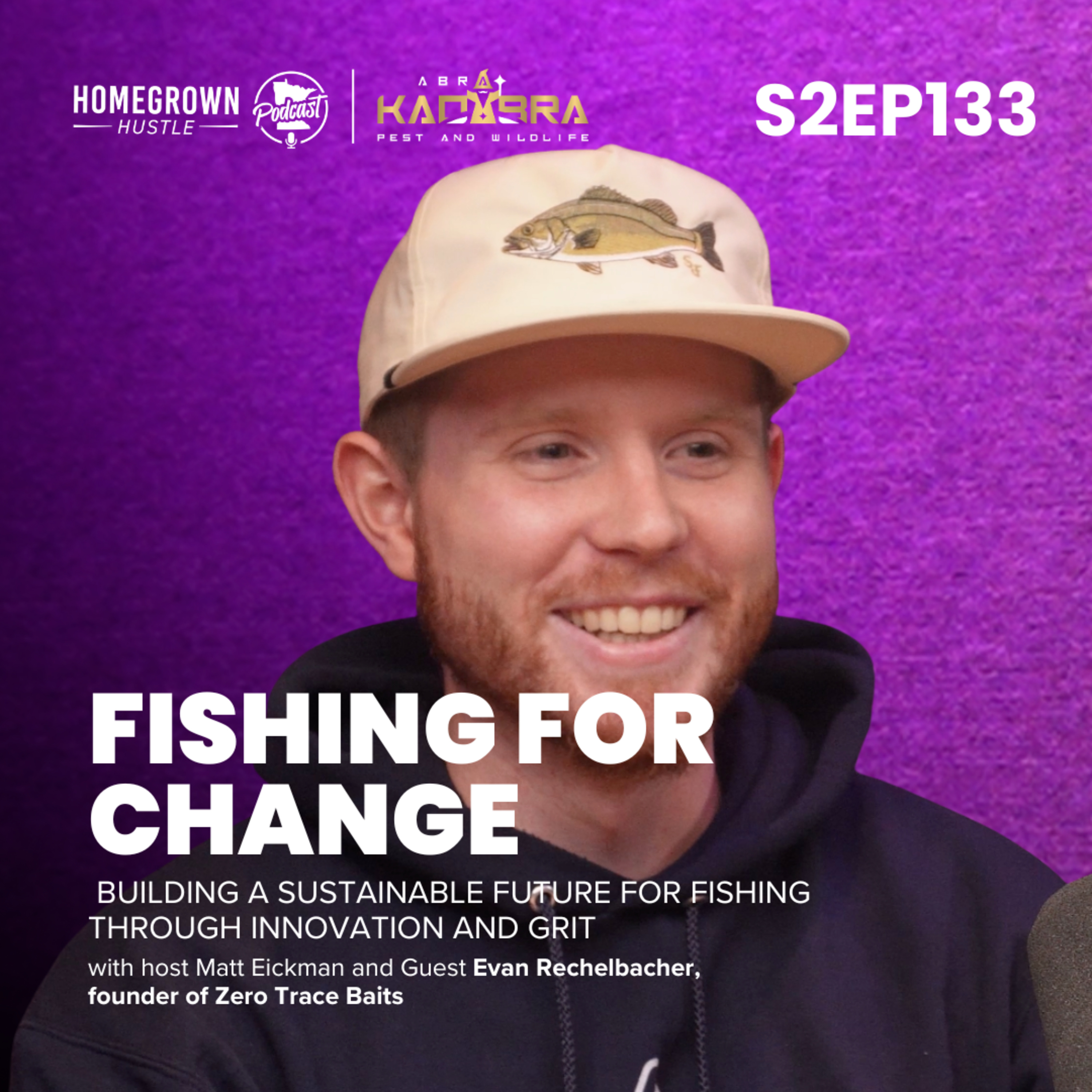
Fishing for Change: Building a Sustainable Future for Fishing Through Innovation and Grit
May 21, 2026
37m 15s
Social Links & Contact
Official channels & resources
Official Website
Login
RSS Feed
Login
| Date | Episode | Topics | Guests | Brands | Places | Keywords | Sponsor | Length | |
|---|---|---|---|---|---|---|---|---|---|
| 6/19/26 | ![]() From Wrenches to Leadership: Building a Service Empire | What separates a skilled tradesperson from a successful business owner? In this episode of Homegrown Hustle, Matt Eickman sits down with Nick Thelen, CEO of Thelen Plumbing, Heating & Air, to unpack the journey from working in the field to leading a rapidly growing home services company.Nick shares how the 2008 recession unexpectedly redirected his career path, ultimately leading him to launch and scale one of Minnesota's fastest-growing plumbing, heating, and air companies. The conversation explores leadership development, operational systems, outbound marketing strategies, customer retention, technician training, company culture, branding, and the realities of scaling a service business.Listeners will gain valuable insights into why traditional lead generation channels often fail, how customer relationship management can outperform paid advertising, and why investing in employee development creates sustainable competitive advantages. Nick also discusses the company's recent rebrand, succession planning, and his vision for building a long-term family business rather than pursuing private equity exits.Whether you're a trades professional, entrepreneur, or business leader, this episode provides a masterclass in building systems, developing people, and creating a service-first organization that scales.KEY TAKEAWAYS:Success in skilled trades does not automatically translate into business ownership success.Scaling requires transitioning from working in the business to working on the business.Customer retention and outbound engagement can outperform traditional paid advertising channels.Google Business Profile optimization remains one of the highest-ROI marketing channels for local service businesses.Consistent follow-up systems, including "happy calls," create powerful customer feedback loops.Leadership development requires intentional coaching and accountability structures.Investing in employee training increases retention, performance, and customer experience.Building specialized roles (technicians, comfort advisors, service managers) creates operational efficiency.Industry peer groups and mentorship can dramatically accelerate business growth.Rebranding involves much more than a logo—it impacts every operational and marketing asset.Family-owned businesses often prioritize legacy and long-term stewardship over private equity exits.Community involvement through youth sports sponsorships strengthens both brand awareness and local trust.CHAPTERS:GUEST RESOURCES:Instagram: https://www.instagram.com/nickthelen89/Website: CallThelen.com | — | ||||||
| 6/12/26 | ![]() Freedom Through Systems: Building a Business That Gives You Your Life Back✨ | entrepreneurshipbusiness systems+4 | Tiff Hoeft | Fierce Decorum | — | business growthsystems strategy+4 | — | 56m 58s | |
| 6/5/26 | ![]() The Hidden Psychology Behind Customer Loyalty✨ | customer loyaltymarketing psychology+4 | Dr. Mike Porter | University of St. Thomas | — | customer loyaltymarketing+4 | — | 54m 41s | |
| 5/28/26 | ![]() Banking on Community: How Credit Unions Win Through Human Connection✨ | credit unionscommunity engagement+3 | Lucie Misfeldt | City & County Credit Union | — | credit unionscommunity strategy+3 | — | 51m 30s | |
| 5/21/26 | ![]() Fishing for Change: Building a Sustainable Future for Fishing Through Innovation and Grit✨ | entrepreneurshipsustainability+4 | Evan Rechelbacher | Zero Trace BaitsUniversity of St. Thomas+1 | — | fishingbiodegradable baits+4 | — | 37m 15s | |
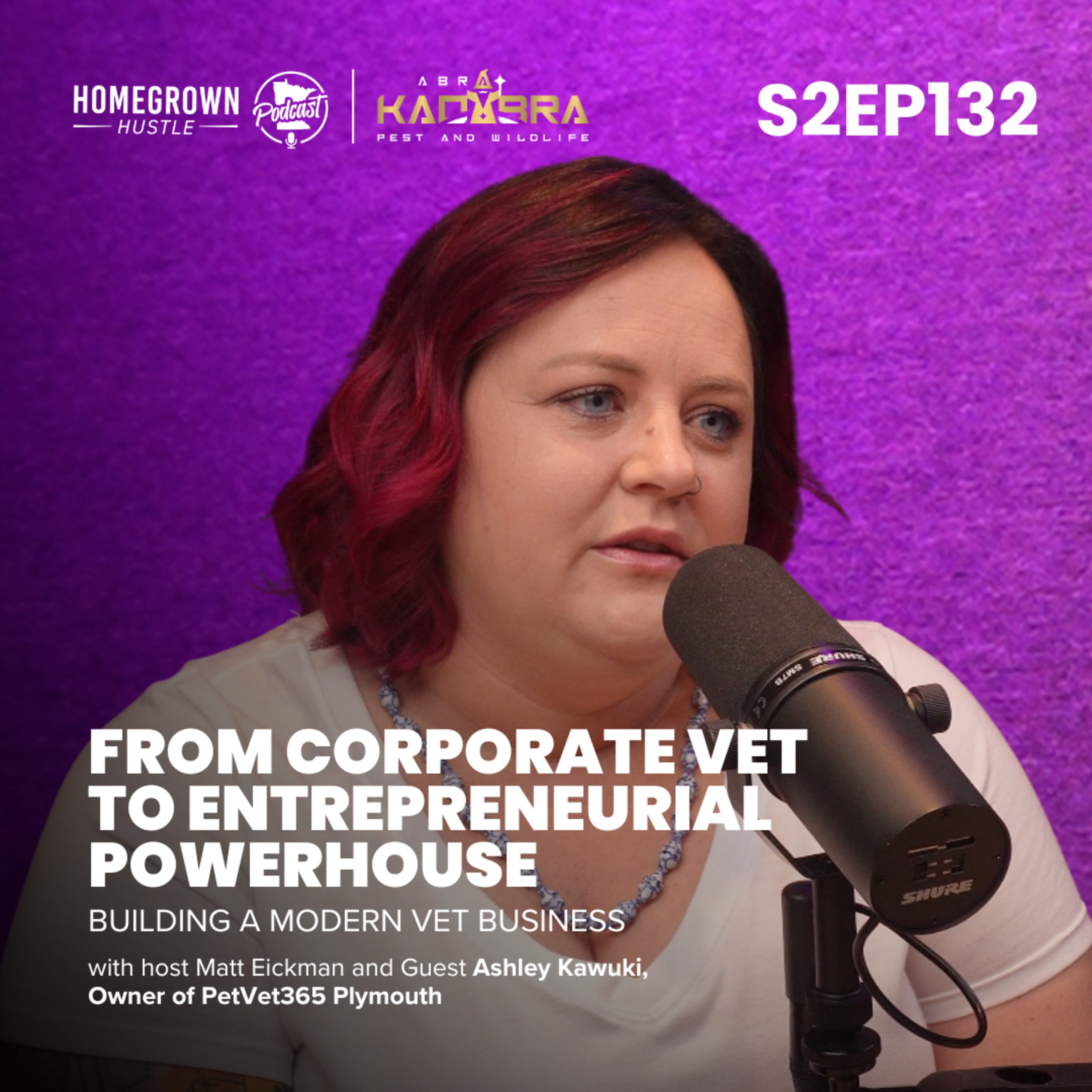
| 5/15/26 | ![]() From Corporate Vet to Entrepreneurial Powerhouse: Building a Modern Vet Business✨ | entrepreneurshipveterinary business+4 | Ashley Kawuki | PetVet365 Plymouth | Plymouth | entrepreneurshipveterinary medicine+5 | — | 40m 58s | |
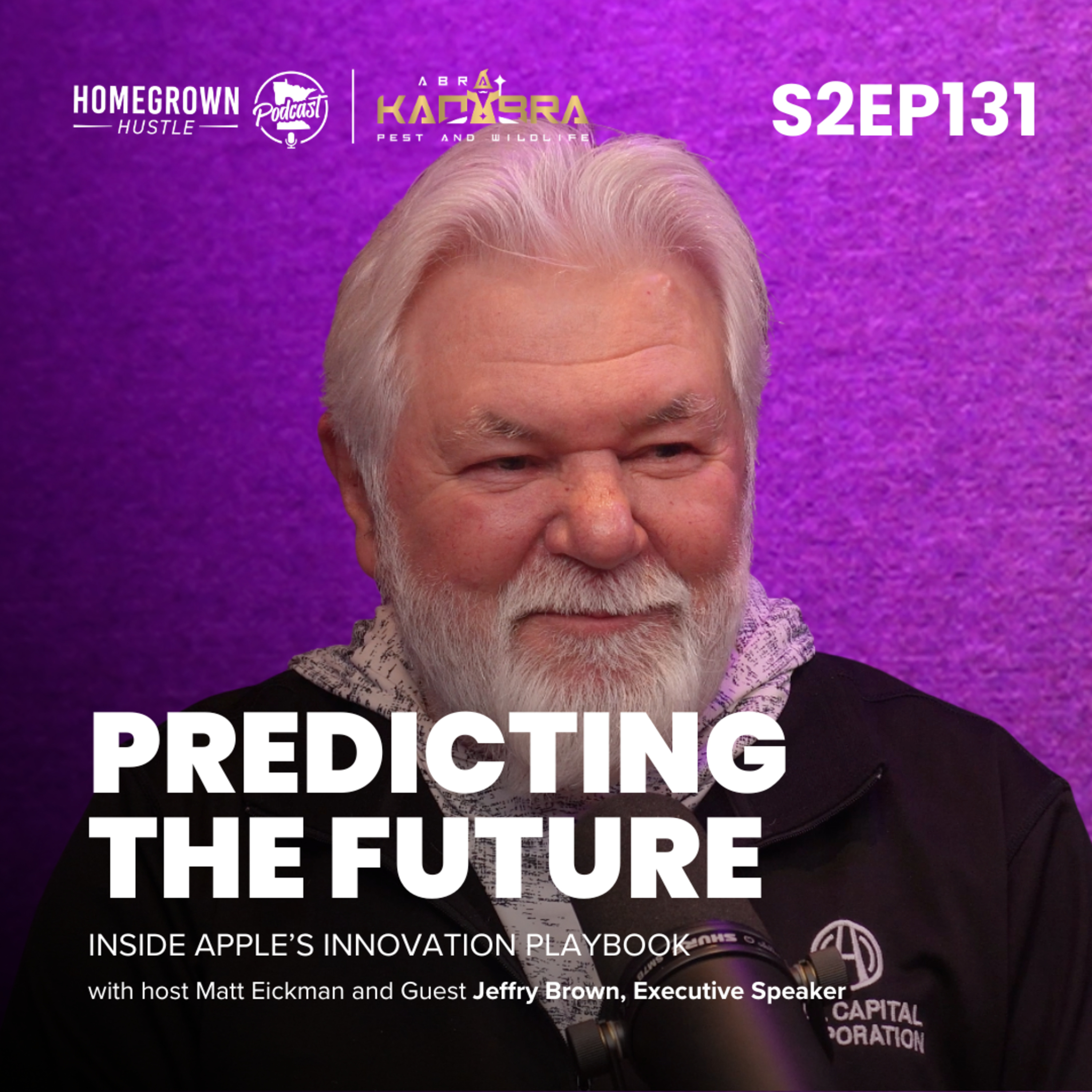
| 5/8/26 | ![]() Predicting the Future: Inside Apple’s Innovation Playbook✨ | innovationtechnology+4 | Jeffry Brown | Apple | — | innovation adoptionexperience design+5 | — | 1h 02m 34s | |
| 5/1/26 | ![]() AI Will Cost You Millions If You Ignore This: Cybersecurity & AI Risks Every Business Owner Must Understand✨ | cybersecurityartificial intelligence+5 | Kevin Remde | CMIT Solutions of the Twin Cities WestMicrosoft | — | AI riskscybersecurity+5 | — | 41m 11s | |
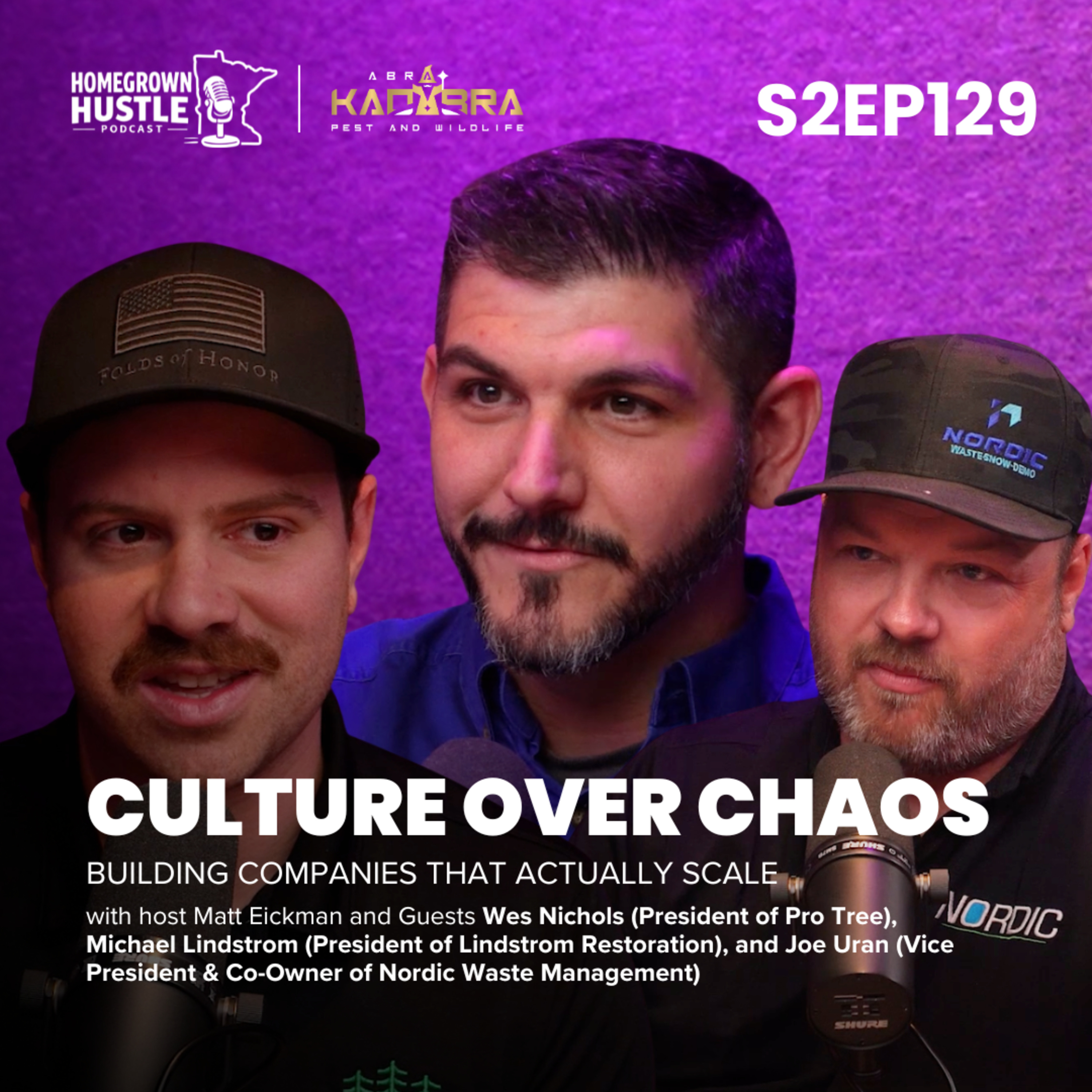
| 4/24/26 | ![]() Culture Over Chaos: Building Companies That Actually Scale✨ | scaling blue-collar businessesorganizational design+4 | Wes NicholsMichael Lindstrom+1 | Pro TreeLindstrom Restoration+1 | — | scalingblue-collar+5 | — | 1h 06m 58s | |
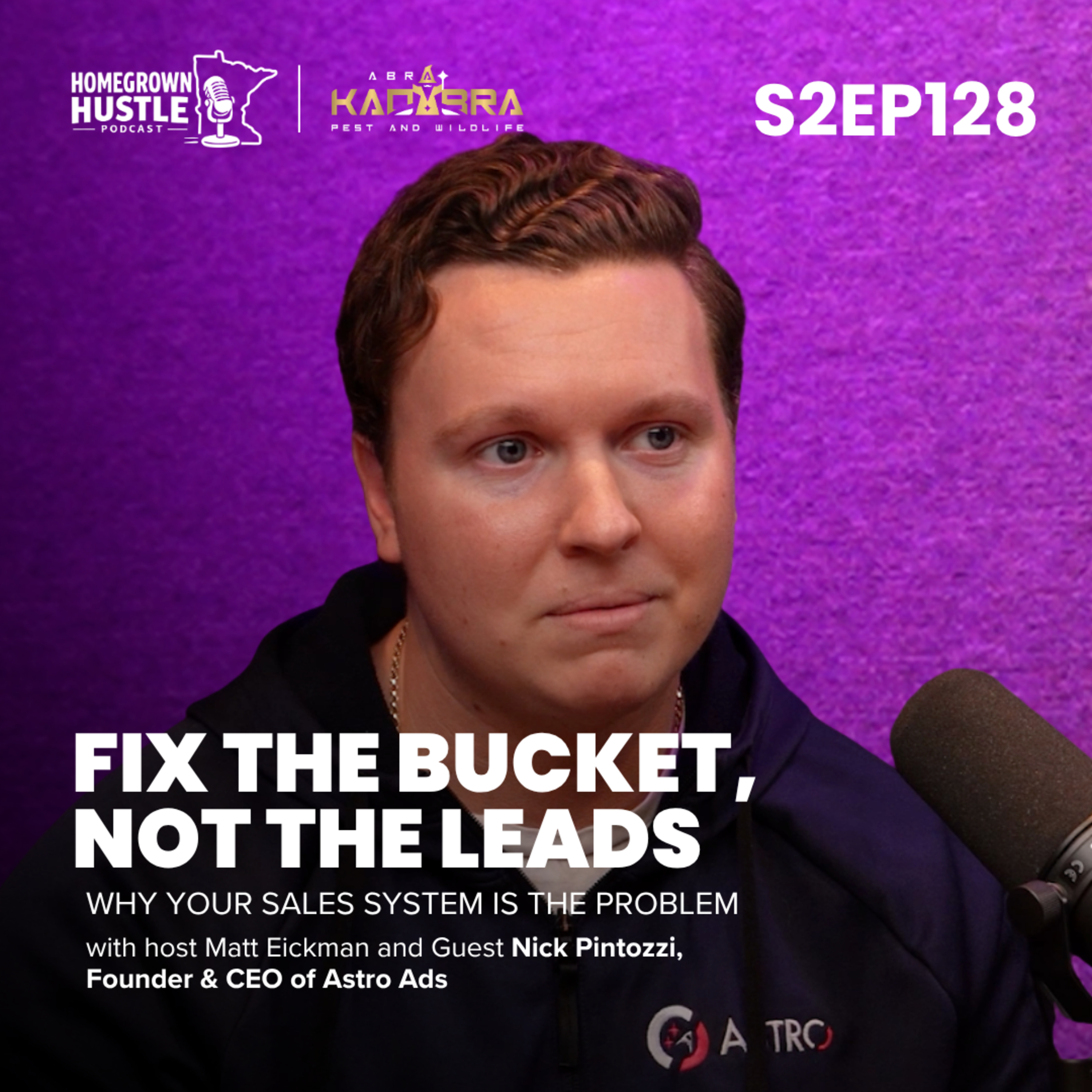
| 4/17/26 | ![]() Fix the Bucket, Not the Leads: Why Your Sales System Is the Problem✨ | sales systemsbusiness growth+4 | Nick Pintozzi | Astro Ads | — | conversion rateslead problem+4 | — | 49m 40s | |
Want analysis for the episodes below?Free for Pro Submit a request, we'll have your selected episodes analyzed within an hour. Free, at no cost to you, for Pro users. | |||||||||
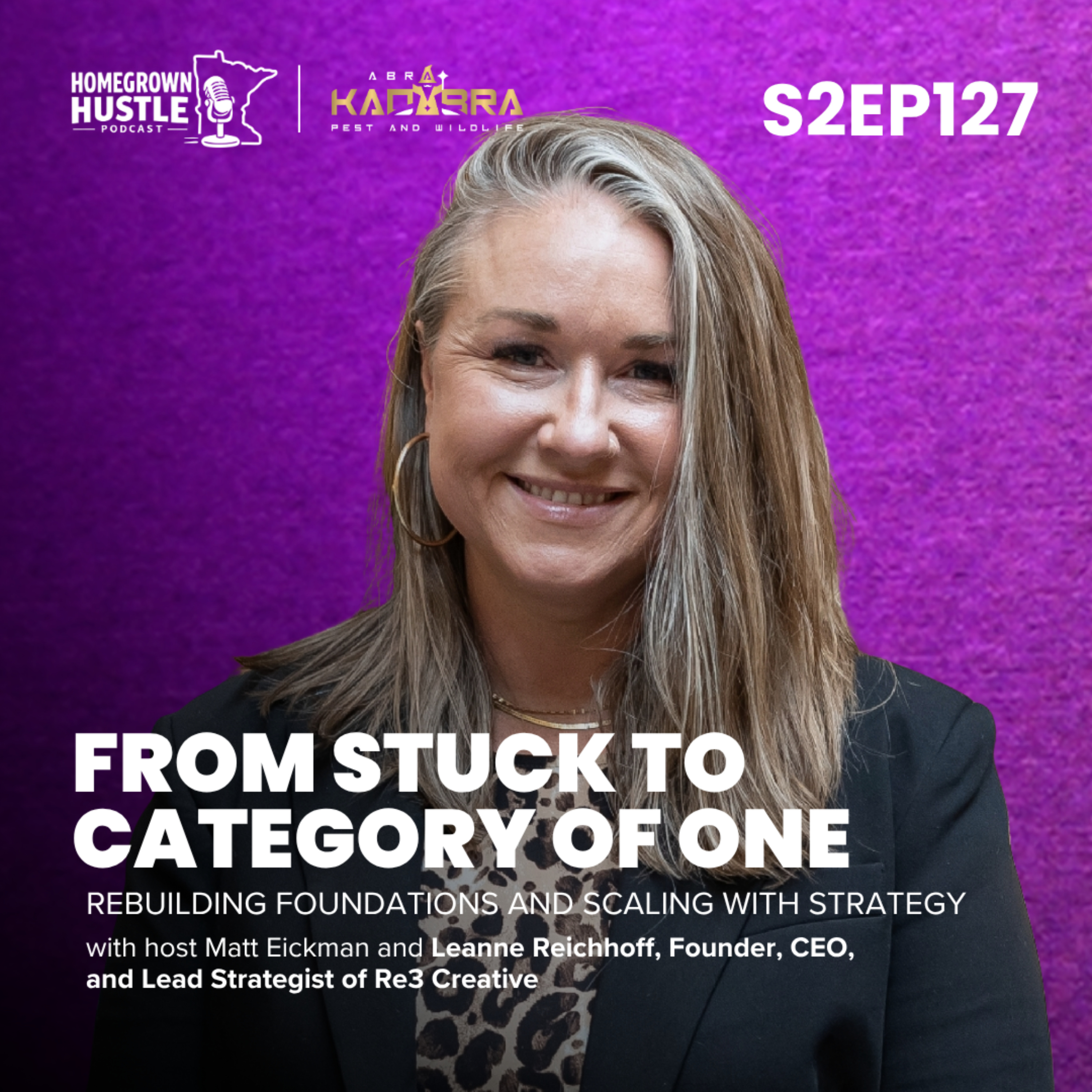
| 4/9/26 | ![]() From Stuck to Category of One: Rebuilding Foundations, Reclaiming Clarity, and Scaling with Strategy✨ | business stagnationstrategic clarity+4 | Leanne Reichhoff | Re3 Creative | — | business growthfoundational alignment+6 | — | 58m 30s | |
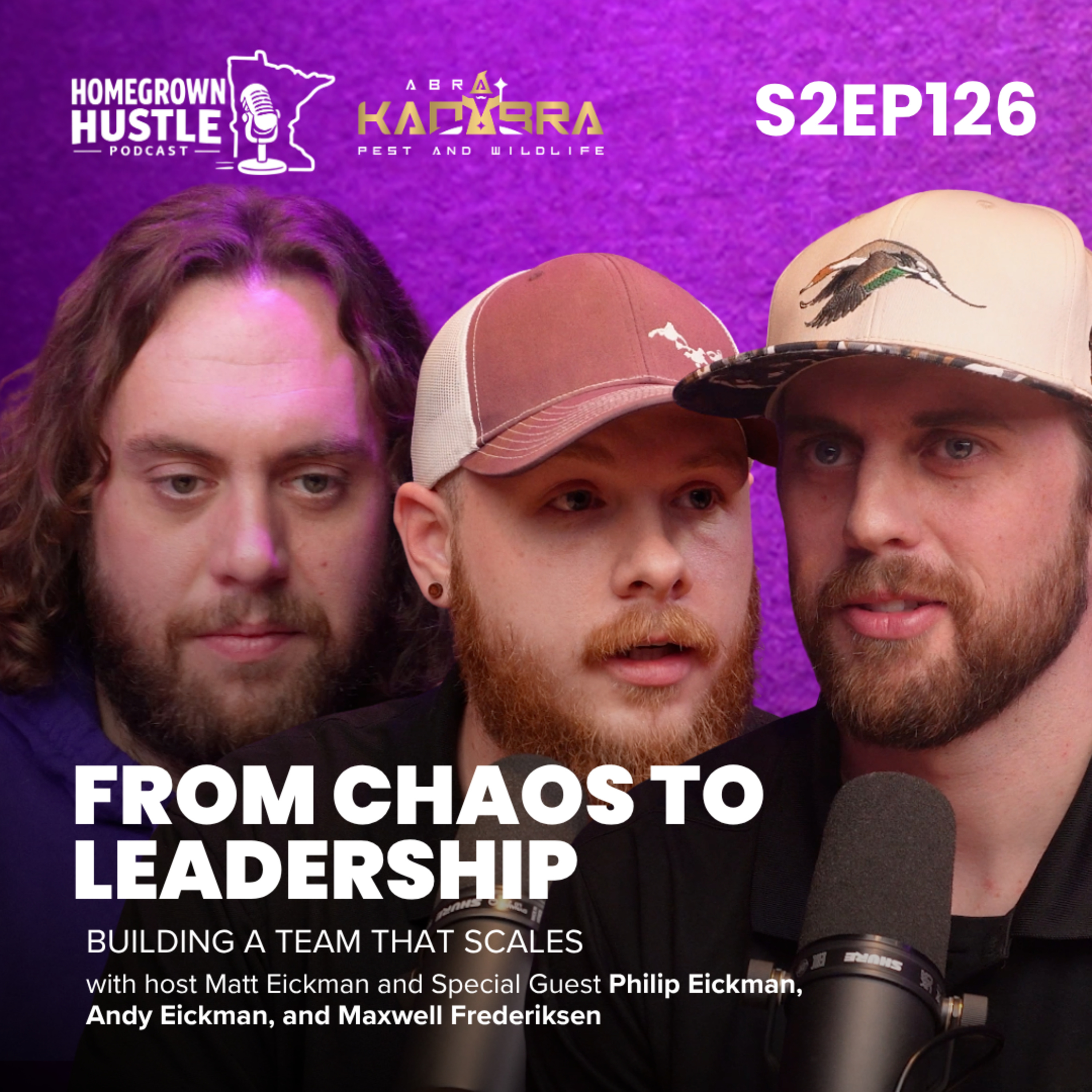
| 4/3/26 | ![]() From Chaos to Leadership: Building a Team That Scales✨ | leadershipteam building+4 | Philip EickmanAndy Eickman+1 | Abra Kadabra | — | leadership developmentscalable teams+4 | — | 59m 36s | |
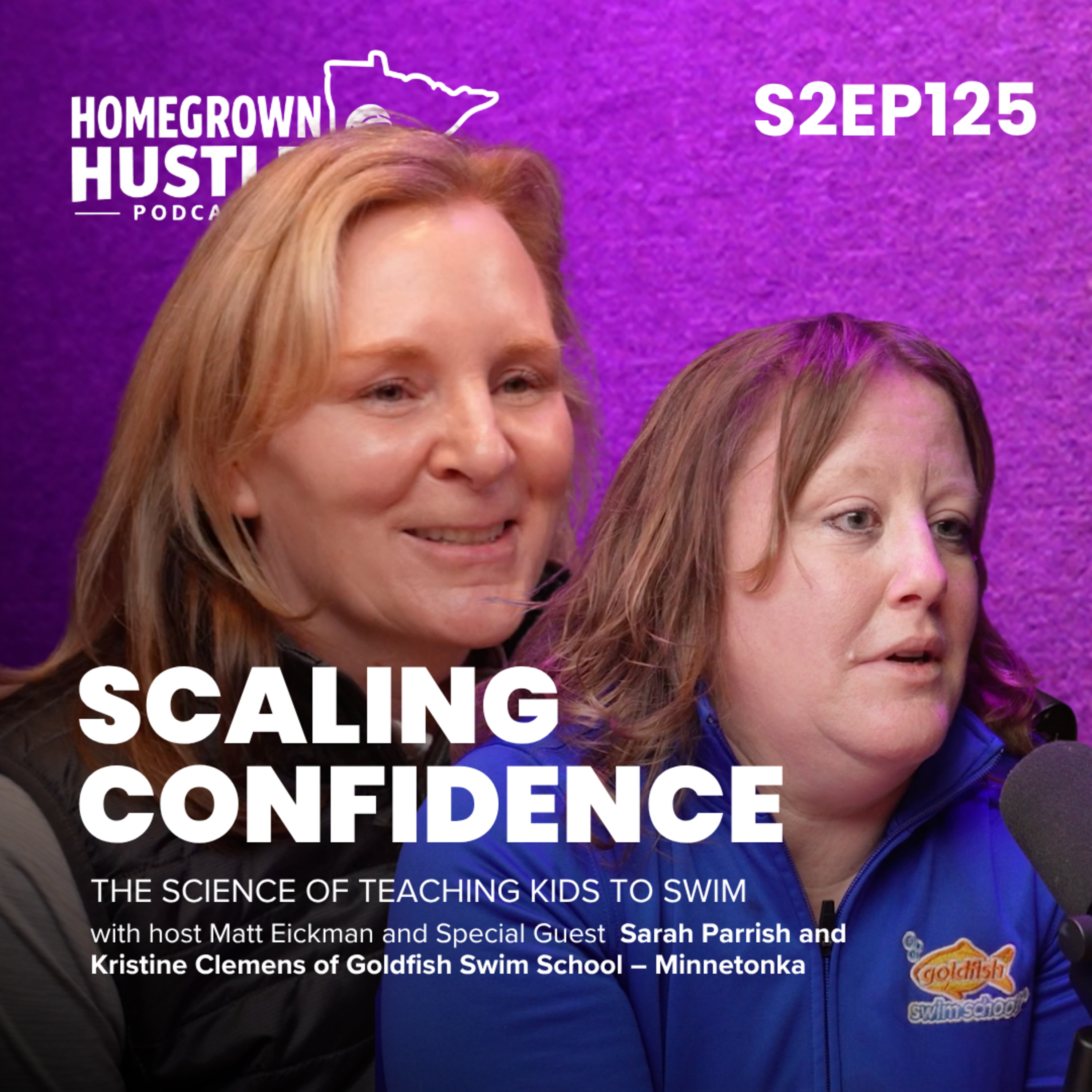
| 3/27/26 | ![]() Scaling Confidence: The Science of Teaching Kids to Swim✨ | child developmententrepreneurship+5 | Sarah ParrishKristine Clemens | Goldfish Swim School | Minnetonka | swimming lessonsguided play+5 | — | 45m 24s | |
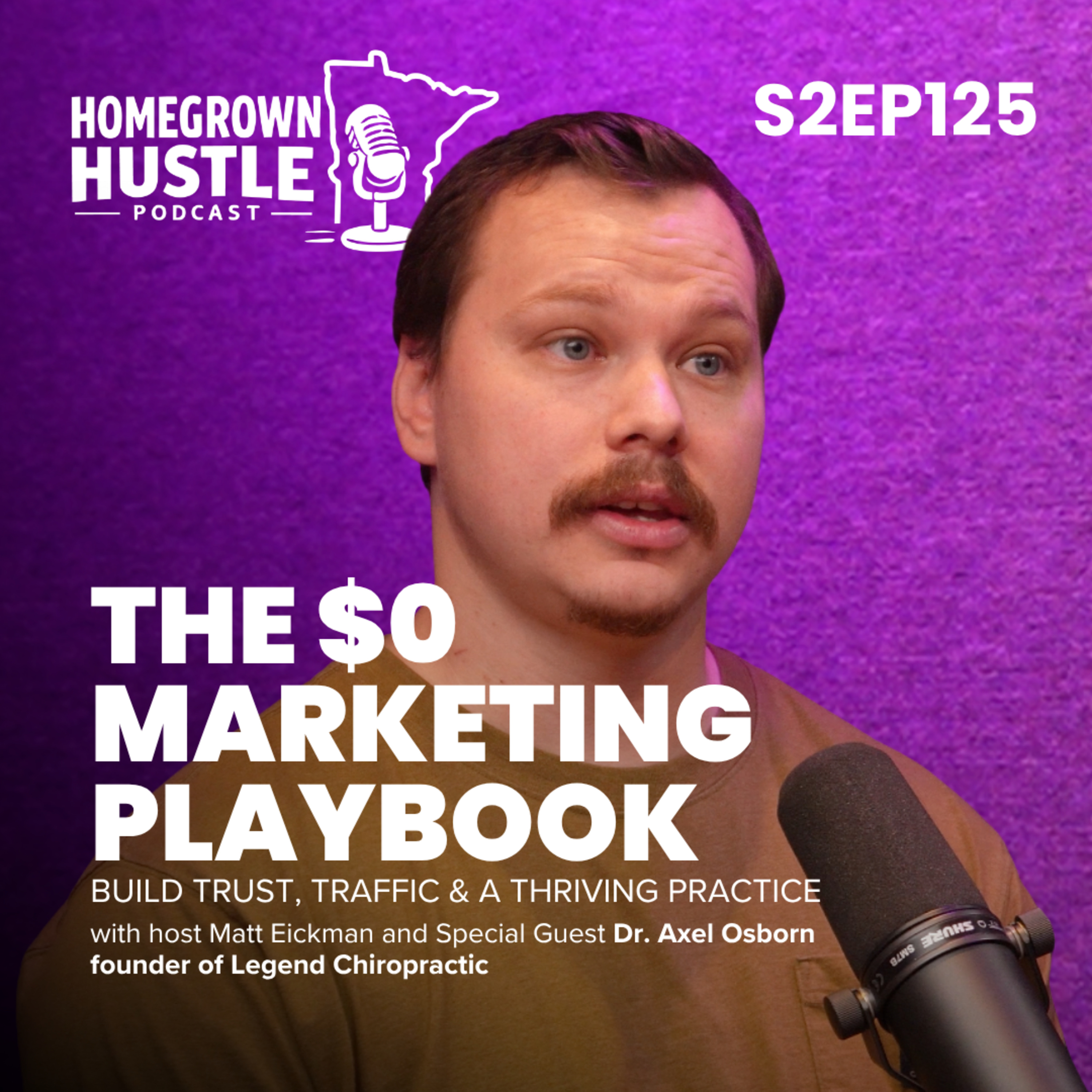
| 3/20/26 | ![]() The $0 Marketing Playbook: Build Trust, Traffic & a Thriving Practice✨ | neurological chiropractic carebusiness growth strategy+4 | Dr. Axel Osborn | Legend Chiropractic Excelsior | — | chiropractic carebusiness growth+4 | — | 53m 56s | |
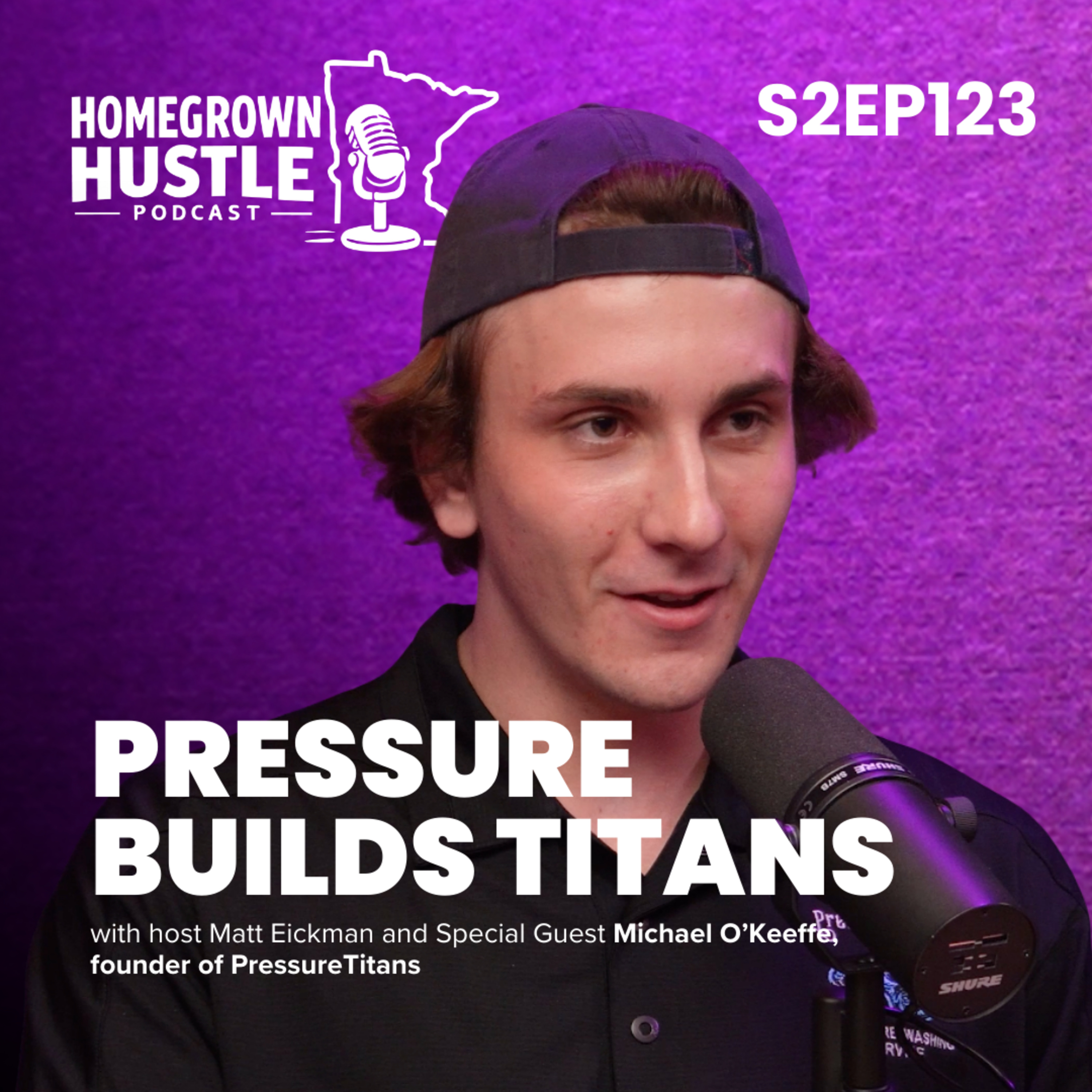
| 3/13/26 | ![]() Pressure Builds Titans✨ | entrepreneurshipservice business+5 | Michael | Homegrown Hustle | pressure washing industrylocal service+5 | pressure washingservice business+5 | — | 44m 28s | |
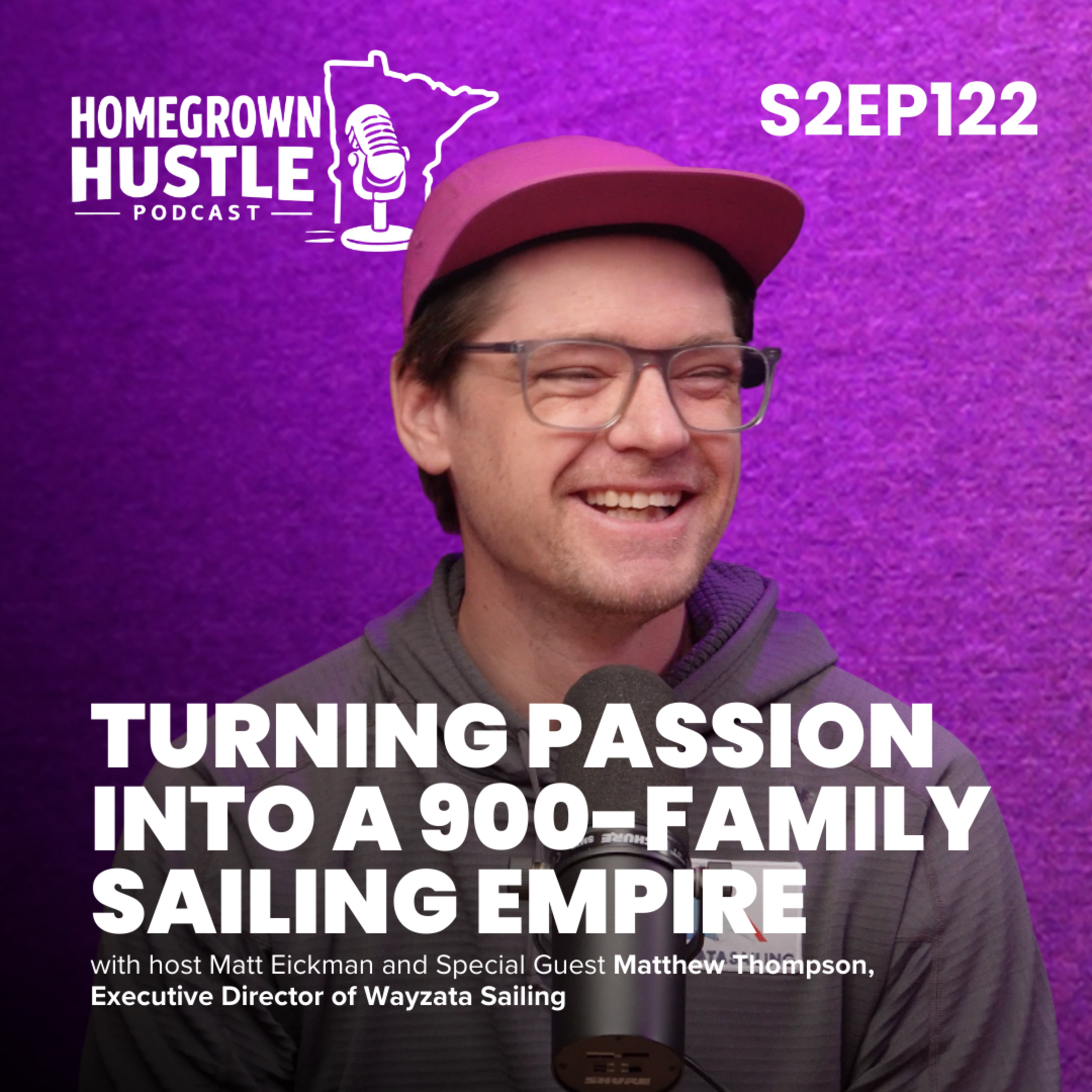
| 3/6/26 | ![]() Turning Passion Into a 900-Family Sailing Empire✨ | nonprofit leadershipentrepreneurship+4 | Matthew Thompson | Wayzata Sailing | — | sailingnonprofit+5 | — | 45m 24s | |
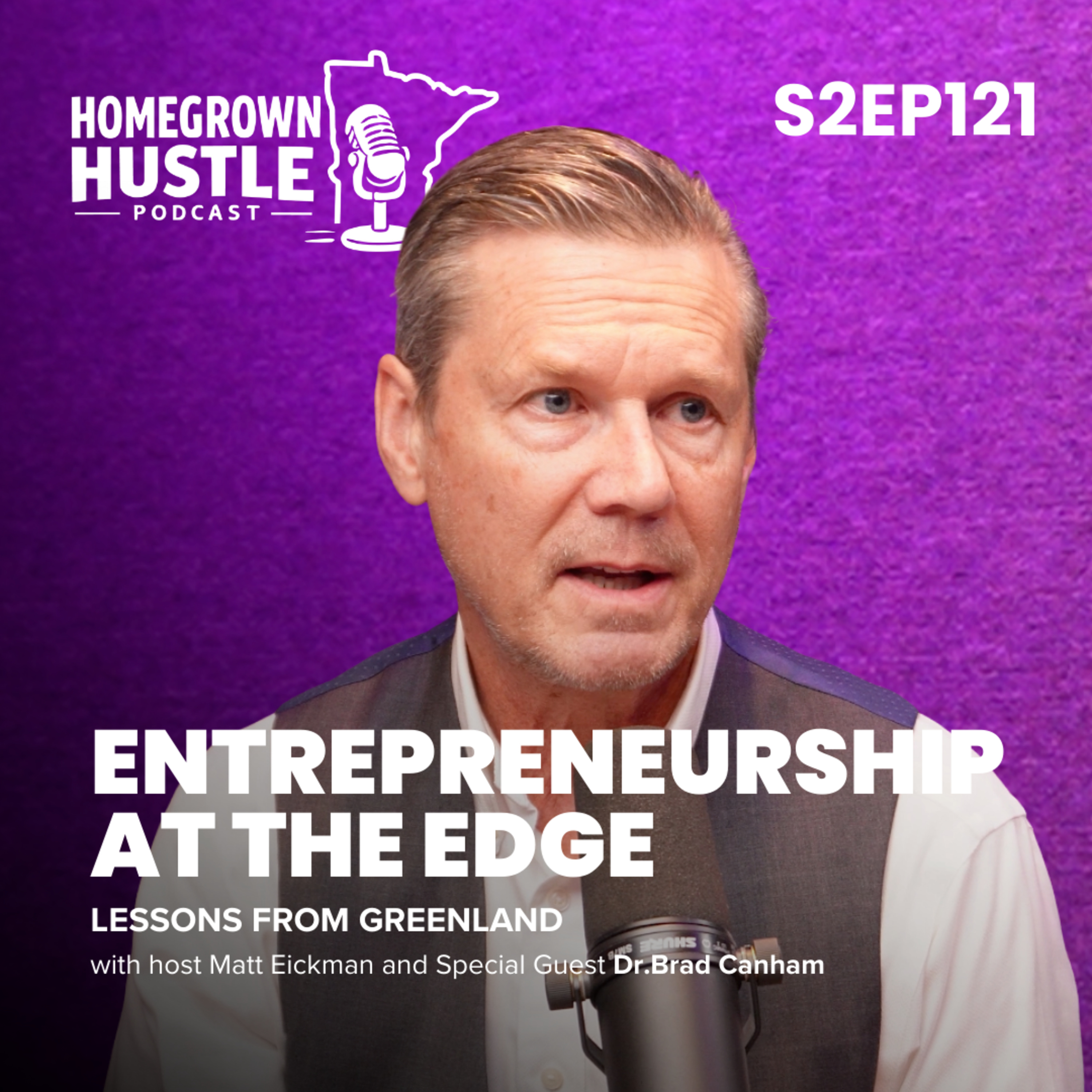
| 2/27/26 | ![]() Entrepreneurship at the Edge: Lessons from Greenland✨ | entrepreneurshipgeopolitics+4 | Dr. Brad Canham | Inuit | GreenlandNuuk | entrepreneurshipGreenland+5 | — | 41m 46s | |
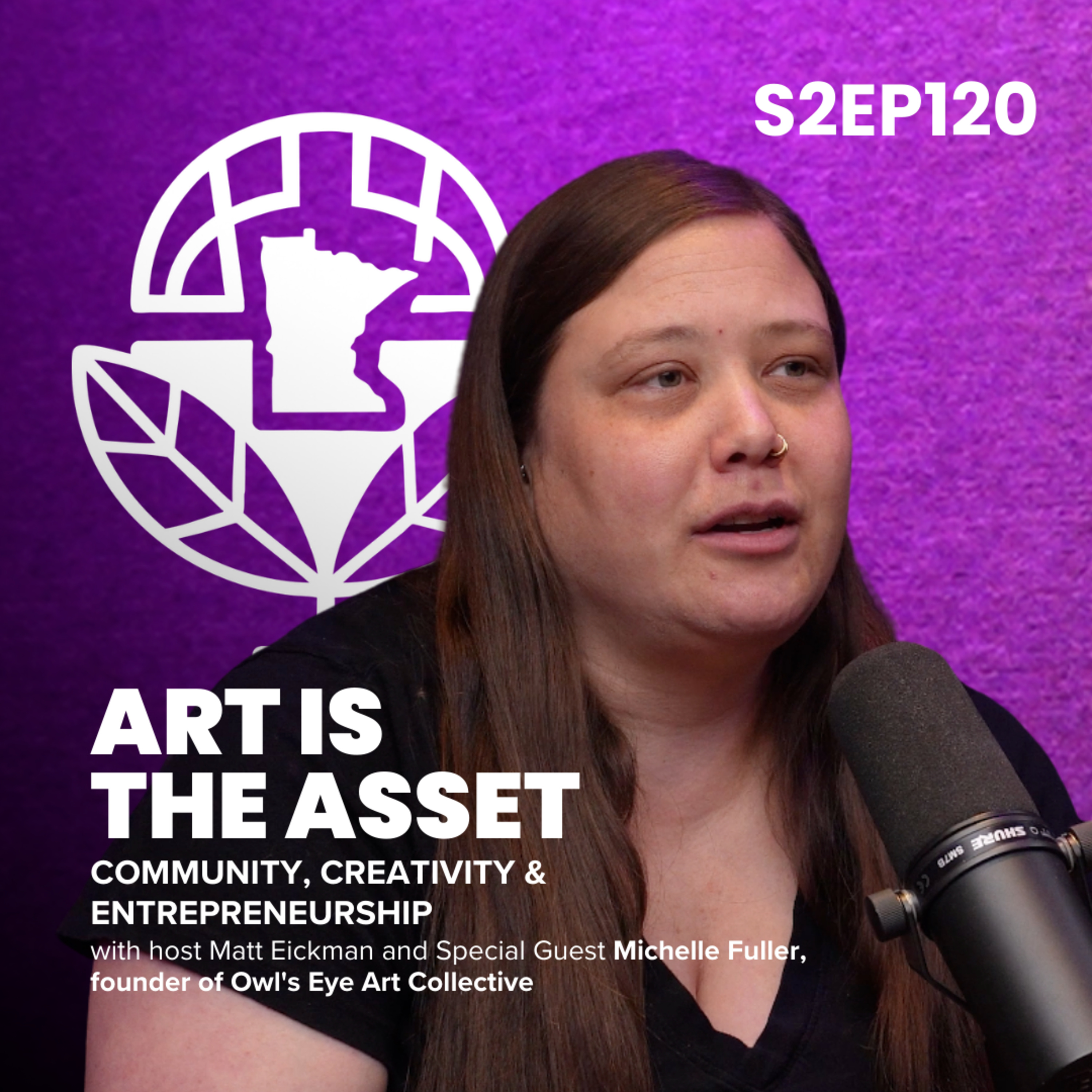
| 2/20/26 | ![]() Art Is the Asset - Community, Creativity & Entrepreneurship✨ | art and communityentrepreneurship+4 | Michelle Fuller | Owl's Eye Art Collective | Saint Paul’s Lowertown Arts District | artcommunity+5 | — | 28m 35s | |
| 2/13/26 | ![]() The Social Illusion: Strategy Over Hype | SUMMARY:In this PhD-level masterclass on modern marketing communications, Dr. Mike Porter, Clinical Professor of Marketing at the University of St. Thomas, joins host Matt Eickman to deconstruct the strategic realities behind social media. Moving beyond surface-level tactics, Dr. Porter reframes social media within the PESO model (Paid, Earned, Shared, Owned) and challenges entrepreneurs to rethink how awareness, persuasion, and conversion truly function.This episode explores the psychological architecture of communication, the economics of attention, generational segmentation, voice consistency, authenticity, influencer dynamics, reputation management, competitor response strategy, and the difference between tactical noise and strategic intent.For entrepreneurs who feel pressured to “be everywhere” on social, this conversation provides clarity: social media is not the destination — it is a conduit. The objective is not virality. The objective is movement — from awareness to belief to action — within a system you control.KEY TAKEAWAYS:The PESO Model (Paid, Earned, Shared, Owned) provides a strategic framework for placing social media in context — and social should ultimately drive to owned assets.Social media is shared space, not controlled space. You control what you post — not how others respond.Not every business needs every platform. Start with your audience, not the algorithm.Messaging must evolve across segments, but voice must remain consistent.Authenticity outperforms polish. A genuine imperfect message to the right audience beats a perfect message to the wrong one.Awareness → Opinion → Belief → Action is the persuasion pathway. Social typically operates in the awareness and early persuasion stages.You cannot fully educate in one social post — use social as a bridge to deeper owned content.There is a strategic difference between doing nothing and choosing to do nothing.Anticipate competitor response and detractors before entering a conversation.Businesses can separate brand promotion content from industry reputation-building content.Analytics are accessible — but business owners don’t have to master them personally. Leverage young talent or strategic partnerships.Perfection is not required. Alignment is.CHAPTERS:00:00 – Introduction: Why Social Media Isn’t What You Think It Is01:17 – The PESO Model Explained (Paid, Earned, Shared, Owned)04:00 – Audience First: Platform Choice as a Strategic Decision06:45 – Messaging Across Segments Without Losing Brand Voice09:52 – Authenticity vs. Artifice in Social Communication14:03 – Large Companies & The Authenticity Dilemma16:10 – The Awareness → Belief → Purchase Continuum20:29 – Competitors, Detractors & Strategic Response Planning23:20 – Education vs. Entertainment in Social Media26:01 – Journalism, Bias & Credibility in the Digital Age27:23 – Building Industry Reputation Alongside Brand Reputation30:01 – Tactical Questions vs. Strategic Thinking31:31 – Analytics for Entrepreneurs: Start Small, Think Smart33:44 – Final Thoughts: Alignment Over PerfectionGUEST RESOURCES:Linkedin: https://www.linkedin.com/in/dr-mike-porter-apr-fellow-prsa-he-him-2a033/Website: https://researchonline.stthomas.edu/esploro/profile/mike_porter/overview | — | ||||||
| 2/6/26 | ![]() Reputation Is Currency: How Stakeholder Perception Builds (or Breaks) Your Business | SUMMARY:In this deep-dive episode of Homegrown Hustle, host Matt Eickman sits down with Dr. Mike Porter, Clinical Professor of Marketing at the University of St. Thomas, to unpack the real mechanics of reputation management—beyond buzzwords and surface-level branding.Drawing from decades of experience in public relations, marketing strategy, and MBA education, Dr. Porter explains why reputation is not what you say—it’s what stakeholders believe, and how businesses of all sizes must strategically manage perceptions across customers, employees, media, competitors, and even regulators.This episode explores the PESO Model (Paid, Earned, Shared, Owned media), the difference between brand and reputation, how word-of-mouth actually works, why targeting everyone is a losing strategy, and how reputation directly translates into financial goodwill and long-term business value. Essential listening for founders, executives, marketers, and anyone building something that needs trust to scale.KEY TAKEAWAYS:Reputation is the management of stakeholder perceptions, not marketing slogansBrand is what you want people to believe; reputation is what they actually believeEvery employee influences reputation—not just customer-facing rolesThe PESO Model explains how paid, earned, shared, and owned media must work togetherWord-of-mouth must be earned, engineered, and supported by strategyTargeting everyone weakens reputation—focus on high-value stakeholdersEarned media and third-party credibility outperform self-promotionReputation directly impacts business valuation and goodwillBuying a business means inheriting its reputation—good or badPersonal reputation compounds over time, especially in tight business ecosystemsCHAPTERS:00:00 – Welcome to Homegrown Hustle00:41 – Meet Dr. Mike Porter & His Background01:22 – What Is Reputation Management?02:41 – Defining Stakeholders (It’s More Than Customers)04:12 – The PESO Model Explained (Paid, Earned, Shared, Owned)06:17 – Employees, Culture, and Internal Reputation07:02 – Why Word-of-Mouth Is Not a Strategy by Itself08:16 – Strategy vs. Tactics in Marketing Communication10:15 – Reputation for New Businesses: You Never Start at Zero12:24 – Why You Shouldn’t Try to Influence Everyone13:19 – Traditional PR vs. Influencers and Social Media15:00 – Credibility, Earned Media, and Third-Party Trust17:01 – Driving Traffic to Owned Media for Conversion18:21 – Creating an Environment That Enables Sales19:52 – Scaling Marketing as Businesses Grow21:34 – Reputation, Relationships, and Market Dynamics23:39 – Personal Reputation in Business Communities25:04 – Buying a Business and Inheriting Reputation26:15 – Goodwill, Valuation, and Reputation as an Asset27:19 – Learning From Lost Customers28:26 – Prioritizing the Stakeholders That Matter Most29:43 – Brand vs. Reputation (Mic Drop Moment)30:03 – Closing Thoughts & What’s NextGUEST RESOURCES:Linkedin: https://www.linkedin.com/in/dr-mike-porter-apr-fellow-prsa-he-him-2a033/Website: https://researchonline.stthomas.edu/esploro/profile/mike_porter/overview | — | ||||||
| 1/30/26 | ![]() Build Before You Plan: The One-Page Business Model That Actually Works | SUMMARY:In this episode of Homegrown Hustle, host Matt Eickman welcomes back Dr. Brad Canham for a deep, practitioner-meets-academic breakdown of why traditional business plans often fail entrepreneurs—and what to do instead. Anchored in the Business Model Canvas, the conversation explores effectuation, customer discovery, value propositions, and the emotional realities behind purchasing decisions. Dr. Canham bridges entrepreneurship theory with real-world application, demonstrating how founders can move faster, learn earlier, and design businesses around customers rather than assumptions. From pricing psychology and qualitative customer interviews to organizational power dynamics and scaling realities, this episode reframes entrepreneurship as action-oriented sensemaking—not prediction.KEY TAKEAWAYS:Traditional multi-page business plans are often obsolete before they’re finished; early-stage founders need action, not over-planningThe Business Model Canvas offers a holistic, one-page framework that aligns customer needs with business capabilitiesEntrepreneurship operates through effectuation—building with available means and small commitments rather than fixed end goalsThe value proposition sits at the center of the business and must prioritize customer problems, not founder passionCustomer discovery conversations should focus on emotional, social, and functional pain—not sellingPricing clarity emerges through real dialogue, not competitor copying or internal assumptionsQualitative insights (language, emotion, behavior) often outperform quantitative data in early validationAs companies scale, organizational structure and power dynamics can suppress critical frontline knowledgeMature businesses benefit from traditional planning—but only after stability and scale are achievedCHAPTERS:00:00 – Welcome Back & The State of Entrepreneurship02:45 – Why Business Plans Fail Early-Stage Founders04:40 – Introduction to the Business Model Canvas06:30 – Effectuation vs. Prediction: How Entrepreneurs Actually Build08:25 – Understanding the Value Proposition (The Center of the Canvas)11:10 – Entrepreneurship vs. Corporate Management14:05 – From Startup to Scale-Up: When Structure Becomes Necessary17:15 – Cost Structure, Pricing, and Customer Willingness to Pay20:00 – Customer Discovery: Talking Without Selling23:30 – Emotional & Social Drivers Behind Buying Decisions27:00 – Truth, Attention, and Ethical Marketing30:20 – Educating the Unaware Customer34:45 – Crafting Value Propositions That Convert38:10 – Founder Bias, Power Dynamics, and Subjugated Knowledge43:30 – Creating Feedback Loops Inside Growing Organizations46:00 – Final Framework & Closing ThoughtsGUEST RESOURCES:Linkedin: https://www.linkedin.com/in/bradcanham/ | — | ||||||
| 1/23/26 | ![]() Scaling with Intent: Business Development, Leadership, and Sustainable Growth | SUMMARY:In this high-level conversation, host Matt Eickman sits down with Umut Kaplan, Director of Business Development at Coccinella, to unpack what real growth looks like behind the scenes. Moving beyond surface-level sales tactics, Umut explores strategic partnerships, long-term value creation, and the mindset required to scale organizations sustainably. Drawing from real-world leadership experience, the episode dissects how modern business development intersects with culture, systems thinking, and disciplined execution. This conversation is a masterclass in intentional growth for operators, founders, and executives navigating complexity at scale.KEY TAKEAWAYS:Business development is a long-term value creation function, not just salesSustainable growth requires alignment between strategy, culture, and executionStrategic partnerships outperform transactional relationships over timeLeadership clarity directly impacts scalability and team performanceSystems thinking is essential when operating in high-growth environmentsGrowth without operational discipline introduces hidden riskThe best BD leaders think like owners, not closersCHAPTERS:00:00 The Importance of Thoughtful Gifting02:51 Origin Story of Coach Nella05:39 Cultural Exchange and Its Impact08:49 Family Background and Entrepreneurial Spirit11:31 Understanding Olive Oil Consumption14:27 Quality vs. Quantity in Olive Oil17:25 Educating Consumers Through Tasting Events19:31 Exploring the Olive Oil Industry22:28Quality Standards in Olive Oil Production25:49 The Evolution of Olive Oil Offerings29:24 Corporate Gifting and Customer Relationships34:02 The Importance of Personalization in Gifting39:04 Standards of Excellence in Business43:57 Lessons from Family Values48:39 Starting a Product Business: Key Insights53:13 The True Meaning of Hustle58:06 Building Relationships and TrustGUEST RESOURCES:Linkedin: https://www.linkedin.com/in/umut-kaplan-0222ba149/Instagram: https://www.instagram.com/coccinella_usa/?hl=enWebsite: https://www.coccinellastore.com/Facebook: https://www.facebook.com/CoccinellaUSA/ | — | ||||||
| 1/16/26 | ![]() The Pursuit of Excellence in Business | SUMMARY:This conversation explores the themes of entrepreneurship, innovation, and the cultural dynamics that influence Dr. Brad Canham and Matt Eickman. The speakers discuss the importance of excellence, the role of impatience in driving innovation, and the impact of AI on society. They emphasize the need for experiential learning in entrepreneurship education and the significance of teamwork and ethics in achieving business success. The discussion also touches on the challenges of navigating uncertainty and the importance of reflection in personal and professional growth.KEY TAKEAWAYS:Entrepreneurship is driven by a desire for excellence.Innovation requires an open-minded perspective.Impatience can lead to rapid innovation.AI is fundamentally changing our cultural landscape.Experiential learning is crucial in entrepreneurship education.Teamwork is essential for business success.Ethics and practical wisdom are vital in decision-making.Reflection helps individuals process experiences and learn.Navigating uncertainty is a core entrepreneurial skill.Creating learning opportunities is essential in uncertain times.CHAPTERS:00:00 The Drive for Excellence in Entrepreneurship03:00 The Role of Ideology in Innovation06:04 Cultural Perspectives on Innovation and Work Ethic08:59 Defining Innovation vs. Invention11:48 The Impact of AI on Society14:53 Navigating Change in a Rapidly Evolving World18:02 The Adoption Curve of New Technologies20:59 Experiential Learning in Entrepreneurship Education22:10 Experiential Learning in Entrepreneurship23:58 The Role of Collaboration in Learning26:15 Understanding Different Types of Knowledge28:10 Navigating Ethical Dilemmas30:15 Learning from Experience32:13 Disturbing the Status Quo33:59 The Importance of Reflection36:20 Managing Reactions and Responses40:23 Opportunities in UncertaintyGUEST RESOURCES:Linkedin: https://www.linkedin.com/in/bradcanham/Website: https://marketvines.com/ | — | ||||||
| 1/9/26 | ![]() Protecting Your Peak: Ice Dams, Attic Efficiency, and the Wildlife-Proofing Gap with Joshua Swisher | SUMMARY:In this episode of Homegrown Hustle, host Matt Eickman sits down with Joshua Swisher of Northface Construction to peel back the layers of what truly protects a home in the harsh Minnesota climate. Far from just a discussion about shingles, the conversation dives into the "symptoms" of home failure—most notably ice dams—and why they are actually heat, air, and moisture problems rather than simple roofing issues. Joshua shares his expertise on the evolution of building codes, the high-leverage power of attic insulation, and how a proactive approach to home efficiency can offset massive financial risks.The duo also explores the "gap" in the traditional roofing industry: wildlife and pest exclusion. Joshua explains why standard code-compliant roofs are often still vulnerable to animal entry and highlights the massive opportunity for education and cross-industry partnerships between roofers and wildlife experts. Whether you are a new homeowner trying to navigate your first winter or a seasoned contractor looking to provide more value, this episode offers a masterclass in building for longevity and peace of mind.KEY TAKEAWAYS:Ice dams are symptoms, not the problem: They are caused by inefficient heat and moisture management within the home's attic and eaves.The 1% deductible trap: Many homeowners don't realize their deductible is often 1% of the home's insured value, not 1% of the total loss, leading to higher out-of-pocket costs.Efficiency as risk mitigation: High-leverage upgrades like spray foam and updated insulation (R-values) significantly lower operating costs and the risk of interior damage.Quality underlayment is king: A roof’s ability to withstand hydrostatic pressure during an ice dam depends more on the quality of the install and underlayment than the shingles themselves.The Wildlife Exclusion Opportunity: Most roofing manufacturers don't prioritize animal-proofing, creating a niche for contractors to offer "premium pest packages" through specialized partnerships.Code is the baseline, not the ceiling: Building to current industry standards doesn't always guarantee protection against wildlife or extreme weather.CHAPTERS:[00:00] Introduction to Homegrown Hustle and Guest Joshua Swisher.[00:23] The Ice Dam Myth: Why it’s a heat and moisture issue.01:10] The staggering cost of ice dams: Emergency services vs. long-term fixes.[02:49] Insurance Realities: Understanding modern deductibles and insured value.[04:46] The Life Cycle of Homeownership: Navigating costs in the first year.[05:39] 1980: The pivotal turning point in energy building codes.[06:41] Joshua’s "Wholesale Spray Foam" strategy for maximum efficiency.[07:11] Identifying a crisis: Dealing with active leaks.[08:50] Best Practices: Screwing through shingles and maintaining warranties.[09:50] Hydrostatic Pressure: How water moves sideways during an ice dam.[10:30] Beyond Code: The importance of ice and water shields.[11:49] The "Through the Roof" protocol for watertight installs.[13:10] Bridging the Gap: Why roofers don't typically wildlife-proof.[15:17] The Education Opportunity: Upselling longevity and brand trust.[18:16] System Warranties: GAF products and the Golden Pledge standard.[20:30] Scaling the Team: Internal vs. external installer management.[21:14] Closing: Hustling through the holidays and final thoughts.GUEST RESOURCES:Facebook - https://www.facebook.com/NorthfaceConstructionLinkedin - https://www.linkedin.com/company/northfaceconstruction/ Instagram - https://www.instagram.com/northface.construction/Website - https://northfaceconstruction.com/ | — | ||||||
| 12/26/25 | ![]() Homegrown Hustle Winter Special: Ice Dams, Attics, and the Physics of a Broken Home | SUMMARY:In this technically rich and practitioner-level conversation, home inspection expert Reuben Saltzman joins host Matt Eickman to dismantle common myths around ice dams, attic insulation, ventilation, and pest intrusion. Moving beyond surface-level homeowner advice, this episode explores the building science behind why homes fail in winter—highlighting how heat transfer, air leakage, disturbed insulation, and animal activity interact to create cascading structural problems. From one-and-a-half-story homes and rodent-driven thermal failures to Minnesota energy code requirements, Saltzman delivers a no-nonsense, systems-based framework for understanding—and preventing—ice dams, attic mold, and moisture damage before they become catastrophic.KEY TAKEAWAYS:Ice dams are caused by two conditions only: heat reaching the roof deck and snow accumulation—everything else is secondary.One-and-a-half-story homes are inherently vulnerable to ice dams and are often cost-prohibitive to fully fix.Air sealing—not insulation or ventilation—is the primary driver in preventing attic-related failures.Adding insulation without air sealing can actually increase the risk of frost, mold, and ice dams.Pest activity (especially squirrels and mice) significantly degrades insulation performance and accelerates heat loss.Roof ventilation treats symptoms, not causes, and has minimal correlation with ice dam prevention.Snow removal via roof raking is the only universally effective short-term ice dam prevention strategy.Minnesota energy code legally requires air sealing before adding attic insulation—yet many contractors ignore it.Homeowners often delay action until interior water damage appears, despite earlier warning signs.CHAPTERS:00:00 – What actually causes ice dams 02:00 – Why winter is the best time to fix attic issues 03:20 – The structural damage progression of ice dams 06:00 – Why roofs leak under pooled water 08:00 – Why one-and-a-half-story homes are fundamentally flawed 09:10 – Roof raking: the simplest prevention method 10:45 – How rodents destroy insulation efficiency 12:30 – What a “perfect” attic should look like 14:15 – Insulation depth, settling, and real-world standards 16:00 – Why almost every attic has mice 17:30 – Air sealing vs. insulation: the real hierarchy 21:20 – Minnesota energy code and contractor shortcuts 23:50 – Pest control: reactive vs. preventative thinking 28:15 – Ice dam safety and homeowner injury risks 30:30 – Why ventilation is wildly overvalued 34:15 – The myth of “heat rises” in attic airflow 35:15 – Fitness, family, and closing reflectionsGUEST RESOURCES:Facebook: https://www.facebook.com/MinnesotaHomeInspectionsInstagram: https://www.instagram.com/structuretechhomeinspections/Linkedin: https://www.linkedin.com/in/reubensaltzman/Youtube: https://www.youtube.com/user/inspectorreubenWebsite: https://structuretech.com/ | — | ||||||
Showing 25 of 52
Sponsor Intelligence
Sign in to see which brands sponsor this podcast, their ad offers, and promo codes.