
Insights from recent episode analysis
Audience Interest
Podcast Focus
Publishing Consistency
Platform Reach
Insights are generated by CastFox AI using publicly available data, episode content, and proprietary models.
Total monthly reach
Estimated from 1 chart position in 1 market.
By chart position
- 🇳🇿NZ · Education#179500 to 3K
- Per-Episode Audience
Est. listeners per new episode within ~30 days
150 to 900🎙 Daily cadence·246 episodes·Last published 3d ago - Monthly Reach
Unique listeners across all episodes (30 days)
500 to 3K🇳🇿100% - Active Followers
Loyal subscribers who consistently listen
200 to 1.2K
Market Insights
Platform Distribution
Reach across major podcast platforms, updated hourly
Total Followers
—
Total Plays
—
Total Reviews
—
* Data sourced directly from platform APIs and aggregated hourly across all major podcast directories.
On the show
Recent episodes
REPLAY: Food (with Bob Valgenti)
May 29, 2026
1h 02m 38s
Foucault's "Panopticism"
May 22, 2026
58m 29s
Goodhart's Law
May 15, 2026
56m 42s
A**holes
May 8, 2026
59m 17s
De-Skilling
May 1, 2026
1h 00m 51s
Social Links & Contact
Official channels & resources
Official Website
Login
RSS Feed
Login
| Date | Episode | Description | Length | ||||||
|---|---|---|---|---|---|---|---|---|---|
| 5/29/26 |  REPLAY: Food (with Bob Valgenti) | While our co-hosts are on a short break between seasons, enjoy this REPLAY episode of one of our favorite conversations from Season 15 with Dr. Robert T. Valgenti, philosopher and professor at the Culinary Institute of America, who dropped by the hotel bar to chat with us about food, the “gastronomic event,” the ethics and politics of cooking and eating, and what it means to be human. Bon appétit! Full episode notes available at this link:https://hotelbarpodcast.com/podcast/food---------------------SUBSCRIBE to the podcast now to automatically download new episodes!SUPPORT Hotel Bar Sessions podcast on Patreon here! (Or by contributing one-time donations here!)BOOKMARK the Hotel Bar Sessions website here for detailed show notes and reading lists, and contact any of our co-hosts here.Hotel Bar Sessions is also on Facebook, YouTube, BlueSky, Instagram, and TikTok. Like, follow, share, duet, whatever... just make sure your friends know about us! ★ Support this podcast on Patreon ★ | 1h 02m 38s | ||||||
| 5/22/26 |  Foucault's "Panopticism" | What does it mean to say that visibility is a trap? Why does the simple awareness that we might be watched work on us so effectively that we end up policing ourselves better than any guard ever could? And if disciplinary power now operates through every camera in every pocket and every satellite overhead, is there anywhere left that isn't already inside the panopticon?For the final episode of Season 15, we close out the season with a deep dive into Michel Foucault's "Panopticism" from Discipline and Punish. Bob walks us through the architectural innovation at the heart of Foucault's argument: Jeremy Bentham's prison design, in which a single guard tower makes every prisoner visible while keeping the guard himself unseen. From there the conversation turns to what panopticism looks like in our own moment — Princeton's recent return to exam proctors, Elon Musk's brief tenure at DOGE and the IRS data he walked away with, the meta-glasses recording strangers on the street, and the hundred thousand satellites now orbiting overhead. Jen presses on why disciplinary power is scarier than sovereign power, precisely because it arrives dressed as benevolence. Leigh asks whether digging in on privacy in the digital age is already a losing bet that concedes too much to the logic of surveillance.Grab a drink and join us as we ask who exactly is watching the watchers... and whether any tolerated margin of criminality is left in which to hide.Full episode notes available at this link:https://hotelbarpodcast.com/podcast/foucault---------------------SUBSCRIBE to the podcast now to automatically download new episodes!SUPPORT Hotel Bar Sessions podcast on Patreon here! (Or by contributing one-time donations here!)BOOKMARK the Hotel Bar Sessions website here for detailed show notes and reading lists, and contact any of our co-hosts here.Hotel Bar Sessions is also on Facebook, YouTube, BlueSky, Instagram, and TikTok. Like, follow, share, duet, whatever... just make sure your friends know about us! ★ Support this podcast on Patreon ★ | 58m 29s | ||||||
| 5/15/26 |  Goodhart's Law | Somewhere in the last forty years, quantification stopped being one tool of economic governance among others and became the whole operating system. Inside the firm, shareholder value crowded out almost every other account of what a company was supposed to be for. In macroeconomic debate, GDP figures got promoted from diagnostic instrument to final verdict on whether things were going well (never mind what was happening to the people who couldn't afford the rent). Public agencies and universities were quietly retooled around audit regimes and key performance indicators imported from the private sector. The labor process itself now runs through dashboards that watch workers in real time and convert what they do into figures someone in a different building can rank against last quarter's. Whatever the explicit politics of the moment, almost every institution we pass through has been redesigned to produce numbers, and to be evaluated and disciplined by them.Goodhart's Law, the 1975 observation by economist Charles Goodhart that "when a measure becomes a target, it ceases to be a good measure," was originally a narrow point about central banks losing their grip on whatever indicator they picked to control. In the half-century since, it has quietly become a more acute diagnostic of late-capitalist life. If our institutions are now built to hit numbers, regardless of whether they're still doing the things those numbers were supposed to track, what exactly are those institutions for anymore? Who benefits from rule by metric, and who gets to decide which metric counts? Once the dashboard has been built into the architecture of political economy itself, what would it even look like to push back against it?Grab a drink and join us as we ask what our institutions were supposed to be for, before they all became scoreboards.Full episode notes available at this link:https://hotelbarpodcast.com/podcast/goodhartslaw---------------------SUBSCRIBE to the podcast now to automatically download new episodes!SUPPORT Hotel Bar Sessions podcast on Patreon here! (Or by contributing one-time donations here!)BOOKMARK the Hotel Bar Sessions website here for detailed show notes and reading lists, and contact any of our co-hosts here.Hotel Bar Sessions is also on Facebook, YouTube, BlueSky, Instagram, and TikTok. Like, follow, share, duet, whatever... just make sure your friends know about us! ★ Support this podcast on Patreon ★ | 56m 42s | ||||||
| 5/8/26 |  A**holes | So what exactly is an asshole? Is it a settled character type, or just a way of behaving that anyone might fall into on a bad day? Why does asshole behavior provoke us as it does, and why does it seem so much harder to resist now than it once was? If assholes are produced by social conditions (and they appear to be), what conditions produce them, and which ones might produce fewer?This episode takes Aaron James's 2012 bestseller, Assholes: A Theory, as its central provocation. James defines the asshole as someone (almost always a man) who "systematically allows himself to enjoy special advantages in interpersonal relations out of an entrenched sense of entitlement that immunizes him against the complaints of other people." The HBS co-hosts work with this definition and push on it where it falls short. Bob makes the case that contemporary capitalism, supercharged by the compare-and-contrast machinery of social media, has transfigured a vice into a virtue: in our current moment, assholery is increasingly mistaken for strength. Jen draws on Rousseau's distinction between amour de soi and amour-propre to ask what social conditions cultivate the asshole disposition. And Leigh asks what we can do, practically, in our classrooms and in our daily encounters, to make environments less hospitable to assholes in the first place.Grab a drink and join us as we try to figure out what makes an asshole an asshole — and what, if anything, can be done about the apparent abundance of them in our current moment.Full episode notes available at this link:https://hotelbarpodcast.com/podcast/aholes---------------------SUBSCRIBE to the podcast now to automatically download new episodes!SUPPORT Hotel Bar Sessions podcast on Patreon here! (Or by contributing one-time donations here!)BOOKMARK the Hotel Bar Sessions website here for detailed show notes and reading lists, and contact any of our co-hosts here.Hotel Bar Sessions is also on Facebook, YouTube, BlueSky, Instagram, and TikTok. Like, follow, share, duet, whatever... just make sure your friends know about us! ★ Support this podcast on Patreon ★ | 59m 17s | ||||||
| 5/1/26 |  De-Skilling | What happens to a skill when you stop needing it? In this episode, we're talking about the quiet, subtle erosion that happens when technology simply takes over a task and the human capacity for it begins, almost imperceptibly, to fade. This is de-skilling: a phenomenon with deep roots in the history of labor and capitalism, newly urgent in an age of GPS, generative AI, and algorithmic everything.The questions de-skilling raises run deeper than nostalgia for shop class or handwriting. What exactly is a skill — and is there a meaningful difference between a skill and an ability? What do we lose, as individuals and as a society, when skills atrophy not through disuse but because the infrastructure for practicing and valuing them has quietly disappeared? And when the skills at risk are not just practical ones but moral ones — the capacity for judgment, for ethical perception, for democratic reasoning — what then?Our co-hosts trace the concept from Harry Braverman's Marxist critique of industrial labor through Aristotle's account of practical wisdom, Matthew Crawford's defense of manual knowledge, and Shannon Vallor's argument about moral de-skilling in the age of new technology. They take on education, writing, ChatGPT, and the rather uncomfortable possibility that Plato's critique of writing may be the oldest entry in the de-skilling literature.Grab a drink and join us as we exercise a few skills that may themselves be at risk: long-form attention, nuanced argument, and the stubborn human habit of thinking things through.Full episode notes available at this link:https://hotelbarpodcast.com/podcast/de-skilling---------------------SUBSCRIBE to the podcast now to automatically download new episodes!SUPPORT Hotel Bar Sessions podcast on Patreon here! (Or by contributing one-time donations here!)BOOKMARK the Hotel Bar Sessions website here for detailed show notes and reading lists, and contact any of our co-hosts here.Hotel Bar Sessions is also on Facebook, YouTube, BlueSky, Instagram, and TikTok. Like, follow, share, duet, whatever... just make sure your friends know about us! ★ Support this podcast on Patreon ★ | 1h 00m 51s | ||||||
| 4/24/26 | 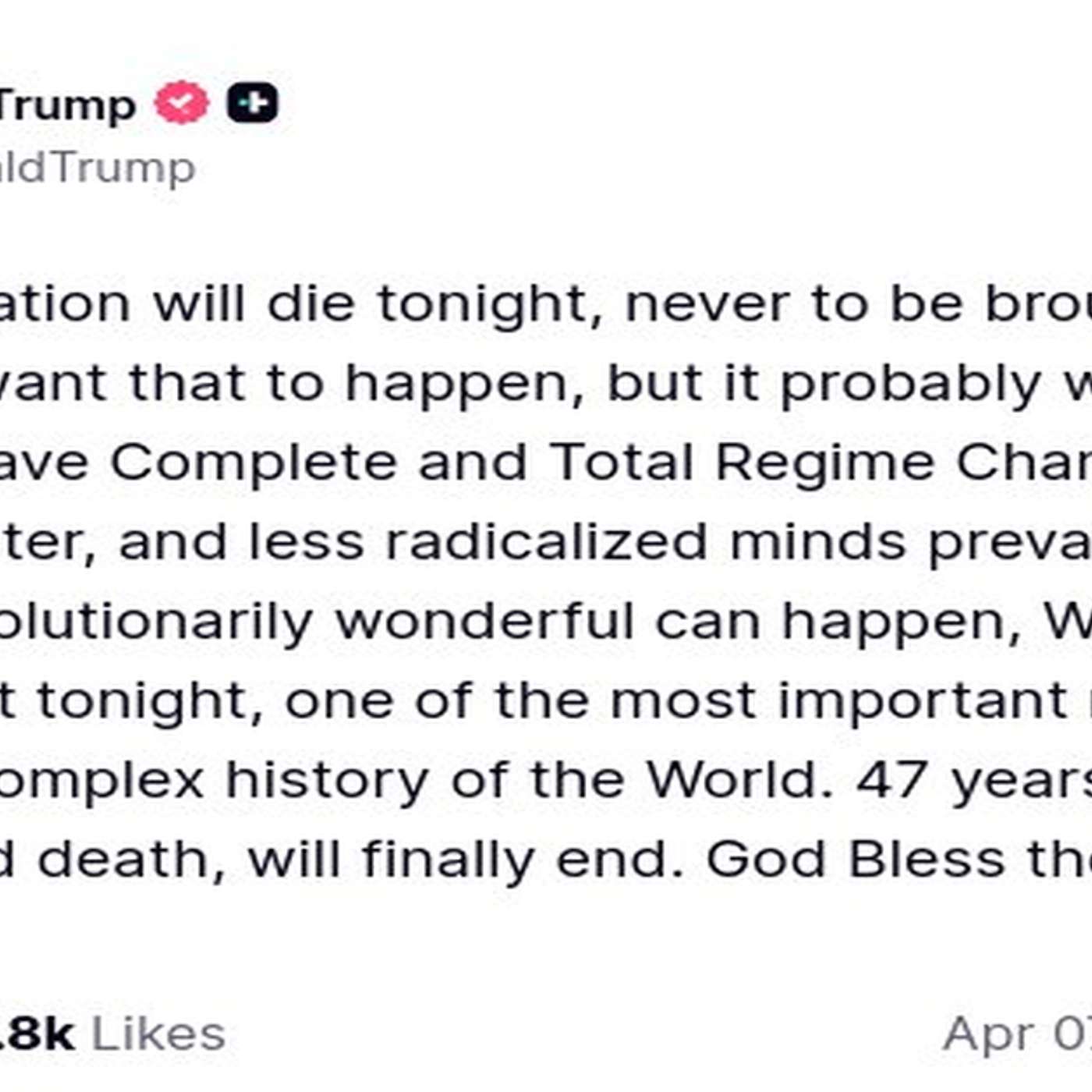 War Crimes | Few topics generate more heat and less light than war crimes — and few topics deserve more careful philosophical attention right now. When a sitting American president has publicly threatened to destroy an entire civilization in a social media post and the language of "domestic terrorism" is being stretched to cover political opponents, the legal and moral categories we use to talk about what's permissible in war are under extraordinary pressure. Today we're asking: what counts as a war crime, who can commit one, and what happens when the people with power to commit them face no meaningful consequences?In this episode, our co-hosts take up the full weight of the concept of "war crimes." We trace the legal architecture of the Geneva Conventions and the contested terrain of just war theory, and press hard on the edges where the law goes murky: the moral equality of combatants, the "human shields" problem, the limits of international enforcement, the delicate distinctions drawn between "genocide" and "ethnic cleansing," and all of the states and leaders implicated by this murkiness. As you'll notice throughout the conversation, this is Jen's wheelhouse — she is, after all, Director of the Center for Legal Studies at the University of Colorado, Colorado Springs, whose research centers on just war theory, international relations, and the ethics of war and peace — and her expertise gives the conversation a precision and urgency that the moment demands.Grab a drink and join us as we try to tread carefully through the minefield-laden terrain of this unfortunately urgent topic.Full episode notes available at this link:https://hotelbarpodcast.com/podcast/war-crimes---------------------SUBSCRIBE to the podcast now to automatically download new episodes!SUPPORT Hotel Bar Sessions podcast on Patreon here! (Or by contributing one-time donations here!)BOOKMARK the Hotel Bar Sessions website here for detailed show notes and reading lists, and contact any of our co-hosts here.Hotel Bar Sessions is also on Facebook, YouTube, BlueSky, Instagram, and TikTok. Like, follow, share, duet, whatever... just make sure your friends know about us! ★ Support this podcast on Patreon ★ | 55m 13s | ||||||
| 4/17/26 | 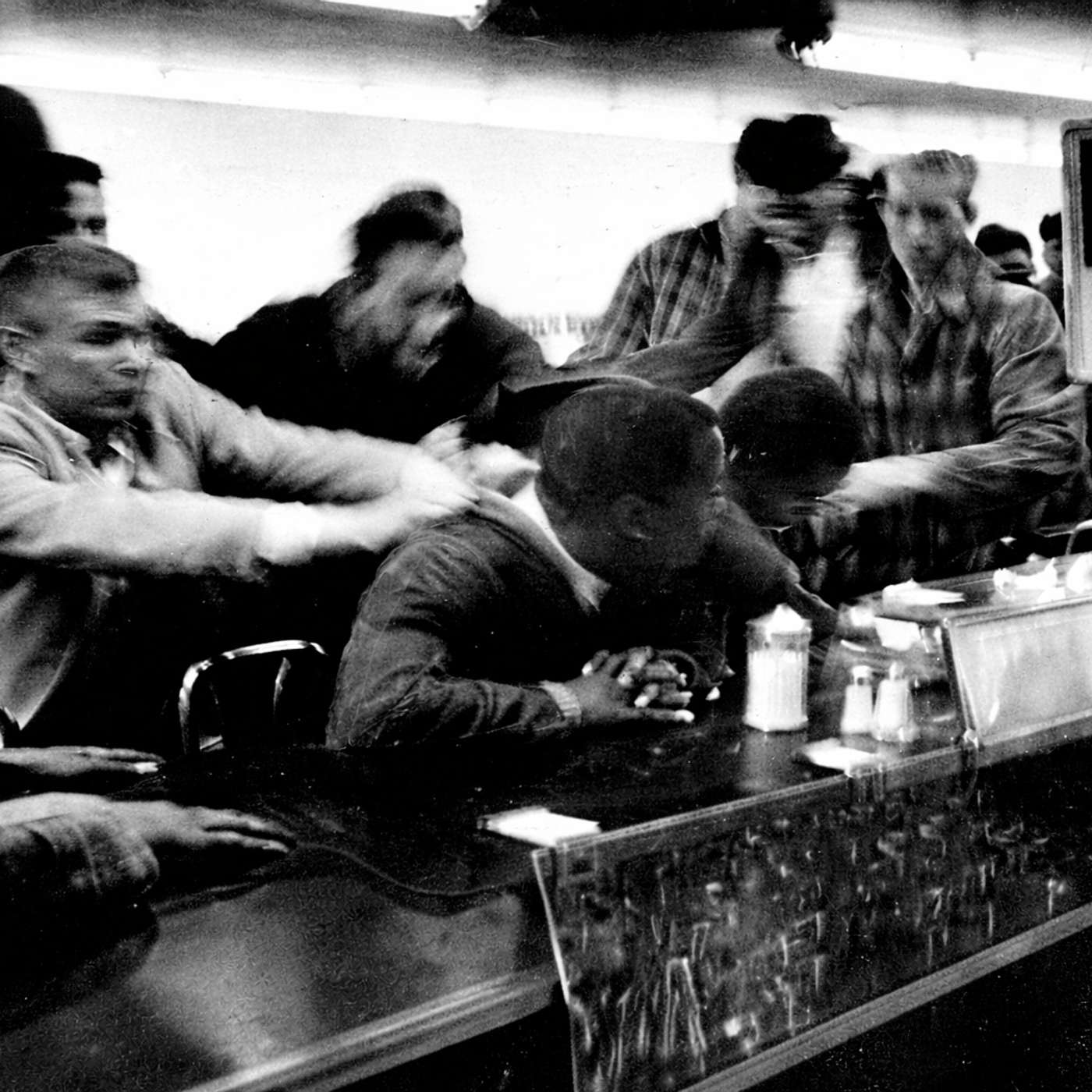 Violence | Violence is everywhere right now... or is it?When you press people to define "violence," you'll often find that their grasp on the concept is slippery at best. We think we know what it means, but that certainty tends to evaporate the moment someone asks whether a slur counts as violence, or a system that denies you healthcare until you die counts as violence, or refusing to recognize someone's existence does. A lot of our most heated disagreements about violence happen prior to the moral disagreements we may have which actions count as violent. Our core disagreements are conceptual ones, and we're usually having them without realizing it.What, if anything, ties physical force to structural oppression? Is there a definition of violence capacious enough to hold both together without becoming so broad it is evacuated of meaning altogether? When the word "violence" gets attached to something, what exactly are we expecting people to do — morally and politically?In this episode, the HBS co-hosts work through these questions with many disagreements (but no fisticuffs!) along the way. They take up Hegel's argument that recognition is a life-or-death struggle, and Hannah Arendt's claim that violence is always a symptom of political failure. They look at the way entertainment media trains us to see violence as cleaner and more effective than it ever actually is, and how actions that involve "bodily harm" might constitute the easiest, but least satisfying, definition of violence. Leigh reflects on her year directing the M.K. Gandhi Institute Institute for Nonviolence and why she's no longer the pacifist she was then. Jen, as past President of Concerned Philosophers for Peace, draws a sharp line between caring about peace and believing violence is never warranted. Meanwhile, Bob wonders why Americans are not more violently opposed to their lack of basic social securities, like healthcare.Grab a drink and join us as we slow the word "violence" down and look at what it actually means, and what it does an does not accomplish in our language and lives... all from the relatively safe place of the hotel bar!Full episode notes available at this link:https://hotelbarpodcast.com/podcast/violence---------------------SUBSCRIBE to the podcast now to automatically download new episodes!SUPPORT Hotel Bar Sessions podcast on Patreon here! (Or by contributing one-time donations here!)BOOKMARK the Hotel Bar Sessions website here for detailed show notes and reading lists, and contact any of our co-hosts here.Hotel Bar Sessions is also on Facebook, YouTube, BlueSky, Instagram, and TikTok. Like, follow, share, duet, whatever... just make sure your friends know about us! ★ Support this podcast on Patreon ★ | 1h 06m 09s | ||||||
| 4/10/26 |  Possible Worlds | Philosophy has always been drawn to the question of what's possible, what could be, what might have been, and what we might yet become. In a political moment when the distance between the world as it is and the world as we want it to be feels especially stark, the tools philosophers use to navigate that gap — thought experiments, counterfactuals, ideal theory, and fiction — have never felt more urgent or more contested. Whether we're arguing about moral responsibility, political justice, or the meaning of a science fiction novel, we're constantly invoking worlds that don't (yet, or never did) exist. But how well do those imaginary worlds actually serve us?When is a simplified, stripped-down scenario a useful device for isolating what we really believe, and when does it smuggle in the assumptions we already had? If we ask what the world would look like had one historical event gone differently, are we doing philosophy or just indulging in fantasy causality? When we imagine an ideal world from scratch, does it illuminate what justice requires, or does the very act of abstraction guarantee that we'll leave out what matters most?In this episode, Leigh, Jen, and Bob take up possible worlds as a question about philosophical methodology itself. What are philosophers actually doing when they reach for thought experiments, counterfactuals, ideal theory, and fictional worlds? And are those tools fit for the work we ask of them?Grab a drink and join us as we test the limits of philosophical imagination — and ask whether the worlds we invent help us see this one more clearly, or let us off the hook too easily.Full episode notes available at this link:https://hotelbarpodcast.com/podcast/possible-worlds---------------------SUBSCRIBE to the podcast now to automatically download new episodes!SUPPORT Hotel Bar Sessions podcast on Patreon here! (Or by contributing one-time donations here!)BOOKMARK the Hotel Bar Sessions website here for detailed show notes and reading lists, and contact any of our co-hosts here.Hotel Bar Sessions is also on Facebook, YouTube, BlueSky, Instagram, and TikTok. Like, follow, share, duet, whatever... just make sure your friends know about us! ★ Support this podcast on Patreon ★ | 52m 26s | ||||||
| 4/5/26 | 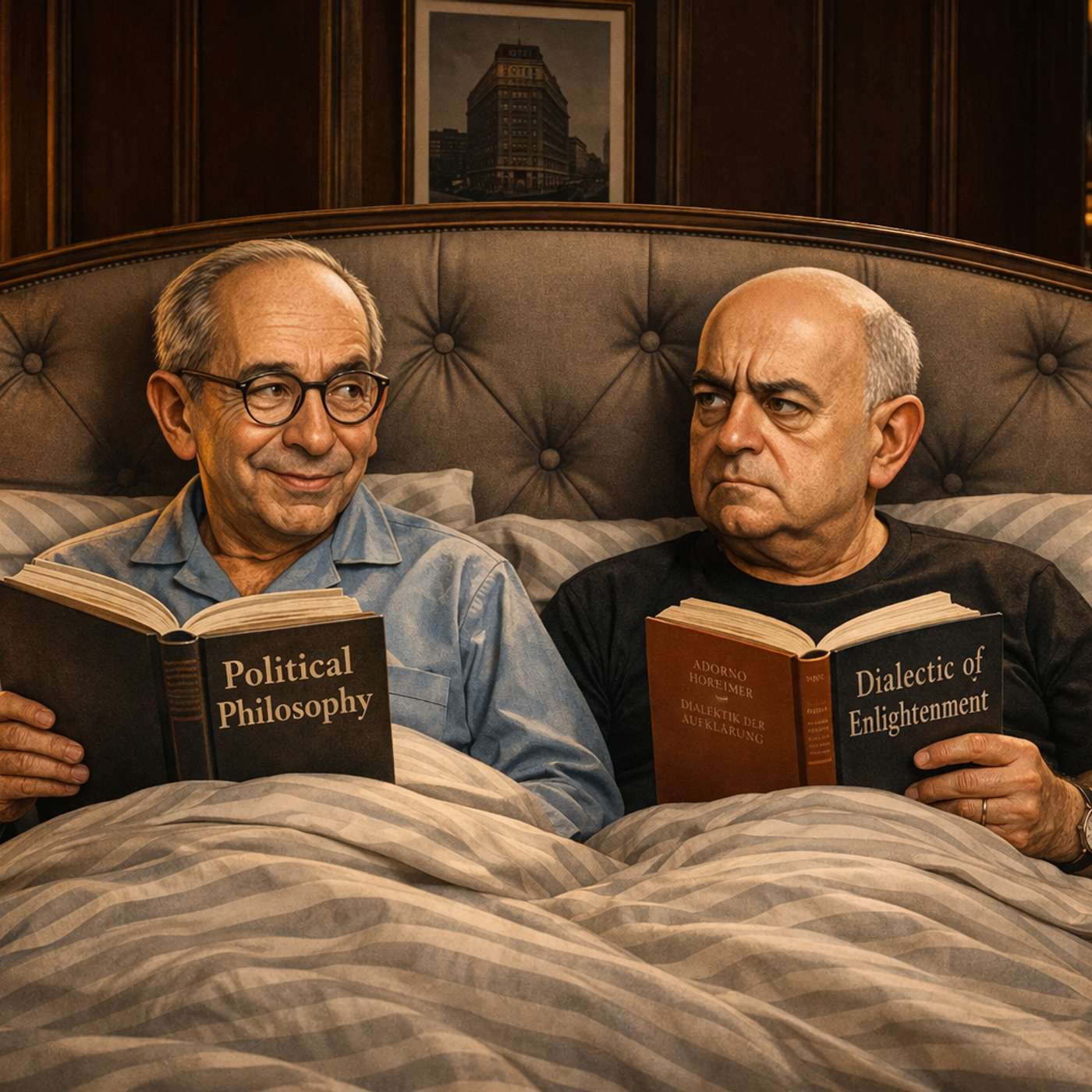 Strange Bedfellows: Adorno and Strauss (with Jeffrey Bernstein) | The word "fascism" gets thrown around a lot these days, sometimes so freely that it starts to lose its edge. But what would it actually mean to develop a philosophy of anti-fascism, a sustained, rigorous intellectual framework for understanding how fascism takes hold and what might inoculate us against it? That question feels newly urgent in a political moment when the ideological infrastructure of authoritarianism is being actively rebuilt, and when the thinkers who laid the groundwork for that infrastructure — including, notoriously, Leo Strauss — are being drafted into its service.Can a philosopher be anti-fascist in method and intention and still have their ideas weaponized by fascists? Is writing that resists easy comprehension — writing that forces its readers to slow down, struggle, and think — a form of resistance or a form of elitism? And is there a meaningful difference between "thinking for yourself" and "doing your own research," or has that distinction collapsed entirely in the age of the meme and the algorithm?In this episode, we sit down with Dr. Jeffrey A. Bernstein, Professor of Philosophy and Department Chair at the College of the Holy Cross, whose forthcoming book Adorno and Strauss: An Anti-Fascist Philosophy (SUNY Press) makes the provocative case that these two thinkers — usually filed under opposite ends of the intellectual spectrum — are surprisingly complementary resources for building a philosophical resistance to fascism. Jeff identifies four key areas of convergence: their shared use of Jewish thought as a resource for critiquing political authority; their resistance to what he calls "universal communicability" and the fascist reduction of thought to soundbites and slogans; their critique of the primacy of the practical; and their rejection of teleological conceptions of history. What emerges is a picture of anti-fascism that is less about boots on the ground than about rebuilding the capacity to think in a culture that is doing everything it can to prevent that.Grab a drink and join us as we sit down with two of philosophy's strangest bedfellows — and discover that the most unexpected intellectual partnerships sometimes make for the most urgent conversations.Full episode notes available at this link:https://hotelbarpodcast.com/podcast/strange-bedfellows---------------------SUBSCRIBE to the podcast now to automatically download new episodes!SUPPORT Hotel Bar Sessions podcast on Patreon here! (Or by contributing one-time donations here!)BOOKMARK the Hotel Bar Sessions website here for detailed show notes and reading lists, and contact any of our co-hosts here.Hotel Bar Sessions is also on Facebook, YouTube, BlueSky, Instagram, and TikTok. Like, follow, share, duet, whatever... just make sure your friends know about us! ★ Support this podcast on Patreon ★ | 56m 31s | ||||||
| 3/15/26 |  Philosophy on Drugs (with Justin Smith-Ruiu) | We are living through a peculiar moment in the long, complicated history of humans and mind-altering substances. After decades of prohibition and stigma, psychedelics have staged a remarkable comeback — not just in underground culture, but in university laboratories, clinical trials, and mainstream news. Researchers are exploring psilocybin and MDMA as treatments for depression and PTSD, and a growing number of philosophers are asking whether the altered states these substances produce might tell us something important about the nature of consciousness, reality, and the self. It turns out that drugs have always been philosophically interesting — but we haven’t always been willing to admit it.What does it mean to be “sober,” and why has Western philosophy treated sobriety as a prerequisite for truth? If a drug dissolves your sense of self, is there still a philosopher in there doing philosophy — or has philosophy left the building? Is the category of “drug” even coherent, or is it an artifact of colonial trade routes, the war on drugs, and cultural anxieties that have very little to do with what’s actually happening in your brain?In this episode, we sit down with Justin Smith-Ruiu, Professor of History and Philosophy of Science at the Université Paris Cité, whose new book On Drugs: Psychedelics, Philosophy, and the Nature of Reality takes exactly these questions seriously. Drawing on the history of philosophy, his own experiences, and a genuinely eclectic range of intellectual sources, Smith-Ruiu makes the case that the mainstream philosophical tradition has been too quick to sweep altered states of consciousness under the rug — and that taking them seriously might force us to rethink some of our most basic assumptions about mind, knowledge, and reality.Grab a drink and join us as we tune in, turn on, and ask what it means to do philosophy with your whole person.Full episode notes available at this link:https://hotelbarpodcast.com/podcast/drugs---------------------SUBSCRIBE to the podcast now to automatically download new episodes!SUPPORT Hotel Bar Sessions podcast on Patreon here! (Or by contributing one-time donations here!)BOOKMARK the Hotel Bar Sessions website here for detailed show notes and reading lists, and contact any of our co-hosts here.Hotel Bar Sessions is also on Facebook, YouTube, BlueSky, Instagram, and TikTok. Like, follow, share, duet, whatever... just make sure your friends know about us! ★ Support this podcast on Patreon ★ | 59m 37s | ||||||
Want analysis for the episodes below?Free for Pro Submit a request, we'll have your selected episodes analyzed within an hour. Free, at no cost to you, for Pro users. | |||||||||
| 3/7/26 |  Against the Future (with Simon Critchley) | Philosophers have had many conceptions of the future–metaphysical, eschatological, ontotheological, dialectical, fatalistic, idealist, materialist, and more–and these in turn have been central to discussions of free will and determinism, freedom and constraint, hope and despair. But our guest Simon Critchley, Hans Jonas Professor of Philosophy at the New School, is against all of them! For him, what emerges from Heidegger’s thinking of ecstatic temporality is a radical focus on our historicity, our having-been-ness to inform and improve the present, and this "gritty pessimistic realism” leads him to choose Thucydides over Plato: nothing is ever certain, except for the past, but even the past is a site of contestation and hence not a strong basis on which to make predictions about what is yet to come. Hope for a future is misplaced; instead we must have courage. So why be “against the future”? Listen in as Simon and the gang discuss the dangers and disasters–ideological, institutional, and philosophical–of investing too much in the idea of the future, and then, after listening to us ramble on about–and against–the future, tell us what you think. Send us your thoughts!Full episode notes available at this link:https://hotelbarpodcast.com/podcast/future---------------------SUBSCRIBE to the podcast now to automatically download new episodes!SUPPORT Hotel Bar Sessions podcast on Patreon here! (Or by contributing one-time donations here!)BOOKMARK the Hotel Bar Sessions website here for detailed show notes and reading lists, and contact any of our co-hosts here.Hotel Bar Sessions is also on Facebook, YouTube, BlueSky, Instagram, and TikTok. Like, follow, share, duet, whatever... just make sure your friends know about us! ★ Support this podcast on Patreon ★ | 1h 01m 26s | ||||||
| 2/27/26 |  Family "No Contact" (with Kiran Bhardwaj) | There have been many reports in the last several years of a growing trend of estranged families in the United States. For those who make the decision to go "no contact" (or "low contact") with their family members, the response from non-family members can be a mixed bag of support and judgment... often independent of the person's reasons for making that choice. What’s going on with the contemporary phenomenon of people going low or no contact with their family members? Is such a decision morally acceptable, or is forgiveness and relationship maintenance something we owe to others, but especially our family? What does a "good" family look like? And why do we so often find ourselves in the position of hoping for the best without any guarantees that things will turn out well?In this episode, we investigate the ways in which our families shape our identities and how the stories we tell about family relationships often determine how we see and understand others. As you’ll notice throughout the episode, it turns out that nothing gets people going like family! We're joined by Dr. Kiran Bhardwaj, whose work centers on these complex ethical issues and who walks us through some philosophical distinctions that may help in navigating the murky waters of distressed family relations. Grab a drink and join us as we attempt to think through, rather than simply react to, the long and tangled ties of family.Full episode notes available at this link:https://hotelbarpodcast.com/podcast/family---------------------SUBSCRIBE to the podcast now to automatically download new episodes!SUPPORT Hotel Bar Sessions podcast on Patreon here! (Or by contributing one-time donations here!)BOOKMARK the Hotel Bar Sessions website here for detailed show notes and reading lists, and contact any of our co-hosts here.Hotel Bar Sessions is also on Facebook, YouTube, BlueSky, Instagram, and TikTok. Like, follow, share, duet, whatever... just make sure your friends know about us! ★ Support this podcast on Patreon ★ | 56m 16s | ||||||
| 2/20/26 |  Food (with Bob Valgenti) | This week, our co-hosts are joined at the bar by Dr. Robert T. Valgenti, philosopher and professor at the Culinary Institute of America to talk about food, the “gastronomic event,” the ethics and politics of cooking and eating, and what it means to be human.Full episode notes available at this link:https://hotelbarpodcast.com/podcast/food---------------------SUBSCRIBE to the podcast now to automatically download new episodes!SUPPORT Hotel Bar Sessions podcast on Patreon here! (Or by contributing one-time donations here!)BOOKMARK the Hotel Bar Sessions website here for detailed show notes and reading lists, and contact any of our co-hosts here.Hotel Bar Sessions is also on Facebook, YouTube, BlueSky, Instagram, and TikTok. Like, follow, share, duet, whatever... just make sure your friends know about us! ★ Support this podcast on Patreon ★ | 1h 02m 38s | ||||||
| 2/13/26 |  Anonymity | Anonymity is usually sold as a kind of freedom: the ability to speak without fear, to move through public space without being tracked, to test ideas and identities without immediate consequences. In this episode of Hotel Bar Sessions, the co-hosts pull up stools to ask whether anonymity actually liberates—or whether it more often dissolves responsibility. Starting with Plato’s Ring of Gyges (and the old moral stress test, what would you do if no one could see you?), the conversation traces a familiar worry: that anonymity invites cruelty, petty opportunism, and moral self-deception, while publicity and accountability form part of the “social glue” that keeps a democratic community from fraying. But the episode refuses the easy conclusion that anonymity is always corrupting. The hosts distinguish anonymity as a shield for the powerless—whistleblowers, survivors, precarious workers, and people exploring vulnerable dimensions of identity—from anonymity as impunity for the powerful. And then the stakes sharpen: when state agents mask themselves, anonymity stops being a personal protection and becomes a political weapon—an engineered unaccountability that makes contestation nearly impossible and turns “rule of law” into theater. The discussion returns again and again to the unequal distribution of exposure: who is forced to be legible, who gets to disappear, and how institutions (and now AI systems) can hide decision-making behind corporate names, bureaucratic opacity, and algorithmic excuses. The episode closes by arguing for nuance without moral mush. One can oppose masked, unidentifiable state power while still defending privacy and the selective necessity of anonymity for those at risk.Full episode notes available at this link:https://hotelbarpodcast.com/anonymity---------------------SUBSCRIBE to the podcast now to automatically download new episodes!SUPPORT Hotel Bar Sessions podcast on Patreon here! (Or by contributing one-time donations here!)BOOKMARK the Hotel Bar Sessions website here for detailed show notes and reading lists, and contact any of our co-hosts here.Hotel Bar Sessions is also on Facebook, YouTube, BlueSky, Instagram, and TikTok. Like, follow, share, duet, whatever... just make sure your friends know about us! ★ Support this podcast on Patreon ★ | 1h 03m 41s | ||||||
| 1/30/26 | 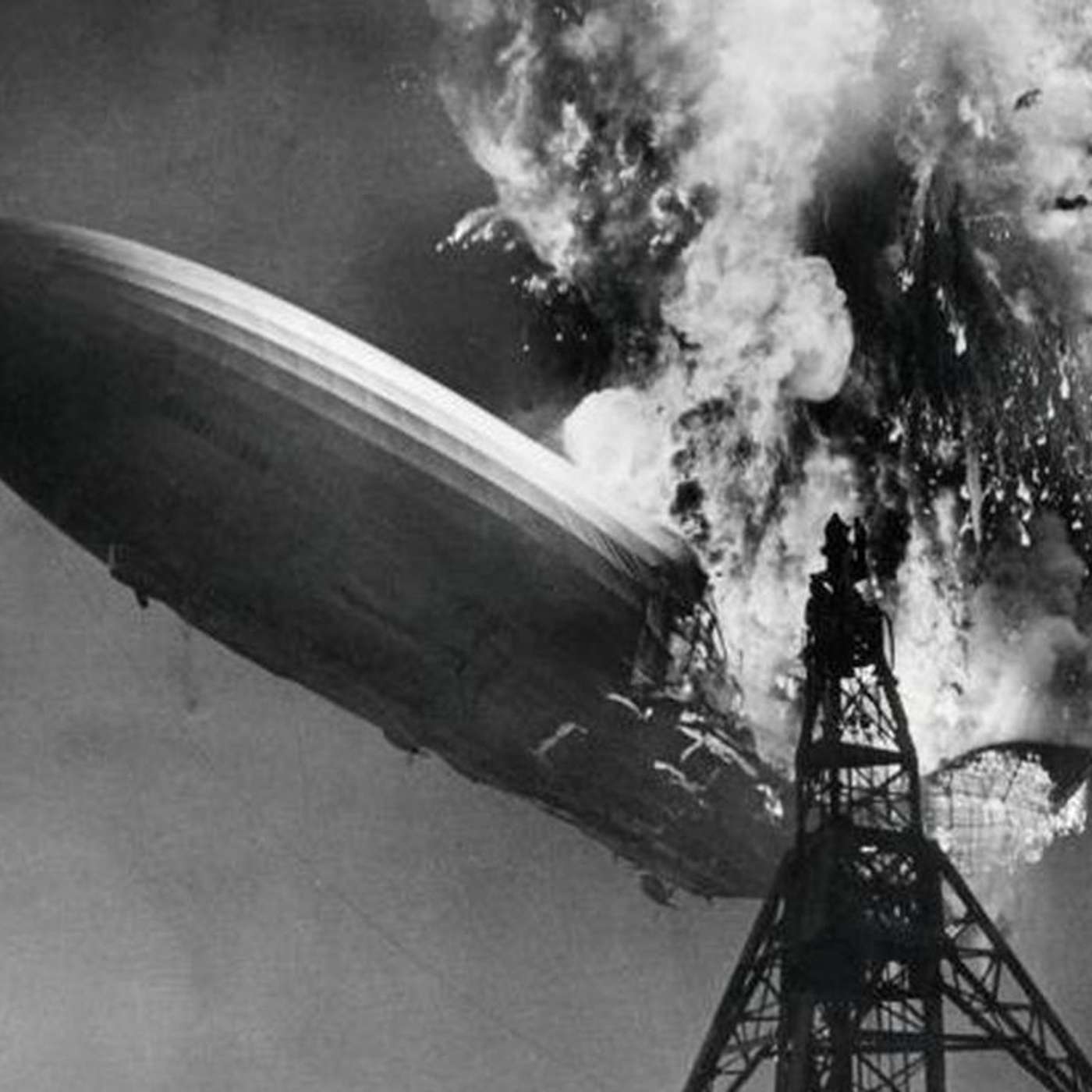 Catastrophic Philosophy | Catastrophe usually sounds like a synonym for disaster—but in this episode, it’s treated as a philosophical concept: a “downturn” that scrambles a world’s legibility and forces a basic question—what can still be believed now? Starting from Greek tragedy (where catastrophe names a plot’s turning point), the conversation traces how ruptures—ancient, modern, natural, political—expose finitude and test the limits (and complicities) of inherited frameworks of reason.From there, the episode pivots into a philosophy of catastrophe: the work of making horrors intelligible by clarifying the structures that made them possible, while also asking what catastrophe demands ethically—what must never happen again, and what that imperative requires of living, thinking, and teaching after rupture.Finally, the episode debates philosophy as catastrophe: whether certain ideas don’t merely respond to downturns but actively produce them by breaking prior worlds of sense—recasting what counts as knowledge, power, nature, and the human. The conversation closes with an unsettling contemporary candidate: LLM-generated “philosophy papers” as a potential wheel-smashing shift in how philosophy is produced, circulated, and evaluated.Full episode notes available at this link:https://hotelbarpodcast.com/catastrophic-philosophy---------------------SUBSCRIBE to the podcast now to automatically download new episodes!SUPPORT Hotel Bar Sessions podcast on Patreon here! (Or by contributing one-time donations here!)BOOKMARK the Hotel Bar Sessions website here for detailed show notes and reading lists, and contact any of our co-hosts here.Hotel Bar Sessions is also on Facebook, YouTube, BlueSky, Instagram, and TikTok. Like, follow, share, duet, whatever... just make sure your friends know about us! ★ Support this podcast on Patreon ★ | 57m 26s | ||||||
| 1/23/26 | 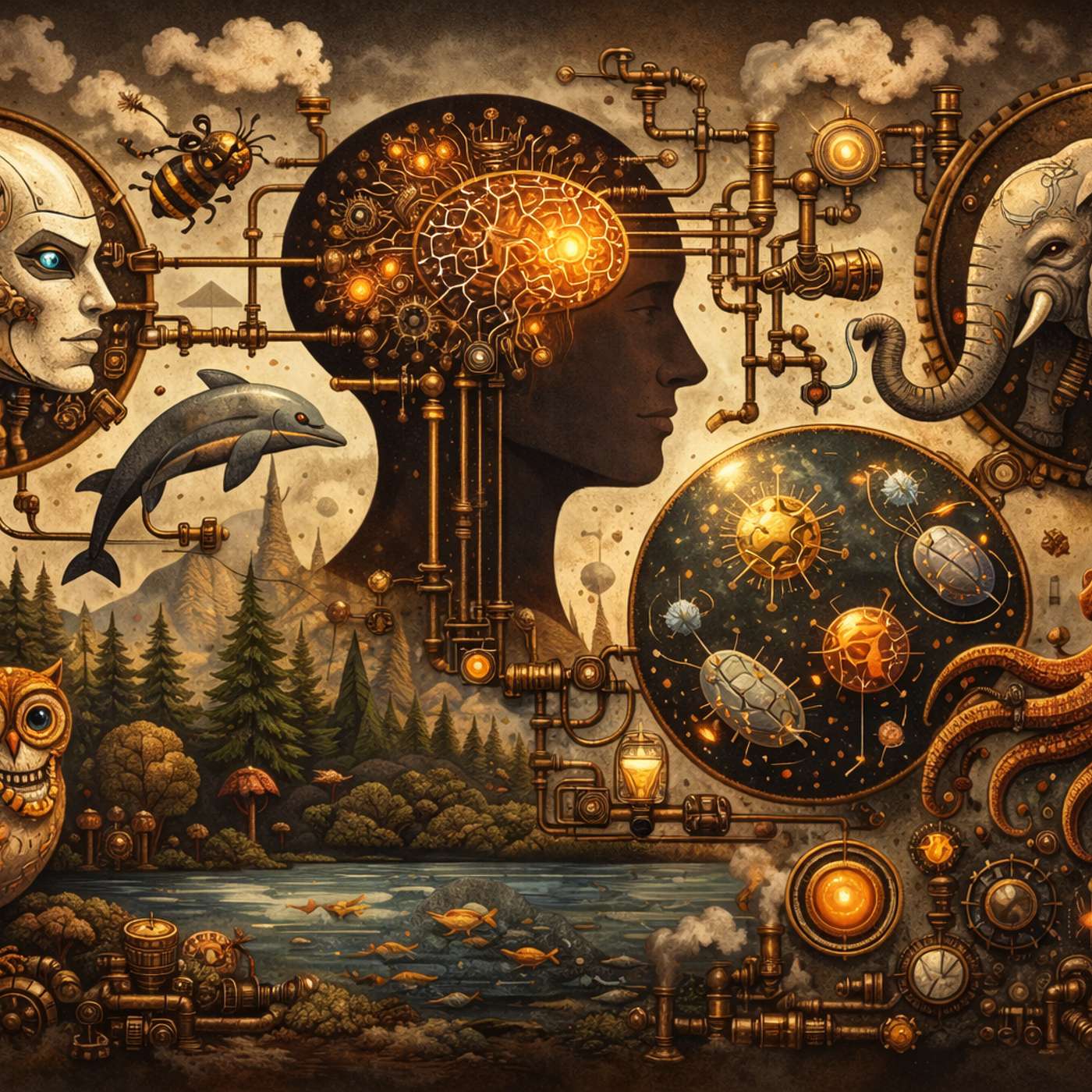 Intelligence(s) | What do we mean when we talk about intelligence—and who, or what, gets counted as intelligent in the first place? In this episode of Hotel Bar Sessions, our co-hosts pull up stools at the bar to tackle the idea of intelligence(s) as a plural, contested, and deeply political concept.Starting from a working definition of intelligence as the capacity to navigate a domain toward ends, the conversation quickly fans out: human intelligence, non-human animal intelligence, machine intelligence, and even the question of whether rivers, mountains, or viruses might exhibit their own forms of intelligent “fit.” Our co-hosts wrestle with familiar philosophical fault lines—rationality versus embodiment, instinct versus understanding, adaptation versus explanation—while keeping a sharp eye on the troubling history of intelligence as a ranking device tied to exclusion, hierarchy, and power.Drawing on phenomenology, feminist philosophy, philosophy of race, AI ethics, and everyday examples ranging from crows to chatbots, the episode asks what’s really at stake when we measure, compare, or deny intelligence. Is intelligence best understood as a single scale, or as an ecology of overlapping capacities shaped by bodies, environments, and worlds? And if machines are already intelligent in their own way, what follows for how we understand ourselves?Full episode notes available at this link:https://hotelbarpodcast.com/podcast/intelligences---------------------SUBSCRIBE to the podcast now to automatically download new episodes!SUPPORT Hotel Bar Sessions podcast on Patreon here! (Or by contributing one-time donations here!)BOOKMARK the Hotel Bar Sessions website here for detailed show notes and reading lists, and contact any of our co-hosts here.Hotel Bar Sessions is also on Facebook, YouTube, BlueSky, Instagram, and TikTok. Like, follow, share, duet, whatever... just make sure your friends know about us! ★ Support this podcast on Patreon ★ | 1h 00m 06s | ||||||
| 1/16/26 |  MINIBAR: Algorithmic Nostalgia (with Leigh M. Johnson) | Why do AI's fabricated memories "feel" so true?Hotel Bar Sessions is currently between seasons and while our co-hosts are hard at work researching and recording next season's episodes, we don't want to leave our listeners without content! So, as we have in the past, we've given each co-host the opportunity to record a "Minibar" episode-- think of it as a shorter version of our regular conversations, only this time the co-host is stuck inside their hotel room with whatever is left in the minibar... and you are their only conversant!AI engineers and designers are currently, and rightly, focused on minimizing the deleterious effects of AI's three primary "memory problems"-- hallucinations, catastrophic forgetting, and bias-- but in this Minibar episode, HBS co-host Leigh M. Johnson argues that none of these problems can be design-engineered away. They are, according to Johnson, baked-in and unavoidable structural elements of any language-based system reliant on an archive.Borrowing from Jacques Derrida's work on archives, language, and memory, Johnson argues that we should think more seriously about the manner in which LLM's outputs come to us cloaked in the garb of memory. We take AI hallucinations, for example, to be true because they inspire in us a feeling of nostalgia... something that we could have remembered, perhaps even should have remembered, but didn't.Or didn't we?Tune in for the first episode of Season 15 on January 23, 2026!Full episode notes available at this link:https://hotelbarpodcast.com/minibar-algorithmic-noslagia---------------------SUBSCRIBE to the podcast now to automatically download new episodes!SUPPORT Hotel Bar Sessions podcast on Patreon here! (Or by contributing one-time donations here!)BOOKMARK the Hotel Bar Sessions website here for detailed show notes and reading lists, and contact any of our co-hosts here.Hotel Bar Sessions is also on Facebook, YouTube, BlueSky, and TikTok. Like, follow, share, duet, whatever... just make sure your friends know about us! ★ Support this podcast on Patreon ★ | 34m 06s | ||||||
| 1/9/26 | 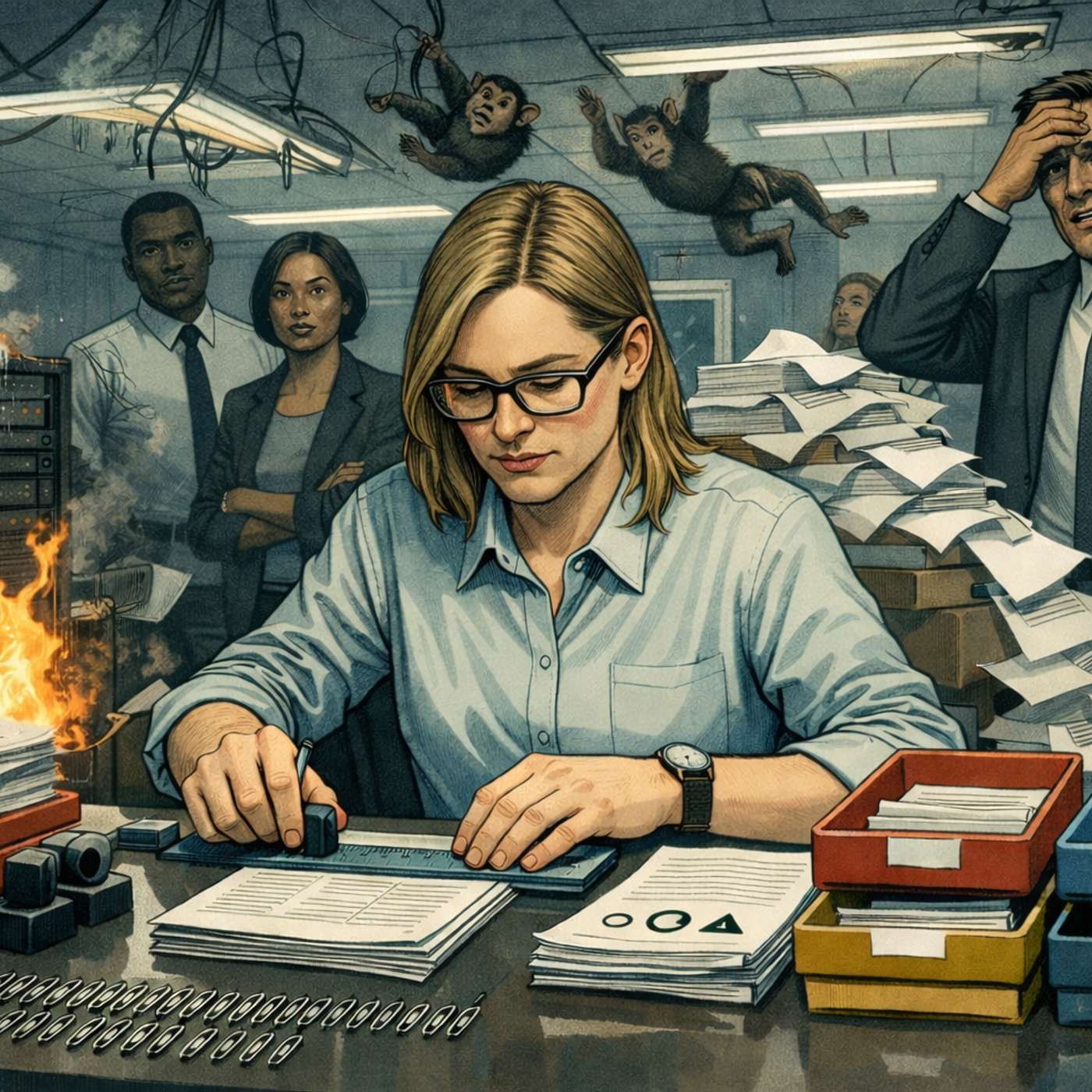 MINIBAR: Uncivil Obedience (with Jen Kling) | What happens when we follow the letter of the law, while refusing to cooperate with its spirit?Hotel Bar Sessions is currently between seasons and while our co-hosts are hard at work researching and recording next season's episodes, we don't want to leave our listeners without content! So, as we have in the past, we've given each co-host the opportunity to record a "Minibar" episode-- think of it as a shorter version of our regular conversations, only this time the co-host is stuck inside their hotel room with whatever is left in the minibar... and you are their only conversant!This week's Minibar episode features Jen Kling's reflections on civil obedience, malicious compliance, and their relation to (or separation from) violence.Tune in for the first episode of Season 15 on January 23, 2026!Full episode notes available at this link:https://hotelbarpodcast.com/minibar-uncivil-obedience-with-jennifer-kling---------------------SUBSCRIBE to the podcast now to automatically download new episodes!SUPPORT Hotel Bar Sessions podcast on Patreon here! (Or by contributing one-time donations here!)BOOKMARK the Hotel Bar Sessions website here for detailed show notes and reading lists, and contact any of our co-hosts here.Hotel Bar Sessions is also on Facebook, YouTube, BlueSky, and TikTok. Like, follow, share, duet, whatever... just make sure your friends know about us! ★ Support this podcast on Patreon ★ | 11m 38s | ||||||
| 1/2/26 | 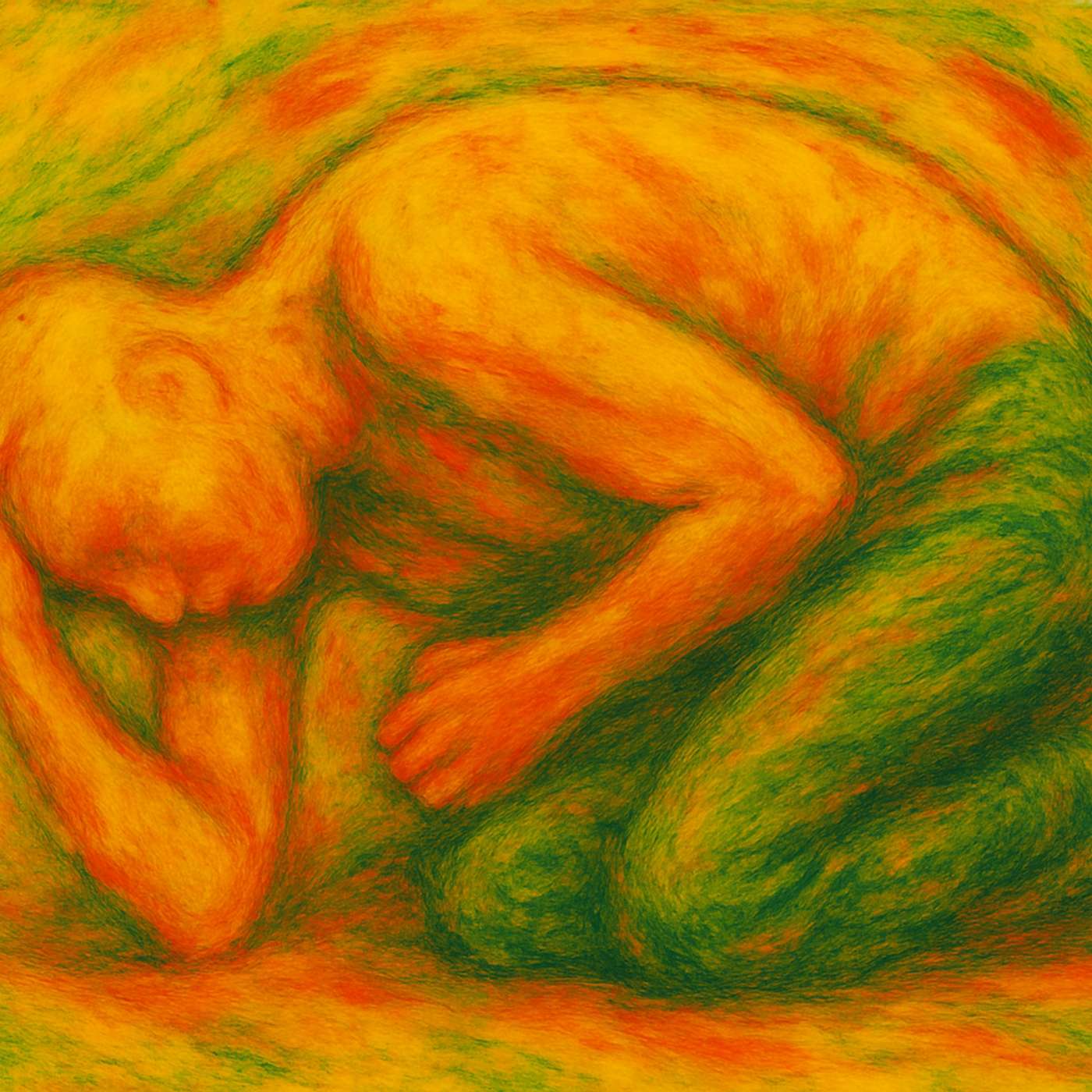 MINIBAR: Pain (with Bob Vallier) | What can the body, in pain, teach us about the hilarity of our own finitude?Hotel Bar Sessions is currently between seasons and while our co-hosts are hard at work researching and recording next season's episodes, we don't want to leave our listeners without content! So, as we have in the past, we've given each co-host the opportunity to record a "Minibar" episode-- think of it as a shorter version of our regular conversations, only this time the co-host is stuck inside their hotel room with whatever is left in the minibar... and you are their only conversant!This week's Minibar episode features Bob Vallier's reflections on what he learned after a serious automobile-meets-bicycle accident in late-2024. (Bob was on the bike!). The pain, the trauma, the rehab-- and the friendships that showed up along the way to help manage it all-- turned out to be an unexpected lesson in not only what able-bodied people naively assume about their world, but also what insights can be gleaned from the sudden interruption of those naive assumptions.Turns out, according to Bob, there's a lot more that's funny about our finitude than is immediately obvious in our pain!Tune in for the first episode of Season 15 on January 23, 2026!Full episode notes available at this link:https://hotelbarpodcast.com/minibar-pain---------------------SUBSCRIBE to the podcast now to automatically download new episodes!SUPPORT Hotel Bar Sessions podcast on Patreon here! (Or by contributing one-time donations here!)BOOKMARK the Hotel Bar Sessions website here for detailed show notes and reading lists, and contact any of our co-hosts here.Hotel Bar Sessions is also on Facebook, YouTube, BlueSky, and TikTok. Like, follow, share, duet, whatever... just make sure your friends know about us! ★ Support this podcast on Patreon ★ | 13m 11s | ||||||
| 12/26/25 |  Marilyn Frye's "Oppression" | How might "oppression" be best understood as a "cage"? This week the HBS co-hosts take a deep dive into a true classic of feminist philosophy: Marilyn Frye’s 1983 article “Oppression.” We unpack Frye’s understanding of oppression and argue about some of Frye’s more infamous examples, such as her claim that men holding doors open for women is sexist. Is she really correct that oppression can occur in the absence of the intent to oppress? Or do people have to know what they’re doing to commit oppression, or uphold the patriarchy?We also tackle academic philosophy’s tendency to want to clarify and draw clear lines around messy, difficult, urgent phenomena. Frye is seeking to delineate what constitutes oppression: but is that a helpful conceptual project in today’s world? Or should we be focused instead on how to get out of the cage? We worry that, given Frye’s analysis of oppression as an interlocking series of double binds, there seems to be no way out. Depressingly, if she’s right, we might still have agency, but we might always remain pressed down.Some of us are more cynical, some of us are more hopeful, but at the end of the day, we agree: Frye set the baseline for discussion in an enduring (if a bit dated!) way for feminists and feminist theory alike.Full episode notes available at this link:https://hotelbarpodcast.com/marilyn-fryes-oppression---------------------SUBSCRIBE to the podcast now to automatically download new episodes!SUPPORT Hotel Bar Sessions podcast on Patreon here! (Or by contributing one-time donations here!)BOOKMARK the Hotel Bar Sessions website here for detailed show notes and reading lists, and contact any of our co-hosts here.Hotel Bar Sessions is also on Facebook, YouTube, BlueSky, and TikTok. Like, follow, share, duet, whatever... just make sure your friends know about us! ★ Support this podcast on Patreon ★ | 54m 34s | ||||||
| 12/19/25 | 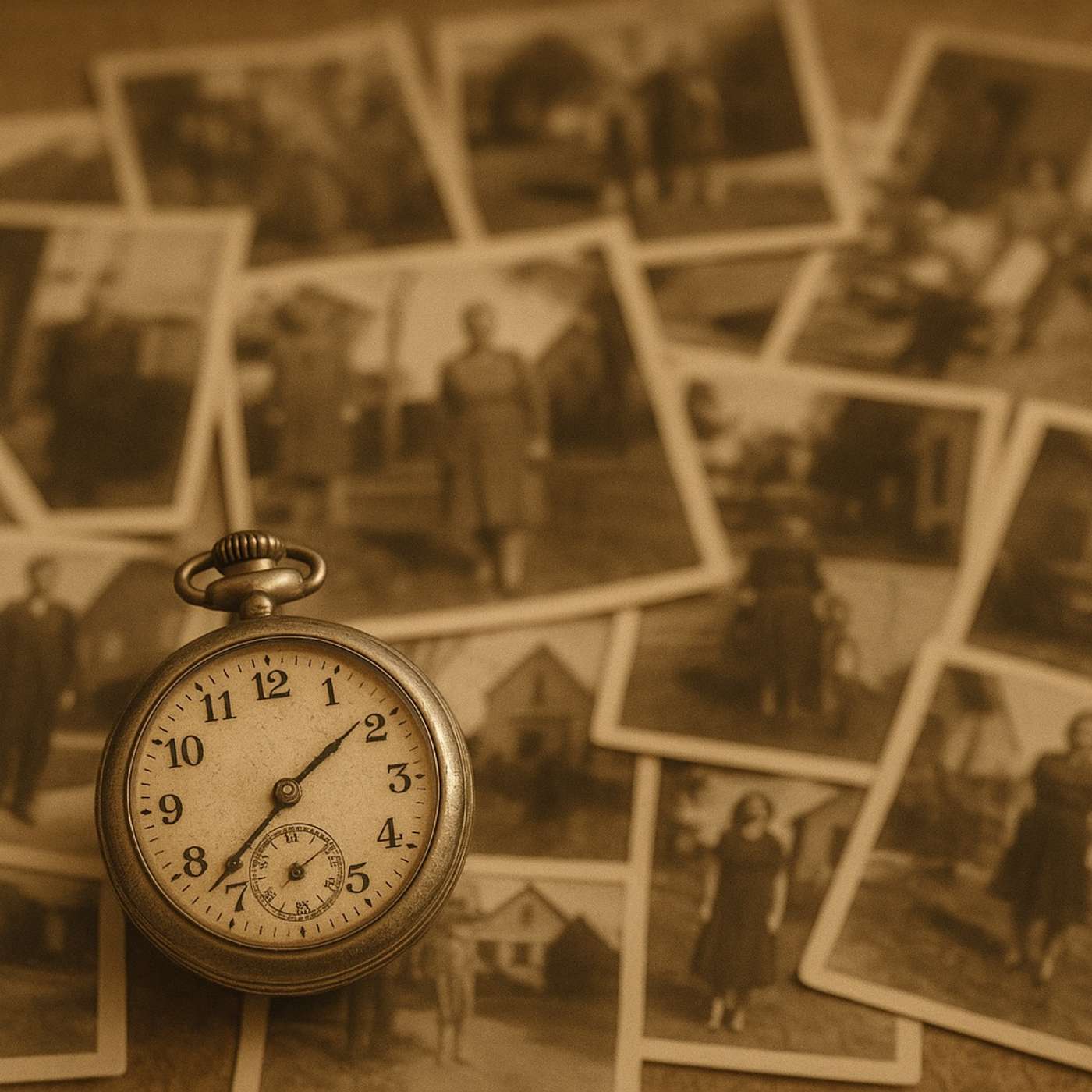 Nostalgia | "Nostalgia" is a portmanteau coined in 1688 by Johannes Hofer, combining the Greek nostros (homecoming) and algos (pain, ache). Hofer was a medical student, and he invented this term to describe a kind of melancholia, a somewhat depressive state–- and so, from its inception, "nostalgia" was viewed as a mood disorder. For the Romantics, it was a sentimentality for the past, the good old days of yore, combining the sadness of loss with a joy that that loss is not complete or total. Nostalgia is also paradoxical, because the past we long for and re-member is a past that was never present. If it is a "homecoming," what one discovers in returning home, as Odysseus does, is that there is no "there" there. That is, nostalgia is always unheimlich ("unhomely") or more accurately, "uncanny." It always involves a manner of self-deception about what was by distorting or idealizing the past. This can often have negative, even dangerous consequences: individually, socially, and politically. More than just a "mood," nostalgia is a vector of philosophical investigation par excellence that opens onto a wide range of themes: memory, time, the hermeneutics of personal identity, and even reality itself. So, pour a drink, and let's see what might be problematic about what we "fondly remember"!Full episode notes available at this link:https://hotelbarpodcast.com/nostalgia---------------------SUBSCRIBE to the podcast now to automatically download new episodes!SUPPORT Hotel Bar Sessions podcast on Patreon here! (Or by contributing one-time donations here!)BOOKMARK the Hotel Bar Sessions website here for detailed show notes and reading lists, and contact any of our co-hosts here.Hotel Bar Sessions is also on Facebook, YouTube, BlueSky, and TikTok. Like, follow, share, duet, whatever... just make sure your friends know about us! ★ Support this podcast on Patreon ★ | 52m 46s | ||||||
| 12/12/25 |  Sophistry | Bad arguments are nothing new, so why does it appear as if they have become so pervasive in public discourse? When we watch so-called "debate" videos with titles like "Conservative professor DESTROYS woke student" or "Liberal pundit OWNS Conservative Senator," are we actually watching a rational debate? Is anyone learning anything in these exchanges? Or, as is most likely, are we watching the performance of a well-reasoned debate, absent any concern for the truth whatsoever?The ancient Greeks had a name for this: sophistry. It originally referred to the craft of paid expert-teaching-- especially training in rhetoric-- for success in public life. So, how did “expertise in persuasive argument” later become something more like “specious reasoning in service of persuasion rather than truth”?Are we actually harmed-- as individuals and as a society-- by bad reasoning, logical fallacies, and the robust critical thinking that might correct them? Pour yourself a drink and join us for this conversation about the historical and current iterations of sophistry.Full episode notes available at this link:https://hotelbarpodcast.com/sophistry---------------------SUBSCRIBE to the podcast now to automatically download new episodes!SUPPORT Hotel Bar Sessions Podcast on Patreon here! (Or by contributing one-time donations here!)BOOKMARK the Hotel Bar Sessions website here for detailed show notes and reading lists, and contact any of our co-hosts here.Hotel Bar Sessions is also on Facebook, YouTube, BlueSky, and TikTok. Like, follow, share, duet, whatever... just make sure your friends know about us! ★ Support this podcast on Patreon ★ | 55m 36s | ||||||
| 12/5/25 |  The Enshittification of... everything? | This week’s episode takes Cory Doctorow’s term “enshittification” and uses it as a diagnostic for late-capitalist life, not just for tech platforms but for democracy, higher education, and work more broadly. Our co-hosts unpack Doctorow’s three-stage model—platforms start out good to users, then pivot to serving business customers, and finally squeeze both users and customers to extract maximum value for shareholders—and argue about whether this is really a new “platform logic” or just old-school Marxist exploitation and alienation under a punchier name.We connect this logic to the attention economy and datafication (“we are the product”), then extend it to U.S. democracy, where voters are treated as performers in a hollowed-out system, and to universities, where administrative bloat, metrics, and “students as customers” have produced an enshittified version of higher education, while students are locked-in by massive student debt. What is left for us in terms of resistance?We look at some real options: exiting platforms, Labor organizing and union drives, “quiet quitting” and malicious compliance (“Bartleby”-esque moves), creative sabotage, and maybe even “enshittification from below.”Our co-hosts ultimately advocate for insisting on higher standards, rather than accepting the slow boil of lowered expectations. Join us for the shit-show! Full episode notes available at this link:https://hotelbarpodcast.com/podcast/the-enshittification-of-everything/---------------------SUBSCRIBE to the podcast now to automatically download new episodes!SUPPORT Hotel Bar Sessions podcast on Patreon here! (Or by contributing one-time donations here!)BOOKMARK the Hotel Bar Sessions website here for detailed show notes and reading lists, and contact any of our co-hosts here.Hotel Bar Sessions is also on Facebook, YouTube, BlueSky, and TikTok. Like, follow, share, duet, whatever... just make sure your friends know about us! ★ Support this podcast on Patreon ★ | 1h 03m 08s | ||||||
| 11/28/25 |  Quiet Resistance (with Tamara Fakhoury) | Many of us think of resistance as "protest," communicative acts aimed at fighting injustice, and done with others in public. But what happens when that kind of resistance isn’t possible or safe? When showing up, or waving a sign, or making a public speech might get you jailed, or silenced, or disappeared? Is it possible to resist oppression without following Western scripts surrounding protest? This week, we are joined by guest Dr. Tamara Fakhoury (University of Minnesota) to talk about her concept of "quiet resistance."Full episode notes available at this link:https://hotelbarpodcast.com/quiet-resistance---------------------SUBSCRIBE to the podcast now to automatically download new episodes!SUPPORT Hotel Bar Sessions podcast on Patreon here! (Or by contributing one-time donations here!)BOOKMARK the Hotel Bar Sessions website here for detailed show notes and reading lists, and contact any of our co-hosts here.Hotel Bar Sessions is also on Facebook, YouTube, BlueSky, and TikTok. Like, follow, share, duet, whatever... just make sure your friends know about us! ★ Support this podcast on Patreon ★ | 56m 46s | ||||||
| 11/21/25 | 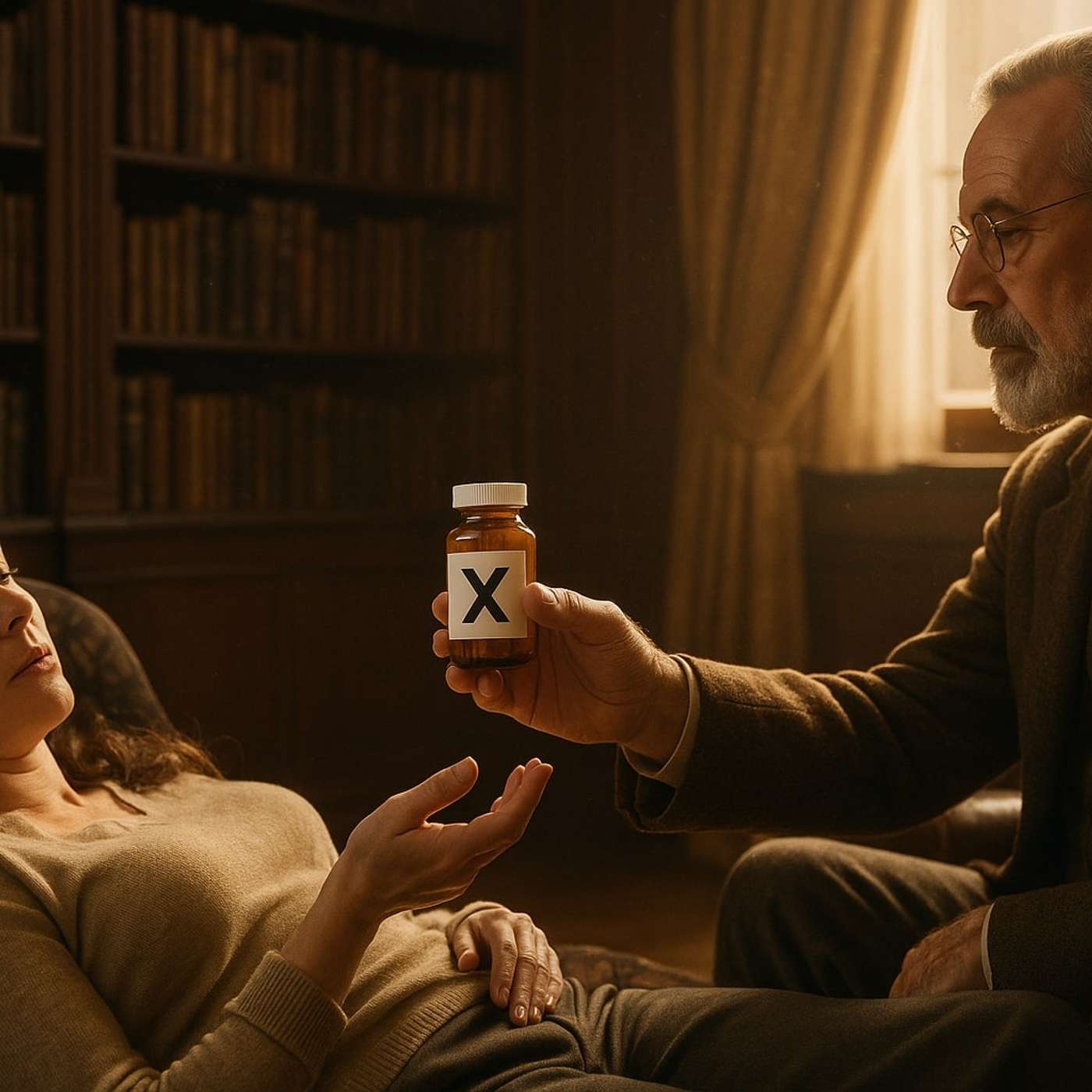 Therapy | What does it mean to be “well-adjusted” in a society that might itself be profoundly unwell? And when we use therapy-speak to explain everything from bad relationships to bad politics, do we risk losing sight of moral responsibility for bad behavior altogether? Is self-knowledge even possible in a world built on historical and political denial?Grab a drink, get comfortable, and join us for a little collective introspection — no copay required!Full episode notes available at this link:https://hotelbarpodcast.com/therapy---------------------SUBSCRIBE to the podcast now to automatically download new episodes!SUPPORT Hotel Bar Sessions podcast on Patreon here! (Or by contributing one-time donations here!)BOOKMARK the Hotel Bar Sessions website here for detailed show notes and reading lists, and contact any of our co-hosts here.Hotel Bar Sessions is also on Facebook, YouTube, BlueSky, and TikTok. Like, follow, share, duet, whatever... just make sure your friends know about us! ★ Support this podcast on Patreon ★ | 58m 12s | ||||||
Showing 25 of 252
Sponsor Intelligence
Sign in to see which brands sponsor this podcast, their ad offers, and promo codes.
Chart Positions
1 placement across 1 market.
Chart Positions
1 placement across 1 market.