

Insights from recent episode analysis
Audience Interest
Podcast Focus
Publishing Consistency
Platform Reach
Insights are generated by CastFox AI using publicly available data, episode content, and proprietary models.
Most discussed topics
Brands & references
Est. Listeners
Insufficient chart data. Estimates will improve as the show charts.
- Per-Episode Audience
Est. listeners per new episode within ~30 days
N/A🎙 Weekly cadence·66 episodes·Last published 2mo ago - Monthly Reach
Unique listeners across all episodes (30 days)
N/A - Active Followers
Loyal subscribers who consistently listen
N/A
Market Insights
Platform Distribution
Reach across major podcast platforms, updated hourly
Total Followers
—
Total Plays
—
Total Reviews
—
* Data sourced directly from platform APIs and aggregated hourly across all major podcast directories.
On the show
From 10 epsHost
Recent guests
Recent episodes
#57: Ryan Balch - The Psychology of Social Friction
Apr 25, 2026
1h 08m 11s
#56: Survival International - We Can Return Again
Mar 30, 2026
1h 01m 16s
#55: Chris Burris - Healing with Others
Feb 2, 2026
1h 01m 06s
Bonus Episode #10: The Unapologetic American with Jef Szi
Jan 28, 2026
17m 27s
#54: East Forest - The Soul is Smiling
Dec 21, 2025
52m 26s
Social Links & Contact
Official channels & resources
Official Website
Login
RSS Feed
Login
| Date | Episode | Topics | Guests | Brands | Places | Keywords | Sponsor | Length | |
|---|---|---|---|---|---|---|---|---|---|
| 4/25/26 | 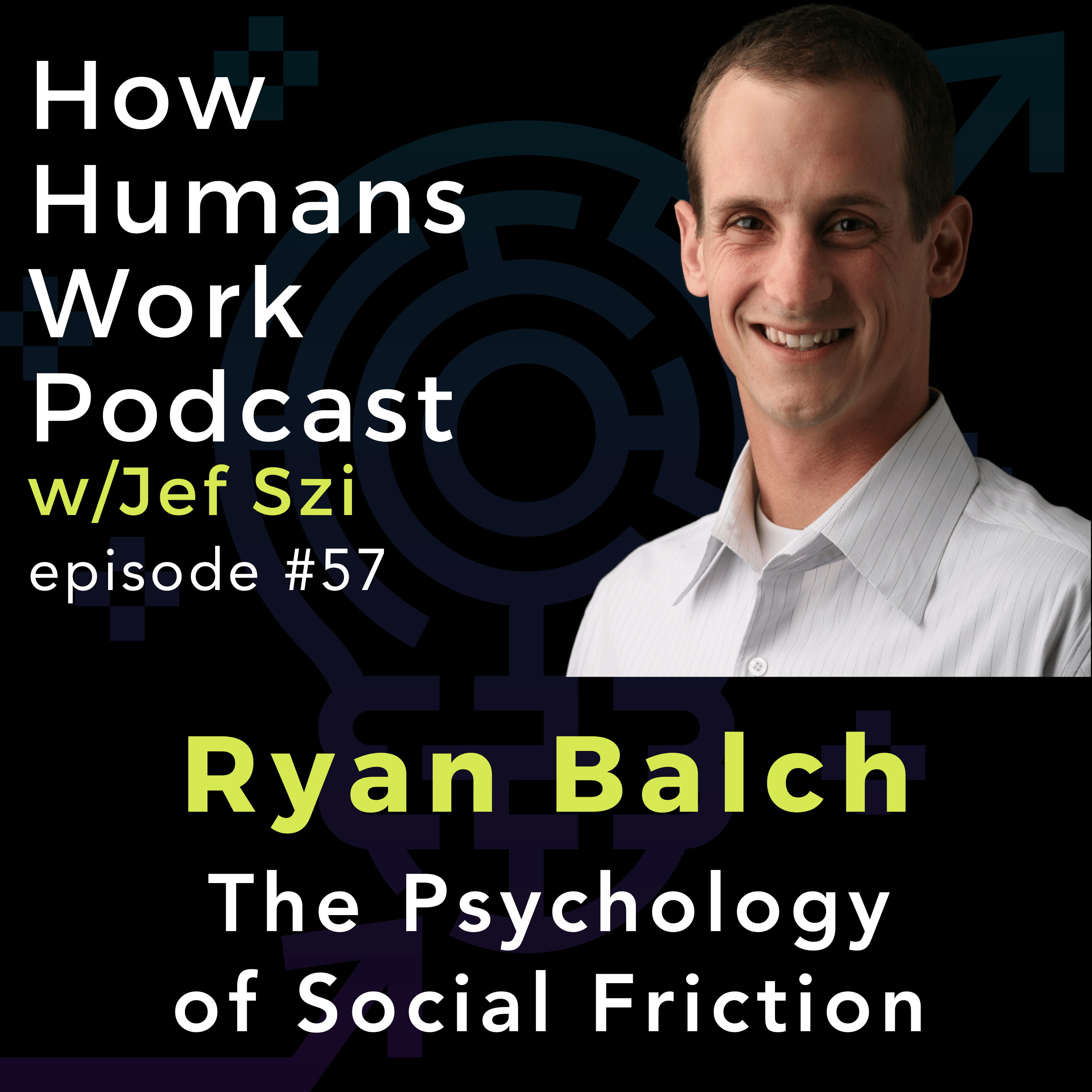 #57: Ryan Balch - The Psychology of Social Friction✨ | social psychologycommunication+5 | Ryan Balch | How Humans Work Podcast | — | social psychologycommunication breakdown+7 | — | 1h 08m 11s | |
| 3/30/26 | 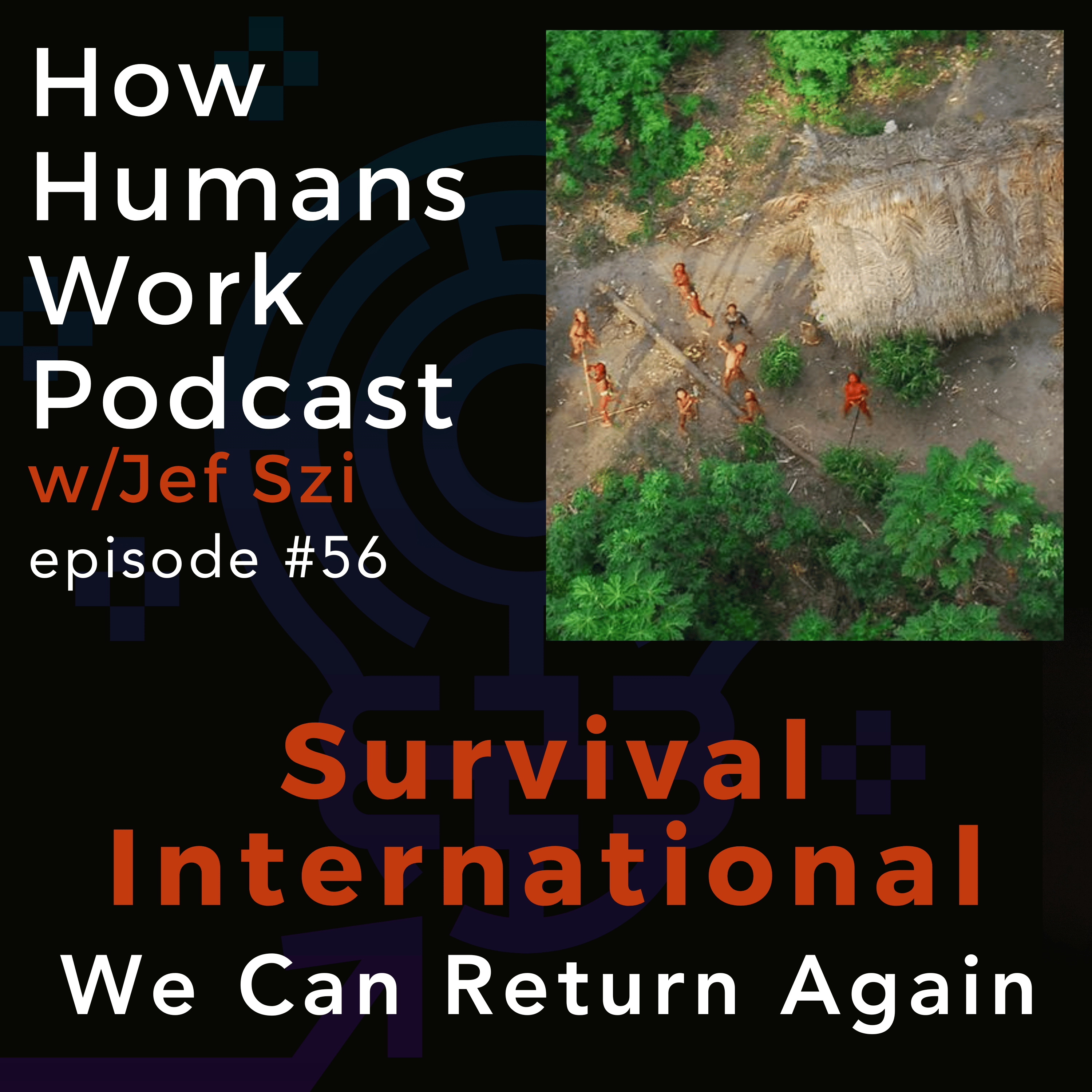 #56: Survival International - We Can Return Again✨ | indigenous rightsuncontacted peoples+3 | Hal Russell | Survival International | — | Survival Internationalindigenous communities+3 | — | 1h 01m 16s | |
| 2/2/26 | 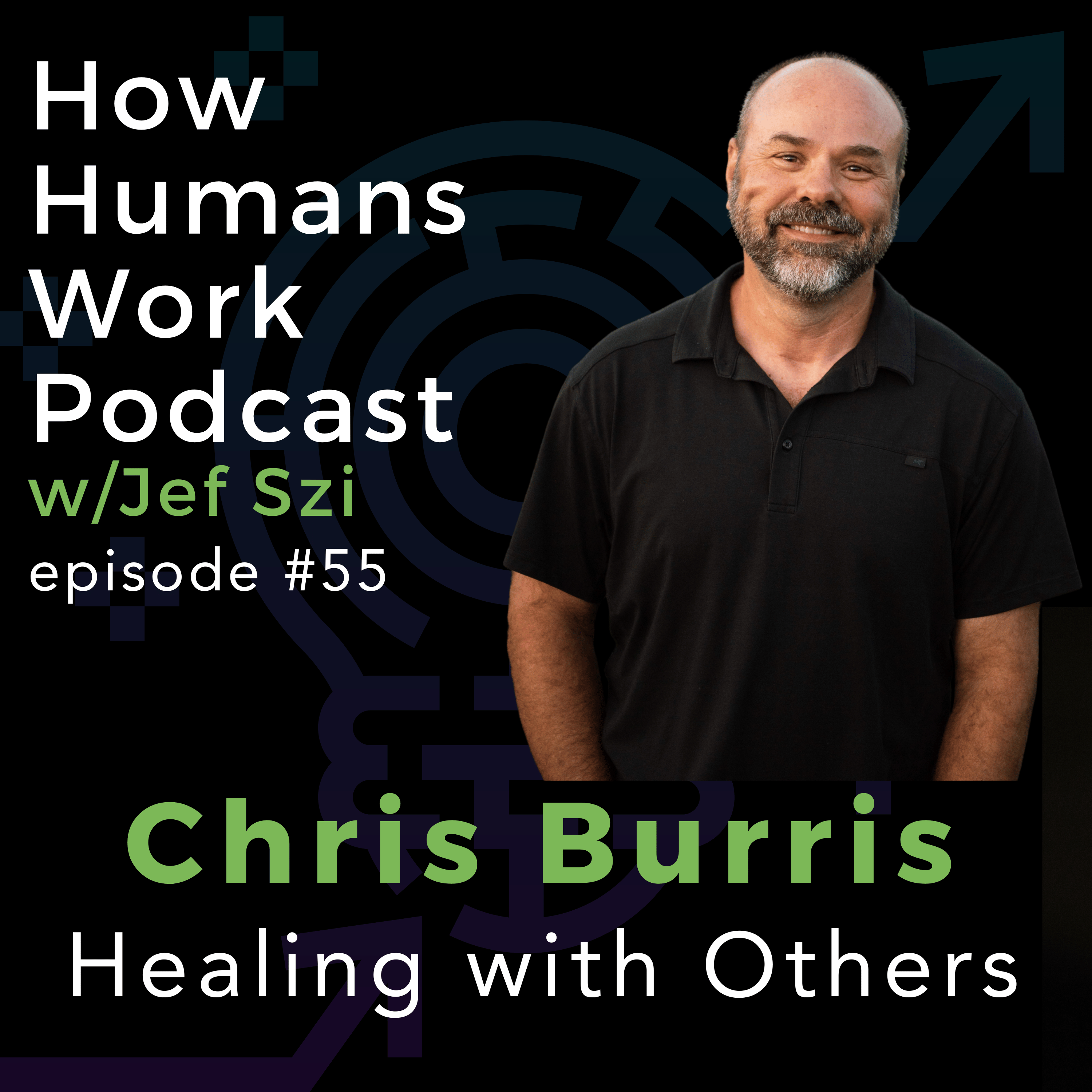 #55: Chris Burris - Healing with Others✨ | healingmental health+4 | Chris Burris | IFS InstituteCreating Healing Circles | — | healing circlesmental health+4 | — | 1h 01m 06s | |
| 1/28/26 | 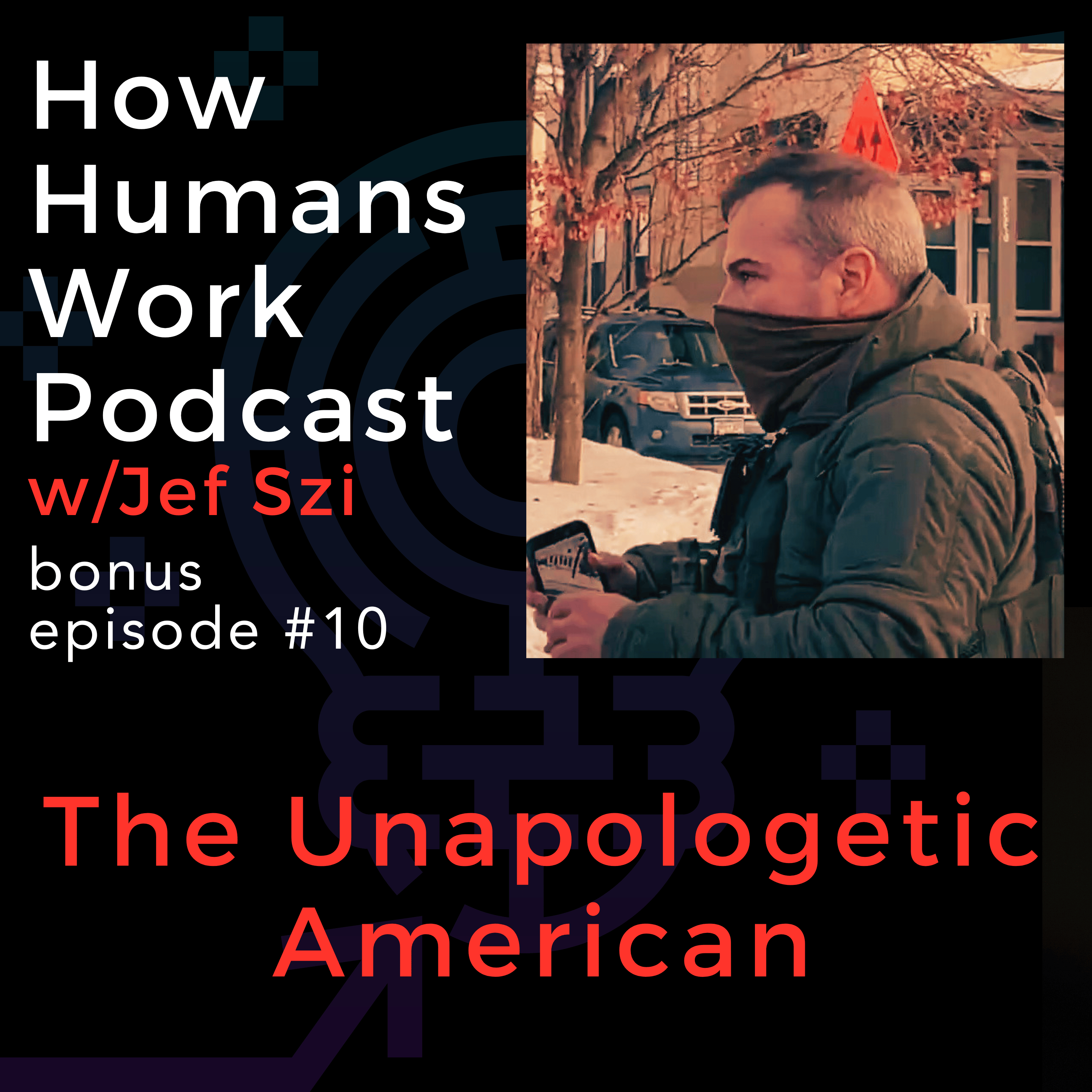 Bonus Episode #10: The Unapologetic American with Jef Szi✨ | politicsempathy+4 | — | Trump administrationThe Garden of Eden | — | unapologeticpolitics+5 | — | 17m 27s | |
| 12/21/25 |  #54: East Forest - The Soul is Smiling✨ | musiccreativity+4 | East Forest | Music For Mushrooms Documentary | EsalenBig Sur | East ForestMusic For Mushrooms+6 | — | 52m 26s | |
| 11/15/25 |  #53: Nina Chase - It's Not For You✨ | landscape architecturepublic spaces+3 | Nina Chase | Merritt Chase | — | landscape architecturepublic spaces+3 | — | 56m 07s | |
| 10/5/25 |  #52: Mele Estrella & Damara Vita Ganley - The Dance of Belonging✨ | dancebelonging+4 | Mele EstrellaDamara Vita Ganley | FlockVertical Dance Bandaloop Project | — | dancebelonging+6 | — | 1h 06m 00s | |
| 9/5/25 |  #51: Chris Skidmore - The Astrology of Self-Love and Society✨ | astrologyself-love+5 | Chris Skidmore | Grateful DeadDead and Company | — | astrologyself-love+5 | — | 1h 12m 22s | |
| 8/2/25 |  #50: Dr. Arielle Schwartz - How We Heal✨ | traumahealing+4 | Dr. Arielle Schwartz | The Complex PTSD Treatment ManualThe Polyvagal Theory Workbook for Trauma | — | PTSDcomplex trauma+4 | — | 50m 32s | |
| 7/11/25 |  #49: Orin Carpenter - We Paint These Truths✨ | artsociety+4 | Orin Carpenter | MarvelHarlem Renaissance | — | artsociety+5 | — | 1h 12m 46s | |
Want analysis for the episodes below?Free for Pro Submit a request, we'll have your selected episodes analyzed within an hour. Free, at no cost to you, for Pro users. | |||||||||
| 5/30/25 |  #48: Robin Dunbar - Friends, Tribes and Social Cohesion | Episode SummaryRenowned evolutionary psychologist Robin Dunbar returns for part two of his conversation with Jef Szi and the How Humans Work Podcast, diving deeper into the limits and leaps of human social patterns.In this episode, Professor Dunbar expands on the evolutionary foundations of human relationships, moving beyond social grooming and the endorphin system to explore kinship and the deeper nature of our social lives.He begins by examining the cost and time investment required to maintain our inner circle of intimate friends. From there, he maps out the concentric layers of more peripheral friendships and the behaviors and expectations that characterize them. Dunbar emphasizes the vital role our closest five friends play in our wellbeing and longevity.We then explore how humans scaled up from the group sizes typical of primates to the now-famous “Dunbar’s Number” of 150. This leap—central to the Social Brain Hypothesis—reveals how brain size in primates correlates with social group size, due to the cognitive demands of managing complex, stable relationships.Dunbar illustrates these ideas through compelling examples—courtship, language, and religion—showing how humans have creatively repurposed existing biological mechanisms to sustain cohesion in increasingly larger groups.He also sheds light on how cultural practices like laughter, feasting, ritual, and storytelling serve to bind people together into broad, loosely connected “supergroups.”Ultimately, Dunbar offers a concentric model of our social world, illuminating the patterns, breakthroughs, and constraints of human sociality. This conversation helps us better understand our evolutionary journey and how we might draw on both embodied emotion and cognitive insight to navigate a highly uncertain future.***** About: Robin Dunbar: Robin Dunbar is Emeritus Professor of Evolutionary Psychology at Oxford University. His work in the Experimental Psychology department at the Magdalen College is concerned with ‘trying to understand the behavioral, cognitive and neuroendocrinological mechanisms that underpin social bonding in primates (in general) and humans (in particular).’ Robin is the author of several books, including The Social Brain, Human Evolution, and Friends: Understanding the Power of Our Most Important Relationships. Professor Dunbar is known for advancing the Social Brain Hypothesis with Dunbar’s Number. *****Episode #48 TakeawaysDunbar's number suggests humans can maintain 150 relationships.Time investment is key to strong friendships.Friendships provide emotional support during crises.Social interactions can be as beneficial as medical interventions.Volunteering can substitute for friendships in terms of social exposure.Cohesion in larger groups requires superficial cues and shared knowledge. Friendship layers are assessed within the first four weeks.Common interests determine the depth of friendships.Intuition plays a key role in evaluating relationships.Institutions help manage social cohesion and relationships.Shared knowledge and folklore create larger communities.Religion serves as a stabilizing force in communities.Top-down structures provide discipline, while bottom-up structures foster local identity.Population density poses significant future challenges.Humans have historically found solutions to problems.Optimism is essential for navigating future uncertainties. | — | ||||||
| 5/20/25 |  #47: Robin Dunbar - The Chemistry of Connection | Episode SummaryThe equally erudite and jovial Robin Dunbar joins Jef Szi and the How Humans Work Podcast for the first of a two part conversation about limits and leaps of social patterns in primates and humans. An Oxford University professor of evolutionary psychology and someone with a facile grasp of multiple sciences and histories, Professor Dunbar offers us a fascinating account of the social roots of human nature. In part 1—The Chemistry of Connection—we dive deeply into the endorphin system and the how it functions to stabilize social bonds in groups. We come to see freshly how critical a role endorphins play in our day to day reality. Drawing on his rich understanding of touch, primates, and the wildly comprehensive health benefits endorphins, Dunbar illustrates the connections between chemistry, evolution, and the roots of social blueprint—translating it into the very familiar ‘raw feels’ of relationships that inform how we see, think, and feel about the world. In particular, Robin clarifies how and why social grooming assists us in dealing with unique social stresses that accompany a group survival strategy that primate species have. Further, Robin mirthfully shows us the unique elements of the human social tool kit, which activates social glue of endorphins without the time intensive work of touch. Indeed, the social tool kit of humans relies on the beautiful elements of laughter, dancing, singing, feasting, storytelling, and rituals to foster social cohesion. The Chemistry of Connection helps us in on our search for to understand what Social Cohesion is and how we can more successfully find it. Thank you Robin, it was a brilliant blessing to learn so much about human nature and our human story with you!***** About: Robin Dunbar: Professor Dunbar is Emeritus Professor of Evolutionary Psychology at Oxford University. His work in the Experimental Psychology department at the Magdalen College is concerned with ‘trying to understand the behavioral, cognitive and neuroendocrinological mechanisms that underpin social bonding in primates (in general) and humans (in particular).’ Robin is the author of several books, including The Social Brain, Human Evolution, and Friends: Understanding the Power of Our Most Important Relationships. Professor Dunbar is known for advancing the Social Brain Hypothesis with Dunbar’s Number. *****Episode #47TakeawaysSociality is a key evolutionary adaptation for survival.Group living helps solve problems of reproduction and defense.Primates invest heavily in maintaining social relationships.Social grooming triggers the endorphin system, promoting bonding.Humans have developed social tools like singing and dancing to bond.The endorphin system acts as a natural antidepressant.Addiction to opiates can diminish social engagement.Oxytocin plays a role in mother-infant bonding and romantic relationships.Endorphins provide pain relief and promote feelings of well-being.The evolution of sociality is complex and multifaceted. Endorphins enhance social bonding and immune function.Quality friendships are crucial for mental and physical health.Five close friends are optimal for well-being.Social grooming is vital for maintaining relationships. | — | ||||||
| 4/25/25 |  #46: Amy Emerson - Breaking the Stigma: Psychedelics in Society | Episode SummaryThe highly informed and deeply compassionate Amy Emerson joins Jef Szi and the How Humans Work Podcast for a remarkable conversation about the evolving landscape of psychedelics. With her extensive involvement and leadership in the Multidisciplinary Association of Psychedelic Studies (MAPS)* and their multi-year effort to get MDMA approved by FDA as a therapeutic medicine for PTSD. There are few better than Amy who can speak to the state of psychedelics for medical use in society. Not only does Amy share her honest appraisal about FDA drug approval process and members of congress on the Hill, she gives us the little known and fascinating history of MDMA. Some highlights are Sasha and Ann Shulgin’s groundbreaking contributions, the reputational damage MDMA suffered in the 90’s, the long-game efforts of Rick Doblin and others, the powerful way MDMA works on the brain, and the remarkable promise MDMA has shown to help people suffering with PTSD. Put together as a whole, Emerson offers us a destigmatized and inspiring view of MDMA beyond the common street descriptions of Ecstasy and Molly. From MDMA and the Medical Model, Amy then helps us see the many other use-cases for psychedelics that have a long and varied history. Building on issues of trauma and the importance of spiritually reconnecting with ourselves, we walk through the psychological benefits that can come with right-use of psychedelics.Finally, this conversation opens the visions of what future of psychedelic use in society through thoughtful contexts that track safety concerns and how, much like meditation, these ‘medicines’ can have a place in our society like Buddhist and meditation practices have entered our culture. All in all, Breaking the Stigma is a podcast of significance, as it invites us to reconsider our biases around psychedelics at a time when our society is challenged by mental health matters like trauma and the pervasive disconnection from nature and spiritual renewal. ***** About: Amy Emerson is a highly respected leader in the field of psychedelic-assisted therapy. She was Lykos Therapeutics (formerly MAPS PBC) CEO for an important period in advancing MDMA-assisted psychotherapy for post-traumatic stress disorder (PTSD) as a drug with the FDAShe earned a Bachelor of Science in Genetics and Cell Biology from Washington State University and spent the early career involved in roles at pharmaceutical companies, where she contributed to the development of therapies in immunology, oncology, and vaccines .In 2003, she began volunteering with the Multidisciplinary Association for Psychedelic Studies (MAPS), assisting with clinical research monitoring. Her expertise was instrumental in establishing MAPS' clinical department and managing the MDMA Clinical Development Program. When MAPS founded its Public Benefit Corporation (MAPS PBC) in 2014 to develop and commercialize MDMA-assisted therapy, Emerson was appointed CEO .Under her leadership, the organization, later rebranded as Lykos Therapeutics, completed multiple Phase 2 and Phase 3 clinical trials and raised approximately $150 million in funding. The company grew to over 120 employees, all working toward the goal of obtaining FDA approval for MDMA-assisted therapy for PTSD .Amy resigned form her CEO role in September 2024. Currently she is a senior advisor to Lykos and an independent psychedelic research consultant, awaiting the next big adventure.*****Chapters00:00 Introduction and Setting the Stage02:40 The Evolution of Psychedelic Research06:10 Understanding Stigma and Its Origins10:54 MDMA: From Therapy to Recreation16:33 Therapeutic Applications of MDMA20:28 Navigating the FDA and Drug Development24:45 Challenges in the Approval Process30:31 The Future of Psychedelics in Mental Health37:11 Navigating FDA Interactions and Support for Mental Health42:24 The Broader Movement of Psychedelics in Society46:51 Reconnecting with Ourselves and Others52:31 Healing Systems: The Impact of Trauma on Relationships58:50 The Importance of Lineage in Psychedelic Work01:02:01 Safety and Ethics in Psychedelic Practices#psychedelics #MDMA #therapy #FDA #mentalhealth #drugdevelopment #MAPS #psychedelicresearch #healing #AmyEmerson #HHW #podcast #howhumanswork #JefSzi #HHWPod #SashaShulgin #RickDoblin #Spirituality | — | ||||||
| 1/27/25 |  #45: Christine Olivia Hernandez - The Ancestral Heart | Episode SummaryAuthor, healer, and ceremonialist Christine Olivia Hernandez joins the show for an in-depth conversation on the transformative power of gratitude, the wisdom that flows out of Mayan traditions, and the gifts to the heart and body in cacao. Through the lens of her newest book, Remember Your Roots, we dive into the relevance and importance of ancestral lineages, personal stories of loss and healing, the profound value of reclaiming our histories.We begin with Christine introducing us to the beautiful, heart-opening practices of cacao. She shares its ceremonial significance in Mayan and other cultures, highlighting its capacity to reconnect us with our health and gratitude. She also addresses the larger challenges of reconnecting with one’s roots, emphasizing the need to honor both the light and shadow of ancestral histories. We talk through her three-phase model and what the framework offers to us for finding genuine reconciliation and growth in the process of returning to our roots.Later, Christine reflects on her late father’s life and legacy, sharing how her healing journey has been marked by poignant encounters with crows, vivid dreams, and serendipitous events. One powerful moment came when she discovered that her father, Tony “Crow” Hernandez, had helped to build the cultural center where her Remember Your Roots book launch was held!With a deep sense of magic and authentic optimism, Christine embodies what the path of gratitude and a renewed connection to the ancestral heart can look like. For her this is found in her offering, the Maltyox Method, which blends ceremonial use of cacao, meditation, movement, and gratitude. You can learn more about her work here. You are invited into The Ancestral Heart, where we find that a grateful heart is deeply intertwined with the heart of the Earth, where a profound sense of belonging and wholeness returns when we remember our roots and reconnect to the immeasurable depths of the human heart.Christine Olivia Hernandez is the author of Remember Your Roots and ten other books. She is a second-generation immigrant, whose teachers the Maltyox Method, offers cacao ceremonies, and provides spiritual mentorship. | — | ||||||
| 12/4/24 |  #44: Deb Dana - The Polyvagal Connection | Episode SummaryDeb Dana L.C.S.W. joins the How Humans Work Podcast to illuminate how our nervous systems dance between the ancient survival responses and the instinct to be in states of connection and safety. As an author, renowned Polyvagal Theory lecturer, Deb expertly and compassionately guides us through the ins-and-outs of Polyvagal Theory (PVT), and how it can help us find a more regulated nervous system. At the core, we explore the powerful, bottom-up role of our vagal nerves play in our ability to find safety and connection. Consequently, this show is also a profound conversation about the role of our nervous systems in healing, relationships, stress, and trauma.Throughout a delightful episode, Deb offers heartfelt insight into our human experience as she emphasizes the need for co-regulation and the impact of trauma on our nervous system responses as well as the intersection of Internal Family Systems and Polyvagal Theory. Together. Finally, we explore how environments and collective aspects challenge the nervous systems across contemporary society. Here Deb highlights the importance of creating safe environments for healing and connection has in changing how society handles. In this episode you will learn: How Polyvagal Theory provides a framework for understanding our nervous system. What Neuroception is and how our nervous system perceives safety and danger through neuroception. What the vagus nerve is and how it plays a crucial role in regulating our emotional states. Why Regulation is essential for accessing curiosity, play, and connection. The difference between Stress and Trauma responses, and how we can work with them. How the vagal break helps manage heart rate and emotional responses. Why understanding the nervous system can lead to more effective therapy. Insight into the influences on the collective nervous systems, societal dynamics and healing. Why creating safe environments is key to facilitating healing personally and societally. Deb Dana L.C.S.W., is a renowned clinician, consultant, author, and international lecturer specializing in the application of Polyvagal Theory to trauma treatment and therapy. With a deep understanding of the autonomic nervous system and its role in shaping human behavior and relationships, she has become a a leader in brining PVT insights into practical tools for therapists, healthcare providers, and individuals seeking healing.Deb is also the developer of the Rhythm of Regulation clinical model, which integrates Polyvagal Theory into therapeutic practices, emphasizing safety, connection, and co-regulation as the foundation for emotional and psychological well-being. Additionally, Deb has authored several influential books, including The Polyvagal Theory in Therapy: Engaging the Rhythm of Regulation and Anchored: How to Befriend Your Nervous System Using Polyvagal Theory, as well as the co-edited work Polyvagal Exercises for Safety and Connection.YouTube Chapters:00:00 Introduction and Background 02:11 The Role of the Nervous System in Human Experience 08:25 The Vagus Nerve: Anatomy and Function 14:28 The Connection Between Body and Mind 20:19 Distinguishing Trauma from Stress 28:12 Understanding Nervous System Regulation 34:08 The Role of the Vagal Break 41:06 Exploring the Sympathetic and Dorsal States 46:04 Mindset and Nervous System Responses 50:44 Collective Nervous Systems and Societal Healing | — | ||||||
| 11/28/24 |  #43: Jai Uttal - Hanuman's Ripples | Episode SummaryThe storied and kind-hearted Jai Uttal drops into the show for an extended conversation about music, monkey gods, gurus, India, sobriety, family, and ultimately the spiritual path of healing through love. We begin with an exploration of Jai’s current practice of hyper-local kindness in a world where that resource is becoming increasingly scarce. From there we dive into Jai’s latest musical offering, Hanuman Chalisa for World Peace. Not only does Jai share with us the intimate practice he’s had with this widely venerated chant for over five decades, but he walks us through the creative context in which his first published recording of the Chalisa came to life. In his telling we gather the rich array of inspirations that bring about his creative gifts.Gradually, Jai invites us into the richness of his life, as he retells how the winding threads that have made up the fabric of his life came to be. We come to understand the overlapping events and energies of kirtan, India, gurus, dreams, drugs, anxieties, singing, but mostly love and family, have been ripples of his life. Along the way we hear about his intersections with Steve Jobs, Ali Akbar Khan, Neem Karoli Baba, Ram Das, and others. We hear about his initiation into kirtan, Indian classical music, and his profound relationships that unfolded with musical and spiritual masters. We also hear about the struggles with finding his voice, performing, and managing the pains of life with drugs and alcohol before he found his true loves in his wife Nubia and in becoming a father to his son, Ezra. In the beginning, middle, and end, the beloved monkey god, Hanuman, walks with us, serving as a back-drop of Jai’s own spiritual journey as he realizes the profound and ordinary teachings love and devotion have in his, just like every other human life. A beautiful conversation that bares the heart in a way that we can’t help but be moved by. About: Jai Uttal is a husband, father, neighbor, and friend. He’s more widely know for being a Grammy nominated sacred music composer, recording artist, multi-instrumentalist, and ecstatic vocalist. Jai combines influences from India with influences from American rock and jazz, creating a stimulating and exotic multi-cultural fusion that is truly world spirit music.Jai has been leading, teaching and performing kirtan around the world for close to 50 years, creating a safe environment for people to open their hearts and voices. | — | ||||||
| 11/18/24 |  Bonus Episode #09: Reflections on Alpha Masculinity | In this snap, bonus episode, show host Jef Szi riffs on what he is calling, 'Alpha Masculinity,' as it emerges alongside Donald Trump election to a second presidential term. In his eclectic style, Jef begins the show sharing his experience on a beautiful November night in San Francisco and going to see Leif Vollebekk in concert with his wife. Contrasting that with the pre-show UFC experience, Jef leans into evolution, mating strategies, and ironies that are unfolding as the majority of American Voters embrace the "big man" attitude and style of Donald Trump. With curiosity, critique, and invitation, Jef invites us to dive into the instinctual draw toward a renewed Alpha Masculinity with nuance.Calling on the stories from his late friend, Brent MacKinnon during the turmoil of the Vietnam War as well as the gift of artistry Leif demonstrated in his show, Jef calls us forward into this conversation using all the sensibilities to illuminate the deep need to reconcile ourselves with this force and to find our way with the complexities it presents. | — | ||||||
| 10/12/24 |  #42: Chris Skidmore - Eros, Psyche and The Golden Ass | Episode SummaryIn episode 42, we take a deep dive into the realm of myth with insightful and heartfelt Chris Skidmore. As an astrologer, psychotherapist and host of the On the Souls Terms Podcast, Chris helps illuminate the meaning and embedded knowledge hidden inside the 1800 year old Roman novel: The Golden Ass. This text is where the first telling of The Marriage of Eros and Psyche is found. Together, Chris and your show host Jef Szi take an extended journey into these rich and poignant tales that are saturated with symbolism, archetypes, relatable folly, and knowledge that help us make sense of our own human condition.The show begins with Chris sharing about his recent trip to Greece and Italy—the actual landscape where these stories took place. From there we build a Jungian context in the spirit of Marie Louis Von Franz before a recounting of The Golden Ass, where the main character, Lucius, accidently ends up being turned into an ass. Caught is ass-form, Lucius experiences a great deal of folly and suffering. Moved by the elements in the story, Chris and Jef explore the meaning and medicine this overlooked tale offers as we seek to reconcile our own lives with the greater forces and events we experience. Next, they then turn their attention the Psyche and Eros story. Recounting the events of this monumental myth around love and soul, they drink deeply from the profound images and details found there. In particular, we come to see how this myth offers insights and teaching into the journey of love, of maturation, and our complex dynamics that come with individuation.With a superb attention to the heart along with beautiful renderings and teachings found in The Golden Ass and The Marriage of Eros and Psyche, Chris offers us perspective on our humanity while simultaneously fostering our connection to the artistic and soulful roots of the ancient Greco-Roman imagination.About Chris Skidmore: Chris Skidmore is a psychotherapist, astrologer, biodynamic cranial-sacral therapist who resides in Bali. He is also the host of On The Soul’s Terms Podcast. You can learn more about Chris work and check-out his podcast by going to his website. | — | ||||||
| 9/12/24 |  #41: Erin Gilmore - On Truth and Becoming | Episode SummaryIn this next adventure into our Systems of Knowledge theme, the highly relatable and beautifully honest Erin Gilmore joins the podcast. This conversation explores how various teachings are points of refuge and healing as we make our way on the path adulting. Erin opens up about her journey with ADHD and the knowledges that have helped her. Specifically, how how the practice of yoga and movement became a foundation for making sense and meaning in her life.Along the way, we also learn how Meditation with Jeff Warren, Non-Violent Communication practices with Judith Hanson Lasater, and Trauma-Informed Yoga have been anchors for growth and self understanding in the process of becoming. Without pretense our proclamation, Erin offers unvarnished truth about her story and the encounter with life’s uncertainties and changes. From the listening skills that come with NVC or the ritual wisdom found in esoteric teachers, Erin shows us how embracing the knowledges has supported her self-acceptance and strengthened her anchor. About Erin: Erin Gilmore is a San Francisco-based yoga teacher with a unique modern style. She is also a student and teacher of Non-Violent Communication. Her experiences with Trauma-Informed yoga transformed her life and yoga practice. She lives in San Francisco, California with her husband and two children.Try Her Living Room Yoga ClassFollow Erin on Social | — | ||||||
| 8/12/24 |  #40: Alice Treves - The 9 Negative Thinking Habits | Episode SummaryAlice Treves is seasoned psychotherapist with a background in Hakomi, CBT, Internal Family Systems (IFS), and Psychedelic Assisted Therapy. This is her second time joining the podcast. She and Jef Szi have been together for 27 years and have two daughters.In this episode we dive into The 9 Negative Thinking Habits, a CBT framework* Alice uses as part of her therapy practice to help both teens and adults. By breaking down each of the 9 Habits (Catastrophizing, Fortune Telling, Mind-Reading, Blaming, I Can’t, Zooming in on the Negative, All-or-Nothing, I Should/You Should, & It’s Not Fair) we peer under the hood of our mental habits. Alice shows us how "The Four C’s" -- catching, checking, getting curious, and changing habitual thinking with helpful thoughts, can improve our cognitive experience. Along the way, Alice and Jef lean on their marriage and shared intellectual interests to deepen the exploration of our mental capacities by considering how our thoughts are expressions of developmental needs, evolutionary adaptations, and a validation of the parts perspective found in Internal Family Systems Model. With equal measure of compassion and insight, Alice’s experience gives us a valuable sense that we don’t have to be run by our thought habits. Indeed, there are tools and perspectives that can help change. In the last portion of this conversation, Alice enrichens our sense of negative thinking patterns by tying them to the archetypes found in astrology. By making a connection between the hard lessons of life (which are attributed to the planet Saturn in astrology) and our encounters with thinking habits, she fosters a greater sense of the mind’s depths and how we can work with our human nature. About Alice: Alice Treves LCSW is a psychotherapist who works with adults, teens, and families, offering guidance and support for life’s many challenges. To learn more about her practice, you can visit her website. About The 9 Negative Thinking Habits: The negative thinking types are sourced from a workbook that helps teens (and adults) work with their negative thinking habits. The title is Conquer Negative Thinking for Teens, written by Mary Karapetian Alvord and Anne McGrath. We thank the authors for their work and insights. | — | ||||||
| 7/12/24 |  #39: Dr. Scott Schmidt - Navigating the Inevitable | Episode Summary:Dr. Scott Schmidt joins the podcast to share his knowledge about caring for those with serious illness and those who are in the dying process. As a medical doctor with an expansive background in Emergency Medicine, Hospice Care, and now as a leader in the Primary Palliative Care field, Scott invites us to consider how we go about the realities that surround end-of-life. Along the way, we get a solid sense of what kind of attitudes, questions, and conversations are needed from both sides of the medical encounter. But don’t be fooled, this episode has teachings for the healthy as much as for those with serious health challenges. In considering the inevitable fate of all bodies, Dr. Schmidt shows us how we can be more prepared and receptive to our individual impermanence at any point in our lives. Indeed, we come to see how forethought can help us be present and feel less overwhelmed in more trying times.Further on in the podcast, we learn how Scott’s encounters with live-saving measures and his natural inclination toward helping those facing illness and death pushed him forward to being a leader in the Primary Palliative Care approach. Towards the end of the show, we get a very real glimpse into the difficulty of modern medicine, with its messy and often morally distressing dilemmas.With depth and humility in the face of the unknowable, this conversation is a remarkable one for both the significances that occur in the latter stages of life, and also with the genuine soulfulness Dr. Schmidt brings to these moving encounters. As he says, navigating serious illness and the inevitability of death is no simple thing. About Dr. Scott Schmidt: Scott Schmidt is an Emergency Medicine doctor and cultural change leader who is charged with developing Primary Palliative Care competencies. About Primary Palliative Care: is a subspecialty of medicine, that seeks to plan and address serious illness situations with an orientation to minimize suffering while tending to the whole person. Considered an upstream evolution from Palliative Care, Primary Palliative Care seeks to support Palliative Care competencies in all providers and teams. | — | ||||||
| 5/12/24 |  #38: Jeffrey Weisberg — The Work of Repairing Harm | Episode SummaryIn The Work of Repairing Harm, the warm-hearted Jeffrey Weisberg joins the podcast for a rich and moving conversation about his experience with Peacebuilding and Restorative Justice practices. As the Executive Director and co-founder of the River Phoenix Center for Peacebuilding, Jeffrey shares his perspective and insight on the incredible value these practices have for relationships of all shapes and sizes. With equal amounts of energy, vision, and honesty, Jeffrey walks us through the key questions and approaches of what it takes to repair harm. Whether that is the challenges of refugees in Uganda trying to work through the pressures and hardships of living in a refugee camp, the impact fights on school campuses can have, or the longstanding mistrust between black and brown youth and police departments across America, Jeffrey provides a convincing portrait of how Restorative Justice and other Peacebuilding efforts are a profound resource for dealing with conflict. Specifically, he describes how four key questions and a good dose of thoughtful preparation and finesse, can create a space for repairing harm by discovering 1) What happened? 2) What was the impact? 3) How can we repair the harm? and 4) How can we ensure it doesn’t happen again? Later in the show, Jeffrey emphasizes the importance of multipartiality in his work. Multipartiality advocates for ensuring all voices are elevated in the Restorative Justice process and equity work in general. It is essential for trust-building across communities with different concerns and experiences, particularly in light of racial disparities still happening. With nuance and humility, we come to learn that, yes, the work of equity requires sincere effort and care from everyone involved.We also get a powerful glimpse into why truth-telling and deep listening are at the core of repairing human relationships as we discuss the Police Youth Dialogue Model. Police Youth Dialogues bring together Police officers and the black and brown youth in the communities they serve to listen to each other’s experiences. Jeffrey’s tales from these events prove to be a moving and inspiring example of how differences can be bridged through communication.Throughout Episode #38, we get real and vital pictures of how peacebuilding and restorative justice can transform relationships, support communities, and change the way we deal with transgressions and injuries. Ultimately they offer us a pathway to reconnection. It is an honor to hear tales from one so heartfully committed to doing The Work of Repairing Harm as our guest, Jeffrey Weisberg. About Jeffrey Weisberg: Jeffrey is the Executive Director and co-founder of the River Phoenix Center for Peacebuilding. He has designed, developed, and implemented a wide range of programs and services in his local community of Gainesville, Florida, throughout the United States and in countries throughout the world. His work with youth includes police/youth dialogues, student/educator dialogues, peer mediation, juvenile diversion programs, social/emotional learning, restorative justice, youth empowerment, and coming-of-age programs. For the past 25 years, Jeffrey has served as a Florida Certified State Mediator and mediates cases involving juvenile offenders, family disputes, and conflicts within small businesses and organizations. In addition, he is using Restorative Practices to support the Department of Juvenile Justice, the court system, schools, prisons, and communities to bolster alternatives to the punitive model. He is a founding member of The Peace Alliance. He believes that by training and empowering both youth and adults to learn and practice vital communication skills, we not only create greater connections with others, but we can de-escalate conflict for safer and more productive outcomes. | — | ||||||
| 3/8/24 |  #37: Fu Schroeder - Leaping Into the Yellow River | Episode #37 SummarySenior Zen Dharma teacher, Fu Schroeder, sits down with Jef Szi for a heart-felt and mind-opening exploration of Zen Buddhism. As a System of Knowledge, Zen is one of the great wisdom lineages—handed down across centuries and into the lap of Fu in the 1970’s.This delightful conversation offers our community a nourishing encounter with a Zen elder—a holder of wisdom who can provide gems for facing life’s mysteries and hardships. With much kindness and a great deal of playful insight, Fu shares key elements of the Zen way and her path with it. She offers us gems for how we can face our mind, our suffering, and the vastness of being. She shows us how the path of Zen—quietude, or “just sitting,” gives us access to calm and negotiate change and the jaw-dropping truth of impermanence. In this show, we come to learn how Zen offers mental clarity and abiding presence for the human soul. Born out of Buddha's path and transmitted for generations, Fu walks us through the accuracy and the medicine of the Four Noble Truths. We find we are not the first to struggle with the nature of the mind or the reality of death.Episode #37 invites us into the teachings of the Zen path. In Fu, we find a kind, frank, and mirthful sojourner, who is not only a fantastic conversationalist but a teacher who is equally poetic and practical. Listen in to this one because it is not often in today’s world someone can steadfastly point us toward the vastness of reality—be it the experience of the Moon, the sound of the rain, or the courage to Leap into the Yellow River. About Fu: Furyu Nancy Schroeder, a resident of San Francisco Zen Center since the 1970s, became Abiding Abbess at Green Gulch Farm Zen Center in March 2014 and stepped down from that role in March 2023. Fu has held most of the monastic positions at SF Zen Center and has been an active supporter of programs for children, people of color, the gay and lesbian community, and the interfaith community. In 2008 she was elected to the Marin Women's Hall of Fame, and in 2010 she was appointed to the Board of the Marin Community Foundation. In addition, she has previously co-led SF Zen Center's Contemplative Caregiver Course. She received Dharma Transmission from Tenshin Reb Anderson in 1999. | — | ||||||
| 2/5/24 |  Bonus Episode #08: Tobin Mayell—Part Two—Everything Under the Sun and Moon | In Everything Under the Sun and Moon, show host Jef Szi continues his conversation with Tobin Mayell, as Tobin remembers the life of his late mother, Christine Waddell. Christine was a healer, teacher, mother, and grandmother who passed away suddenly in the Spring of 2023.In this fluid conversation between enduring friends, Tobin weaves the experiences with his mom and Christine’s own life—as such, we learn a great deal about Christine’s journey and the arc of Tobin’s relationship with his mother.Along the way we find that Christine was not only a life-long seeker, but also a highly respected wisdom-keeper, healer, and guide to her clients. By hearing stories about her early hopes for enlightenment, her discovery in her 30’s that her biological father was someone else, and her joyful penchant for gardening, we get powerful glimpses into core elements of Christine’s completed life.And like his relationship with his father, Tobin also found his need to individuate from his mom. In this case, it meant finding ways of taking space from a highly invested mothering style, prone to “polishing” Tobin’s sense of self through astrology and emmeshed encouragements. And yet, as with his father, we find the transmissions in life and death still take place. Not only did Christine’s search for belonging in her life help her and profoundly benefit her clients, we come to see how it bestowed on Tobin an emotional permission that carries on inside him today. Christine’s passion for astrology lives on in Tobin as well—ironically shedding light on how Tobin can now understand her deepest pains. Through this show—and the one before—we get an intimate portrait of how death, the journey of memorialization, and continuing the thread of life after our relatives pass are all riddled with unexpected teachings—as if the web of life has strands reaching through death’s mysterious gateway onto the other side.As always, you are invited to listen-in, because in these two episodes that dive into Tobin’s very personal journey of losing both his parents within months of one another, we get a real dose of how life and death collaborate in ways that are impossible to know beforehand. | — | ||||||
| 2/5/24 |  Bonus Episode #07: Tobin Mayell—Part One—Looking Into the Beyond | In Bonus Episode #07, Tobin Mayell joins the show for the first of a two-part conversation honoring the lives of his late parents—Norm Mayell and Christine Waddell. Here, Tobin recounts for us the core elements in his relationship with Norm—open-heartedly offering glimpses into the arc of the their father-son story. From early, unrequited longings to adult acceptances and eventually to the transmissions found in Norm’s passing away from cancer in August of 2022, we come see that the father-son relationship has many moments over the course of time and just how much can live inside one parent-child relationship.We learn that Norm was a drummer in such bands as Sopwith Camel, Blue Cheer, and Norman Greenbaum, frequently taking him on the road while Tobin lived with his mother. We also learn that Norm later became a devout golfer, finding a spiritual magic in the game. Across his life we come to see that among other things, Norm lived with a kind-of private wisdom and natural magnetism that drew people towards him.Through this conversation with the How Humans Work show host, Jef Szi, Tobin helps us realize how death and life work hand-in-hand to give us unexpected teachings. Much was born for Tobin in his father’s dying process. Tobin’s own musical calling found new energy as the journey to memorialize his father placed Tobin—literally and figuratively—behind Norm’s drumkit. As Tobin finds himself playing Norm’s drums, singing his songs, and playing with Norm’s former bandmates is a symmetry that is as satisfying as it is moving. Equally profound is hearing the unguarded connection that accompanies the moment—how childhood hungers were able to come full circle in ways that only Tobin can express. Looking Into the Beyond offers a profound validation the web of life. It shows us something of the essence of Norm’s life as a man, a father, and musician, but it also shows us how the act of death is generative to those that live—releasing unfinished hurts and inspiring the energy of life to continue. As always, you are invited to listen-in, because in these two episodes that dive into Tobin’s very personal journey of losing both his parents within months of one another, we get a real dose of how life and death collaborate in ways that are impossible to know beforehand. | — | ||||||
Showing 25 of 67
Sponsor Intelligence
Sign in to see which brands sponsor this podcast, their ad offers, and promo codes.