Insights from recent episode analysis
Audience Interest
Podcast Focus
Publishing Consistency
Platform Reach
Insights are generated by CastFox AI using publicly available data, episode content, and proprietary models.
Most discussed topics
Brands & references
Total monthly reach
Estimated from 1 chart position in 1 market.
By chart position
- 🇳🇬NG · Technology#973K to 10K
- Per-Episode Audience
Est. listeners per new episode within ~30 days
1.5K to 5K🎙 ~2x weekly·133 episodes·Last published 3w ago - Monthly Reach
Unique listeners across all episodes (30 days)
3K to 10K🇳🇬100% - Active Followers
Loyal subscribers who consistently listen
1.2K to 4K
Market Insights
Platform Distribution
Reach across major podcast platforms, updated hourly
Total Followers
—
Total Plays
—
Total Reviews
—
* Data sourced directly from platform APIs and aggregated hourly across all major podcast directories.
On the show
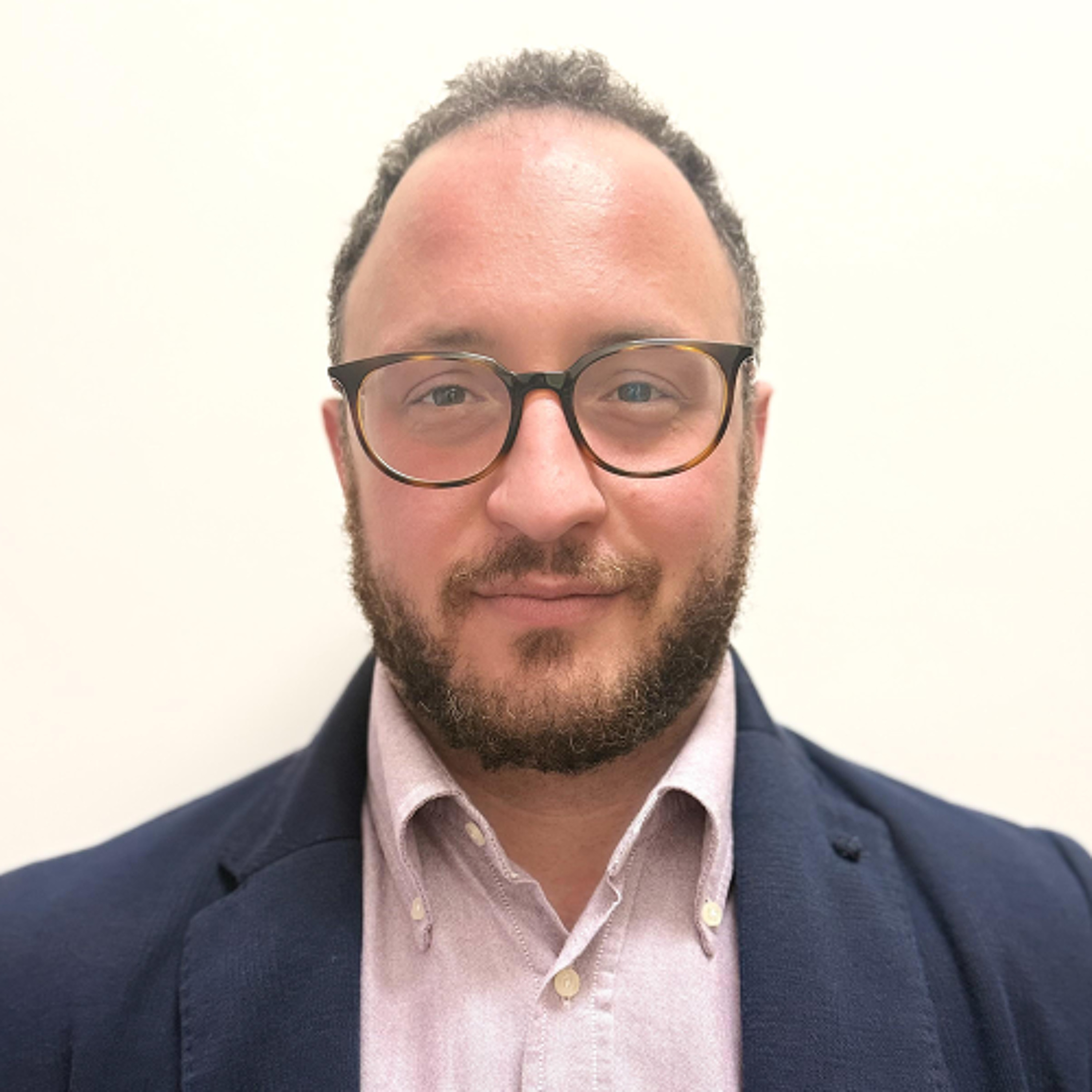
From 11 epsHosts
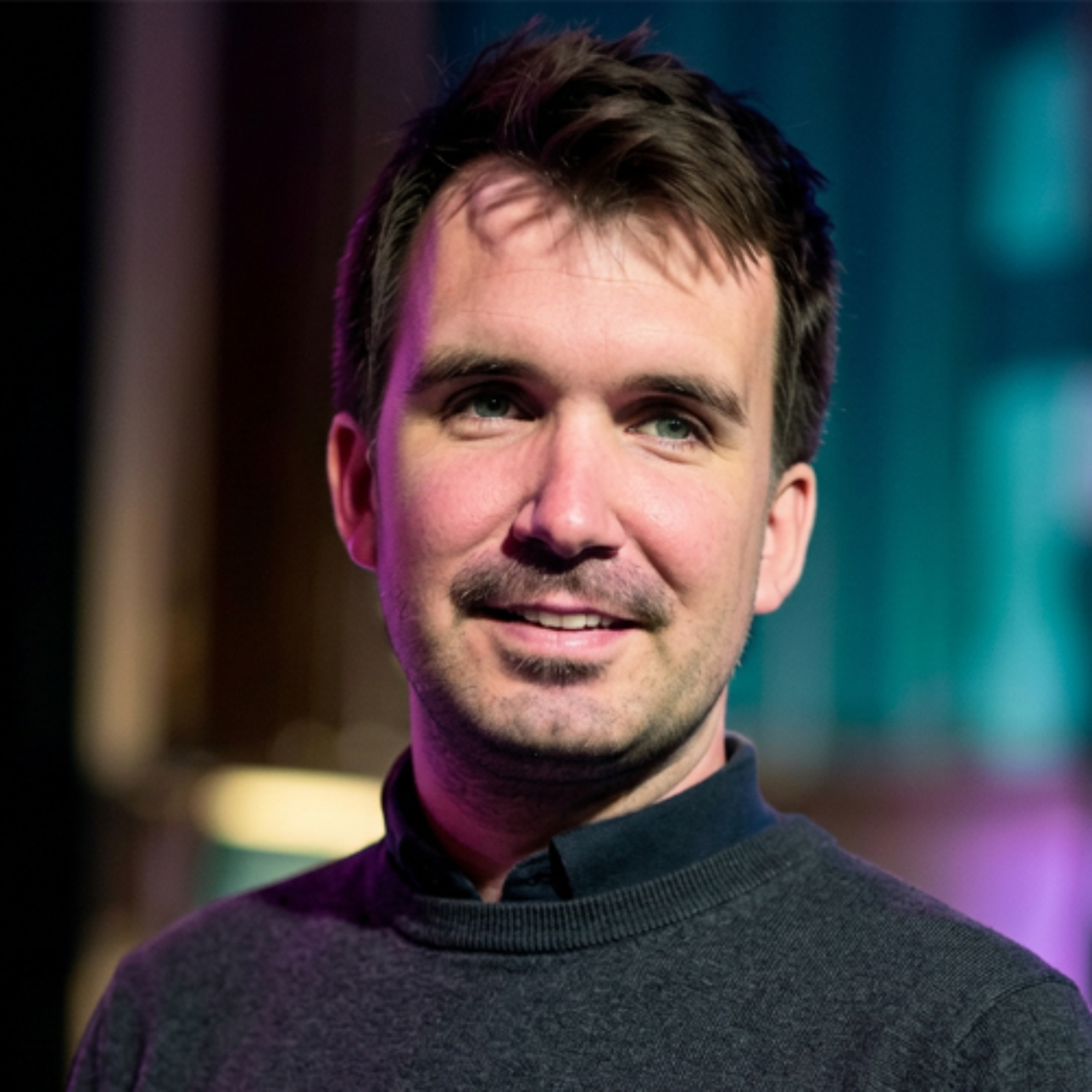
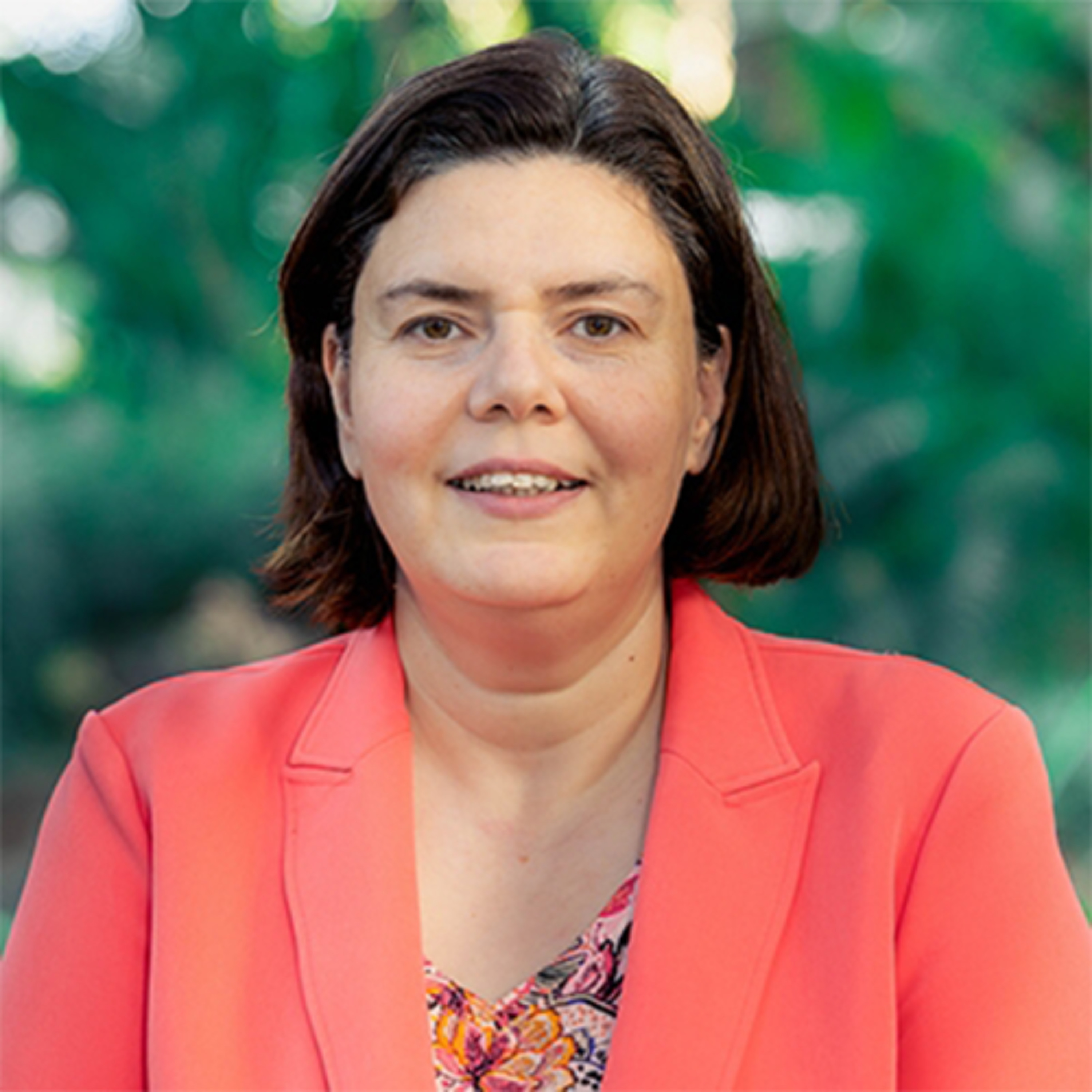
Recent guests
Recent episodes
Priyank Hirani from Data.org on Scaling Inclusive AI for Social Impact
Jun 4, 2026
23m 47s
Jarrod Goentzel on MIT’s Humanitarian Supply Chain Lab, AI and System Level Thinking
May 29, 2026
33m 06s
Ruben Lozano Aguilera from Ai2 on Asta's AutoDiscovery Tool for Scientific Discovery
May 12, 2026
24m 54s
Renaissance Philanthropy’s Ethna Ghosh on Partnership Building in India, AI and Unlocking Scientific and Technological Advancement
Apr 6, 2026
32m 44s
Federico Pierucci on Multi-Agent Risks in Humanitarian Aid at The Inference Layer
Mar 19, 2026
42m 28s
Social Links & Contact
Official channels & resources
Official Website
Login
RSS Feed
Login
| Date | Episode | Topics | Guests | Brands | Places | Keywords | Sponsor | Length | |
|---|---|---|---|---|---|---|---|---|---|
| 6/4/26 | ![]() Priyank Hirani from Data.org on Scaling Inclusive AI for Social Impact✨ | Inclusive AISocial Impact+3 | Priyank Hirani | data.orgCapacity Accelerator Network | India | AI Impact Summitresponsible AI+5 | — | 23m 47s | |
| 5/29/26 | ![]() Jarrod Goentzel on MIT’s Humanitarian Supply Chain Lab, AI and System Level Thinking✨ | humanitarian supply chainartificial intelligence+4 | Jarrod Goentzel | MIT Humanitarian Supply Chain LabMIT Center for Transportation & Logistics | — | humanitarianAI+6 | — | 33m 06s | |
| 5/12/26 | ![]() Ruben Lozano Aguilera from Ai2 on Asta's AutoDiscovery Tool for Scientific Discovery✨ | agentic AIscientific research+4 | Rubén Lozano-Aguilera | AutoDiscoveryAllen Institute for AI+2 | — | AIscientific hypotheses+5 | — | 24m 54s | |
| 4/6/26 | ![]() Renaissance Philanthropy’s Ethna Ghosh on Partnership Building in India, AI and Unlocking Scientific and Technological Advancement✨ | philanthropyAI+4 | Ethna Ghosh | Renaissance PhilanthropyGivingPi+1 | India1.4 billion people | philanthropyAI experimentation+4 | — | 32m 44s | |
| 3/19/26 | ![]() Federico Pierucci on Multi-Agent Risks in Humanitarian Aid at The Inference Layer✨ | AI deploymenthumanitarian operations+5 | Federico Pierucci | Icaro LabSapienza University | — | multi-agent riskshumanitarian aid+6 | — | 42m 28s | |
| 3/10/26 | ![]() Zineb Bhaby on NRC's CLEAR Initiative and Building a Digital Backbone for Humanitarian AI✨ | humanitarian AIdata collaboration+4 | Zineb Bhaby | Norwegian Refugee CouncilTwilio+1 | — | humanitarianAI+5 | — | 22m 45s | |
| 3/4/26 | ![]() Lukas Borkowski on Building Voice-First Humanitarian AI on a National Scale✨ | voice-first AIhumanitarian technology+4 | Lukas Borkowski | ViamoHumanitarian AI Today | — | voice-first AIhumanitarian+5 | — | 22m 47s | |
| 2/25/26 | ![]() Golestan Radwan and Panagiotis Moutis Discuss AI, The Environment and The Sustainability Paradox✨ | AI and the environmentsustainability paradox+4 | Golestan RadwanPanagiotis Moutis | United Nations Environment ProgramAllen Turing Institute+2 | — | artificial intelligenceenvironmental impact+5 | — | 25m 33s | |
| 2/25/26 | ![]() Javan Van Gronigen on Fundraising and Building an Engagement OS for the Modern Nonprofit✨ | fundraisingdigital storytelling+4 | Javan Van Gronigen | Fifty & FiftyDonately | — | fundraisingnonprofit+5 | — | 23m 25s | |
| 2/22/26 | ![]() Yarissa Matos-Soto on AI Implementation and Bridging the Connectivity Gap✨ | AI implementationhumanitarian sector+5 | Yarissa Matos-Soto | The CuriouxAssociation for Latin American Professionals (ALFA) | Puerto RicoUkraine | artificial intelligencehumanitarian aid+6 | — | 12m 21s | |
Want analysis for the episodes below?Free for Pro Submit a request, we'll have your selected episodes analyzed within an hour. Free, at no cost to you, for Pro users. | |||||||||
| 2/10/26 | ![]() Olena Shevchenko on Experimenting with Neo4j to Build a Personal Knowledge Agent✨ | data sciencemachine learning+5 | Olena Shevchenko | Humanitarian AI TodayNeo4j | Ukraine | Neo4jPersonal Knowledge Agent+5 | — | 15m 15s | |

| 2/6/26 | ![]() Ali Al-Mokdad on Creating the First AI-Native Humanitarian Podcast | Voices is a new mini-series from Humanitarian AI Today. In daily five to fifteen minute flashpods we pass the mic to humanitarian experts and technology pioneers, to hear about new projects, events, and perspectives on topics of importance to the humanitarian community. In this flashpod, Ali Al-Mokdad, a humanitarian leader speaks with Humanitarian AI Today producer, Brent Phillips about his experimental AI-native podcast called “Quantum Humanitarian” which explores the intersections of humanitarian realities, diplomacy, technology, and global affairs. Unlike traditional formats, this series does not follow scripts written by Ali Al Mokdad. Instead, it is powered by AI reading, assessing, and analyzing Ali's work, research, articles, and webinars, turning those insights into structured conversations and deep explorations of key themes. This is the first AI-native podcast in the humanitarian and development sector, pioneering a new way of exploring complex global issues through AI. This experiment aims to visualize future workflows in the humanitarian sector and explore how agentic AI can represent human thought in the digital landscape. Ali shares several surprising observations from producing 29 episodes, noting that the AI hosts have become remarkably adept at identifying trends in his work and even mimicking his specific vulnerable yet data-driven style. Ali emphasizes that the primary challenge of AI is not the technology itself but the organizational transformation required to leverage it. He urges the humanitarian community to invest in learning and development rather than overestimating risks or underestimating the opportunities presented by these tools. | — | ||||||
| 2/3/26 | ![]() David Schoeller-Diaz on Cybersecurity as a Public Good | David Schoeller-Diaz, Impact Engagement Manager formerly with the CyberPeace Institute, joins Humanitarian AI Today producer, Brent Phillips, to discuss the urgent need to conceptualize cybersecurity and artificial intelligence as public goods rather than individual responsibilities. Drawing from twenty years of experience in the humanitarian and peace-building sectors, David highlights how grassroots organizations are currently targeted by sophisticated threats like ransomware and spyware without adequate systemic support. He advocates for a shift toward collective infrastructure, such as regional cybersecurity operations centers and mandatory platform responsibility, to protect the entire social fabric from the cascading impacts of cyberattacks. The conversation further explores how community engagement principles from David's work with UNICEF, including localization and building on local capacity, can be applied to AI governance. David warns against the dangers of corporate dependency and "parachuting" external experts into aid and development contexts, instead proposing a "community immunity system" powered by federated learning and blockchain to share threat intelligence while maintaining data sovereignty. Both speakers emphasize that authentic AI literacy and genuine partnerships with local technologists are essential to ensuring that emerging technologies support democratic civic spaces rather than reinforcing existing vulnerabilities. | — | ||||||
| 2/3/26 | ![]() Thomas Byrnes on Addressing Shadow AI in Humanitarian Operations | Thomas Byrnes, CEO and Lead Consultant of MarketImpact, speaks with Brent Phillips, Humanitarian AI Today producer, about the growing challenge of "shadow AI" in the humanitarian sector. Byrnes defines shadow AI as the unauthorized use of AI tools like ChatGPT and Gemini by organization staff and field teams. While these tools offer benefits and productivity gains, their unofficial use introduces serious risks, such as the accidental sharing of sensitive beneficiary data, linguistic errors, poor decision making in aid and protection contexts, and "hallucinations" that might lead to incorrect assessments during program design. To mitigate these risks, Byrnes introduced AidGPT, a training brand that provides humanitarian teams with the skills to use AI tools ethically and safely. A central component of this training is the AI workflow card, an open-source toolkit designed to force users to pause and define the AI's role, set guardrails against misinformation, and verify outputs against approved data checklists. Byrnes emphasizes that while AI tools can provide much-needed efficiency in an underfunded sector, they must be treated like "junior staff members" who require constant supervision and human accountability. Ultimately, he argues for breaking the stigma and "shame" surrounding AI use to facilitate an open, community-wide dialogue about risks, operational best practices and lessons learned. | — | ||||||
| 12/24/25 | ![]() Humanitarian Technology Under Siege, A Conversation with Catalina Rebollo from Wired en Español | In Humanitarian AI Today’s first interview recorded in Spanish, David Alejamdro Schoeller-Diaz guest hosts a special interview with Catalina Rebollo, a journalist and regular contributor to Wired magazine in Spanish covering technology and artificial intelligence. Catalina specializes in in-depth reporting on news and complex issues with a particular focus on human rights, inequity and disinformation. She recently wrote on humanitarian technology under siege in Gaza, highlighting the impact of technology blockades and technology warfare on crippling humanitarian operations, making it harder for populations to survive and for aid agencies to fulfill their mandates. Building on the subject of technology in conflict-zones, David and Catalina discuss how digital tools and AI are becoming indispensable for humanitarian aid while at the same time they are being weaponized by non-humanitarian actors to facilitate the surveillance and persecution of civilians, testing humanitarian principles in new ways that we are only beginning to understand. Catalina highlights an emerging "two-tiered system" within the humanitarian sector, characterized by a stark disparity in technological capacity. While large, well-funded organizations possess the resources to conduct rigorous research into uses of AI and deploy more sophisticated and secure tools, smaller grassroots NGOs are frequently left behind. This digital divide often forces smaller actors to rely on insecure platforms and tools, leaving their operations and the communities they serve vulnerable to cyberattacks and data breaches. Power imbalance like these also severely limit the negotiating leverage of smaller NGOs not only with global technology corporations but also with key stakeholders on the ground during a crisis. The conversation concludes with a call for international political agreements to establish "red lines" that protect humanitarian data, much like the physical Red Cross flag protects aid workers under the Geneva Conventions. Looking forward, the guests explore the potential for defensive uses AI designed specifically to do things like safeguard human rights and provide medical guidance in conflict zones where traditional support has been severed. Finally, they call upon the academic and technology communities to deepen their engagement with the humanitarian sector, helping organizations of all sizes navigate the rapid evolution of AI and unlock its potential as a force for global good. Interview notes: https://humanitarianaitoday.medium.com/humanitarian-technology-under-siege-a-conversation-with-catalina-rebollo-from-wired-en-espa%C3%B1ol-c7f143c98c97 | — | ||||||
| 11/25/25 | ![]() Radek Wierzbicki from Unsung Heroes on Advancing Digital Entrepreneurship, AI and Building Trust and Credibility | Voices is a new mini-series from Humanitarian AI Today. In daily five-minute flashpods we pass the mic to humanitarian experts and technology pioneers, to hear about new projects, events, and perspectives on topics of importance to the humanitarian community. In this flashpod, Radek Wierzbicki, CEO of Unsung Heroes, speaks with Humanitarian AI Today producer Brent Phillips about his team’s work connecting startups with humanitarian organizations and Unsung Heroes’ Humanity Badge initiative, a platform that builds the reputation of humanitarian and development workers and their organizations. They discuss Unsung Heroes’ core interests in advancing digital literacy and entrepreneurship and their work in Tanzania supported by the Polish Minister of Foreign Affairs and the Polish Embassy in Tanzania helping mentor young people interested in launching technology startups. They also discuss Unsung Heroes’ work distributing and training people on using computers and AI applications, and their work launching and partnering on technology incubators and accelerators advancing digital entrepreneurship. Substack notes: https://humanitarianaitoday.substack.com/p/radek-wierzbicki-from-unsung-heroes | — | ||||||
| 11/23/25 | ![]() Siem Vaessen from Zimmerman on IATI, AI and the Development Aid Landscape | In this episode of the Humanitarian AI Today podcast, Siem Vaessen, CEO of Zimmerman and an IATI Governing Technical Board Member, and Sylvan Ridderinkhof, Data Engineer at Zimmerman, joined Brent Phillips to discuss the critical intersection of artificial intelligence, open data, and humanitarian collaboration amidst a rapidly changing and advancing landscape. Drawing on insights from the NetHope Summit, the guests highlighted a consensus that the sector must collaborate more closely around AI and open data sharing, a necessity largely driven by significant cuts in aid funding. Siem, Sylvan and Brent discussed Zimmerman's long-standing commitment to the International Aid Transparency Initiative (IATI), an open data sharing framework widely used by humanitarian organizations to share granular information on aid activities, transactions and results. The discussion delved into Zimmerman's work and its future roadmap, focusing on enhancing the usability and quality of IATI data and on simplifying the complex process of reporting aid activities through IATI. They touched on the launch of Zimmerman’s updated AIDA (Aid Information Data Analytics) data platform and on other Zimmerman products and services tailored for the humanitarian aid and development communities and how they’re looking at ways of leveraging AI to improve search capabilities and support data enrichment processes. They also however caution listeners on risks posed by AI adoption, capable of potentially impacting IATI data quality and usability. Because AI models and agents aren’t natively trained to understand complex and subtle differences in ways that organizations report aid activities and publish their data, AI applications risk misinterpreting aid activity information. The use of AI applications to enhance and augment IATI data could add to these challenges, making complex, granular analysis of IATI data difficult or prone to misinterpretation without measures being taken to mitigate these risks . Ultimately, the guests stressed that the progress of humanitarian technology hinges not just on powerful tools but on responsible innovation and a greater commitment to collaboration, including actively engaging with local actors and organizations that may traditionally be excluded from technical discussions on uses of AI. Interview notes: https://humanitarianaitoday.medium.com/siem-vaessen-from-zimmerman-on-iati-collaboration-around-ai-and-the-development-aid-landscape-ebd36e0f20e9 | — | ||||||
| 11/10/25 | ![]() Jessie Pechmann on AI, Satellite Imagery, Transparency, and Building Damage Assessments | Voices is a new mini-series from Humanitarian AI Today. In daily five-minute flashpods we pass the mic to humanitarian experts and technology pioneers, to hear about new projects, events, and perspectives on topics of importance to the humanitarian community. In this flashpod, Jessie Pechmann, Humanitarian GIS and Data Protection Lead with Humanitarian OpenStreetMap, speaks with Humanitarian AI Today producer Brent Phillips about satellite imaging, GIS, and the uses of AI in assessing building damage. They touch on how different AI models and methods can produce wildly different results for the same area, highlighting the need for transparency and better validation practices, including humans in the loop providing local knowledge and oversight. They also discuss the importance of "data commons," the open, shared data resources that humanitarian organizations rely on, and the challenges of supporting them amid a shift away from traditional government funding, which risks data becoming "siloed" as funding moves toward philanthropic or paid-for services. Substack notes: https://humanitarianaitoday.substack.com/p/jessie-pechmann-from-humanitarian | — | ||||||
| 11/7/25 | ![]() Yuriy Boyechko on Hope for Ukraine’s New Mobile App and Digital Inclusion | Yuriy Boyechko, Founder and CEO of Hope for Ukraine, speaks with Humanitarian AI Today guest host Emrys Schoemaker, Senior Director of Policy and Advisory with Caribou Digital. They discuss Hope for Ukraine’s work, humanitarian needs in Ukraine this Winter and the organization’s new mobile app (Nadiya) which helps connect individuals and families affected by the war with essential food supplies, education services, and housing resources. They also discuss ways of integrating applications of AI into the app and use the opportunity to discuss digital inclusion, digital identity and challenges associated with assessing needs, authenticating aid recipients and aid suppliers, and broader challenges associated with digital security. Episode notes: https://humanitarianaitoday.medium.com/yuriy-boyechko-on-hope-for-ukraines-new-mobile-app-nadiya-1b1ed5deb923 | — | ||||||
| 11/2/25 | ![]() Olivier Mills from Baobab Tech on the Need for Deeper Technical Collaboration on Humanitarian AI | Voices is a new mini-series from Humanitarian AI Today. In daily five-minute flashpods we pass the mic to humanitarian experts and technology pioneers, to hear about new projects, events, and perspectives on topics of importance to the humanitarian community. In this flashpod, Olivier Mills, Founder of Baobab Tech, talks about NetHope’s Global Summit and Dev Explorer, a Frontier Tech Hub pilot project supported by FCDO, with Humanitarian AI Today producer Brent Phillips. They cover takeaways from NetHope’s recent Global Summit and conversations that took place focusing on rapid advances in AI and on the need to see humanitarian actors work more closely around AI from deeply technical vantage points. They also discussed Dev Explorer, open data sharing frameworks like IATI, explainable AI and new funding initiatives like Humanity AI. This conversation explores critical challenges that the humanitarian community faces in keeping pace with the rapid evolution of artificial intelligence. Olivier and Brent highlight the urgent need for humanitarian actors to move beyond high-level discussions and build new pathways for effective, deeply technical collaboration to harness AI's potential responsibly. Substack notes: https://humanitarianaitoday.substack.com/p/olivier-mills-from-baobab-tech-on | — | ||||||
| 10/24/25 | ![]() Cole Leng on the State and Future of On-Device Machine Learning for Humanitarian Action | Voices is a new mini-series from Humanitarian AI Today. In daily five-minute flashpods we pass the mic to humanitarian experts and technology pioneers, to hear about new projects, events, and perspectives on topics of importance to the humanitarian community. In this flashpod, Cole Leng, an AI Researcher at Harvard and former Project Manager with Nexa AI, sits down with Humanitarian AI Today producer Brent Phillips to discuss the state-of-the-art and future trajectory of on-device machine learning. The discussion provides researchers and staff from humanitarian organizations with important insights into where the state-of-the-art in on-device machine learning stands today and where the cutting-edge is heading. Cole examines the critical trade-offs between on-device and cloud models, analyzing their respective workflows, performance limitations, and implementation considerations to help listeners evaluate whether on-device ML applications are suitable for their specific needs. He also offers insight into choosing LLMs, the impact of new specialized hardware on performance and capability, and how current advances in ML are shaping the next generation of applications. This episode highlights a core goal of the Humanitarian AI Today podcast: fostering dialogue between technology researchers and humanitarian practitioners. As AI and ML capabilities scale rapidly, this cross-sector engagement is crucial for mapping new technical advances to the unique operational, privacy, and resource constraints of the humanitarian field. Substack notes: https://humanitarianaitoday.substack.com/p/cole-leng-on-the-state-and-future | — | ||||||
| 10/20/25 | ![]() Neha Bajwa from Neo4j Unveils New Tools to Build, Test, and Deploy AI Agents | Voices is a new mini-series from Humanitarian AI Today. In daily five-minute flashpods we pass the mic to humanitarian experts and technology pioneers, to hear about new projects, events, and perspectives on topics of importance to the humanitarian community. In this flashpod, Neha Bajwa, Vice President of Product Marketing at Neo4j, joins Humanitarian AI Today producer Brent Phillips to discuss Neo4j’s major plans to support agentic AI systems that will directly benefit nonprofits and humanitarian organizations. Neo4j is the world’s leading graph intelligence platform for AI systems, and the company’s two new tools, Neo4j Aura Agent and the Model Context Protocol Server for Neo4j, will address critical development obstacles and help organizations rapidly build, test, and deploy AI agents. They also discuss Neo4j’s Graphs for Good program and Neo4j’s upcoming “NODES” developer conference, which is the biggest graph community gathering dedicated to applications, data intelligence, knowledge graphs, and AI. Substack notes: https://humanitarianaitoday.substack.com/p/neha-bajwa-from-neo4j-unveils-new | — | ||||||
| 10/17/25 | ![]() Lindsey Moore on Agentic AI, Transformative Philanthropy and Investing in Humanitarian AI | Voices is a new mini-series from Humanitarian AI Today. In daily five-minute flashpods we pass the mic to humanitarian experts and technology pioneers, to hear about new projects, events, and perspectives on topics of importance to the humanitarian community. In this flashpod, Lindsey Moore, Founder and CEO of DevelopMetrics, joins Humanitarian AI Today producer Brent Phillips to talk about agentic AI and bold new funding initiatives like Humanity AI. According to Humanity AI’s website, the coalition is co-chaired by Omidyar Network and the John D. and Catherine T. MacArthur Foundation. Its founding members include the Doris Duke Foundation, Ford Foundation, Lumina Foundation, Kapor Foundation, Mellon Foundation, Mozilla Foundation, Siegel Family Endowment, and the David and Lucile Packard Foundation. Over five-years, the coalition plans to dedicate $500M towards making sure people and communities beyond Silicon Valley have a stake in the future of artificial intelligence establishing an AI future where people and communities can flourish. Lindsey Moore offers a grounded perspective on the current state of AI in the humanitarian sector. She observes that despite industry buzz, most organizations are not yet experimenting with agentic AI. Instead, they are focusing on more foundational challenges, such as organizing their data and building domain-specific large language models that can grasp the unique context and terminology of their work. Discussing the Humanity AI initiative, Lindsey and Brent express hope that such bold new funding can, with an informed understanding of the sector, help offset the destructive impact of recent aid funding cuts. These cuts disrupted foundational AI capacity-building that was being carried out by established organizations with deep domain experience, destroying numerous projects and dismantling teams behind them. They make a compelling case for funders to reinvest in these organizations and their important work to prevent hard-won gains from being lost and to scale their forward momentum. The conversation serves as a call to action, emphasizing that for initiatives like Humanity AI to be truly transformative, they must go beyond traditional philanthropy. This means proactively identifying and engaging with the humanitarian community's own AI leaders, reforming conventional cyclic grant solicitation and grant-making processes that too often overlook real sector innovators and builders, and boldly forming new partnerships that make them accessible and open to input, rather than insulated behind institutional firewalls. Substack notes: https://humanitarianaitoday.substack.com/p/lindsey-moore-from-developmetrics | — | ||||||
| 10/16/25 | ![]() Chelsea McMurray on AI Security and the Threat Landscape Facing Humanitarian Actors | Voices is a new mini-series from Humanitarian AI Today. In daily five-minute flashpods we pass the mic to humanitarian experts and technology pioneers, to hear about new projects, events, and perspectives on topics of importance to the humanitarian community. In this flashpod, Chelsea McMurray, founder of the AI security startup Dorcha, joins Humanitarian AI Today producer Brent Phillips to discuss international human rights law, AI security, and the threat landscape facing humanitarian actors. They begin with Chelsea’s background in human rights law and the recent disregard for international norms that should underpin ethical AI governance. The casual conversation then pivots to AI security and the specific threats humanitarian organizations face. Chelsea explains how her startup addresses data privacy vulnerabilities and prompt injection attacks, by giving users greater control over their personal information. Protecting such sensitive data is especially critical in the humanitarian sector, where information leaks can endanger field staff and the vulnerable populations they serve. Substack notes: https://humanitarianaitoday.substack.com/p/chelsea-mcmurray-on-ai-security-and | — | ||||||
| 10/15/25 | ![]() Annie Brown from Humane Intelligence on their Bias Bounty Program | Voices is a new mini-series from Humanitarian AI Today. In daily five-minute flashpods we pass the mic to humanitarian experts and technology pioneers, to hear about new projects, events, and perspectives on critical topics. In this flashpod, Annie Brown, a Data Scientist with Humane Intelligence, talks about her team’s Bias Bounty program and how to get involved in an interview with Brent Phillips, Producer of Humanitarian AI Today. They discuss Humane Intelligence's work focusing on collaboratively designing and running rigorous evaluations that make AI systems more accountable, responsible, and fair, their bias bounty program and the strategy behind it as well as touch on how volunteers can get involved and launch their research. Substack notes: https://humanitarianaitoday.substack.com/p/annie-brown-from-humane-intelligence | — | ||||||
Showing 25 of 133
Pitch Fit is a Pro feature
See how bookable this show is for guests, which brands already advertise, the per-episode ad value, and the best-fit guest and sponsor profile. The numbers are blurred on the free plan.
How readily this show books outside guests like you.
How proven this show is for host-read sponsorships.
For Guests
ProFor Advertisers
ProUpgrade to Pro to unlock guest cadence, sponsor categories, fit scores, and per-episode ad value for this show.
Chart Positions
1 placement across 1 market.
Chart Positions
1 placement across 1 market.