Insights from recent episode analysis
Audience Interest
Podcast Focus
Publishing Consistency
Platform Reach
Insights are generated by CastFox AI using publicly available data, episode content, and proprietary models.
Most discussed topics
Brands & references
Total monthly reach
Estimated from 31 chart positions in 31 markets.
By chart position
- 🇺🇸US · Management#6330K to 100K
- 🇨🇦CA · Management#1295K to 30K
- 🇮🇳IN · Management#3330K to 100K
- 🇯🇵JP · Management#4130K to 100K
- 🇪🇸ES · Management#4930K to 100K
- Per-Episode Audience
Est. listeners per new episode within ~30 days
159K to 540K🎙 ~2x weekly·51 episodes·Last published today - Monthly Reach
Unique listeners across all episodes (30 days)
317K to 1.1M🇺🇸9%🇮🇳9%🇯🇵9%+28 more - Active Followers
Loyal subscribers who consistently listen
127K to 432K
Market Insights
Platform Distribution
Reach across major podcast platforms, updated hourly
Total Followers
—
Total Plays
—
Total Reviews
—
* Data sourced directly from platform APIs and aggregated hourly across all major podcast directories.
On the show
From 12 epsHosts
Recent guests
Recent episodes
What AI Can’t Do — And Why
Jun 25, 2026
Unknown duration
Our AI Future: From Abundance to Apocalypse
Jun 10, 2026
45m 10s
The Art of Friction
May 20, 2026
23m 52s
Unconventional Wisdom
May 6, 2026
26m 11s
Why Who You Are Affects How You Think
Apr 22, 2026
24m 43s
Social Links & Contact
Official channels & resources
Official Website
Login
RSS Feed
Login
| Date | Episode | Topics | Guests | Brands | Places | Keywords | Sponsor | Length | |
|---|---|---|---|---|---|---|---|---|---|
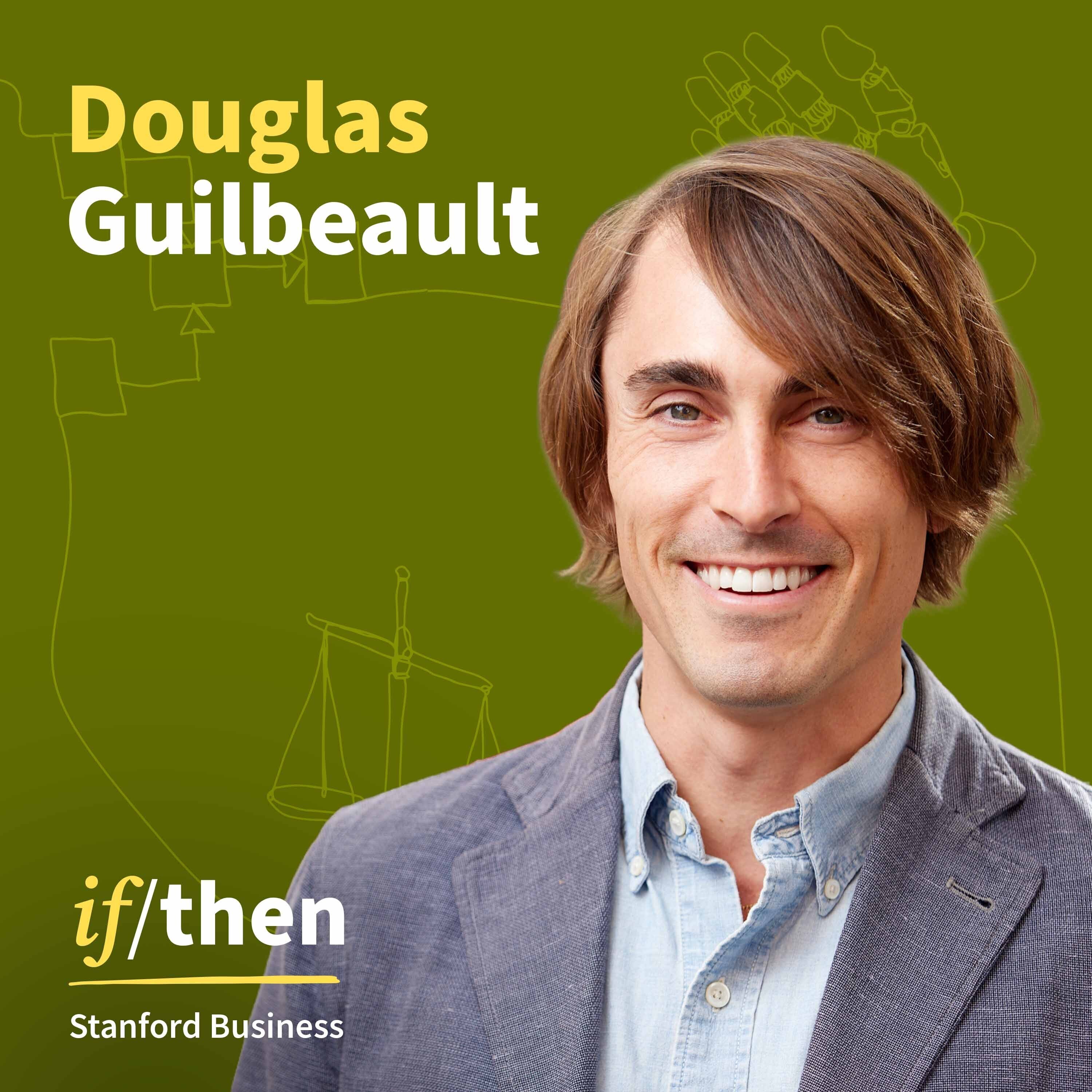
| 6/25/26 | ![]() What AI Can’t Do — And Why | “Humans manage to do so much with surprisingly little,” says Douglas Guilbeault, an assistant professor of organizational behavior at Stanford Graduate School of Business. “Whereas AI, by comparison, is doing relatively little, but with so much power, so much compute, so many resources, and by comparison, relatively fewer constraints.”On a bonus episode of the If/Then podcast, Guilbeault describes the implications of his recent work. Although he readily acknowledges that AI is “increasingly able to do quite a lot,” Guilbeault and his colleagues believe they have identified a key principle that distinguishes human intelligence from machine intelligence — and one which illuminates the limitations of machine thinking. Although some researchers and AI boosters believe both humans and AI learn via optimization, Guilbeault and his colleagues have shown that another process more accurately captures how people distill the seemingly infinite complexity of the world and act based on limited information. “You encounter a lot of noise, a lot of chaos, a lot of randomness,” Guilbeault says. “We somehow figure out how to make meaning and establish strong understandings from within that.”What limitations have you encountered in your work with AI? Share your story with us at ifthenpod@stanford.edu.Related Content:Douglas Guilbeault faculty profileRead "A Simple Threshold Captures the Social Learning of Conventions" hereChapters:00:00:00 Introduction00:01:40 Why human learning matters for AI00:05:03 Satisficing and the limits of optimization00:06:41 Why LLMs learn differently from humans00:09:58 The stakes of AI hype00:13:11 “Humanity has had a good run”00:15:19 Intuition, insight, & conceptual leaps00:17:38 Beyond statistics: metaphor, vibes, & reasoning00:19:39 A simple rule for social learning00:21:18 Is there a ceiling for AI?00:23:00 Randomness, disorder, & the path to insight00:25:00 What an optimization mindset leaves out00:27:54 Conclusion If/Then, from Stanford GSB, features conversations with faculty that explore how their research deepens our understanding of business and leadership.See Privacy Policy at https://art19.com/privacy and California Privacy Notice at https://art19.com/privacy#do-not-sell-my-info. | — | ||||||
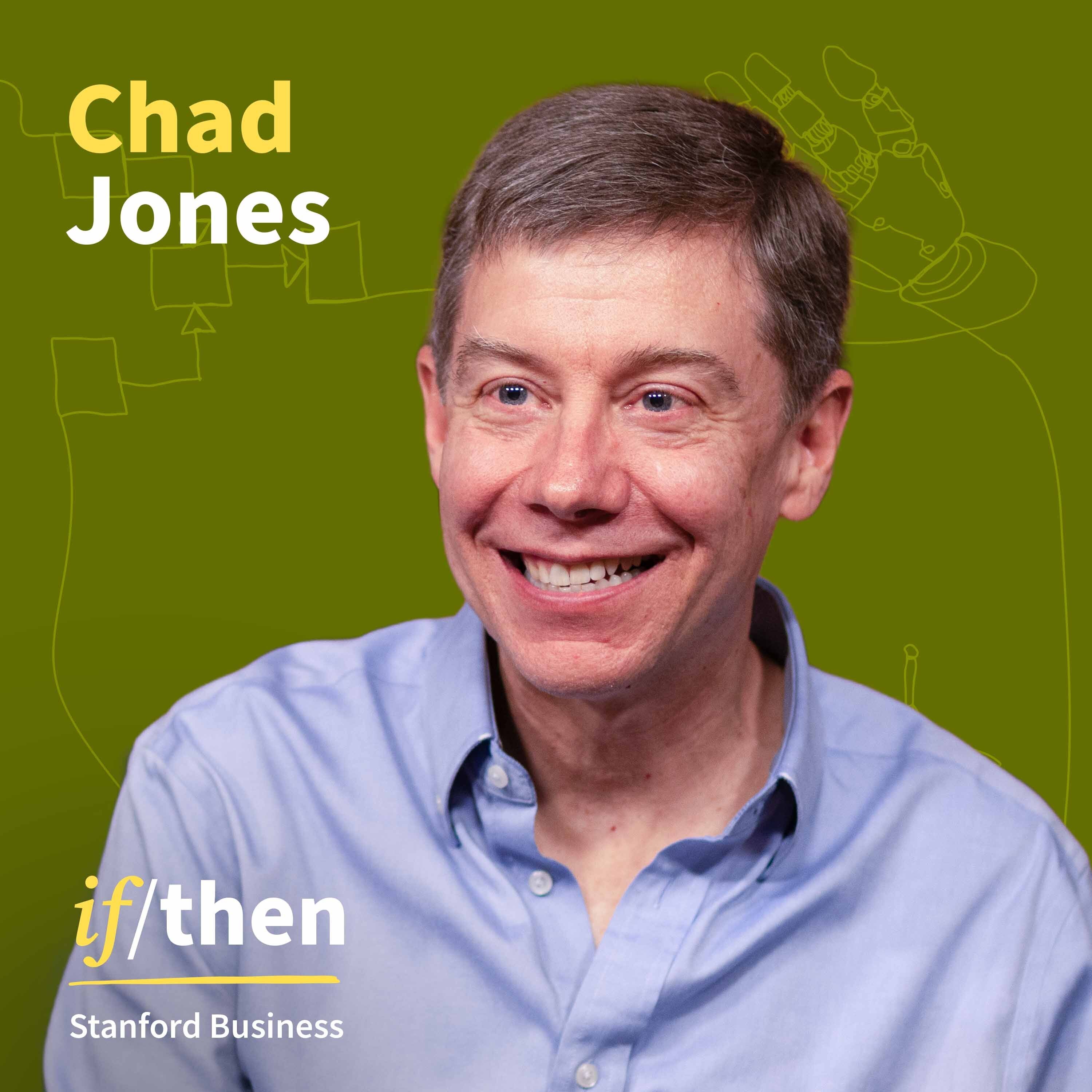
| 6/10/26 | ![]() Our AI Future: From Abundance to Apocalypse✨ | AIeconomic futures+4 | Chad Jones | Stanford Graduate School of BusinessAI and Our Economic Future | — | AIeconomics+5 | — | 45m 10s | |
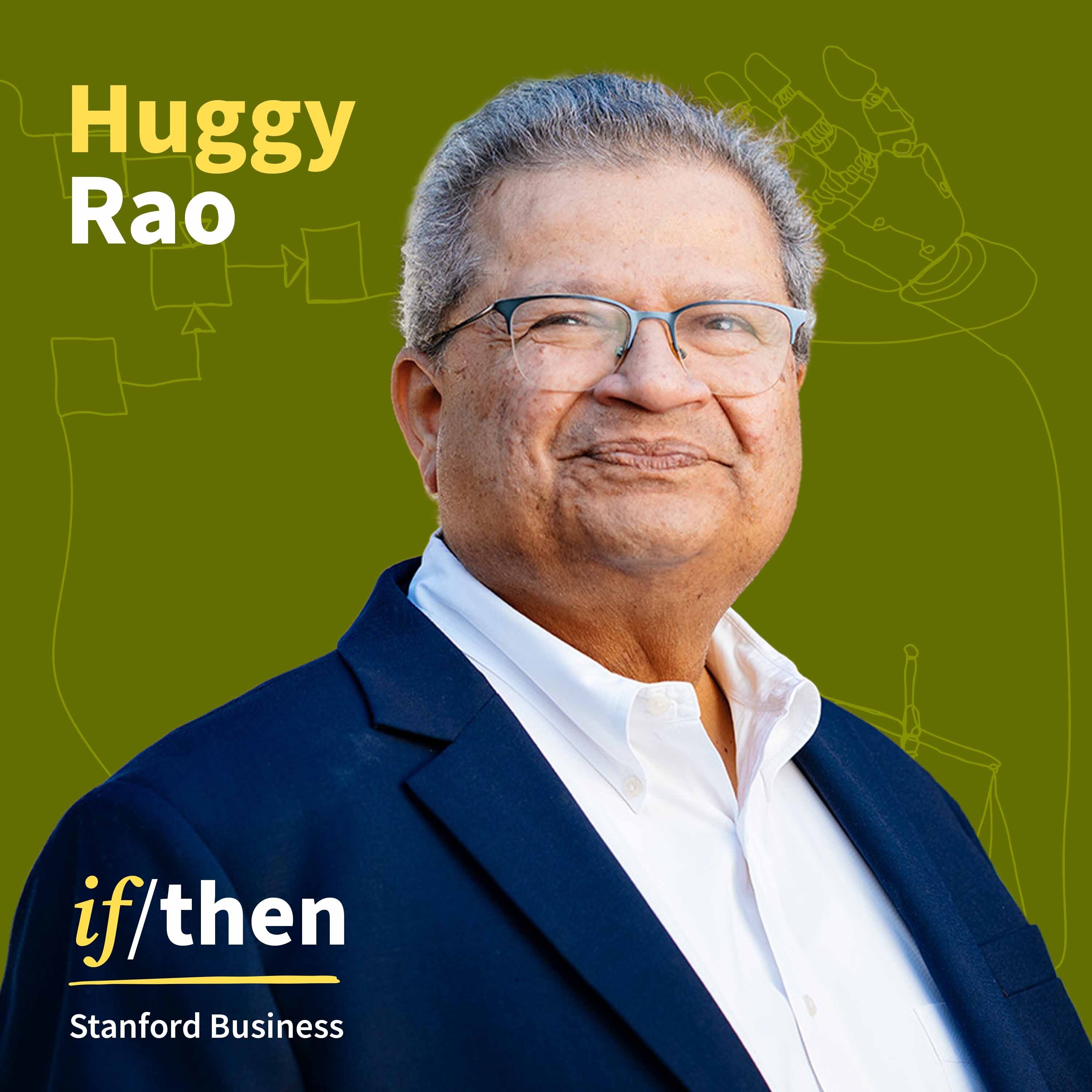
| 5/20/26 | ![]() The Art of Friction✨ | frictionorganizational behavior+3 | Hayagreeva Rao | Stanford Graduate School of BusinessDropBox | — | frictionobstacles+4 | — | 23m 52s | |
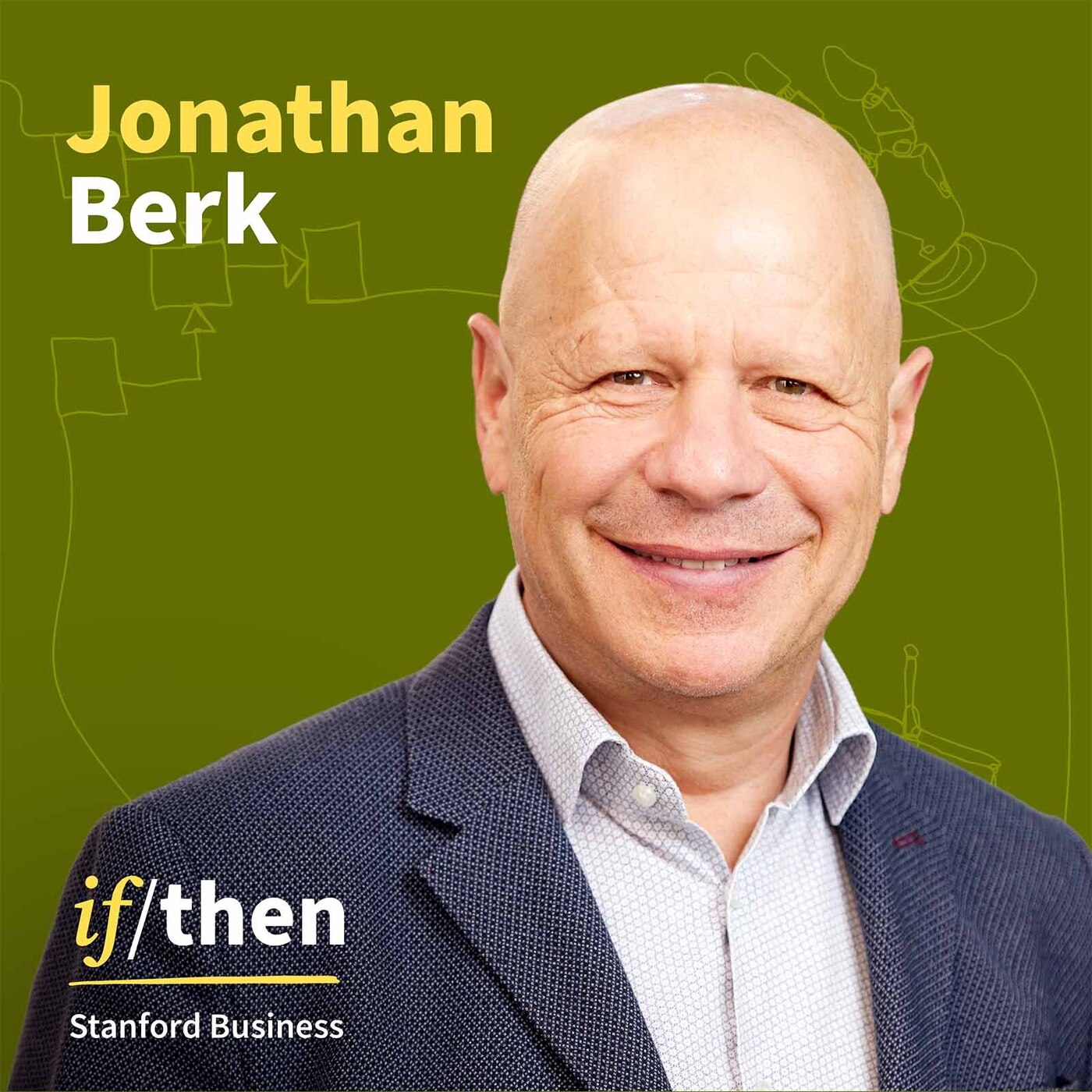
| 5/6/26 | ![]() Unconventional Wisdom✨ | unconventional thinkingfinance+4 | Jonathan Berk | Stanford Graduate School of BusinessStanford GSB | — | financedebt+4 | — | 26m 11s | |
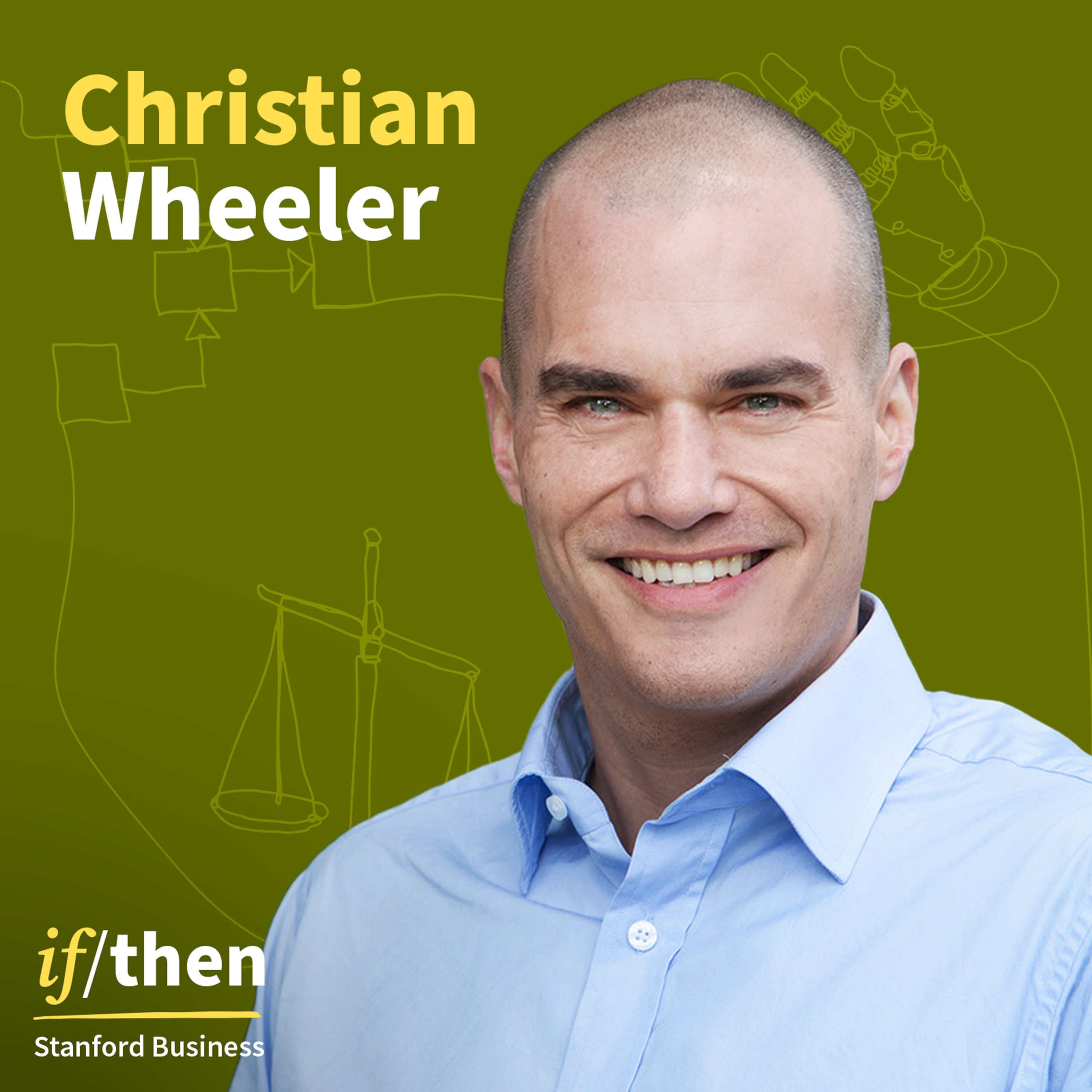
| 4/22/26 | ![]() Why Who You Are Affects How You Think✨ | identitypolarization+3 | Christian Wheeler | Stanford Graduate School of BusinessStanford GSB | — | identitypolitics+5 | — | 24m 43s | |
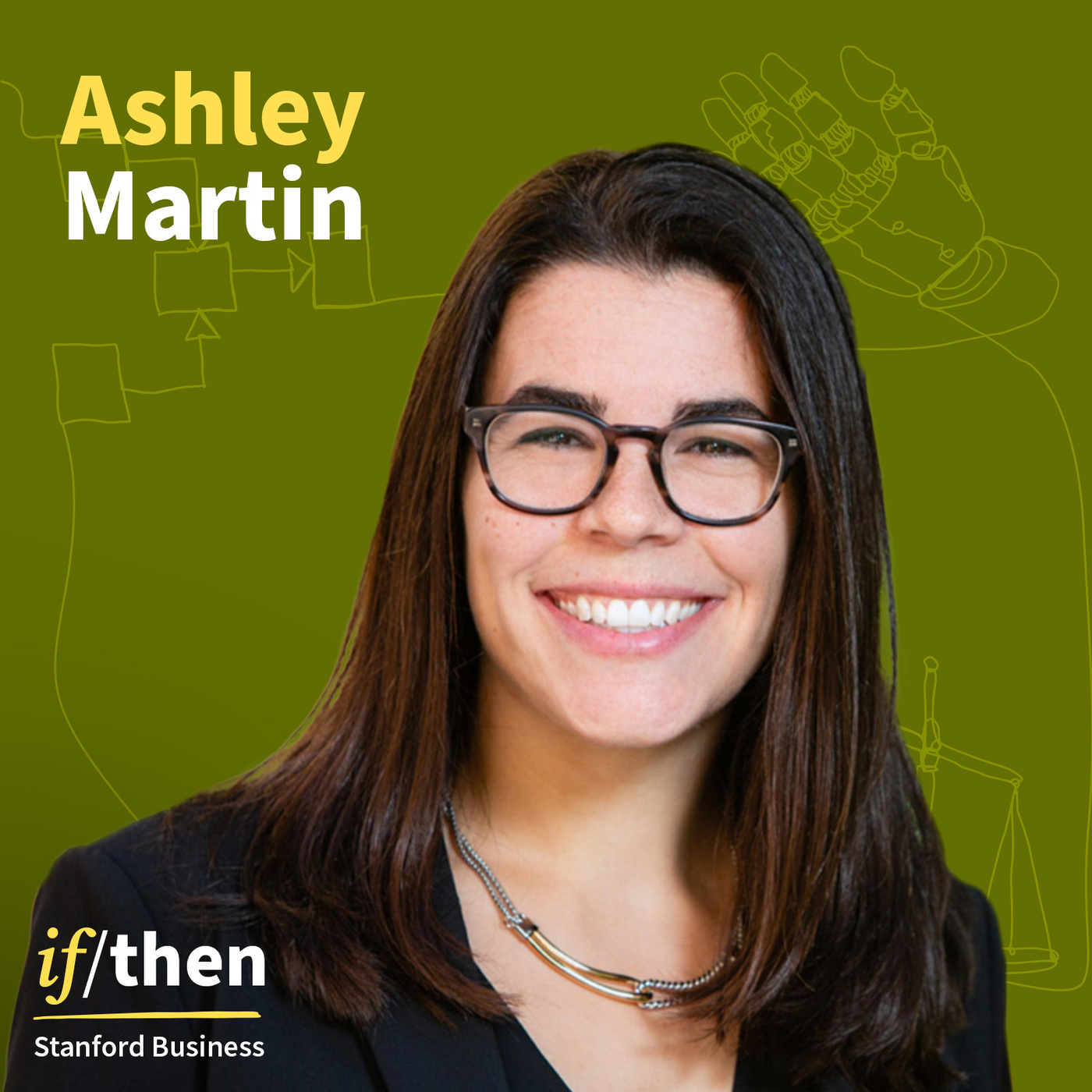
| 4/8/26 | ![]() The Paradox of Masculinity✨ | masculinitygender inequality+3 | Ashley Martin | Stanford Graduate School of BusinessIf/Then | — | masculinitygender+4 | — | 26m 52s | |
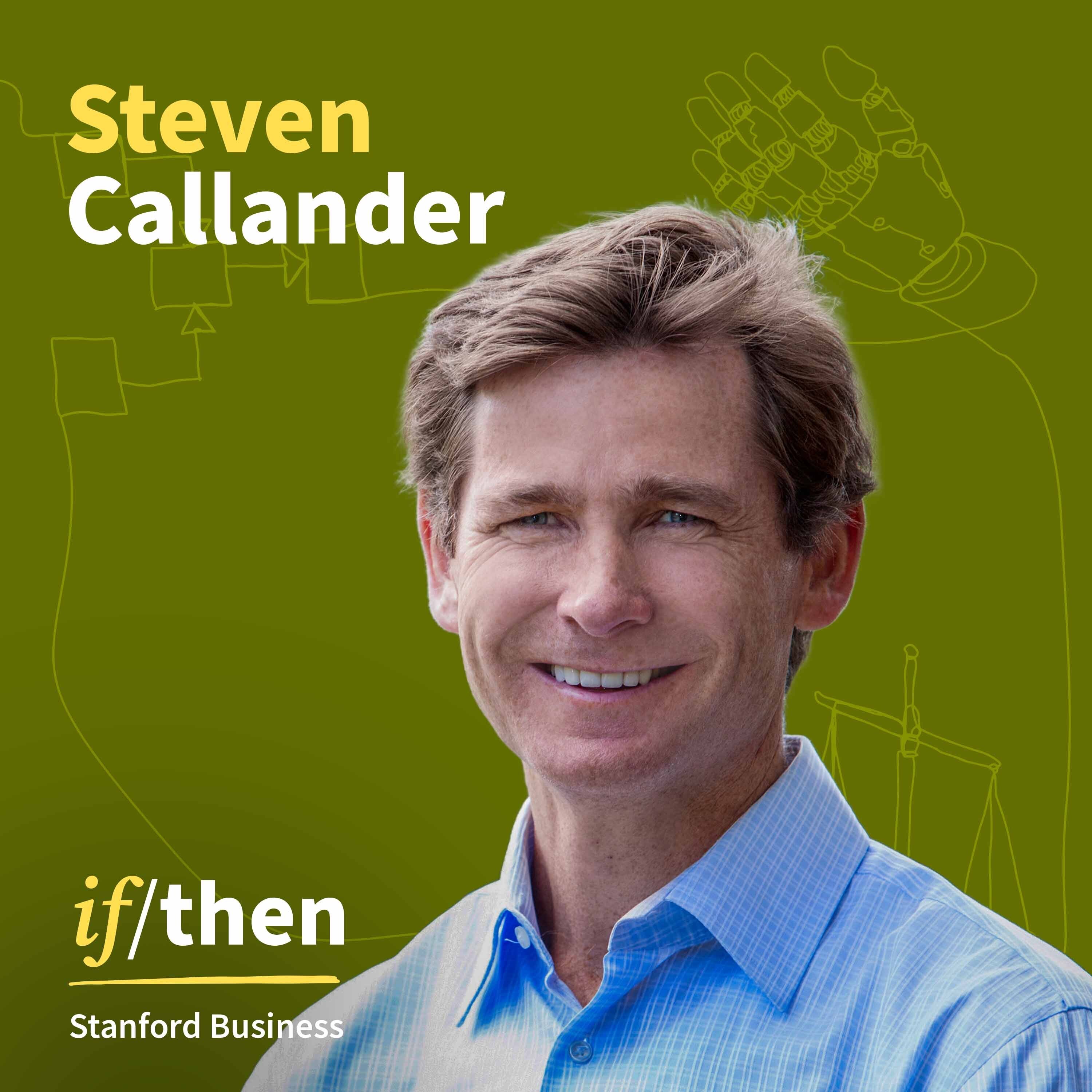
| 3/25/26 | ![]() What We Actually Learn From Experience✨ | learning from experiencecorrelated learning+3 | Steven Callander | Stanford Graduate School of Business | — | learningexperience+5 | — | 25m 56s | |
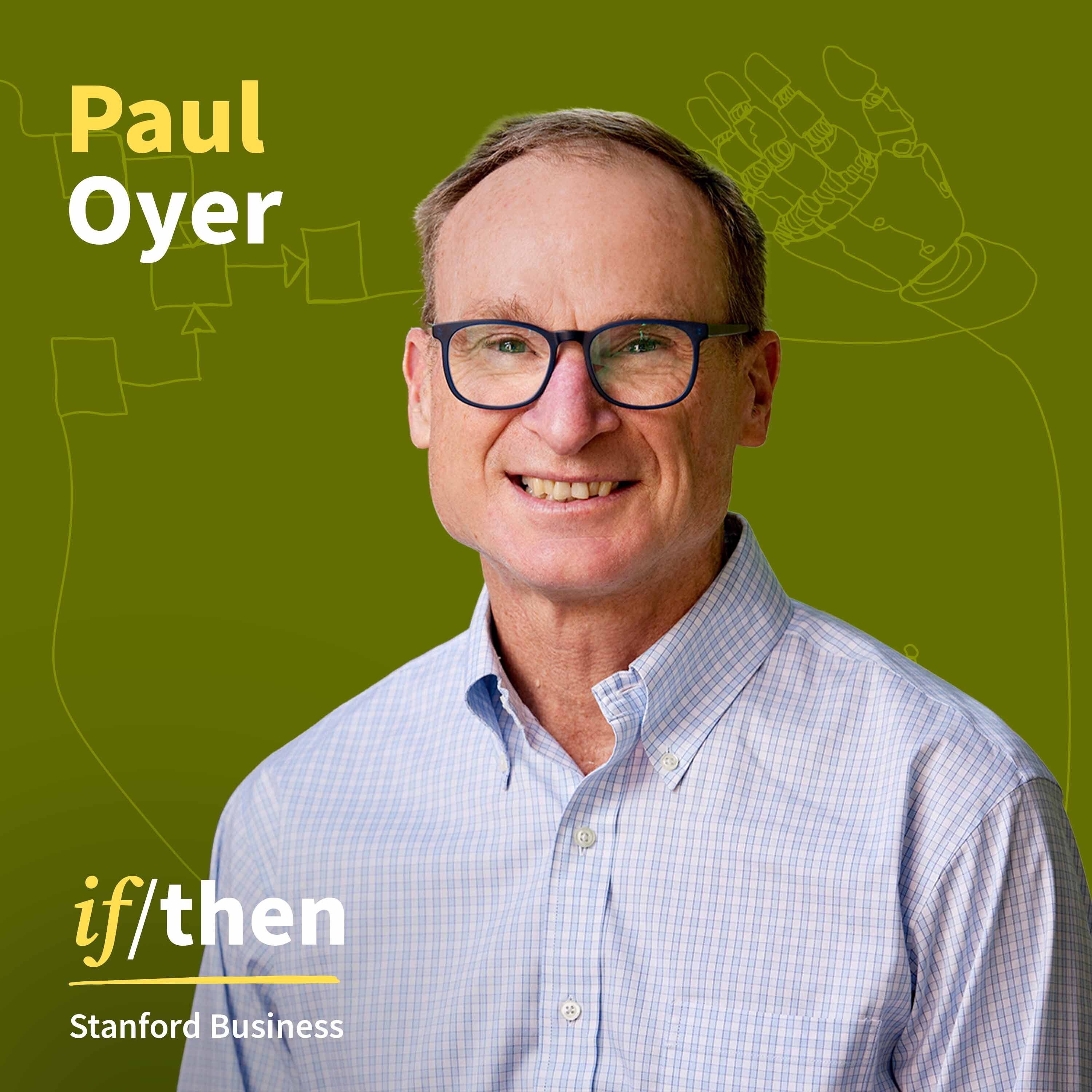
| 3/11/26 | ![]() How Dating and Sports Explain the Job Market✨ | economicsjob market+4 | Paul Oyer | Stanford Graduate School of BusinessIf/Then | — | economicsjob market+5 | — | 25m 19s | |
| 3/4/26 | ![]() If/Then Returns: Season Three✨ | businessleadership+3 | — | Stanford Graduate School of BusinessIf/Then | — | businessleadership+5 | — | 1m 25s | |
| 12/22/25 | ![]() GSB at 100: "The Moment"✨ | centennial celebrationinnovation+3 | — | Stanford Graduate School of Business | — | Stanford GSBCentennial+4 | — | 28m 34s | |
Want analysis for the episodes below?Free for Pro Submit a request, we'll have your selected episodes analyzed within an hour. Free, at no cost to you, for Pro users. | |||||||||
| 11/26/25 | ![]() GSB at 100: "The Experience"✨ | centennial celebrationeducation+3 | — | Stanford Graduate School of Business | — | Stanford GSBcentennial+4 | — | 29m 01s | |
| 11/12/25 | ![]() GSB at 100: "The Spirit"✨ | Stanford GSBCentennial+4 | — | Stanford Graduate School of Business | — | Stanford GSBCentennial+4 | — | 24m 30s | |
| 10/29/25 | ![]() What's Your Problem: "Teaching Computers to See"✨ | artificial intelligencecomputer vision+3 | Fei-Fei Li | StanfordGoogle+4 | — | AIImageNet+5 | — | 27m 03s | |
| 9/24/25 | ![]() GSB at 100: The Magic | This week on If/Then, we’re sharing an episode of GSB at 100, a limited audio series created especially for Stanford Graduate School of Business’s Centennial. GSB at 100 presents a scrapbook of memories, ideas, and breakthroughs, as the GSB celebrates its first century and looks around the corner to what the next hundred years may hold.The first episode of the series begins where the GSB begins: in 1925, Herbert Hoover, a Stanford alum and future U.S. president, had an idea. “A graduate School of Business Administration is urgently needed upon the Pacific Coast,” he wrote. One hundred years later, what has Stanford Graduate School of Business accomplished, and what might its future hold? Listen in as professors reflect on founding principles, frontier technologies, and the magic that makes the GSB the place it is — and shapes what it aspires to be.If/Then is a podcast from Stanford Graduate School of Business that examines research findings that can help us navigate the complex issues we face in business, leadership, and society. Each episode features an interview with a Stanford GSB faculty member.Learn more about the Stanford GSB CentennialSee Privacy Policy at https://art19.com/privacy and California Privacy Notice at https://art19.com/privacy#do-not-sell-my-info. | — | ||||||
| 8/27/25 | ![]() View From The Top: “Lisa Su Is Still Curious About How Things Work” | This week on If/Then, we’re sharing an episode of View From The Top: The Podcast, an audio series featuring leaders from around the world in conversation with MBA students. Recorded live at the CEMEX Auditorium at Stanford Graduate School of Business, episodes feature insights on effective leadership, the values that guide it, and lessons learned along the way.Lisa Su, the chair and CEO of Advanced Micro Devices (AMD), leads one of the world’s most influential technology companies, a pioneer in high-performance computing and designer of chips that power everything from cellphones to supercomputers.Su joins Michael Liu, MBA ’25, to talk about what it takes to stay on the cutting edge of technology, the tremendous potential of artificial intelligence, and why her superpower may be her commitment to learning.“Careers are very much by chance,” Su says. “The nice thing about my early career is I was lucky enough to have bosses who asked me all the time, ‘What do you want to be when you grow up?’ And I was like, ‘I don't know. Let me think about [it]...what I like to believe is the ability to learn at each step was what really helped me in my career.”This conversation was recorded on February 24, 2025. More Resources: • Lisa Su • GSB Insights • View From The Top If/Then is a podcast from Stanford Graduate School of Business that examines research findings that can help us navigate the complex issues we face in business, leadership, and society.Chapters: (00:00:00) Introduction Kevin Cool introduces a summer spotlight on other podcasts, featuring View from the Top.(00:00:59) Meet Lisa Su Michael Liu introduces Lisa Su, AMD CEO, and highlights her career transformation.(00:04:13) Growing Up & MIT Years Lisa reflects on her immigrant upbringing and her journey through three degrees at MIT.(00:05:43) Discovering Semiconductors A part-time lab job at MIT ignites Lisa’s passion for chip technology.(00:07:21) From Engineer to Leader Lisa describes her transition from technical work to managing people and projects.(00:11:19) Tackling Hard Problems How curiosity and teamwork help Lisa embrace high-stakes technical challenges.(00:13:40) Betting on Talent Lisa recounts moments when she was given a chance—and how she now pays that forward.(00:17:03) Becoming CEO at AMDWhat brought Lisa to AMD and the unexpected call to lead the company.(00:21:51) Strategy in a TurnaroundHow AMD focused on high-performance computing and long-term bets.(00:25:41) Cultural Shift at AMD Lisa outlines how AMD’s culture became collaborative, ambitious, and learning-driven.(00:27:19) AI & Global Tech PoliticsThe complex intersection of AI innovation and geopolitical regulation.(00:32:37) Open vs. Closed AI PlatformsAMD’s open-source AI approach with NVIDIA’s more vertical model.(00:38:54) Future Vision & Final ReflectionsLisa offers advice to MBAs and shares what she wants her legacy at AMD to be. See Privacy Policy at https://art19.com/privacy and California Privacy Notice at https://art19.com/privacy#do-not-sell-my-info. | — | ||||||
| 8/13/25 | ![]() The Joy of Discovery and Why Research Matters | As we celebrate the conclusion of the second season of the If/Then podcast, we present a bonus episode featuring Deborah H. Gruenfeld, the Joseph McDonald Professor and Professor of Organizational Behavior and a Senior Associate Dean for Academic Affairs at Stanford Graduate School of Business. Gruenfeld, who appeared on the first season of If/Then in an award-winning episode about hierarchies and the nature of power, returned to the studio to share her thoughts on the value of academic research and its impact on individuals and organizations. “The nice thing about research is that it provides tools and methods and an approach to learn about what’s true in the world, taking into account that what we learn from firsthand experience is not reliable,” she says. “Research helps us build a body of knowledge about what's actually true that we can trust.”This episode was recorded on July 16, 2025.Related Content:Deborah H. Gruenfeld, faculty profileWhy Research MattersWhy I Research: Findings Fueled by the Head and the HeartIf/Then is a podcast from Stanford Graduate School of Business that examines research findings that can help us navigate the complex issues we face in business, leadership, and society. Each episode features an interview with a Stanford GSB faculty member.See Privacy Policy at https://art19.com/privacy and California Privacy Notice at https://art19.com/privacy#do-not-sell-my-info. | — | ||||||
| 7/30/25 | ![]() The Future of Everything: "The Future of Motivation" | This week on If/Then, we’re sharing an episode of The Future of Everything, a podcast hosted by Stanford School of Engineering professor and friend of the show Russ Altman.Everyone has goals — some are monumental, others modest — but every goal matters. Szu-chi Huang, an associate professor of marketing at Stanford Graduate School of Business, is an expert on sustaining enthusiasm for individuals, customers, and employees across global corporations and organizations.On this episode, Huang shares what it takes to stay motivated over time — not just at the beginning of a goal, when energy runs high, or at the end, when the finish line is in sight, but through the toughest part: the middle. She explains why motivation is a dynamic process that requires different tools at different stages, and offers practical advice drawn from her research on everything from retirement savings and loyalty programs to children’s health and social apps. Along the way, she and Altman explore how purpose, progress, and even a little social pressure can help us keep going — and how AI might someday coach us through.More Resources: Szu-chi Huang, faculty profile & If/Then episode Russ Altman, faculty profile The Future of EverythingIf/Then is a podcast from Stanford Graduate School of Business that examines research findings that can help us navigate the complex issues we face in business, leadership, and society.Chapters:(00:00:00) IntroductionRuss Altman introduces Szu-Chi Huang, professor of marketing at Stanford GSB.(00:03:31) Studying MotivationSzu-chi shares what led her to study motivational science(00:04:03) Defining MotivationMotivation as the drive to close the gap between current and ideal self.(00:04:57) The Science of MotivationStudying motivation through behavioral and neurological data.(00:05:48) Why It Matters in BusinessHow motivation science applies to leaders, teams, and customers.(00:06:39) Motivation FrameworkThe strategies needed in order to stay motivated over time.(00:07:42) The Mindset of MotivationThe different mindsets needed throughout the stages of motivation.(00:09:21) Motivating Kids to Choose HealthyA Collaboration with UNICEF to study what motivates children.(00:10:55) Gamified Coupons in PanamaA study using gamified coupons to influence children's food choices.(00:14:26) Loyalty Programs as MotivationHow customer reward programs act as structured goal journeys.(00:16:47) Progress Versus PurposeThe different incentives needed in each stage of loyalty programs.(00:18:29) Retirement Saving LessonsHow financial institutions apply motivational science to long-term goals.(00:21:12) Motivation in Social ContextThe role of social connections in goal pursuit and sustaining motivation.(00:26:10) Designing Apps for MotivationHow redesigning user interfaces can help users stay motivated.(00:27:20) AI as a Motivation CoachUsing AI to personalize feedback across all stages of goal pursuit.(00:30:09) Starting and Sustaining a GoalPractical strategies for launching and sustaining a goal.(00:31:57) ConclusionSee Privacy Policy at https://art19.com/privacy and California Privacy Notice at https://art19.com/privacy#do-not-sell-my-info. | — | ||||||
| 7/9/25 | ![]() Think Fast, Talk Smart: "Ambiguity to Action: Tensions and Trade-Offs of Leadership and Communication" | This week on If/Then, we’re sharing an episode of Think Fast, Talk Smart, a podcast hosted by Stanford Graduate School of Business lecturer and friend of the show, Matt Abrahams.How do you communicate with others when you’re confused yourself? For fellow GSB lecturer Rob Siegel, leadership isn’t about avoiding uncertainty: it’s about embracing the clarity that ambiguity can bring.In his latest book, “The Systems Leader: Mastering the Cross Pressures That Make or Break Today's Companies,” Siegel explores how leaders today are “living in dualities,” caught between managing existing processes and adapting to emerging disruptions. “The sooner we get comfortable with [change] in the sense of ‘I don't have to like it, but I can deal with it,’ then [we can] lead our teams and give them the calm to know they can get through this.”On this episode of Think Fast, Talk Smart, Siegel and Abrahams explore how to communicate effectively amid constant change. From preparation strategies for spontaneous speaking to building trust through candid conversations, you'll hear practical tips for communicating with clarity when nothing is certain but change.More Resources:Rob Siegel, faculty profileMatt Abrahams, faculty profileThink Fast Talk Smart If/Then is a podcast from Stanford Graduate School of Business that examines research findings that can help us navigate the complex issues we face in business, leadership, and society. For a full transcript of this episode, visit our podcast’s website.Chapters: (00:00:00) IntroductionKevin Cool previews season three and introduces a featured episode from Think Fast Talk Smart.(00:00:40) Introduction to Rob SiegelMatt Abrahams welcomes Rob Siegel and introduces his new book The Systems Leader.(00:01:34) Teaching in a Time of ChaosRob explains how his course on systems leadership evolved amid global uncertainty and AI disruption.(00:02:39) Frameworks for Modern LeadershipRob outlines key leadership frameworks, including five cross pressures from his book.(00:04:01) Communication’s Role in LeadershipThey discuss how facts, context, and communication help leaders navigate uncertainty.(00:06:18) Balancing Innovation and ExecutionThe conversation turns to managing the tension between creative innovation and operational goals.(00:08:00) Leading Through AmbiguityThey explore how leaders can embrace ambiguity as a normal, strategic part of leadership.(00:09:41) Navigating Short- vs Long-Term ThinkingRob breaks down how leaders balance quarterly goals with long-term planning and vision.(00:12:32) Strength and Empathy in LeadershipMatt and Rob examine how leaders can balance warmth and strength in team relationships.(00:16:03) How to Keep Students EngagedRob shares his best practices for engaging students through preparation, spontaneity, and challenge.(00:18:55) Building Trust Through Genuine CareThey reflect on the role of genuine interest in others as a foundation for trust and communication.(00:21:35) Communication Role Models and RecipesRob names Irv Beck as a communicator he admires and shares his top three ingredients for great communication.See Privacy Policy at https://art19.com/privacy and California Privacy Notice at https://art19.com/privacy#do-not-sell-my-info. | — | ||||||
| 6/25/25 | ![]() Culture Still Eats Strategy For Breakfast | Do you stick to the rules or do you roll through stop signs? Whether you’re “tight” or “loose” — how closely you adhere to social norms — has major implications for your life at home and at work. “To be effective, we want to be ambidextrous,” says Michele Gelfand, the John H. Scully Professor in Cross-Cultural Management and Professor of Organizational Behavior at Stanford Graduate School of Business. “Even if we might lean tight or loose, we want to be able to create a context where we can have both tight and loose elements.”Sophisticated strategies will fail if they don’t account for deeply embedded norms, and Gelfand breaks down why the adage that “culture eats strategy for breakfast” is more than just a management cliché. “From the moment we wake up to the moment we go to sleep, [culture is] affecting everything from our politics to our parenting,” Gelfand says. “But we take it for granted — we don’t even think about it. So it’s kind of invisible. And that’s a pretty profound puzzle.” What’s the biggest cultural adjustment you’ve made? Share your story at ifthenpod@stanford.edu.This episode was recorded on January 28, 2025.Related Content:Faculty profilePsst — Wanna Know Why Gossip Has Evolved in Every Human Society?Class Takeaways — The Art of NegotiationWhy the Pandemic Slammed “Loose” Countries Like the U.S.If/Then is a podcast from Stanford Graduate School of Business that examines research findings that can help us navigate the complex issues we face in business, leadership, and society. Each episode features an interview with a Stanford GSB faculty member.See Privacy Policy at https://art19.com/privacy and California Privacy Notice at https://art19.com/privacy#do-not-sell-my-info. | — | ||||||
| 6/11/25 | ![]() The AI Prescription for Healthcare | AI has the potential to reshape medicine. But translating its promise into solutions for providers and patients is a high-stakes challenge.“There’s a lot more problems than solutions available,” says Mohsen Bayati, the Carl and Marilynn Thoma Professor of Operations, Information & Technology at Stanford Graduate School of Business. “So it’s ripe for innovation.”From trust and privacy to hallucination and data quality, the complications are significant. Bayati says that safely and effectively integrating AI into an enormous industry that treats people in their most vulnerable moments requires safety guardrails, human oversight, and maybe even a leap of faith. “[We] need to have patience with the benefits of these systems,” he says.Are you ready to interact with artificial intelligence at the doctor’s office? Sound off at ifthenpod@stanford.edu.This episode was recorded on March 4, 2025.Related Content:Mohsen Bayati faculty profileA Peek Inside Doctors’ Notes Reveals Symptoms of BurnoutMany Health Care Workers Are Emotionally Exhausted, and Technology May Be to BlameWhy Hospitals Underreport the Number of Patients They InfectIf/Then is a podcast from Stanford Graduate School of Business that examines research findings that can help us navigate the complex issues we face in business, leadership, and society. Each episode features an interview with a Stanford GSB faculty member.See Privacy Policy at https://art19.com/privacy and California Privacy Notice at https://art19.com/privacy#do-not-sell-my-info. | — | ||||||
| 5/28/25 | ![]() Designing the AI Organization | “The way I think about trying to anticipate and shape the AI future requires us to take a step back and ask ourselves first, ‘What does this technology do? What does it enable?’” reflects Amir Goldberg, a professor of organizational behavior at Stanford Graduate School of Business. “That’s very different from asking ourselves, ‘How is the technology implemented?’” From locating the origins of innovation to identifying hidden barriers blocking new ideas, Goldberg presents a framework for harnessing novel technological capabilities like AI — capabilities that are essential for staying ahead of the competition. “The data/AI train is leaving the station,” he says. “The problem is, there are many trains — and some are going off a cliff.” Is your organization exploring how to transform its experience into data? Tell us your story at ifthenpod@stanford.edu.This episode was recorded on February 5, 2025.Related Content:Amir Goldberg faculty profileTo Discover Breakthrough Ideas, Look to the OutsidersIs Your Business Ready to Jump Into A.I.? Read This First.Why Investors Throw Money at Eccentric CEOIf/Then is a podcast from Stanford Graduate School of Business that examines research findings that can help us navigate the complex issues we face in business, leadership, and society. Each episode features an interview with a Stanford GSB faculty member.See Privacy Policy at https://art19.com/privacy and California Privacy Notice at https://art19.com/privacy#do-not-sell-my-info. | — | ||||||
| 5/14/25 | ![]() What Happened to the Middle? | Neil Malhotra, the Edith M. Cornell professor of political economy at Stanford Graduate School of Business, aims to identify the nature of our tumultuous political moment in his work. In this episode, Malhotra explores rising distrust, shifting political identities, and what these changes mean for individuals — and businesses. Plus, the billion-dollar question: “Is Trump creating a movement that is separate from himself or is it identified with himself?” Malhotra asks. “It remains to be seen.”Is there a political question you’d like us to explore? Email us at ifthenpod@stanford.edu.This episode was recorded on December 18, 2024.Related Content:Neil Malhotra faculty profile: https://www.gsb.stanford.edu/faculty-research/faculty/neil-malhotraA Surprising Discovery About Facebook’s Role in Driving PolarizationPulling Back From Polarization: How Business Leaders Can Step Up10 Tips for Tackling Political Polarization in the Workplace and BeyondHow the Supreme Court’s Abortion Ruling Played in the Court of Public OpinionIf/Then is a podcast from Stanford Graduate School of Business that examines research findings that can help us navigate the complex issues we face in business, leadership, and society. Each episode features an interview with a Stanford GSB faculty member.See Privacy Policy at https://art19.com/privacy and California Privacy Notice at https://art19.com/privacy#do-not-sell-my-info. | — | ||||||
| 4/30/25 | ![]() Small Business, Big Impact | Sridhar Narayanan, a professor of marketing at Stanford Graduate School of Business, studies how small businesses operate and why they’re so important, especially in the developing world. “Modernizing small businesses will have a profound impact on economies worldwide in many ways,” he says. In this episode of If/Then, Narayanan explains why so many retailers still rely on cash, how modernization can boost revenue, and what these patterns reveal about credit access, trust in institutions, and global economic development.Have you modernized a small business or did you choose to stick with what was already working? Tell us your story at ifthenpod@stanford.edu.This episode was recorded on November 5, 2024.Related Content:Sridhar Narayanan faculty profileUpgrades Can Help Mom-and-Pop Stores Compete with Big RetailFrom Instinct to Insight: Crafting an Intentional Sales StrategyWith “Retargeted” Advertising, Sooner Is Better Than LaterIf/Then is a podcast from Stanford Graduate School of Business that examines research findings that can help us navigate the complex issues we face in business, leadership, and society. Each episode features an interview with a Stanford GSB faculty member.See Privacy Policy at https://art19.com/privacy and California Privacy Notice at https://art19.com/privacy#do-not-sell-my-info. | — | ||||||
| 4/16/25 | ![]() Could Financial Literacy Change the World? | Only a third of the global population is financially literate. Why? Because most of us don’t learn the basics of personal finance in school — or elsewhere. Treating financial literacy as an afterthought can have serious consequences, from personal calamities to economic crises, according to Annamaria Lusardi, a professor of finance and the director of the Initiative for Financial Decision-Making at Stanford Graduate School of Business. On this episode of If/Then, Lusardi makes the case for treating financial education like preventative care: essential, cost-effective, and an enormous opportunity to improve people’s lives, boost workplace performance, and strengthen economic resilience. “We should learn about money as soon as possible,” Lusardi says. “As soon as the tooth fairy comes.”Where do you go for financial advice? Tell us more at ifthenpod@stanford.edu.This episode was recorded on November 5, 2024.Related Content:Annamaria Lusardi faculty profileOn a Mission to Teach the World the Basics of Personal FinanceIf/Then is a podcast from Stanford Graduate School of Business that examines research findings that can help us navigate the complex issues we face in business, leadership, and society. Each episode features an interview with a Stanford GSB faculty member.See Privacy Policy at https://art19.com/privacy and California Privacy Notice at https://art19.com/privacy#do-not-sell-my-info. | — | ||||||
| 4/2/25 | ![]() Adapting To Massive Technological Change | Susan Athey, the Economics of Technology Professor at Stanford Graduate School of Business and founding director of the Golub Capital Social Impact Lab, studies the impact of technological innovations on workers, businesses, and society. Will the world’s economies successfully adapt to a future defined by artificial intelligence? On this episode, Athey shares what the stories of 22,000 laid-off workers in Sweden can tell us about who recovers from economic turmoil, how small design changes and product features can have outsize societal impact, and how AI could transform the way we work, from hiring to healthcare. What’s the best way to build a future that effectively integrates AI and supports workers? Tell us more at ifthenpod@stanford.edu.This episode was recorded on December 16, 2024. Related Content:Susan Athey faculty profileA Low-Cost, Scalable Way to Get More Women Into TechA.I. Can Help “Personalize” Policies to Reach the Right PeopleA/B Testing Gets an Upgrade for the Digital AgeEast Brother Light StationChapters(00:00:00) - Modernizing a 150 Year Old Lighthouse(00:03:05) - Adapting to Advancing Technology(00:04:20) - Impact of Mass Layoffs(00:06:16) - Low-Cost Scalable Solutions(00:13:37) - AI’s Role in the Future of Work(00:19:45) - Managing Transitions in the Job MarketIf/Then is a podcast from Stanford Graduate School of Business that examines research findings that can help us navigate the complex issues we face in business, leadership, and society. Each episode features an interview with a Stanford GSB faculty member.See Privacy Policy at https://art19.com/privacy and California Privacy Notice at https://art19.com/privacy#do-not-sell-my-info. | — | ||||||
Showing 25 of 56
Pitch Fit is a Pro feature
See how bookable this show is for guests, which brands already advertise, the per-episode ad value, and the best-fit guest and sponsor profile. The numbers are blurred on the free plan.
How readily this show books outside guests like you.
How proven this show is for host-read sponsorships.
For Guests
ProFor Advertisers
ProUpgrade to Pro to unlock guest cadence, sponsor categories, fit scores, and per-episode ad value for this show.
Chart Positions
34 placements across 31 markets.
Chart Positions
34 placements across 31 markets.