

Insights from recent episode analysis
Audience Interest
Podcast Focus
Publishing Consistency
Platform Reach
Insights are generated by CastFox AI using publicly available data, episode content, and proprietary models.
Most discussed topics
Brands & references
Total monthly reach
Estimated from 3 chart positions in 3 markets.
By chart position
- 🇫🇷FR · Business#1841K to 10K
- 🇮🇩ID · Business#783K to 10K
- 🇸🇦SA · Business#184500 to 3K
- Per-Episode Audience
Est. listeners per new episode within ~30 days
2.3K to 12K🎙 Weekly cadence·689 episodes·Last published 4d ago - Monthly Reach
Unique listeners across all episodes (30 days)
4.5K to 23K🇫🇷43%🇮🇩43%🇸🇦13% - Active Followers
Loyal subscribers who consistently listen
1.4K to 6.9K
Market Insights
Platform Distribution
Reach across major podcast platforms, updated hourly
Total Followers
—
Total Plays
—
Total Reviews
—
* Data sourced directly from platform APIs and aggregated hourly across all major podcast directories.
On the show
From 11 epsHosts
Recent guests
Recent episodes
Jeffry Frieden: The Cost of Geoeconomic Coercion
Jun 23, 2026
Unknown duration
Trade among Geopolitical Rivals: Michele Ruta
Jun 11, 2026
Unknown duration
Nationalizations Get Another Look: Nicholas Mulder
Jun 4, 2026
Unknown duration
Gracelin Baskaran on the Race for Minerals
May 29, 2026
Unknown duration
Geoeconomics Revisited: Josh Lipsky and Matteo Maggiori
May 28, 2026
Unknown duration
Social Links & Contact
Official channels & resources
Official Website
Login
RSS Feed
Login
| Date | Episode | Topics | Guests | Brands | Places | Keywords | Sponsor | Length | |
|---|---|---|---|---|---|---|---|---|---|
| 6/23/26 |  Jeffry Frieden: The Cost of Geoeconomic Coercion | As geopolitical tensions rise, countries like to flex their economic muscle. But as appealing as they might be, sanctions, tariffs, and export bans come at a price. Jeffry Frieden is a professor of international and public affairs and political science at Columbia University. In this podcast, he says when economic and geopolitical relations become tightly connected, bad things can happen. Transcript: https://bit.ly/4vxZmfU Read the article in Finance & Development: IMF.org/FANDD | — | ||||||
| 6/11/26 |  Trade among Geopolitical Rivals: Michele Ruta | Increased trade integration between economic superpowers shaped our globalized world, but that world we've known for the past three decades is becoming increasingly fragmented. What happens to those trade relationships when countries disengage? Michele Ruta is the IMF expert on trade and global imbalances. In this podcast, he says even strategic rivals can benefit from trade cooperation. Transcript: https://bit.ly/4ebXDW0 Read the article in Finance & Development magazine. IMF.org/FANDD | — | ||||||
| 6/4/26 |  Nationalizations Get Another Look: Nicholas Mulder | State-owned enterprises have long been viewed by economists as a bad idea due to proven inefficiencies and mismanagement. But is handing over key resources and industries to the private sector really the answer? Economic historian Nicholas Mulder says, with all the geopolitical risks in the world of late, governments are looking for ways to keep essential resources under their control. Mulder is a professor of history at Cornell University. His article The New Wave of Nationalization was published in the June issue of Finance & Development magazine. In this podcast, Rhoda Metcalfe and Nicholas Mulder discuss the potential and risks of rising government ownership. Transcript: https://bit.ly/4wYy0R0 Read the article in Finance & Development magazine: IMF.org/fandd | — | ||||||
| 5/29/26 |  Gracelin Baskaran on the Race for Minerals | The recent scramble for the minerals that go into our electric vehicles, solar panels, and defense systems has exposed vulnerabilities in the supply chains. Mineral markets are complex, spanning dozens of materials found around the world, but the real challenge is processing. More than 90 percent of rare earth minerals are currently processed in China. Gracelin Baskaran is the founding director of the Critical Minerals Security Program at the Center for Strategic and International Studies. In this podcast, she says mineral security is not just a national security imperative, it's an economic security imperative. Transcript: https://bit.ly/4uBN1qu Read the article in Finance & Development magazine | — | ||||||
| 5/28/26 |  Geoeconomics Revisited: Josh Lipsky and Matteo Maggiori | As global powers face rising geopolitical tensions, sanctions, export controls, and tariffs are once again tools of leverage, marking the resurgence of geoeconomics, where economic policy and national security converge. This approach to business was largely abandoned by the West after the Cold War, though for most other countries, geopolitics and economics have always been closely linked. Josh Lipsky is the founding director of the GeoEconomics Center at the Atlantic Council, and Matteo Maggiori is a professor of finance at the Stanford Graduate School of Business. In this podcast, they discuss the new face of geoeconomics and its seemingly vengeful comeback. Transcript: https://bit.ly/4fe0G2a Read the articles in Finance & Development magazine: IMF.org/fandd | — | ||||||
| 5/22/26 |  Barry Eichengreen and Chima Simpson-Bell on Currencies that Shine | When global volatility increases, so does the demand for the dollar. When countries face sanctions, they rush for gold. But while the two have been the most common reserve currencies for decades, surprising alternatives are emerging. UC Berkeley professor and author Barry Eichengreen, along with IMF economists Chima Simpson-Bell and Serkan Arslanalp, track the dynamics of reserve currencies in their recent NBER paper. In this podcast, Eichengreen and Simpson-Bell discuss the changing landscape of reserve currencies. Transcript: https://bit.ly/43ovB4o | — | ||||||
| 5/5/26 | 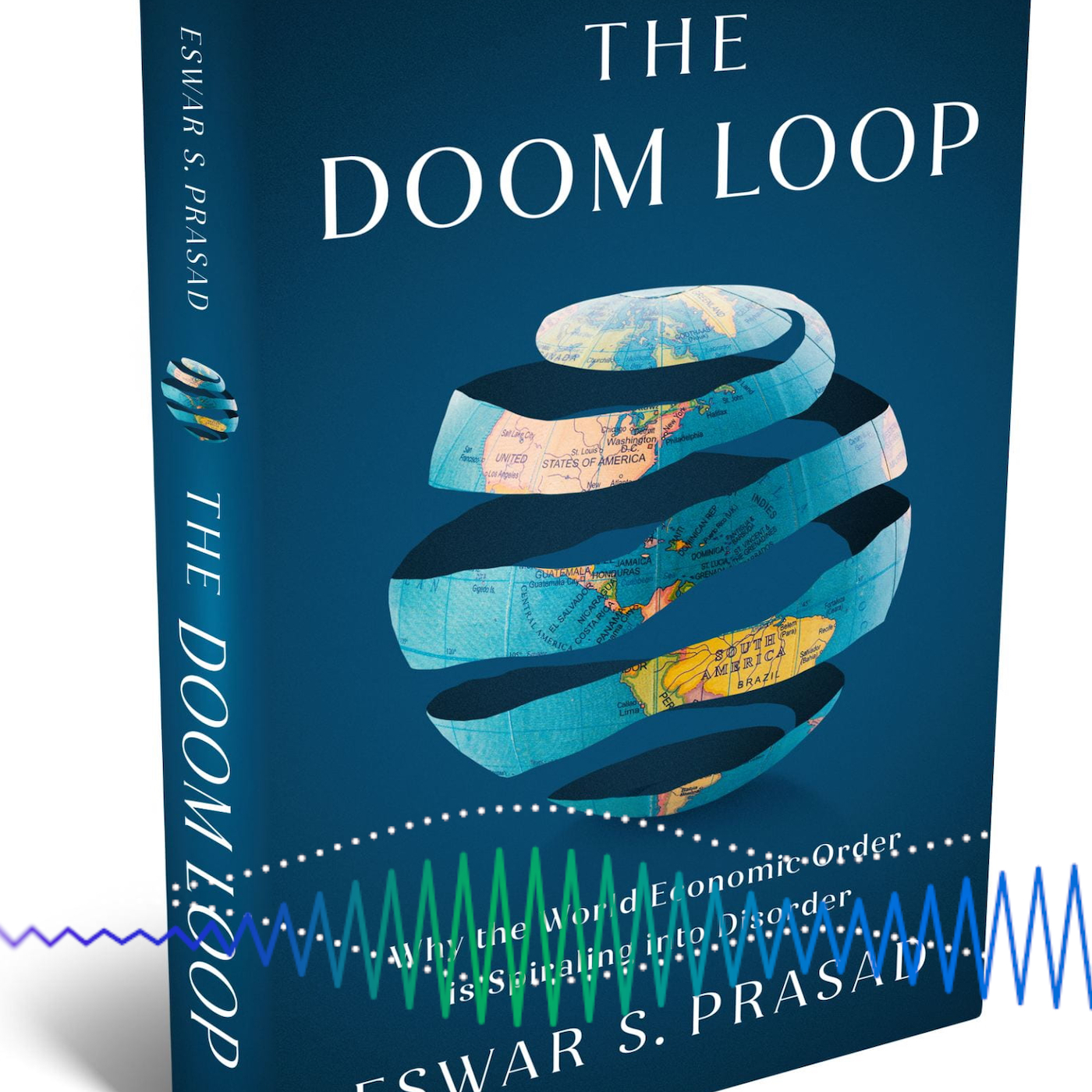 Eswar Prasad on Escaping the Doom Loop✨ | economicspower structures+3 | Eswar Prasad | IMF PodcastsThe Doom Loop | — | Doom LoopEswar Prasad+3 | — | 28m 29s | |
| 4/22/26 |  Taxing Bad Habits: Christoph Rosenberg✨ | sin taxespublic health+3 | Christoph Rosenberg | IMFFinance & Development magazine | bit.ly/4ttwKmIIMF.org/fandd | sin taxesalcohol+5 | — | 19m 18s | |
| 3/12/26 |  Amadou Sy on Why Africa is Keeping its Debt Closer to Home✨ | Africadebt+3 | Amadou Sy | IMFHighly Indebted Poor Countries (HIPC) Initiative+1 | — | Africadebt+5 | — | 17m 00s | |
| 3/2/26 |  The Debt Reckoning: Rodrigo Valdés and Era Dabla-Norris✨ | debtfiscal policy+3 | Rodrigo ValdésEra Dabla-Norris | IMF Fiscal Affairs departmentFinance & Development magazine+1 | — | debt levelspublic spending+3 | — | 25m 11s | |
Want analysis for the episodes below?Free for Pro Submit a request, we'll have your selected episodes analyzed within an hour. Free, at no cost to you, for Pro users. | |||||||||
| 2/5/26 | 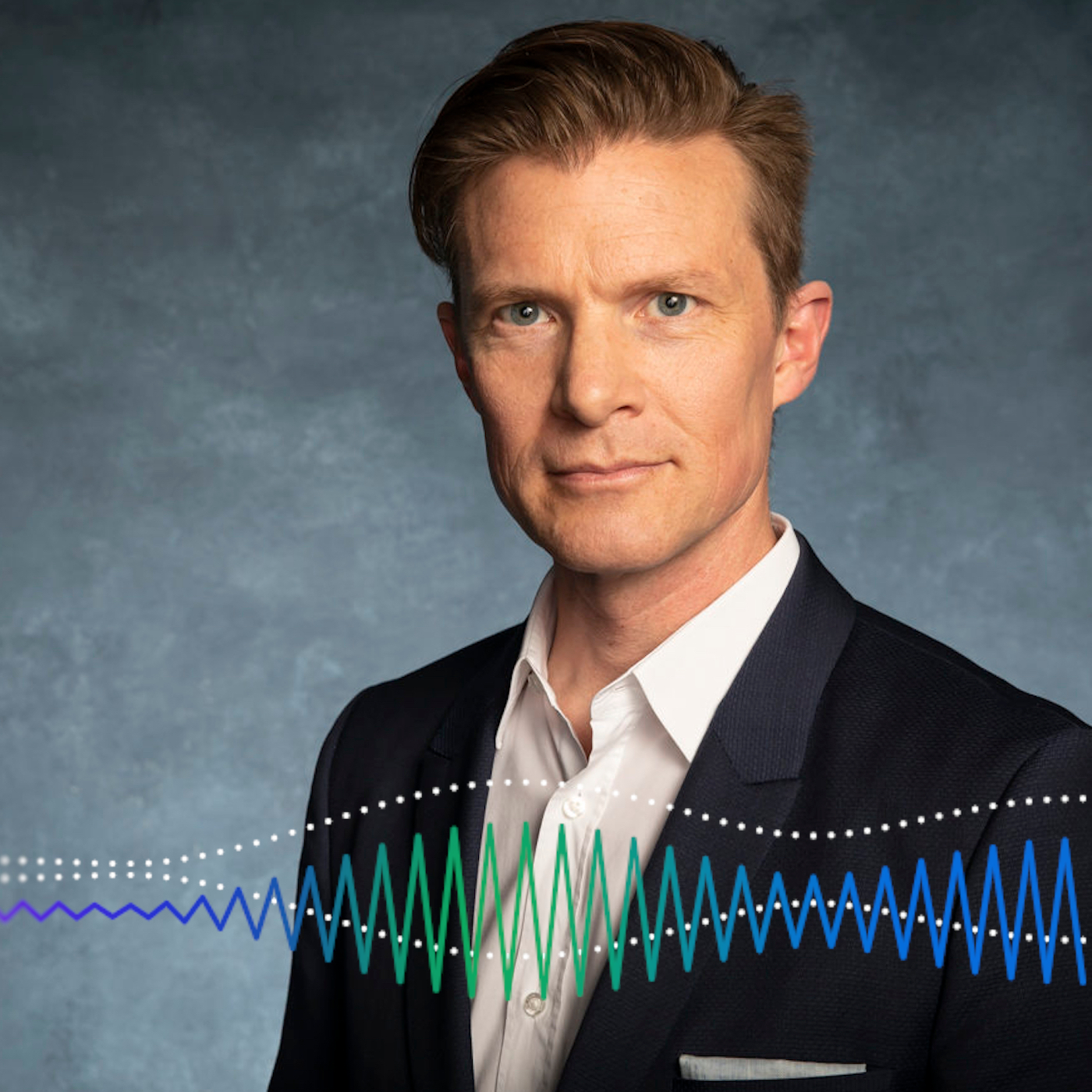 Johan Norberg on What Makes and Breaks Golden Eras✨ | civilizationsopenness+4 | Johan Norberg | Cato InstitutePeak Human | Rome | golden erascivilizations+4 | — | 21m 04s | |
| 1/28/26 | 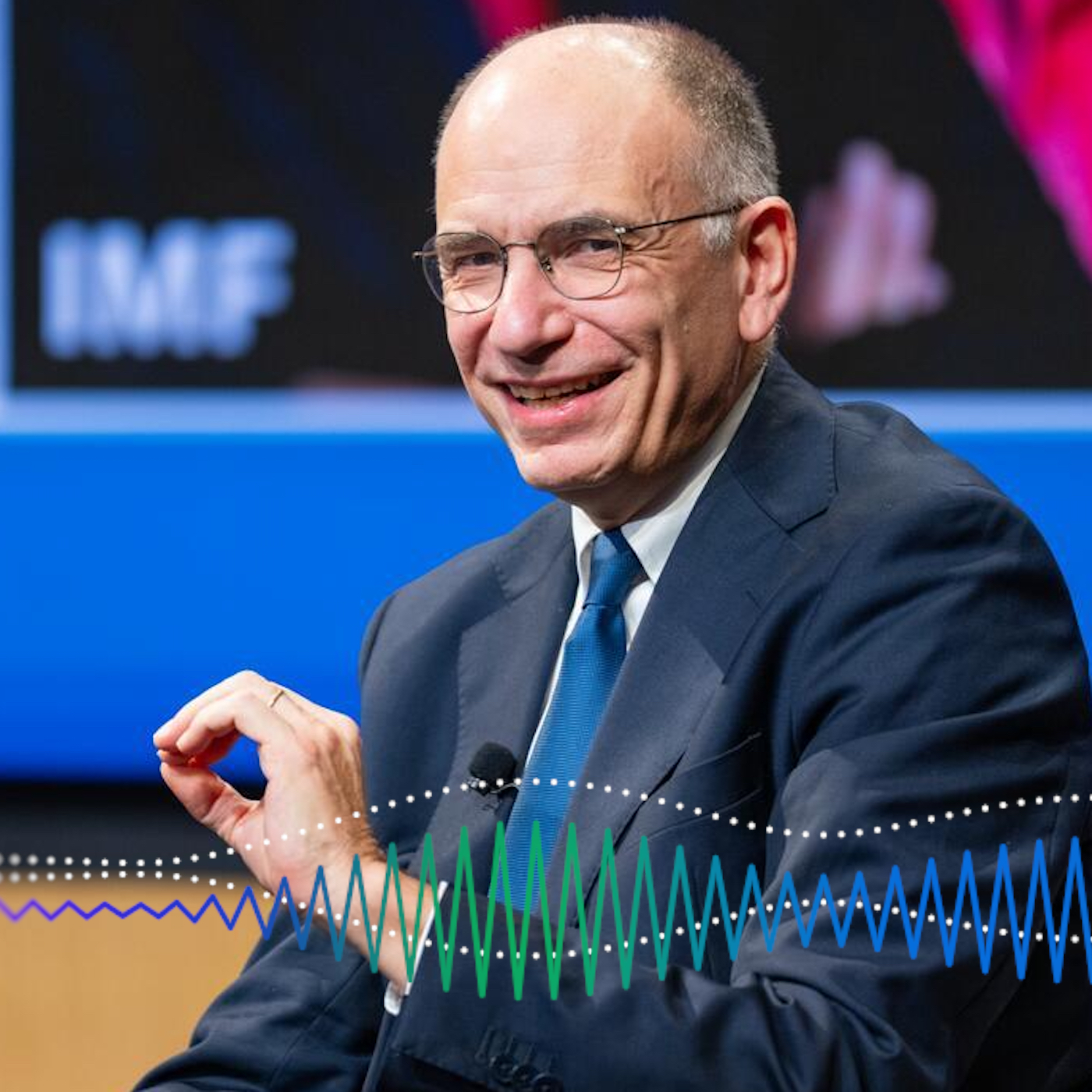 Enrico Letta: Harnessing Europe's Single Market✨ | European integrationsingle market+3 | Enrico Letta | Jacques Delors InstituteMuch More than a Market | European Union | European integrationsingle market+3 | — | 22m 52s | |
| 12/18/25 |  Claudia Sahm on how Private Data can Augment Official Statistics✨ | private dataofficial statistics+3 | Claudia Sahm | Federal Reserve Board of GovernorsIMF | — | private dataofficial statistics+3 | — | 21m 09s | |
| 12/10/25 | 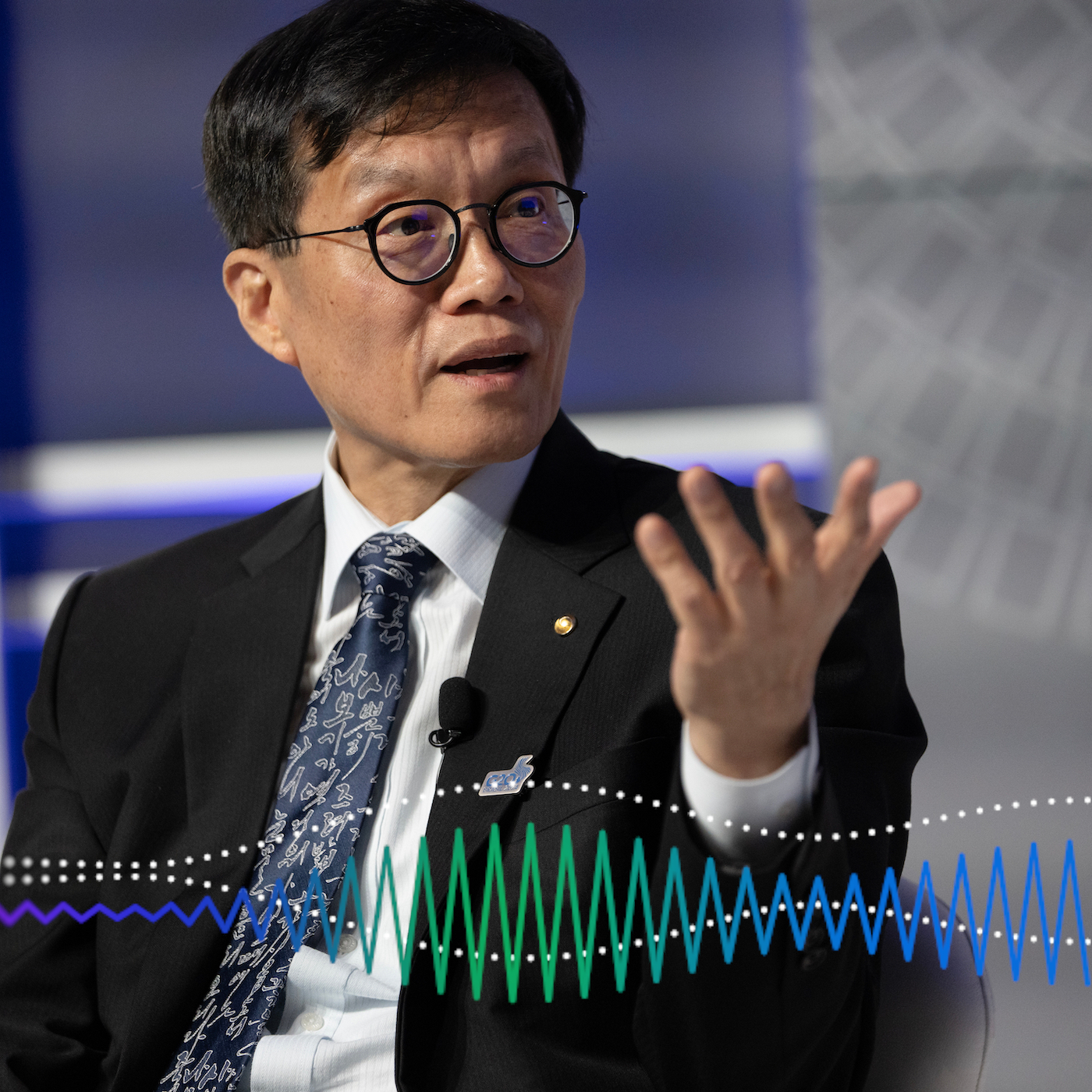 Governor Chang Yong Rhee on Bank of Korea's Innovative Approach✨ | monetary policycentral banking+3 | Chang Yong Rhee | Bank of KoreaIMF | Korea | central banksmonetary policy+3 | — | 20m 25s | |
| 12/2/25 | 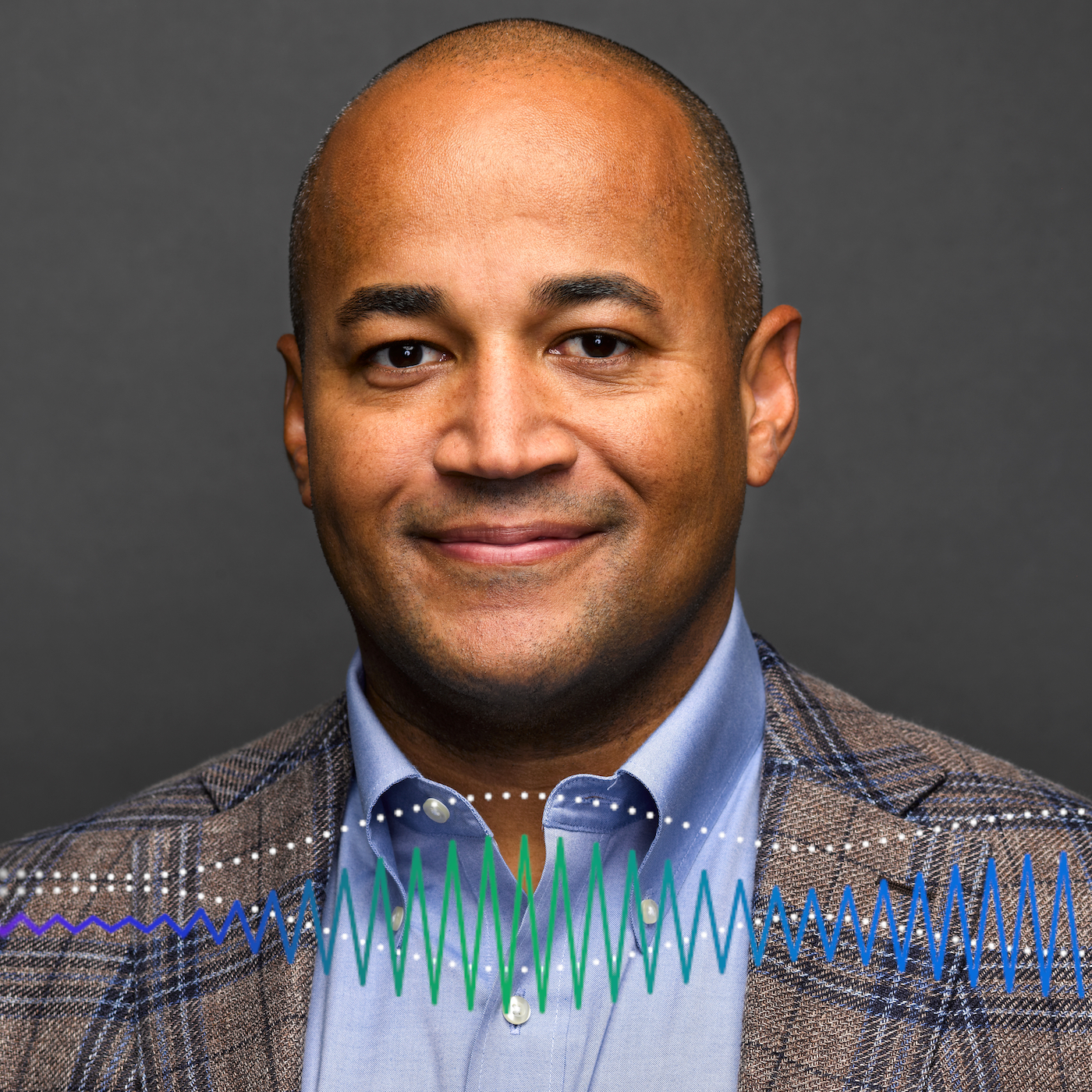 Dante Disparte on Stablecoins and the Future of Finance✨ | stablecoinscryptocurrencies+4 | Dante Disparte | stablecoinBitcoin+1 | — | stablecoincryptocurrency+4 | — | 20m 15s | |
| 12/2/25 | 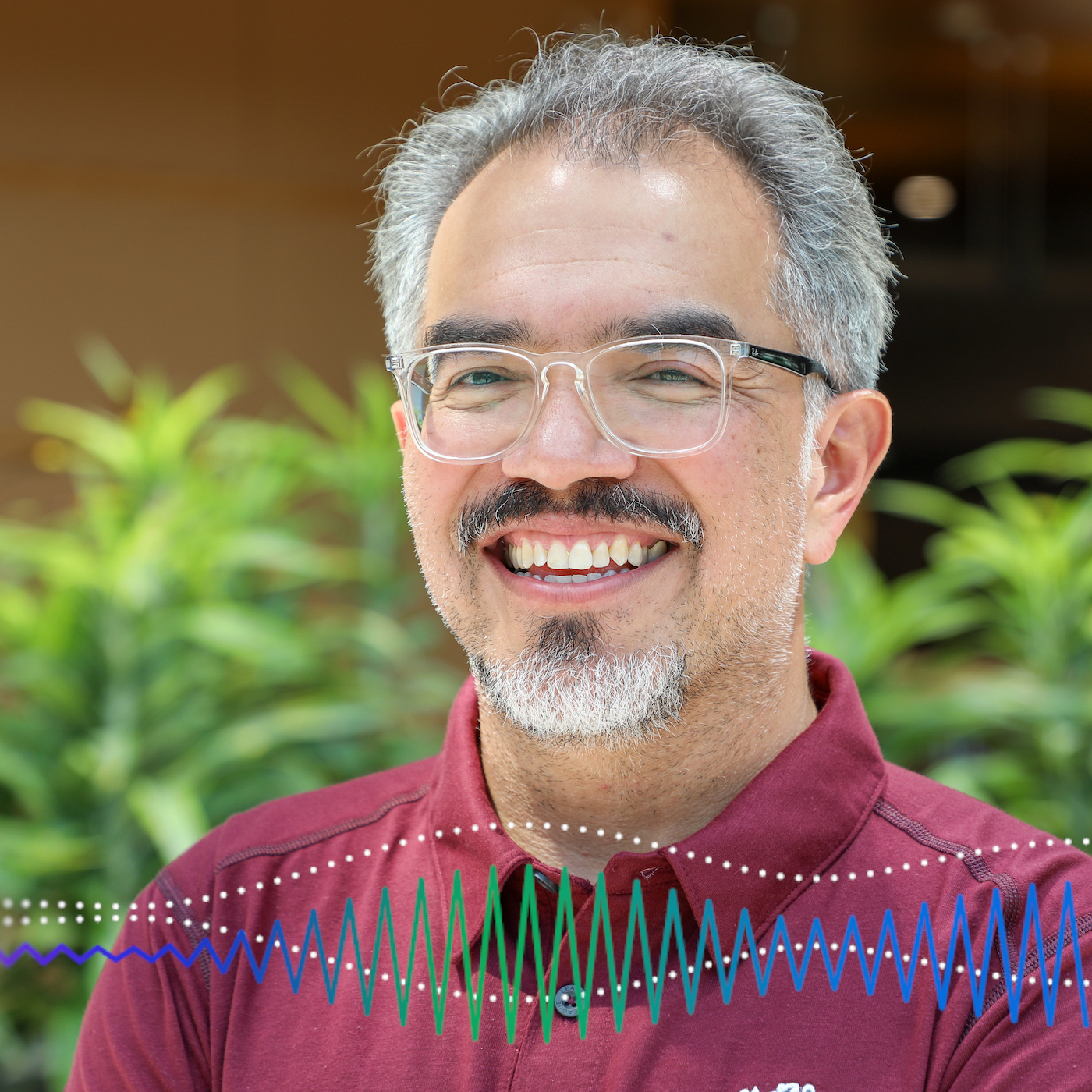 Pablo Peña on why AI is No Match for Human Capital✨ | artificial intelligencehuman capital+3 | Pablo Peña | University of ChicagoFinance & Development+1 | — | AIhuman capital+5 | — | 18m 32s | |
| 11/25/25 | 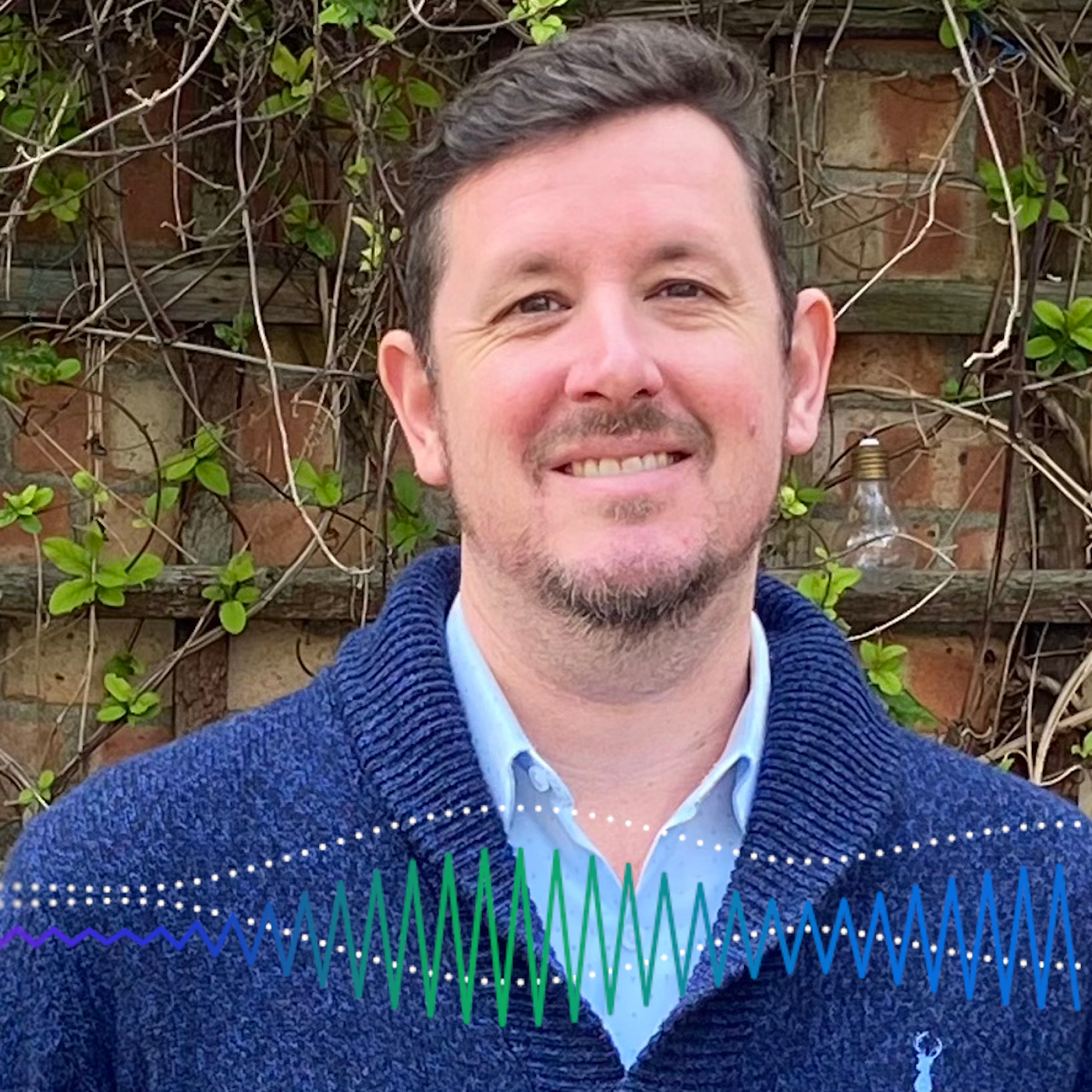 Marc Palen on Peace Economics and Trade✨ | peace economicstrade+4 | Marc Palen | IMFPax Economica: Left-Wing Visions of a Free World | Britain | peace economicstrade+5 | — | 21m 08s | |
| 11/20/25 | 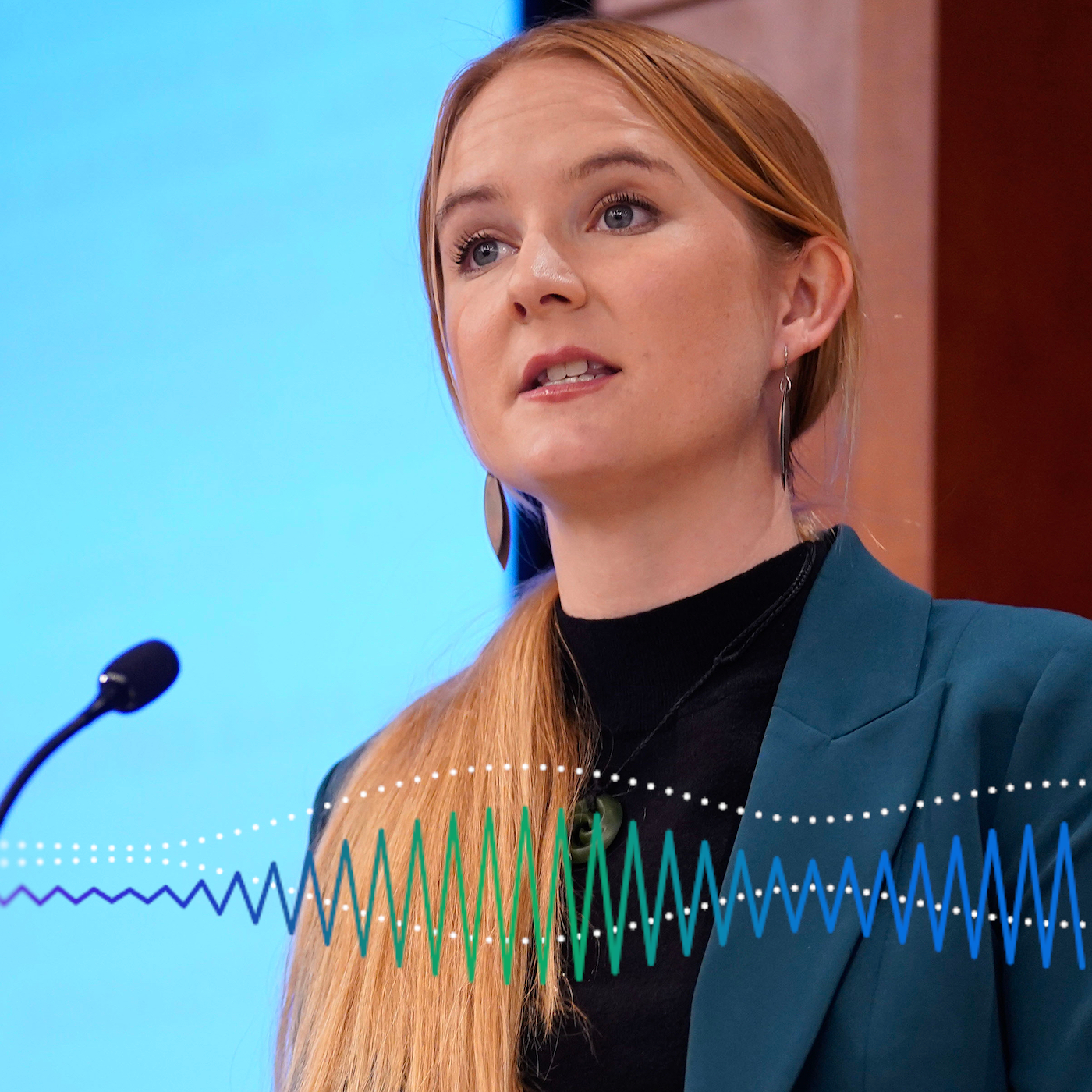 Holding Steady: Athene Laws on sub-Saharan Africa's Outlook | Sub-Saharan Africa is holding its own despite a deteriorating global trade and aid landscape. The latest outlook projects growth to remain steady at 4.1 percent this year with a modest pickup in 2026. While the region has once again proven its resilience, what will it take to realize its full potential? IMF Economist Athene Laws helps pull together the biannual Regional Economic Outlook for sub-Saharan Africa. In this podcast, she says removing barriers to private firm growth is crucial for providing the jobs needed by the region's young and rapidly expanding labor force. Transcript: https://bit.ly/4i7F6vt Read the full report at IMF.org | — | ||||||
| 11/13/25 | 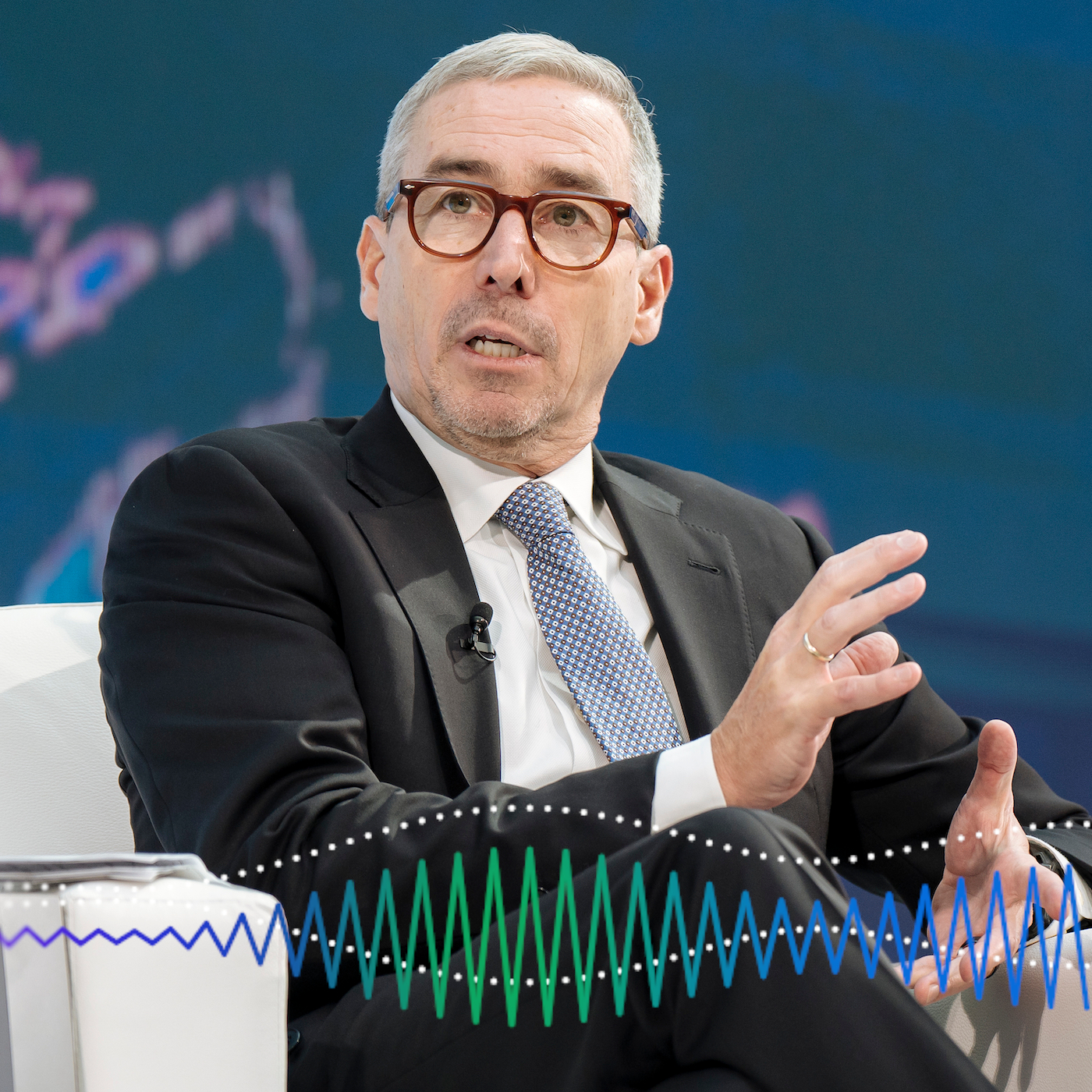 Gordon Hanson on Shifting Trade Alliances | It's not unusual for countries to reevaluate trade relationships as the global economy evolves. However, the persistent uncertainty brought on by tariffs has prompted entire regions to reconsider long-established alliances and rethink new ones that were unimaginable only a year ago. Gordon Hanson, international economist and Professor of Urban Policy at the Harvard Kennedy School, was invited to join a panel discussion on the global economy during the IMF-World Bank Annual Meetings. In this podcast, Hanson says, we need to reinvigorate the process of building new trade agreements that reflect the new world, and middle- and newly high-income countries should play a leading role. Transcript: https://bit.ly/4qT4LvS | — | ||||||
| 11/4/25 | 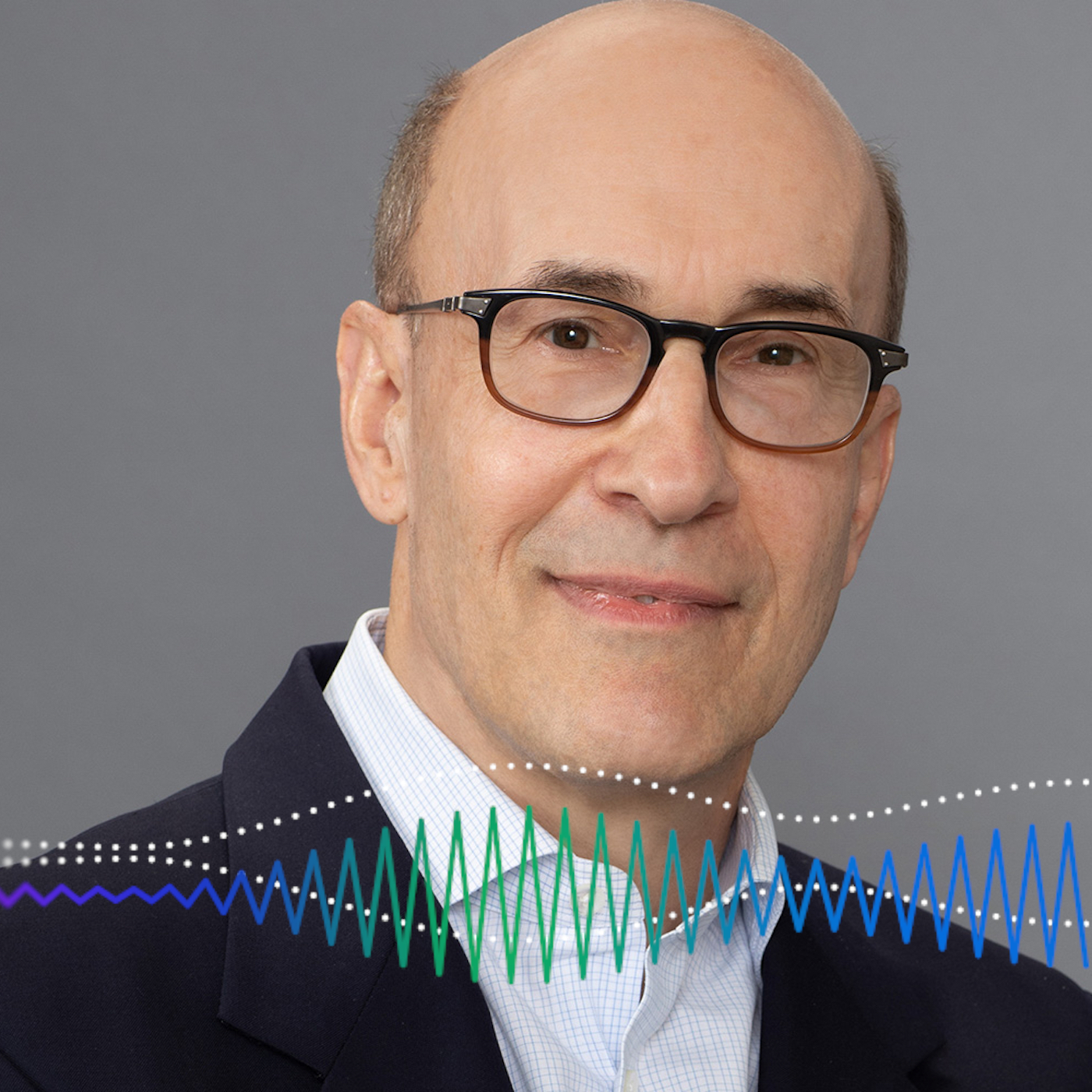 Kenneth Rogoff on Dollar Dominance | While the US dollar has been at the top of its game for decades, new players are testing its reign. Chess grandmaster-turned-economist Kenneth Rogoff has long cautioned of the dangers that high debt and fiscal burdens could have on the world's favorite reserve currency, and in his latest book, Our Dollar, Your Problem, he says its share of global reserves may be on the decline. Kenneth Rogoff is currently the Maurits C. Boas Chair of International Economics at Harvard. Transcript: https://bit.ly/3WXdHCZ | — | ||||||
| 10/2/25 |  Where Startups Do Roam: Swati Bhatt | The US is a breeding ground for startups, and California has been the center of that universe since the dot-com boom in the late 1990s. But rising costs, tighter quarters, and increasing bureaucracy have many tech innovators seeking greener pastures, well beyond Silicon Valley. Princeton University's Swati Bhatt has been studying the evolution of America's startup boom in recent years and has uncovered a surprising trend toward rural communities, better known for raising cattle than for high-tech infrastructure. In this podcast, Bhatt talks to journalist Rhoda Metcalfe about these new entrepreneurs opting for a different lifestyle. Transcript: https://bit.ly/3WcTvfM Read the article in Finance & Development magazine IMF.org/fandd | — | ||||||
| 9/30/25 | 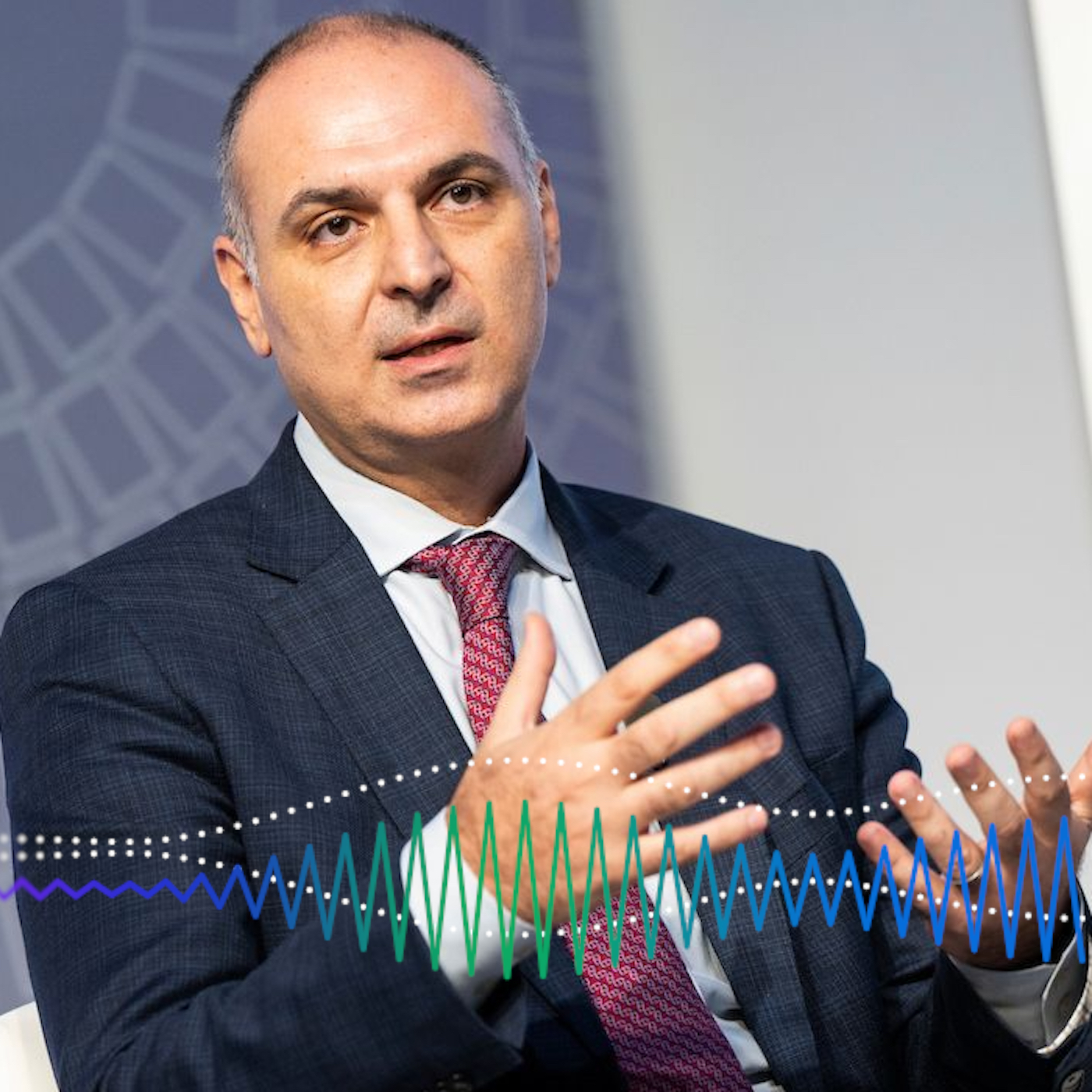 Chady El Khoury on the Virtual Reality of Financial Crime | While countries came together in the late 80s to fight money laundering and the financing of terrorism, technology and the advent of virtual currencies have further complicated the tracking of illicit financial flows across borders. Over $51 billion in cryptocurrency was used by criminals last year to circumvent traditional banking regulations. Chady El Khoury is an assistant general counsel and heads the Financial Integrity Group at the IMF. In this podcast, El Khoury says the anonymity of virtual currency transactions is supercharging the ability for criminals to grow their empires. Transcript: https://bit.ly/3KOjzeA | — | ||||||
| 9/17/25 |  Danny Quah on Rethinking Multilateralism | Bringing nations together to maintain peace and security and raise living standards for all seemed a utopian idea in the early 20th century. Still, geopolitics, economics and vision by world leaders eventually came together to make it a reality. But what happens when the great powers that have been supporting the multilateral system decide it's not working for them anymore? Danny Quah has studied the increase in global economic tensions and sees the rising East as an important factor. Quah is the Li Ka Shing Professor of Economics at the National University of Singapore. In this podcast, he says that while economics and geopolitics worked together to build the multilateral rules-based system, they are now working together to break it apart. Transcript: https://bit.ly/4grrx9n Read the article in Finance & Development magazine: IMF.org/fandd | — | ||||||
| 9/10/25 | 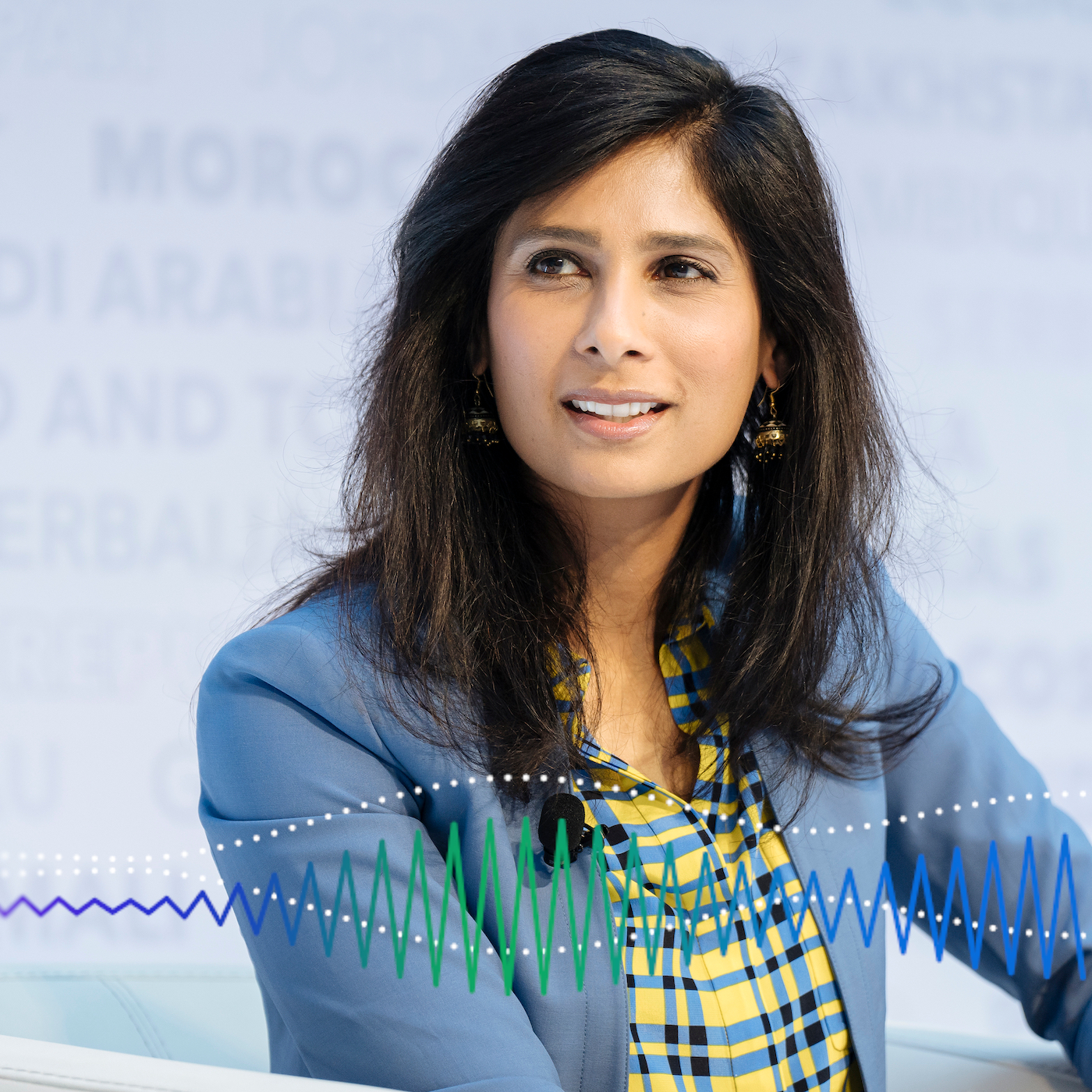 Grit and Luck: Gita Gopinath Reflects on her Career and Roles at the Fund | A lot has happened in the global economy since 2019, and few people know that better than Gita Gopinath. As the IMF Chief Economist and subsequently the institution's First Deputy Managing Director, she navigated unprecedented global crises, including the pandemic and the ensuing great lockdown, wars in Ukraine and the Middle East, inflation, and geopolitical fragmentation. Her career as a Professor at Harvard University was put on hold to take on those IMF roles, but now she's back. How will the 2025 version of Professor Gopinath compare to the 2018 version? In this podcast, Gita Gopinath reflects on her experiences at the Fund and what she's taking back with her to Harvard. Transcript: https://bit.ly/4npTyR5 | — | ||||||
| 9/4/25 |  Carl Benedikt Frey on AI and Growth | As tech innovation, particularly in the field of AI, is increasingly focused on a few key players, the industries benefiting from these tools have also become more concentrated, which Carl Benedikt Frey says could weigh on growth. Frey is an associate professor of AI and Work at Oxford University, and his latest book, How Progress Ends, suggests that waves of technological and economic progress are often followed by stagnation. In this podcast, Frey says the concentration of AI-using industries will push the direction of technological change further towards automation rather than product innovation. Transcript: http://bit.ly/45Z1IbR Read the article in Finance & Development magazine: imf.org/fandd | — | ||||||
Showing 25 of 697
Pitch Fit is a Pro feature
See how bookable this show is for guests, which brands already advertise, the per-episode ad value, and the best-fit guest and sponsor profile. The numbers are blurred on the free plan.
How readily this show books outside guests like you.
How proven this show is for host-read sponsorships.
For Guests
ProFor Advertisers
ProUpgrade to Pro to unlock guest cadence, sponsor categories, fit scores, and per-episode ad value for this show.
Chart Positions
3 placements across 3 markets.
Chart Positions
3 placements across 3 markets.