
Insights from recent episode analysis
Audience Interest
Podcast Focus
Publishing Consistency
Platform Reach
Insights are generated by CastFox AI using publicly available data, episode content, and proprietary models.
Est. Listeners
Based on iTunes & Spotify (publisher stats).
- Per-Episode Audience
Est. listeners per new episode within ~30 days
10,001 - 25,000 - Monthly Reach
Unique listeners across all episodes (30 days)
25,001 - 75,000 - Active Followers
Loyal subscribers who consistently listen
15,001 - 40,000
Market Insights
Platform Distribution
Reach across major podcast platforms, updated hourly
Total Followers
—
Total Plays
—
Total Reviews
—
* Data sourced directly from platform APIs and aggregated hourly across all major podcast directories.
On the show
Recent episodes
Unpacking India's Air Defence as Air Force Gets Another S-400 Regiment | In Our Defence | S3 | Ep 49
May 1, 2026
1h 12m 34s
Pakistan Helped Shape Iran’s Nuclear Story. Now It’s Hosting US Peace Talks | In Our Defence | S3 | Ep 48
Apr 24, 2026
56m 02s
Iran War: Will US Blockade of Hormuz Prevail? | In Our Defence | S3 | Ep 47
Apr 17, 2026
43m 47s
39 Days of War: Did the US and Israel Actually Fail to Break Iran? | In Our Defence | S3 | Ep 46
Apr 10, 2026
1h 04m 37s
Vietnam to Iran: What Current Gulf Conflict Reveals About American War Strategy | S3 | 45
Mar 26, 2026
1h 06m 43s
Social Links & Contact
Official channels & resources
Official Website
Login
RSS Feed
Login
| Date | Episode | Description | Length | ||||||
|---|---|---|---|---|---|---|---|---|---|
| 5/1/26 | 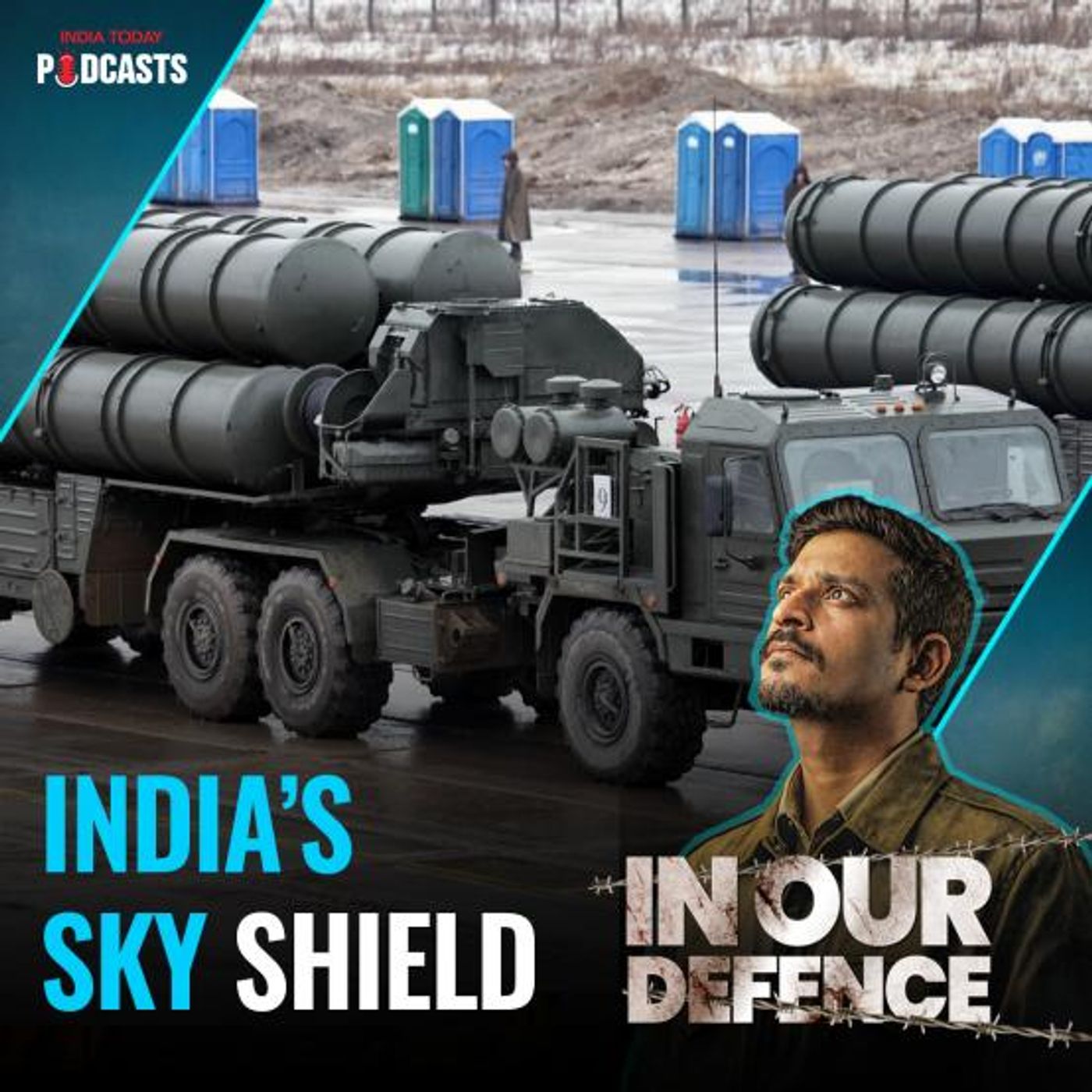 Unpacking India's Air Defence as Air Force Gets Another S-400 Regiment | In Our Defence | S3 | Ep 49 Unpacking India's Air Defence as Air Force Gets Another S-400 Regiment | In Our Defence | S3 | Ep 49 | In this episode of In Our Defence, host Dev Goswami and defence expert Sandeep Unnithan unpack one of the most complex parts of modern warfare: the art and science of shooting things out of the sky. India is preparing to induct another S-400 regiment, the system that grabbed attention during Operation Sindoor and remains one of the most formidable long-range air-defence systems in the world. But the S-400 is only one piece of a much larger puzzle. The episode breaks down India’s layered air-defence architecture: VSHORADS, MANPADS, Akash, MRSAM, Barak-8, S-400, ballistic missile defence, and the crucial command-and-control network that ties it all together: IACCS. The episode also looks at what recent conflicts have shown us: from mass drone and missile attacks in West Asia to the growing challenge of cheap drones forcing expensive interceptors into action. And then, we turn to the uncomfortable but necessary question: what happens when air defence goes wrong? This is not just about missiles. It is about sensors, software, human judgement, rules of engagement, friendly-fire risks, and the terrifying pressure of deciding what to shoot -- and what not to shoot -- in real time Tune In! Produced by Taniya Dutta Sound mixed by Aman Pal | 1h 12m 34s | ||||||
| 4/24/26 | 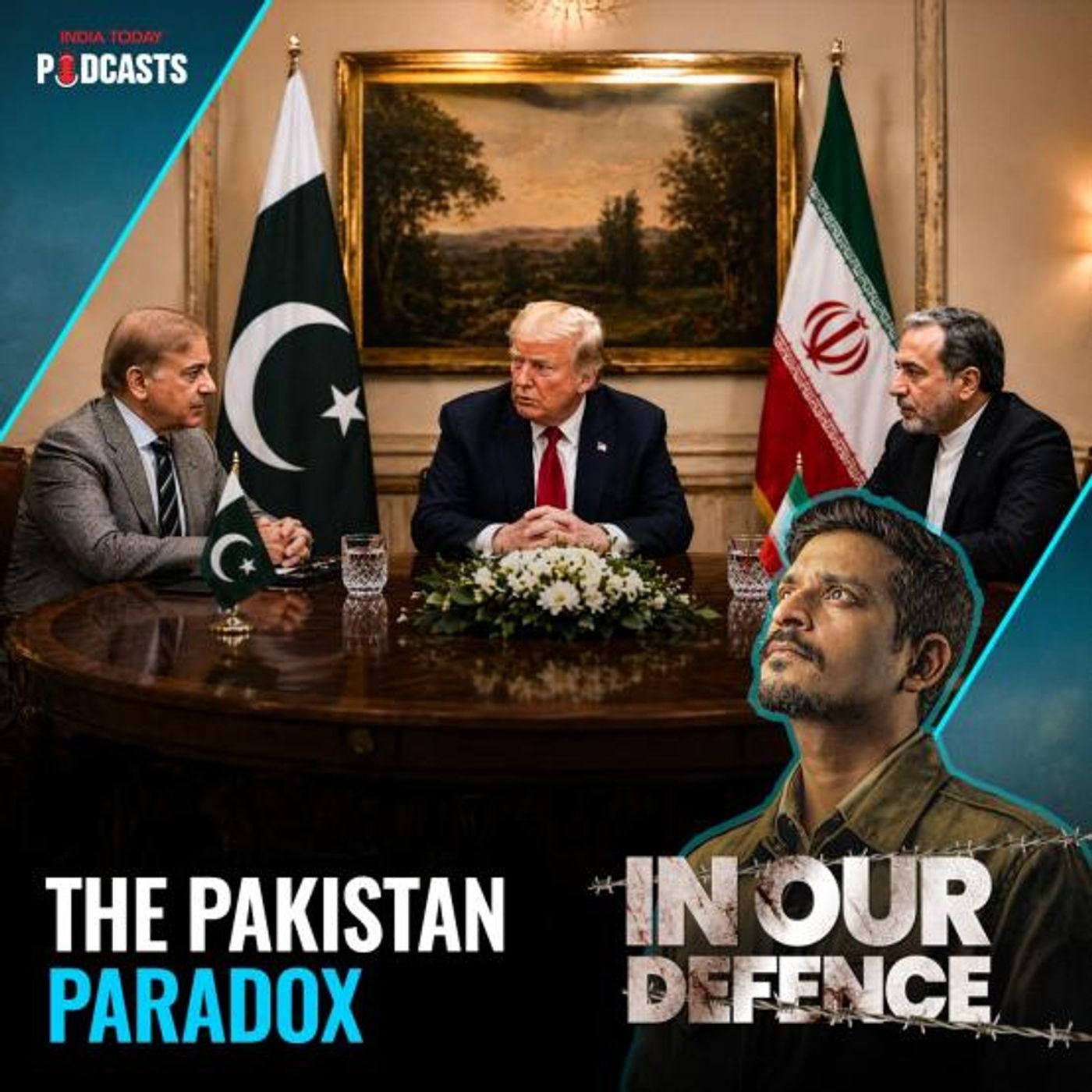 Pakistan Helped Shape Iran’s Nuclear Story. Now It’s Hosting US Peace Talks | In Our Defence | S3 | Ep 48 Pakistan Helped Shape Iran’s Nuclear Story. Now It’s Hosting US Peace Talks | In Our Defence | S3 | Ep 48 | In this episode of In Our Defence, we step away from the predictable outrage and look at the harder, more interesting question: why does Pakistan remain useful in high-stakes geopolitics despite its long record of contradictions? Host Dev Goswami and national security expert Sandeep Unnithan unpack Pakistan's complicated ties with the United States, its uneasy relationship with Iran, its growing closeness to Saudi Arabia, and the larger truth that diplomacy is often driven less by morality and more by access, leverage, geography and utility. They discuss the irony of how Pakistan with its history of having helped seed Iran's nuclear program is now helping broker talks that hinge on Tehran agreeing to give up its nuclear capabilities. The two also get into the Osama bin Laden episode, the strange durability of US-Pakistan ties, and the role "middlemen" play in crises where nobody fully trusts anybody. Tune In! Produced by Taniya Dutta Sound mixed by Rohan Bharti | 56m 02s | ||||||
| 4/17/26 | 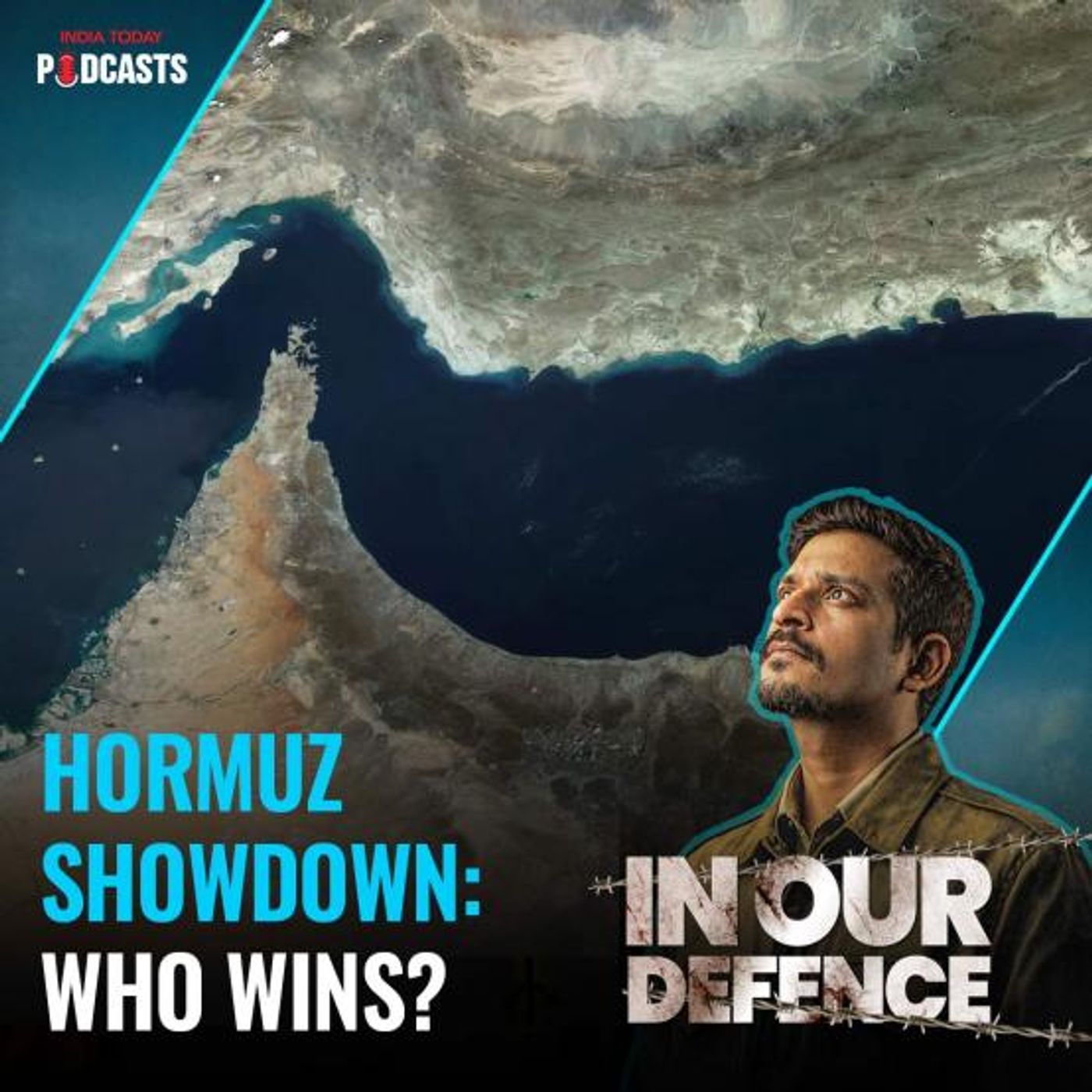 Iran War: Will US Blockade of Hormuz Prevail? | In Our Defence | S3 | Ep 47 Iran War: Will US Blockade of Hormuz Prevail? | In Our Defence | S3 | Ep 47 | In this episode of In Our Defence, host Dev Goswami is joined by national security expert Sandeep Unnithan to unpack one of the world’s most critical flashpoints—the Strait of Hormuz. Why do narrow sea lanes like Hormuz matter so much to global trade and oil supply? What does a naval blockade actually look like in practice—not theory, but at sea? From ship strength and surveillance tech to geography and fleet positioning, we break down the real mechanics behind maritime chokeholds. The episode also explores the counterplay: can a blockade be breached, and what does it take to punch through one? As tensions simmer between the US and Iran, does Washington’s naval dominance guarantee control, or is Tehran playing a deeper, asymmetric game? They also unpack the curious case of the Rich Starry, the China-bound vessel whose strange movements through Hormuz have raised eyebrows. Additionally, a throwback to history — when India blockaded Karachi during the Indo-Pakistani War of 1971. What worked, what didn’t, and what it tells us about modern naval warfare. Tune In! Produced by Taniya Dutta Sound mixed by Rohan Bharti | 43m 47s | ||||||
| 4/10/26 |  39 Days of War: Did the US and Israel Actually Fail to Break Iran? | In Our Defence | S3 | Ep 46 39 Days of War: Did the US and Israel Actually Fail to Break Iran? | In Our Defence | S3 | Ep 46 | After 39 days of war, Iran has agreed to a temporary ceasefire and the Strait of Hormuz is back in focus. But the big question remains: what exactly did this war achieve? In this episode of In Our Defence, host Dev Goswami and national security expert Sandeep Unnithan unpack how the conflict escalated, why the war's goals seemed to keep shifting, and why, despite taking enormous punishment, Iran still ended up at the negotiating table without complete submission. We get into: How the US and Israel framed the war, and how those aims evolved Whether Iran was defeated militarily but survived strategically What this conflict revealed about air defence and modern missile warfare Why this war may go down as a lesson in the limits of overwhelming force Whether the ceasefire can actually hold And the biggest long-term question of all: does this make Iran more likely to want the bomb? This is not just a story about Iran, Israel, or the US. It is also a story about miscalculation, resilience, and what modern war looks like when even massive military superiority cannot produce a neat political outcome. Tune In! Produced by Areeb Raza Sound mixed by Suraj Singh Link To NY Times Article- https://www.nytimes.com/2026/0... | 1h 04m 37s | ||||||
| 3/26/26 |  Vietnam to Iran: What Current Gulf Conflict Reveals About American War Strategy | S3 | 45 Vietnam to Iran: What Current Gulf Conflict Reveals About American War Strategy | S3 | 45 | A month into the Iran war, the battlefield story is changing rapidly. What began as high-impact US–Israel strikes has now entered an uncertain phase: drone warfare, energy and economic pressure through Hormuz, and now a sudden “pause” announced by Donald Trump. Is this the beginning of the end? Or just a tactical pause before the next round? On the latest episode of In Our Defence, host Dev Goswami and national security expert Sandeep Unnithan break down: - What the Iran war looks like right now - Whether the U.S. pause is real diplomacy or strategic signalling - Iran’s response and the risk of escalation - Pakistan’s surprise role as a potential mediator - Why does the United States, with the most powerful military in the world, keep getting pulled into long, inconclusive wars? From Vietnam to Afghanistan, Iraq, Syria, and Libya, and now Iran the episode explores recurring pattern: Fast military success, followed by messy, unresolved endings. Tune in! Produced by Taniya Dutta Sound mixed by Aman Pal | 1h 06m 43s | ||||||
| 3/20/26 | 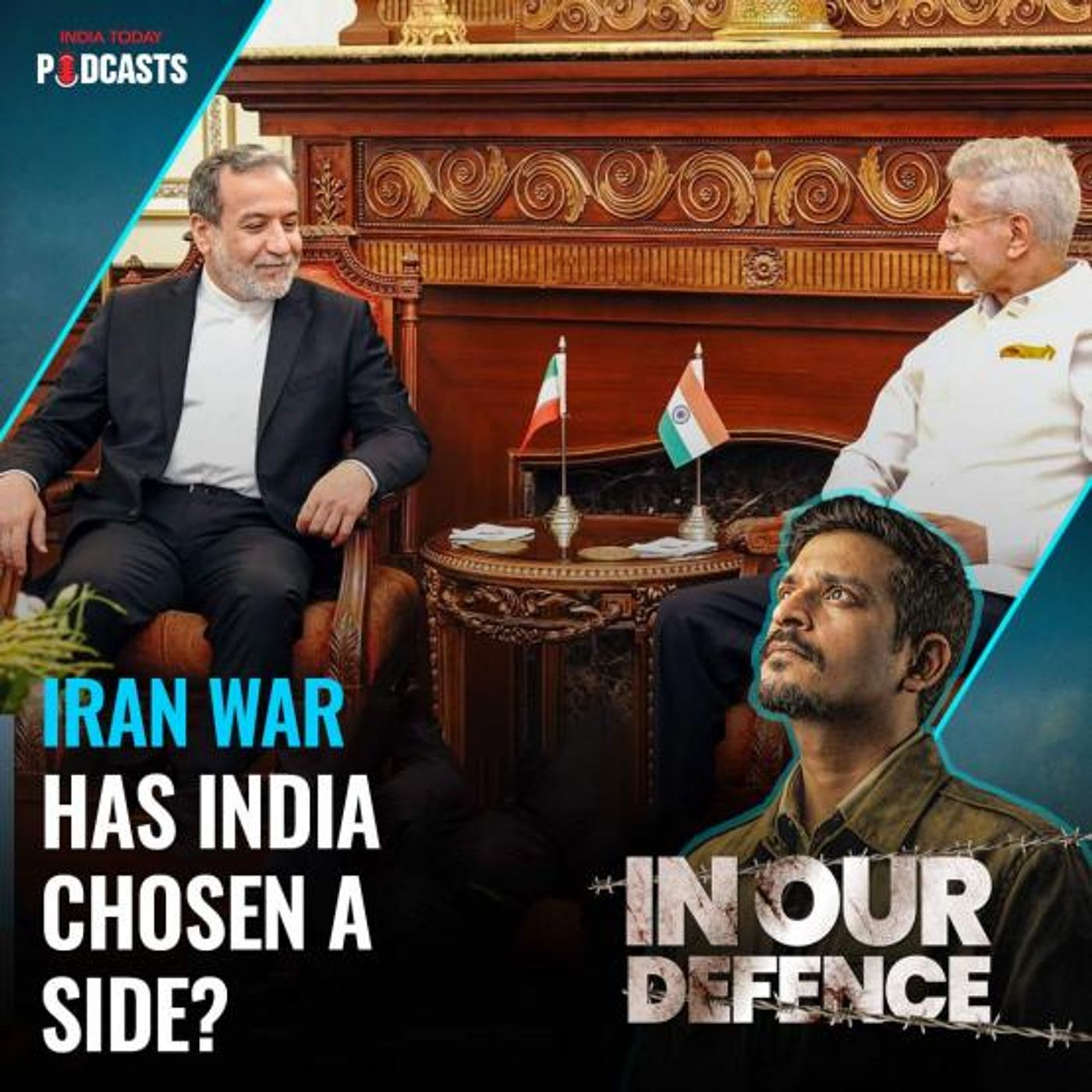 Iran, US-Israel, Gulf: Is Delhi Playing This Crisis Right? |S3 | 44 Iran, US-Israel, Gulf: Is Delhi Playing This Crisis Right? |S3 | 44 | The Gulf war has widened, energy infrastructure is under threat, and the Strait of Hormuz is once again at the centre of global anxiety. For India, this is not some faraway crisis. It is about oil, LPG, shipping, diaspora safety, relations with Iran, growing ties with Israel, and the limits of diplomacy when all your important partners are in the same conflict. In this episode of In Our Defence, host Dev Goswami and national security expert Sandeep Unnithan unpack India's response to the Iran-Israel war so far. Did Delhi go too quiet too early? Or was that caution part of a deliberate strategy to preserve leverage, protect shipping, and keep channels open with all sides? They discuss: - How India-Iran ties evolved after 1979 - Why Tehran still seems willing to engage Delhi - Whether and why India's initial response was too muted - Whether India really has tilted toward Israel - How different India's stand in this conflict from its historic positions Tune in! Produced by Taniya Dutta Sound mixed by Rohan Bharti | 54m 40s | ||||||
| 3/12/26 |  2 Weeks Of Epic Fury: Who Is Winning The US-Iran War? |S3| 43 2 Weeks Of Epic Fury: Who Is Winning The US-Iran War? |S3| 43 | Nearly two weeks into Operation Epic Fury, the war in West Asia has spilled over from the streets of Tehran to the depths of the Indian Ocean. In this episode of In Our Defence, host Dev Goswami and national security expert Sandeep Unnithan break down the most chaotic week in modern strategic history. The two also dive into the sinking of the IRIS Dena, an Iranian frigate that was literally a guest at the Indian Navy’s MILAN 2026 exercise before being torpedoed by a US submarine off the coast of Sri Lanka. What message was the US trying to send by sinking a warship far away from the theatre of conflict? Also on the episode: How for Iran, winning is equal to just suriving and how global players such as France and China will be looking at this conflict. Tune in! Produced by Taniya Dutta Sound mixed by Rohan Bharti | 1h 03m 54s | ||||||
| 2/27/26 | 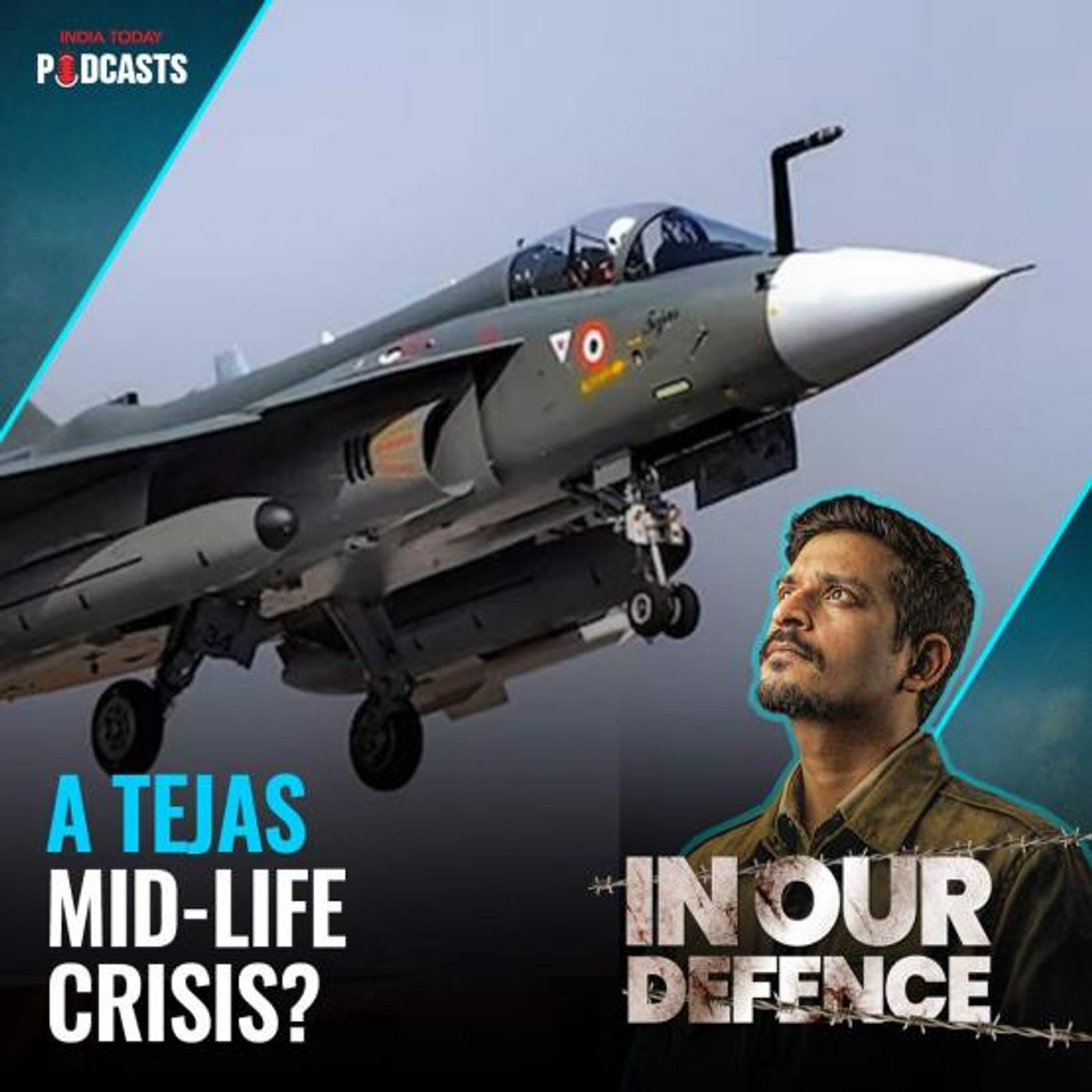 Why India Can't Afford to let Tejas programme fail |S3| 42 Why India Can't Afford to let Tejas programme fail |S3| 42 | With the possible loss of a third HAL Tejas in Gujarat, the delayed response from authorities, and the controversy that has followed, renewed scrutiny is now on India’s indigenous fighter programme. Questions are mounting: Has the IAF really lost another Tejas? Why the delay in official communication? And what does this mean for the Mark 1A rollout? In this episode of In Our Defence, host Dev Goswami and national security expert Sandeep Unnithan discuss the controversy, the difference between Mark 1 and Mark 1A and the future of India’s indigenous fighter program. The two discuss: * Why the IAF hasn’t fully accepted the Mark 1A yet * The GE 404 and 414 engine bottleneck * Indigenous content — how Indian is Tejas really? * The HAL–IAF dynamic and the larger structural silos * Why fighter squadron anxiety is shaping procurement decisions Tune in! Produced by Taniya Dutta | 55m 44s | ||||||
| 2/20/26 | 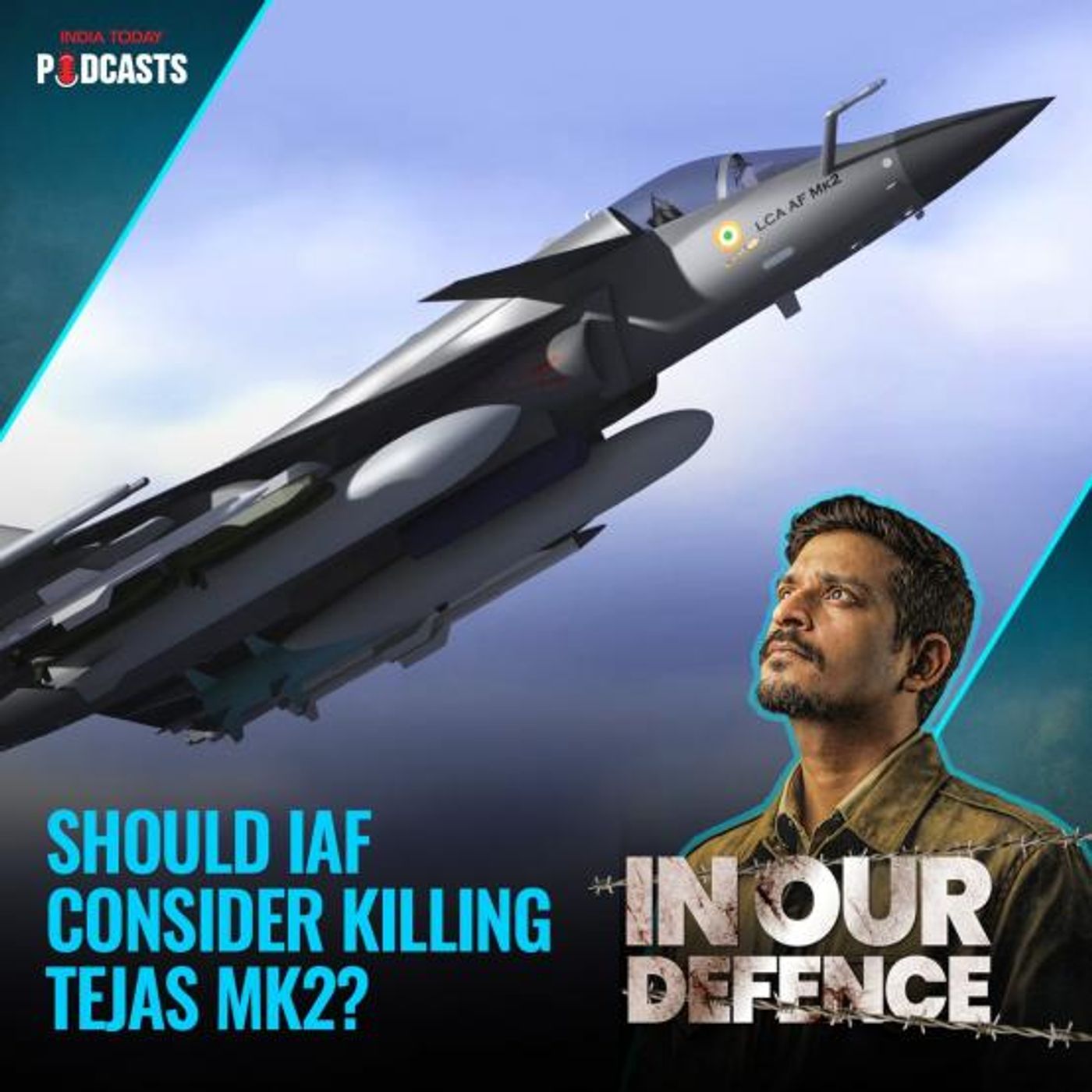 Why India Wants To Buy 114 Rafale Jets & What That Means for Tejas, AMCA |S3| 41 Why India Wants To Buy 114 Rafale Jets & What That Means for Tejas, AMCA |S3| 41 | With the Defence Acquisition Council (DAC) clearing the monumental Rs 3.25 lakh crore deal for 114 Rafale jets just as French President Emmanuel Macron lands in India, the Indian Air Force is closer to getting the muscle it desperately needs. But what does this "Mother of All Deals" mean for India's indigenous fighter programs? In this episode of In Our Defence, host Dev Goswami and national security expert Sandeep Unnithan unpack the proposed Rafale deal and break down the strategic and financial realities of buying 114 Rafales. The two explore the 'Make in India' angle of the deal and what it means for India's private sector. Most importantly, Dev and Sandeep ask the tough question: Will paying for 114 French jets bankrupt the homegrown Tejas Mk2 or is it a calculated move to buy time and secure our skies? Produced by Taniya Dutta Sound mixed by Aman Pal | 1h 02m 31s | ||||||
| 2/6/26 | 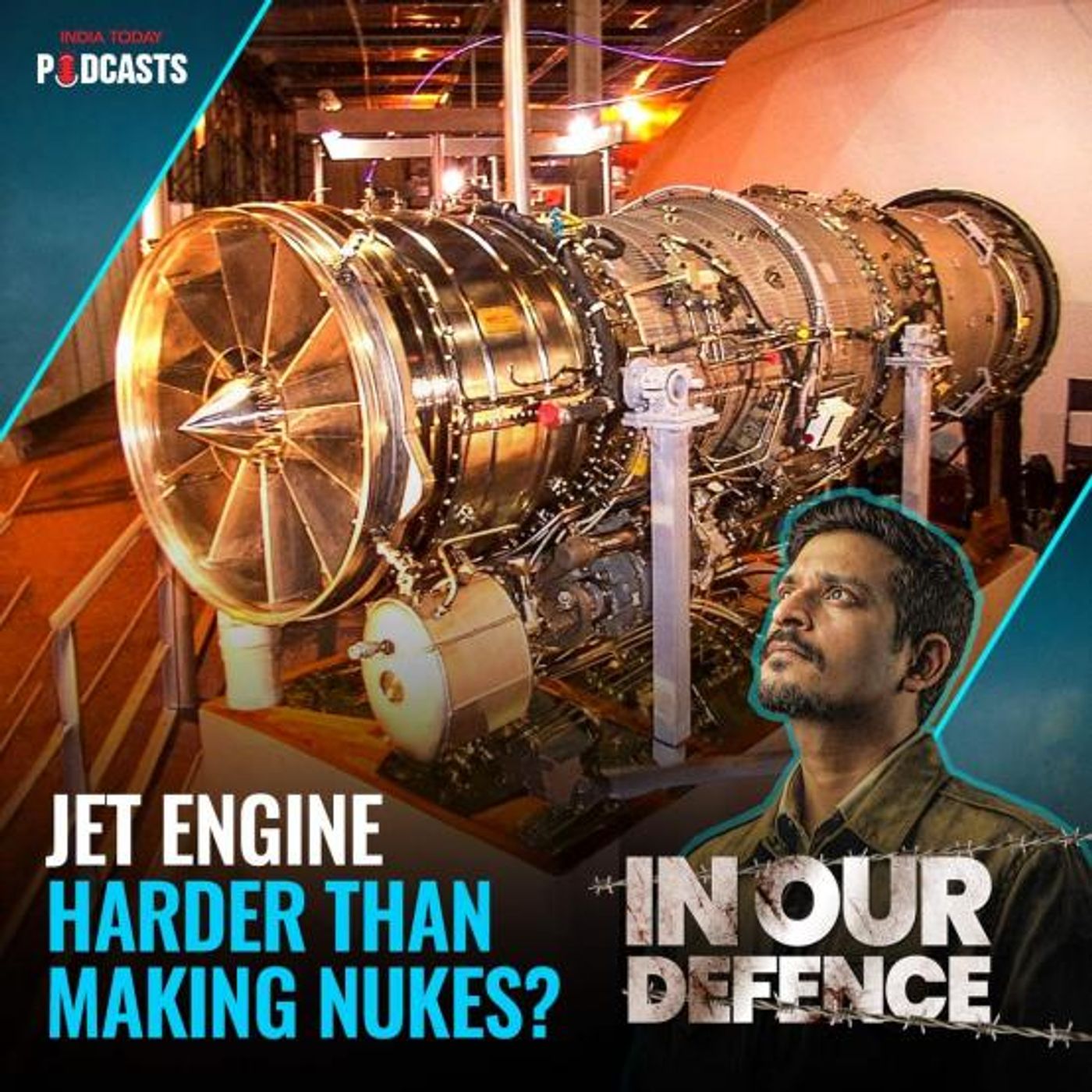 Kaveri to Tejas Delays: Crisis of India's Missing Jet Engine |S3| 40 Kaveri to Tejas Delays: Crisis of India's Missing Jet Engine |S3| 40 | How is that India, a country capable of sending probes to the dark side of the Moon, still struggles to build a fighter jet engine? With the deliveries of the Tejas Mk1A delayed due to supply chain issues with the GE F404 engines, the spotlight is back on India's critical vulnerability: we don't have a heart for our fighter jets. In this episode of In Our Defence, host Dev Goswami and defence and national security expert Sandeep Unnithan sit down to demystify the magic of jet engine technology. From the "Suck, Squeeze, Bang, Blow" basics to the high-tech world of Single Crystal Blades and metallurgy that operates above melting points, the two break down exactly why this technology is the exclusive domain of just a handful of nations. The episode also digs deep into the history of the DRDO's Kaveri engine project. Was it really a failure and was putting it on the backburner a mistake? Plus, what can we expect from the upcoming mega-deal with France's Safran for the AMCA's engine? Tune in! Produced by Taniya Dutta Sound mixed by Aman Pal | 54m 41s | ||||||
Want analysis for the episodes below?Free for Pro Submit a request, we'll have your selected episodes analyzed within an hour. Free, at no cost to you, for Pro users. | |||||||||
| 1/30/26 | 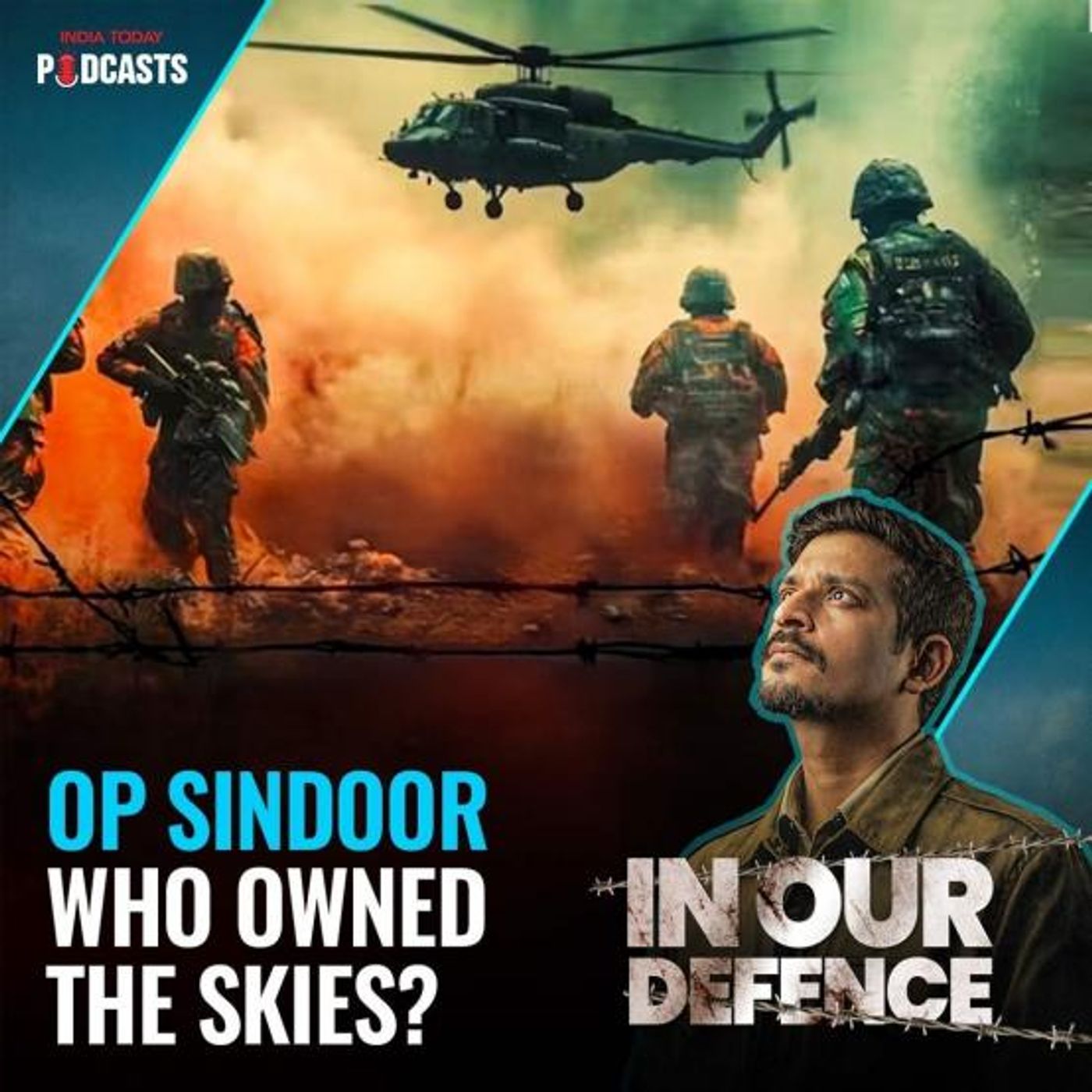 Decoded: How Indian Air Force Established Air Superiority During Operation Sindoor | S3 | Ep 39 Decoded: How Indian Air Force Established Air Superiority During Operation Sindoor | S3 | Ep 39 | A new report by a Swiss research centre has brought the 2025 four-day mini-war between India and Pakistan back in limelight. The report especially focuses on the aerial battles that took place between the Indian and Pakistani air forces to analyse and conclude while the IAF suffered tactical setbacks initially, it was able to establish air superiority by the end of the conflict.  On this episode of In Our Defence, host Dev Goswami and national security expert Sandeep Unnithan revisit Operation Sindoor and look back the aerial battles in new light. The two decode what the report has to say not just about the Sindoor air battles but also the dogfight that took place in the aftermath of the Balakot airstrike in 2019.  Link to the report: https://chpm.ch/wp-content/upl... Tune in! Produced by Taniya Dutta Sound mixed by Rohan Bharti | 1h 05m 32s | ||||||
| 1/23/26 | 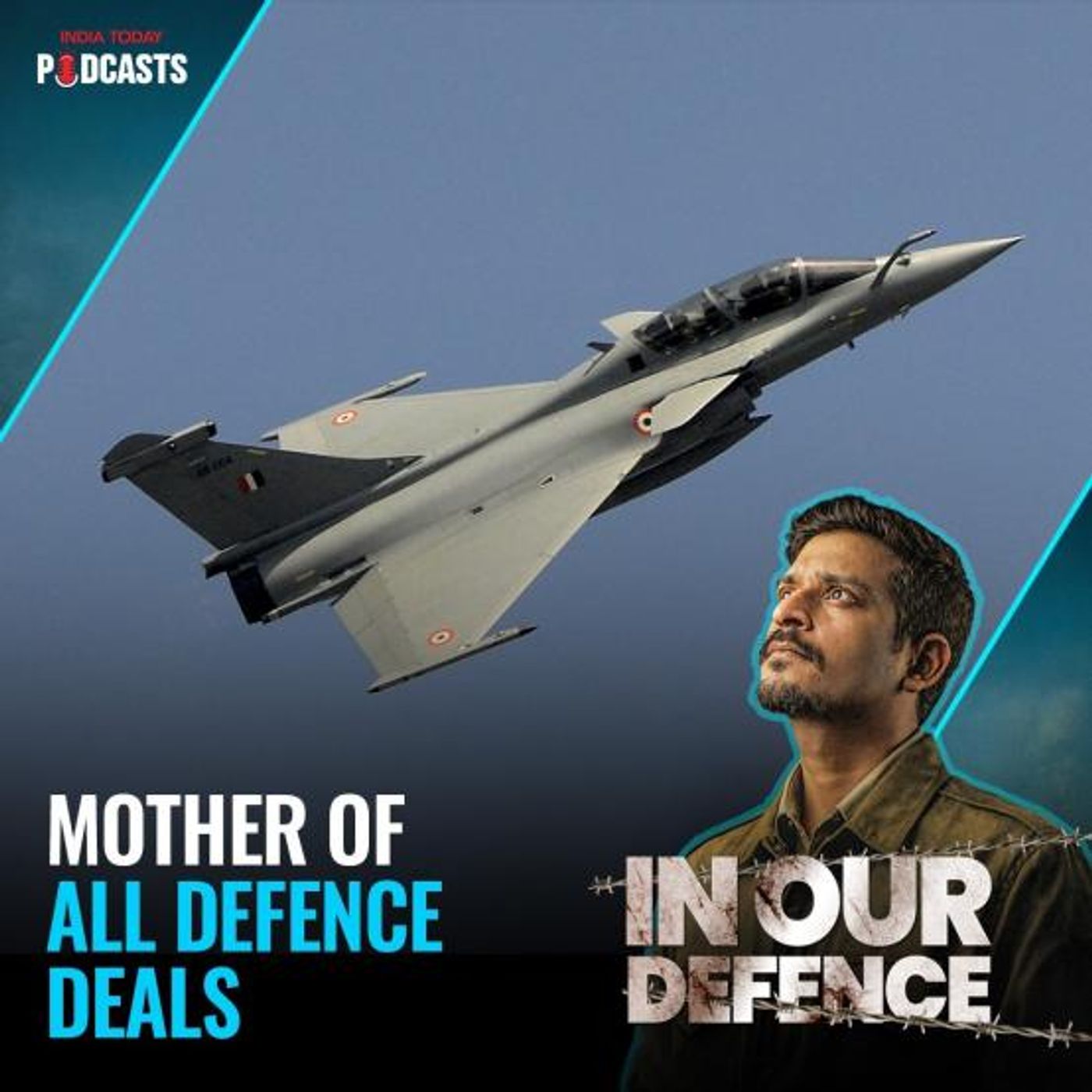 Rafale 2.0 Loading: Is IAF’s 19-Year Fighter Jet Hunt Finally Ending? |S3| Ep 38 Rafale 2.0 Loading: Is IAF’s 19-Year Fighter Jet Hunt Finally Ending? |S3| Ep 38 | It has been 19 years in the making. From the original MMRCA tender in 2007 to the emergency purchase in 2016, and now, finally MRFA, the "Mother of All Defence Deals" seems ready for ink. Reports suggest the Indian Air Force is in the final stages of acquiring 114 Rafale jets in a deal estimated at a staggering Rs 3.25 Lakh Crore (~$40 Billion). In this episode of In Our Defence, Dev Goswami sits down with national security expert Sandeep Unnithan to decode the deal. The two trace the origins of the Indian Air Force's hunt for a fighter jet to the post-Kargil years and look at the various stumbling blocks along the way that have kept the deal from taking off. The two also discuss just how dire the situation is for the Indian Air Force and why this reported deal to buy 114 Rafale jets is a "now or never" moment. Tune in! Produced by Taniya Dutta Sound mixed by Aman Pal | 57m 28s | ||||||
| 1/15/26 | 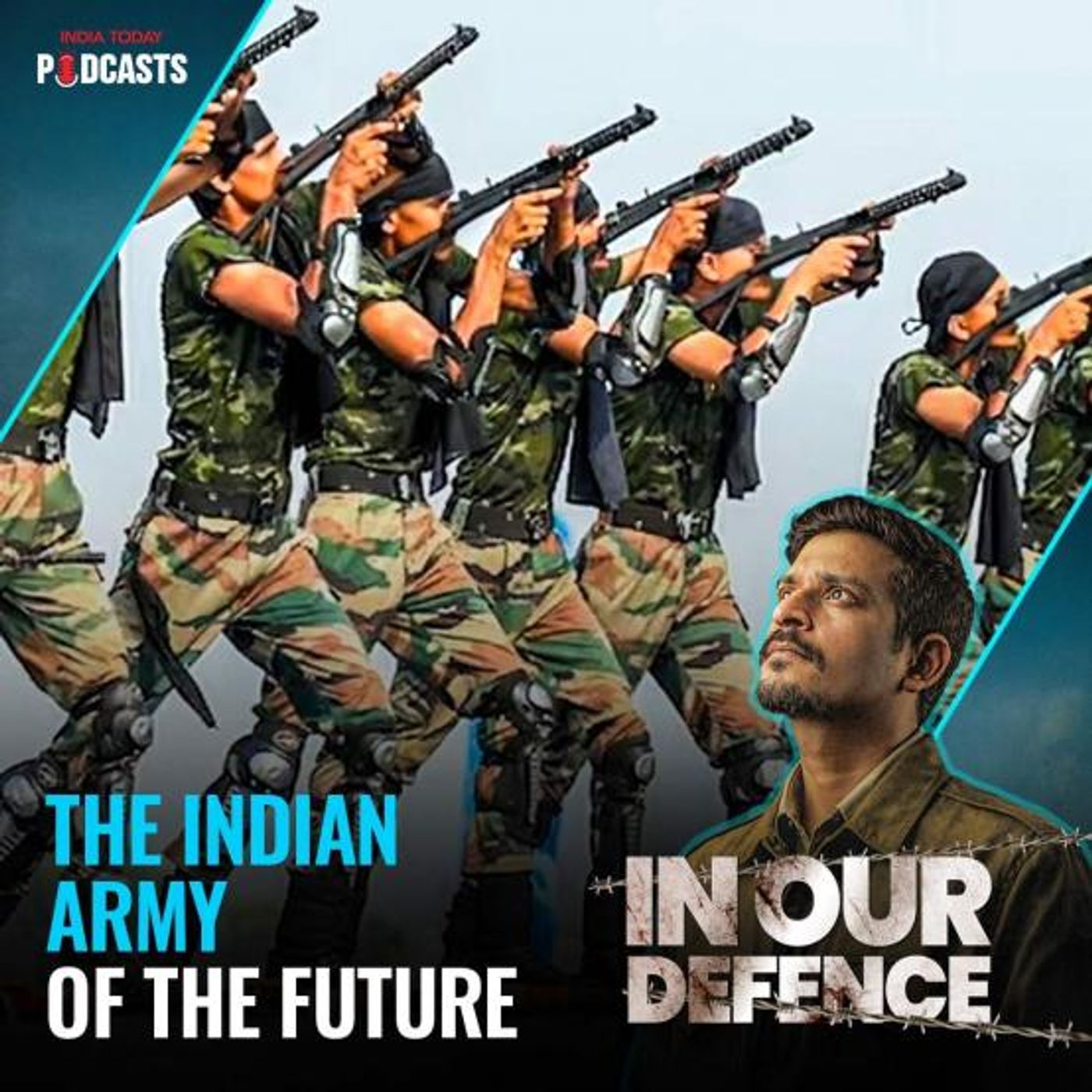 Indian Army 2.0: Inside the Integrated Battle Groups & Drone Revolution |S3| Ep 37 Indian Army 2.0: Inside the Integrated Battle Groups & Drone Revolution |S3| Ep 37 | Is the era of the massive Indian Army over? In this episode of In Our Defence, Dev Goswami and Sandeep Unnithan decode the Indian Army's roadmap for force restructuring, a project that has been in the works for several years. The two answer the big questions: -Why is the Army desperate to "cut the flab"? -What exactly are Integrated Battle Groups (IBGs), and how do they change the way India fights wars? The episode also features a deep dive into the Army’s massive push for drones and whether tech is finally replacing boots on the ground. Finally, Dev and Sandeep imagine what the future Indian Army infantry soldier will look like and why the science fiction movies of the past years may not be so far off the mark on this aspect. Tune in! Produced by Taniya Dutta Sound mixed by Aman Pal | 55m 21s | ||||||
| 1/9/26 | 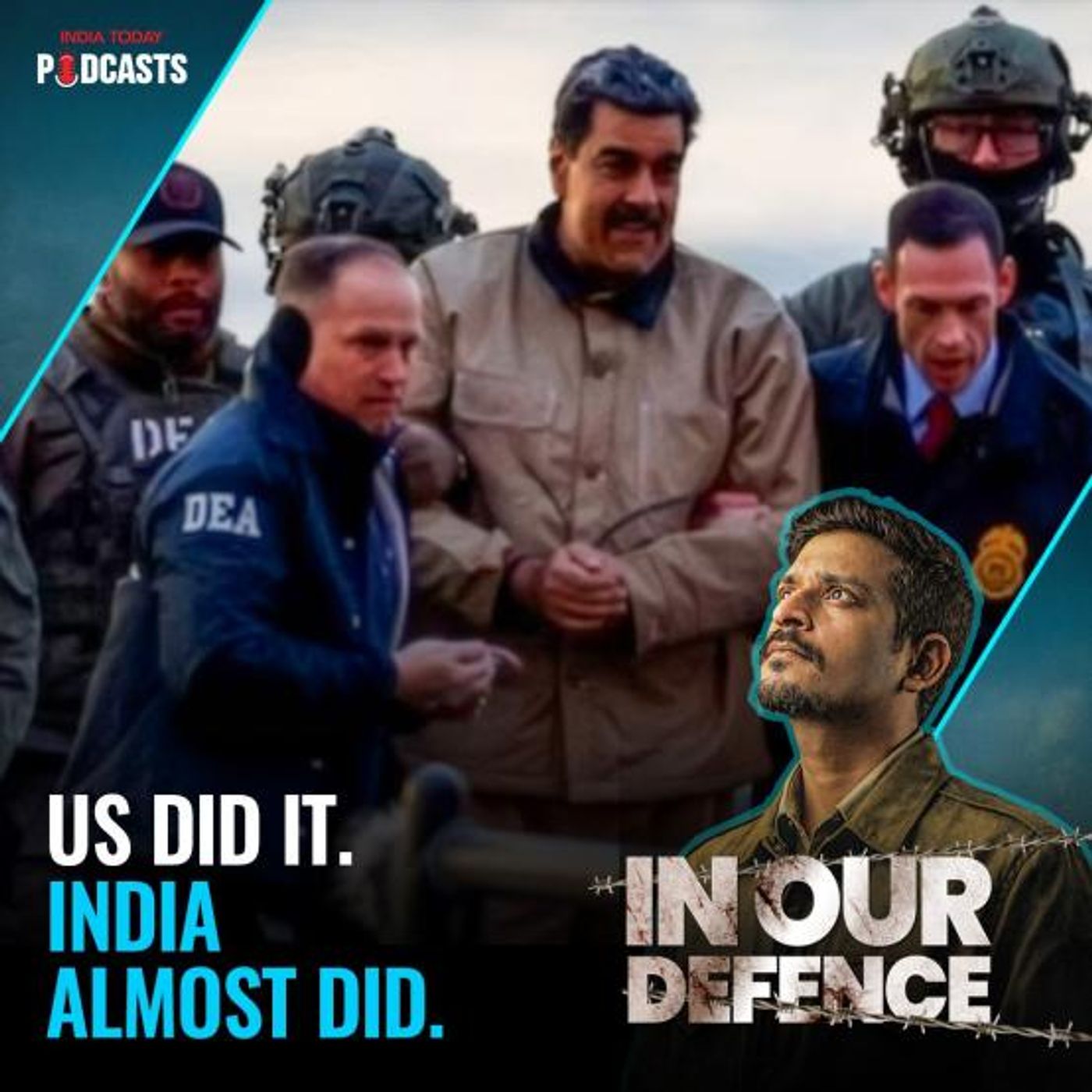 The US Raid to Capture Maduro and the Indian 'Snatch Op' That Never Was | S3 | Ep 36 The US Raid to Capture Maduro and the Indian 'Snatch Op' That Never Was | S3 | Ep 36 | On January 3, 2026, the United States military changed the rules of engagement. In a lightning-fast raid involving 150 aircraft and Delta Force operators, Venezuelan President Nicolas Maduro was captured from his palace in Caracas. The US calls it Operation Absolute Resolve. The world calls it the boldest special operation in history. But beyond the headlines, how does a raid like this actually work? It’s not just bearded men kicking down doors -- it’s cyber warfare, diplomatic wrangling, and domain superiority. In this episode of In Our Defence, host Dev Goswami and national security expert Sandeep Unnithan break down the mechanics of the Maduro snatch. They also talk about a little-known Indian operation called Operation Sundown -- an aborted 1983 plan to snatch Jarnail Singh Bhindranwale from the Golden Temple using similar tactics. Tue in! Produced by Taniya Dutta Sound mixed by Aman Pal | 58m 56s | ||||||
| 12/26/25 |  Is Bangladesh Becoming East Pakistan 2.0? |S3| Ep 35 Is Bangladesh Becoming East Pakistan 2.0? |S3| Ep 35 | The killing of student leader Sharif Osman Hadi has set Bangladesh on fire again. But this time, the anger isn't just anti-government, it's dangerously anti-India. In this episode of In Our Defence, host Dev Goswami and defence expert Sandeep Unnithan decode the chaos next door. From the smashing of Sheikh Mujib's statues to the chilling return of the Pakistan Army in Bangladeshi politics, the two answer the hard question: Is India facing a new "Third Front"? The two discuss: -The legacy of the founder (Sheikh Mujibur Rahman) and the general (Ziaur Rahman) -How the erasure of 1971 is opening the door for a "Pakistan-style" Islamic nationalism -The rumor of a Pakistan-Bangladesh mutual defence pact and why that should worry India -What 2026 may bring to Bangladesh and its politics. Produced by Taniya Dutta Sound mixed by Rohan Bharti | 48m 53s | ||||||
| 12/19/25 | 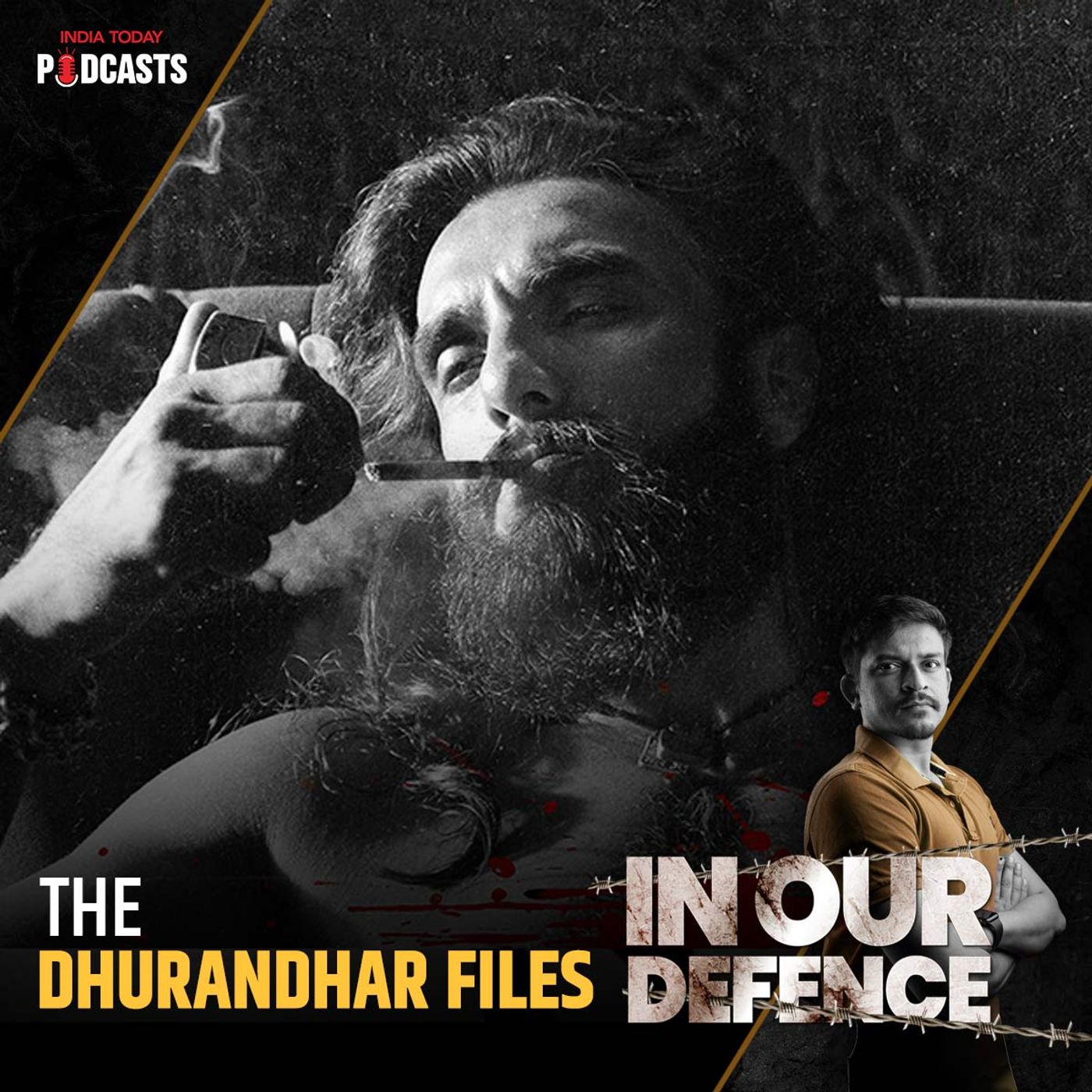 Dhurandhar, Sleeper Agents & The Evolution of RAW in Pakistan | S3 | Ep 34 Dhurandhar, Sleeper Agents & The Evolution of RAW in Pakistan | S3 | Ep 34 | The new spy thriller Dhurandhar has sparked a massive controversy. The Adtiya Dhar film explores the concept of 'sleeper spies' -- spies who are deeply embedded in a target country's society. On this episode of In Our Defence, host Dev Goswami and national security expert Sandeep Unnithan look at what the film gets right and wrong about this aspect of espionage.  The two talk about the intersection of ISI and Pakistani underworld that the film portrays and discuss how that is a hat-tip to the unholy alliance between the Pakistani deep state and Dawood Ibrahim that was forged in the early 1960s.  The two also look back at the stories of some of the world's most legendary sleeper agents such as Mossad's Eli Cohen and Soviet Russia's famous 'Cambridge Five'. Also on this episode is a look at how the Research and Analysis Wing's (RAW) operations evolved in Pakistan under several Prime Ministers and what intelligence agencies are actually asked with. Produced by Areeb Raza Sound mixed by Suraj Singh | 56m 54s | ||||||
| 12/12/25 | 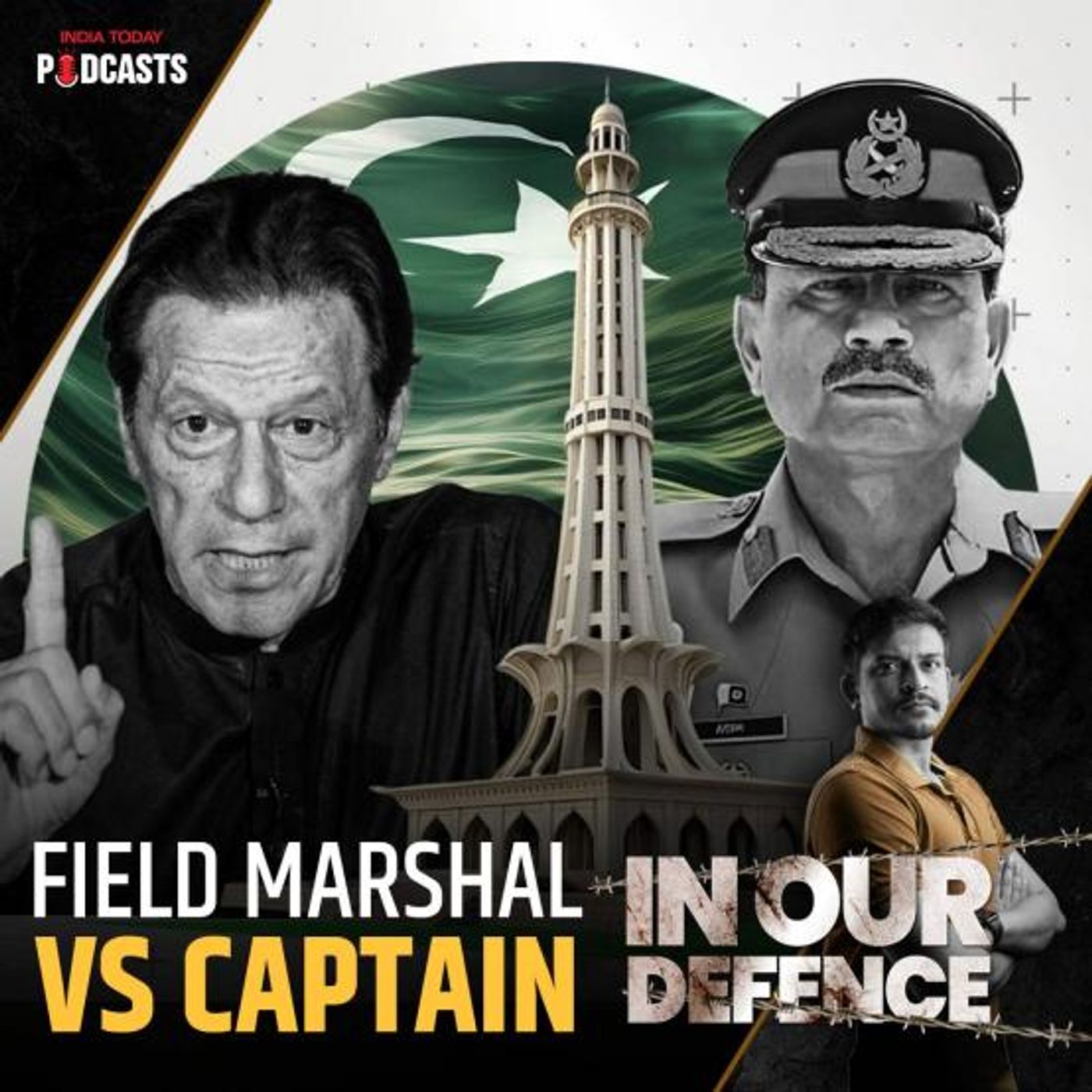 Why is Field Marshal Asim Munir Scared of ex-Pakistan PM Imran Khan? | S3 | Ep 33 Why is Field Marshal Asim Munir Scared of ex-Pakistan PM Imran Khan? | S3 | Ep 33 | On paper, Field Marshal Asim Munir is the most powerful man in Pakistan. He has the Army, the intelligence agencies, and a constitutional amendment that effectively grants him unlimited power. So why is he seemingly terrified of a 73-year-old man locked in a 6x8 cell in Adiala Jail? In this episode of In Our Defence, host Dev Goswami and defence expert Sandeep Unnithan peel back the layers of Islamabad's power struggle. Is the conflict actually a deep-rooted ethnic clash between the Punjabi-dominated Army and Imran Khan's Pashtun base? The Adiala Curse: Why does every Pakistani Prime Minister eventually fall out with the Army? The God Complex: What ingredients create a Pakistani General who thinks he is the saviour of Pakistan? The Endgame: Does Munir keep Khan locked up forever or will a 'Black Swan' event completely upend Pakistani politics? Produced by Areeb Raza Sound mixed by Rohan Bharti | 55m 45s | ||||||
| 12/5/25 | 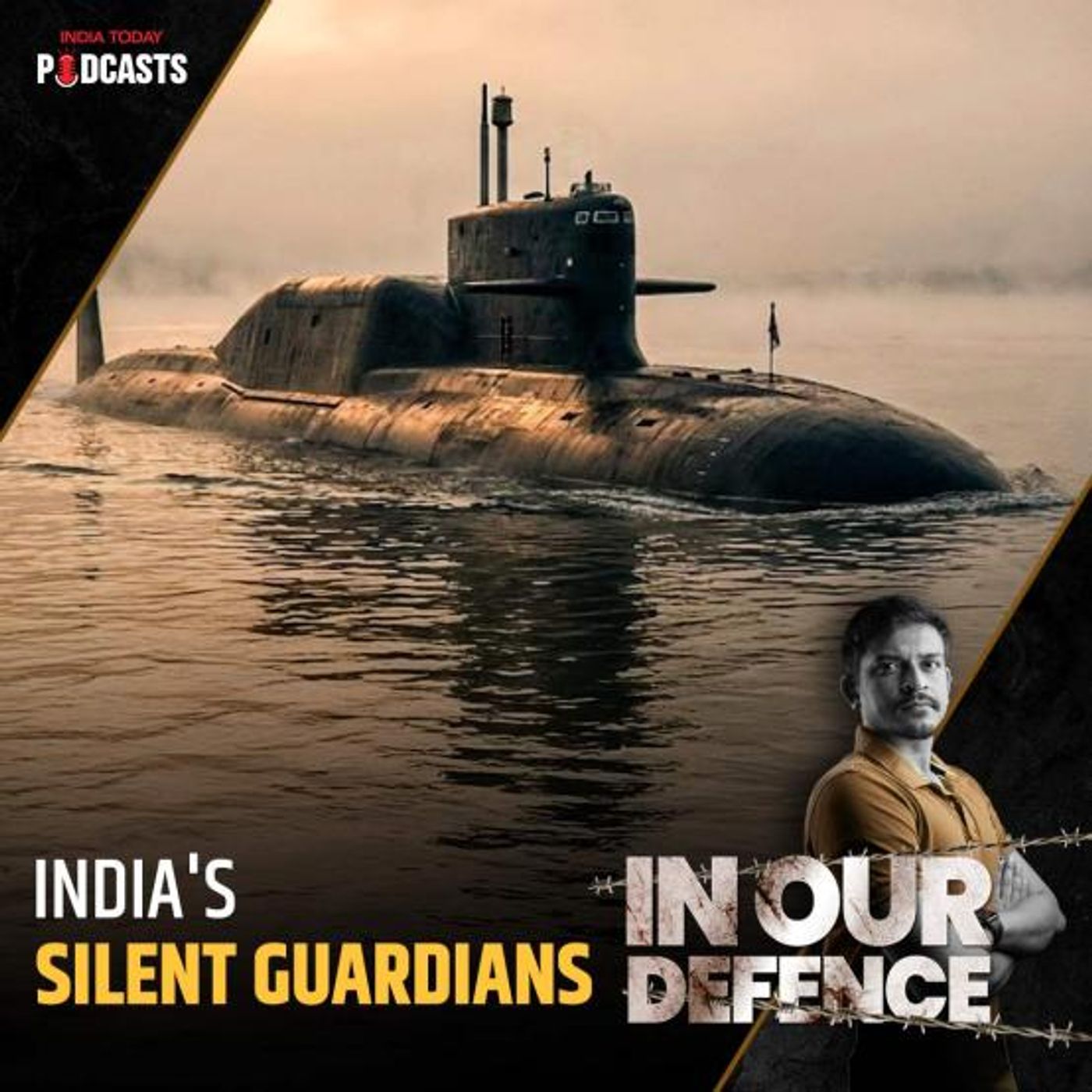 INS Aridhaman coming soon: Inside India's Secret Nuclear Submarine Project | S3 | Ep 32 INS Aridhaman coming soon: Inside India's Secret Nuclear Submarine Project | S3 | Ep 32 | India is set to commission its third -- and most powerful -- nuclear-powered ballistic missile submarine, the INS Aridhaman (codename: S4). But this isn't just another ship joining the fleet, it marks a critical tipping point in India's national security architecture. INS Aridhaman is the most complex and devastating weapon to exist in India's weapons arsenal. In this episode of In Our Defence, host Dev Goswami and defence expert Sandeep Unnithan decode the secrecy shrouding the Advanced Technology Vessel (ATV) project. They explain the "Rule of Three" (why you need three subs to keep one at sea), the massive upgrade in firepower with the K-4 missiles, and how a memo during the 1960s kickstarted India's quest for nuclear-powered ballistic missile submarines. Key discussion points: The Upgrade: Why Aridhaman is bigger, deadlier, and carries double the missiles of INS Arihant. The Range War: How the K-4 missile (3,500km) finally allows Indian subs to target threats without leaving the safety of home waters. The History: PN Haksar memo and the birth of the Indian nuclear submarine program. The Command: Who actually presses the red button? (Hint: It's not the Navy Chief). Tune in for a deep dive into the "Silent Service" that protects India from the deep. Produced by Taniya Dutta Sound mixed by Aman Pal | 57m 45s | ||||||
| 11/28/25 | 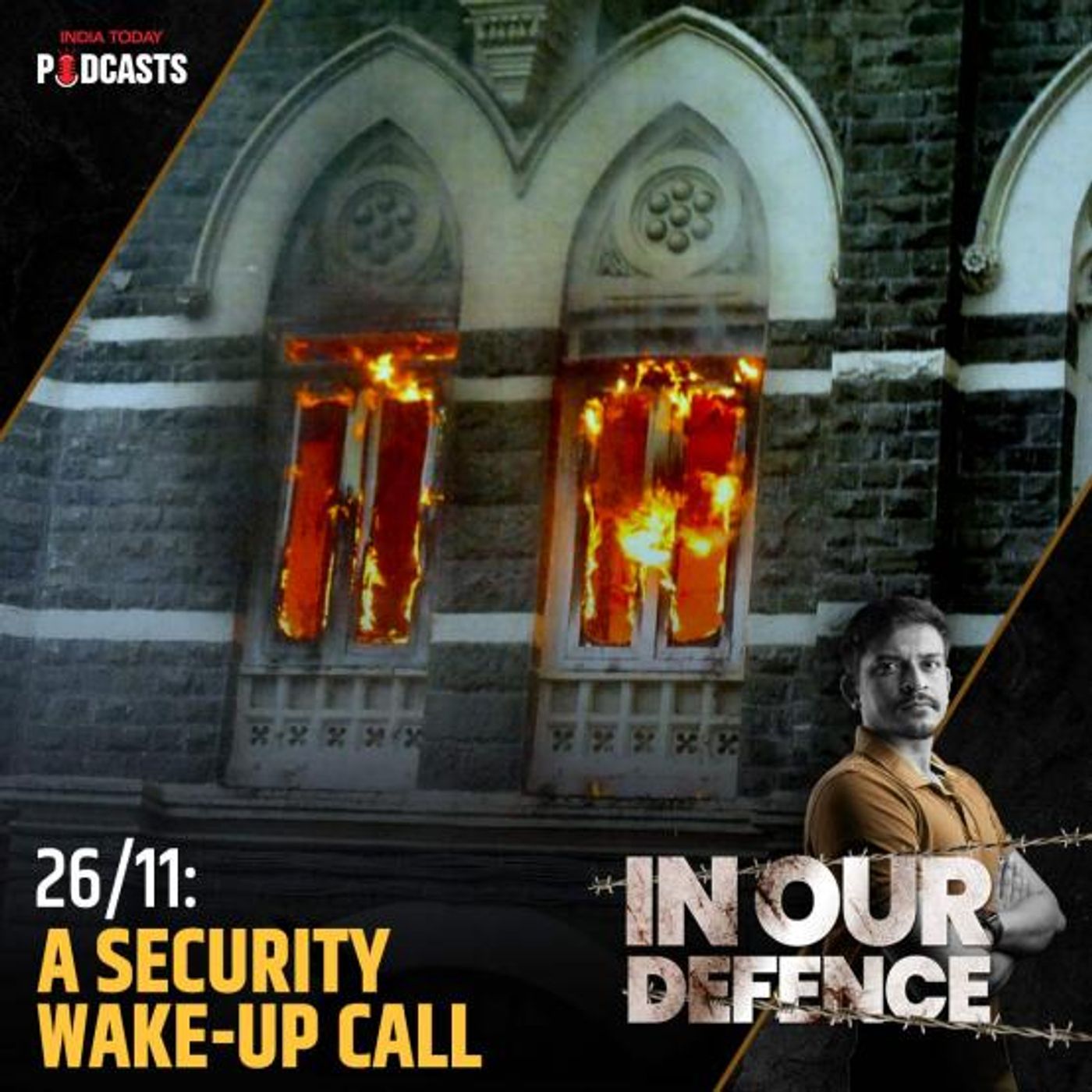 Recalling 26/11 Mumbai Attack, the Kargil of India’s Internal Security | S3 | Ep 31 Recalling 26/11 Mumbai Attack, the Kargil of India’s Internal Security | S3 | Ep 31 | Seventeen years ago, India was shaken when Lashkar-e-Taiba terrorists launched 12 coordinated attacks across Mumbai, striking the Taj Mahal Palace Hotel, Chabad (Nariman) House, and other locations in the country’s financial capital. The assault killed 166 people and injured over 300. Nine of the ten terrorists were killed, while the lone surviving attacker, Ajmal Kasab, was captured alive. In this episode of In Our Defence, host Dev Goswami and national security expert Sandeep Unnithan revisit the assault that became the Kargil of India’s internal security. They take you deep inside the shadowy world of terrorist training, high-risk counter-terror operations and the elite response mechanisms that shaped India’s modern security doctrine. From Special Forces–style training used by the attackers, to the MARCOS team’s first response and the intense close-quarters battle inside the Taj Hotel and Chabard House. Unnithan revisits the tactics, planning and coordination failures that emerged during the 26/11 Mumbai Attack, offering rare insights into what changed and what still hasn’t. The two discuss: - Terrorist training methods -Frontline decision-making -The evolution of India’s counter-terror capabilities Tune in! Produced by Taniya Dutta Sound mixed by Aman Pal | 1h 12m 48s | ||||||
| 11/26/25 |  Tejas Crash: What It Means for India’s Indigenous Fighter Programme Tejas Crash: What It Means for India’s Indigenous Fighter Programme | On November 21, an Indian Air Force Tejas fighter jet performing aerial manoeuvres at the Dubai Airshow crashed, killing its pilot, Wing Commander Namansh Syal. This is the second crash involving the indigenous aircraft in its 24-year history but the first to result in a fatality. The previous Tejas crash took place in Jaisalmer in March 2024 when the pilots ejected safely. With the IAF ordering a court of inquiry, this bonus segment of In Our Defence sees host Dev Goswami and national security expert Sandeep Unnithan break down what the accident reveals about India’s indigenous defence production and the future of the Tejas programme. Tune in! Produced by Taniya Dutta Sound mixed by Suraj Singh | 16m 20s | ||||||
| 11/21/25 | 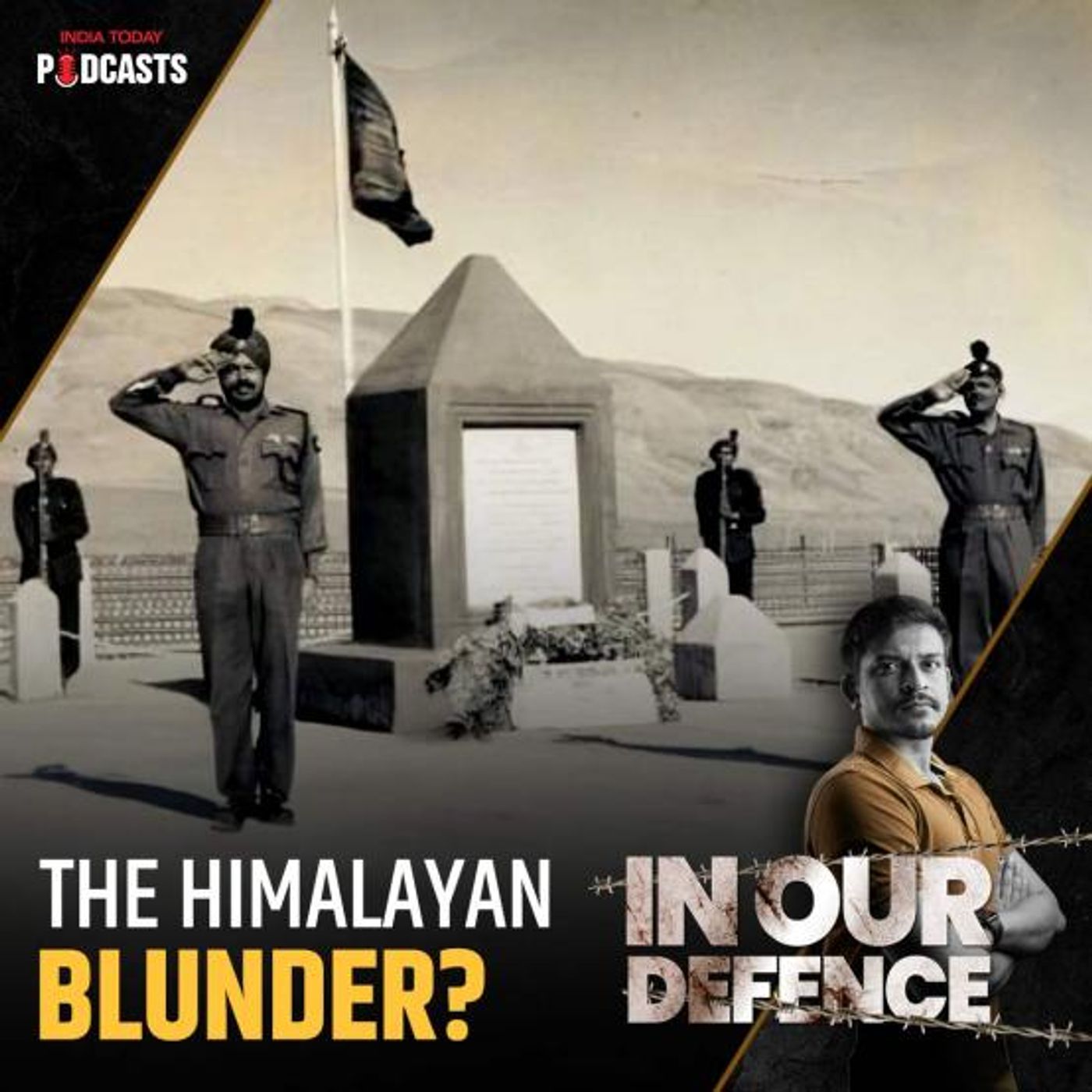 Beyond 120 Bahadur: Inside Battle of Rezang La and the 1962 India-China War | S3 | Ep 30 Beyond 120 Bahadur: Inside Battle of Rezang La and the 1962 India-China War | S3 | Ep 30 | With the release of the Farhan Akhtar-starrer 120 Bahadur, the spotlight returns to the Battle of Rezang La -- one of the bravest last stands in military history. But the 1962 India-China war was much more than just one battle. It was a geopolitical storm involving a "Forward Policy," a distracted America, and a political leadership caught off guard. In this deep-dive episode, host Dev Goswami and national security expert Sandeep Unnithan will peel back the layers of the 1962 conflict. They discuss the tactical realities of Major Shaitan Singh’s Charlie Company, the mystery of the "missing" Indian Air Force, how and why the Indian Army was handed a solid defeat, the strange connection between the Himalayas and the Cuban Missile Crisis, and, of course, whether this indeed was Nehru's 'Himalayan Blunder'. In this episode, Dev and Sandeep discuss: - The Real Rezang La: How 120 men of the 13 Kumaon held off thousands of Chinese troops at 18,000 feet without winter gear. - The McMahon Line: Who drew it, why it was flawed, and why a "thick line on a map" led to war. - The Geopolitics: Did the Panchsheel Agreement lull Nehru into a false sense of security? What was the "Forward Policy"? - The Cuban Connection: How Mao Zedong timed the attack to coincide with the Cuban Missile Crisis to ensure US silence. - Classified History: What is the Henderson Brooks-Bhagat Report, and why does the Indian government refuse to declassify it 60 years later? - The Chinese Perspective: Why Beijing calls this a "Self-Defence Counterattack" and why they unilaterally withdrew after winning. Whether or not you plan to watch 120 Bahadur, this is your comprehensive crash course on the war that changed India forever. Tune in! Produced by Taniya Dutta Sound mixed by Rohan Bharti | 1h 02m 52s | ||||||
| 11/14/25 |  Red Fort blast and Asim Munir's Death By Thousand Cuts Strategy | S3 | Ep 29 Red Fort blast and Asim Munir's Death By Thousand Cuts Strategy | S3 | Ep 29 | A car explodes near Delhi's Red Fort and the trail runs through Srinagar posters, Faridabad storehouses, and an alleged "white-collar" module featuring multiple doctors. In this episode, host Dev Goswami and national security expert Sandeep Unnithan take their first impressions of the deadly terror attack that has revived scary memories of blasts in India's urban centre. The two examine what we know (and don't) about the Red Fort attack, why the government's initial messaging stayed deliberately measured, and zoom out to Field Marshal Asim Munir's "thousand cuts" doctrine that the Pakistani military boss seems to have adopted. Tune in! Produced by Taniya Dutta Sound mixed by Aman Pal | 57m 11s | ||||||
| 11/7/25 | 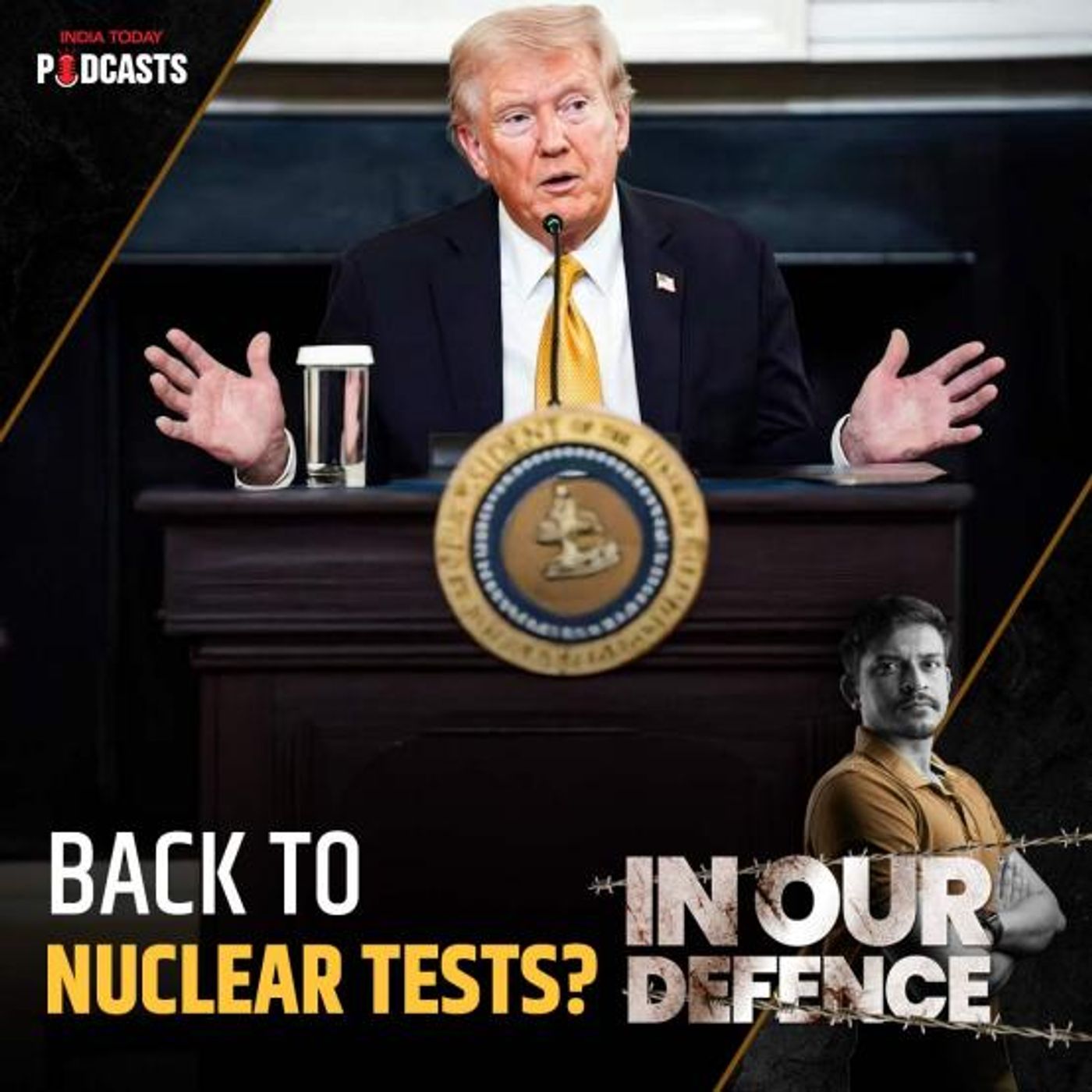 Unpacking Donald Trump's Nuke Testing Bomb & India's Nuclear Doctrine Dilemma | S3 | Ep 28 Unpacking Donald Trump's Nuke Testing Bomb & India's Nuclear Doctrine Dilemma | S3 | Ep 28 | Donald Trump says China, Russia and Pakistan are "testing nuclear weapons". And that is why he's told the Pentagon to immediately prepare to test the US's nuclear weapons. In this episode, host Dev Goswami and national security expert Sandeep Unnithan unpack what counts as a nuclear test in 2025, who's actually doing what at their test sites, and what a US return to explosive testing would mean for India, the CTBT, and global stability. The two cover: - Why does Trump want to carry out nuclear testing? Are Russia, China, and Pakistan really carrying out secret nuclear tests? - Cold tests vs hot tests: Why the world doesn't really need 'explosive' nuclear tests anymore? - Why India feels satisfied with its comparatively lower number of nuclear tests vis a vis the rest of the world? - Should India take a re-look at its nuclear doctrine that vows no first use? - What global treaties on nuclear testing really achieved? - And finally, what happens if the US actually carries out a nuclear test? Tune in! Produced by Taniya Dutta Sound mixed by Suraj Singh | 55m 53s | ||||||
| 10/31/25 | 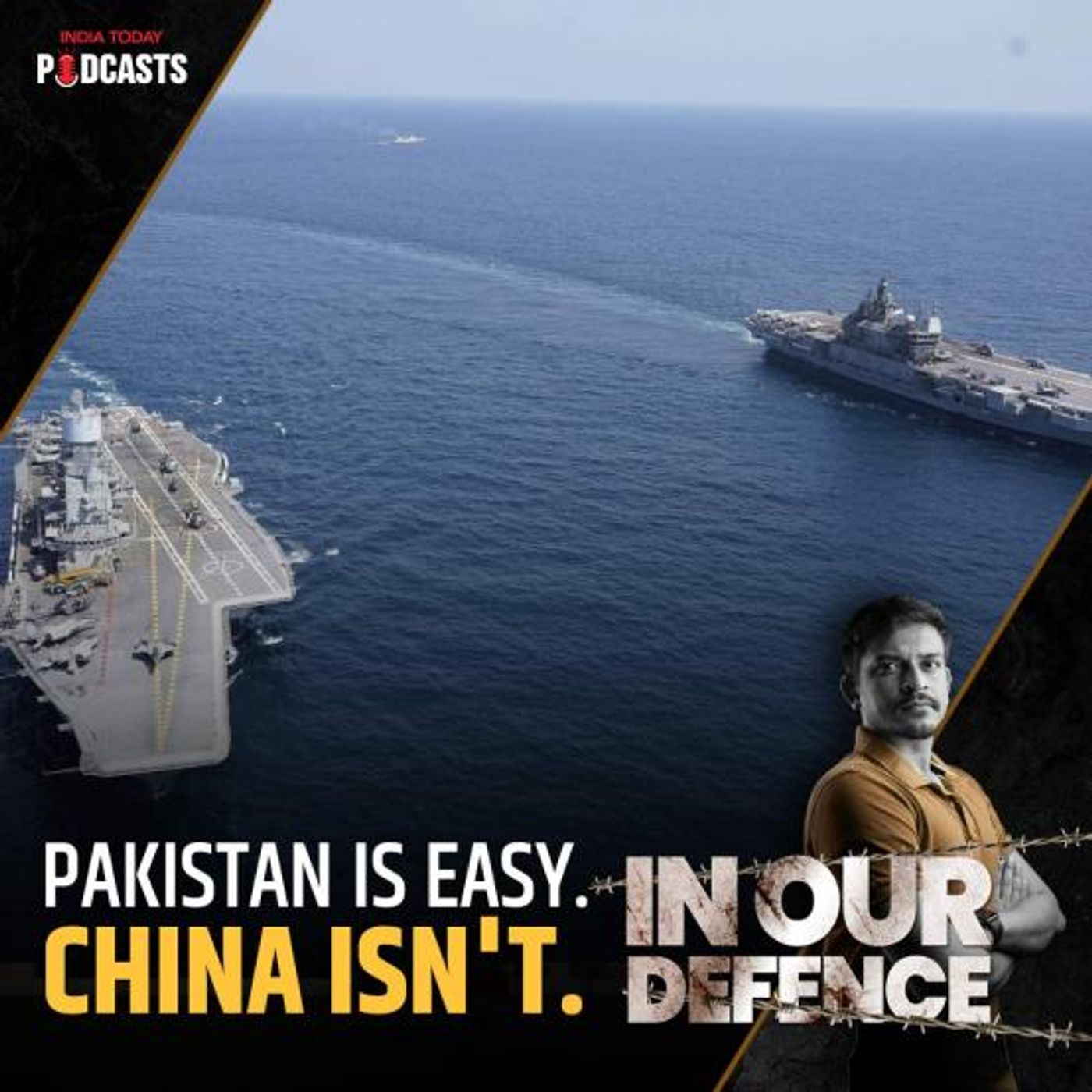 Two Seas, Two Stories: India's Navy Between Pakistan and China | S3 | Ep 27 Two Seas, Two Stories: India's Navy Between Pakistan and China | S3 | Ep 27 | India's Navy faces two very different fronts at sea. To the west, it has history and geography on its side against Pakistan -- think Karachi aflame in 1971 and quiet coercion in Kargil. To the east, a bigger, busier chessboard: the Chinese PLAN surging into the Indian Ocean and sniffing around the Bay of Bengal. On this episode, national security expert Sandeep Unnithan joins host Dev Goswami to separate swagger from substance: Pakistan's problem of not enough 'sea room', what the Indian Navy did in 1971 and Kargil, how INS Vikrant shaped the '71 East theatre, and whether modern India should "pop up" in the South China Sea or lock down the Andamans. On this episode: - Pakistan's coastline and its geographical vulnerability - 1971 War: Op Trident & Op Python; Karachi burning, costs and consequences - Kargil: the Navy's "quiet pressure" playbook - Op Sindoor: what a modern surge looks like and deterrence without tripping red lines - China, the Indian Ocean Region, and the Indian Navy area of influence - Can India routinely show up east of Malacca or is gatekeeping the chokepoints the smarter flex? Produced by Taniya Dutta Sound mix by Rohan Bharti | 55m 07s | ||||||
| 10/24/25 | 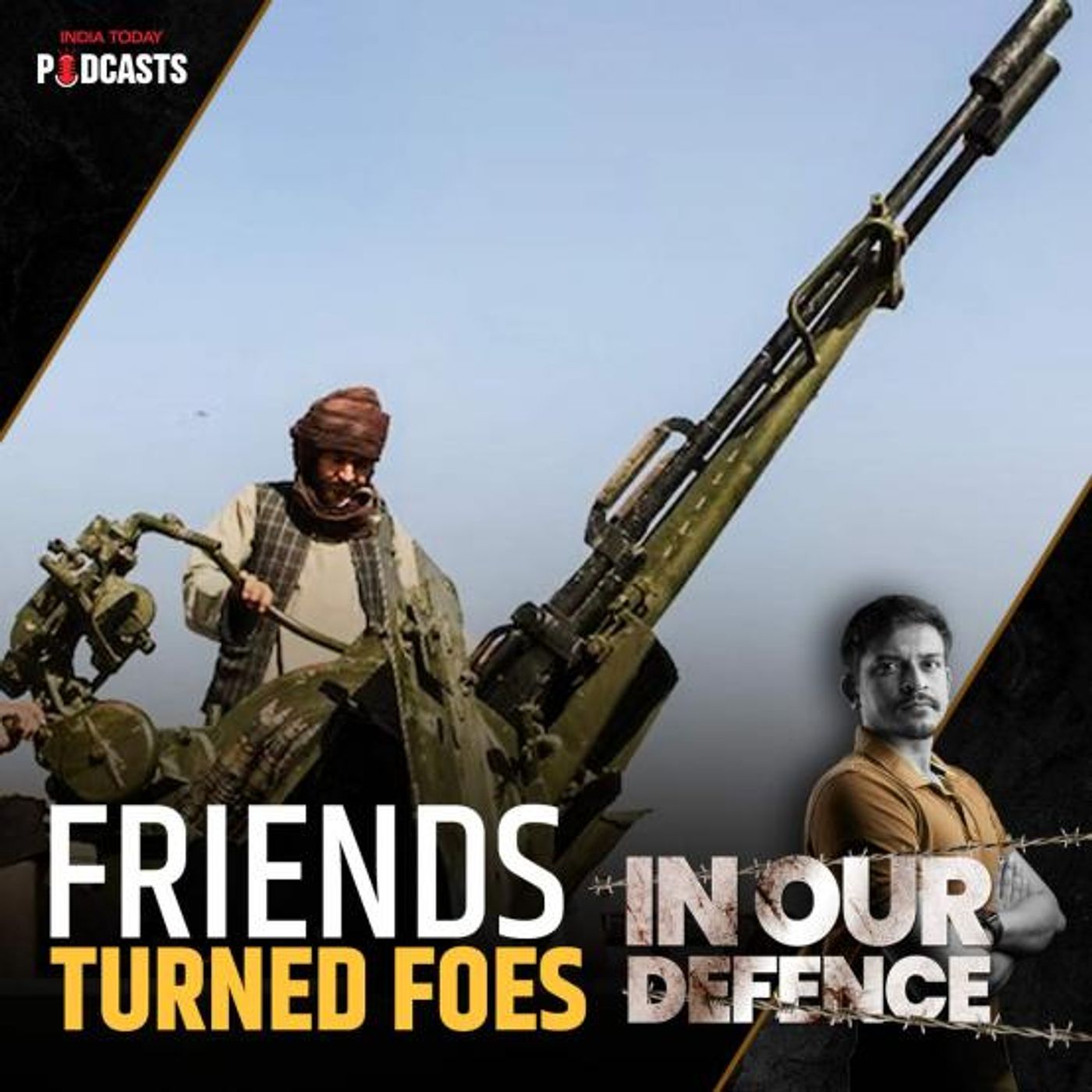 Ally to Adversary: Why Taliban is Fighting Pakistan | S3 | Ep 27 Ally to Adversary: Why Taliban is Fighting Pakistan | S3 | Ep 27 | Once Islamabad's (or Rawalpindi's) protégés, the Taliban are now exchanging gunfire with Pakistan. The recent clashes mark the deadliest fighting between the two since Taliban seized control of Afghanistan in 2021. What changed? In this episode, host Dev Goswami and national security expert Sandeep Unnithan unpack the clash along the Durand Line -- a fight tangled in Pashtun identity, militant kinships, and Pakistan's own Frankenstein problem. The two trace the origin the Taliban, explain how it is wrongly believed to be synonymous with the Al Qaeda, and explore how its Pashtun roots put it at odds with Pakistan's military elite. Also a topic of discussion is the TTP (Tehreek-e-Taliban Pakistan) and how it seems to be punching above its weight. And finally, the episode looks at India's cautious recent outreach to Kabul and how it fits into this very messy map. Tune in! Produced by Taniya Dutta Sound mixed by  | 52m 56s | ||||||
Showing 25 of 190
Sponsor Intelligence
Sign in to see which brands sponsor this podcast, their ad offers, and promo codes.
Chart Positions
9 placements across 9 markets.
Chart Positions
9 placements across 9 markets.