
Insights from recent episode analysis
Audience Interest
Podcast Focus
Publishing Consistency
Platform Reach
Insights are generated by CastFox AI using publicly available data, episode content, and proprietary models.
Most discussed topics
Brands & references
Total monthly reach
Estimated from 1 chart position in 1 market.
By chart position
- 🇵🇭PH · History#873K to 10K
- Per-Episode Audience
Est. listeners per new episode within ~30 days
900 to 3K🎙 Daily cadence·382 episodes·Last published today - Monthly Reach
Unique listeners across all episodes (30 days)
3K to 10K🇵🇭100% - Active Followers
Loyal subscribers who consistently listen
1.2K to 4K
Market Insights
Platform Distribution
Reach across major podcast platforms, updated hourly
Total Followers
—
Total Plays
—
Total Reviews
—
* Data sourced directly from platform APIs and aggregated hourly across all major podcast directories.
On the show
From 43 epsHost
Recent guests
No guests detected in recent episodes.
Recent episodes
The Nativity of St. John the Baptist (June 24) — From Dom Guéranger’s Liturgical Year
Jun 24, 2026
Unknown duration
Vigil of St. John the Baptist — From Dom Guéranger’s Liturgical Year
Jun 22, 2026
Unknown duration
St. Alban (June 22) — From Dom Guéranger’s Liturgical Year
Jun 22, 2026
Unknown duration
Fourth Sunday after Pentecost — From Dom Guéranger’s Liturgical Year
Jun 21, 2026
Unknown duration
The Mystery of the Time after Pentecost — From Dom Guéranger’s Liturgical Year
Jun 19, 2026
Unknown duration
Social Links & Contact
Official channels & resources
Official Website
Login
RSS Feed
Login
| Date | Episode | Topics | Guests | Brands | Places | Keywords | Sponsor | Length | |
|---|---|---|---|---|---|---|---|---|---|
| 6/24/26 | 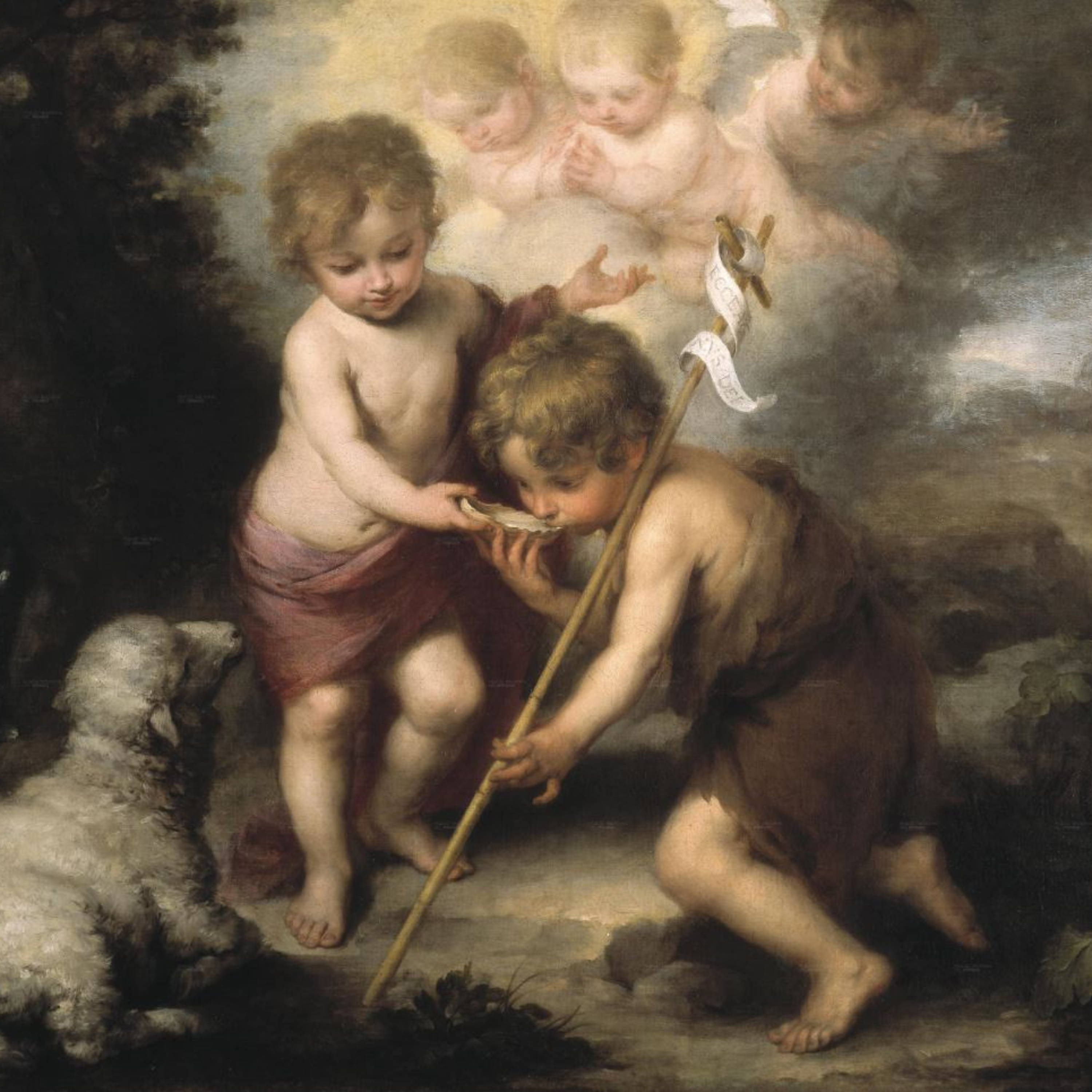 The Nativity of St. John the Baptist (June 24) — From Dom Guéranger’s Liturgical Year | A meditation for the Feast of the Nativity of St. John the Baptist, from Dom Guéranger’s “The Liturgical Year”, Volume III of the Time after Pentecost.Please note that Servant of God Dom Prosper Guéranger went to his eternal reward in 1875; at this point, Volumes I-IX (Advent to Pentecost Saturday) had been completed, but Volumes X-XV (Trinity Sunday to Advent) had not yet been completed. Thus, the remaining readings of the Liturgical Year, from Trinity Sunday until Advent, were not directly authored by Dom Prosper, but were the work of his disciple Dom Lucien Fromage. Dom Prosper Guéranger's The Liturgical Year, a monumental fifteen-volume work, offers a comprehensive exploration of the Catholic Church’s liturgical calendar, guiding readers through the spiritual and historical richness of the Church’s worship. Written in the 19th century, the series provides daily meditations, historical context, and liturgical texts for the Mass and Divine Office, covering the entire cycle of seasons—Advent, Christmas, Lent, Passiontide, Easter, and the Time after Pentecost—as well as feast days of saints. Guéranger’s work, rooted in a deep contemplative spirit, aims to immerse the faithful in the Church’s prayerful life, emphasizing the unity of faith through the axiom lex orandi, lex credendi ("the law of prayer is the law of belief"), and remains a cherished resource for Catholics seeking to deepen their spiritual lives. Dom Prosper Guéranger (1805–1875) was a French Benedictine monk, liturgical scholar, and founder of the Solesmes Abbey, renowned for his pivotal role in reviving the Benedictine Order in France and restoring the Roman liturgy after the disruptions of the French Revolution. Born in Sablé-sur-Sarthe, he entered the priesthood in 1827 and, inspired by a vision to restore monastic life, reestablished the Benedictine community at Solesmes in 1833, becoming its first abbot. A staunch defender of ultramontanism and traditional Catholic worship, he also championed the revival of Gregorian chant, significantly influencing the liturgical renewal movement.Link to the Dom Guéranger's Liturgical Year playlist (updated daily): https://www.youtube.com/playlist?list=PLZKdyYnV_bkh7rH6piW0ShgsdcefFoOvJPlease support this channel! Patreon: https://www.patreon.com/cw/InprincipioPodcast PayPal: https://www.paypal.com/donate/?hosted_button_id=U5EZ9X2CE2V7W Venmo: https://venmo.com/u/InPrincipioPodcast Zelle: inprincipiopodcast@gmail.com; or search for Zelle tag “inprincipiopodcast” Checks may be written out to ‘InPrincipio Podcast’ and mailed to: P.O. Box 117 Cedar Ridge, CA 95924Sincere thanks to all who are able to contribute, by your prayers, your patronage, or otherwise. Your support sustains this work and helps make these readings available to others.Artwork: " The Christ Child and the Infant John the Baptist with a Shell (Los Niños de la concha)” by Bartolomé Esteban Murillo c. 1670Music: Ave Maria (Gregorian chant)From Vesperae de Confessore non Pontifice in honor of Saint Vincent PallottiPerformed by Schola Gregoriana, Pallottine Seminary (Ołtarzew, Poland)Conductor: Fr. Dariusz SmolarekLicense: CC BY-SA 3.0 — https://creativecommons.org/licenses/by-sa/3.0/Changes: noneExcept where otherwise noted, original content © InPrincipio Podcast.Chant audio used under CC BY-SA 3.0. | — | ||||||
| 6/22/26 | 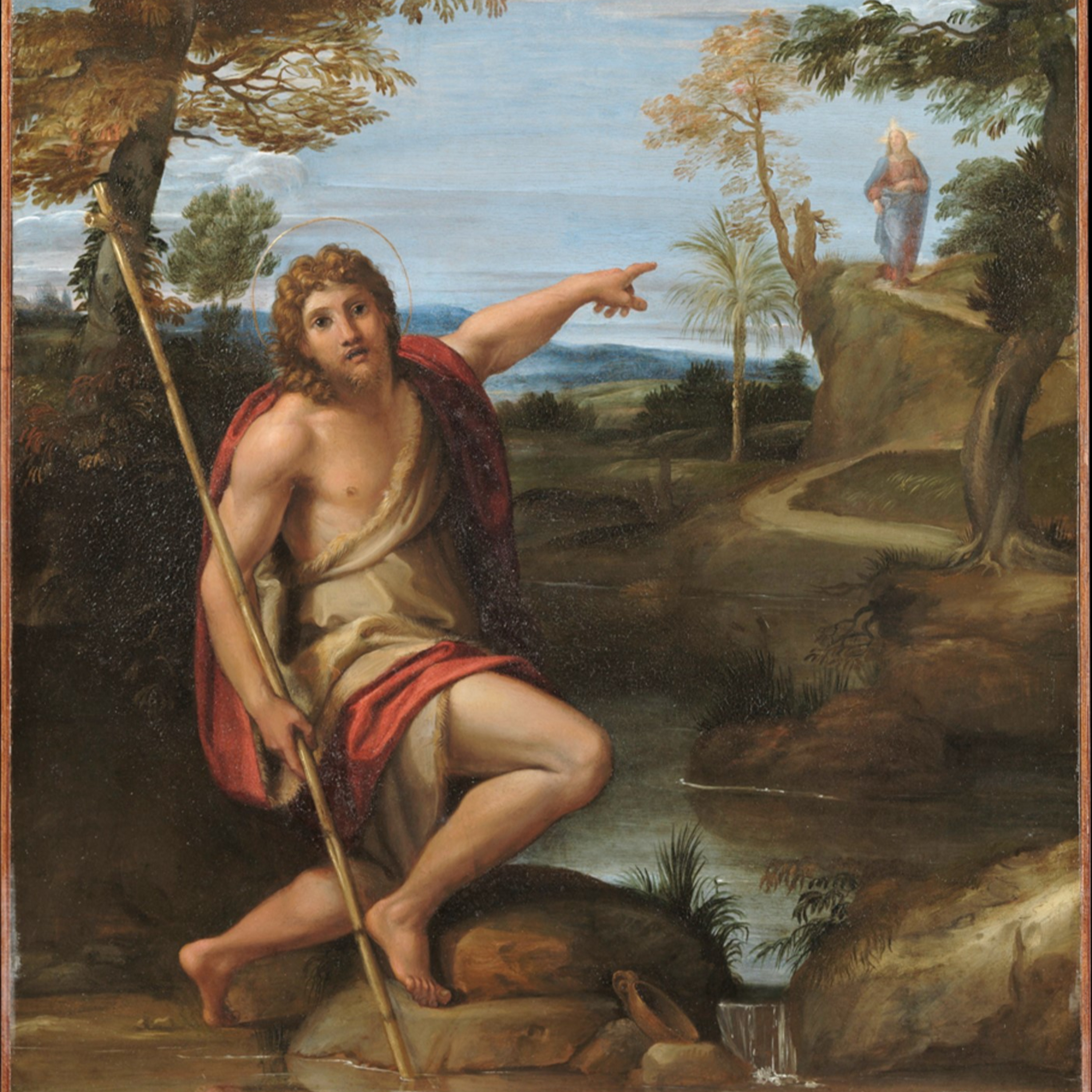 Vigil of St. John the Baptist — From Dom Guéranger’s Liturgical Year | A meditation for the Vigil of St. John the Baptist, from Dom Guéranger’s “The Liturgical Year”, Volume III of the Time after Pentecost.Please note that Servant of God Dom Prosper Guéranger went to his eternal reward in 1875; at this point, Volumes I-IX (Advent to Pentecost Saturday) had been completed, but Volumes X-XV (Trinity Sunday to Advent) had not yet been completed. Thus, the remaining readings of the Liturgical Year, from Trinity Sunday until Advent, were not directly authored by Dom Prosper, but were the work of his disciple Dom Lucien Fromage. Dom Prosper Guéranger's The Liturgical Year, a monumental fifteen-volume work, offers a comprehensive exploration of the Catholic Church’s liturgical calendar, guiding readers through the spiritual and historical richness of the Church’s worship. Written in the 19th century, the series provides daily meditations, historical context, and liturgical texts for the Mass and Divine Office, covering the entire cycle of seasons—Advent, Christmas, Lent, Passiontide, Easter, and the Time after Pentecost—as well as feast days of saints. Guéranger’s work, rooted in a deep contemplative spirit, aims to immerse the faithful in the Church’s prayerful life, emphasizing the unity of faith through the axiom lex orandi, lex credendi ("the law of prayer is the law of belief"), and remains a cherished resource for Catholics seeking to deepen their spiritual lives. Dom Prosper Guéranger (1805–1875) was a French Benedictine monk, liturgical scholar, and founder of the Solesmes Abbey, renowned for his pivotal role in reviving the Benedictine Order in France and restoring the Roman liturgy after the disruptions of the French Revolution. Born in Sablé-sur-Sarthe, he entered the priesthood in 1827 and, inspired by a vision to restore monastic life, reestablished the Benedictine community at Solesmes in 1833, becoming its first abbot. A staunch defender of ultramontanism and traditional Catholic worship, he also championed the revival of Gregorian chant, significantly influencing the liturgical renewal movement.Link to the Dom Guéranger's Liturgical Year playlist (updated daily): https://www.youtube.com/playlist?list=PLZKdyYnV_bkh7rH6piW0ShgsdcefFoOvJPlease support this channel! Patreon: https://www.patreon.com/cw/InprincipioPodcast PayPal: https://www.paypal.com/donate/?hosted_button_id=U5EZ9X2CE2V7W Venmo: https://venmo.com/u/InPrincipioPodcast Zelle: inprincipiopodcast@gmail.com; or search for Zelle tag “inprincipiopodcast” Checks may be written out to ‘InPrincipio Podcast’ and mailed to: P.O. Box 117 Cedar Ridge, CA 95924Sincere thanks to all who are able to contribute, by your prayers, your patronage, or otherwise. Your support sustains this work and helps make these readings available to others.Artwork: "Saint John the Baptist Bearing Witness" by Annibale CarracciMusic: Ave Maria (Gregorian chant)From Vesperae de Confessore non Pontifice in honor of Saint Vincent PallottiPerformed by Schola Gregoriana, Pallottine Seminary (Ołtarzew, Poland)Conductor: Fr. Dariusz SmolarekLicense: CC BY-SA 3.0 — https://creativecommons.org/licenses/by-sa/3.0/Changes: noneExcept where otherwise noted, original content © InPrincipio Podcast.Chant audio used under CC BY-SA 3.0. | — | ||||||
| 6/22/26 | 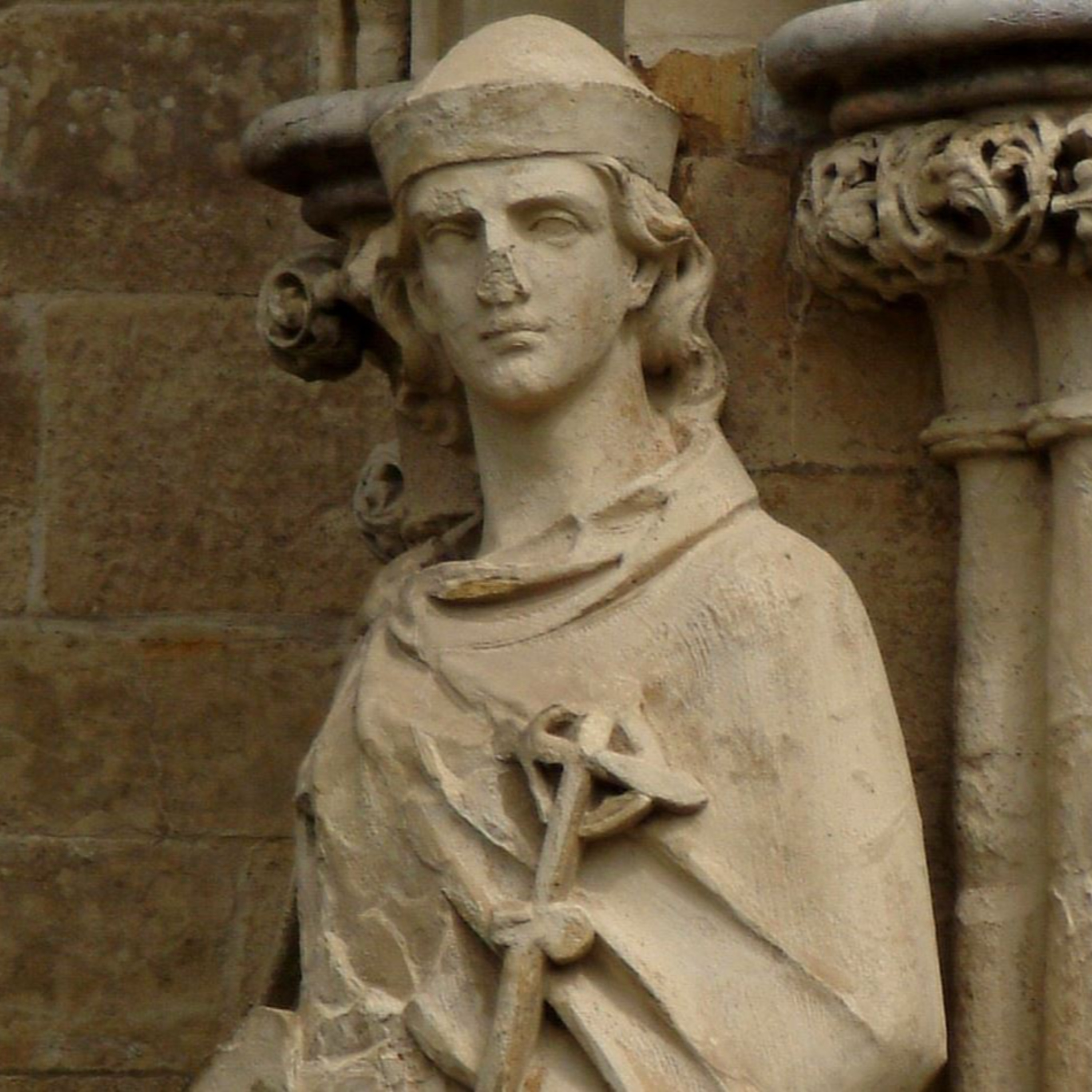 St. Alban (June 22) — From Dom Guéranger’s Liturgical Year | A meditation for the Feast of Saint Alban, Proto-Martyr of England, from Dom Guéranger’s “The Liturgical Year”, Volume III of the Time after Pentecost.Saint Alban was the first recorded Christian martyr of Britain and is believed to have suffered persecution during the Roman period, traditionally under the emperor Diocletian in the early fourth century. According to the account of Saint Bede the Venerable, Alban was a pagan living in the Roman town of Verulamium when he sheltered a Christian priest named Amphibalus, who was fleeing persecution. Inspired by the priest’s faith, Alban converted to Christianity and, when soldiers came searching for Amphibalus, Alban disguised the priest so he could escape. Alban was arrested in his place and, after refusing to renounce Christ, was condemned to death. Tradition holds that miracles occurred on the way to his execution, including the parting of a river and the springing up of a fountain, and that he was finally beheaded after bearing witness to the faith with courage. His martyrdom made him a symbol of the early Christian witness in Britain, and the great abbey of St Albans Cathedral was later built over the site associated with his burial.Dom Prosper Guéranger's The Liturgical Year, a monumental fifteen-volume work, offers a comprehensive exploration of the Catholic Church’s liturgical calendar, guiding readers through the spiritual and historical richness of the Church’s worship. Written in the 19th century, the series provides daily meditations, historical context, and liturgical texts for the Mass and Divine Office, covering the entire cycle of seasons—Advent, Christmas, Lent, Passiontide, Easter, and the Time after Pentecost—as well as feast days of saints. Guéranger’s work, rooted in a deep contemplative spirit, aims to immerse the faithful in the Church’s prayerful life, emphasizing the unity of faith through the axiom lex orandi, lex credendi ("the law of prayer is the law of belief"), and remains a cherished resource for Catholics seeking to deepen their spiritual lives. Dom Prosper Guéranger (1805–1875) was a French Benedictine monk, liturgical scholar, and founder of the Solesmes Abbey, renowned for his pivotal role in reviving the Benedictine Order in France and restoring the Roman liturgy after the disruptions of the French Revolution. Born in Sablé-sur-Sarthe, he entered the priesthood in 1827 and, inspired by a vision to restore monastic life, reestablished the Benedictine community at Solesmes in 1833, becoming its first abbot. A staunch defender of ultramontanism and traditional Catholic worship, he also championed the revival of Gregorian chant, significantly influencing the liturgical renewal movement.Link to the Dom Guéranger's Liturgical Year playlist (updated daily): https://www.youtube.com/playlist?list=PLZKdyYnV_bkh7rH6piW0ShgsdcefFoOvJPlease support this channel! Patreon: https://www.patreon.com/cw/InprincipioPodcast PayPal: https://www.paypal.com/donate/?hosted_button_id=U5EZ9X2CE2V7W Venmo: https://venmo.com/u/InPrincipioPodcast Zelle: inprincipiopodcast@gmail.com; or search for Zelle tag “inprincipiopodcast” Checks may be written out to ‘InPrincipio Podcast’ and mailed to: P.O. Box 117 Cedar Ridge, CA 95924Sincere thanks to all who are able to contribute, by your prayers, your patronage, or otherwise. Your support sustains this work and helps make these readings available to others.Artwork: Statue of St. Alban, Cathedral Church of the Blessed Virgin Mary, SalisburyMusic: Ave Maria (Gregorian chant)From Vesperae de Confessore non Pontifice in honor of Saint Vincent PallottiPerformed by Schola Gregoriana, Pallottine Seminary (Ołtarzew, Poland)Conductor: Fr. Dariusz SmolarekLicense: CC BY-SA 3.0 — https://creativecommons.org/licenses/by-sa/3.0/Changes: noneExcept where otherwise noted, original content © InPrincipio Podcast.Chant audio used under CC BY-SA 3.0. | — | ||||||
| 6/21/26 | 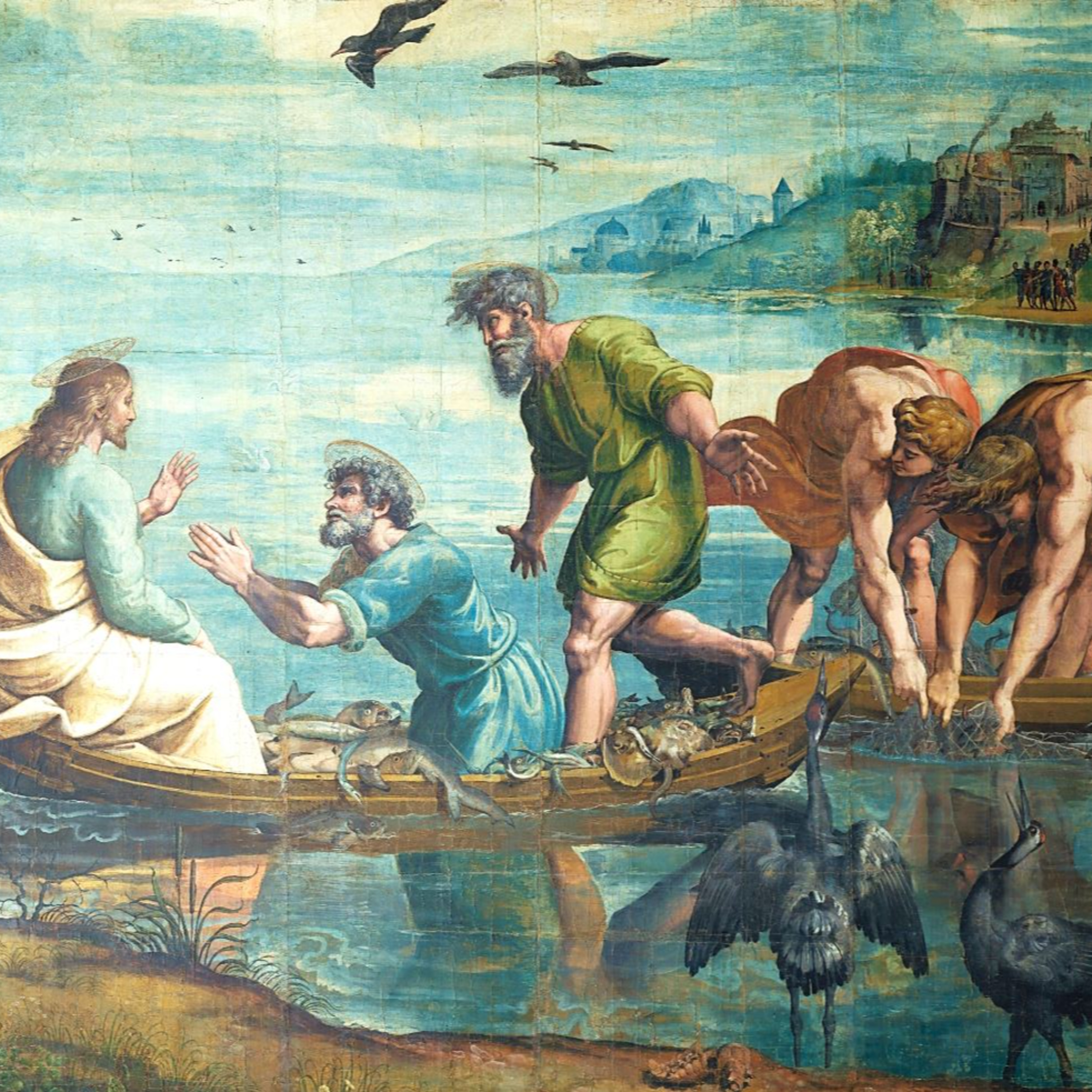 Fourth Sunday after Pentecost — From Dom Guéranger’s Liturgical Year | A meditation for the Fourth Sunday after Pentecost, from Dom Guéranger’s “The Liturgical Year”, Volume II of the Time after Pentecost. Please note that Servant of God Dom Prosper Guéranger went to his eternal reward in 1875; at this point, Volumes I-IX (Advent to Pentecost Saturday) had been completed, but Volumes X-XV (Trinity Sunday to Advent) had not yet been completed. Thus, the remaining readings of the Liturgical Year, from Trinity Sunday until Advent, were not directly authored by Dom Prosper, but were the work of his disciple Dom Lucien Fromage. Dom Prosper Guéranger's The Liturgical Year, a monumental fifteen-volume work, offers a comprehensive exploration of the Catholic Church’s liturgical calendar, guiding readers through the spiritual and historical richness of the Church’s worship. Written in the 19th century, the series provides daily meditations, historical context, and liturgical texts for the Mass and Divine Office, covering the entire cycle of seasons—Advent, Christmas, Lent, Passiontide, Easter, and the Time after Pentecost—as well as feast days of saints. Guéranger’s work, rooted in a deep contemplative spirit, aims to immerse the faithful in the Church’s prayerful life, emphasizing the unity of faith through the axiom lex orandi, lex credendi ("the law of prayer is the law of belief"), and remains a cherished resource for Catholics seeking to deepen their spiritual lives. Dom Prosper Guéranger (1805–1875) was a French Benedictine monk, liturgical scholar, and founder of the Solesmes Abbey, renowned for his pivotal role in reviving the Benedictine Order in France and restoring the Roman liturgy after the disruptions of the French Revolution. Born in Sablé-sur-Sarthe, he entered the priesthood in 1827 and, inspired by a vision to restore monastic life, reestablished the Benedictine community at Solesmes in 1833, becoming its first abbot. A staunch defender of ultramontanism and traditional Catholic worship, he also championed the revival of Gregorian chant, significantly influencing the liturgical renewal movement.Link to the Dom Guéranger's Liturgical Year playlist (updated daily): https://www.youtube.com/playlist?list=PLZKdyYnV_bkh7rH6piW0ShgsdcefFoOvJPlease support this channel! Patreon: https://www.patreon.com/cw/InprincipioPodcast PayPal: https://www.paypal.com/donate/?hosted_button_id=U5EZ9X2CE2V7W Venmo: https://venmo.com/u/InPrincipioPodcast Zelle: inprincipiopodcast@gmail.com; or search for Zelle tag “inprincipiopodcast” Checks may be written out to ‘InPrincipio Podcast’ and mailed to: P.O. Box 117 Cedar Ridge, CA 95924Sincere thanks to all who are able to contribute, by your prayers, your patronage, or otherwise. Your support sustains this work and helps make these readings available to others.Artwork: “The Miraculous Draught of Fishes” by Raphael, c.1515Music: Ave Maria (Gregorian chant)From Vesperae de Confessore non Pontifice in honor of Saint Vincent PallottiPerformed by Schola Gregoriana, Pallottine Seminary (Ołtarzew, Poland)Conductor: Fr. Dariusz SmolarekLicense: CC BY-SA 3.0 — https://creativecommons.org/licenses/by-sa/3.0/Changes: noneExcept where otherwise noted, original content © InPrincipio Podcast.Chant audio used under CC BY-SA 3.0. | — | ||||||
| 6/19/26 | 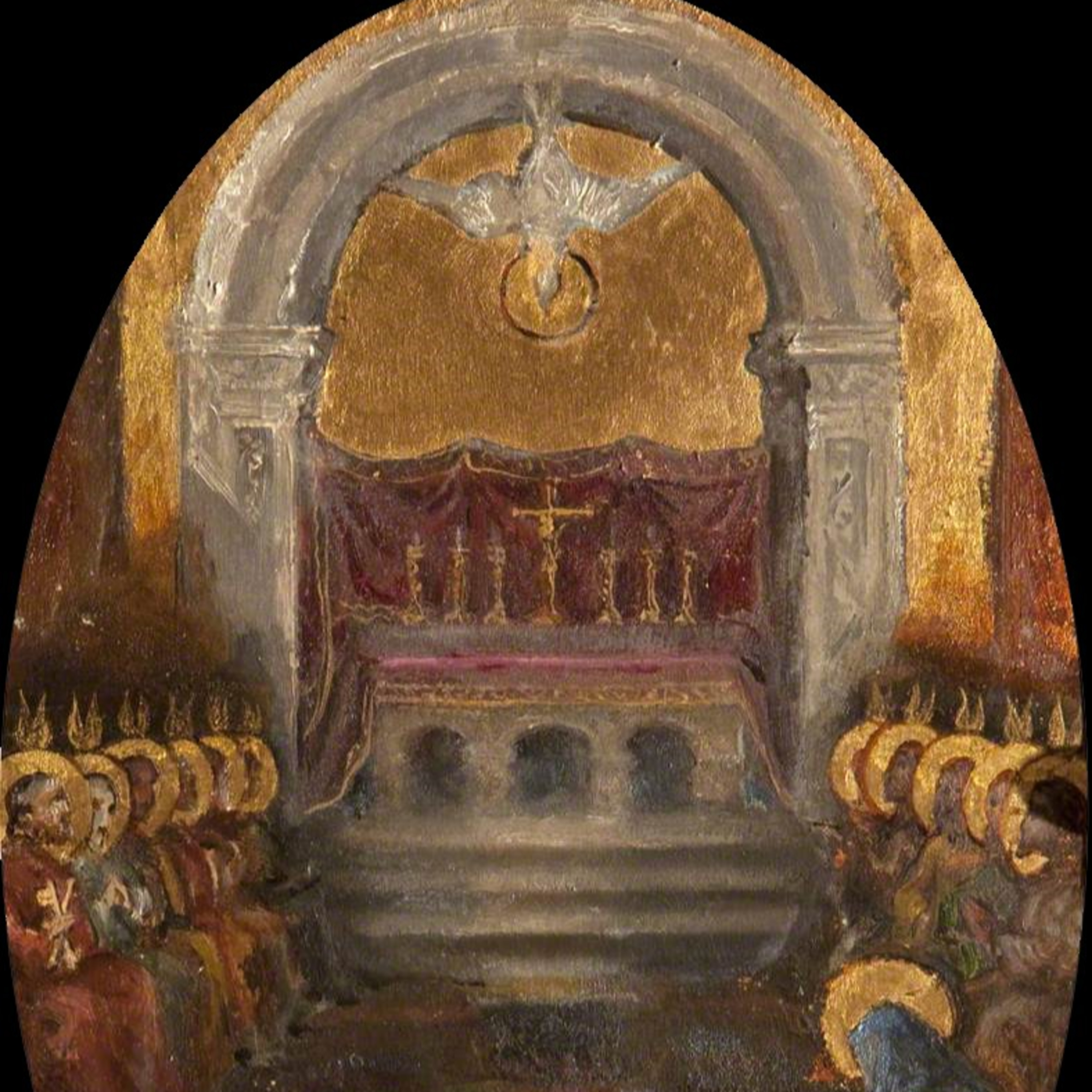 The Mystery of the Time after Pentecost — From Dom Guéranger’s Liturgical Year | Chapter II of the Introduction to the Time after Pentecost: the Mystery of the Time after Pentecost, from Dom Guéranger’s “The Liturgical Year”, Volume III of the Time after Pentecost.Please note that Servant of God Dom Prosper Guéranger went to his eternal reward in 1875; at this point, Volumes I-IX (Advent to Pentecost Saturday) had been completed, but Volumes X-XV (Trinity Sunday to Advent) had not yet been completed. Thus, the remaining readings of the Liturgical Year, from Trinity Sunday until Advent, were not directly authored by Dom Prosper, but were the work of his disciple Dom Lucien Fromage. Dom Prosper Guéranger's The Liturgical Year, a monumental fifteen-volume work, offers a comprehensive exploration of the Catholic Church’s liturgical calendar, guiding readers through the spiritual and historical richness of the Church’s worship. Written in the 19th century, the series provides daily meditations, historical context, and liturgical texts for the Mass and Divine Office, covering the entire cycle of seasons—Advent, Christmas, Lent, Passiontide, Easter, and the Time after Pentecost—as well as feast days of saints. Guéranger’s work, rooted in a deep contemplative spirit, aims to immerse the faithful in the Church’s prayerful life, emphasizing the unity of faith through the axiom lex orandi, lex credendi ("the law of prayer is the law of belief"), and remains a cherished resource for Catholics seeking to deepen their spiritual lives. Dom Prosper Guéranger (1805–1875) was a French Benedictine monk, liturgical scholar, and founder of the Solesmes Abbey, renowned for his pivotal role in reviving the Benedictine Order in France and restoring the Roman liturgy after the disruptions of the French Revolution. Born in Sablé-sur-Sarthe, he entered the priesthood in 1827 and, inspired by a vision to restore monastic life, reestablished the Benedictine community at Solesmes in 1833, becoming its first abbot. A staunch defender of ultramontanism and traditional Catholic worship, he also championed the revival of Gregorian chant, significantly influencing the liturgical renewal movement.Link to the Dom Guéranger's Liturgical Year playlist (updated daily): https://www.youtube.com/playlist?list=PLZKdyYnV_bkh7rH6piW0ShgsdcefFoOvJPlease support this channel! Patreon: https://www.patreon.com/cw/InprincipioPodcast PayPal: https://www.paypal.com/donate/?hosted_button_id=U5EZ9X2CE2V7W Venmo: https://venmo.com/u/InPrincipioPodcast Zelle: inprincipiopodcast@gmail.com; or search for Zelle tag “inprincipiopodcast” Checks may be written out to ‘InPrincipio Podcast’ and mailed to: P.O. Box 117 Cedar Ridge, CA 95924Sincere thanks to all who are able to contribute, by your prayers, your patronage, or otherwise. Your support sustains this work and helps make these readings available to others.Artwork: “Pentecost” by Rebecca Dulcibella Orpen, 1877Music: Ave Maria (Gregorian chant)From Vesperae de Confessore non Pontifice in honor of Saint Vincent PallottiPerformed by Schola Gregoriana, Pallottine Seminary (Ołtarzew, Poland)Conductor: Fr. Dariusz SmolarekLicense: CC BY-SA 3.0 — https://creativecommons.org/licenses/by-sa/3.0/Changes: noneExcept where otherwise noted, original content © InPrincipio Podcast.Chant audio used under CC BY-SA 3.0. | — | ||||||
| 6/18/26 | 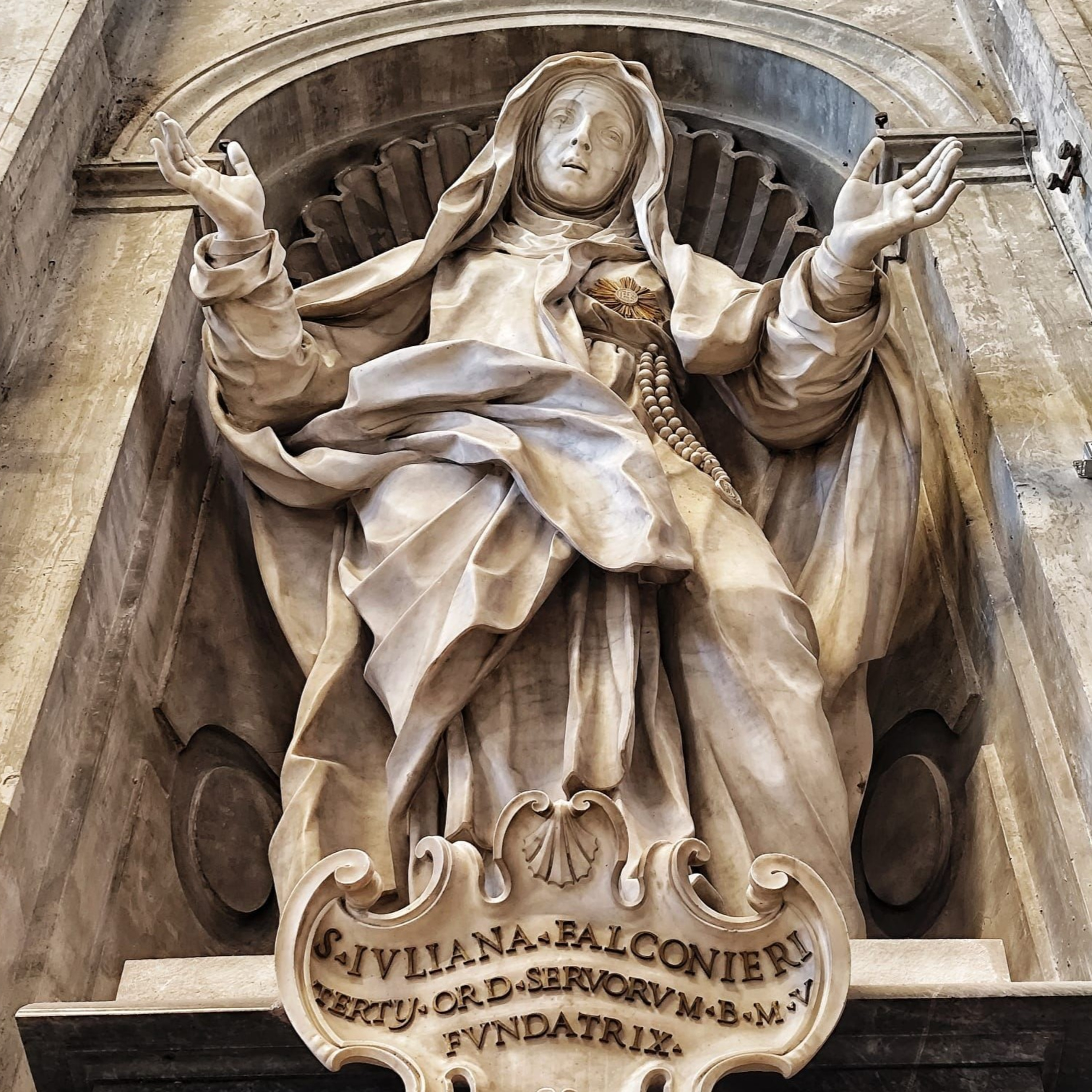 St. Juliana Falconieri (June 19) — From Dom Guéranger’s Liturgical Year | A meditation for the Feast of Saint Juliana Falconieri, from Dom Guéranger’s “The Liturgical Year”, Volume III of the Time after Pentecost.Juliana Falconieri (1270–1341) was an Italian religious foundress and the niece of Alexis Falconieri, one of the seven founders of the Order of the Servants of Mary (Servites). From childhood she had a deep devotion to the Blessed Virgin Mary and desired a life of prayer and penance. Under the guidance of her uncle Alexis, she joined the Servite movement and became the founder of the Servite Third Order Sisters, later known as the Mantellate, a community of women devoted to prayer, works of charity, and meditation on the Passion of Christ. Known for her profound humility and love of the Eucharist, Juliana suffered from severe illness in her final years and was unable to receive Holy Communion because she could not swallow. According to tradition, she asked that the Eucharist be placed upon her chest, and after her death the sacred Host was found miraculously impressed upon her body, an event associated with her special Eucharistic devotion. She was canonized by Pope Benedict XIII in 1737 and is honored as the patron saint of the Servite sisters and of those suffering from bodily illness.Dom Prosper Guéranger's The Liturgical Year, a monumental fifteen-volume work, offers a comprehensive exploration of the Catholic Church’s liturgical calendar, guiding readers through the spiritual and historical richness of the Church’s worship. Written in the 19th century, the series provides daily meditations, historical context, and liturgical texts for the Mass and Divine Office, covering the entire cycle of seasons—Advent, Christmas, Lent, Passiontide, Easter, and the Time after Pentecost—as well as feast days of saints. Guéranger’s work, rooted in a deep contemplative spirit, aims to immerse the faithful in the Church’s prayerful life, emphasizing the unity of faith through the axiom lex orandi, lex credendi ("the law of prayer is the law of belief"), and remains a cherished resource for Catholics seeking to deepen their spiritual lives. Dom Prosper Guéranger (1805–1875) was a French Benedictine monk, liturgical scholar, and founder of the Solesmes Abbey, renowned for his pivotal role in reviving the Benedictine Order in France and restoring the Roman liturgy after the disruptions of the French Revolution. Born in Sablé-sur-Sarthe, he entered the priesthood in 1827 and, inspired by a vision to restore monastic life, reestablished the Benedictine community at Solesmes in 1833, becoming its first abbot. A staunch defender of ultramontanism and traditional Catholic worship, he also championed the revival of Gregorian chant, significantly influencing the liturgical renewal movement.Link to the Dom Guéranger's Liturgical Year playlist (updated daily): https://www.youtube.com/playlist?list=PLZKdyYnV_bkh7rH6piW0ShgsdcefFoOvJPlease support this channel! Patreon: https://www.patreon.com/cw/InprincipioPodcast PayPal: https://www.paypal.com/donate/?hosted_button_id=U5EZ9X2CE2V7W Venmo: https://venmo.com/u/InPrincipioPodcast Zelle: inprincipiopodcast@gmail.com; or search for Zelle tag “inprincipiopodcast” Checks may be written out to ‘InPrincipio Podcast’ and mailed to: P.O. Box 117 Cedar Ridge, CA 95924Sincere thanks to all who are able to contribute, by your prayers, your patronage, or otherwise. Your support sustains this work and helps make these readings available to others.Artwork: St. Juliana Falconieri by Pier Paolo Campi, St. Peter’s Basilica, RomeMusic: Ave Maria (Gregorian chant)From Vesperae de Confessore non Pontifice in honor of Saint Vincent PallottiPerformed by Schola Gregoriana, Pallottine Seminary (Ołtarzew, Poland)Conductor: Fr. Dariusz SmolarekLicense: CC BY-SA 3.0 — https://creativecommons.org/licenses/by-sa/3.0/Changes: noneExcept where otherwise noted, original content © InPrincipio Podcast.Chant audio used under CC BY-SA 3.0. | — | ||||||
| 6/17/26 | 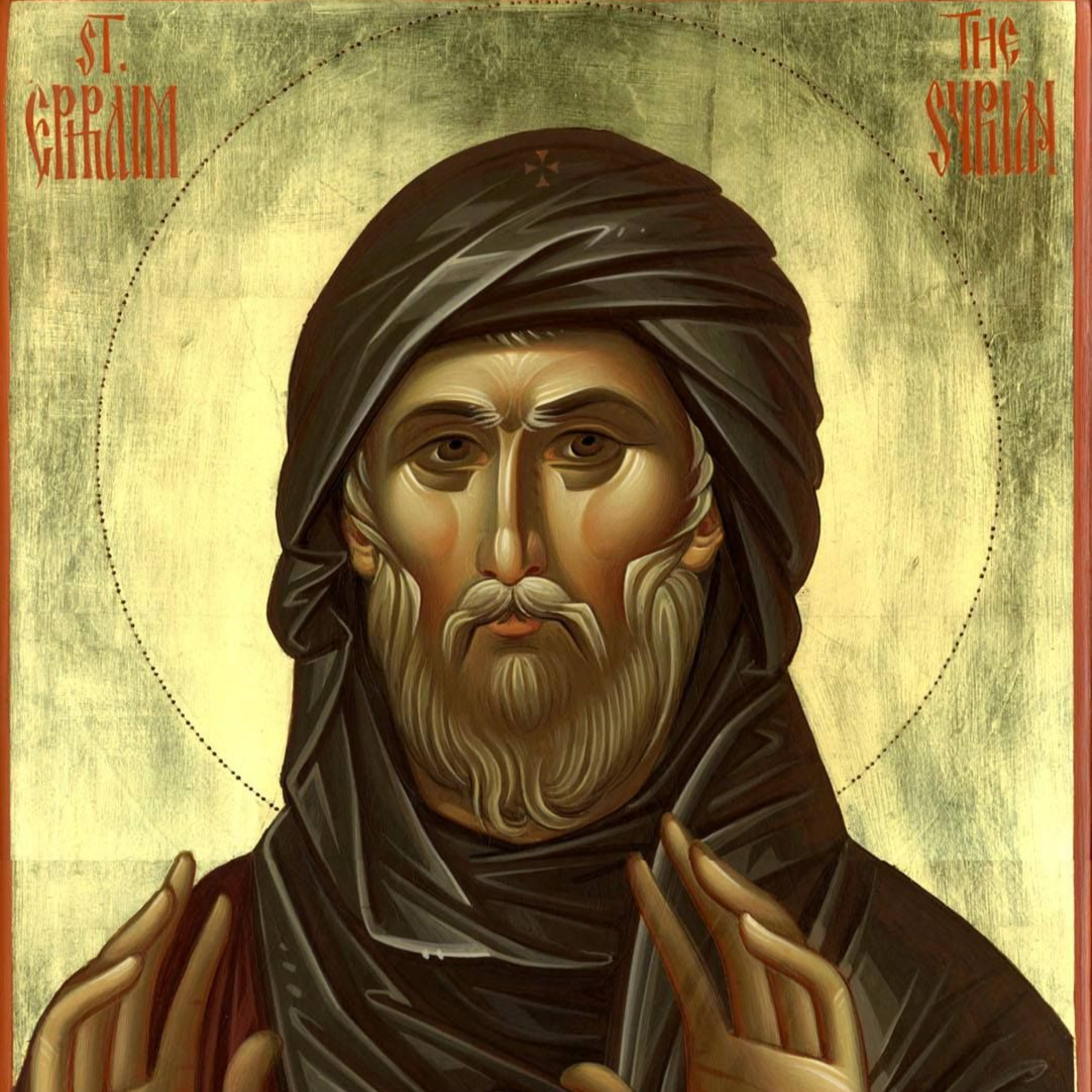 St. Ephrem the Syrian (June 18) — From Dom Guéranger’s Liturgical Year | A meditation for the Feast of Saint Ephrem the Syrian, from Dom Guéranger’s “The Liturgical Year”, Volume III of the Time after Pentecost.Saint Ephrem the Syrian (c. 306–373) was a great Syriac Christian writer, theologian, poet, and Doctor of the Church known as the “Harp of the Holy Spirit” because of his profound hymns and spiritual poetry. Born in Nisibis and later living in Edessa, he served as a deacon and dedicated himself to teaching the faith, defending Christian doctrine, and combating heresies through his writings. His works beautifully express the mysteries of the Incarnation, the Virgin Mary, the Eucharist, repentance, and the struggle between good and evil, often using rich symbolism and poetic imagery. Ephrem played a major role in the development of Syriac Christian spirituality and liturgical hymnody, leaving behind a vast collection of hymns, biblical commentaries, and theological reflections that continue to influence Eastern Christianity. He died in 373 while caring for victims of a plague in Edessa and was later honored by the Church as one of the greatest early Christian poets and theologians.Dom Prosper Guéranger's The Liturgical Year, a monumental fifteen-volume work, offers a comprehensive exploration of the Catholic Church’s liturgical calendar, guiding readers through the spiritual and historical richness of the Church’s worship. Written in the 19th century, the series provides daily meditations, historical context, and liturgical texts for the Mass and Divine Office, covering the entire cycle of seasons—Advent, Christmas, Lent, Passiontide, Easter, and the Time after Pentecost—as well as feast days of saints. Guéranger’s work, rooted in a deep contemplative spirit, aims to immerse the faithful in the Church’s prayerful life, emphasizing the unity of faith through the axiom lex orandi, lex credendi ("the law of prayer is the law of belief"), and remains a cherished resource for Catholics seeking to deepen their spiritual lives. Dom Prosper Guéranger (1805–1875) was a French Benedictine monk, liturgical scholar, and founder of the Solesmes Abbey, renowned for his pivotal role in reviving the Benedictine Order in France and restoring the Roman liturgy after the disruptions of the French Revolution. Born in Sablé-sur-Sarthe, he entered the priesthood in 1827 and, inspired by a vision to restore monastic life, reestablished the Benedictine community at Solesmes in 1833, becoming its first abbot. A staunch defender of ultramontanism and traditional Catholic worship, he also championed the revival of Gregorian chant, significantly influencing the liturgical renewal movement.Link to the Dom Guéranger's Liturgical Year playlist (updated daily): https://www.youtube.com/playlist?list=PLZKdyYnV_bkh7rH6piW0ShgsdcefFoOvJPlease support this channel! Patreon: https://www.patreon.com/cw/InprincipioPodcast PayPal: https://www.paypal.com/donate/?hosted_button_id=U5EZ9X2CE2V7W Venmo: https://venmo.com/u/InPrincipioPodcast Zelle: inprincipiopodcast@gmail.com; or search for Zelle tag “inprincipiopodcast” Checks may be written out to ‘InPrincipio Podcast’ and mailed to: P.O. Box 117 Cedar Ridge, CA 95924Sincere thanks to all who are able to contribute, by your prayers, your patronage, or otherwise. Your support sustains this work and helps make these readings available to others.Artwork: St. Ephrem the Syrian icon, by Fr. Ilie BobaianuMusic: Ave Maria (Gregorian chant)From Vesperae de Confessore non Pontifice in honor of Saint Vincent PallottiPerformed by Schola Gregoriana, Pallottine Seminary (Ołtarzew, Poland)Conductor: Fr. Dariusz SmolarekLicense: CC BY-SA 3.0 — https://creativecommons.org/licenses/by-sa/3.0/Changes: noneExcept where otherwise noted, original content © InPrincipio Podcast.Chant audio used under CC BY-SA 3.0. | — | ||||||
| 6/16/26 | 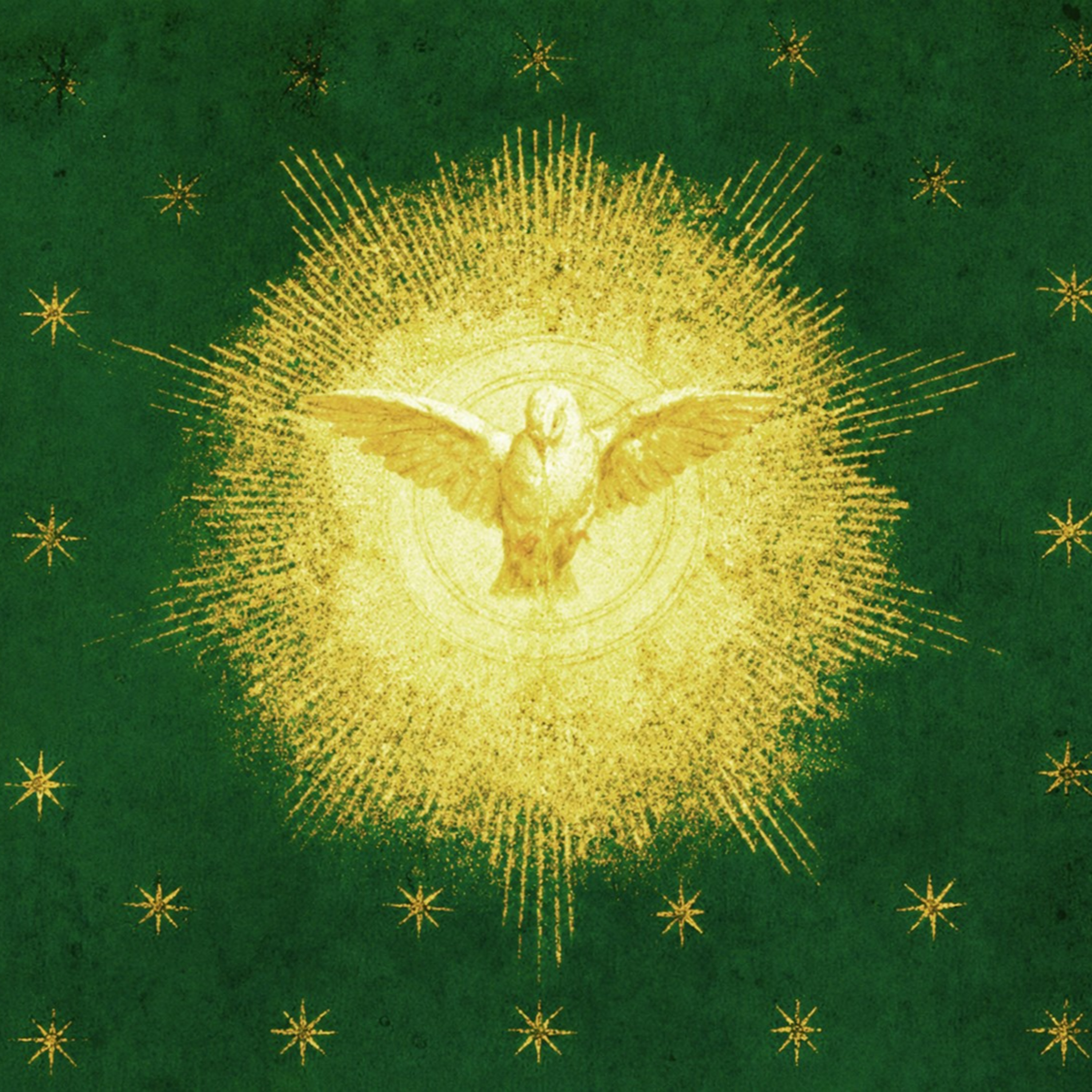 The History of the Time after Pentecost — From Dom Guéranger’s Liturgical Year | Preface and Chapter 1 of the Introduction to the Time after Pentecost: the History of the Time after Pentecost, from Dom Guéranger’s “The Liturgical Year”, Volume II of the Time after Pentecost.Please note that Servant of God Dom Prosper Guéranger went to his eternal reward in 1875; at this point, Volumes I-IX (Advent to Pentecost Saturday) had been completed, but Volumes X-XV (Trinity Sunday to Advent) had not yet been completed. Thus, the remaining readings of the Liturgical Year, from Trinity Sunday until Advent, were not directly authored by Dom Prosper, but were the work of his disciple Dom Lucien Fromage. Dom Prosper Guéranger's The Liturgical Year, a monumental fifteen-volume work, offers a comprehensive exploration of the Catholic Church’s liturgical calendar, guiding readers through the spiritual and historical richness of the Church’s worship. Written in the 19th century, the series provides daily meditations, historical context, and liturgical texts for the Mass and Divine Office, covering the entire cycle of seasons—Advent, Christmas, Lent, Passiontide, Easter, and the Time after Pentecost—as well as feast days of saints. Guéranger’s work, rooted in a deep contemplative spirit, aims to immerse the faithful in the Church’s prayerful life, emphasizing the unity of faith through the axiom lex orandi, lex credendi ("the law of prayer is the law of belief"), and remains a cherished resource for Catholics seeking to deepen their spiritual lives. Dom Prosper Guéranger (1805–1875) was a French Benedictine monk, liturgical scholar, and founder of the Solesmes Abbey, renowned for his pivotal role in reviving the Benedictine Order in France and restoring the Roman liturgy after the disruptions of the French Revolution. Born in Sablé-sur-Sarthe, he entered the priesthood in 1827 and, inspired by a vision to restore monastic life, reestablished the Benedictine community at Solesmes in 1833, becoming its first abbot. A staunch defender of ultramontanism and traditional Catholic worship, he also championed the revival of Gregorian chant, significantly influencing the liturgical renewal movement.Link to the Dom Guéranger's Liturgical Year playlist (updated daily): https://www.youtube.com/playlist?list=PLZKdyYnV_bkh7rH6piW0ShgsdcefFoOvJPlease support this channel! Patreon: https://www.patreon.com/cw/InprincipioPodcast PayPal: https://www.paypal.com/donate/?hosted_button_id=U5EZ9X2CE2V7W Venmo: https://venmo.com/u/InPrincipioPodcast Zelle: inprincipiopodcast@gmail.com; or search for Zelle tag “inprincipiopodcast” Checks may be written out to ‘InPrincipio Podcast’ and mailed to: P.O. Box 117 Cedar Ridge, CA 95924Sincere thanks to all who are able to contribute, by your prayers, your patronage, or otherwise. Your support sustains this work and helps make these readings available to others.Artwork: Dove of the Holy Ghost surrounded by golden aureola. Artist unknown. Music: Ave Maria (Gregorian chant)From Vesperae de Confessore non Pontifice in honor of Saint Vincent PallottiPerformed by Schola Gregoriana, Pallottine Seminary (Ołtarzew, Poland)Conductor: Fr. Dariusz SmolarekLicense: CC BY-SA 3.0 — https://creativecommons.org/licenses/by-sa/3.0/Changes: noneExcept where otherwise noted, original content © InPrincipio Podcast.Chant audio used under CC BY-SA 3.0. | — | ||||||
| 6/15/26 | 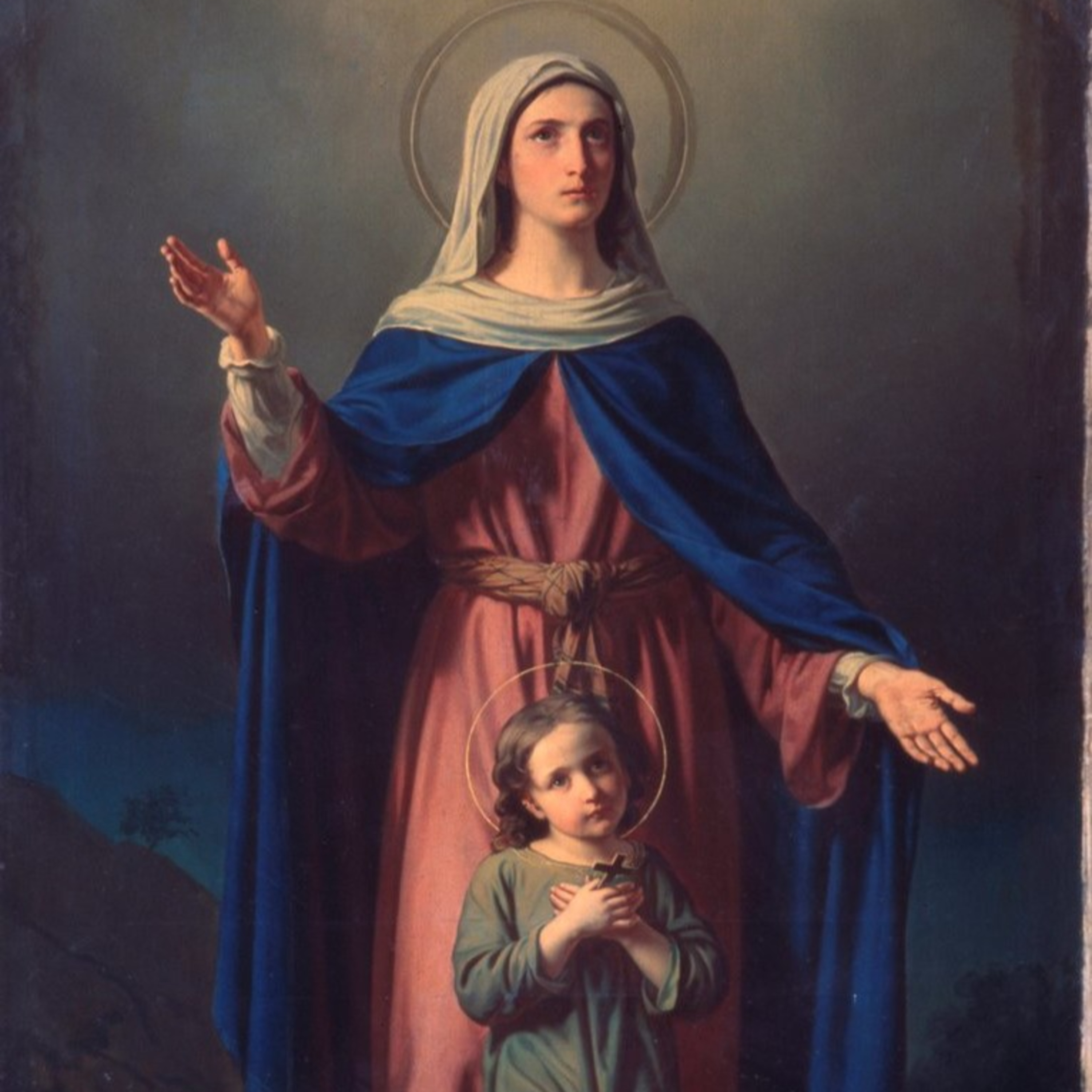 Saints Cyr (Cyricus) and Julitta (June 16) — From Dom Guéranger’s Liturgical Year | A meditation for the Feast of Saints Cyr (also known as Cyricus) and Julitta, from Dom Guéranger’s “The Liturgical Year”, Volume III of the Time after Pentecost.Saints Cyricus and Julitta were a mother and son who suffered martyrdom during the persecutions of the Roman Empire, traditionally placed during the reign of Diocletian in the early 4th century. Julitta, a noble Christian woman from Iconium (according to one tradition), fled with her young son Cyricus to escape persecution, but they were eventually captured. When Cyricus was brought before the governor, he openly confessed that he was a Christian like his mother, refusing to deny Christ despite his tender age. According to tradition, his fearless declaration of faith angered the authorities, and he was killed before his mother, who was then tortured and martyred for the same faith. Their witness became especially powerful in the Church because of Cyricus’ childlike courage and his simple yet profound confession of belonging to Christ. They have been venerated from ancient times in both the Eastern and Western Churches, and their traditional feast is celebrated on June 16.Please note that Servant of God Dom Prosper Guéranger went to his eternal reward in 1875; at this point, Volumes I-IX (Advent to Pentecost Saturday) had been completed, but Volumes X-XV (Trinity Sunday to Advent) had not yet been completed. Thus, the remaining readings of the Liturgical Year, from Trinity Sunday until Advent, were not directly authored by Dom Prosper, but were the work of his disciple Dom Lucien Fromage. Dom Prosper Guéranger's The Liturgical Year, a monumental fifteen-volume work, offers a comprehensive exploration of the Catholic Church’s liturgical calendar, guiding readers through the spiritual and historical richness of the Church’s worship. Written in the 19th century, the series provides daily meditations, historical context, and liturgical texts for the Mass and Divine Office, covering the entire cycle of seasons—Advent, Christmas, Lent, Passiontide, Easter, and the Time after Pentecost—as well as feast days of saints. Guéranger’s work, rooted in a deep contemplative spirit, aims to immerse the faithful in the Church’s prayerful life, emphasizing the unity of faith through the axiom lex orandi, lex credendi ("the law of prayer is the law of belief"), and remains a cherished resource for Catholics seeking to deepen their spiritual lives. Link to the Dom Guéranger's Liturgical Year playlist (updated daily): https://www.youtube.com/playlist?list=PLZKdyYnV_bkh7rH6piW0ShgsdcefFoOvJPlease support this channel! Patreon: https://www.patreon.com/cw/InprincipioPodcast PayPal: https://www.paypal.com/donate/?hosted_button_id=U5EZ9X2CE2V7W Venmo: https://venmo.com/u/InPrincipioPodcast Zelle: inprincipiopodcast@gmail.com; or search for Zelle tag “inprincipiopodcast” Checks may be written out to ‘InPrincipio Podcast’ and mailed to: P.O. Box 117 Cedar Ridge, CA 95924Sincere thanks to all who are able to contribute, by your prayers, your patronage, or otherwise. Your support sustains this work and helps make these readings available to others.Artwork: ‘Martyr Cyricus of Tarsus and His Mother Julita’ by Michail Ivanovich SkottiMusic: Ave Maria (Gregorian chant)From Vesperae de Confessore non Pontifice in honor of Saint Vincent PallottiPerformed by Schola Gregoriana, Pallottine Seminary (Ołtarzew, Poland)Conductor: Fr. Dariusz SmolarekLicense: CC BY-SA 3.0 — https://creativecommons.org/licenses/by-sa/3.0/Changes: noneExcept where otherwise noted, original content © InPrincipio Podcast.Chant audio used under CC BY-SA 3.0. | — | ||||||
| 6/15/26 | 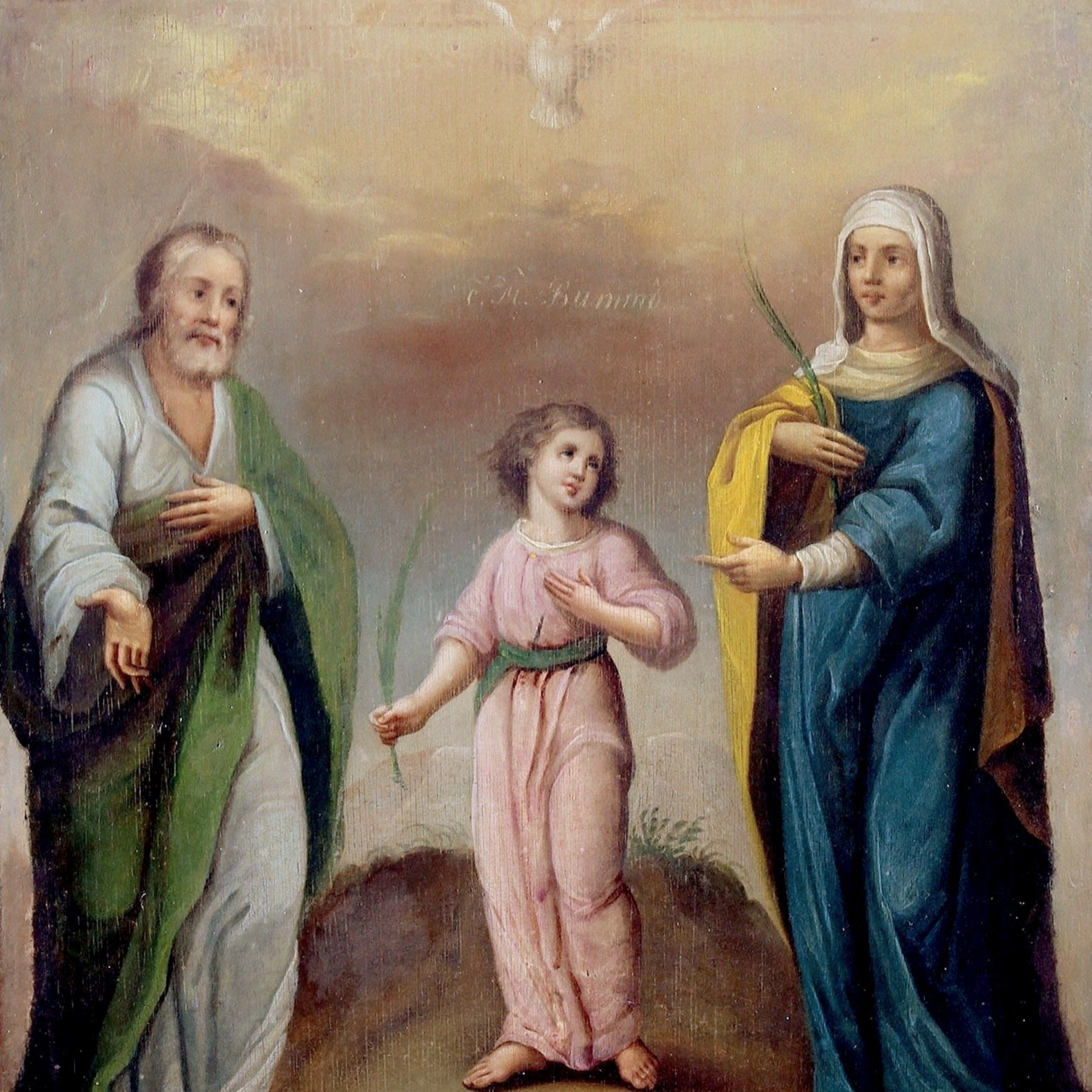 Saints Vitus, Modestus, and Crescentia (June 15) — From Dom Guéranger’s Liturgical Year | A meditation for the Feast of Saints Vitus, Modestus, and Crescentius, from Dom Guéranger’s “The Liturgical Year”, Volume III of the Time after Pentecost.Please note that Servant of God Dom Prosper Guéranger went to his eternal reward in 1875; at this point, Volumes I-IX (Advent to Pentecost Saturday) had been completed, but Volumes X-XV (Trinity Sunday to Advent) had not yet been completed. Thus, the remaining readings of the Liturgical Year, from Trinity Sunday until Advent, were not directly authored by Dom Prosper, but were the work of his disciple Dom Lucien Fromage. Saint Vitus, Saint Modestus, and Saint Crescentia were early Christian martyrs traditionally honored on June 15. According to their ancient Acts, Vitus was a young Sicilian nobleman converted to Christ by his tutor Modestus and Modestus’s wife Crescentia. During the persecution of Diocletian, they refused to abandon the faith and suffered imprisonment and torture, ultimately receiving the crown of martyrdom. Saint Vitus became one of the Fourteen Holy Helpers and was invoked especially against epilepsy and nervous disorders. Their veneration spread throughout Europe, where they came to represent steadfast faith, youthful courage, and victory over persecution through the grace of Christ.Dom Prosper Guéranger's The Liturgical Year, a monumental fifteen-volume work, offers a comprehensive exploration of the Catholic Church’s liturgical calendar, guiding readers through the spiritual and historical richness of the Church’s worship. Written in the 19th century, the series provides daily meditations, historical context, and liturgical texts for the Mass and Divine Office, covering the entire cycle of seasons—Advent, Christmas, Lent, Passiontide, Easter, and the Time after Pentecost—as well as feast days of saints. Guéranger’s work, rooted in a deep contemplative spirit, aims to immerse the faithful in the Church’s prayerful life, emphasizing the unity of faith through the axiom lex orandi, lex credendi ("the law of prayer is the law of belief"), and remains a cherished resource for Catholics seeking to deepen their spiritual lives. Link to the Dom Guéranger's Liturgical Year playlist (updated daily): https://www.youtube.com/playlist?list=PLZKdyYnV_bkh7rH6piW0ShgsdcefFoOvJPlease support this channel! Patreon: https://www.patreon.com/cw/InprincipioPodcast PayPal: https://www.paypal.com/donate/?hosted_button_id=U5EZ9X2CE2V7W Venmo: https://venmo.com/u/InPrincipioPodcast Zelle: inprincipiopodcast@gmail.com; or search for Zelle tag “inprincipiopodcast” Checks may be written out to ‘InPrincipio Podcast’ and mailed to: P.O. Box 117 Cedar Ridge, CA 95924Sincere thanks to all who are able to contribute, by your prayers, your patronage, or otherwise. Your support sustains this work and helps make these readings available to others.Artwork: Saint Vitus with Saints Modestus and Crescentia, and the Holy Ghost. Artist unknown.Music: Ave Maria (Gregorian chant)From Vesperae de Confessore non Pontifice in honor of Saint Vincent PallottiPerformed by Schola Gregoriana, Pallottine Seminary (Ołtarzew, Poland)Conductor: Fr. Dariusz SmolarekLicense: CC BY-SA 3.0 — https://creativecommons.org/licenses/by-sa/3.0/Changes: noneExcept where otherwise noted, original content © InPrincipio Podcast.Chant audio used under CC BY-SA 3.0. | — | ||||||
Want analysis for the episodes below?Free for Pro Submit a request, we'll have your selected episodes analyzed within an hour. Free, at no cost to you, for Pro users. | |||||||||
| 6/14/26 | 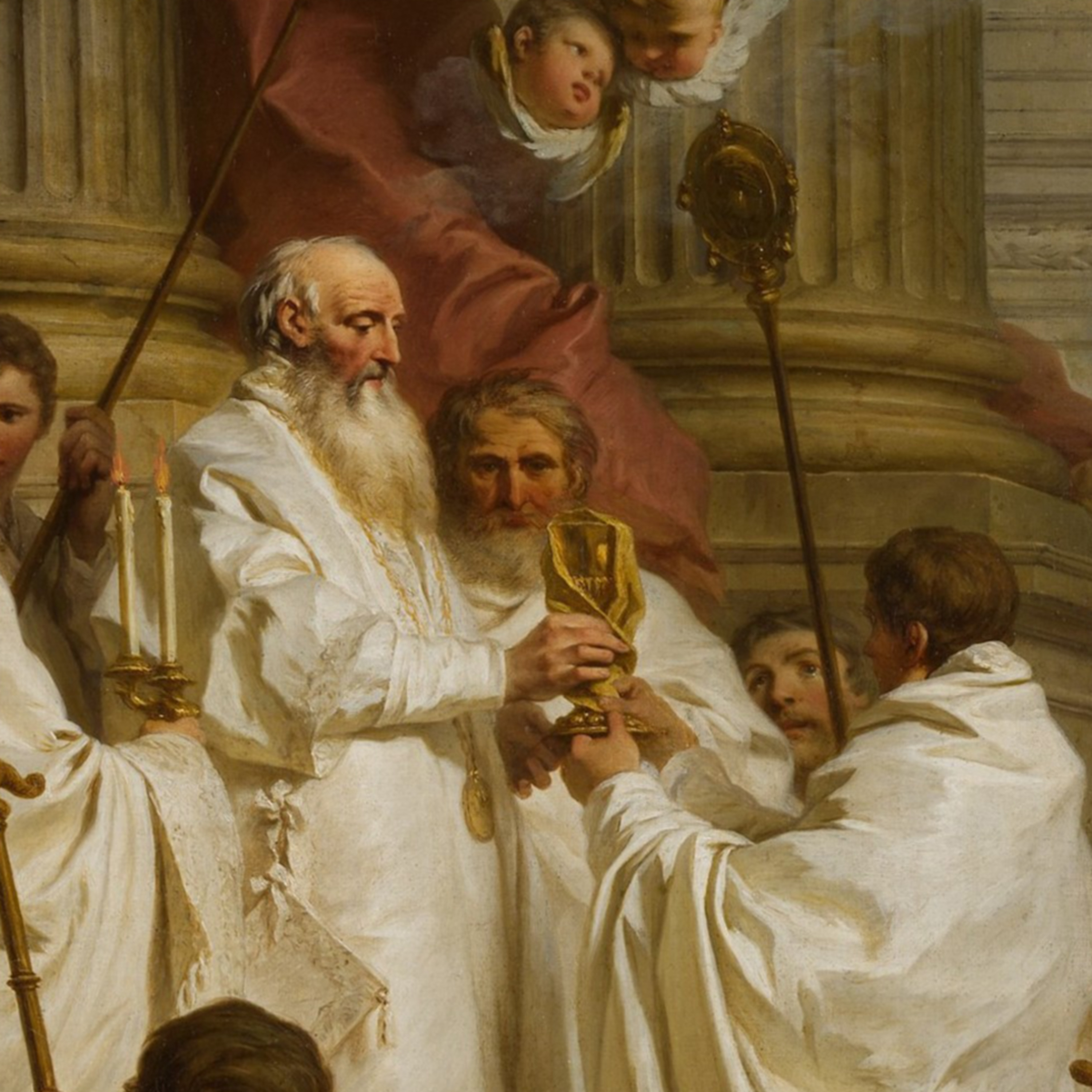 St. Basil the Great (June 14) — From Dom Guéranger’s Liturgical Year | A meditation for Feast of Saint Basil the Great of Caesarea, from Dom Guéranger’s “The Liturgical Year”, Volume III of the Time after Pentecost.Please note that Servant of God Dom Prosper Guéranger went to his eternal reward in 1875; at this point, Volumes I-IX (Advent to Pentecost Saturday) had been completed, but Volumes X-XV (Trinity Sunday to Advent) had not yet been completed. Thus, the remaining readings of the Liturgical Year, from Trinity Sunday until Advent, were not directly authored by Dom Prosper, but were the work of his disciple Dom Lucien Fromage. Saint Basil the Great (c. AD 330–379) was one of the greatest Fathers of the Eastern Church, a bishop, theologian, monk, and defender of Nicene orthodoxy during the Arian crisis. Born into a distinguished Christian family in Cappadocia, he received an excellent classical education before embracing the ascetic life and helping to establish Eastern monasticism through rules that continue to influence religious communities today. As Bishop of Caesarea, he tirelessly preached, cared for the poor, founded charitable institutions, and opposed both heresy and imperial interference in Church affairs. His theological writings, especially on the Holy Trinity and the divinity of the Holy Ghost, were instrumental in shaping orthodox Christian doctrine and preparing the way for the triumph of Nicene Christianity at the First Council of Constantinople. Revered as a Doctor of the Church, Basil is remembered for uniting profound learning, personal holiness, pastoral charity, and unwavering defense of the Catholic faith.Dom Prosper Guéranger's The Liturgical Year, a monumental fifteen-volume work, offers a comprehensive exploration of the Catholic Church’s liturgical calendar, guiding readers through the spiritual and historical richness of the Church’s worship. Written in the 19th century, the series provides daily meditations, historical context, and liturgical texts for the Mass and Divine Office, covering the entire cycle of seasons—Advent, Christmas, Lent, Passiontide, Easter, and the Time after Pentecost—as well as feast days of saints. Guéranger’s work, rooted in a deep contemplative spirit, aims to immerse the faithful in the Church’s prayerful life, emphasizing the unity of faith through the axiom lex orandi, lex credendi ("the law of prayer is the law of belief"), and remains a cherished resource for Catholics seeking to deepen their spiritual lives. Link to the Dom Guéranger's Liturgical Year playlist (updated daily): https://www.youtube.com/playlist?list=PLZKdyYnV_bkh7rH6piW0ShgsdcefFoOvJPlease support this channel! Patreon: https://www.patreon.com/cw/InprincipioPodcast PayPal: https://www.paypal.com/donate/?hosted_button_id=U5EZ9X2CE2V7W Venmo: https://venmo.com/u/InPrincipioPodcast Zelle: inprincipiopodcast@gmail.com; or search for Zelle tag “inprincipiopodcast” Checks may be written out to ‘InPrincipio Podcast’ and mailed to: P.O. Box 117 Cedar Ridge, CA 95924Sincere thanks to all who are able to contribute, by your prayers, your patronage, or otherwise. Your support sustains this work and helps make these readings available to others.Artwork: ‘The Mass of Saint Basil’ by Pierre Subleyras (1746)Music: Ave Maria (Gregorian chant)From Vesperae de Confessore non Pontifice in honor of Saint Vincent PallottiPerformed by Schola Gregoriana, Pallottine Seminary (Ołtarzew, Poland)Conductor: Fr. Dariusz SmolarekLicense: CC BY-SA 3.0 — https://creativecommons.org/licenses/by-sa/3.0/Changes: noneExcept where otherwise noted, original content © InPrincipio Podcast.Chant audio used under CC BY-SA 3.0. | — | ||||||
| 6/14/26 | 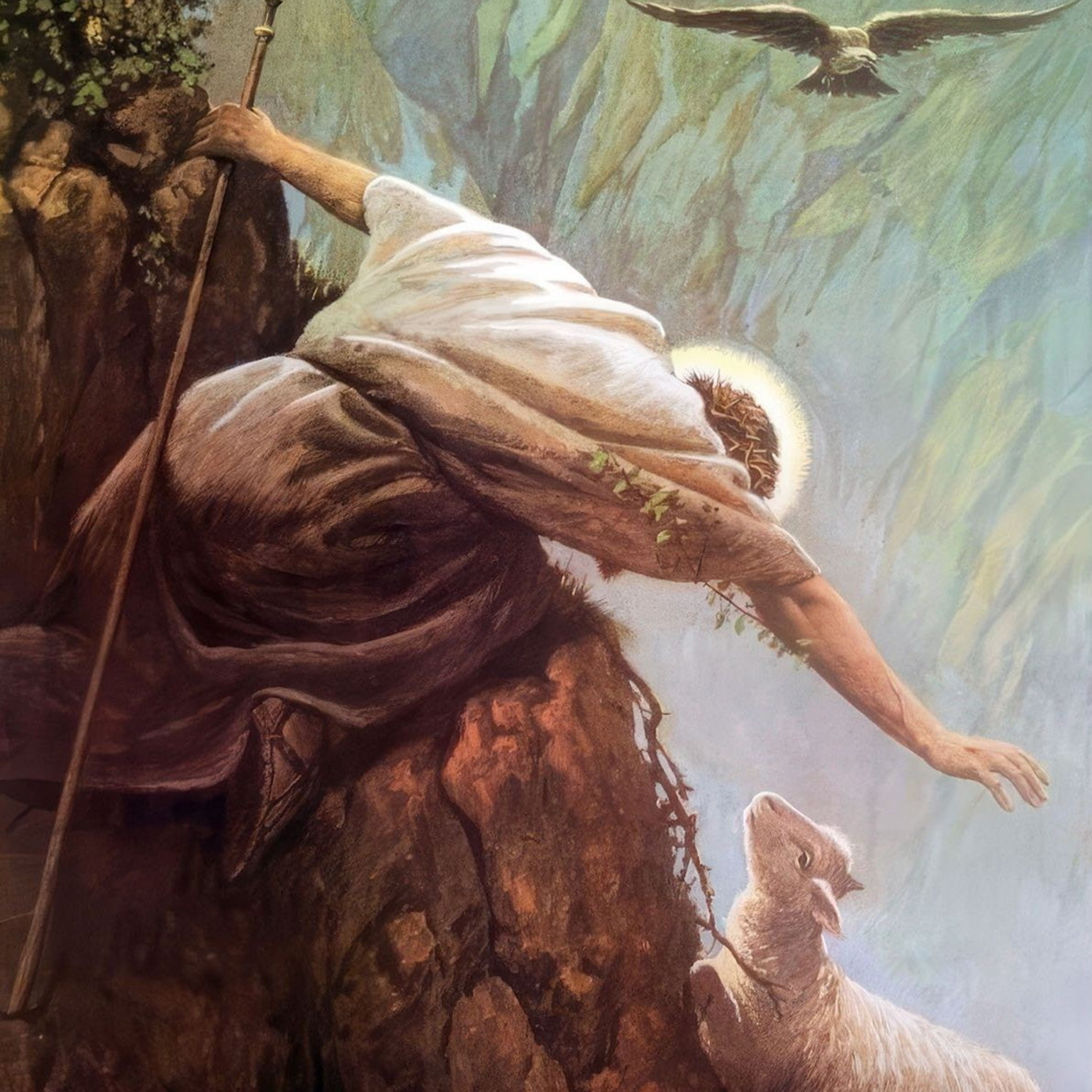 Third Sunday after Pentecost — From Dom Guéranger’s Liturgical Year | A meditation for the Third Sunday after Pentecost, from Dom Guéranger’s “The Liturgical Year”, Volume II of the Time after Pentecost. Please note that Servant of God Dom Prosper Guéranger went to his eternal reward in 1875; at this point, Volumes I-IX (Advent to Pentecost Saturday) had been completed, but Volumes X-XV (Trinity Sunday to Advent) had not yet been completed. Thus, the remaining readings of the Liturgical Year, from Trinity Sunday until Advent, were not directly authored by Dom Prosper, but were the work of his disciple Dom Lucien Fromage. Dom Prosper Guéranger's The Liturgical Year, a monumental fifteen-volume work, offers a comprehensive exploration of the Catholic Church’s liturgical calendar, guiding readers through the spiritual and historical richness of the Church’s worship. Written in the 19th century, the series provides daily meditations, historical context, and liturgical texts for the Mass and Divine Office, covering the entire cycle of seasons—Advent, Christmas, Lent, Passiontide, Easter, and the Time after Pentecost—as well as feast days of saints. Guéranger’s work, rooted in a deep contemplative spirit, aims to immerse the faithful in the Church’s prayerful life, emphasizing the unity of faith through the axiom lex orandi, lex credendi ("the law of prayer is the law of belief"), and remains a cherished resource for Catholics seeking to deepen their spiritual lives. Dom Prosper Guéranger (1805–1875) was a French Benedictine monk, liturgical scholar, and founder of the Solesmes Abbey, renowned for his pivotal role in reviving the Benedictine Order in France and restoring the Roman liturgy after the disruptions of the French Revolution. Born in Sablé-sur-Sarthe, he entered the priesthood in 1827 and, inspired by a vision to restore monastic life, reestablished the Benedictine community at Solesmes in 1833, becoming its first abbot. A staunch defender of ultramontanism and traditional Catholic worship, he also championed the revival of Gregorian chant, significantly influencing the liturgical renewal movement.Link to the Dom Guéranger's Liturgical Year playlist (updated daily): https://www.youtube.com/playlist?list=PLZKdyYnV_bkh7rH6piW0ShgsdcefFoOvJPlease support this channel! InPrincipio Podcast can receive donations through the following :Patreon: https://www.patreon.com/cw/InprincipioPodcastPayPal: https://www.paypal.com/donate/?hosted_button_id=U5EZ9X2CE2V7WVenmo: https://venmo.com/u/InPrincipioPodcastZelle: inprincipiopodcast@gmail.com; or search for Zelle tag “inprincipiopodcast” Checks may be written out to ‘InPrincipio Podcast’ and mailed to: P.O. Box 117 Cedar Ridge, CA 95924Sincere thanks to all who are able to contribute, by your prayers, your patronage, or otherwise. Your support sustains this work and helps make these readings available to others.Artwork: ‘The Lost Sheep’ by Alfred Usher SoordMusic: Ave Maria (Gregorian chant)From Vesperae de Confessore non Pontifice in honor of Saint Vincent PallottiPerformed by Schola Gregoriana, Pallottine Seminary (Ołtarzew, Poland)Conductor: Fr. Dariusz SmolarekLicense: CC BY-SA 3.0 — https://creativecommons.org/licenses/by-sa/3.0/Changes: noneExcept where otherwise noted, original content © InPrincipio Podcast.Chant audio used under CC BY-SA 3.0. | — | ||||||
| 6/13/26 | 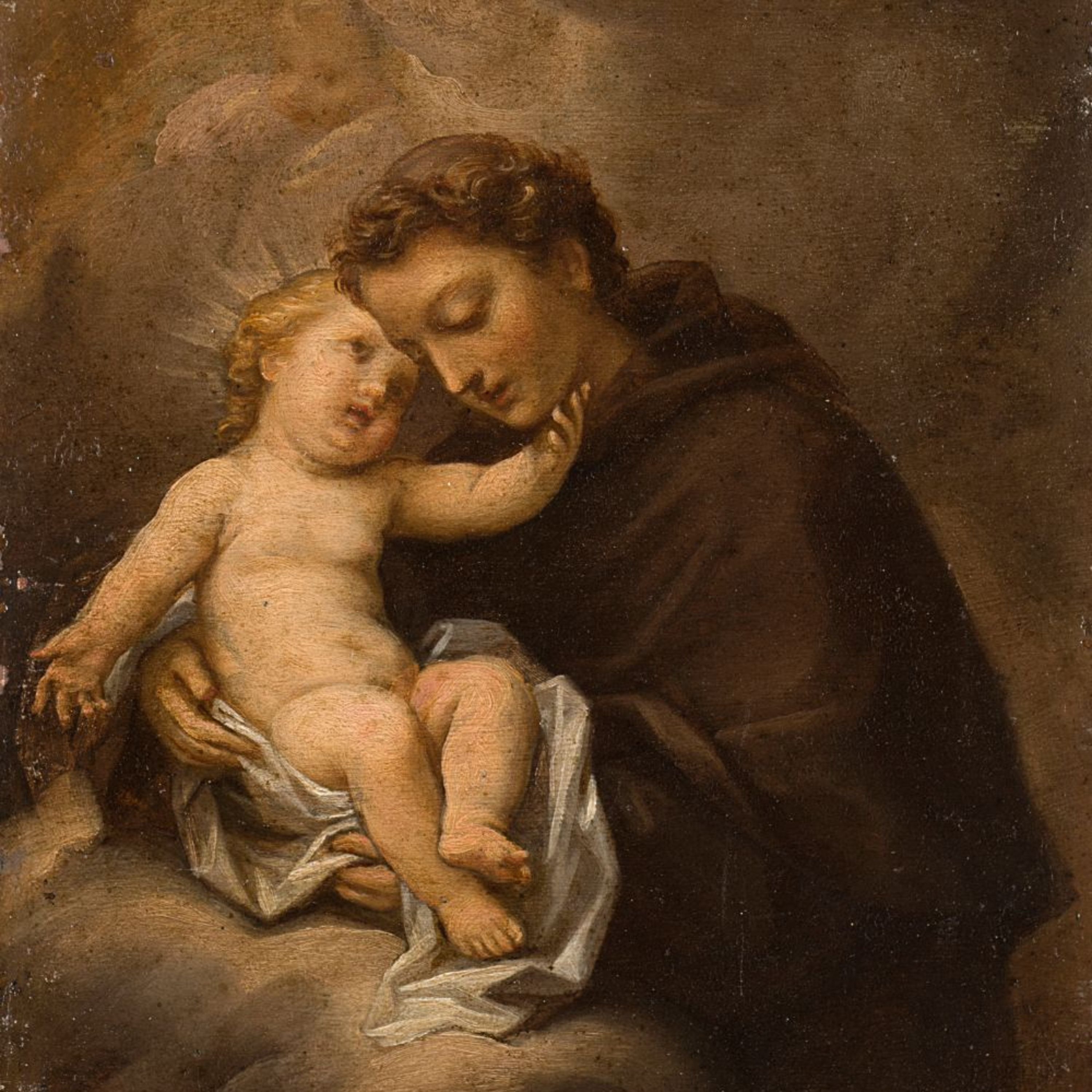 St. Anthony of Padua (May 13) — From Dom Guéranger’s Liturgical Year✨ | Saint Anthony of PaduaDom Guéranger+5 | — | FranciscanAugustinian Canons | — | Saint AnthonyDom Guéranger+7 | — | 19m 26s | |
| 6/12/26 | 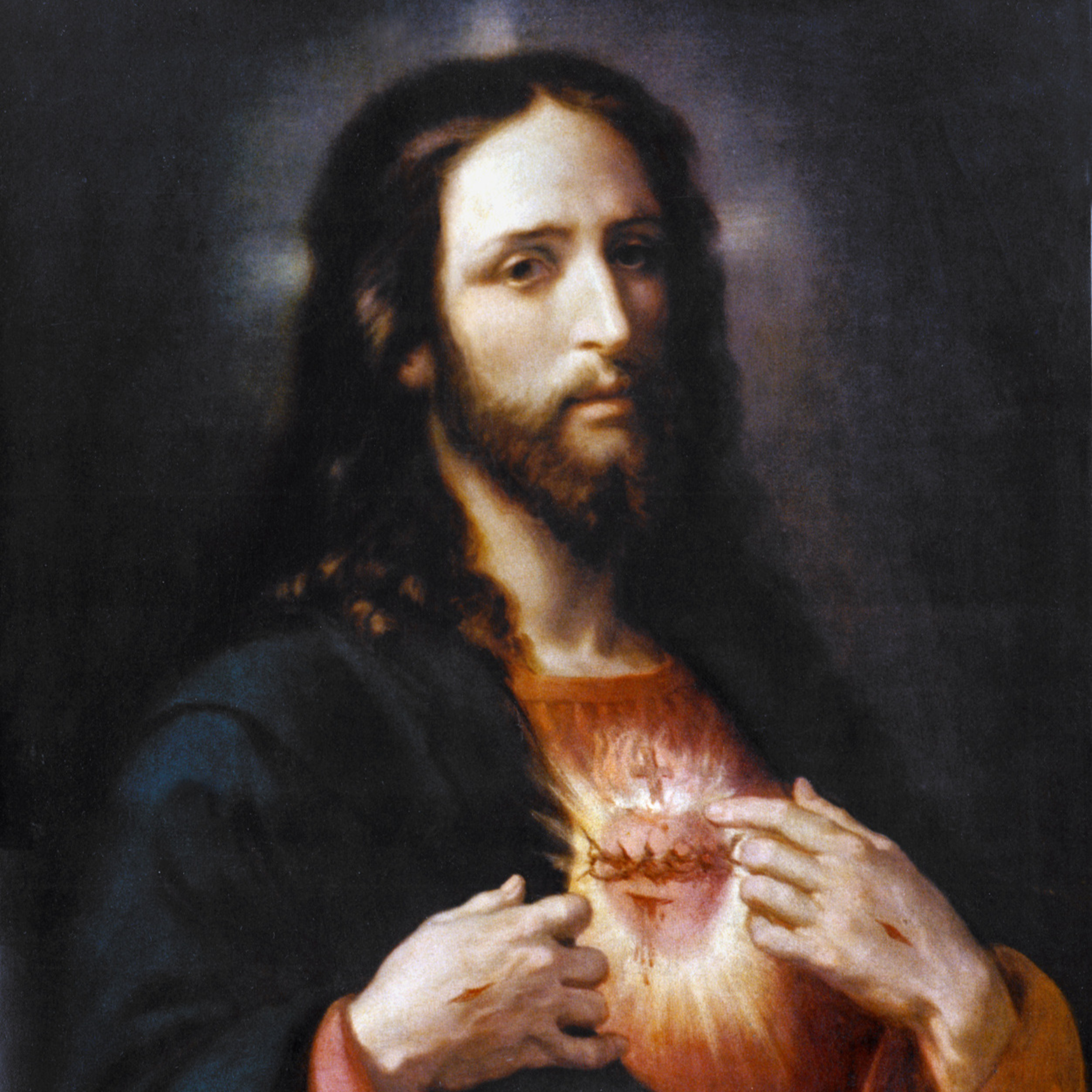 The Feast of the Sacred Heart of Jesus — From Dom Guéranger’s Liturgical Year✨ | Feast of the Sacred Heartliturgical meditation+3 | — | The Liturgical Year | — | Sacred HeartDom Guéranger+3 | — | 1h 01m 03s | |
| 6/10/26 | 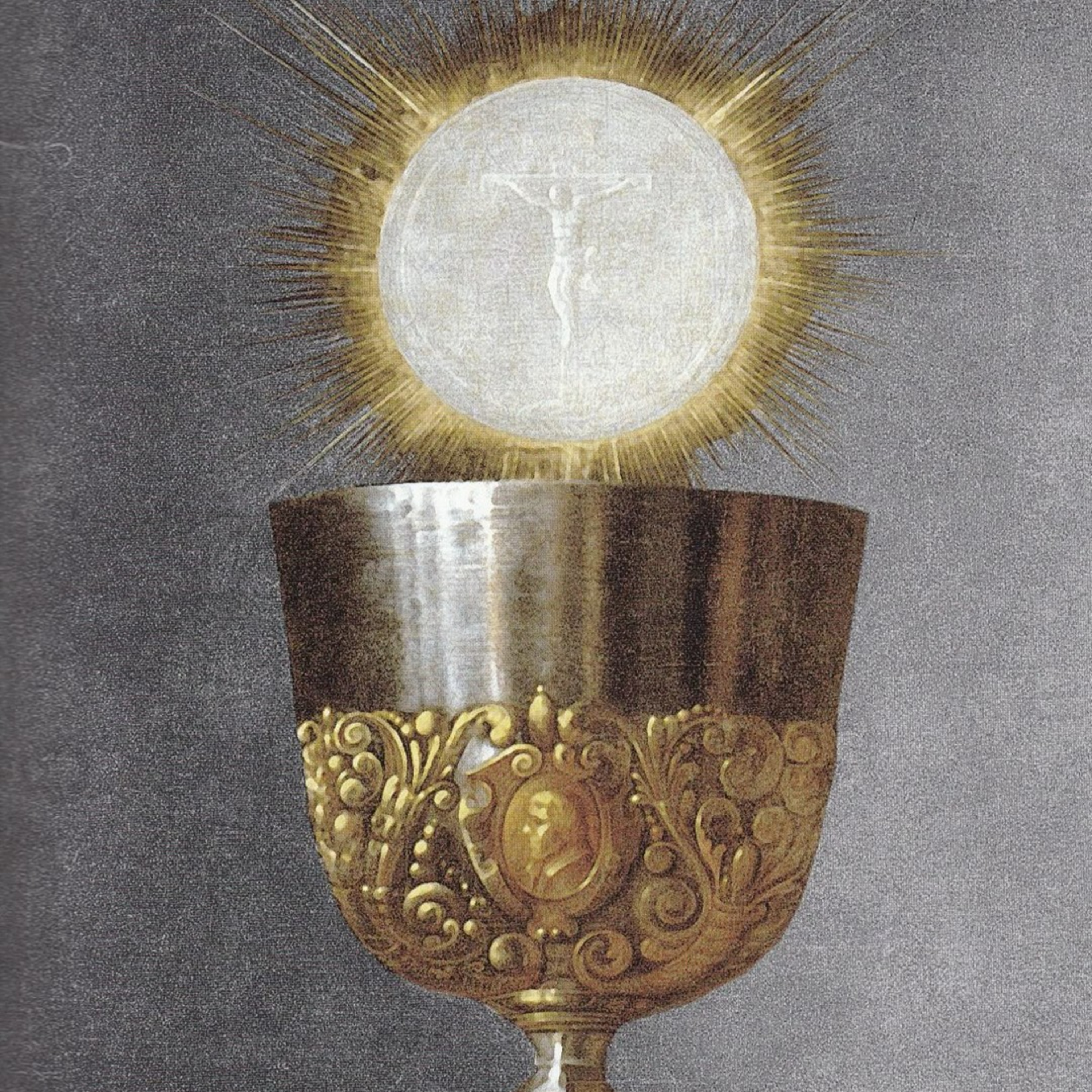 The Octave of Corpus Christi — From Dom Guéranger’s Liturgical Year✨ | Corpus Christiliturgical year+3 | — | The Liturgical Year | — | Corpus ChristiDom Guéranger+3 | — | 33m 33s | |
| 6/10/26 | 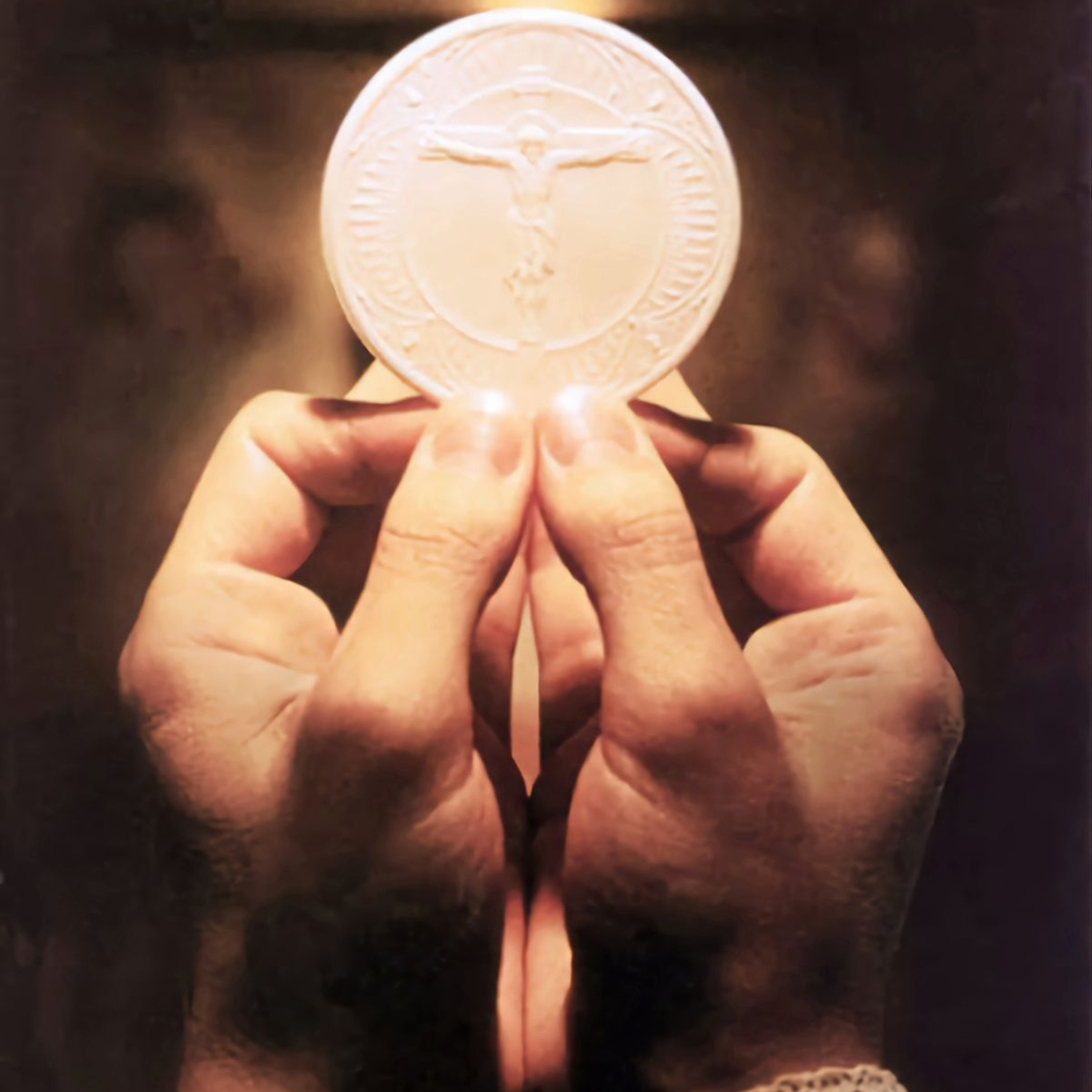 Wednesday within the Octave of Corpus Christi — From Dom Guéranger’s Liturgical Year✨ | liturgical meditationCatholic Church+3 | — | The Liturgical Year | — | Corpus Christiliturgical year+5 | — | 37m 25s | |
| 6/8/26 | 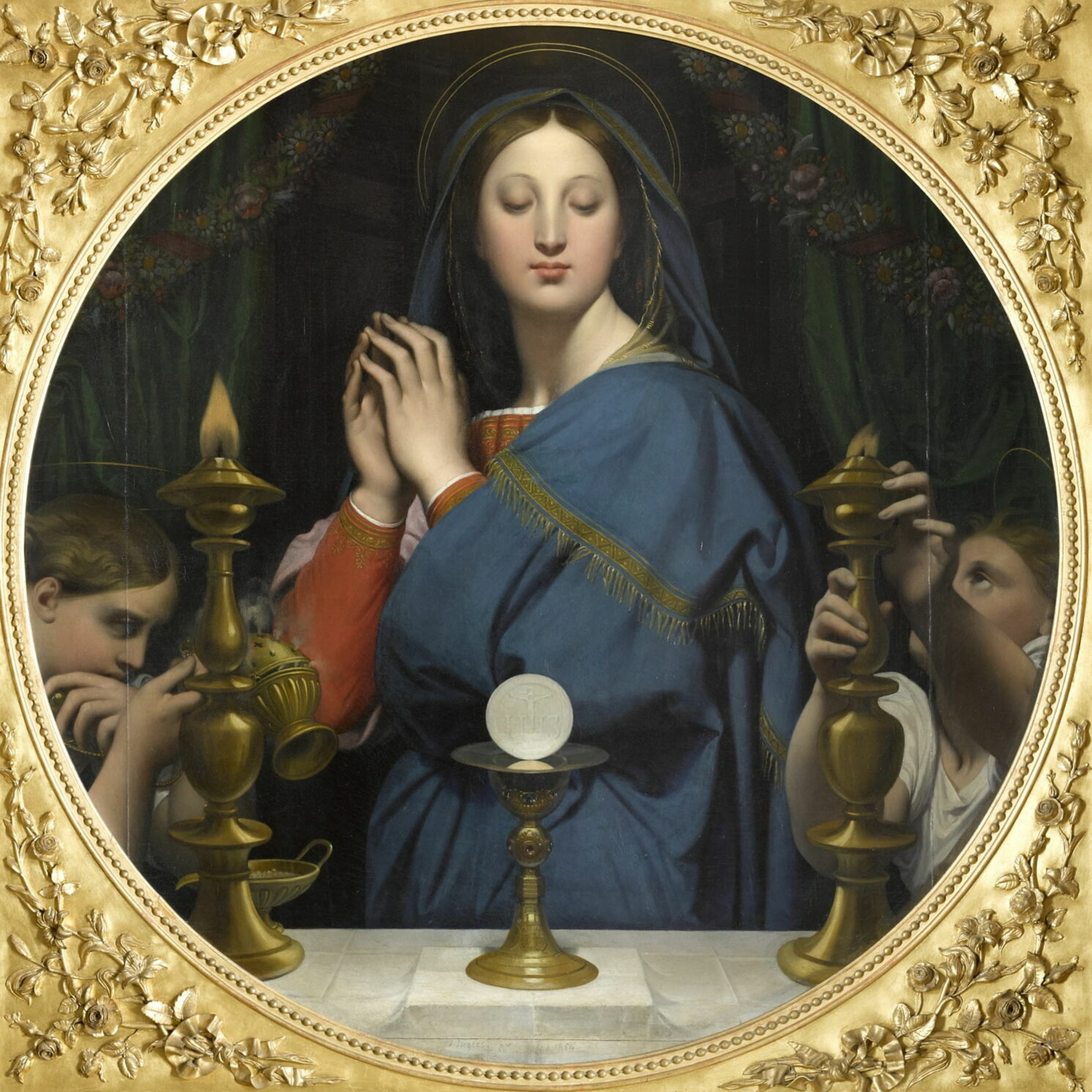 Tuesday within the Octave of Corpus Christi — From Dom Guéranger’s Liturgical Year✨ | liturgical calendarCatholic Church+3 | — | The Liturgical Year | — | Corpus ChristiDom Guéranger+3 | — | 34m 00s | |
| 6/7/26 | 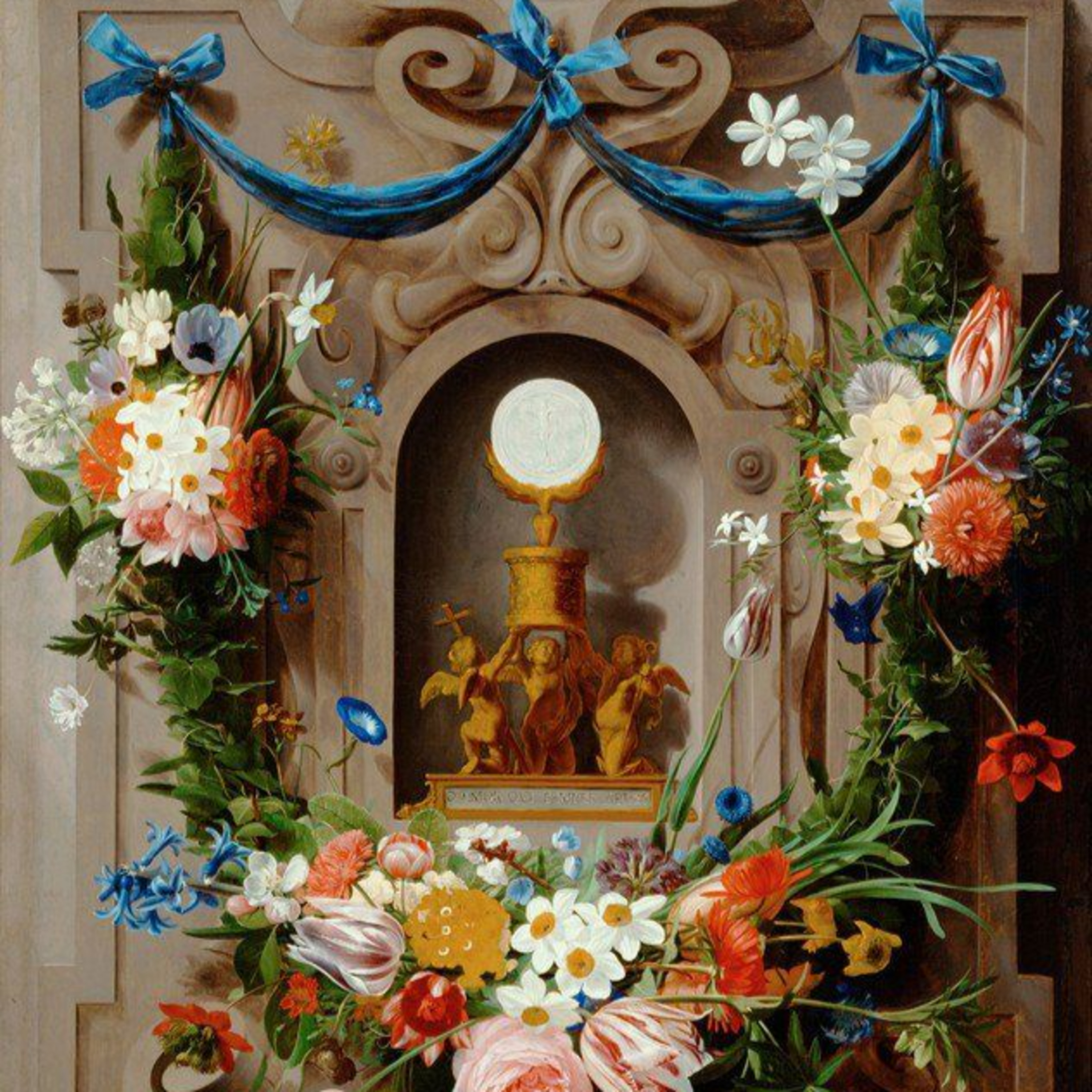 Monday within the Octave of Corpus Christi — From Dom Guéranger’s Liturgical Year✨ | Corpus Christiliturgical meditation+3 | — | The Liturgical Year | — | Corpus ChristiDom Guéranger+5 | — | 39m 23s | |
| 6/6/26 | 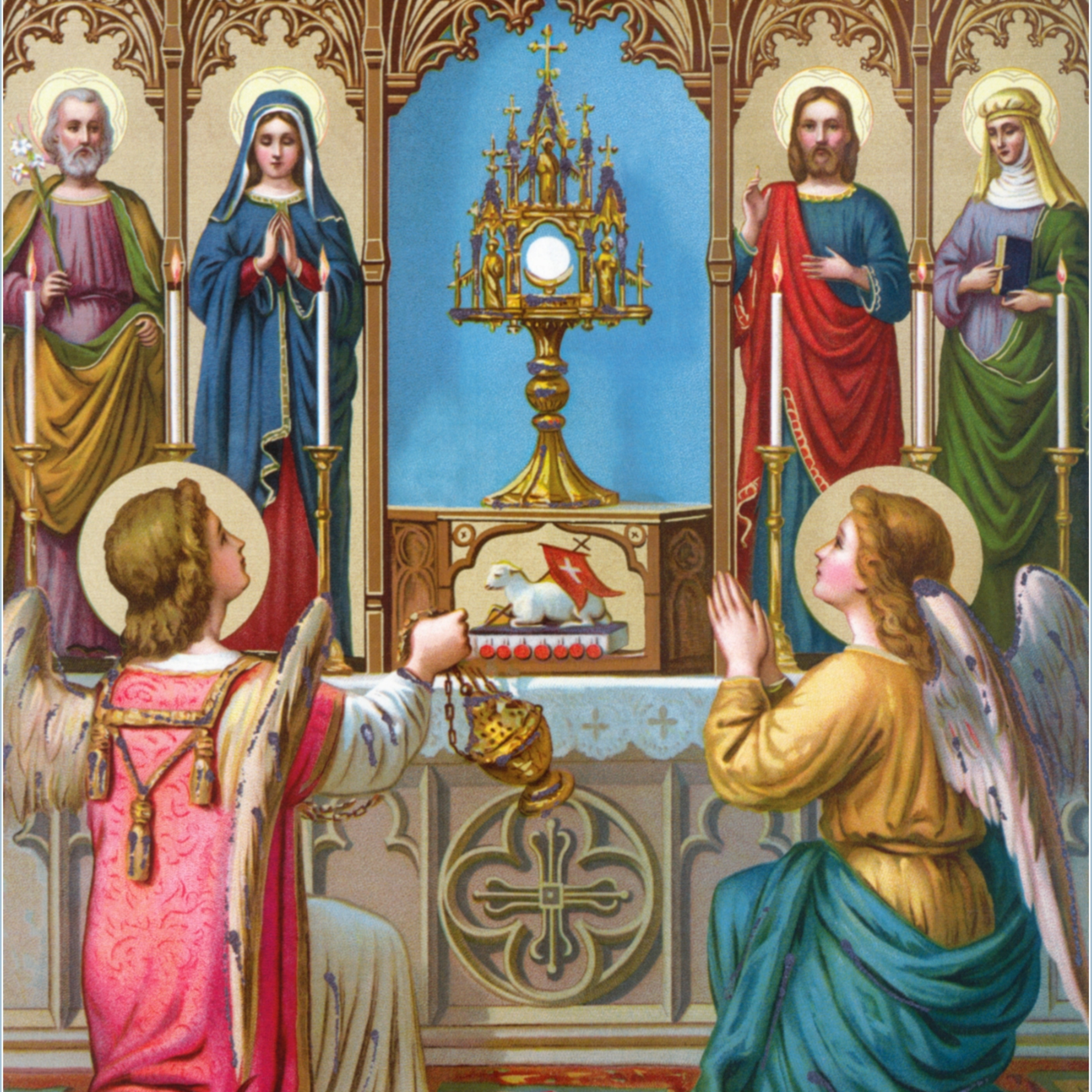 Sunday within the Octave of Corpus Christi — From Dom Guéranger’s Liturgical Year✨ | Corpus Christiliturgical meditation+3 | — | The Liturgical Year | — | Corpus ChristiDom Guéranger+5 | — | 52m 34s | |
| 6/5/26 | 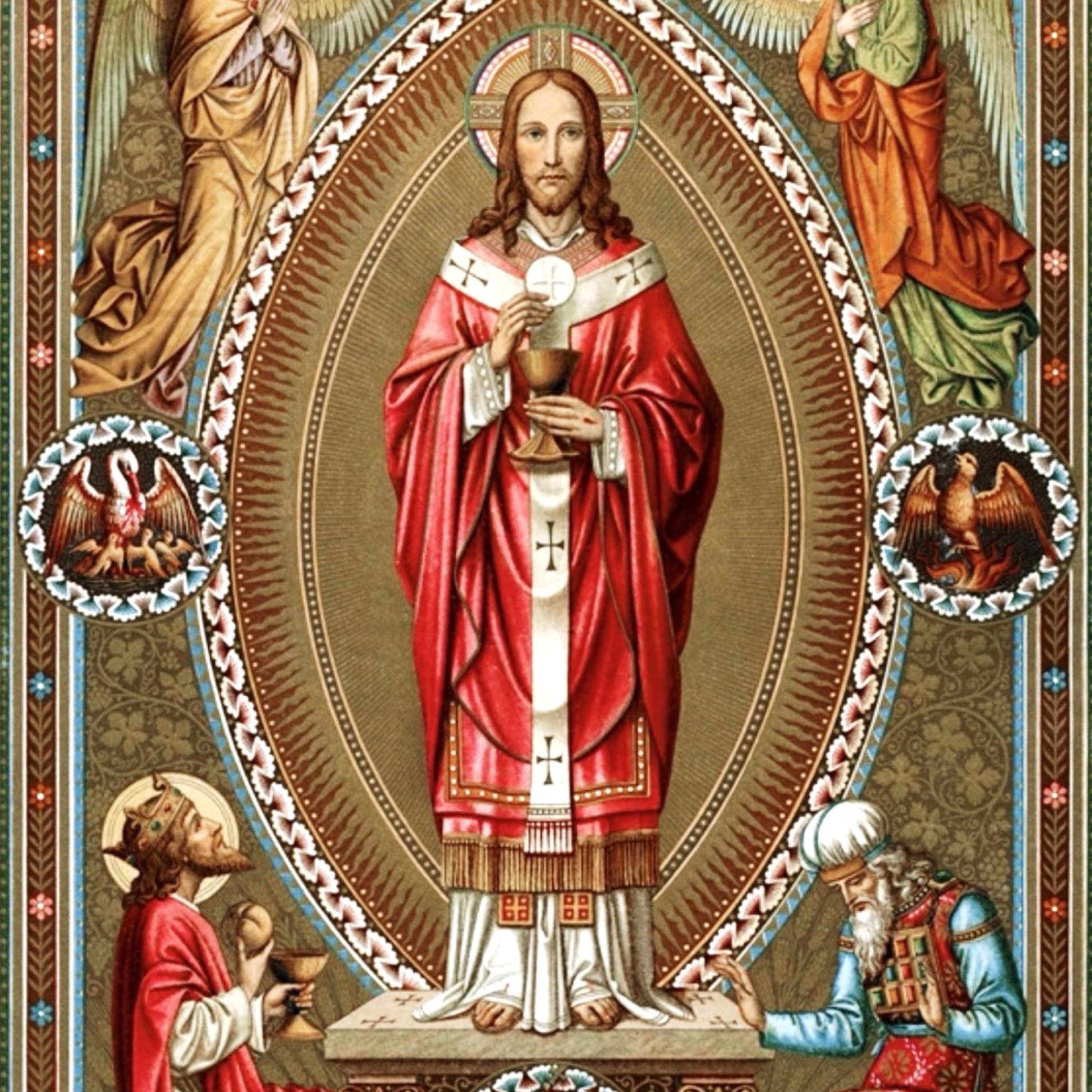 Saturday within the Octave of Corpus Christi — From Dom Guéranger’s Liturgical Year✨ | Corpus Christiliturgical meditation+3 | — | The Liturgical Year | — | Corpus ChristiDom Guéranger+3 | — | 37m 48s | |
| 6/5/26 | 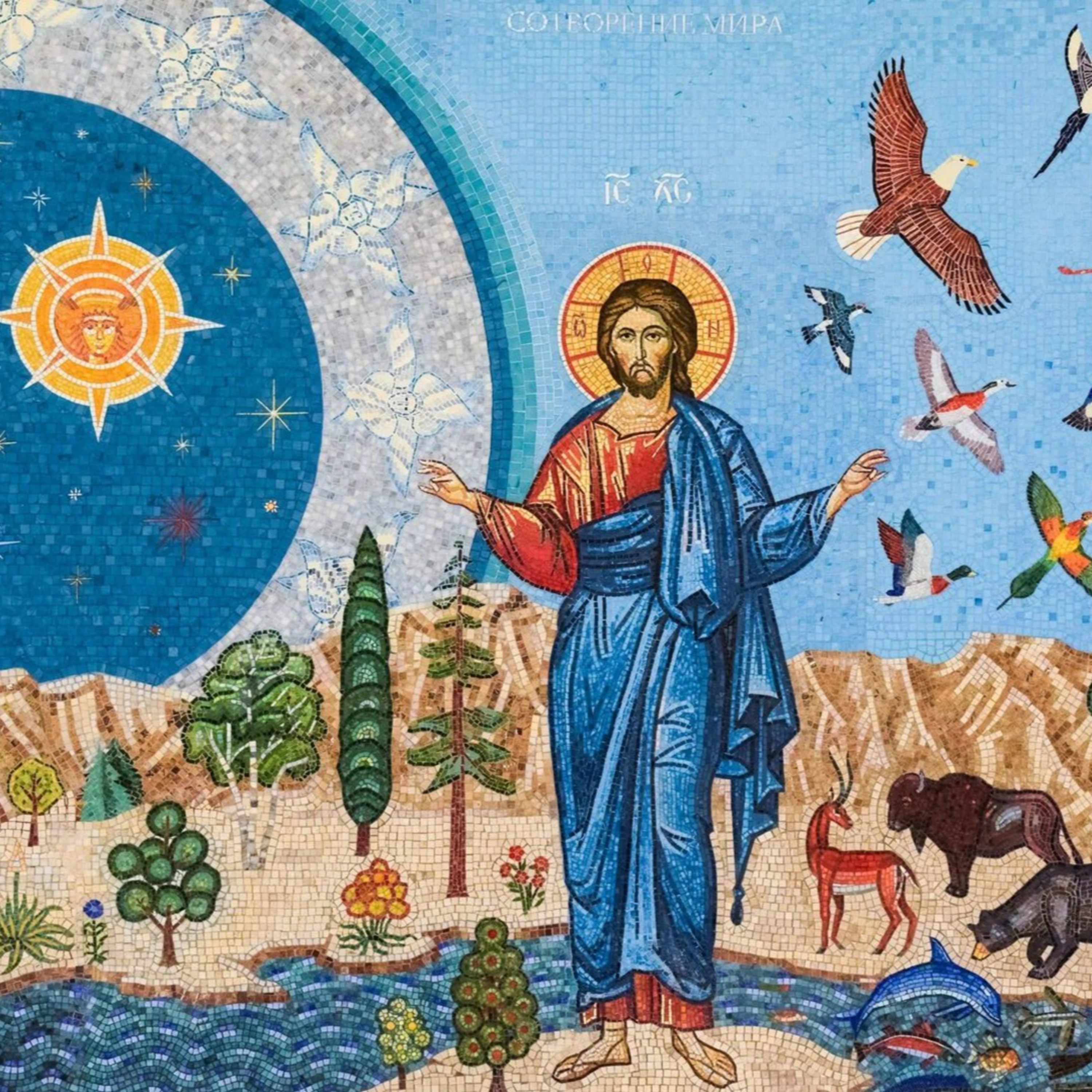 Friday within the Octave of Corpus Christi — From Dom Guéranger’s Liturgical Year✨ | liturgical calendarCatholic Church+4 | — | SolesmesThe Liturgical Year | — | Corpus Christiliturgical year+5 | — | 31m 03s | |
| 6/4/26 | 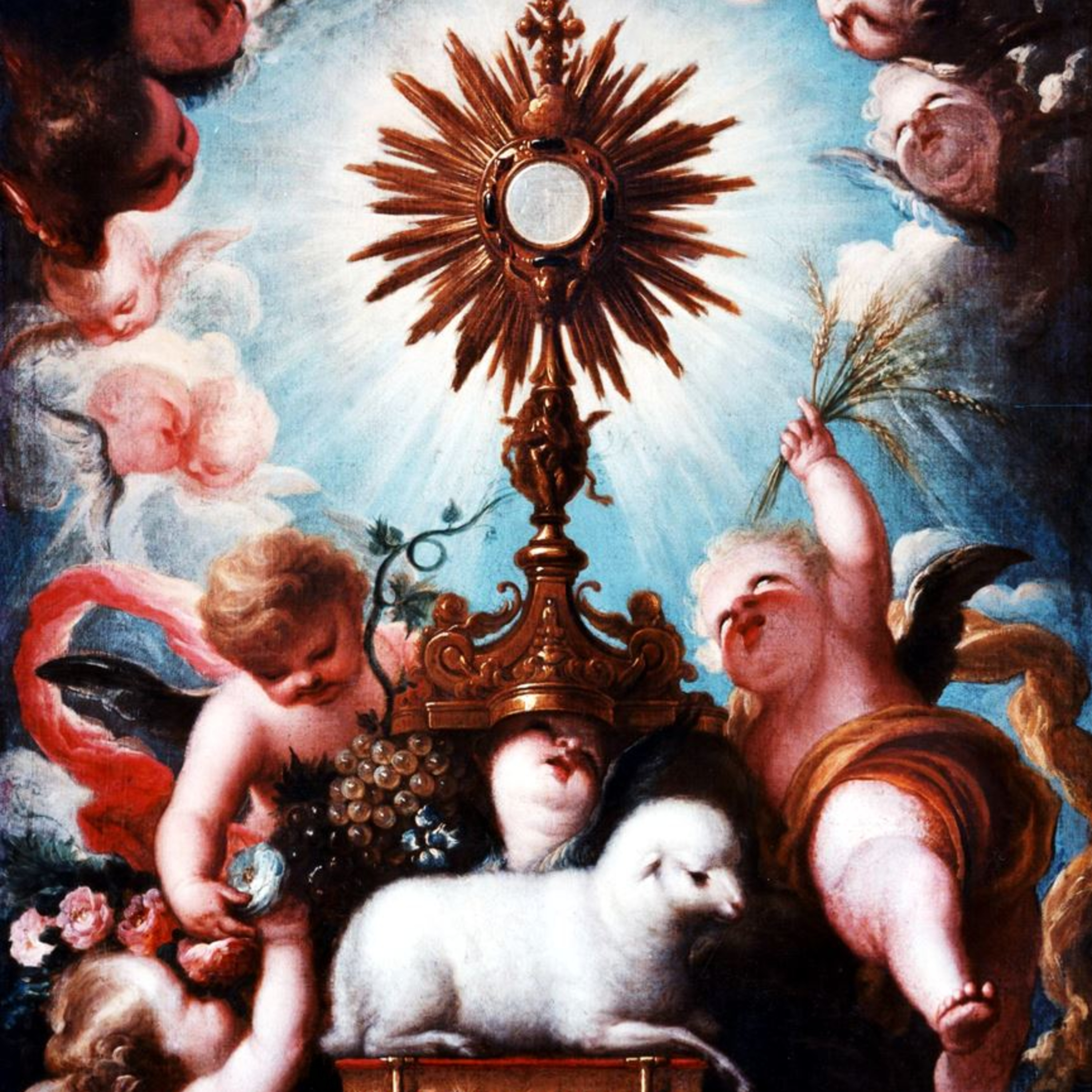 Corpus Christi — From Dom Guéranger’s Liturgical Year✨ | liturgical calendarCatholic Church+4 | — | Solesmes AbbeyThe Liturgical Year | — | Corpus ChristiDom Guéranger+5 | — | 3h 06m 52s | |
| 6/2/26 | 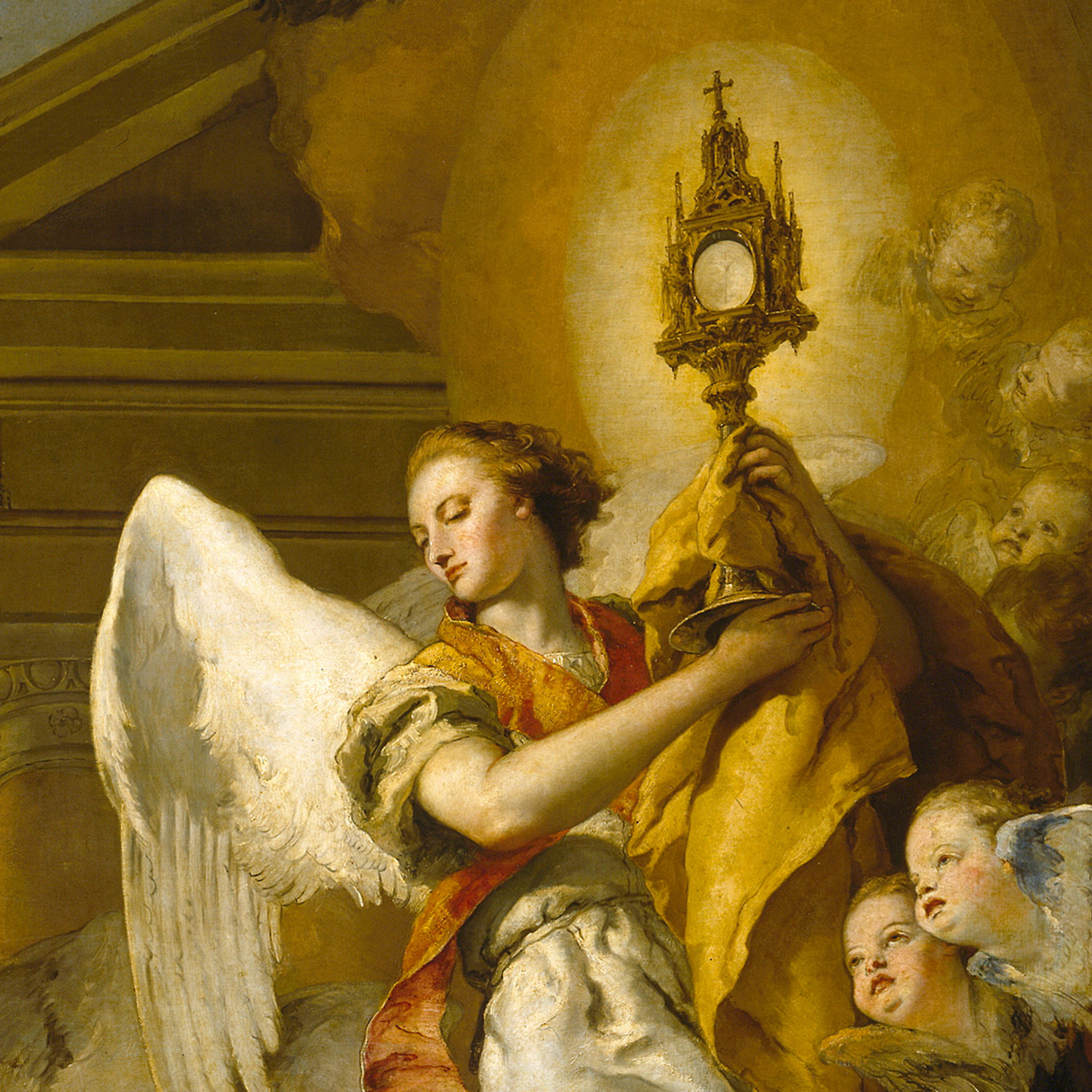 Wednesday after Trinity Sunday — From Dom Guéranger’s Liturgical Year | A meditation for Wednesday after Trinity Sunday, from Dom Guéranger’s “The Liturgical Year”. Please note that Servant of God Dom Prosper Guéranger went to his eternal reward in 1875; at this point, Volumes I-IX (Advent to Pentecost Saturday) had been completed, but Volumes X-XV (Trinity Sunday to Advent) had not yet been completed. Thus, the remaining readings of the Liturgical Year, from Trinity Sunday until Advent, were not directly authored by Dom Prosper, but were the work of his disciple Dom Lucien Fromage. Dom Prosper Guéranger's The Liturgical Year, a monumental fifteen-volume work, offers a comprehensive exploration of the Catholic Church’s liturgical calendar, guiding readers through the spiritual and historical richness of the Church’s worship. Written in the 19th century, the series provides daily meditations, historical context, and liturgical texts for the Mass and Divine Office, covering the entire cycle of seasons—Advent, Christmas, Lent, Passiontide, Easter, and the Time after Pentecost—as well as feast days of saints. Guéranger’s work, rooted in a deep contemplative spirit, aims to immerse the faithful in the Church’s prayerful life, emphasizing the unity of faith through the axiom lex orandi, lex credendi ("the law of prayer is the law of belief"), and remains a cherished resource for Catholics seeking to deepen their spiritual lives. Dom Prosper Guéranger (1805–1875) was a French Benedictine monk, liturgical scholar, and founder of the Solesmes Abbey, renowned for his pivotal role in reviving the Benedictine Order in France and restoring the Roman liturgy after the disruptions of the French Revolution. Born in Sablé-sur-Sarthe, he entered the priesthood in 1827 and, inspired by a vision to restore monastic life, reestablished the Benedictine community at Solesmes in 1833, becoming its first abbot. A staunch defender of ultramontanism and traditional Catholic worship, he also championed the revival of Gregorian chant, significantly influencing the liturgical renewal movement.Link to the Dom Guéranger's Liturgical Year playlist (updated daily): https://www.youtube.com/playlist?list=PLZKdyYnV_bkh7rH6piW0ShgsdcefFoOvJIf you would like to support this channel:Patreon: https://www.patreon.com/cw/InprincipioPodcastPayPal: https://www.paypal.com/donate/?hosted_button_id=U5EZ9X2CE2V7WMost sincere thanks to all who are able to contribute, by your prayers, your patronage, or otherwise. Your support sustains this work and helps make these readings available to others.Music: Ave Maria (Gregorian chant)From Vesperae de Confessore non Pontifice in honor of Saint Vincent PallottiPerformed by Schola Gregoriana, Pallottine Seminary (Ołtarzew, Poland)Conductor: Fr. Dariusz SmolarekLicense: CC BY-SA 3.0 — https://creativecommons.org/licenses/by-sa/3.0/Changes: noneExcept where otherwise noted, original content © InPrincipio Podcast.Chant audio used under CC BY-SA 3.0. | — | ||||||
| 6/1/26 | 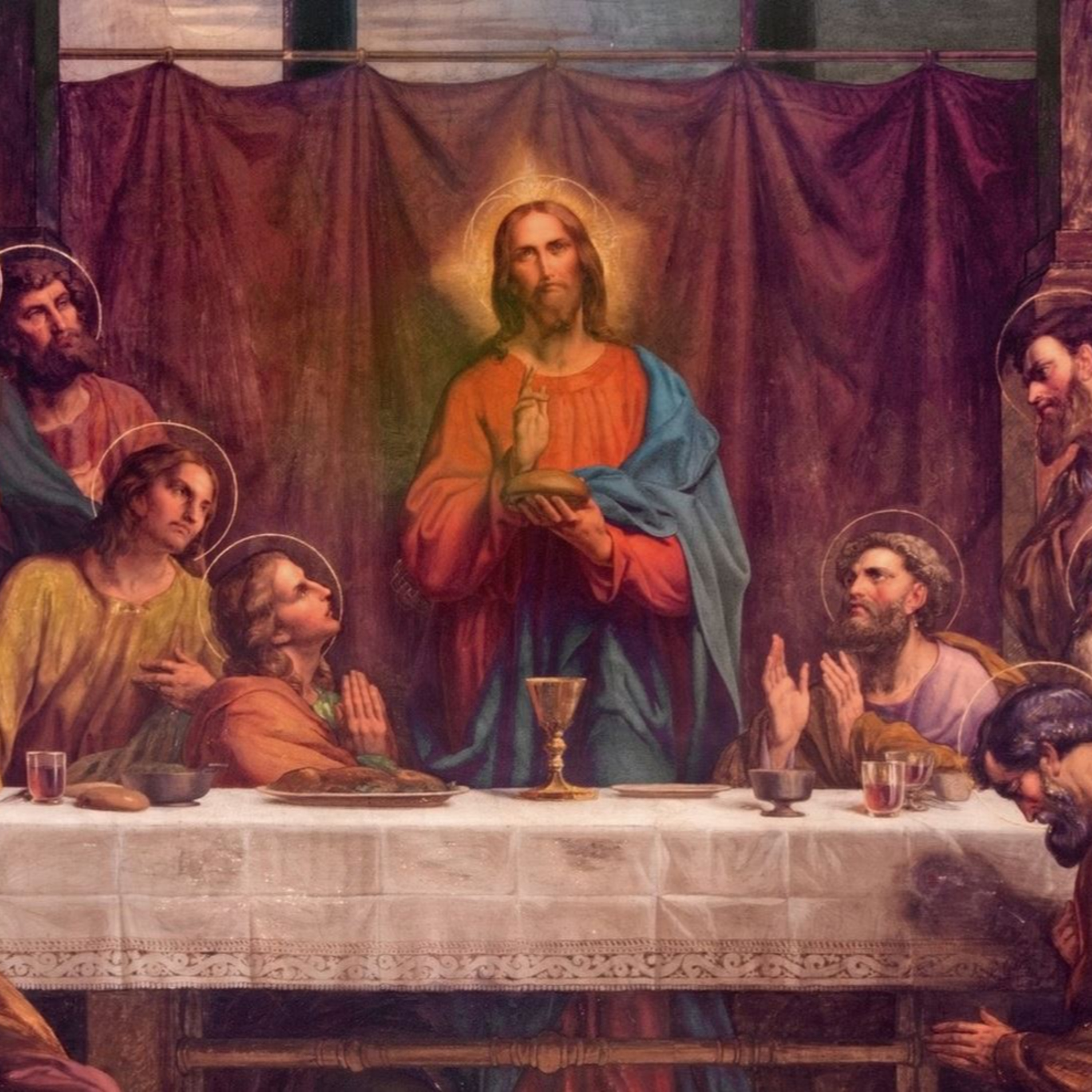 Tuesday after Trinity Sunday — From Dom Guéranger’s Liturgical Year | A meditation for Tuesday after Trinity Sunday, from Dom Guéranger’s “The Liturgical Year”. Please note that Servant of God Dom Prosper Guéranger went to his eternal reward in 1875; at this point, Volumes I-IX (Advent to Pentecost Saturday) had been completed, but Volumes X-XV (Trinity Sunday to Advent) had not yet been completed. Thus, the remaining readings of the Liturgical Year, from Trinity Sunday until Advent, were not directly authored by Dom Prosper, but were the work of his disciple Dom Lucien Fromage. Dom Prosper Guéranger's The Liturgical Year, a monumental fifteen-volume work, offers a comprehensive exploration of the Catholic Church’s liturgical calendar, guiding readers through the spiritual and historical richness of the Church’s worship. Written in the 19th century, the series provides daily meditations, historical context, and liturgical texts for the Mass and Divine Office, covering the entire cycle of seasons—Advent, Christmas, Lent, Passiontide, Easter, and the Time after Pentecost—as well as feast days of saints. Guéranger’s work, rooted in a deep contemplative spirit, aims to immerse the faithful in the Church’s prayerful life, emphasizing the unity of faith through the axiom lex orandi, lex credendi ("the law of prayer is the law of belief"), and remains a cherished resource for Catholics seeking to deepen their spiritual lives. Dom Prosper Guéranger (1805–1875) was a French Benedictine monk, liturgical scholar, and founder of the Solesmes Abbey, renowned for his pivotal role in reviving the Benedictine Order in France and restoring the Roman liturgy after the disruptions of the French Revolution. Born in Sablé-sur-Sarthe, he entered the priesthood in 1827 and, inspired by a vision to restore monastic life, reestablished the Benedictine community at Solesmes in 1833, becoming its first abbot. A staunch defender of ultramontanism and traditional Catholic worship, he also championed the revival of Gregorian chant, significantly influencing the liturgical renewal movement.Link to the Dom Guéranger's Liturgical Year playlist (updated daily): https://www.youtube.com/playlist?list=PLZKdyYnV_bkh7rH6piW0ShgsdcefFoOvJIf you would like to support this channel:Patreon: https://www.patreon.com/cw/InprincipioPodcastPayPal: https://www.paypal.com/donate/?hosted_button_id=U5EZ9X2CE2V7WMost sincere thanks to all who are able to contribute, by your prayers, your patronage, or otherwise. Your support sustains this work and helps make these readings available to others.Music: Ave Maria (Gregorian chant)From Vesperae de Confessore non Pontifice in honor of Saint Vincent PallottiPerformed by Schola Gregoriana, Pallottine Seminary (Ołtarzew, Poland)Conductor: Fr. Dariusz SmolarekLicense: CC BY-SA 3.0 — https://creativecommons.org/licenses/by-sa/3.0/Changes: noneExcept where otherwise noted, original content © InPrincipio Podcast.Chant audio used under CC BY-SA 3.0. | — | ||||||
| 6/1/26 | 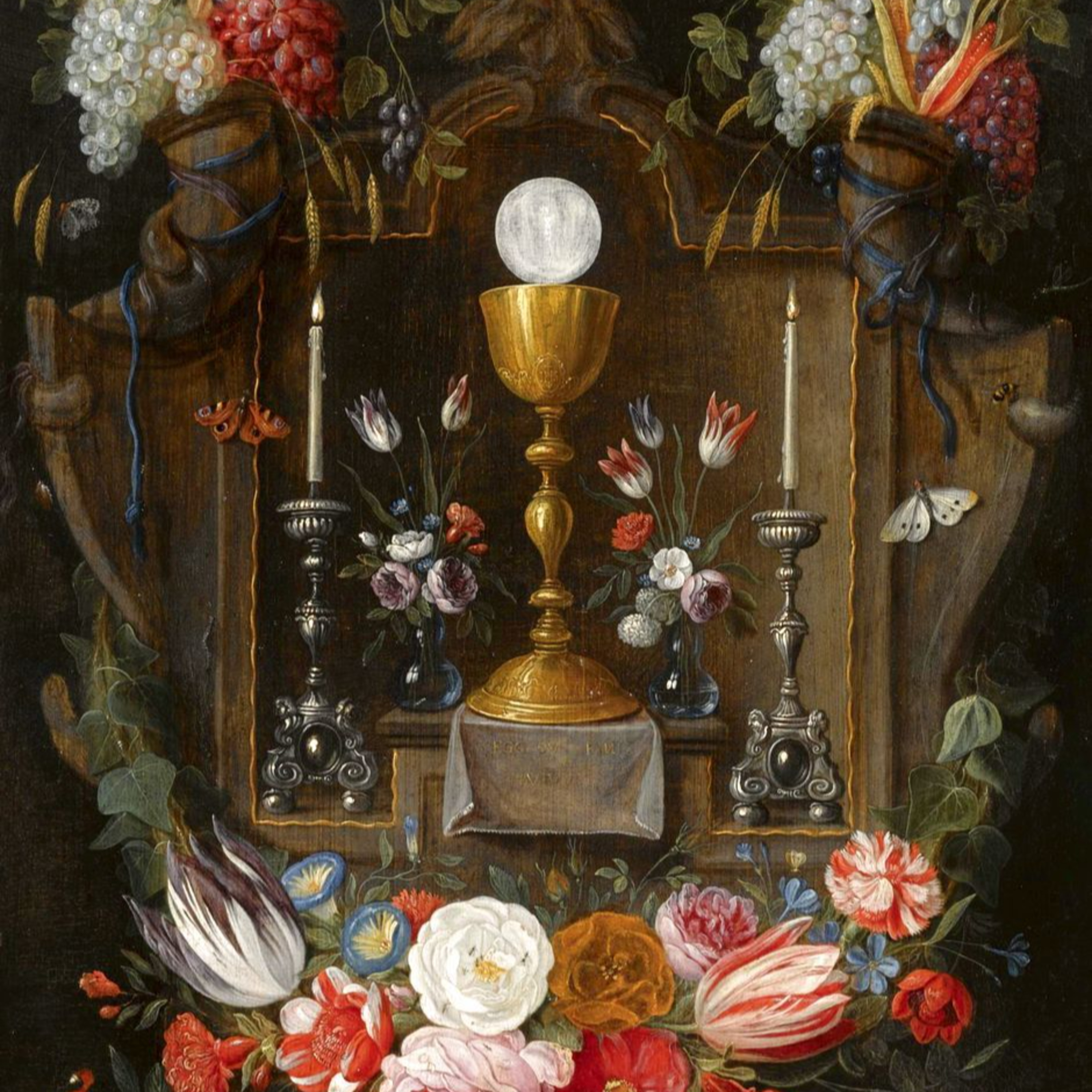 Monday after Trinity Sunday — From Dom Guéranger’s Liturgical Year | A meditation for Monday after Trinity Sunday, from Dom Guéranger’s “The Liturgical Year”. Dom Prosper Guéranger's The Liturgical Year, a monumental fifteen-volume work, offers a comprehensive exploration of the Catholic Church’s liturgical calendar, guiding readers through the spiritual and historical richness of the Church’s worship. Written in the 19th century, the series provides daily meditations, historical context, and liturgical texts for the Mass and Divine Office, covering the entire cycle of seasons—Advent, Christmas, Lent, Passiontide, Easter, and the Time after Pentecost—as well as feast days of saints. Guéranger’s work, rooted in a deep contemplative spirit, aims to immerse the faithful in the Church’s prayerful life, emphasizing the unity of faith through the axiom lex orandi, lex credendi ("the law of prayer is the law of belief"), and remains a cherished resource for Catholics seeking to deepen their spiritual lives. Dom Prosper Guéranger (1805–1875) was a French Benedictine monk, liturgical scholar, and founder of the Solesmes Abbey, renowned for his pivotal role in reviving the Benedictine Order in France and restoring the Roman liturgy after the disruptions of the French Revolution. Born in Sablé-sur-Sarthe, he entered the priesthood in 1827 and, inspired by a vision to restore monastic life, reestablished the Benedictine community at Solesmes in 1833, becoming its first abbot. A staunch defender of ultramontanism and traditional Catholic worship, he also championed the revival of Gregorian chant, significantly influencing the liturgical renewal movement.Link to the Dom Guéranger's Liturgical Year playlist (updated daily): https://www.youtube.com/playlist?list=PLZKdyYnV_bkh7rH6piW0ShgsdcefFoOvJIf you would like to support this channel:Patreon: https://www.patreon.com/cw/InprincipioPodcastPayPal: https://www.paypal.com/donate/?hosted_button_id=U5EZ9X2CE2V7WMost sincere thanks to all who are able to contribute, by your prayers, your patronage, or otherwise. Your support sustains this work and helps make these readings available to others.Music: Ave Maria (Gregorian chant)From Vesperae de Confessore non Pontifice in honor of Saint Vincent PallottiPerformed by Schola Gregoriana, Pallottine Seminary (Ołtarzew, Poland)Conductor: Fr. Dariusz SmolarekLicense: CC BY-SA 3.0 — https://creativecommons.org/licenses/by-sa/3.0/Changes: noneExcept where otherwise noted, original content © InPrincipio Podcast.Chant audio used under CC BY-SA 3.0. | — | ||||||
Showing 25 of 465
Sponsor Intelligence
Sign in to see which brands sponsor this podcast, their ad offers, and promo codes.
Chart Positions
1 placement across 1 market.
Chart Positions
1 placement across 1 market.