Insights from recent episode analysis
Audience Interest
Podcast Focus
Publishing Consistency
Platform Reach
Insights are generated by CastFox AI using publicly available data, episode content, and proprietary models.
Most discussed topics
Brands & references
Total monthly reach
Estimated from 1 chart position in 1 market.
By chart position
- 🇭🇺HU · Careers#603K to 10K
- Per-Episode Audience
Est. listeners per new episode within ~30 days
900 to 3K🎙 Daily cadence·242 episodes·Last published yesterday - Monthly Reach
Unique listeners across all episodes (30 days)
3K to 10K🇭🇺100% - Active Followers
Loyal subscribers who consistently listen
1.2K to 4K
Market Insights
Platform Distribution
Reach across major podcast platforms, updated hourly
Total Followers
—
Total Plays
—
Total Reviews
—
* Data sourced directly from platform APIs and aggregated hourly across all major podcast directories.
On the show
From 17 epsHost
Recent guests
Recent episodes
The Harvard-Trained Doctor Who Walked Away From Academia and Built a Company: Dr. Uché Blackstock
Jun 23, 2026
24m 25s
A 6-Month Wait For A Specialist Is The New Normal": The CEO Fixing The Physician Shortage | Michellene Davis
Jun 16, 2026
29m 51s
Women get Less Than 2% Of Funding, but This is the HACK! - Dr. Amber Hill
Jun 9, 2026
32m 40s
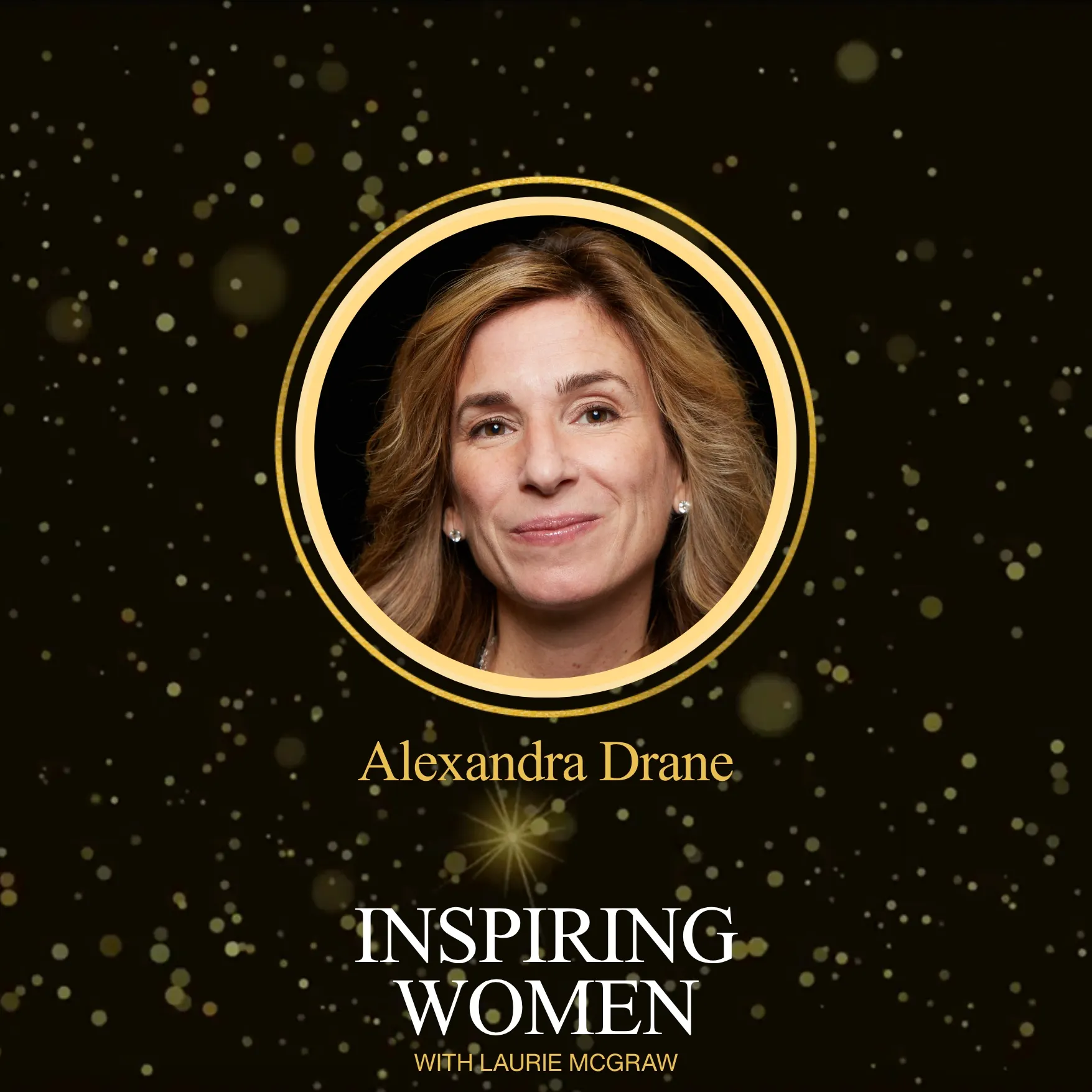
The Hidden Disease 40% Of Americans Are Living - Alexandra Drane
Jun 2, 2026
28m 00s
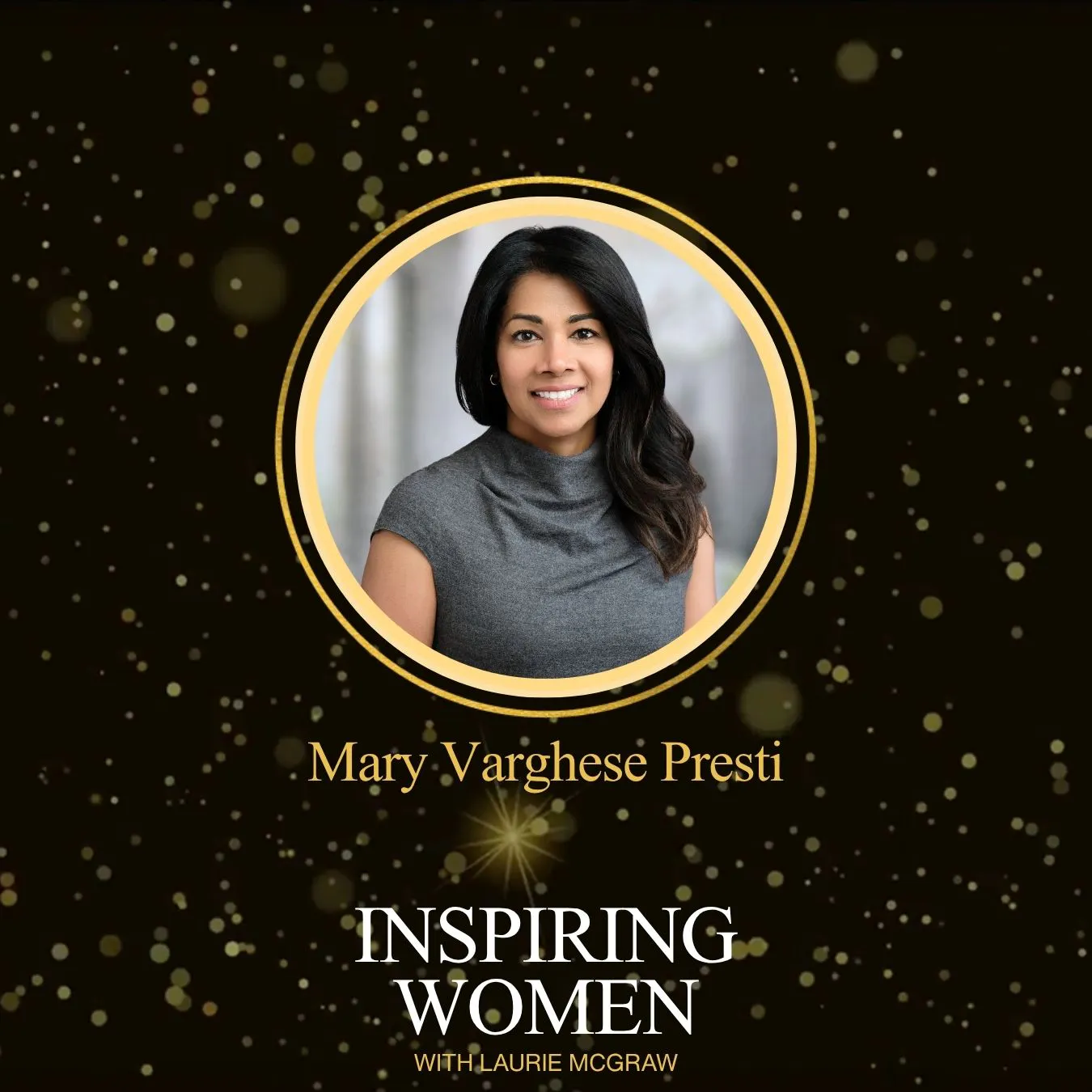
The Microsoft Health & Life Sciences COO: The AI Quietly Rewiring Healthcare
May 26, 2026
27m 43s
Social Links & Contact
Official channels & resources
Official Website
Login
RSS Feed
Login
| Date | Episode | Topics | Guests | Brands | Places | Keywords | Sponsor | Length | |
|---|---|---|---|---|---|---|---|---|---|
| 6/23/26 | ![]() The Harvard-Trained Doctor Who Walked Away From Academia and Built a Company: Dr. Uché Blackstock | Dr. Uché Blackstock spent almost a decade as an associate professor at NYU School of Medicine. From the outside she looked happy and successful — inside, she had never felt so invisible, undervalued, and underappreciated. So she left. When she wrote her resignation op-ed on why Black faculty leave academic medicine, she was sobbing — grieving the career she wished she could have had. That piece became lightning in a bottle, followed by her instant New York Times bestselling book, Legacy: A Black Physician Reckons with Racism in Medicine. In this Inspiring Women conversation, host Laurie McGraw sits down with the founder of Advancing Health Equity to talk about the moment the window on health equity swung wide open in 2020 — and what happens now that it's closing. They get honest about the difference between performative statements and real systemic change, why the work is being renamed and re-embedded rather than erased, and why some disparities — like maternal health — are still getting worse. She breaks down the strategic shift her own organization had to make when the inbound stopped overnight: from trainings to restructuring, from the moral case to the ROI case, from many projects to a few high-value partnerships. And she goes somewhere most leadership conversations don't — burnout, hiring a mindset coach, and picking up the violin again for the first time since she was 18. Hosted by Laurie McGraw. IN THIS EPISODE: - Why she left academic medicine — "I never felt so invisible" - The op-ed that changed everything — and the messages still arriving 6 years later - Performative statements vs. real systemic change after 2020 - Why the work is being renamed, not erased — and why she kept her org's name - The leaky pipeline myth — it's a systemic problem, not a pipeline problem - Finding the open windows before they close - The business case for health equity: ROI, clinical trial diversity, the bottom line - Rebuilding her organization when inbound stopped overnight - Leading through burnout — fewer, higher-value partnerships - Protecting your wellbeing as a purpose-driven founder Full episode on Inspiring Women. Link in comments. #InspiringWomen #UcheBlackstock #HealthEquity #Leadership #WomenInMedicine #Legacy | 24m 25s | ||||||
| 6/16/26 | ![]() A 6-Month Wait For A Specialist Is The New Normal": The CEO Fixing The Physician Shortage | Michellene Davis | Michellene Davis began her career as a trial litigator and public defender in Newark, where she kept arguing the same point to juries: if her client had had access to healthcare, none of them would be in that courtroom. That insight has shaped a career spanning law, government, and now national health equity. In this episode of Inspiring Women, host Laurie McGraw sits down with Michellene Davis, Esq., President and CEO of National Medical Fellowships (NMF). Founded in 1946, NMF is one of America's oldest diversity organizations and works to close the physician shortage by building a more representative healthcare workforce. ABOUT MICHELLENE DAVIS Michellene describes her career as "chutes and ladders," but the through line is consistent: integrity, systems thinking, and a refusal to set policy through a privileged lens. Her path includes: - Trial litigator and public defender in Newark, New Jersey - Senior policy advisor in the New Jersey Department of Health and Senior Services - Youngest CEO of the New Jersey State Lottery, a $2.4 billion entity and one of the state's largest revenue producers - First African American and only the second woman to serve as New Jersey State Treasurer, overseeing a multi-billion dollar budget and pension portfolio - First African American to serve as Chief Policy Counsel to the Governor - Co-author of "Changing Missions, Changing Lives" (ForbesBooks, 2020) WHAT NMF DOES Over its history, NMF has awarded more than $50 million to over 35,000 alumni, training not only physicians but physician leaders who reflect the communities they serve. Michellene explains why this is a problem that touches everyone, not just under-resourced communities: a six-month wait to see a specialist is becoming the norm, with roughly one physician for every 1,000 people in LA County and one for every 3,000 in parts of Mississippi and Georgia. She also unpacks the "curb cut effect" and the research showing that diverse clinical teams produce better outcomes for every patient. A PERSONAL CONVERSATION ON CAREGIVING The conversation then turns personal. Michellene opens up about caring for her mother through advanced Alzheimer's for the past 13 years, the disproportionate caregiving burden carried by women leaders, and the friends she has lost to that invisible weight. She closes with the question she believes every high-achieving woman should sit with: when you are lowered into the ground, what do you want to have truly done? A wide-ranging conversation on systems change, health equity, leadership, and legacy. IN THIS EPISODE - The patient the system failed - Why "universal healthcare" kept appearing in her courtroom arguments - The accidental path into government leadership - Becoming the youngest CEO of the NJ State Lottery - First African American and second woman NJ State Treasurer - Holding the purse vs. deciding where to place the coins - Inside NMF and the fight against the physician shortage - The curb cut effect and why representation improves outcomes - 13 years of caregiving and what it taught her about leadership - The caregiving burden on women, and the friends she lost - Her advice on legacy for mid-career women leaders Hosted by Laurie McGraw, where she has the best world women leaders every week and shares their stories and insights! | 29m 51s | ||||||
| 6/9/26 | ![]() Women get Less Than 2% Of Funding, but This is the HACK! - Dr. Amber Hill✨ | fundingclinical trials+3 | Dr. Amber Michelle Hill | Research GridMovement for Hope+1 | — | fundingclinical trials+4 | — | 32m 40s | |
| 6/2/26 | ![]() The Hidden Disease 40% Of Americans Are Living - Alexandra Drane✨ | caregivinghealth crisis+4 | Alexandra Drane | ARCHANGELSEliza Corporation | — | caregiver stressfinancial stress+7 | — | 28m 00s | |
| 5/26/26 | ![]() The Microsoft Health & Life Sciences COO: The AI Quietly Rewiring Healthcare✨ | healthcareAI+4 | Mary Varghese Presti | MicrosoftPenn Medicine+6 | — | healthcare AInursing profession+5 | — | 27m 43s | |
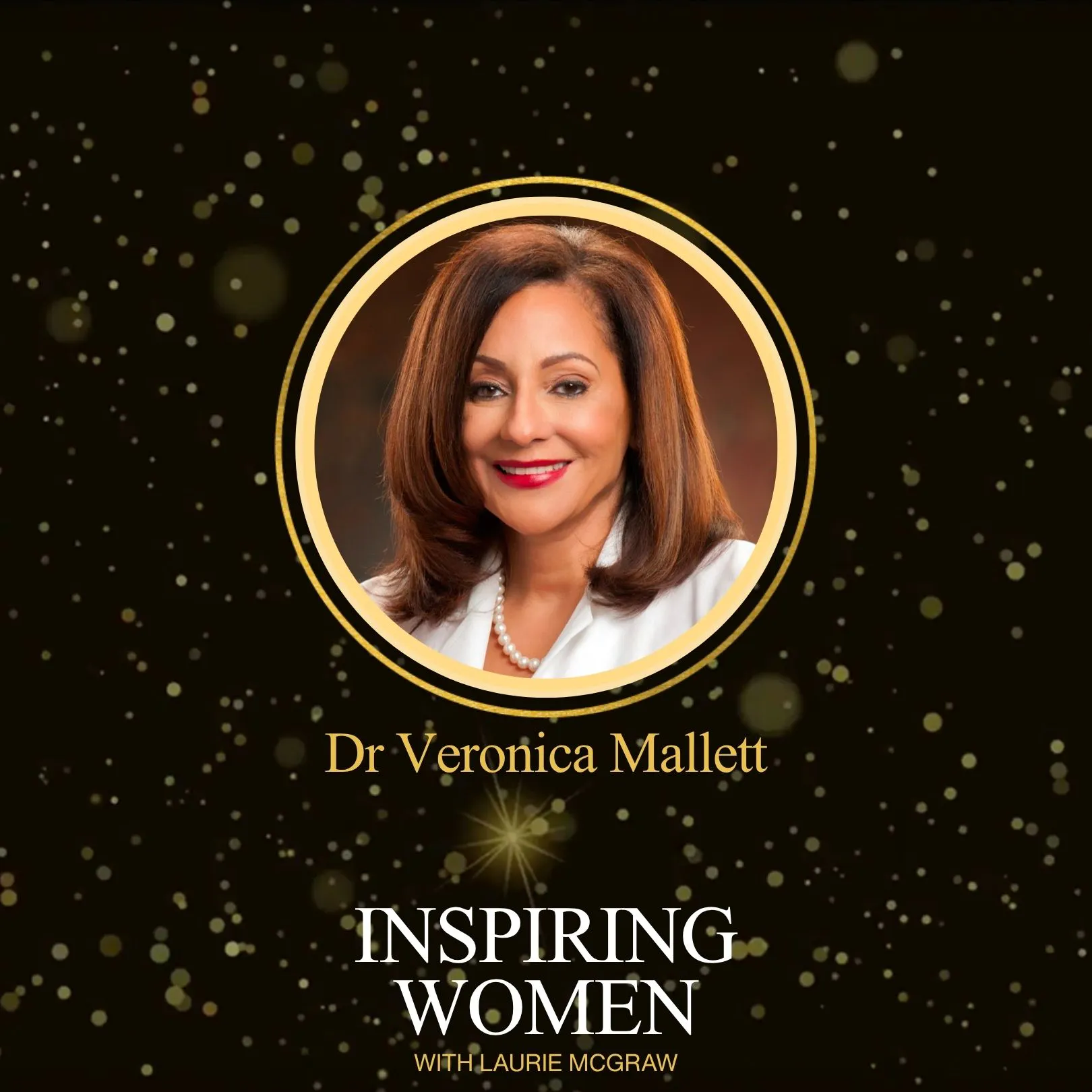
| 5/20/26 | ![]() The Lie That Held A Generation Of Women Back - Dr. Veronica Mallett✨ | health equitywomen in medicine+4 | Dr. Veronica Mallett | More in Common AllianceMorehouse School of Medicine+1 | DetroitBakersfield+1 | health equitywomen in medicine+6 | — | 27m 09s | |
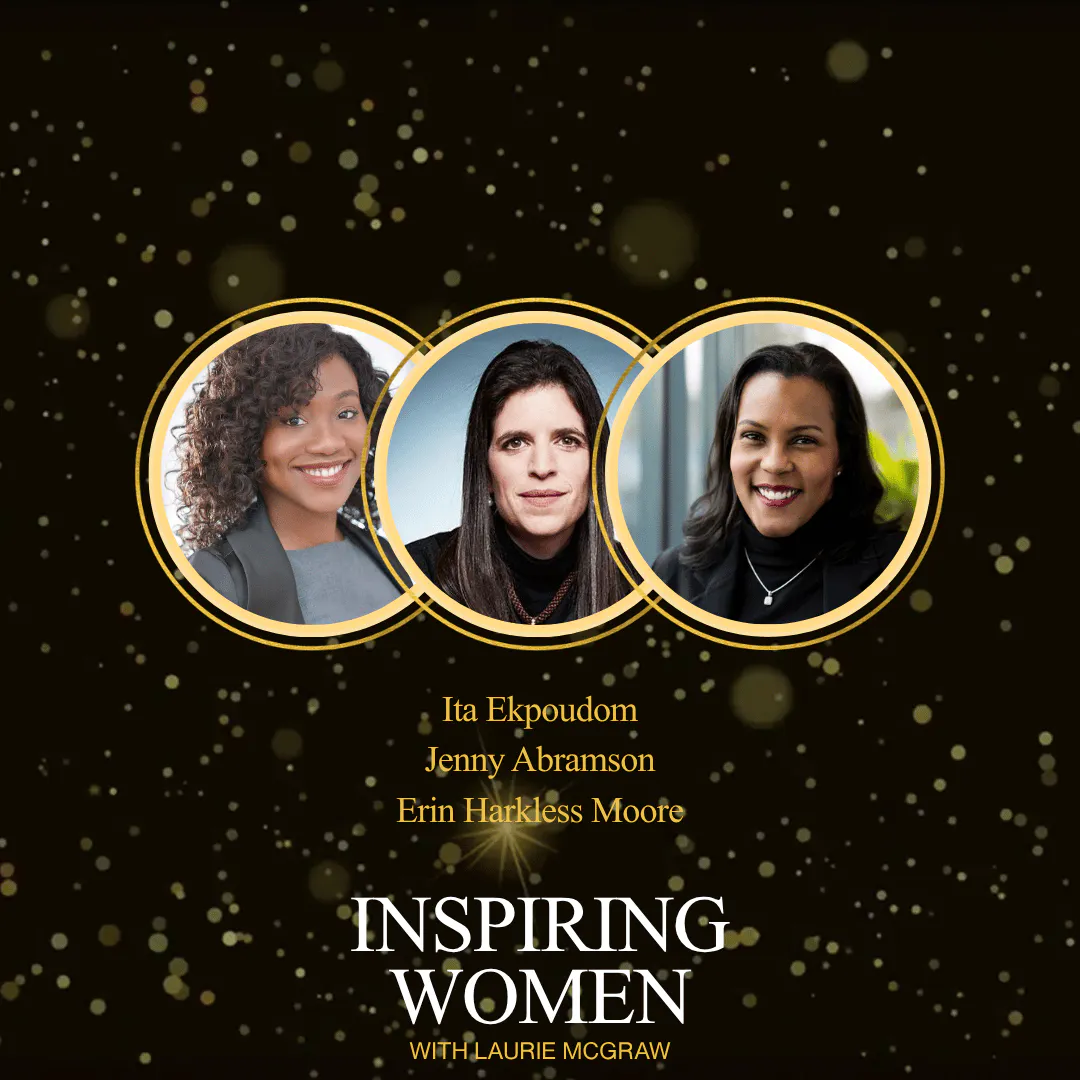
| 5/12/26 | ![]() Why Only 2% of VC Goes to Women!✨ | venture capitalfemale founders+3 | Ita EkpoudomJenny Abramson+1 | Gingerbread CapitalRethink Impact+1 | — | venture capitalfemale founders+3 | — | 34m 57s | |
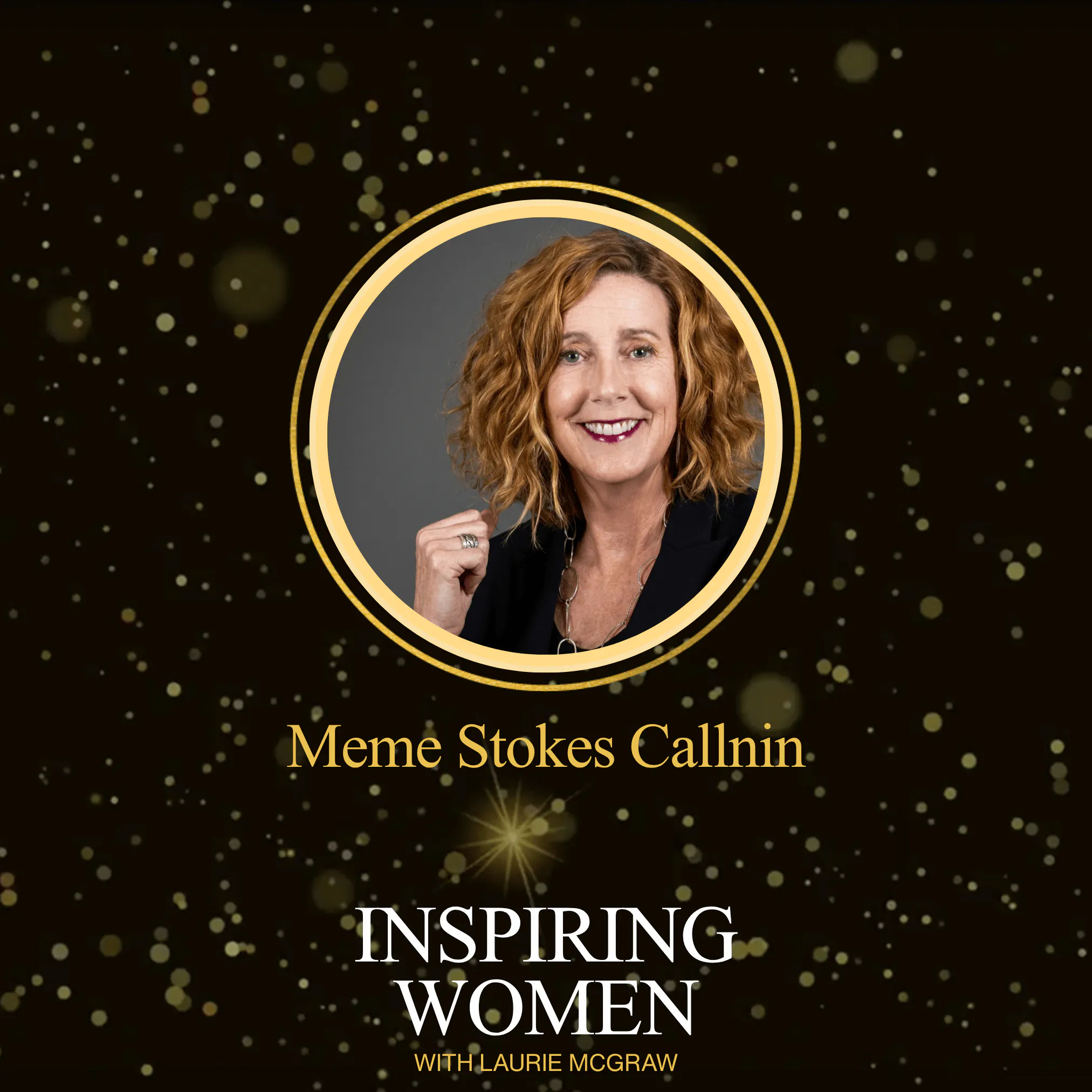
| 5/6/26 | ![]() Stop Waiting To Be Invited Into The Boardroom - Meme Stokes Callnin✨ | women in leadershipboardroom access+4 | Meme Callnin Stokes | MercerAmerican Heart Association+2 | Colorado | boardroomwomen leaders+5 | — | 22m 06s | |
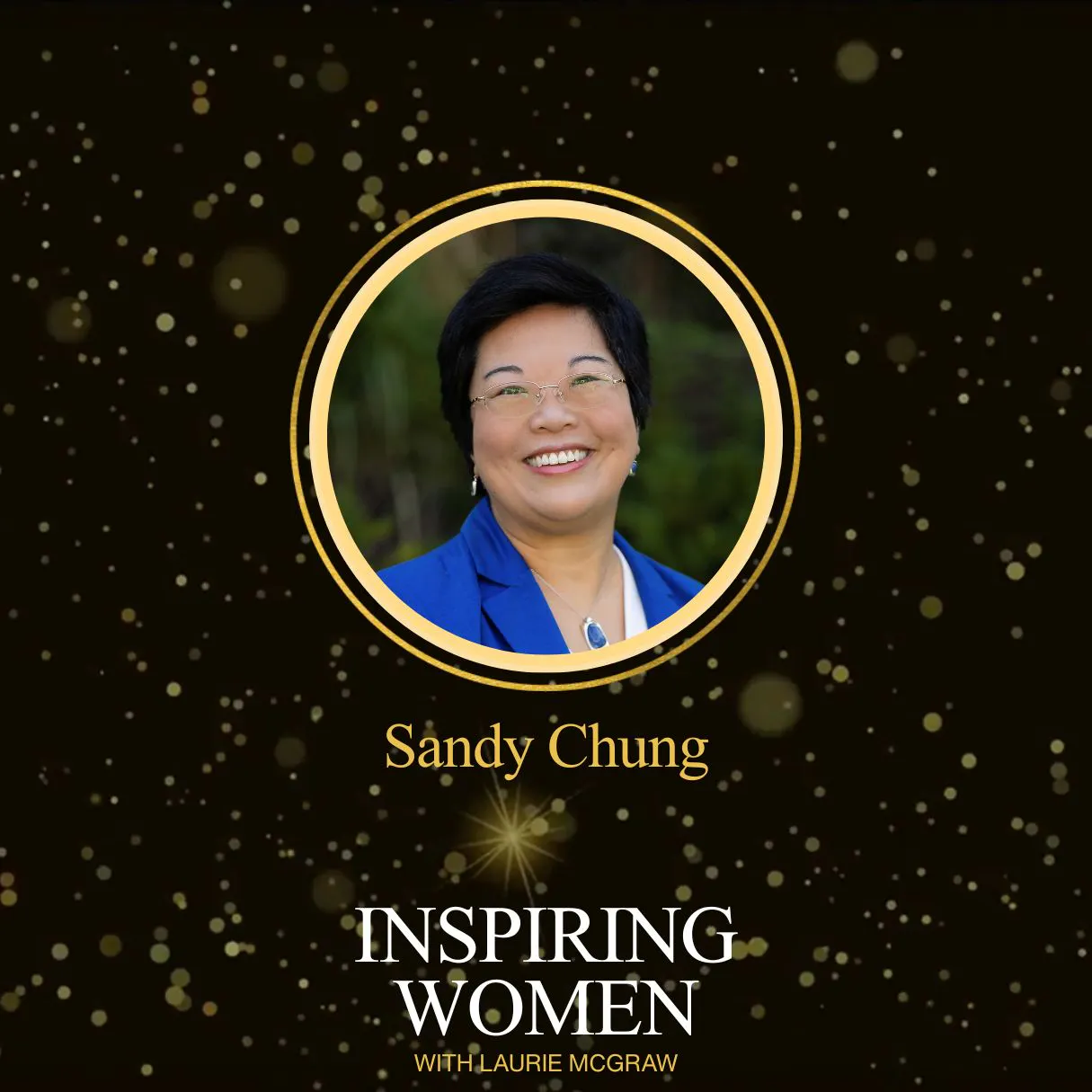
| 4/28/26 | ![]() The $15M Program, The 13,000 Calls, And The One Patient Who Changed Everything: Dr. Sandy Chung On Fixing American Healthcare✨ | healthcaremental health+3 | Dr. Sandy Chung | American Academy of PediatricsVirginia Mental Health Access Program+1 | U.S. | mental healthhealthcare access+3 | — | 18m 36s | |
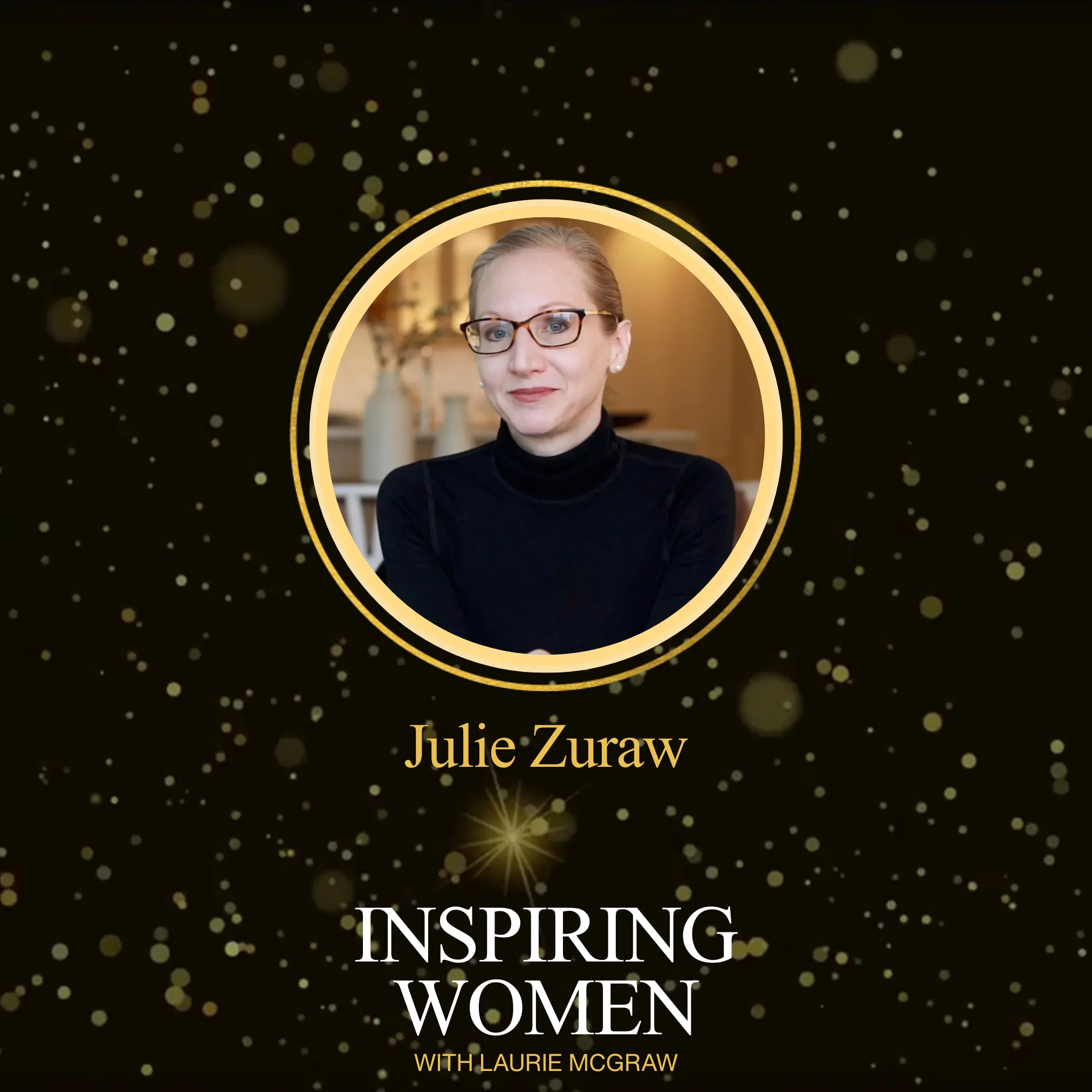
| 4/21/26 | ![]() The Game No One Teaches Women in Male-Dominated Industries | Julie Zuraw✨ | women in businessleadership+3 | Julie Zuraw | Invest AheadThirty Percent Coalition+1 | New York | women leadershipreal estate+3 | — | 28m 34s | |
Want analysis for the episodes below?Free for Pro Submit a request, we'll have your selected episodes analyzed within an hour. Free, at no cost to you, for Pro users. | |||||||||
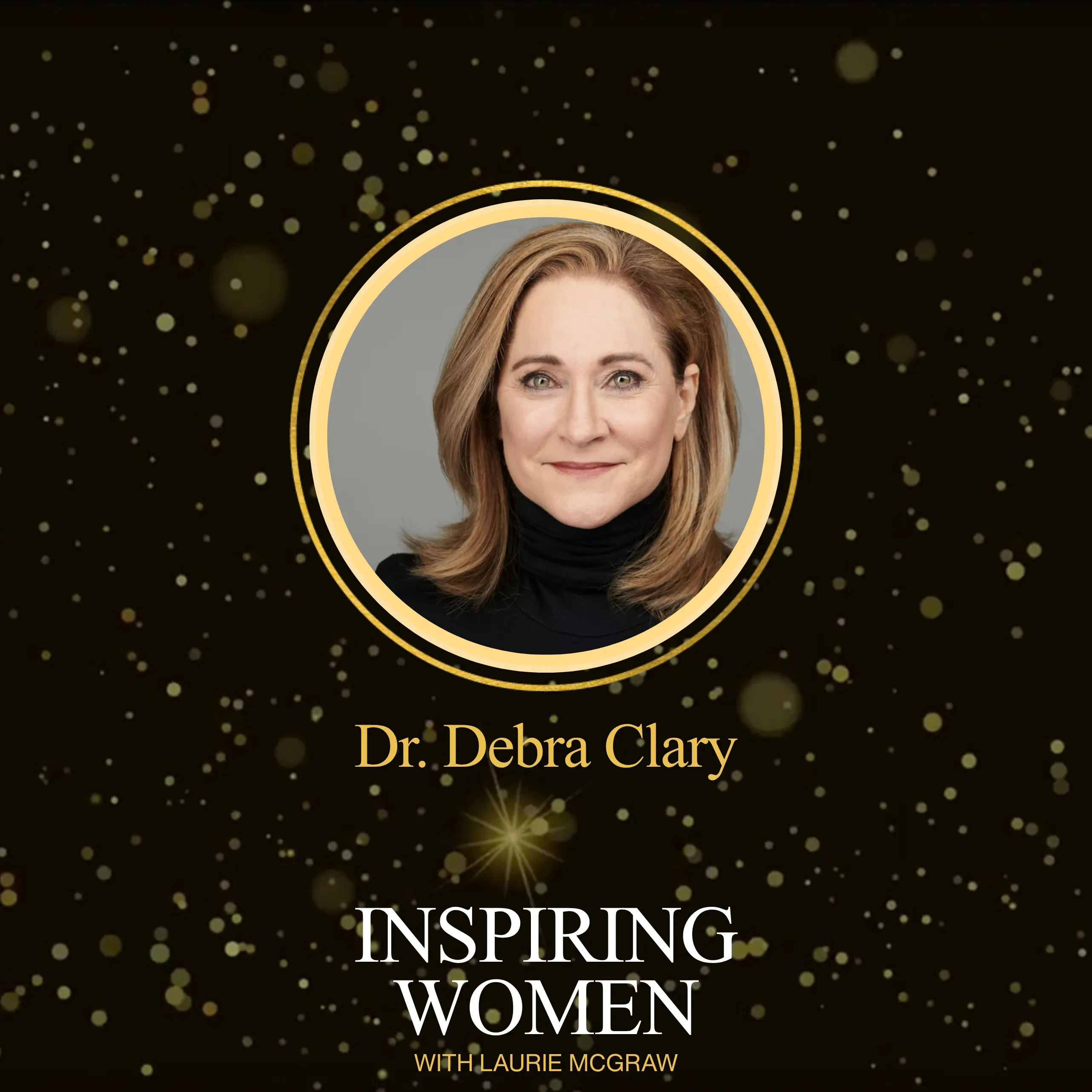
| 4/14/26 | ![]() Curiosity Expert: What We Completely GET WRONG about Curiosity!✨ | curiosityleadership+3 | Dr. Debra Clary | Frito-LayCoca-Cola+4 | — | curiosityleadership+3 | — | 23m 31s | |
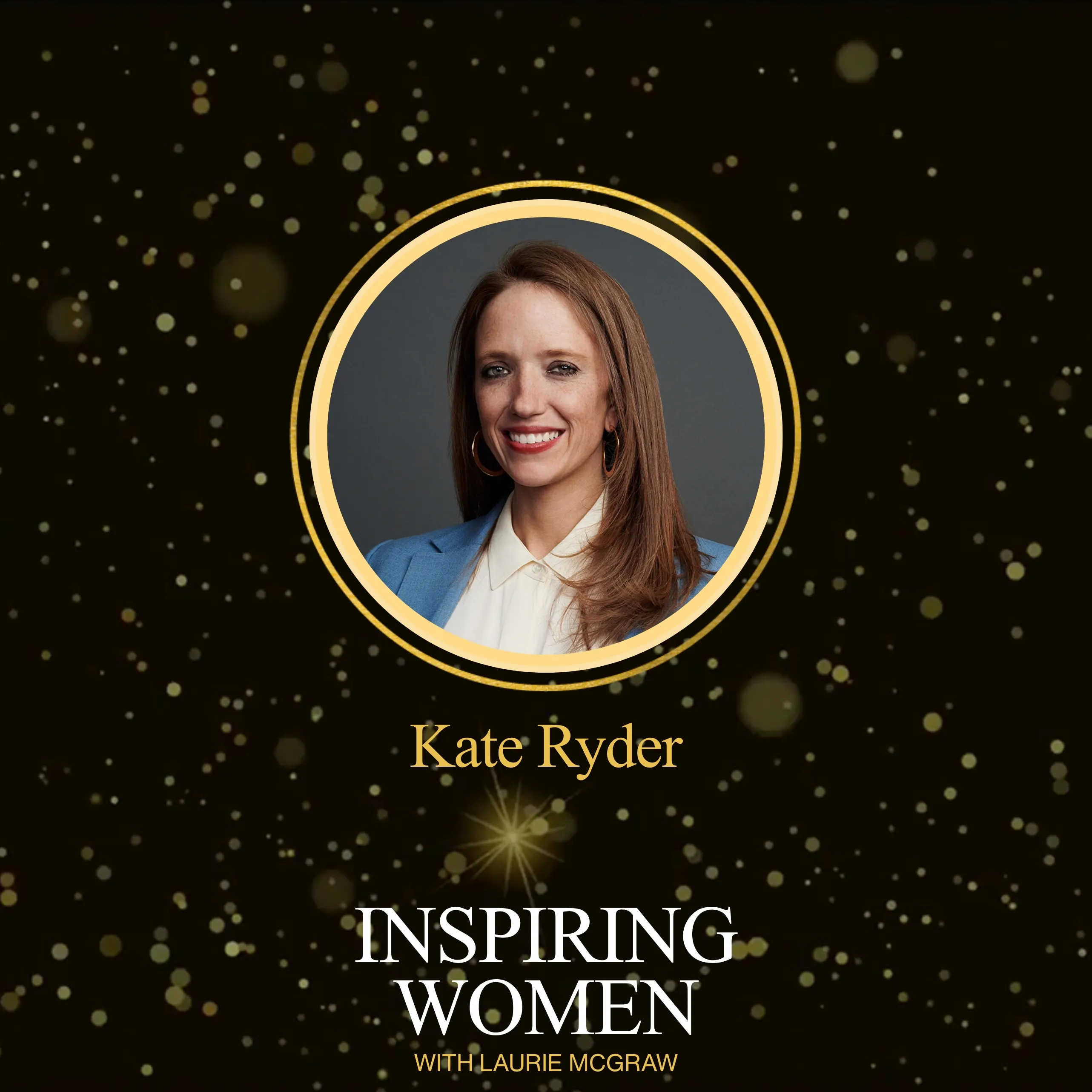
| 4/7/26 | ![]() From Journalist To Billion-Dollar CEO: How Kate Ryder Built The World's Largest Virtual Clinic For Women✨ | women's healthentrepreneurship+4 | Kate Ryder | Maven ClinicOura | — | Kate RyderMaven Clinic+5 | — | 27m 36s | |
| 4/1/26 | ![]() Heart Disease Kills More Women Than All Cancers Combined! The Truth About Women's Hearts Nobody Is Talking About || Sarah Lux, Sandy Goldstein✨ | heart diseasewomen's health+4 | Sandy GoldsteinSarah Lux | American Heart AssociationThe Pause Life | — | heart diseasewomen's health+5 | — | 25m 30s | |
| 3/24/26 | ![]() She Advised The U.S. Secretary Of Health. Then Became CPO Of A Multi Billion Dollar Health Plan.✨ | career developmenthealthcare leadership+4 | Simmi Singh | Booz AllenErnst and Young+3 | U.S.Himalayas | health innovationleadership+5 | — | 29m 49s | |
| 3/17/26 | ![]() 5 Years Of Inspiring Women: The Leadership Lessons That Changed Everything✨ | leadership lessonswomen in leadership+5 | — | — | — | Inspiring Womenleadership+6 | — | 28m 28s | |
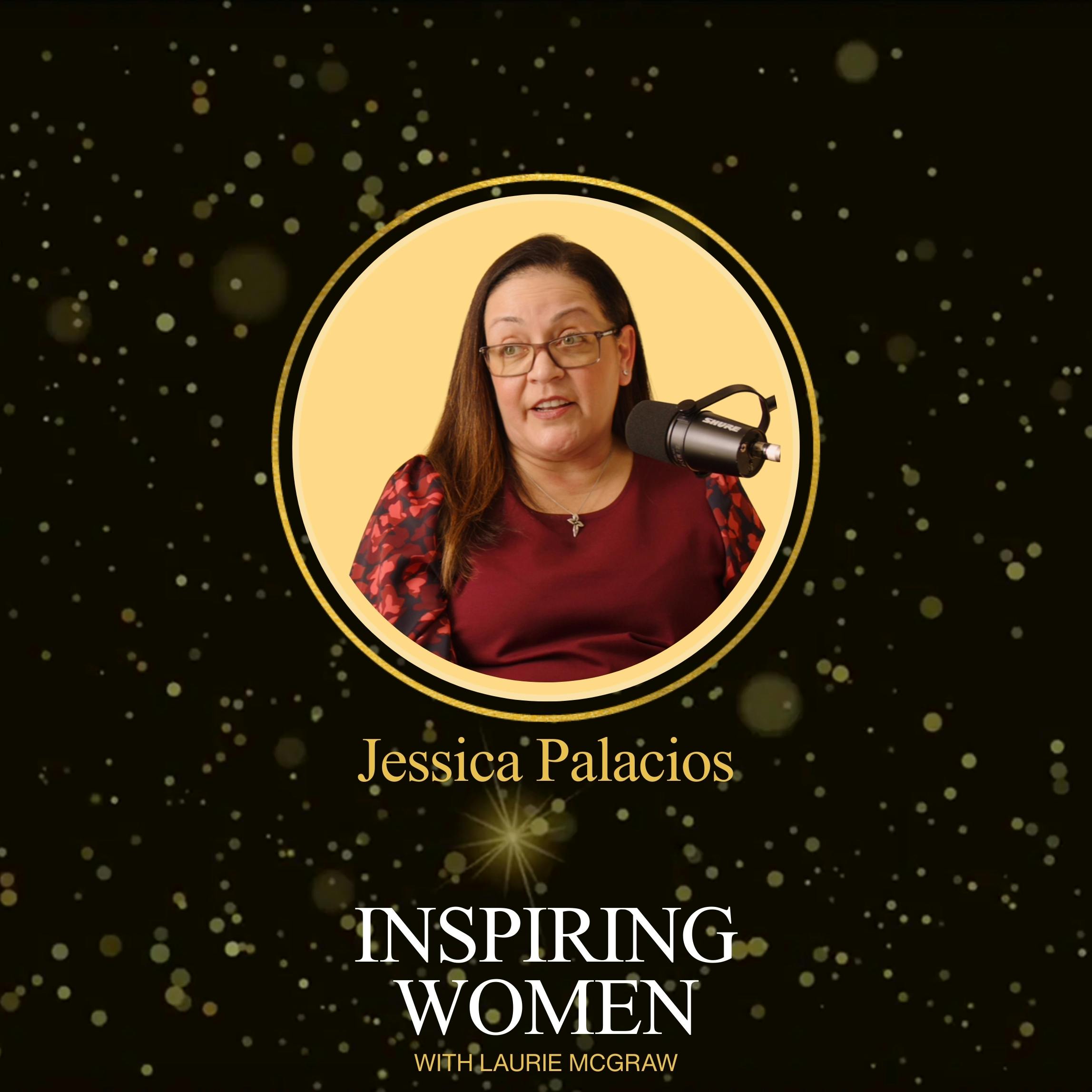
| 3/3/26 | ![]() From Quitting Nursing 2 Semesters Before Graduating to Managing Benefits for 50,000 People | Jessica Palacios✨ | career transitionnursing+4 | Jessica Palacios | Texas A&M University System | Webb County | nursingHR+5 | — | 27m 36s | |
| 2/24/26 | ![]() Managing Healthcare Benefits For 215,000 People, What The Job Actually Looks Like | Laura Tauber✨ | healthcare benefitscareer journey+4 | Laura Tauber | University of CaliforniaAnthem+1 | CaliforniaMontana+1 | healthcarebenefits management+5 | — | 32m 27s | |
| 2/17/26 | ![]() Leading 60,000 people: A Blueprint For Female Leadership In Global Business || Kristy Whitehurst✨ | female leadershipemployee benefits+4 | Kristy Whitehurst | Genuine Parts Company | — | leadershipemployee benefits+6 | — | 21m 15s | |
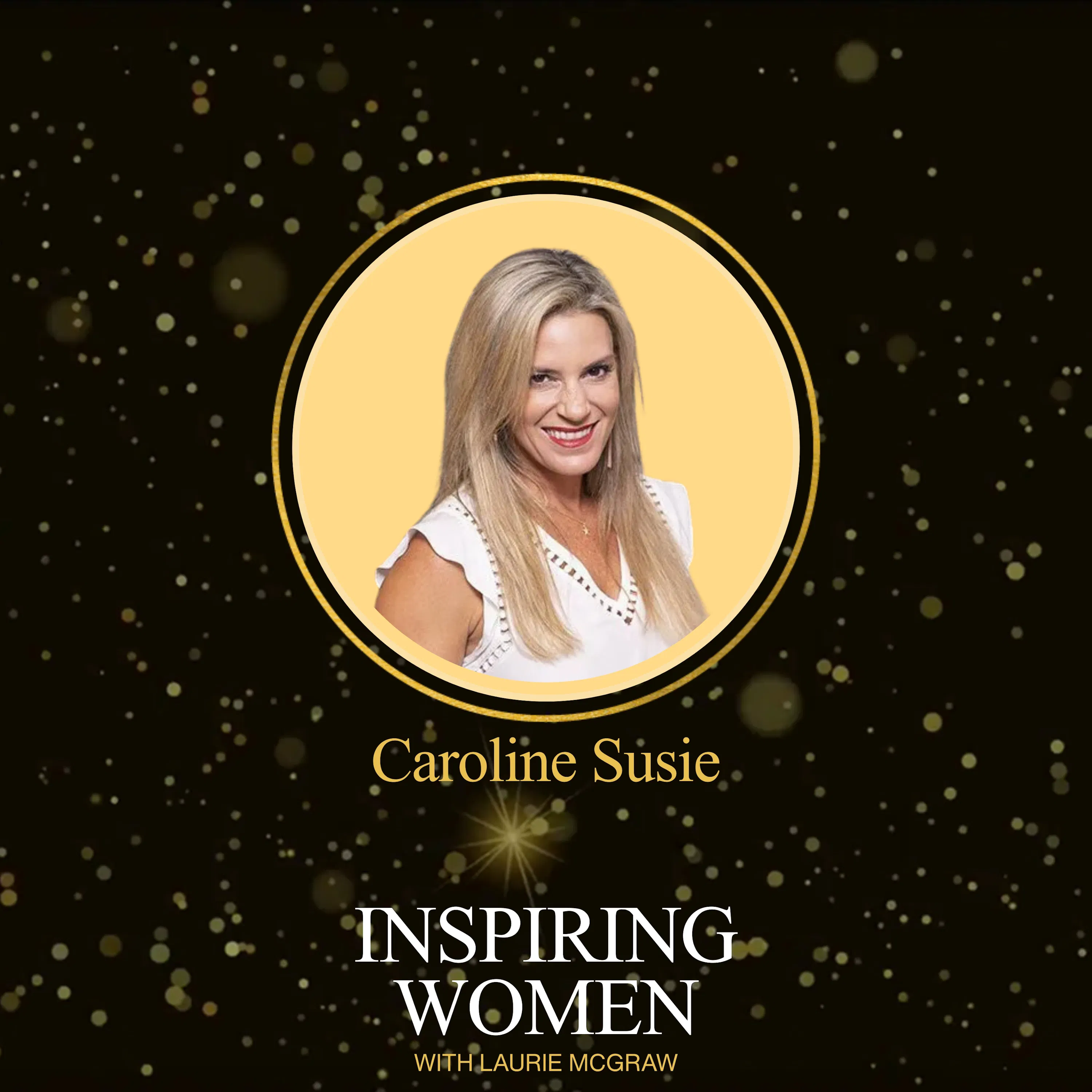
| 2/17/26 | ![]() The Toxic Truth About 'Healthy' Eating: A Dietitian’s Confession - Caroline Susie || Ep. 234✨ | nutritiondiet+4 | Caroline Susie | GLP-1 weight-loss drugsMercer | Today Show | healthy eatingfood myths+6 | — | 24m 40s | |
| 2/10/26 | ![]() Healthcare Executive's 2026 message to all Women! EP. 233 | My Roadmap for Leadership in 2026 Host: Laurie McGraw Welcome to our very first episode of 2026! As I step into this new year, both in my role at Transcarent and as the host of this podcast, I’ve been thinking deeply about one word: Momentum. After more than 100s of conversations with incredible trailblazers, I’m dedicated to exploring how more inspiring women shape the world, and their businesses! I’m so glad you’re here with me. We will be dropping episodes every Tuesday with a new guest. | 2m 26s | ||||||
| 1/27/26 | ![]() Reinventing Success as a Product Leader and Mom || EP.232 | Cara Munnis was wearing an N95 mask while taking care of her daughter with norovirus all night because she had a critical meeting the next day and "I cannot get this thing." She showed up, ran the meeting, and afterward couldn't tell if anyone noticed she was operating on "one brain cell processing everything." Welcome to being a Chief Product Officer and a mom. Here's what most people don't know about the CPO role: it has the shortest tenure of any C-suite position—less than half that of other executives. You're supposed to be "Switzerland," the neutral party among competing stakeholders. But you're constantly telling your C-suite peers—very kindly—why their ideas are going to sink or swim. The real transformation wasn't navigating those politics. It was what happened when Cara's daughter was born seven years ago. "For someone who's led massive technology transformations multiple times, it's very ironic how hard this transition was for me." The evening checkboxes—that sacred 5-8pm window where she prepared for the next day—vanished instantly. It took five years to build a new operating system where she hired without compromise and delegated with her eyes closed. In this conversation, Cara explains why she's "obsessed" with finding the economic denominator, why Conway's Law means your product will mirror your org structure, and why staying close to technology was the best career advice she ever got. After describing her relentless discipline and surgical precision, she deadpans: "I haven't been fired yet, so I dunno, I guess it's okay." This is a masterclass in product leadership that scales, parenting that doesn't apologize, and ruthless prioritization when you're scraping for minutes in your day. Key Takeaways: How to choose the right ladder to climb—make career decisions based on intentionality, not just opportunity or speed How to turn constraints into leadership advantages—use the pressure of working parenthood to force yourself to hire without compromise and delegate with confidence How to stay close to technology in any role—even as a non-technical leader, understanding architecture helps you defend budgets, win deals, and articulate competitive advantages How to shift your communication style as you move into executive roles—listen more, ask questions even when you know the answer, and bring others along instead of leading with your opinion How to design org structures that create better products—use Conway's Law (products mirror internal communication structures) to intentionally build teams that will produce the outcomes you want About the Guest: Cara Munnis is Chief Product Officer at Care Lumen and Operating Partner at Newfire Global Partners, bringing over 15 years of healthcare technology product leadership to organizations navigating the intersection of clinical outcomes and business results. She spent six years at Amwell advancing from Senior Director to VP of Product Management, previously served as Head of Product for Digital Health at Blue Shield of California, and held leadership roles at Iora Health and Best Doctors. With a pre-med degree from College of the Holy Cross and an MBA from Bentley University, Cara is Pragmatic Marketing Certified – Level III and known for her ability to balance strategic product vision with rigorous execution while fostering collaborative team environments. Chapters [Placeholder for Chapters] Guest & Host Links Connect with Laurie McGraw on LinkedIn Connect with Cara Munnis on LinkedIn Connect with Inspiring Women Browse Episodes | LinkedIn | Instagram | Apple | Spotify | 28m 05s | ||||||
| 1/20/26 | ![]() CVS’ Chief Medical Officer on Simplifying Healthcare for 9,000 Communities || EP.231 | Women comprise 75% of the healthcare workforce and make the majority of family healthcare decisions—yet hold only 20% of senior leadership positions. Dr. Amy Compton-Phillips, Executive Vice President and Chief Medical Officer of CVS Health, sees this gap as more than unfair. At CVS Health, Dr. Amy oversees clinical strategy for 9,000 community access points with a clear mission: simplify healthcare and make the right thing the easy thing. "We've put things like electronic medical records, narrow insurance networks, and administrative rigmarole between patients and people who can help them," she explains. "How can we start taking layers out?" But she didn't reach this role by following the traditional playbook. She turned down her dream job because the timing wasn't right for her family. She went part-time during peak career years, trading off with her husband as their priorities shifted. And she's consistently been tapped on the shoulder for opportunities rather than raising her hand, which taught her that doing your current job exceptionally well matters more than constantly positioning for the next one. In this conversation, Dr. Amy explains why healthcare needs women's voices at the executive table for design thinking that actually works, how she and her husband negotiated dual careers through different life stages, why "performance gets you the podium" but authenticity and strategic thinking get you the C-suite, and what it takes to be heard when you're the only woman in leadership rooms. Whether you're balancing clinical practice with administrative responsibilities, navigating when to say yes and no to opportunities, or building toward senior healthcare leadership, this is uncommon honesty about the trade-offs and strategies that actually matter. Key Takeaways: Do your current job exceptionally well—performance gets you noticed before you ever raise your hand Design healthcare systems with women's voices at the table; they're both the workforce majority and primary family decision-makers Negotiate career trade-offs with your partner over time; one person doesn't have to sacrifice permanently Saying no to your dream job might be the smartest move you make—if they value you, they'll come back Taking layers out of complexity requires intentional design thinking, not just adding more solutions Figure out what's working and what's not, then adjust your strategy—sometimes you need to literally or metaphorically elevate yourself to be heard About the Guest: Dr. Amy Compton-Phillips is Executive Vice President and Chief Medical Officer of CVS Health, where she leads clinical strategy across 9,000 community locations. She previously served as President and Chief Clinical Officer at Providence, a $25 billion health system with 52 hospitals and 120,000 caregivers, where she led the response to the first confirmed COVID-19 case in the United States. Earlier, she spent 22 years at Kaiser Permanente, rising from front-line internist to Chief Quality Officer. A CNN Medical Analyst and keynote speaker, she has served on boards including HIMSS, the Institute for Systems Biology, and Wellcare. She holds her bachelor's degree from Johns Hopkins University and her medical degree from the University of Maryland School of Medicine. Health Podcast Network Chapters 00:00 - Introduction and Holiday Health Tips 02:38 - Simplifying Health at CVS 05:31 - The Voice of the Customer: Women in Leadership 08:42 - Career Progression: Being Tapped on the Shoulder 10:11 - Saying No to the Dream Job 12:39 - Making Choices: Work-Life Integration 15:05 - Going Part-Time and Life Partner Negotiation 17:55 - Pull Out the Platform Shoes: Getting Heard as a Leader Guest & Host Links Connect with Laurie McGraw on LinkedIn Connect with Dr. Amy Compton-Phillips on LinkedIn Connect with Inspiring Women Browse Episodes | LinkedIn | Instagram | Apple | Spotify | 20m 40s | ||||||
| 1/13/26 | ![]() From Physical Therapist to COO: Beth Ratliff on Systems, Survival, and Strategic Vulnerability || EP.230 | "I thought I understood healthcare—until I had cancer." Beth Ratliff had spent her entire career in healthcare operations. She'd built multi-site clinical systems, led digital transformations, and risen from physical therapist to C-suite executive. But when she was diagnosed with colon cancer, she discovered something that would fundamentally change how she leads. And it had nothing to do with clinical protocols or operational efficiency. Today, as Chief Operating Officer of Premise Health, Beth has built a reputation in Nashville's male-dominated healthcare executive world for an approach that shouldn't work, but does. She talks openly about being in recovery for 30 years. She shares her cancer journey in board meetings. And somehow, this vulnerability hasn't weakened her position; it's made her one of the most influential operators in the industry. There's something Beth figured out early in her career that most leaders miss: the moment when you realize you're not the best clinician in the room is exactly when you're ready to lead. What she learned on a Toyota manufacturing floor as a young physical therapist became the foundation for a leadership philosophy that combines systems thinking with something that can't be taught in business school but can be learned through lived experience. In this conversation, Beth reveals how she's navigated being consistently underestimated, why she applied for jobs she wasn't qualified for, and what changed in those terrifying moments coordinating her own cancer care that transformed her entire approach to building healthcare organizations. This isn't inspiration about overcoming adversity. It's a masterclass in strategic authenticity from someone who's figured out how to use her platform without making it about herself. Key Takeaways: How to turn being underestimated into your competitive advantage in male-dominated executive spaces The career strategy Beth used to land leadership roles she wasn't "technically qualified" for—and why more women need to do the same What Beth learned on Toyota's factory floor that transformed how she thinks about healthcare leadership Beth's framework for sharing deeply personal experiences without making it about yourself—and why this matters for organizational impact Why patient care technology keeps failing—and the missing ingredient that actually changes outcomes The unconventional way Beth built her advisory board using both real executives and AI-powered mentors How Beth gets her entire organization aligned when everyone claims competing priorities are equally important The critical difference between mentors and sponsors—and how to cultivate both strategically About the Guest: Beth Ratliff is Chief Operating Officer at Premise Health, where she oversees clinical operations, technology integration, and business processes for a nationwide healthcare organization serving employer clients. She started her career as a physical therapist on Toyota's manufacturing floor, where she learned the process improvement discipline that would eventually take her to the C-suite. Beth is a Nashville Health Care Council Fellow, a colon cancer survivor, and has been openly in recovery for 30 years—leading Premise Health to become certified as a recovery-friendly workplace where personal challenges become professional superpowers. Chapters 00:00 - Introduction at Nashville 01:43 - Succeeding as the Only Woman in the Room 04:09 - From Physical Therapist to Power Broker 07:17 - Learning from Cancer: The Patient Experience 10:30 - Recovery Friendly Workplace and Personal Journey 16:10 - The Growing Onsite Clinic Movement 18:32 - Ruthless Prioritization as a Leader 22:08 - Building Your Personal Board of Advisors Guest & Host Links Connect with Laurie McGraw on LinkedIn Connect with Beth Ratliff on LinkedIn Connect with Inspiring Women Browse Episodes | LinkedIn | Instagram | Apple | Spotify | 25m 46s | ||||||
| 1/6/26 | ![]() From Bedside to Boardroom: Kristi Henderson on Building Healthcare's Future || EP.229 | Kristi Henderson invented telehealth at the University of Mississippi Medical Center decades before anyone thought healthcare needed it. While her colleagues were optimizing traditional clinic workflows, Kristi was asking a different question: What if geography didn't dictate healthcare access? By the time the pandemic forced everyone else to figure out virtual care overnight, she'd already spent two decades perfecting it. What makes her approach distinctive isn't just her track record at Amazon, Ascension, and Optum. It's that she worked every level of the healthcare system for 24 years before reaching the C-suite. She understands frontline friction because she lived it. At Amazon, Kristi discovered a framework that changed everything: one-way doors versus two-way doors. Some decisions are irreversible and demand precision. Others are experiments where failure means pivoting fast. That distinction became her playbook for tackling problems most leaders won't touch. But her most counterintuitive move? When she became CEO of Confluent Health, her first hire wasn't a CFO or COO. It was a leader for internal communications. Because brilliant transformation plans fail without deliberate stakeholder engagement. Change happens at the speed of trust. Now Kristi is betting on something that sounds almost naively optimistic: that AI will finally give clinicians their time back by eliminating friction, not replacing human connection. She uses AI daily as her "sidekick" and is building an organization where technology supercharges what only humans can do. Key Takeaways: Why Kristi kept raising her hand for jobs no one else wanted and how taking the hardest assignments became her competitive advantage The Amazon framework that changed everything: one-way doors versus two-way doors, and how to know which type of decision you're making What "change happens at the speed of trust" actually means in practice when you're transforming organizations Kristi's "reverse innovation" approach: why bottoms-up transformation consistently outperforms top-down mandates The counterintuitive first hire Kristi made as CEO, and why communication infrastructure matters more than most leaders realize How to handle naysayers strategically instead of avoiding them or trying to convince them Why Kristi believes the workforce crisis isn't permanent if leaders focus on the right problem The specific ways Kristi uses AI daily as a CEO, and why she sees it as the key to bringing joy back to clinical practice About the Guest Kristi Henderson, DNP, is CEO of Confluent Health, a family of physical therapy and occupational therapy companies. She spent the first 24 years of her career as a practicing nurse practitioner before pioneering telehealth at the University of Mississippi Medical Center, long before the pandemic made it mainstream. Kristi has since led digital transformation at Ascension Health, built clinical operations for Amazon Care, and served as CEO of Optum Everycare. She's Board Chair of the American Telemedicine Association and affiliate faculty at Dell Medical School and the University of Washington School of Nursing. Her career has been defined by raising her hand for challenges others declined and building tech-enabled care models that improve outcomes while reducing clinician burden. Chapters 00:00 - Introduction at Confluent Health 01:57 - From Bedside to Boardroom: The Leadership Journey 06:10 - Amazon Care Lessons: One-Way vs Two-Way Doors 11:07 - Change Happens at the Speed of Trust 14:11 - Overcoming Naysayers: The Early Days of Telehealth 19:11 - Bringing Joy Back to Medicine 22:56 - AI Hacks and Daily Innovation Guest & Host Links Connect with Laurie McGraw on LinkedIn Connect with Kristi Henderson on LinkedIn Connect with Inspiring Women Browse Episodes | LinkedIn | Instagram | Apple | Spotify | 25m 06s | ||||||
| 12/16/25 | ![]() How to turn your "failed" projects into your biggest career advantage || EP.228 | What if your biggest career advantage didn't come from your wins, but from the projects that didn't go as planned? Missy Krasner's career includes some of the boldest bets in healthcare: Google Health, Amazon Care, Box's healthcare vision. None went the way she originally envisioned. And she wouldn't change any of it. Because what she extracted from those experiences—being inside big tech's most ambitious healthcare ventures—gave her something more valuable than a conventional win: a clear understanding of what it actually takes to make change stick in the most regulated, fragmented industry in America. Now, as co-founder of Penguin AI, Missy is applying those hard-won insights to tackle the trillion-dollar administrative burden crushing healthcare. But this isn't another AI hype story. Missy has been at the forefront of healthcare innovation for over 20 years. She was building Google Health before meaningful use existed. She was evangelizing platform thinking when electronic health records were still competing with manila folders. She's witnessed three watershed moments transform the industry: meaningful use driving EHR adoption, COVID accelerating telehealth adoption, and now AI. And she believes this moment is fundamentally different. Why Missy's experiences at Google, Amazon, and Box taught her more about healthcare transformation than conventional success ever could What's really happening with the trillion-dollar administrative burden and how AI can finally address it at scale Why the current political and economic disruption will accelerate consumer-driven healthcare innovation Missy's candid assessment of the headwinds facing women leaders right now and what it means for advancement Why "nobody's coming to save us" and what that means for how women need to show up in leadership What fuels Missy after decades of innovation and her advice for anyone trying to push through when it's hard About the Guest: Missy Krasner brings 35+ years of healthcare experience spanning big tech (Amazon, Google, Box), government (helped launch the Office of the National Coordinator for Health IT), venture capital (Canvas Ventures, Redesign Health), and now as co-founder of Penguin AI, which recently closed a $30 million Series A. She serves on multiple digital health boards including Uplift, Overalls, and Syntax, and holds degrees from Stanford (M.A.) and UCLA (B.A.). Chapters 00:00 - Introduction at Health Conference 01:14 - Journey Through Google, Box, and Amazon 02:53 - Three Watershed Moments in Healthcare 06:59 - Penguin AI and the Trillion-Dollar Administrative Burden 10:34 - Women Healthcare Leaders for Progress Reflection 14:15 - Finding Innovation Opportunities in Chaos 16:45 - Advancing Women in Leadership 22:13 - Learning from Failure and What Drives Success Guest & Host Links Connect with Laurie McGraw on LinkedIn Connect with Missy Krasner on LinkedIn Connect with Inspiring Women Browse Episodes | LinkedIn | Instagram | Apple | Spotify | 24m 56s | ||||||
Showing 25 of 252
Pitch Fit is a Pro feature
See how bookable this show is for guests, which brands already advertise, the per-episode ad value, and the best-fit guest and sponsor profile. The numbers are blurred on the free plan.
How readily this show books outside guests like you.
How proven this show is for host-read sponsorships.
For Guests
ProFor Advertisers
ProUpgrade to Pro to unlock guest cadence, sponsor categories, fit scores, and per-episode ad value for this show.
Chart Positions
1 placement across 1 market.
Chart Positions
1 placement across 1 market.